Style vs efficiency in the CHRYSLER PACIFICA 2027 with 287 hp V6, Stow ‘n Go seats and three real rows. Discover the truth today!
The 2027 Chrysler Pacifica arrives with sharper styling, familiar minivan strengths, and a question that matters more than ever in this segment: is a cosmetic refresh enough when rivals are pushing harder on efficiency, tech, and value?
What The 2027 Chrysler Pacifica Really Changes And Why It Still Matters
The minivan market may be smaller than it once was, but it remains brutally honest. Families do not buy these vehicles for image alone. They buy them for access, space, comfort, cargo flexibility, child-seat practicality, road-trip calm, and the kind of everyday usability that many three-row SUVs still struggle to match. In that environment, the 2027 Chrysler Pacifica continues to be one of the most relevant names in the class.
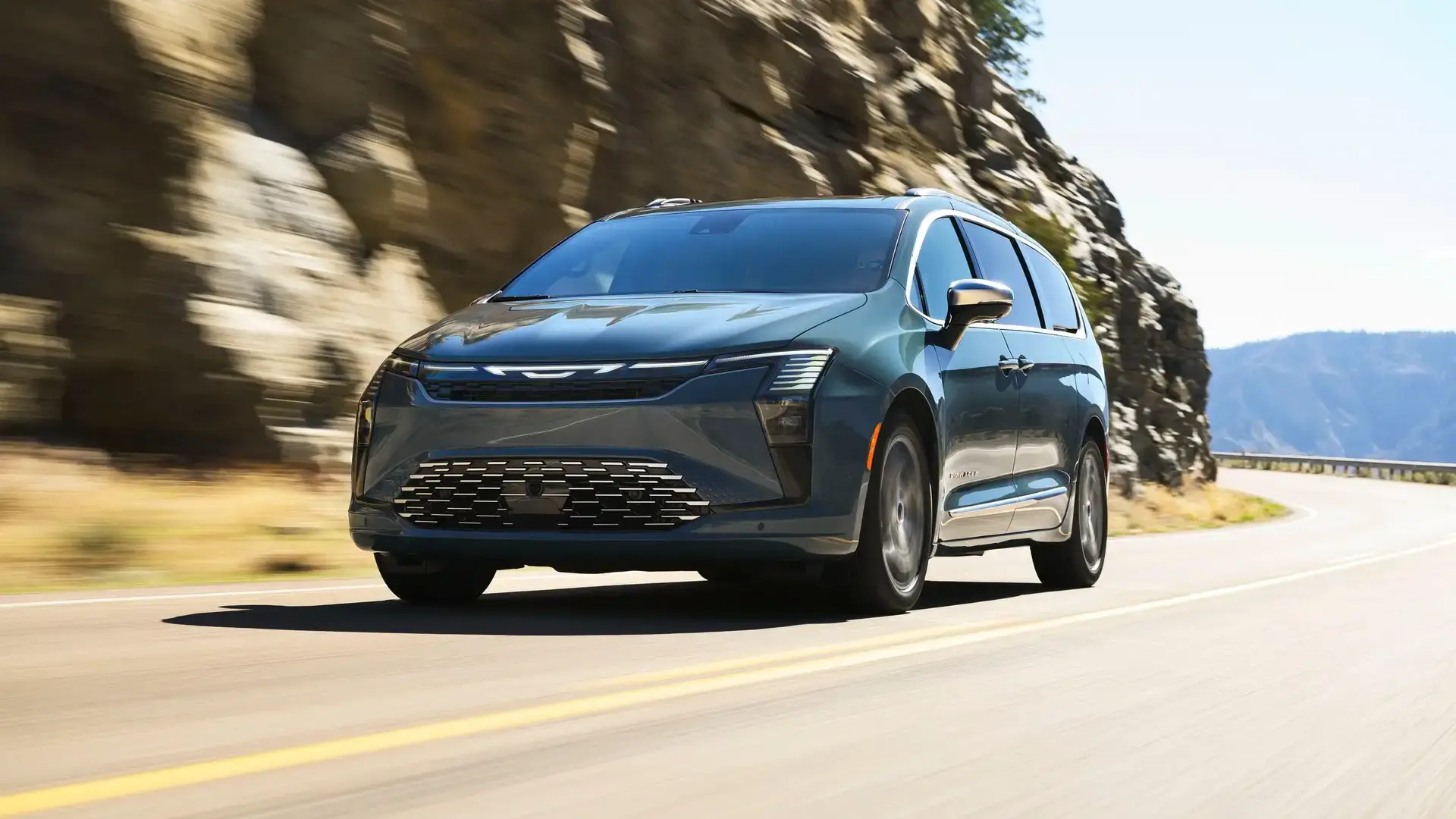
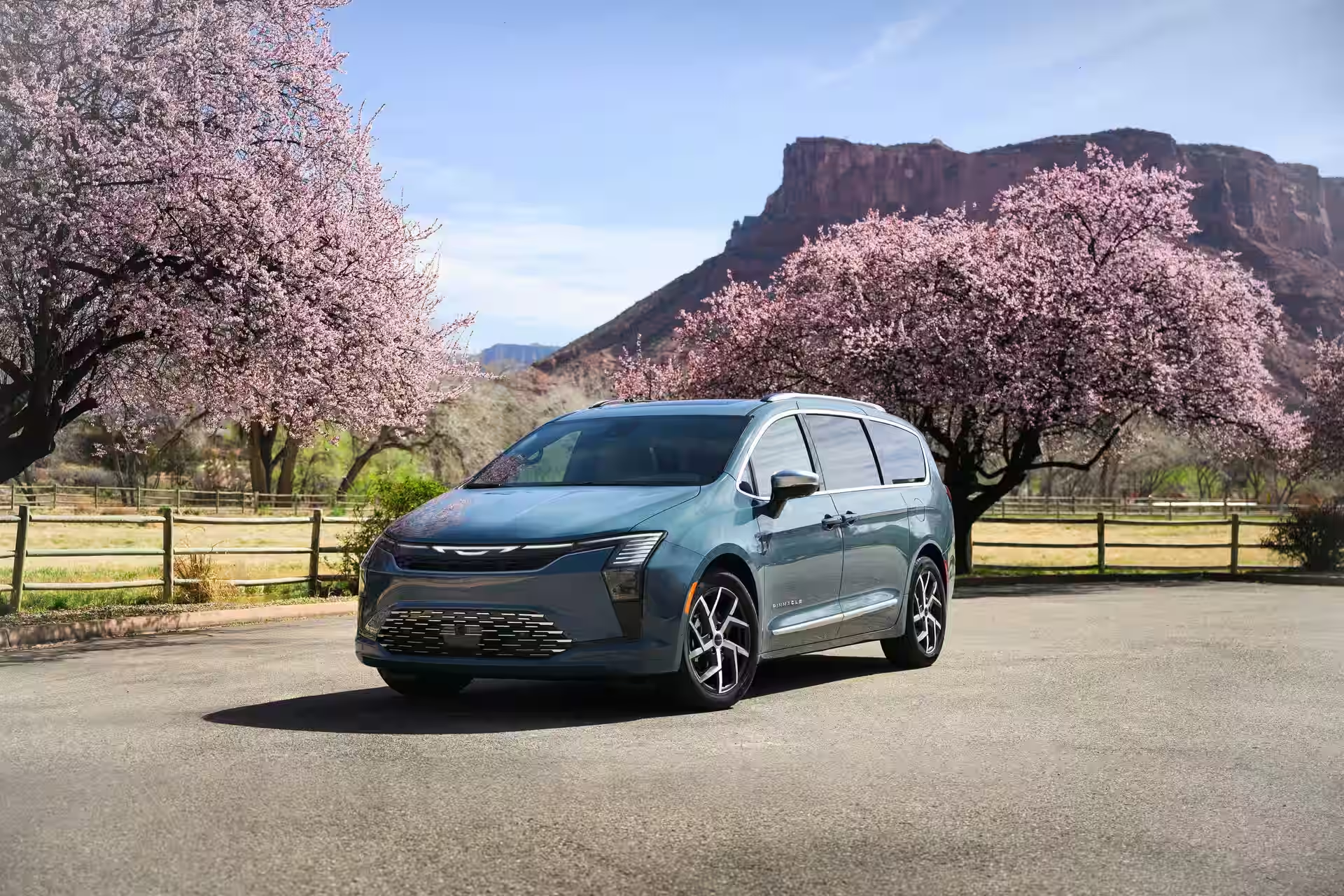
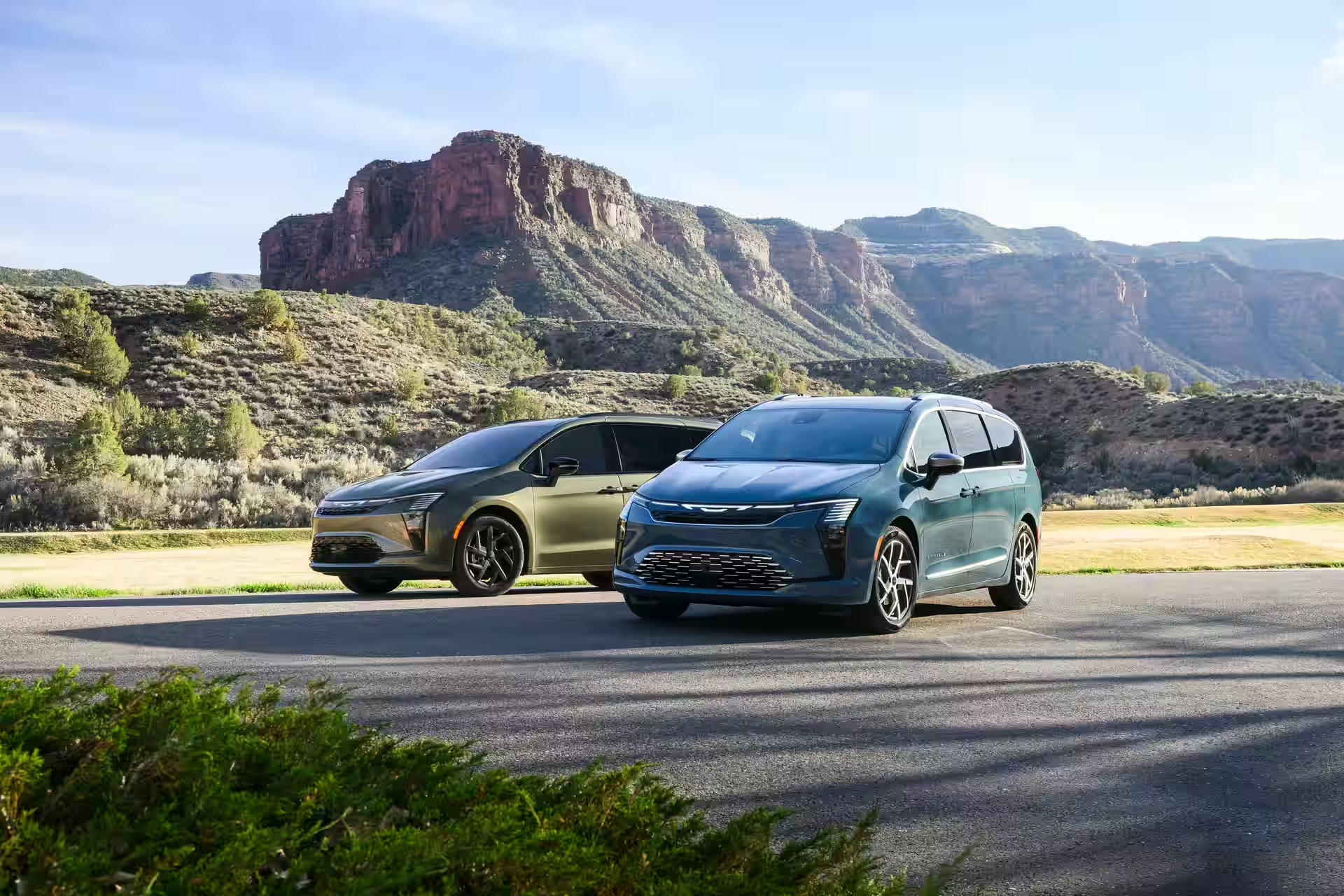
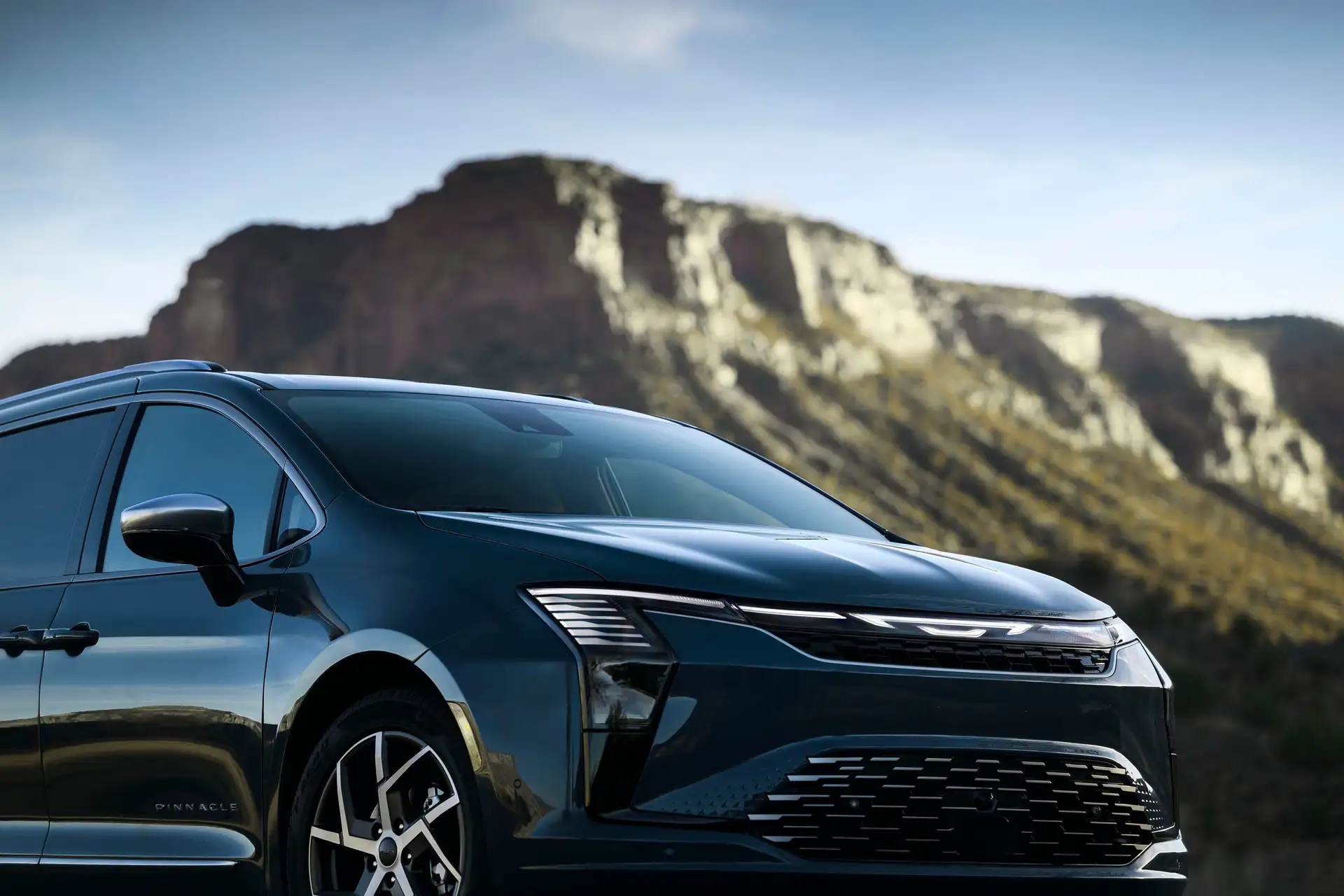
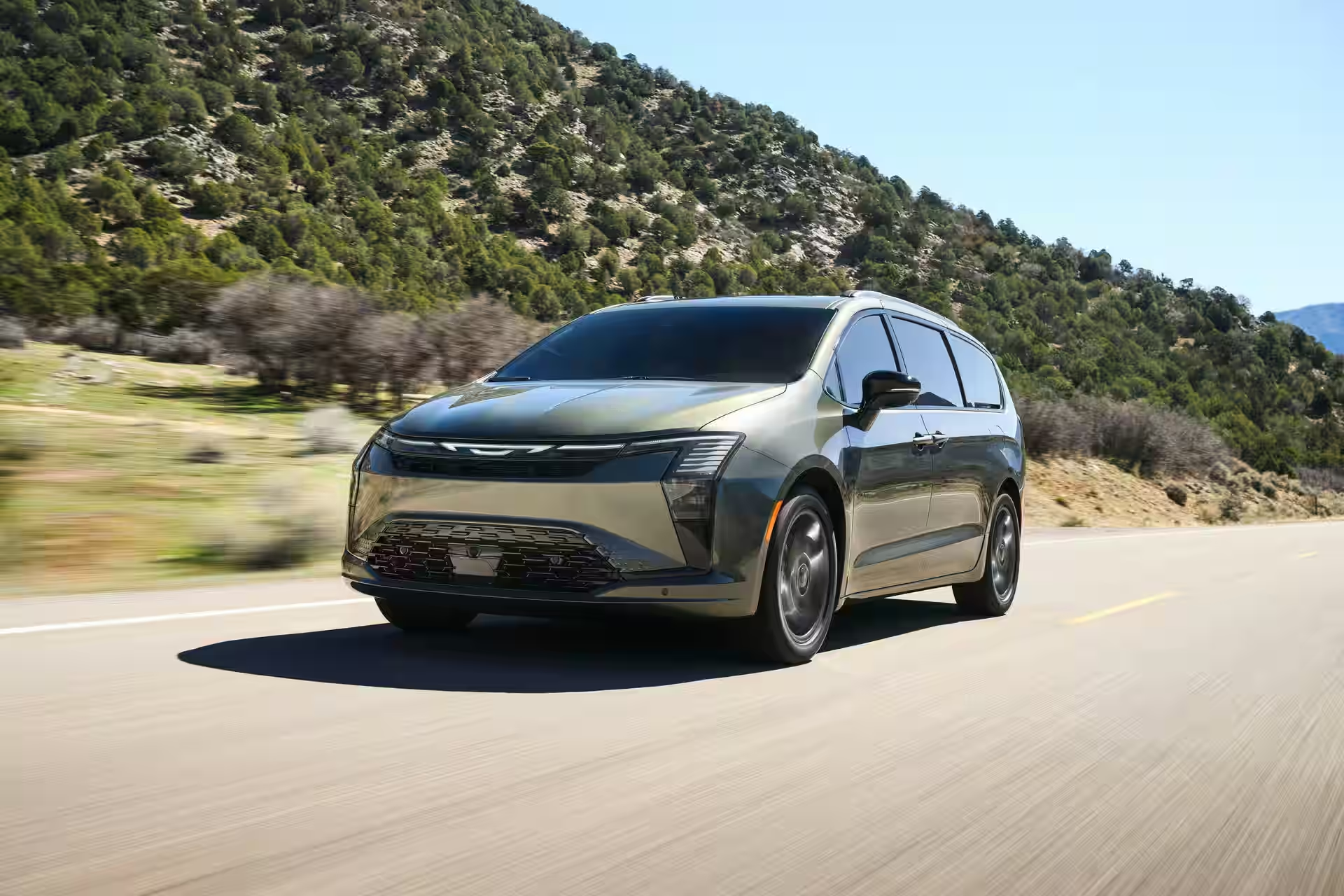
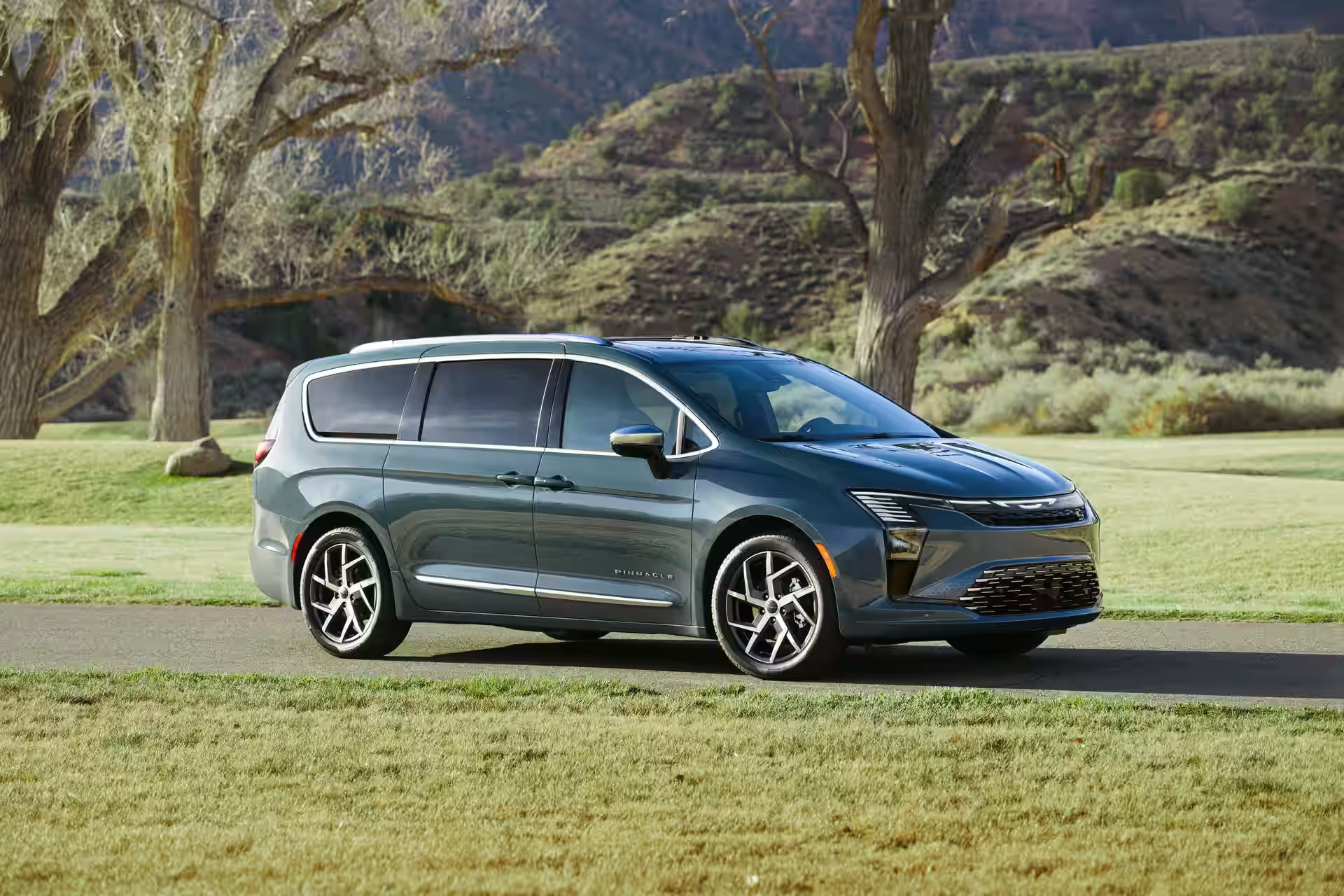
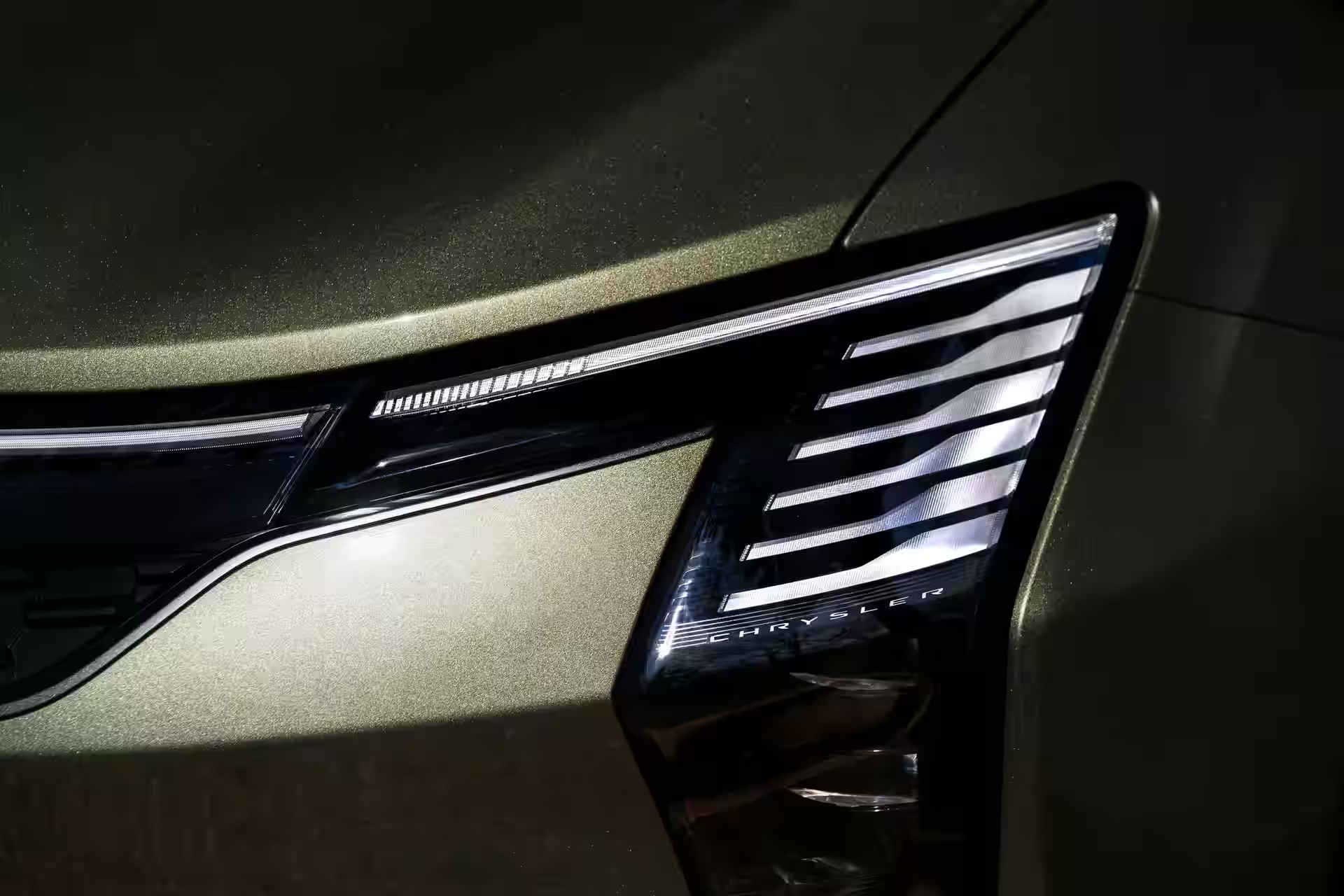
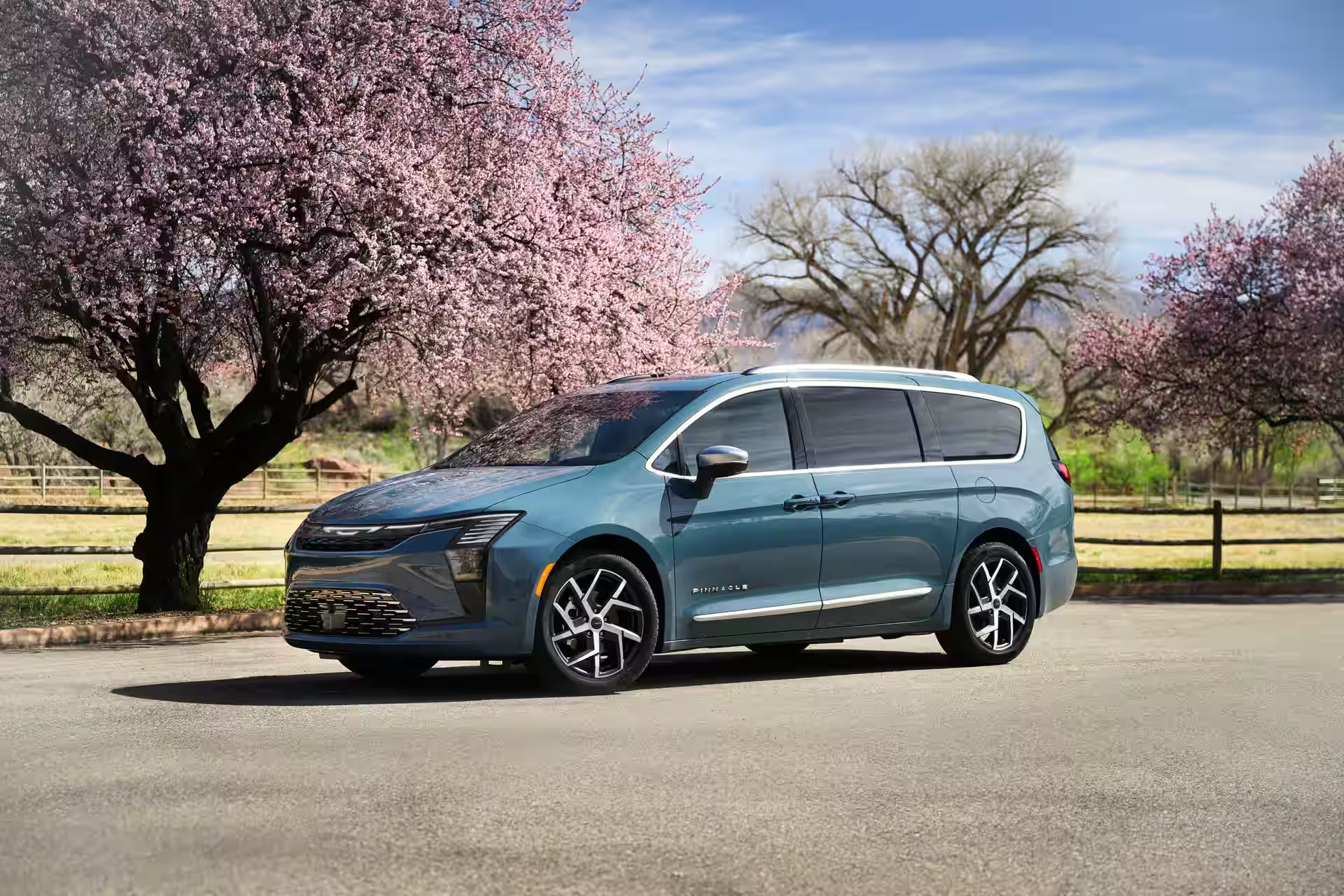
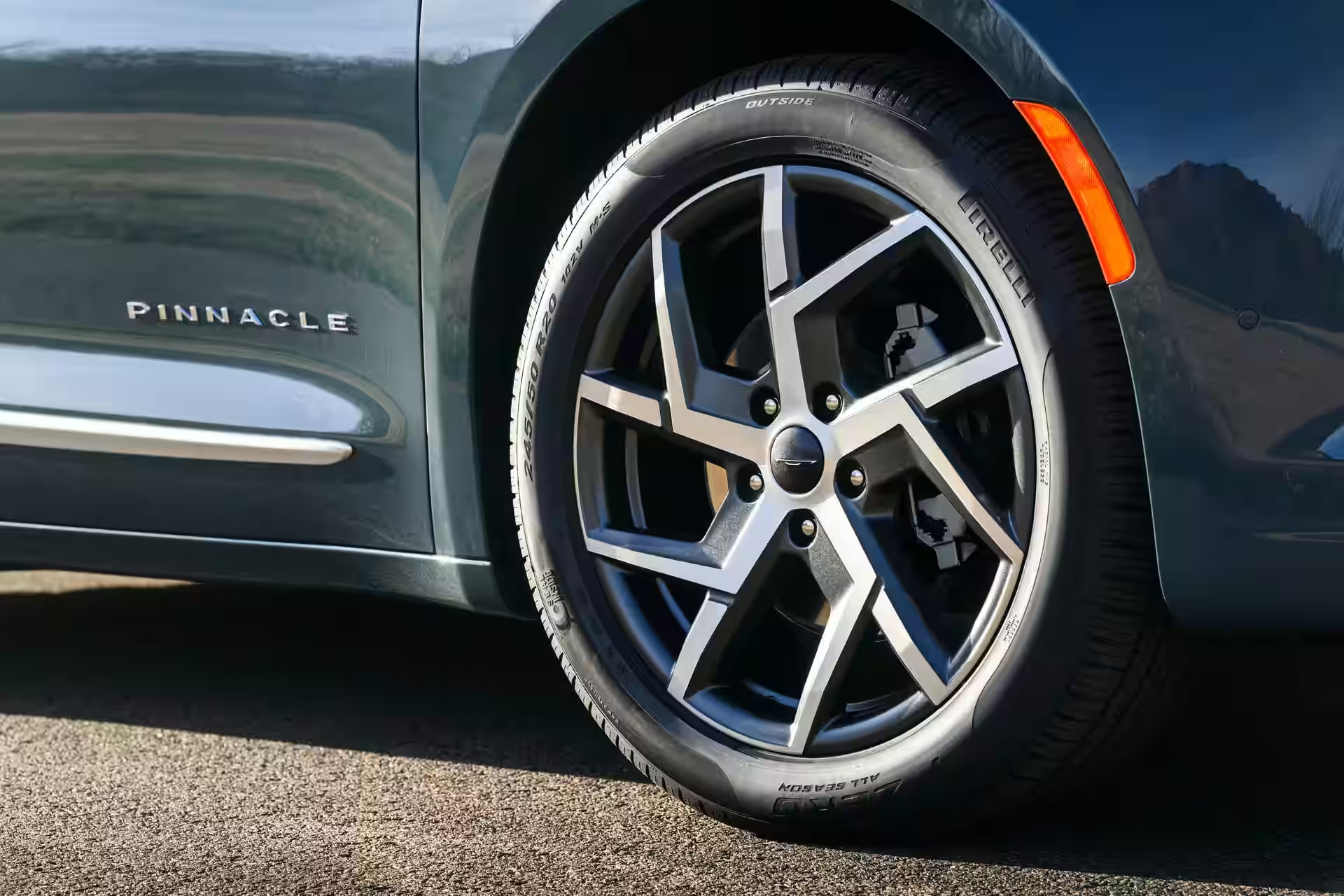
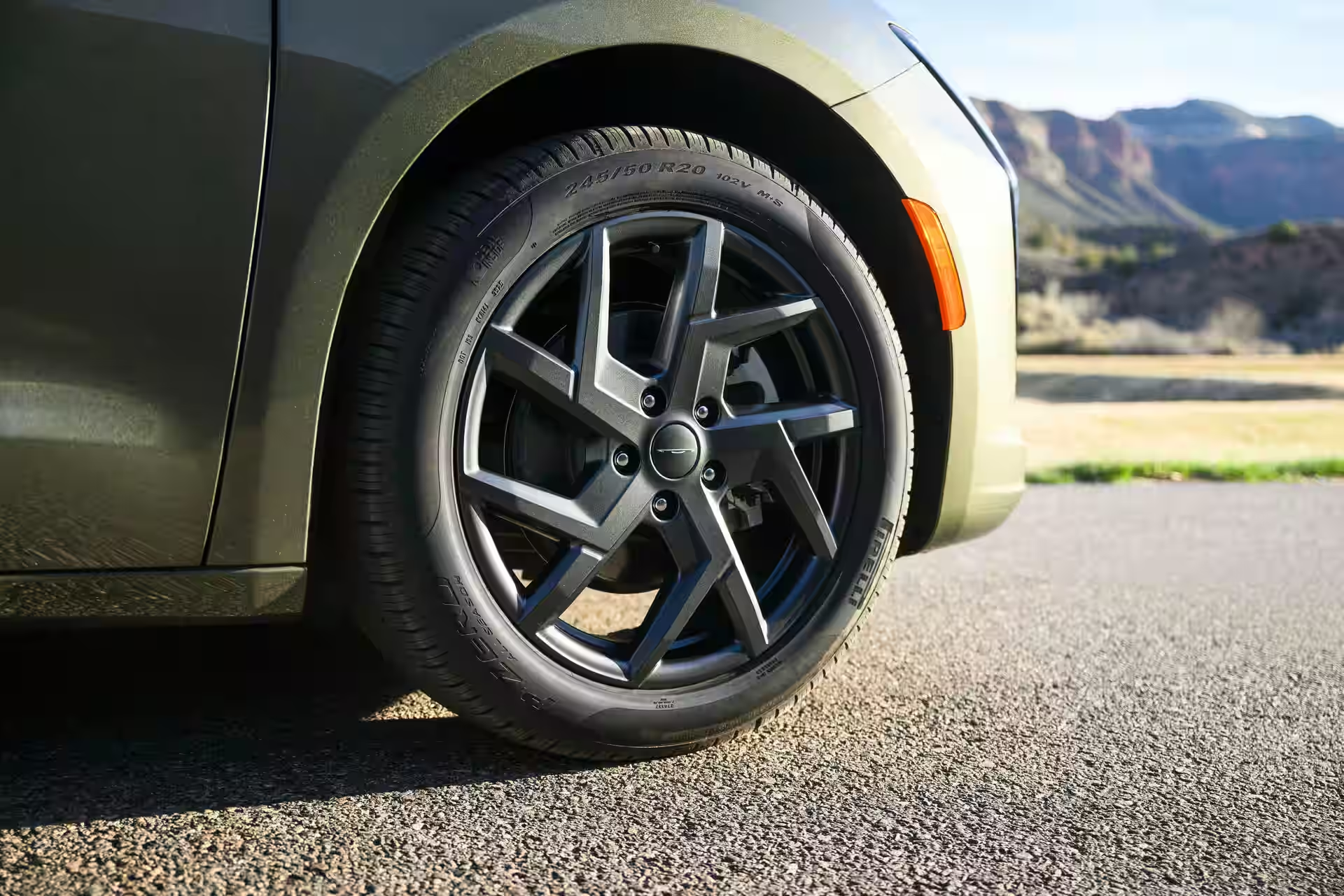
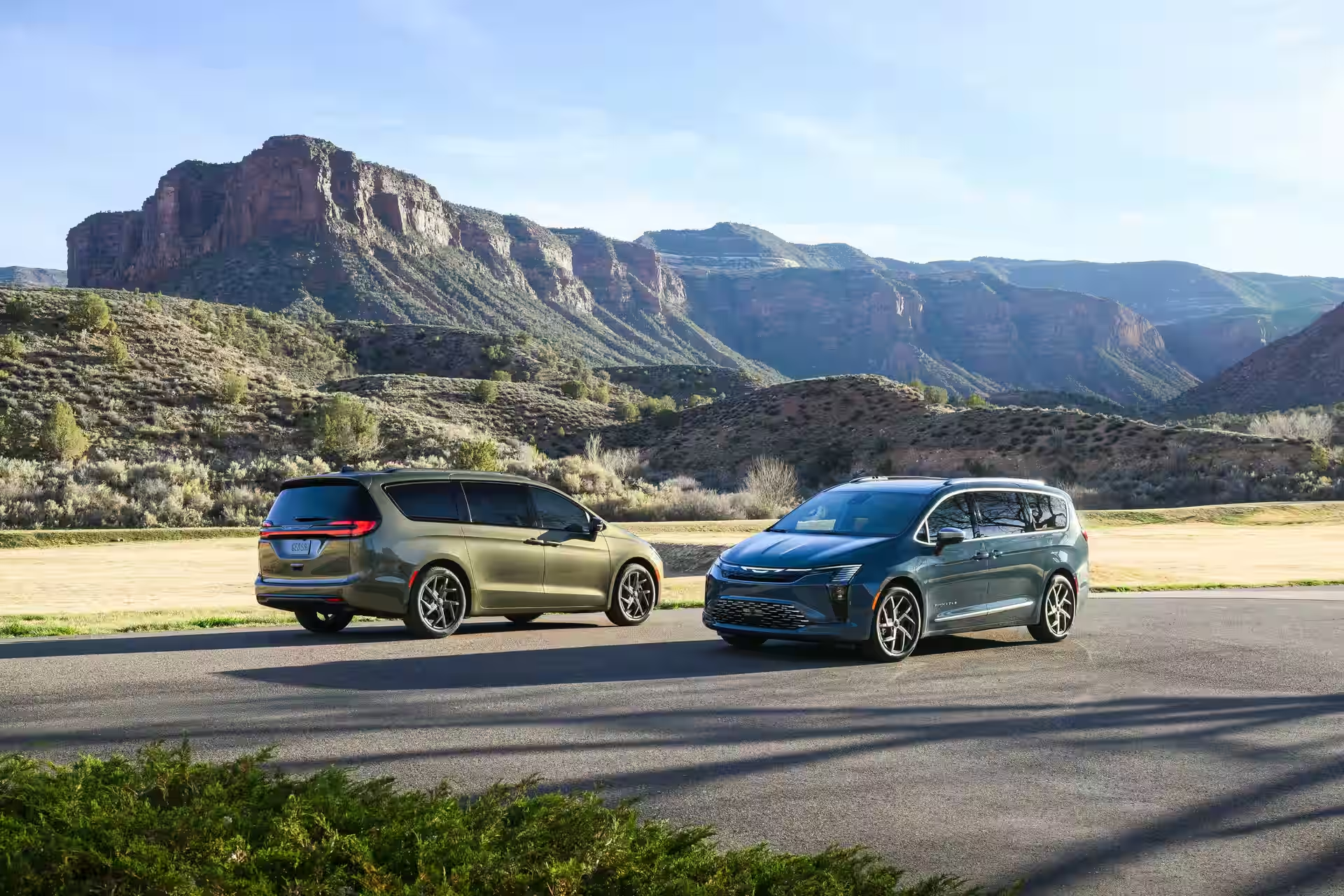
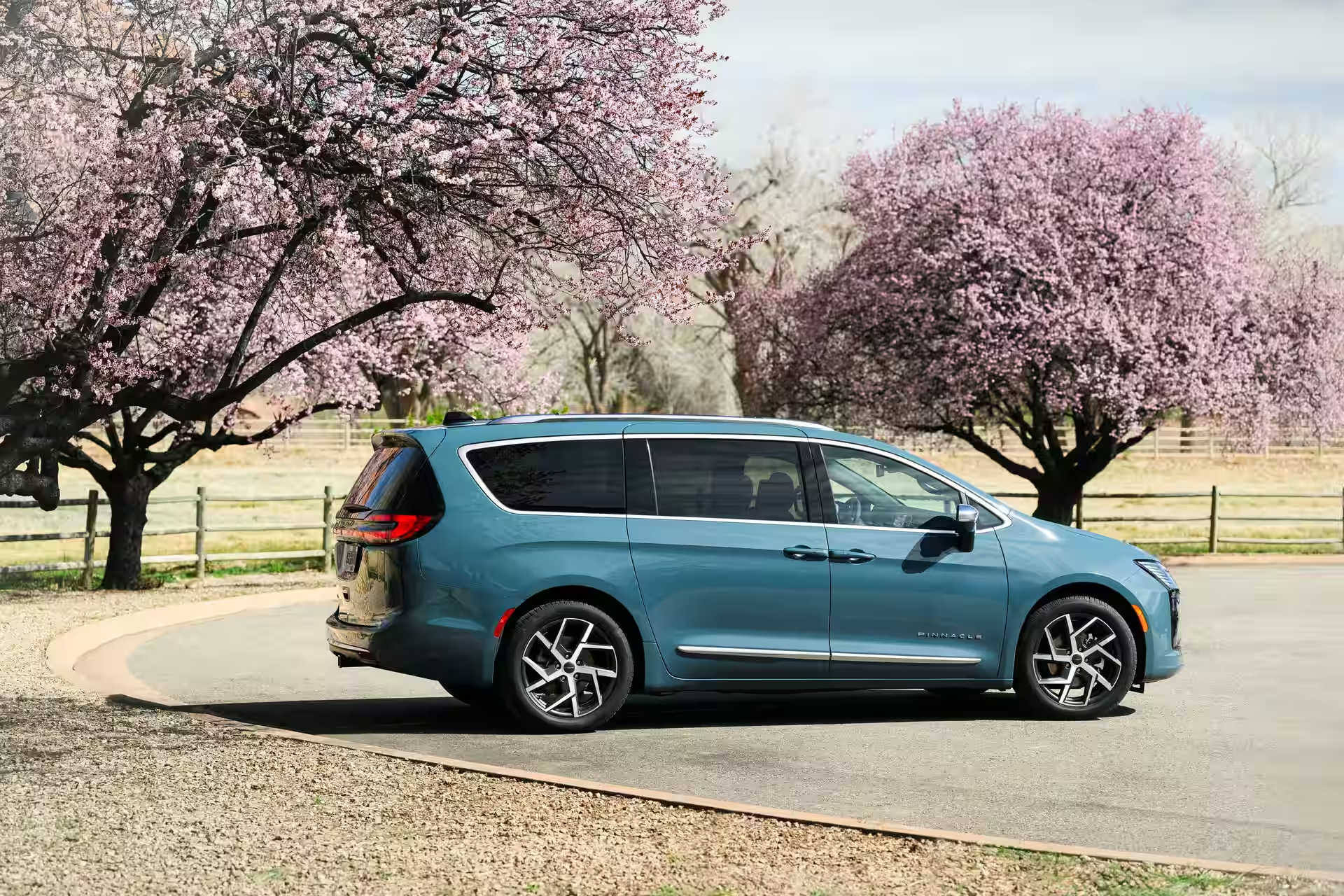
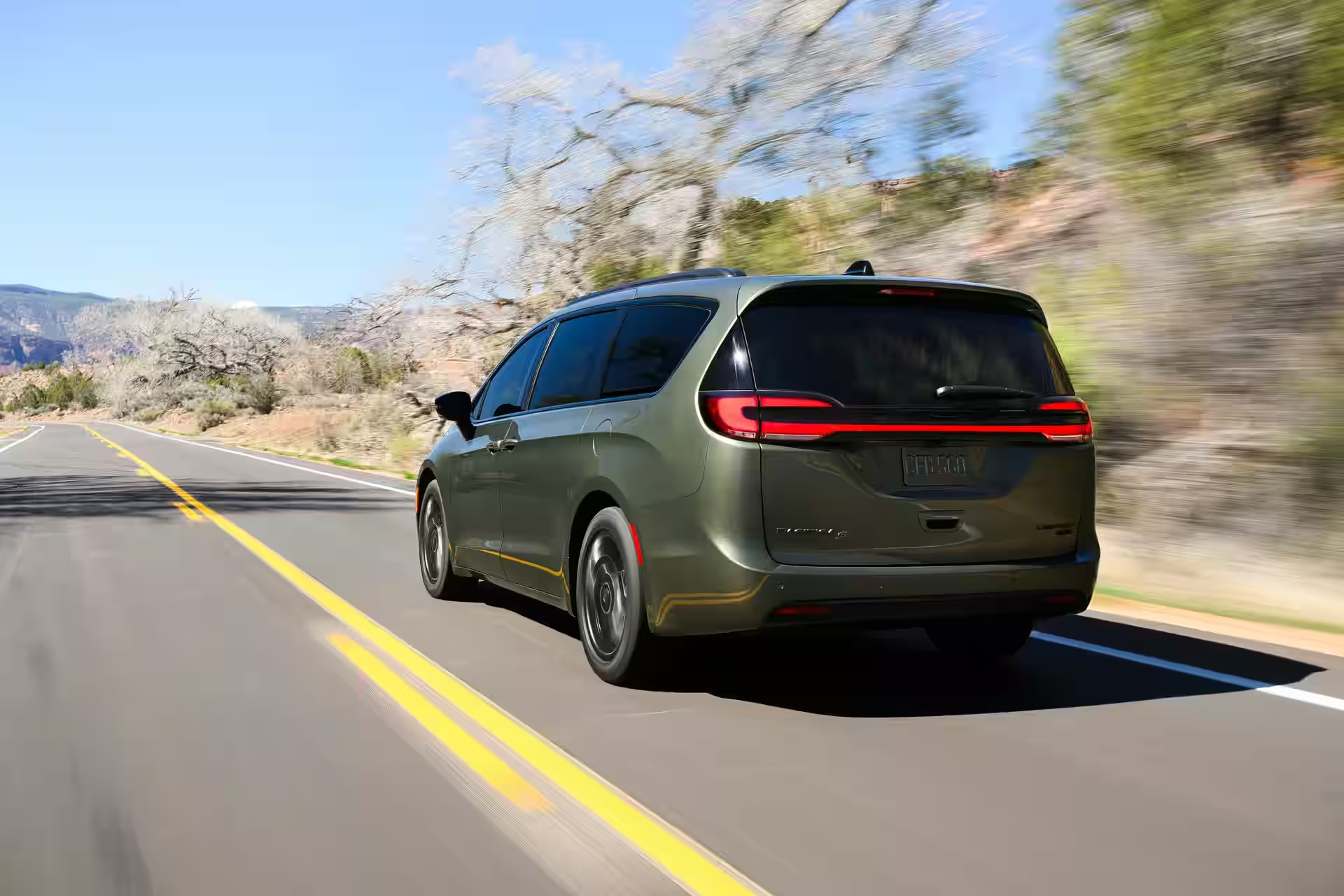
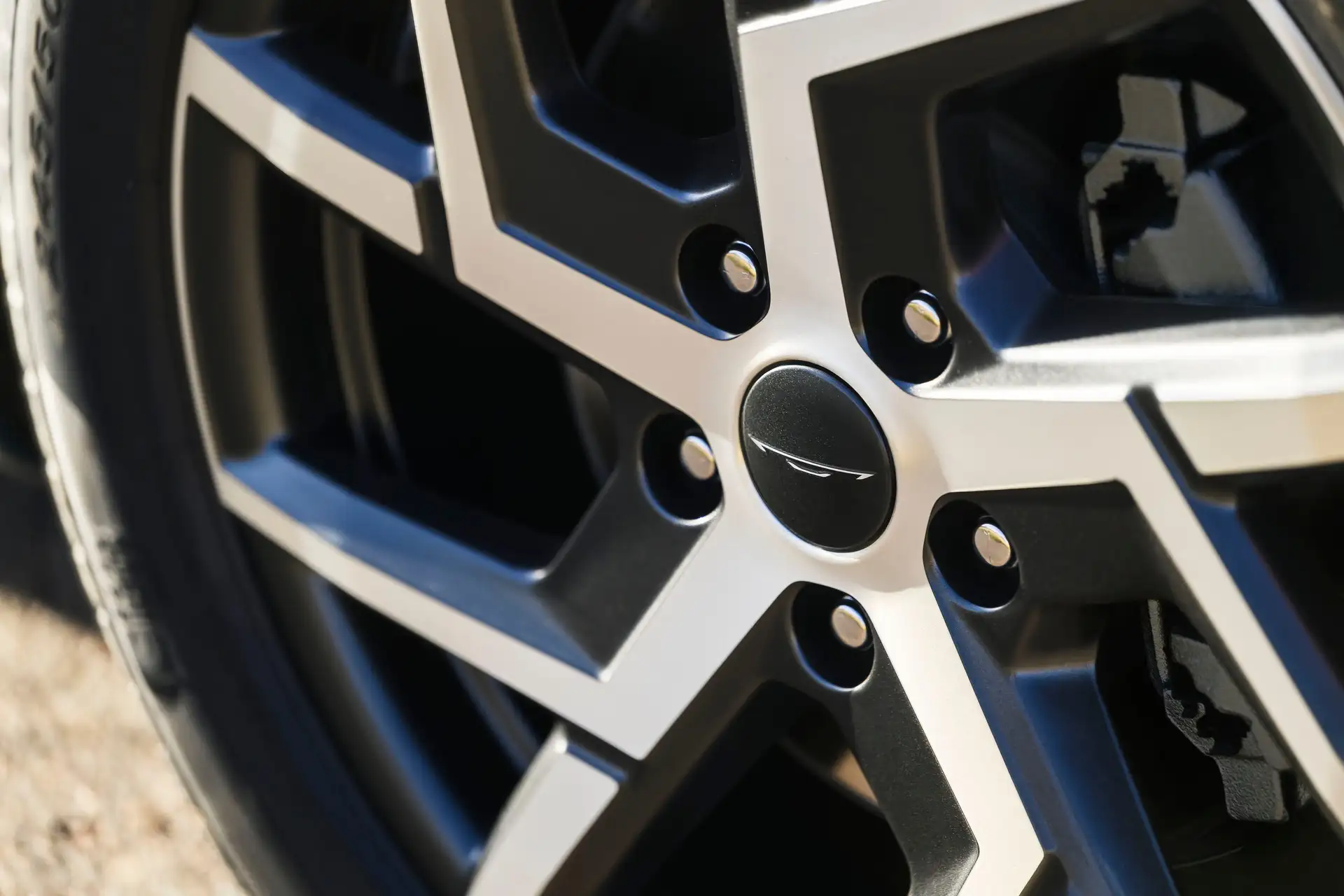
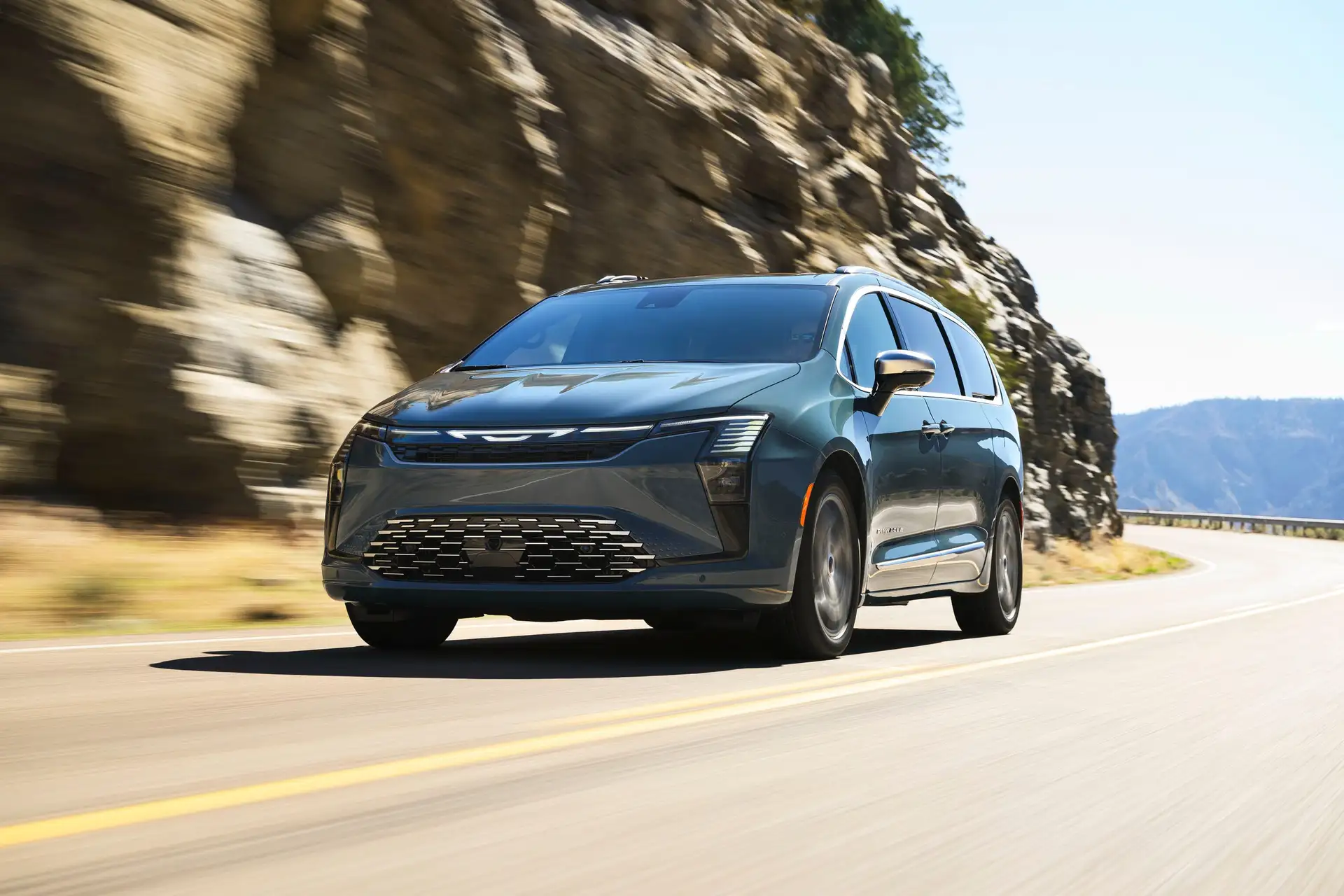
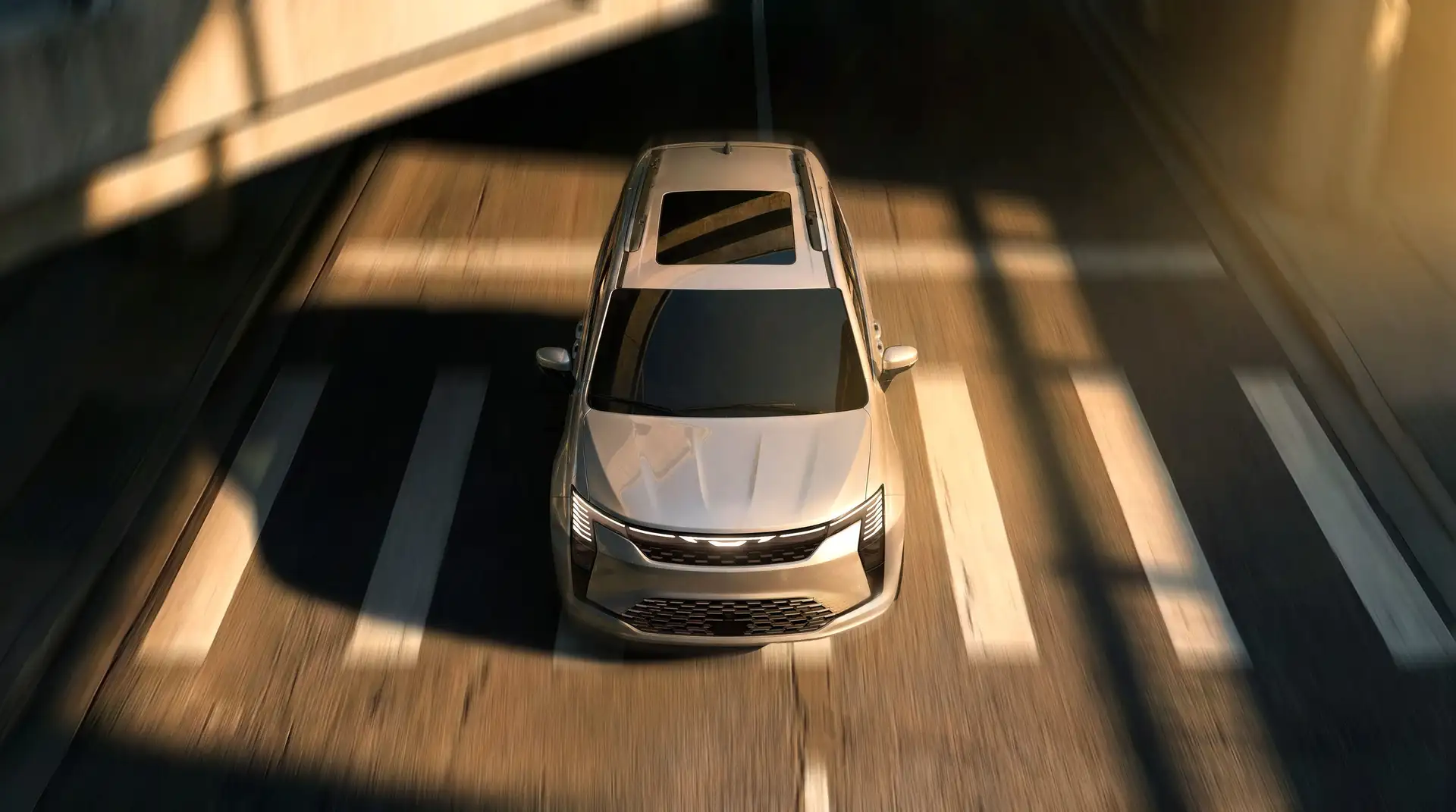
For 2027, Chrysler did not completely reinvent the Pacifica. Instead, it delivered a visual refresh that gives the van a cleaner and more modern look. The front end is now more angular, with slimmer headlights, a full-width lighting signature, and a redesigned grille that brings the model closer to Chrysler’s current design language. Around back, the taillights also get a more contemporary treatment. New wheel designs help complete the update.
That may sound modest, and it is. Under the sheet metal, the basic formula remains largely unchanged. But that is not automatically a problem. The Pacifica has long been one of the smartest family vehicles on the market because it solves real-life problems better than most crossovers ever could.
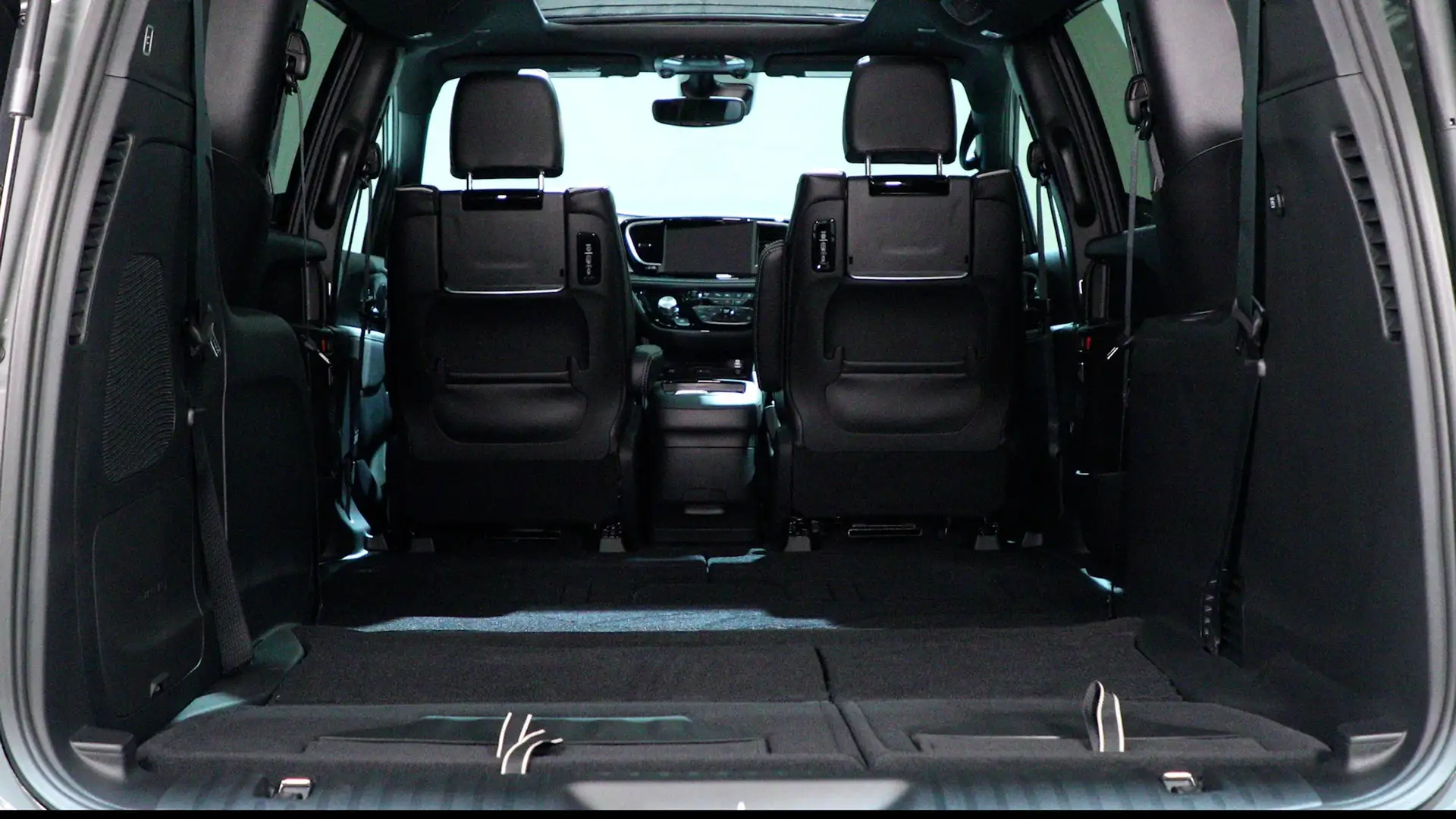
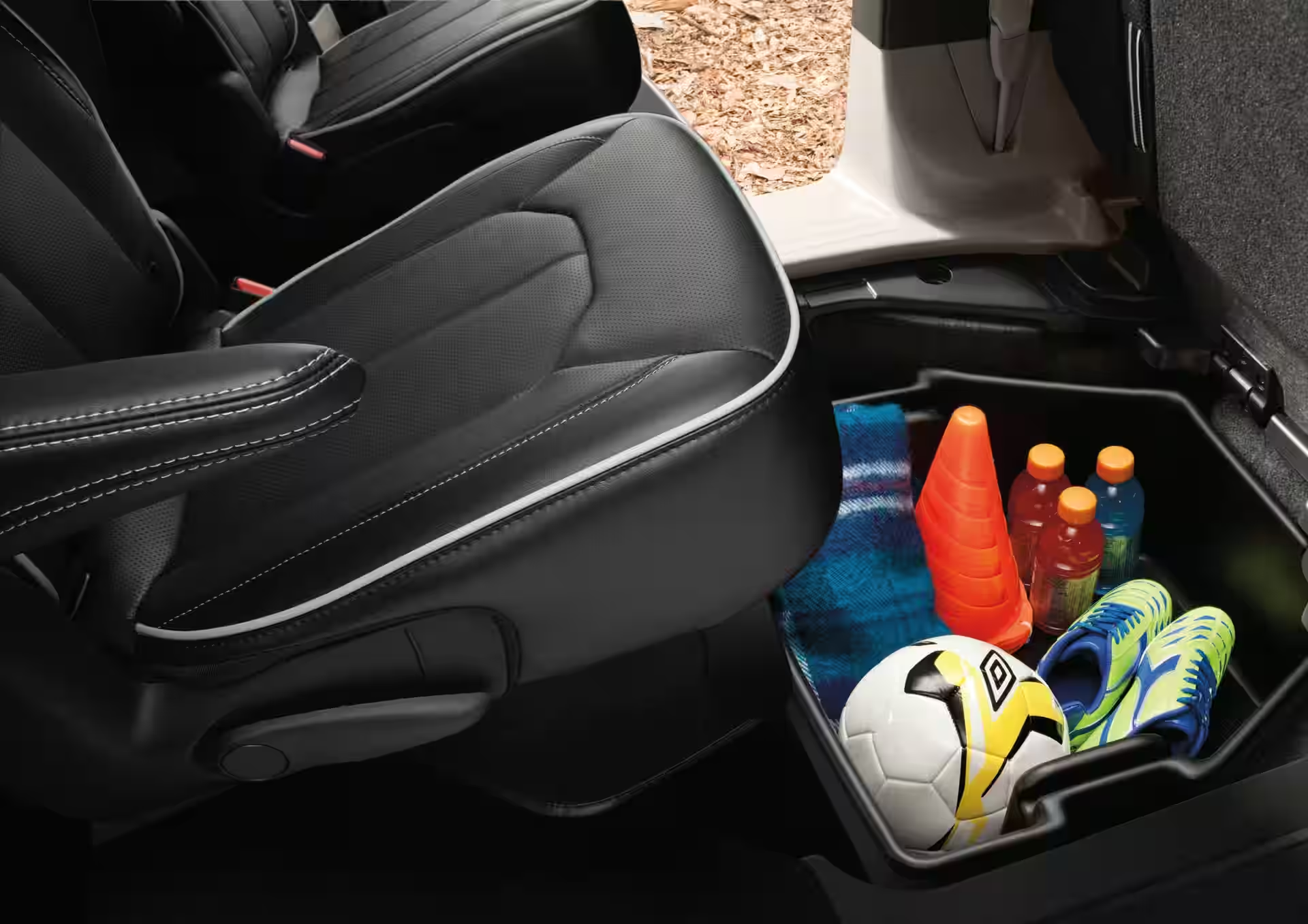
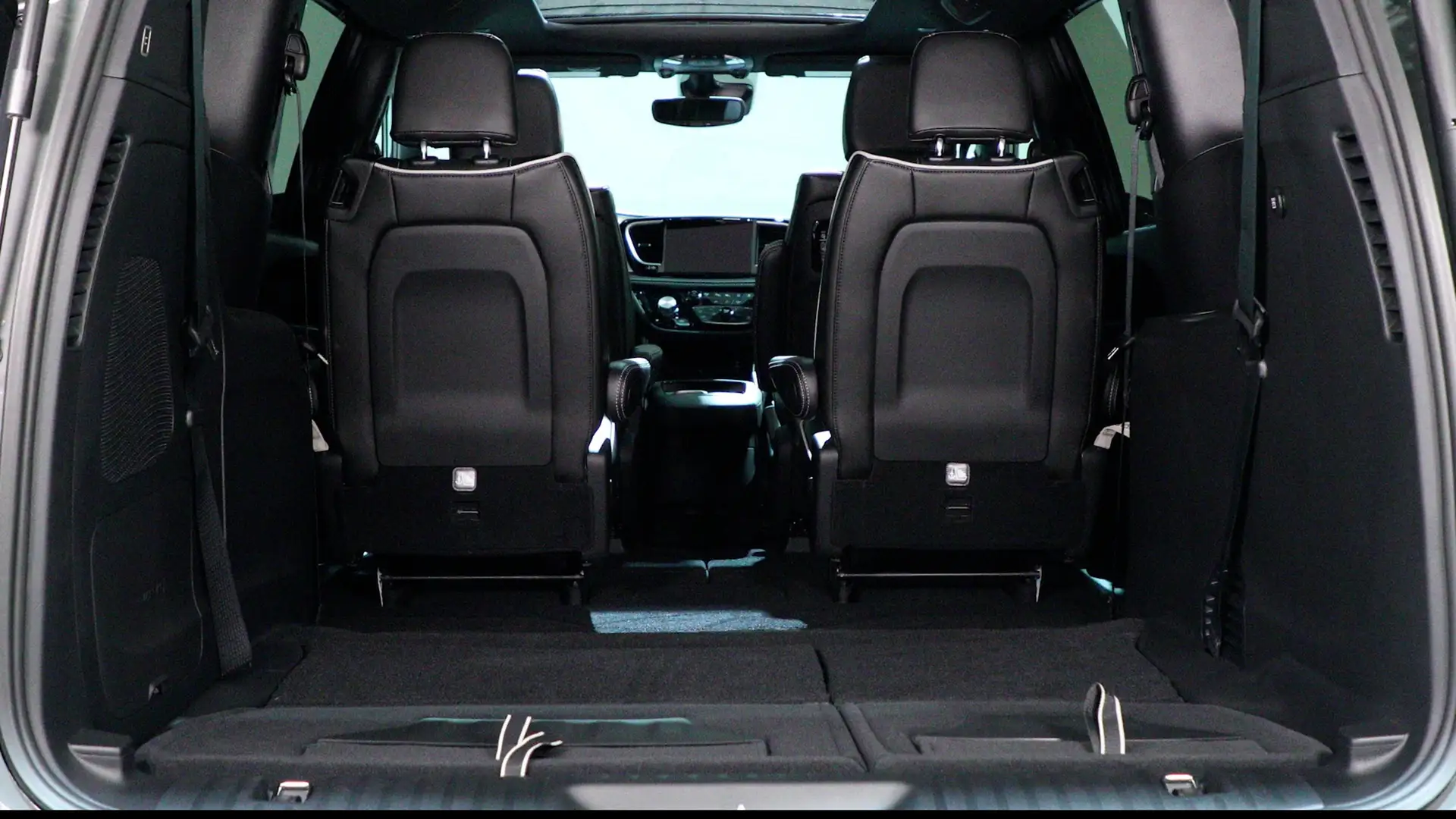
The biggest reason is still Stow ’n Go seating. Chrysler’s fold-flat seat system remains one of the most clever packaging solutions sold in a mainstream vehicle. Second- and third-row seats can disappear into the floor, creating a vast and flat cargo area without forcing owners to remove heavy seats and find somewhere to store them. For parents juggling sports gear, luggage, strollers, hardware-store runs, and airport pickups, this feature is not just marketing. It is daily-life magic.
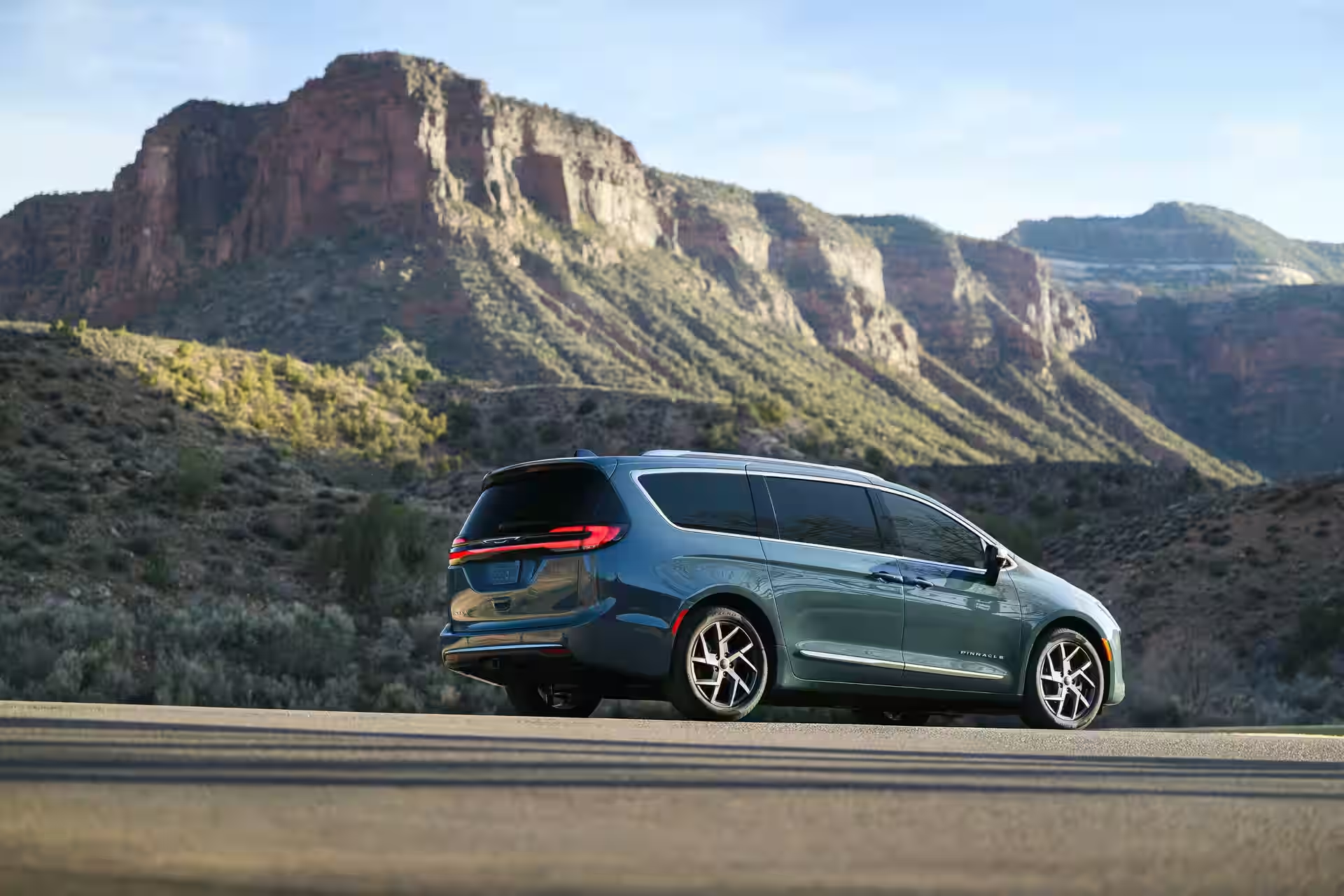
That practicality matters even more now that consumer attention is shifting toward ultra-tech cabins and electrified drivetrains. If you have been tracking how automakers are redesigning cabins to feel more premium and digital, the Pacifica’s update lands in an interesting moment, especially as rivals and adjacent segments push harder on interior theater. That broader trend can also be seen in vehicles outside the minivan world, such as the Mercedes-Benz GLE 2027 with its triple-screen interior strategy, but Chrysler has chosen a more practical path here.
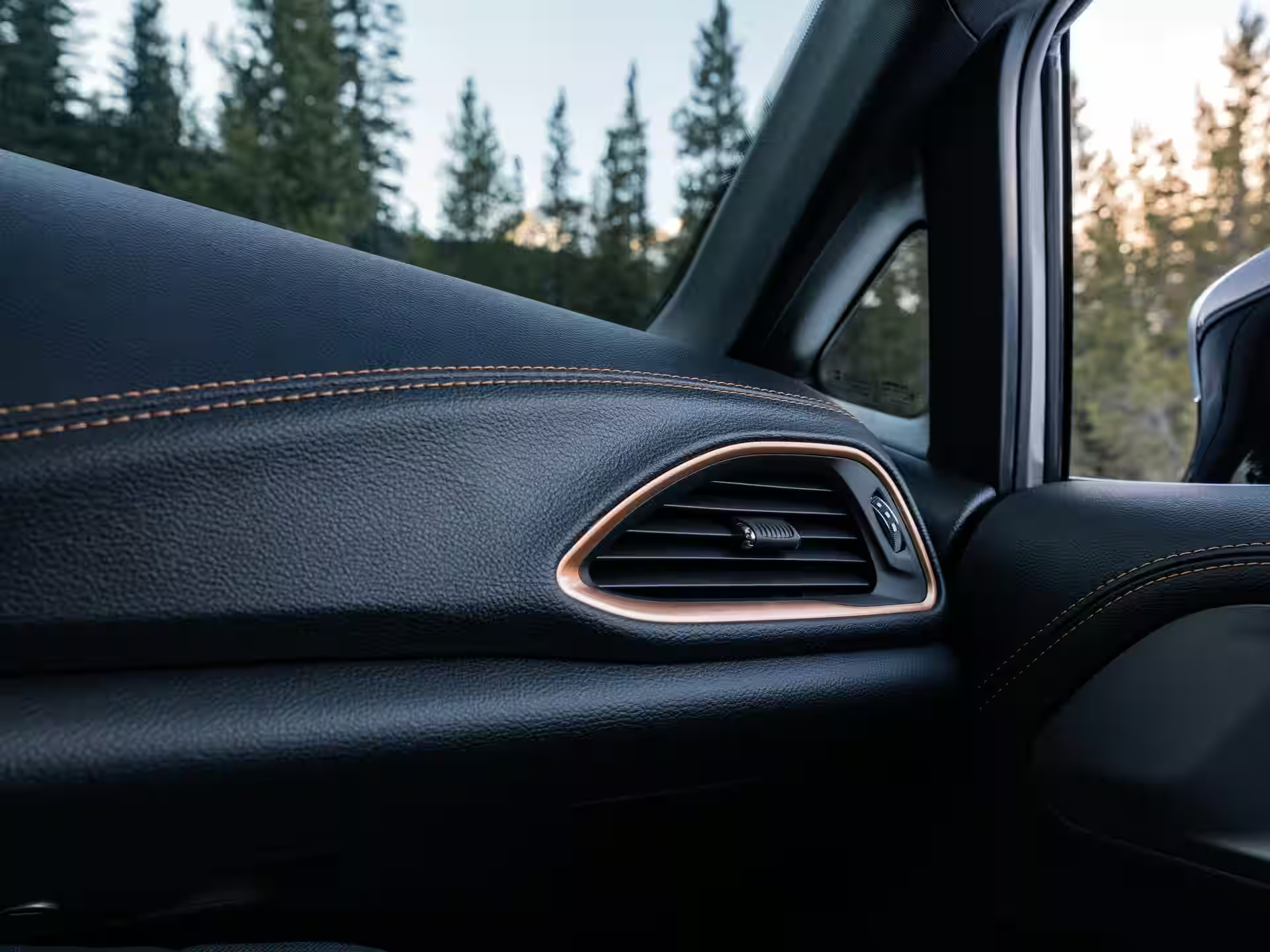
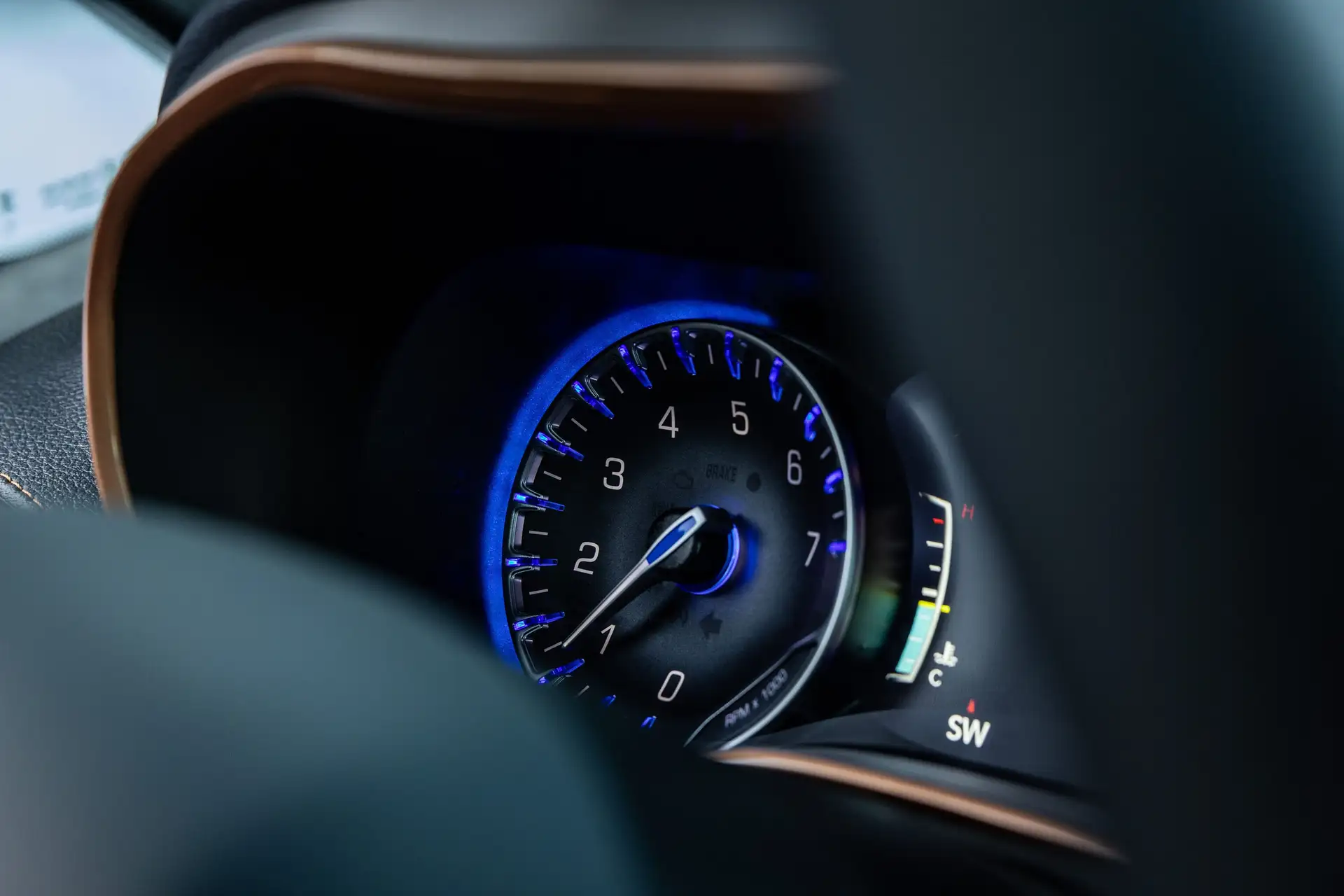
Inside, the Pacifica gets trim refinements intended to make the cabin feel a little richer. Materials are improved in selected areas, and upper trims continue to offer features that push the experience closer to premium-family transport than bare-bones people mover. Still, the core architecture remains familiar, which means buyers are getting a proven layout rather than a radical experiment.
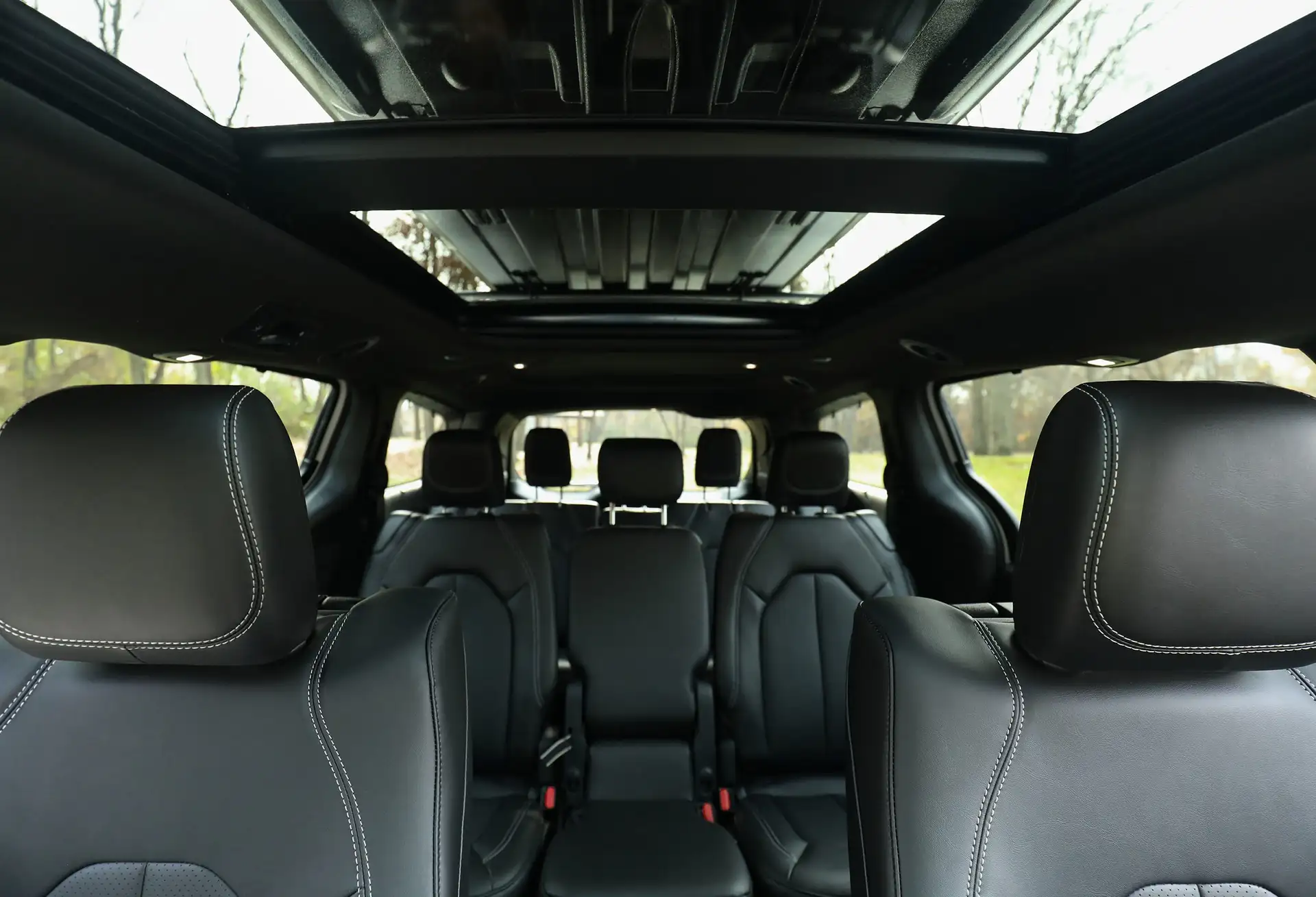
That proven layout includes seating for seven or eight, depending on configuration, and a third row that can actually accommodate adults. This is a detail that sounds ordinary until you compare it with many three-row SUVs, where the final row often feels designed more for emergency use than daily comfort. In the Pacifica, three rows for real people remains one of the strongest selling points.
Pricing starts at $43,490 and climbs to roughly $56,905 before options, placing the Pacifica squarely in the modern family-vehicle price battlefield. The range includes LX, Select, Limited, and Pinnacle trims. For many shoppers, the Select trim is the sweet spot, balancing comfort and features without pushing too far into luxury pricing. Heated front seats, synthetic leather upholstery, a heated steering wheel, and second-row sunshades make it feel well-equipped for the money.
So yes, the 2027 update is largely skin deep. But the Pacifica still matters because its strengths are deeply rooted in functionality, not hype.
Performance, MPG, And The Problem Chrysler Can No Longer Ignore
Open the hood and you will find the same familiar engine that has powered the Pacifica for years: a 3.6-liter Pentastar V6 producing 287 horsepower and 262 lb-ft of torque, paired with a nine-speed automatic transmission. Front-wheel drive is standard, while all-wheel drive remains available for buyers in colder climates or anyone who simply values the extra traction.
On paper, that setup remains competitive enough for the mission. The Pacifica is not trying to be a performance machine, but it is also not slow. Independent testing has shown front-wheel-drive versions reaching 60 mph in around 7.3 seconds, which is quick enough to feel responsive in traffic, on freeway merges, and during fully loaded family runs. The power delivery is smooth, and the V6 remains one of the van’s more refined traits.
The available all-wheel-drive system adds confidence, though it also adds cost and some weight. If you live in a snow-prone region, it is an option worth considering. If not, the front-wheel-drive version likely remains the smarter value play.
Where the Pacifica begins to lose ground is fuel economy. The EPA ratings sit at approximately 19 mpg city, 28 mpg highway, and 22 mpg combined for the gasoline model. In real-world highway testing, the Pacifica has shown that it can outperform expectations on longer steady-speed runs, posting around 31 mpg at 75 mph in some tests. That is respectable for a V6 minivan.
But respectable is no longer the same thing as class-leading.
The real problem for Chrysler is not that the Pacifica is thirsty in isolation. It is that the competitive set is evolving around it. Buyers now understand the advantage of hybrid family haulers, and they increasingly expect excellent efficiency without sacrificing practicality. The Toyota Sienna has built a major part of its identity around hybrid-only efficiency, and the Kia Carnival Hybrid raises the pressure even more.
That puts the 2027 Pacifica in an awkward position. It remains useful, spacious, and pleasant to drive, but the old plug-in hybrid Pacifica is no longer part of the lineup. Stellantis has backed away from that version, leaving the updated Pacifica with no electrified answer in a market that is moving steadily in that direction.
This matters because family vehicles rack up miles quickly. School runs, commutes, vacations, errands, and weekend hauling expose fuel costs in a very real way. For households that keep a vehicle for many years, the difference between low-20s combined mpg and hybrid-level efficiency can become substantial.
That broader hybrid shift is not just affecting minivans. It is showing up across multiple family-oriented segments, as seen in the Kia Seltos 2027 and its hybrid twist that buyers cannot ignore. Chrysler’s challenge is that practicality alone may not be enough forever if fuel savings become the deciding factor.
Still, there is one advantage to staying with the naturally aspirated V6 formula: familiarity. The Pentastar engine is well known, broadly serviceable, and has a long track record in Stellantis products. For some shoppers, that simplicity can be reassuring. There is less novelty here, but also less uncertainty.
The Pacifica can also tow up to 3,600 pounds, adding another layer of utility for owners who want to pull a small trailer, lightweight camper, or recreational gear. That towing capacity is not segment-defining, but it is useful enough to widen the vehicle’s appeal beyond pure suburban duty.
| 2027 Chrysler Pacifica Key Specs | Details |
|---|---|
| Starting MSRP | $43,490 |
| Top Trim MSRP | $56,905 |
| Engine | 3.6-liter V6 |
| Horsepower | 287 hp |
| Torque | 262 lb-ft |
| Transmission | 9-speed automatic |
| Drivetrain | FWD or AWD |
| EPA Fuel Economy | 22 mpg combined |
| Seating | 7 or 8 passengers |
| Max Towing | 3,600 pounds |
| Touchscreen | 10.1 inches |
Interior Space, Technology, Safety, And Whether It Beats The Best Alternatives
If the Pacifica wins anywhere, it wins inside. This is where the vehicle still makes a compelling case against not only rival minivans, but also many expensive three-row SUVs that ask buyers to compromise more while paying extra for the privilege.
The front row feels airy and intelligently laid out, with generous storage spaces, useful cubbies, cupholders, and the kind of visibility that makes urban driving and parking less stressful. Chrysler understands that minivan owners do not just need room for people. They need room for life. That means phones, snacks, charging cables, wipes, bottles, tablets, backpacks, and the random objects that seem to multiply inside any family vehicle.
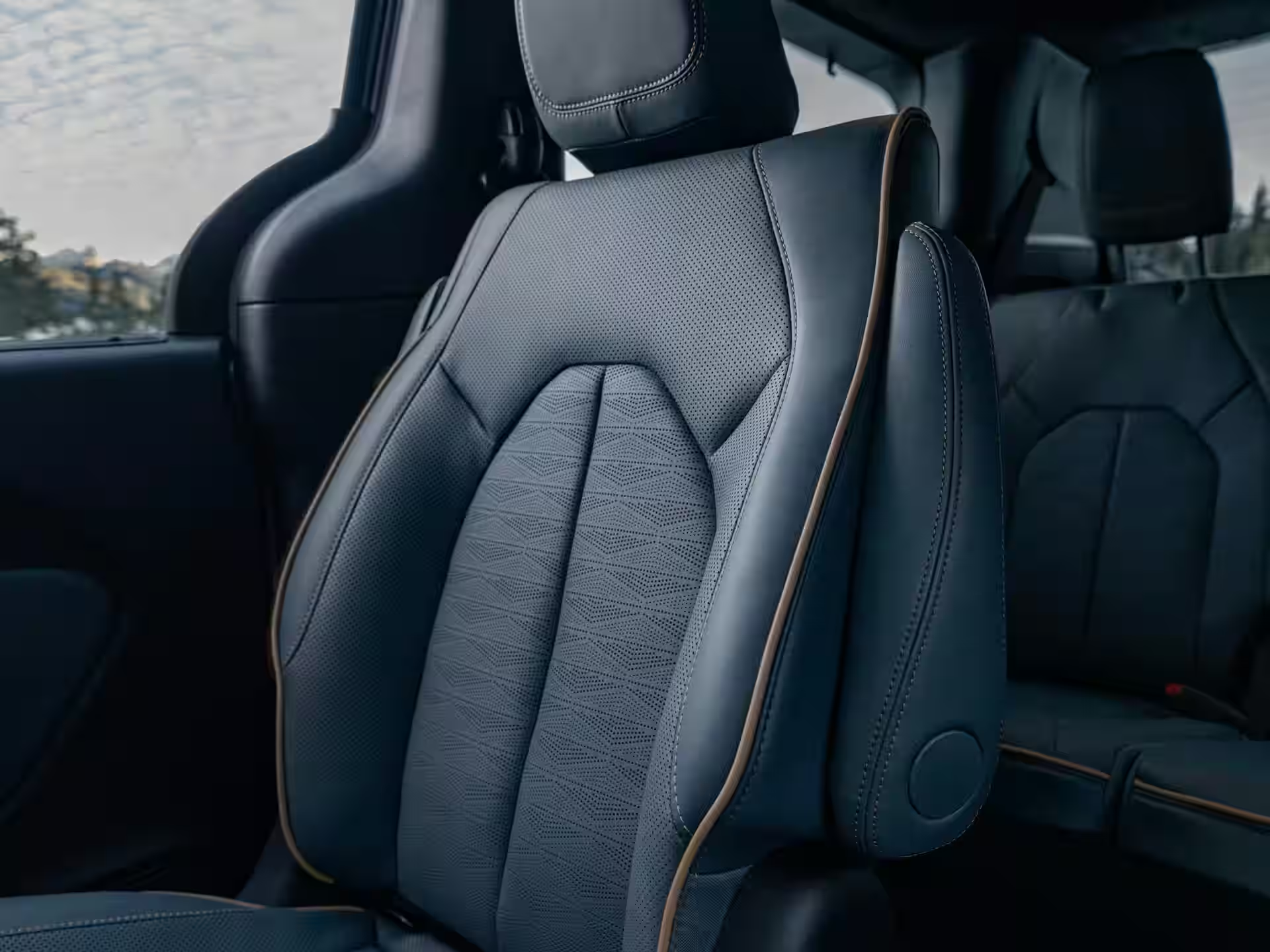
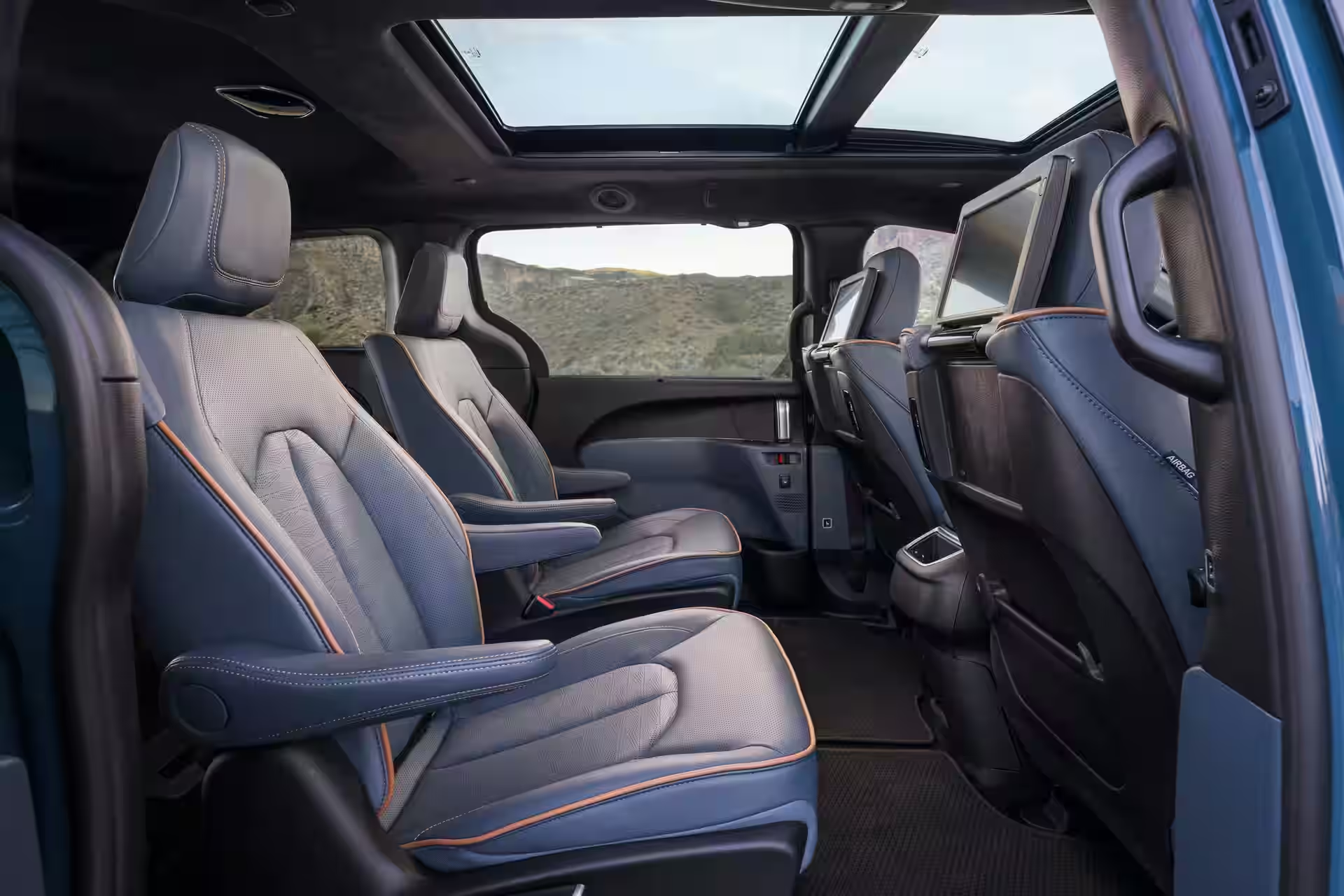
Upper trims add more upscale touches, especially in the center console and seat materials. The Limited and Pinnacle trims push the Pacifica into near-luxury territory, with the Pinnacle standing out thanks to quilted leather and even second-row lumbar throw pillows. It is a slightly eccentric touch, but it reinforces Chrysler’s effort to make the top trim feel special rather than merely expensive.
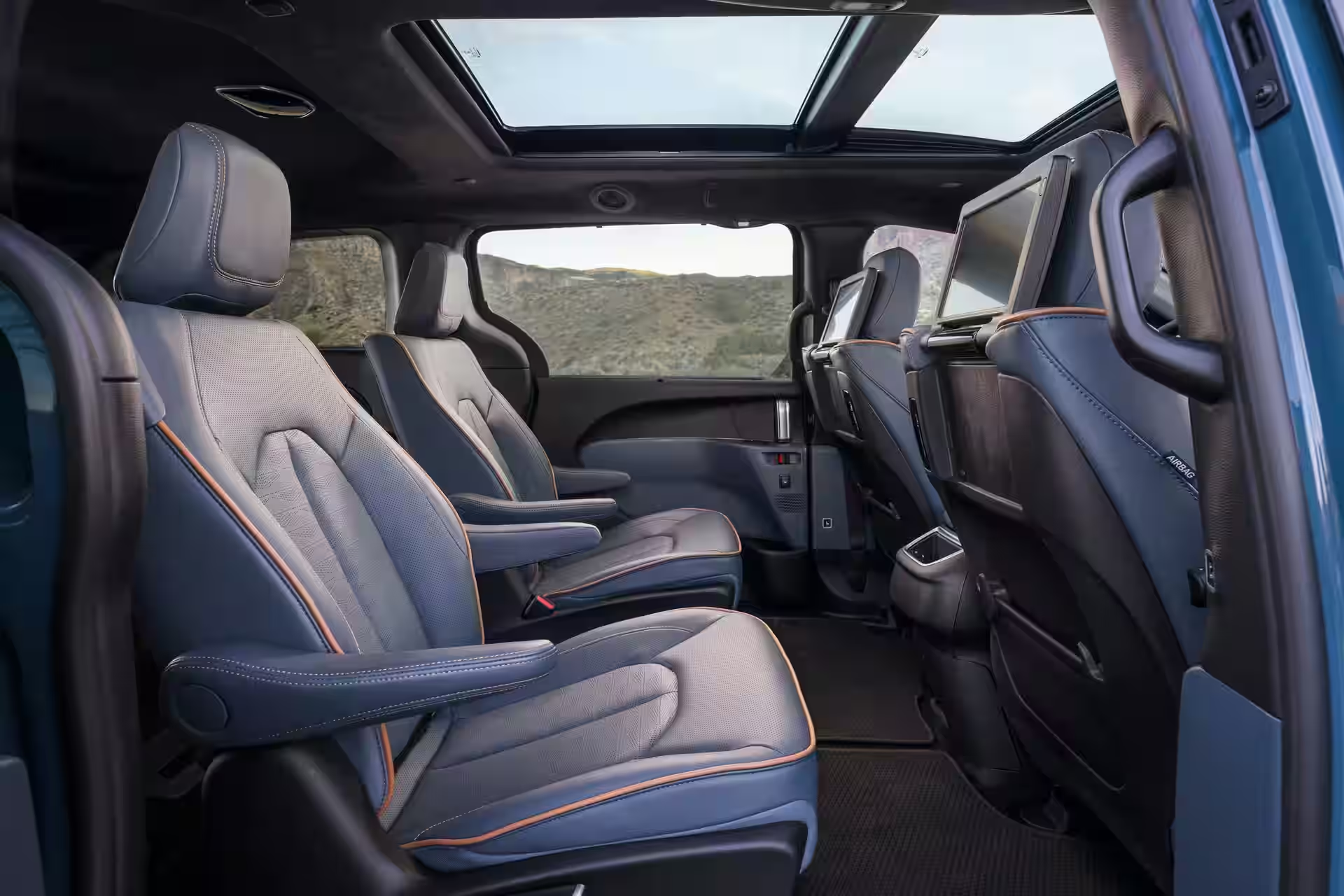
The second row is available either with captain’s chairs or a bench, depending on the configuration. Families prioritizing comfort will likely prefer captain’s chairs, while those needing maximum occupancy may choose the bench. There is one tradeoff, however. Because the second-row seats must fold into the floor as part of the Stow ’n Go system, they are thinner and less deeply padded than some rival seats. That is the hidden cost of Chrysler’s packaging genius.
Even so, the convenience can outweigh the compromise for many buyers. The ability to transform the cabin quickly is something owners tend to appreciate more over time, not less.
The third row is where the Pacifica keeps proving its point. Adults can fit back there without immediately negotiating for release, and that alone still separates a true minivan from many SUV alternatives. For larger families, ride-share style carpools, or grandparents regularly transporting extended family, this matters enormously.
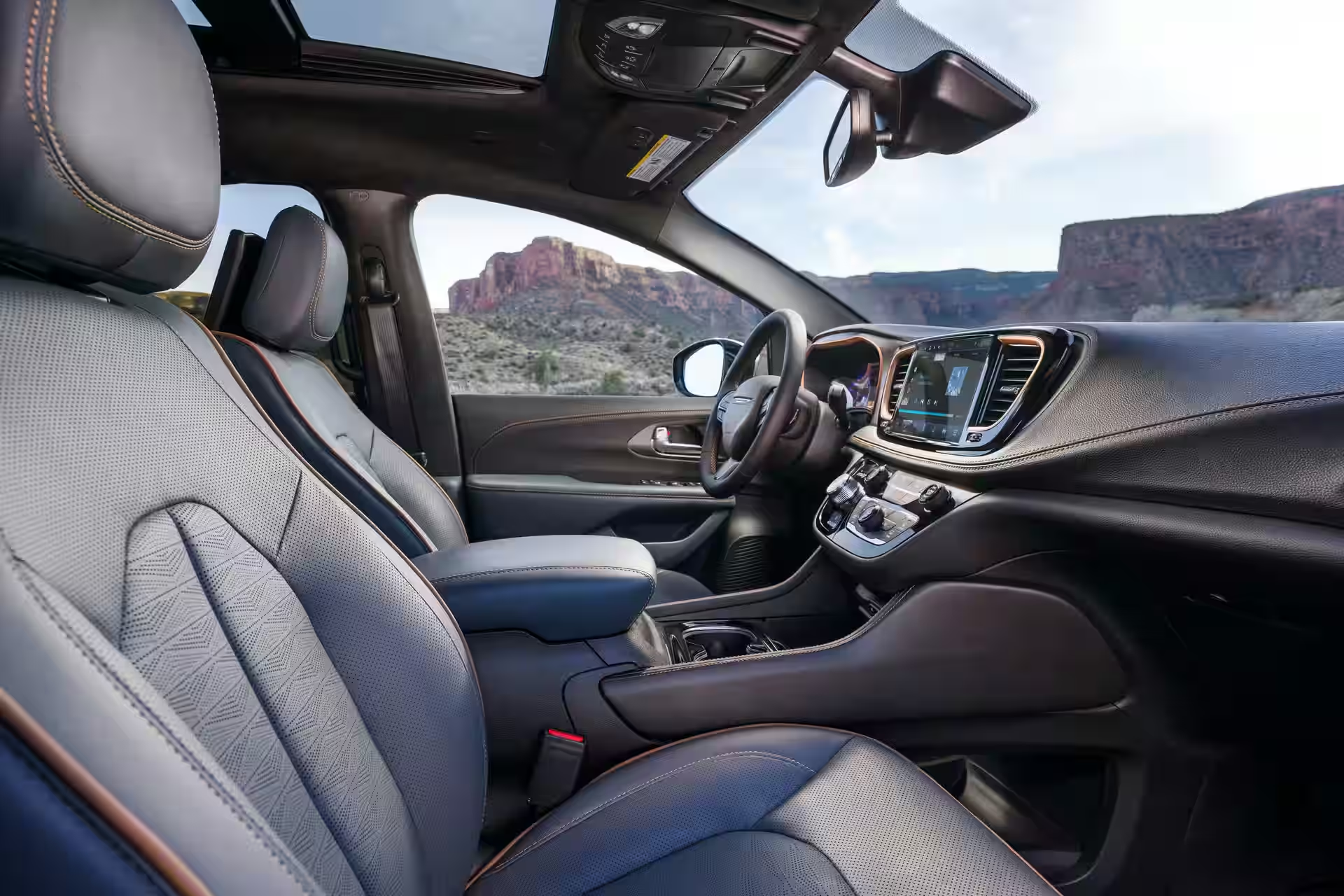
Cargo space remains another Pacifica stronghold. With the second and third rows folded, the van becomes a cavern. Independent luggage testing has shown capacity for 53 carry-on suitcases with the seats stowed, a dramatic reminder of just how much real-world hauling ability this vehicle offers. If your life includes home-improvement store runs, sports tournaments, road trips, or moving kids in and out of dorms, that kind of space changes what a vehicle can do.
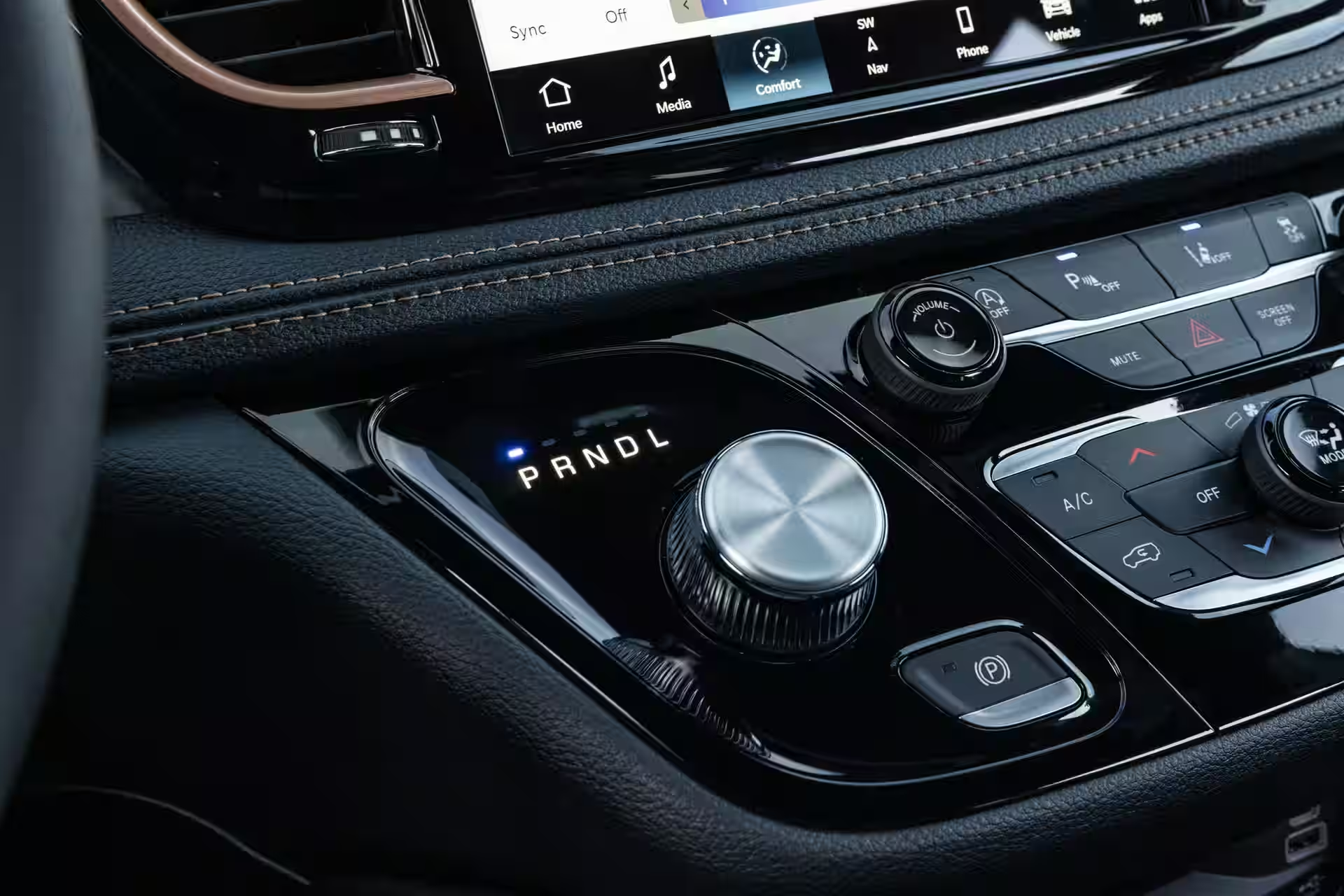
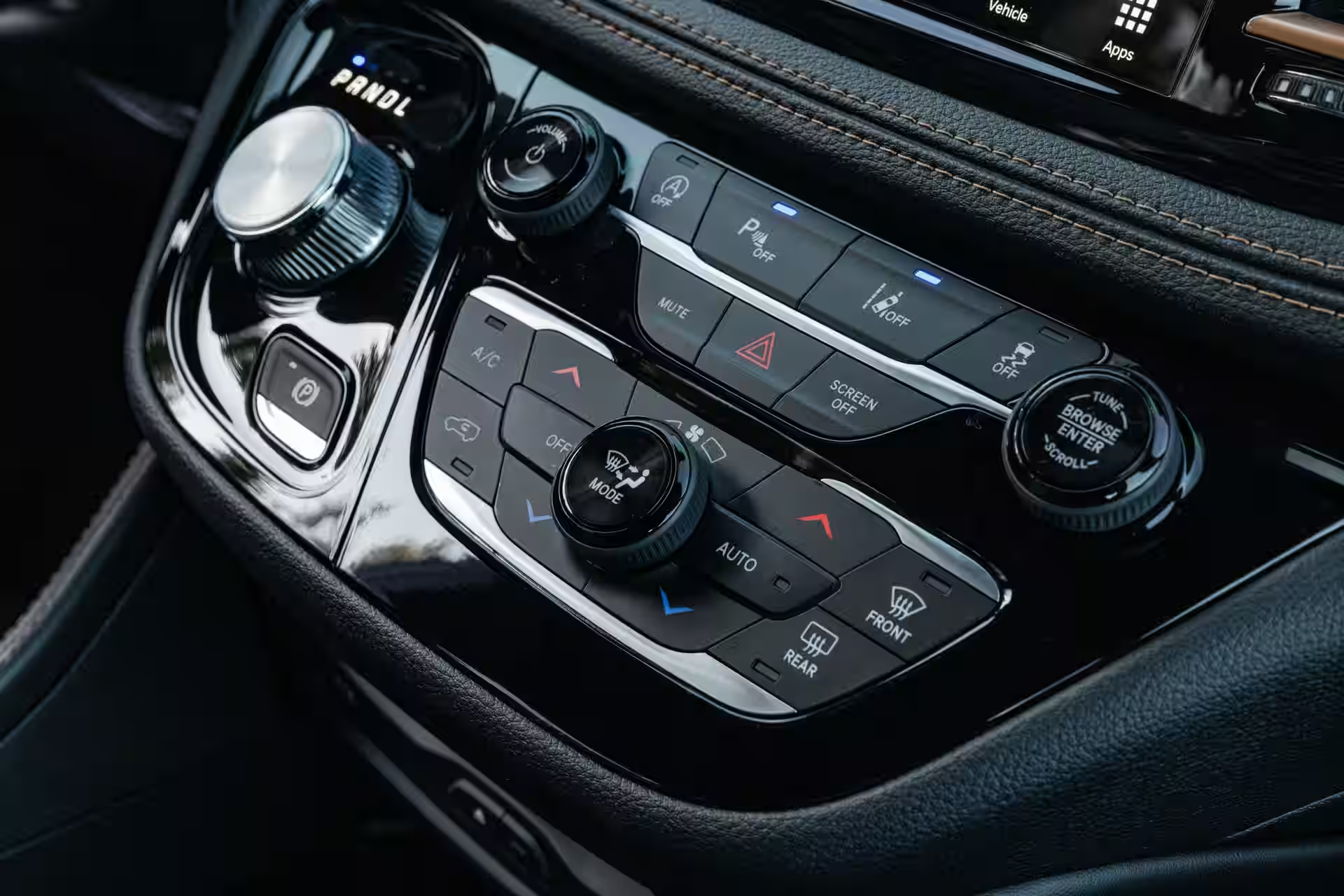
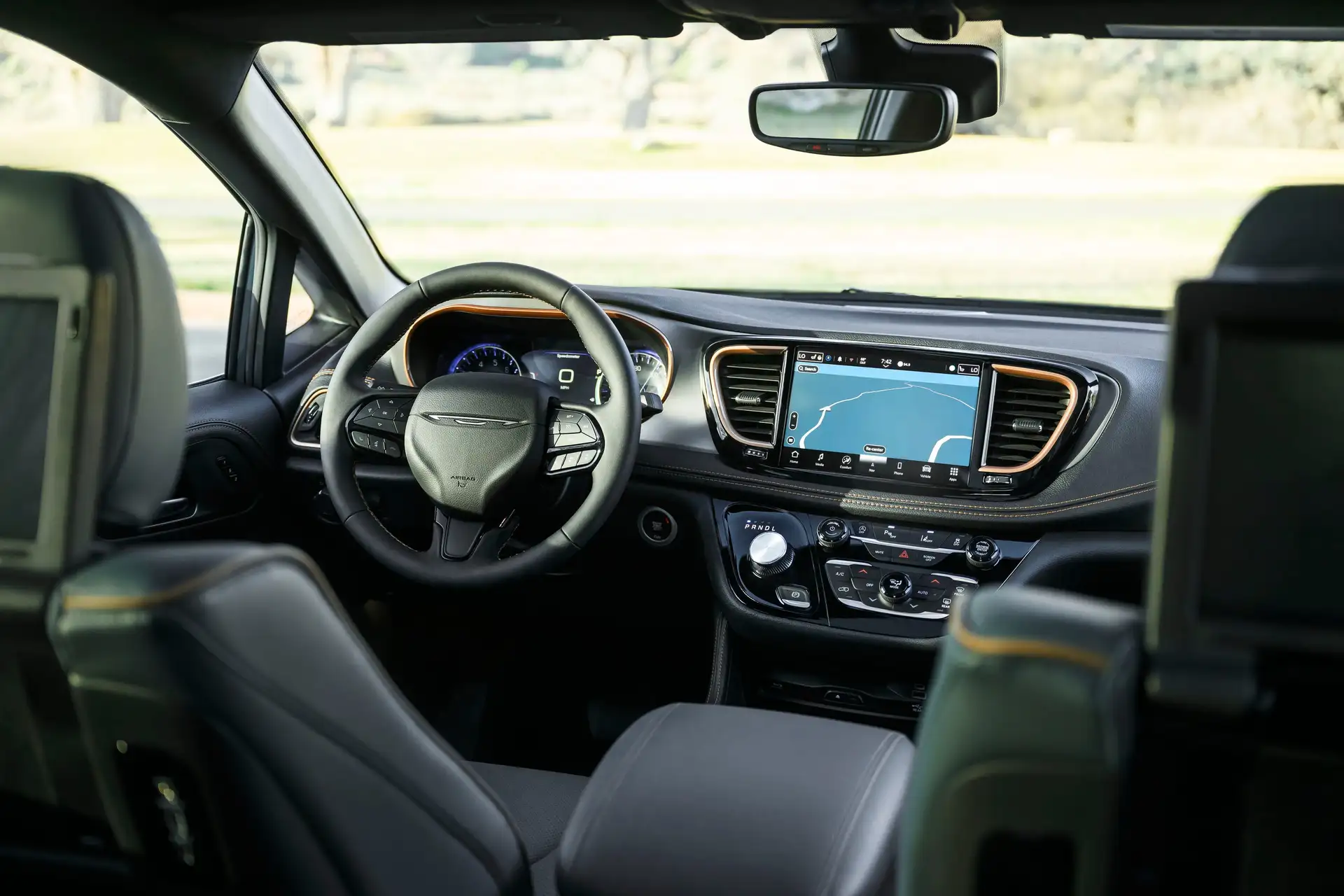
Technology is solid, even if it does not feel revolutionary. The Pacifica uses Chrysler’s Uconnect 5 infotainment system on a 10.1-inch touchscreen. It includes wireless Apple CarPlay, wireless Android Auto, Bluetooth, Alexa integration, available Wi-Fi hotspot capability, and multiple USB ports throughout the cabin, including USB-C connections. In practical terms, this means the Pacifica covers the essentials that modern families expect.
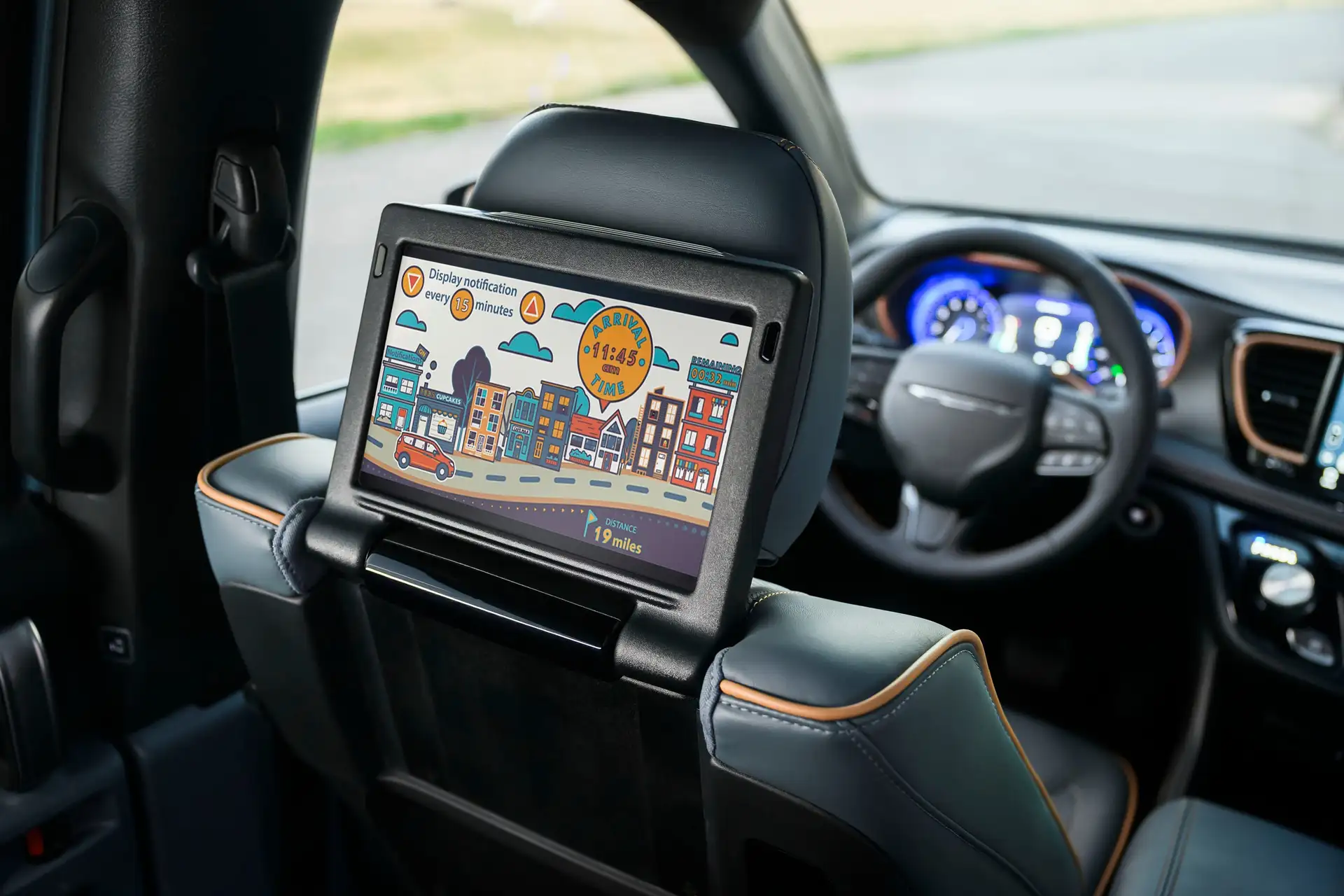
Rear-seat entertainment is also available, including dual screens and Amazon Fire TV integration. For long-distance travel with children, this can be the difference between a peaceful drive and a rolling hostage negotiation.
Safety is another major strength. Chrysler equips the Pacifica with a broad suite of standard driver-assistance features, including automatic emergency braking with pedestrian detection, blind-spot monitoring, rear cross-traffic alert, adaptive cruise control, and lane-departure warning. That baseline equipment is important because family buyers increasingly expect advanced safety tech without being forced into the most expensive trim.
Warranty coverage, on the other hand, is only average. The limited warranty runs for 3 years or 36,000 miles, while the powertrain is covered for 5 years or 60,000 miles. There is no complimentary scheduled maintenance. That leaves room for rivals, especially Kia, to look more generous on paper.
So, should you buy the 2027 Chrysler Pacifica over the alternatives?
- Choose the Pacifica if your top priorities are cabin flexibility, real third-row usability, available all-wheel drive, and the unmatched convenience of Stow ’n Go seating.
- Choose a Toyota Sienna or hybrid rival if long-term fuel efficiency is your number-one concern.
- Choose carefully between trims, because the Select model likely offers the best balance of price and equipment for most families.
The Pacifica also enters a wider conversation about what family vehicles should become next. While some automakers are betting heavily on electrification and futuristic interfaces, others are trying to preserve practical packaging while modernizing around the edges. That tension is visible across the market, from mainstream utility vehicles like the Volkswagen Atlas 2027 with its high-tech cabin overhaul to new electric family-focused models such as the Kia EV3 2027 that pushes advanced EV technology into a smaller SUV format.
Against that backdrop, the Pacifica can look conservative. But conservative is not always a flaw in this category. Family buyers often value predictability, ease of use, and proven functionality more than novelty for novelty’s sake.
The central truth of the 2027 Chrysler Pacifica is simple: it is still one of the most practical vehicles on sale, but it now depends more heavily on that practicality because the efficiency advantage it once offered through a hybrid variant is gone.
That makes the Pacifica easier to understand than many rivals. It is not chasing every trend. It is selling a known strength set: space, flexibility, comfort, decent power, family-first features, and one of the smartest seating systems ever put in a production vehicle.
For buyers who see a minivan as a tool for real life rather than a rolling statement piece, that may be enough. For buyers who want cutting-edge efficiency to go with that practicality, the answer becomes more complicated.
And that is exactly why the 2027 Chrysler Pacifica is still so relevant. It does not dominate every category anymore, but it remains one of the few vehicles that truly understands the chaotic math of modern family transportation.