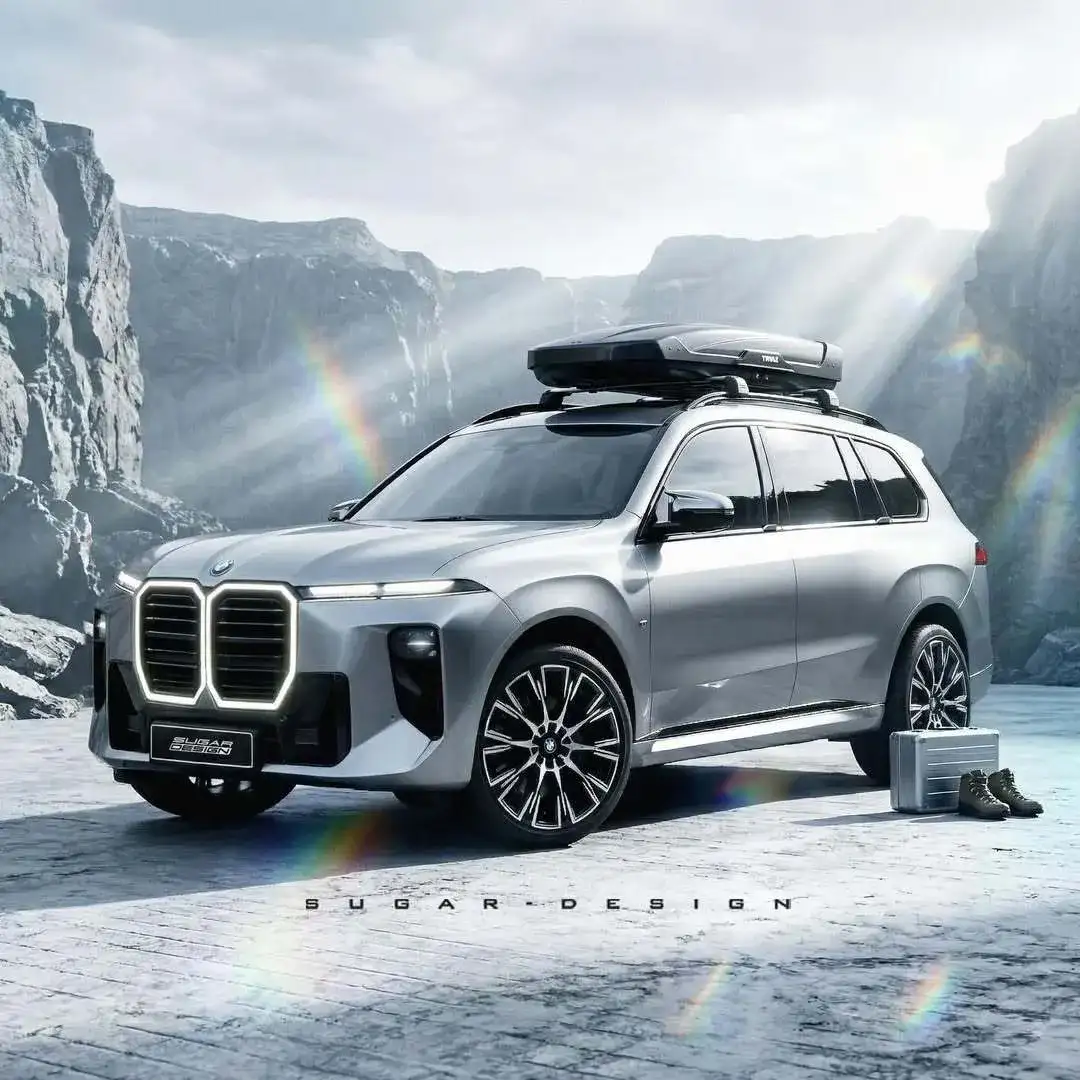
Tradition vs technology in BMW X7 2027 with flush door fins and Panoramic iDrive inside. See what this flagship SUV is becoming.
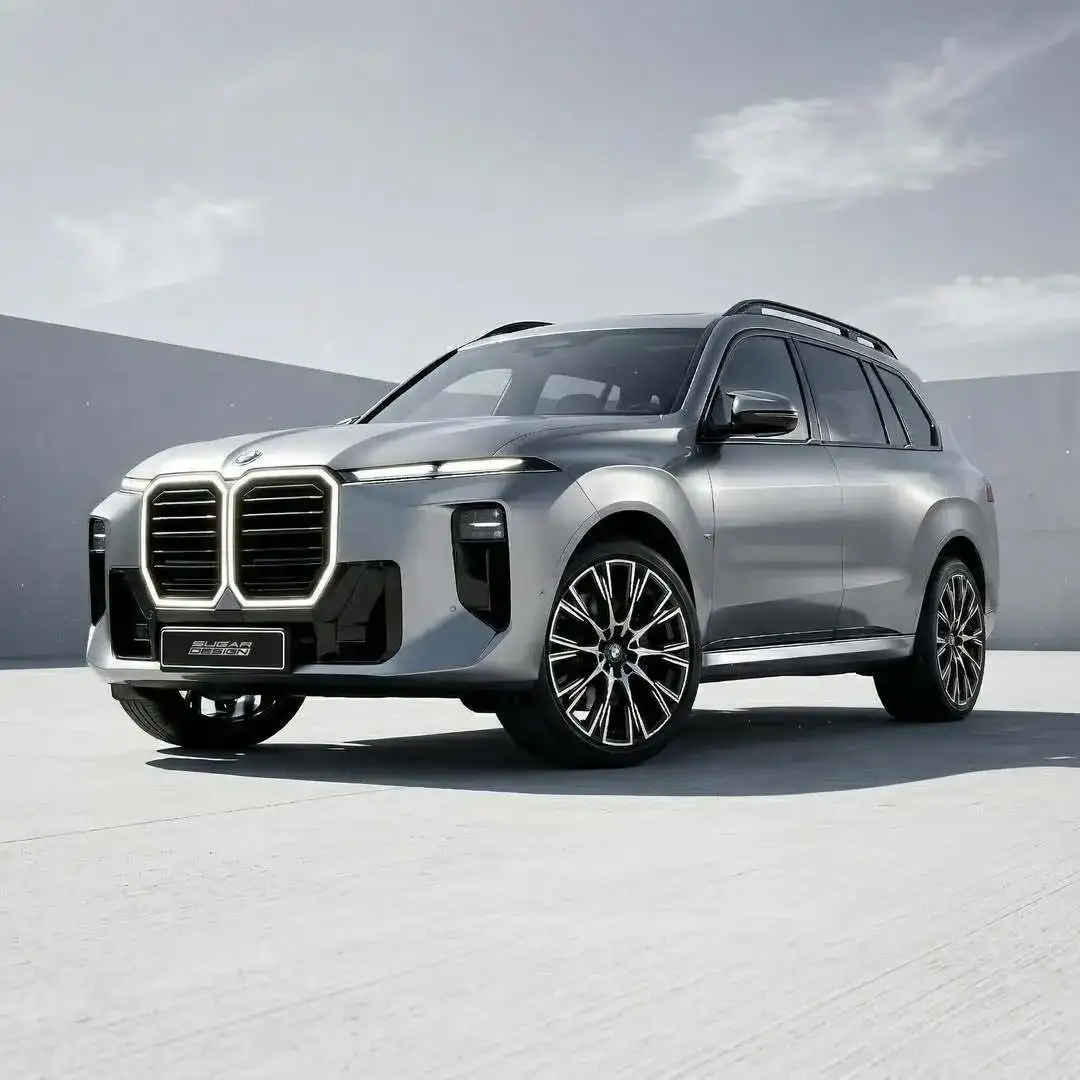
The next BMW X7 is shaping up as far more than a routine redesign, because every clue from recent prototypes suggests BMW is trying to turn its biggest SUV into a bridge between its traditional luxury formula and its Neue Klasse future.
BMW X7 2027 Is Being Rebuilt Around A New Design Philosophy
The current BMW X7 has already spent years carrying the brand’s luxury SUV flag, but in automotive product cycles, eight years is enough time for a vehicle to go from trendsetter to target. That is exactly why the second-generation model, reportedly known internally as the G67 BMW X7, matters so much. It is not simply replacing an aging full-size SUV. It is being positioned as a statement about where BMW design, digital tech, and premium family transport are heading next.
Early test vehicles reveal that BMW is not abandoning the X7’s core mission. The new model is still expected to remain a three-row luxury SUV with seating for up to seven passengers, substantial road presence, and dimensions close to today’s car. In fact, some signs point to a slight growth spurt, which would keep it competitive against heavyweight rivals such as the Mercedes-Benz GLS, Cadillac Escalade, Lincoln Navigator, Range Rover, and Lexus TX in certain markets.
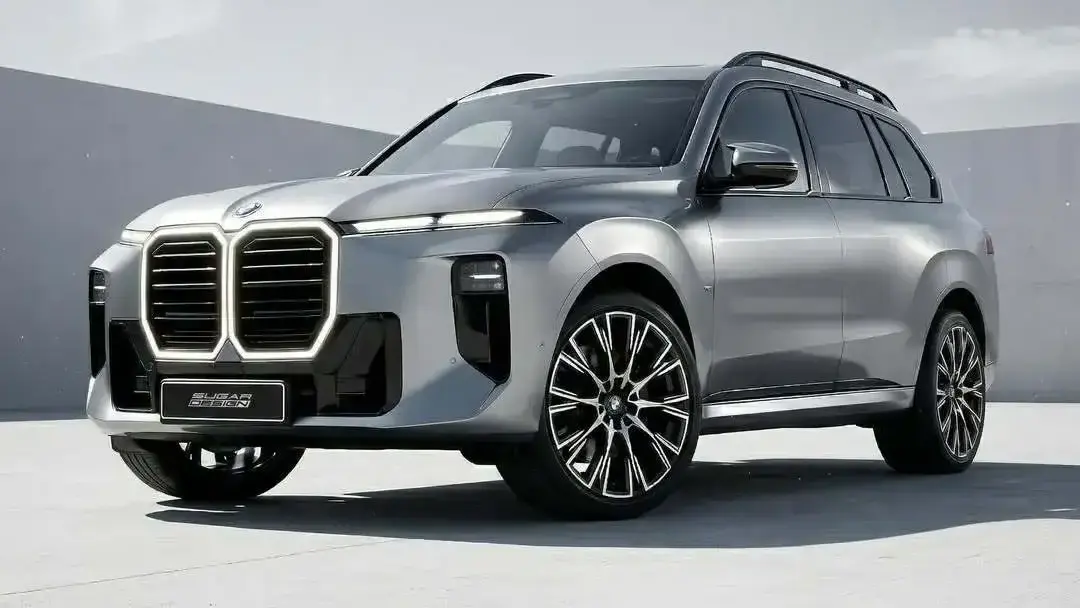
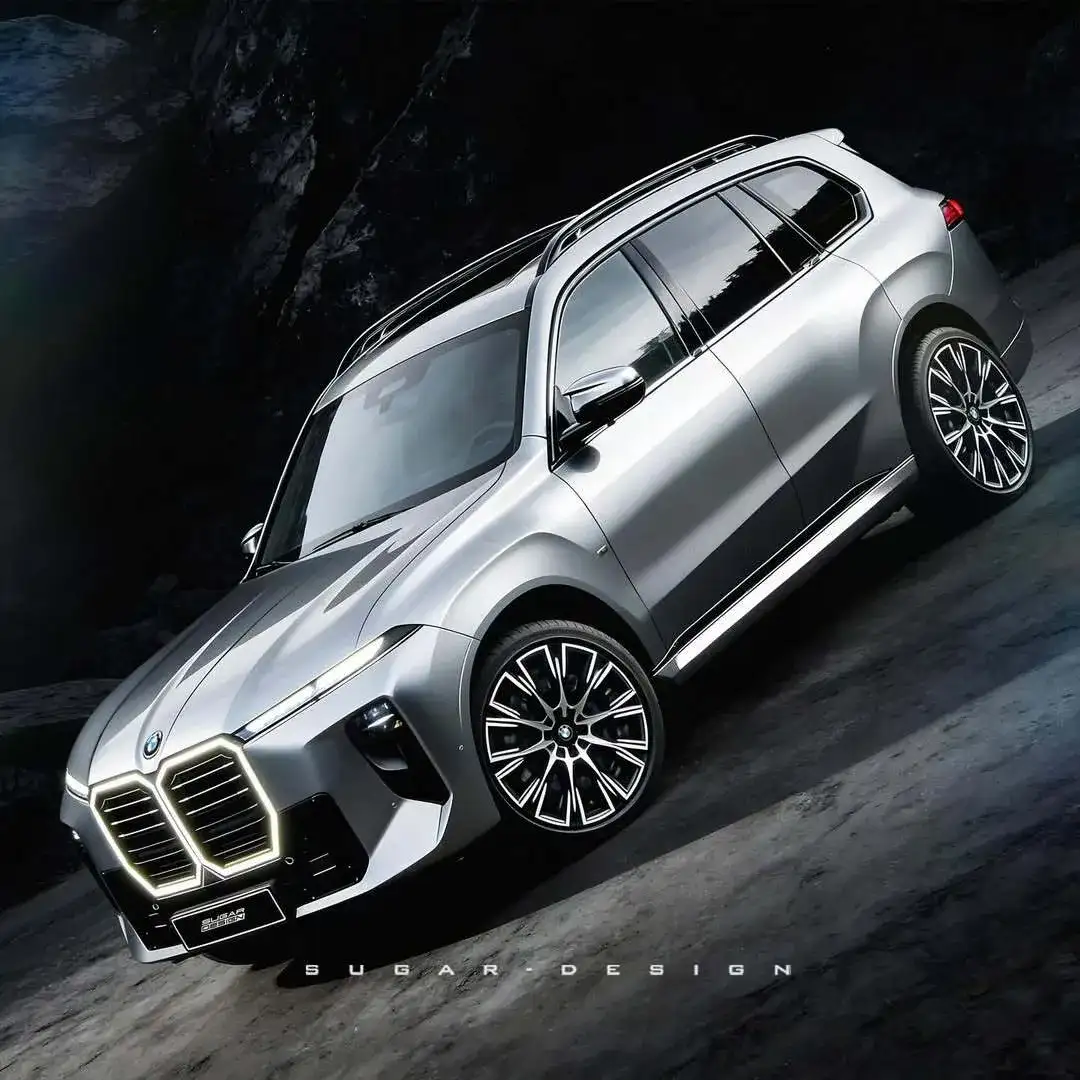
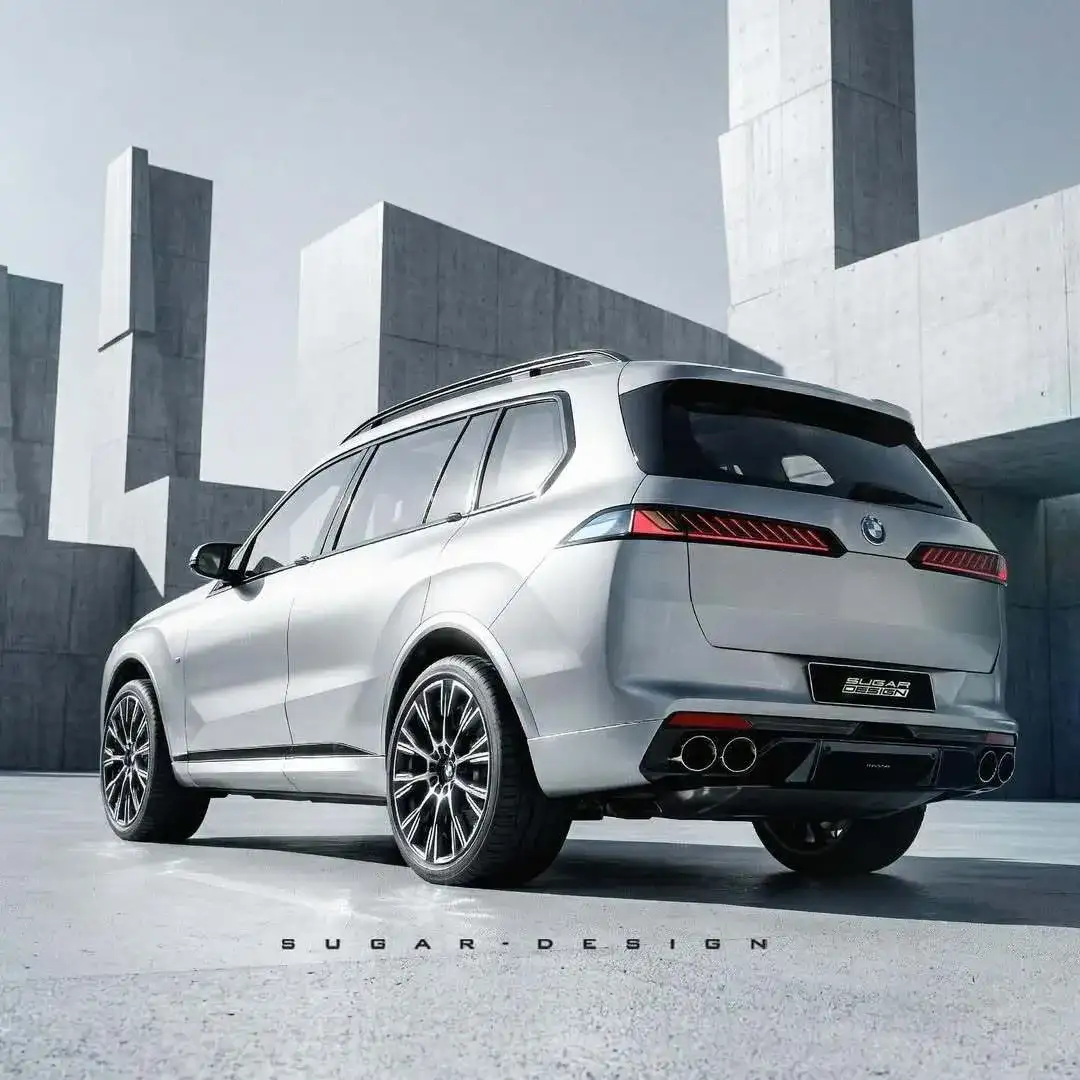
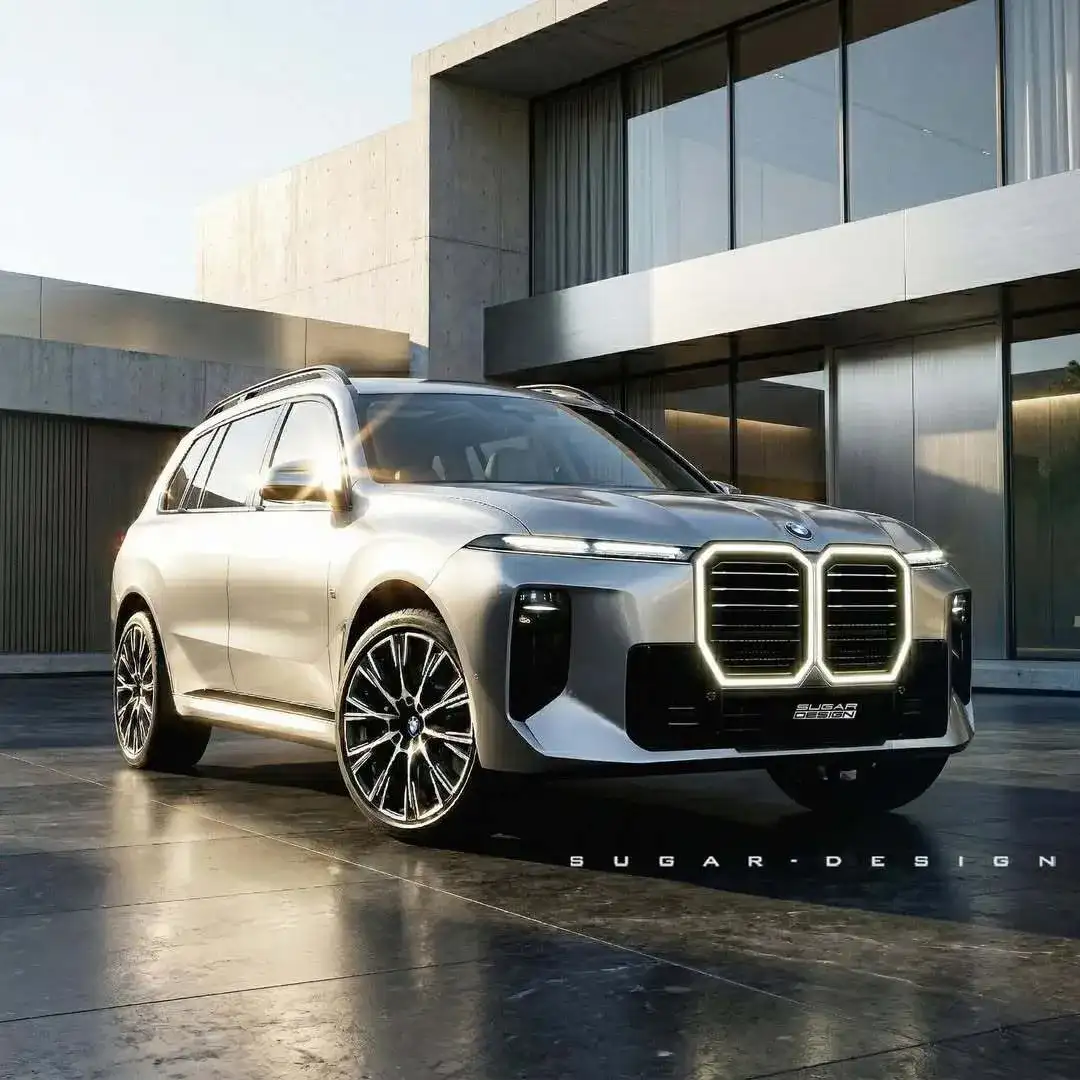
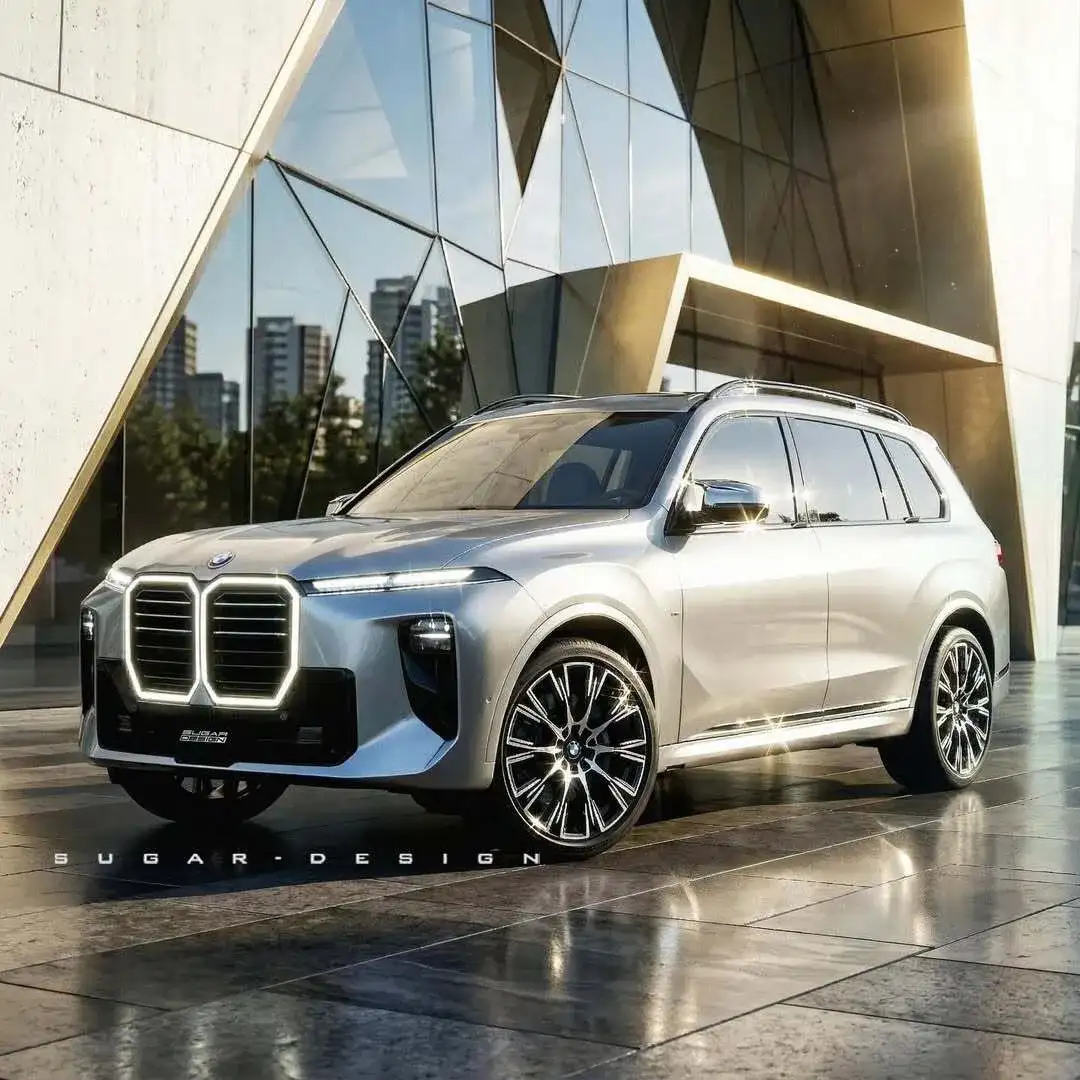
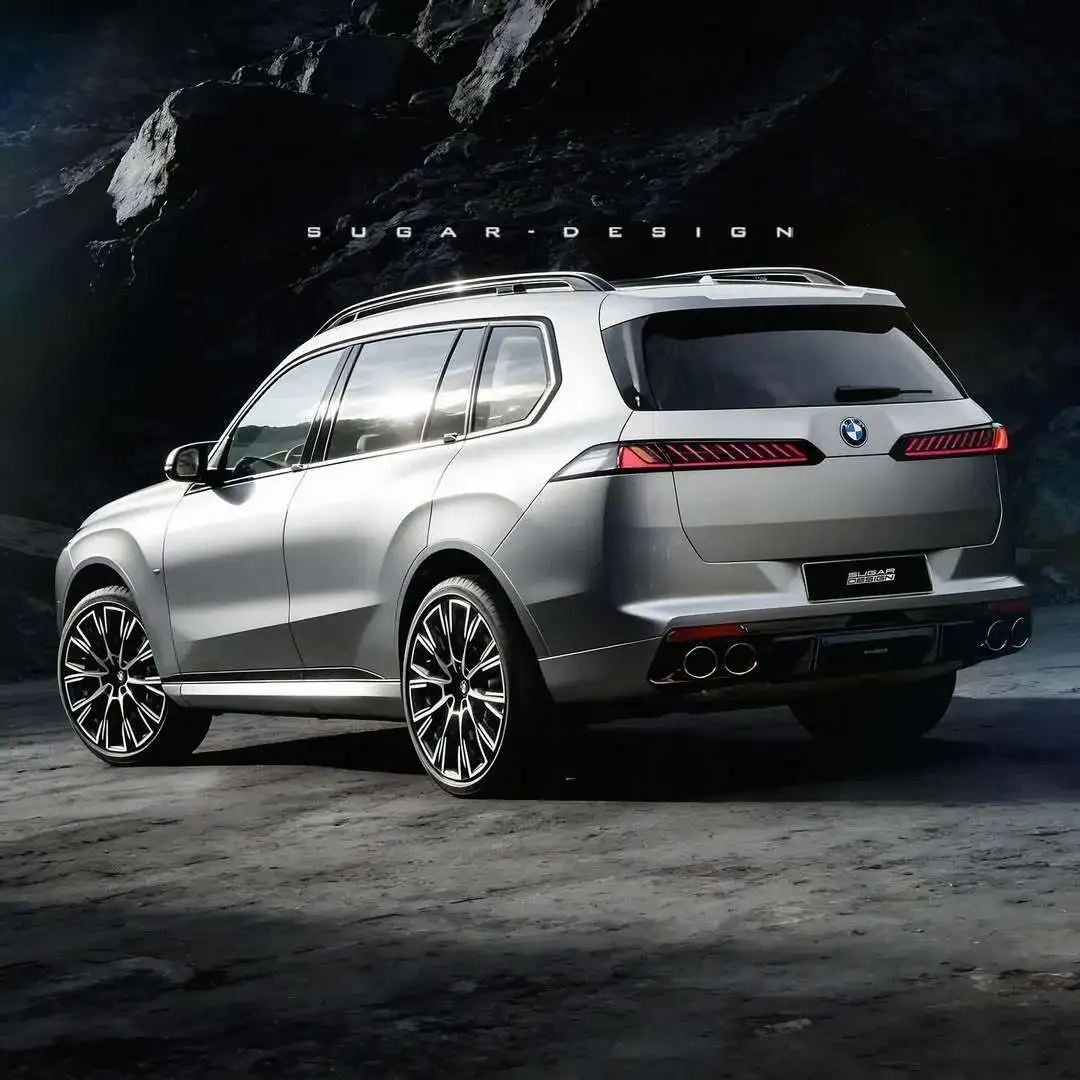
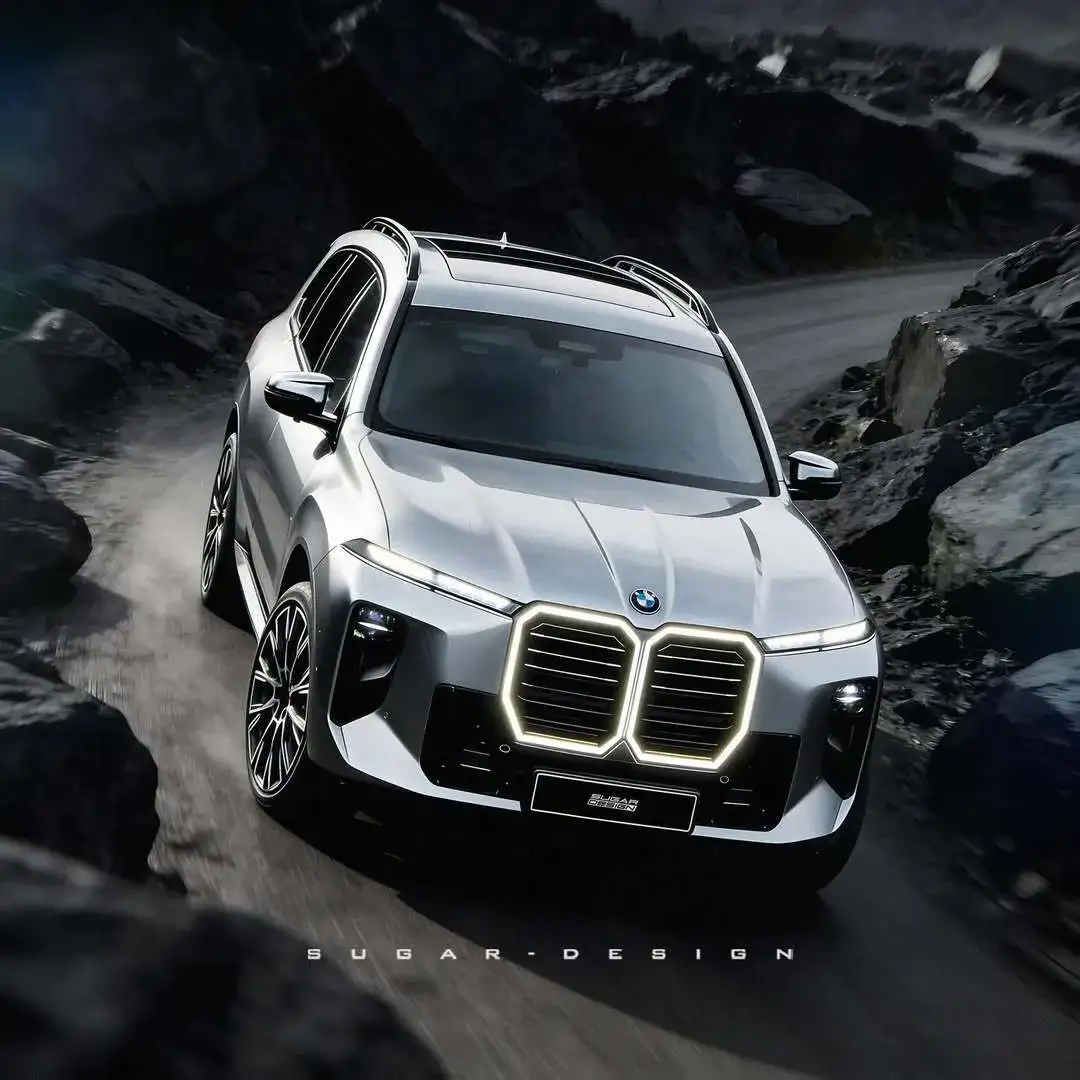
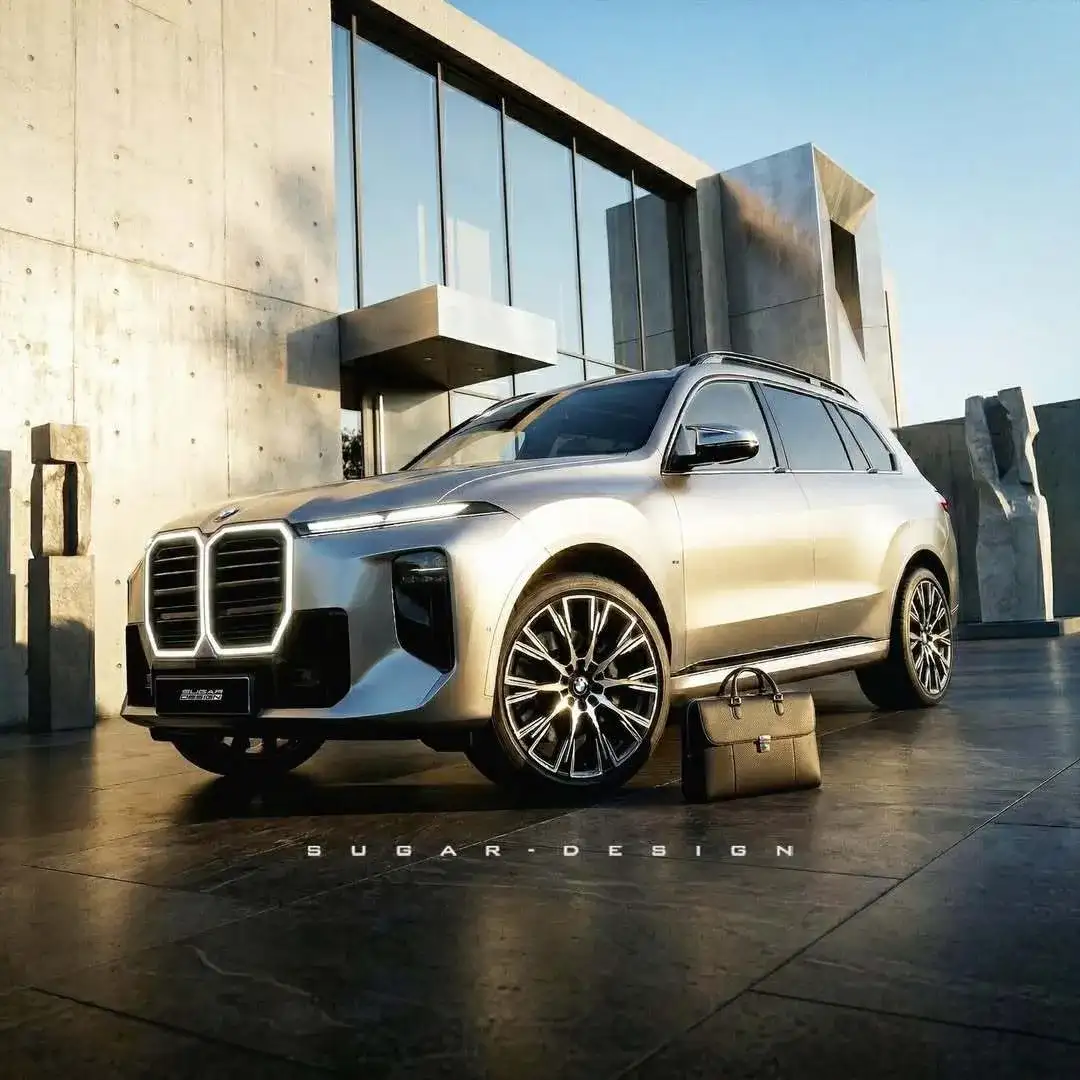
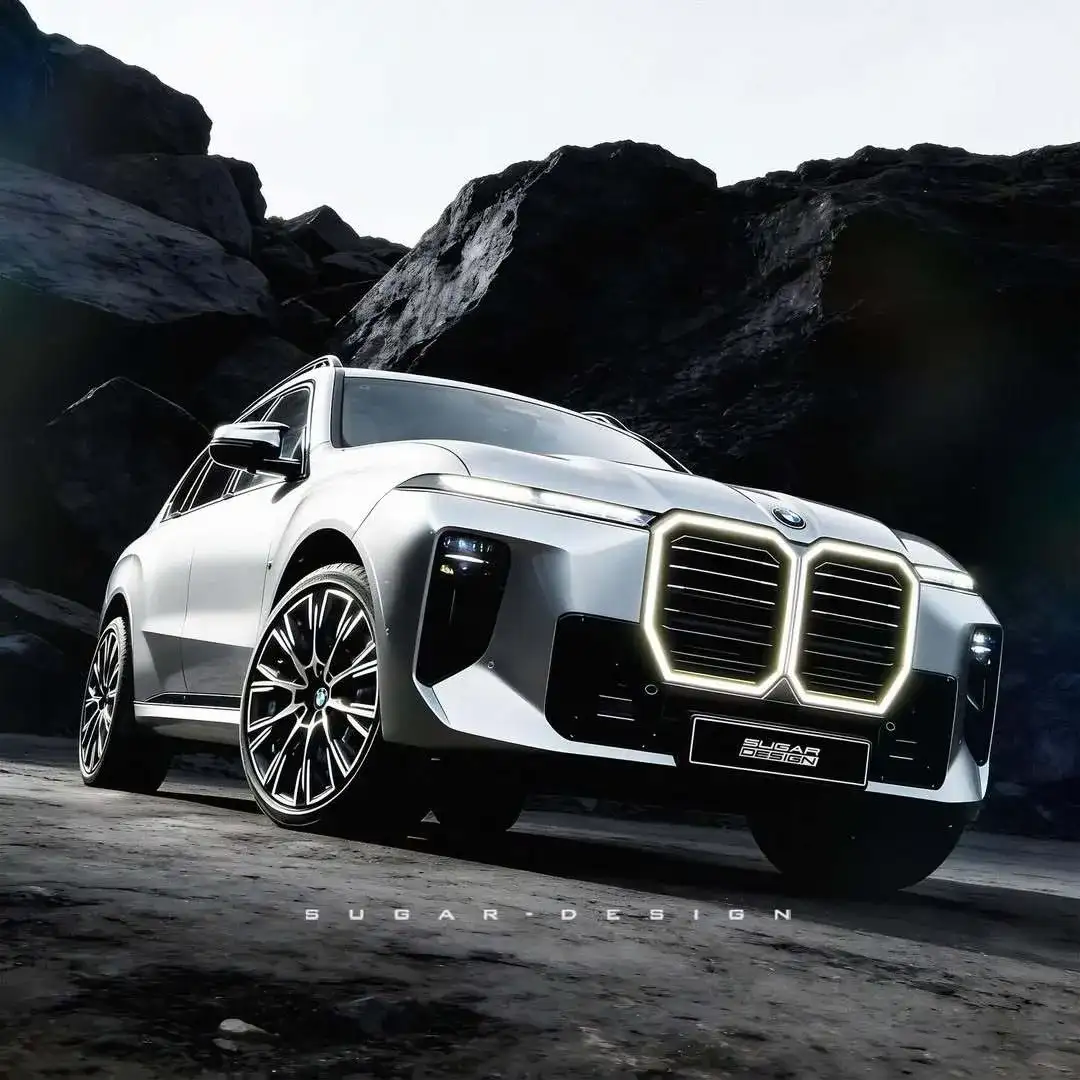
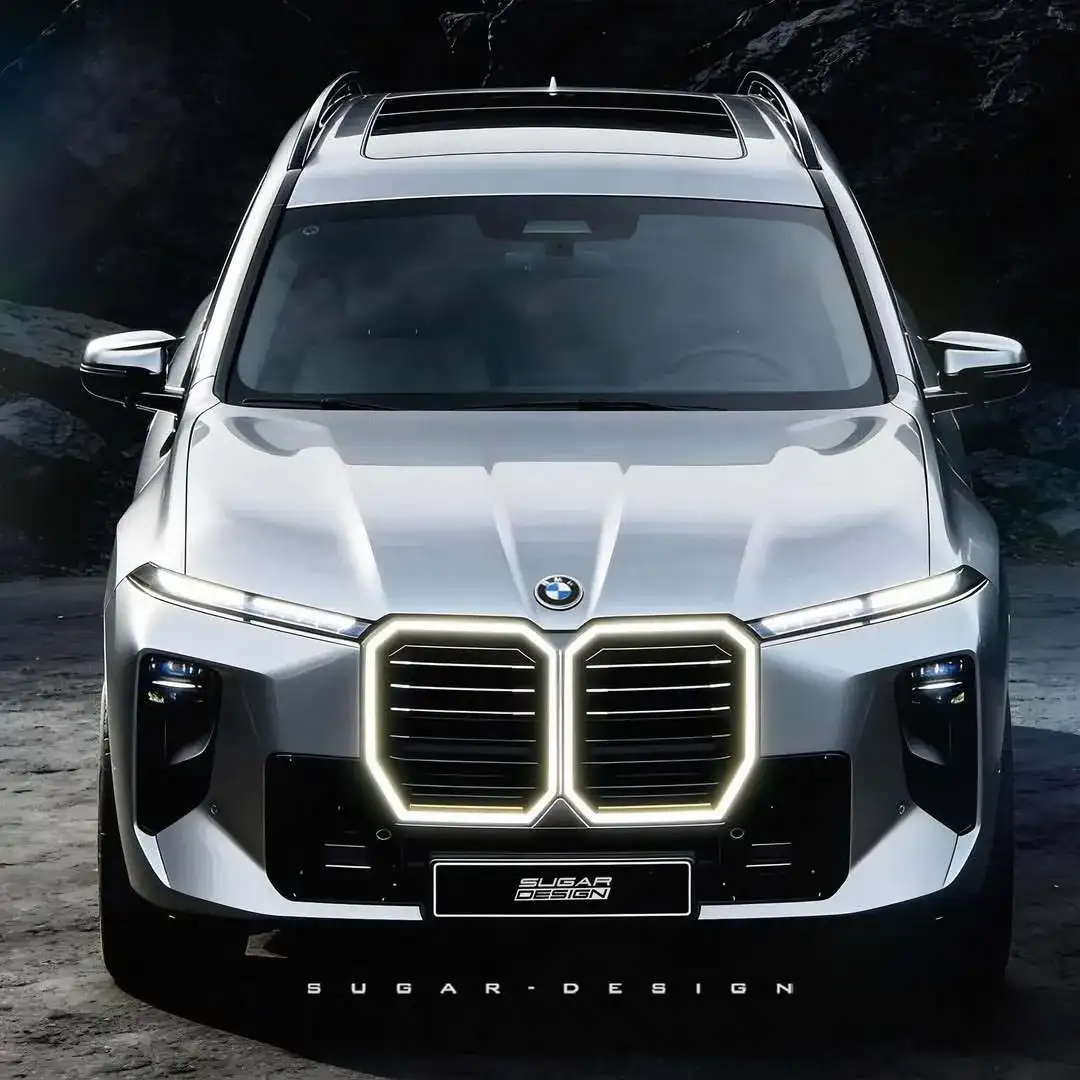
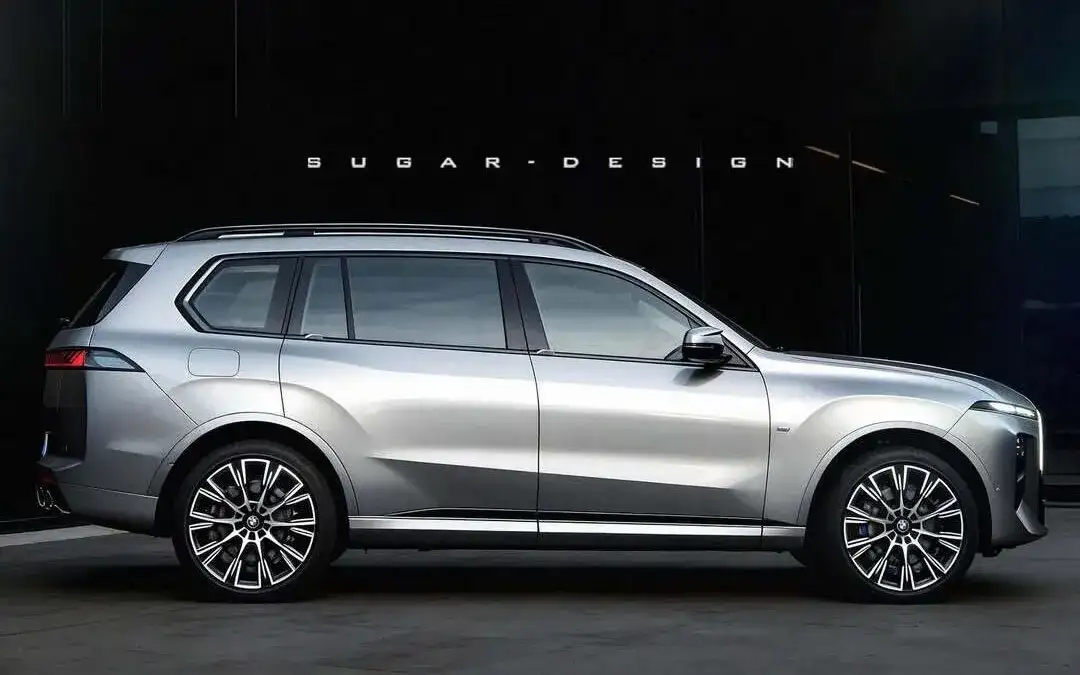
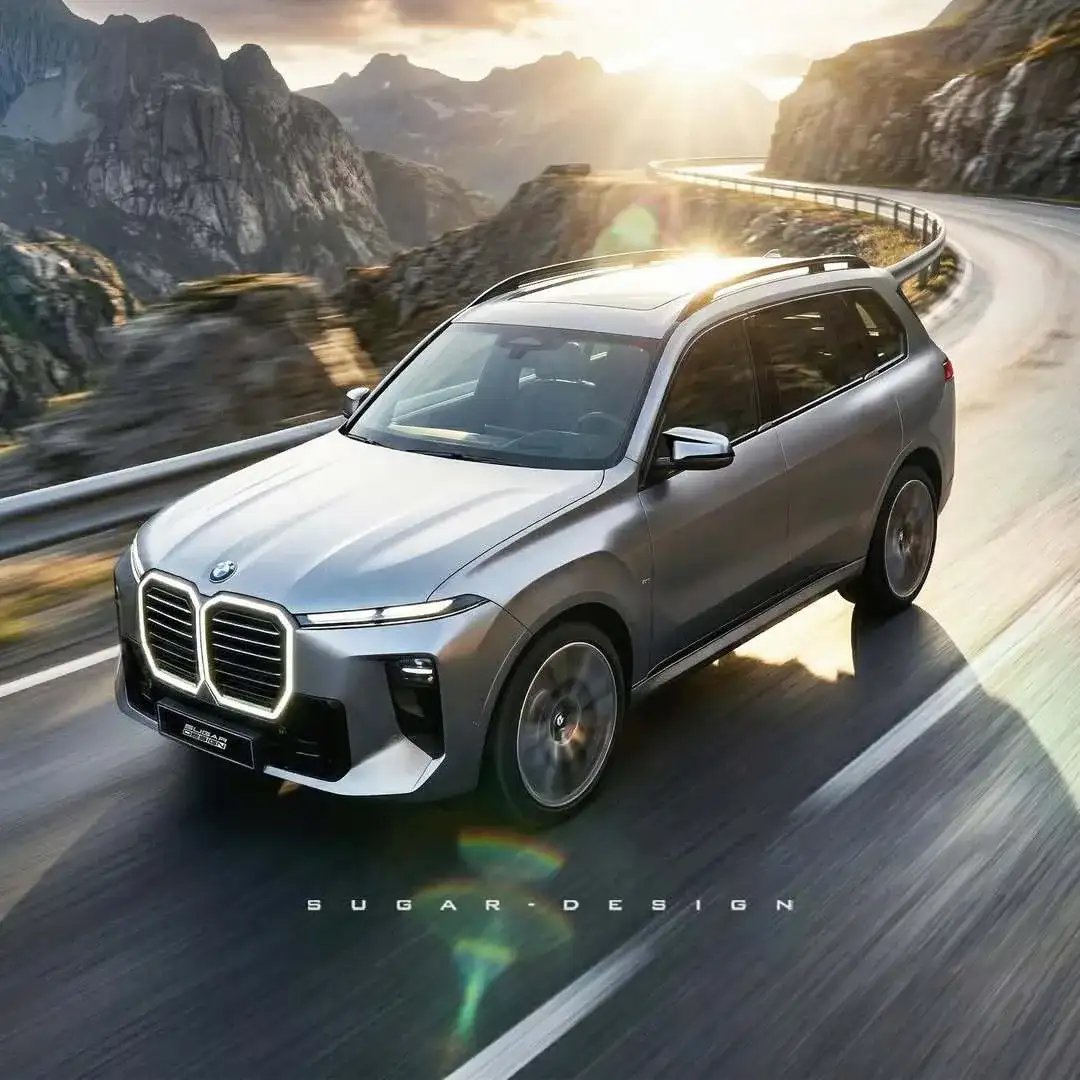
What changes most dramatically is the visual treatment. The next X7 appears set to adopt a much cleaner, more sculpted body, with major revisions at both ends. Spy shots and digital render interpretations suggest a front fascia that preserves BMW familiarity while reshaping it for the Neue Klasse era.
Expected exterior highlights include:
- Reworked split-headlight layout with thinner upper daytime running lights
- Repositioned primary lamps integrated more cleanly into dark housings
- Large kidney grilles that remain visually dominant rather than shrinking away
- Sharper body surfacing and a less bulky side profile
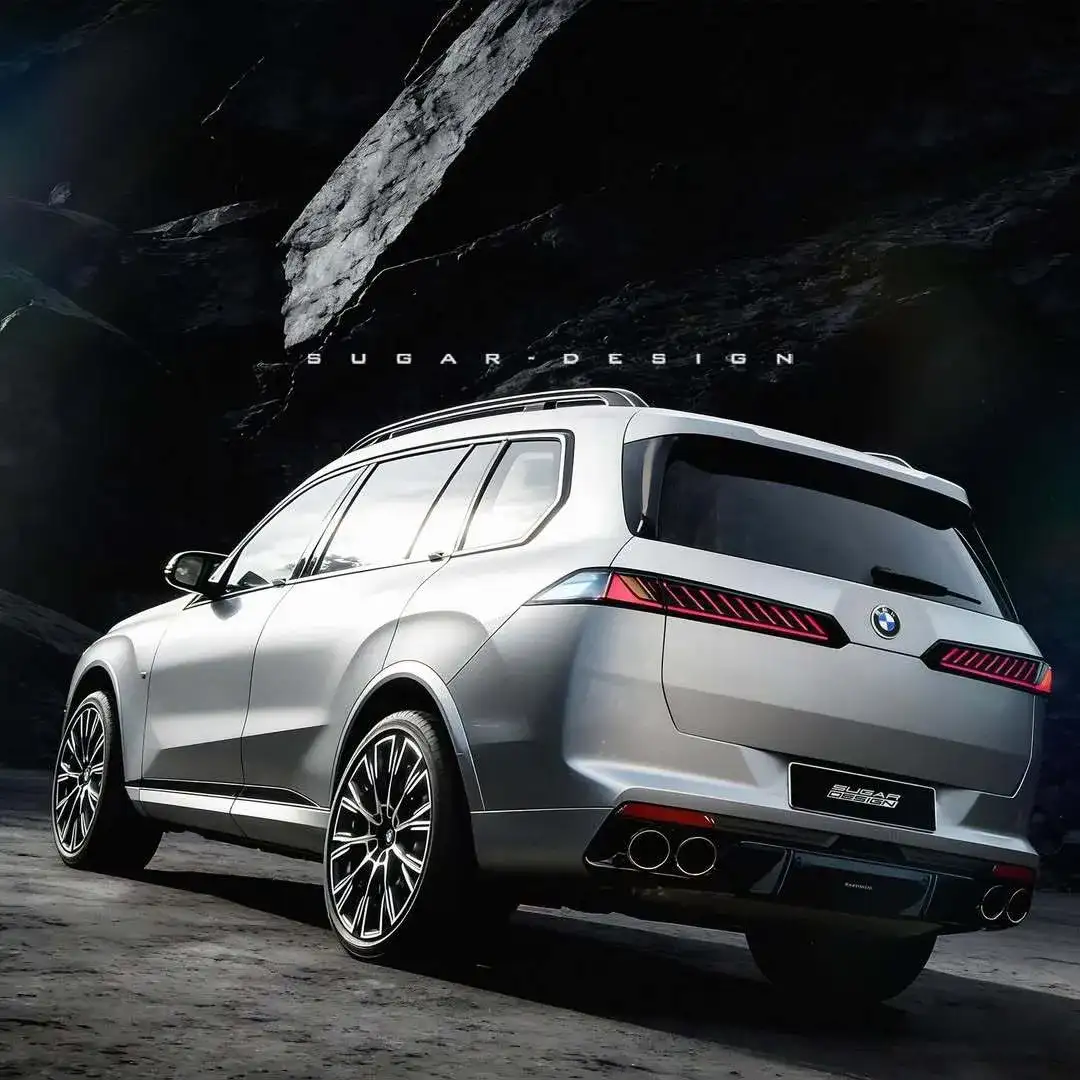
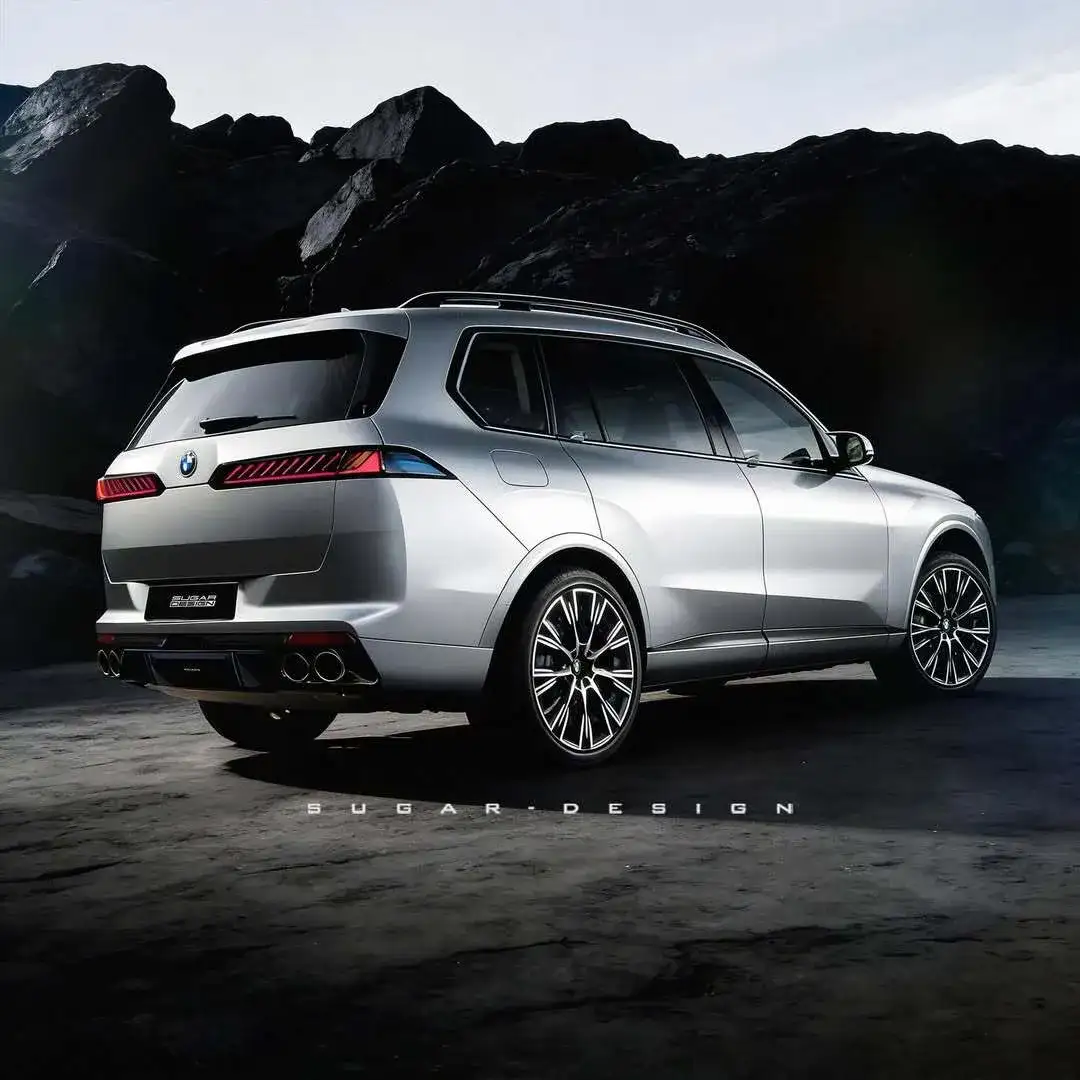
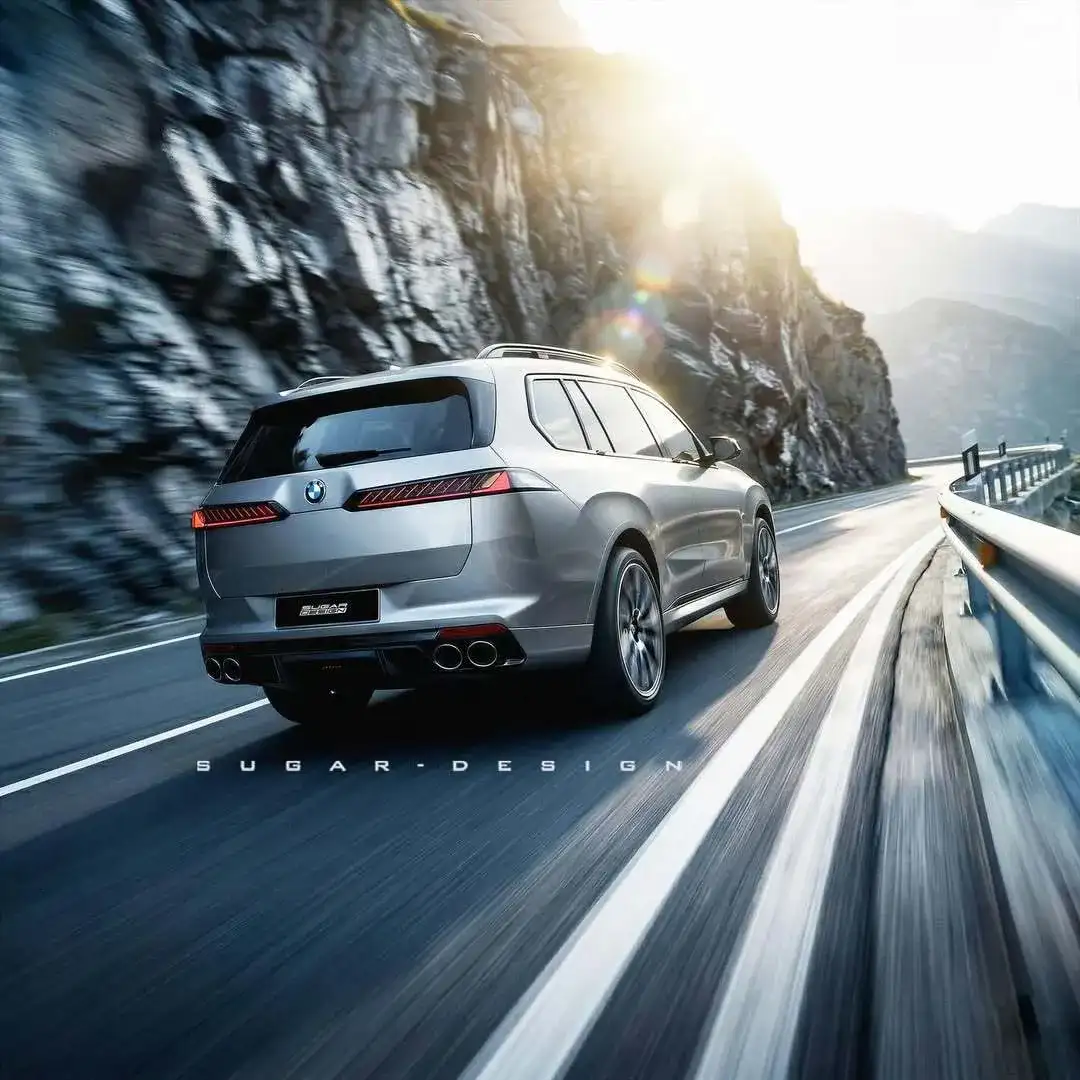
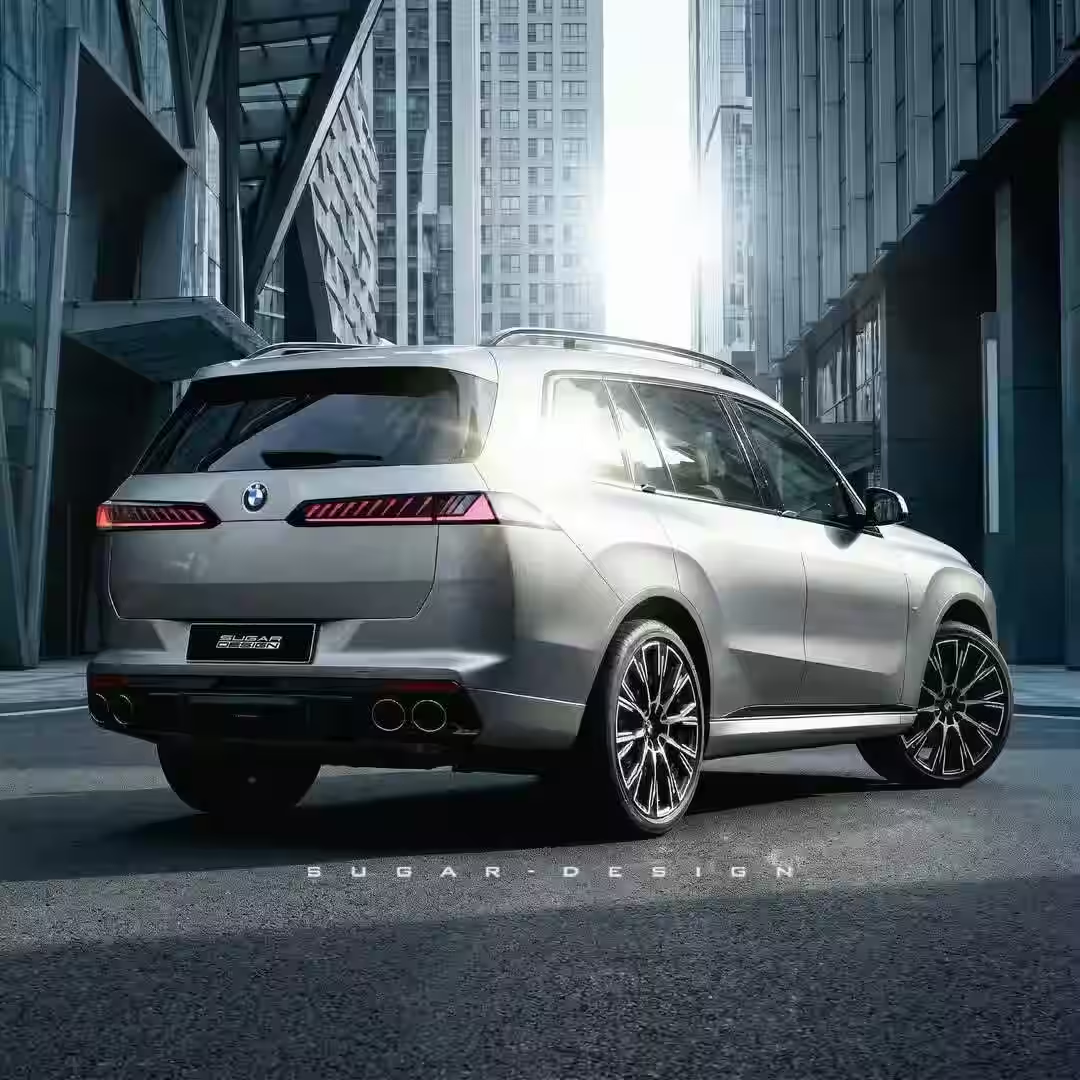
- A redesigned rear section with slimmer, more technical taillight graphics
This matters because BMW has recently been split between two aesthetics. On one side sits the bold, oversized, often controversial styling seen on modern flagship combustion models. On the other is the purer, more reduced Neue Klasse look previewed by the brand’s newest electric direction. The next X7 seems to land somewhere in the middle, carrying enough old-school BMW identity to avoid alienating loyal buyers while moving the visual language forward.
That balancing act is especially important in the premium SUV segment, where design is not just visual theater. It is branding, resale value, and status signaling all at once. Buyers in this class want innovation, but they also want instant recognition. BMW appears to know that. Rather than fully reinventing the X7 overnight, it is evolving the SUV in a way that still feels expensive, familiar, and unmistakably Bavarian.
There is also a broader context behind this shift. BMW has already started preparing audiences for the Neue Klasse transformation through its electric products and concept language. If you want to understand how serious that platform revolution is, this breakdown of the BMW i3 2026 and its Neue Klasse platform shift shows why the X7 is unlikely to remain untouched by the same philosophy.
Flush Door Fins, Big Grilles, And The Strange Details That Could Define The New X7
Among the most talked-about details on the next BMW X7 are the side-door treatments. Prototype sightings indicate that traditional pull-type door handles may disappear, replaced by small flush fins mounted below the window line. This is a major visual and tactile departure for a vehicle that has historically leaned into classic premium SUV cues.
The solution is not entirely random. BMW has experimented with similar ideas on limited-production halo models, and the concept also aligns with the broader industry trend toward smoother surfaces and reduced aerodynamic drag. On electrified or hybridized vehicles, every detail that improves airflow can contribute to efficiency, noise reduction, and design cleanliness.
Why this detail matters more than it looks:
- It reduces visual clutter on the SUV’s large side surfaces
- It may improve aerodynamic performance
- It supports a more futuristic premium feel
- It visually separates the next X7 from the outgoing model
- It hints that BMW is willing to import design ideas from niche concept-level products into mainstream flagships
At the front, BMW is expected to keep the oversized kidney grille format instead of following the narrower face seen on some EV-specific Neue Klasse models. That may disappoint minimalists, but from a brand strategy perspective, it makes sense. The X7 is a flagship SUV, and flagship SUVs rarely survive by becoming visually shy. The likely result is a grille that remains large but receives more modern internal detailing, possibly including illuminated perimeter elements or more technical slat patterns.
There is also a clear tension here between elegance and intimidation. That tension has defined the X7 from the beginning. Buyers love the commanding stance, but critics often argue BMW has leaned too far into visual aggression. The next-generation model seems ready to refine that formula rather than reject it. The body should appear smoother and more premium, but not smaller, softer, or less assertive.
The rear is equally important. Although fully revealed production taillights have not yet been seen on public prototypes, render-based interpretations point toward slimmer lighting signatures that borrow from BMW’s latest EV-inspired look. If that carries into production, the X7 may finally lose some of the visual heaviness that has characterized the current model’s tail.
The likely carryover of the split tailgate would be another smart move. For a luxury family SUV, this feature remains genuinely useful in the real world, especially for loading cargo, staging luggage, or using the lower section as a seating perch during outdoor events. In a class where many expensive features are mostly decorative, the split tailgate remains one of the X7’s strongest practical touches.
BMW is hardly alone in using design and packaging to redefine premium utility vehicles. The same pressure is showing up across the segment, from electric flagships to coupe-like crossovers. That is why comparisons with vehicles such as the Volvo EX90 2027 and its ultra-modern Scandinavian tech-heavy cabin are becoming increasingly relevant for luxury SUV shoppers.
Inside The BMW X7 2027, Panoramic iDrive Could Change What Luxury Feels Like
If the exterior is where BMW negotiates between heritage and future design, the cabin is where the future takes over more aggressively. The next X7 is expected to debut or at least prominently feature BMW’s Panoramic iDrive environment, one of the brand’s most significant interface changes in years.
Instead of relying solely on a traditional instrument cluster and central screen layout, this system is designed around a full-width information display at the base of the windshield, paired with a central touchscreen and next-generation voice interaction. In practice, that means the X7 may become less button-centric and more digitally orchestrated than any previous combustion-based BMW family SUV.
Expected interior technology features include:
- Panoramic iDrive display stretching across the lower windshield area
- Large central infotainment screen with tablet-like presentation
- Advanced voice assistant with deeper vehicle-function integration
- Reduced dependence on conventional physical controls
- Updated software architecture aligned with BMW’s next-gen EV ecosystem
This move will excite some buyers and frustrate others. Luxury consumers increasingly expect digital immersion, software updates, richer navigation visualization, and highly customizable interfaces. At the same time, there is growing pushback against replacing every tactile control with touch-sensitive menus and voice commands. BMW is walking into that tension knowingly.
For many readers, this may be the true story of the next X7. Not just whether it looks sharper, but whether it still feels intuitive and premium when you are adjusting climate settings, managing driver assistance features, or handling navigation on a long family trip. In a full-size SUV, usability is not a niche concern. It is central to ownership satisfaction.
This is where BMW’s challenge gets more complicated. The X7 buyer is not always the same as the early adopter chasing the most radical interface possible. Some are tech-driven, but many are upgrading from previous BMWs, Mercedes SUVs, or even luxury body-on-frame rivals. They expect innovation, but they also expect calm operation and effortless ergonomics. That makes the Panoramic iDrive launch inside the X7 especially high-stakes.
Interestingly, the broader market is already reacting to this debate. Some automakers are pushing touch-first cabins harder, while others are quietly restoring physical interaction points. That is why Mercedes bringing physical buttons back to parts of the S-Class interface has become such a closely watched countertrend.
As for powertrains, BMW has not fully disclosed the complete lineup for the next X7, but there are strong reasons to expect a familiar mix of electrified gasoline engines and performance-oriented variants. Today’s X7 range includes turbocharged six-cylinder and V8 powertrains depending on market and trim, while the Alpina-derived XB7 formula has shown that there is still strong appetite for ultra-fast, ultra-luxurious full-size SUVs. The future lineup will likely continue to blend combustion strength with increasing levels of electrification.
That also raises a bigger strategic question. If North American dealer pressure eventually helps create an even larger BMW X9, the X7 could evolve from “BMW’s biggest SUV” into “BMW’s most versatile flagship SUV.” That sounds like semantics, but product positioning at this level is crucial. A future X9 would likely aim directly at Escalade and Navigator territory, while the X7 would shift slightly closer to the refined, globally minded luxury end of the segment.
For now, however, the X7 still carries the burden of representing BMW at the top of its SUV hierarchy. That explains why this redesign appears so carefully calibrated. It must attract traditional luxury buyers, justify premium pricing, showcase new interface technology, and preview the design logic BMW intends to spread across its next generation of vehicles.
What we know so far about the BMW X7 2027:
| Category | Expected Details |
|---|---|
| Internal Code | G67 |
| Body Style | Full-size three-row luxury SUV |
| Seating | Up to 7 passengers |
| Design Direction | Blend of current BMW cues and Neue Klasse elements |
| Door Handles | Likely replaced by flush fins below the windows |
| Interior Tech | Panoramic iDrive with wide lower-windshield display |
| Launch Timing | Expected in the second half of 2027 |
“The next BMW X7 is not just being redesigned. It is being asked to explain how a traditional luxury SUV can survive in an era obsessed with digital minimalism, aerodynamic efficiency, and EV-era styling.”
That is why this vehicle matters even before its official reveal. It is a test of how far BMW can push transformation without losing the old strengths that made the X7 successful in the first place. And if the brand gets that balance right, the new X7 may do more than replace the current model. It may quietly become the template for how legacy luxury SUVs evolve without surrendering their identity.
There is another angle worth watching for BMW loyalists. The company is already signaling big changes across its performance and luxury portfolio, from electric sedans to limited-run halo projects. Readers tracking that larger strategy may also want to see why the BMW iX remains such a revealing benchmark for BMW’s EV priorities and how the Alpina XB7 Manufaktur may already hint at the end of one glorious chapter of BMW flagship excess.
Until BMW unveils the production model, some uncertainty remains around final lighting details, powertrain combinations, and exactly how radical the interior interface will be in daily use. But the direction is already clear. The next X7 is not standing still, and it is no longer content to be only a bigger BMW SUV. It is becoming a rolling argument about what luxury, presence, and innovation should look like in the second half of this decade.