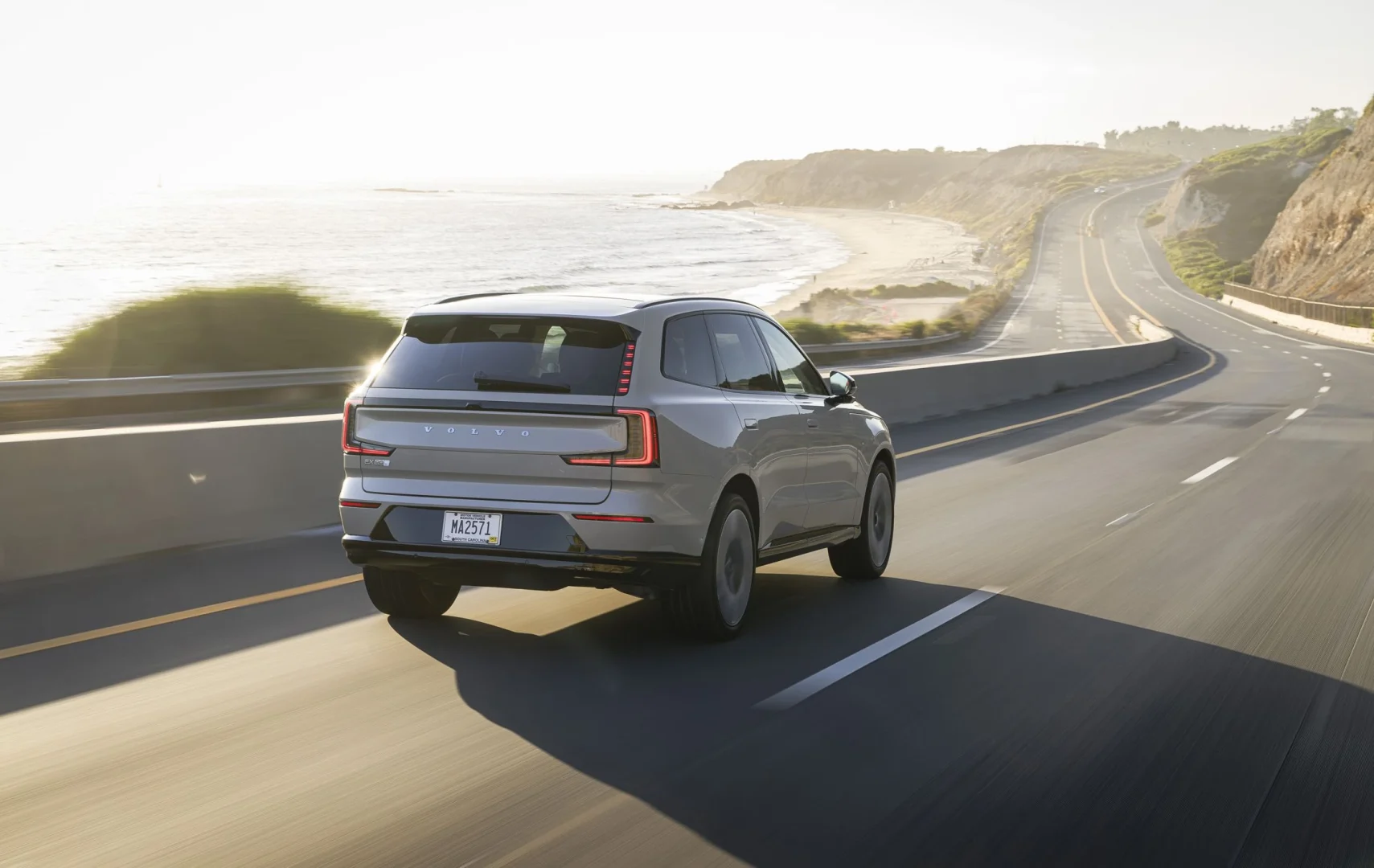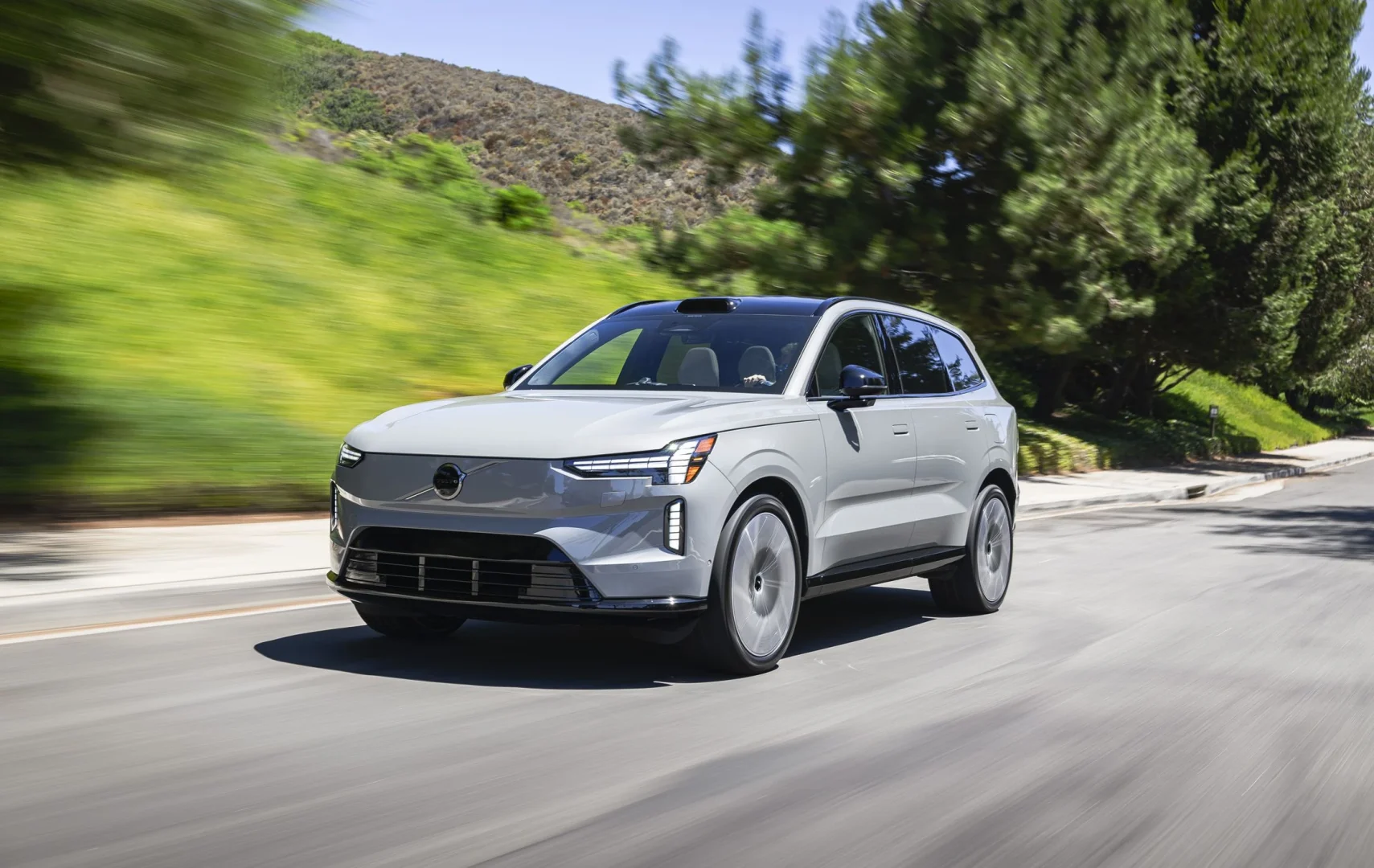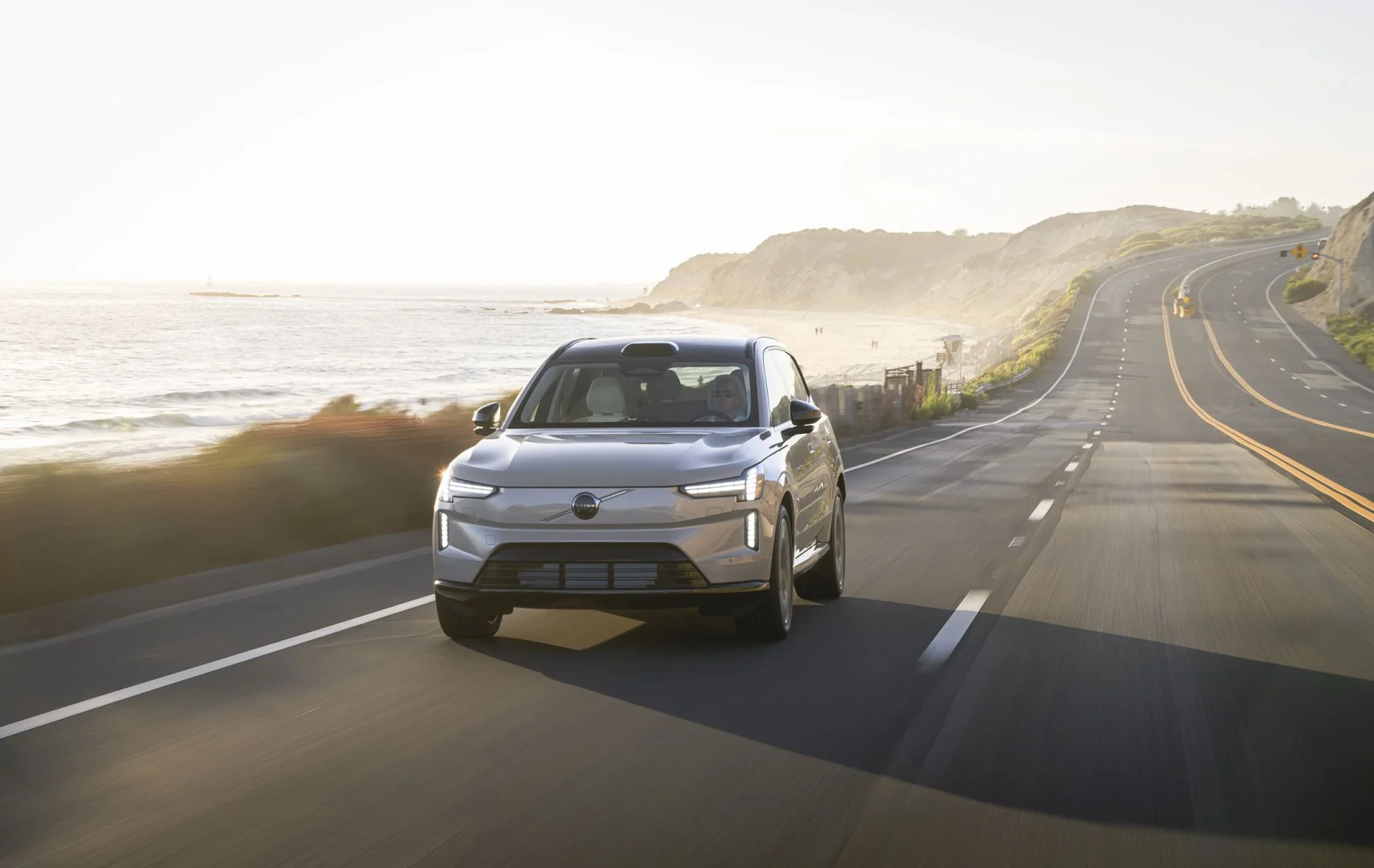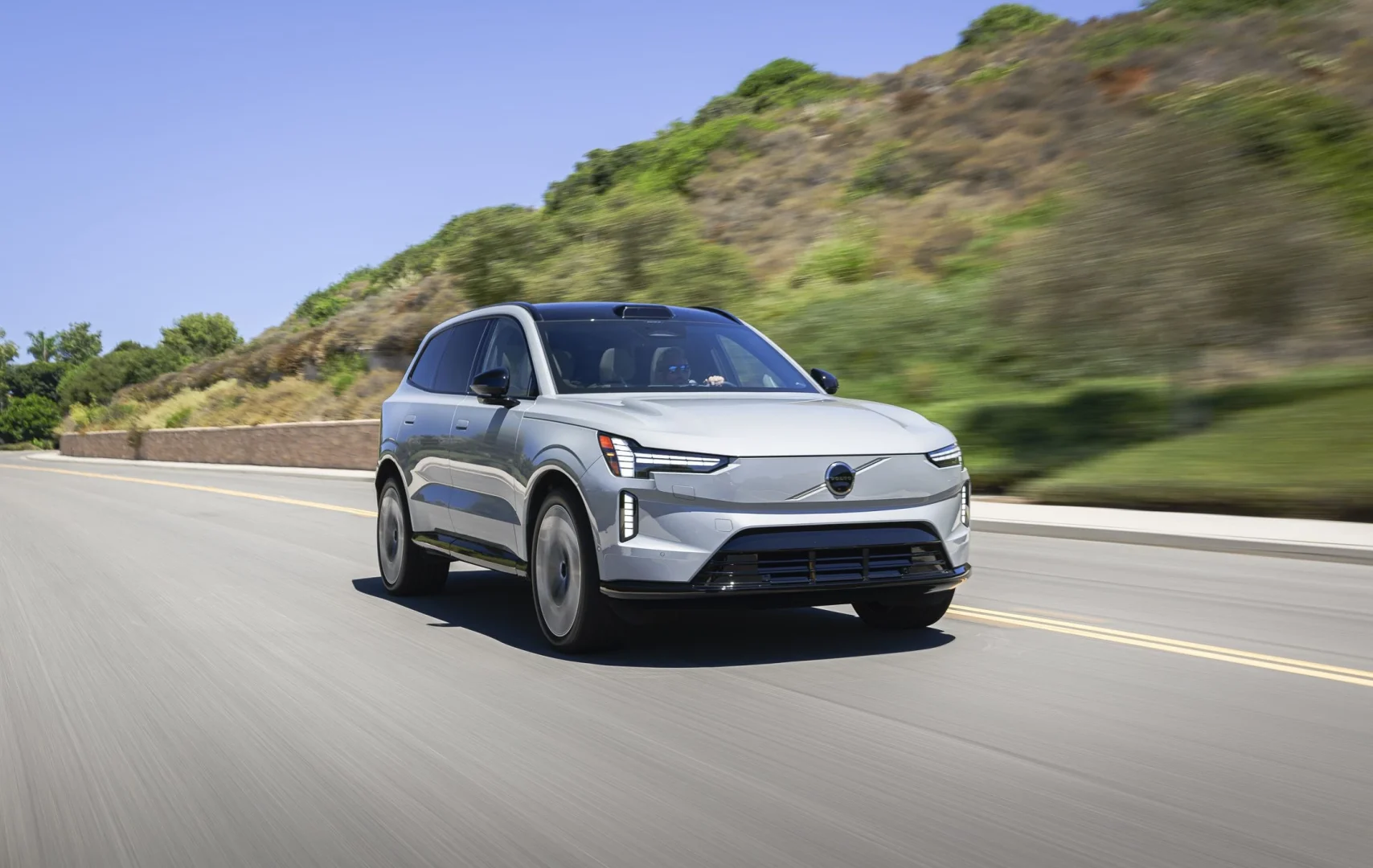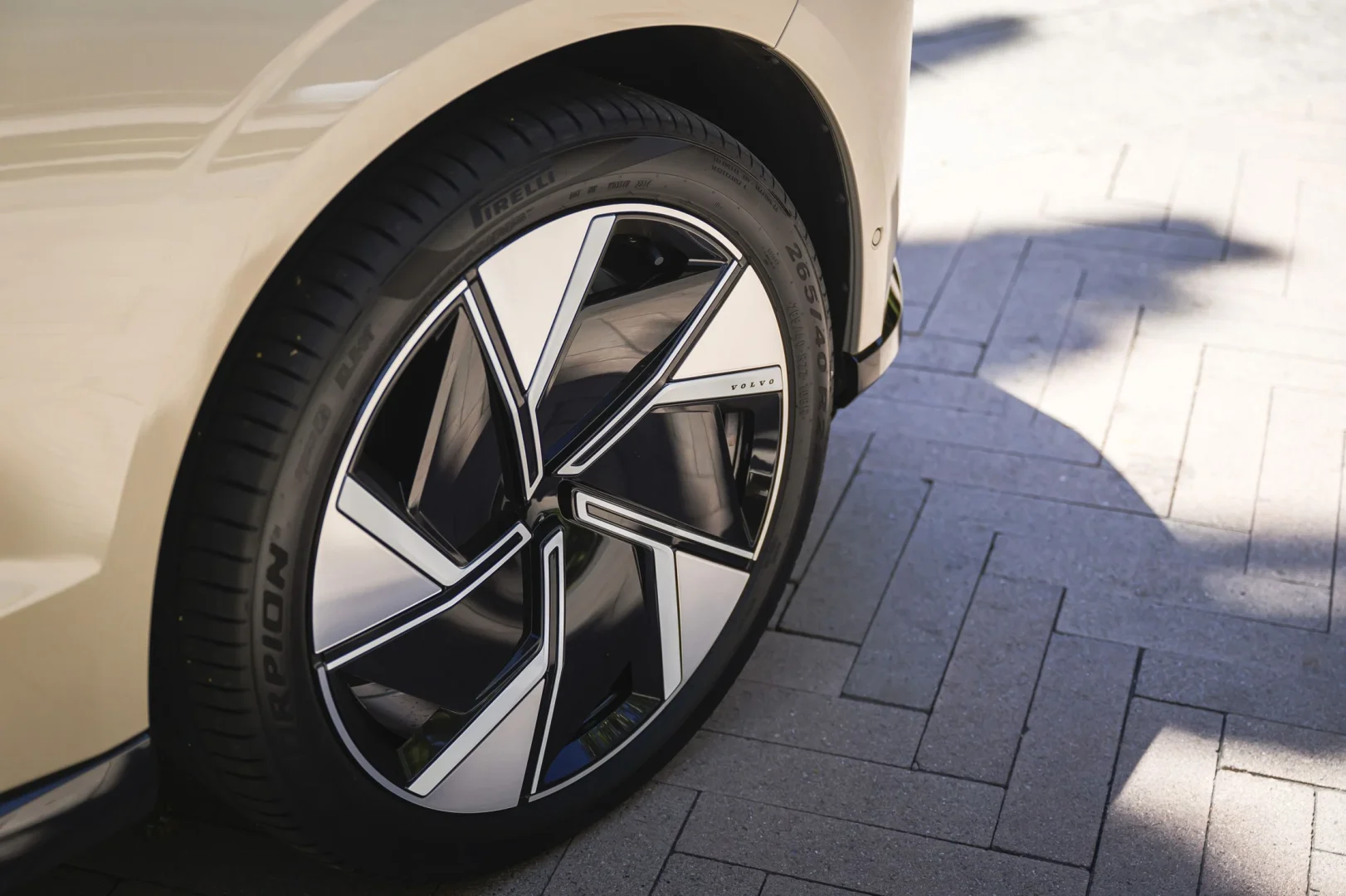
VOLVO EX90 2027 combines 670 hp and luxury for 7 people. But does the lack of physical buttons hinder? Discover everything about this electric SUV.
The Volvo EX90 2027 does not try to be just the electric version of the XC90. It aims to occupy a more ambitious space: that of a luxury electric SUV with 7 seats that delivers the quietness of a premium sedan, cutting-edge technology, and performance capable of embarrassing traditional rivals. But there is one detail that divides opinions and may determine the purchase even before the test drive.
THE VOLVO EX90 2027 AIMS FOR THE TOUGHEST SEGMENT IN THE ELECTRIC MARKET
The market for three-row electric SUVs is still one of the most complex in the automotive industry. It’s not enough to have a large battery and high power. This type of vehicle needs to balance real range, family comfort, interior space, fast charging, advanced safety, and premium finishes. This is precisely where the VOLVO EX90 2027 enters the equation.
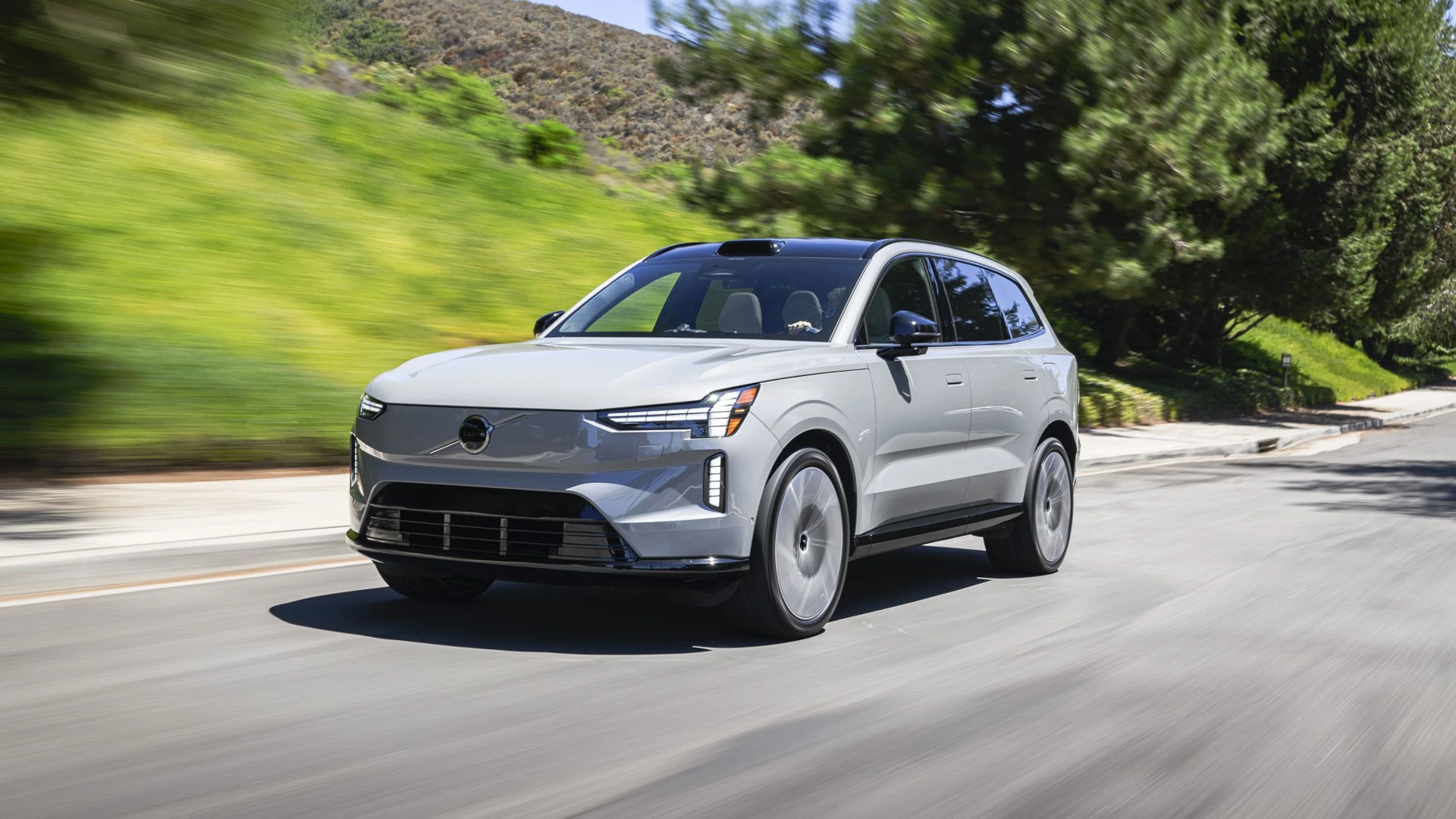
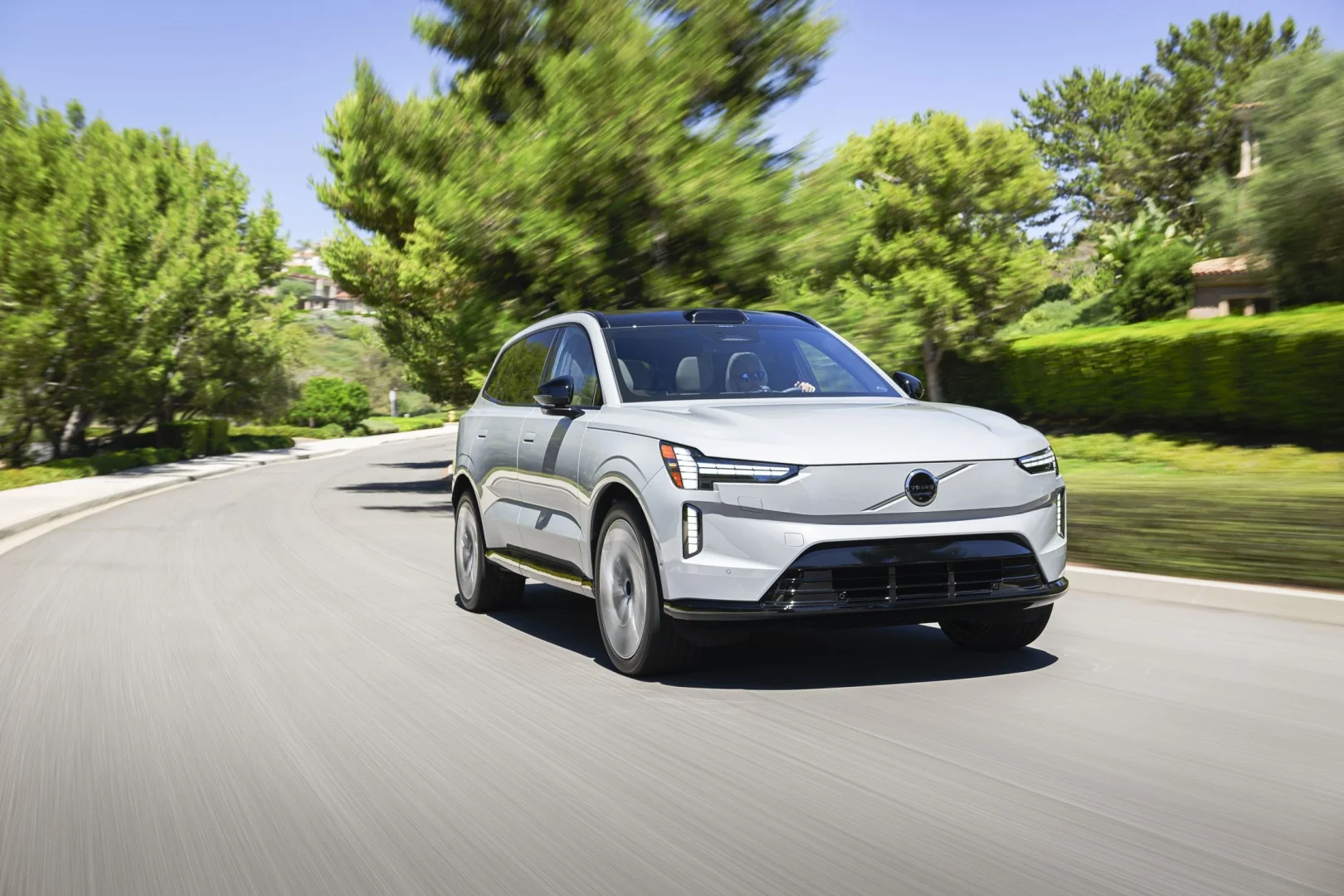
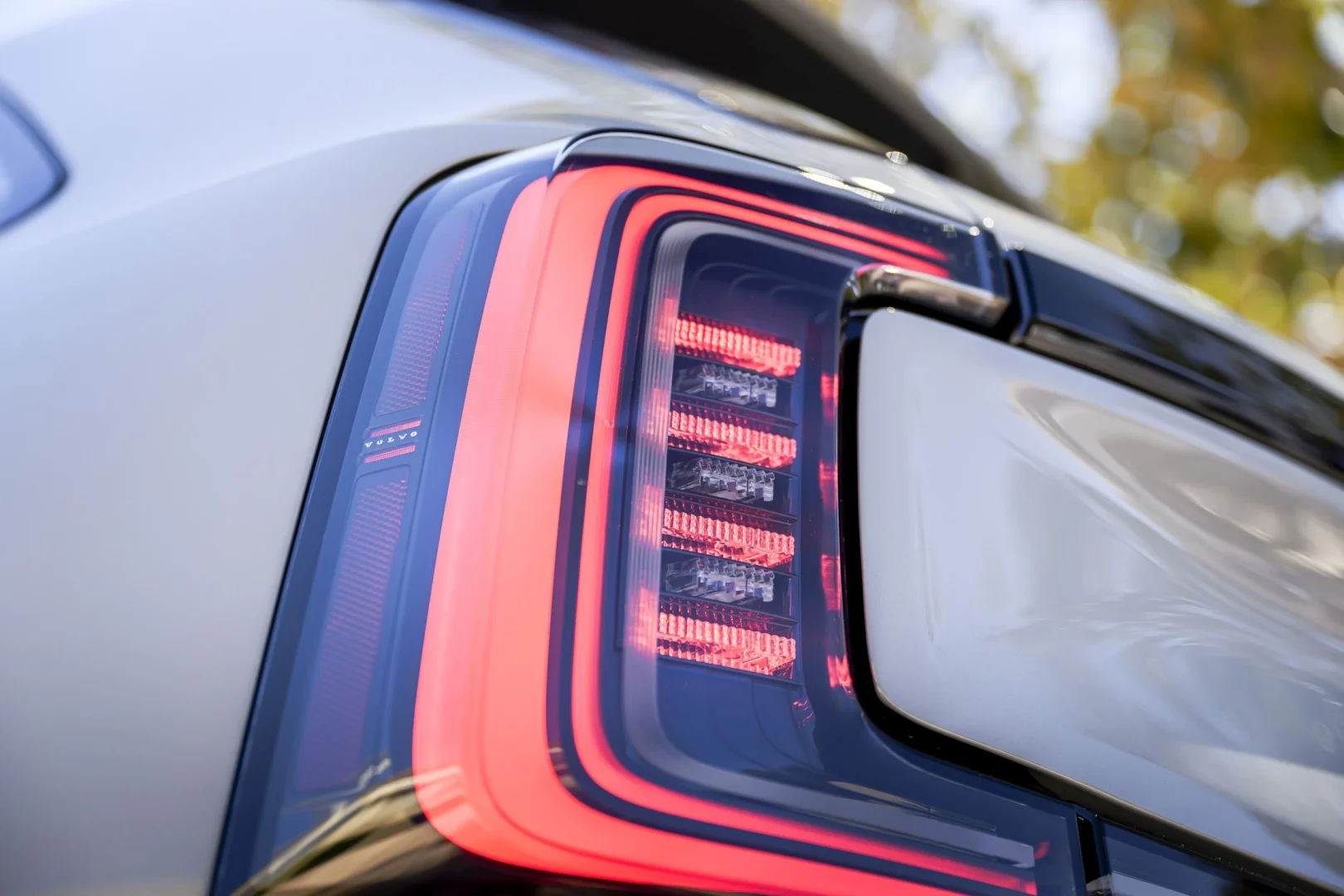
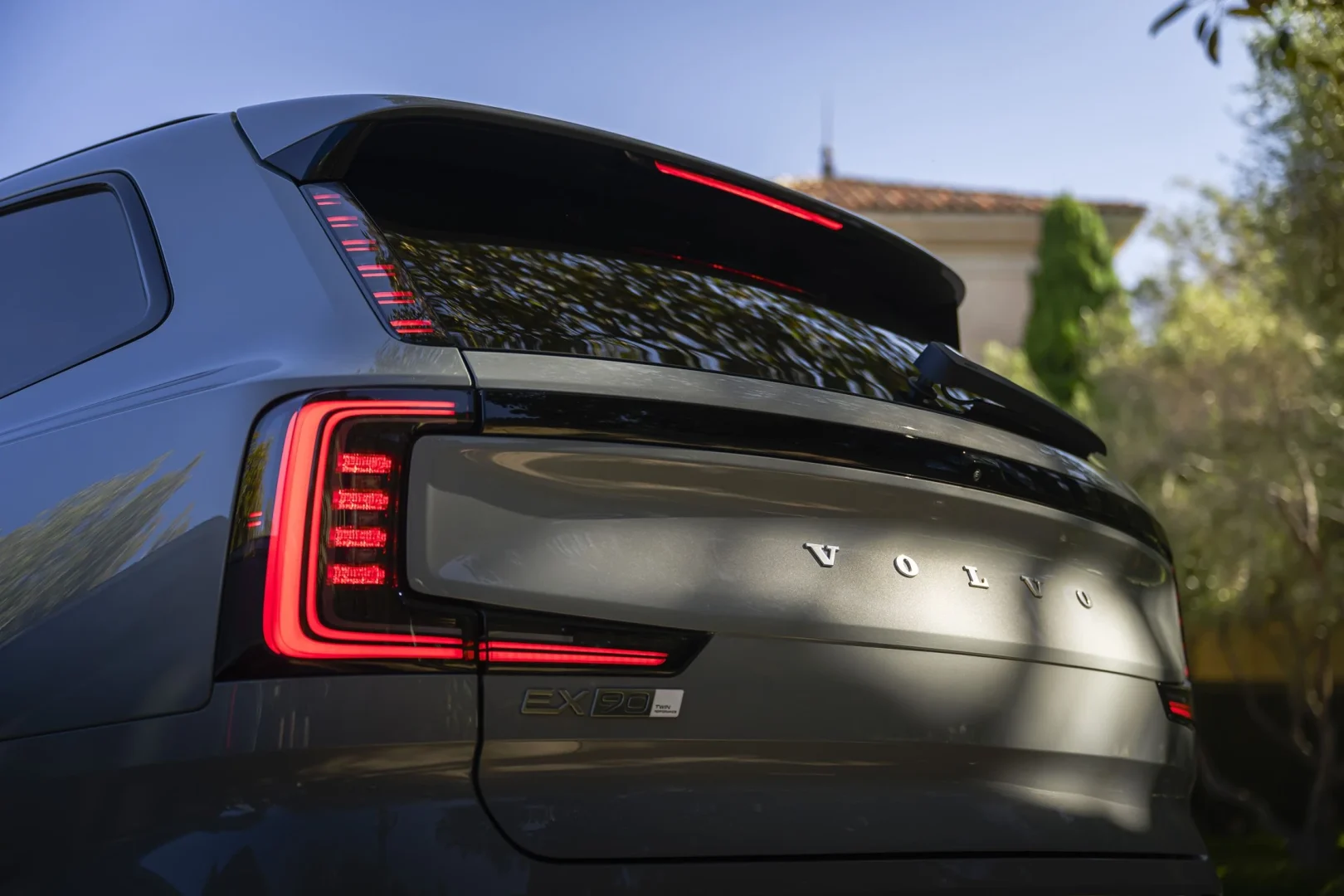
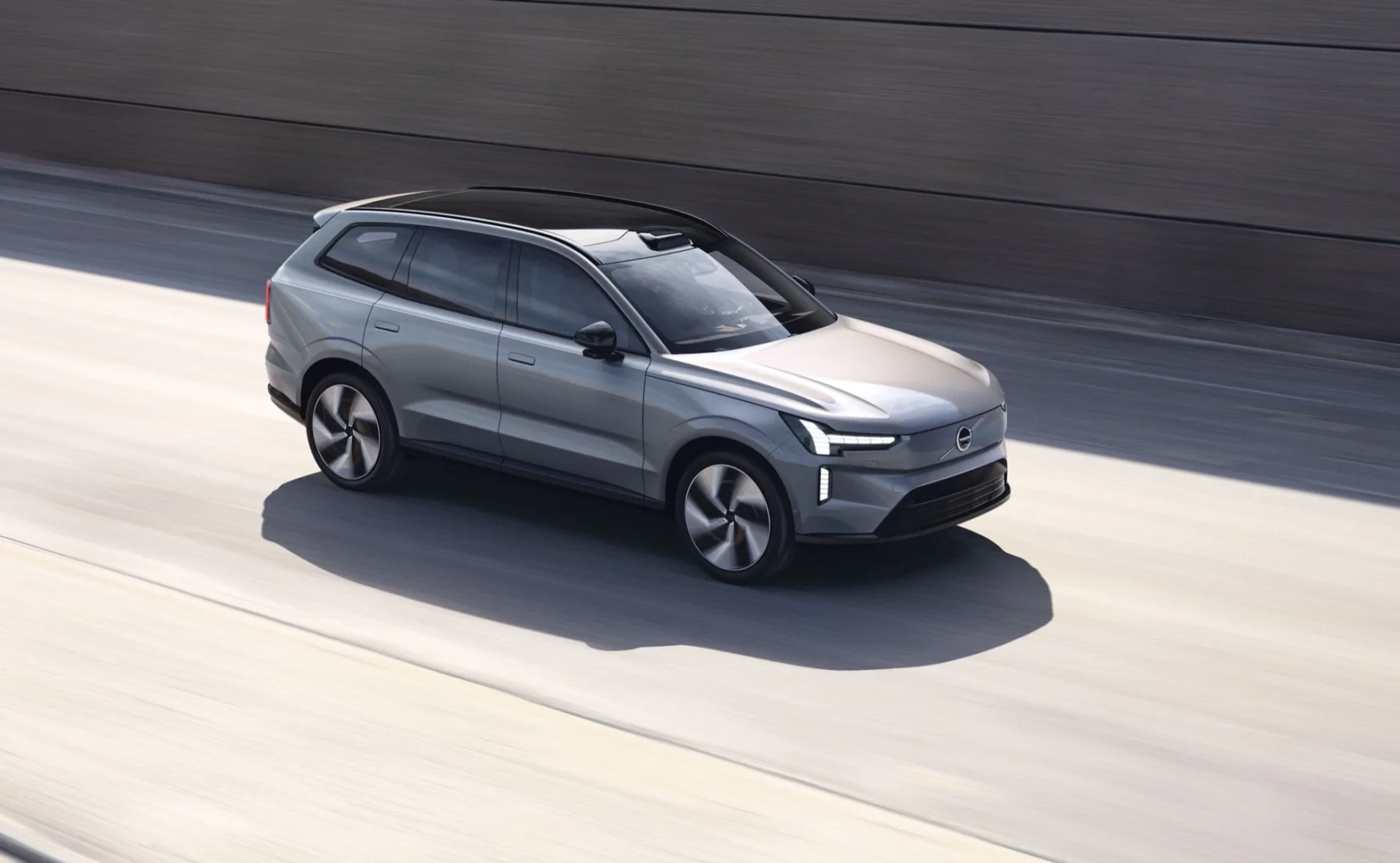
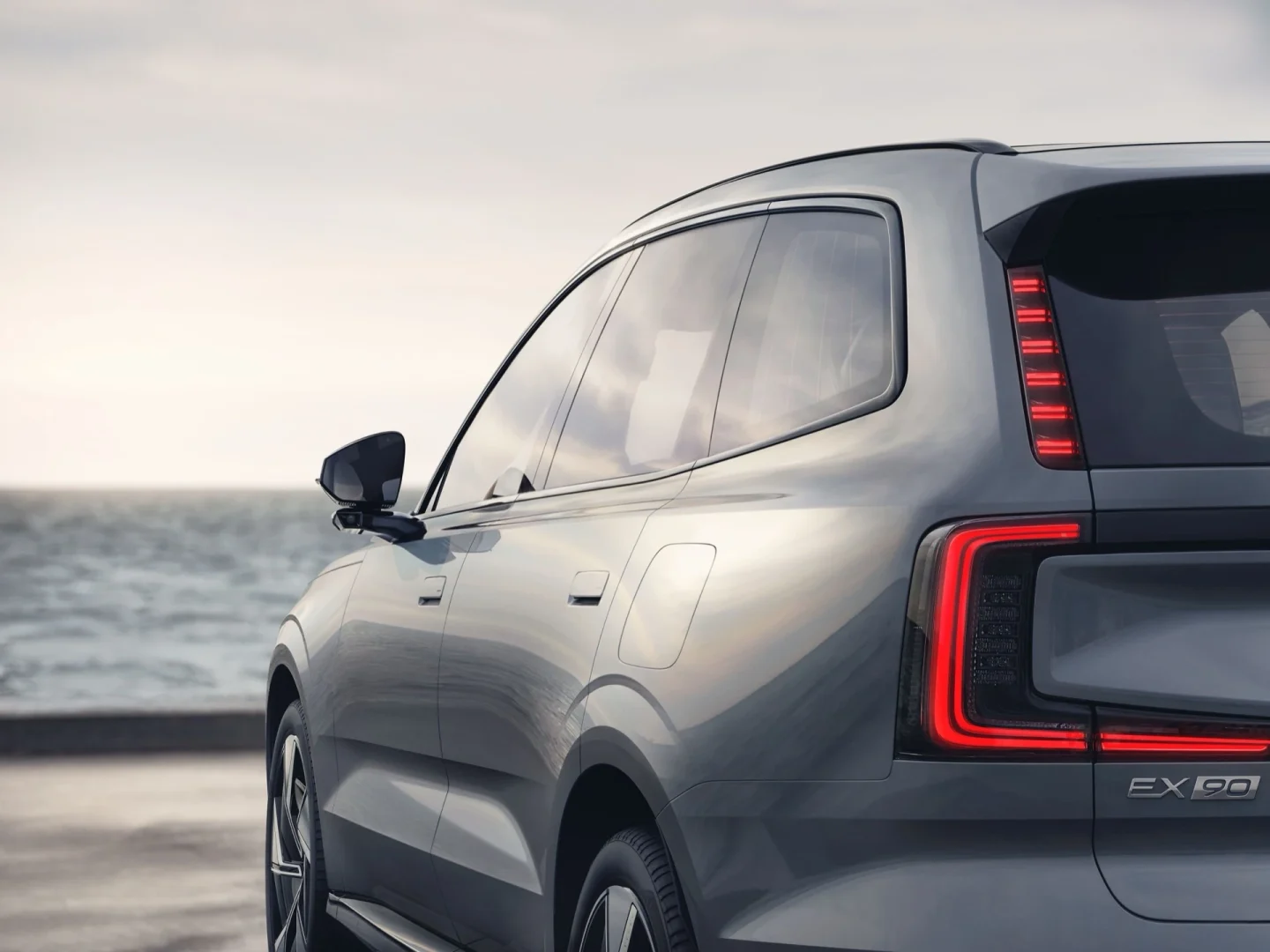
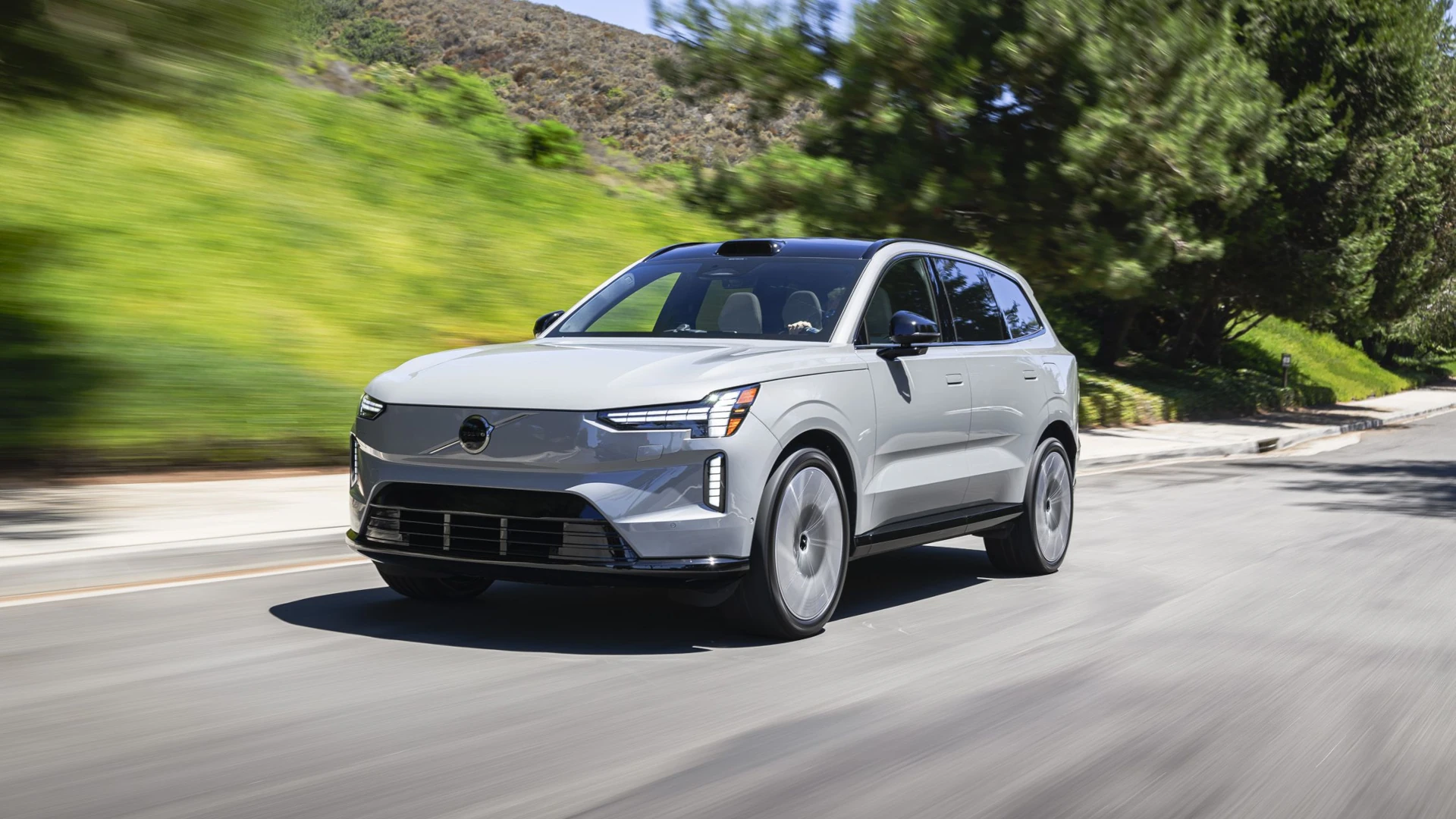
In essence, it functions as the electric equivalent of the renowned XC90, but with a proposal much more aligned with the present and future of the Swedish brand. The exterior design remains true to Volvo’s Scandinavian language, with clean lines, elegant surfaces, and a sober presence. It is not an SUV that screams sportiness. It prefers to convey silent sophistication.
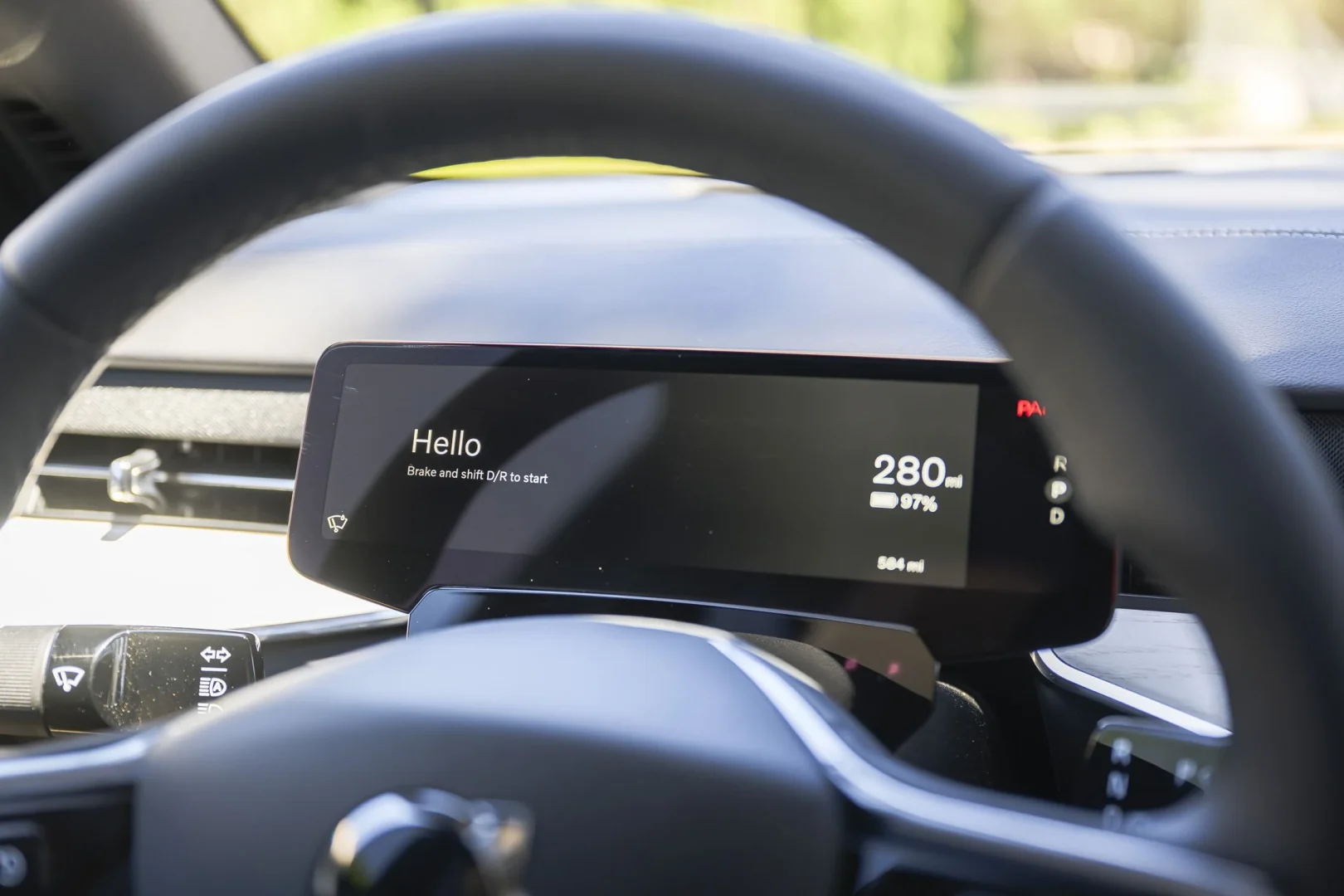
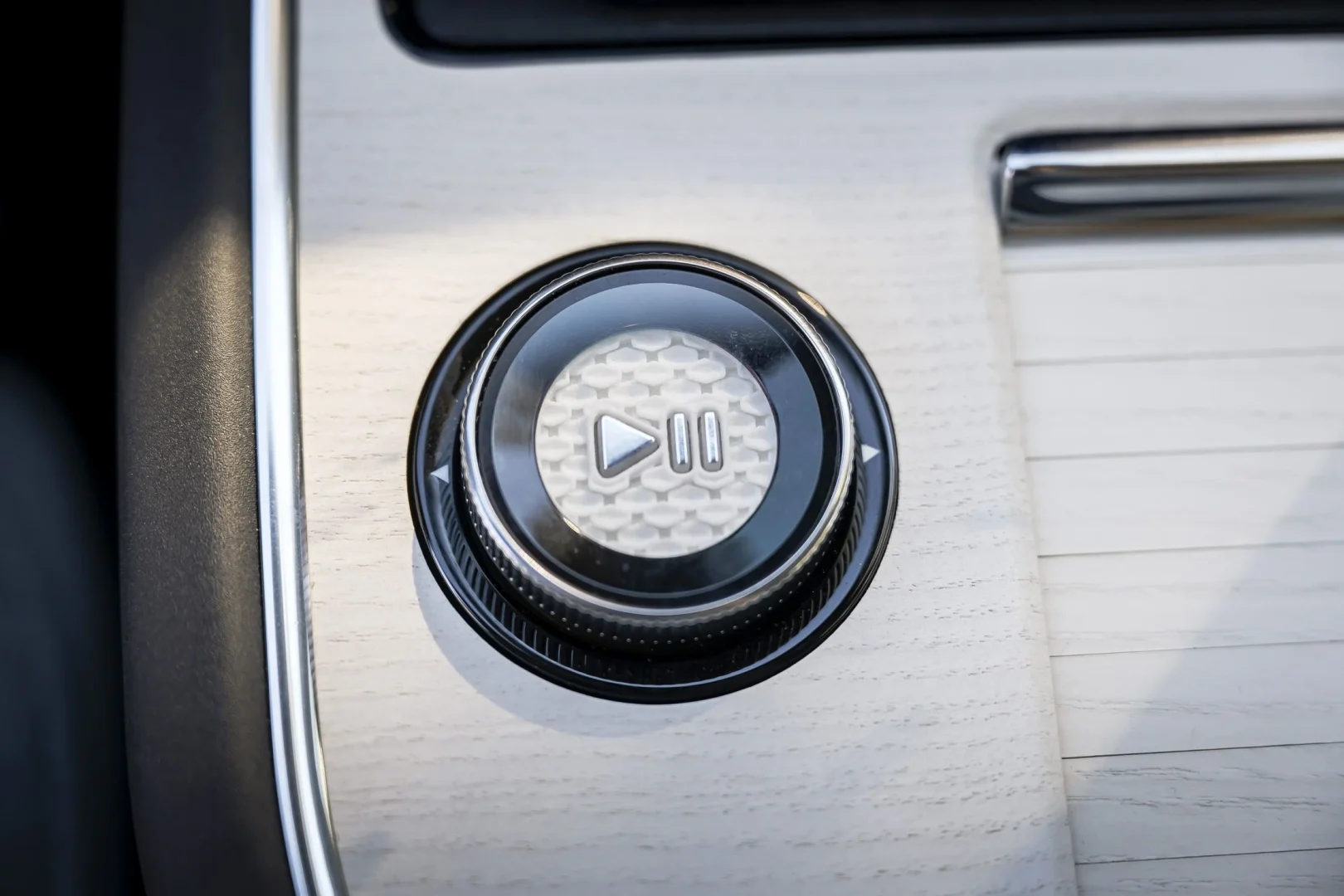
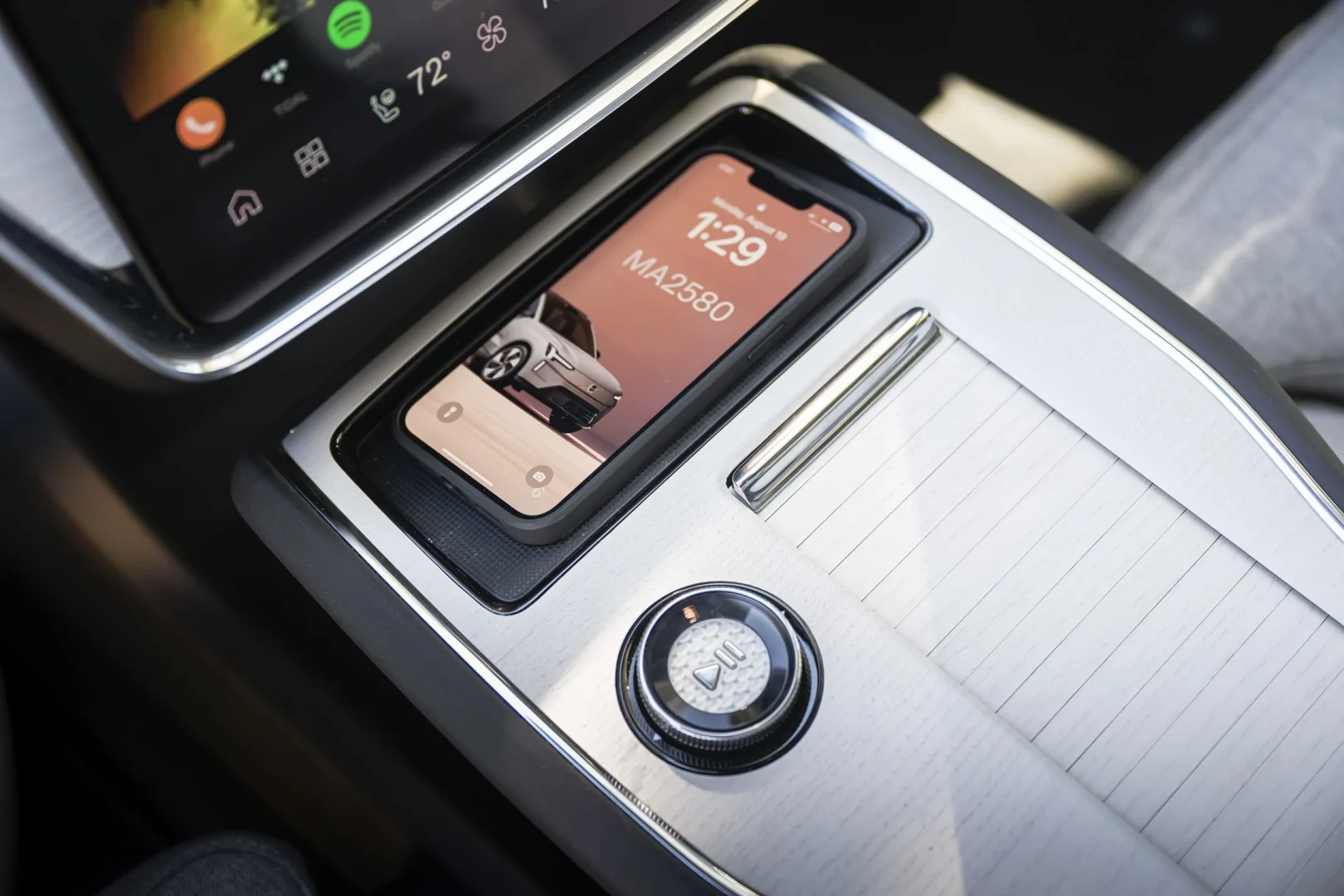
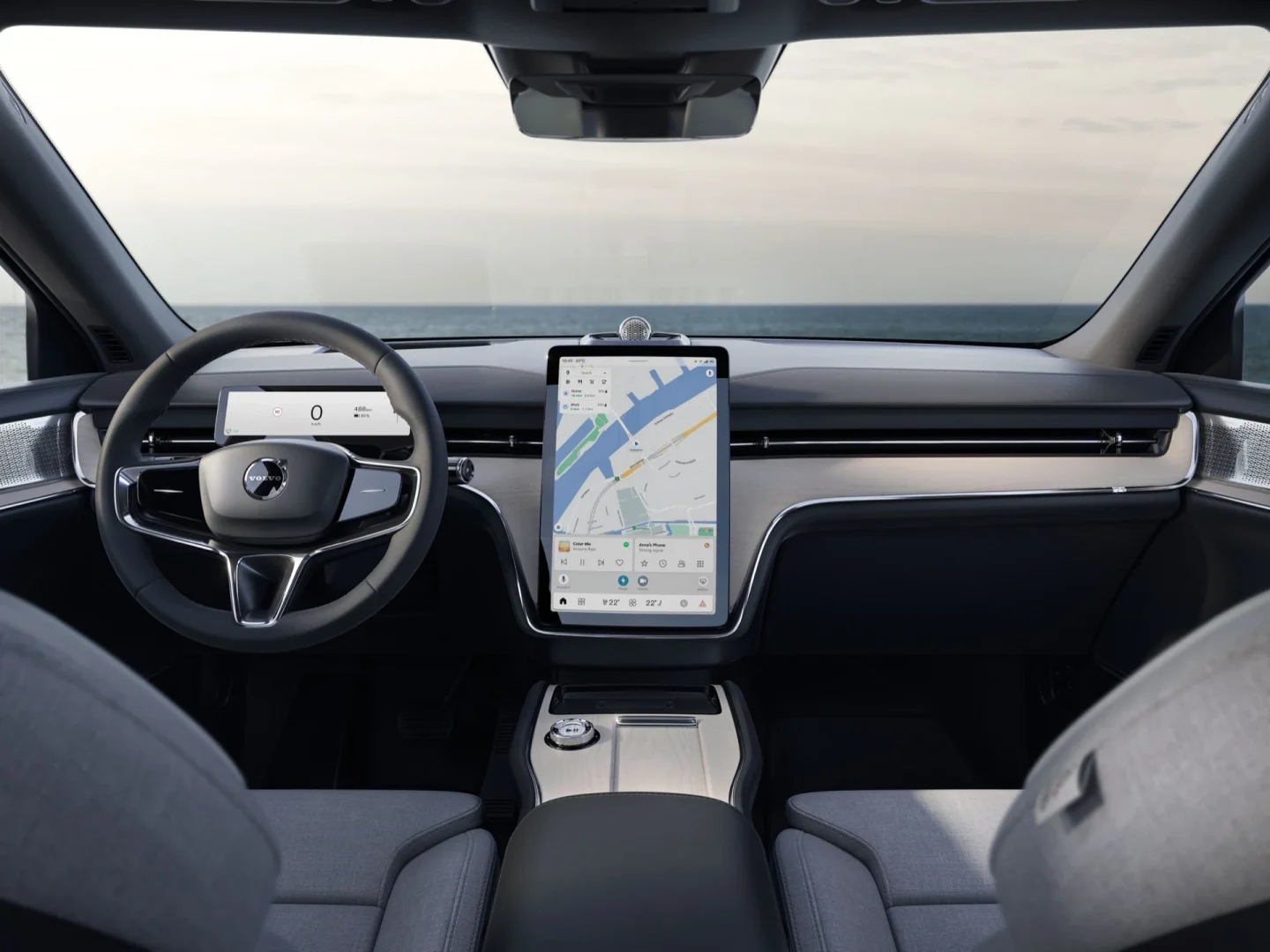
Inside, the transformation is even clearer. The EX90 almost completely abandons traditional physical controls and opts for a cabin dominated by a massive vertical central screen of 14.5 inches. Here, multimedia, navigation, connectivity functions, and even important vehicle commands are centralized. For those who appreciate a minimalist interior, the result is elegant. For those who value physical buttons, the experience may be frustrating.
This debate is not small. At a time when part of the market is beginning to reconsider the excess of digitalization, Volvo takes a bold stance. And this makes the EX90 a fascinating car, but also polarizing. It is no coincidence that we have seen a similar discussion in luxury models trying to balance innovation and ergonomics, such as the Mercedes-Benz S-Class 2026, which challenges the trend and brings physical buttons back to the steering wheel.
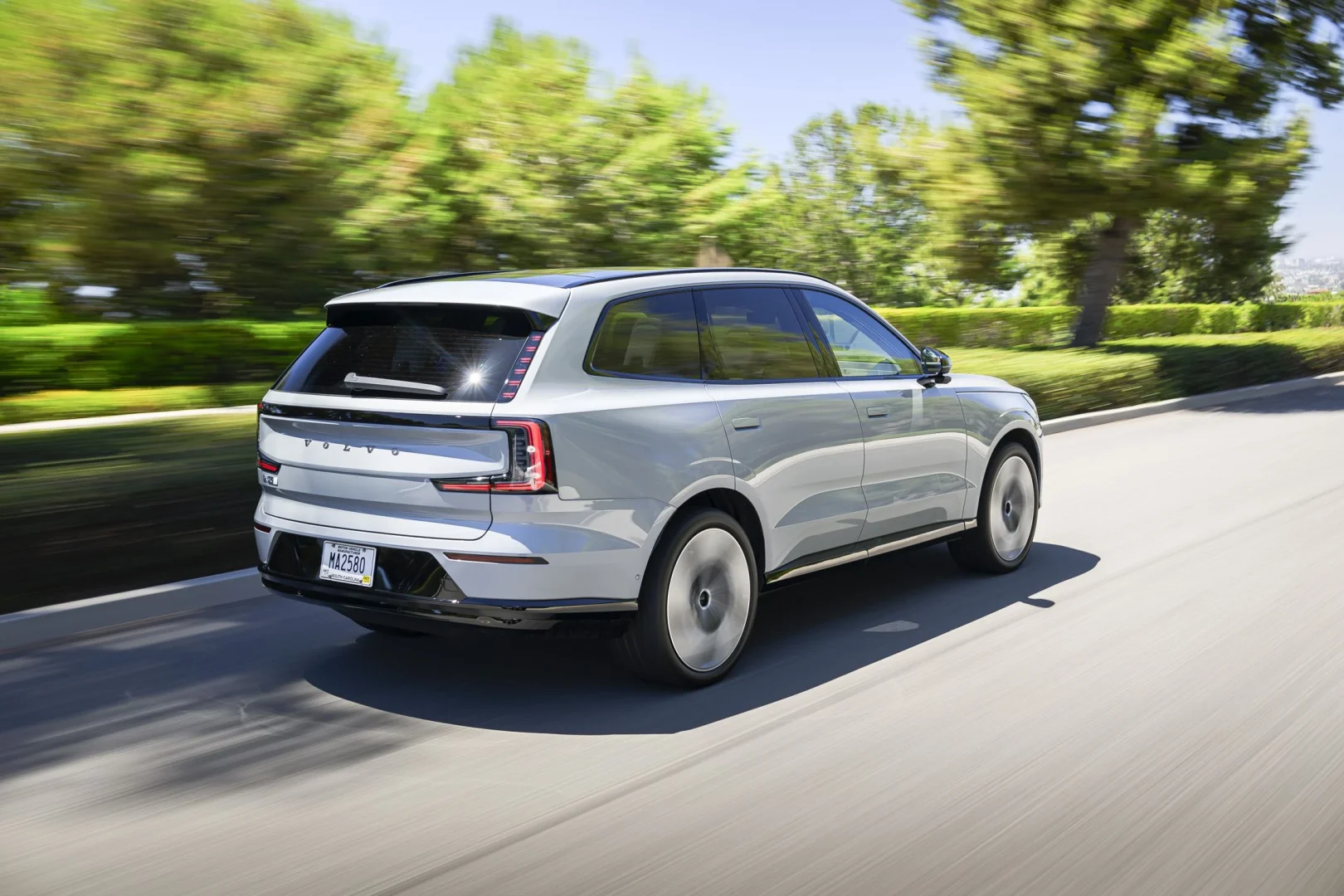
In practice, the 2027 EX90 should remain unchanged in significant ways from the recent major update, which brought 800-volt electrical architecture, hardware improvements, and a new entry-level powertrain option. This is important because it positions the SUV in a more competitive technical category against the new generation of premium electric vehicles.
Estimated prices for the United States start at around $79,000 and can go up to $91,000, depending on the version and package. For the mid-size luxury electric SUV segment, it enters a relatively aggressive range compared to more expensive competitors.
The expected versions include combinations between Plus and Ultra trims, as well as different powertrain setups. The central point here is that Volvo aims to offer an EX90 for different profiles: those who prioritize efficiency, those who want balance, and those who desire almost absurd brute strength for a family SUV.
Powertrain, Power, and Performance
The 2027 Volvo EX90 is expected to offer three main configurations:
- Single Motor with rear-wheel drive and 329 hp
- Twin Motor with all-wheel drive and 449 hp
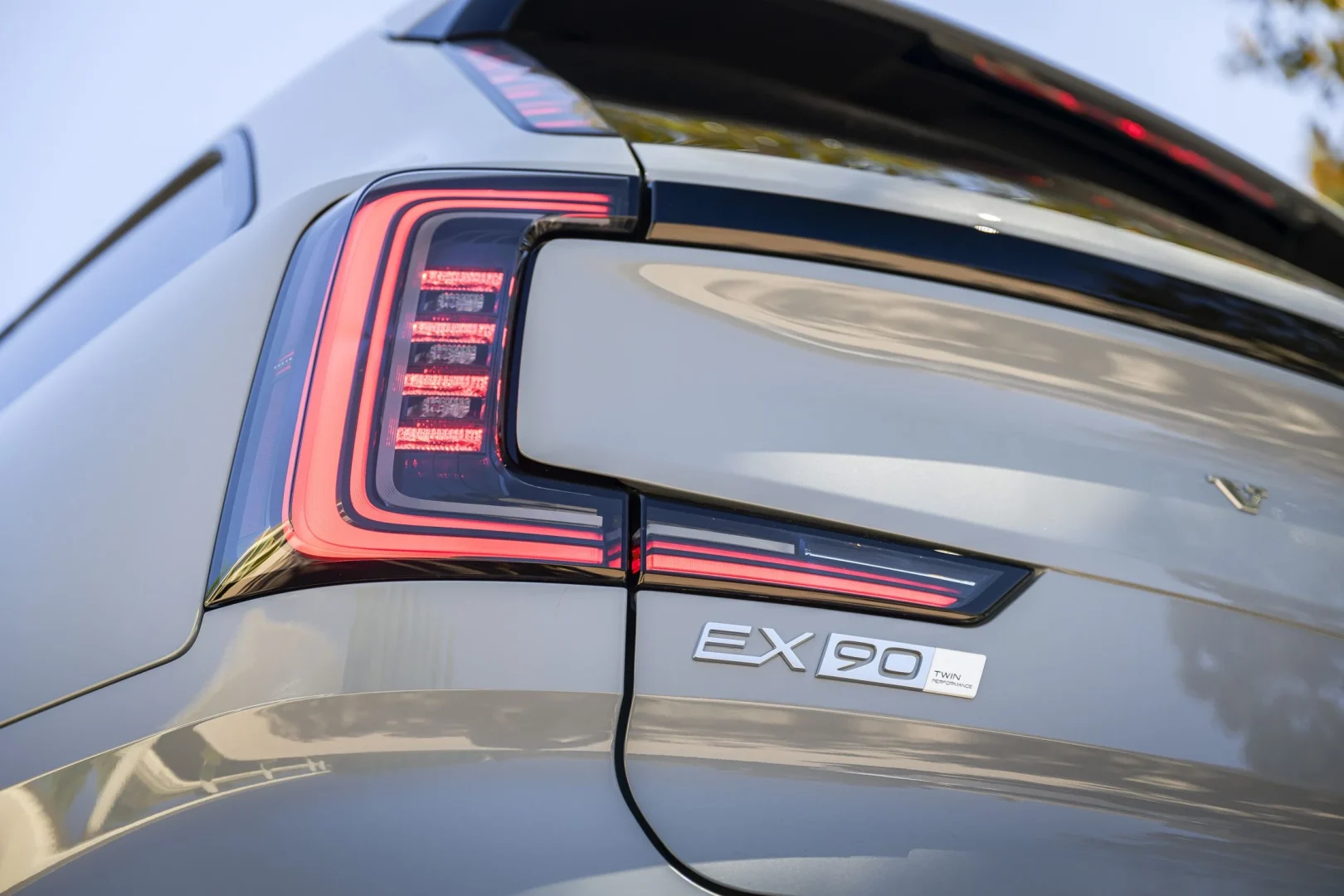
- Twin Motor Performance with all-wheel drive and up to 670 hp
This higher number immediately grabs attention, but the more rational model tends to be the Twin Motor with 449 hp. It delivers strong performance, all-wheel drive, and should make more sense for those who want a luxury electric SUV without falling into cost excesses or a sporty focus.
In the Performance version, the EX90 has already shown acceleration of 0 to 60 mph in 4.1 seconds, an excellent mark for a large seven-seater utility vehicle. To put it into perspective, it surpasses some prestigious rivals and makes it clear that electrification has completely changed the concept of performance in family SUVs. This movement of electrification focused on luxury and silence is also seen in proposals like the Mercedes-Benz GLC400 Electric, which proves that silent luxury can speak louder than the roar of a V8.
Despite the power, the EX90 has not been designed as a sportscar disguised as an SUV. Its behavior prioritizes refinement, stability, and comfort. The suspension is praised for absorbing irregularities competently, while the steering features appropriate weight and predictable response. In the higher trims, the air suspension with height adjustment and adaptive dampers reinforce this profile of an electrified family grand tourer.
Another point worth highlighting is the acoustic insulation. Even in the realm of electric vehicles, where silence is already expected, the EX90 stands out for its very well-filtered cabin. Thicker glass in the pricier versions helps reduce road noise and elevates the sense of sophistication.
Range, Charging, and Efficiency
If power sells headlines, real range and charging time decide the purchase. And here the VOLVO EX90 2027 arrives better prepared than before.
The Single Motor version uses a 92 kWh battery, while the variants with two motors adopt a larger setup, of about 106 kWh. The range estimates reach:
- Up to 291 miles in the Single Motor version, about 468 km
- Up to 305 miles in the Twin Motor versions, about 491 km
In real use, especially at highway speeds, the numbers tend to drop, as is the case with almost every large and heavy electric vehicle. In road tests, the observed range was around 250 miles, which is close to 402 km. It’s not a bad number, but it also doesn’t redefine the segment.
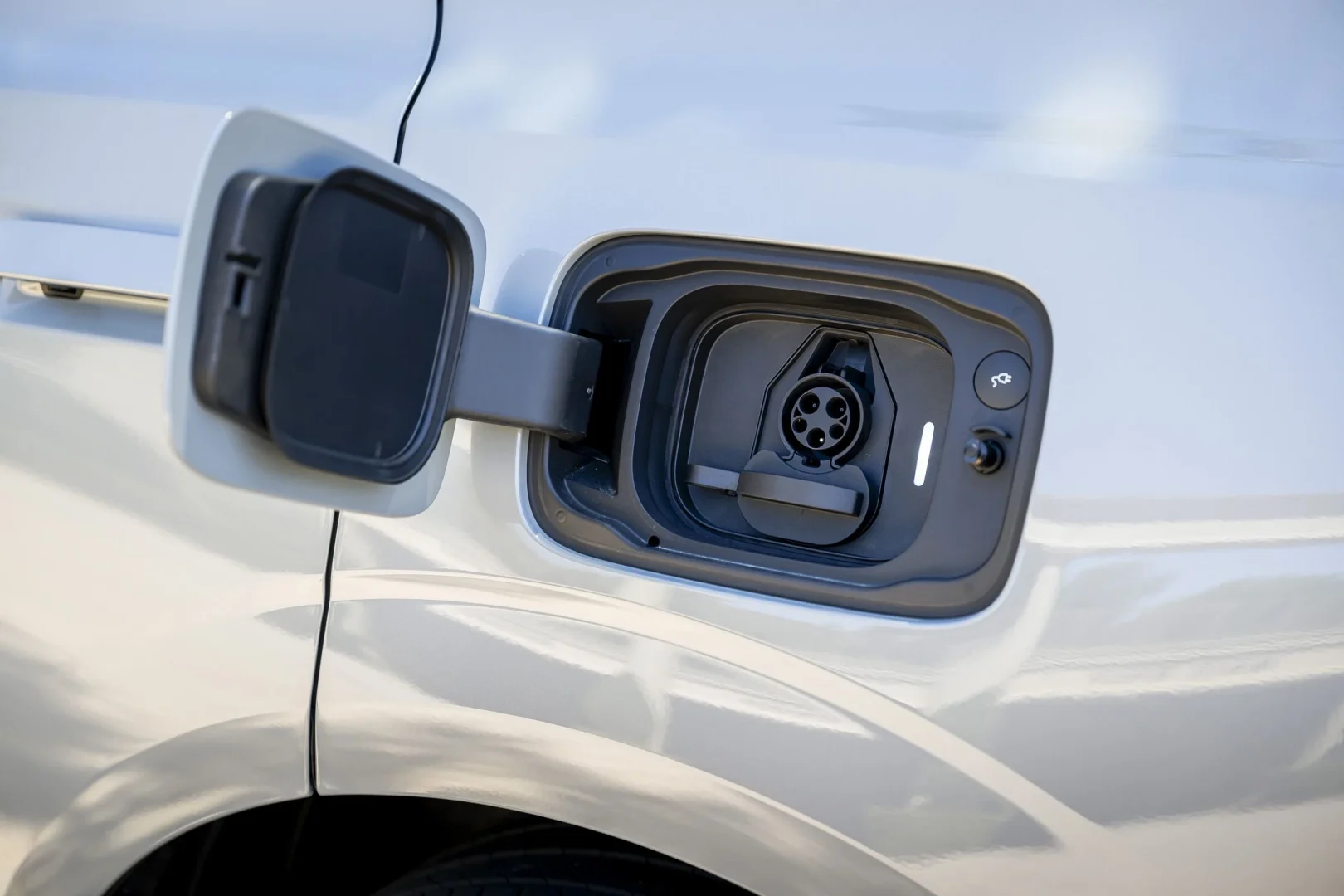
The most important advance is in recharging. With the new 800-volt architecture, Volvo promises to significantly reduce DC fast charging time, with a window of 10% to 80% in about 22 minutes under ideal conditions. This changes the user experience on road trips and aligns the EX90 with the more modern generation of premium EVs.
There is also an increasingly relevant strategic differentiator: bidirectional charging. This allows the vehicle to be used to power devices at home during a power outage or even assist in charging another electric Volvo. In a scenario where infrastructure and household energy management are at the center of the conversation, this type of feature goes from being a luxury to a rational argument.
In terms of efficiency, the EX90 presents competitive numbers for its size. EPA estimates indicate up to 104 MPGe in the city in the Single Motor version and lower, yet still good, figures in the all-wheel-drive variants. The Performance model, naturally, sacrifices some efficiency for more aggressive performance.
Those who follow the advancement of electric vehicles know that the game is changing rapidly. Models with more sophisticated architectures and ultra-fast charging are already putting pressure on traditional rivals, as shown in the discussion around the 2026 BMW iX, which changed its price but raised new questions about range.
| Item | Volvo EX90 2027 |
|---|---|
| Entry Power | 329 hp |
| Intermediate Power | 449 hp |
| Maximum Power | 670 hp |
| Smaller Battery | 92 kWh |
| Larger Battery | 106 kWh |
| Estimated Maximum Range | 491 km |
| Fast Charging 10% to 80% | 22 minutes |
| Drive | Rear or all-wheel drive |
Interior, Safety, and the Real Point That Could Divide Buyers
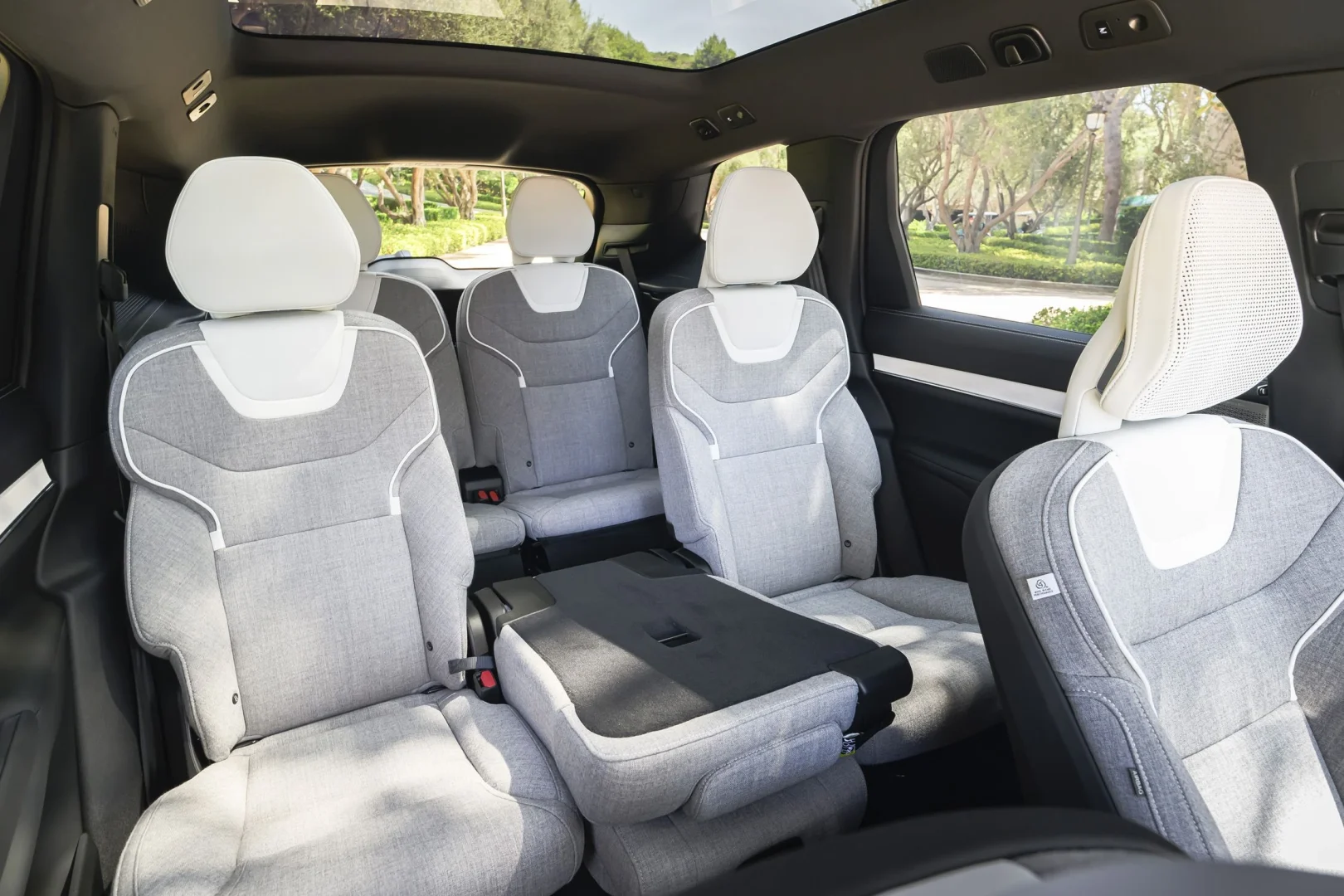
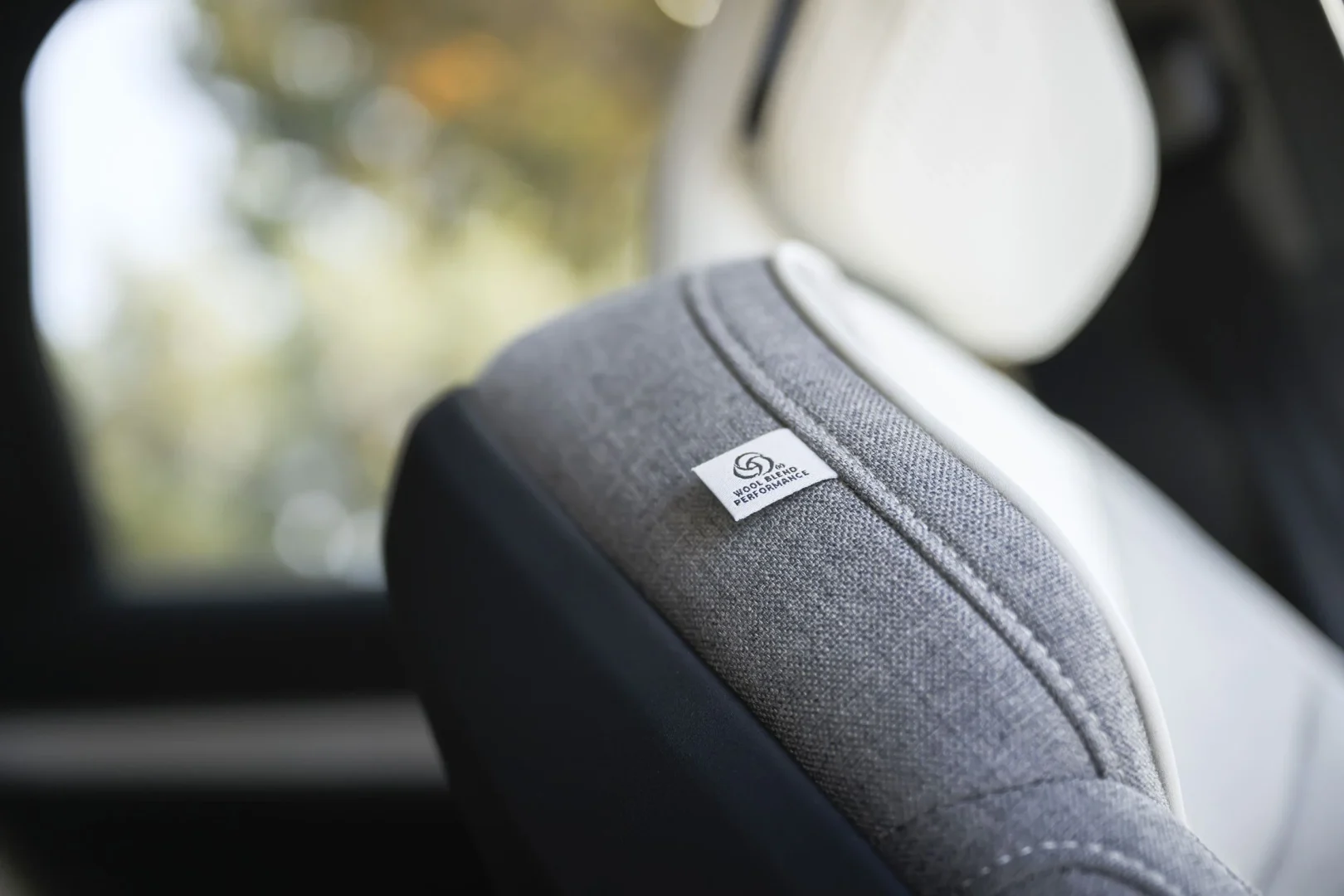
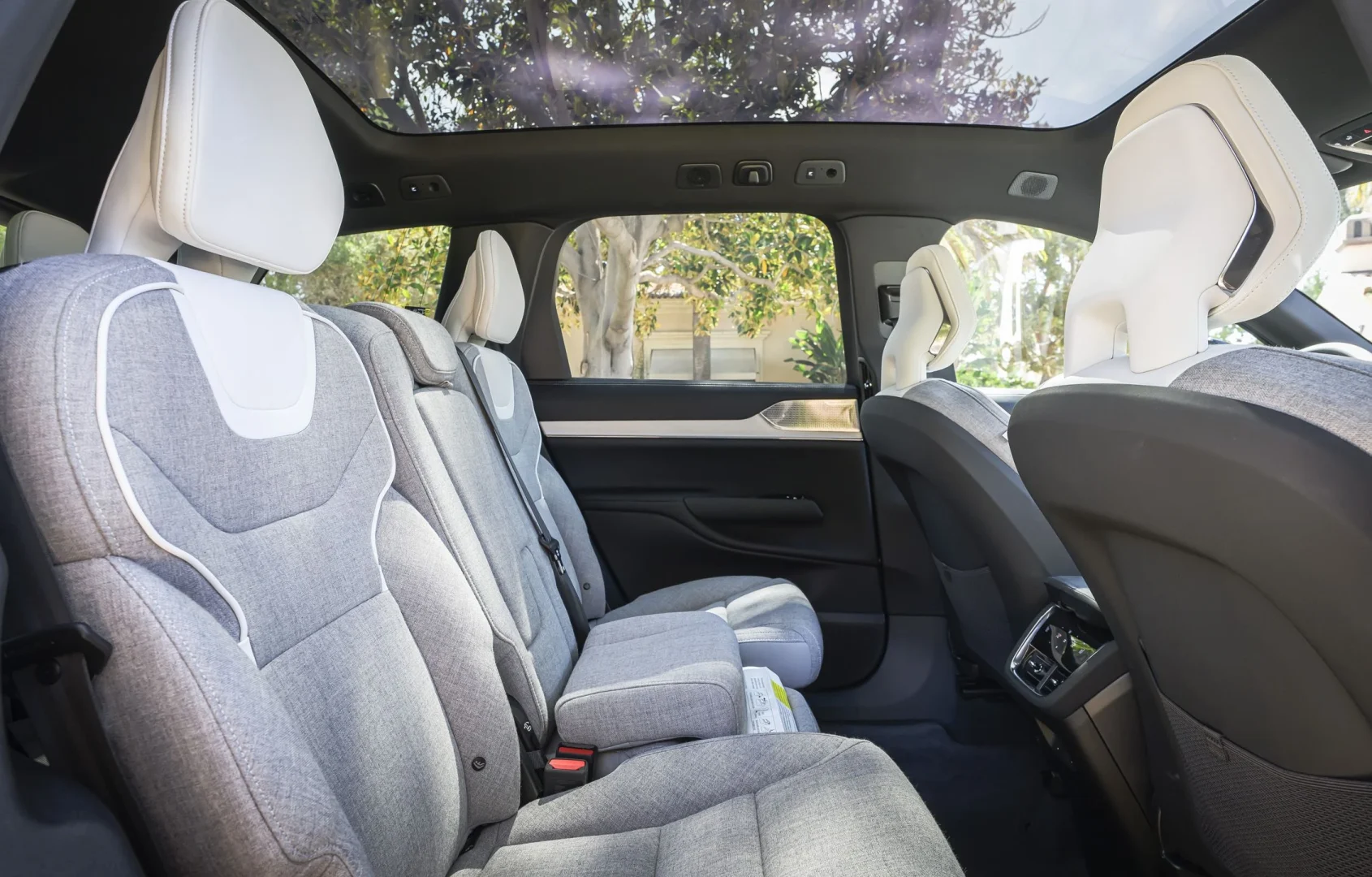
If the exterior of the EX90 conveys continuity, the interior makes it clear that Volvo wants to evolve its premium identity. The environment is clean, sophisticated, and strongly inspired by Scandinavian minimalism. Light materials, an airy look, and few distracting elements create a cabin with a modern and almost architectural feel.
The problem, for some buyers, is precisely the excessive dependence on the central screen. Almost everything goes through it. Adjustments, commands, and car functions require constant digital interaction. In a family vehicle for daily use, this can be seen both as a sign of modernity and as a practical loss of usability.
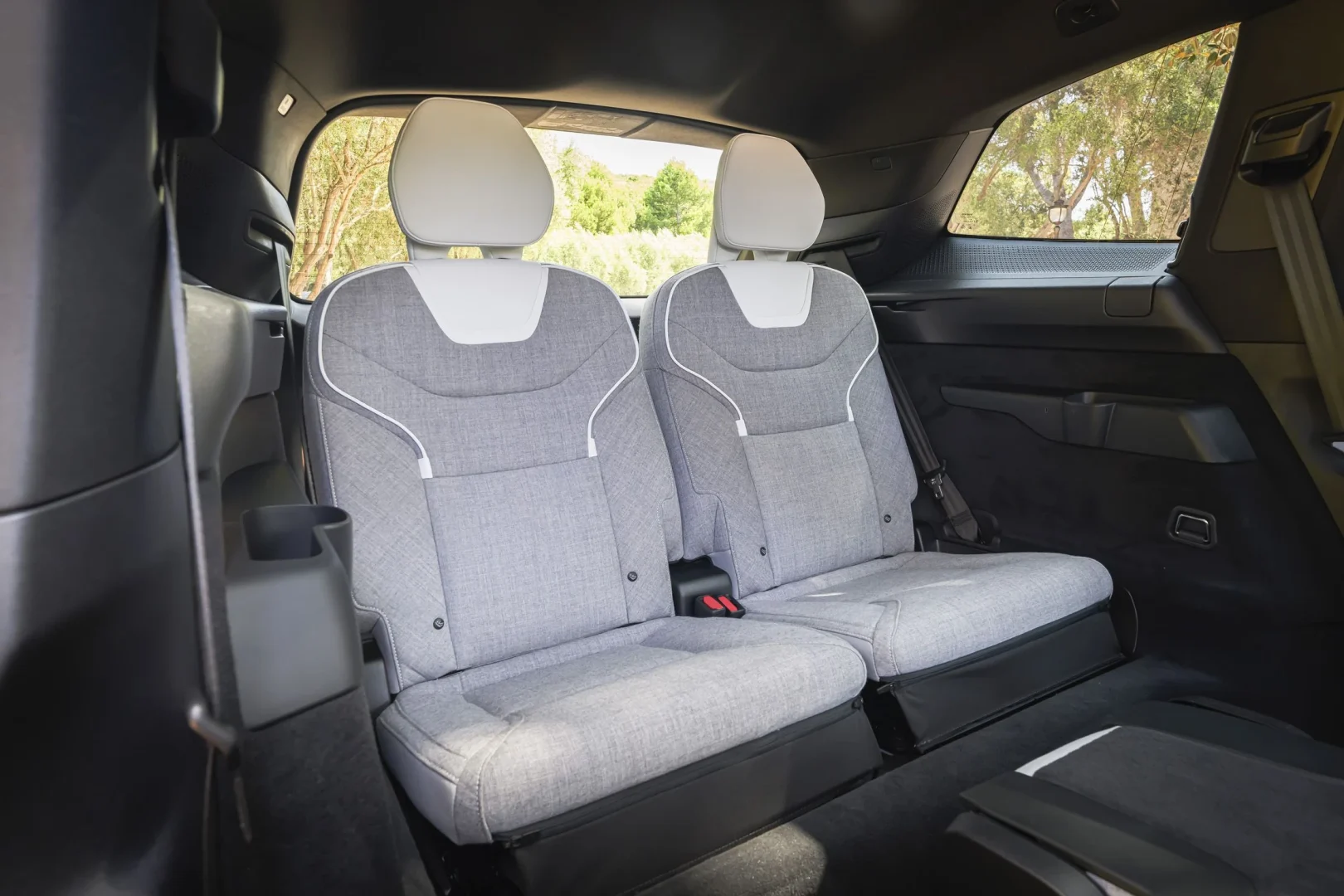
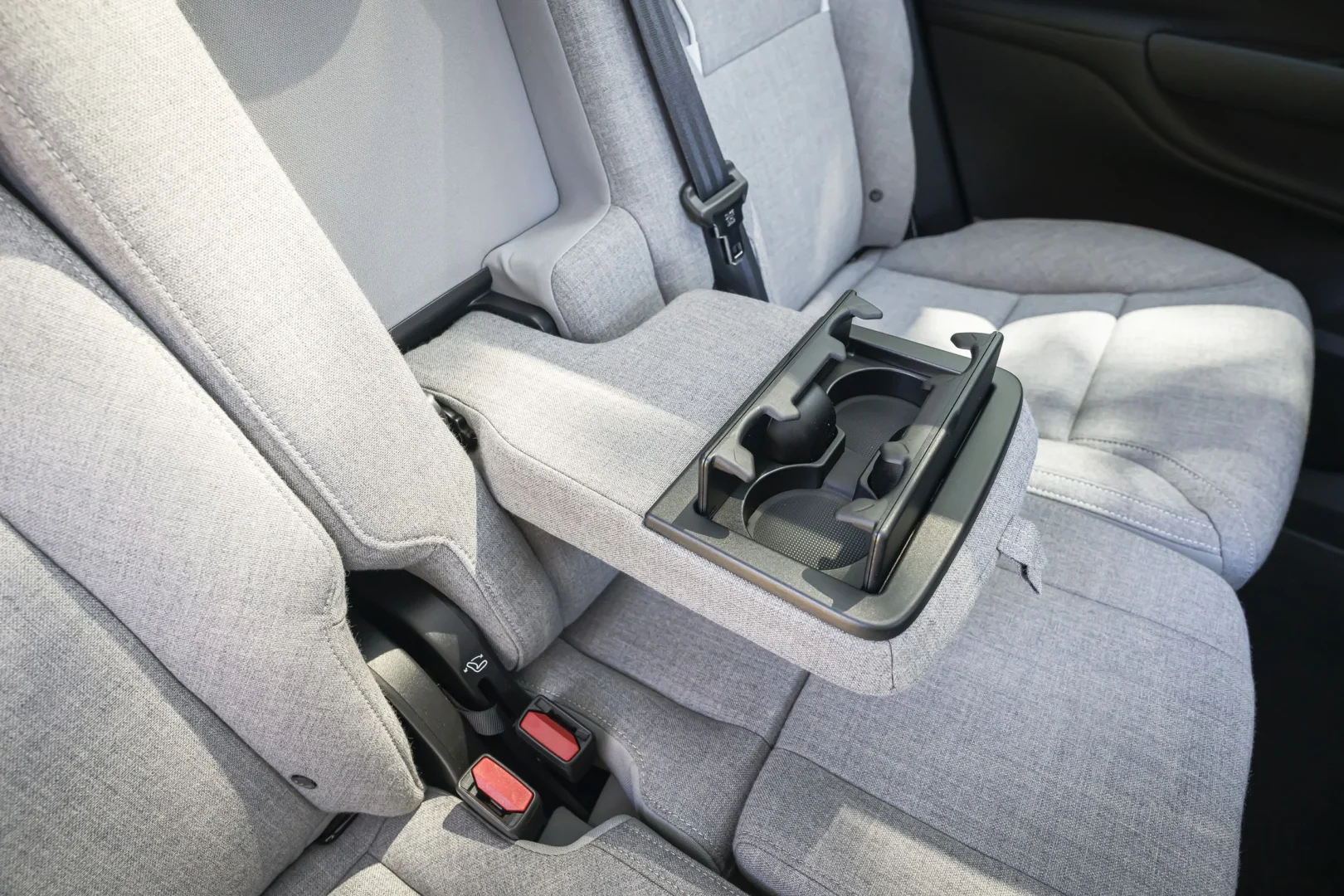
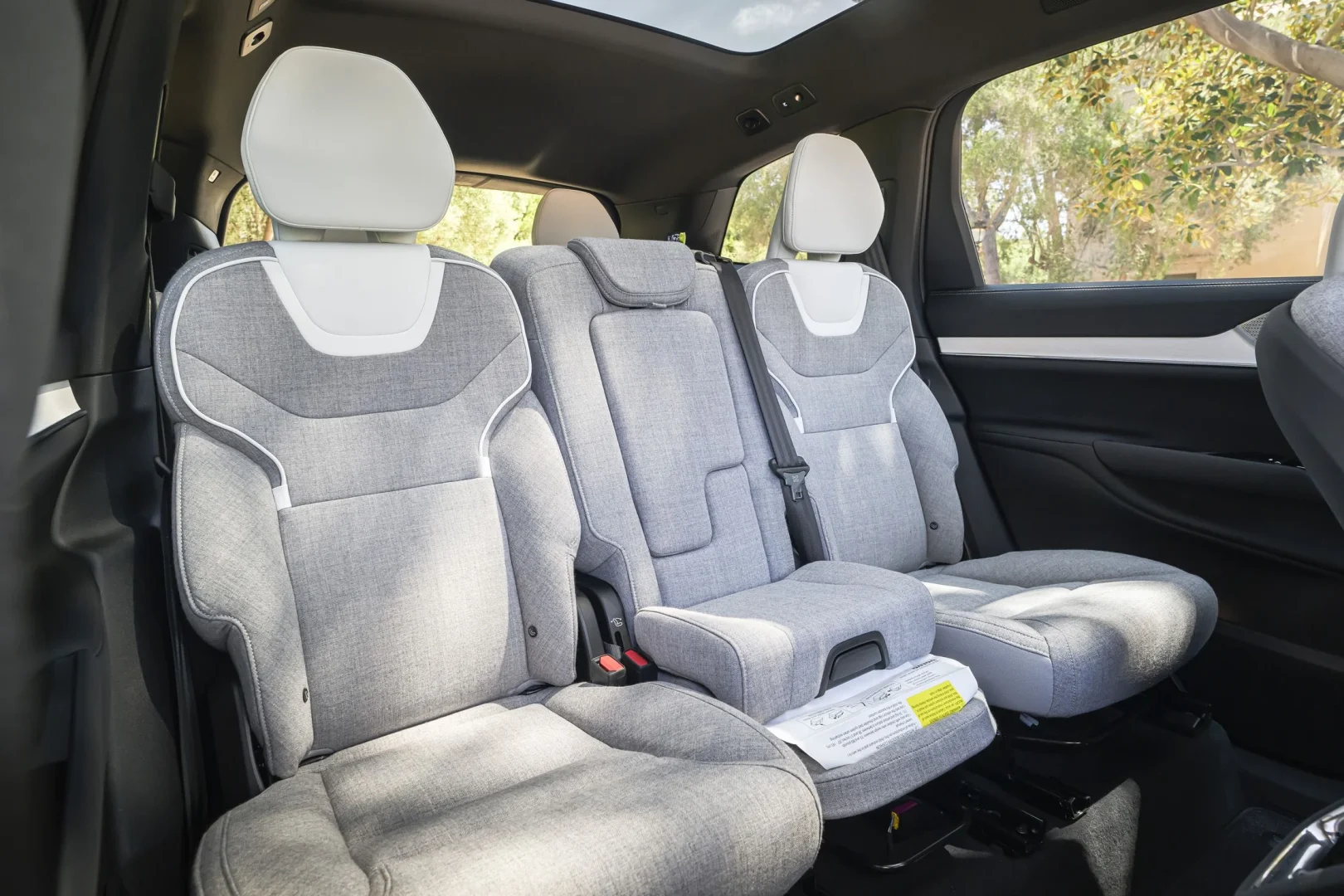
The interior space, in turn, meets the expectations of a luxury 7-seater SUV, but with important caveats. The second row accommodates adults well, with seats that slide and recline to facilitate access to the back. The third row, however, is more suitable for children, teenagers, or short trips with adults. This isn’t exclusive to Volvo, but it’s advisable to align expectations with reality.
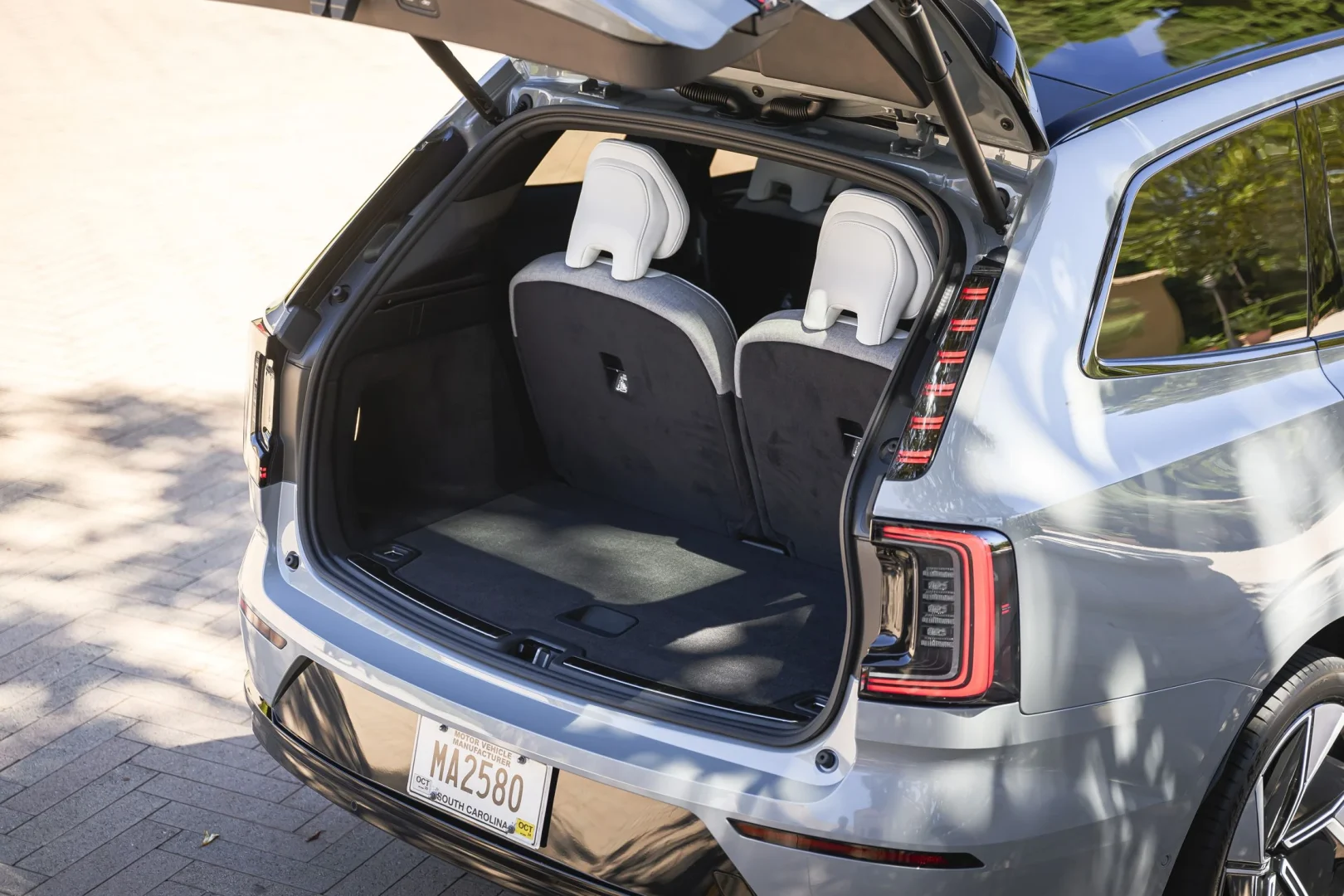
In the trunk, the EX90 shows honest versatility. There is space for luggage even with the third row in use, and the capacity increases significantly with the seats folded down. The small front trunk adds practicality for cables and small items.
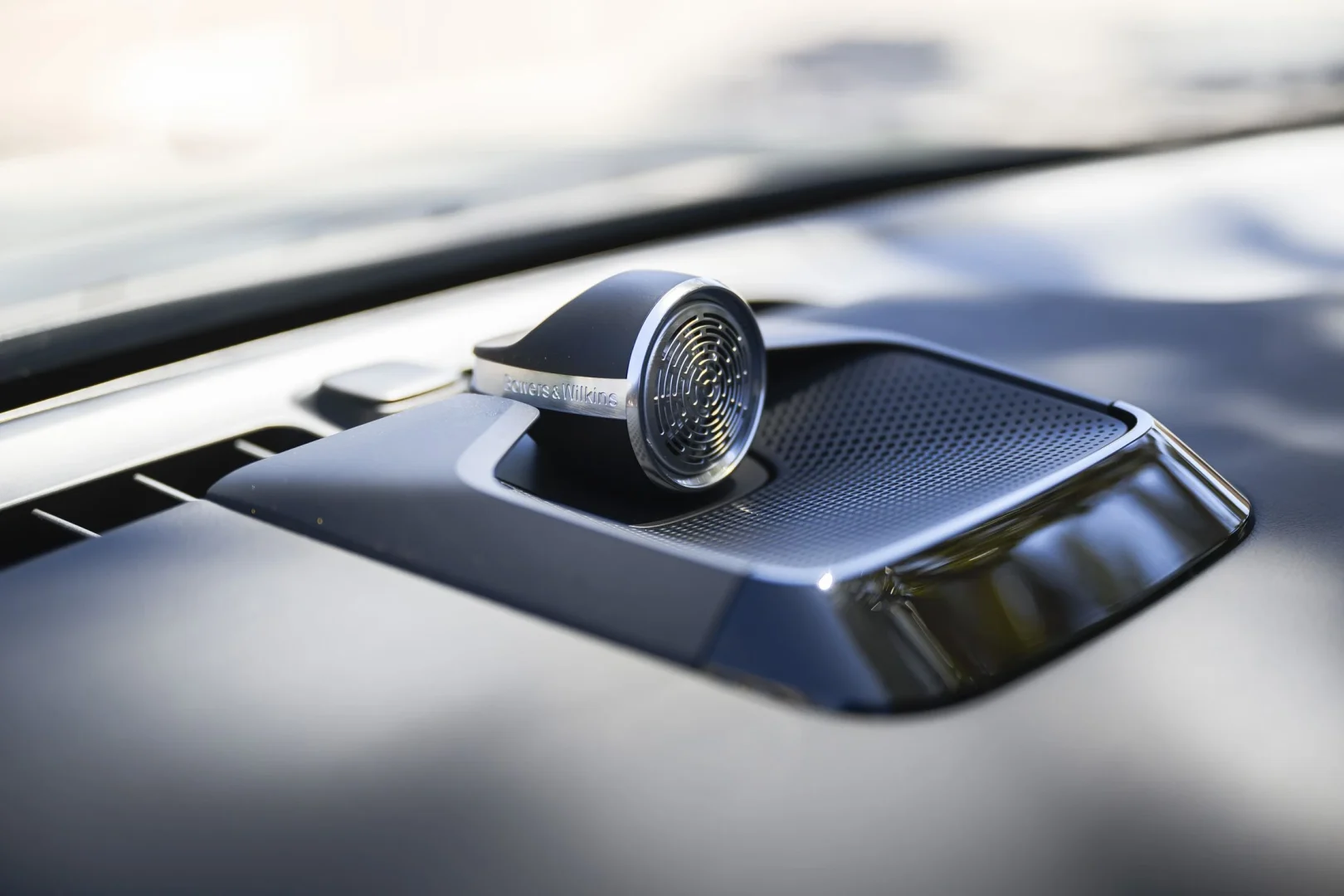
In terms of onboard technology, the Google-based multimedia system is one of the model’s highlights. The EX90 features native Google Maps, access to apps via the Play Store, 5G connectivity, wireless Apple CarPlay, and advanced digital integration. The standard sound system is already competent, but the Bowers & Wilkins option with 25 speakers and Dolby Atmos takes the experience to flagship levels.
Safety continues to be a central piece of Volvo’s reputation, and the EX90 is designed to reinforce this on a grand scale. The SUV includes features such as:
- Autonomous emergency braking with pedestrian and cyclist detection
- Lane departure warning with lane-keeping assist
- Adaptive cruise control with lane centering
- Active steering assistance
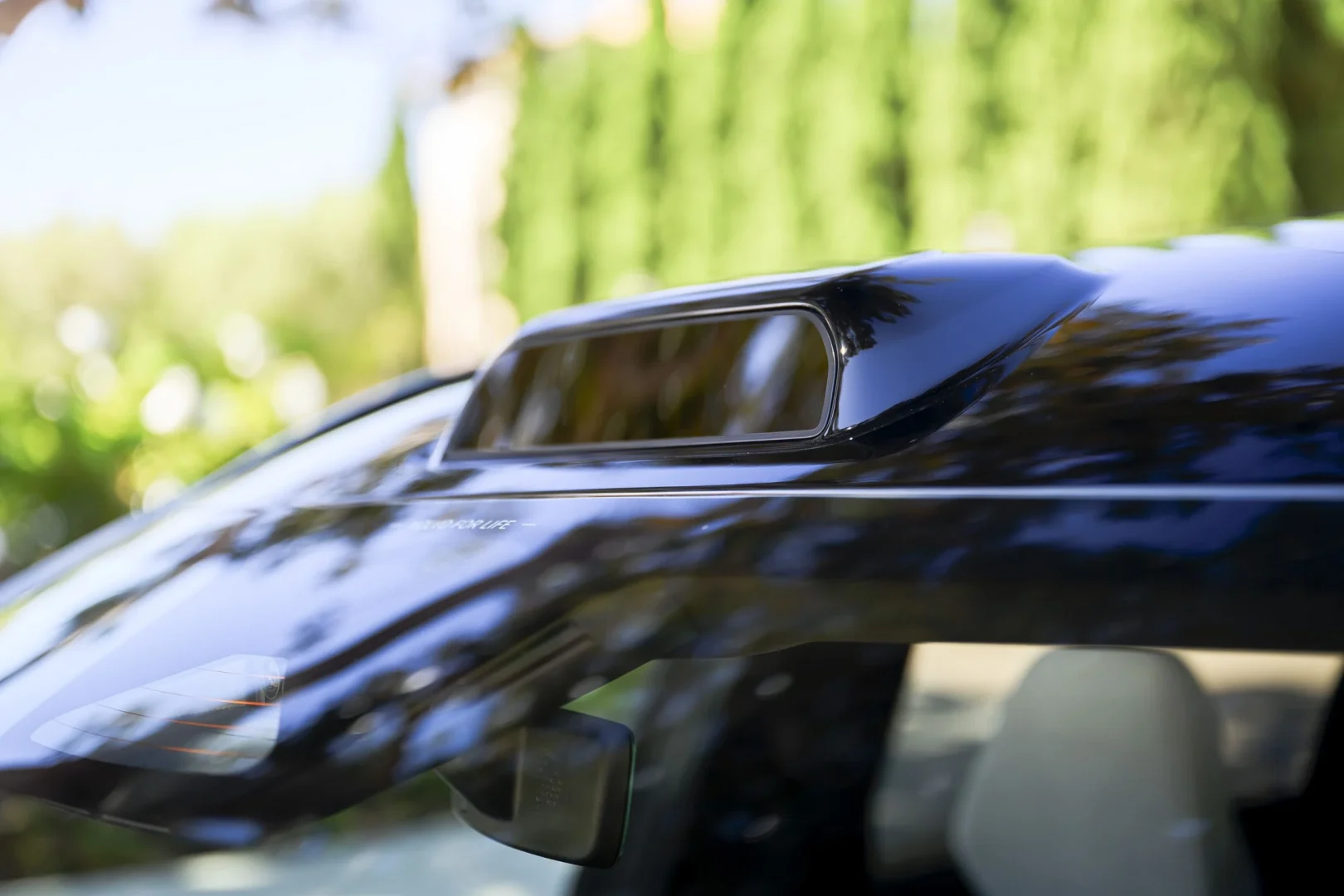
- Internal radar system to help prevent children or pets from being forgotten in the vehicle
This last item is more important than it seems. In an industry where many features turn into mere marketing, Volvo seeks a concrete application of preventive safety within the cabin. The brand has been pursuing this line in other projects, and this is even more evident in recent offerings like the Volvo EX60 2027, which bets on an even more advanced computational brain for family protection.
The warranty also reinforces the rational premium package of the EX90. The brand offers limited coverage of 4 years or 80,467 km, battery for 8 years or 160,934 km, and free scheduled maintenance for 3 years or 57,936 km. It’s not revolutionary, but it’s within what is expected from a luxury electric SUV.
So where is the detail that can really change the purchase? In the combination of extreme digital philosophy and premium family proposition. The EX90 delivers power, comfort, silence, sleek design, and one of the strongest safety signatures in the market. But it requires the buyer to accept a more touchscreen interface-dependent experience than many expected in a daily-use SUV.
For some, this will be exactly what defines the car as modern. For others, it will be the invisible barrier that prevents the deal from closing. And it’s this tension that makes the VOLVO EX90 2027 so relevant. It’s not just another luxury electric vehicle. It is a clear portrait of where the industry wants to take premium family SUVs in the coming years.
If your priority is to have a 7-seater electric SUV with a sophisticated image, silent operation, fast charging, strong safety package, and ample performance, the EX90 strongly enters the conversation. However, if you still value physical controls and a truly generous third row for adults, it’s worth considering carefully before signing.
Among hits and concessions, the EX90 does something that few cars can achieve today: it forces the consumer to decide not only which car they want to buy, but which automotive future they are willing to accept.