HONDA WN7 won the iF Design Gold Award with an honest look. Discover the electric naked that combines 67 HP and fast charging. See the details!
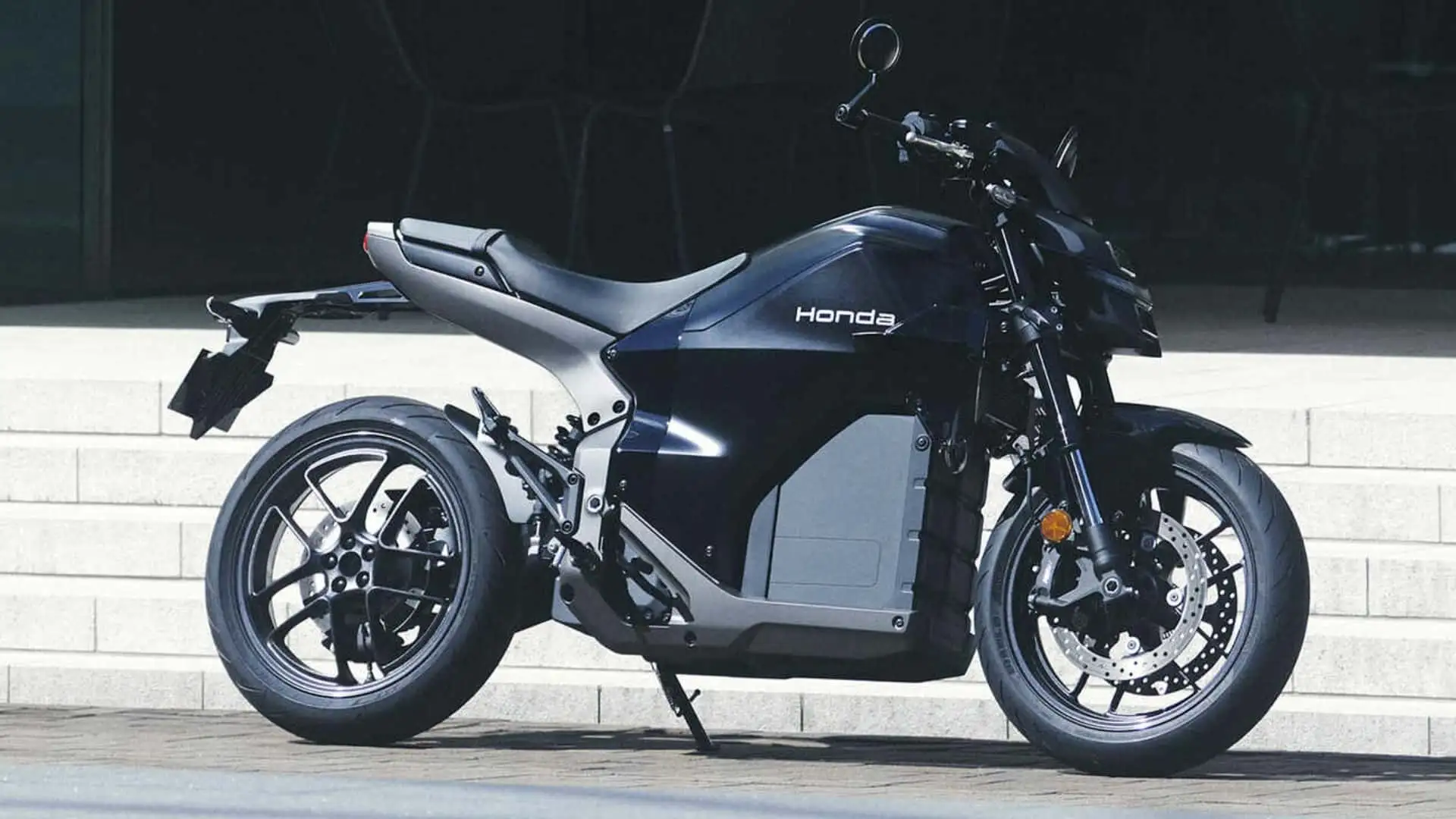
The Honda WN7 hasn’t even reached dealerships yet, but it has already won one of the world’s most respected design awards. And the reason is more provocative than it seems: instead of inventing an “alien” electric motorcycle, the Japanese brand chose the exact opposite.
Honda WN7 debuts with the look of a real motorcycle, and that could be its biggest advantage
In the world of electric motorcycles, many manufacturers seem stuck between two extremes. Either they create machines with an overly futuristic concept look, or they try to hide electrification under artificial shapes that imitate a fuel tank, engine, and nonexistent air intakes. The Honda WN7 chooses a smarter path.
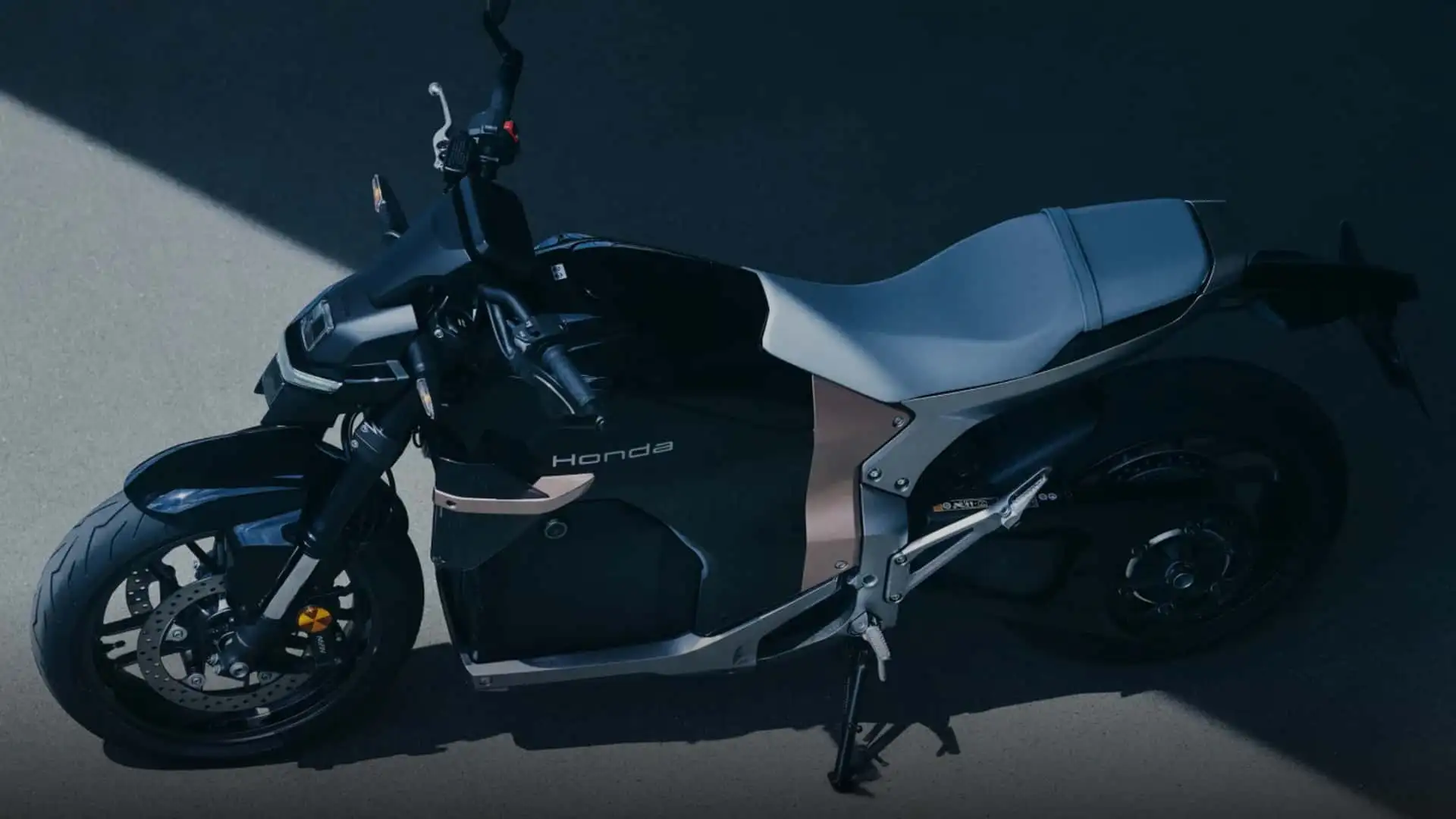
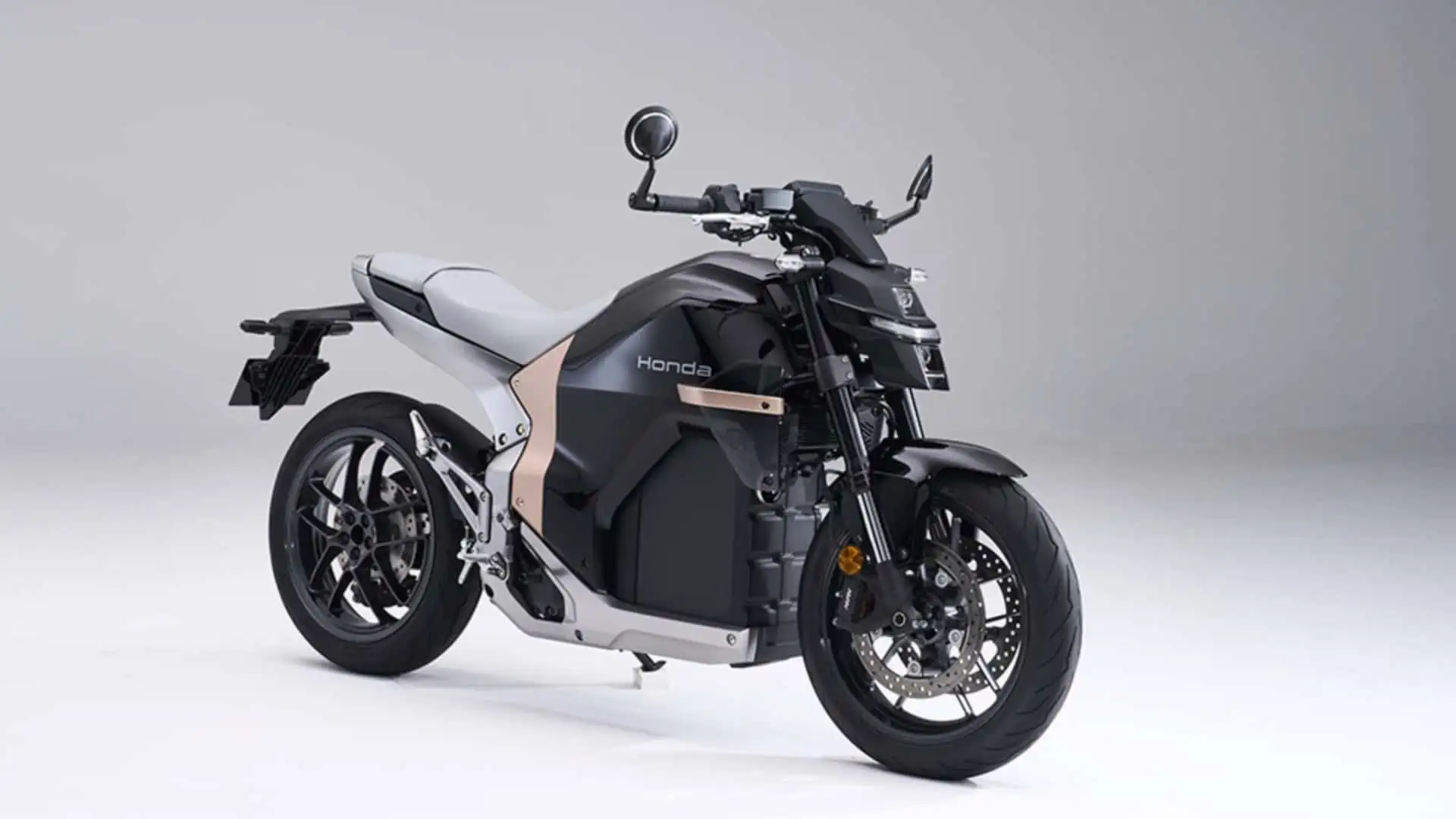
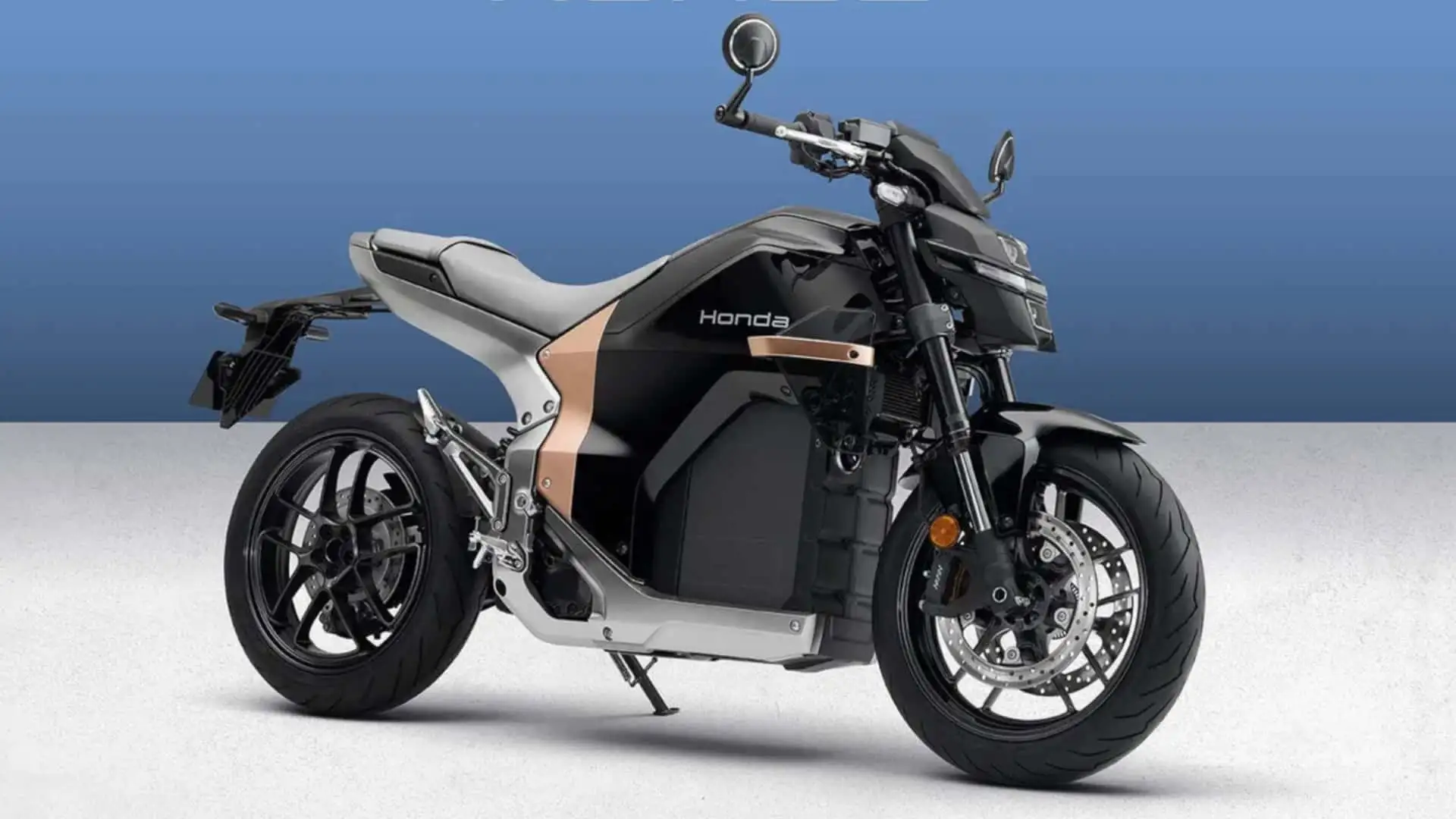
The design of Honda’s new electric naked revolves around what it really is: a battery-powered motorcycle. No unnecessary visual tricks, no theatrics. The battery is not disguised. It is a central part of the bike’s architecture and directly influences proportions, structure, and visual identity.
This kind of design honesty helps explain why the WN7 received the iF Design Gold Award even before reaching the hands of everyday consumers. In practical terms, Honda created a motorcycle that feels immediately familiar to anyone who has ever ridden a traditional naked bike. The riding position, side profile, and overall design reading evoke a modern streetfighter, something between the visual school of the Hornet and the new generation of electric vehicles.
Not surprisingly, this debate about functional design also appears in other segments. What looks simple on the surface often hides fundamental design decisions, as we showed in the hidden component that decides between comfort, durability, and brutal response.
Honda’s big move was not making the boldest electric motorcycle on the market. It was creating an electric model that still looks like a desirable motorcycle in the real world.
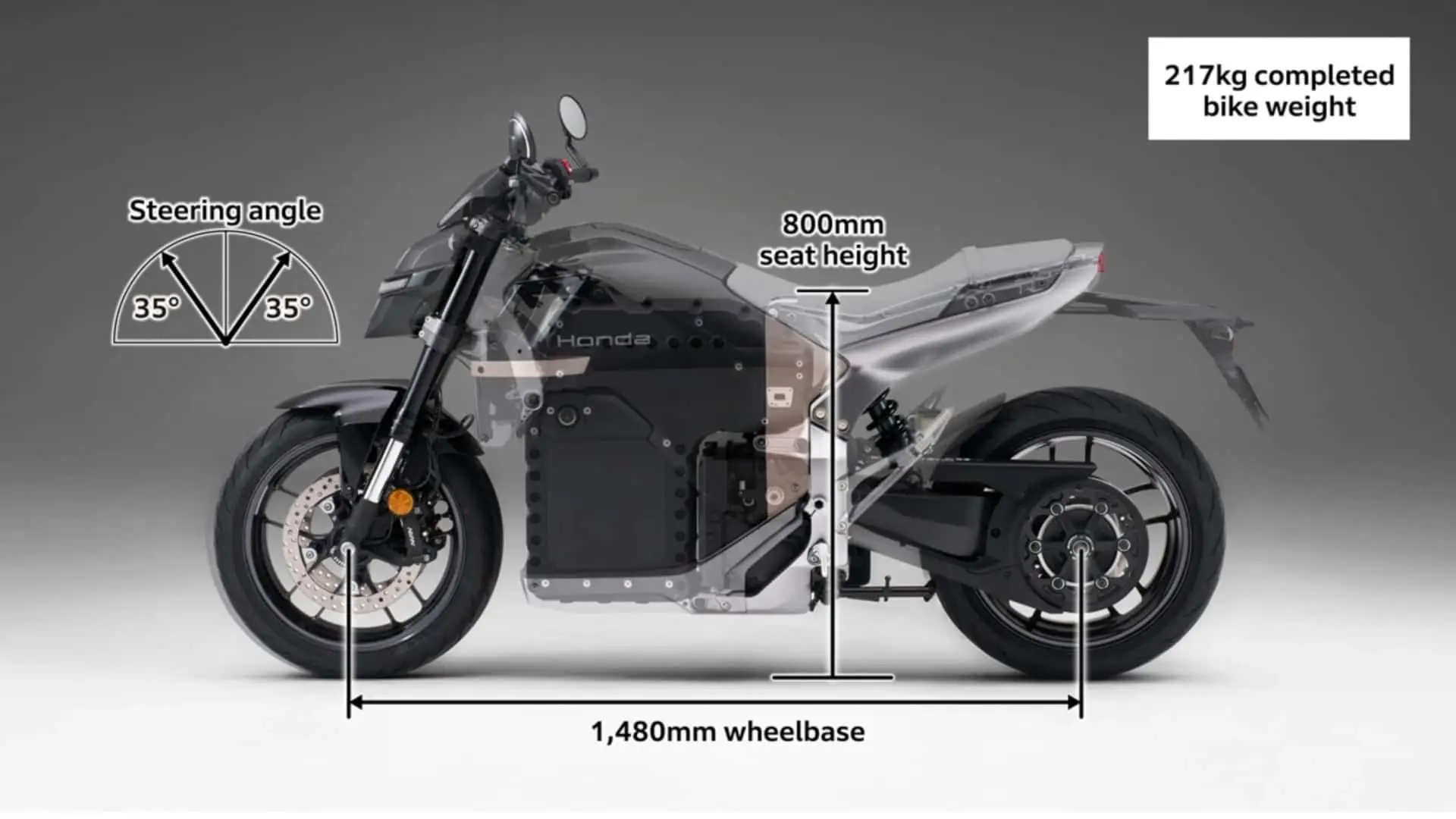
Power, torque, and charging put the Honda WN7 at the center of the midsize segment
If the WN7 avoids exaggeration in its design, it also bets on balance in its mechanical package. The information released points to about 67 HP and approximately 100 Nm of torque. That places it in the performance range that speaks to midsize combustion naked bikes, delivering strong acceleration in city use and instant roll-on response, as you would expect from a good electric bike.
In practice, that level of power puts the WN7 in a very strategic zone. It is not a motorcycle built for top-speed records or empty spec-sheet numbers. It was designed for real-world mobility, daily commuting, mixed use, and fun on back roads. This approach may be more relevant to the market than ultra-powerful, expensive projects far removed from the reality of the average rider.
Another important point is charging. The Honda WN7 uses the CCS standard, a technically smart choice because it avoids tying the owner to a proprietary network. According to the brand, the battery can go from 20% to 80% in about 30 minutes. That time does not turn the bike into a long-distance tourer, but it does move it out of the “experimental” vehicle category.
This progress in infrastructure and battery tech shows how the sector is evolving rapidly. Anyone following larger EVs has already seen similar moves, as in BYD 2nd Generation Blade Battery and the leap that seemed impossible, a sign that efficiency and fast charging are becoming central weapons in the global competition.
- Estimated power 67 HP
- Estimated torque 100 Nm
- Category midsize electric naked bike
- Charging CCS standard
- Charging time from 20% to 80% about 30 minutes
Quick Facts About the Honda WN7
| Item | Specification |
|---|---|
| Model | Honda WN7 |
| Type | Naked electric motorcycle |
| Power | Approximately 67 HP |
| Torque | Approximately 100 Nm |
| Charging | CCS |
| Fast charging | 20% to 80% in about 30 min |
| Highlight | iF Design Gold Award |
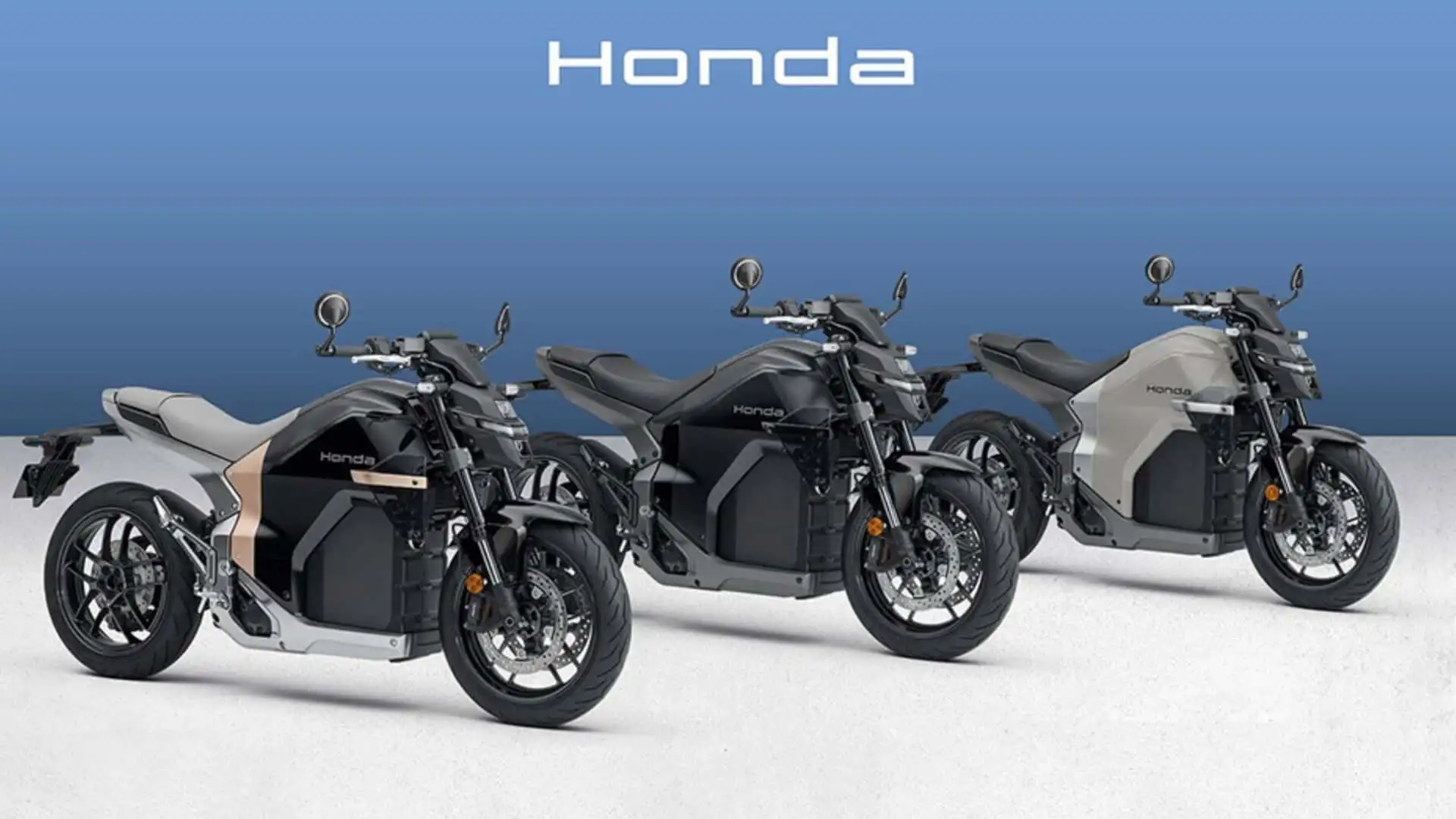
Why Honda WN7’s award matters more than it seems
Winning an award before a commercial launch may sound like a victory “on paper,” and in part it is. After all, an award-winning design does not answer on its own the questions that truly define the success of an electric motorcycle: price, real-world range, highway behavior, maintenance costs, and public acceptance.
But ignoring this award would be a mistake. The recognition given to the WN7 suggests that Honda may have understood something that much of the industry still hasn’t fully grasped. The future of the electric motorcycle does not depend only on looking advanced. It depends on looking usable, coherent, and desirable.
It is the same logic behind models that win more for getting the formula right than for extravagance, such as the Triumph Scrambler 400XC, the getaway bike that makes giants look obsolete. In the end, the market usually rewards those who understand the rider’s experience, not just those who make the loudest visual statement.
Honda also seems to be aiming at a broader audience, including traditional motorcyclists who still view electric bikes with suspicion. For this group, familiarity is a powerful tool. The WN7 does not try to humiliate the combustion-bike past. It absorbs its strongest references and reorganizes them into a new platform.
This approach is particularly relevant at a time when other brands are also probing the boundaries between tradition and electrification. The movement is reminiscent, to some extent, of what we saw in Royal Enfield Flying Flea C6 and the reinterpretation of a historic legacy and even in the discussions sparked by Harley-Davidson RMCR and the question that could change the future of American motorcycles.
The central point is simple: the Honda WN7 may not be the most radical electric motorcycle on the market, but it may be one of the most important. Because it suggests a new standard for the industry: electric motorcycles do not need to look like movie prototypes to be relevant. They need to make sense.
If the final range, price, and riding experience confirm that promise when the bike reaches the streets, the WN7 may be remembered not only as an award-winning electric, but as the naked bike that taught the industry to stop complicating the obvious.