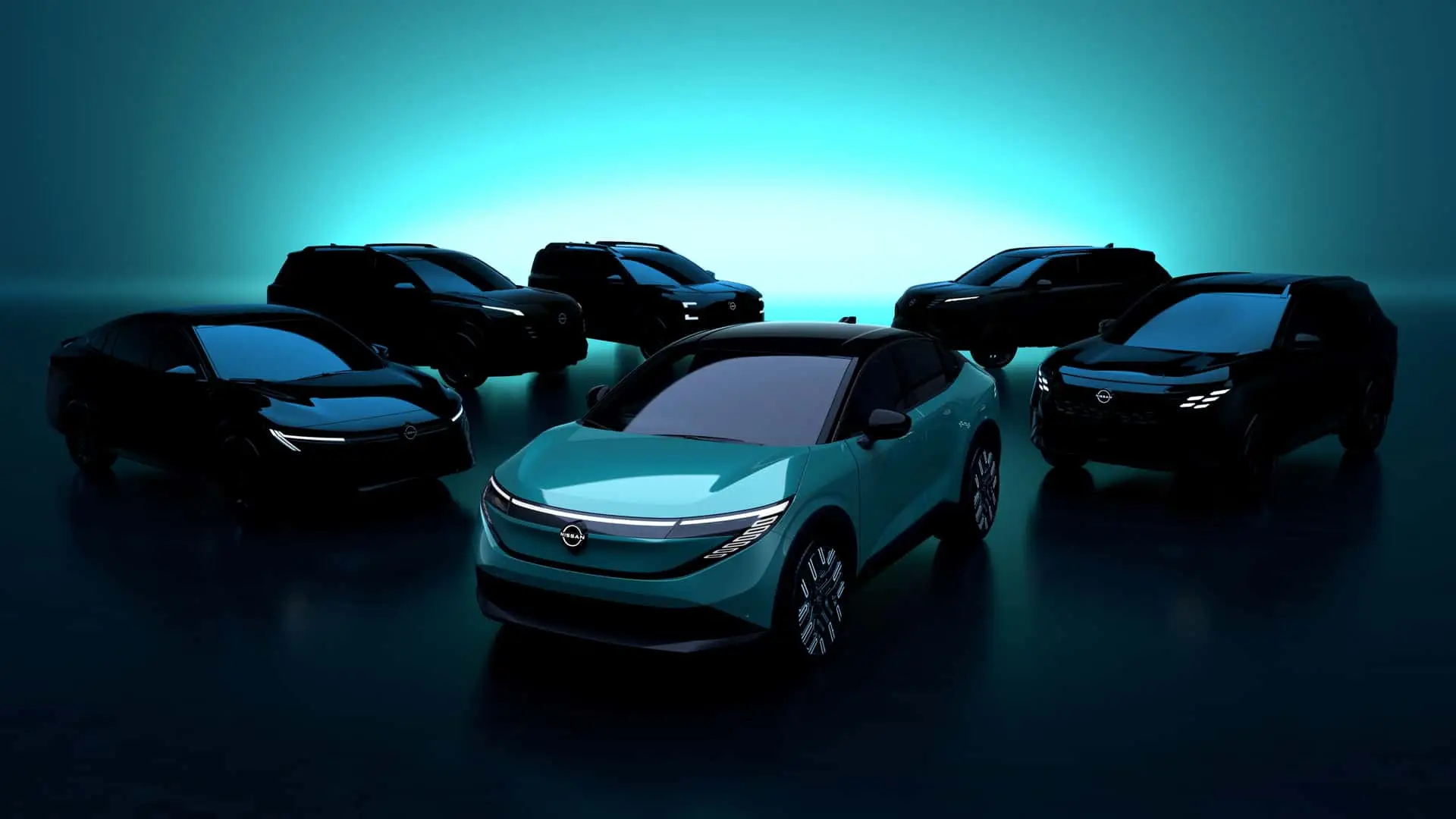
The NISSAN LEAF 2027 just turned into an SUV! With 303 miles of range and Tesla charging, it takes on the Chevy Bolt. Check out the details!
The electric vehicle market is undergoing a radical transformation, and few models carry the weight of history like the pioneer that kicked everything off. The 2027 Nissan Leaf isn’t just another model refresh; it’s the definitive response from the Japanese automaker to critics who demanded more style and range without sacrificing affordability. With a fresh subcompact SUV makeover and technical specifications that challenge today’s pricing logic, this revamped electric hatchback promises to be the ideal entry point for zero-emissions mobility. However, between the promise of 303 miles of range and the quiet, comfortable ride, there’s a design decision that may divide opinions—and directly affect the vehicle’s usefulness for families who prioritize cargo space.
Design Evolution And The Controversy Of The Slanted Roof
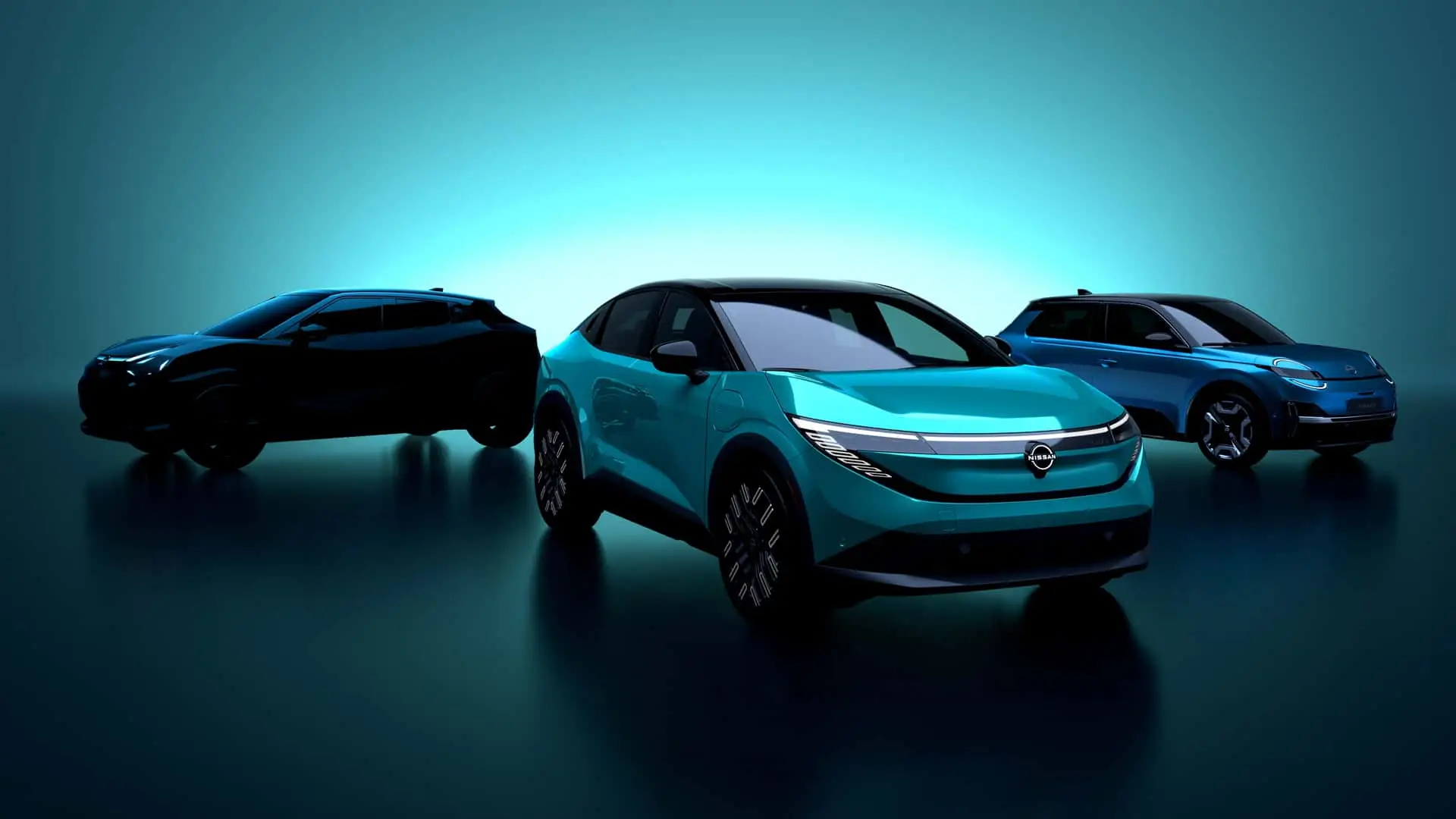
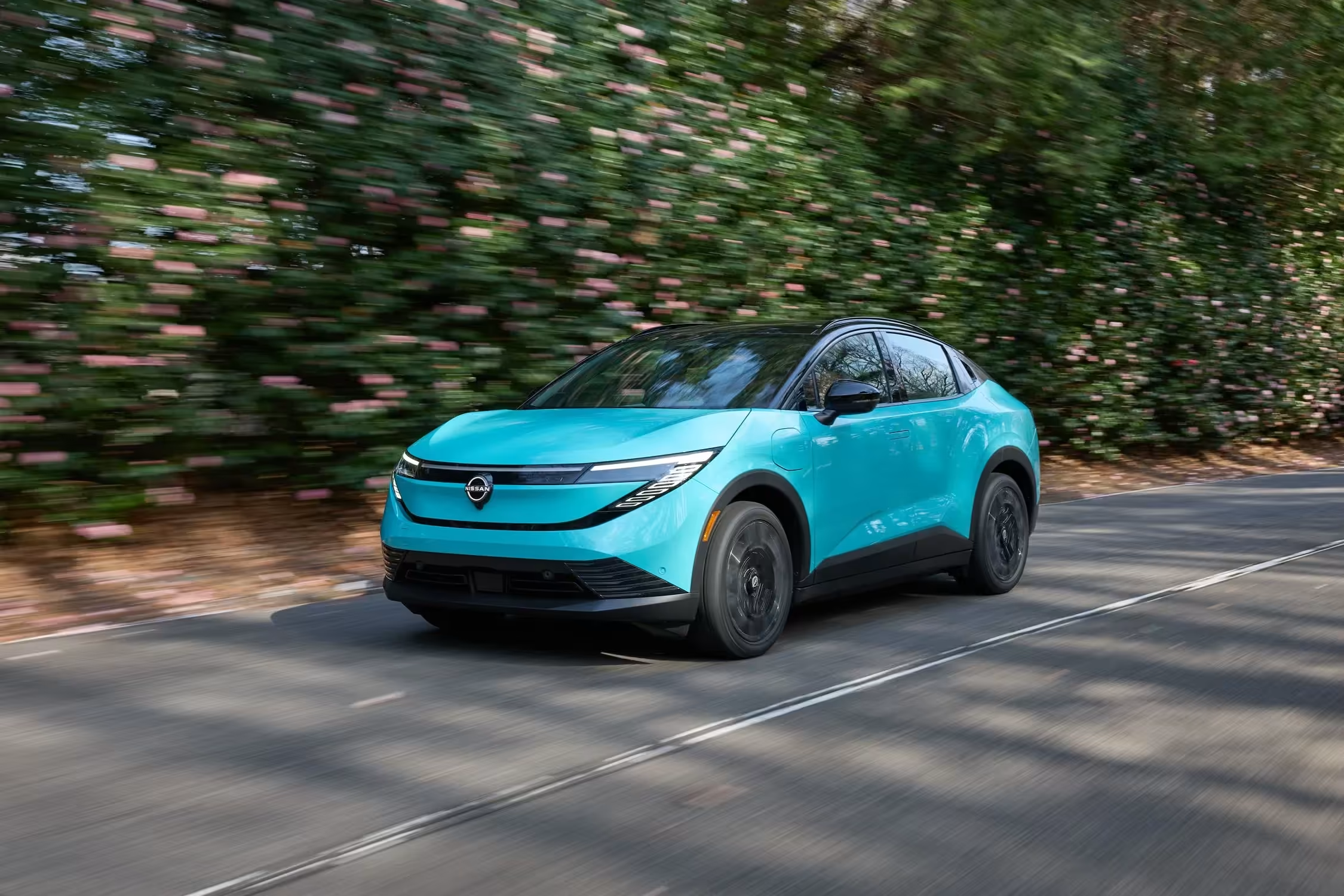
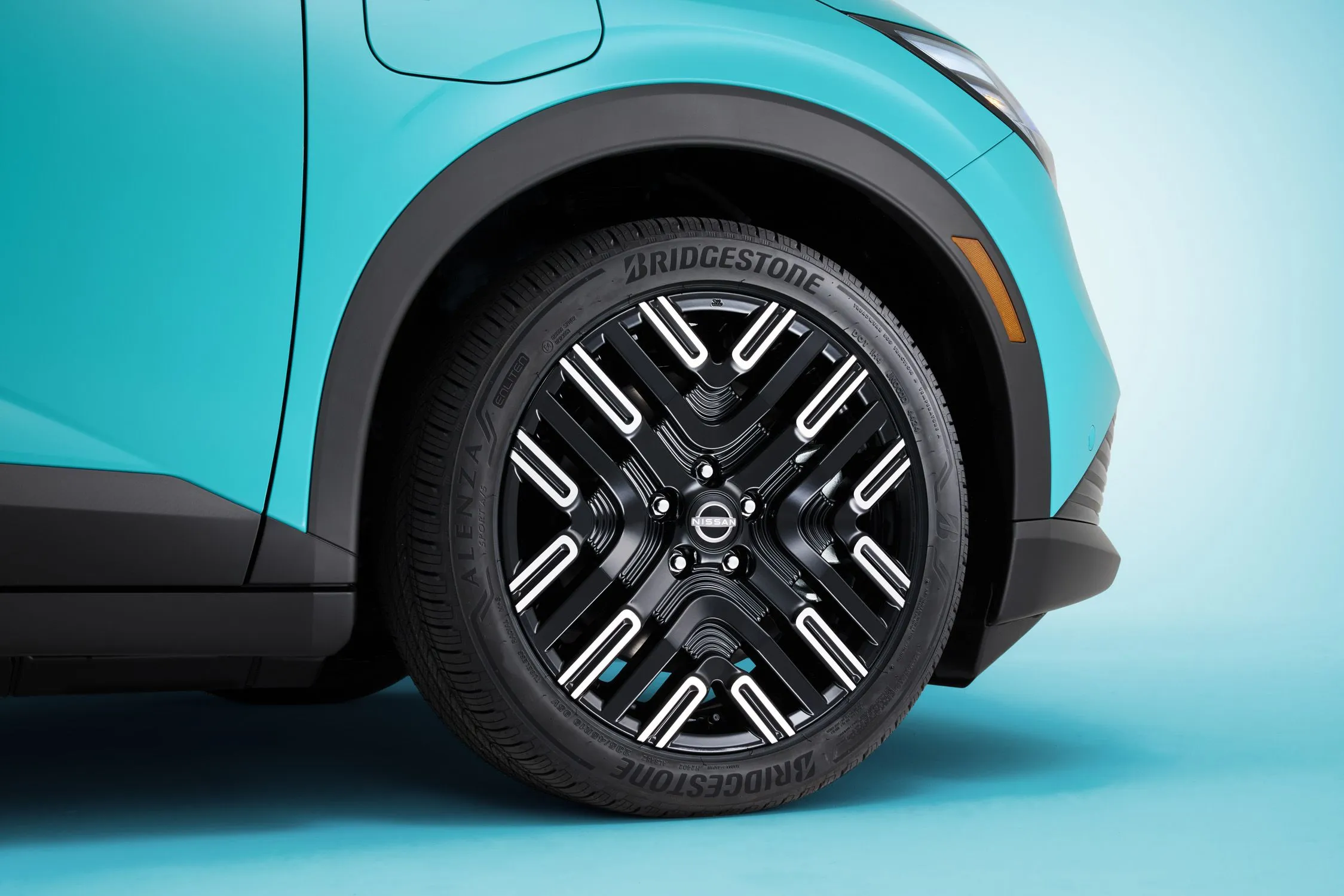
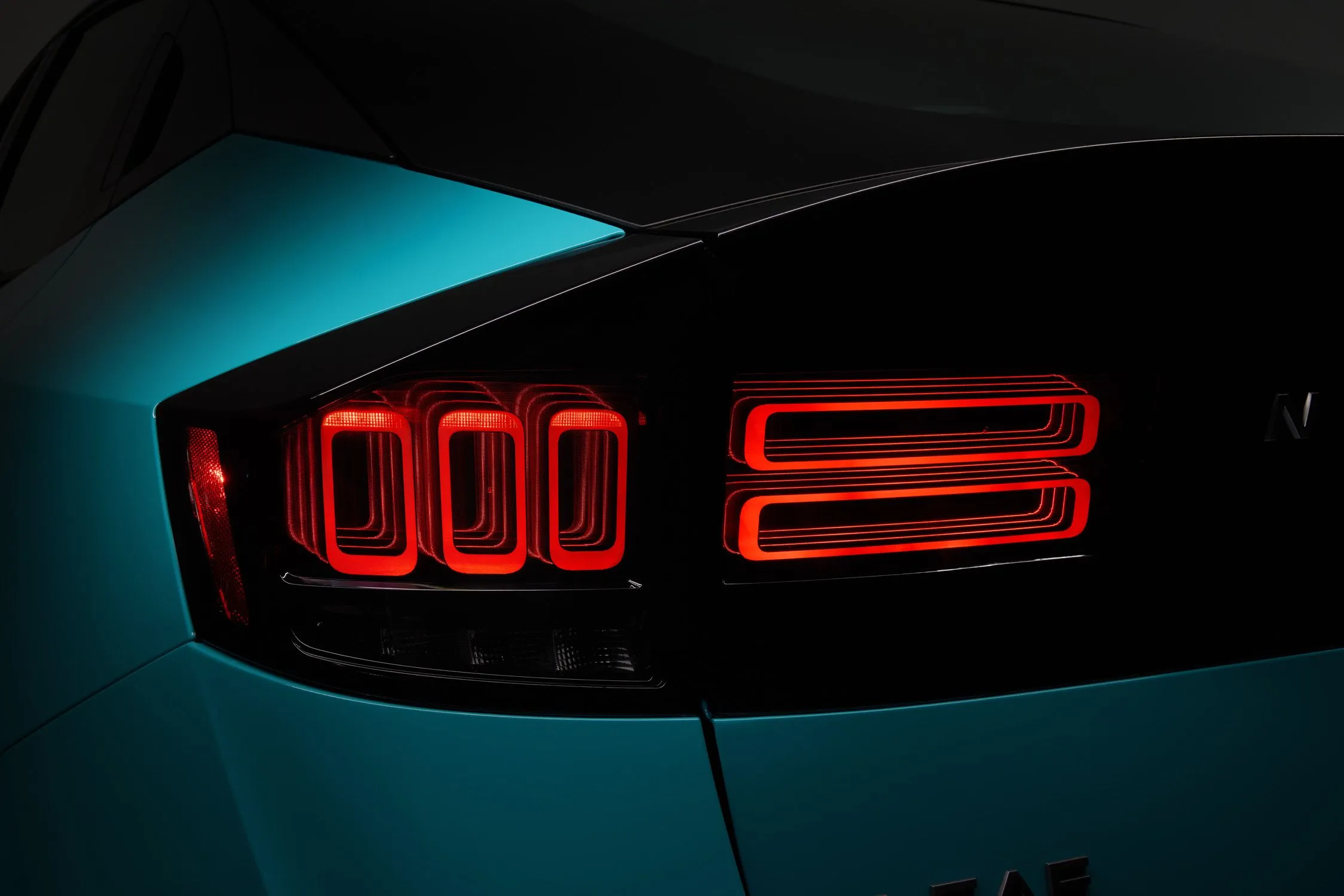
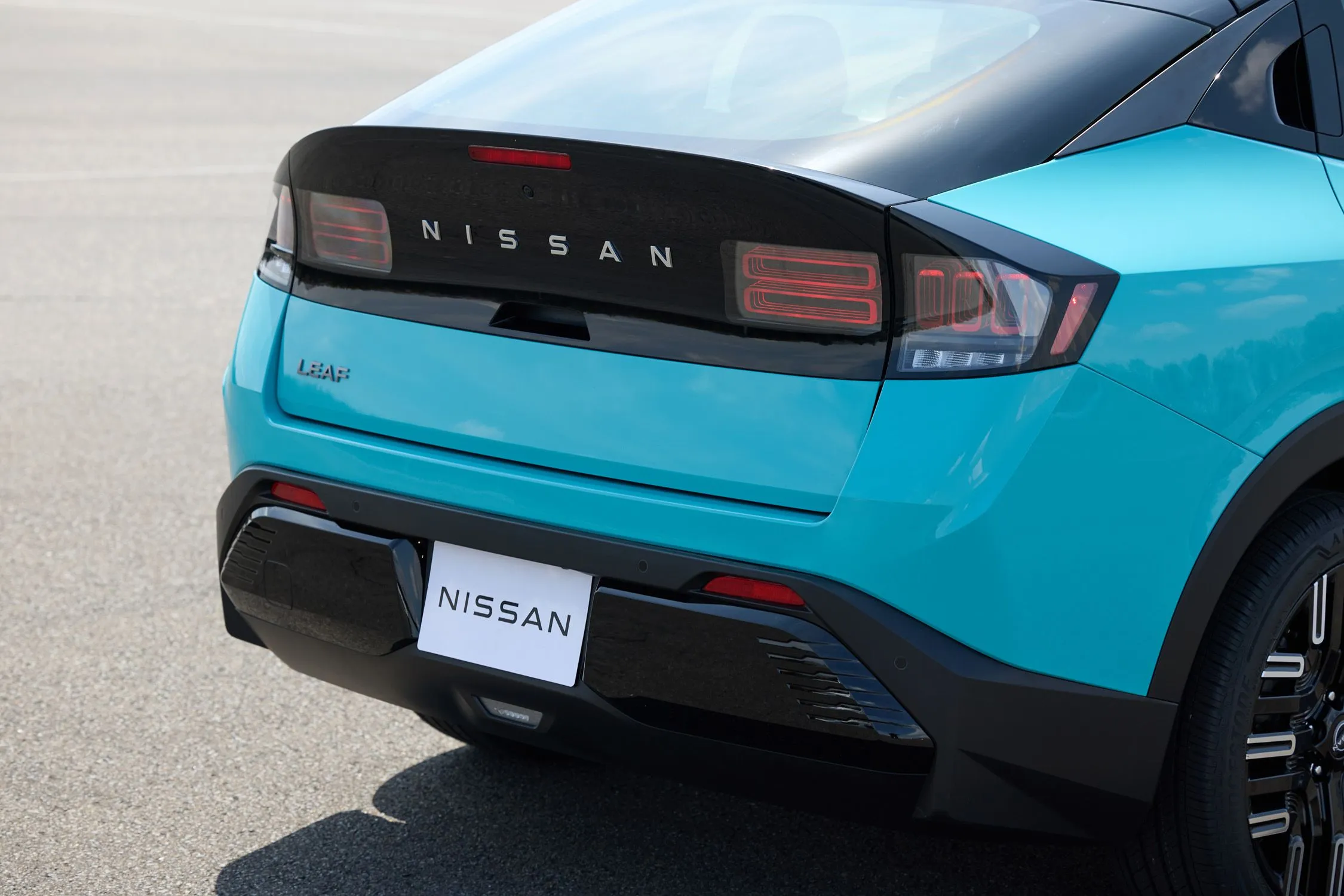
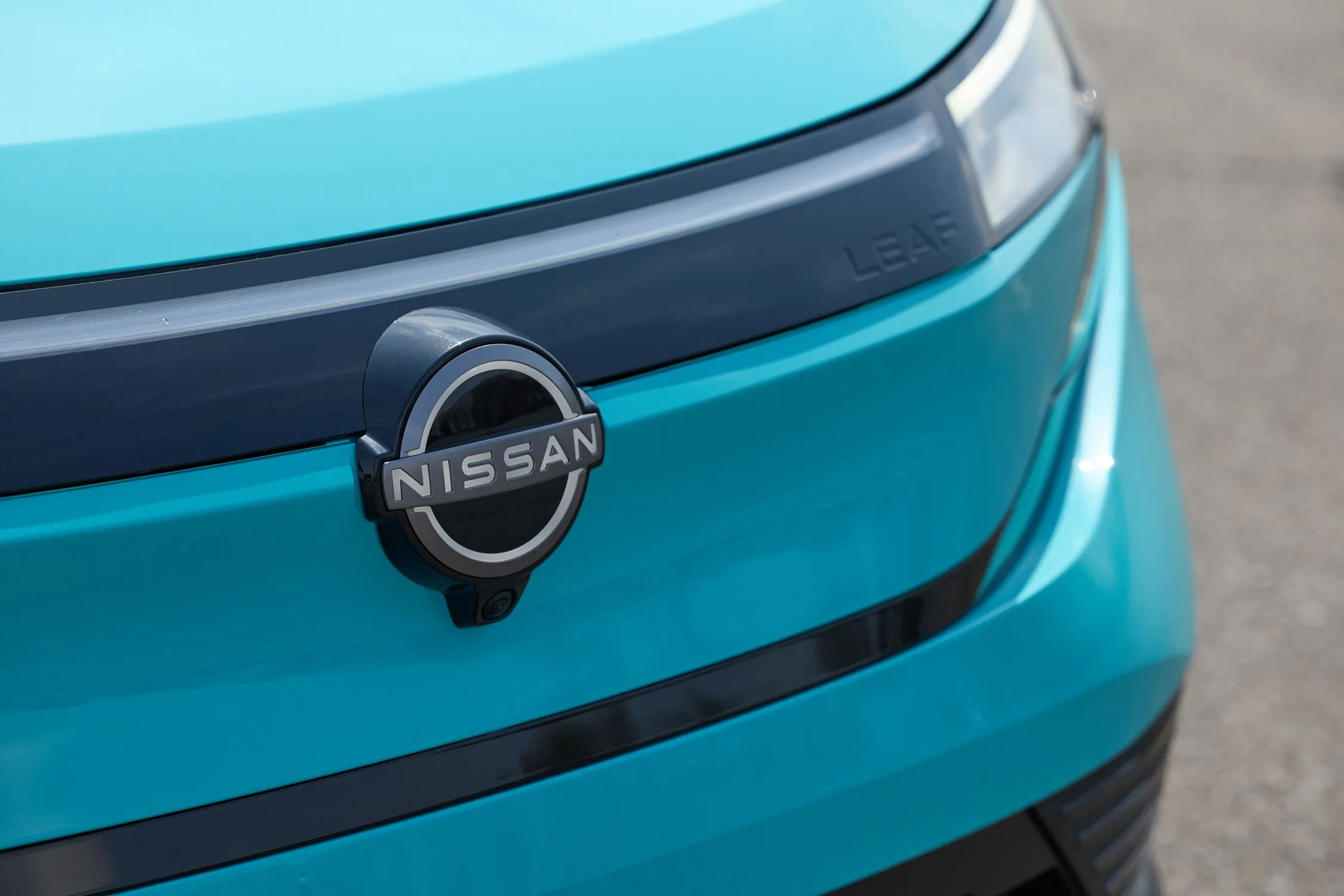
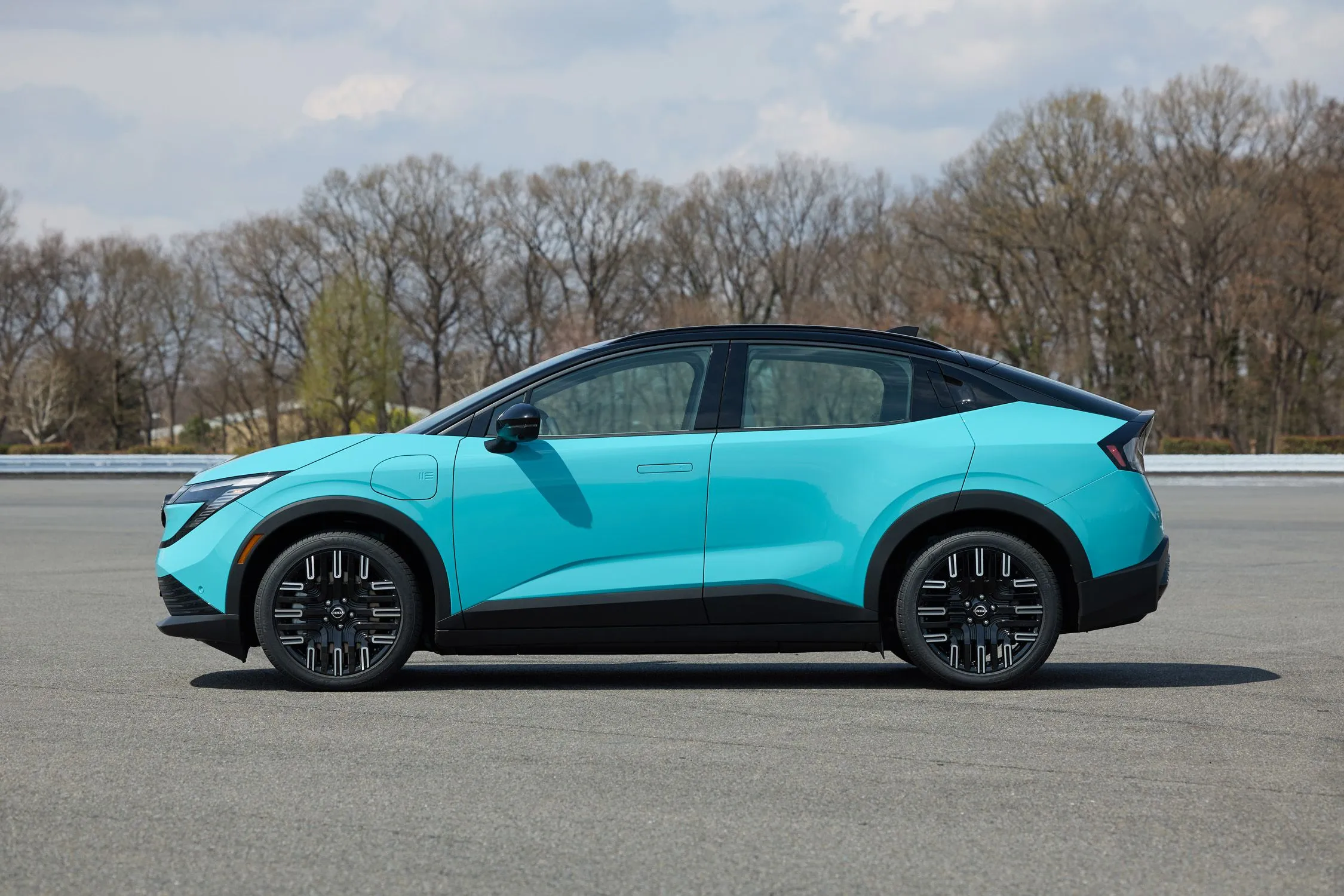
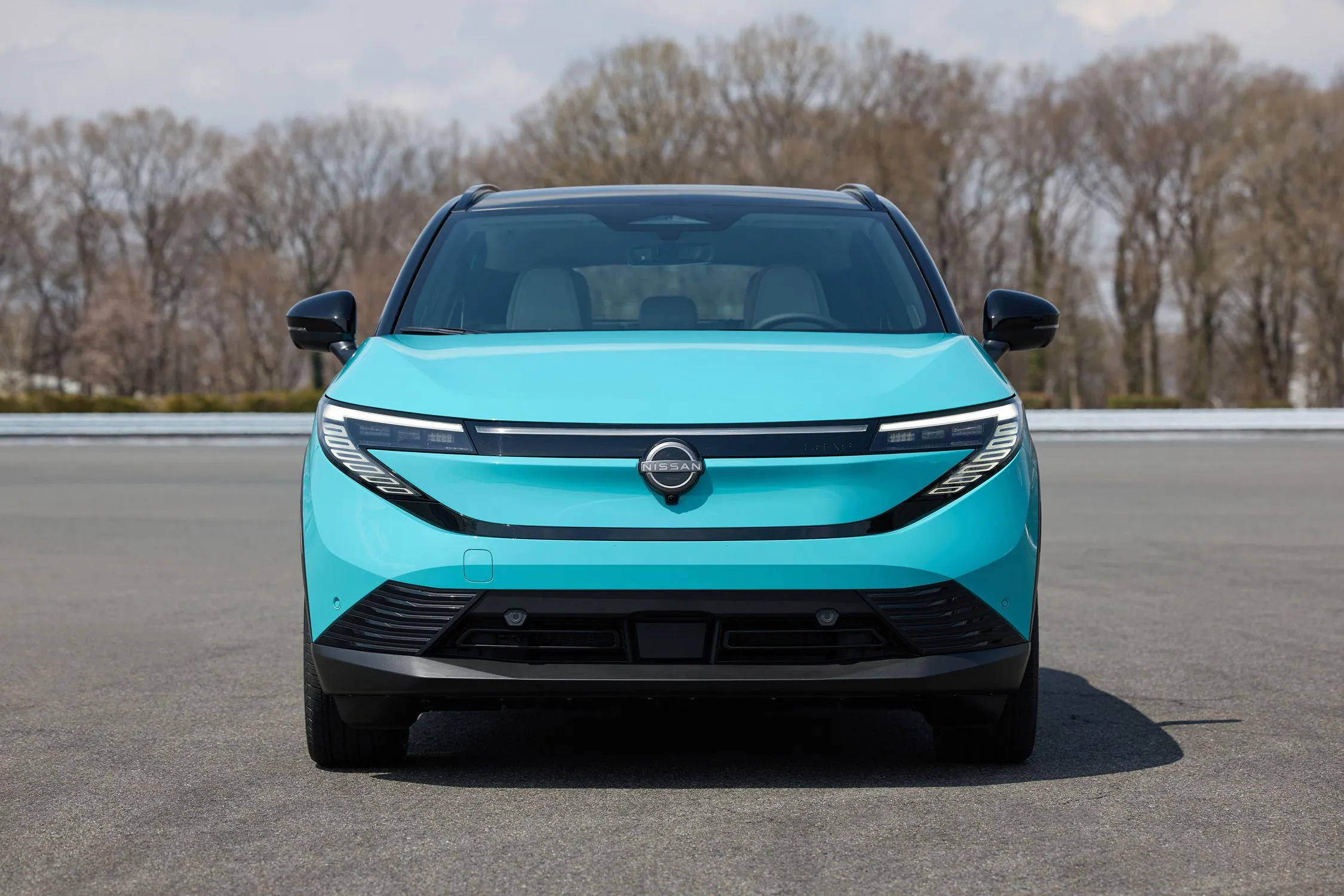
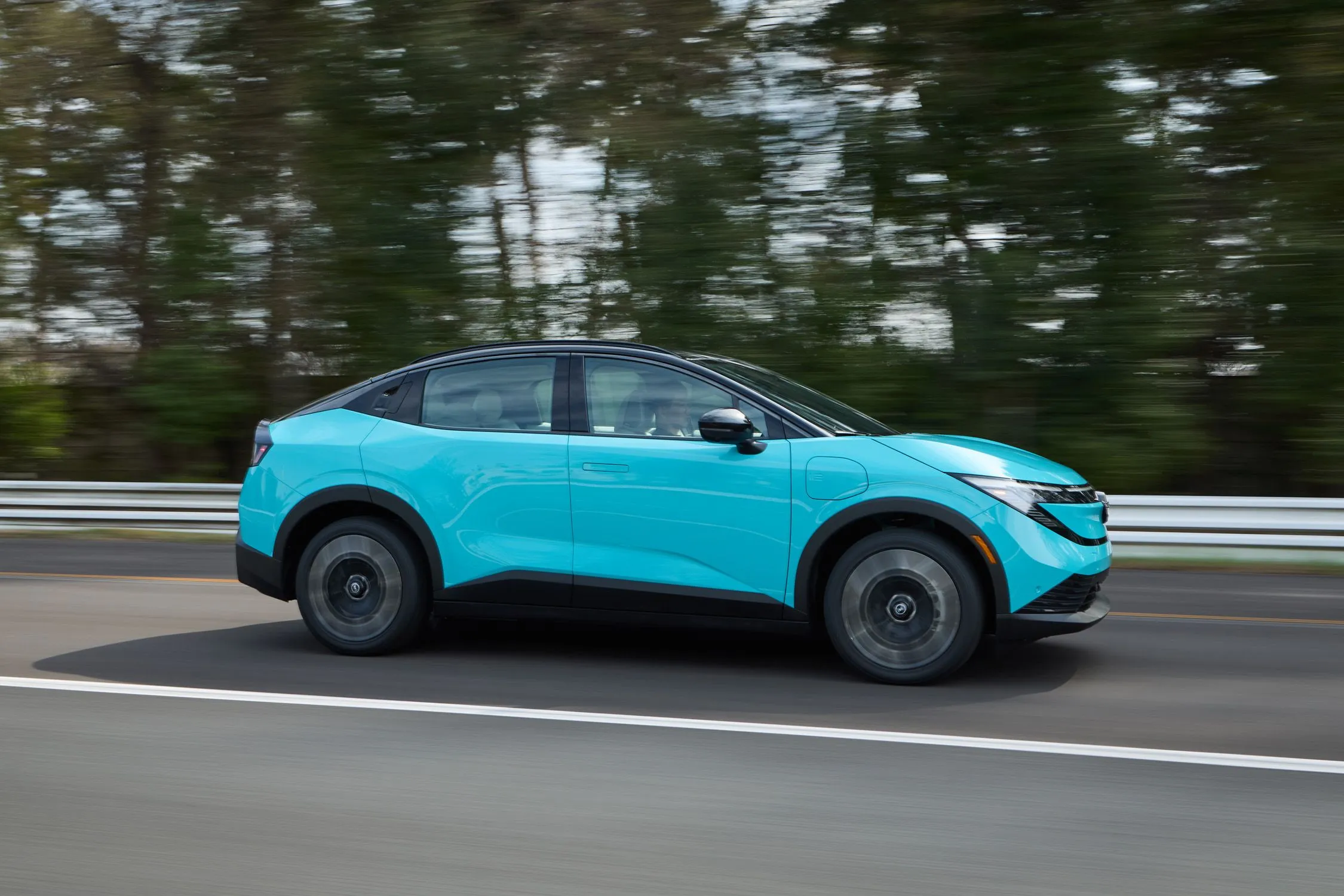
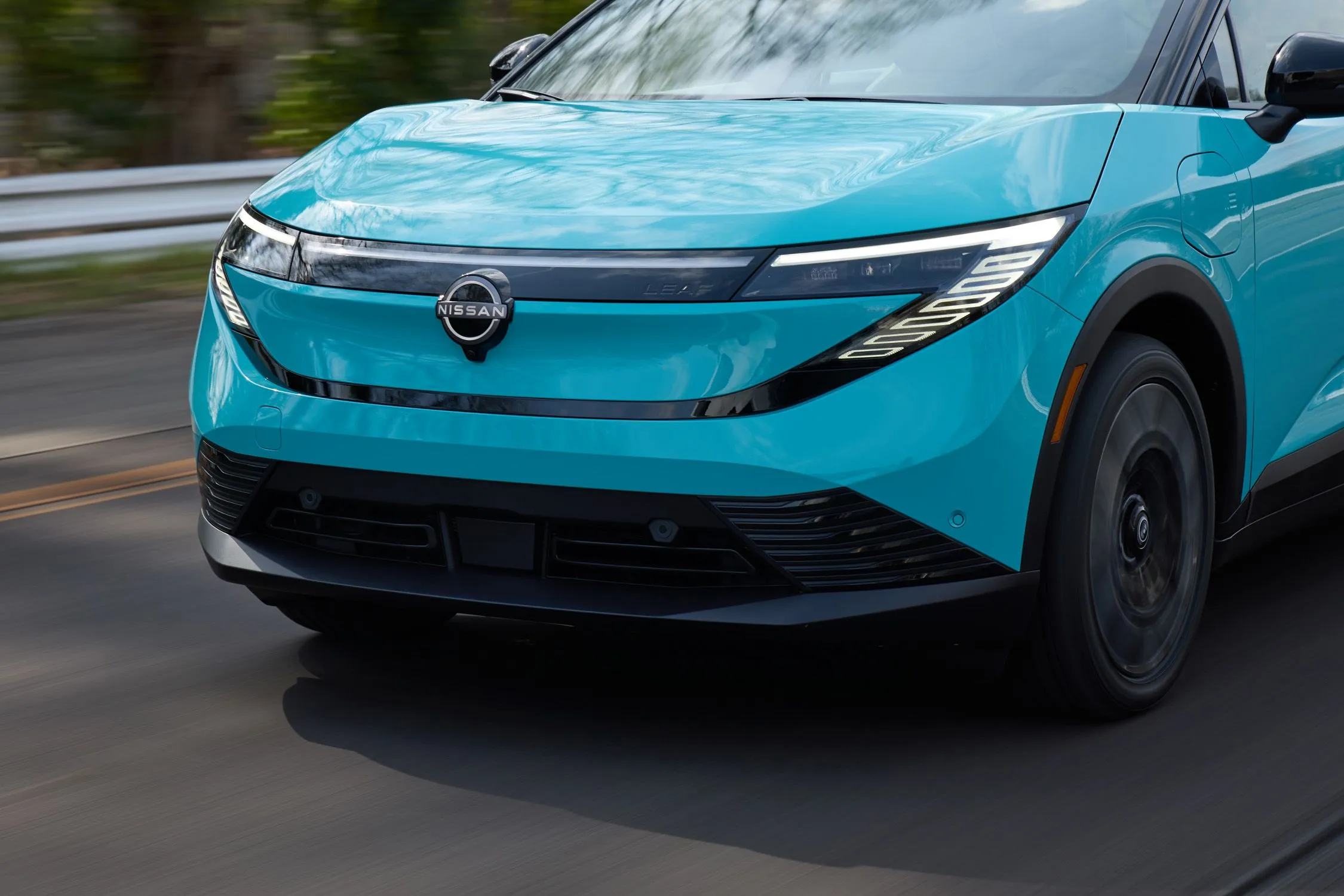
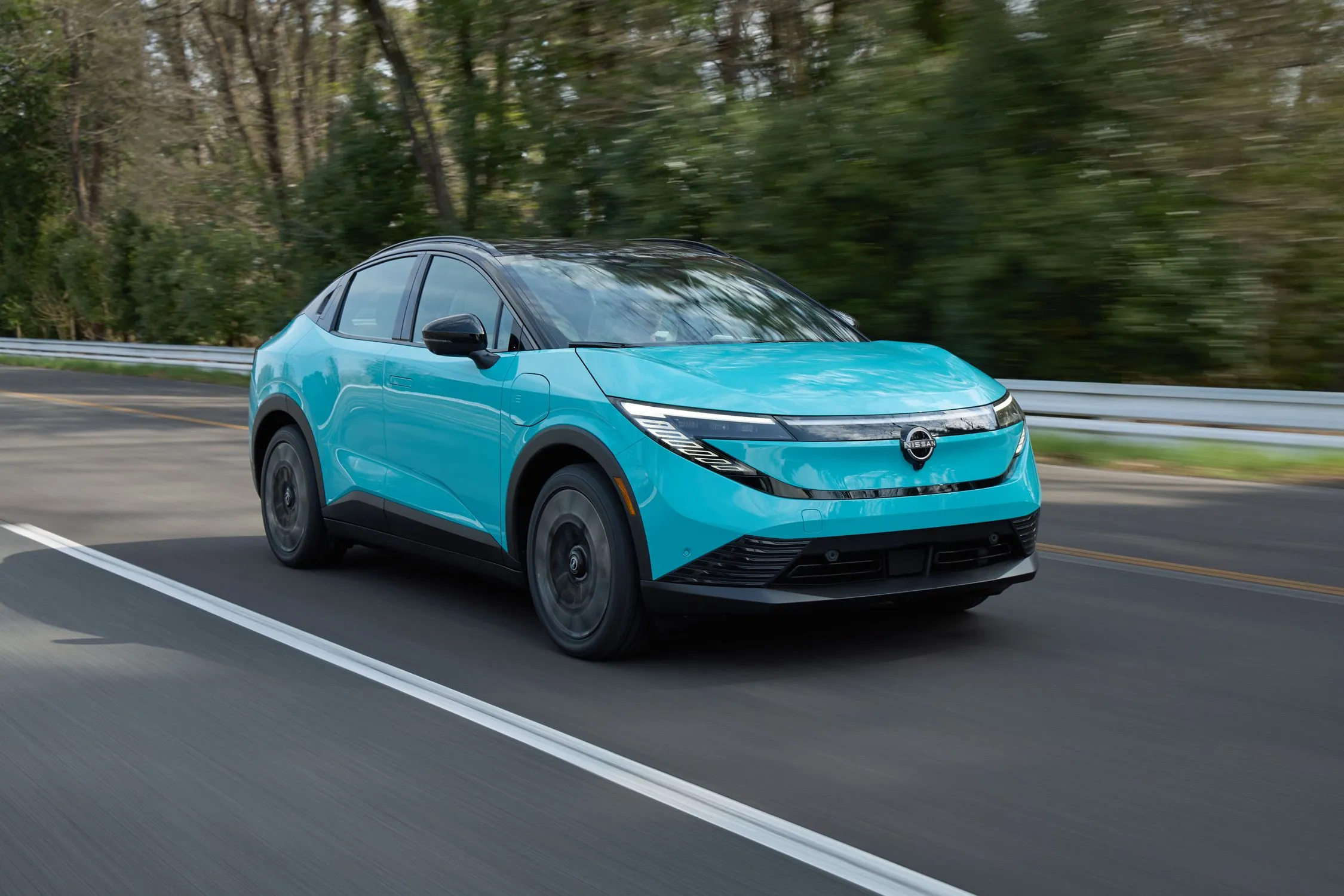
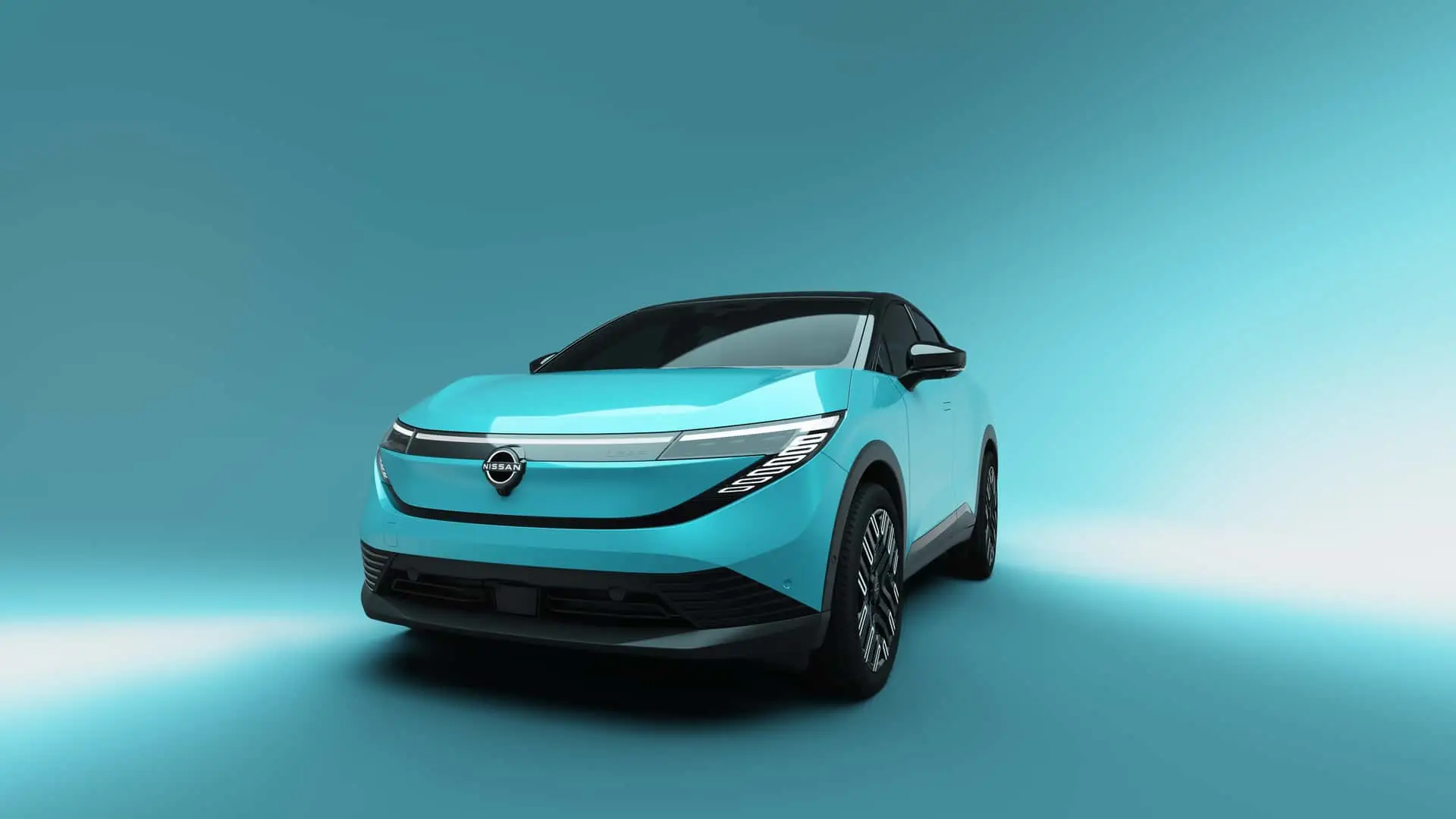
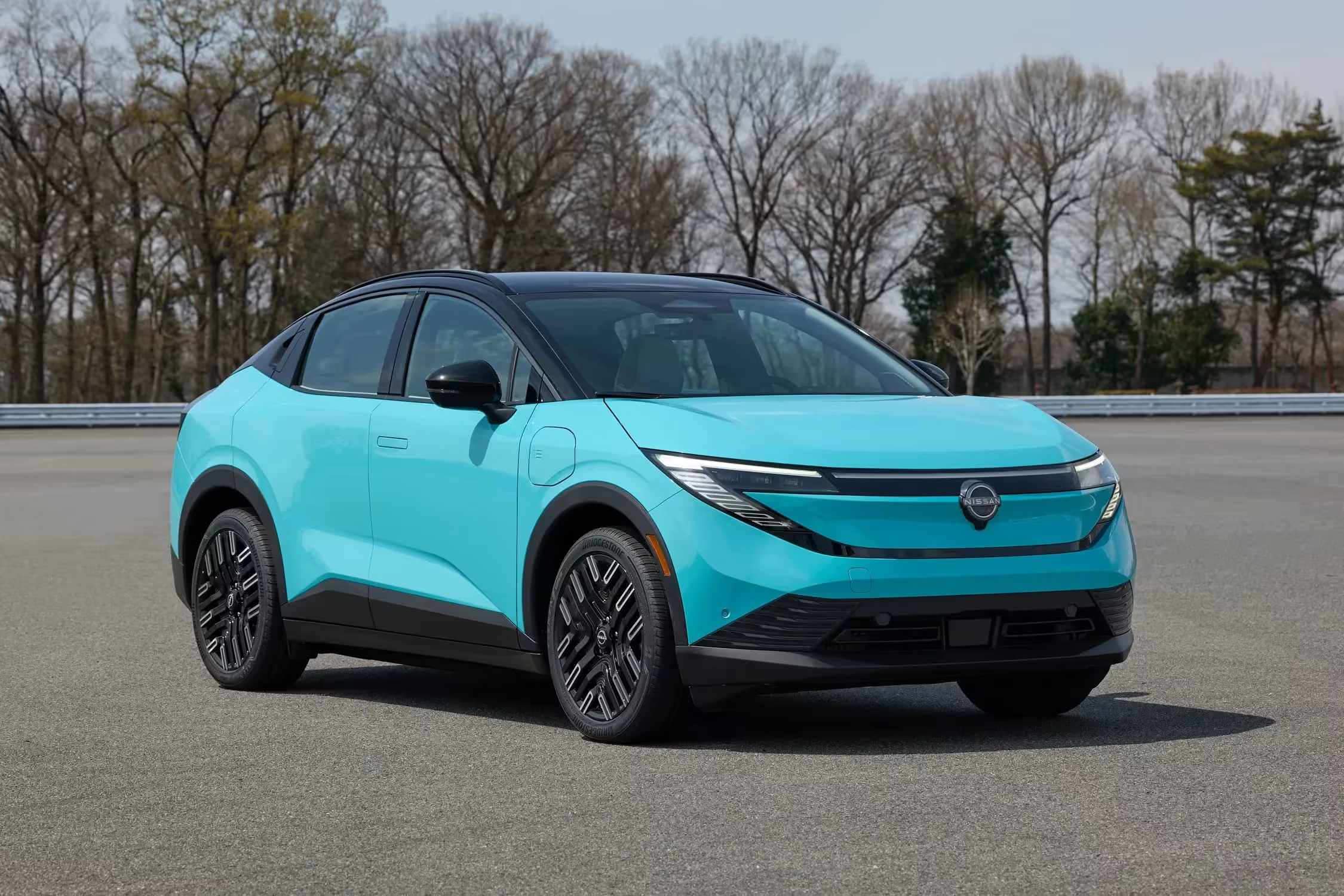
For years, the Nissan Leaf has been criticized for its utilitarian, unattractive appearance. For 2027, Nissan decided to embrace the market’s dominant trend by wrapping the electric machinery in a body that openly flirts with the subcompact SUV segment. The visual result is undeniably more modern, with flowing lines and a more robust road presence. The front features the brand’s signature lighting, while the sides show more upright proportions that benefit passenger space in the rear seat.
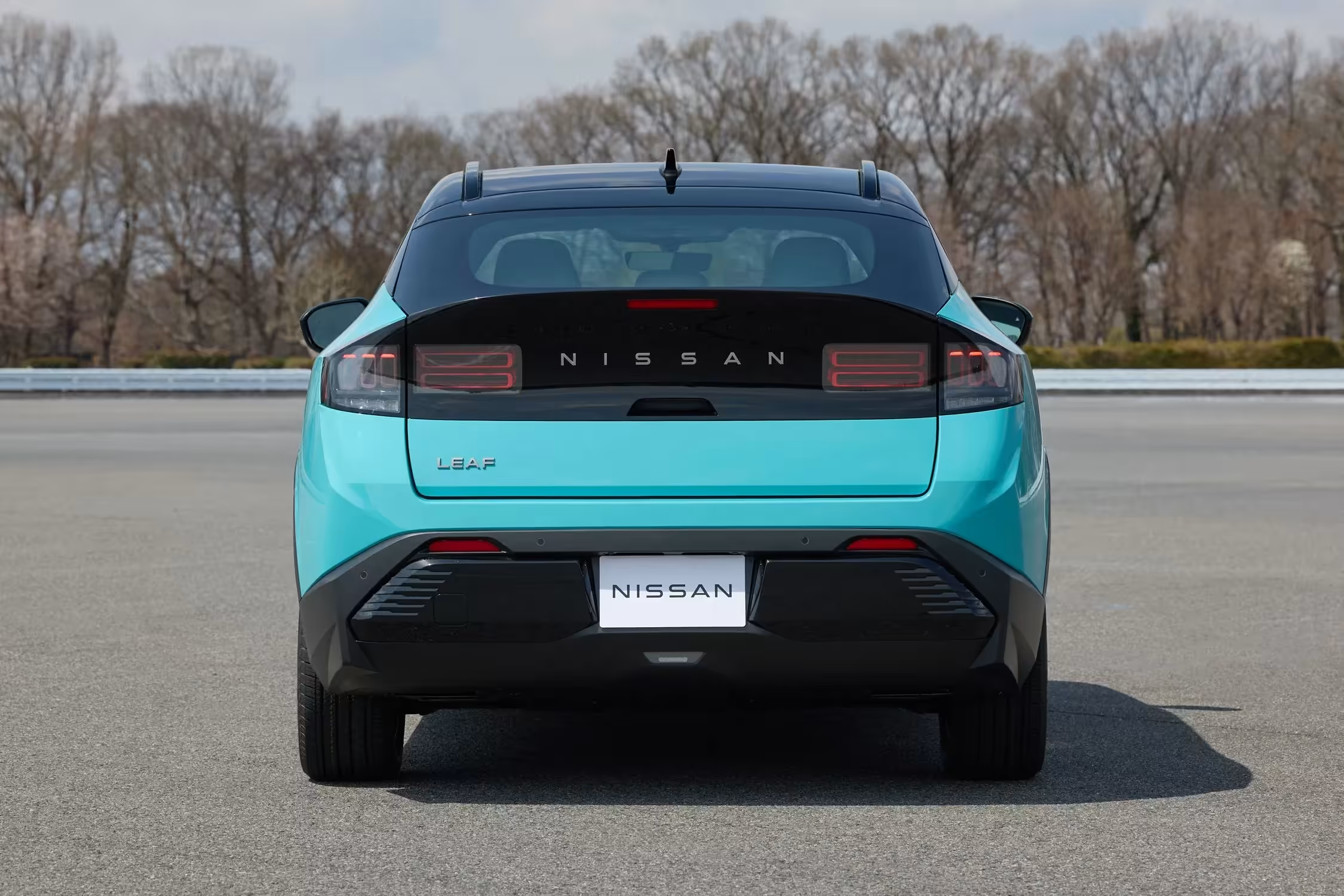
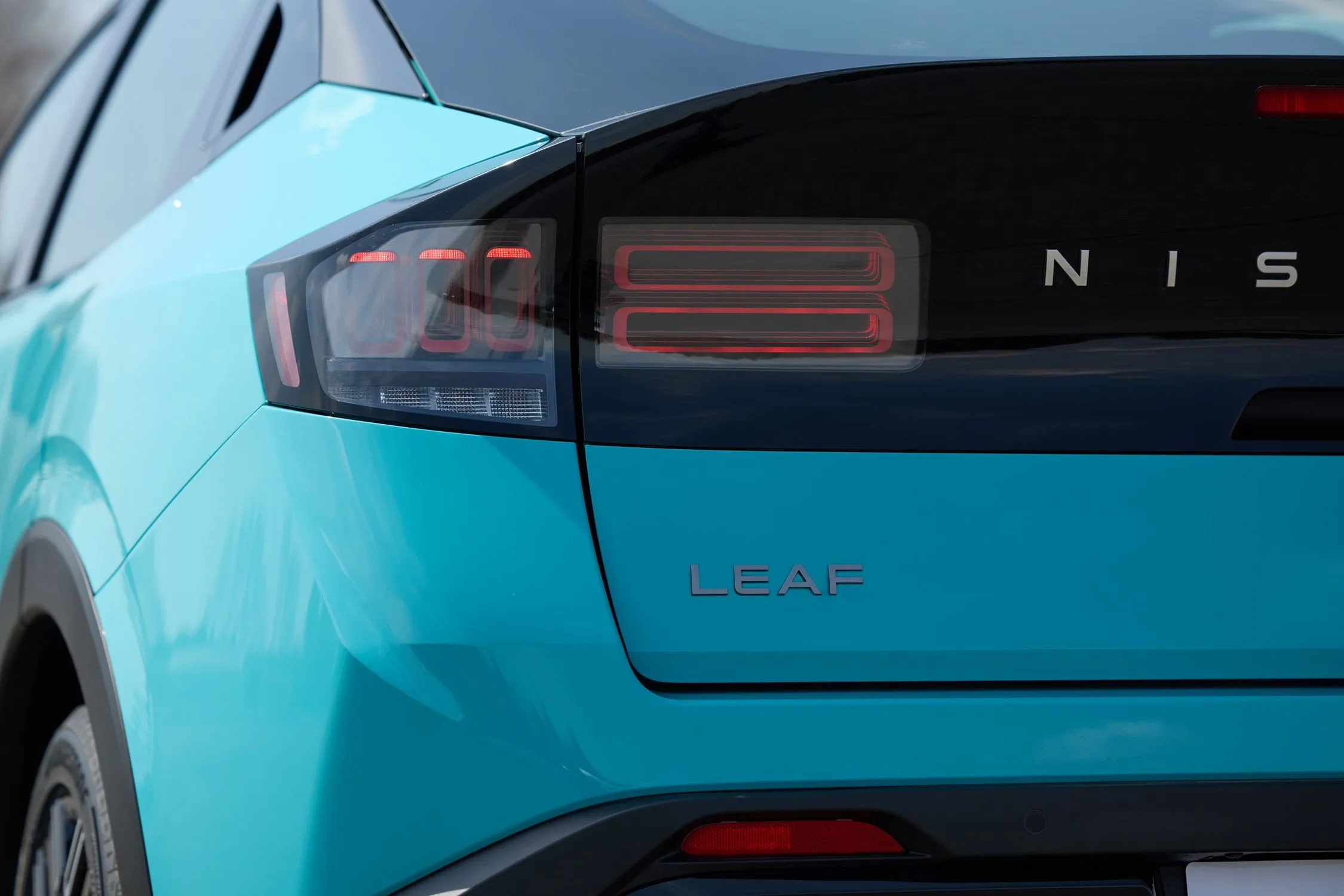
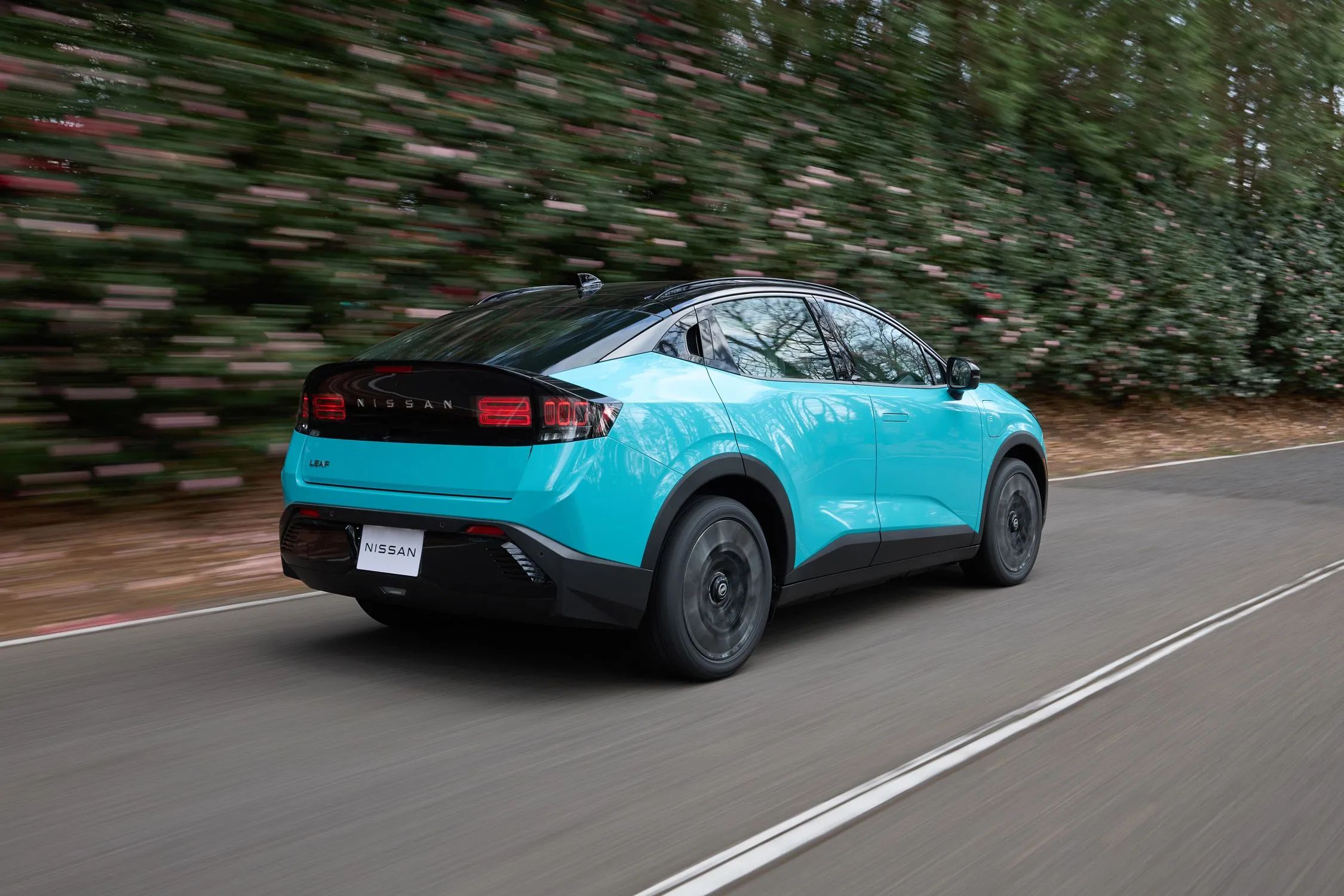
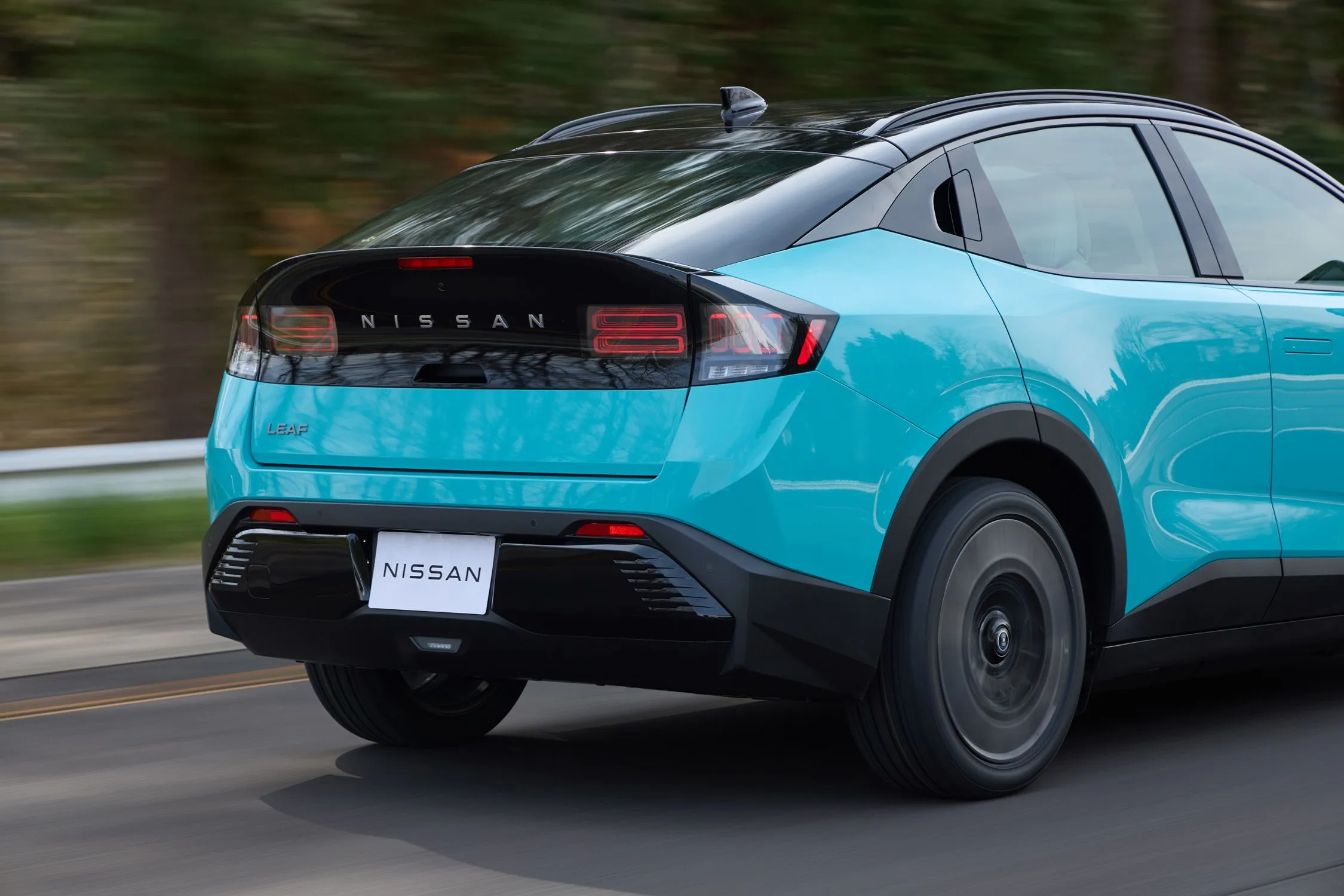
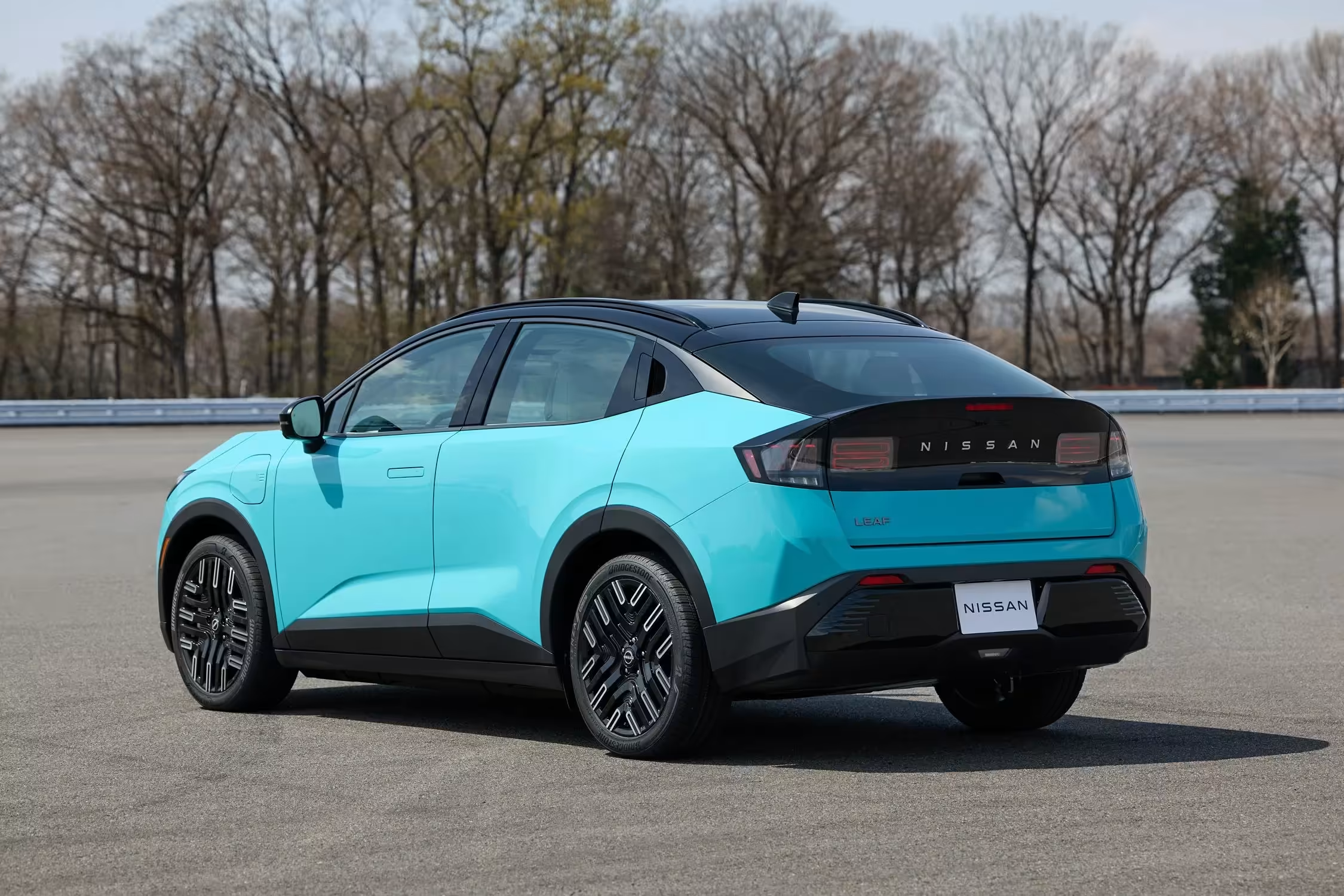
However, it’s at the back where this model’s main controversy lies. To achieve that sporty, aerodynamic look today’s consumers demand, the engineers opted for a roof with a steep slope. Aesthetically, the effect is sophisticated and helps reduce drag, contributing to energy efficiency. But in practice, this design choice encroaches on the trunk’s usable volume. While 56 cubic feet of space with the seats folded is enough for groceries or a weekend trip, the opening and usable height are compromised. If you frequently plan to transport bulky items, this limitation is something to consider before buying.
If you’re looking for a different balance between space and practicality in the compact SUV segment, it’s worth analyzing how other automakers are handling the architecture of their models. The 2027 Toyota Corolla Cross Hybrid, for example, offers a hybrid approach that, while not fully electric, keeps similar external dimensions along with internal space management that may surprise people who prioritize cargo volume above all.
Technological Interior And First-Class Comfort
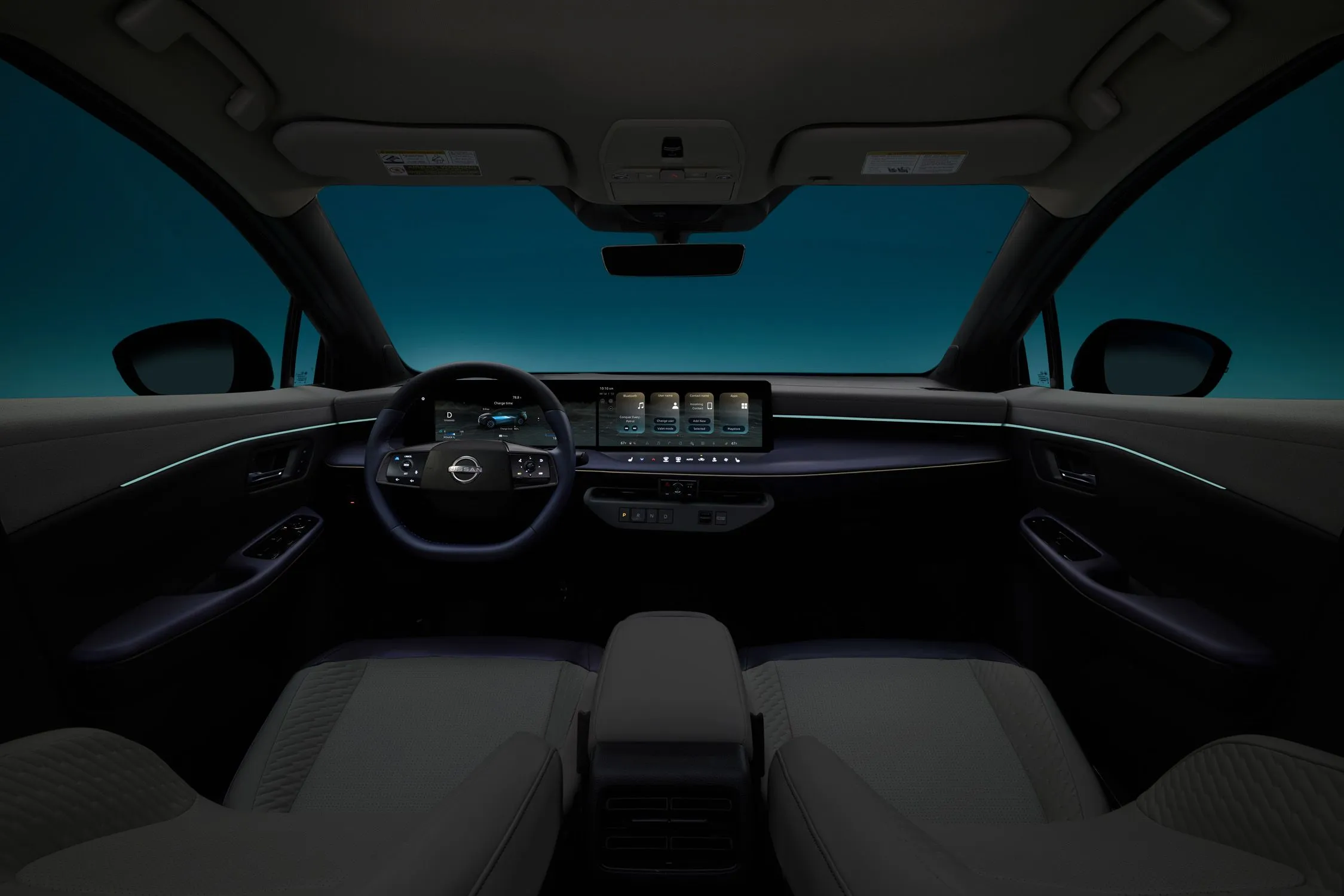
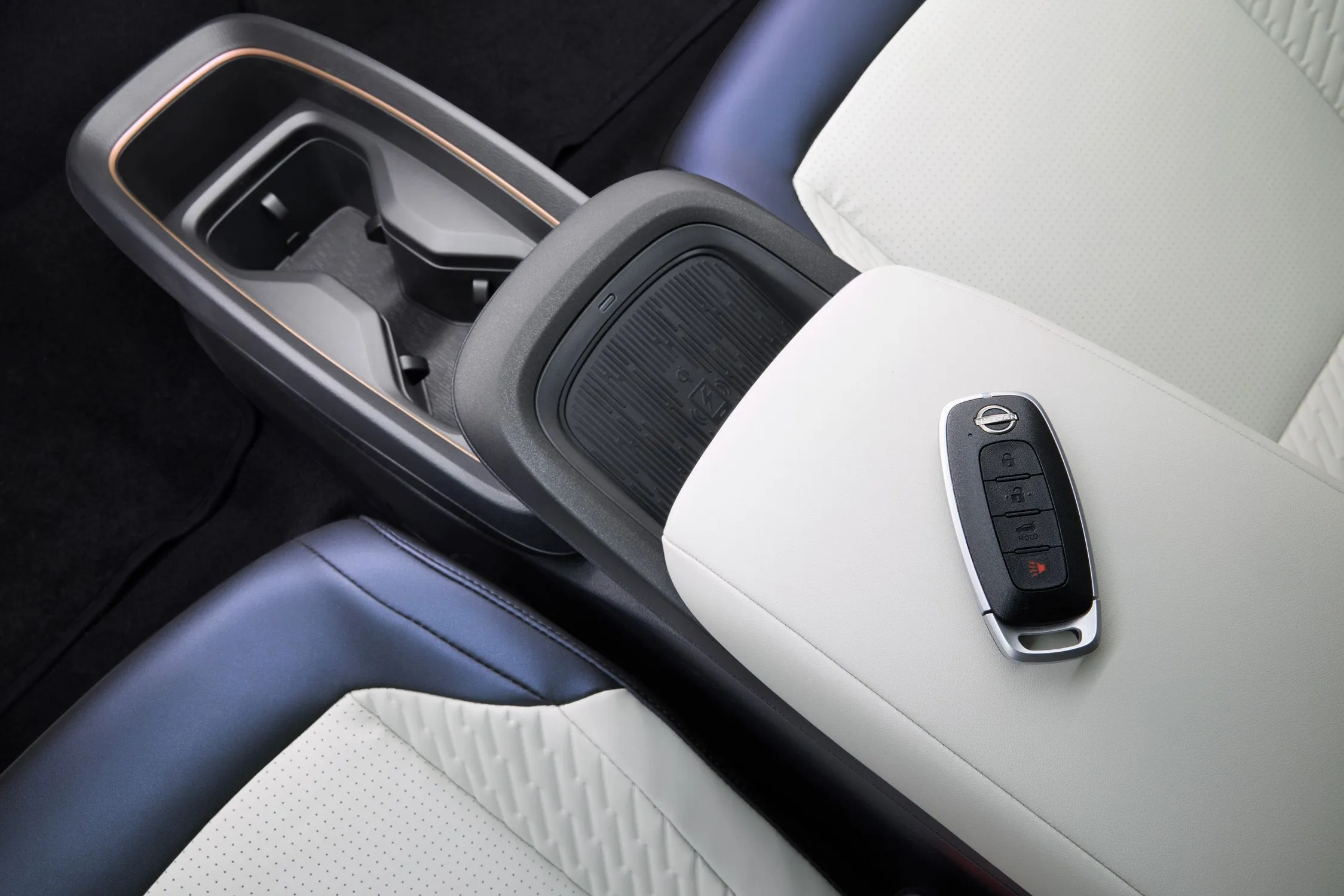
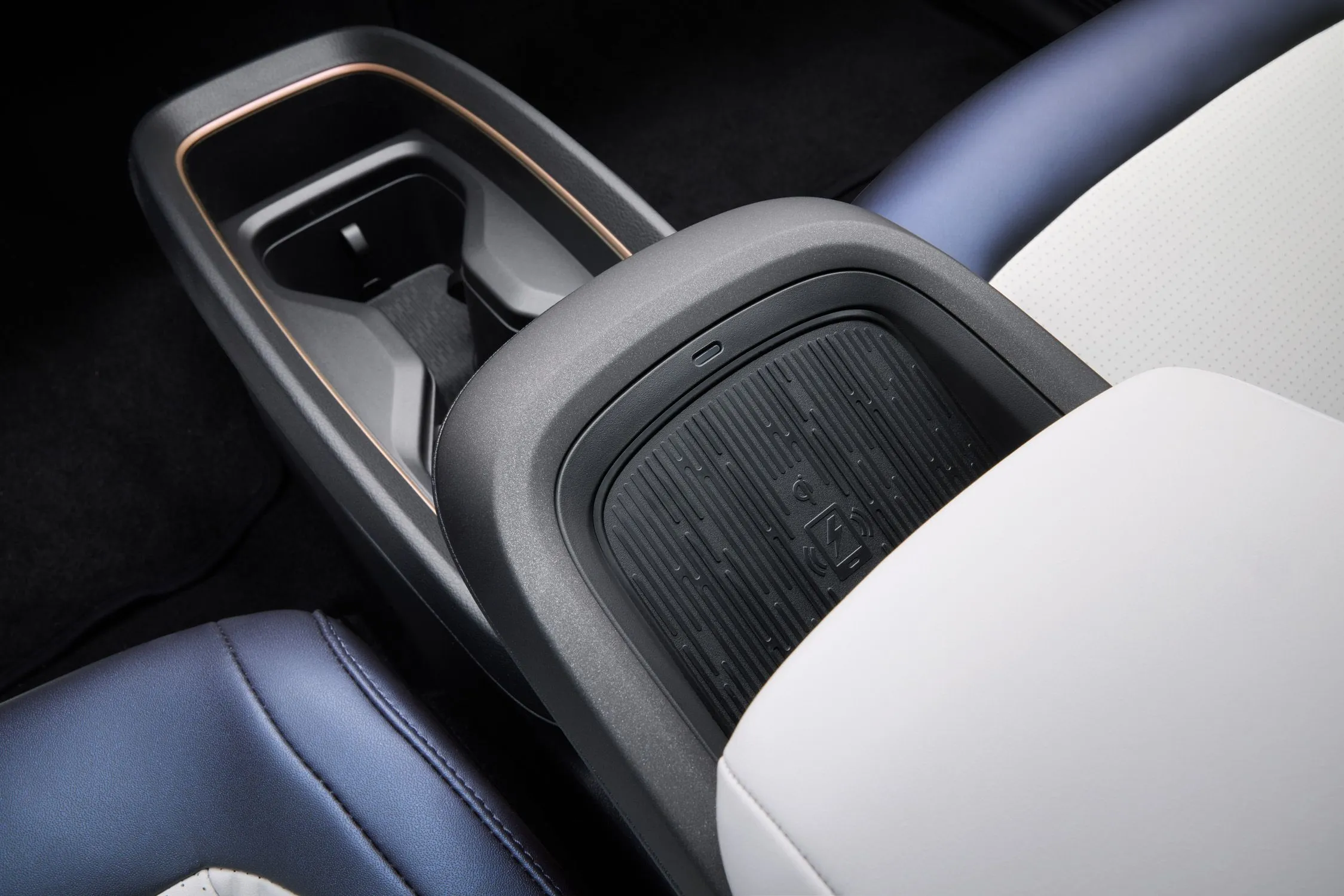
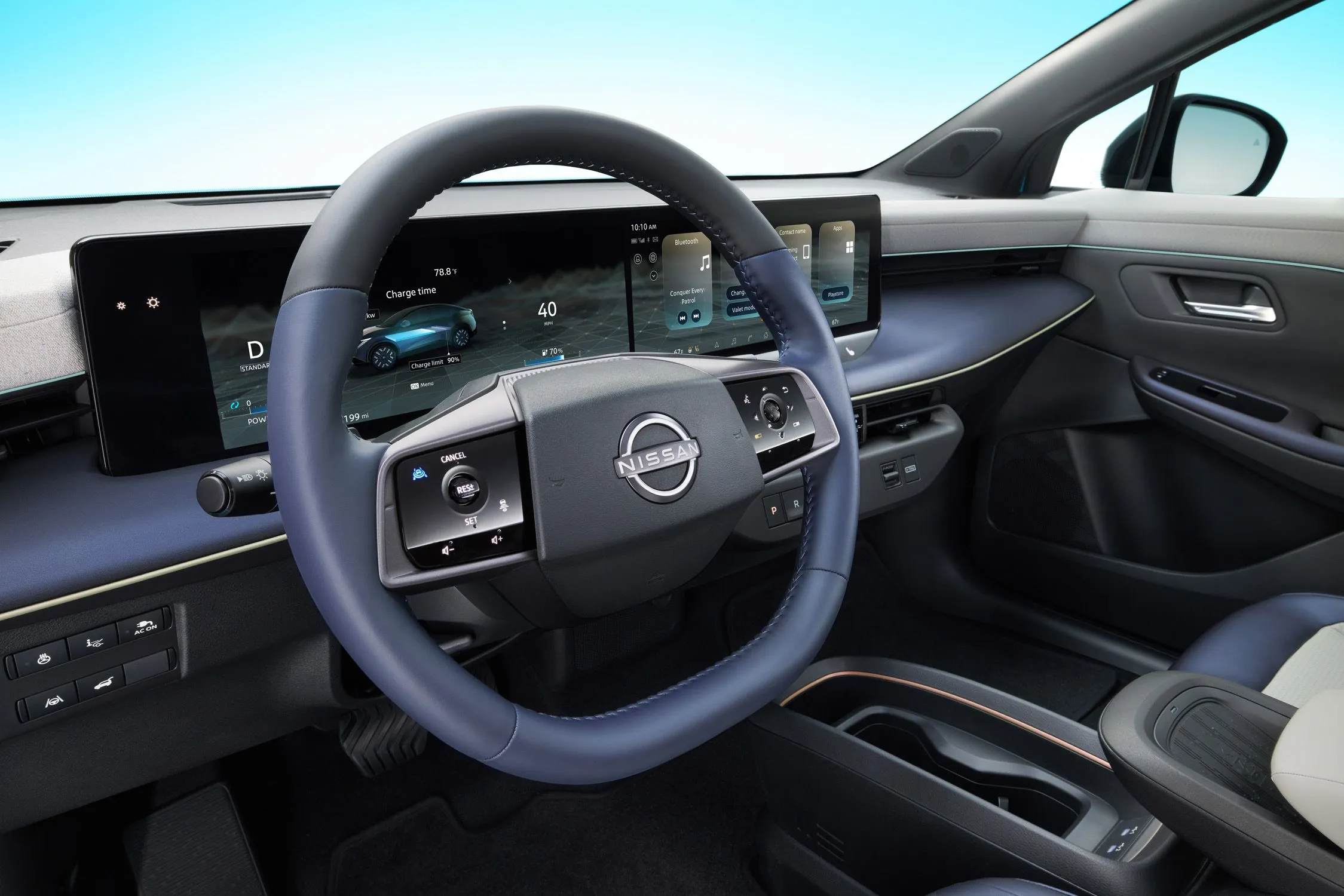
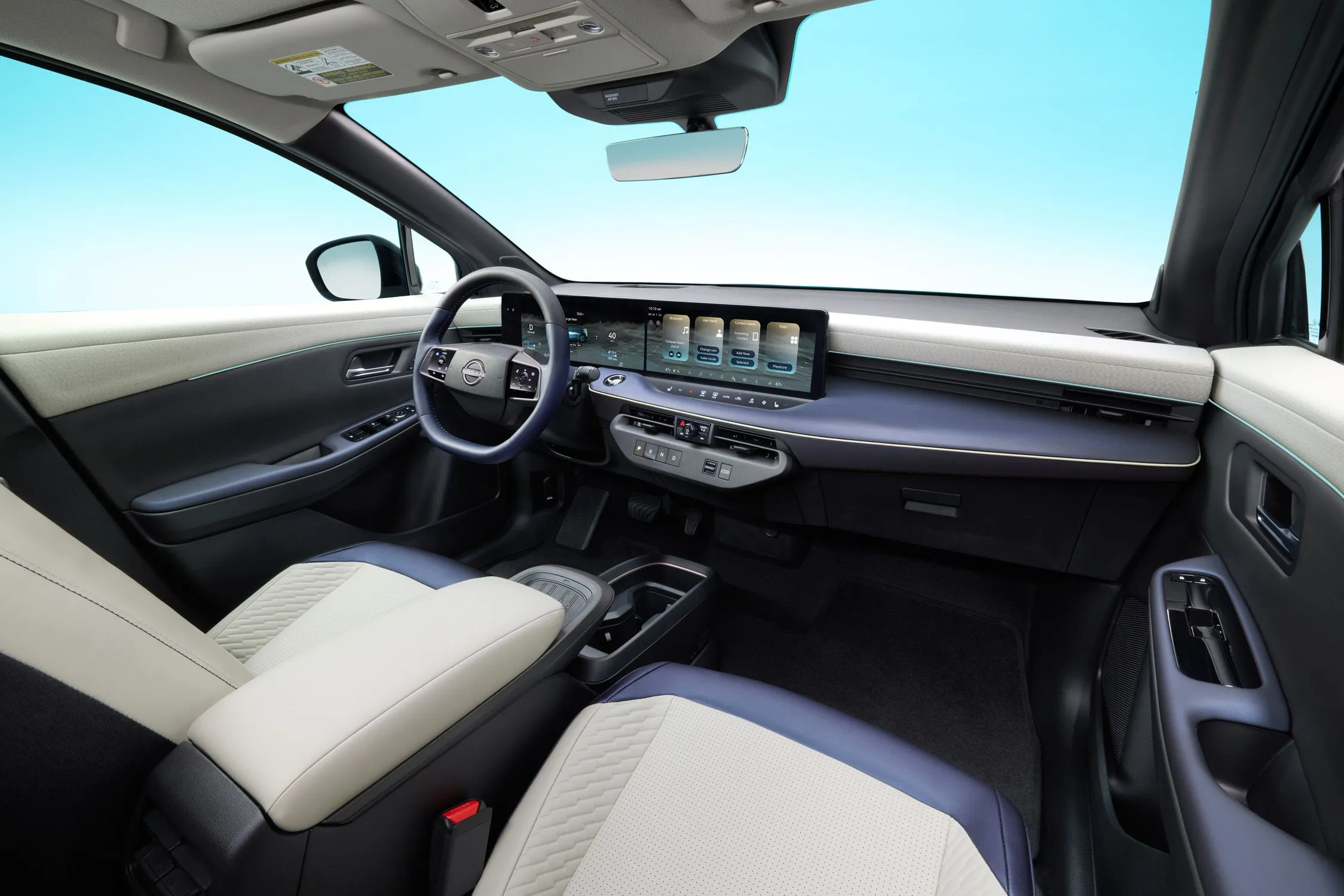
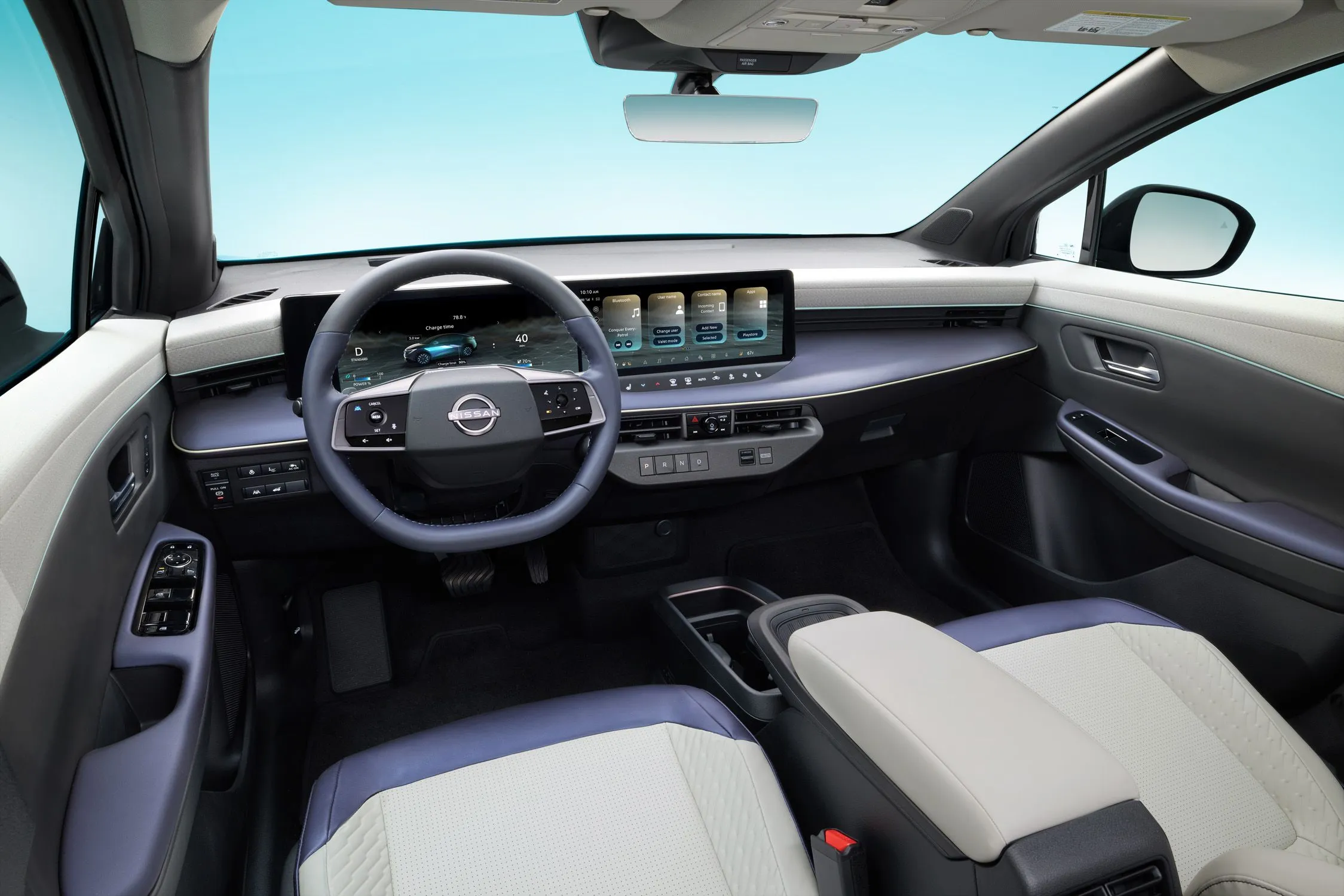
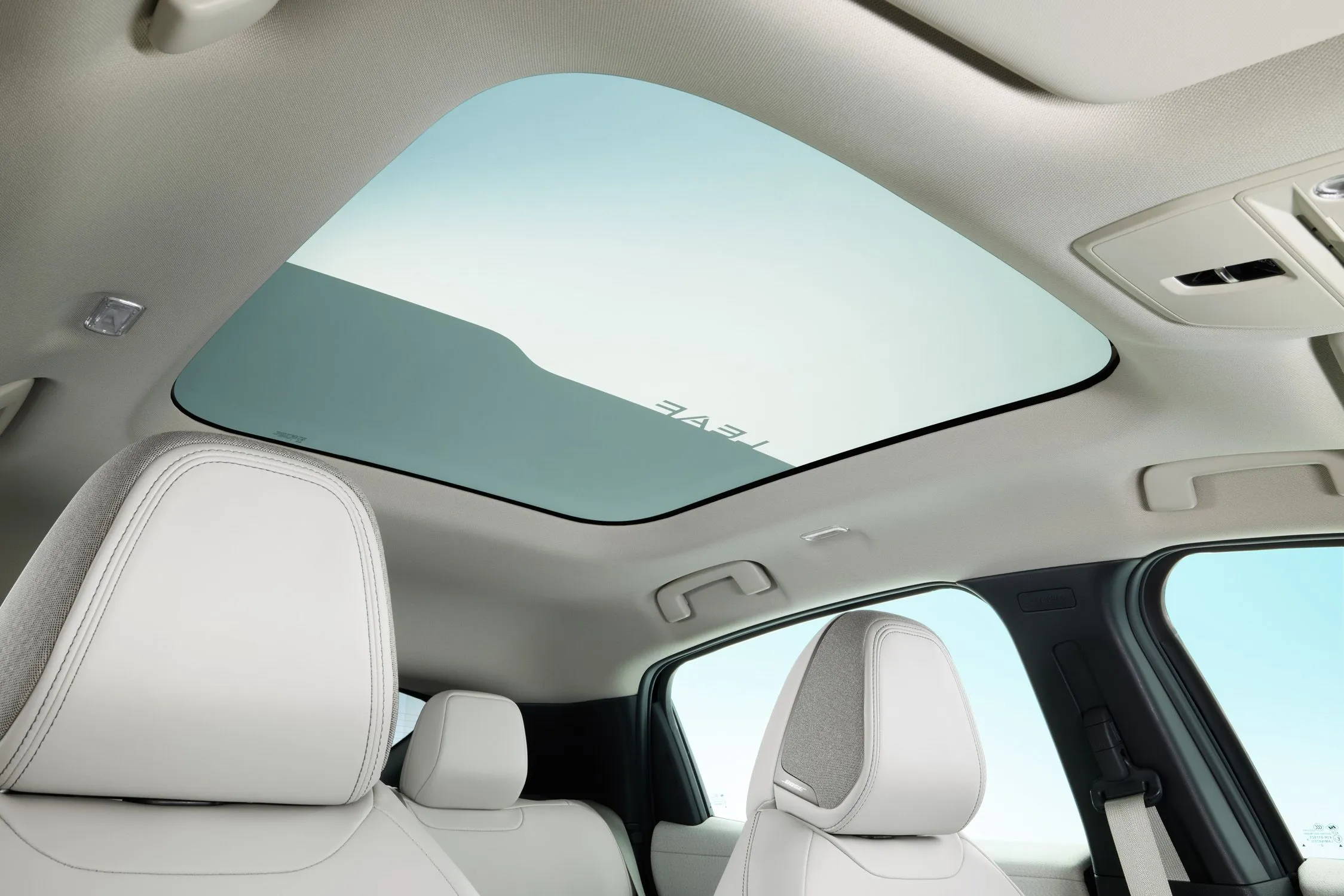
When you open the doors of the 2027 Nissan Leaf, the first impression is that you’re stepping into a higher class. Nissan has left behind the hard plastics and outdated design of previous generations in favor of a minimalist, modern environment. The dashboard is dominated by horizontal lines that expand the sense of width in the cabin. One standout is the elimination of the traditional gear shifter, replaced by selection buttons on the dash. This change frees up valuable space in the center console, accommodating two large cupholders and additional storage areas for everyday items.
On the technology front, the 2027 Leaf doesn’t fall behind premium competitors. The base S+ trim already comes with two 12.3-inch displays. One serves as a digital cluster for the driver, while the other manages the infotainment system. For those who want even more presence, the SV+ and Platinum+ trims offer 14.5-inch screens with a Google-based interface, delivering a smooth, intuitive user experience. Connectivity is comprehensive, with wireless Apple CarPlay and Android Auto as standard, plus strategically positioned USB-C ports for every row.
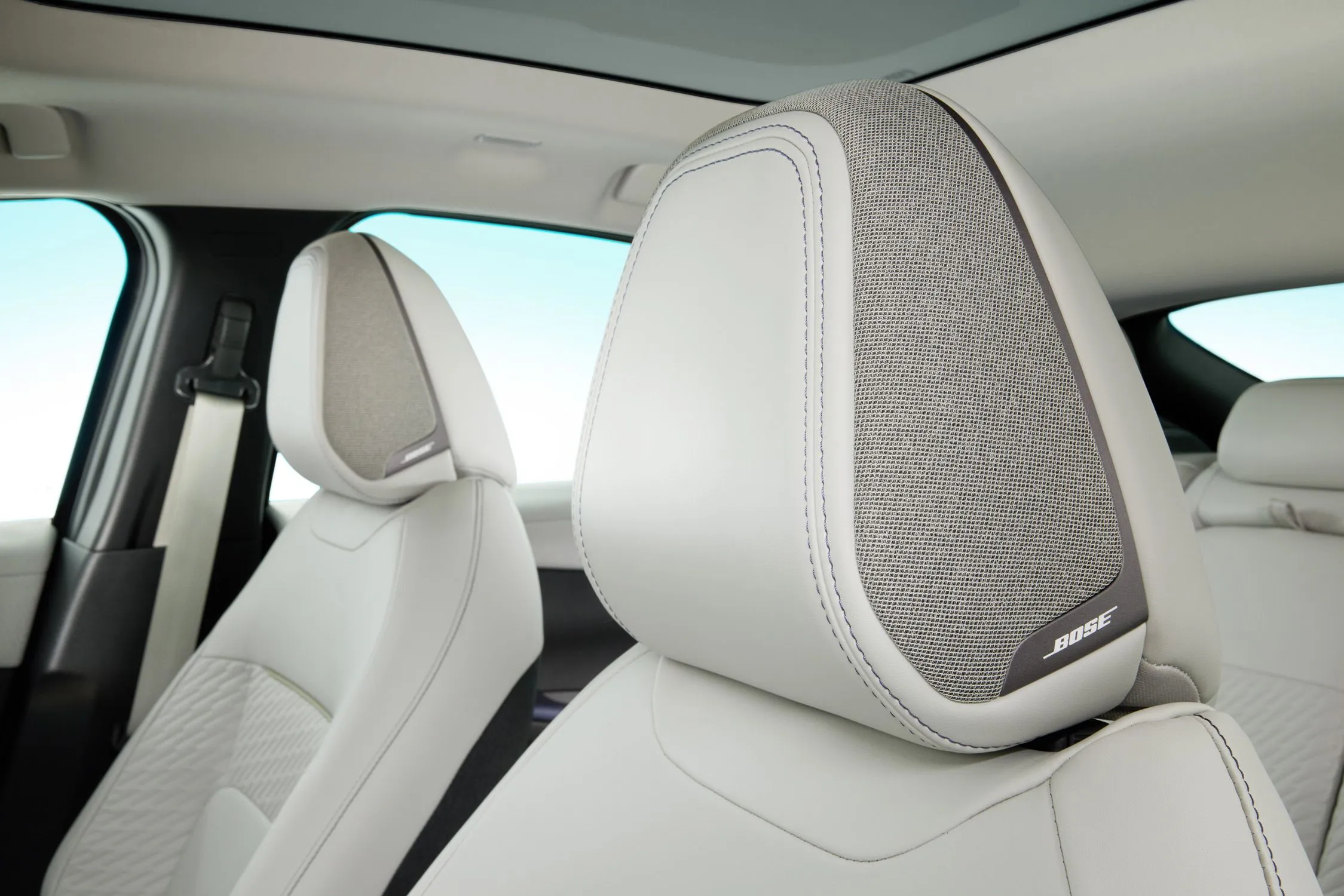
Acoustic comfort is another area where the Leaf really shines. The absence of a combustion engine, combined with rigorous insulation, results in an exceptionally quiet cabin. In road tests, at 70 mph the internal noise is minimal, creating a lounge-like atmosphere on wheels. The seats are ergonomic and provide adequate support for long trips, reinforcing the car’s positioning as an urban grand tourer. The suspension, tuned for comfort, absorbs road imperfections well—even though that leads to some body roll in tighter corners, confirming that the focus here is well-being, not sportiness.
If interface technology and connectivity are your deciding criteria, it’s interesting to note how quickly the market is evolving. Models like the Volkswagen ID. UNYX 08 are raising the bar with technologies that are still exclusive to certain markets, showing that the battle for the best onboard system isn’t over—and that the Leaf needs to stay up to date to compete.
Performance, Range, And The Charging Revolution
Under the hood, the 2027 Nissan Leaf philosophy is efficient simplicity. All models come equipped with a single electric motor producing 214 horsepower and 261 lb-ft of torque, sending power exclusively to the front wheels. The lack of an all-wheel drive option (AWD) may disappoint some buyers in regions with harsh winters, but the FWD setup helps keep vehicle weight and cost under control. The 0 to 60 mph acceleration in 6.9 seconds (on the Platinum+ version) won’t knock anyone out of their seat, but it’s more than enough to keep pace in urban traffic and make safe highway passes.
The real highlight, however, is the battery. Equipped with a 75 kWh liquid-cooled lithium-ion pack, the 2027 Leaf delivers range numbers that put many pricier competitors to shame. The most efficient S+ version reaches an impressive 303 miles (about 487 km), according to the EPA estimate. Even in higher trims like the Platinum+, the range remains respectable at 256 miles. In real-world tests at 75 mph, the vehicle recorded 250 miles, proving that official figures aren’t just marketing optimism.
One of the most significant advancements for 2027 is the adoption of the NACS charging standard. The Leaf now has a fast-charging port on the passenger side compatible with Tesla’s Supercharger network. This addresses one of the Leaf’s biggest historical issues: limited fast-charging infrastructure. With the ability to accept up to 150 kW on DC charging, the vehicle can recover from 10% to 80% of the battery in just 35 minutes. This compatibility makes the Leaf a truly viable option for interstate trips, eliminating the range anxiety that plagued previous generations.
Energy efficiency is measured in MPGe (Miles Per Gallon Equivalent), and the Leaf performs exceptionally well, with 131 MPGe in the city and 111 MPGe on the highway. These figures reflect improved aerodynamics and efficient battery thermal management. If you’re considering the transition to electric, understanding real-world range is crucial. While the Leaf focuses on efficiency and cost-effectiveness, other market players are betting on high-voltage architectures. The BYD BC22, for example, brings innovations in battery density that promise to silence urban chaos with even greater efficiency—showing that energy storage technology is the new battleground for the industry.
Pricing, Trims, And The Final Verdict
Nissan’s pricing strategy for 2027 is aggressive and positions the Leaf as one of the smartest options in the segment. With an estimated starting price of $32,000 for the S+ trim, the vehicle undercuts many competing electric SUVs by a significant margin. The mid-level SV+ jumps to $36,000, while the top-of-the-line Platinum+ reaches $41,000. Specialist recommendations point to the S+ version, because it offers the greatest range in the lineup and already includes the essential features—such as the dual 12.3-inch screens and full connectivity—without the added cost of larger wheels and luxury equipment that, in fact, slightly reduce efficiency versus the Platinum.
It’s important to note that Nissan canceled plans for an even more basic “S” version, focusing on delivering a well-equipped product from the start. That means there are no “stripped-down” trims at the dealership; all 2027 Leafs leave the factory with a level of finish worthy of higher categories. The warranty is also a strong point, with 8 years or 100,000 miles of coverage for the high-voltage battery, providing long-term peace of mind for the owner.
However, the Leaf isn’t alone in this fight. The return of the Chevrolet Bolt, now with a refreshed look, puts direct pressure on the Japanese model. The American competitor can be found for a few thousand dollars less, but it pays the price with lower range—262 miles. Choosing between the two often comes down to your priority: immediate savings with the Bolt or more range and comfort with the Leaf. To better understand how this rival positions itself in today’s market, check out our detailed analysis of the 2027 Chevrolet Bolt, which came back from the dead to challenge the pricing logic of $100K luxury SUVs.
Beyond direct competition, the 2027 Leaf also needs to look at what’s happening inside its own garage. The 2026 Nissan X-Trail receives luxury SUV technologies that may attract buyers who want more space and versatility—even if it isn’t a pure electric vehicle. The buying decision in Nissan’s universe today is complex, split between the Leaf’s electric efficiency and the X-Trail’s traditional capabilities.
In terms of safety, the Safety Shield 360 package is standard on all trims, including automatic emergency braking with pedestrian detection, blind-spot monitoring, and the ProPilot Assist system, which combines adaptive cruise control with lane centering. While it hasn’t been subjected to recent IIHS or NHTSA crash tests specifically for the 2027 model year, the robust structure and active systems suggest solid performance—similar to what has been observed in category peers that focus on family protection, like the 2027 Volvo EX60, known for hiding a supercomputer-brain focused on saving lives.
The 2027 Nissan Leaf represents a necessary maturation for an icon that needed to reinvent itself. It delivers what most EV buyers are looking for: real-world range, convenient charging, and a fair price. The lack of all-wheel drive and the cargo space limitations imposed by the design are acceptable trade-offs given the overall package. For the city driver who wants to escape fluctuations in fuel prices without spending a fortune on an out-of-reach luxury, the refreshed Leaf is, without a doubt, more tempting than ever.