
Understand the chemistry of thermal degradation and how to prevent fatal engine overheating.
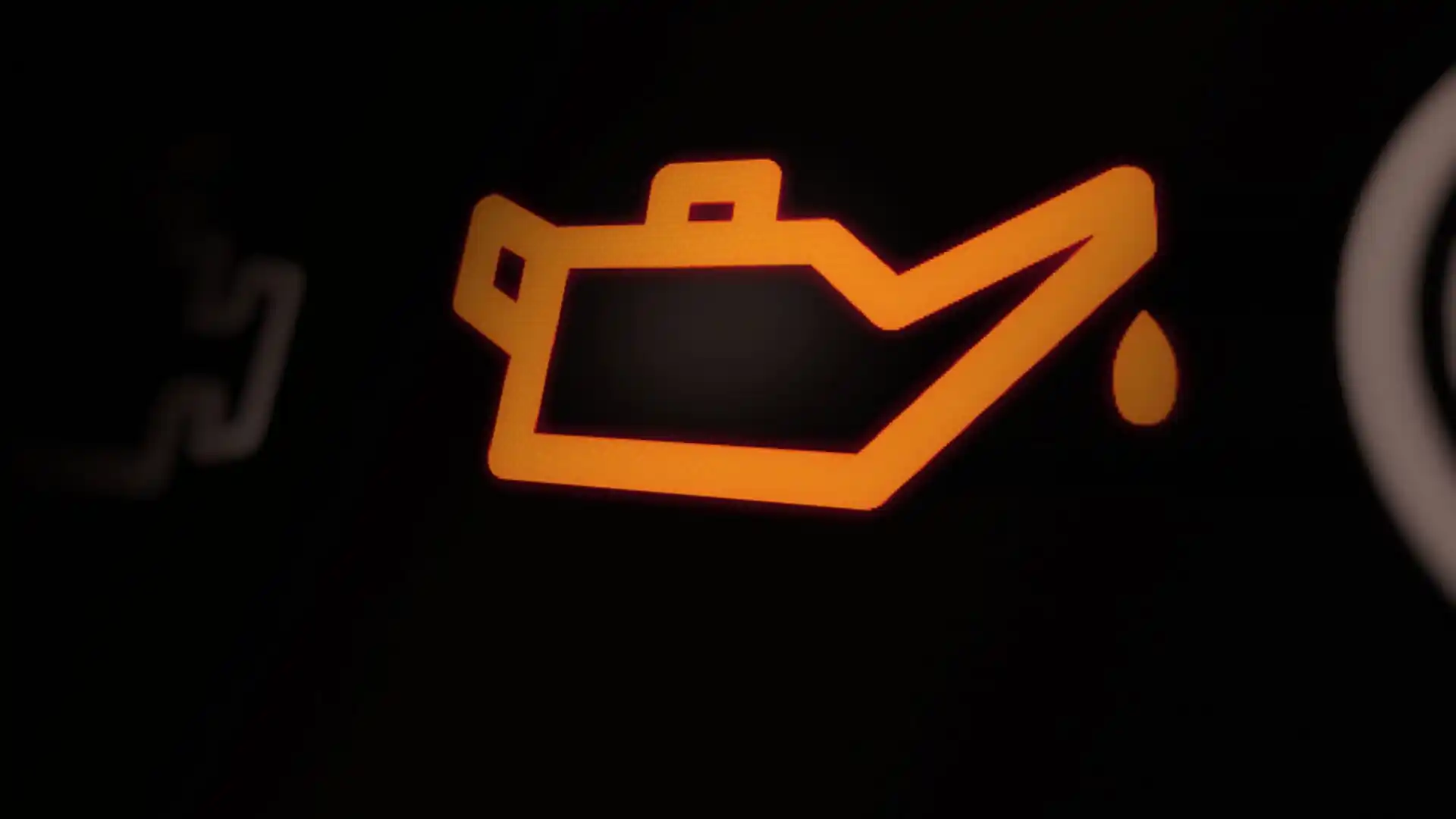
There is a common fear among vehicle owners that engine oil might boil during a long trip or on a hot day. However, the mechanical reality is much more brutal and less cinematic than imagining a pressure cooker under the hood. Before the lubricant reaches its boiling point, your vehicle’s engine has likely already suffered catastrophic damage, seized up, or simply stopped working.
The Real Thermal Danger Zone
To understand why oil boiling is almost impossible under normal conditions, we need to look at the numbers. A typical sedan or crossover engine happily operates between 75 and 105 degrees Celsius. Any reading above this on the gauge is a red alert for overheating. Conventional oil begins to chemically degrade above 135 degrees Celsius, while high-performance synthetics hold up to around 149 degrees Celsius. The actual boiling point of oil ranges between 121 and 371 degrees Celsius, depending on its formulation.
This means there is a huge gap between oil degradation and boiling. The fluid loses its properties long before turning into vapor. If your engine is heating up to the point of threatening to boil the oil, you have already entered an irreversible destruction zone. It is at this moment that silent problems begin to appear, similar to those discussed in SPECIFIED TORQUE: The 7 Deadly Signs Your Mechanic Hid From You, where neglecting technical specifications leads to premature failures.
When Heat Destroys the Chemistry of the Lubricant
The cooling system is the guardian of your engine’s life. Without it, excess heat oxidizes the oil twice as fast with every 10-degree Celsius increase. The molecular structure of the oil’s carbon chains begins to break down, directly affecting viscosity. The lubricant becomes thin like water, unable to protect moving parts.
When this happens, additives and detergents cook and turn into harmful sludge. Metal-to-metal contact becomes inevitable, damaging pistons, valves, and cylinder liners. In extreme cases of thermal stress, engine durability is compromised similarly to what is explored in DOMED VS FLAT VS DISHED PISTON: The Forgotten Shape That Determines Whether Your Engine Will Last 50,000 Or 500,000 Km, where the integrity of internal components is vital to withstand pressures and temperatures.
Additionally, forced engines, such as those using turbochargers, generate extra heat that demands even more robust oils. The wrong choice or lack of maintenance can result in high hidden costs, a dilemma well explained in TURBOCHARGER VS SUPERCHARGER: The True Hidden Cost That Can Destroy Your Wallet Before 100,000 Km.
How to Avoid the End of Your Engine
Preventing overheating does not require advanced engineering, but rather attention to basic maintenance details. The cooling system depends on correct fluid levels and components in good condition. Regularly check hoses, radiator cap, and radiator body for leaks or cracks.
Don’t ignore the owner’s manual regarding coolant changes. Just like oil, it doesn’t last forever and its effectiveness diminishes over time. Another critical point is electric fans. Although durable, they have a limited lifespan between 130,000 and 240,000 kilometers. If they fail, no amount of fluid will save your engine from seizing.
Many owners make the silent mistake of ignoring small temperature variations until it’s too late. This is exactly the type of failure that ENGINE MAINTENANCE: The Silent Mistake That Destroys 1 in Every 3 Engines Before 100,000 Km warns is the main cause of premature deaths of modern powertrains. In extreme test situations, like those seen in SUZUKI SWIFT: The Dr. Pepper Experiment That Reveals Why Your Engine Will Seize, we see how contaminants and excessive heat react explosively inside the combustion chamber.
Keeping an eye on the temperature gauge and acting immediately at the first sign of anomaly is the only way to guarantee that your car reaches its final kilometers in good health. The oil may not boil, but your wallet will certainly suffer if the engine seizes due to thermal neglect.