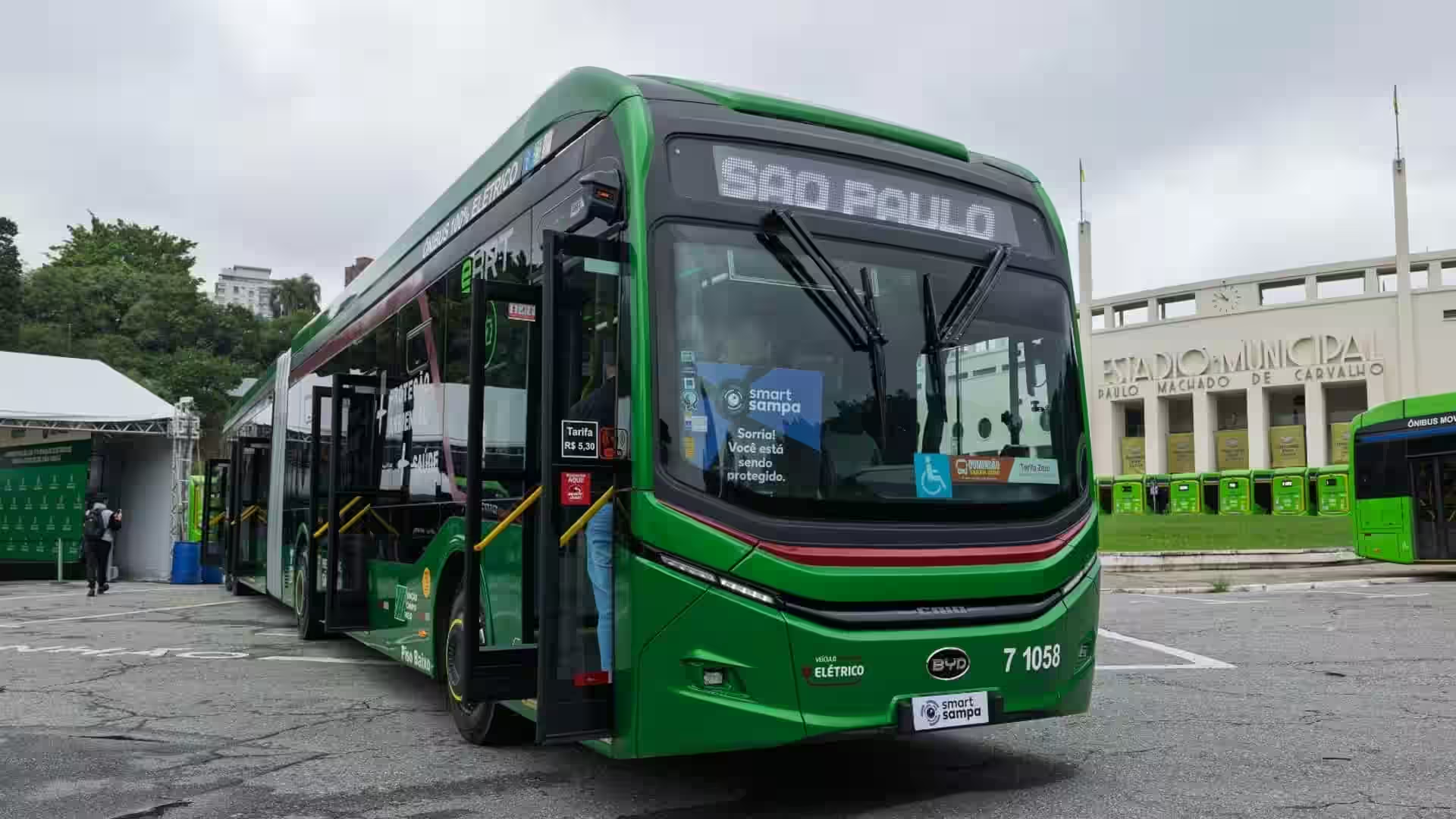
The BYD BC22 arrives to change transportation in São Paulo with 350 km of range and Blade technology. Discover how this electric giant reduces CO2 and noise on the streets.
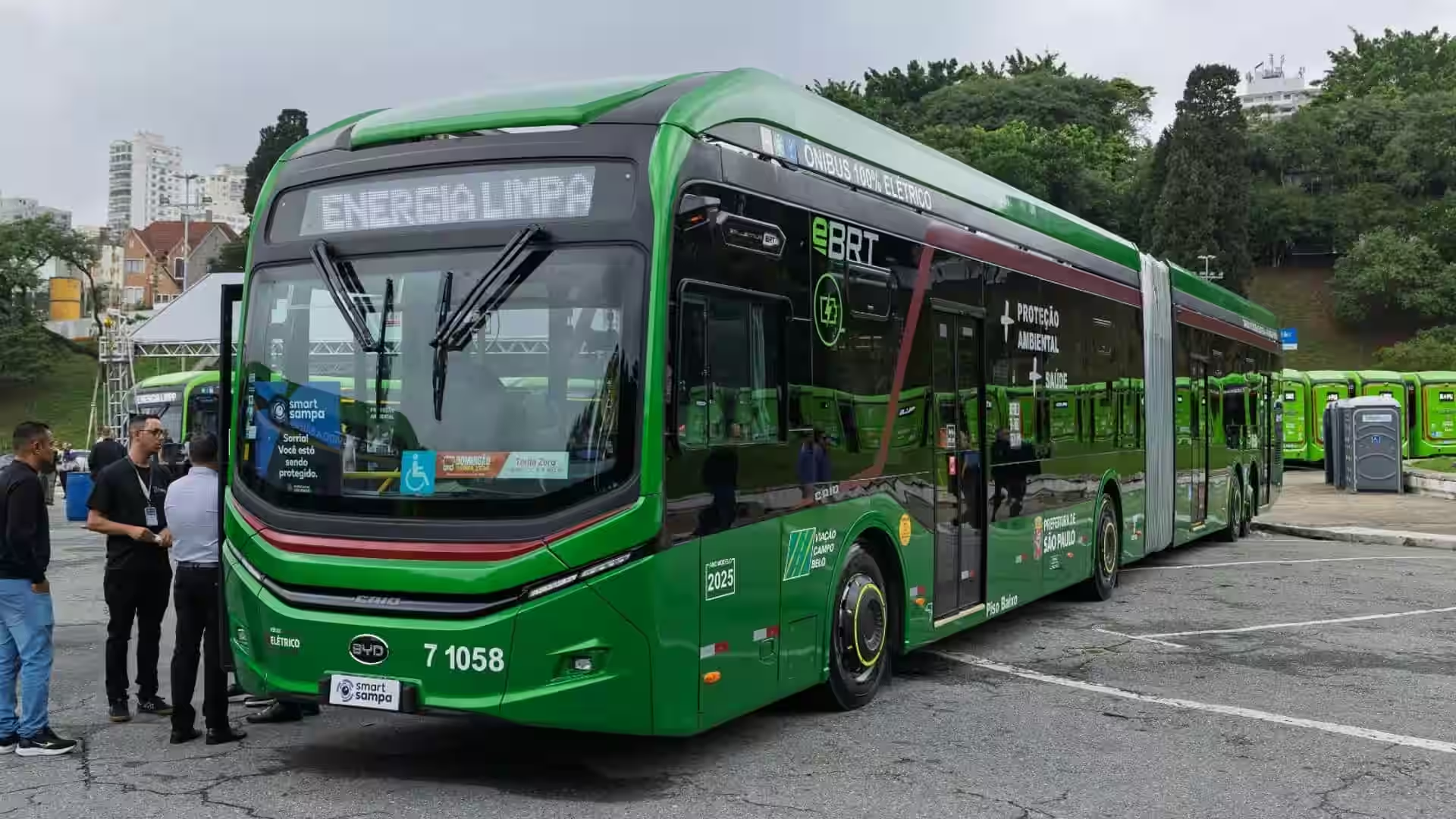
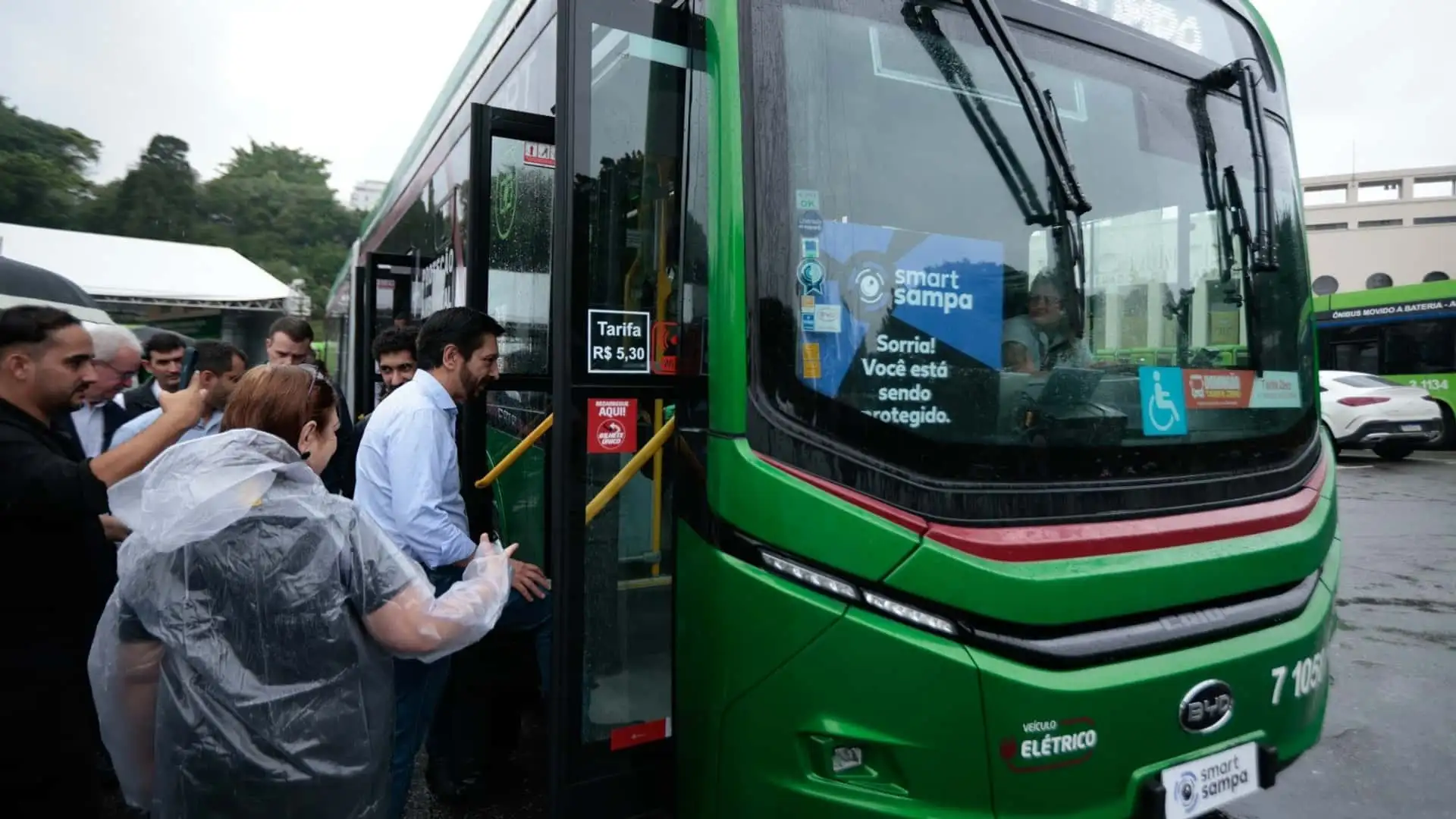
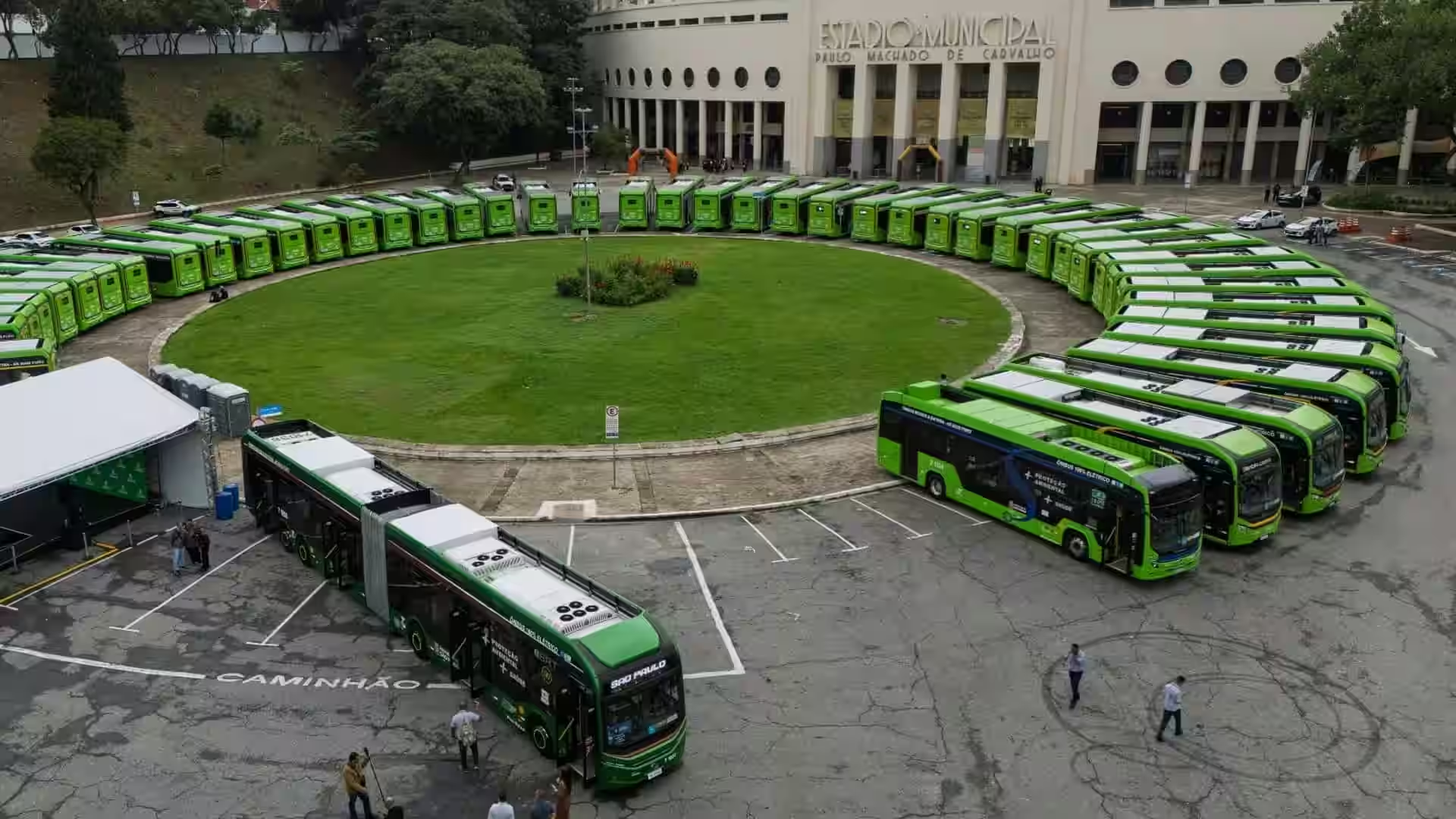
São Paulo’s traffic is about to gain a new protagonist, and it makes no noise. The capital of São Paulo has just received the BYD BC22, an articulated electric bus that promises to redefine the mobility experience along the city’s high-demand corridors. With 22 meters in length and impressive autonomy, this vehicle is not just another addition to the fleet but a technological milestone that puts Brazil on a collision course with the future of clean transportation.
The BC22 Revolution in São Paulo’s Corridors
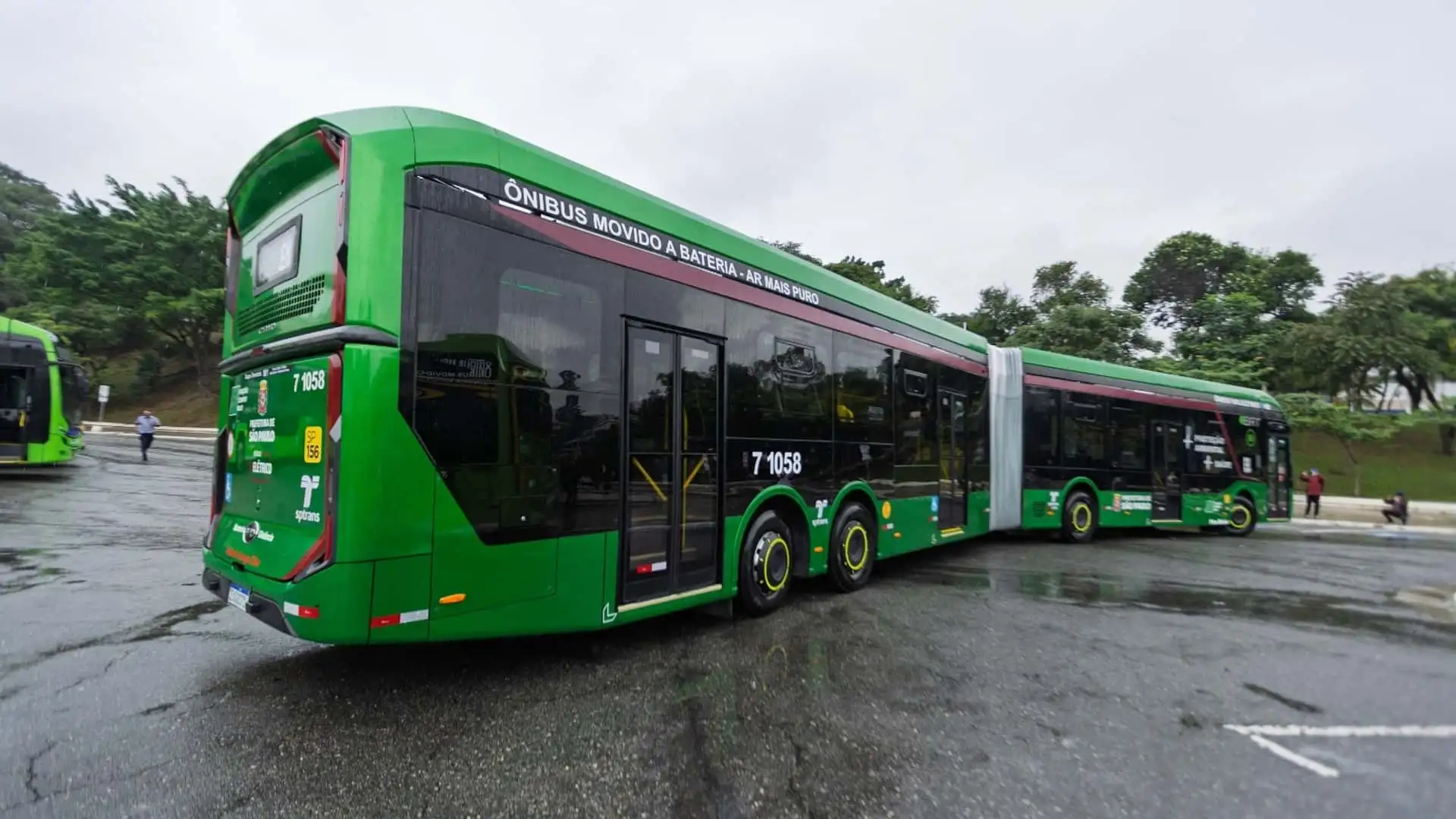
The arrival of the BC22 marks the debut of an articulated model developed specifically to handle the massive passenger volume of Brazilian metropolises. Unlike conventional diesel models, which struggle with constant maintenance and pollution, this electric giant was designed to operate on complex roads without losing efficiency. The “accordion” structure allows precise maneuvers even on tight turns, ensuring transport capacity increases drastically without harming traffic flow.
This move by BYD in the heavy transport sector reflects the aggressive strategy of the Chinese automaker, which has already demonstrated its innovation capacity in other sectors. Just as the giant plans to break the European stronghold with massive investments in Formula 1, the company brings that same competitive strength to the streets of São Paulo, challenging the dominance of combustion engines in public transport.
Blade Technology and Record Autonomy
The heart of this transportation system is the famous Blade Battery. This technology, which has already revolutionized passenger cars, now powers large vehicles with superior structural safety and thermal stability. The BYD BC22 offers an estimated range of 350 kilometers per charge, a number that eliminates range anxiety during a full day of intense operation.
Energy efficiency is enhanced by a charging time that ranges from one and a half to two hours, depending on the terminal infrastructure. It is a technological leap comparable to what we see in cutting-edge launches, where the second-generation Blade battery evolution promises jumps of 400 km in just 5 minutes, showing that the brand’s development curve is steep. In addition to the articulated bus, the fleet received units of the D9W model, which complement operations with 13 meters in length and capacity for 80 passengers.
Sustainability and Urban Comfort
The environmental impact is the strongest argument for adopting this fleet. It is estimated that each electric unit avoids the emission of approximately 118.7 tons of CO₂ per year, considering an annual mileage of 72 thousand kilometers. To get an idea of the magnitude of this change, it is a reduction of pollutants that directly benefits the health of millions of inhabitants.
Besides cleaner air, silence is a luxury that becomes democratic. The absence of engine noise and vibration reduction turn the trip into a much more pleasant experience. Comfort is enhanced by the Low Entry architecture, with a lowered floor that facilitates access for the elderly and people with reduced mobility. While the world watches how Mercedes launches its electric successors to leave classic models behind, São Paulo is living the transition in practice that makes diesel obsolete in public transportation.
The evolution doesn’t stop here. The integration of regenerative braking systems, which recover energy during deceleration, shows how efficiency is a priority. This kind of technological innovation is similar to what we see when Volkswagen challenges Chinese brands with exclusive technology in its new models, creating a virtuous cycle of competition that speeds up global development.
The introduction of the BYD BC22 in dedicated corridors is an irreversible step. Cities like Curitiba and Goiânia have already observed this movement, but the scale of São Paulo gives a different weight to this change. The future of urban mobility is not just about changing the fuel; it is about rethinking how we live the city. And with increasingly advanced batteries, like those that MG debuts with semi-solid battery technology in entry-level segments, the trend is for electrification to become the absolute standard, making the roar of old engines a distant memory on the avenues of the largest city in South America.