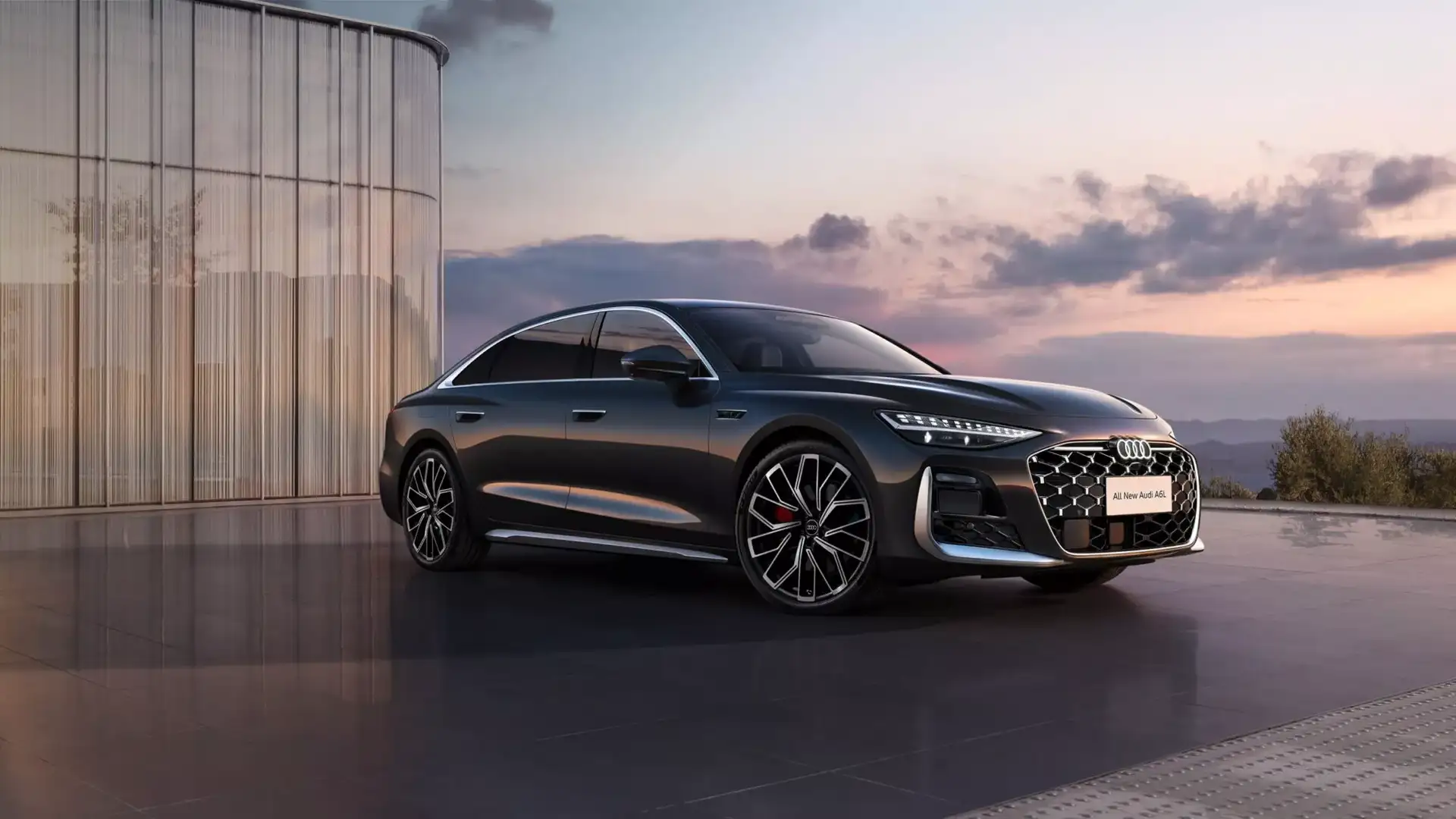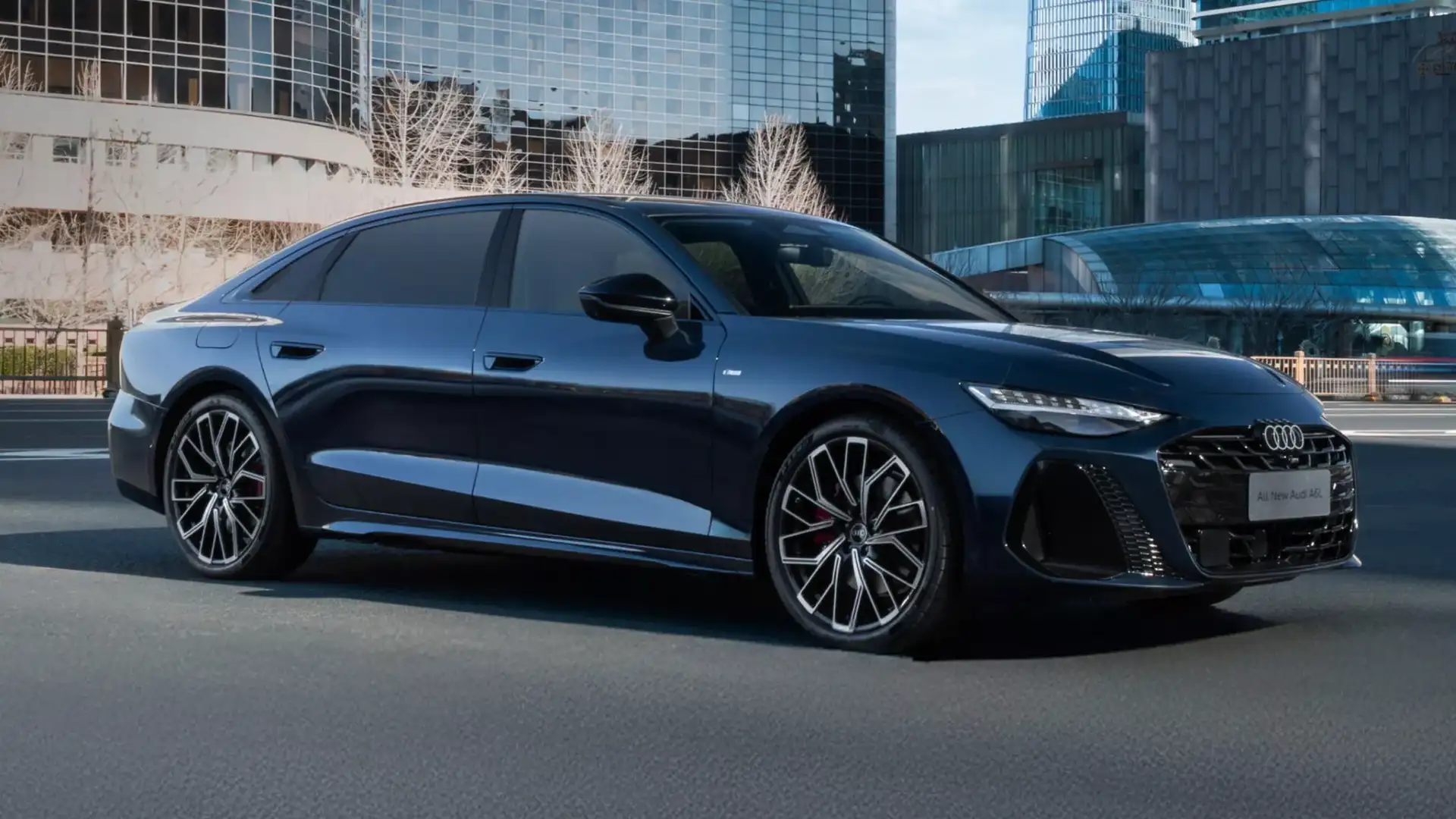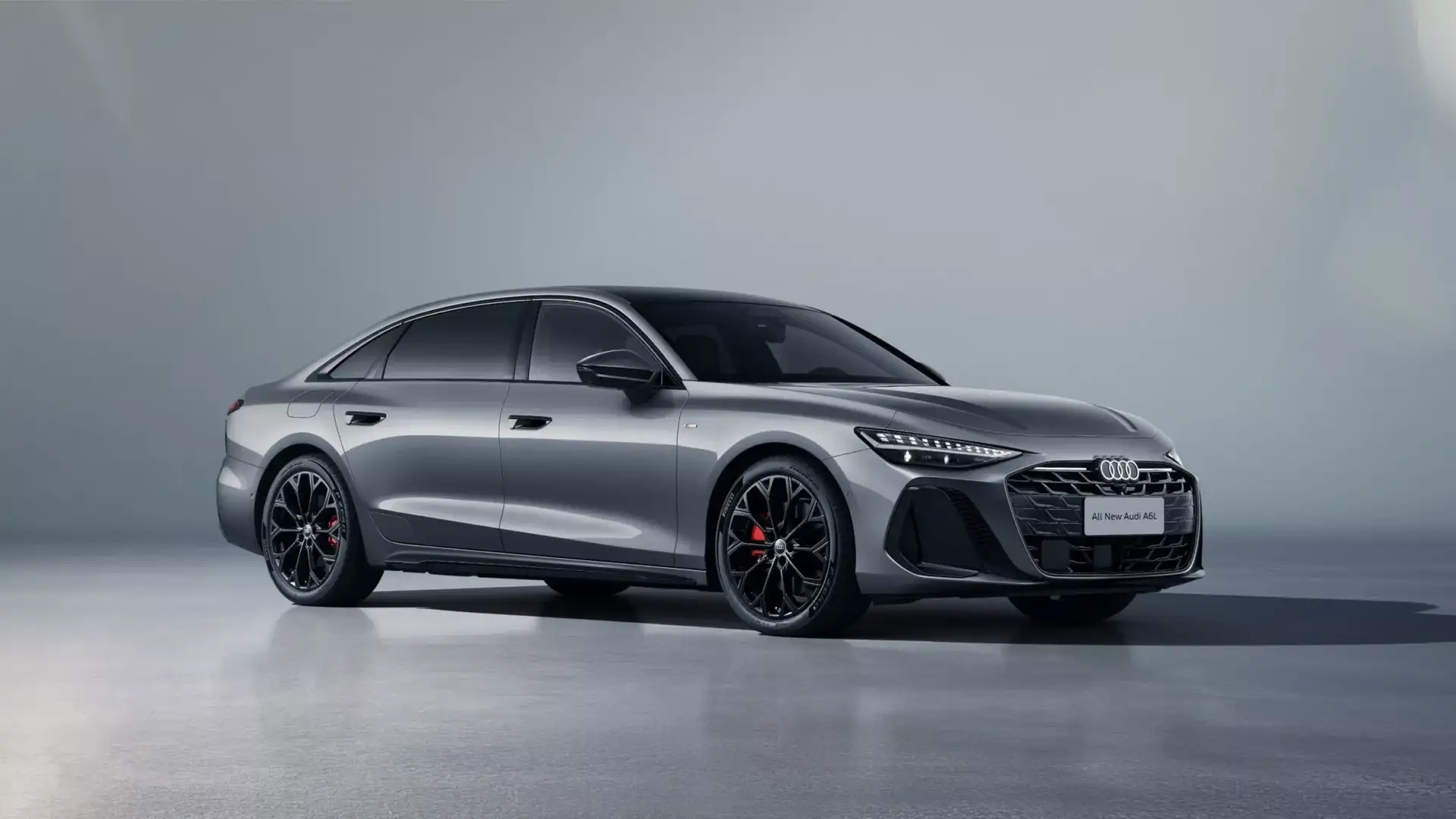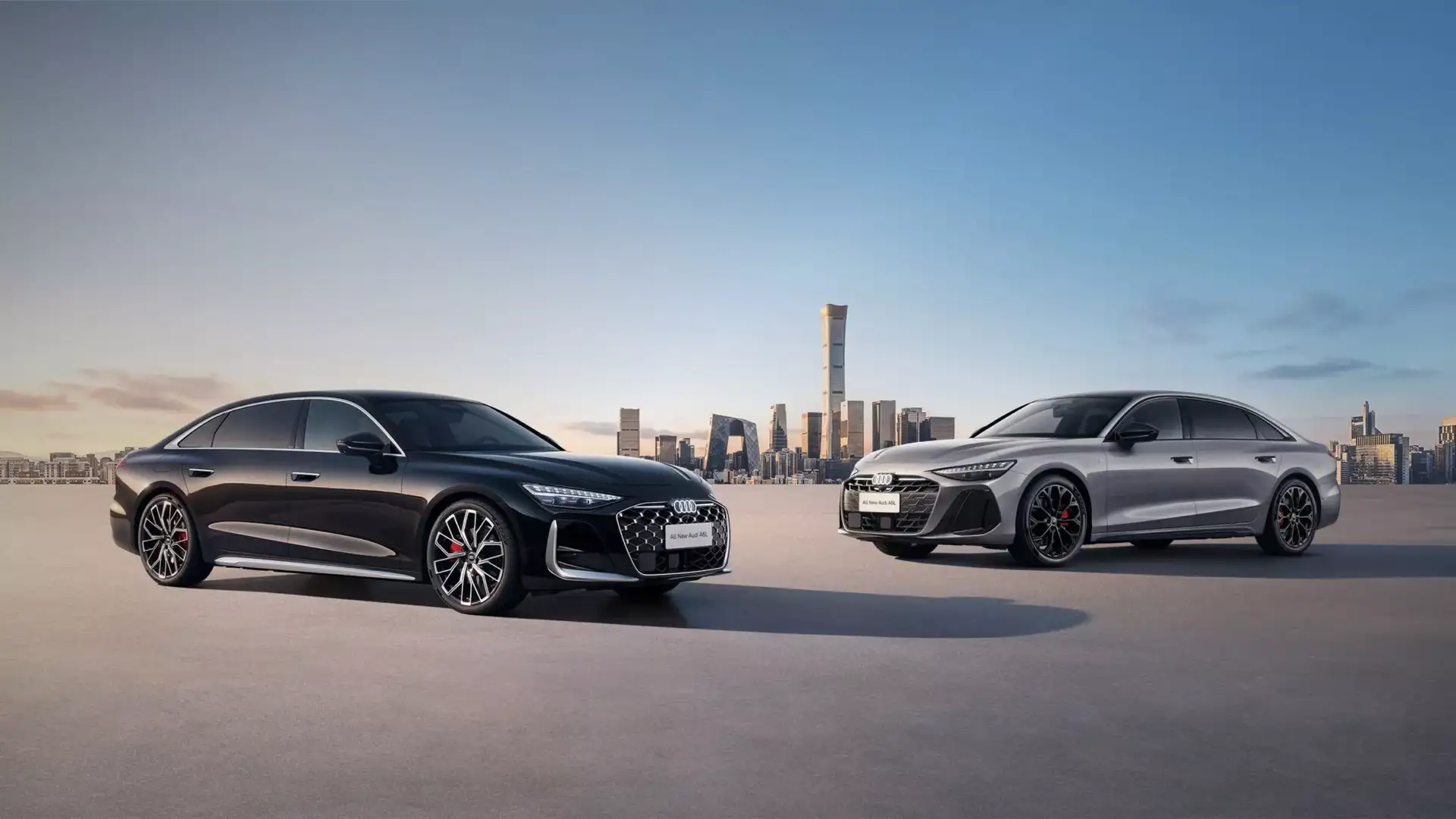
The new AUDI A6L arrives with a longer wheelbase than the A8 and a reduced price. Discover how the German brand defied logic in this launch.
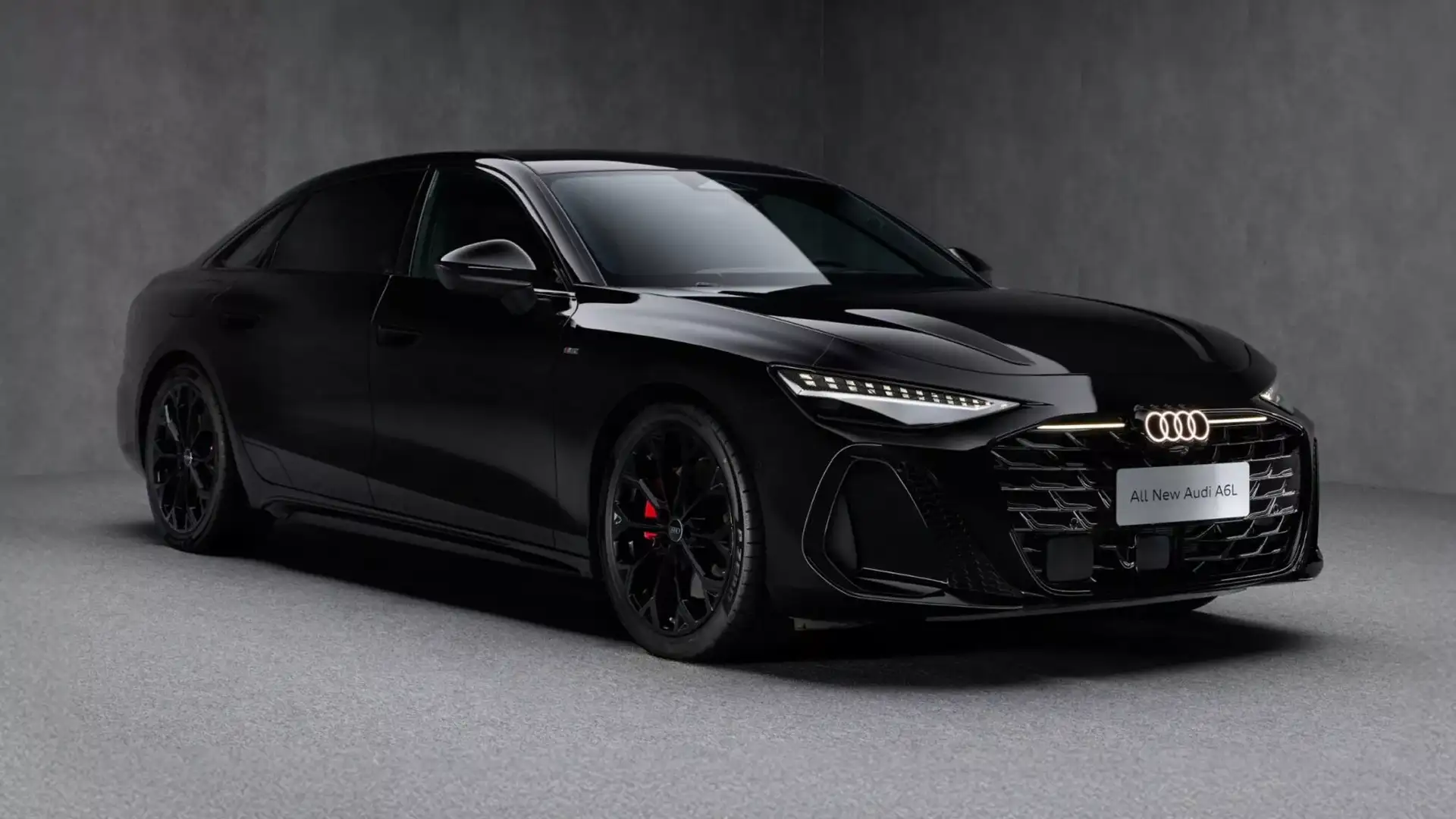
Audi has designed a secret weapon for the world’s largest automotive market. While Europeans and Americans debate whether it’s worth paying over $100,000 for a luxury sedan, the German brand has delivered in China a solution that sounds almost like cheating: the new AUDI A6L 2026 stretches dimensions to even surpass the A8 in interior space, embarks Huawei’s autonomous driving technology, and still discounts over $15,000 compared to the previous generation. The result is an executive that defies categories — and leaves an uncomfortable question in the air: why can’t the rest of the world have this?
The Dimensional Trick That Fooled Its Own Class
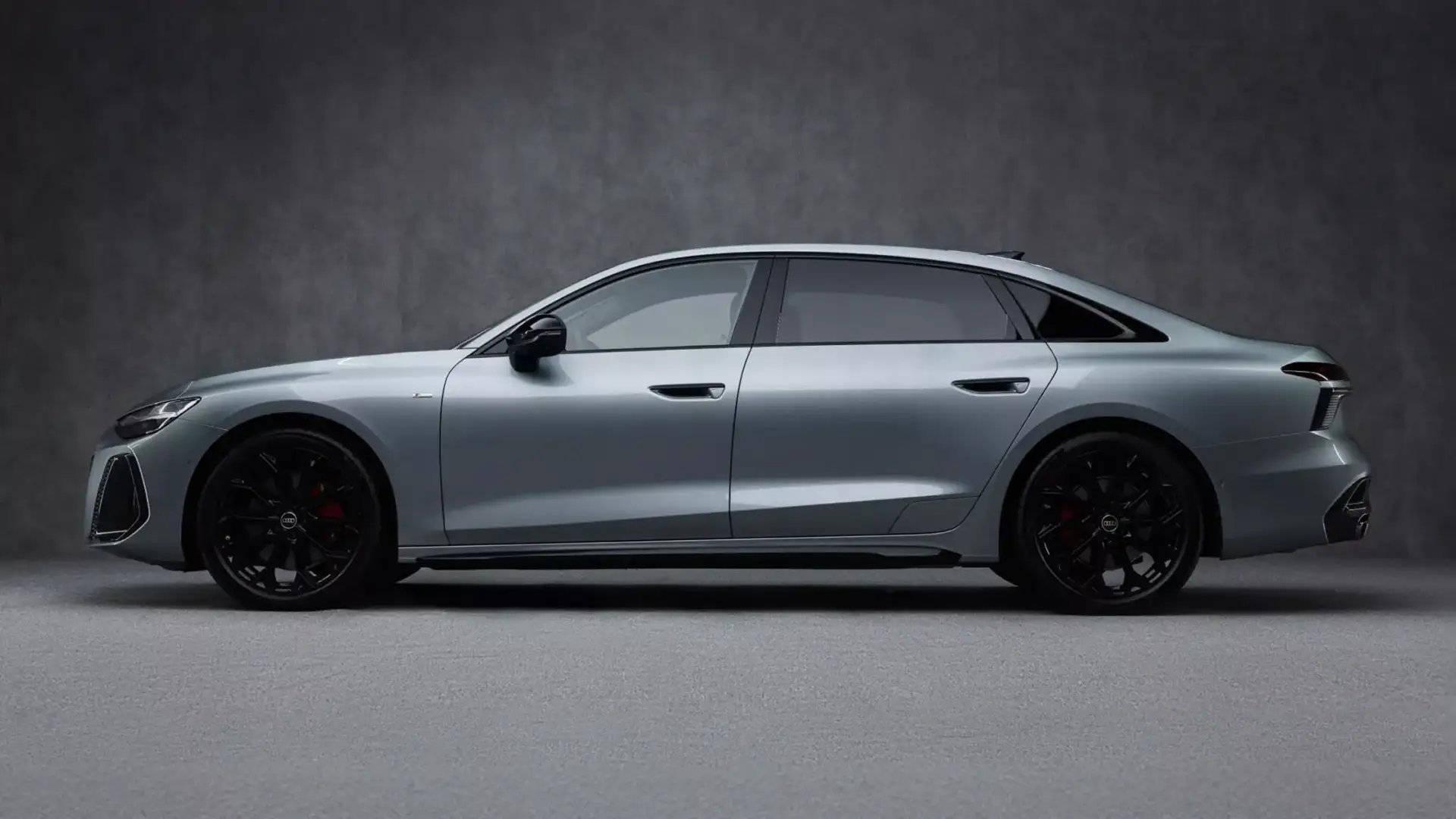
The A6L’s magic begins with a simple letter in the name. The “L” for Long Wheelbase is nothing new for Audi in China, but the new generation takes the concept to another level. The sedan grew 143 mm compared to the standard A6 sold globally, reaching 5,142 mm in total length. The shocking data, however, is in the wheelbase: 3,066 mm.
To put this in context, this number puts the A6L 68 mm above the standard Audi A8 (2,998 mm) and only 62 mm below the stretched A8L version (3,128 mm). In other words, a sedan that in the hierarchy should occupy the second tier now offers more legroom for rear passengers than the brand’s most expensive car.
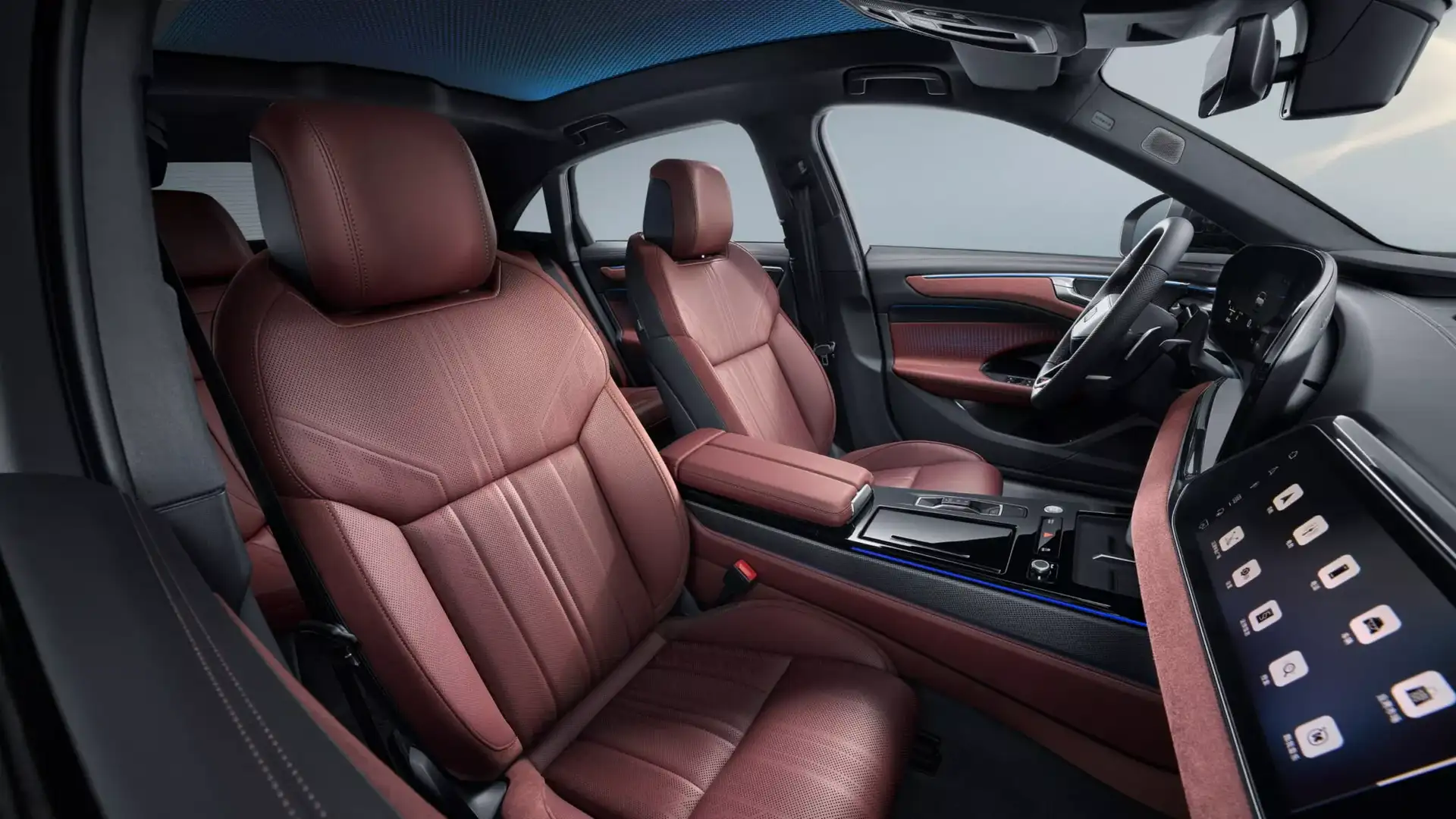
This “stretching” strategy reflects a market truth often ignored in the West: in China, status is measured by the space available in the back seat. Executives don’t drive — they are driven. That’s why Audi redesigned the rear doors, visually extending them, and developed seats exclusive for the Chinese market, designed for long trips with reinforced lumbar support and thermal adjustments.
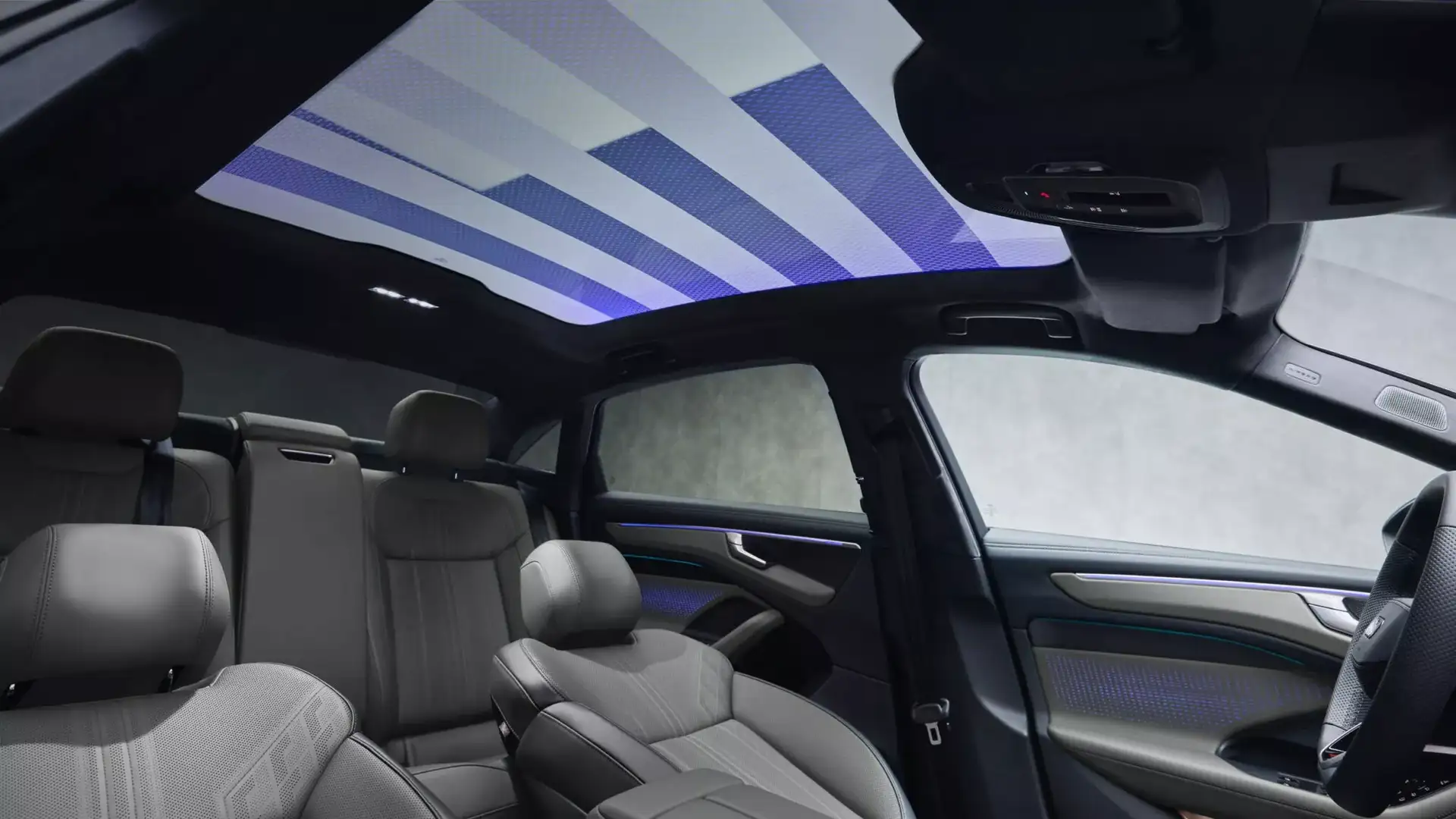
The panoramic roof of 1.96 m² — equivalent to a small balcony — comes equipped with 112 RGB LEDs that transform the cabin into a customizable environment after sunset. The German luxury tradition meets here a local interpretation that prioritizes passenger comfort over driver pleasure.
The Technology Europe Didn’t Want — Or Couldn’t
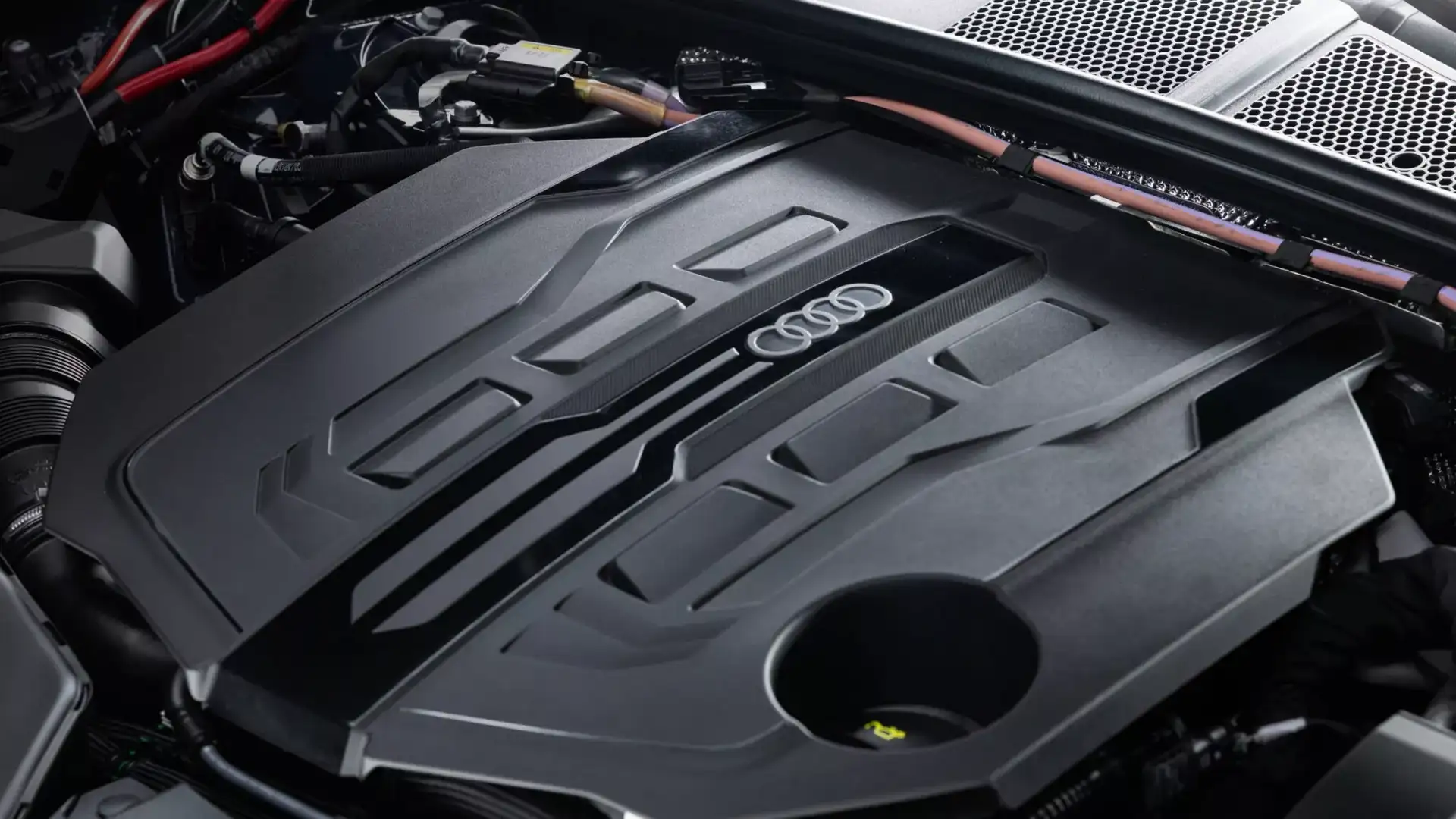
Open the hood of the A6L and you’ll find more than engines. Audi’s PPC (Premium Platform Combustion) platform houses three propulsion options, all electrified to some level:
- Basic 2.0 TFSI: 201 hp (150 kW), front-wheel drive, dual-clutch S tronic transmission — starting price at US$ 47,000 (¥323,000)
- 2.0 TFSI quattro: 268 hp (200 kW) with 24 hp (18 kW) auxiliary electric motor and all-wheel drive
- 3.0 TFSI V6 quattro: 362 hp (270 kW), also with electric assistance, air suspension with 30 mm adjustment and rear-axle steering
The top-of-the-line version, however, still closes at US$ 63,400 (¥436,000) — less than half of the Chinese A8L, which starts at US$ 114,900. The reduction of US$ 15,300 from the previous generation doesn’t reflect cost-cutting, but an aggressive pricing restructuring to compete with domestic brands that dominate the local market.
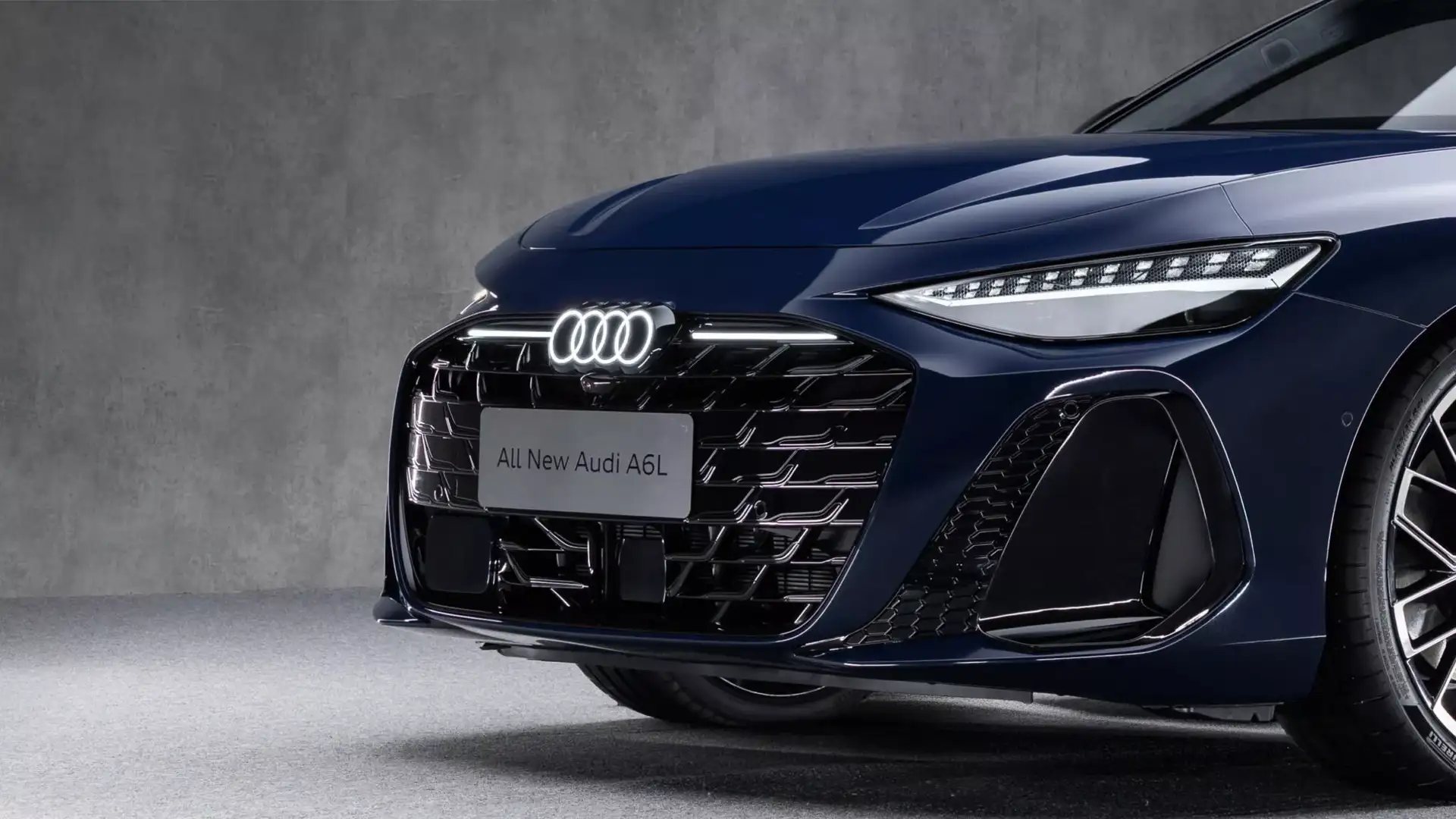
What catches the eye, however, is hidden in the grille and bumpers. The A6L carries 33 sensors, including two LiDAR units, and processes everything through the Huawei Qiankun Intelligent Driving system. This is an unprecedented partnership for Audi — and a sign of how geopolitics is reshaping automotive alliances. While Western brands hesitate to adopt Chinese solutions, Audi integrates 28 driver assistance functions developed by the Shenzhen giant.
This choice is not random. Huawei, despite American sanctions, maintains technological dominance in certain niches of artificial intelligence applied to mobility. For the Chinese consumer, the brand’s presence in the autonomous driving system functions as a local quality seal — something an “imported” system couldn’t replicate.
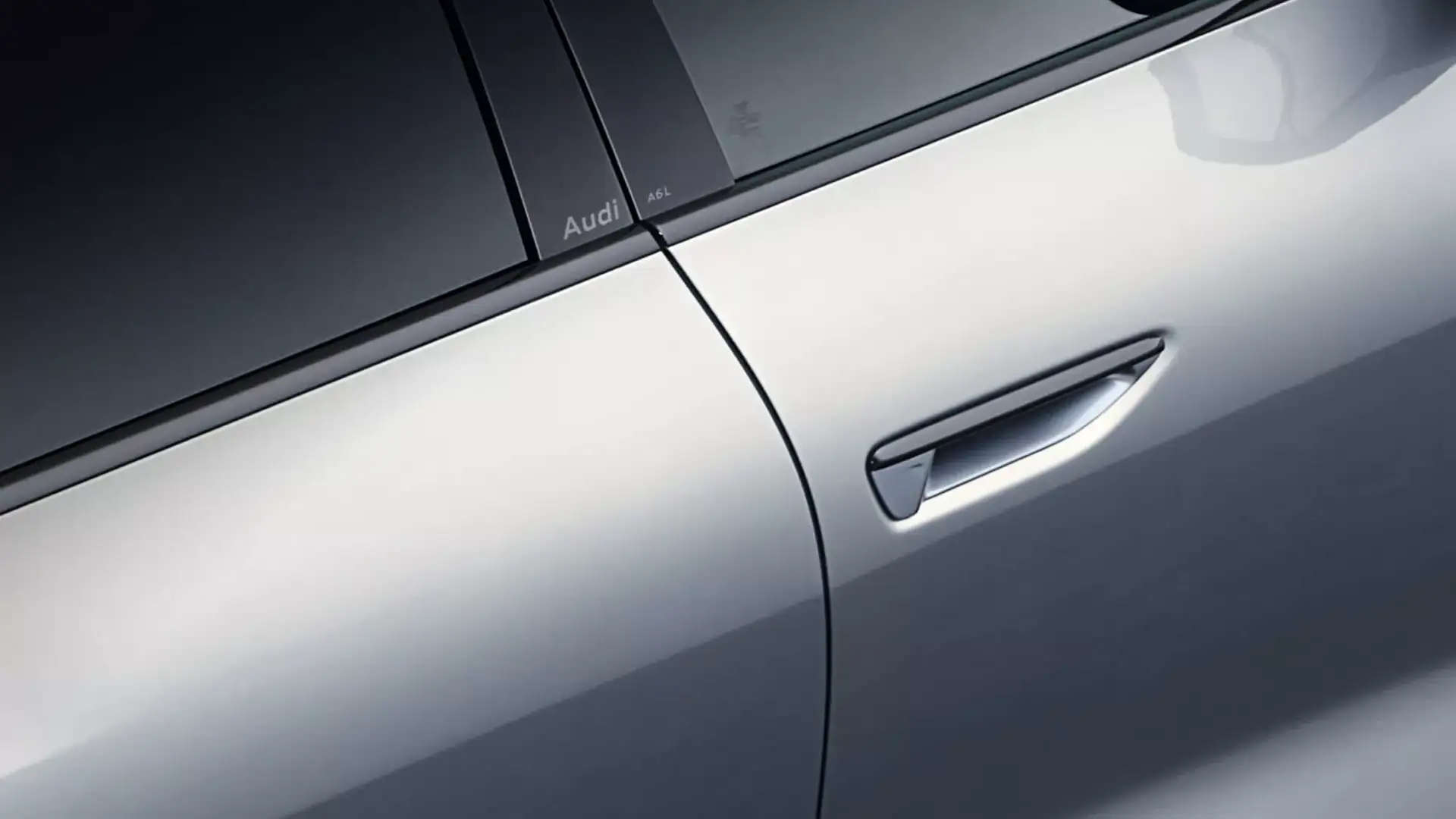
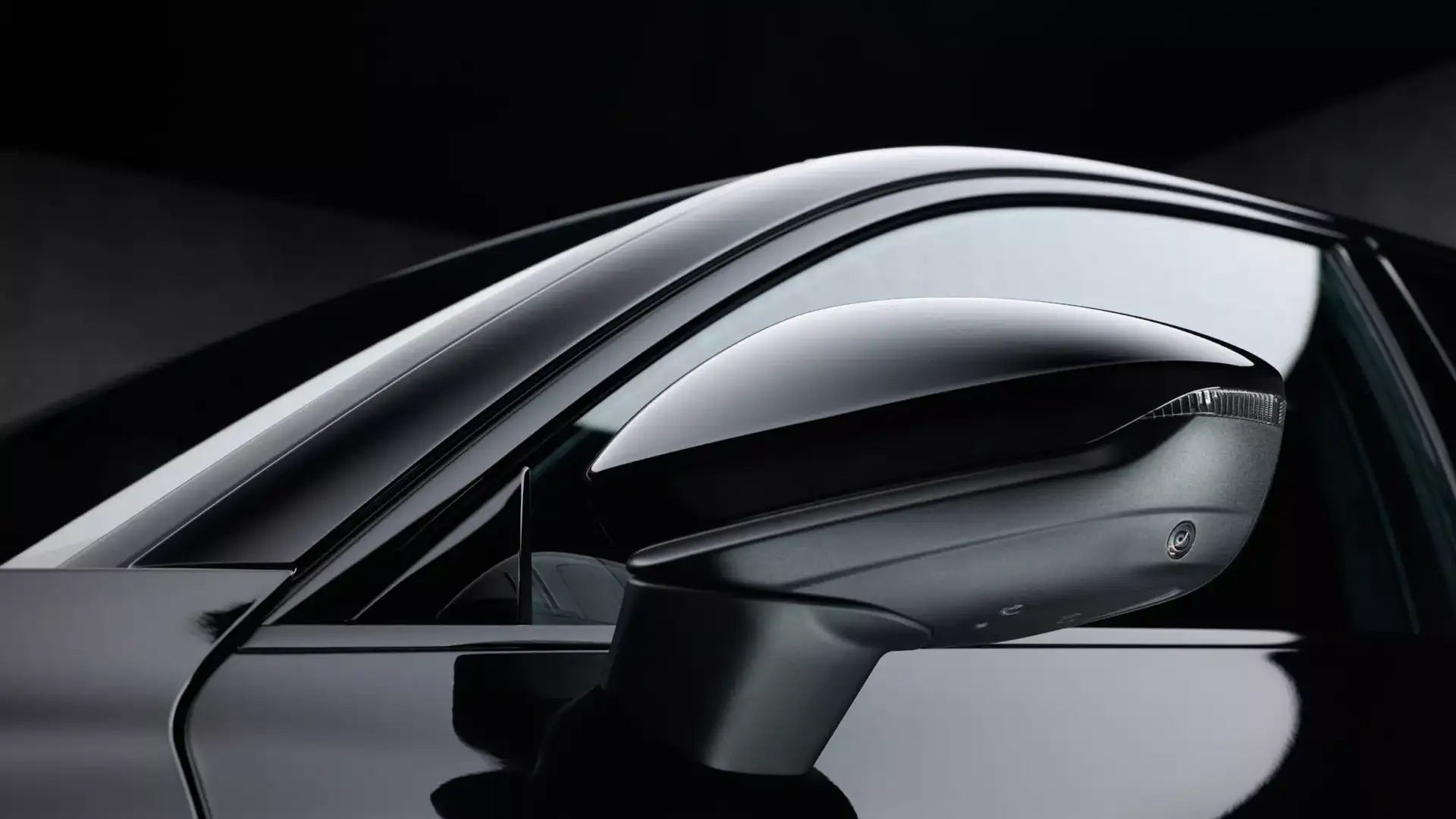
Passive safety also received peculiar attention: semi-hidden door handles with “dual electromechanical protection,” collapsible hood, and bumper dampers with specific geometry for low-speed impacts, common in Chinese urban traffic jams.
Why Western Silence
The question that refuses to be silenced: why doesn’t Audi offer an equivalent in Europe or North America? The answer lies in a market equation that blends regulation, automotive culture, and brand strategy.
In the United States, the luxury sedan has irreversibly lost ground to SUVs. Even the A8 barely sells impressive numbers, and a stretched version of an intermediate model would confuse an already fragile price hierarchy. In Europe, emission standards and the shrinking large sedan segment make investing in a specific variant economically unsustainable.
China, on the other hand, absorbed 70% of global A6L sales in previous generations. The model became a symbol of social ascension — the car that a first-generation businessman buys to show that he’s “made it.” Local manufacturing through the FAW-Audi joint venture eliminates import tariffs and enables margins that make the aggressive pricing viable.
Interestingly, the “stretching” strategy isn’t exclusive to Audi in China. Mercedes-Benz had already resisted the trend of removing physical buttons in favor of screens, recognizing that Chinese consumers value tangibility in certain luxury elements. BMW follows a similar path with its “Li” models. What sets the A6L apart is the magnitude of its dimensional leap — it not only keeps up with the competition but surpasses the brand’s own flagship model in an essential criterion.
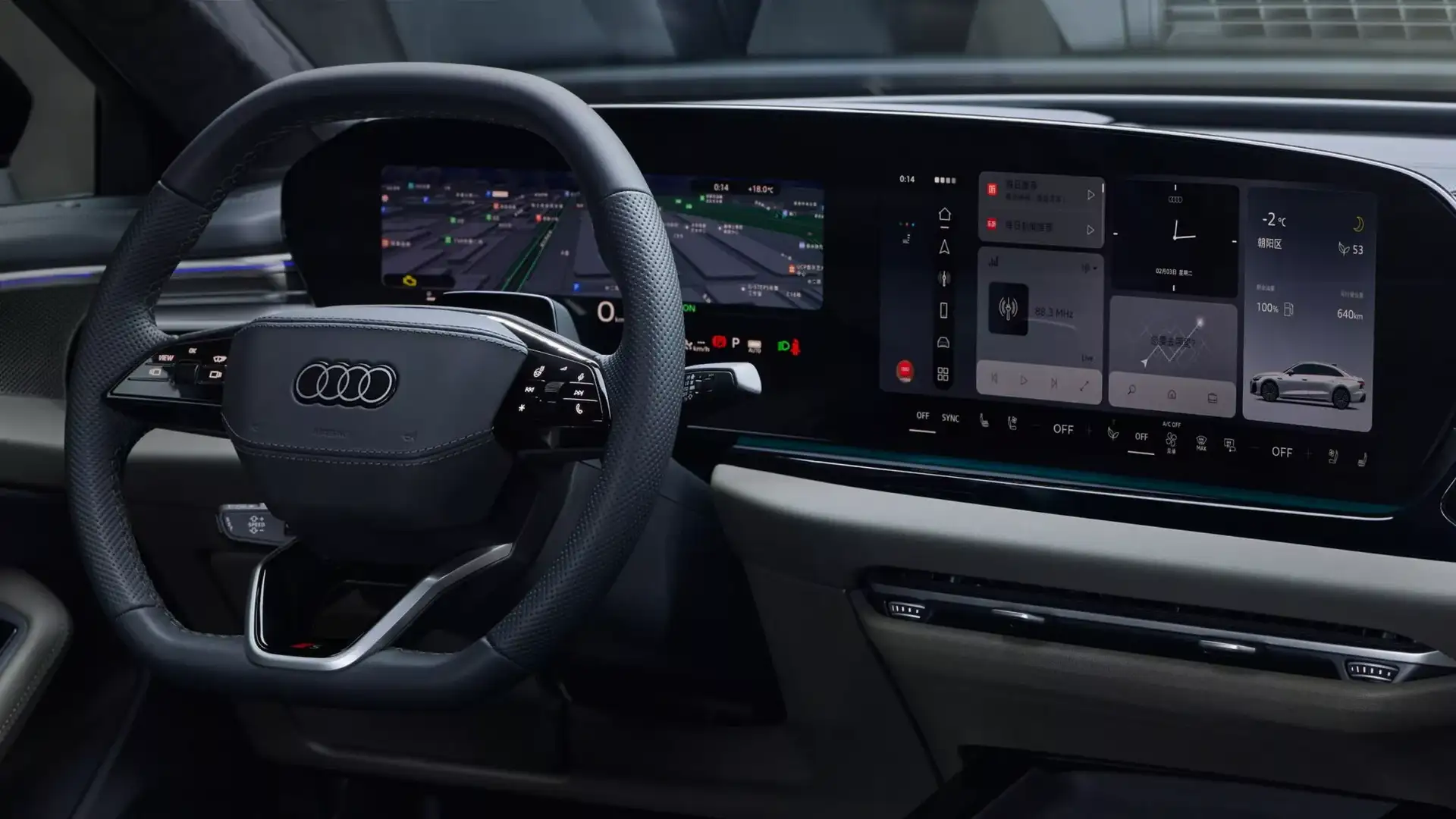
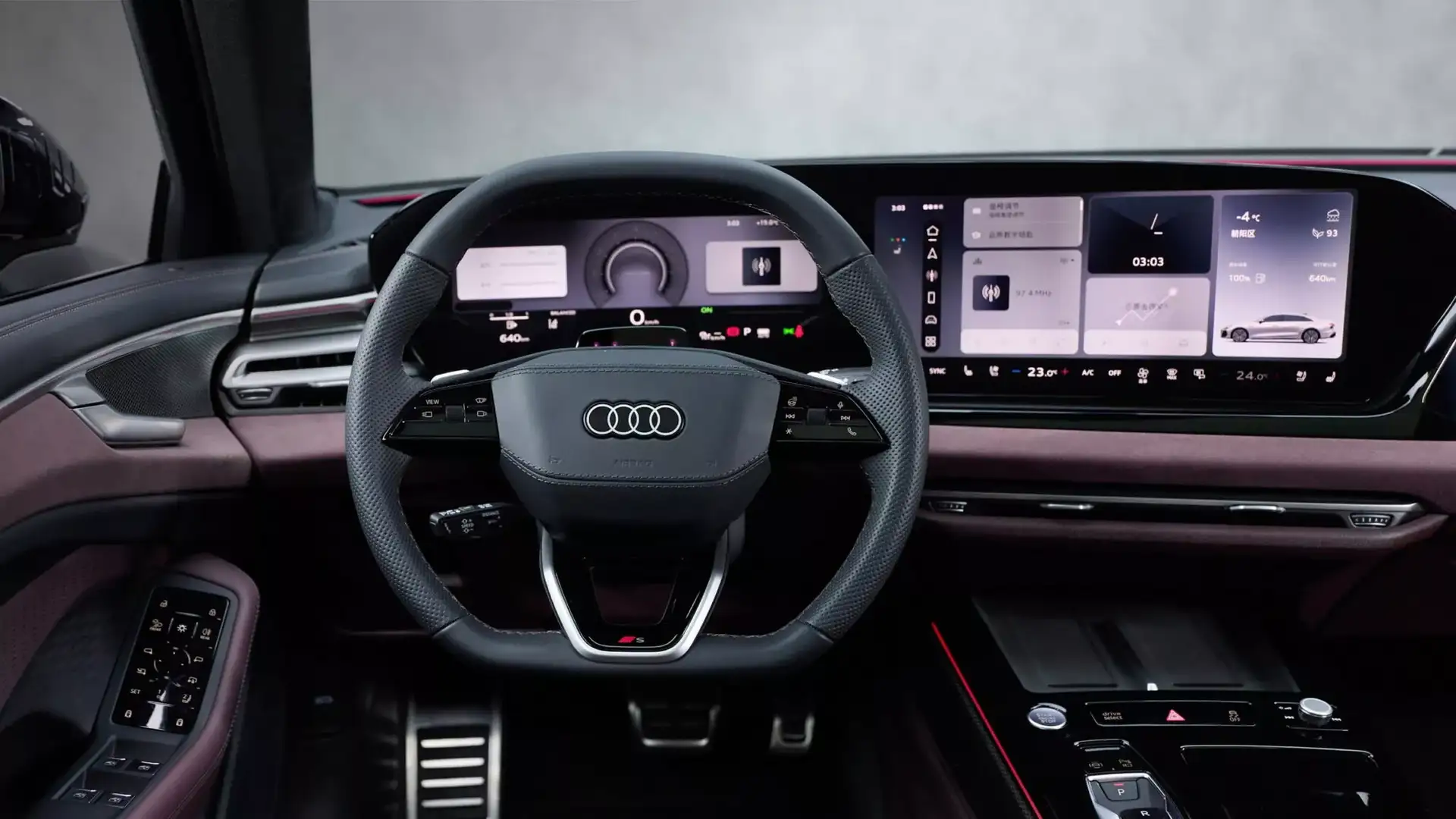
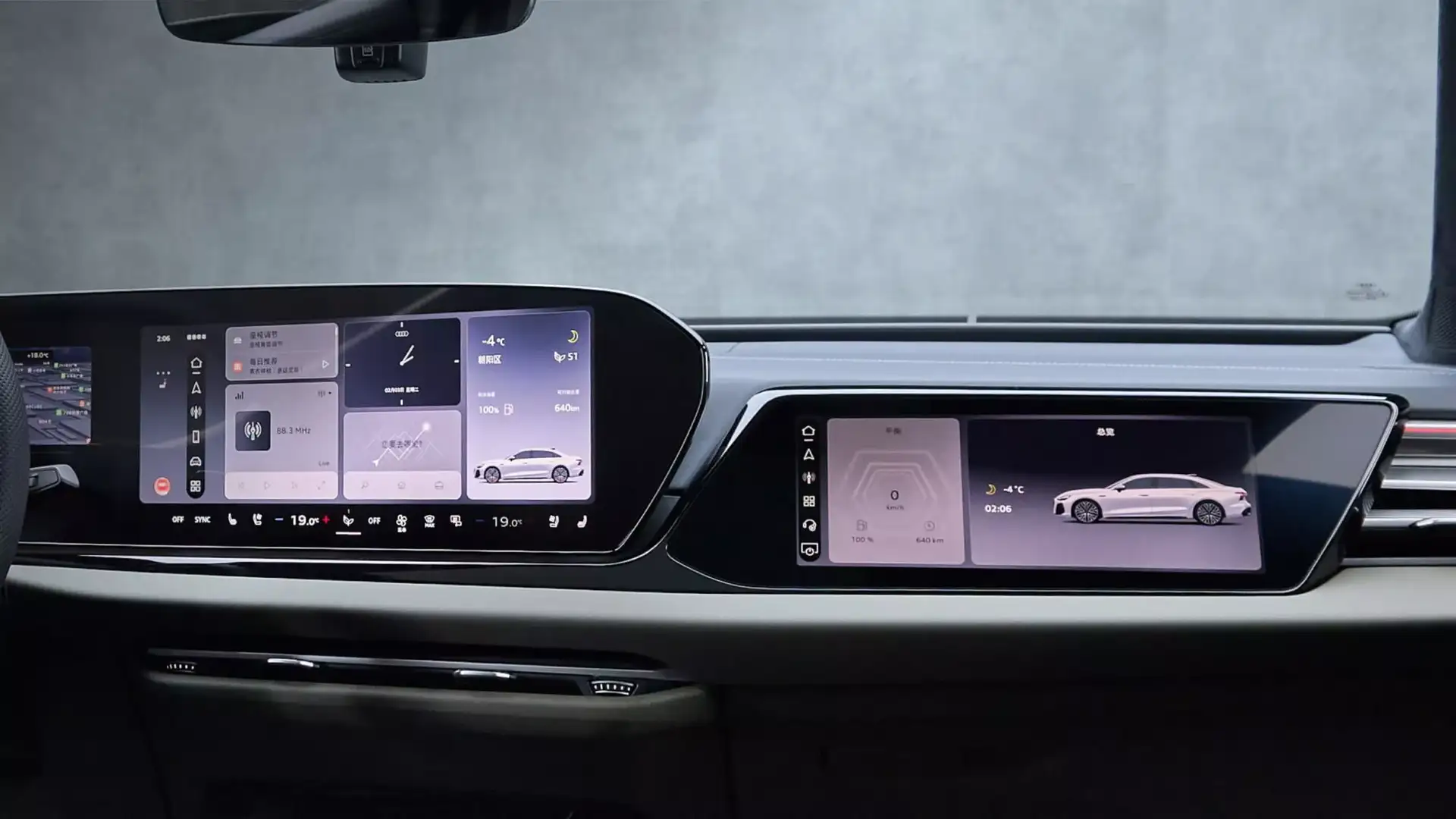
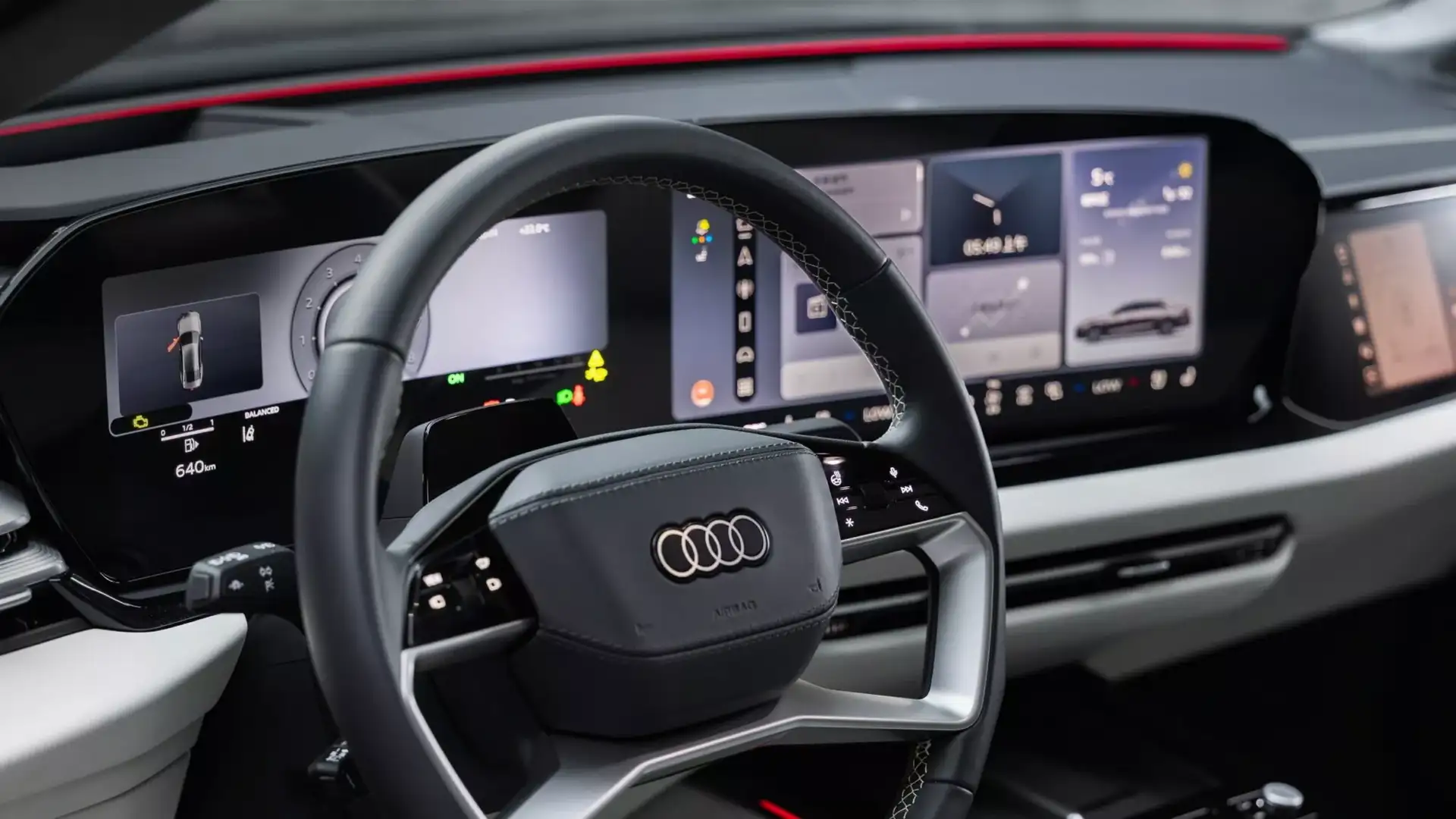
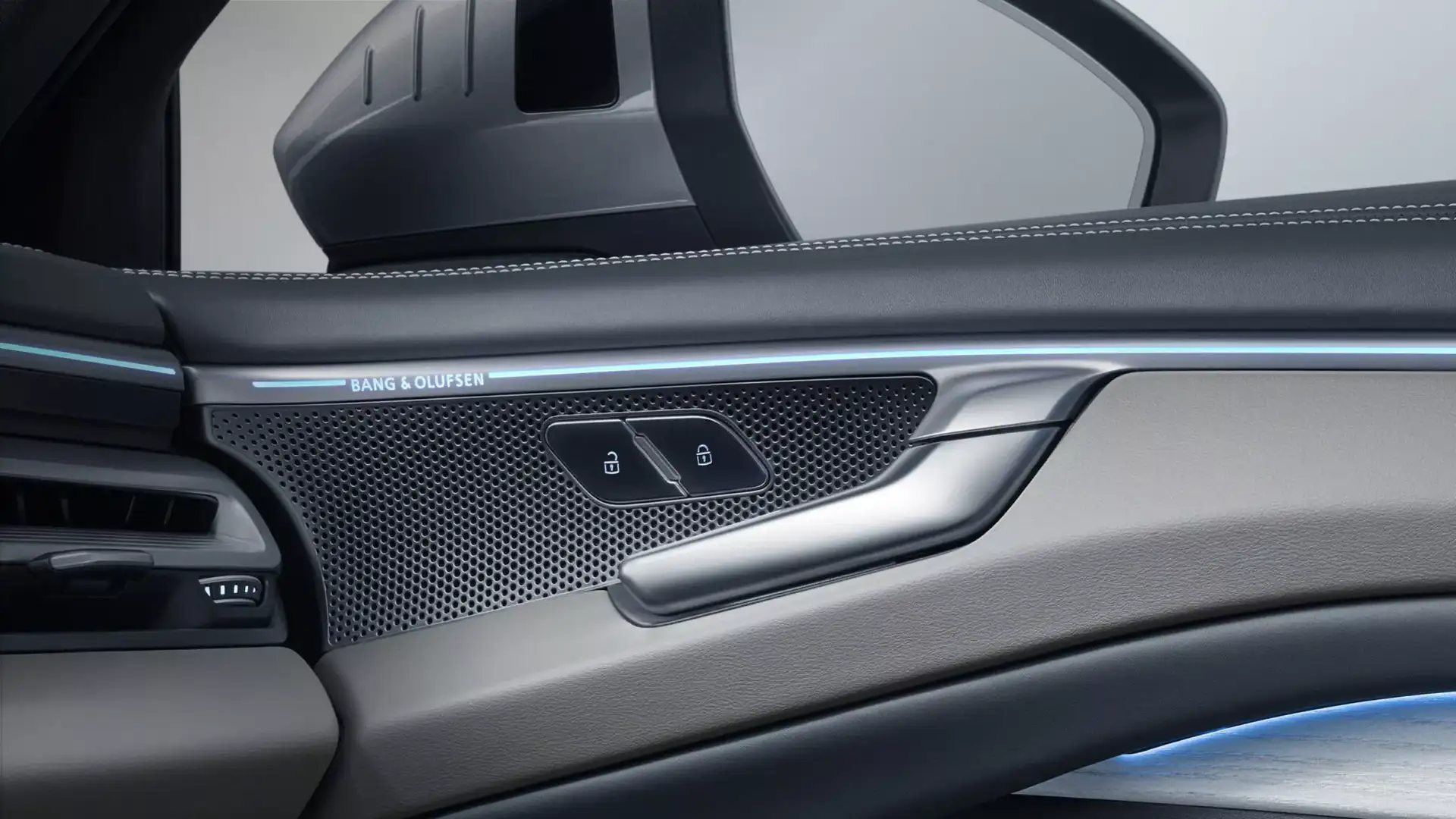
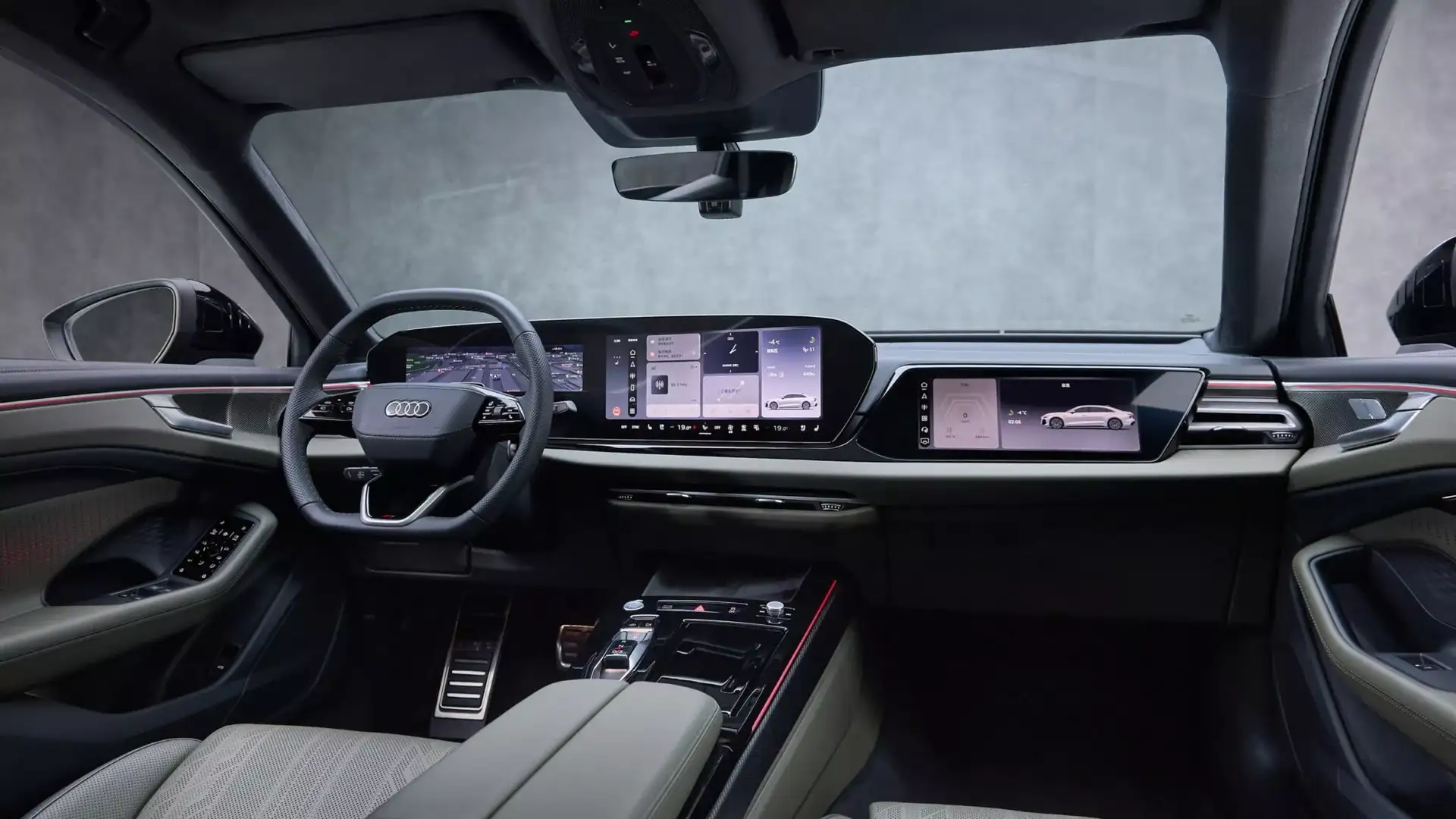
The A6L interior reinforces this market reading. Three screens dominate the dashboard: 11.9 inches for the digital instrument, 14.5 inches for the multimedia center, and a third unit dedicated to the passenger. The head-up display projected on the windshield completes the information architecture. The Bang & Olufsen sound system with 16 speakers, however, maintains physical volume controls — another concession to real-world use in busy traffic.
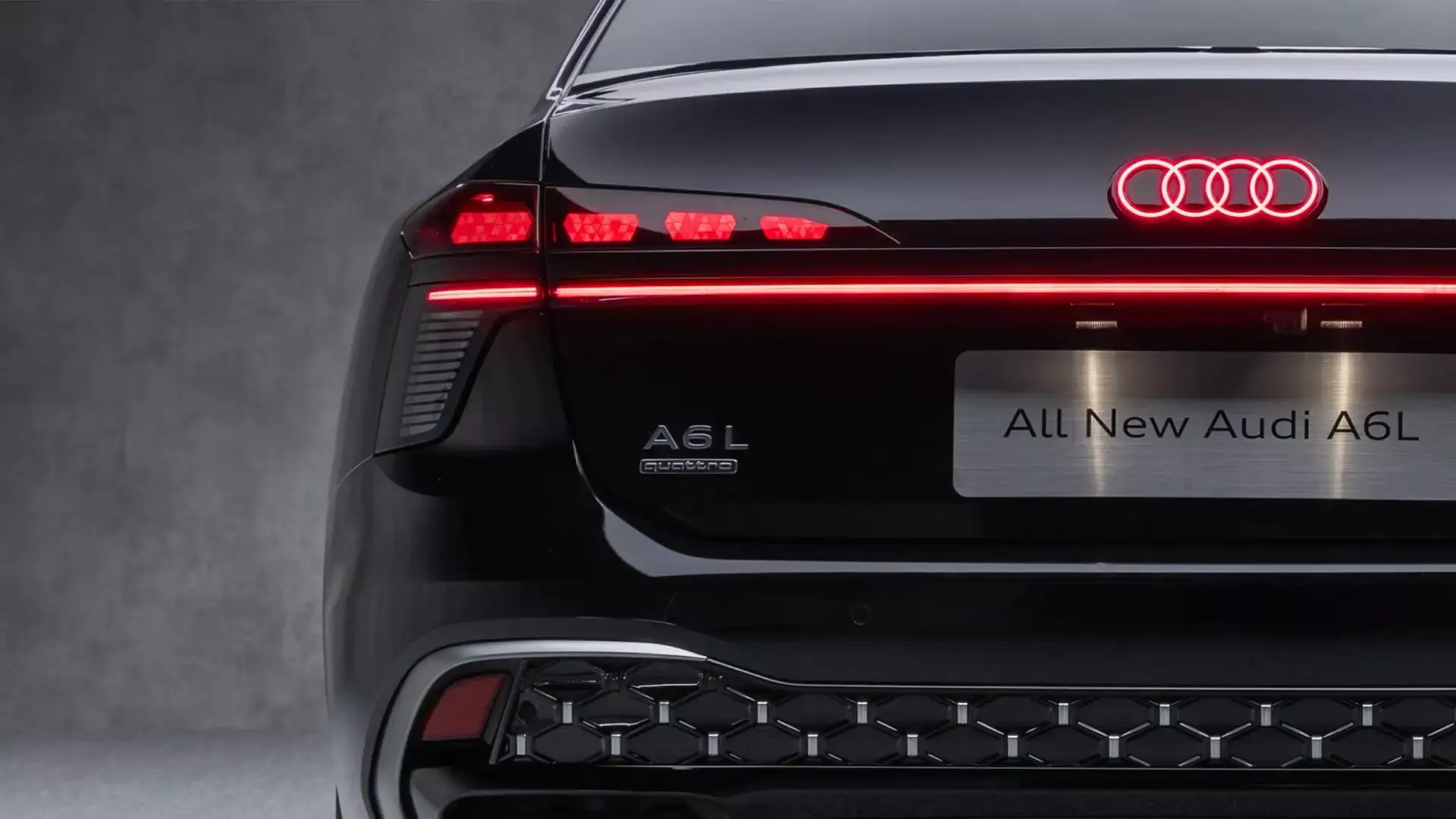
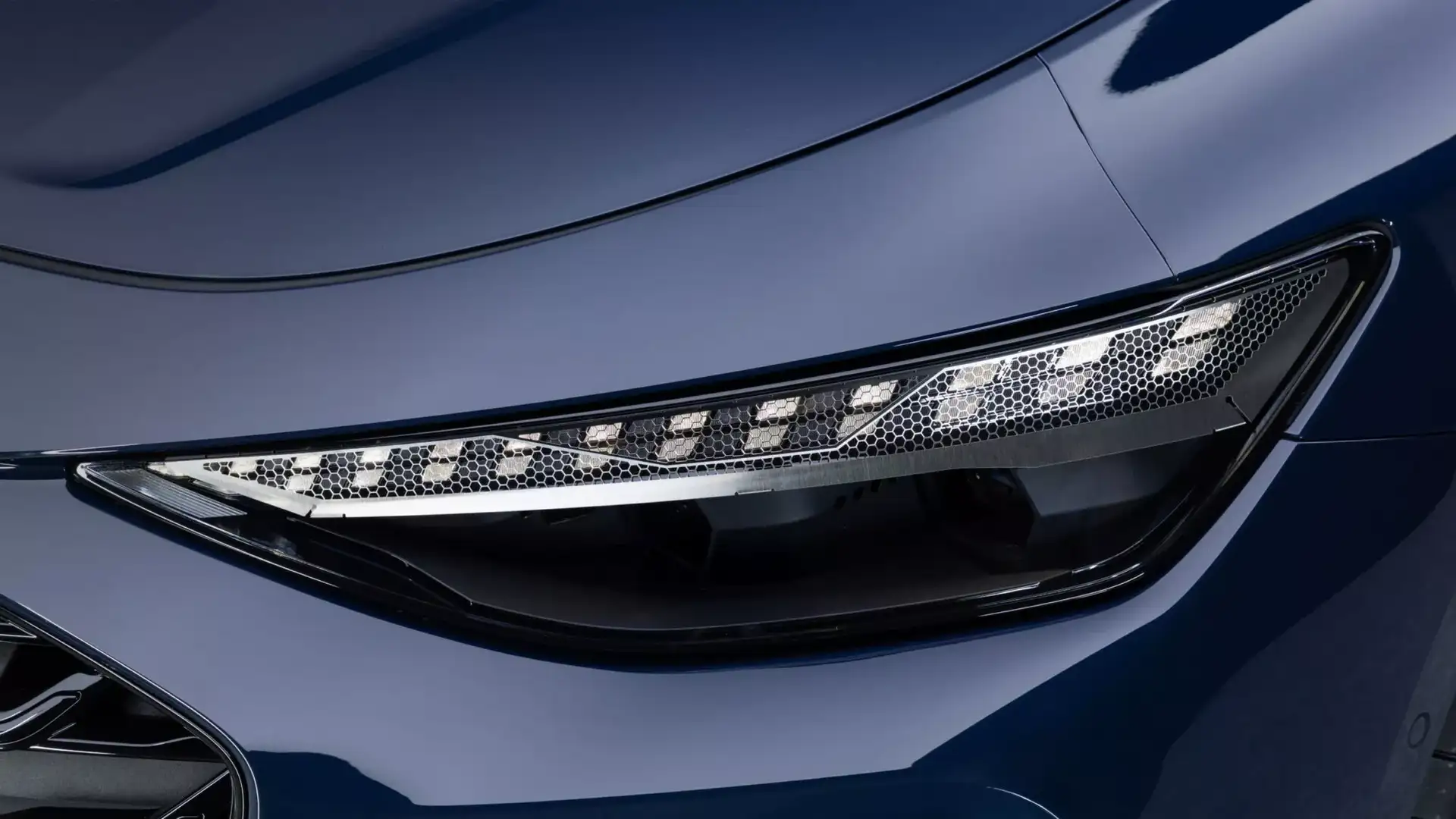
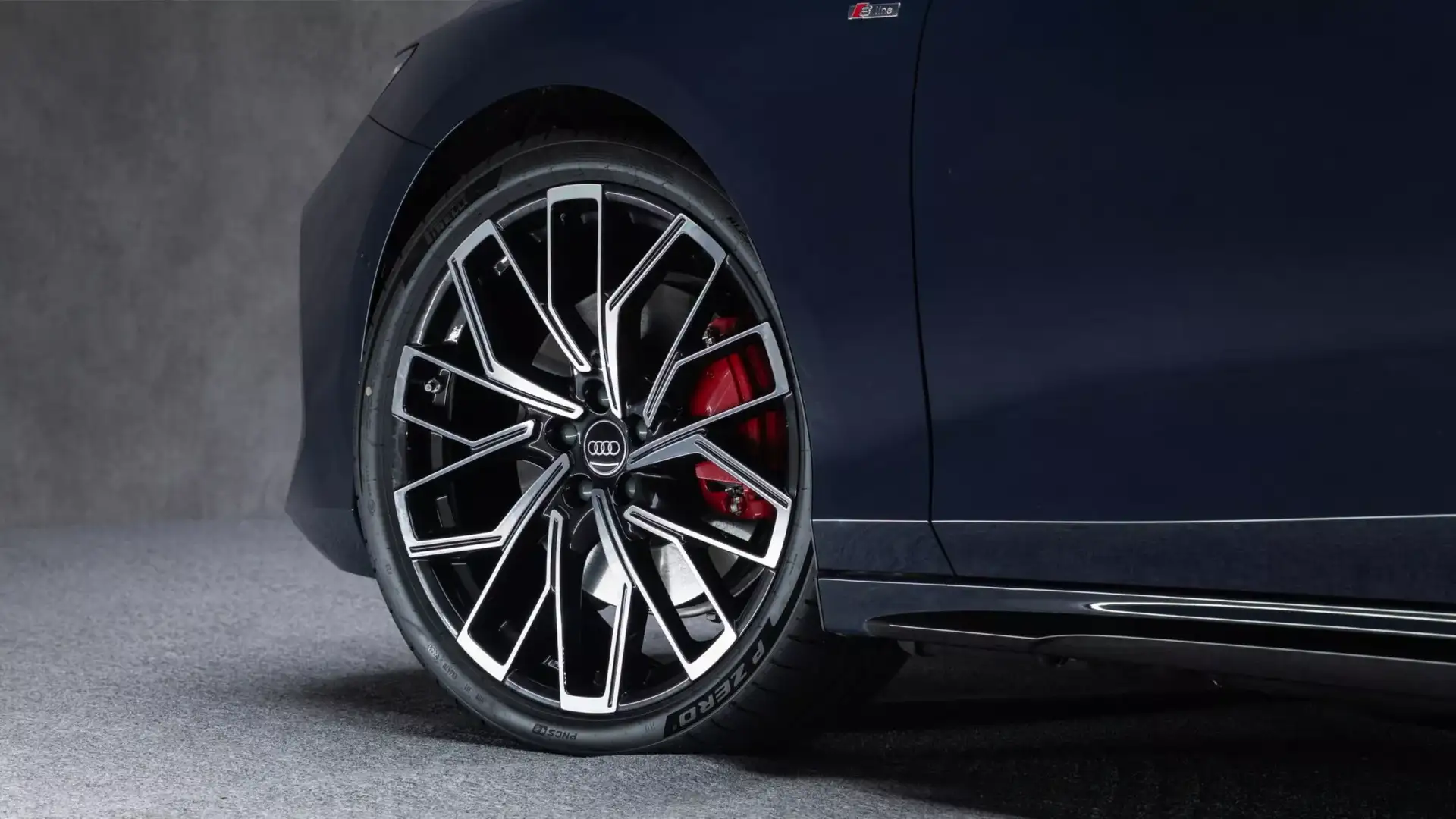
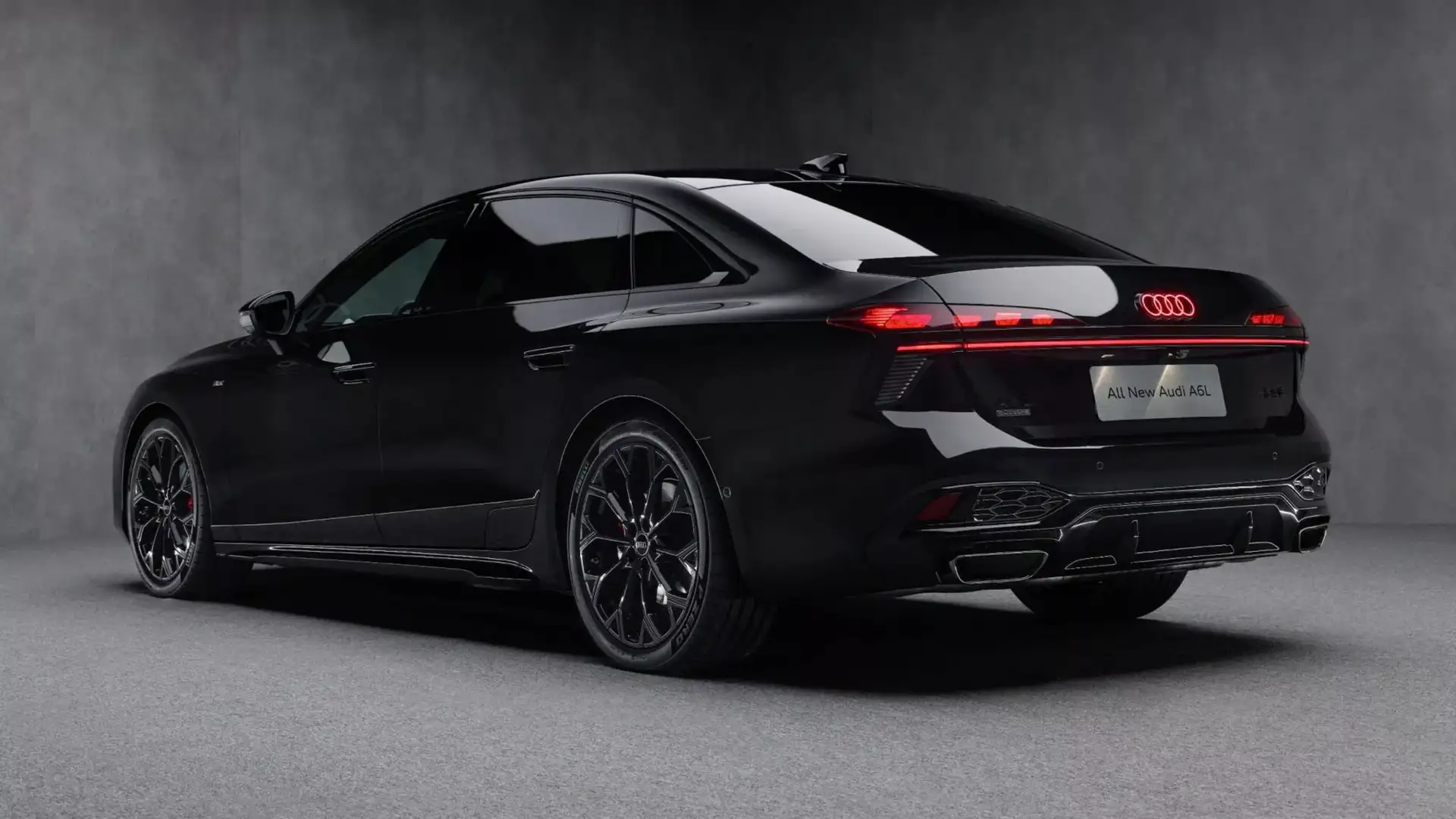
Aesthetically, the A6L adopts the aggressive language of the global A6, but with subtle adaptations. The grille gets an exclusive internal pattern, a thin LED strip frames the illuminated Audi emblem, and metal trim flows into the headlamp housings. In the S-Line version, 21-inch wheels with a design the brand describes as “reflecting Eastern aesthetics” — a phrase that sounds like marketing but translates to a reality: the car was designed to be seen and recognized in Beijing or Shanghai, not Munich or Ingolstadt.
The absence of the A6L in other markets creates a perception distortion. Meanwhile, BYD demonstrates how Chinese manufacturers can offer equivalent technology for a fraction of the price, forcing premium brands to rethink their positioning. The A6L represents Audi’s response: if it can’t compete on price with local brands, it delivers space and status that they haven’t yet replicated.
If confirmed, a wagon variant with extended wheelbase — the A7L Avant — will expand the offensive. China, which already doesn’t receive the standard A6 Avant, would thus have a trunk alternative that combines practicality with the same generous rear space proposition. Audi, quietly, is redefining what “affordable luxury” means in a market that the rest of the world watches from afar.
For those speculating about parallel imports or future globalization of the model, the reality is less encouraging. Homologation for European safety and emissions standards would require significant re-engineering. Huawei’s autonomous driving system, meanwhile, would face regulatory and political barriers in the West. The A6L remains, by design and by necessity, a single-market product.
What it reveals, however, is a larger trend: the fragmentation of the global automobile into regionally optimized versions. No longer the same car sold on every continent with minimal adaptations, but deeply local products that respond to specific demands. Volkswagen had already demonstrated this logic with the ID. Unyx 08, exclusive to China with technology that Europeans will never receive.
The AUDI A6L 2026 is, in this sense, a perfect case study. It proves that “made in China” has ceased to be synonymous with inferiority to become a label of contextual sophistication. The sedan is not better than an A8 — it is different, optimized for a universe of values that the West barely understands. And while executives in Frankfurt or Detroit discuss electrification plans, their counterparts in Changchun are already driving — better said, being driven in — the future that Audi has reserved for its most important market.
The question that remains is who, in fact, is being privileged. Who pays less for more space and technology? Or who, by maintaining high prices and conventional dimensions, preserves a hierarchy of luxury that no longer reflects engineering reality? The A6L doesn’t respond — it only exposes the question with the elegance of a panoramic roof illuminated by 112 LEDs.