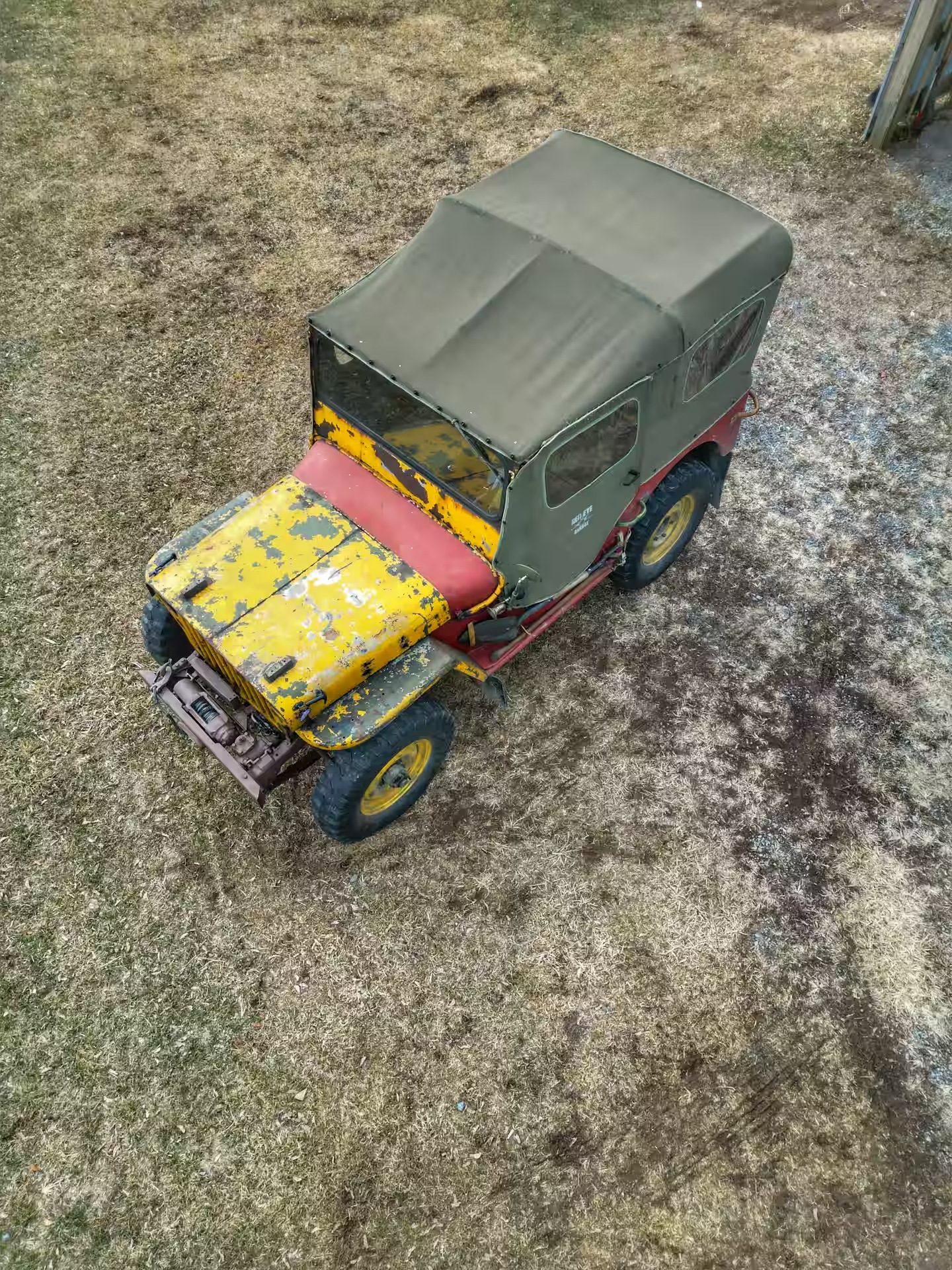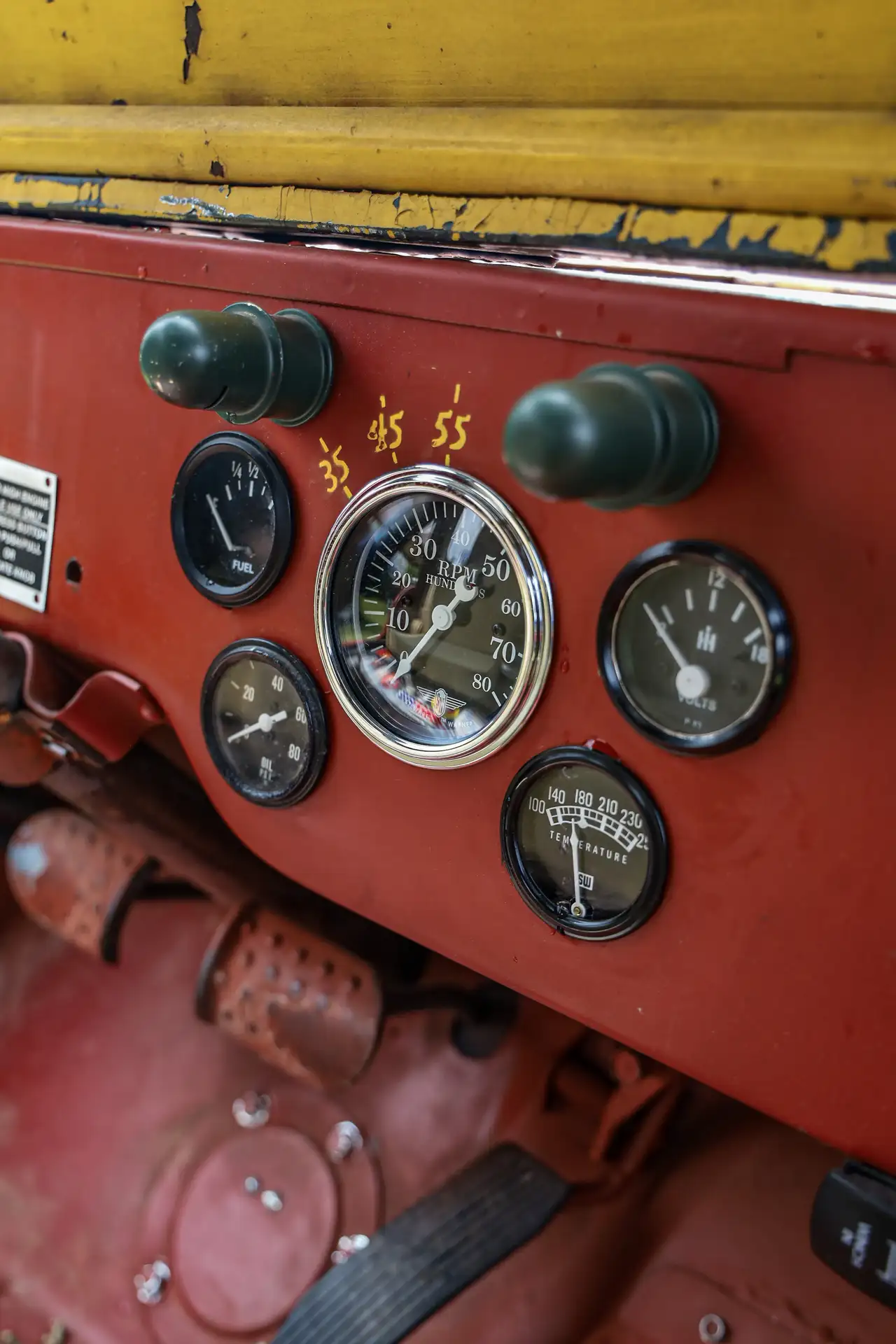
This 1949 WILLYS JEEP weighs just 953 kg, delivers 126:1 reduction and can still run 128 km/h. Discover why the purists are wrong.
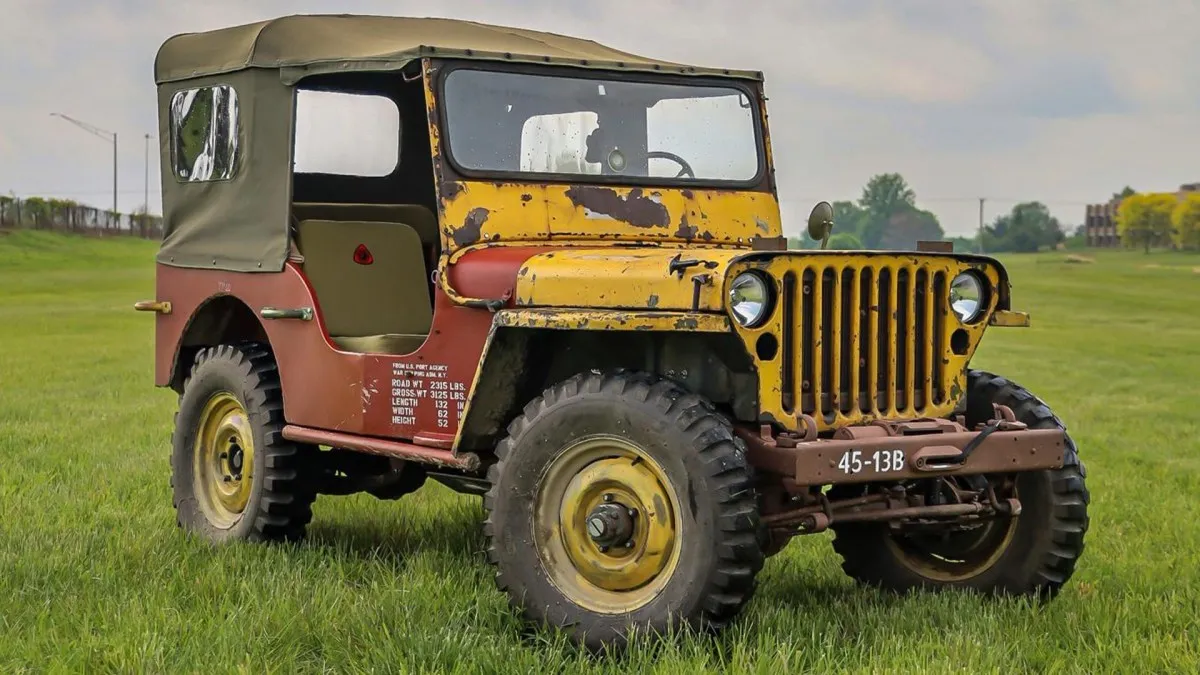
While modern Wrangler owners spend fortunes on lifts and 40-inch tires to pretend they understand trails, Seth Hensler built something that humiliates the entire industry — and did it with junkyard parts, a motor that “has no torque,” and truck canvas.
The Heretic That Purists Hate (And Don’t Understand)
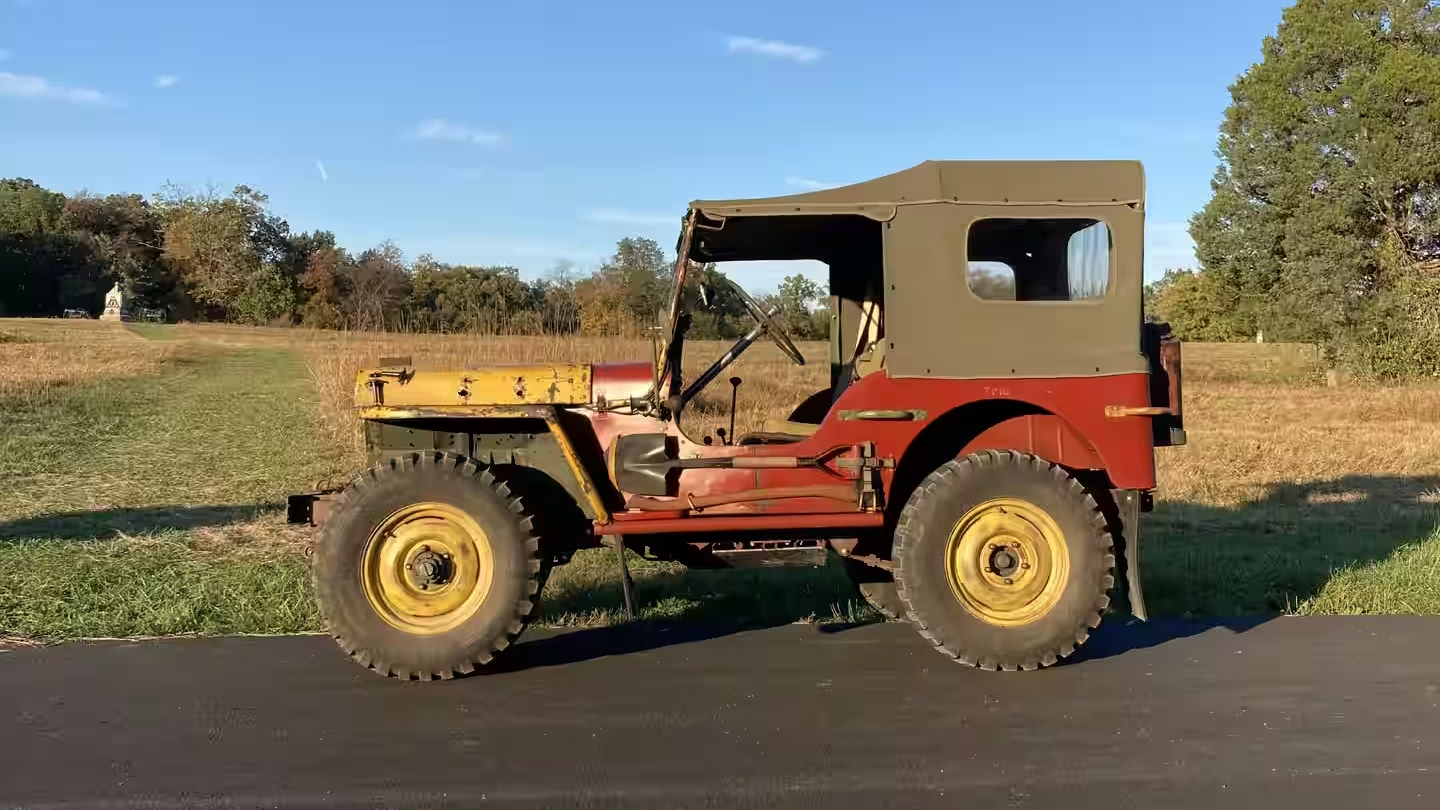
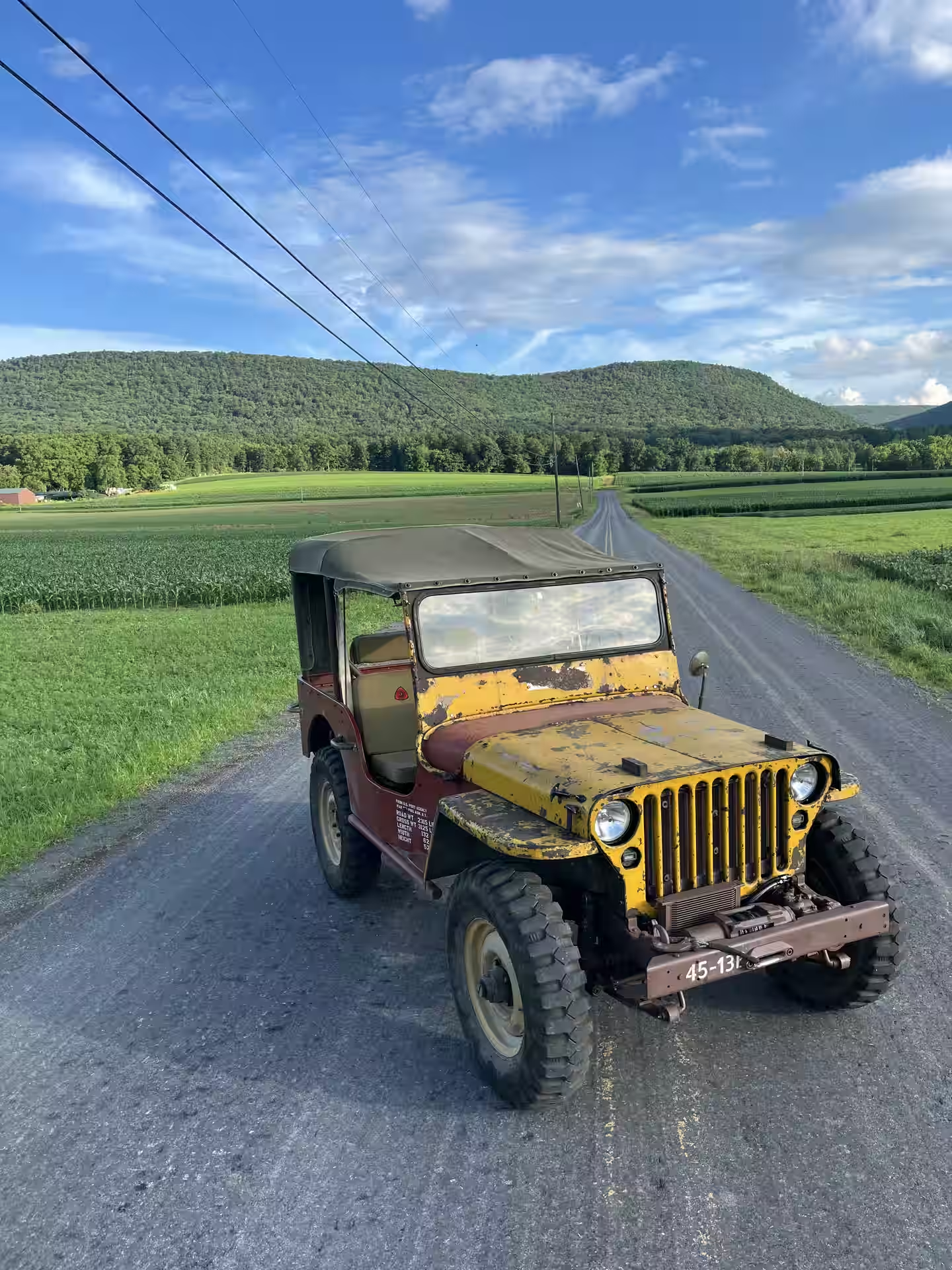
The off-road community has unwritten rules. American V8 motor, solid axle, low-range transfer case. Seth Hensler broke them all. His Wankel Willys started as a 1949 Willys CJ-3A chassis and 1945 Ford GPW body — the classic recipe for any respectable restomod. Until he opened the hood.
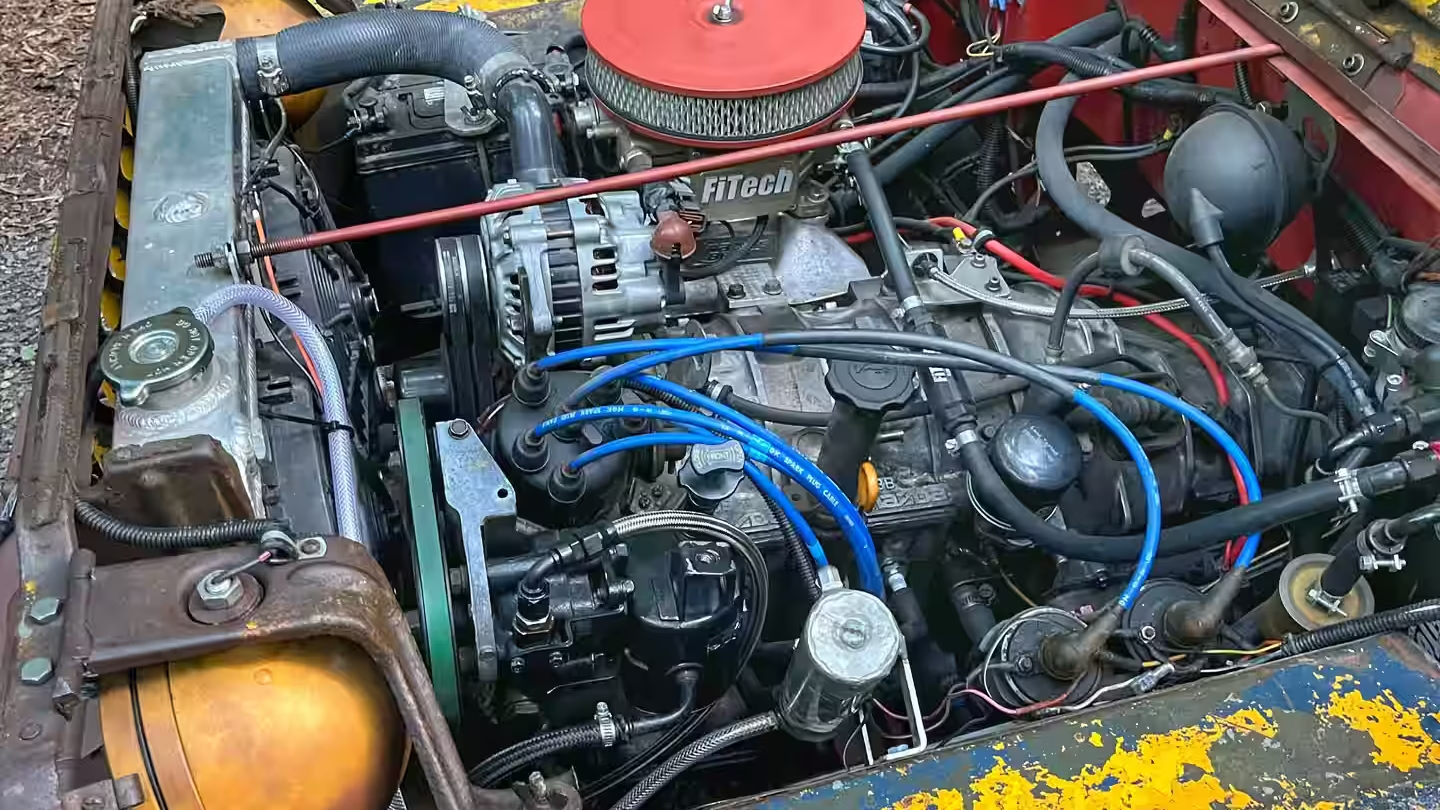
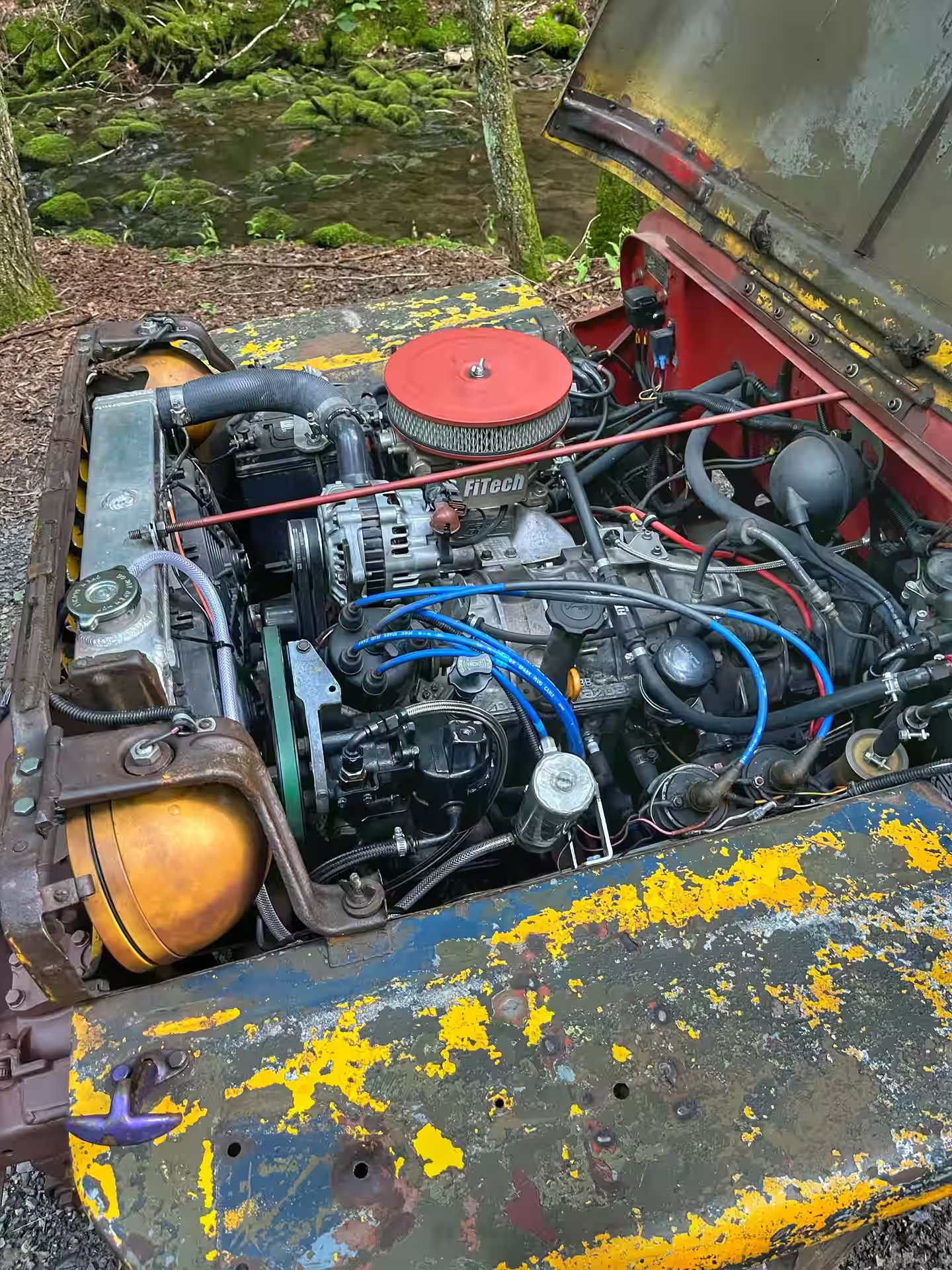
Inside, a two-rotor 13B engine pulled from a 1991 Mazda RX-7. Yes, the same engine the entire internet says “burns oil,” “has no torque,” and “dies before 100,000 km.” Hensler hears this daily in Instagram comments. He laughs. And stacks another rock.
The naturally aspirated rotary choice — no turbo, no drama — wasn’t accidental. With just 953 kg of total weight (yes, less than a modern Fiat 500), the Jeep doesn’t need starting horsepower. It needs lightness, free revving, an engine that feels no weight on top.
“Be prepared for a ton of comments like ‘rotaries suck and have no torque'”
— Seth Hensler, @redeye_garage
The Engineering Behind the Madness
What makes this build genius isn’t just the audacity. It’s the technical coherence:
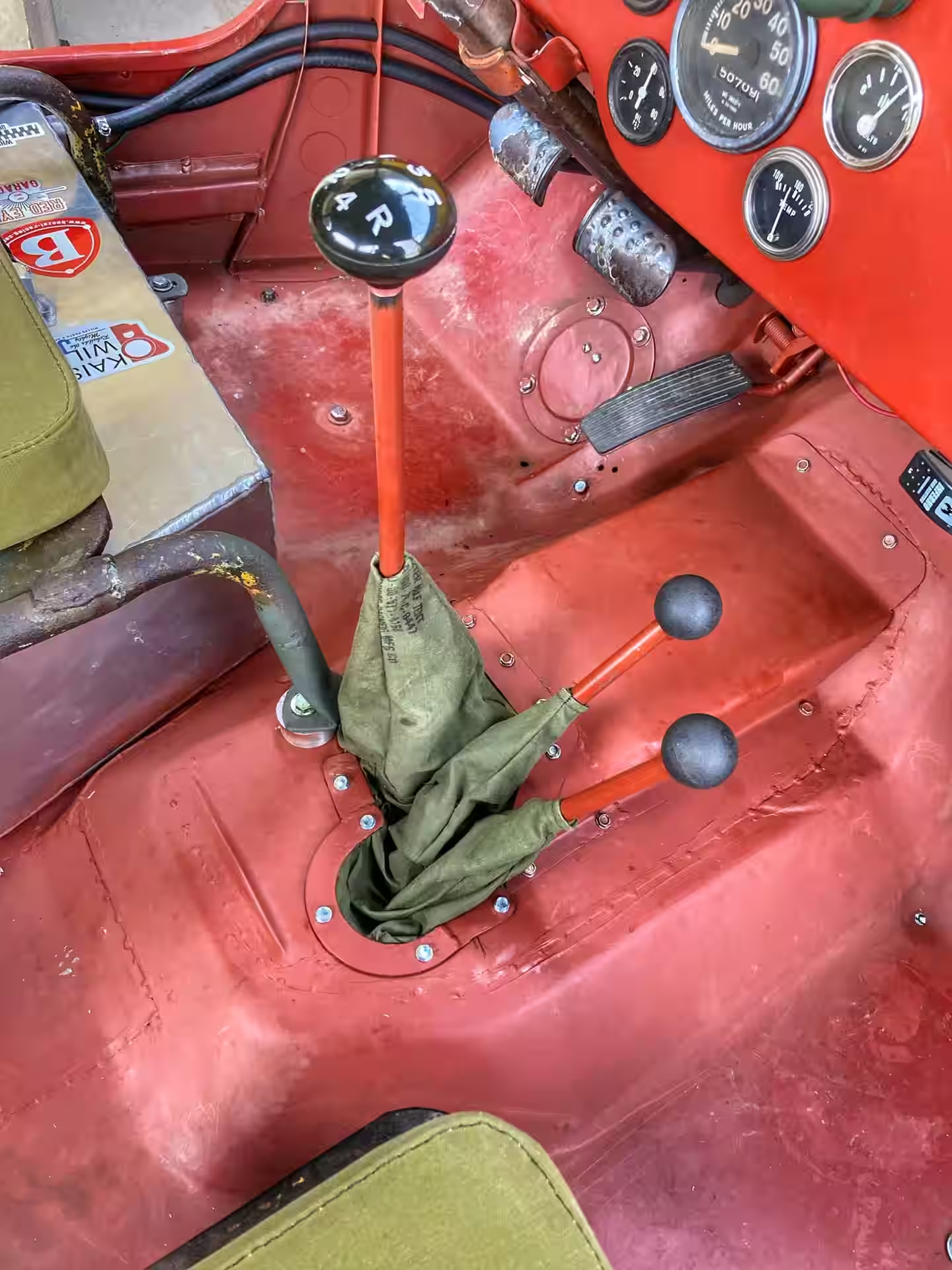
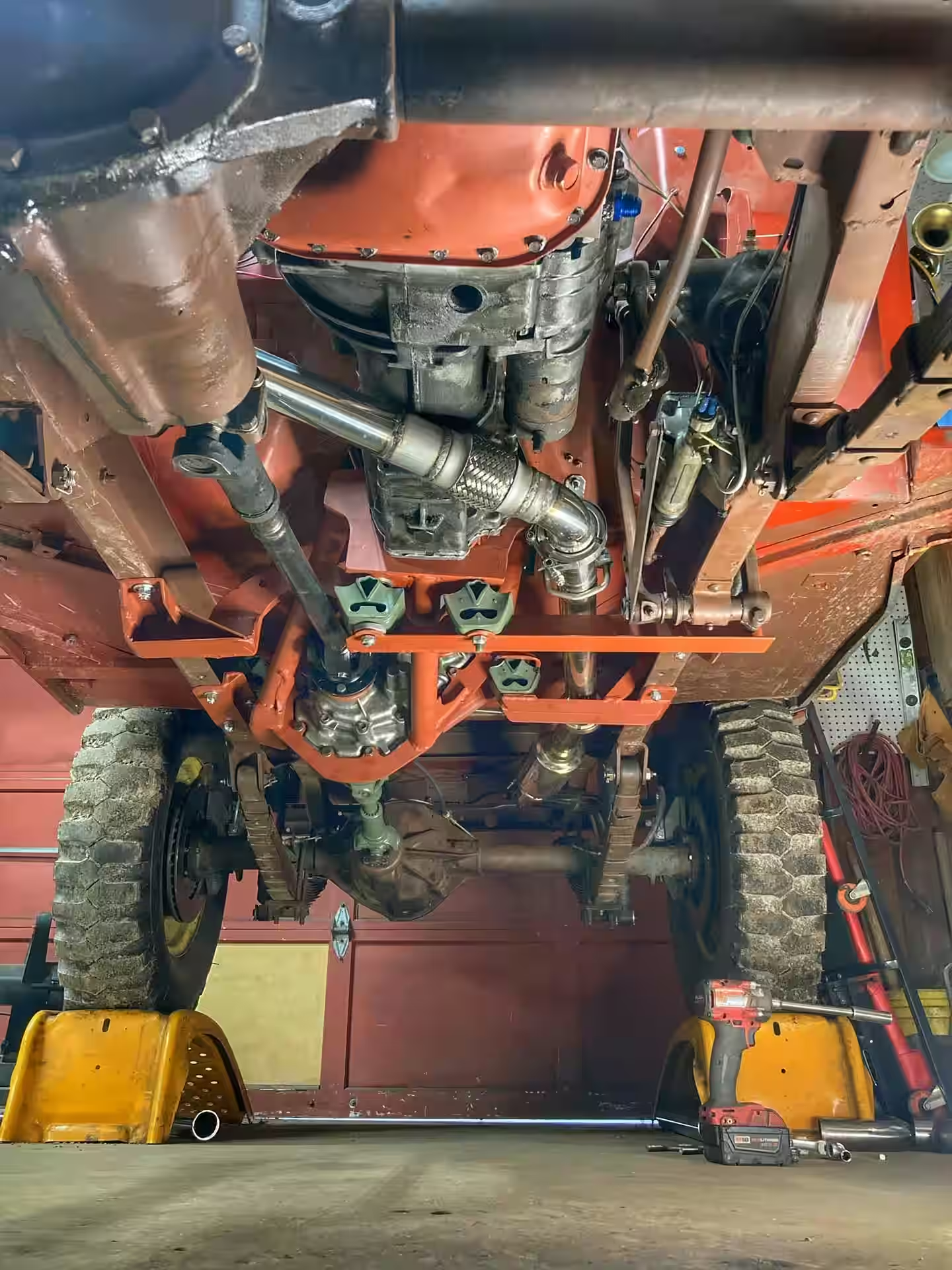
- Transmission: 5-speed manual gearbox, also from the RX-7
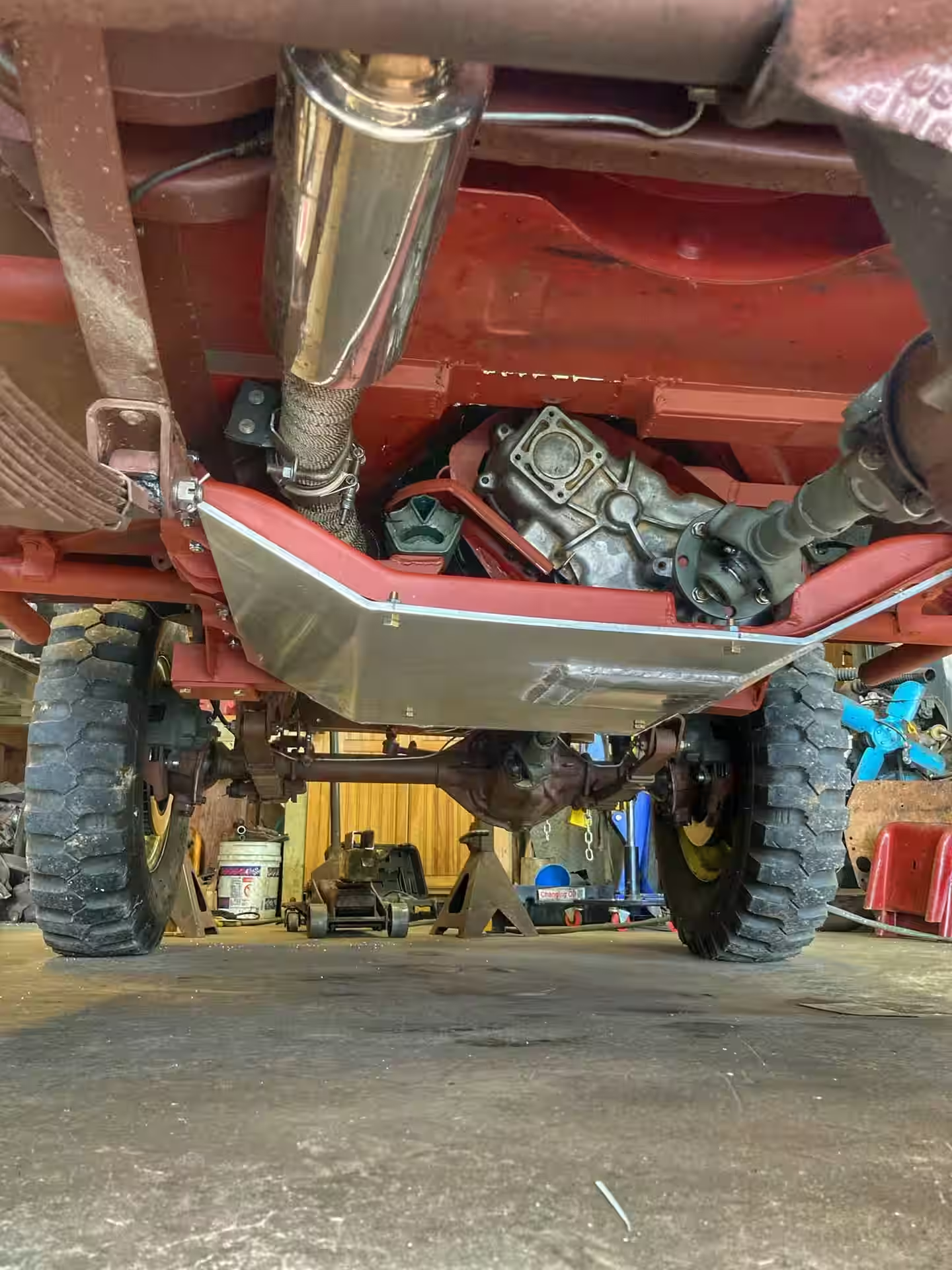
- Transfer Case: Suzuki Samurai with dual levers and 6.5:1 gears
- Final Reduction: 126:1 — surpassing the modern Rubicon Wrangler (100:1)
- Differentials: Lock-Right on Dana 25 (front) and Dana 44 (rear) with 5.38
- Brakes: disc on all wheels
- Tires: Firestone NDT 7.50-16 — the same ones from 1945
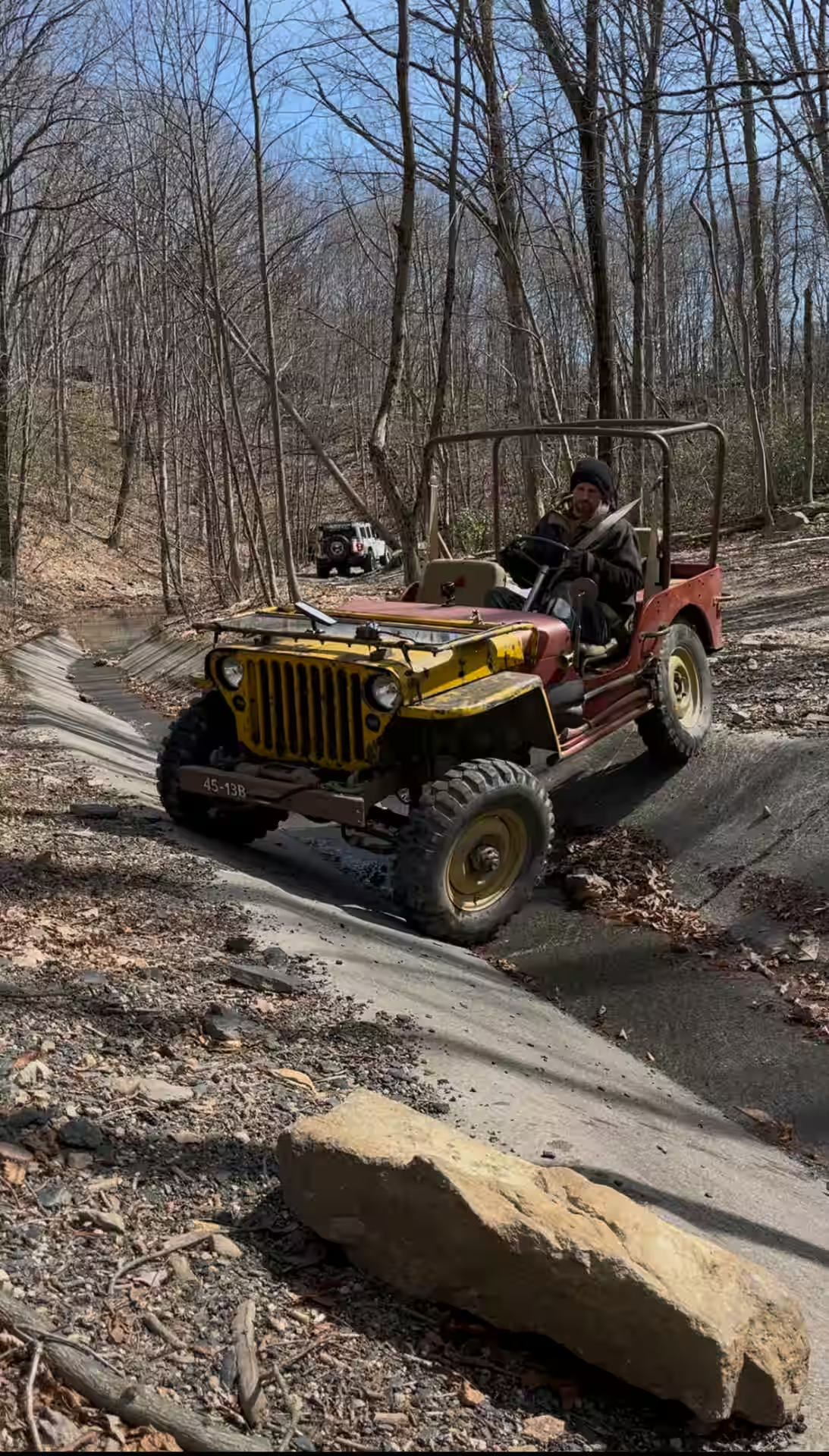
The result? A vehicle that climbs rock walls where $80,000 Wranglers hesitate, and still reaches 128 km/h on the highway. All with an engine that, according to Facebook experts, “is good for nothing.”
The FiTech electronic fuel injection and Racing Beat intake manifold keep the 13B civilized. The exhaust with Aero-Tech resonator and Magnaflow muffler proves Hensler understands acoustics — the rumble is present, but doesn’t destroy conversations. Even the canvas top was hand-sewn in his own garage.
Compare with the Renault Bridger Concept 2026, which tries to capture that essence with prices that make Land Rover tremble. How much did Hensler spend? The value of a used iPhone on junkyard parts.

Why This Matters More Than Any Launch
The automotive industry is living in an era of forced hypertechnology. 15-inch screens, AI assistants, driving modes nobody uses. The Wankel Willys is the antidote — not by cheap nostalgia, but by brutal effectiveness.
The original Go-Devil four-cylinder engine produced 60 hp and 142 Nm. The 13B, even naturally aspirated, delivers significantly more with half the weight and a mass distribution that improves the center of gravity. It’s real engineering, not marketing.
Meanwhile, vehicles like the GWM Tank 700 Hi4-Z promise off-road luxury with 190 km of electric range, Hensler proves that the most elegant solution is often the simplest. Less weight, more agility, zero dependency on chargers.
And the torque? The one that haters swear doesn’t exist? With 126:1 reduction, every Newton-meter multiplies into brutal towing force. In practice, the Jeep climbs where 400 hp V8 engines slip — because it understands that off-road is about traction, not power.
The same principle that makes the Yamaha Ténéré 700 World Raid rewrite the adventure rules — lightness over electronics — applies here, on an American scale.
Hensler owns other Jeeps, including one with a Volkswagen diesel engine. The Wankel is the deliberate opposite. Where diesel delivers low torque and efficiency, the rotary delivers enthusiasm. RPM that climbs like a motorcycle. An experience no piston engine replicates.
In times when even the Alpine A110 2027 needs to justify its existence as the “savior of internal combustion engines,” the Wankel Willys doesn’t apologize. It simply exists. It works. And it leaves behind theoretical discussions about what should be.
The next time someone says rotaries aren’t good for off-road, show them the video of Seth Hensler climbing a granite wall in first gear. Then ask how many of those critics have ever climbed anything other than the shopping mall sidewalk.
The future of the automobile may be electric. But the present of fun still has a rotor spinning at 9,000 rpm in a 1949 chassis. And that, definitely, makes more sense than any engineering spreadsheet from the industry.