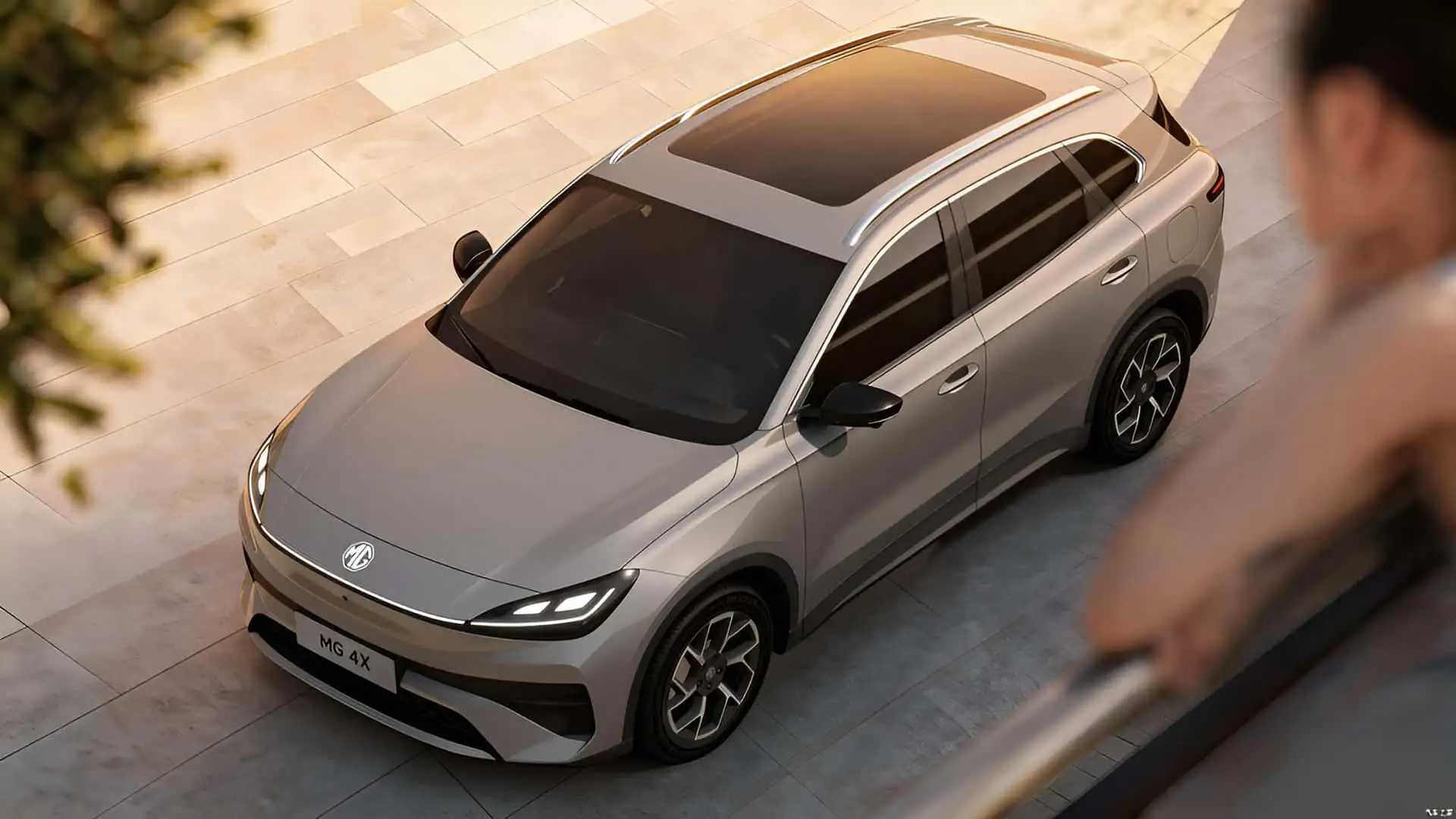
MG 4X brings semi-solid battery to challenge the BYD Yuan Pro. Cutting-edge technology and 510km of range in the new electric SUV. See the photos!

MG has just officially unveiled the MG 4X, a move that could redefine how Chinese automakers conquer global markets. While competitors are still debating whether it’s worth investing in solid-state batteries, the SAIC group brand is already putting this technology in the hands of the average consumer — and in a format that Brazilians love: a compact SUV.
What Makes The MG 4X Different From Everything We’ve Seen
The MG 4X is not just a “lifted” version of the MG4 hatchback. MG built on the same electric architecture, but added elements that place the model in unprecedented territory for the entry-level category.
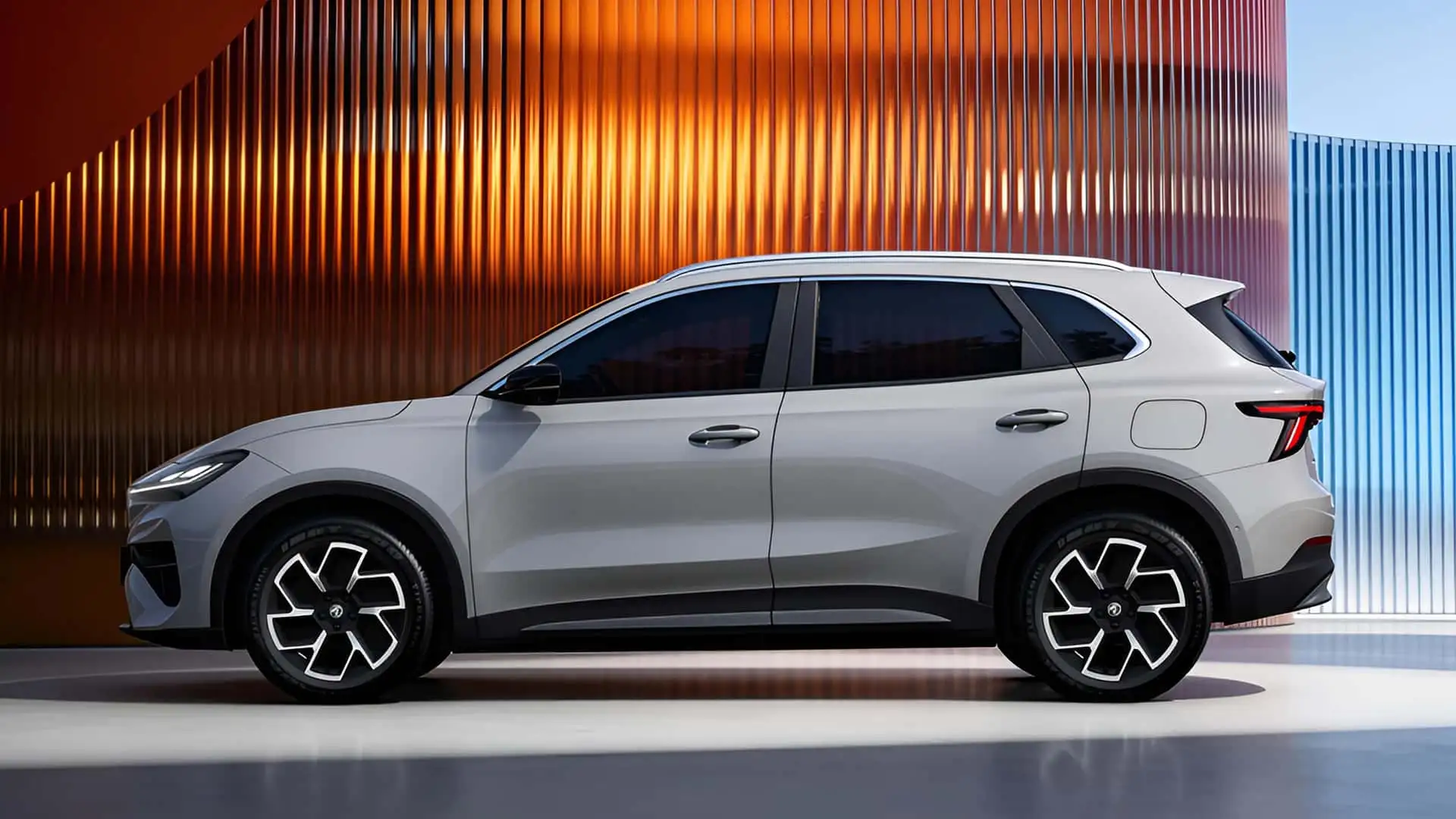
The dimensions reveal a clever proposal: 4,395 mm in length, 1,842 mm in width and 2,750 mm in wheelbase. This positions the 4X exactly in the center of the compact electric SUV segment — smaller than a Volvo EX60, but with interior space superior to most premium electric hatchbacks.
The design maintains the visual identity of the MG4 family, with significant adaptations for the SUV format:
- Illuminated front: brand logo with continuous horizontal light bar
- Aggressive bumper: more vertical lines that reinforce visual robustness
- Higher ground clearance: essential for Brazilian urban use
- Connected rear: horizontal taillights keep the MG4 signature
The Game-Changing Semi-Solid Battery
Here lies the true revolution of the MG 4X. While the industry still treats solid-state batteries as a promise for 2027 or 2028, MG — through the SAIC group — already masters semi-solid technology at commercial scale.
The system uses manganese-based chemistry with only 5% liquid electrolyte. This represents a crucial evolution on three fronts:
“The semi-solid battery offers superior thermal stability and consistent performance at low temperatures — problems that still affect models with conventional lithium-ion batteries.”
Practical result: 510 km of range in the Chinese CLTC cycle. In Brazilian homologation, this would translate to between 350 and 400 km of real range — a competitive number even against higher-segment electric SUVs.
MG’s choice is particularly bold. By offering semi-solid battery from the base version, the brand eliminates the technological hierarchy that other automakers use to justify premium prices. This recalls the strategy that BYD employed to challenge Tesla — democratizing advanced technology before traditional competitors can react.
Autonomous Driving Technology That Surprises
The MG 4X doesn’t skimp on driving assistants. The partnership with Horizon Robotics — a Chinese specialist in artificial intelligence chips for vehicles — equips the SUV with rare features in the category:
| Feature | Description |
|---|---|
| NOA (Navigate on Autopilot) | Autonomous highway driving with automatic lane changes |
| Automatic Parking | System that identifies spots and performs maneuvers without intervention |
| Oppo Integration | Seamless connectivity between smartphone and multimedia system |
The Oppo integration is particularly relevant for markets like Brazil, where Android smartphone penetration is massive. The system promises to eliminate friction between personal device and vehicle — something that even premium automakers haven’t elegantly solved yet.
The Strategic Positioning That Could Work in Brazil
Within the MG lineup, the 4X occupies a calculated space: below the MG S5 EV — already sold in Brazil starting at R$ 195,000 — and above the conventional MG4 hatchback. This position is strategic.
The Brazilian electric vehicle market is still small, but growing rapidly. In the first two months of 2026, MG ranks 7th among electric vehicle manufacturers, with 217 units registered and 1.3% market share. The local operation currently has three models: MG4, S5, and Cyberster.
The introduction of a compact SUV with superior technology at a premium hatchback price could dramatically accelerate this penetration. The compact electric SUV segment concentrates the most affordable models in the market — and is likely to receive new competitors in the coming years.
Direct competition would include the BYD Yuan Pro and potentially the Subaru Uncharted, although the 4X stands out for battery technology that no rival offers in this price range.

Why The MG 4X Matters Even If It Doesn’t Come Tomorrow
The reveal of the MG 4X signals a phase change in the global automotive industry. Chinese automakers have gone from being cheap alternatives to becoming definers of technological standards.
The adoption of semi-solid state battery in a volume model — not in a luxury halo car — demonstrates that SAIC has solved the scalability and cost problems that still paralyze Western competitors. This creates pressure across the entire chain: if MG delivers 510 km of range with next-generation technology at a competitive price, what justifies the value charged by established brands with conventional batteries?
For the Brazilian consumer, the MG 4X represents a concrete promise. The combination of an SUV body style — the format that dominates national preferences — with the already familiar MG4 platform, range above the segment average, and potentially aggressive pricing, indicates the path MG can follow in global expansion.
The remaining question is not if the model will reach Brazil, but when — and at what price. If MG maintains the technological democratization logic it applied in China, the MG 4X could be the vehicle that finally makes electric accessible for the Brazilian middle class, without the range and technology concessions that marked the first generations of popular electrics.