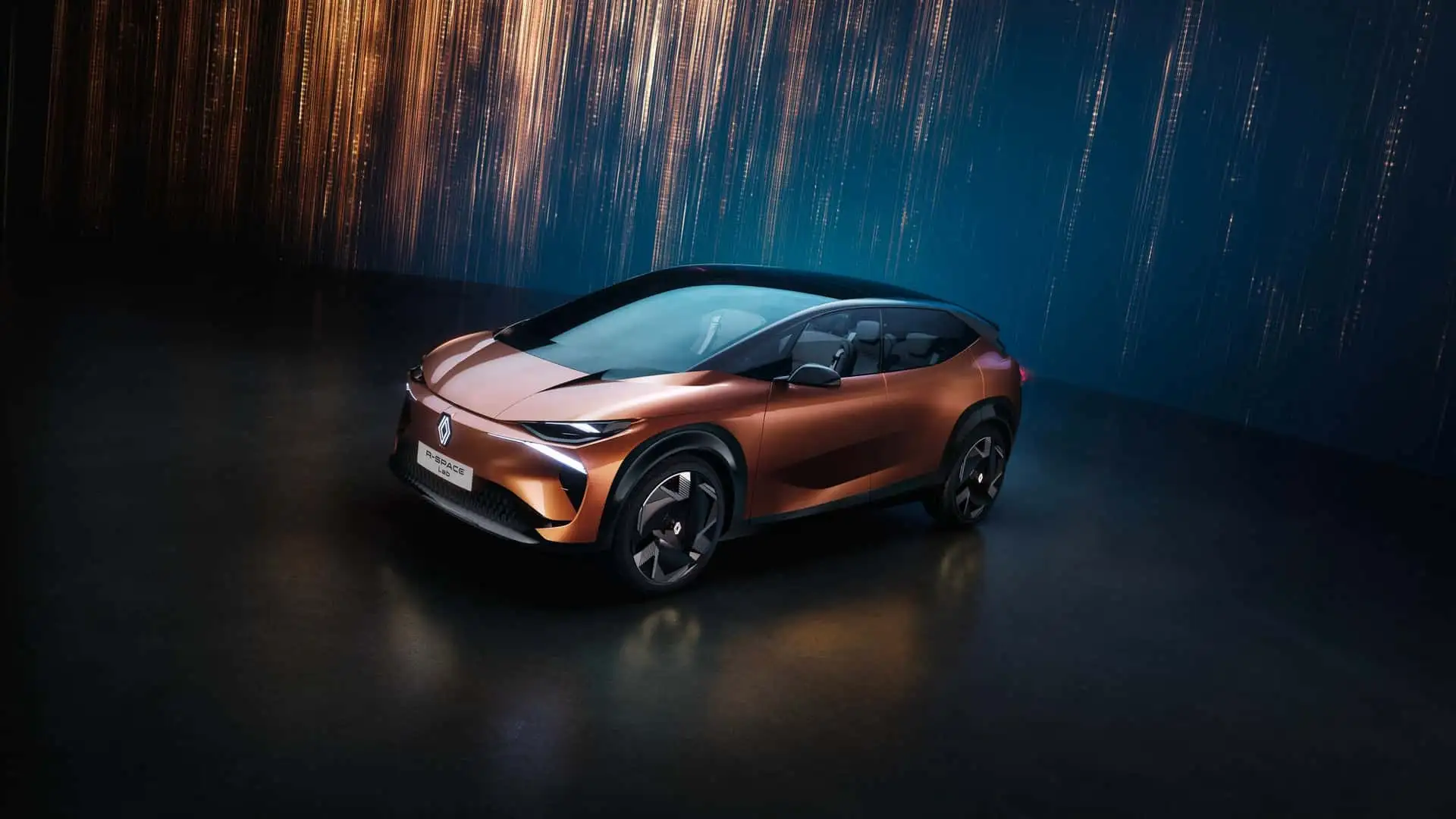
RENAULT R-SPACE LAB anticipates the future with Steer-by-Wire steering and a panoramic OpenR screen. See how this concept will change the Megane. Check it out now!
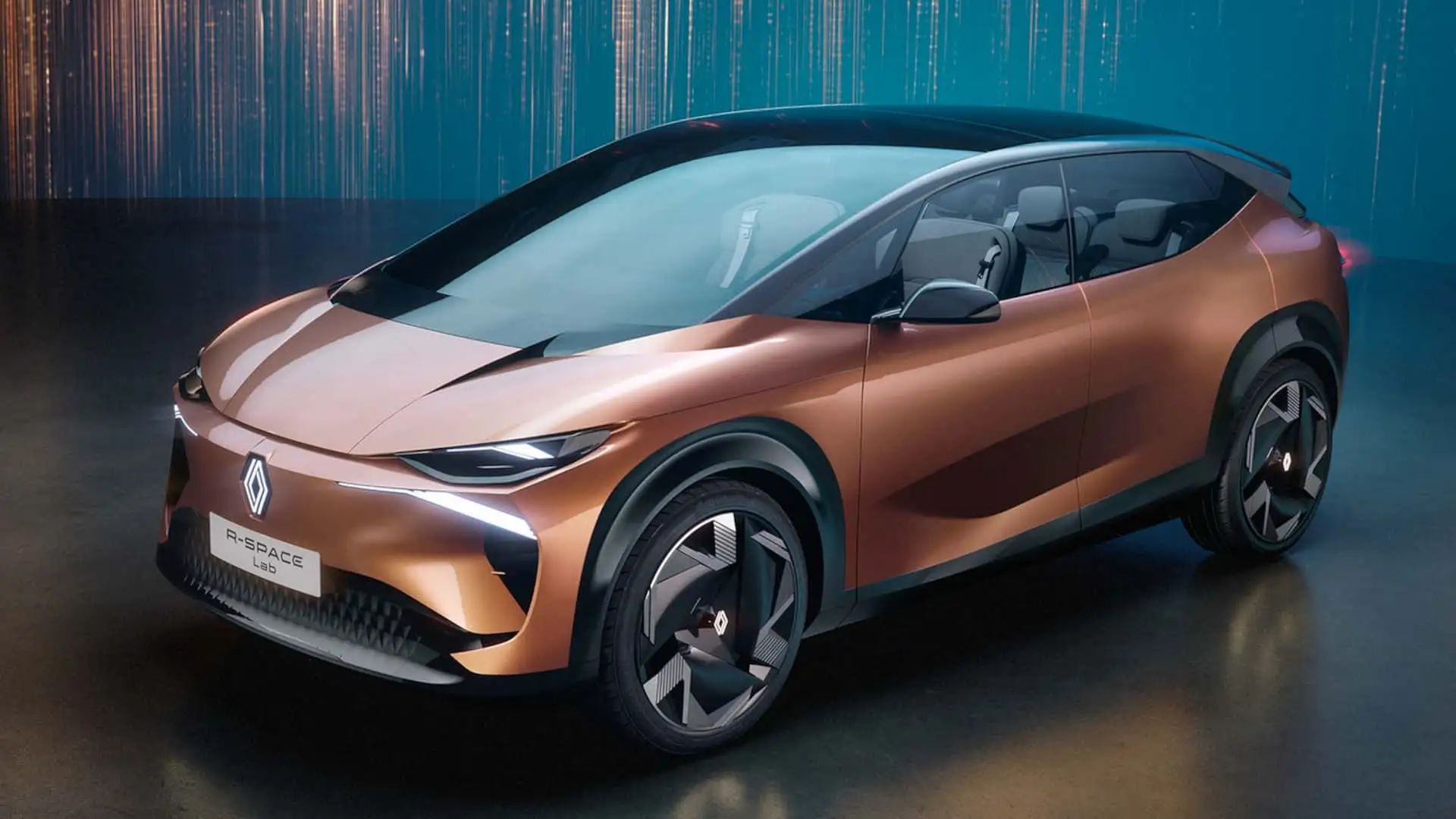
Imagine stepping into a vehicle where the dashboard disappears to give way to a living room experience, where the passenger seat can slide back to the rear seat for a family conversation, and where the car literally refuses to start if it detects alcohol in your system. This is not science fiction — it’s Renault’s vision of how we will live inside cars from 2030 onward.
The Laboratory That Was Born In Garage Futurama
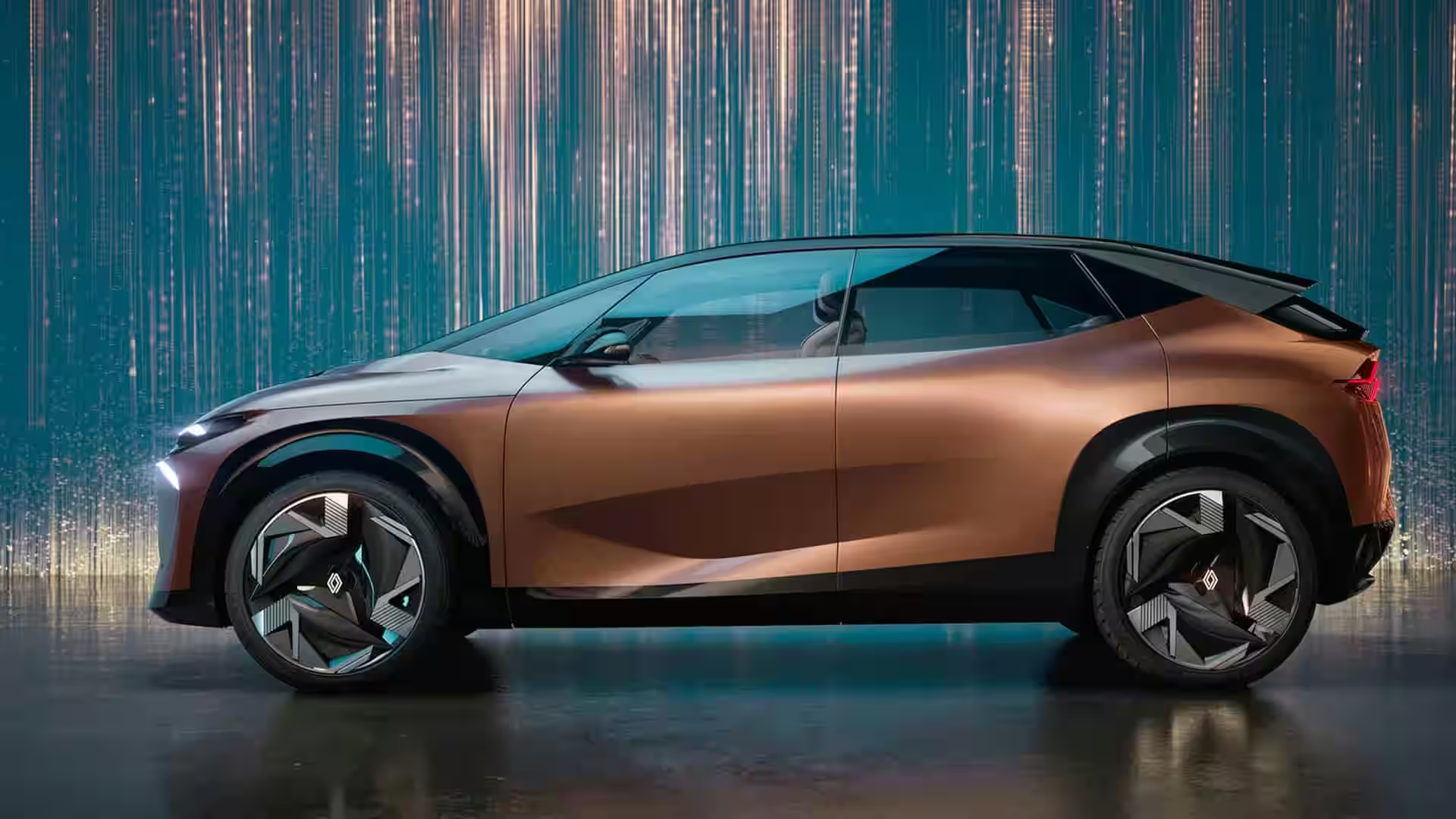
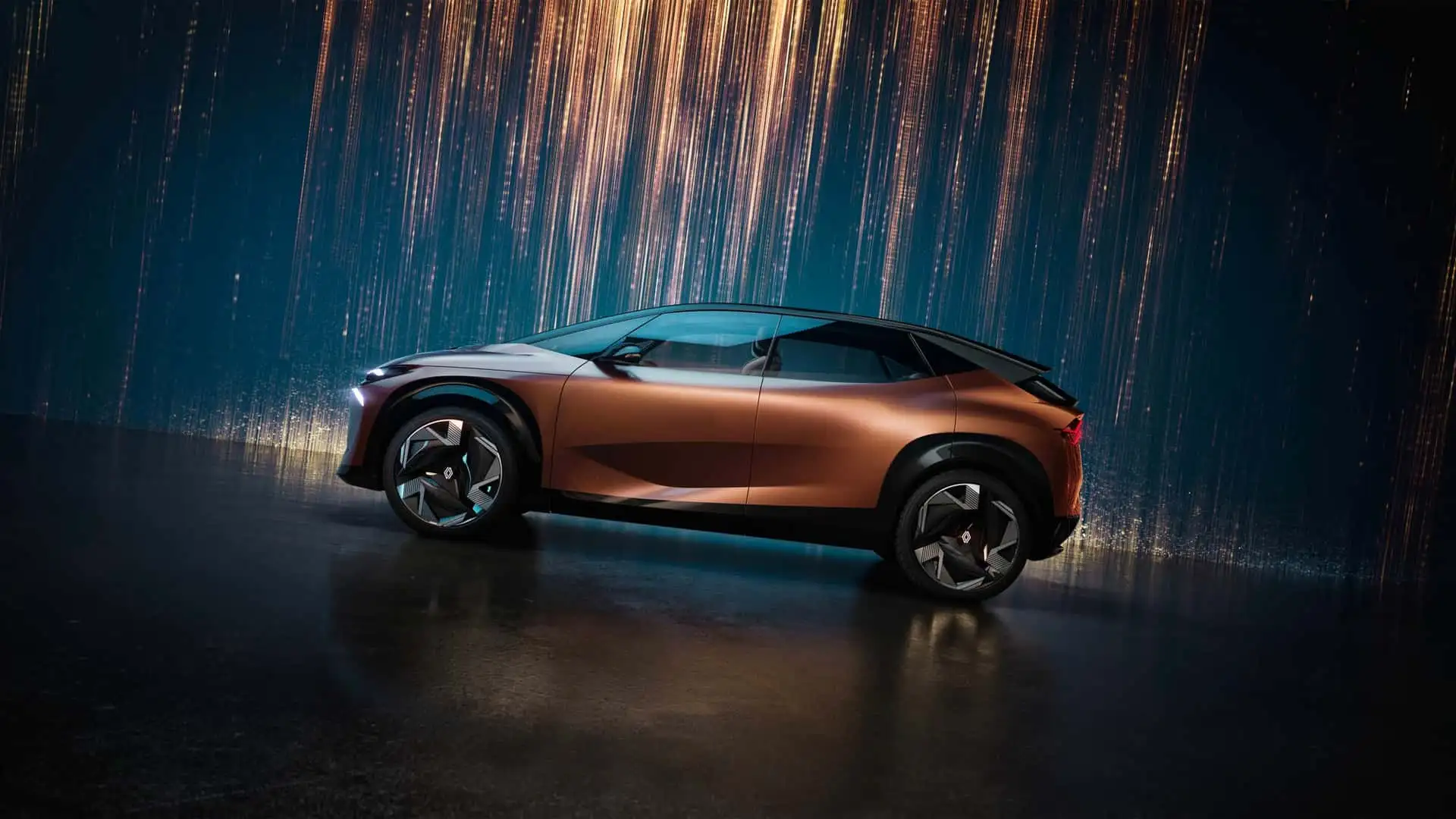
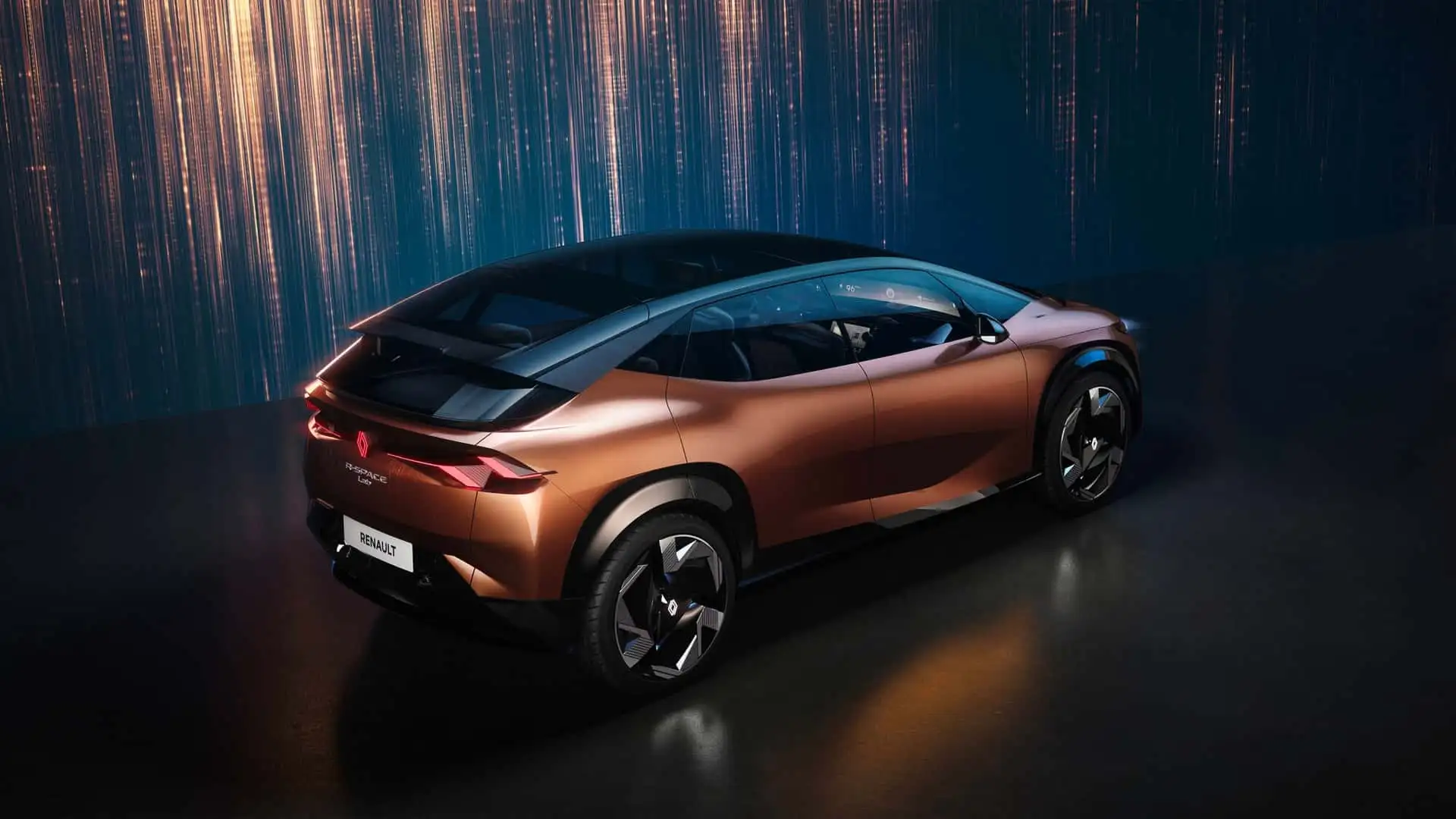
The Renault R-Space Lab is not just another auto show concept. It represents the tangible outcome of Garage Futurama, the French automaker’s internal innovation platform dedicated to designing vehicles for the post-2030 era. Measuring approximately 4.5 meters long and 1.5 meters tall, the prototype adopts the one-box shape — the same style that made the Kia Carnival 2027 so versatile — but takes the idea to the next level.
Renault makes it clear that this is not the next Megane in development. It is a mobile laboratory where “voitures à vivre” (cars to live in) concepts are tested under real conditions. Every element of the interior was designed to answer a simple, yet profound question: how can the space inside a vehicle adapt to the different facets of modern life?
When The Dashboard Disappears And Glass Takes Over
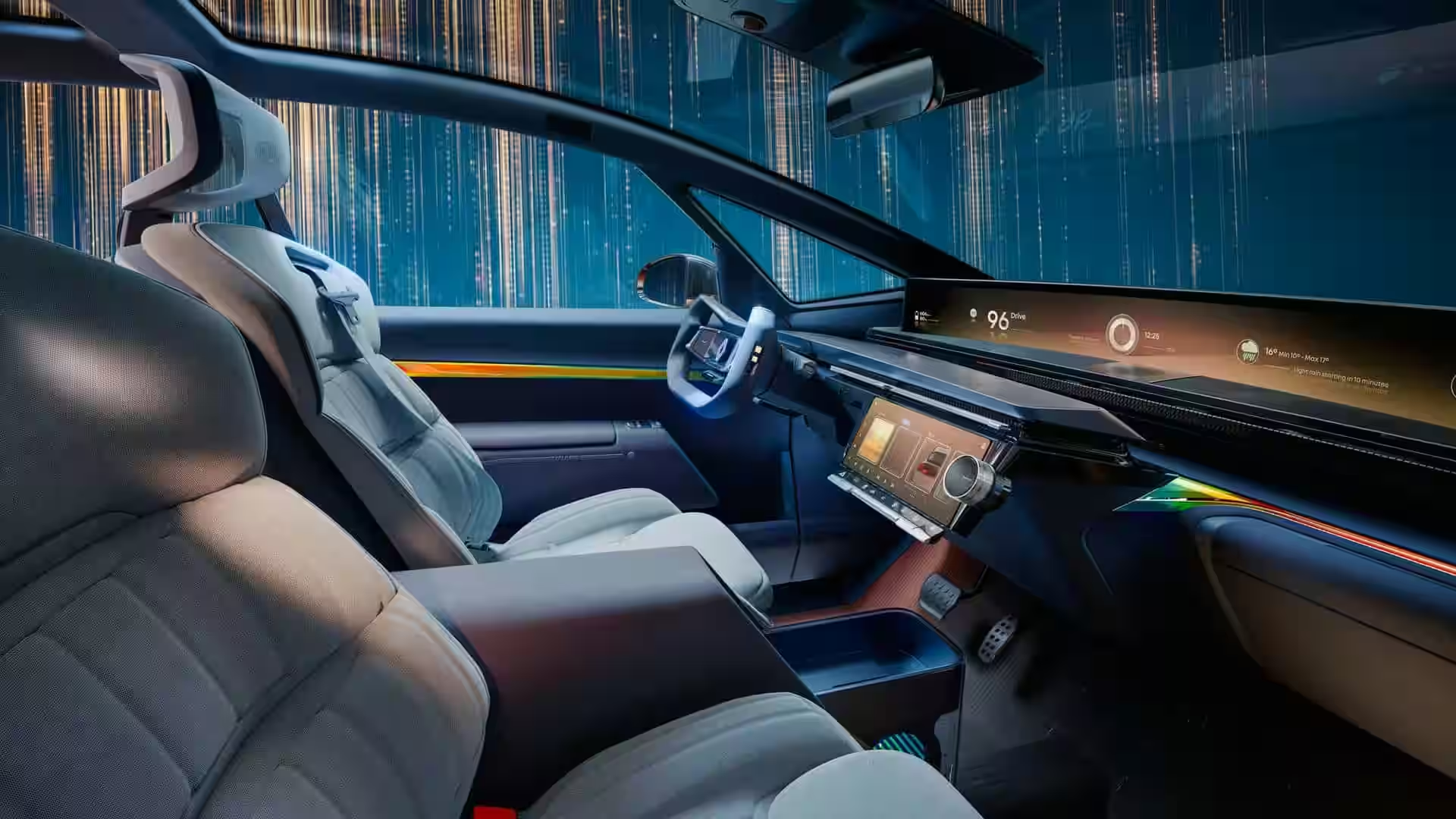
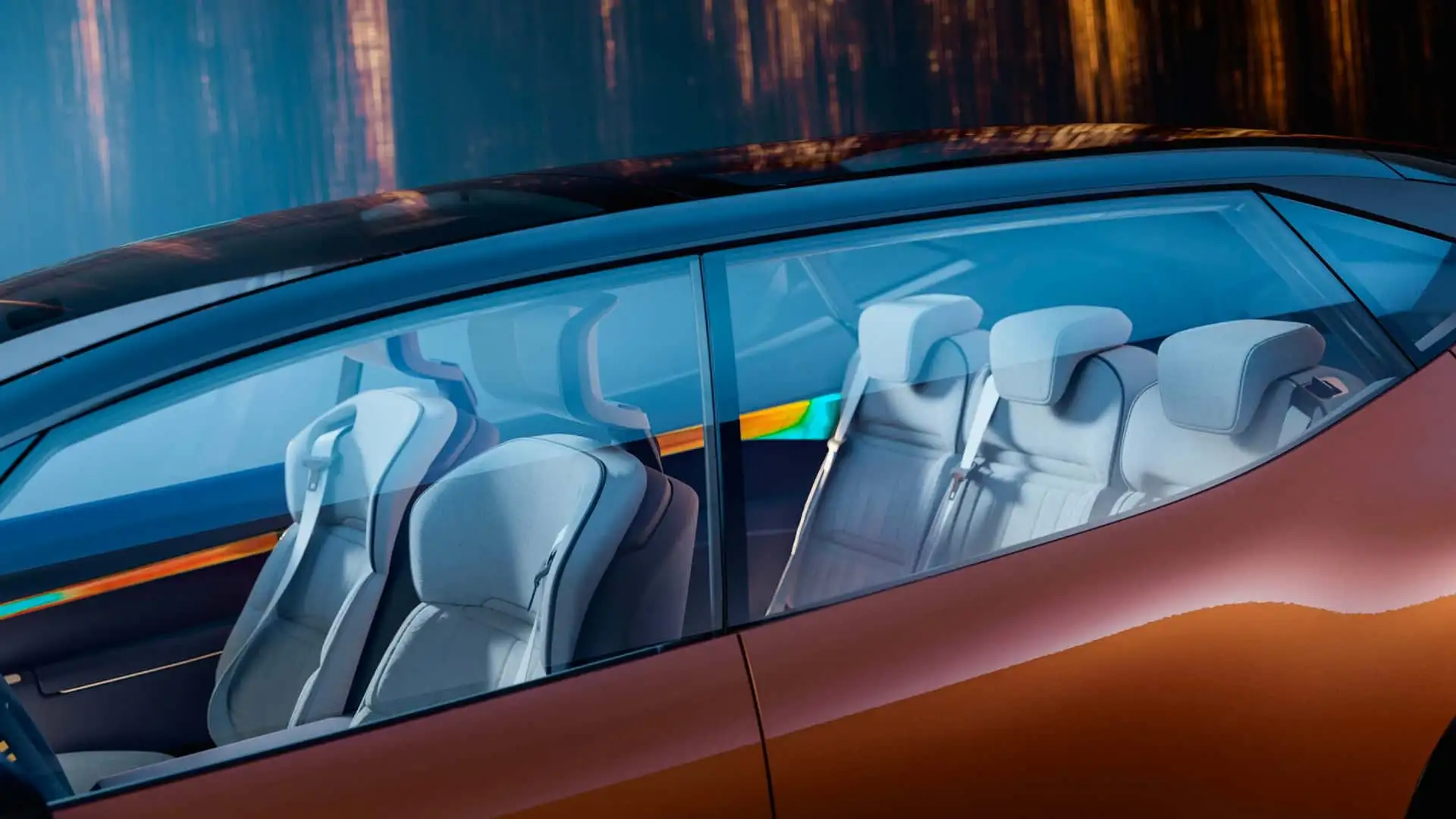
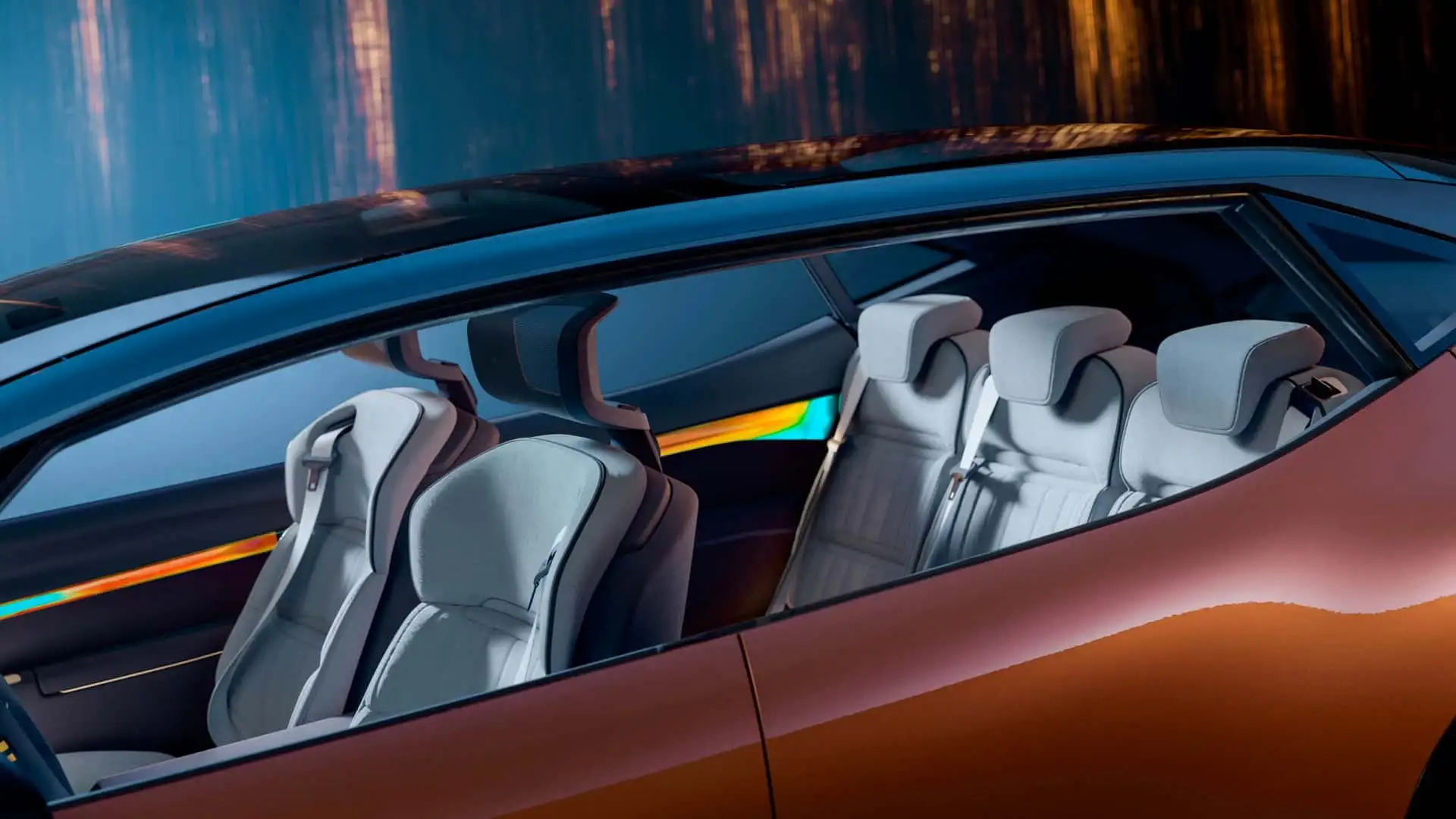
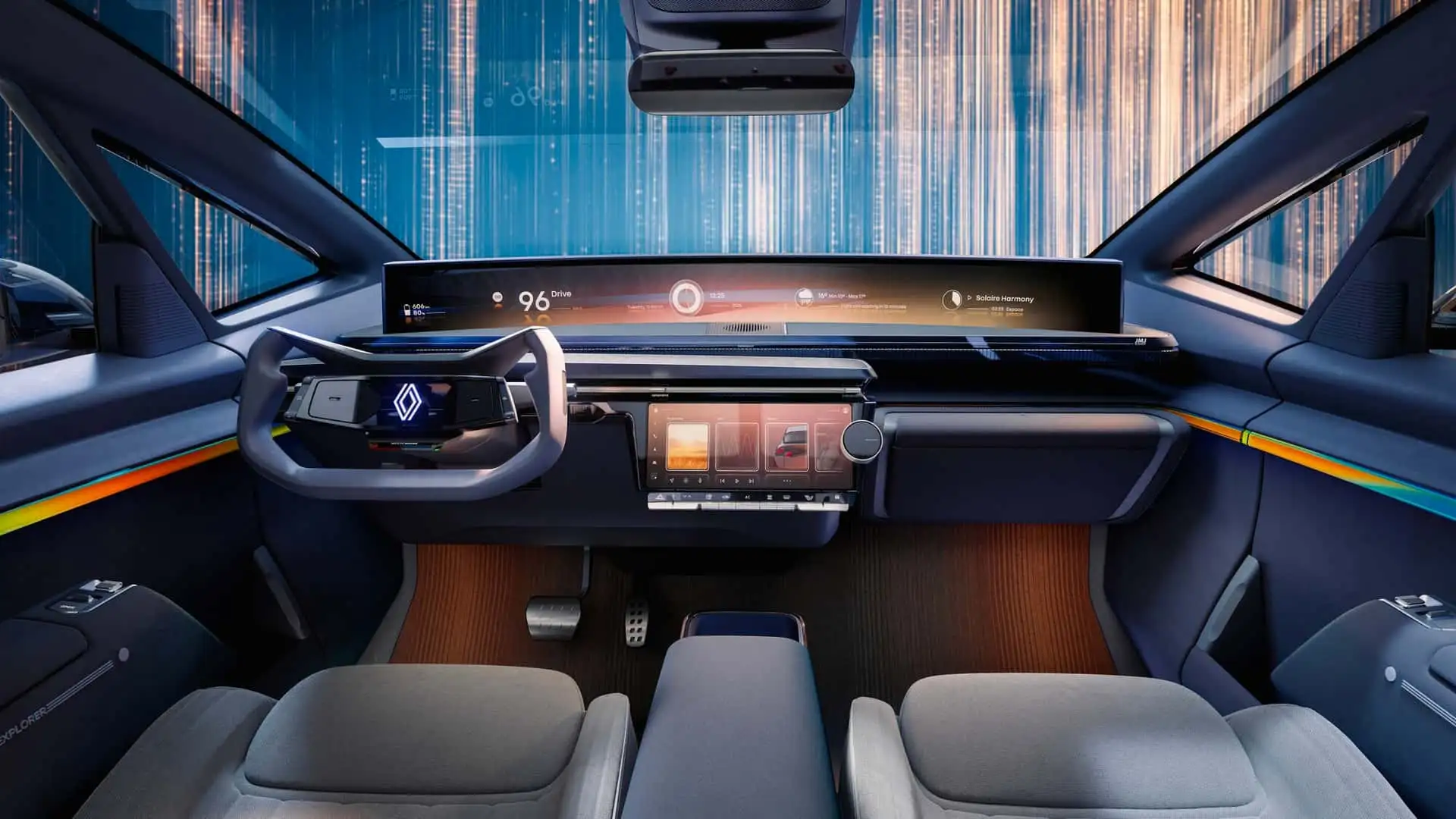
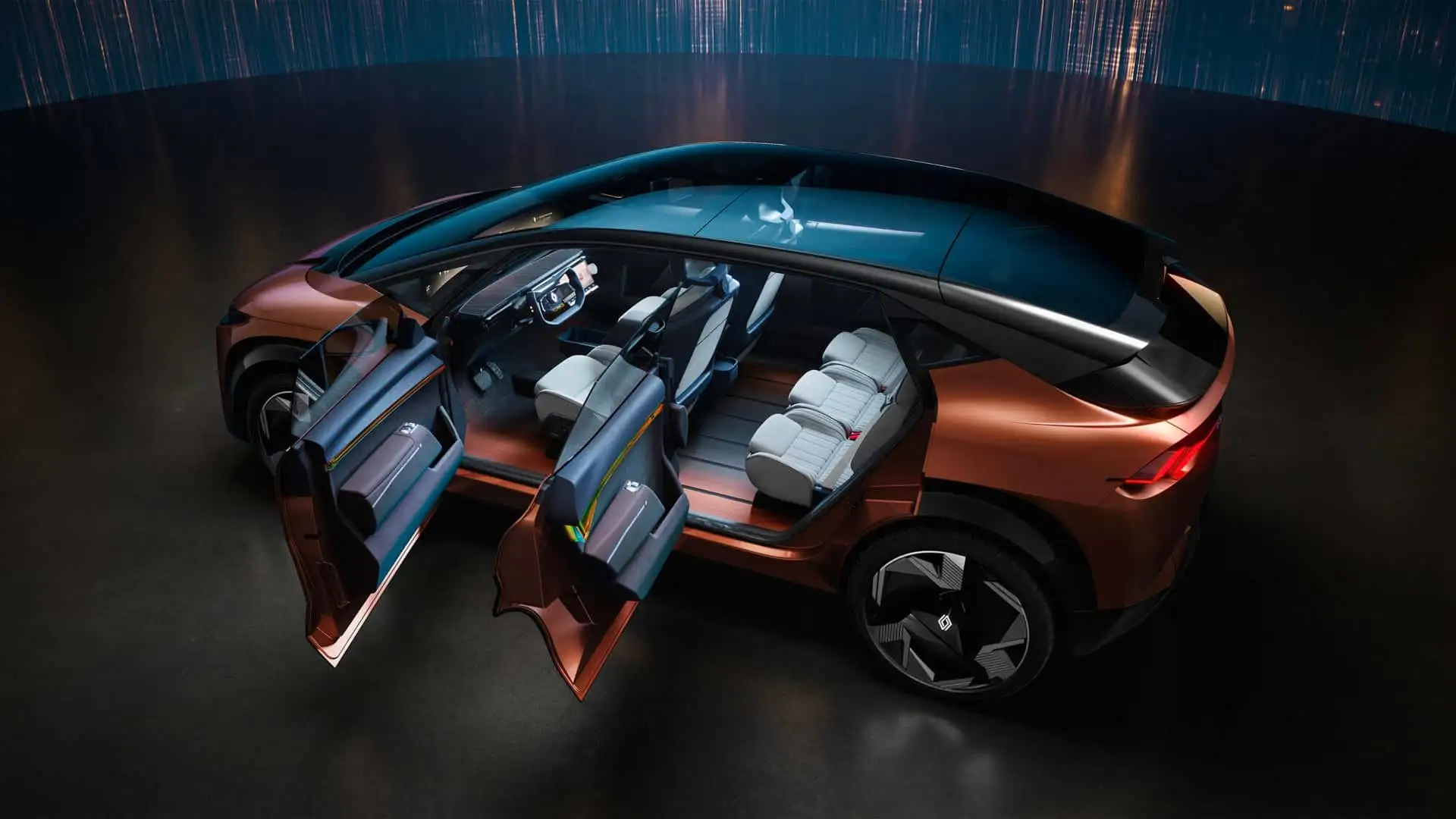
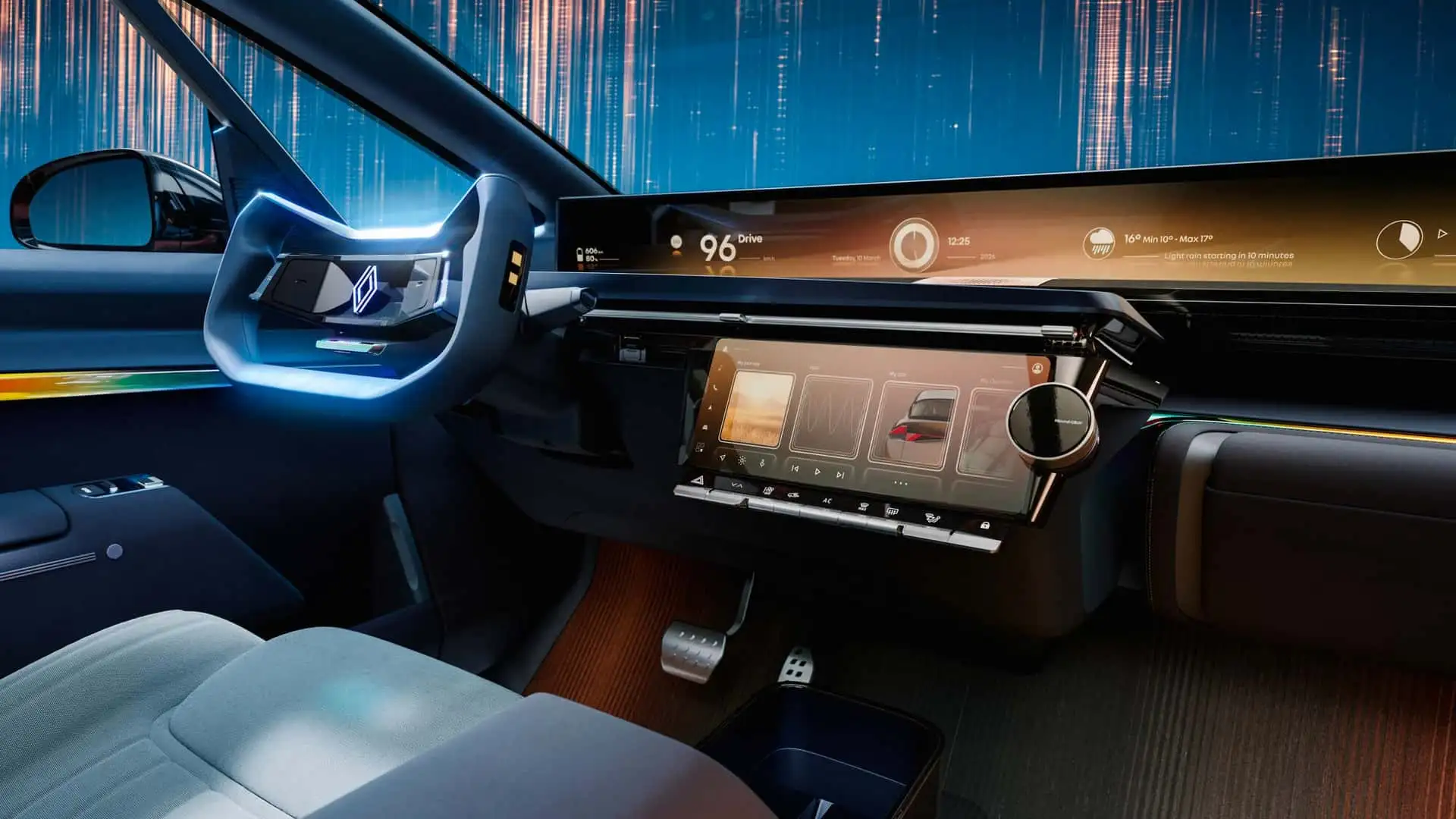
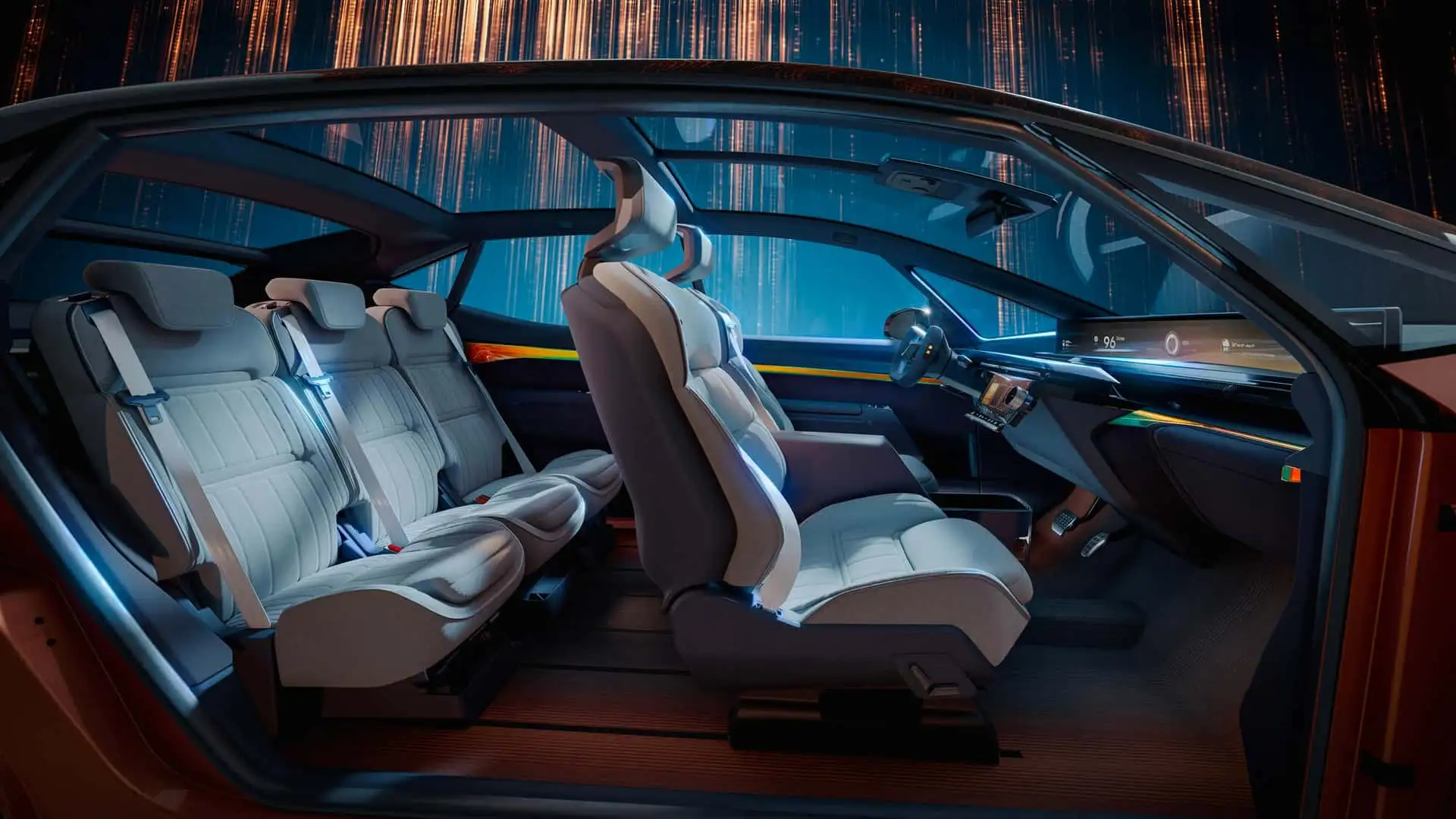
The most radical approach of the R-Space Lab lies in the complete elimination of the visual barrier between inside and outside. The traditional division between windshield and roof has vanished, replaced by a continuous glass surface that bathes the cabin in natural light. Extremely slim structural pillars and frameless doors complete this architecture of total transparency.
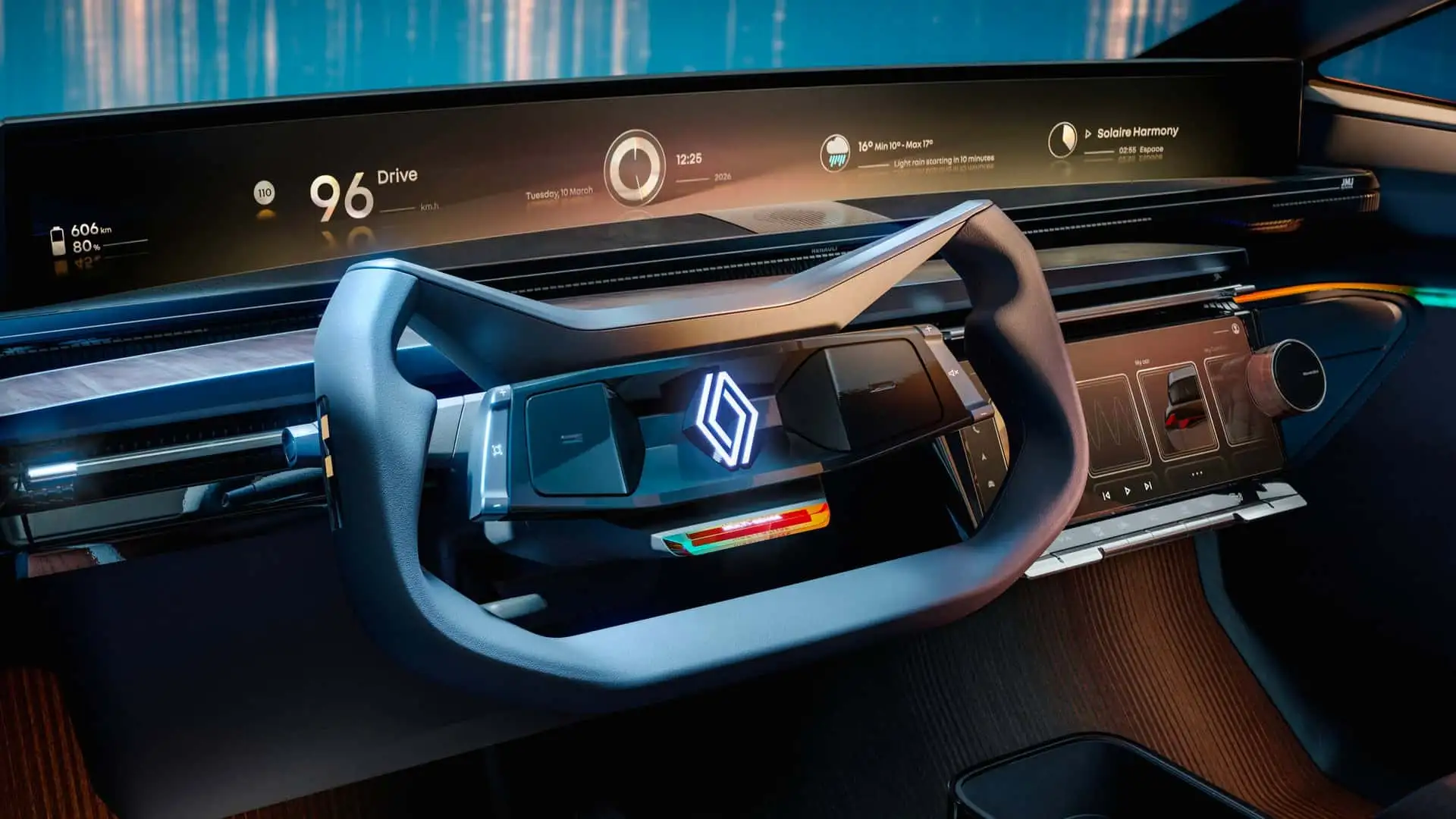
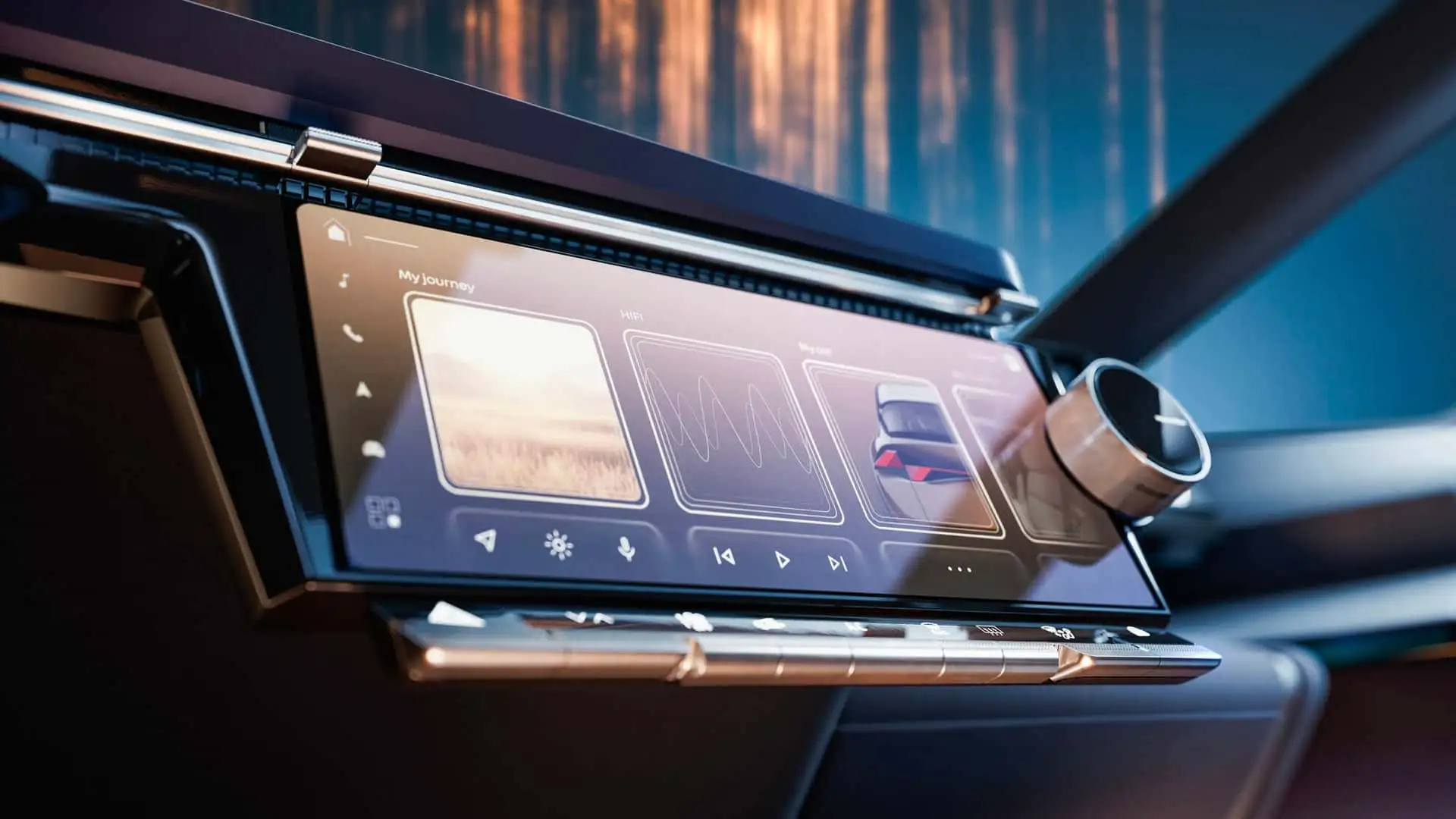
Instead of the conventional dashboard, a curved OpenR panoramic screen extends across the entire width of the vehicle. This digital interface integrates:
- Real-time driving information
- Multimedia systems with centralized touch control
- Driver assistance alerts with immersive visualization
- Artificial intelligence personalization that learns usage patterns
The most controversial innovation, however, is the compact steering wheel with Steer-by-Wire technology. Without a direct mechanical link to the steering, the system transmits commands electronically — an approach that the Mercedes-Benz S-Class 2026 recently dismissed in favor of physical buttons, but which Renault considers inevitable for higher-level autonomous driving.
The Interior That Reconfigures Like Modular Furniture
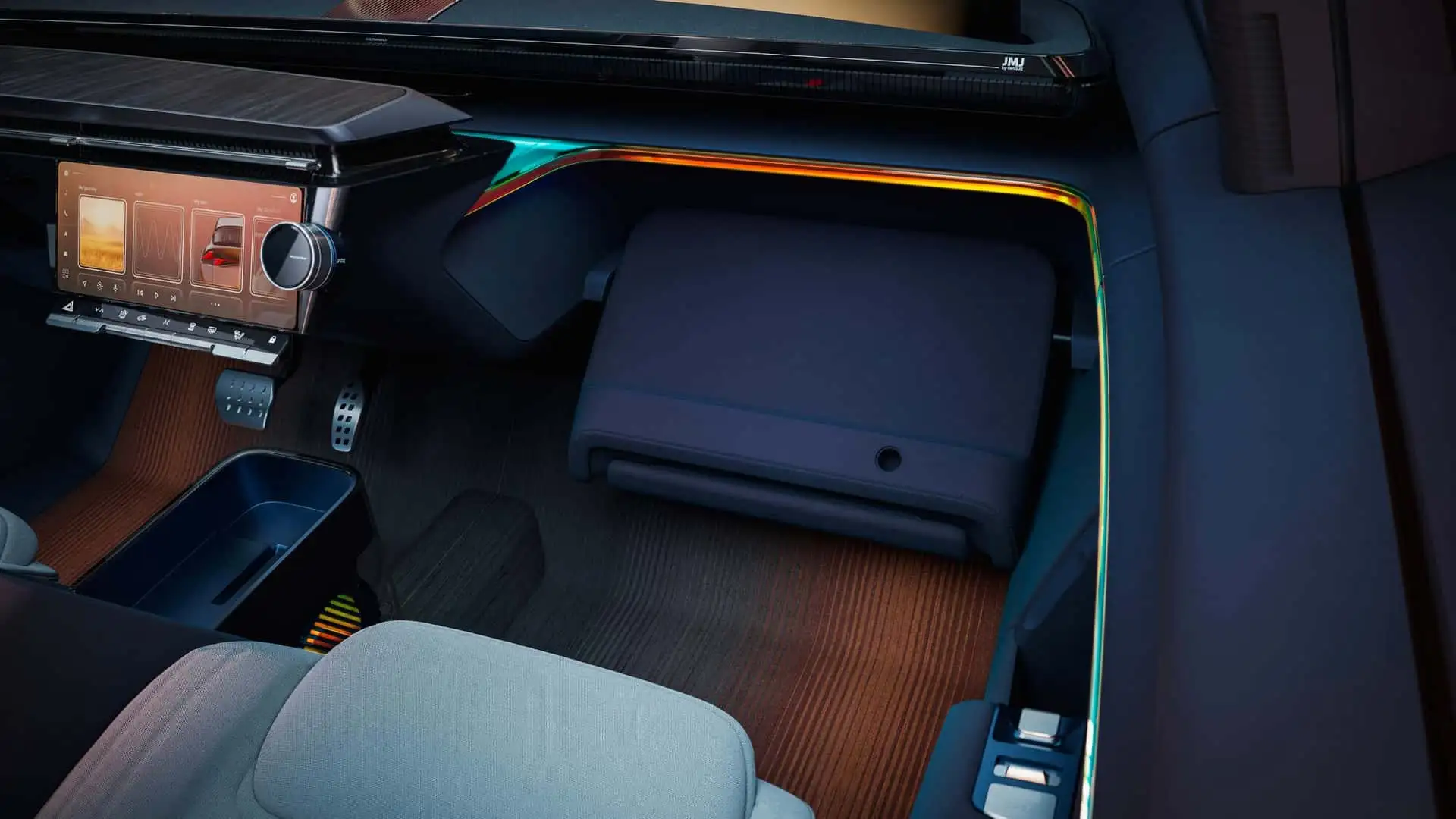
The true revolution of the R-Space Lab lies in spatial variability. Renault completely reimagined the interior architecture, starting with a seemingly simple technical decision that changes everything: the passenger airbags were integrated into the seat itself.
This choice freed the dashboard from mandatory components, allowing the space to transform. The result is a variable glove compartment that works both as a traditional storage compartment and as a retractable shelf to hold devices or meals.
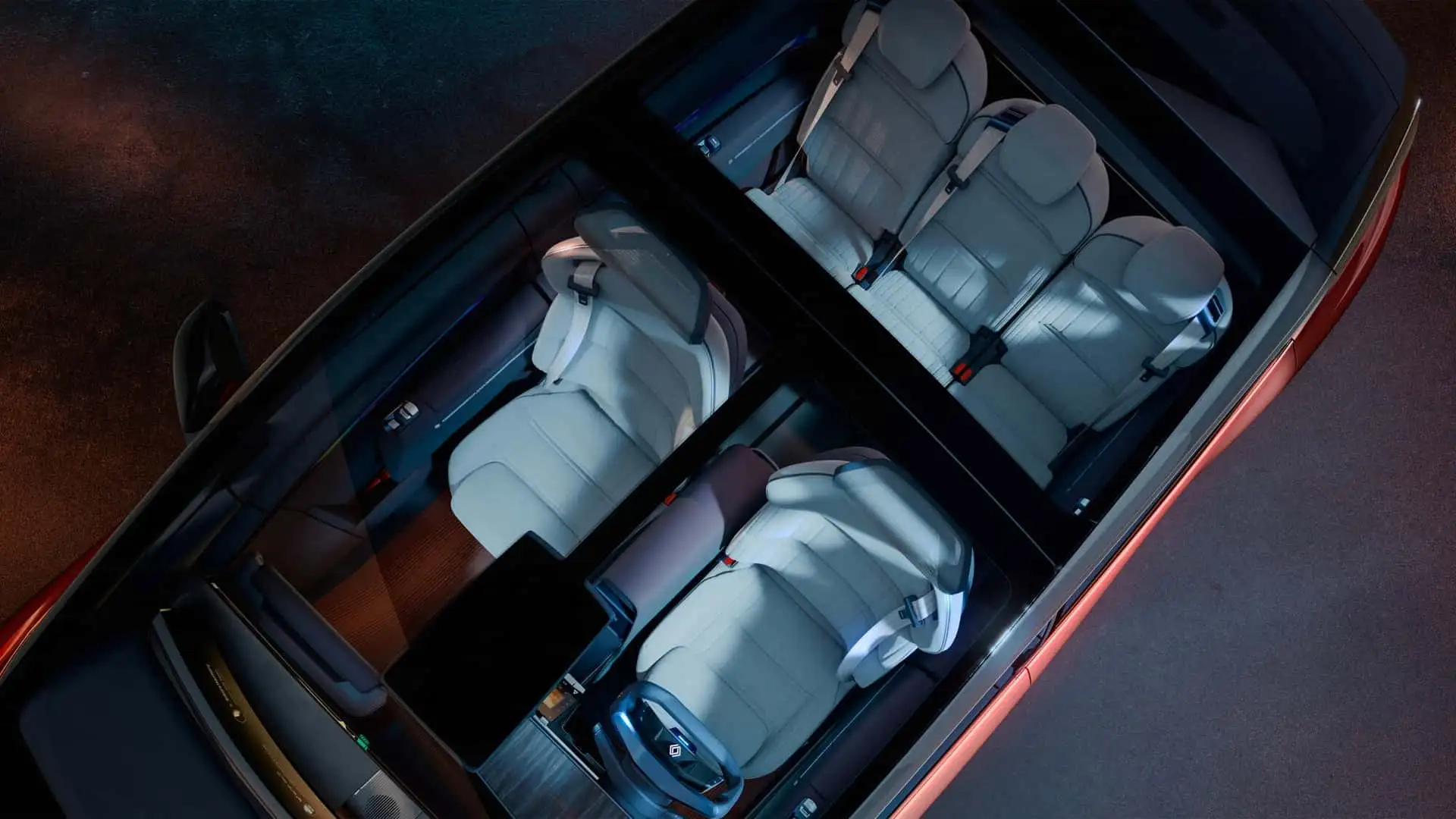
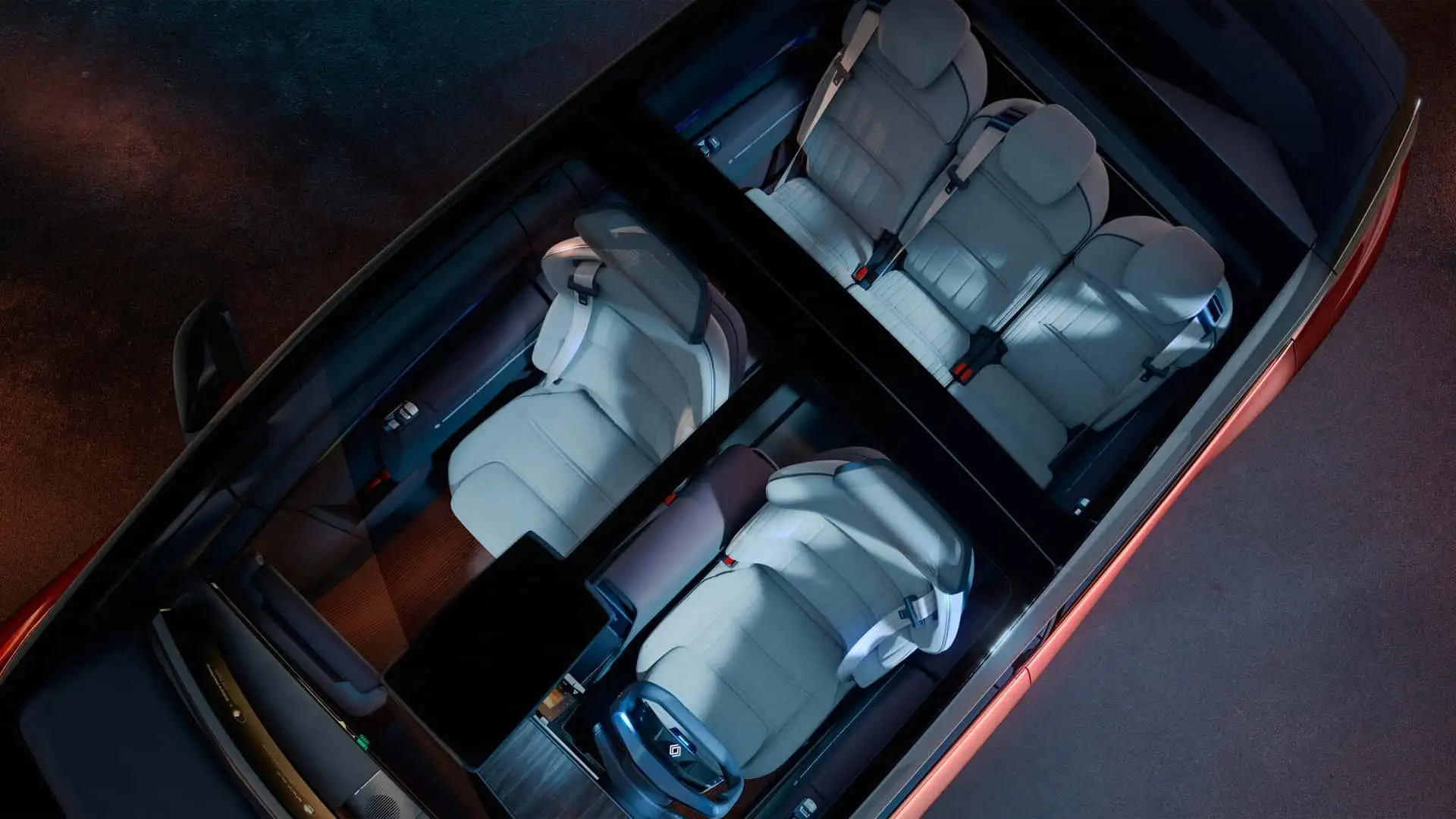
But the most surprising feature is the passenger seat that slides 40 centimeters backward, positioning itself between the two rows. This setup facilitates direct communication with the rear seat occupants, turning travel moments into opportunities for family interaction — something that no current premium SUV can offer.
The rear of the vehicle features three individual seats of identical width, each with a foldable backrest and a seat that tilts upward. Combined with the completely flat floor, this system allows extreme configurations:
| Configuration | Result |
|---|---|
| Seats folded + raised seats | Continuous 2.1-meter cargo platform |
| Asymmetric configuration | Space for a bike + two passengers |
| “Living room” mode | Four adults in a conversational arrangement |
The rear doors open 90 degrees, eliminating the traditional inconvenience of access in tight parking spaces — a lesson that the Hyundai Ioniq 9 2027 also applied in its electric minivan concept.
Technology That Protects Before It Happens
The R-Space Lab incorporates safety systems that anticipate behavioral risks. The most notable is the integrated tactile alcohol detector, specifically aimed at younger drivers. Unlike post-facto systems, this device prevents the vehicle from starting if it detects alcohol levels above the permitted limit.
Artificial intelligence extends to a digital safety assistant that monitors driving patterns and the driver’s physiological conditions, automatically adjusting vehicle parameters or suggesting breaks when it detects signs of fatigue or distraction.
“We are not just building safer cars. We are creating environments that proactively respond to human needs, anticipating behaviors before they become dangerous.”
— Garage Futurama Development Team
This predictive safety philosophy contrasts with more reactive market approaches, positioning Renault in a technological spectrum that directly competes with XPeng’s advanced autonomous systems.
The Renault R-Space Lab remains a feasibility study, not an imminent product. However, every tested element — from the panoramic screen to the transformable seats, from drive-by-wire steering to the alcohol detector — represents a calculated bet on how family mobility will evolve in the coming decades. The question that remains is: when these concepts finally hit the streets, will we still recognize the automobile as we know it today?