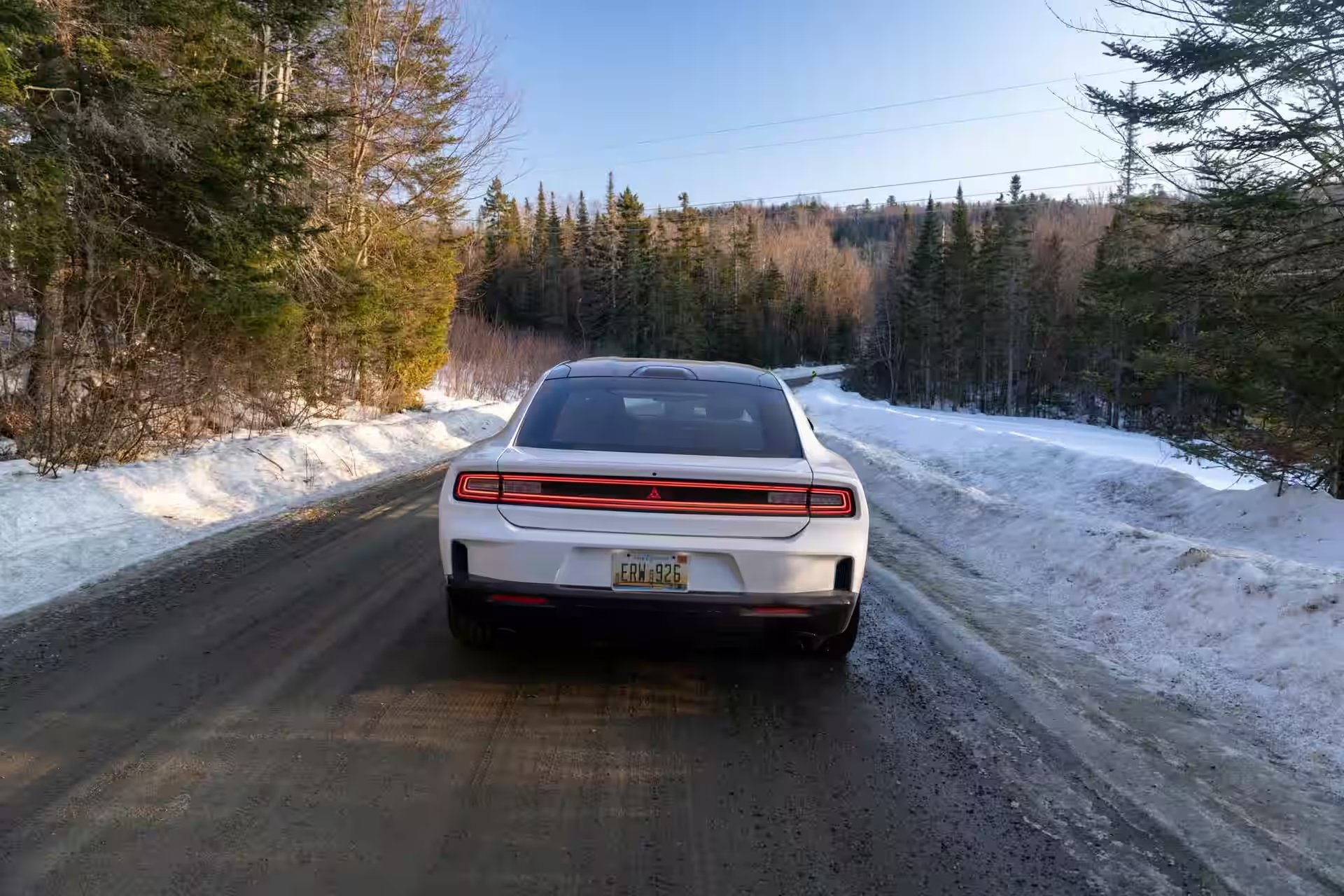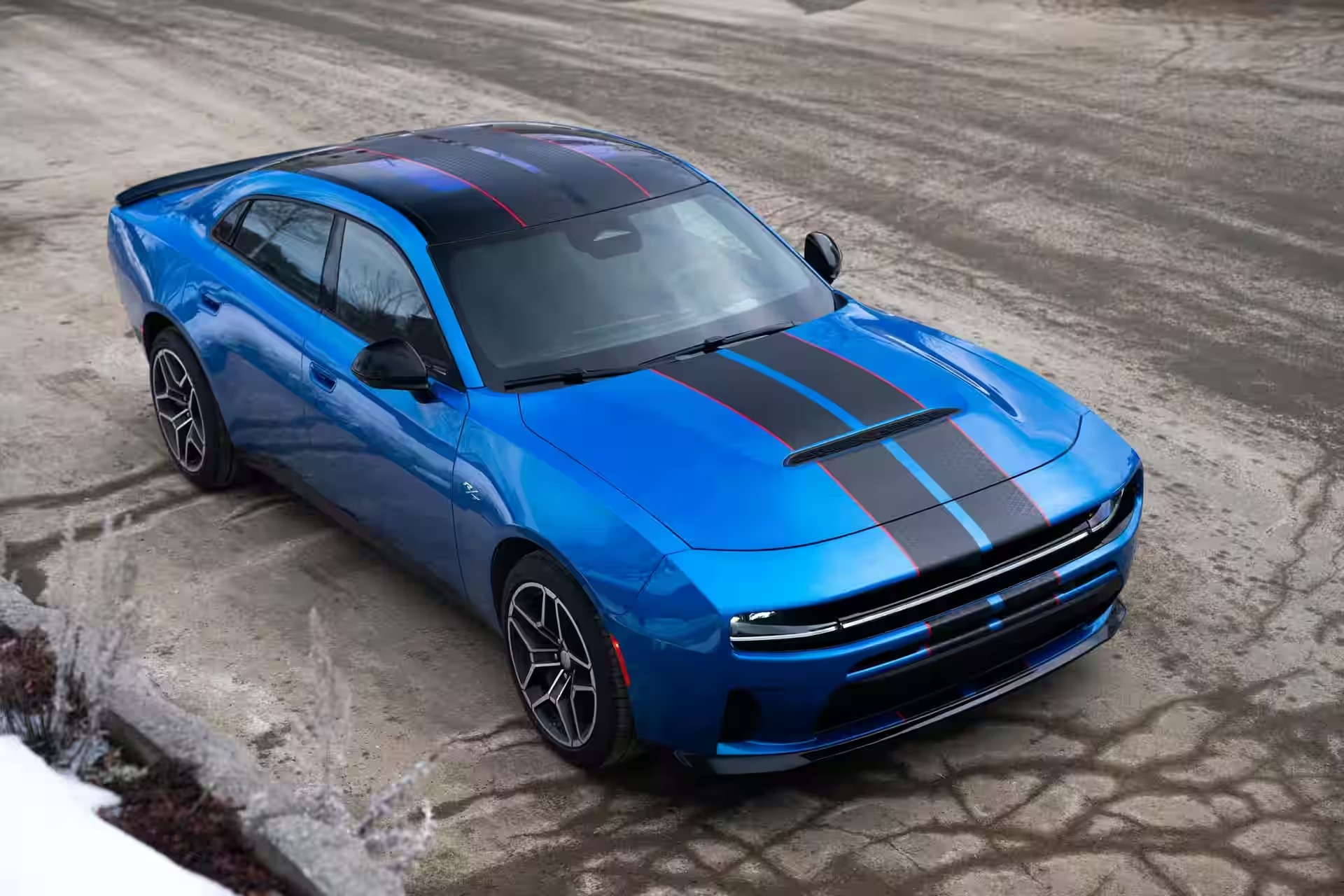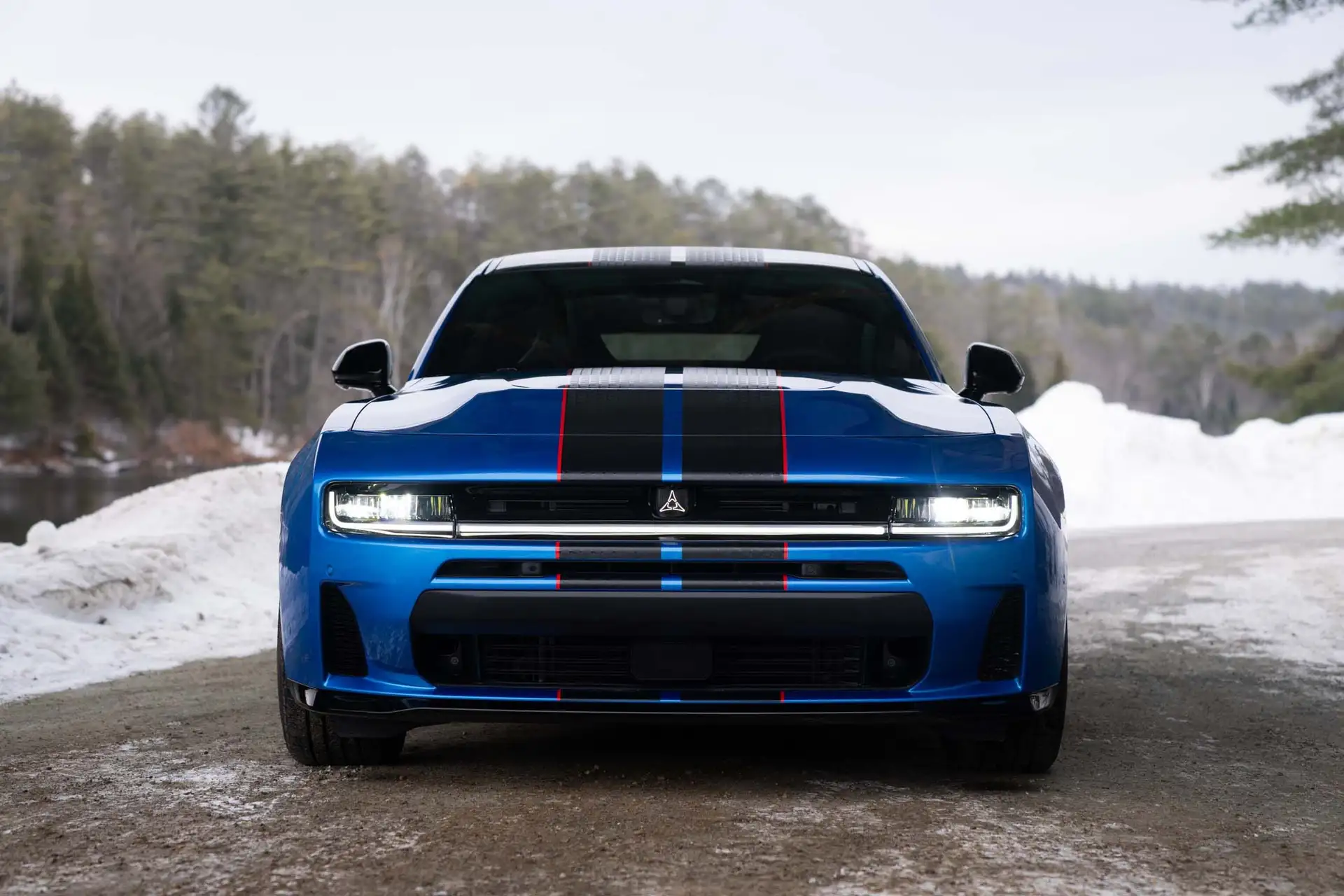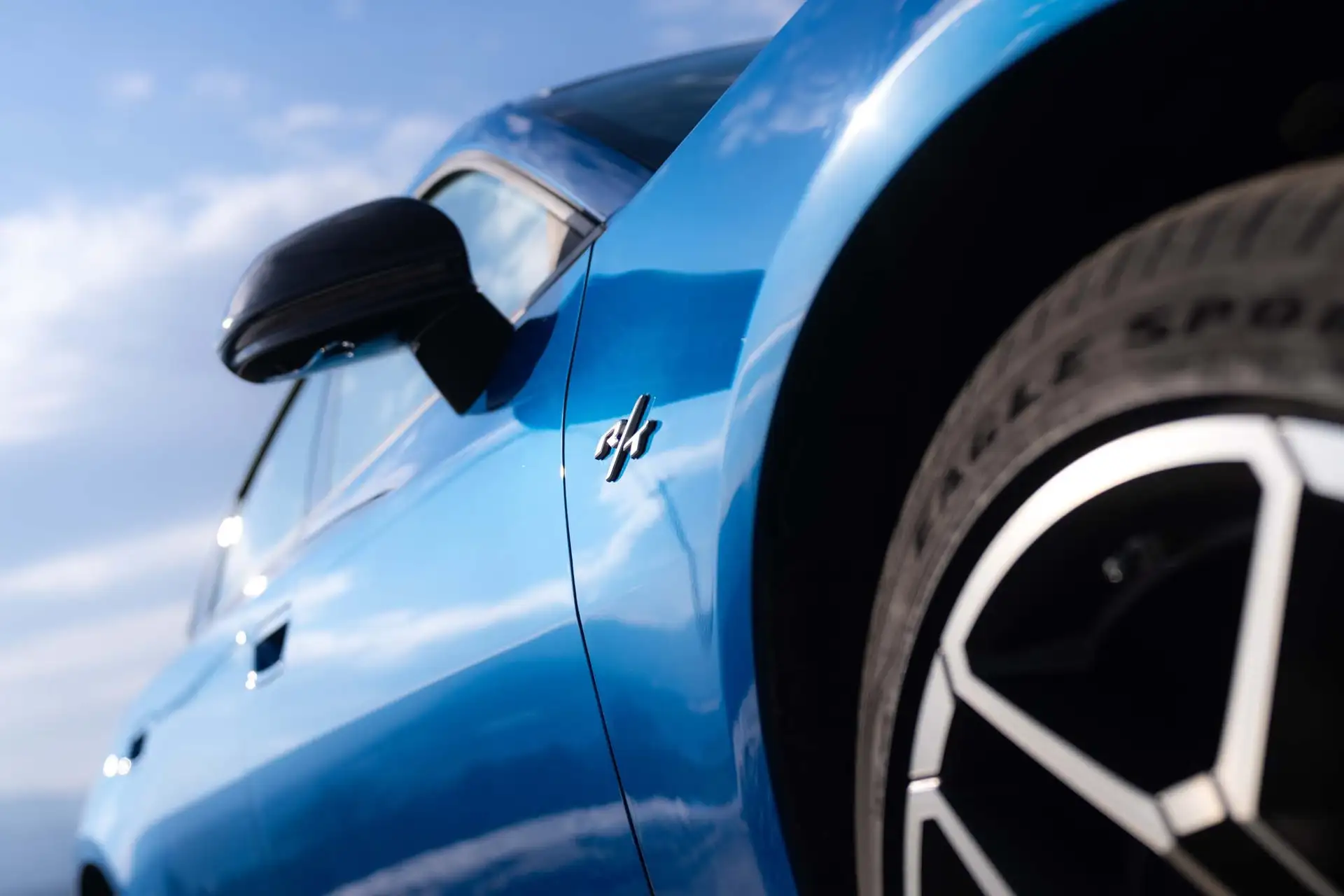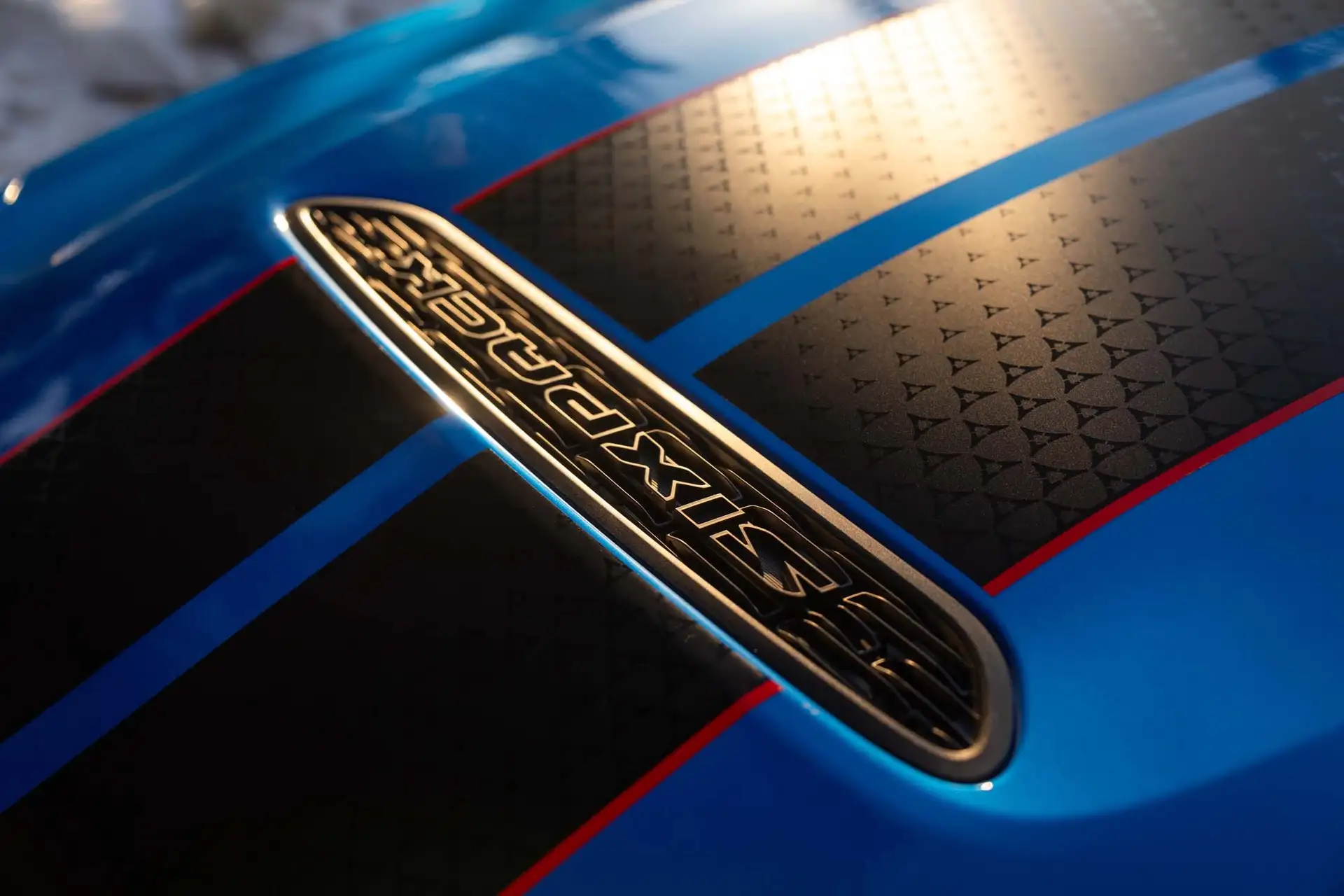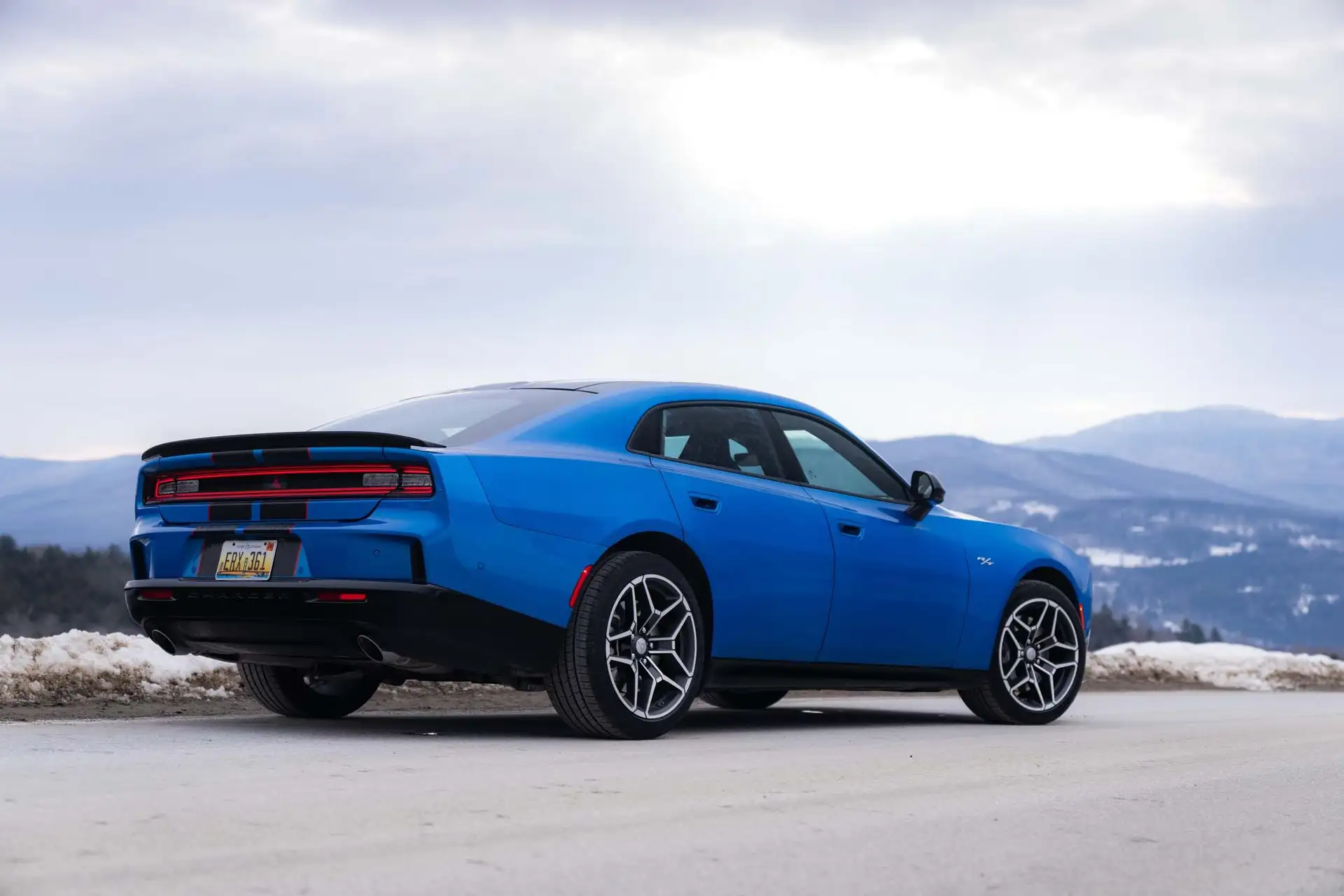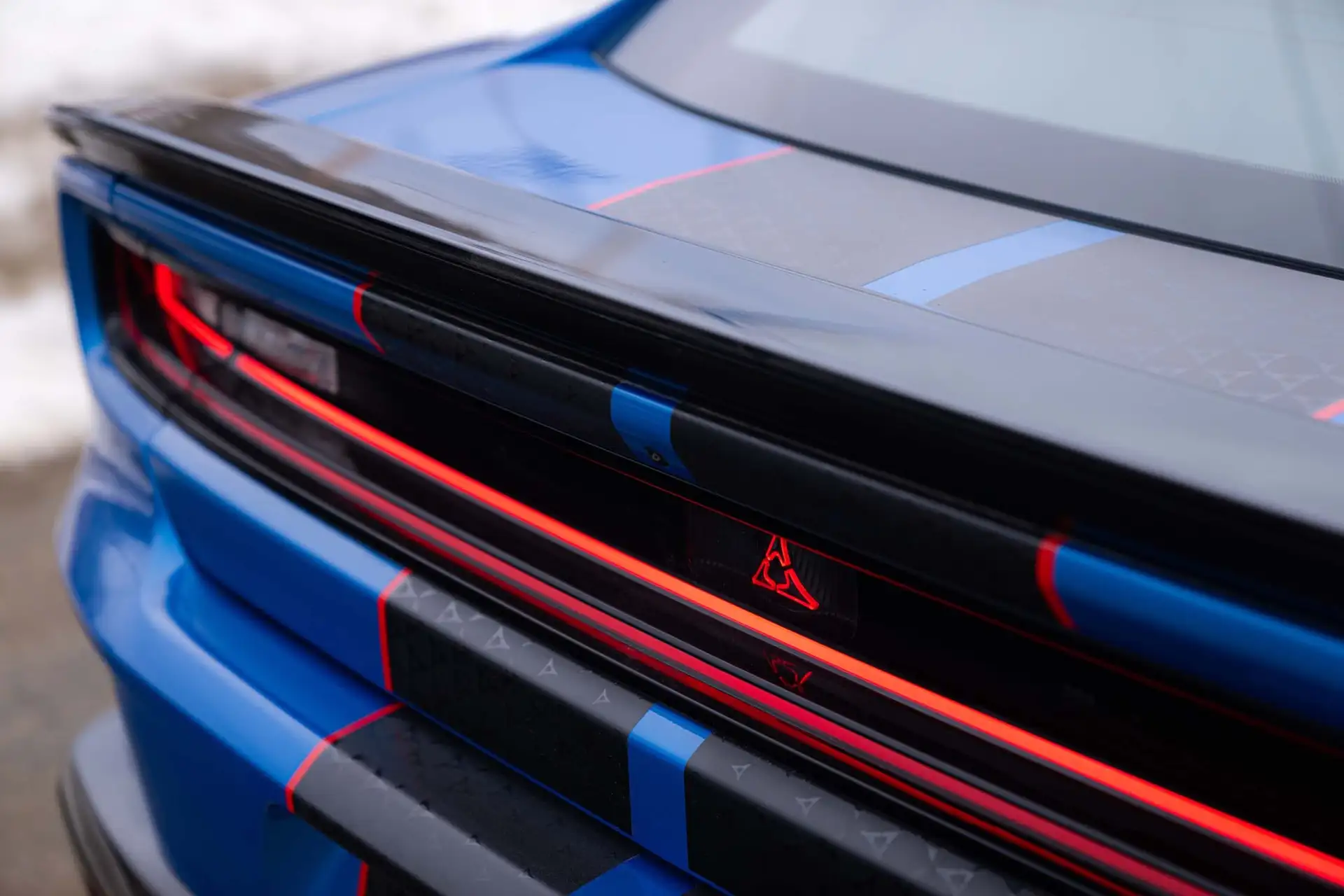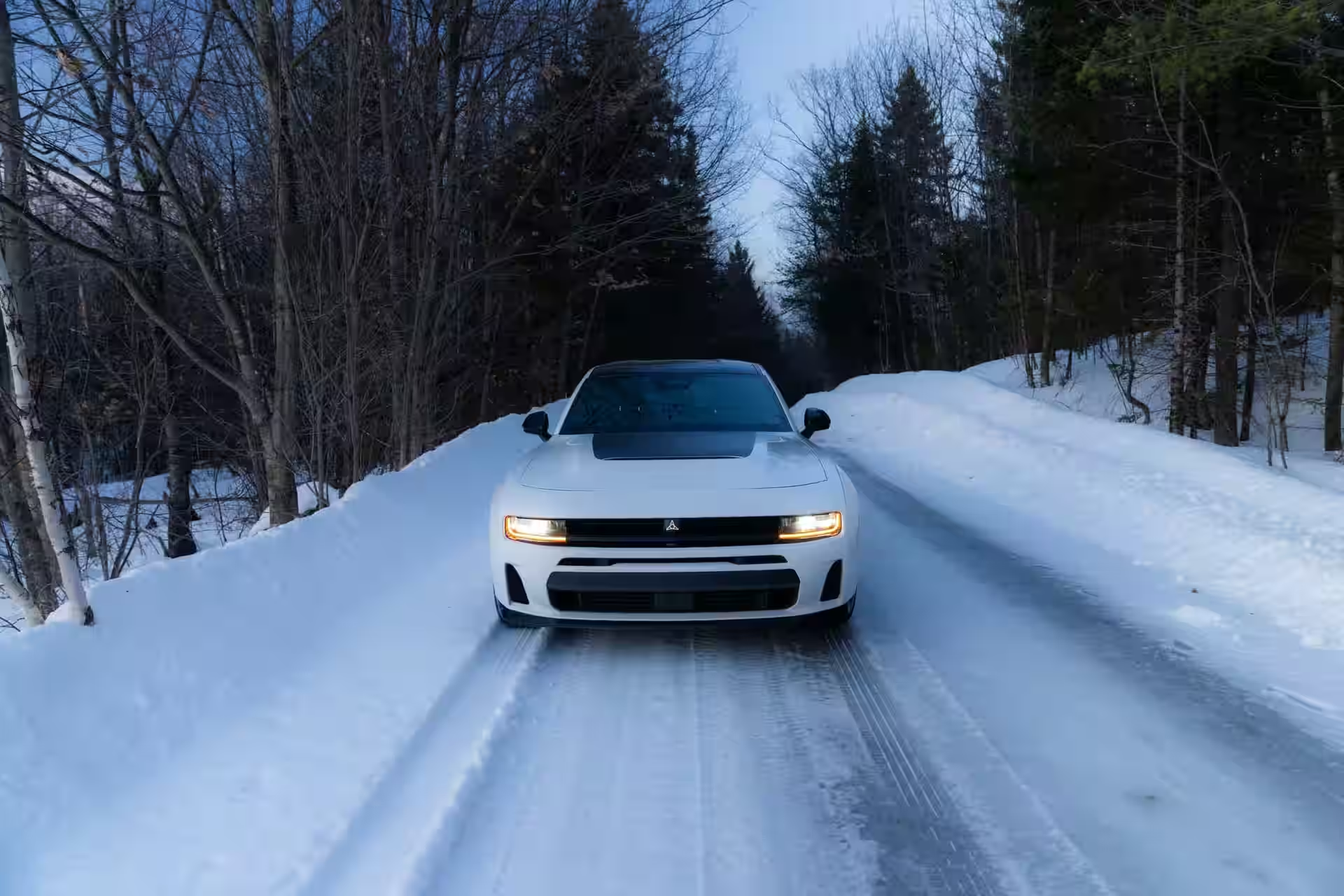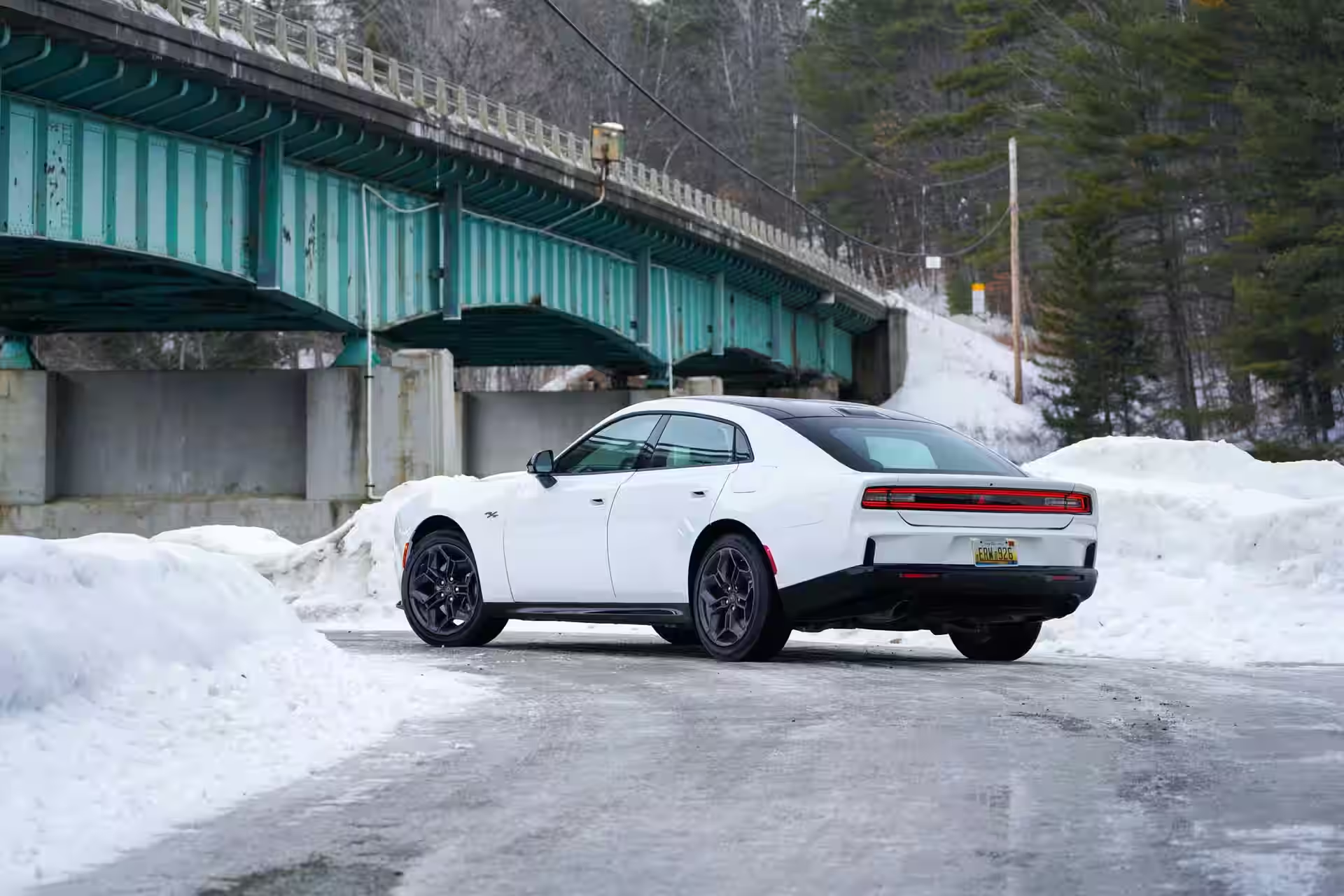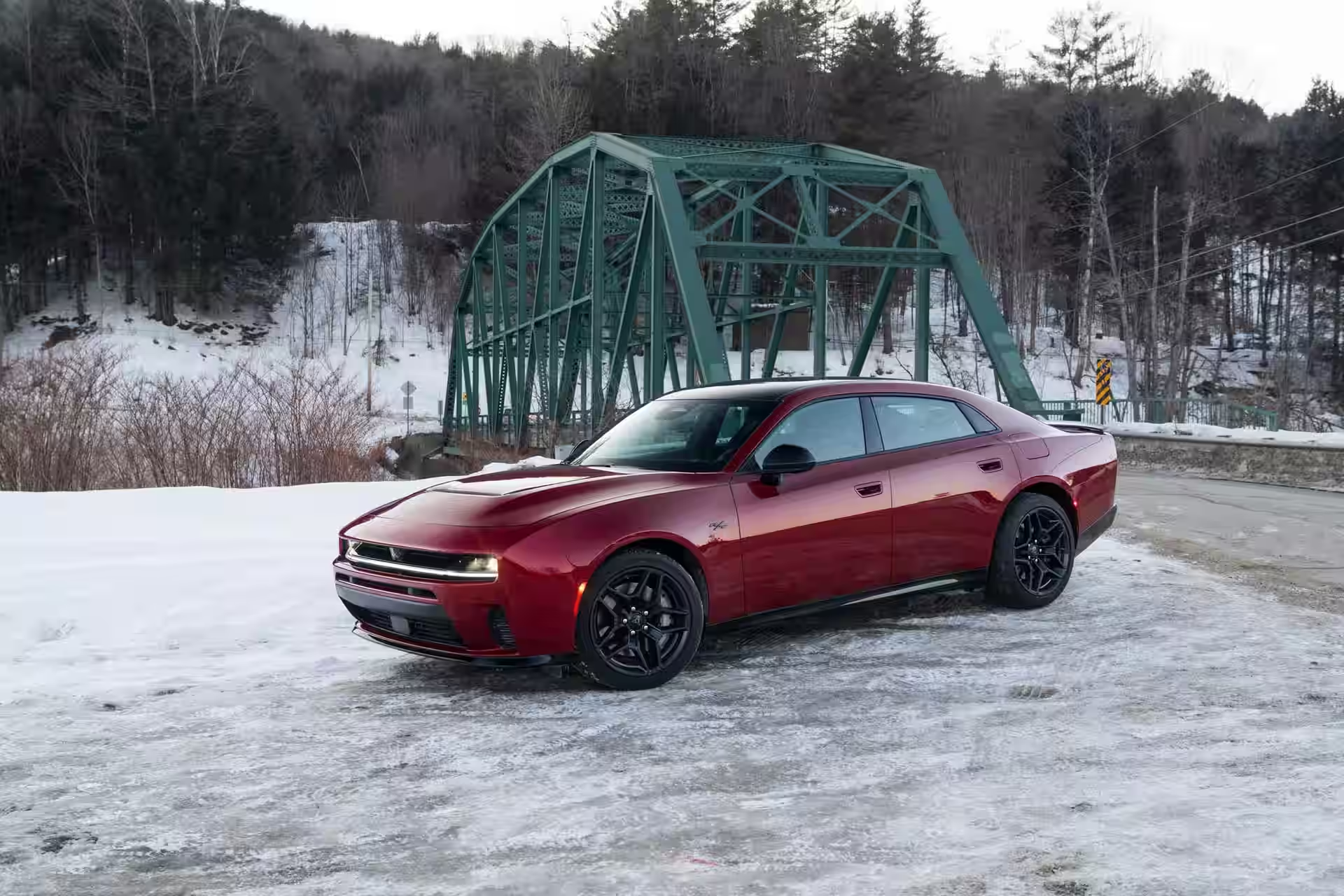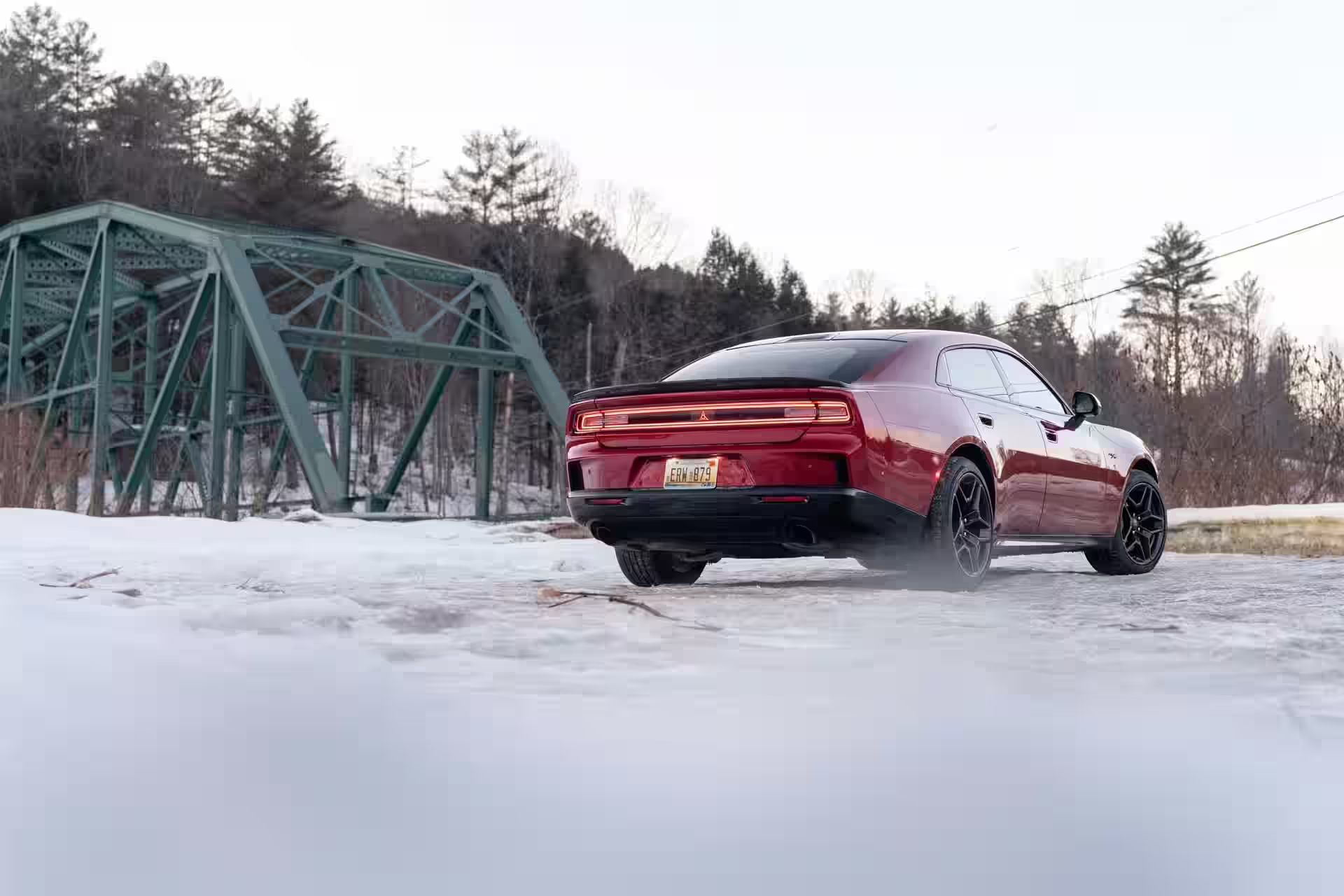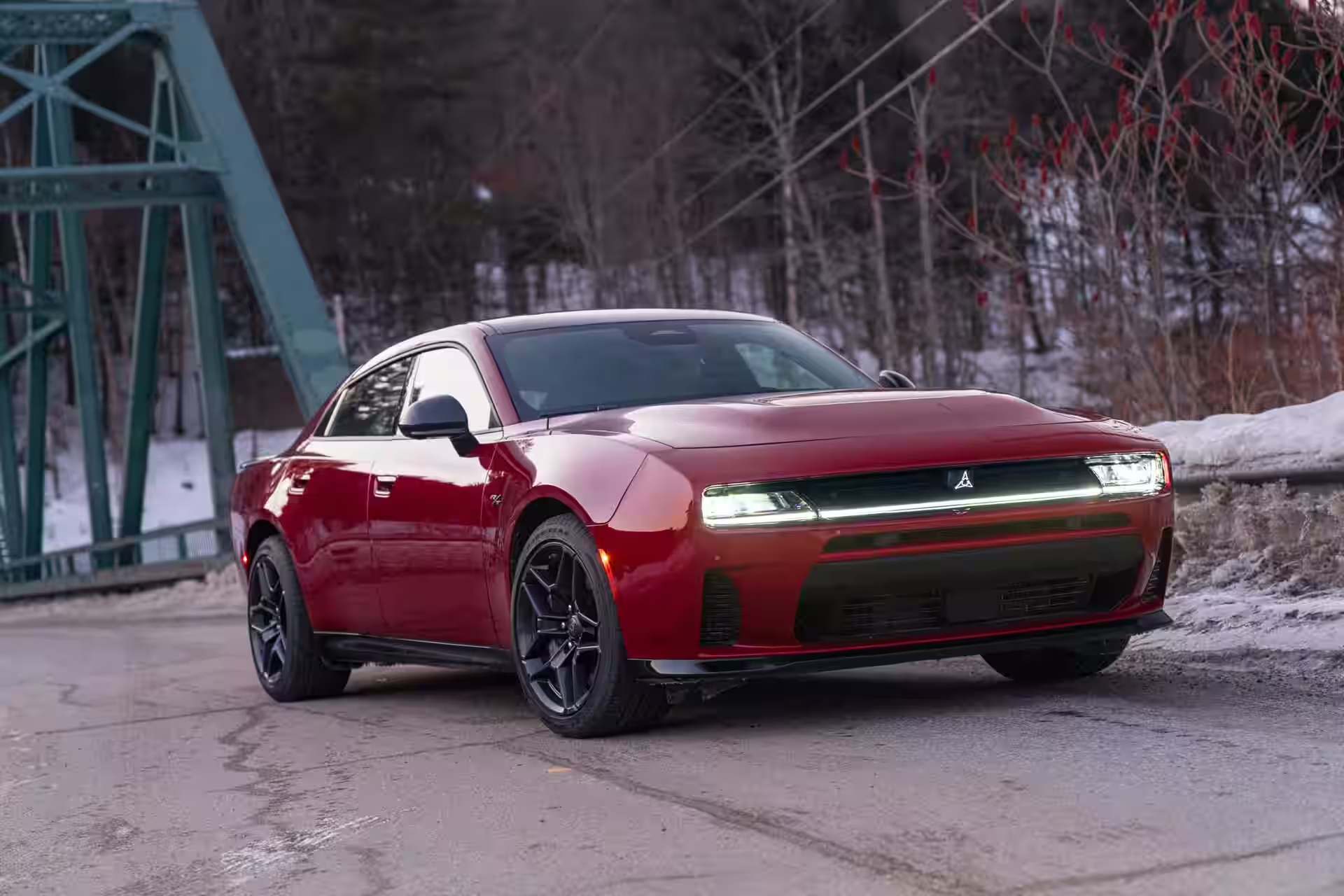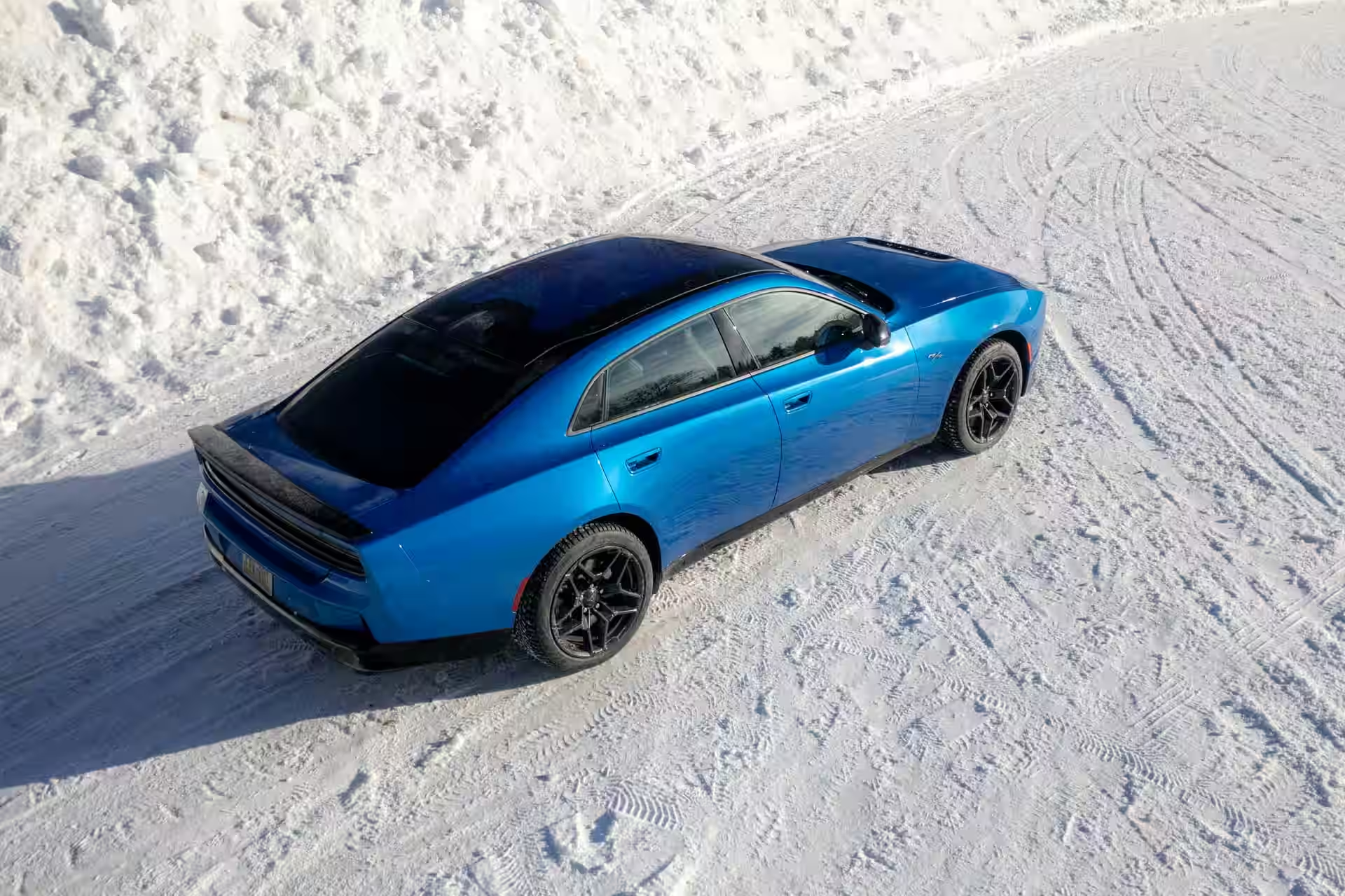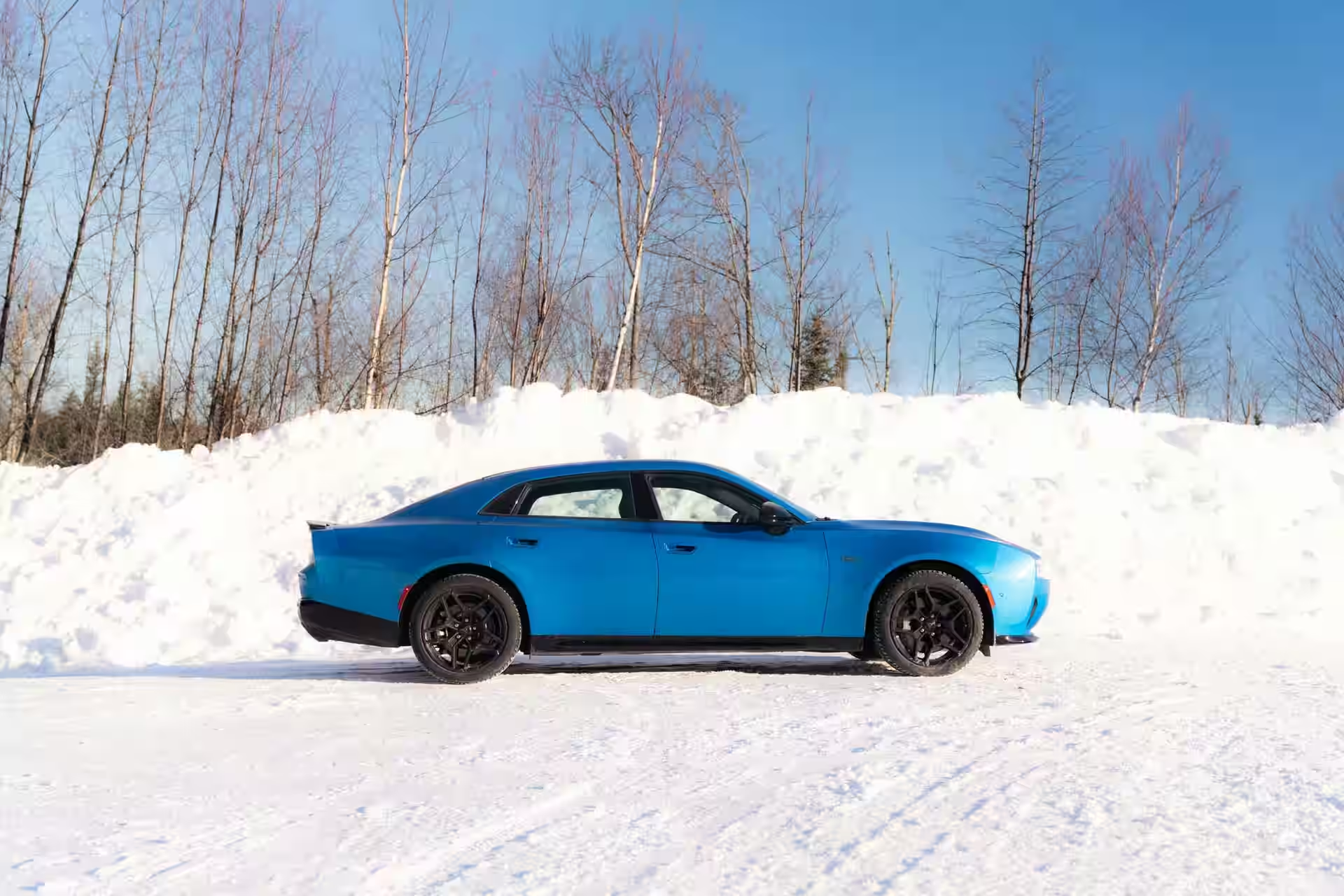
DODGE CHARGER R/T 2026 swaps the V8 for the Hurricane engine with 420 HP. See if the new performance surpasses tradition and check the prices here.
Dodge has finally revealed the missing piece in the puzzle of the new 2026 Charger. After months of speculation about the future of American muscle cars, the Charger Sixpack R/T arrives as the most accessible entry point in the lineup—but does “accessible” mean “enough” when the cost of ambition is so close?
Why Dodge Abandoned the V8 (And Why That Might Be Smart)
The history of American muscle cars has always been written in eight cylinders. The guttural roar of the 5.7-liter Hemi defined generations of enthusiasts. But the reality of emissions regulations and the pressure for efficiency forced Dodge into a dramatic turnaround. The result? The Hurricane twin-turbo 3.0-liter inline-six, an architecture that Stellantis has been refining in recent years.
The standard-output (S.O.) version of the R/T delivers 420 HP at 5,200 rpm and 468 lb-ft of torque at just 2,500 rpm. On paper, these numbers overshadow the old 5.7 V8, which produced a modest 370 HP and 395 lb-ft. The 0-60 mph acceleration drops from 5.1 to 4.6 seconds, and the quarter-mile is covered in 12.9 seconds at 107 mph—half a second faster than the previous generation.
But here’s the detail few mention: the complexity of twin turbos and direct injection represents a technological leap that may intimidate traditional mechanics. The true longevity of this engine will only be known in a decade.
The True Cost of the 130 Horses You Save
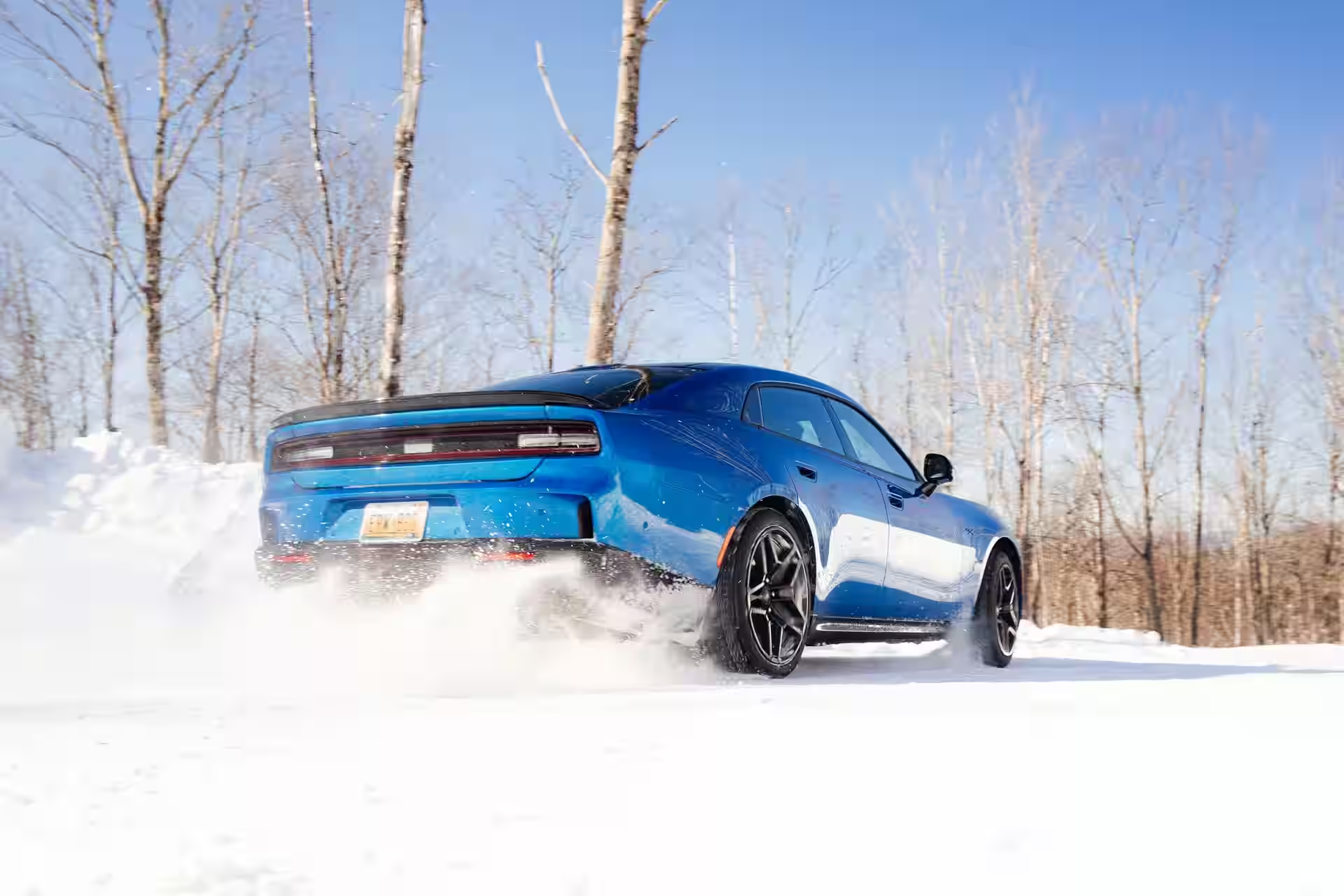
Dodge created a cruel dilemma for buyers. The Charger Sixpack Scat Pack, with its high-output version of the Hurricane, delivers 550 HP and 531 lb-ft — a jump of 130 horsepower for just $5,000 more. In terms of cost per horsepower, the Scat Pack is practically a steal.
The technical difference between the engines goes beyond software. The R/T uses 50mm turbos versus the 54mm turbos of the Scat Pack, generating 22 psi of boost against 30 psi. Internally, the more powerful engine receives reinforced rods and pistons, an expanded cooling system, and a higher flow fuel pump. Interestingly, the smaller turbos on the R/T spool faster, delivering peak torque 1,000 rpm earlier — making the expensive daily driver more responsive in city traffic.
The base price of the 2026 Charger R/T starts at $51,990 for the two-door coupe. Add $2,000 for four doors, and get ready for an options list that quickly inflates the bill. The Performance Handling Group ($2,995) adds sport suspension, bucket seats, Brembo brakes, and drift modes — practically mandatory for anyone wanting the complete muscle car experience.
How It Behaves When the Road Gets Winding
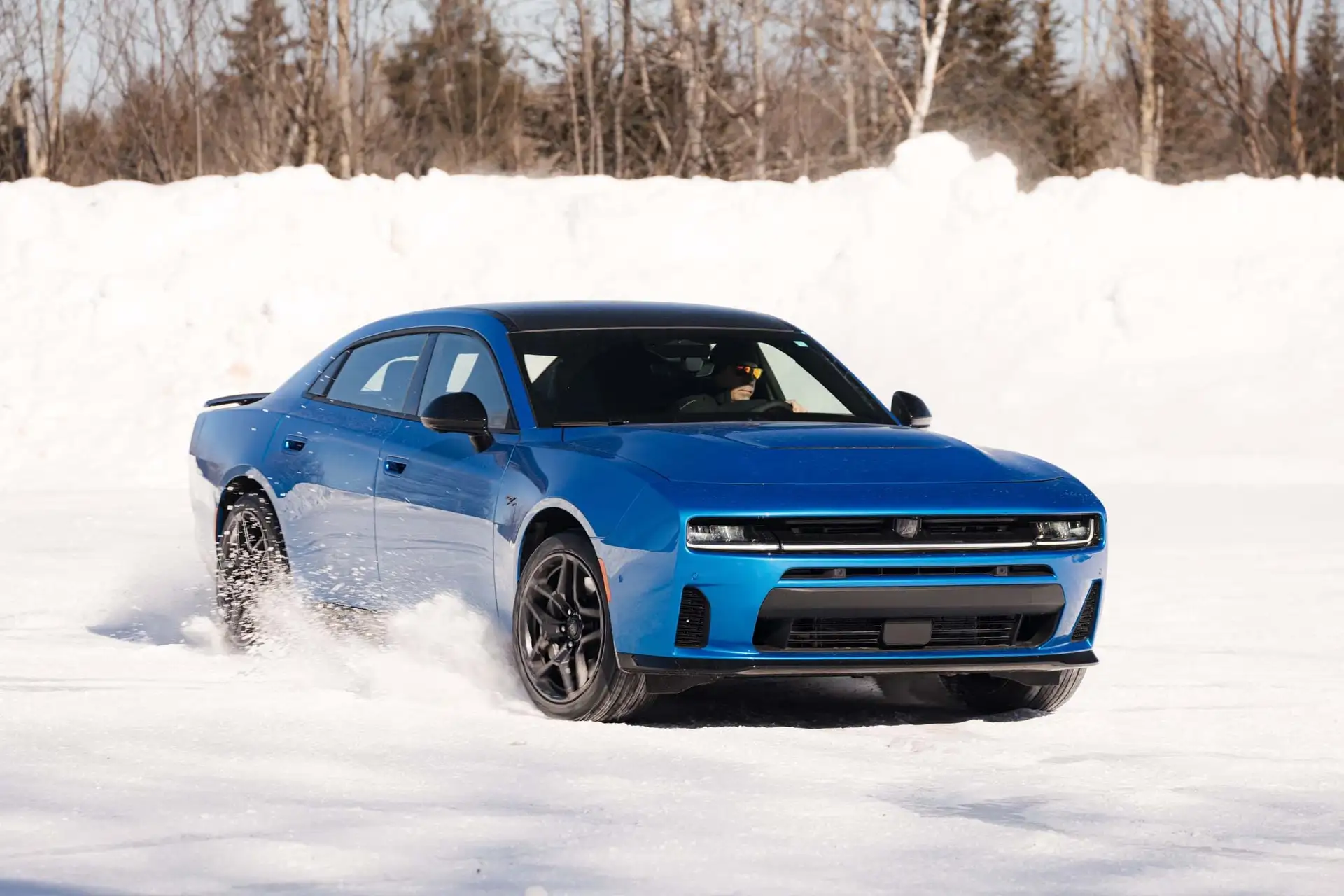
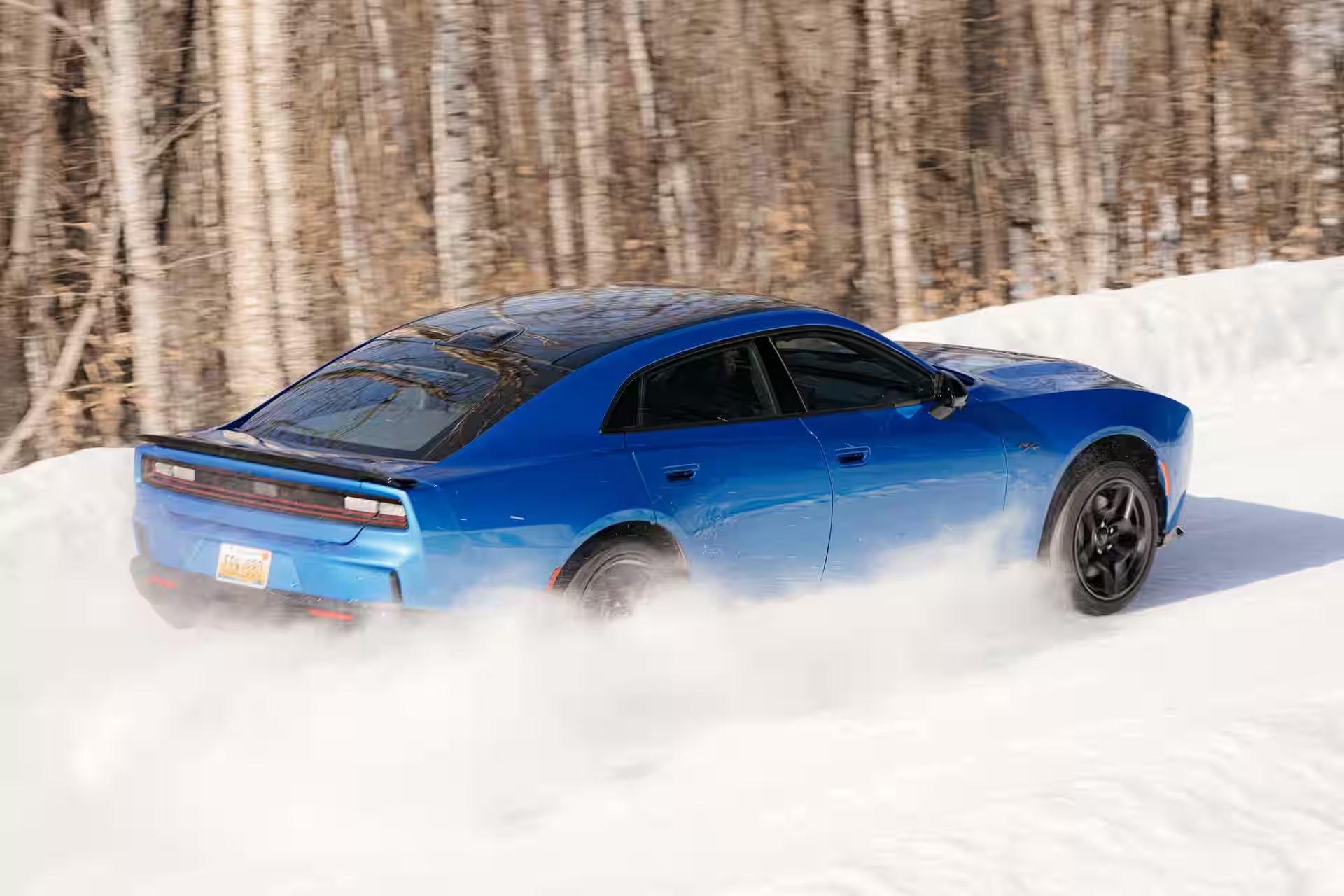
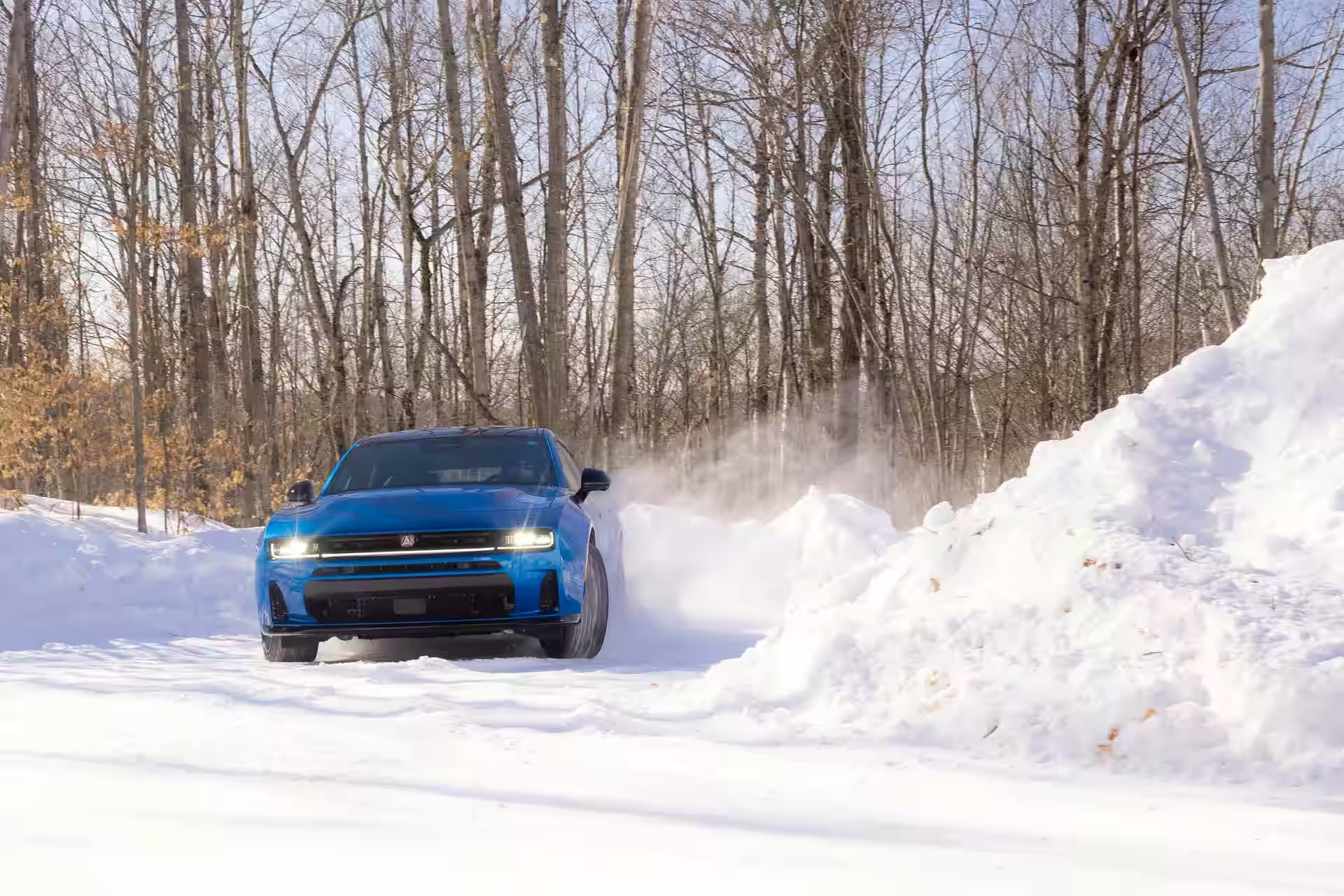
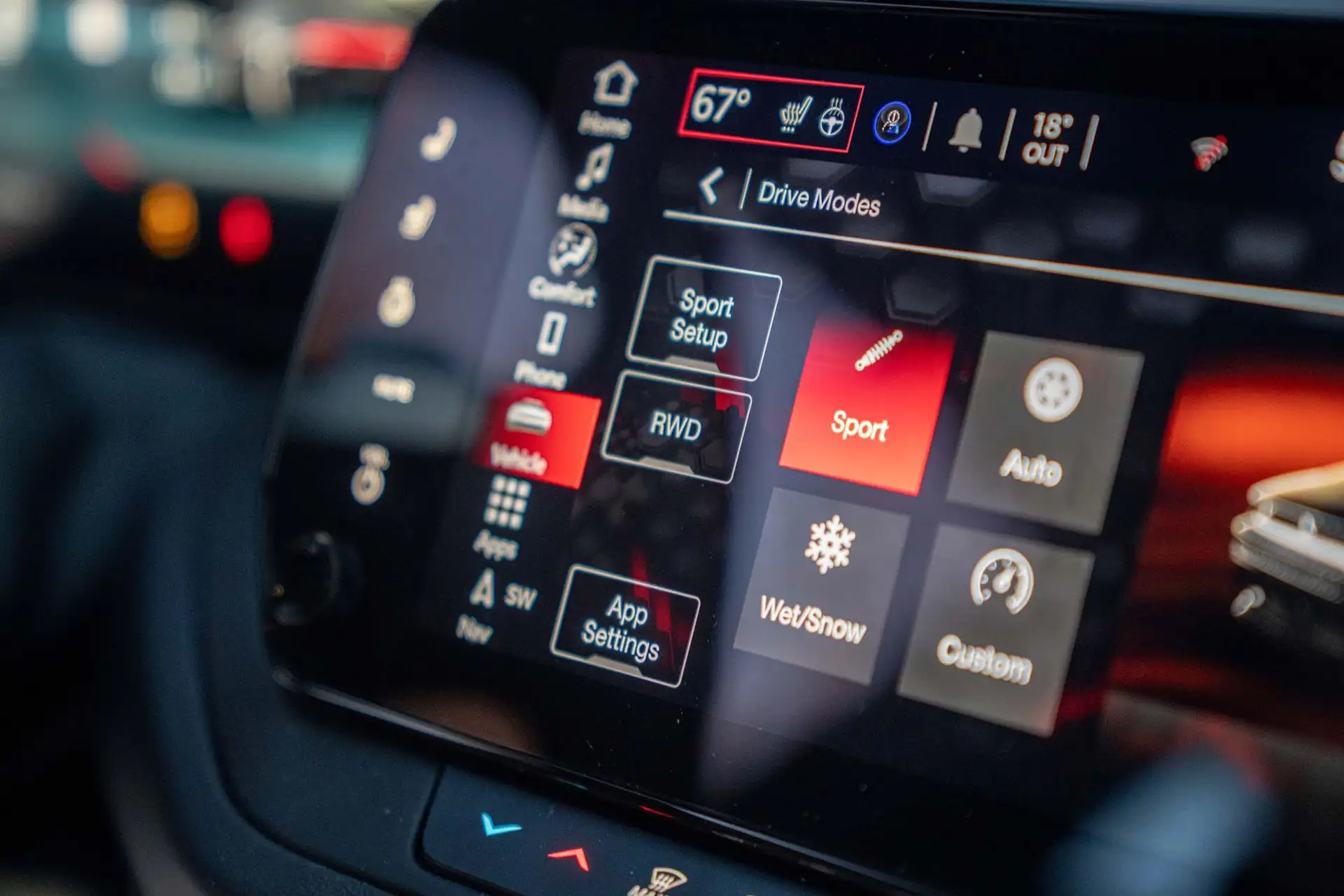
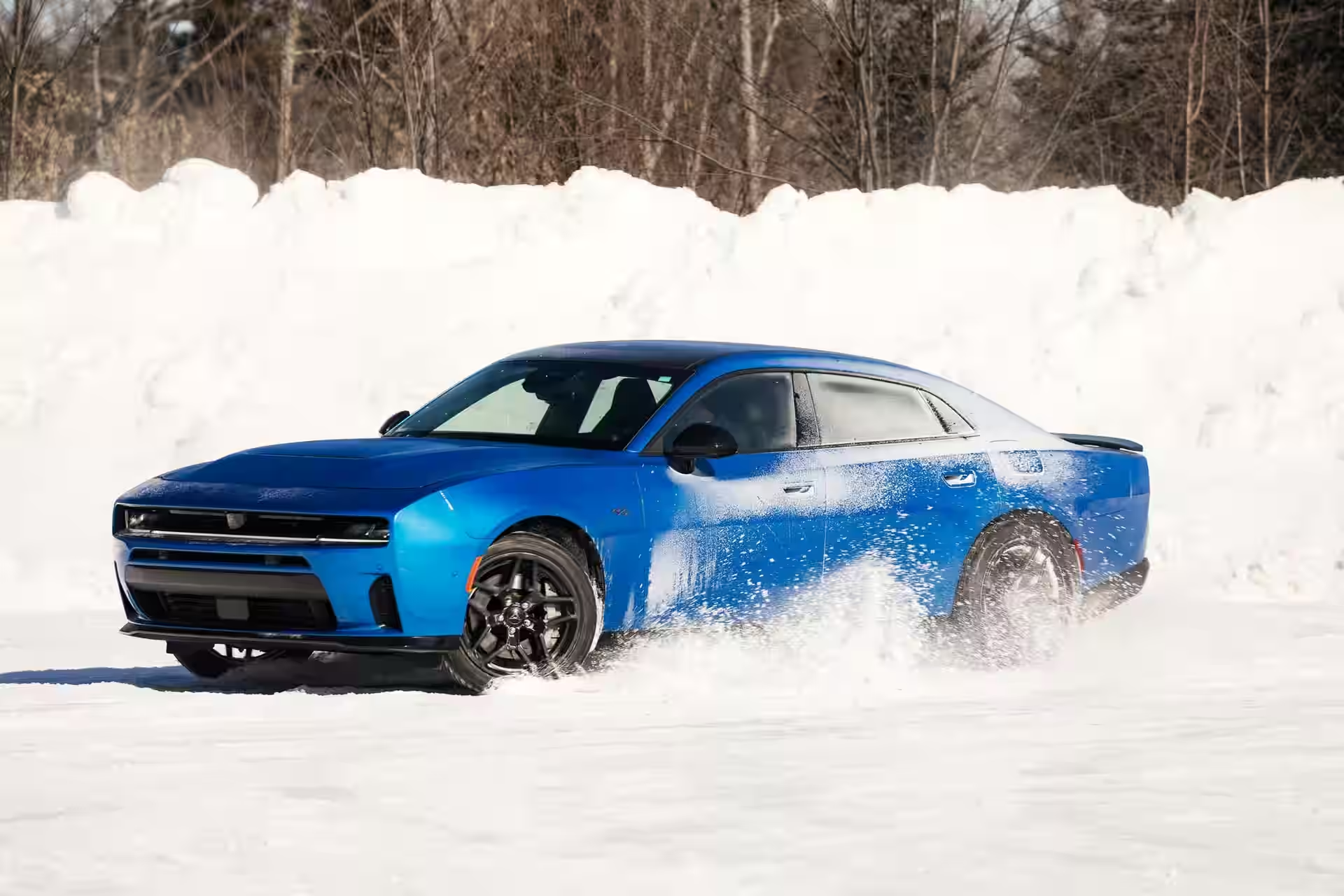
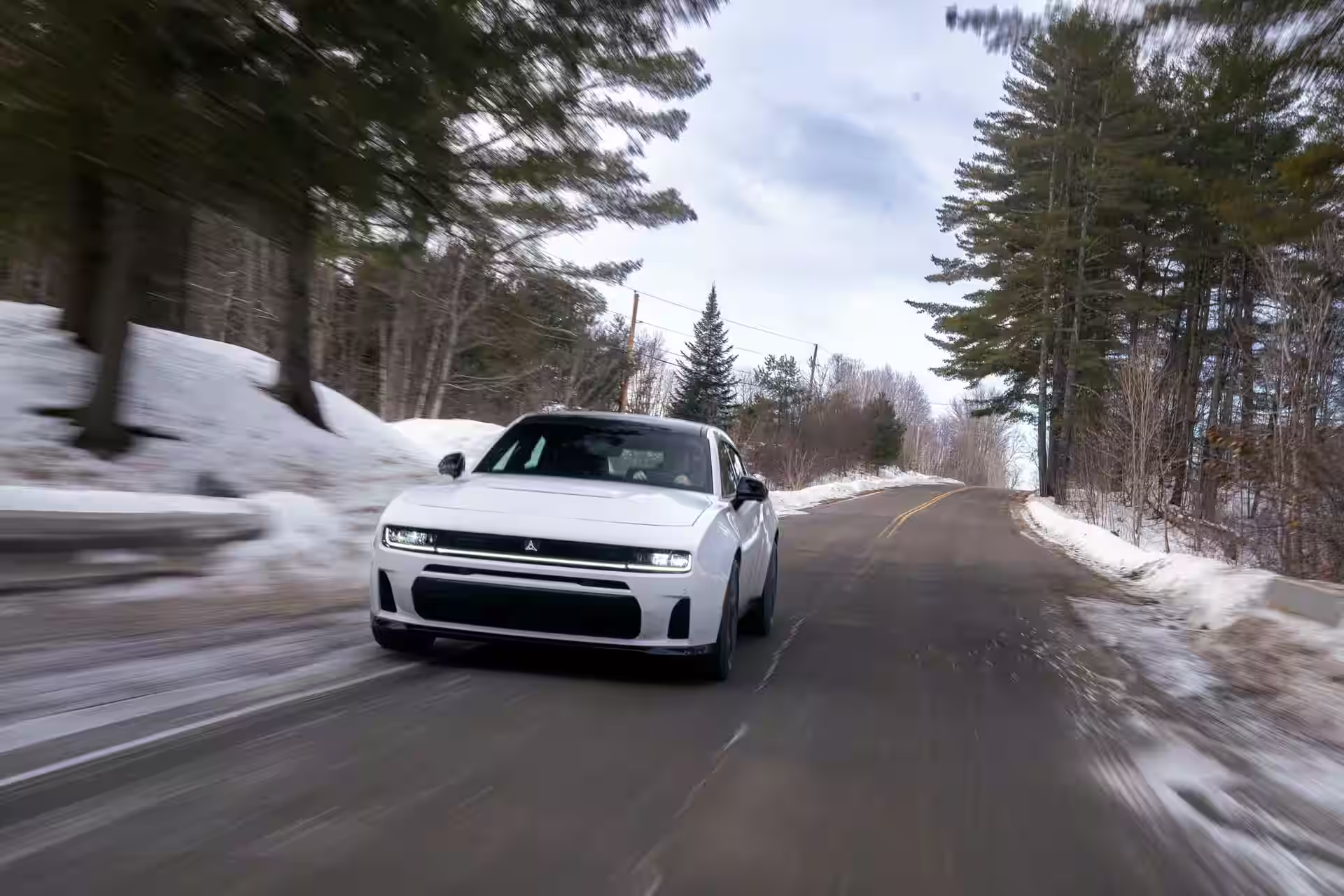
Dodge chose Stowe, Vermont, to demonstrate a feature few expected from a muscle car: intelligent all-wheel drive. The system can completely disconnect the front axle, turning the Charger into a purist rear-wheel-drive for moments of controlled fun.
In the snow and ice of the region, the R/T showed surprising competence. With Pirelli winter tires, the traction control allows for predictable slides and elegant recoveries. The Sport mode redistributes torque to the rear, reducing the typical understeer of AWD systems. However, pushed beyond six-tenths of its capacity, the car reveals its nature: steering with no feedback, pronounced body roll, and a mass of approximately 2,220 kg that never lets you forget the vehicle’s dimensions.
The base suspension offers superior comfort for rough roads, while the sporty configuration of the Performance Handling Group punishes occupants on degraded pavement. The choice between comfort and performance is more binary than in European rivals who master the art of the “sport comfort mode”.
For those looking to understand how different engine setups affect the dynamics of a large vehicle, it’s worth comparing with the 2027 Kia Telluride, which also dropped the V6 for a turbo with more low-end torque.
The Interior That Intelligently Hides Its Origins
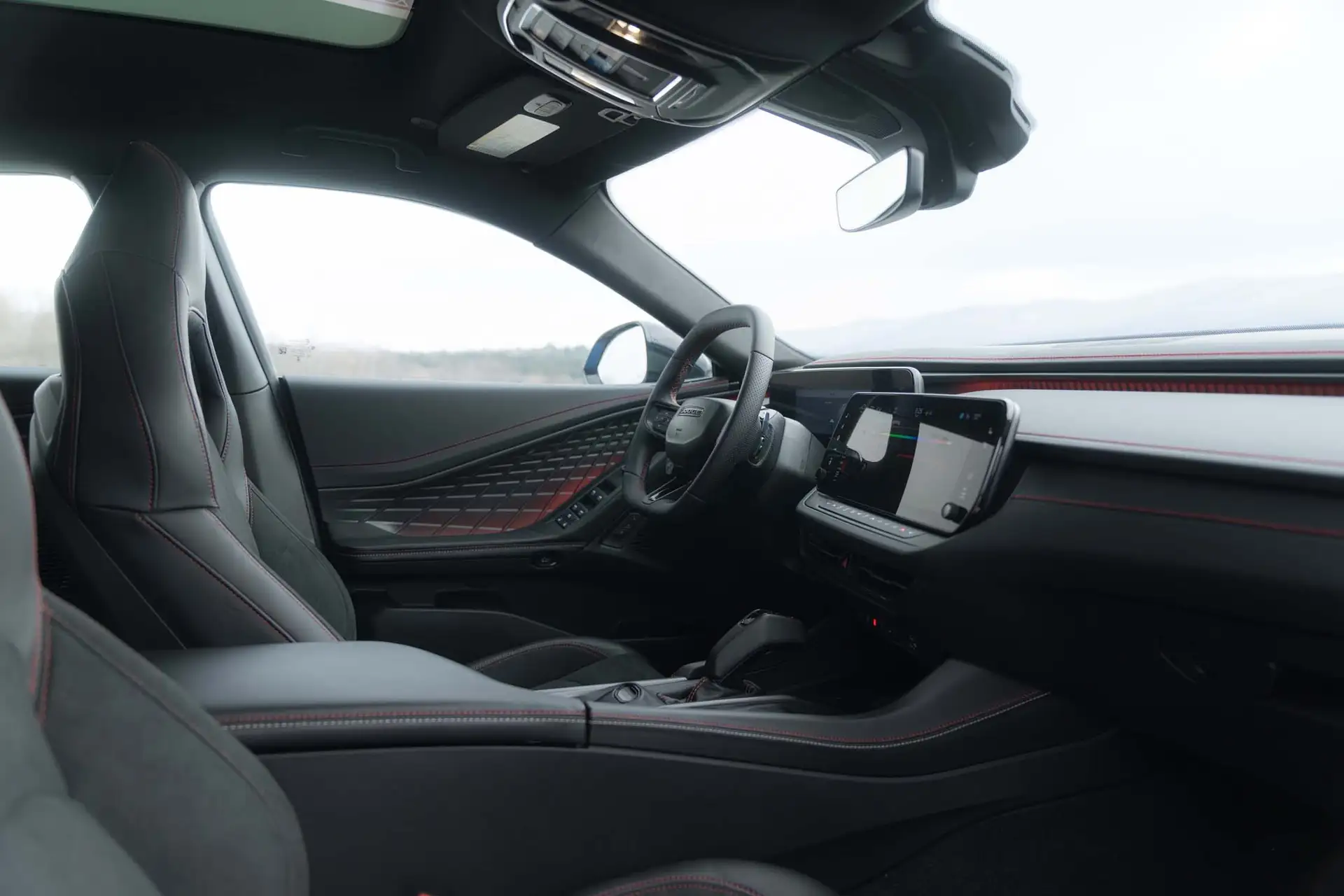
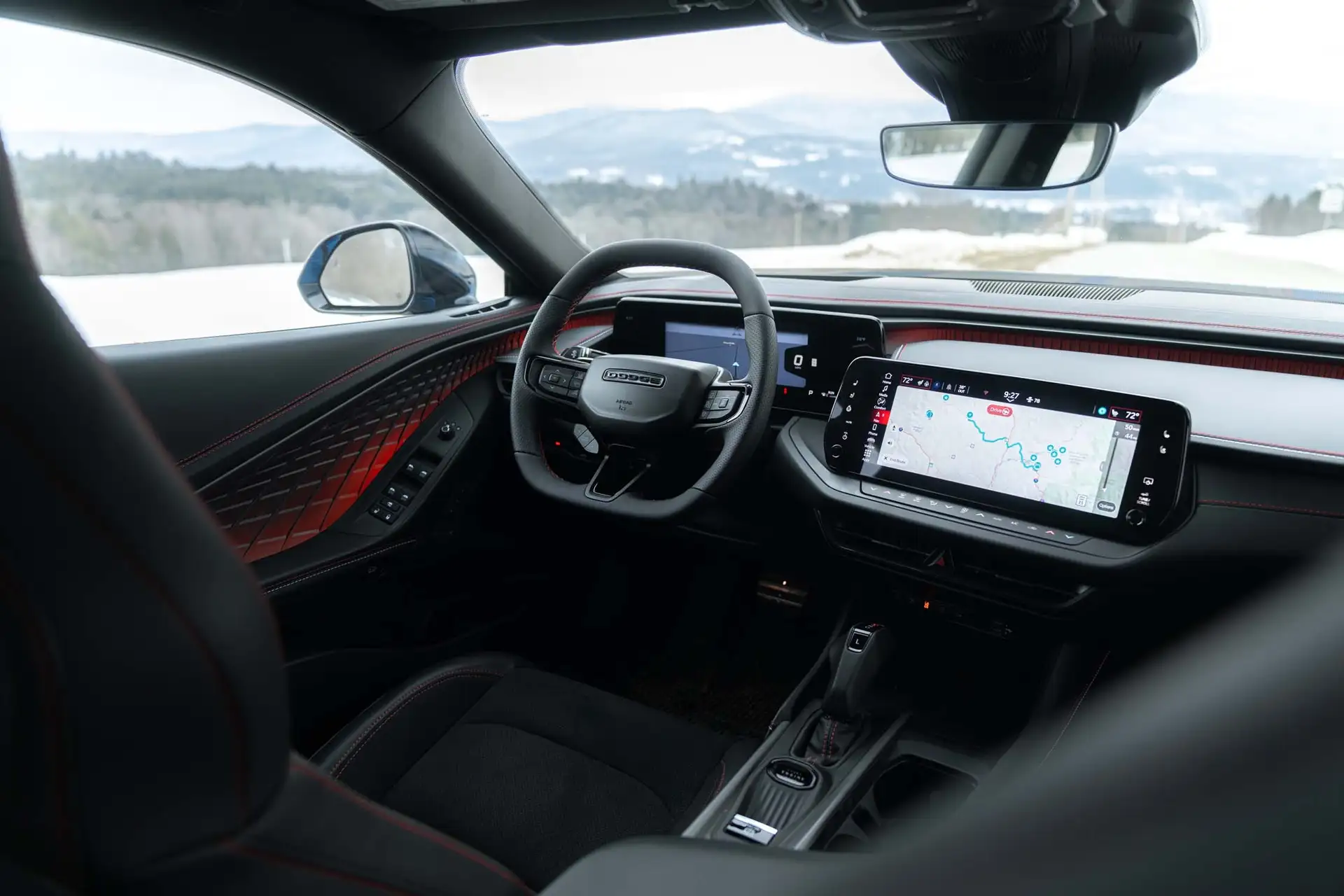
Opening the door of the Charger R/T is to find an environment almost identical to the Scat Pack and even the electric Daytona. Dodge’s strategy of using a single body architecture for multiple powertrains has a positive side effect: zero stigma of an “entry-level version”.
The 16-inch digital dashboard (optional, 10.25 inches in the base configuration) is so large that its edges disappear behind the square steering wheel—a visual irony that recalls the gauges of classic Porsche 911s. The Uconnect 5 system with a 12.3-inch center screen responds well, albeit with more latency than competing systems from Germany.
The high-performance front seats are optional, but represent one of the best investments in the catalog. With extensive electric adjustments and genuine lateral support, they transform the driving experience. In the rear, legroom has increased by 10.4 cm compared to the previous generation, totaling 94.5 cm—more than many German luxury sedans.
The real practical trump card is the 645-liter hatch trunk, expanding to 1,075 liters with the seats folded down. This configuration, rare in sedans, makes the Charger almost as versatile as a mid-size SUV without sacrificing the silhouette of a four-door coupe.
The Value Equation Nobody Wants to Solve
Aqui reside o problema central do Charger R/T 2026. Seu rival mais óbvio, o Ford Mustang GT, parte de US$ 48.555 com um V8 5.0 litros de 450 HP, é mais leve e mais envolvente dinamicamente. O Mustang também oferece a raridade de um manual de seis marchas — algo que o Charger, com seu ZF automático de oito velocidades, não contempla.
On the other hand, the Charger offers real four doors, all-wheel drive, and a cargo capacity that Ford simply can’t match. It’s a muscle car pretending to be a family car, or vice versa — depending on the buyer’s perspective.
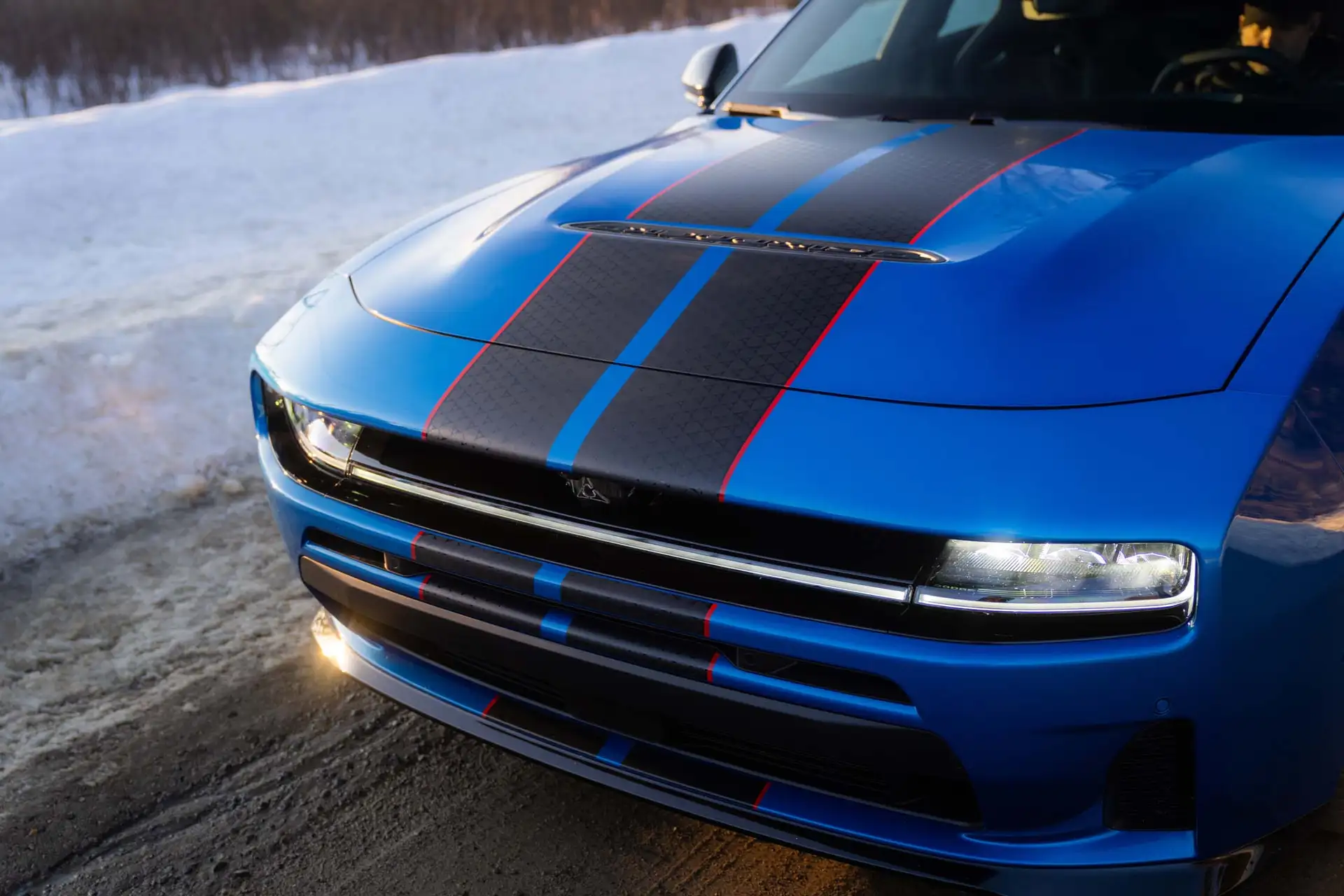
The most uncomfortable question arises when considering the Scat Pack for $5,000 more. The price difference represents less than 10% of the total value, but the performance jump is over 30%. In terms of excitement per dollar, the R/T seems intentionally positioned to appear inferior, pushing buyers toward the higher model.
For enthusiasts who value the mechanics behind the numbers, the comparison with historic Mopar engines reveals a pattern: Dodge has always known how to create “entry-level” versions that leave you wanting more. The difference is that, in the past, “more” meant extra displacement, not just turbo pressure.
The official consumption of 20 mpg combined (11.7 L/100km) is a marginal improvement over the old V8 but far from what hybrid or electric technologies offer. The 2027 Chevrolet Bolt, for example, shows how the accessible performance market is being redefined by operating costs, not just excitement.
Dodge insists that a supercharged V8 can still physically fit in the engine bay — and persistent rumors suggest it will happen. Until then, the 2026 Charger R/T remains an incomplete promise: enough engine, generous space, unmistakable presence, but a feeling that something fundamental is temporarily missing. For some, this is acceptable. For purists, it’s an unbearable wait.