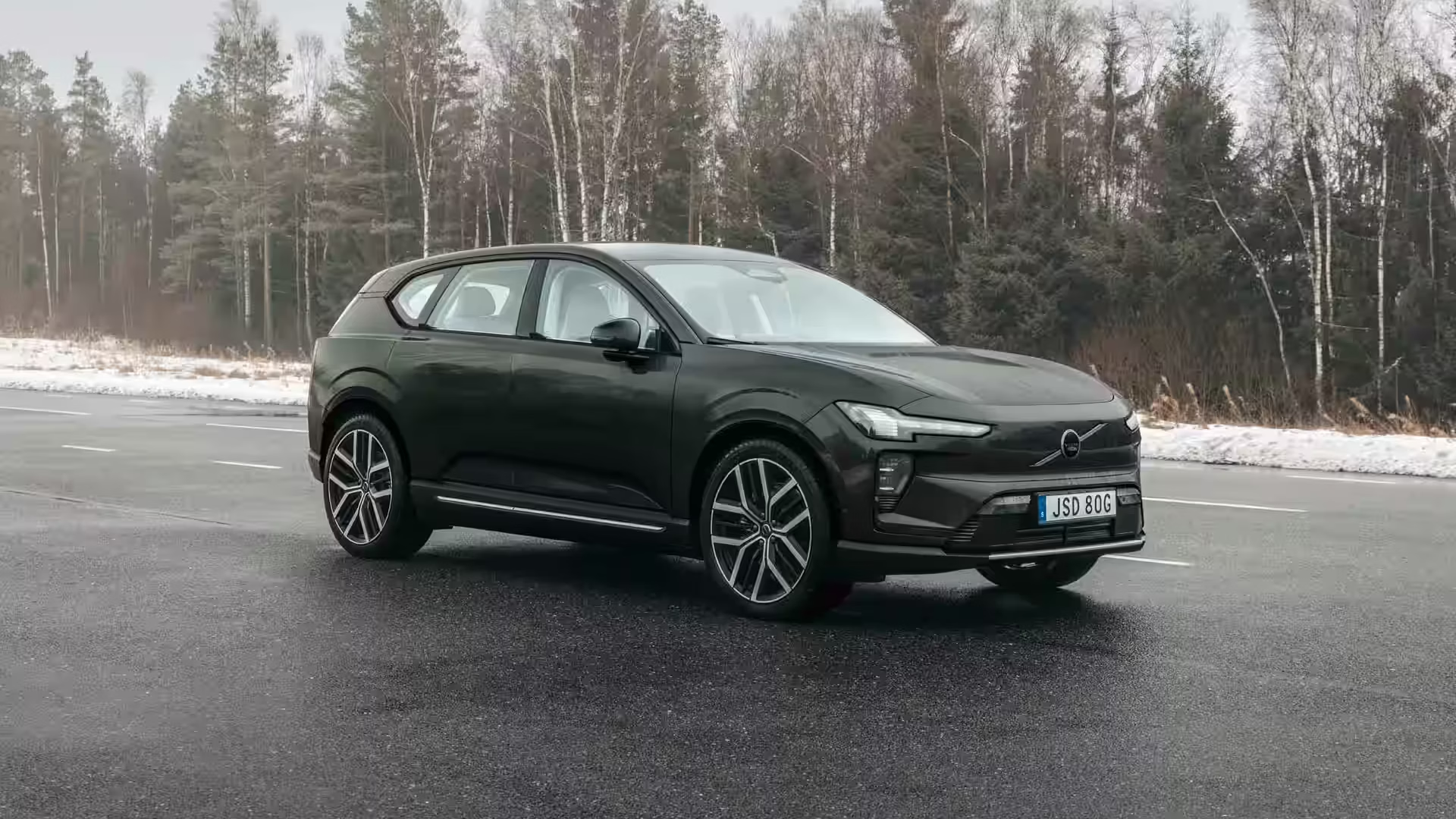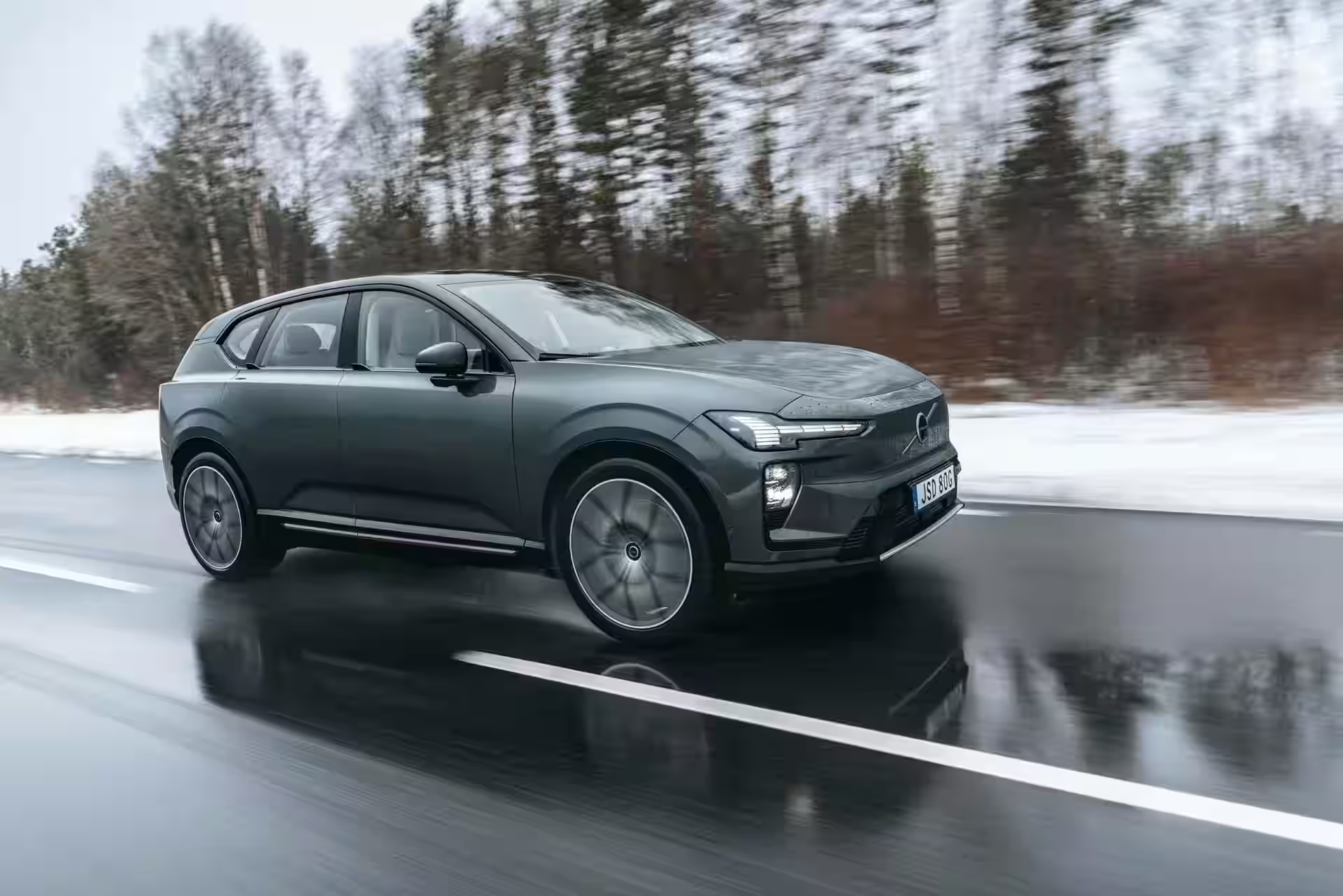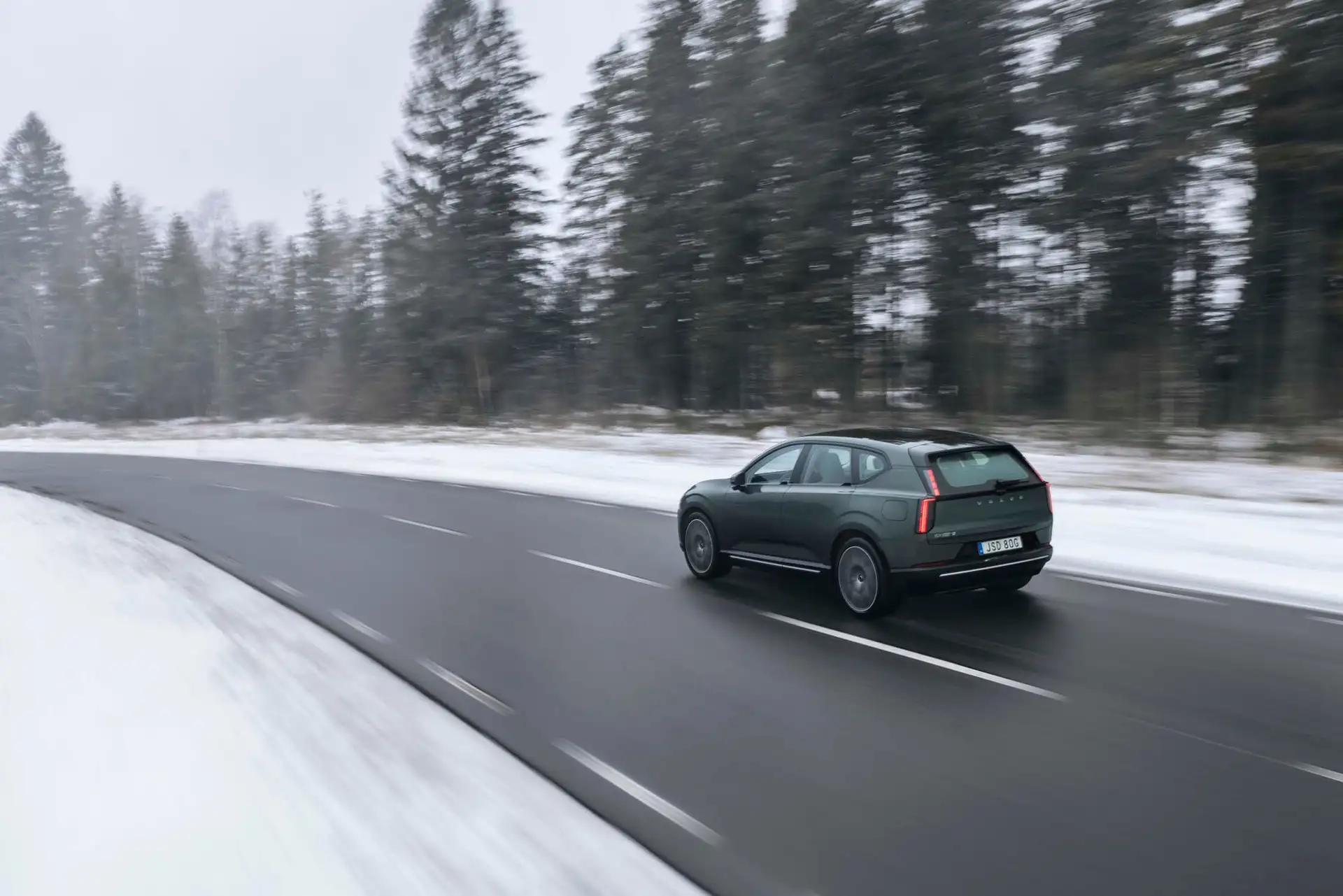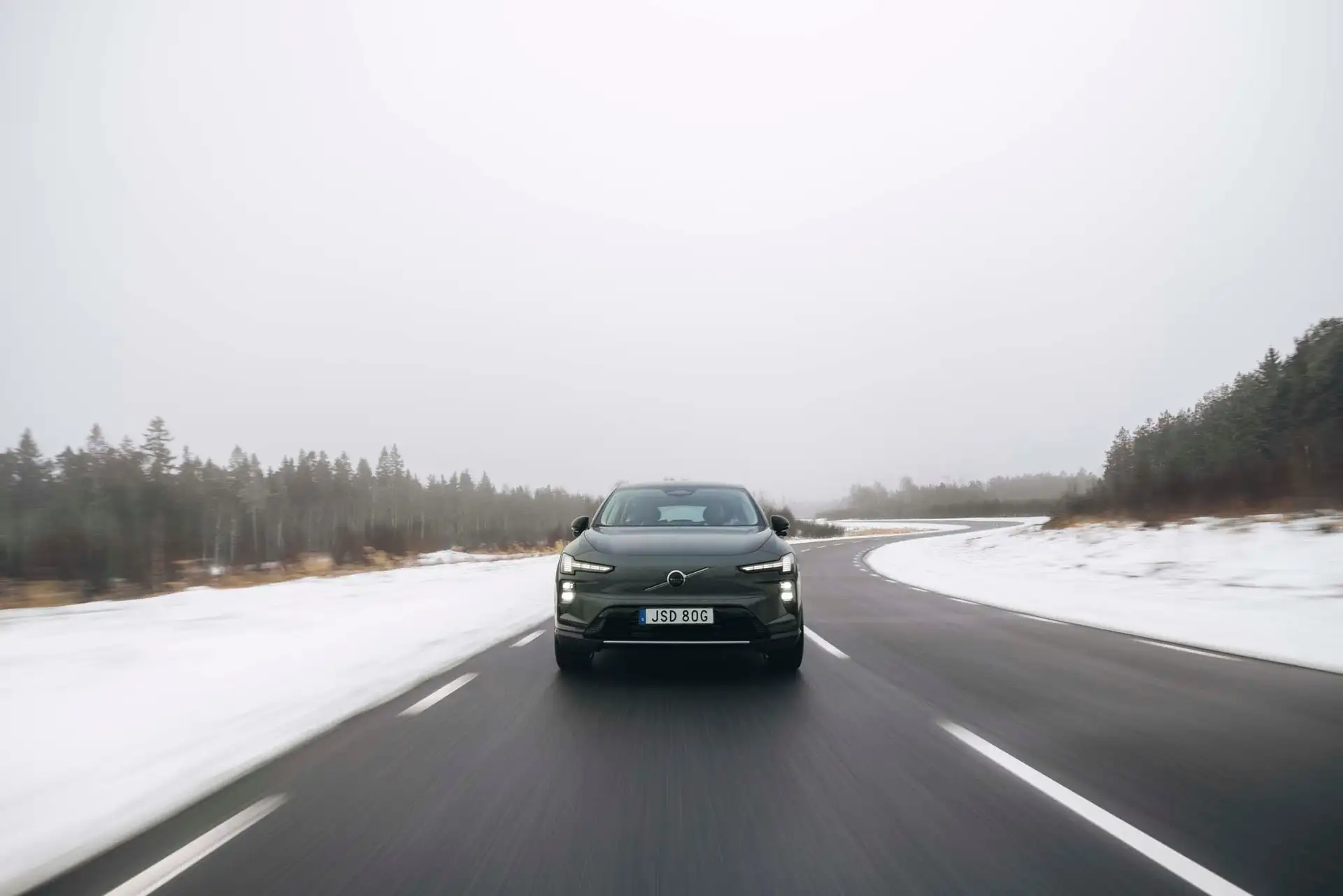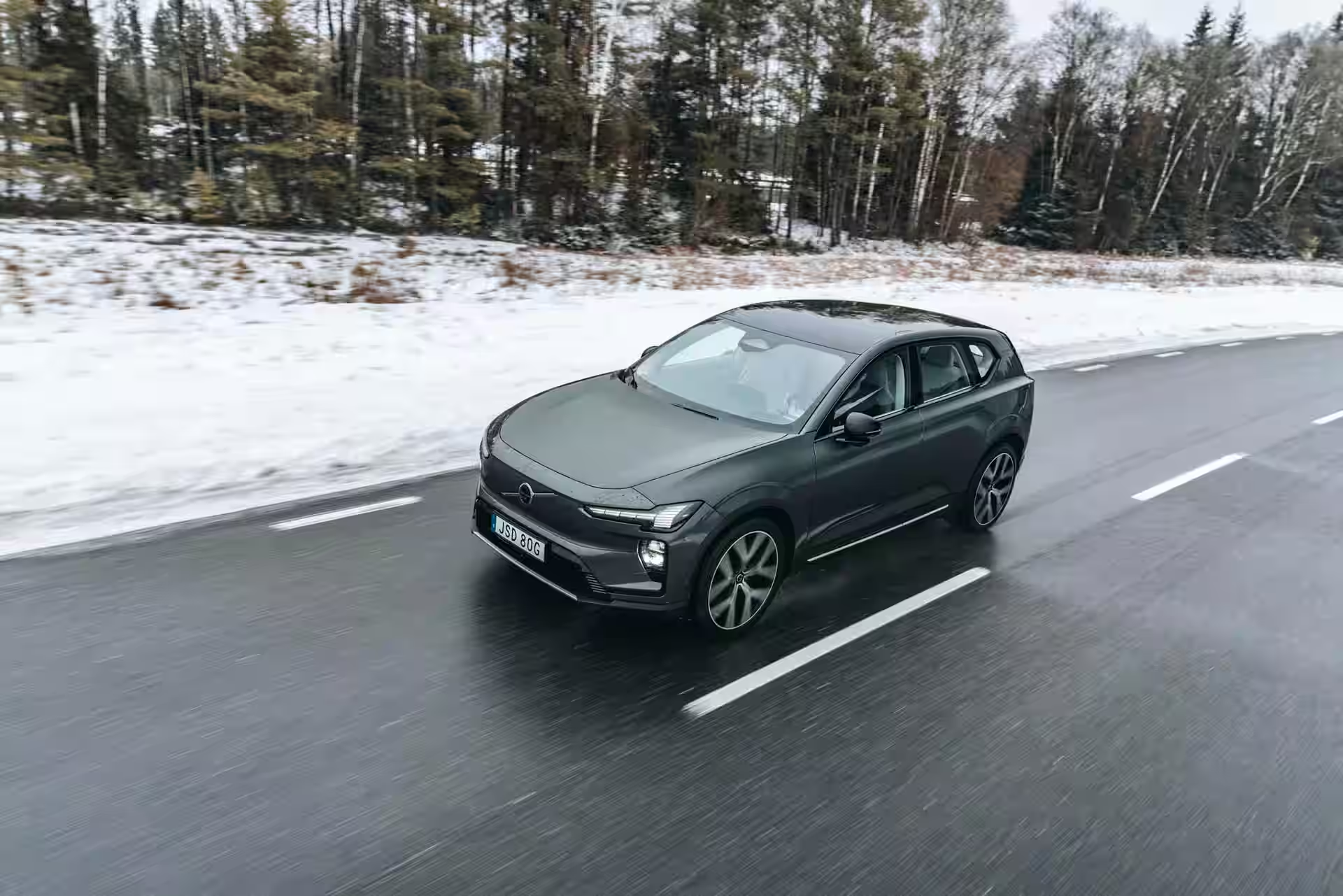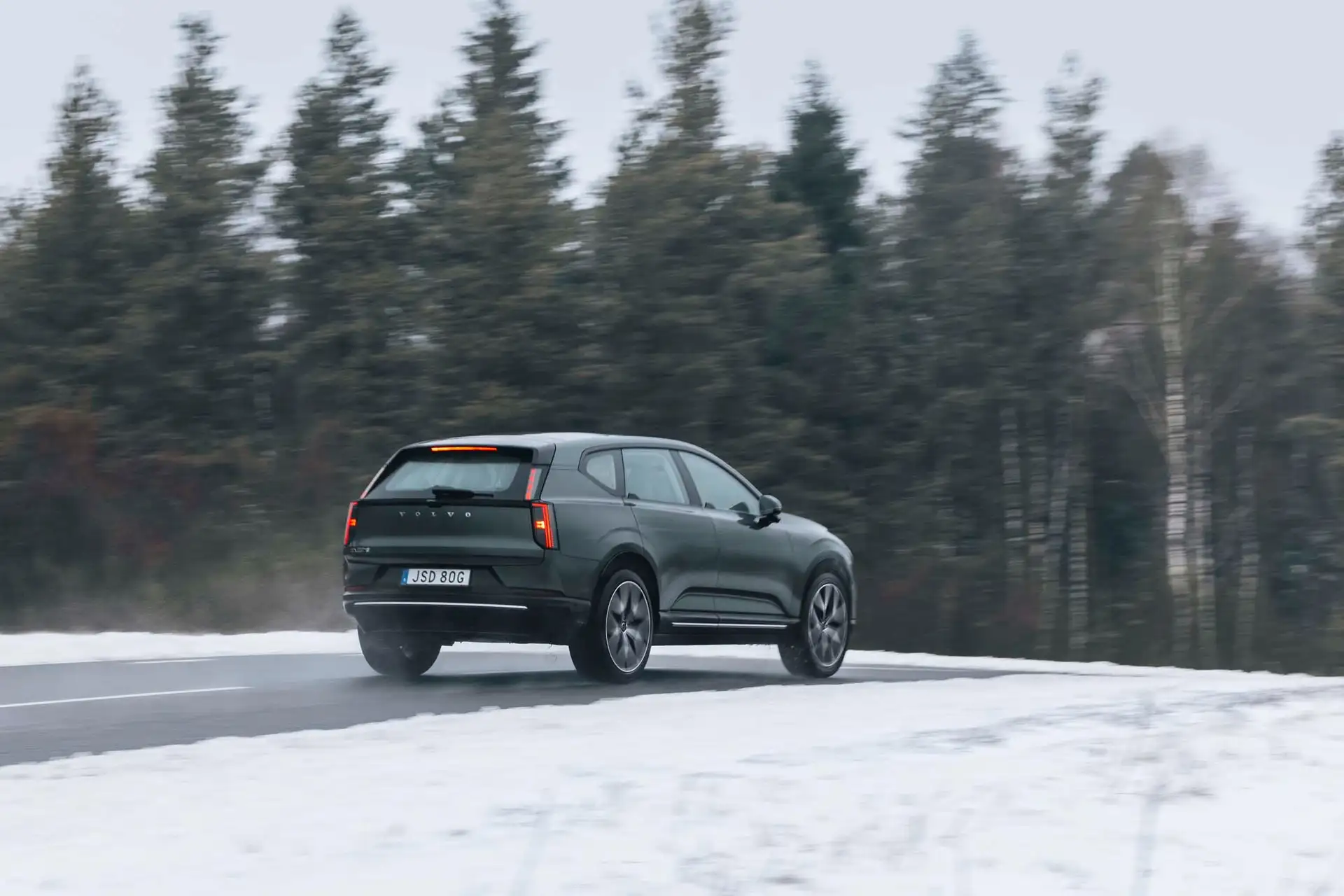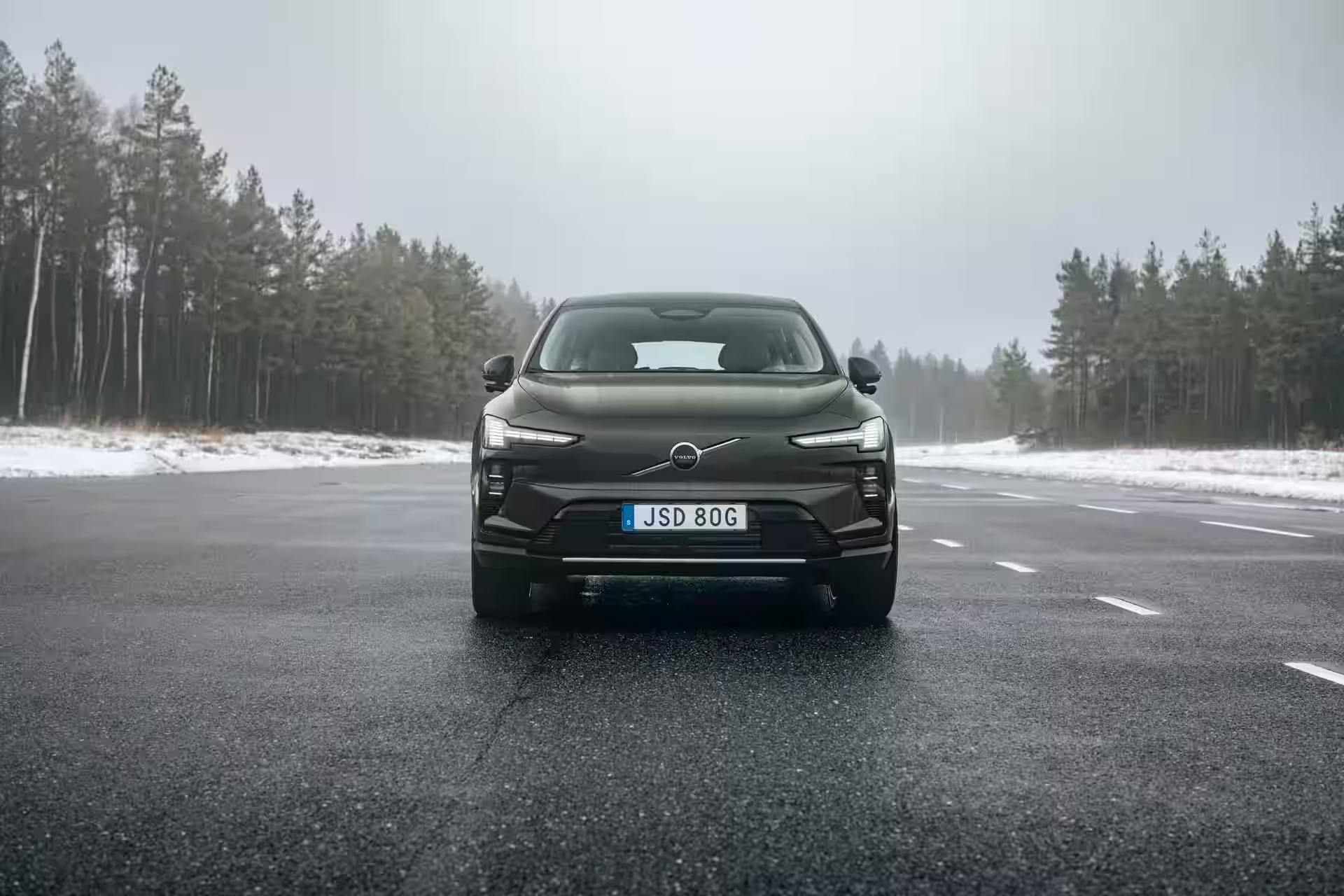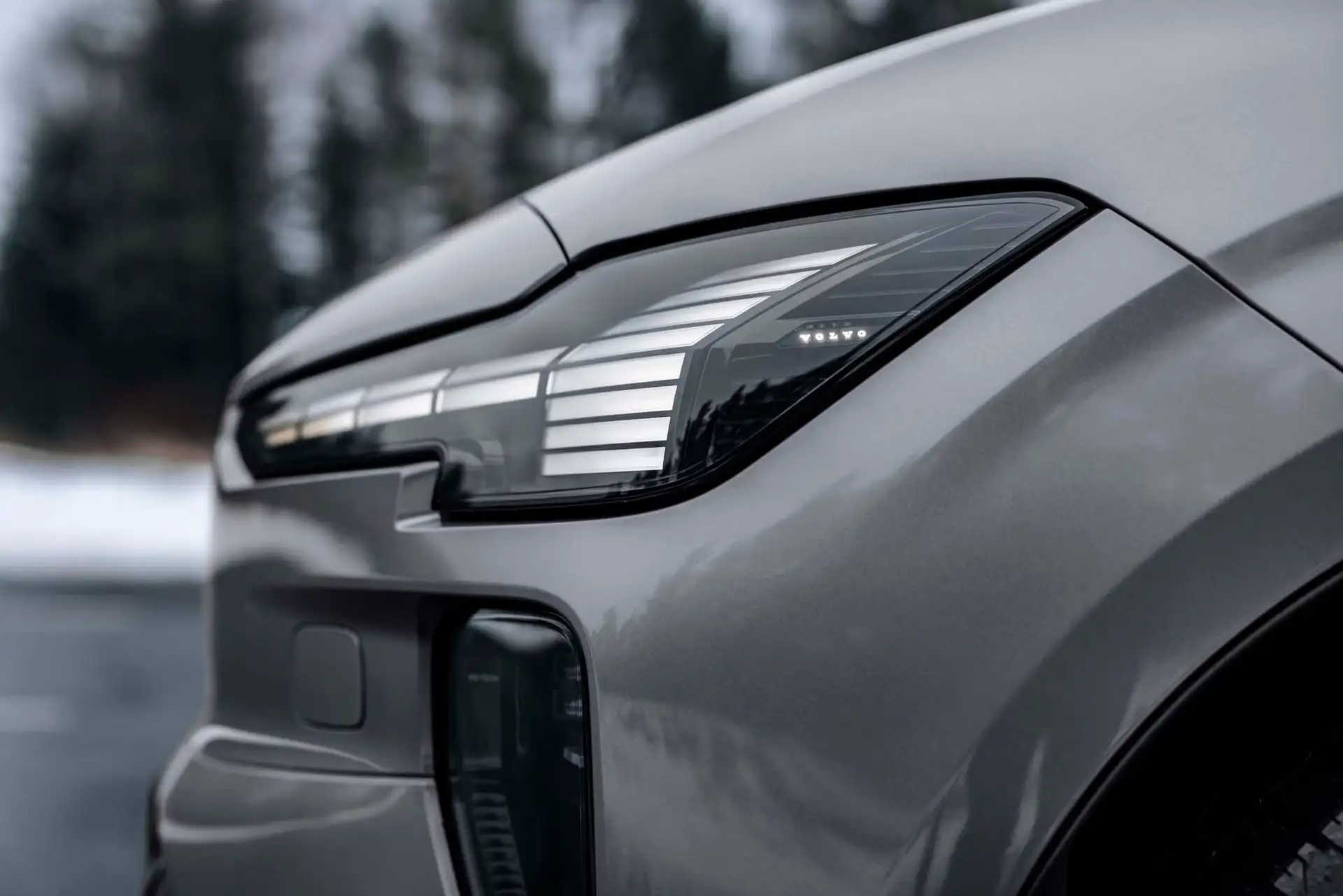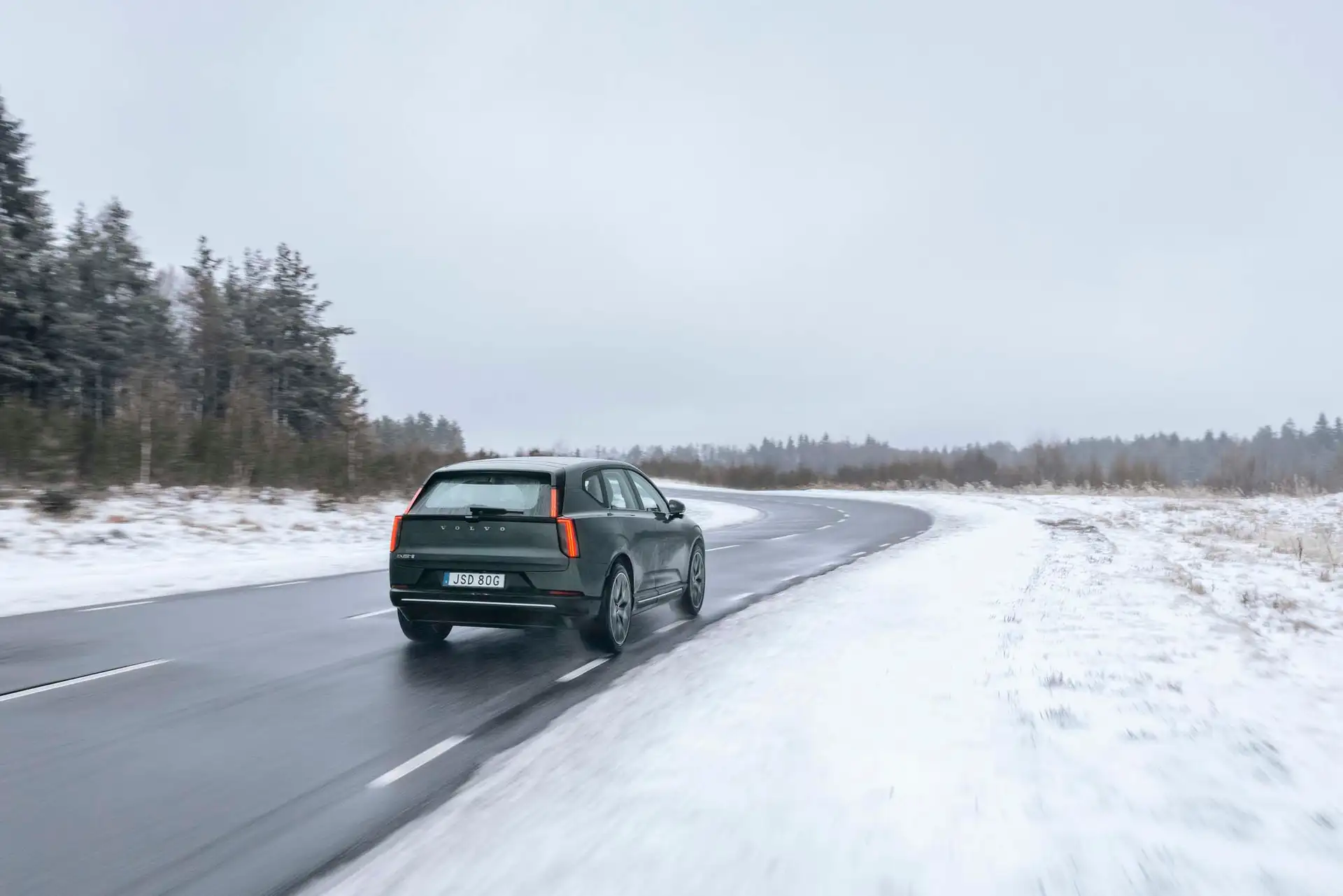
More powerful than the XC60, the new VOLVO EX60 relies on AI to save lives. Discover the 3 versions and prices of the brand’s most daring SUV.
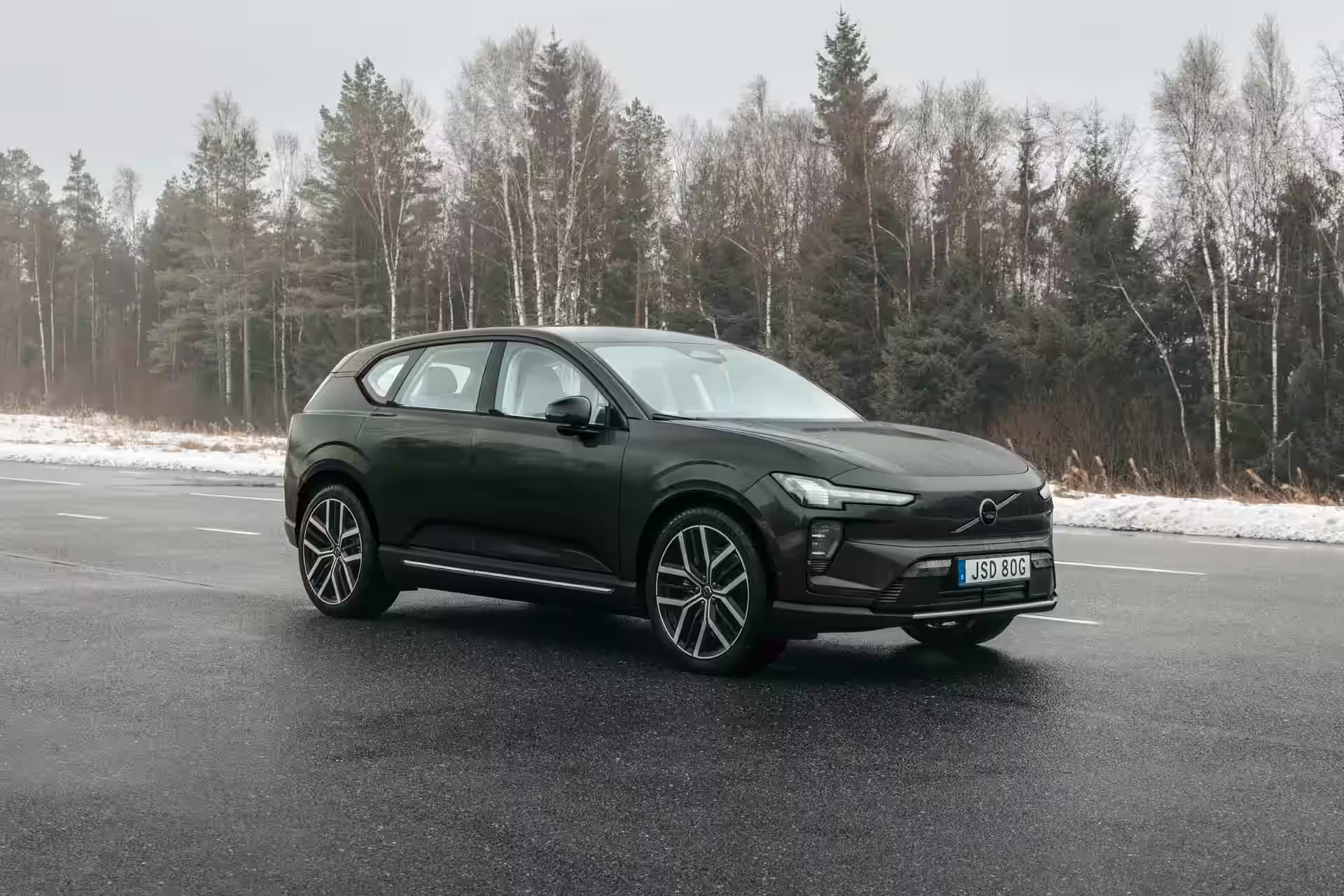
While competitors hesitate and retreat from electrification, Volvo does exactly the opposite. The Swedish brand is going all in on an SUV that is not just another electric model in the lineup, but a declaration of war against technological mediocrity. The EX60 2027 arrives as the most daring vehicle in the brand’s history, and the first impression on Scandinavian roads reveals why Volvo is so confident.
The Brain That Changes the Safety Game
The real revolution of the Volvo EX60 is not in its sleek design nor in its competitive range. It is hidden under the hood, in a silicon chip that processes more information per second than many data centers. The SPA3 architecture represents the brand’s first genuine digital nervous system, built from scratch to think, learn, and react.
The heart of this transformation is the NVIDIA Drive AGX Orin, a platform delivering 508 trillion operations per second. To put this into context, this surpasses by multiple times the capability of current assisted driving systems. But Volvo is not content with buying off-the-shelf technology, unlike rivals who rely on generic suppliers.
The Swedish brand internalized software development after “painful” lessons from the launch of the EX90. The result is a proprietary ecosystem where sensors, cameras, radars, and lidars communicate in real-time, without translators or intermediaries. Every safety decision occurs in milliseconds, not precious seconds.
The promise is bold, and the execution seems solid. The EX60 not only detects pedestrians, cyclists, and animals, anticipates trajectories, identifies suspicious behaviors of other drivers, and simultaneously calculates thousands of collision scenarios. All before you even realize something could go wrong.
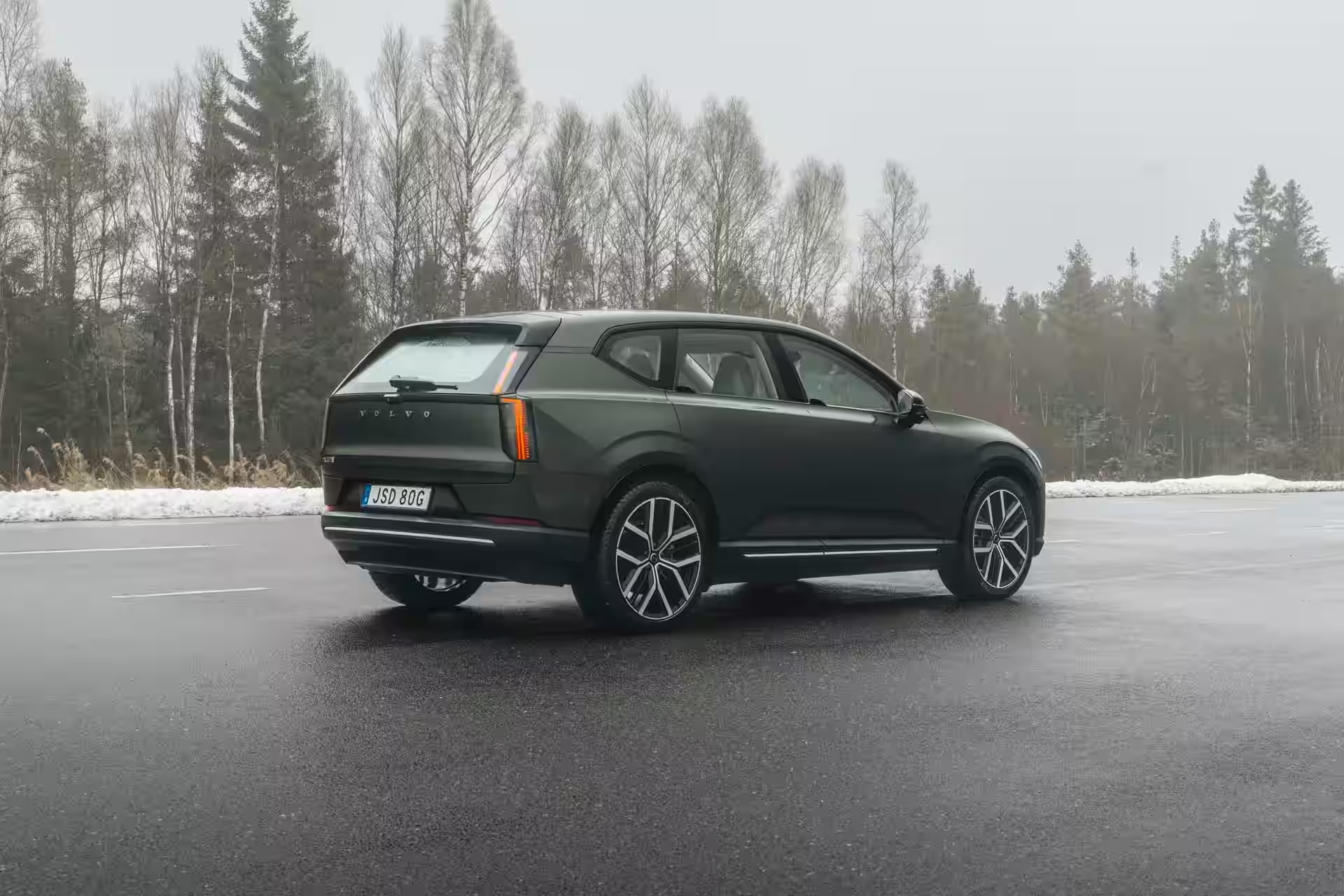
Three Personalities, One Same Scandinavian Soul
The EX60 2027 offers three powertrain configurations that cater to different profiles, without sacrificing the driving essence that Volvo has cultivated for decades:
| Version | Power | Torque | Battery | Range (EPA) |
|---|---|---|---|---|
| P6 (RWD) | 369 HP | 480 Nm | 80 kWh | ~467 km |
| P10 (AWD) | 503 HP | 710 Nm | 91 kWh | ~515 km |
| P12 (AWD) | 670 HP | 790 Nm | 112 kWh | ~644 km |
The P12 version is particularly fascinating. With 0-100 km/h in 3.8 seconds, it rivals pure sports cars while maintaining a towing capacity of 2,040 kg, which is 454 kg higher than the combustion XC60 it replaces. The top speed limited to 180 km/h may seem conservative, but it reflects the Swedish philosophy: safety before marketing numbers.
Charging is another highlight chapter. The 370 kW peak on the P12 allows adding 278 km of range in just 10 minutes on 400 kW chargers. The adoption of the NACS (Tesla) standard eliminates one of the biggest frustrations for electric vehicle owners, providing access to the largest fast-charging network in the United States.
Aerodynamics as Exact Science
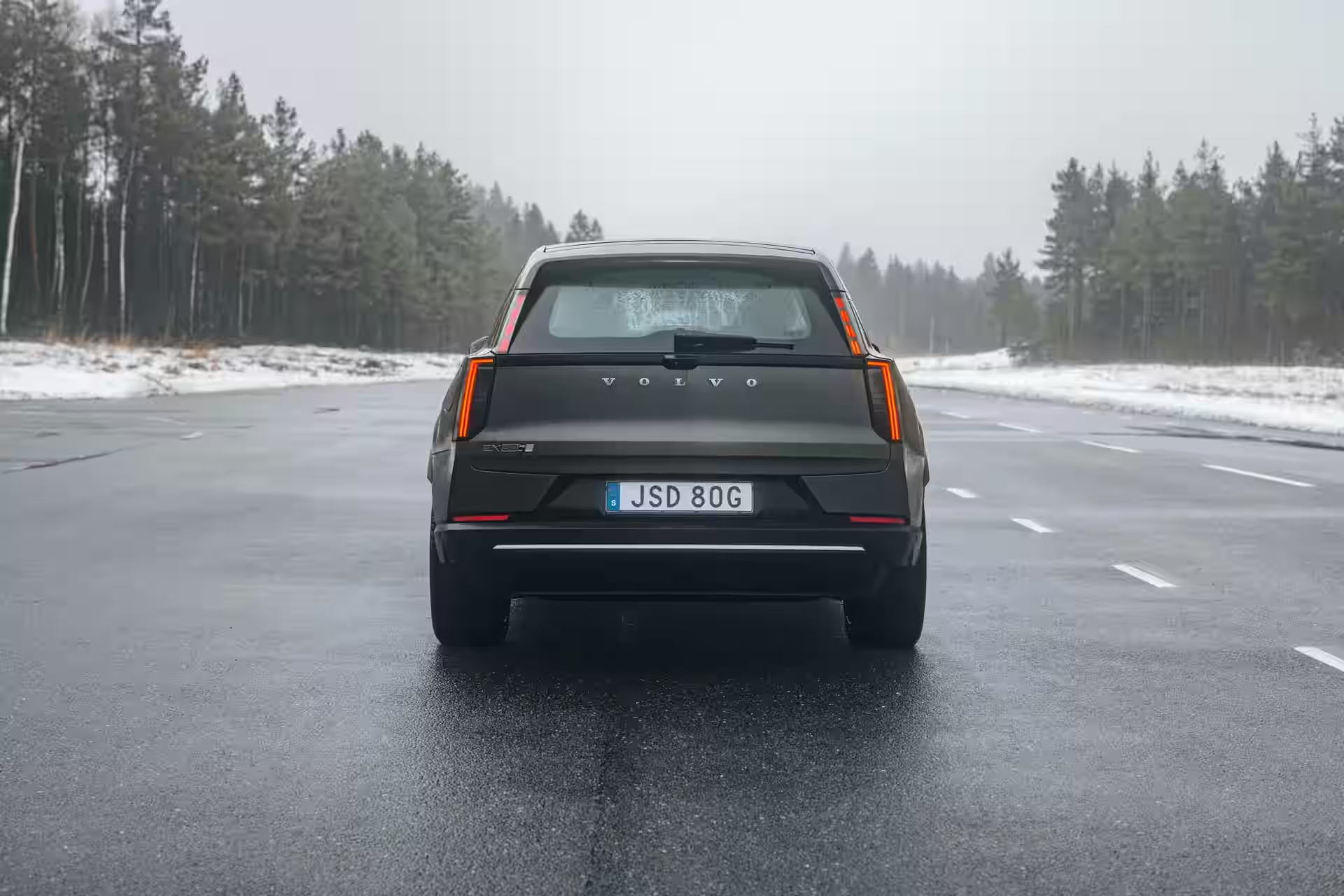
Every line of the Volvo EX60 was sculpted in the wind tunnel with mathematical purpose. The drag coefficient of 0.26 is remarkable for a mid-size SUV, the result of solutions that go beyond the obvious.
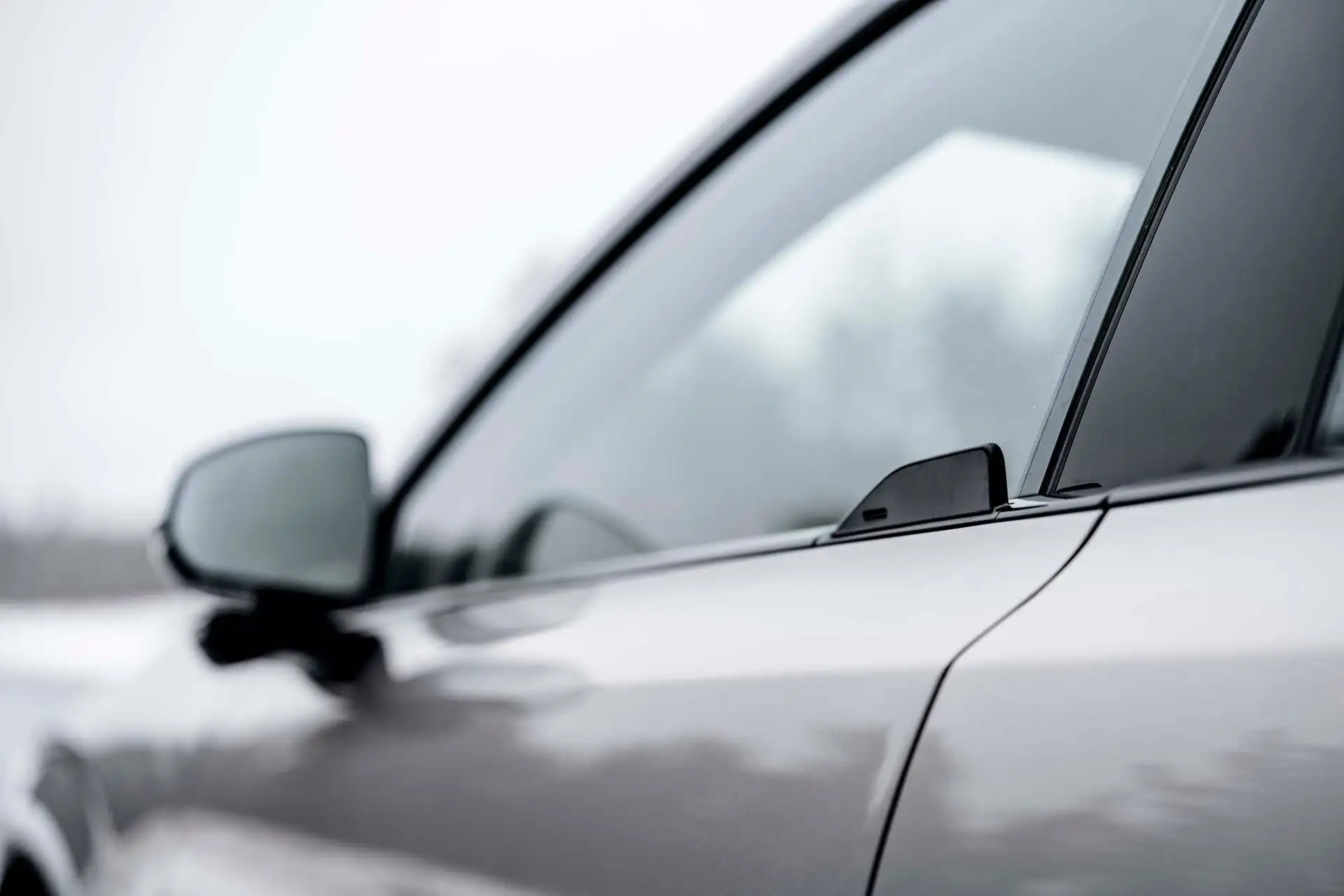
The “wing grip” door handles are a perfect example of Swedish obsession. Unlike conventional levers that create turbulence, this integrated design contributes an additional 3 to 5 km of range. It may seem little, but multiplied by millions of kilometers driven, it represents significant energy saved.
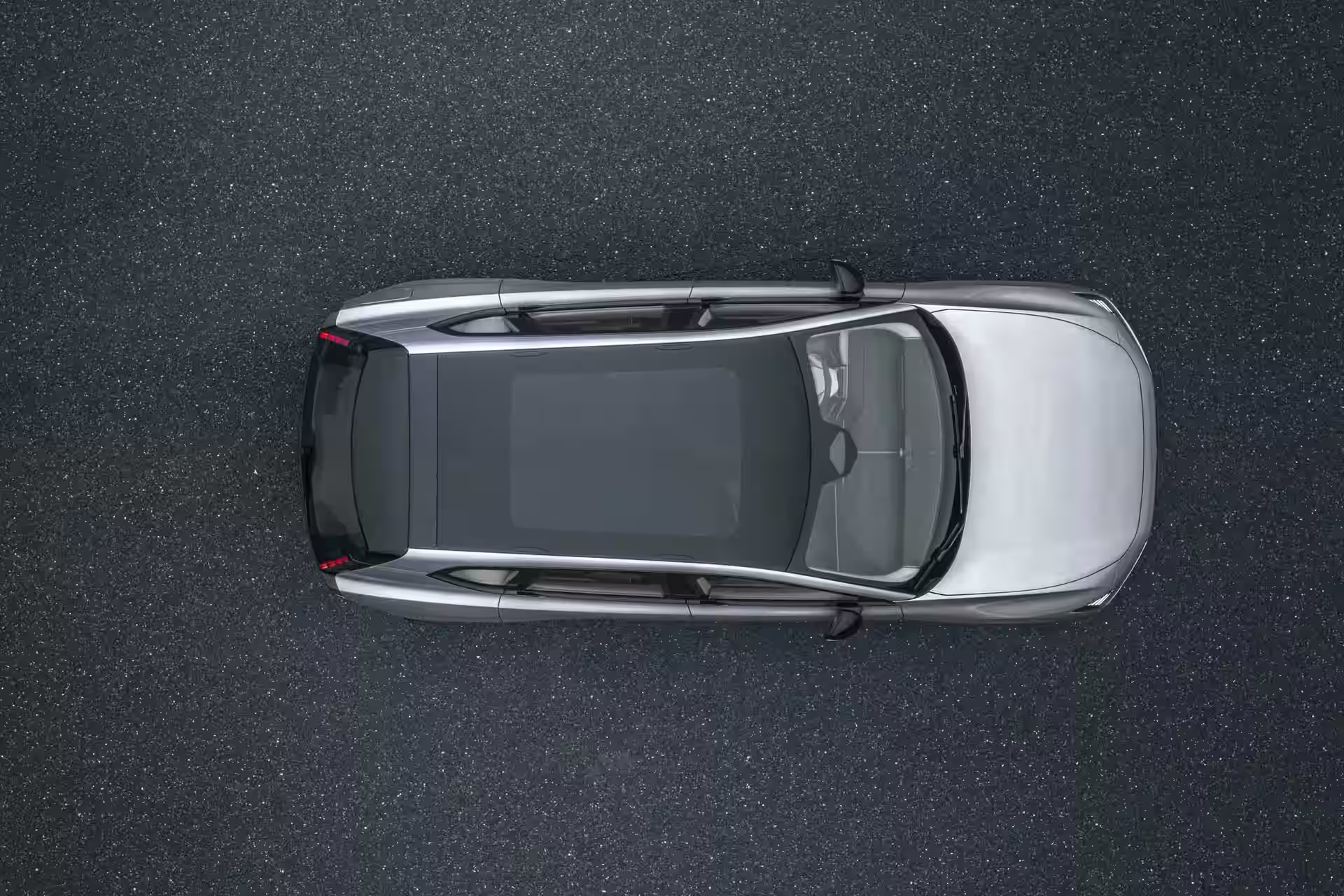
The completely smooth floor, integrated lower panels, and active rear spoiler work together to maintain laminar airflow. The result is a vehicle that defies the physics of the traditional SUV shape, without falling into the strange aesthetics of some electric competitors.
For adventurous-spirited families, Volvo has confirmed the EX60 Cross Country 2028. The variant features air suspension with 20 mm lift, permanent all-wheel drive, wider tracks, and aesthetic protections reminiscent of the brand’s iconic off-road models. It is the Swedish answer for those who need real versatility, not just a rugged appearance.
Interior Where Technology Meets Humanity
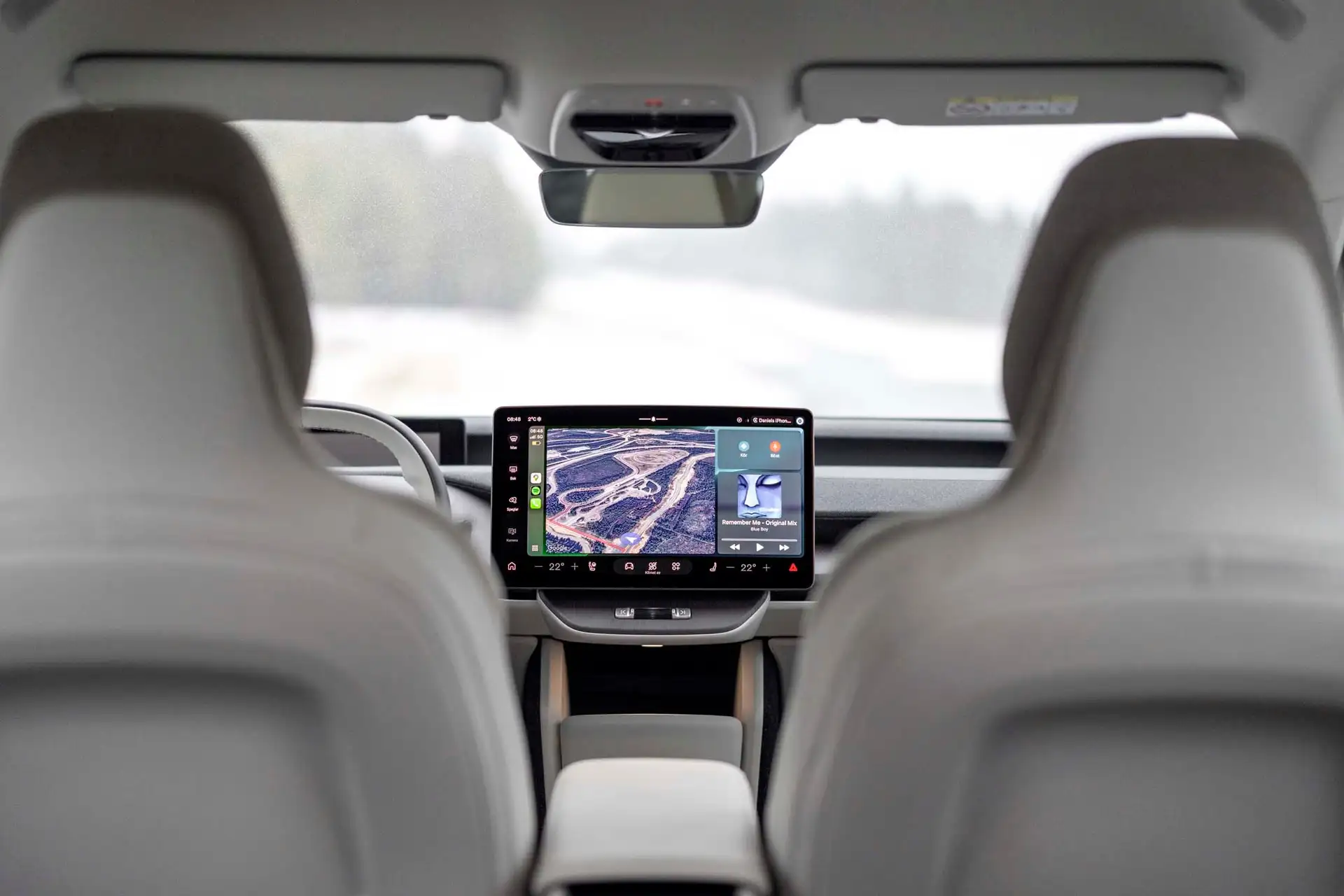
The cabin of the EX60 2027 shows that giant screens don’t have to be chaotic. The 15.1-inch curved OLED dominates the dashboard, but the integrated Google interface avoids the frustrating learning curve of proprietary systems.
Google Gemini represents a genuine evolution in automotive voice assistants. During preliminary demonstrations, the system understood natural commands without needing to speak slowly or enunciate robotically. A simple phrase like “I’m picking up the kids from school, I need a cake recipe for snack time, and need to notify my mom that I’ll be late” triggers three simultaneous actions: a route on the navigation, a shopping list on the smartphone, and a text message.
Integration with existing Google accounts eliminates the tedious setup. Your favorites, history, and habits migrate instantly. And the promise of free OTA updates for models from 2021 onward demonstrates a rare long-term commitment in the industry.
The Bowers & Wilkins system with 28 speakers and Dolby Atmos deserves special mention. Unlike “gimmick” audio formats that promise more than they deliver, the immersive experience here is tangible. Instruments gain three-dimensional positioning, vocals float in the acoustic space, and the feeling of being in a concert hall is convincing even at highway speeds.
Uncompromising Driving Dynamics
The first experience at the Hällered test property revealed a chassis that honors Volvo’s dynamic DNA. The ZF adaptive suspension, calibrated by Swedish engineers, offers three levels of firmness independent of steering and throttle response.
Impacts are absorbed with precise control, without the structural “echo” that plagues some heavy electric SUVs. Lane changes at speed do not cause sway, a crucial feature on Scandinavian roads where moose can appear unexpectedly. The structural stiffness comes from megacast components and a structural battery box, solutions that reduce mass while increasing torsional resistance.
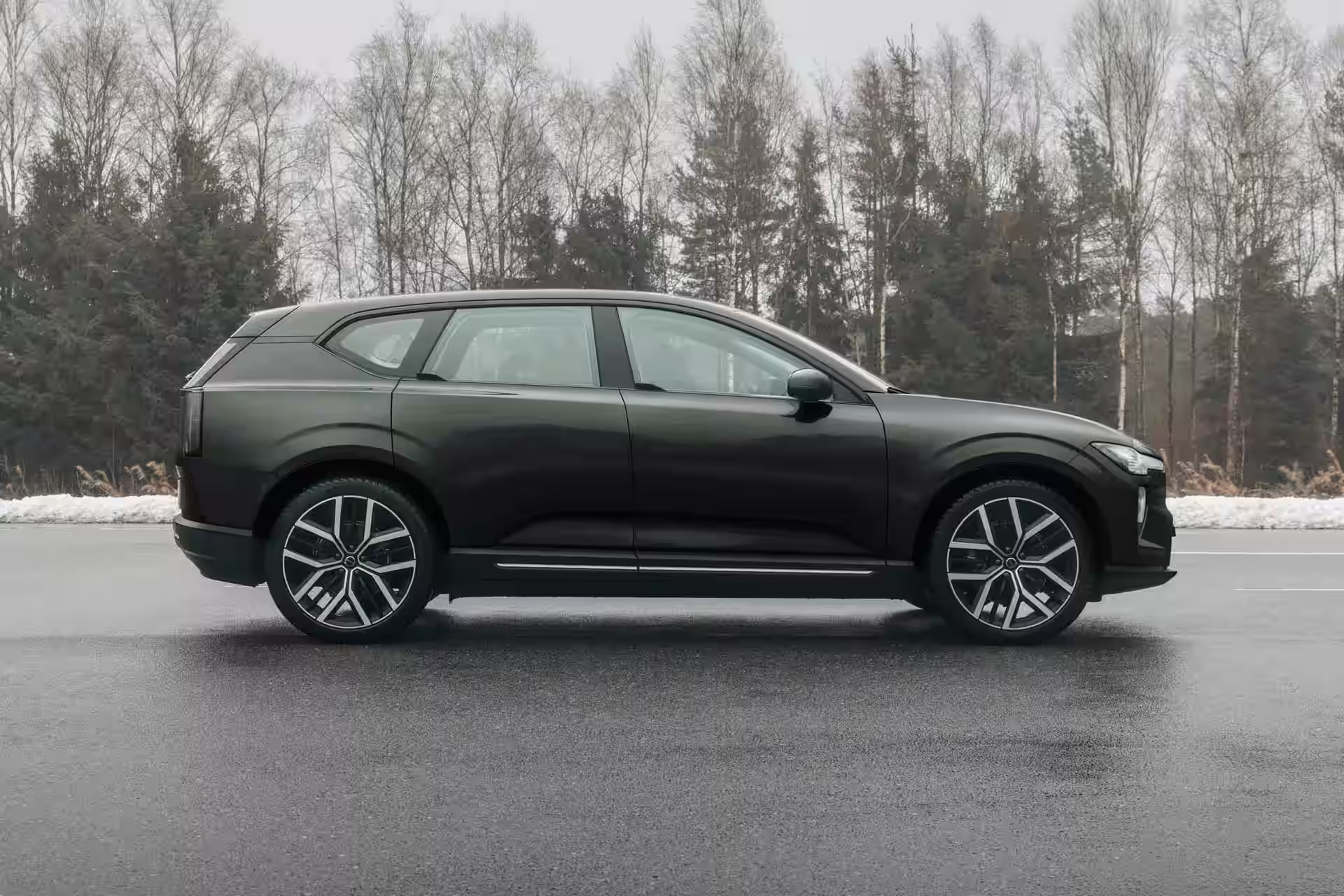
The noise, vibration, and harshness isolation is impressive. Hydraulic bushings at strategic chassis points filter disturbances before they reach the occupants. The result is an anechoic chamber silence that allows whispered conversations even at 75 mph.
Interestingly, the EX60 is more compact than the current XC60, with 104 mm less in wheelbase and overall length. This intelligent reduction improves urban agility without sacrificing interior space, thanks to efficient packaging of the dedicated electric platform.
Volvo positions the 2027 EX60 with a starting price near R$ 300,000 (US$ 60,000) in the P6 trim, scaling up to approximately R$ 375,000 (US$ 75,000) for the more equipped versions. For a vehicle that incorporates cutting-edge processing technology, over 600 km of range, and safety standards that will likely set industry benchmarks, the value proposition is substantial.
What Volvo has built here goes beyond just another premium electric vehicle. The EX60 is a demonstration that the transition to sustainable vehicles does not require abandoning traditional values. Safety, build quality, and timeless design remain intact, now enhanced by artificial intelligence that tirelessly works to protect what is most valuable inside the vehicle—its people.