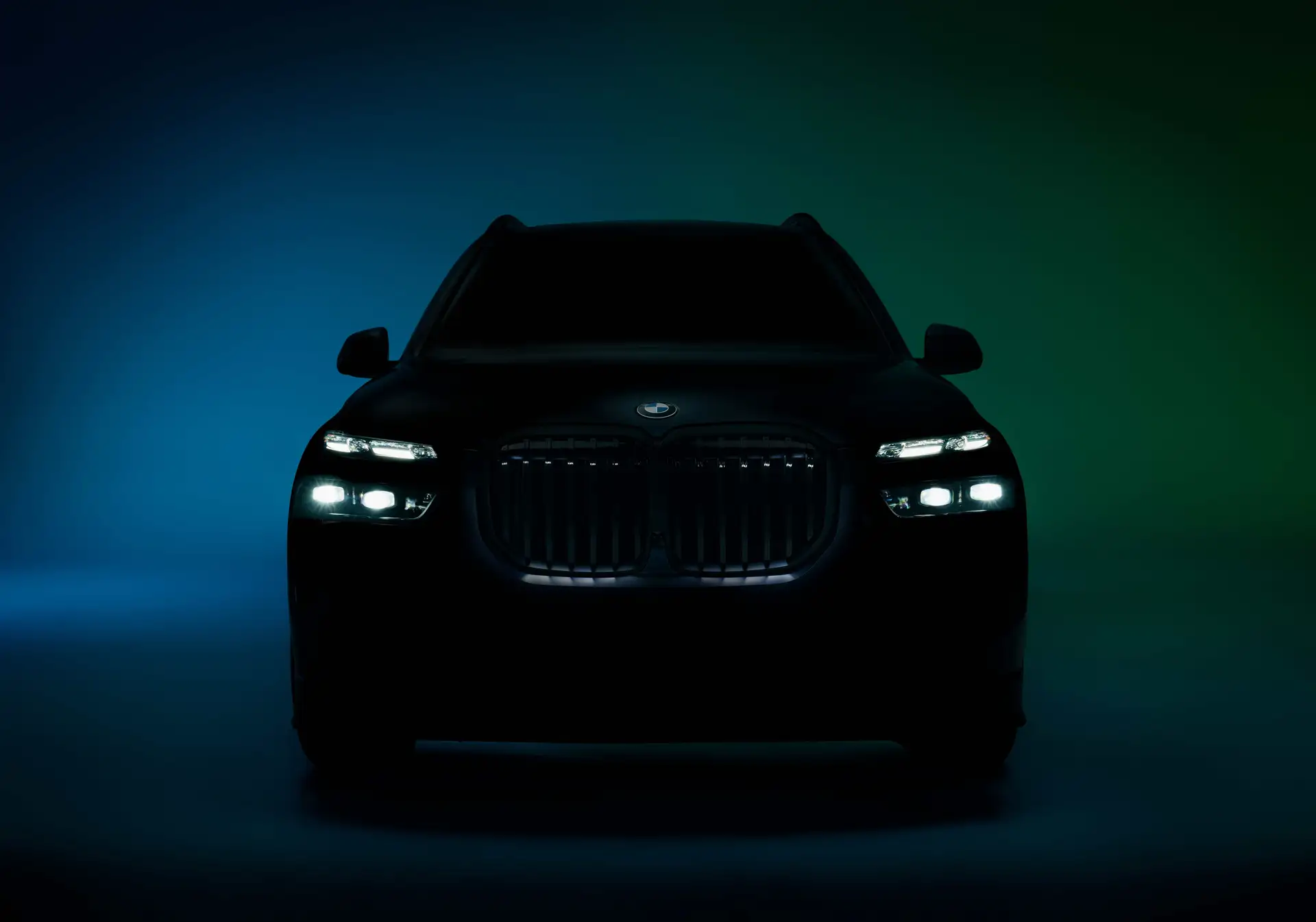
BMW ALPINA XB7 MANUFAKTUR marks the end of an era. With 631 hp and only 120 units, see why this SUV is a rare investment. Check it out!
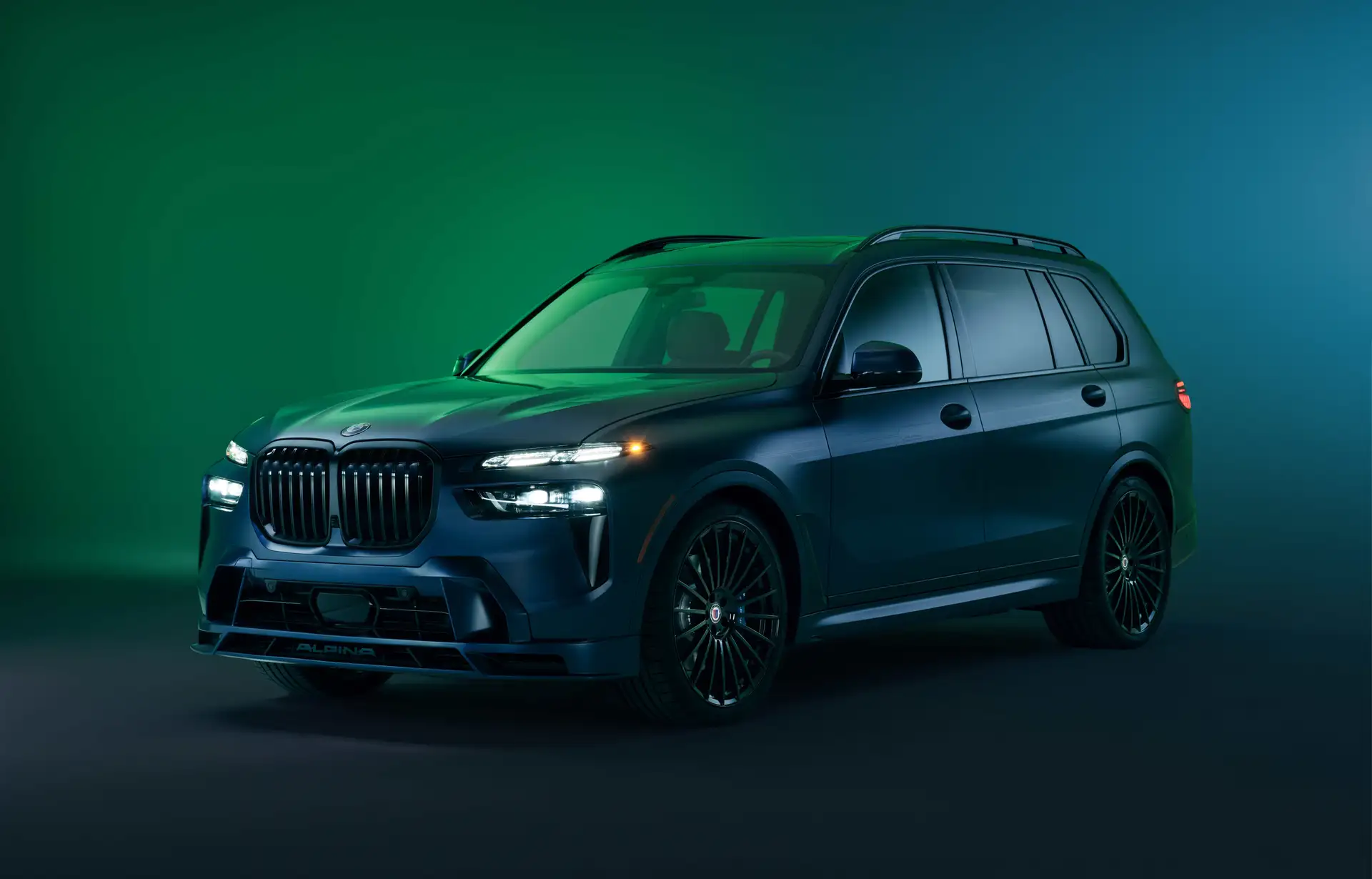
BMW has just announced the end of an era. While the automotive world races toward electrification, the Bavarian brand decided to bid a final farewell to the BMW ALPINA XB7 MANUFAKTUR in the most dramatic way possible: with only 120 units, exclusive paint finishes that look sculpted from ice, and a V8 engine that roars like distant thunder. This is not just a goodbye. It is a manifesto of power.
The Legacy That Became a Work of Art on Wheels
The story of Alpina is as rich as the leather that covers the interior of this SUV. For decades, the Bavarian tuner operated in the shadows between standard BMW and European supercars, creating machines that balanced insane luxury with visceral performance. With BMW elevating Alpina to an official sub-brand, the XB7 Manufaktur represents the last breath of the classic era — that moment when it was still possible to have something genuinely rare.
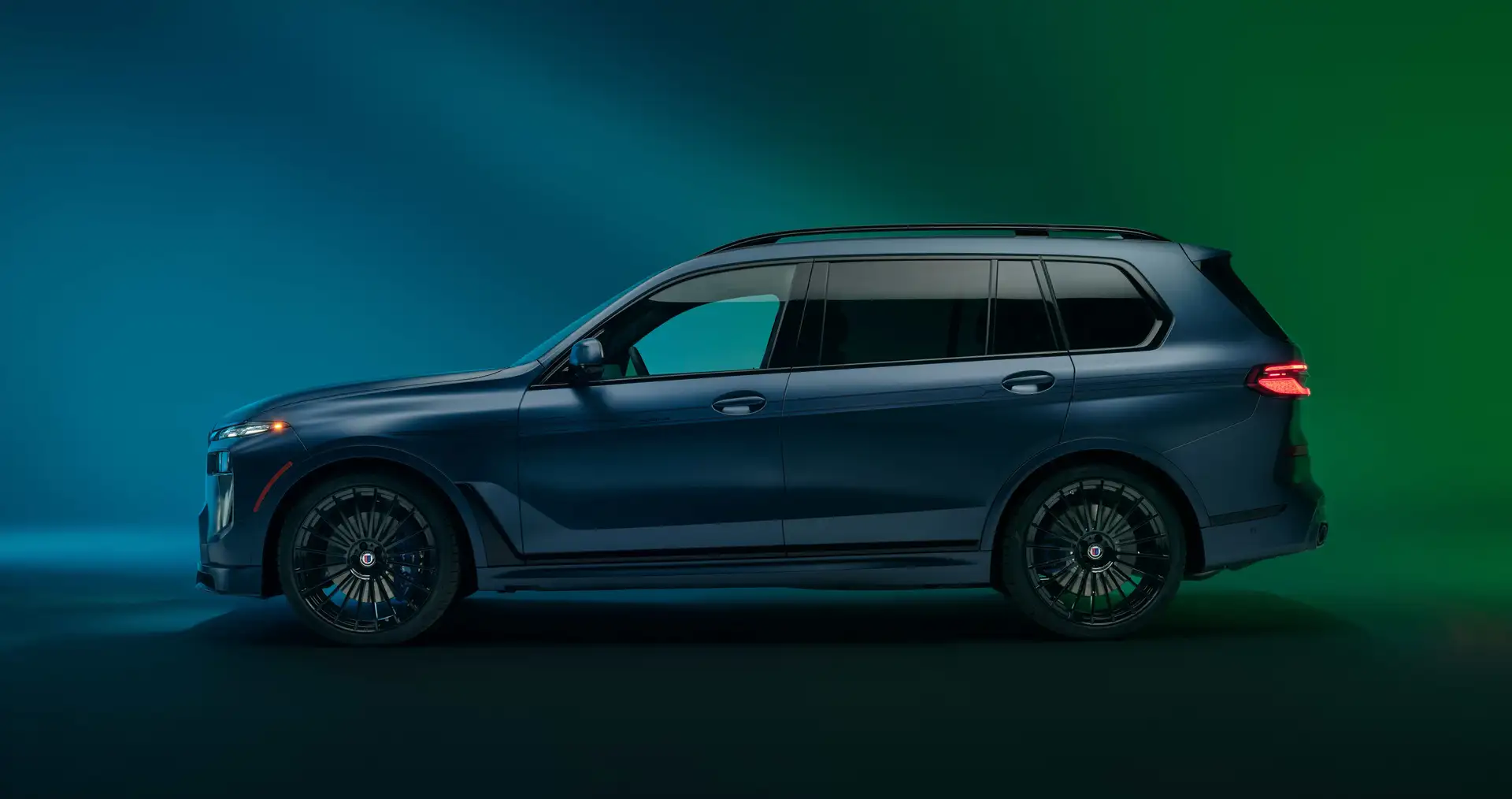
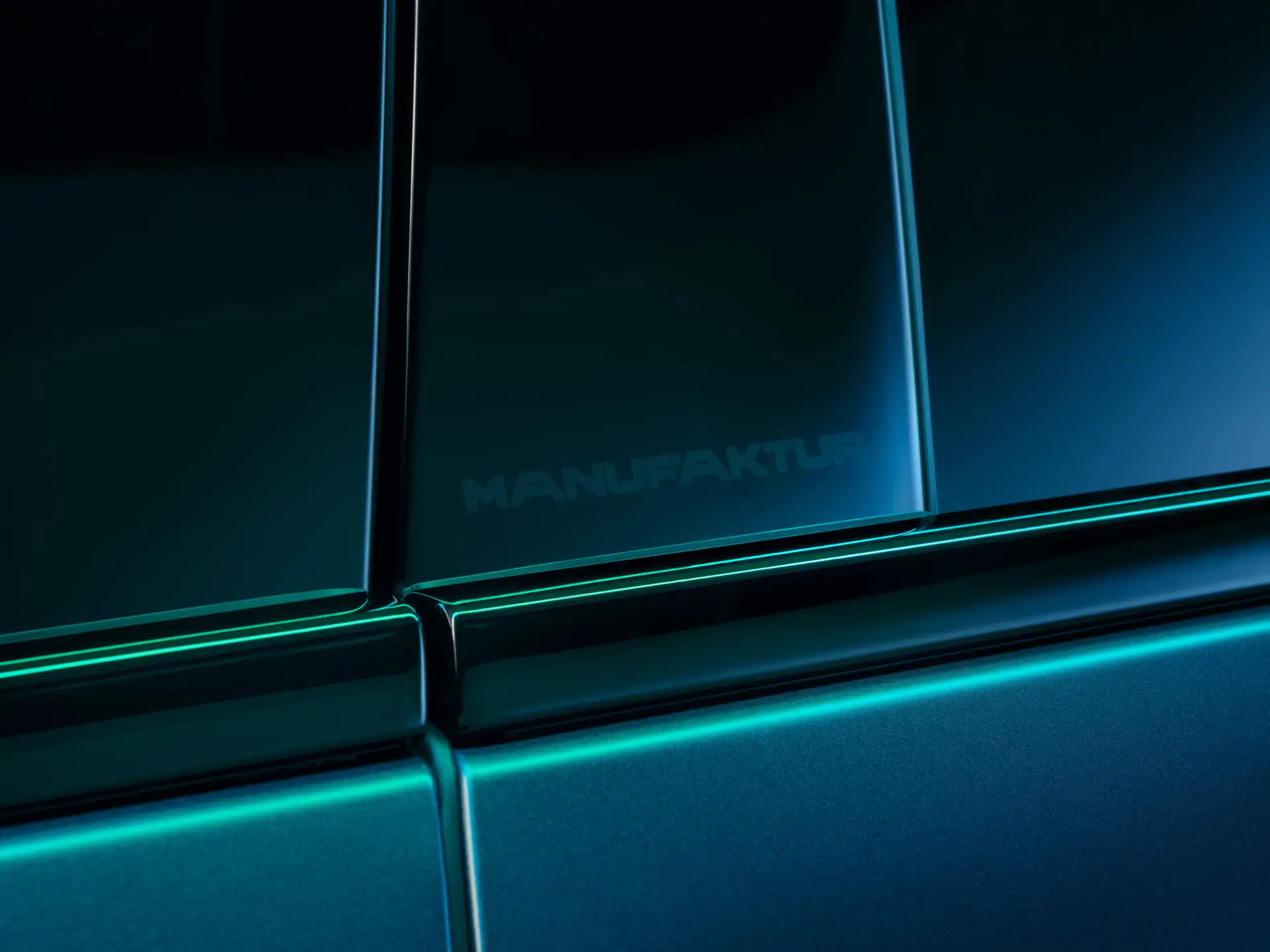
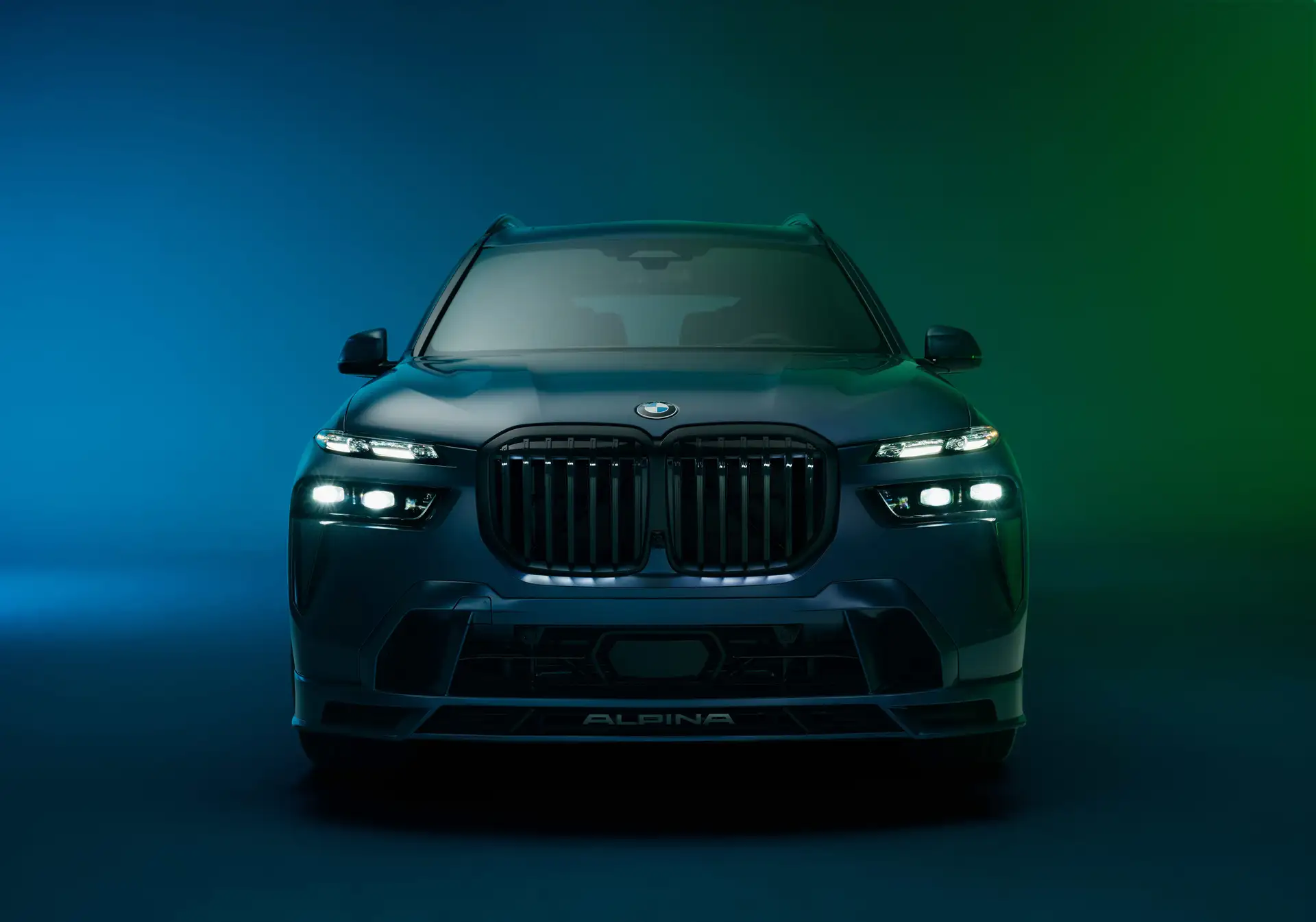
The 120 units destined exclusively for the American and Canadian markets offer no configuration choices. Everything comes standardized. The buyer’s only decision? The body color: Frozen Alpina Green or Frozen Alpina Blue. Both use BMW’s “Frozen” paint technology, which creates a matte surface with an almost ceramic appearance, resistant to the elements but impossible to replicate in any ordinary workshop.
“True exclusivity is not in the amount of options, but in the impossibility of having exactly the same car as someone else.”
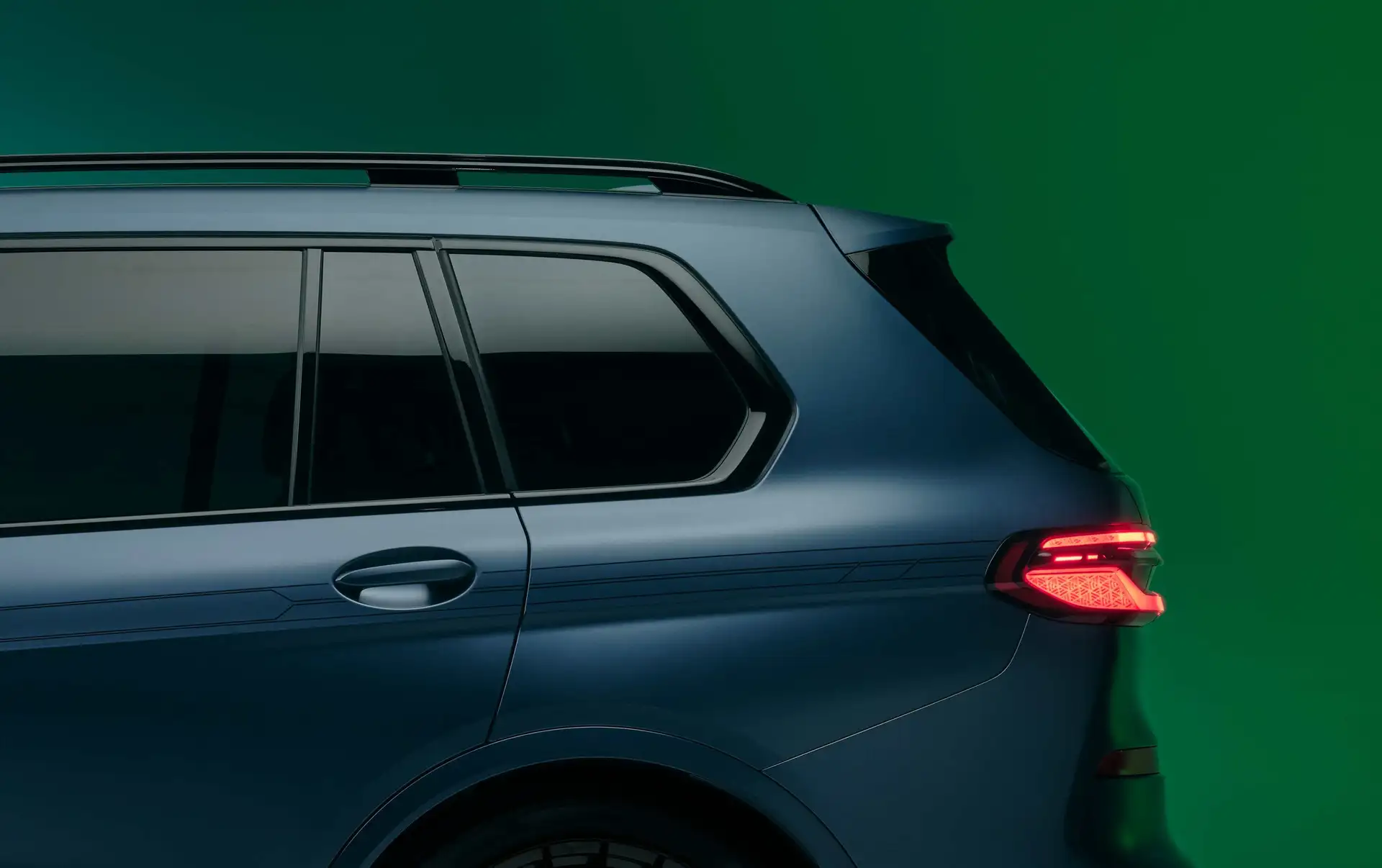
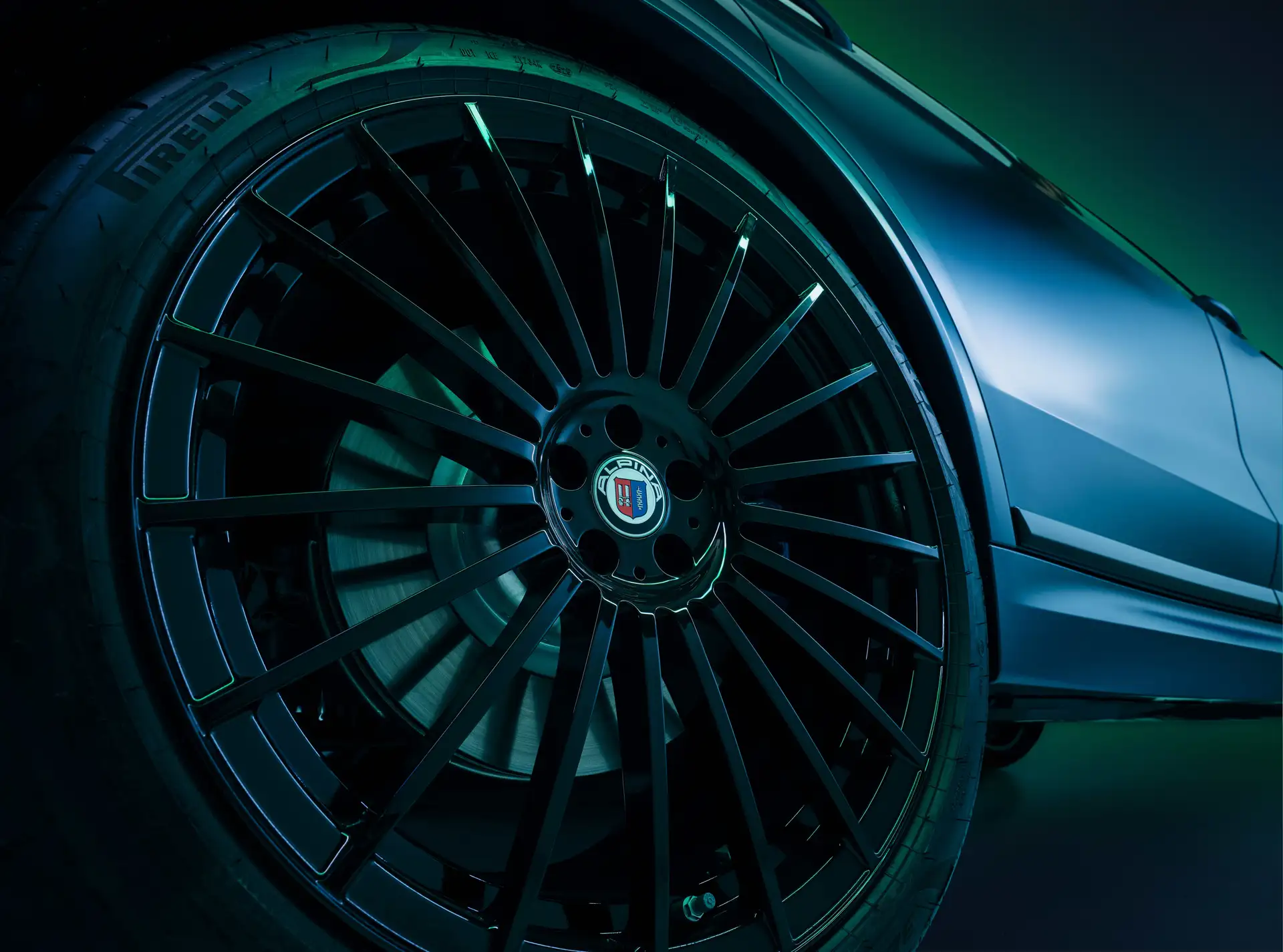
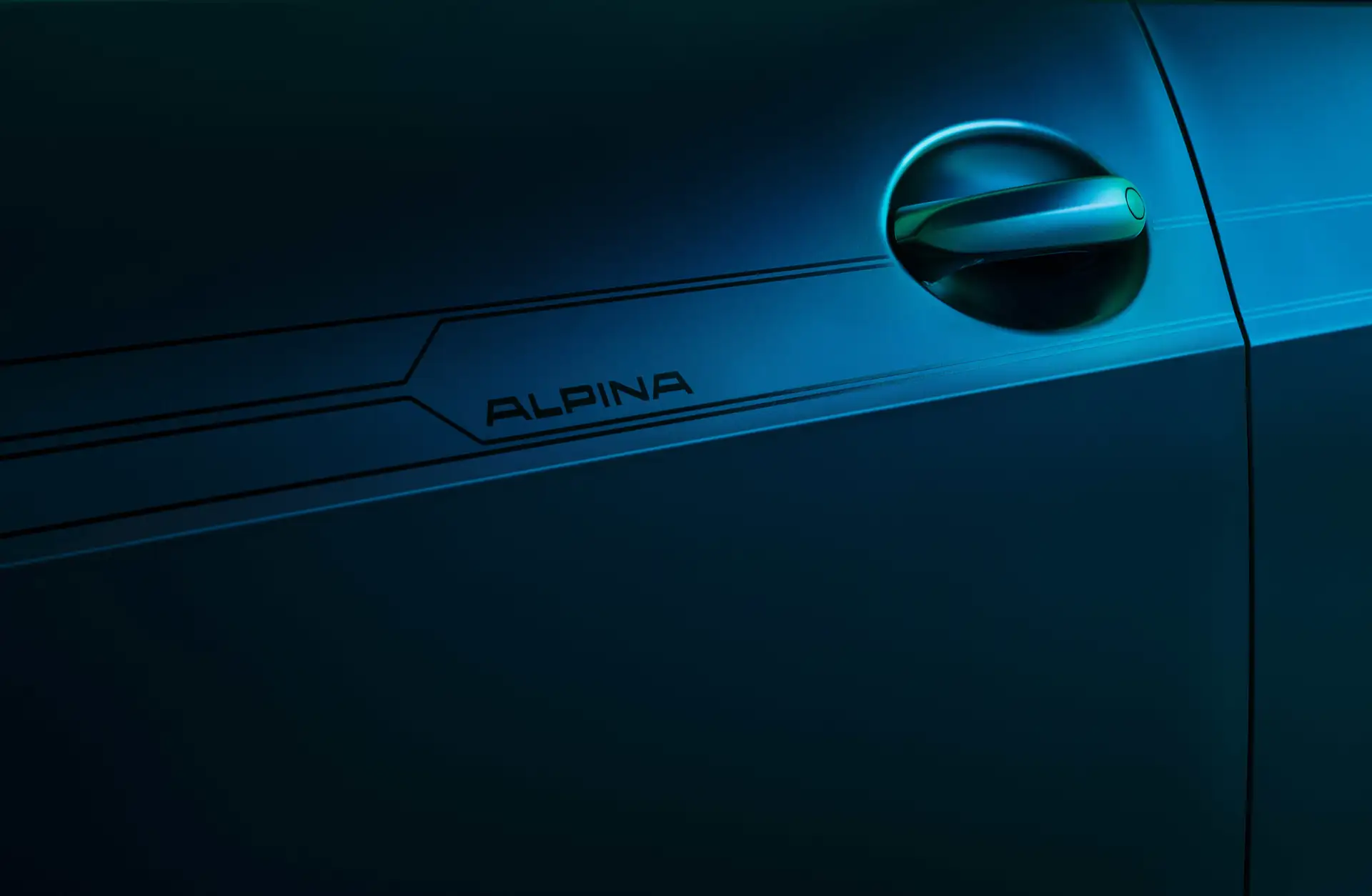
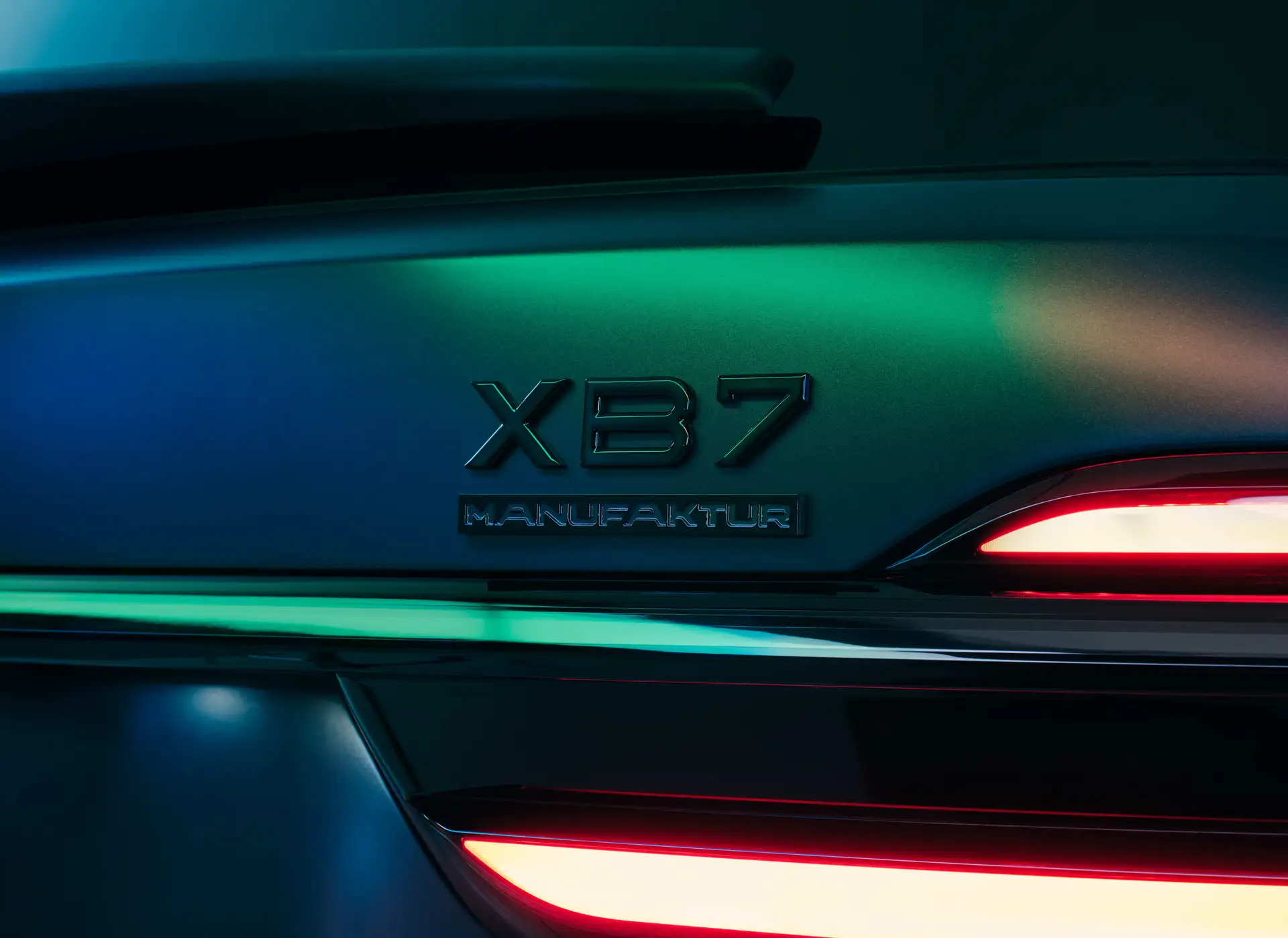
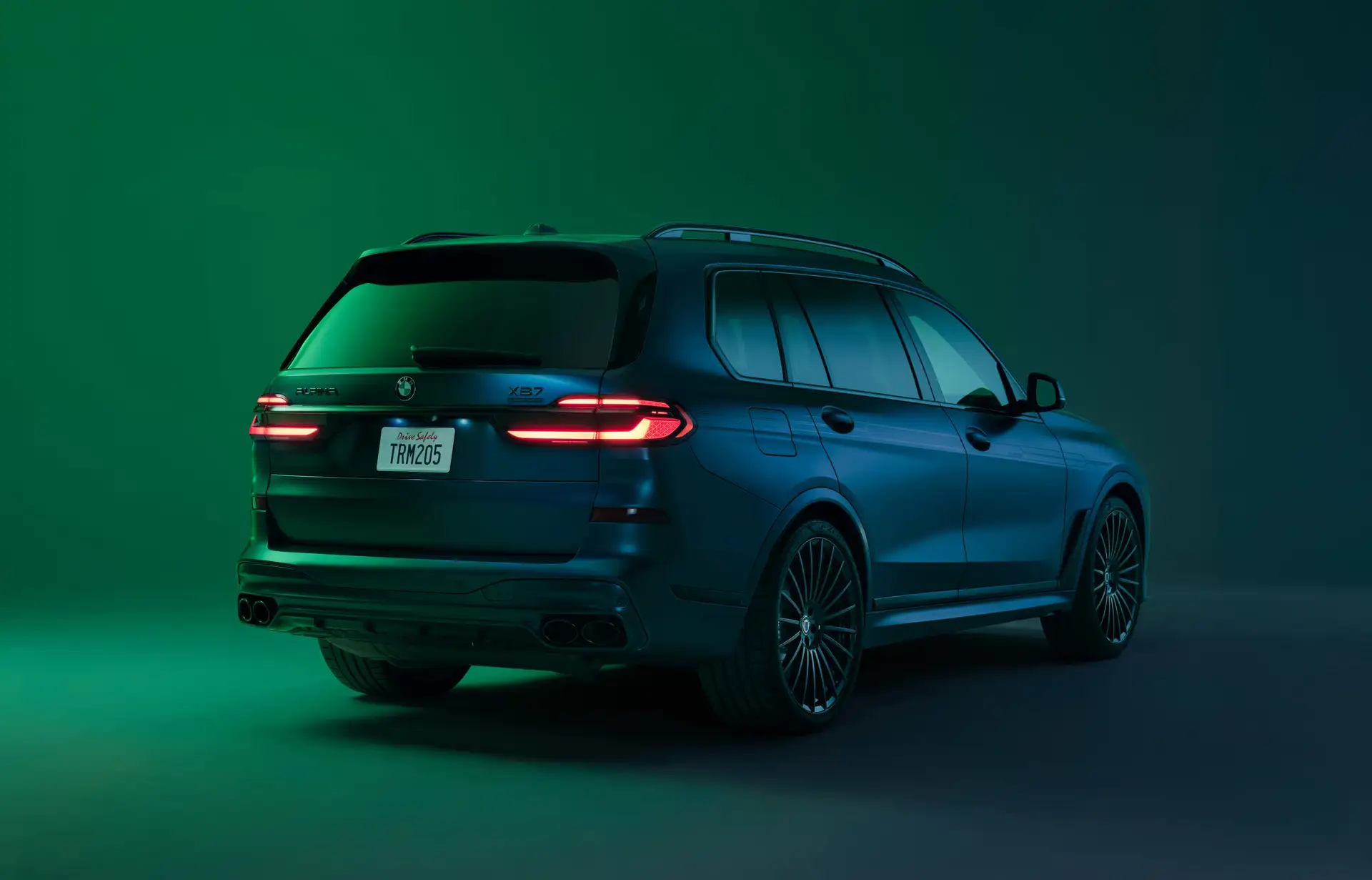
The aesthetic “blackout” package is complete. The traditional 23-inch forged wheels with 20 spokes — Alpina’s trademark — lose their chrome shine to adopt an absolute black. The trims, badges, even the smallest details: everything has been darkened. An elaborate black side stripe runs along the vehicle’s body like a permanent ink signature.
The Interior That Costs More Than an Apartment in a Small Town
Opening the door of the XB7 Manufaktur is like stepping into a conceptual living room in Milan. The Tartufo Merino leather in the Walnut Nature Black shade wraps seats, dashboard, and doors with a generosity that seems almost excessive — until you realize that “excess” is exactly the concept here.
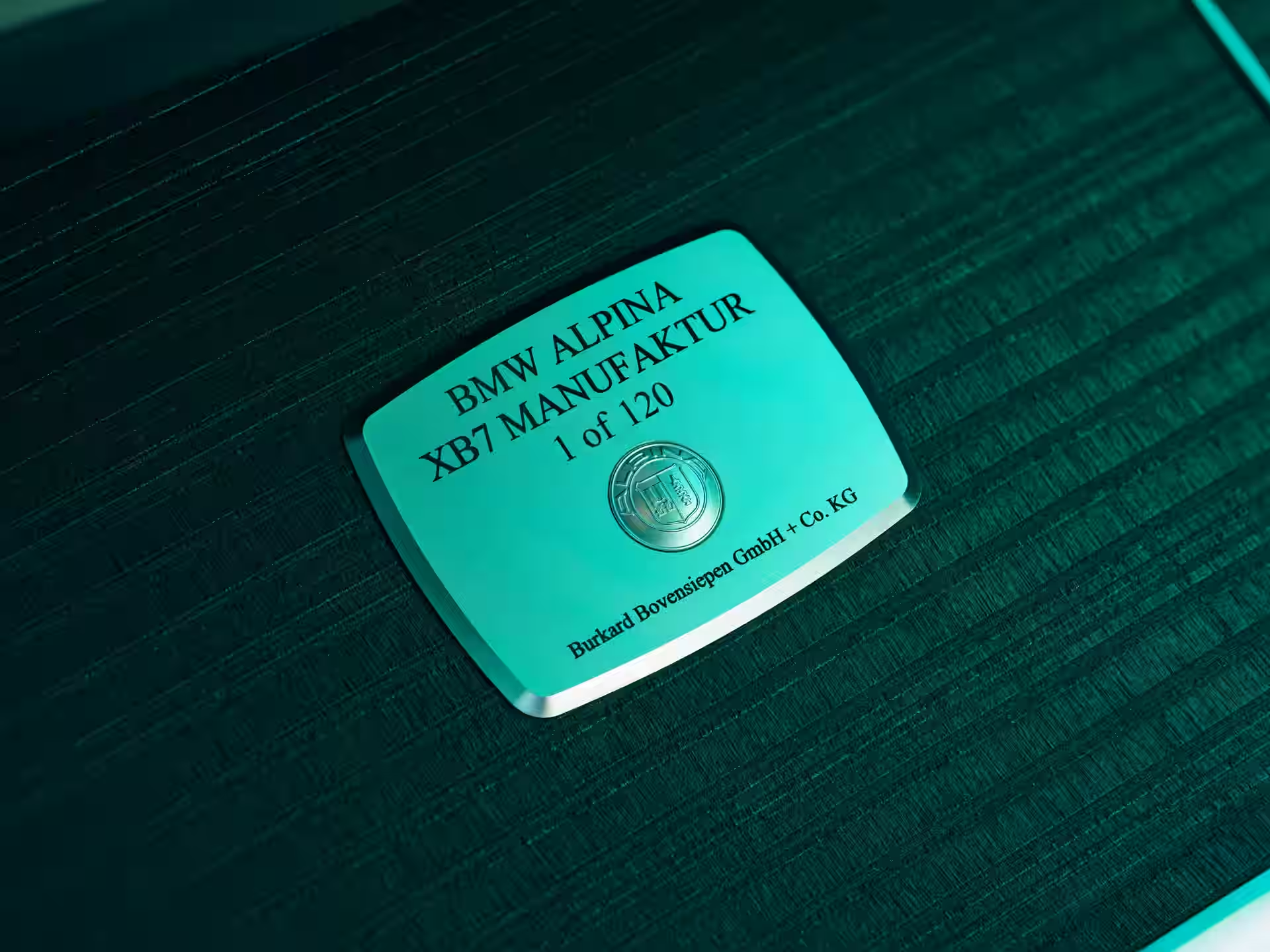
The headrests feature special Alpina embroidery. The center console displays a “1 of 120” plaque that turns each unit into numbered art. The individual seats in the second row are mandatory, eliminating any pretense of a typical family utility vehicle. The Bowers & Wilkins Diamond surround sound system is standard, because at this price, “optional” sounds like an insult.
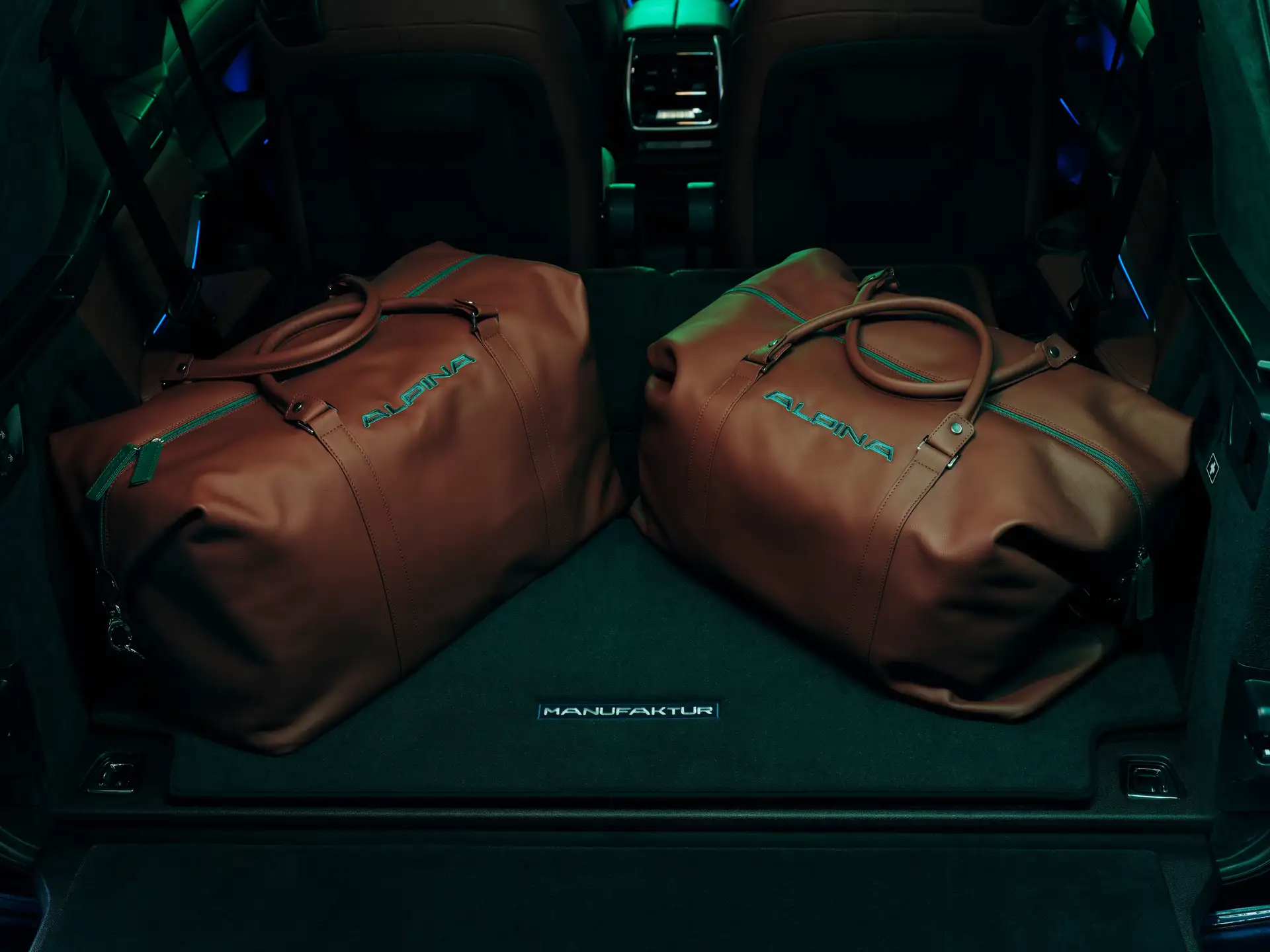
And there’s more: in the trunk, two leather weekender bags with Alpina branding await. These aren’t dealership accessories. They are leather goods pieces that would probably cost four digits if sold separately.
The Heart That Defies Physics and Logic
BMW declares 631 HP for the 4.4-liter twin-turbo V8. The number is already impressive. But those familiar with Alpina know that the tuner has always been conservative in its official specs. When we tested the 2021 XB7 — with 19 fewer horsepower — the 2.5-ton SUV sprinted from 0 to 62 mph in 3.7 seconds, surpassing the brand’s own estimate.
The new version promises 3.9 seconds. The reality? Probably under 3.5. The ZF eight-speed transmission was recalibrated to tolerate the brutal torque, while the air suspension can lower the body by 40 millimeters — not for aesthetics, but to reduce the center of gravity in corners.
The four-wheel steering turns the rear wheels up to 2.3 degrees, shortening the turning radius in urban maneuvers and stabilizing the beast at cruising speeds. It’s hypercar technology applied to something that can carry seven people and their ski equipment.
The price? US$ 181,550. For context: the BRABUS 750 Bodo Buschmann Edition costs more than double and doesn’t necessarily offer more exclusivity. The XB7 Manufaktur, on the other hand, will be remembered as the last guardian of a philosophy that BMW Alpina promises to keep alive — even under a new banner.
Production begins in September 2026 at the Spartanburg plant, South Carolina. One hundred and twenty units. Two colors. One heritage. Those who hesitate have already lost.