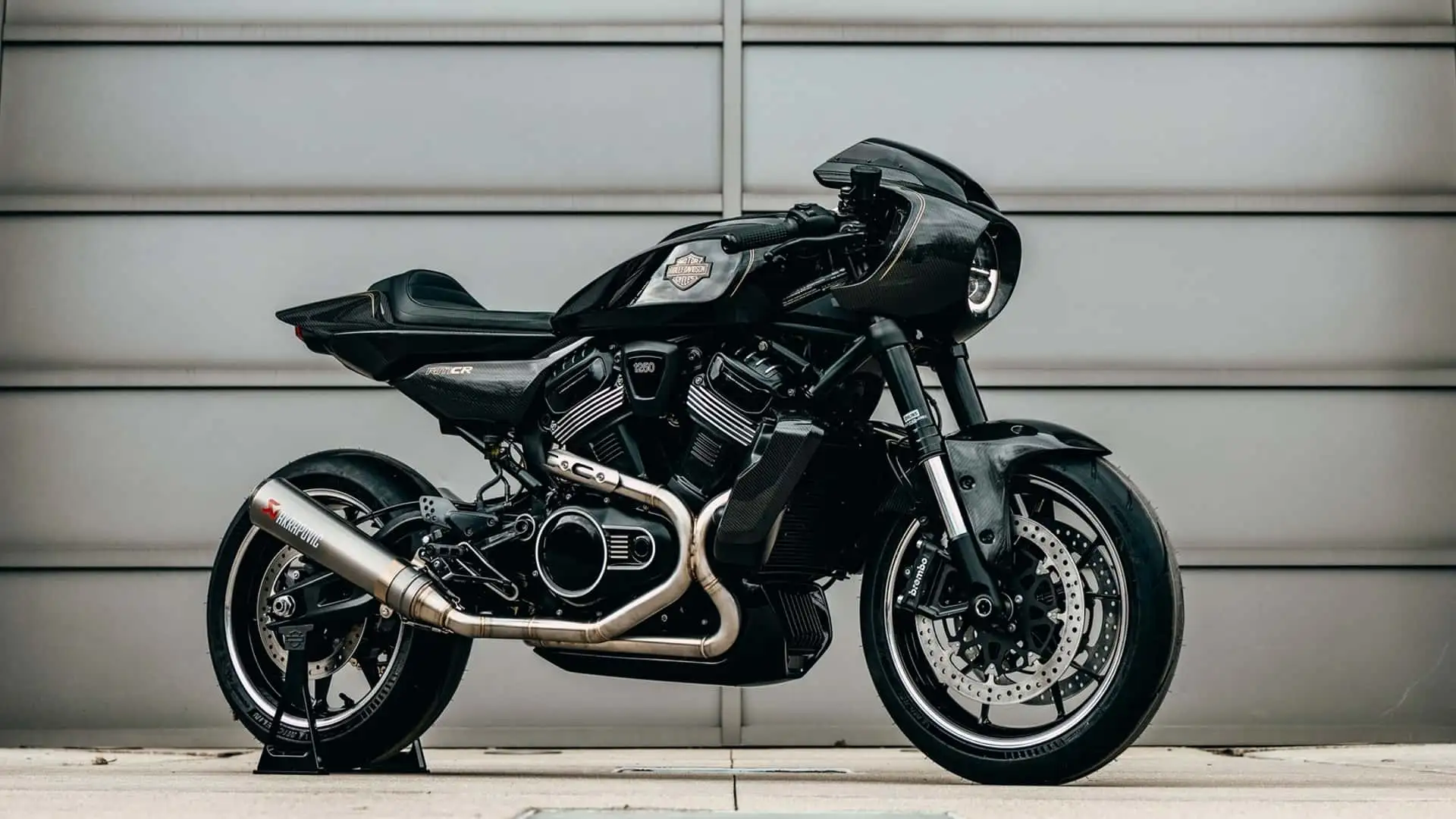
HARLEY-DAVIDSON RMCR combines the classic XLCR look with the 150 HP Revolution Max engine. Find out if this café racer will save the brand.
The Harley-Davidson RMCR Concept And The Return Of The Rebel Spirit
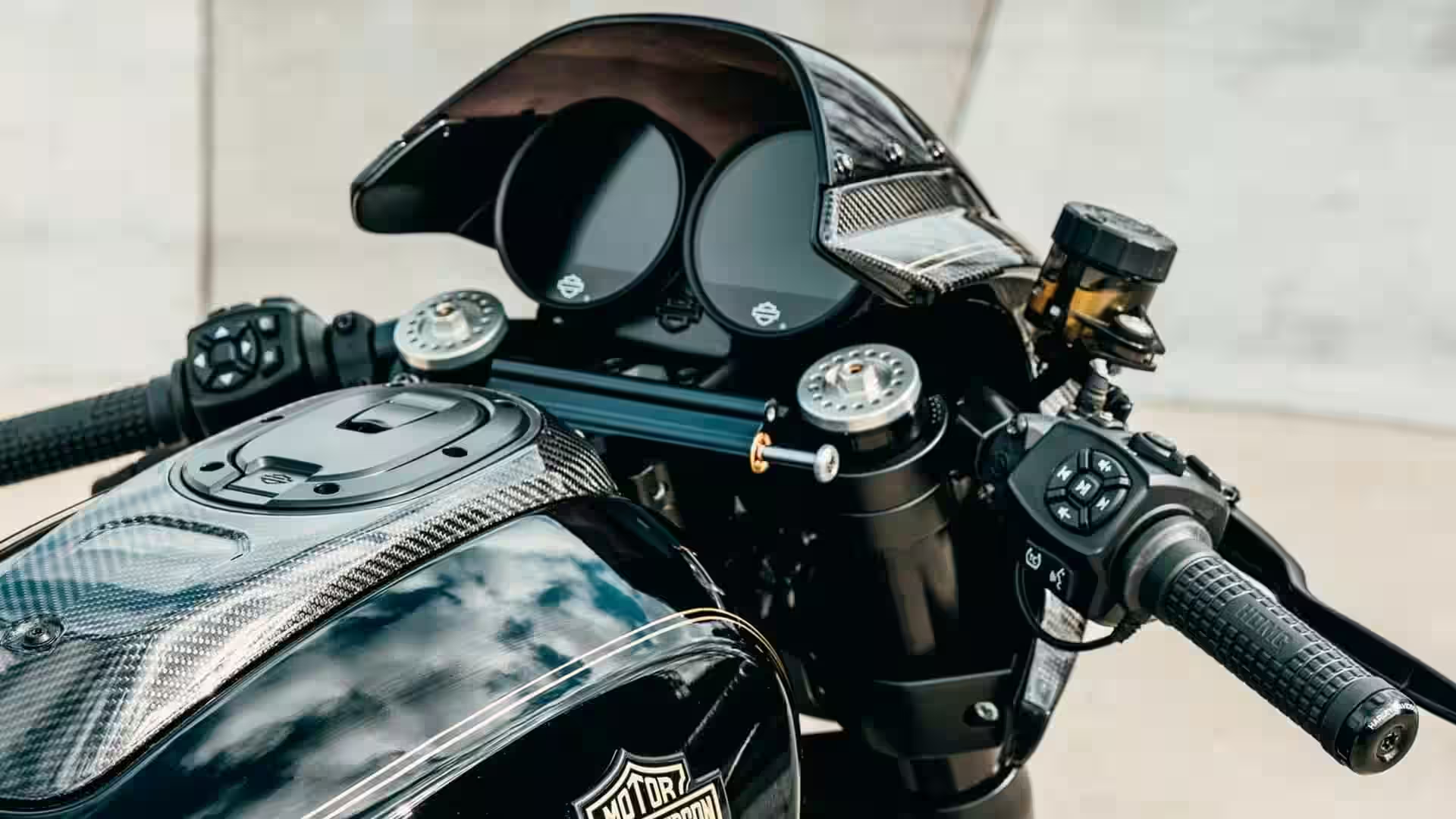
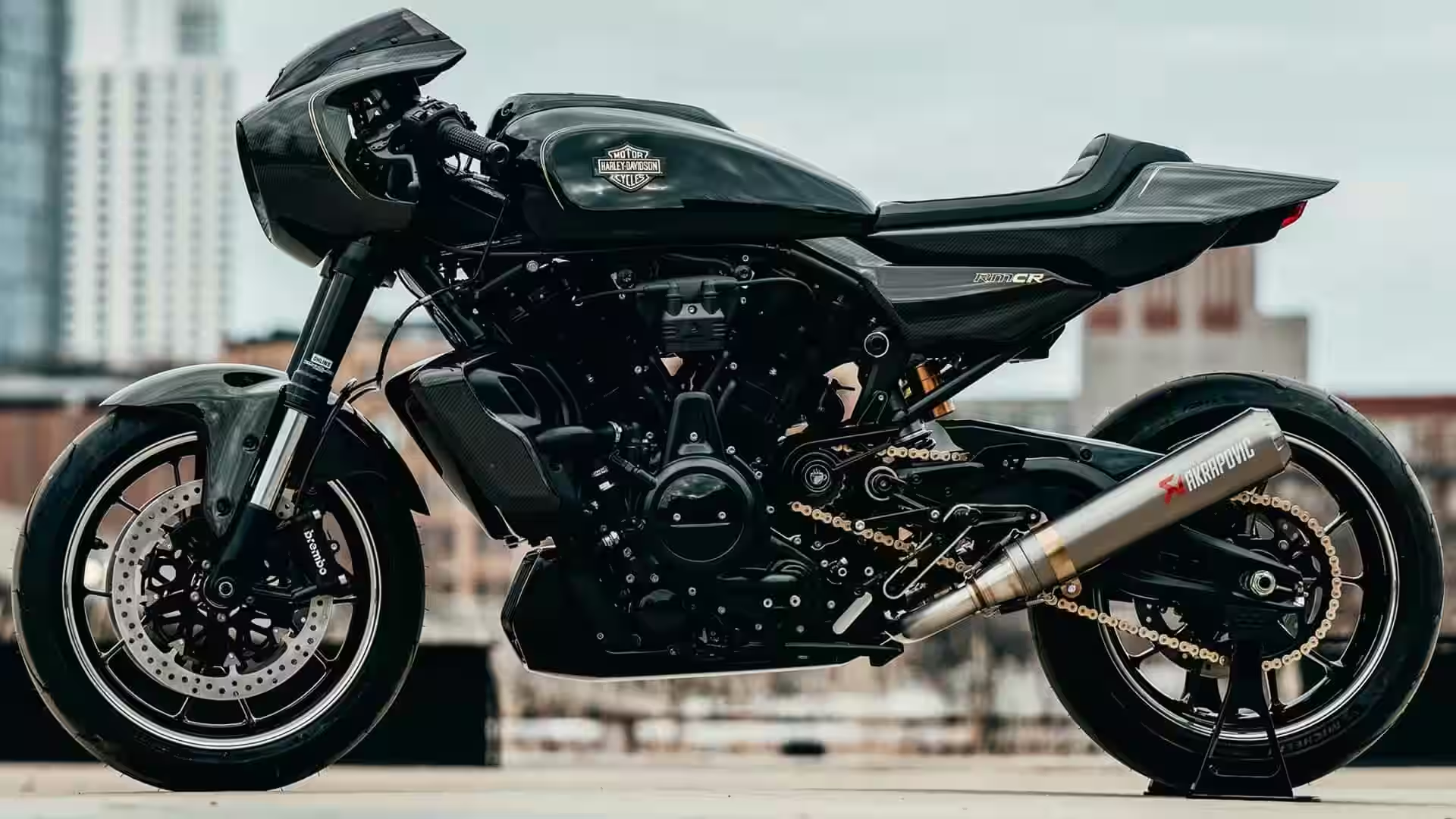
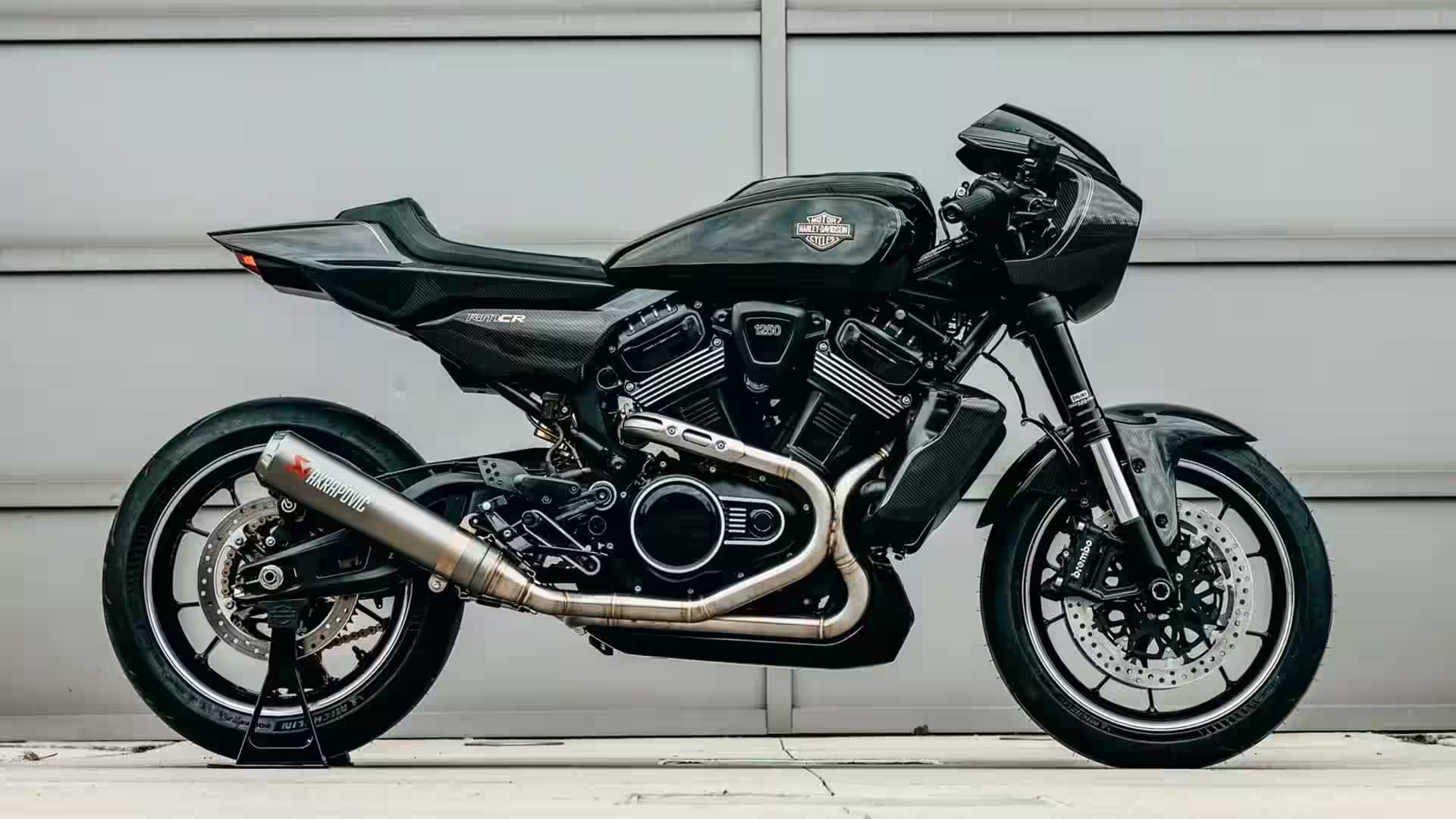
The RMCR was introduced as an experimental project created for the Mama Tried Show event. Although it is just a concept, the public’s reaction was immediate. Enthusiasts and experts agreed on something rare in the world of modern motorcycles: this is a Harley that looks made for the future without abandoning the past.
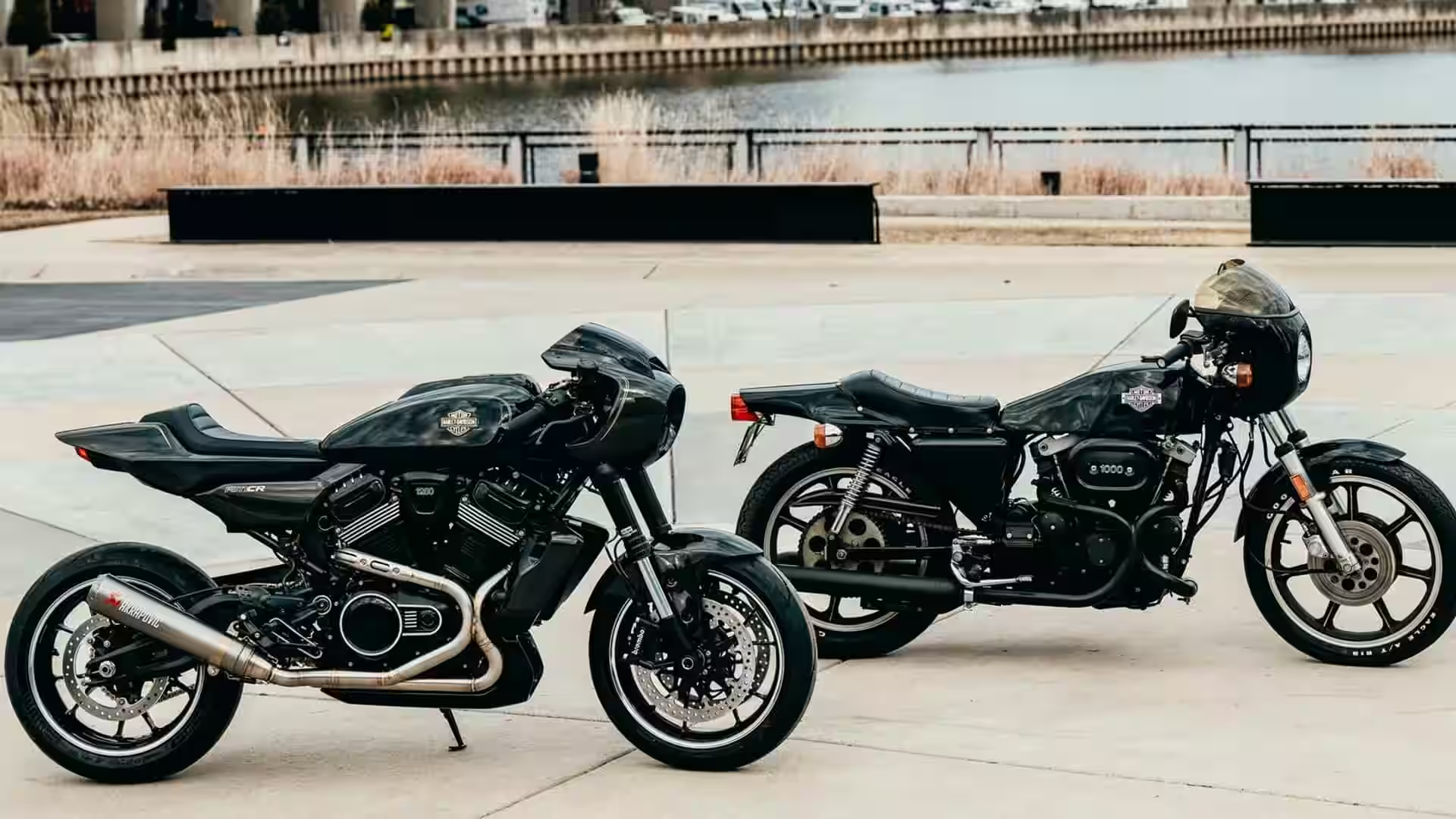
The model is directly inspired by the legendary XLCR Café Racer from the 1970s, created under the influence of designer Willie G. Davidson. However, while the original was a bold stylistic exercise for its time, the RMCR represents a complete evolution of the brand’s engineering.
Among the main highlights of the concept are:
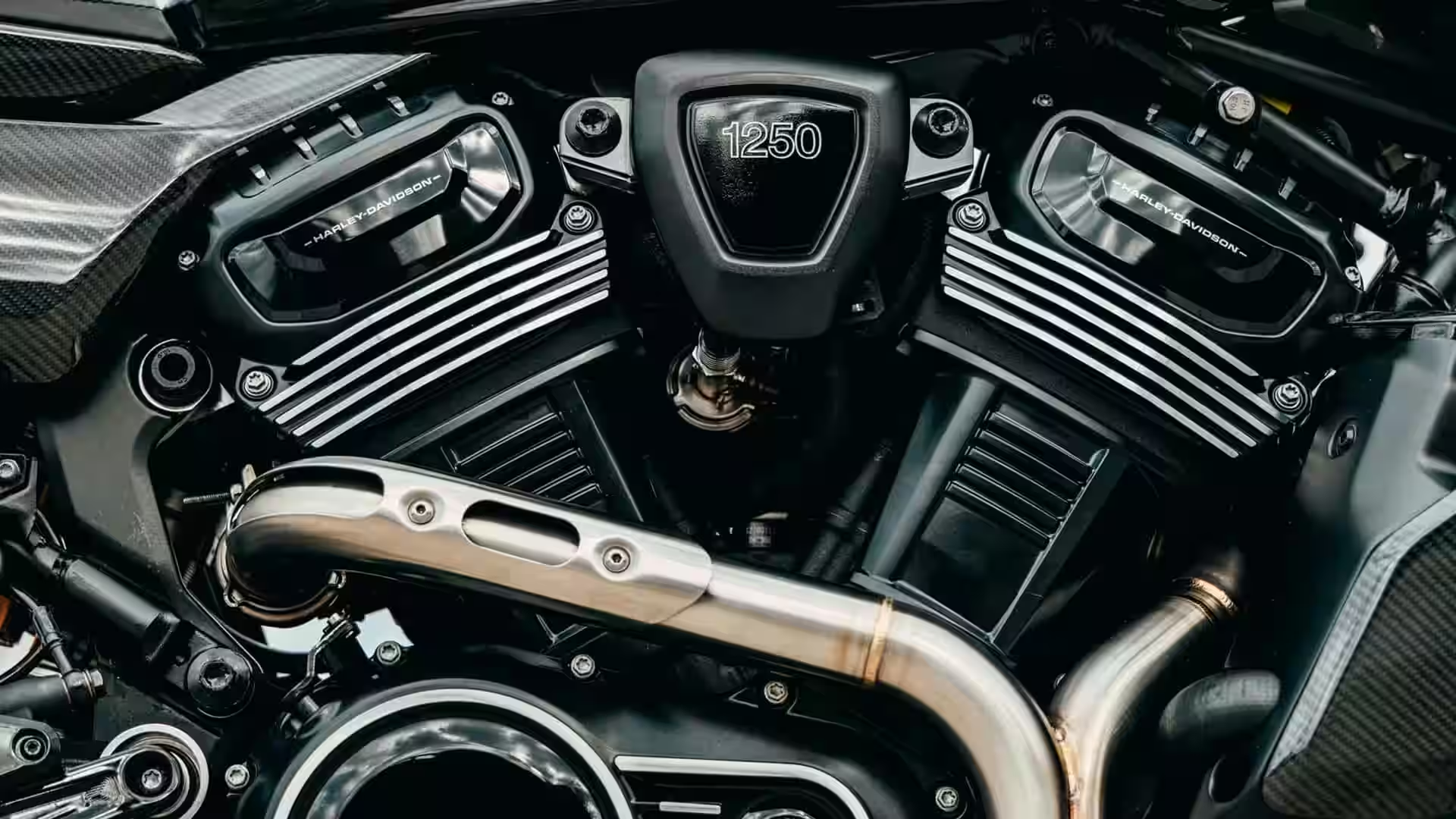
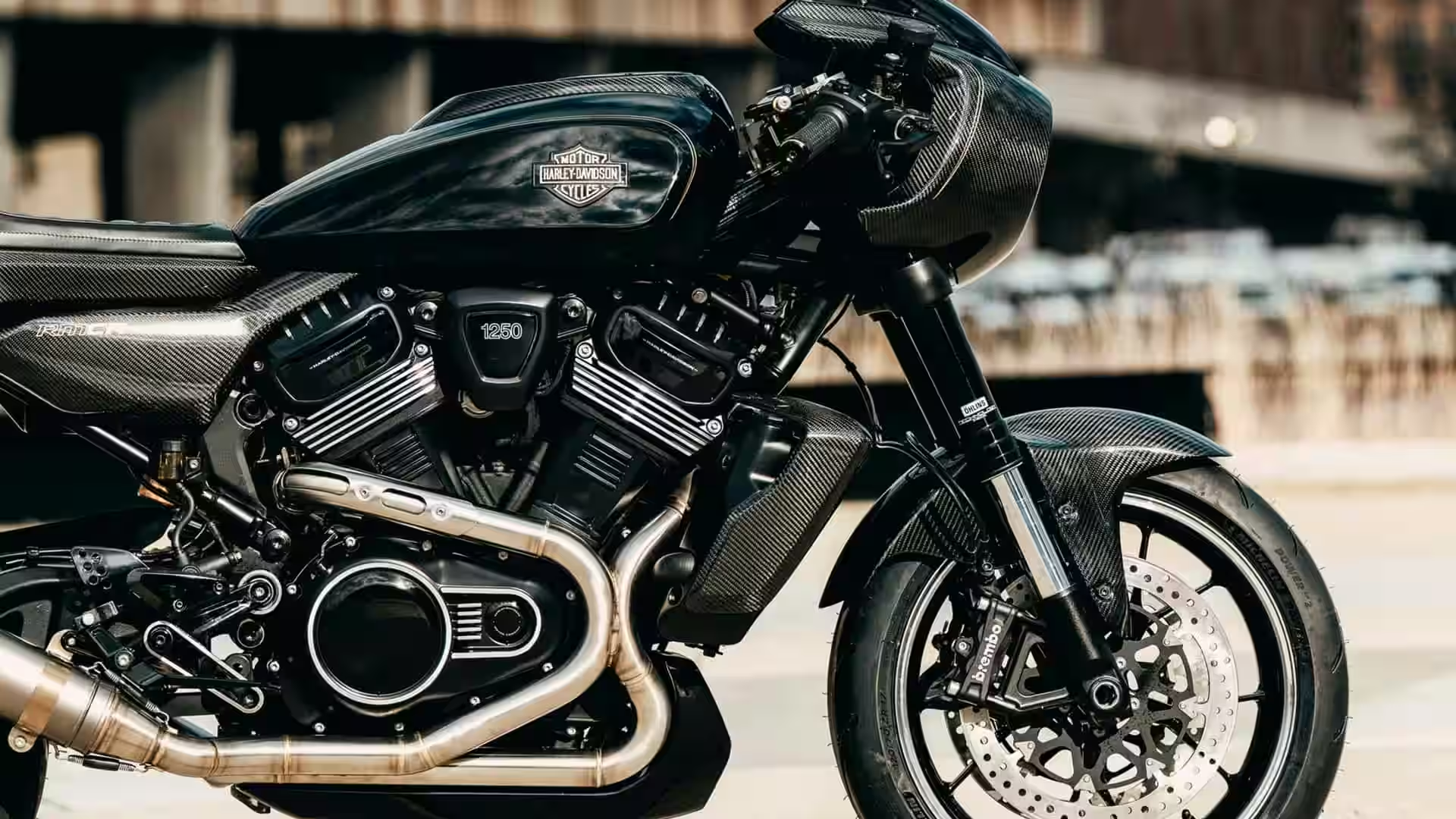
- 1250 cc Revolution Max V‑Twin engine
- Modern architecture with liquid cooling
- Sport chassis derived from the Pan America
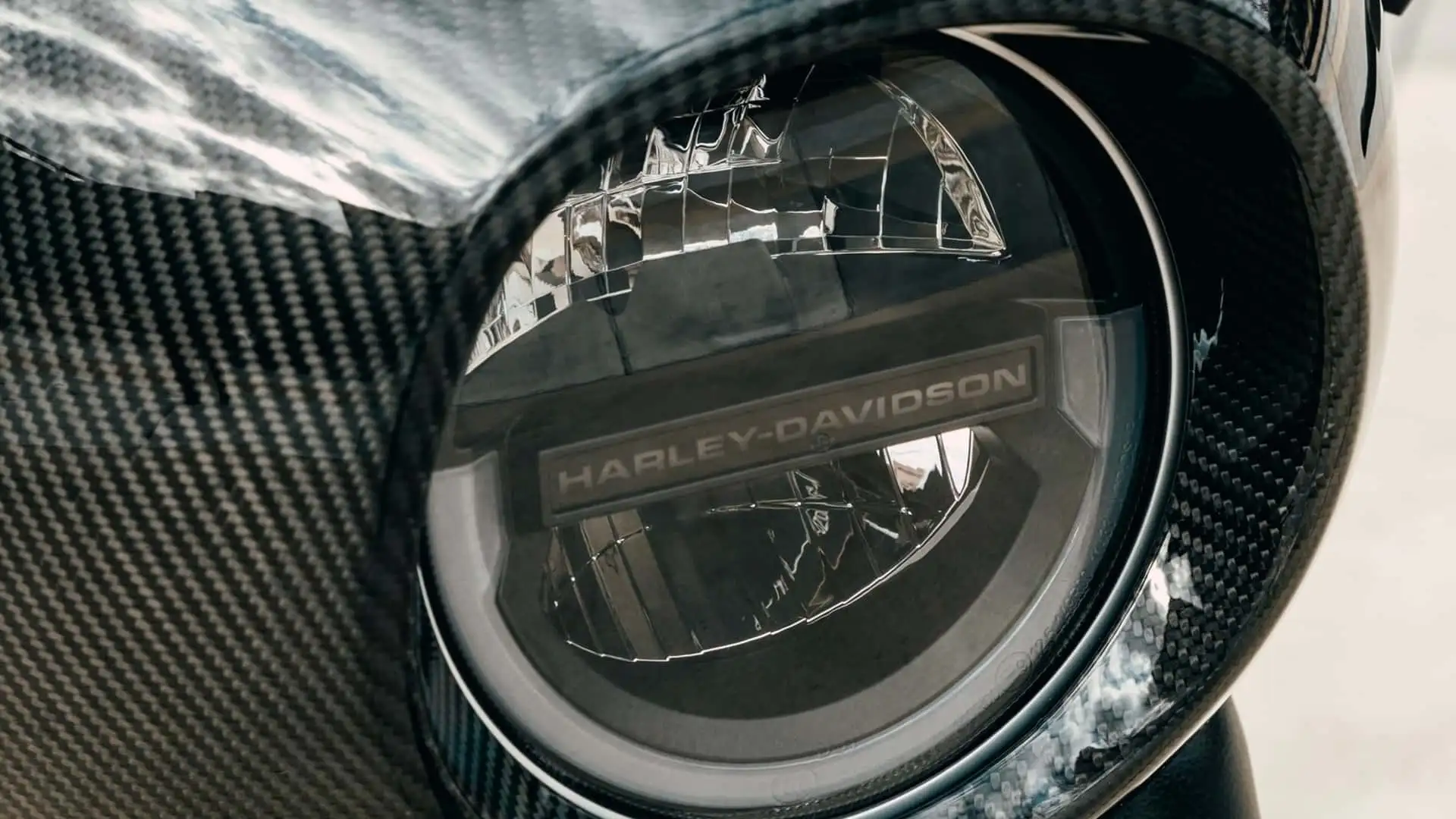
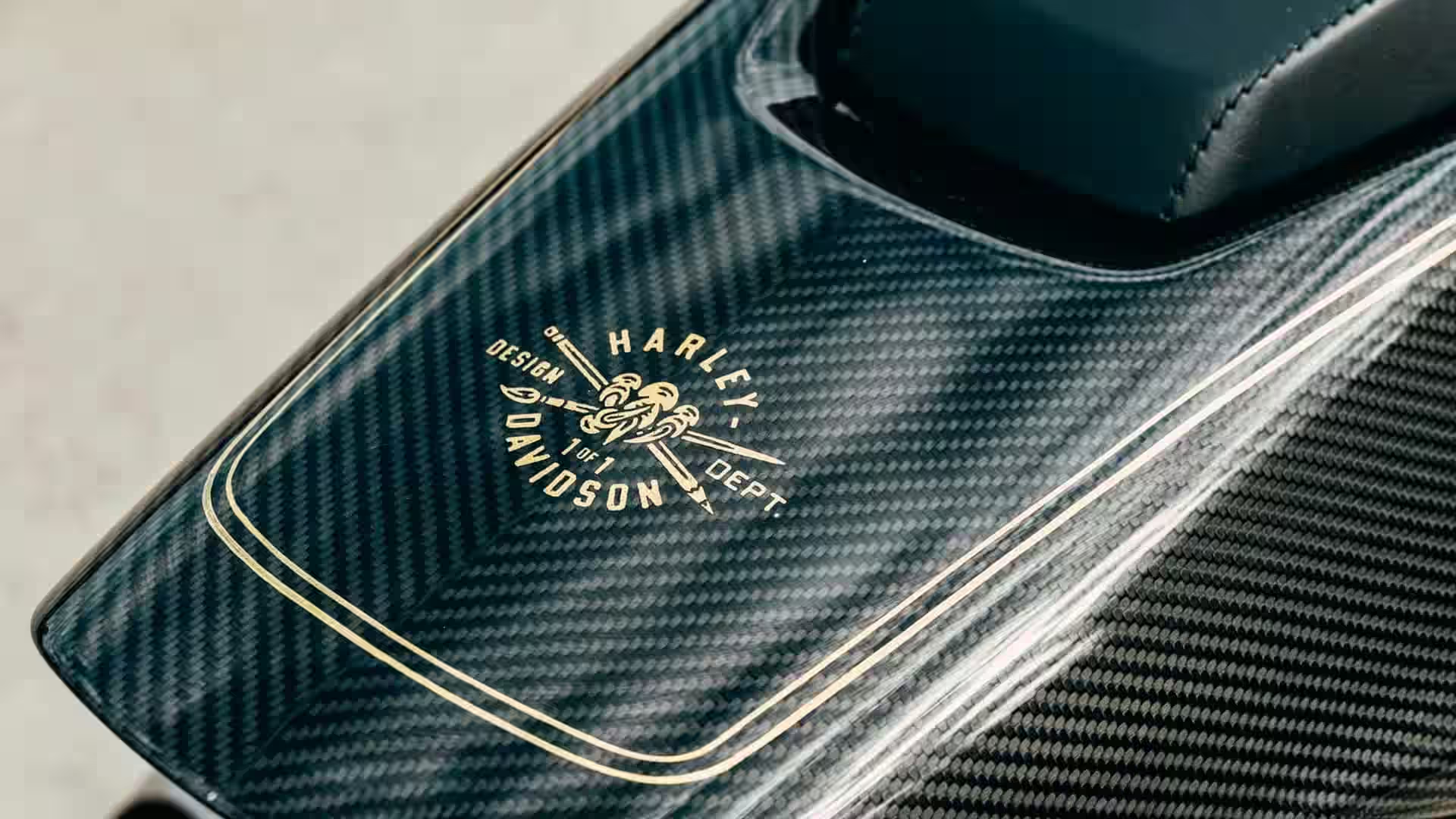
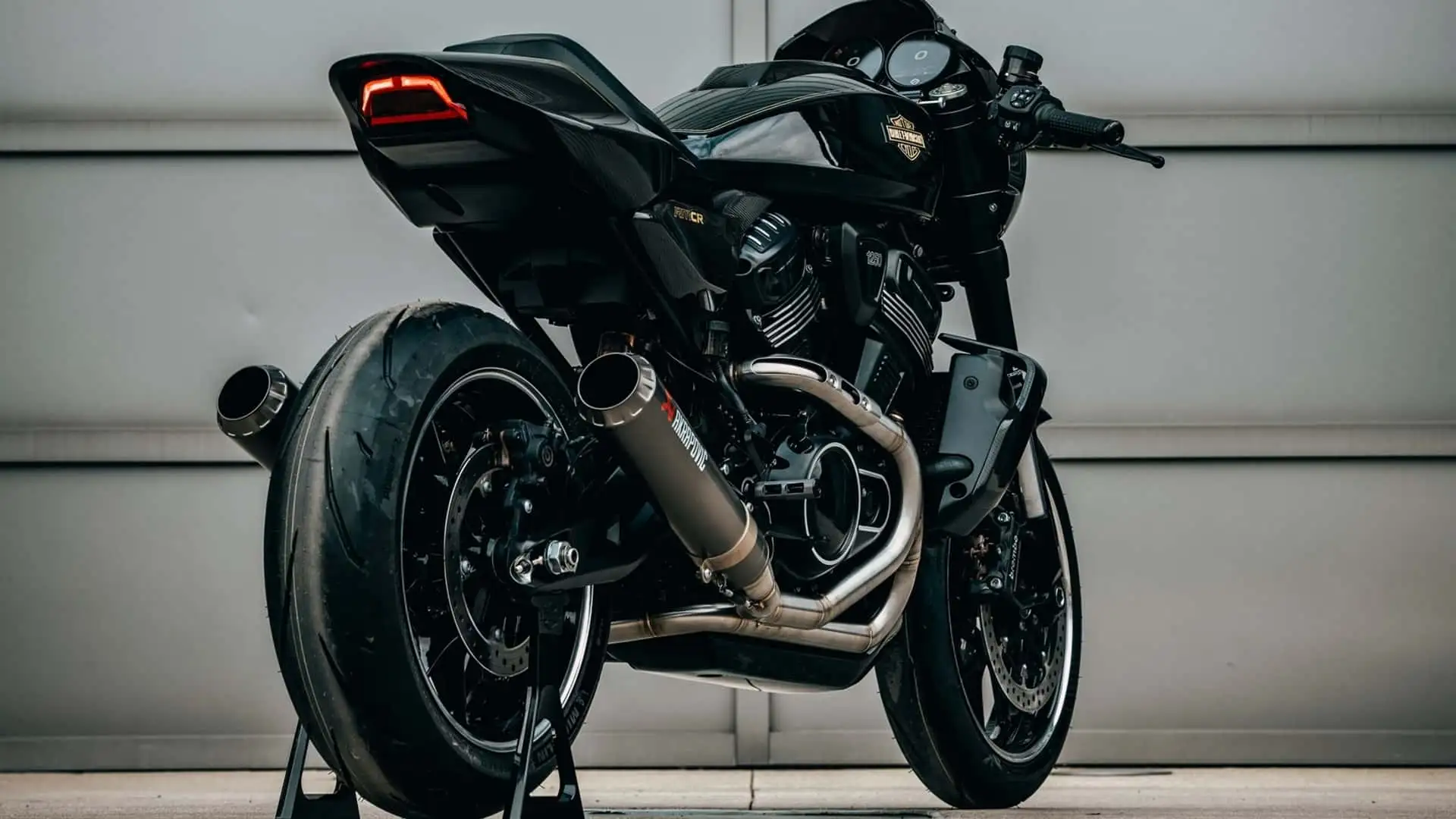
- Carbon fiber bodywork
- Custom 2‑into‑1 exhaust
This setup delivers something rarely associated with traditional Harley-Davidson: agility, sportiness, and a radically modern look.
The Revolution Max engine, for example, already equips models like the Pan America and the Sportster S. It delivers about 150 HP of power and approximately 127 Nm of torque, figures much closer to European sport bikes than to classic American cruisers.
This technical shift places Harley in a territory dominated by brands like Ducati, Triumph, and BMW. An example of how this segment remains strong can be seen in the Triumph Speed Twin 1200 Cafe Racer Edition, which shows how high-performance retro motorcycles continue to win over new riders worldwide.
Why Harley-Davidson Needs This Bike Now
There is a strategic problem that Harley itself has already publicly acknowledged. The brand’s traditional audience is aging, while many young motorcyclists simply don’t identify with large, heavy, and extremely expensive motorcycles.
Some Harley baggers easily exceed 40 thousand dollars. For new riders, this price is practically prohibitive.
The RMCR comes precisely to solve this dilemma.
It combines three elements that the current market values:
- Retro design with modern performance
- Sportier dimensions
- Current technological platform
Esse tipo de moto conversa diretamente com um público que busca estilo e desempenho, mas que não quer uma cruiser de quase 400 kg.
Além disso, o RMCR ocupa um espaço que ficou parcialmente vazio após mudanças estratégicas de outras marcas. A própria Indian Motorcycle, principal rival histórica da Harley, focou nos últimos anos em cruisers e baggers comemorativas como a Indian Motorcycle 125th Anniversary Edition, deixando o segmento cafe racer com menos opções icônicas.
Isso cria uma oportunidade rara para a Harley assumir protagonismo nesse nicho.
The Strategy That Could Save The Brand
Despite the RMCR’s visual impact, experts believe it should not be launched alone. In fact, the motorcycle could be just the first step in a much larger strategy.
Today, Harley owns the Pan America 1250, an extremely capable adventure touring bike. However, it is still large, powerful, and expensive for many riders.
A smaller version would make a lot of sense.
Something in the range of 750 cc to 900 cc could completely transform the brand’s presence in the global market. This strategy already works for European and Japanese manufacturers.
For example, mid-displacement adventure bikes have gained enormous popularity in recent years, as shown by the Yamaha Ténéré 700 World Raid, considered one of the world references in balance between price, off-road capability, and reliability.
Similarly, Ducati has bet heavily on this segment, as demonstrated by the Ducati DesertX V2, reinforcing that mid-sized bikes are dominating the new generation of adventurers.
If Harley-Davidson develops:
- A smaller Pan America
- A mid-displacement RMCR
- An affordable entry-level bike
the company could finally build a complete lineup capable of competing globally.
This would also help face new competitors emerging in developing markets. One example is the Ultraviolette X‑47 Crossover, which shows how tech brands and startups are strongly entering the motorcycle world.
In this competitive scenario, relying only on classic cruisers may not be enough.
The RMCR proves that Harley-Davidson still knows how to do something that few brands can: create machines with a strong identity, history, and presence. The challenge now is not technical. The engineering already exists.
The real question is strategic.
If the company turns this concept into production and expands the Revolution Max platform to new models, Harley could start a new era — younger, more global, and much more competitive in the modern two-wheel landscape.