
The 2027 Kia Niro Hybrid finally changes its look and tries to appear more “EV” without becoming fully electric — but the big question remains the same: is it the perfect urban hybrid or does it only seem perfect until you hit the highway?
What Changes in the 2027 Kia Niro Hybrid and Why This Facelift Matters
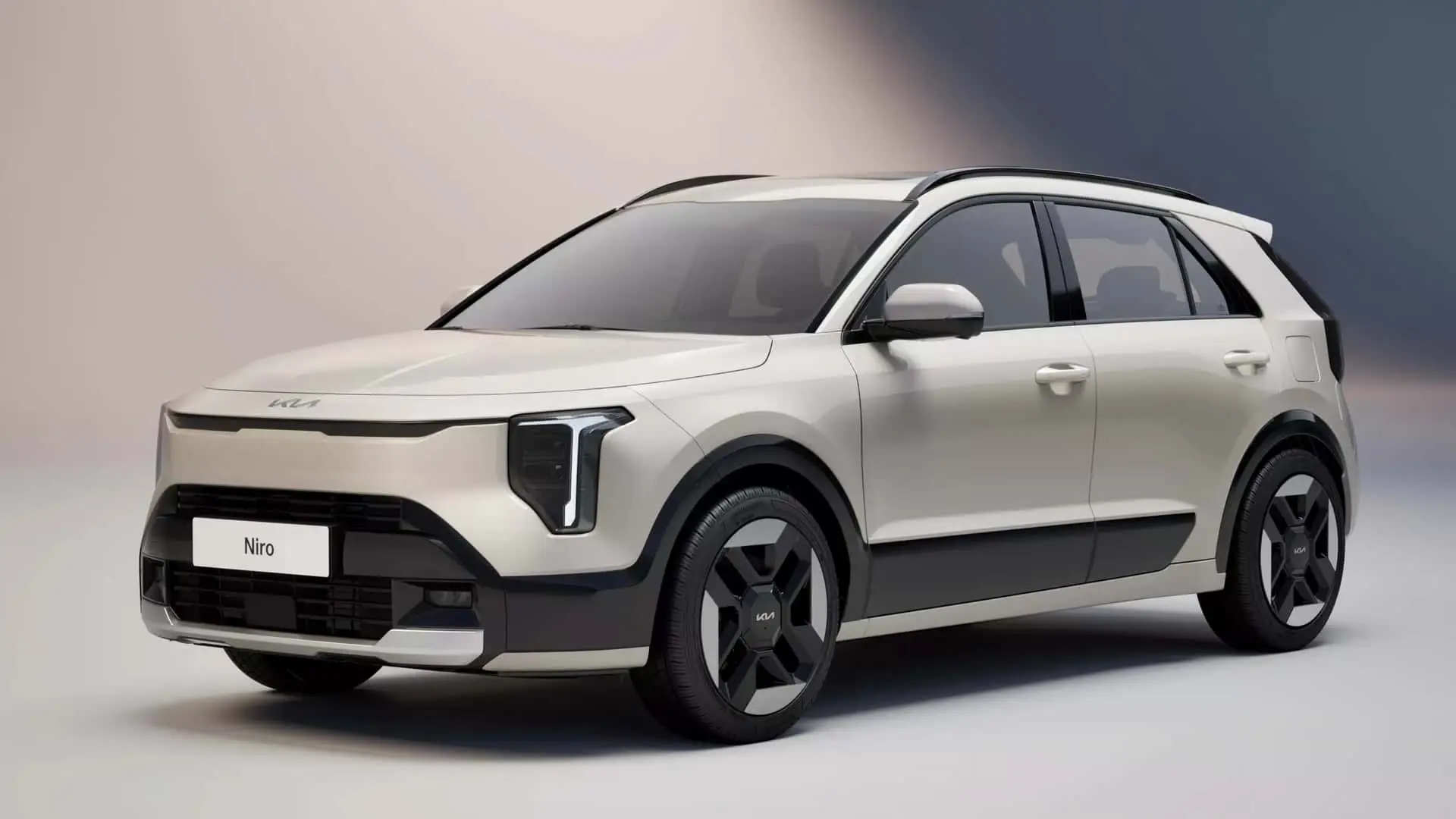
When a car keeps the same design for years, two things happen simultaneously: it becomes recognizable and, inevitably, starts to look outdated. In the 2027 Kia Niro Hybrid, Kia chose to tackle this exact point. The model receives a facelift that aligns its look with the latest Kias, adopting an aesthetic language closer to what the brand has been doing with electric cars and larger SUVs.
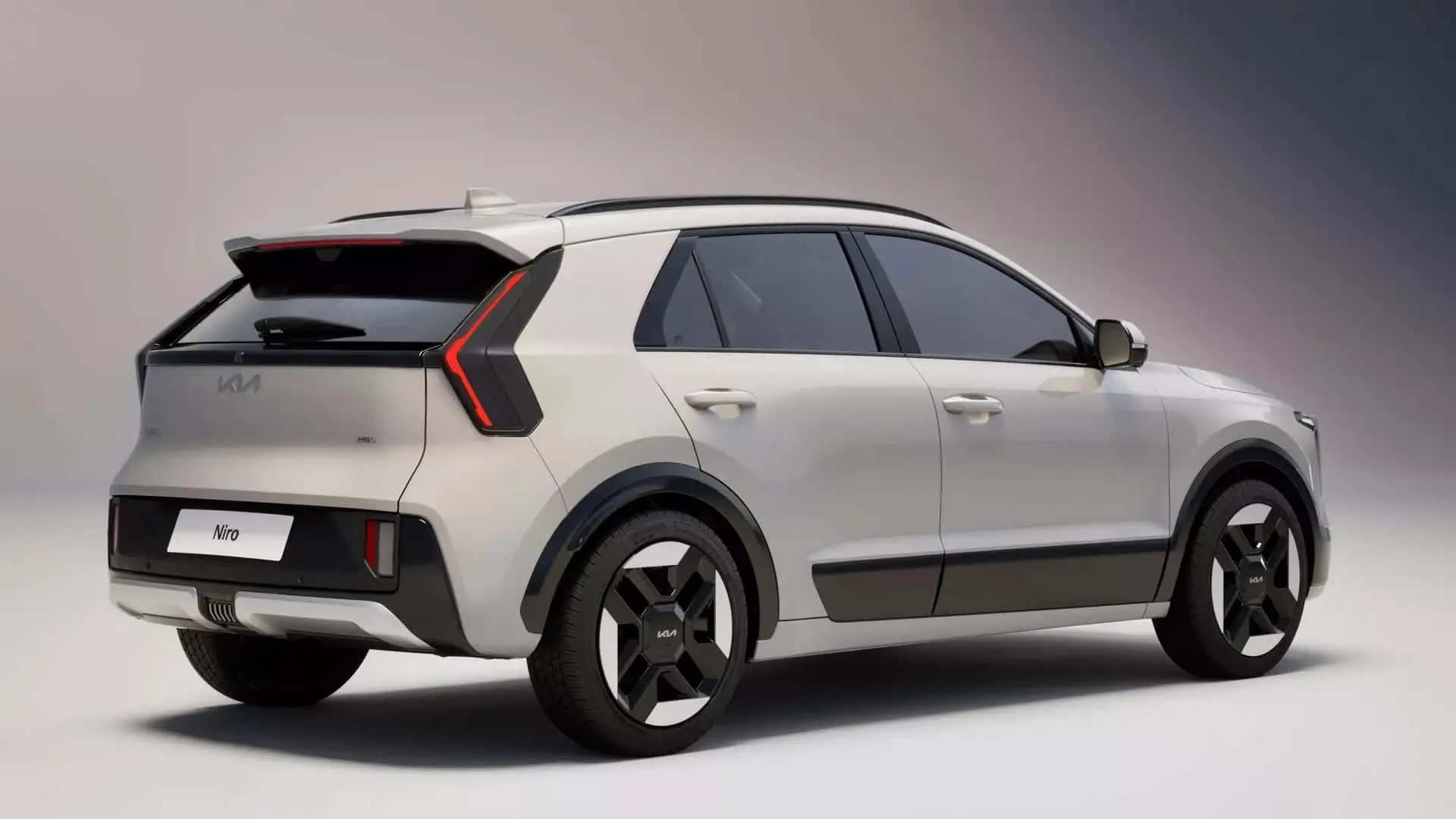
Practically speaking, the 2027 Niro gets a redesigned front end and new 18-inch wheels, creating a more cohesive and “premium” appearance without necessarily changing its concept. And here’s the catch: this kind of update is often what seals the deal in the real world, especially in the subcompact hybrid SUV segment, where many buyers decide with their eyes before even checking consumption figures.
“The Niro has always been the hybrid for those who want economy with style. The 2027 facelift aims to make that more obvious at first glance.”
If you want to see which images and preliminary details of this redesign have already appeared, it’s worth opening this link and comparing with the previous model because the change in “personality” is key: Kia Niro facelift shows the first images and details that almost no one notices.
In terms of market positioning, the logic is simple and very current for SEO and search intent: those searching for “2027 Kia Niro Hybrid price”, “hybrid Niro consumption”, and “is the 2027 Niro worth it” are generally trying to avoid two extremes: a fuel-thirsty combustion SUV and an electric that still scares with infrastructure, resale value, or cost.
This is where the Niro remains a product with strong appeal: it delivers the most pragmatic “hybrid package” possible, but with a more modern presentation.
Estimated Price and Versions of the 2027 Kia Niro Hybrid
The price of the 2027 Kia Niro Hybrid is estimated to range from US$ 30,000 to US$ 38,000, depending on the version and options. In terms of searches, this range places the Niro in the territory of those who compare it directly with other well-equipped compact and subcompact crossovers.
| Version | Estimated Price (USA) | Buyer Profile |
|---|---|---|
| LX | US$ 30,000 | Entry-level, cost-benefit focus |
| EX | US$ 32,000 | More technology without overkill |
| EX Premium | US$ 34,000 | Balance of features and price |
| SX | US$ 35,000 | Better trim and sound system |
| SX Touring | US$ 38,000 | Top trim, appearance and fuller package |
If your search is for the “best version of the 2027 Kia Niro Hybrid,” the most rational answer tends to be the EX Premium, because it adds comfort and convenience features that improve daily use (like a sunroof and power-operated trunk) without “blowing up” the price proportionally.
For those looking at the Kia family and wanting to compare close proposals, it also makes sense to cross-reference this reading with a larger, more family-oriented SUV. This link helps understand the proposal jump within the brand: Kia Sportage Hybrid 2027 shows why the Niro isn’t the only “sensible” hybrid from the brand.
Performance and Fuel Economy of the 2027 Kia Niro Hybrid in the Real World
Let’s get to the heart of the matter, because this is where the Niro divides fans from critics. The hybrid system maintains the efficiency and smoothness proposed for stop-and-go urban driving but doesn’t try to seem sporty. And this is intentional.
- Gasoline engine 1.6 naturally aspirated, 4 cylinders
- Electric motor integrated into the hybrid system
- Combined power 139 hp (approx. 141 hp)
- Transmission 6-speed dual-clutch automatic
- Drive front-wheel drive (FWD)
If you’re searching for “2027 Kia Niro Hybrid 0 to 60” or “0–60 mph,” expectations need to be calibrated: in instrumented tests (segment references), the Niro clocks in around 8.9 seconds for 0–60 mph (approx. 0–96 km/h). For city driving, that’s totally acceptable. For quick highway overtakes, it requires planning.
The detail that becomes a talking point on social media is another: when pushed, the gas engine can sound rough. This doesn’t mean the car is bad — it means that efficiency is prioritized over refinement under load.
2027 Niro Fuel Economy and the Difference Between Lab Numbers and Real Road Use
Kia (and the EPA in the US) positions the Niro as one of the most fuel-efficient hybrids in its segment. Reference numbers indicate:
- 53 mpg city (approx. 22.5 km/l)
- 45 mpg highway (approx. 19.1 km/l)
- 49 mpg combined (approx. 20.8 km/l)
So far, great. But there’s a “dilemma” the facelift doesn’t solve: in more realistic tests at constant high speeds, the Niro can deliver something like 39 mpg at 75 mph (approx. 16.6 km/l at about 120 km/h). Still good, but below the official highway rating.
This explains why the Niro often goes viral in forums and comments with two opposing narratives:
- Narrative A those who drive mostly in the city are enchanted by the economy.
- Narrative B those who travel a lot on fast highways feel it “didn’t meet” the promise.
The most honest way to summarize for those searching “real fuel economy Kia Niro Hybrid 2027” is: it shines in urban and suburban use, stays efficient on the highway, but may disappoint those expecting to replicate the official cycle number at strong and constant pace.
If you’re at that stage of comparing hybrid and electric (and want to understand why many drivers still stay in the middle), a piece of content that fits perfectly for tech and future context is this: Solid-state batteries promise to change the game and explain why hybrids still make sense now.
Interior, Technology, Safety, and Warranty of the 2027 Niro Hybrid
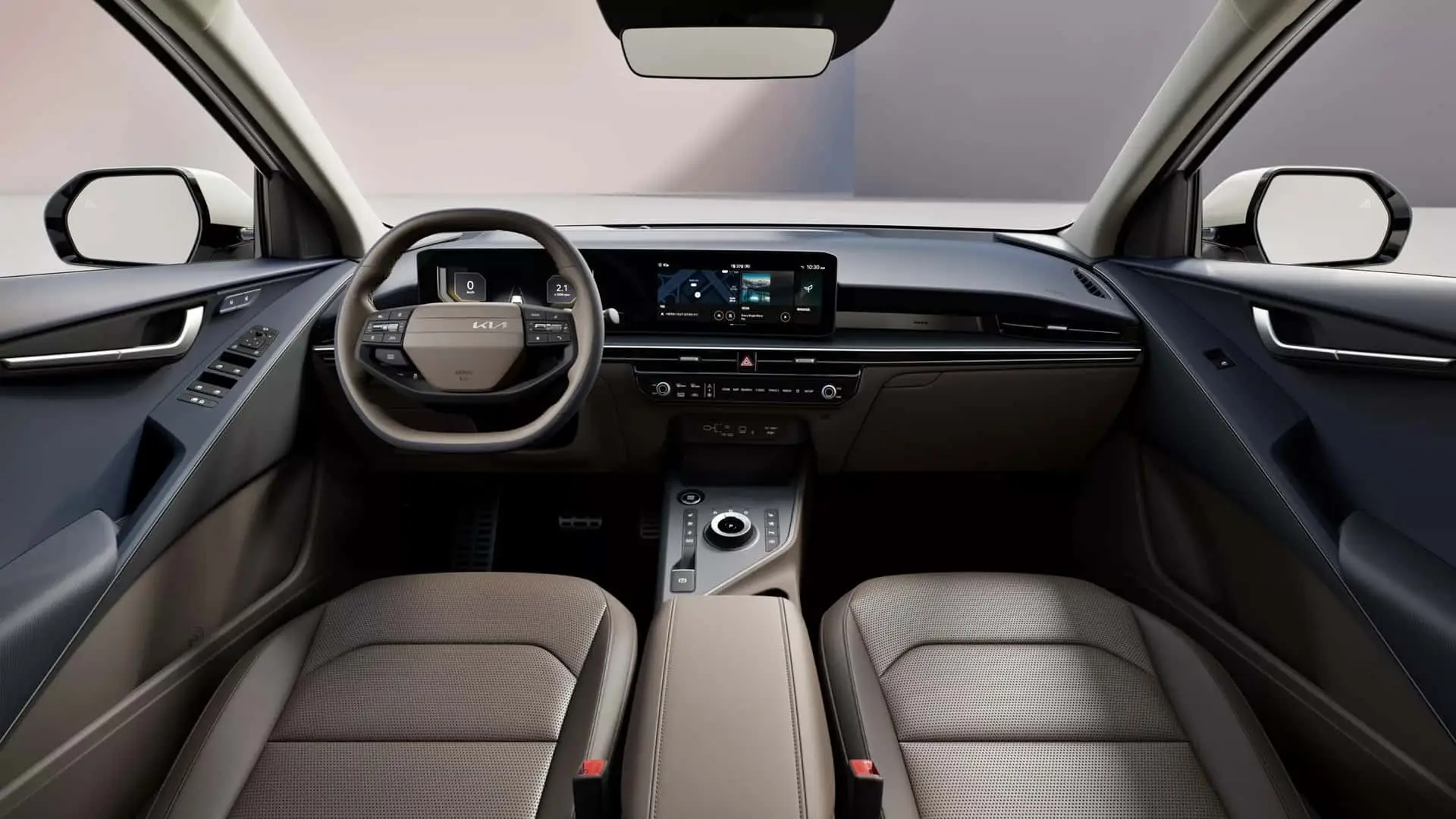
If there’s one reason why the Niro is often remembered as a “rational good buy,” it’s not acceleration: it’s the cabin package. Kia has been raising the standard of finish and tech perception in recent years, and the Niro follows this with a very modern proposal for the category.
Cabin with a Modern Feel and Sustainable Materials
The interior of the Niro has a contemporary design, focused on ergonomics and a feeling of a “current” car. One point gaining relevance in searches and in E-E-A-T (experience and product credibility) is the choice of materials:
- Use of recycled materials and natural fibers in parts of the trim
- Environment with a more “clean” and technological aesthetic
- Good list of features in higher trims
In terms of space, it doesn’t try to beat larger SUVs. The rear seat comfortably fits two adults, but long trips with three in back aren’t ideal. For those buying with the city in mind, this is consistent: the Niro is compact enough for maneuvering and parking without being too “tight” upfront.
Trunk and Real-Day-to-Day Use
The Niro tends to please in something many people only notice after buying: the trunk is competent for the category. It’s the typical daily car that handles supermarket, gym, weekend luggage, and real-life logistics without drama.
If you want a practicality benchmark, reference measurements indicate something like 8 carry-on suitcases behind the rear seats and up to 20 suitcases with the seats folded (test standard with small bags). This nicely translates the model’s concept: “not big, but smart.”
Multimedia and Connectivity
The tech package is one of the strongest arguments in searches for “Niro 2027 multimedia” and “does Niro have wireless CarPlay?” The model offers:
- 12.3-inch central screen
- Bluetooth
- Wireless Apple CarPlay and Android Auto
- Wireless charging from mid-level trims upward
- Harman/Kardon sound system available in higher trims
What does this change in practice? It reduces friction. You get in the car, connect quickly, use maps, music, and calls without cables, and that’s it. It might seem basic, but in everyday life it’s the kind of thing that increases satisfaction and reduces the “micro irritations” no one considers during a test drive.
Safety and Standard ADAS
For those searching “2027 Kia Niro Hybrid safety,” the strong point is that the car typically comes with a robust assistance package even in entry versions, including:
- Automatic emergency braking with front collision alert
- Lane-keep assist and lane departure warning
- Blind-spot monitoring
- Pedestrian detection (depending on package/market)
- Adaptive cruise control with lane-centering optional in some configurations
This feature has E-E-A-T weight because it’s not “just for show”: in urban traffic, well-calibrated ADAS can reduce fatigue and the risk of minor accidents. The most responsible recommendation is always to validate packages by version and country, as the equipment mix may vary.
Kia Warranty and What It Does Not Cover
One of Kia’s biggest differentiators for those buying with peace of mind in mind is the warranty. In markets like the US, the brand offers:
- Limited warranty of 5 years or 60,000 miles (approx. 96,500 km)
- Powertrain warranty of 10 years or 100,000 miles (approx. 160,900 km)
- Scheduled maintenance generally not included (varies by market)
For consumers calculating total cost of ownership (TCO), this can be decisive. And for those buying out of “hybrid fear,” it also helps: the long warranty helps ease anxiety about “what if something breaks in the system?”.
There’s also a “plot” many ignore: the Niro also has a 100% electric version in some markets, with a very different proposition. If you’re at that moment of doubt “hybrid or electric,” it’s worth looking at both sides coolly and with infrastructure context. To broaden this view on larger electrics and the design language that influenced the Niro, this content gives good clues: Hyundai Ioniq 9 2027 shows how electric design and technology are influencing the entire industry.
Who should consider the 2027 Kia Niro Hybrid tends to fall into a very specific profile: city drivers who want real low consumption, useful technology, modern appearance, and good warranty, and who don’t prioritize strong accelerations, quick overtakes, and absolute silence under load. Those who drive a lot on fast highways and demand performance may prefer alternatives with more power, turbo, or even a different hybrid architecture.
The most interesting point about the 2027 Niro is that it doesn’t try to be everything to everyone: it tries to be the right hybrid for the right place. And that’s exactly what the facelift reinforces when you look at it head-on and understand the aesthetic message Kia wants to convey.