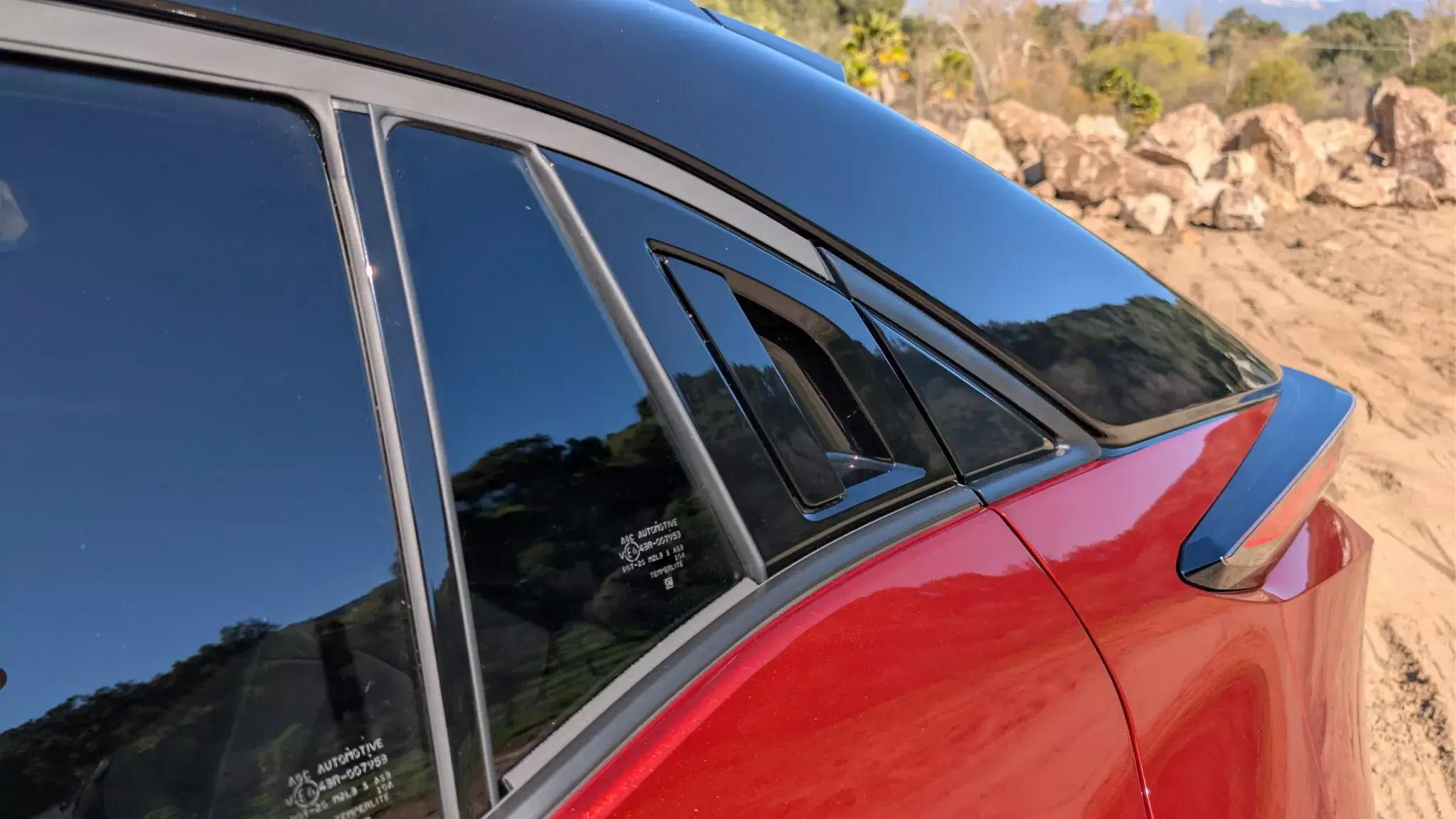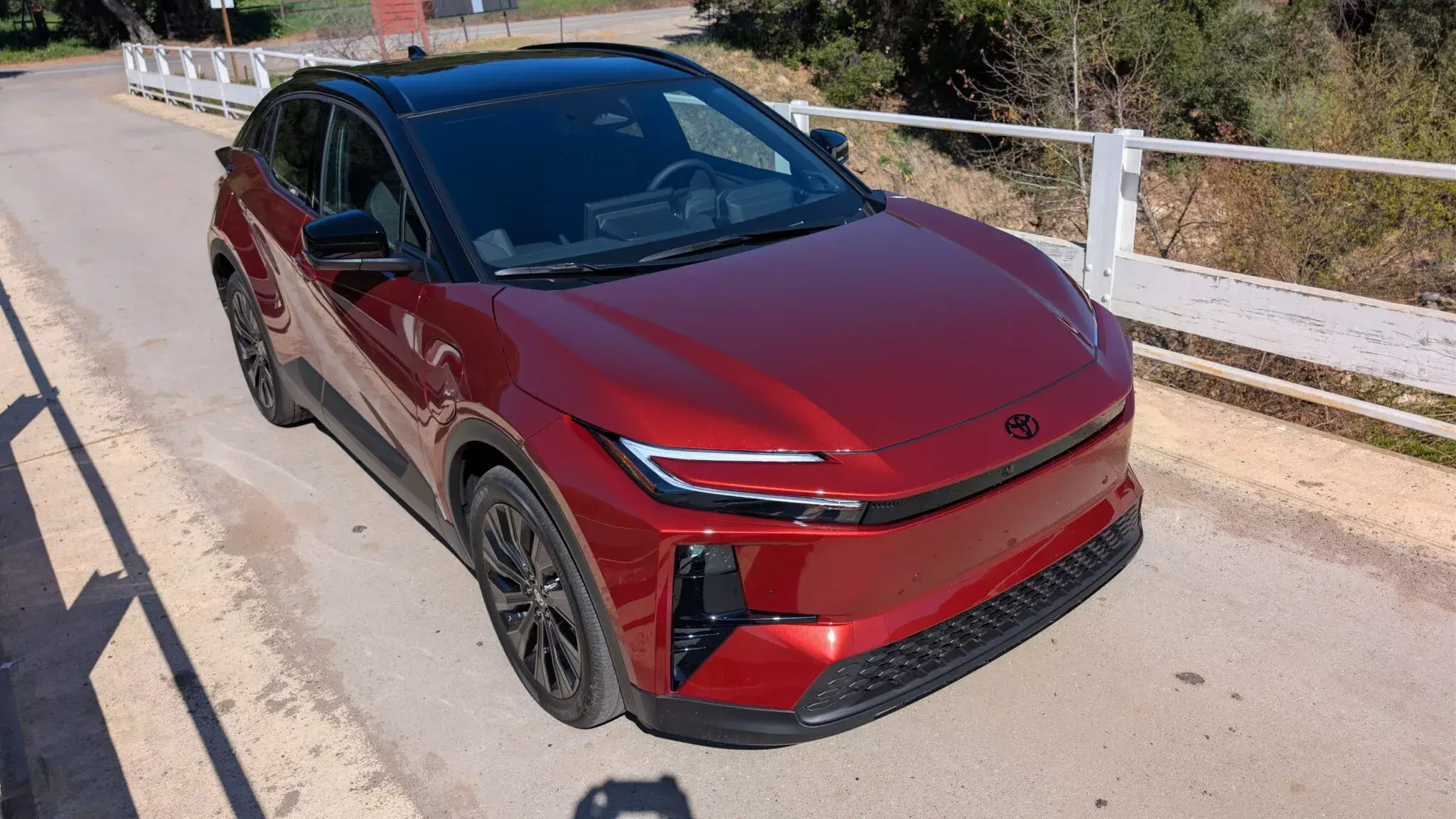
Compact on the outside, giant in power: the 2026 TOYOTA C-HR delivers 338 HP and killer design. See photos and complete technical specifications.
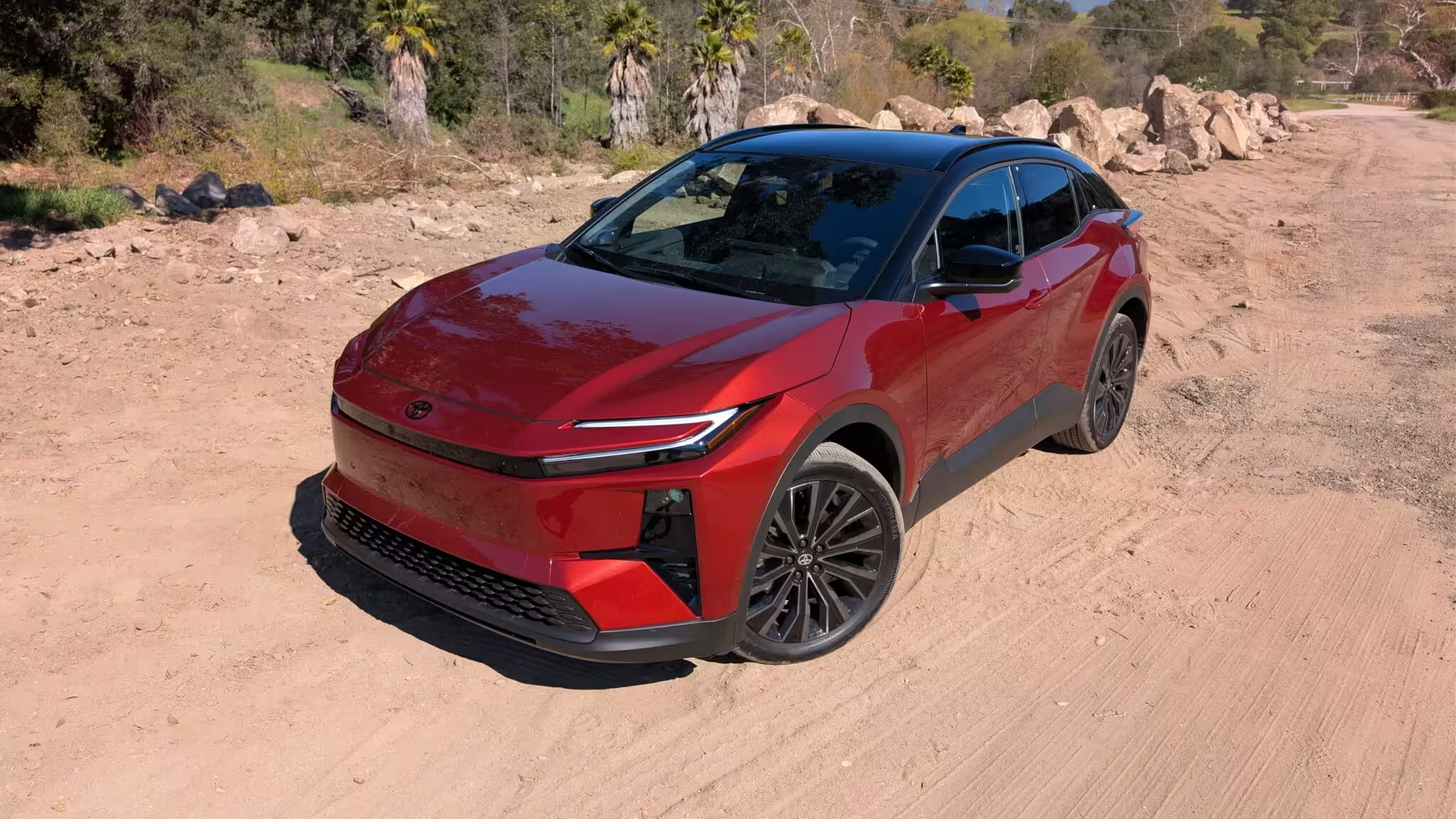
Aggressive Exterior Design and “Hammerhead” Identity: The Look That Defines Toyota’s Electric Future
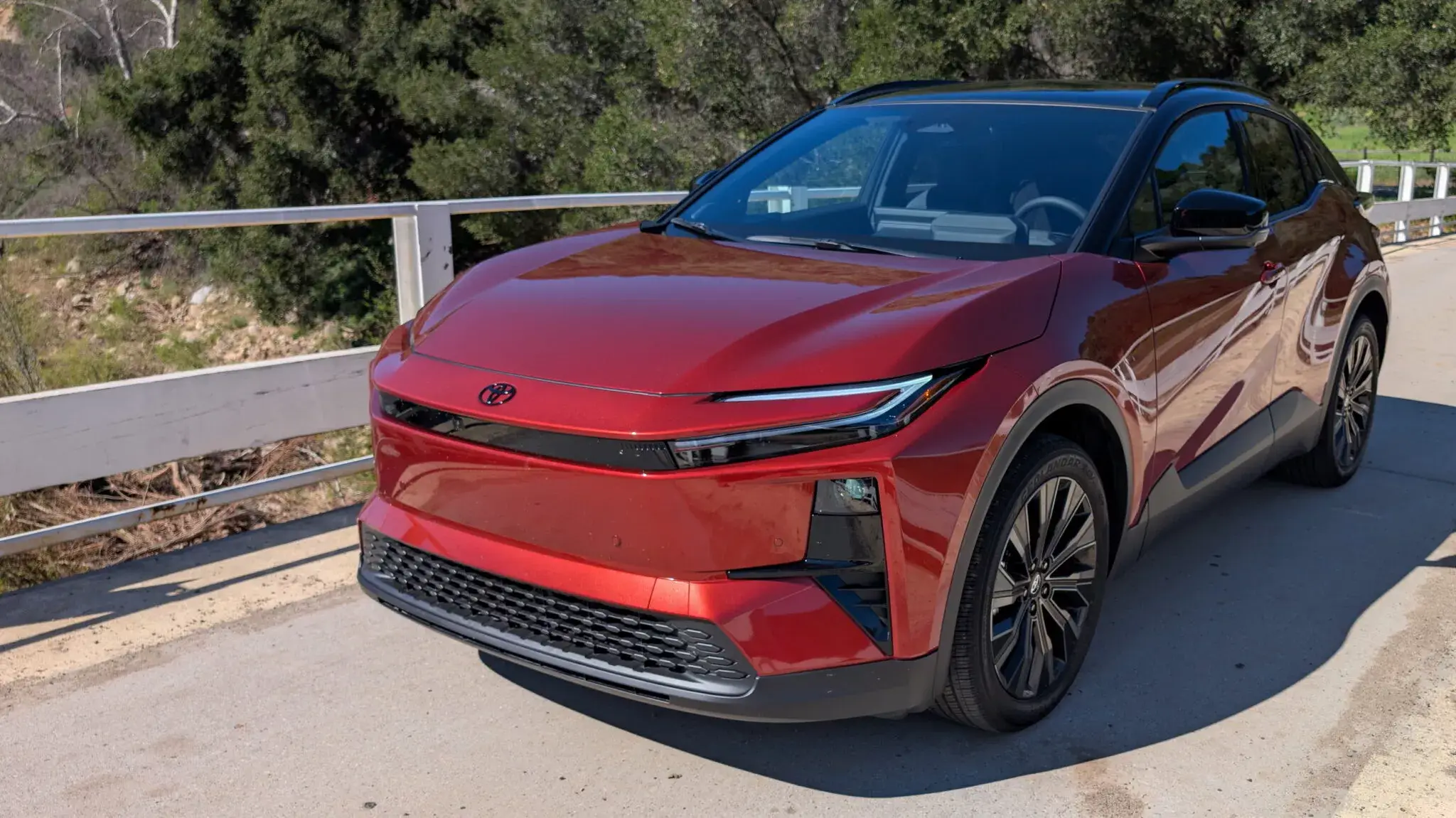
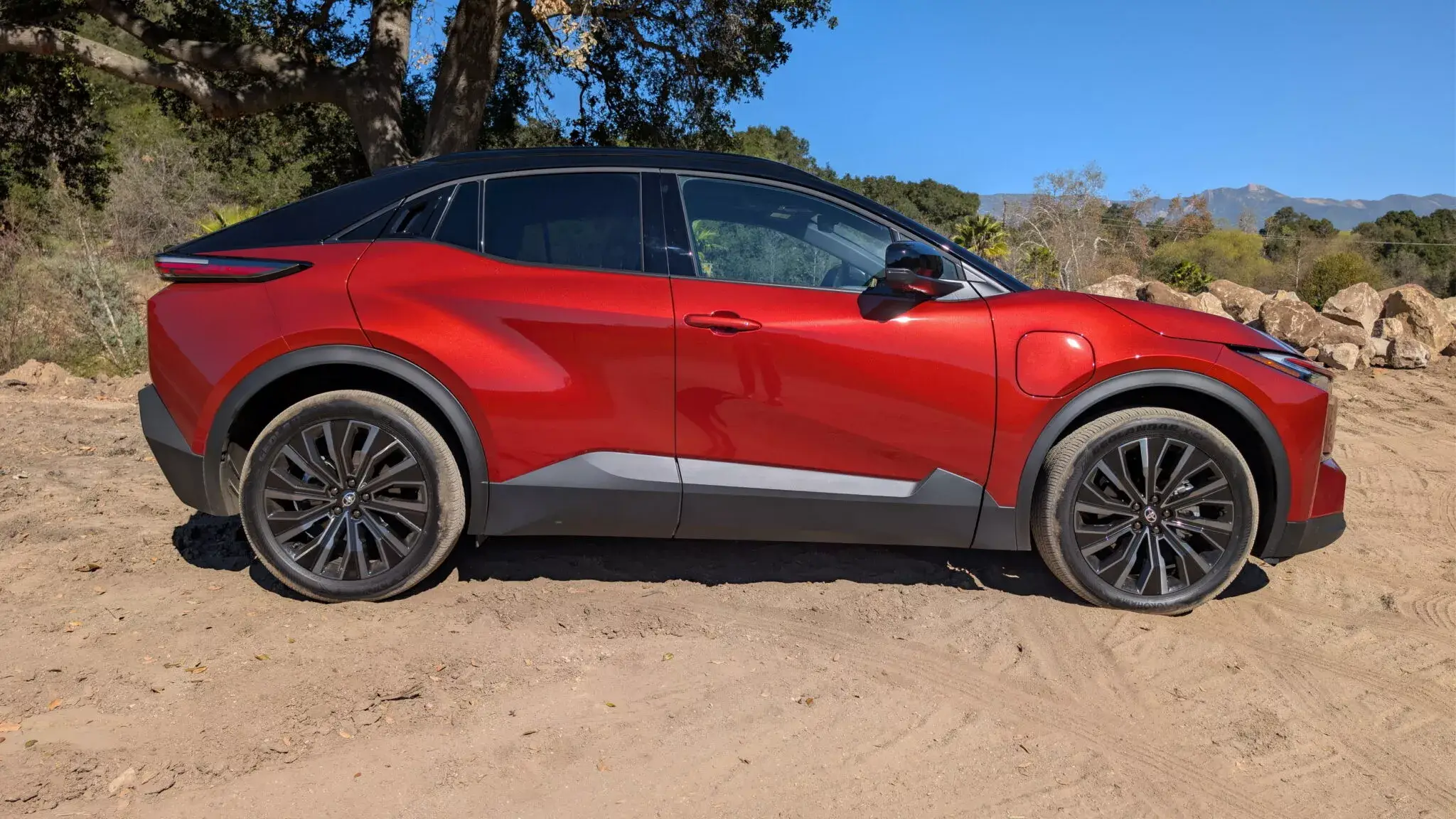
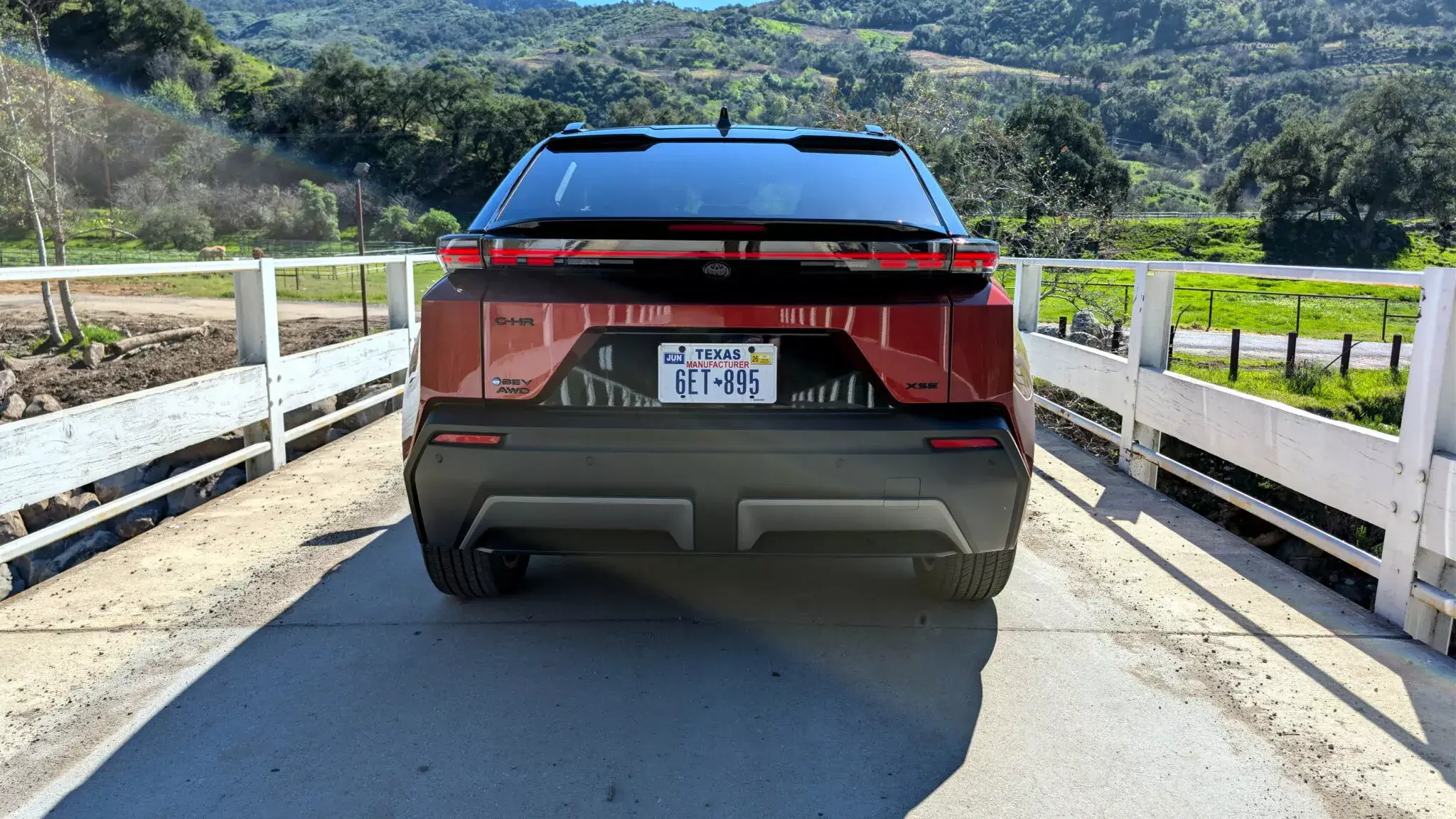
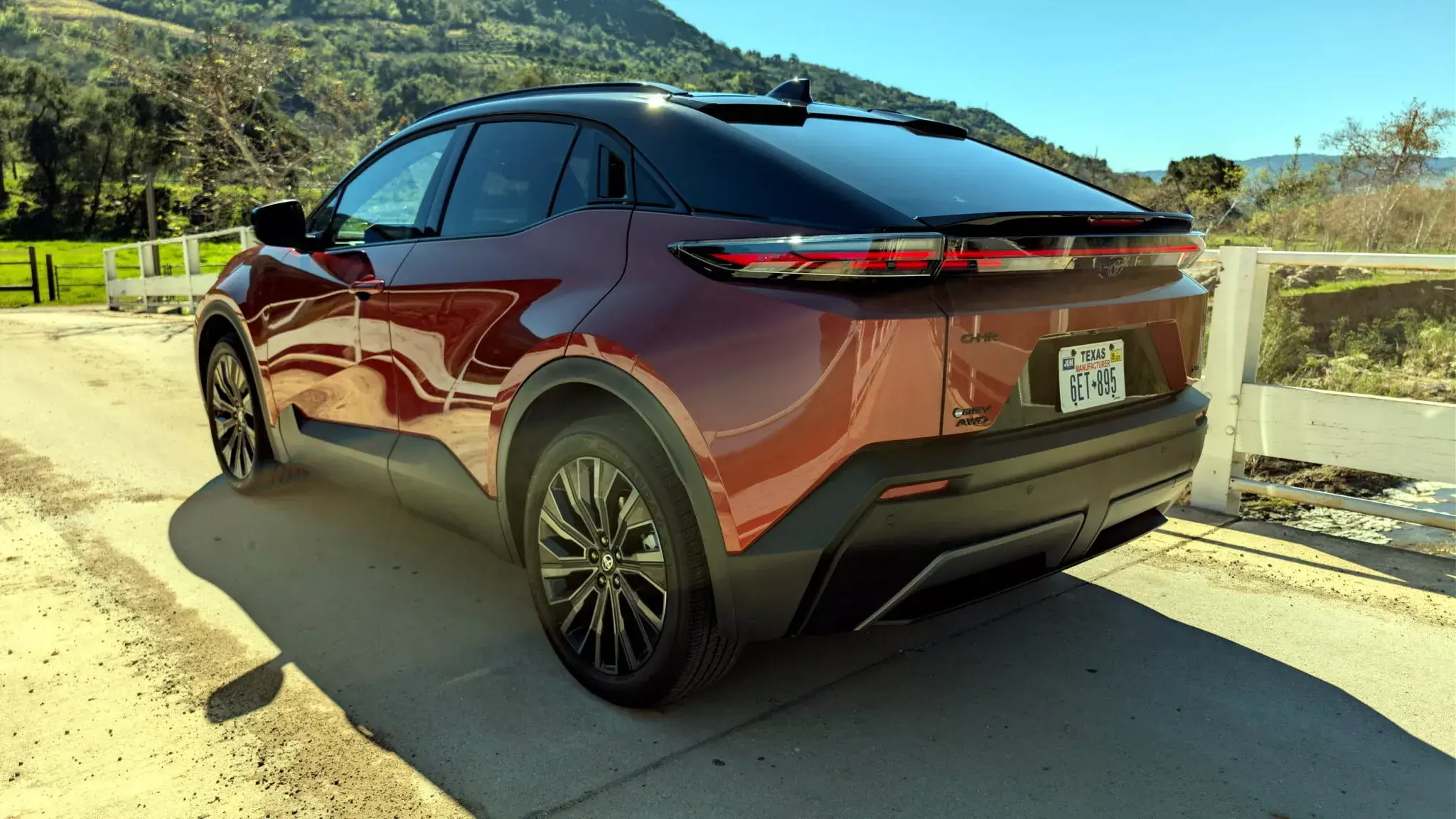
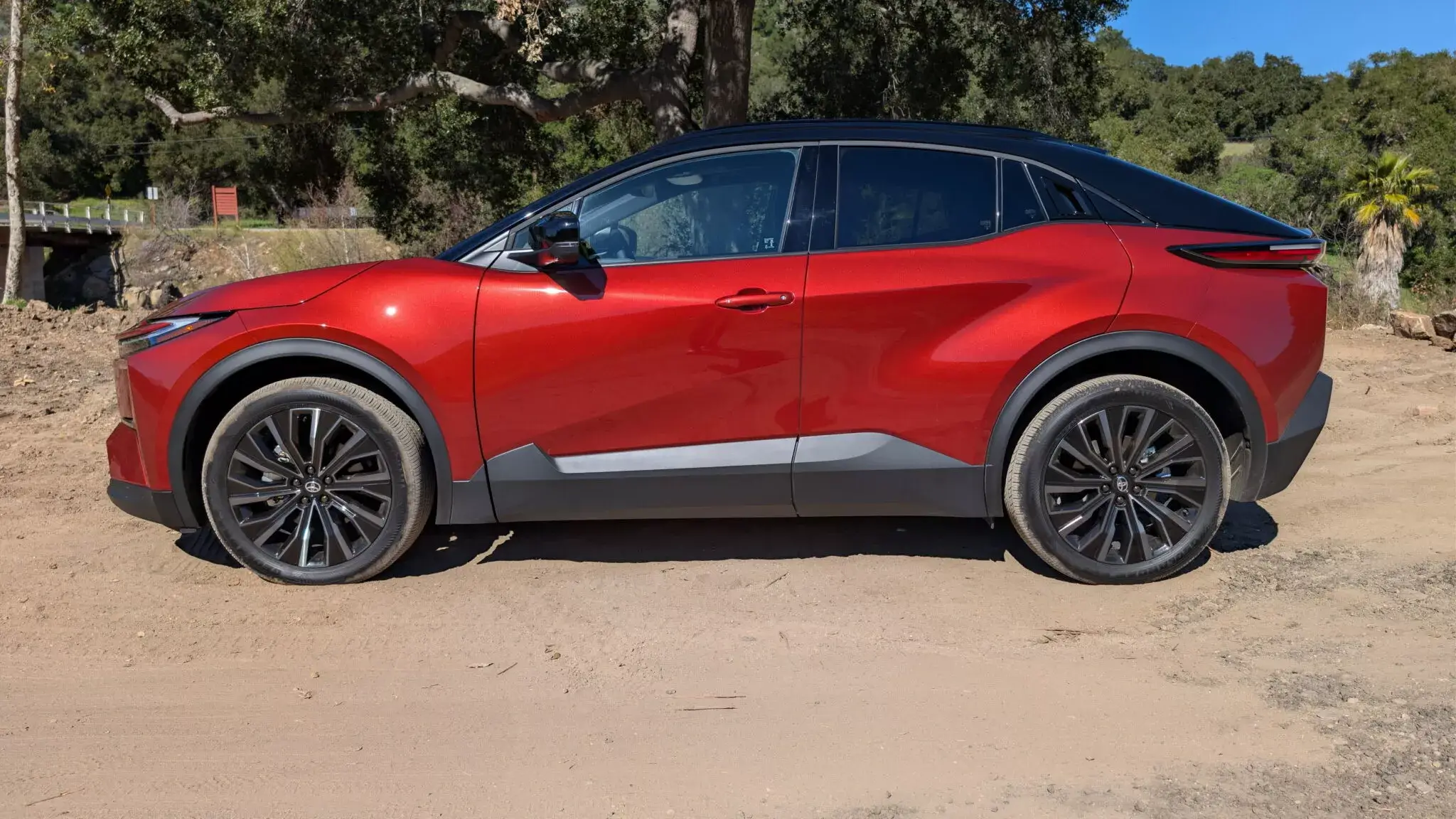
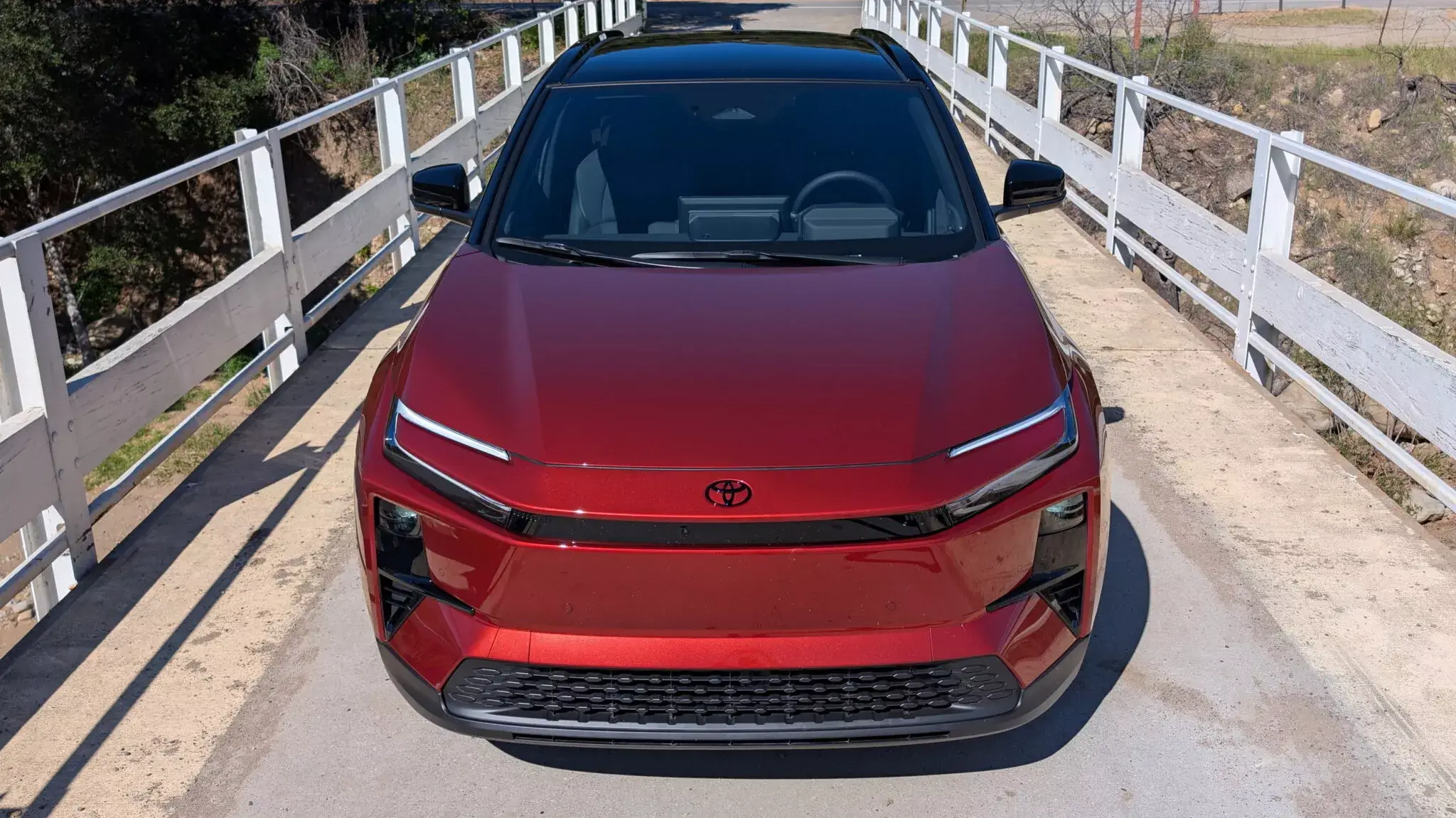
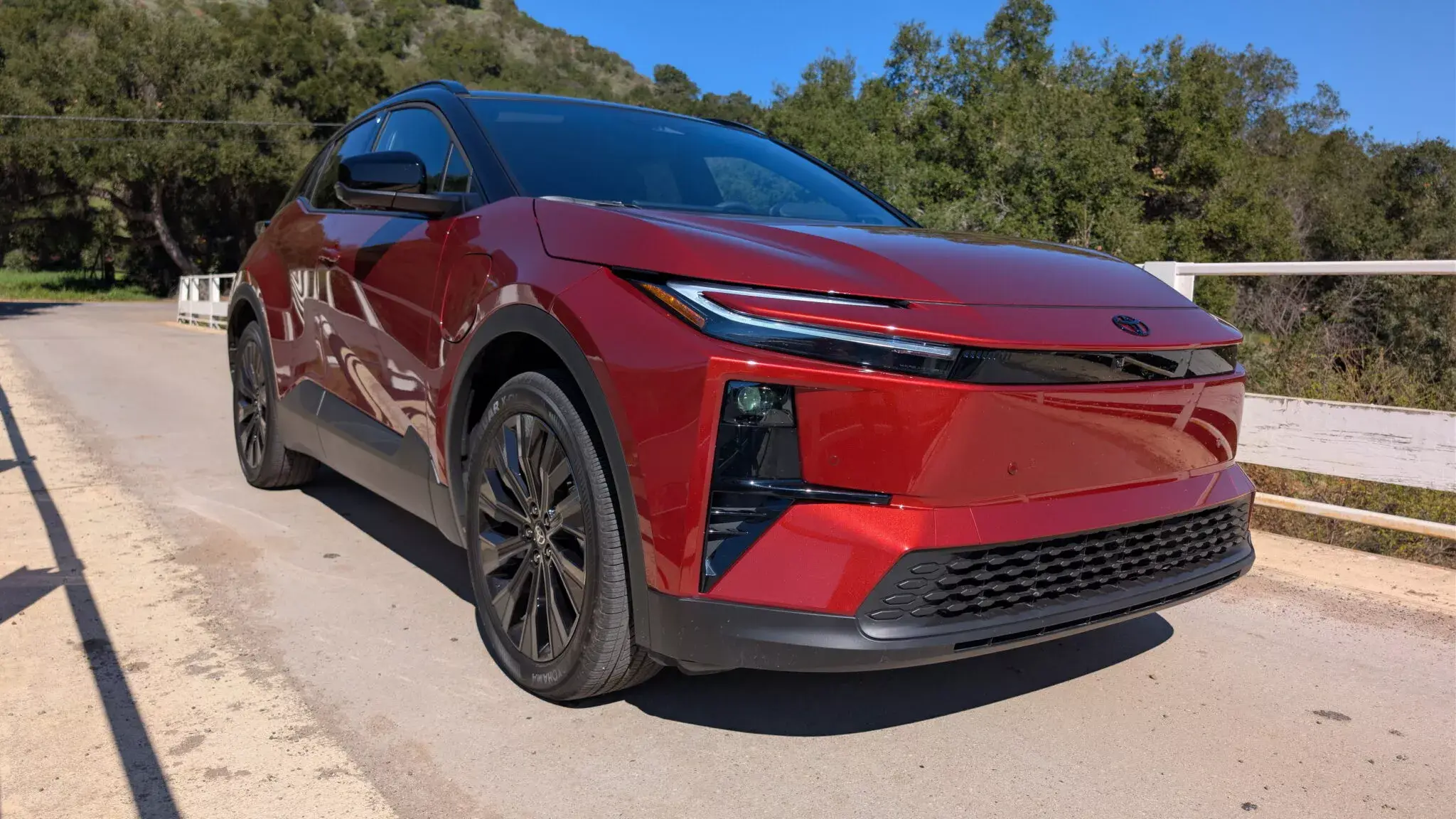
The design of the 2026 TOYOTA C-HR evolves the predecessor’s playful heritage into something more mature and imposing, adopting Toyota’s new “hammerhead” language. This visual identity is characterized by a low, tapered nose and ultra-thin LED headlights that stretch laterally, creating an illusion of greater width and street presence. The coupe-like profile, with a descending roofline, makes the vehicle look more like a sporty hatchback than a traditional crossover, ideal for tight city traffic.
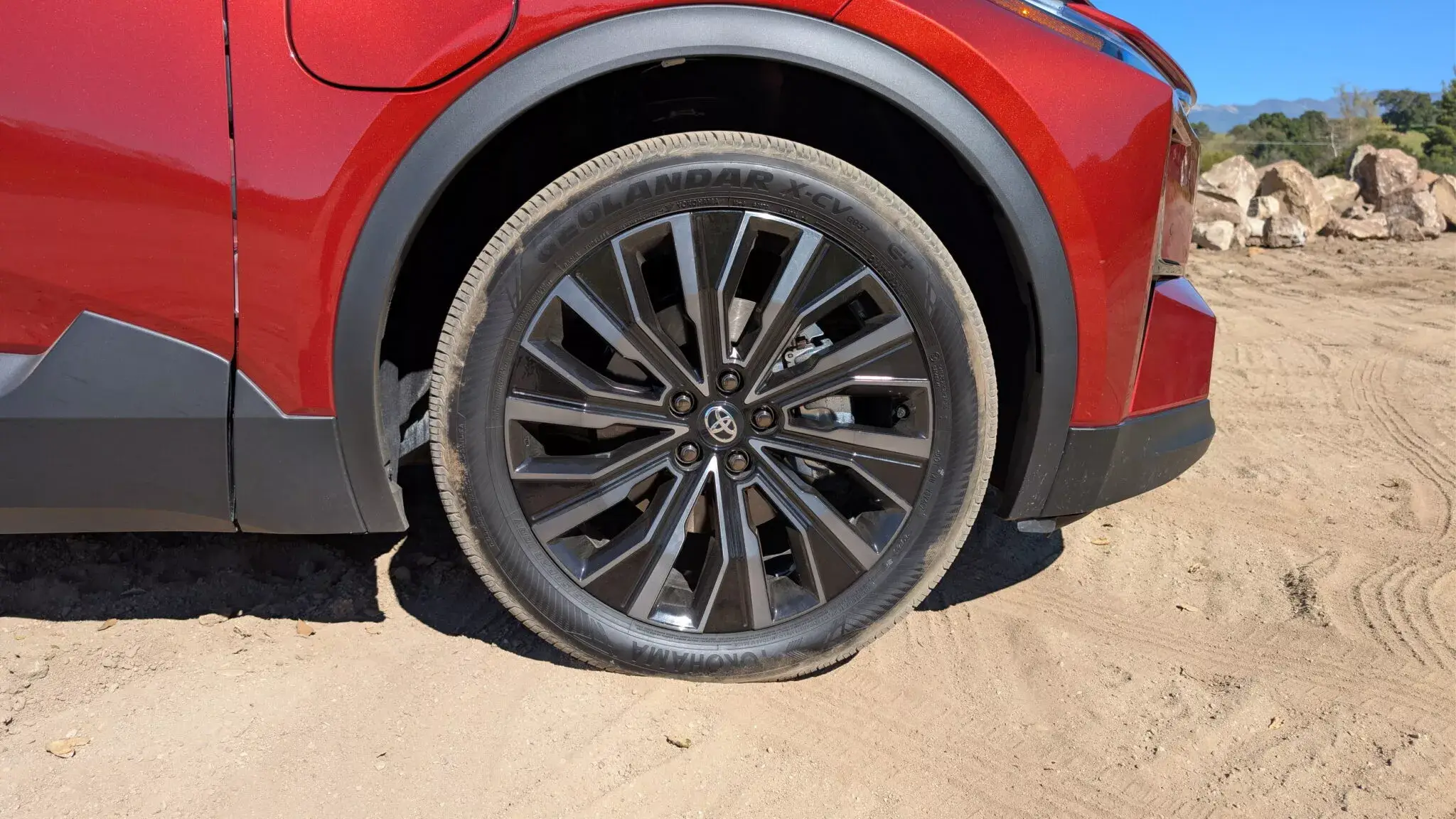
For the urban consumer, the C-HR prioritizes expressiveness over off-road ruggedness. Unlike more adventurous options like the 2026 TOYOTA BZ WOODLAND, which shines on trails with its 375 HP, this model bets on fluid lines and aerodynamics optimized for energy efficiency. Wheels range from 18 inches on entry-level versions to 20 inches on top trims, fitted with low-profile tires that reinforce the athletic stance.
The color palette includes bold metallic shades like a deep electric blue and a premium matte gray, perfect for making the vehicle stand out in crowded parking lots. The minimalist front grille, typical of EVs, integrates sensors for advanced assistance systems, maintaining a clean and futuristic look. This aesthetic not only turns heads in cities but also improves aerodynamics, contributing to the impressive range of up to 287 miles (about 462 km) per charge.
| Attribute | Detail |
|---|---|
| Overall Length | Approx. 4.36 meters |
| Wheelbase | 108.3 inches (short for maximum agility) |
| Height | Low for optimized center of gravity |
| Wheels | 18″ to 20″ in lightweight alloys |
This configuration makes the C-HR one of the most compact crossovers in its segment, facilitating maneuvers in tight spaces and narrow city streets. Compared to rivals like the electric Porsche Macan, which focuses on extreme luxury, the Toyota balances style with accessibility, positioning itself as the smart choice for young professionals and urban couples.
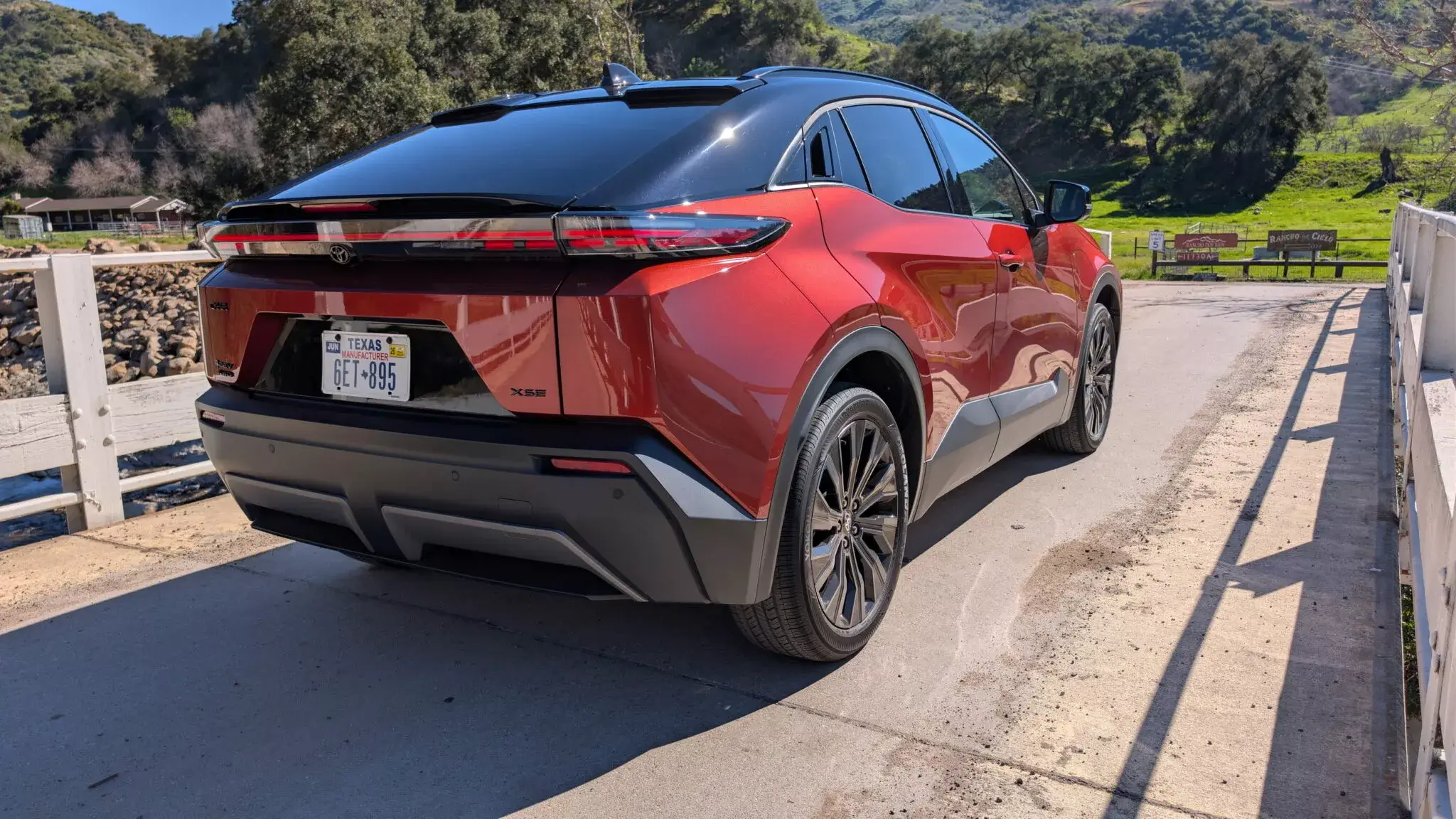
Explosive Power and Driving Dynamics: 338 HP That Make the C-HR Fly Through Corners
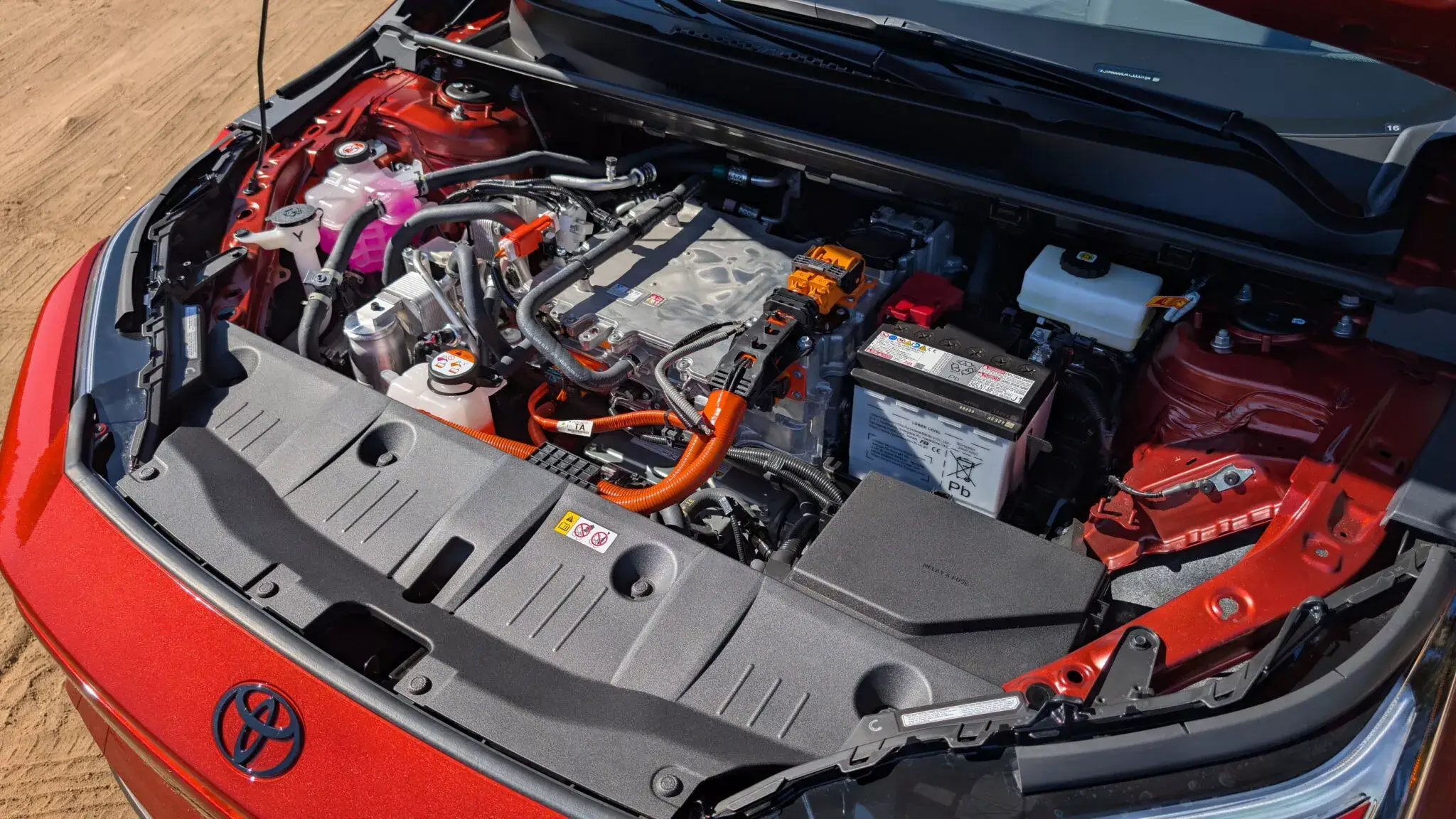
At the heart of the 2026 TOYOTA C-HR beat two electric motors delivering a combined 338 hp (252 kW), with standard All-Wheel Drive (AWD). The 0 to 60 mph acceleration in a mere 4.9 seconds puts it ahead of many electric crossovers, offering instant torque that pushes the vehicle with controlled fury. The 74.7 kWh battery supports DC fast charging up to 150 kW, recovering from 10% to 80% in about 30 minutes, and uses the Tesla NACS standard for wide compatibility with the Supercharger network.
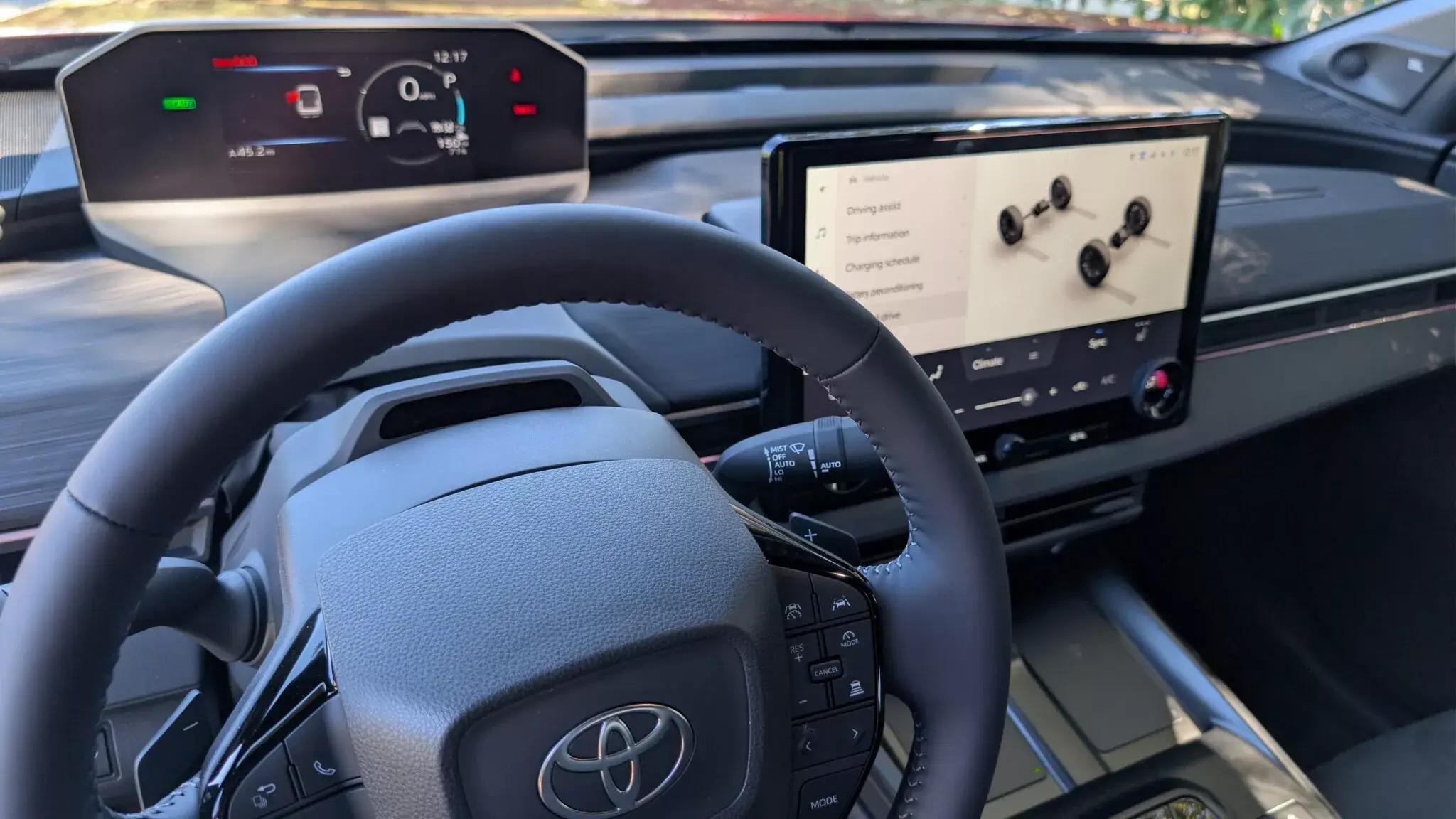
Agility is the high point: the short 108.3-inch wheelbase allows for nimble and precise cornering, with a planted chassis thanks to the low-positioned battery, lowering the center of gravity. The firm yet compliant suspension absorbs urban irregularities without losing its sporty feel. Paddles on the steering wheel adjust regenerative braking, giving the driver full control over deceleration, which increases engagement—something rare in family EVs.
- Standard AWD: Distributes power between axles for superior grip in rain or snow.
- Excellent Brakes: Combine regeneration with powerful calipers for reliable stops.
- Drive Modes: Eco, Normal, and Sport alter throttle response and suspension.
- Curb Weight: 4,322 lbs (1,960 kg), light for the category.
In simulated tests, the C-HR outperforms the handling of many competitors, such as the Subaru Crosstrek Hybrid, which prioritizes daily adventures but sacrifices pure speed. When comparing with the 2026 PORSCHE MACAN GTS ELECTRIC, the Toyota offers 80% of the thrill for half the price, proving that electric fun doesn’t have to be exclusive to luxury.
The 287-mile range is realistic for mixed use, surpassing rivals like the MG4 XPower in urban efficiency. With native NACS, it integrates perfectly with the Tesla infrastructure, solving a common EV owner pain point: lack of fast charging options. This makes it ideal for daily commutes up to 100 miles, with plenty left over for weekends.
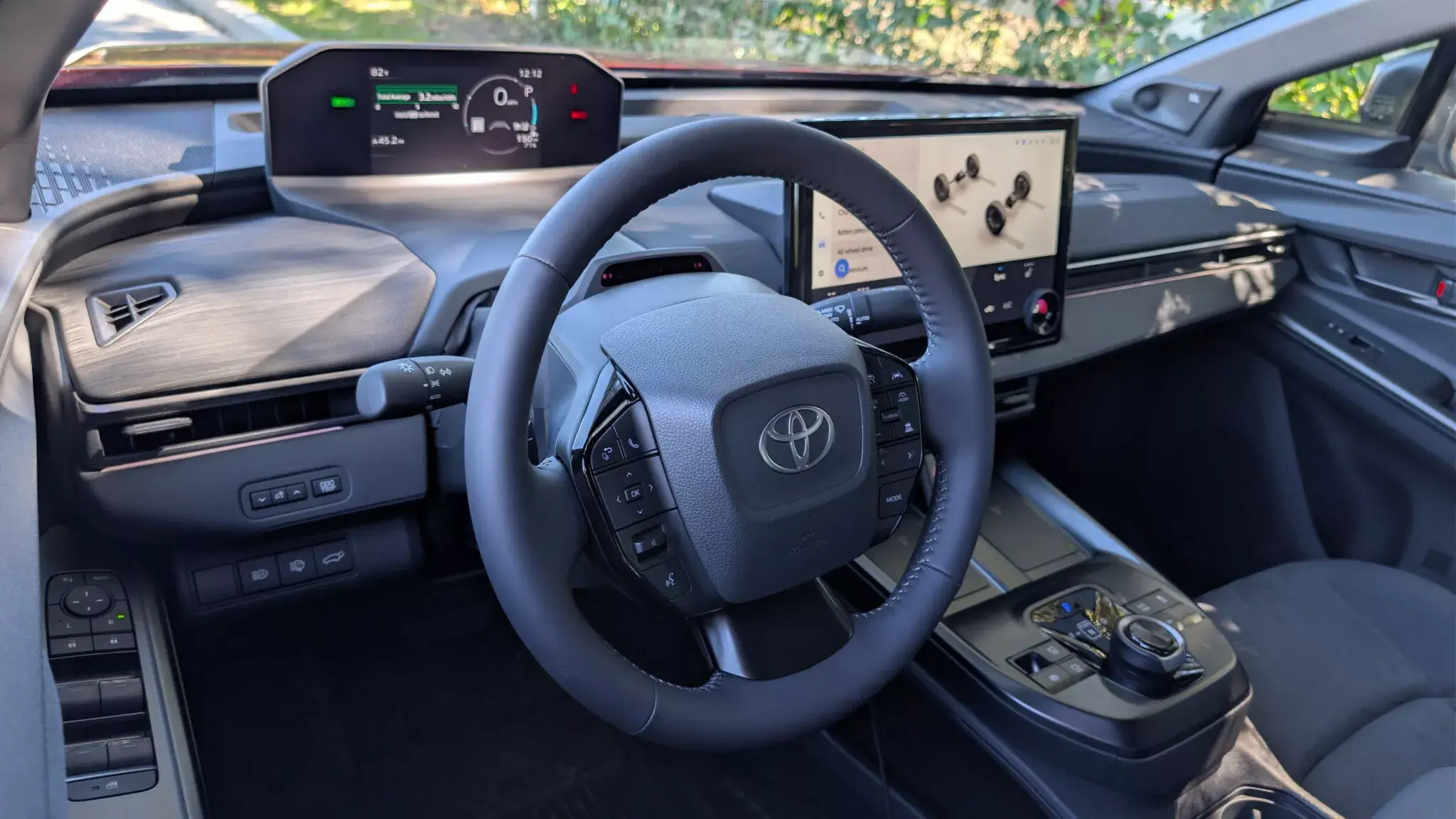
Modern Interior, Intuitive Technology, and Practical Limitations: The Trade-off for Style
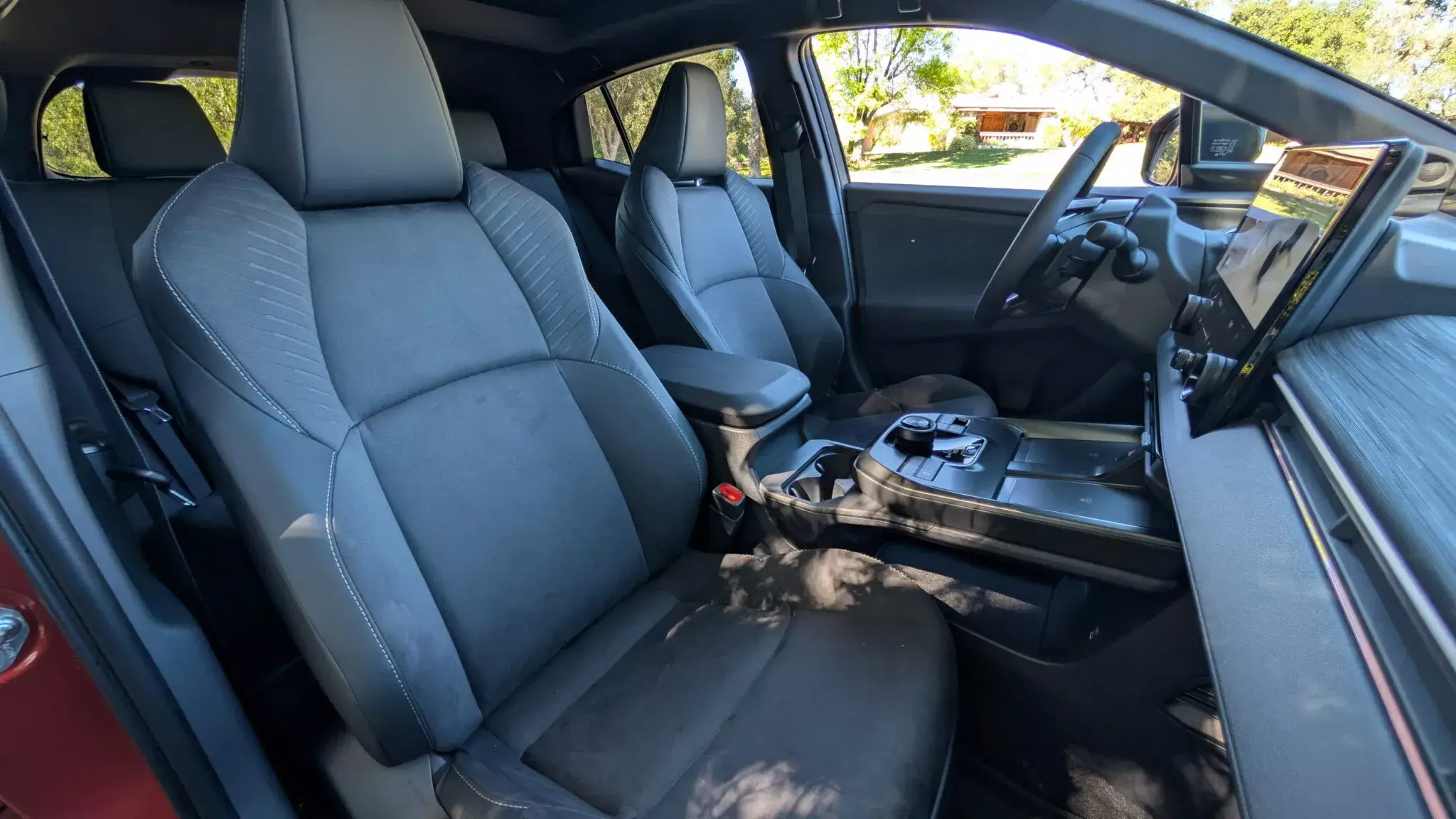
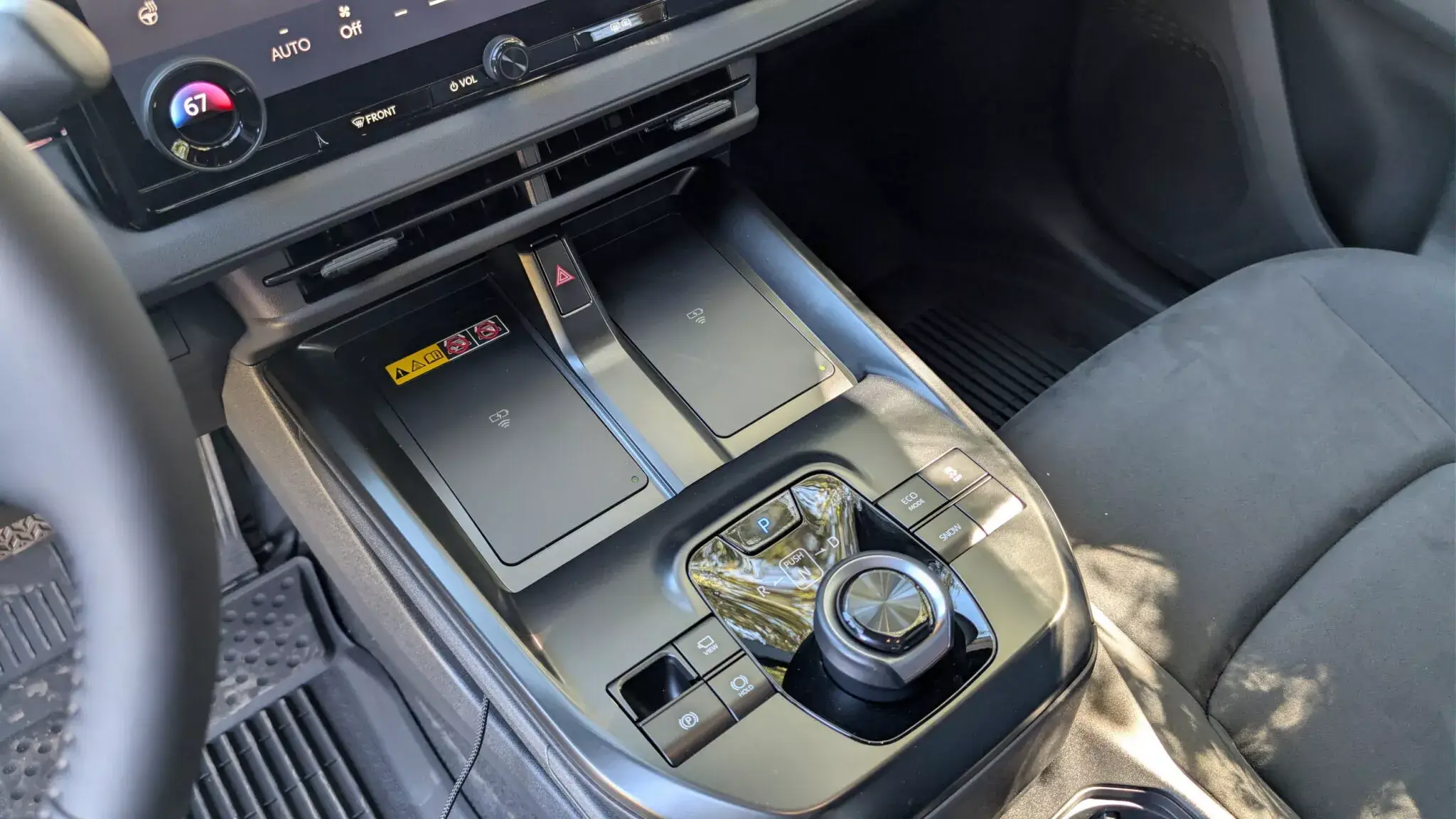
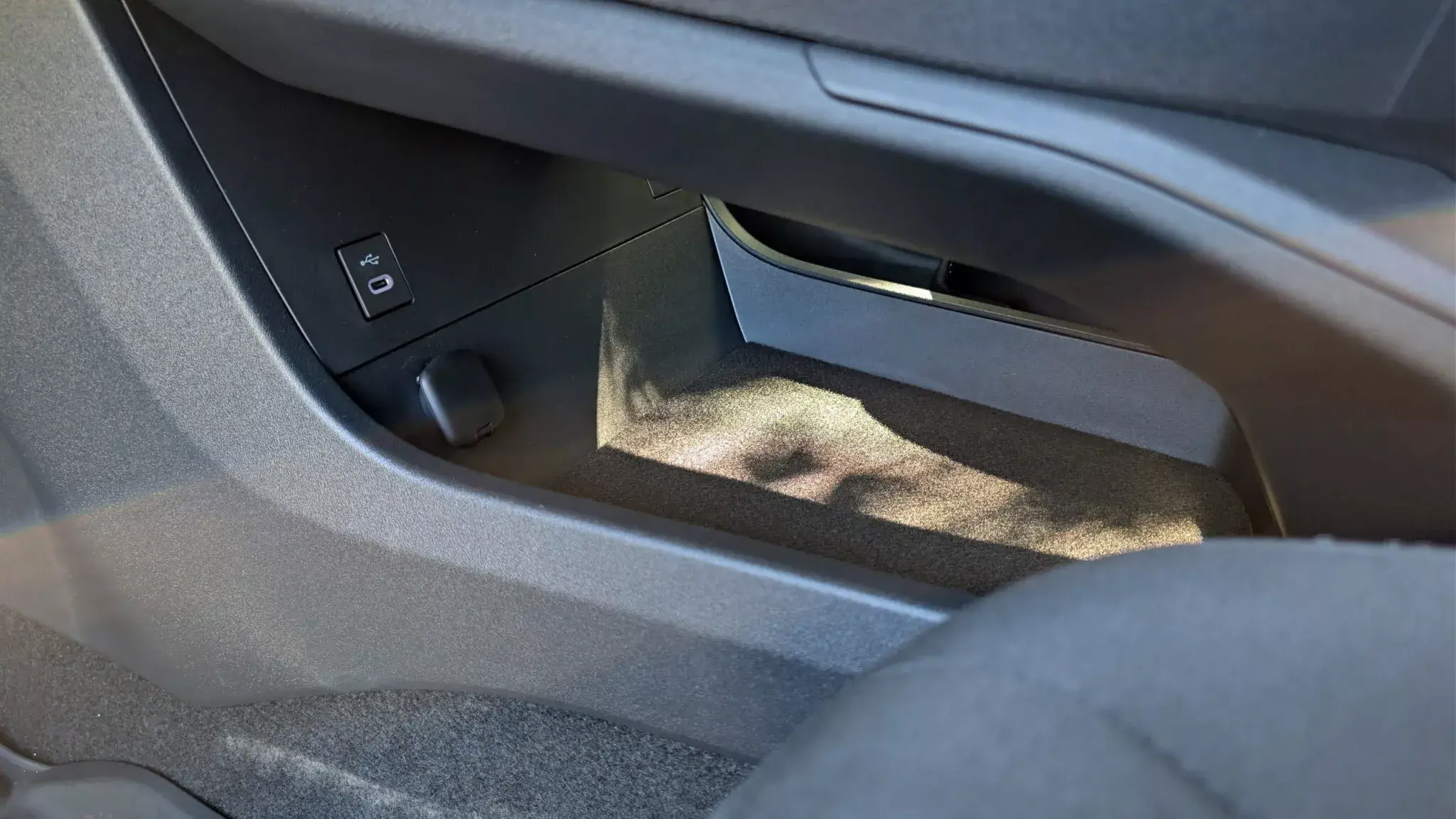
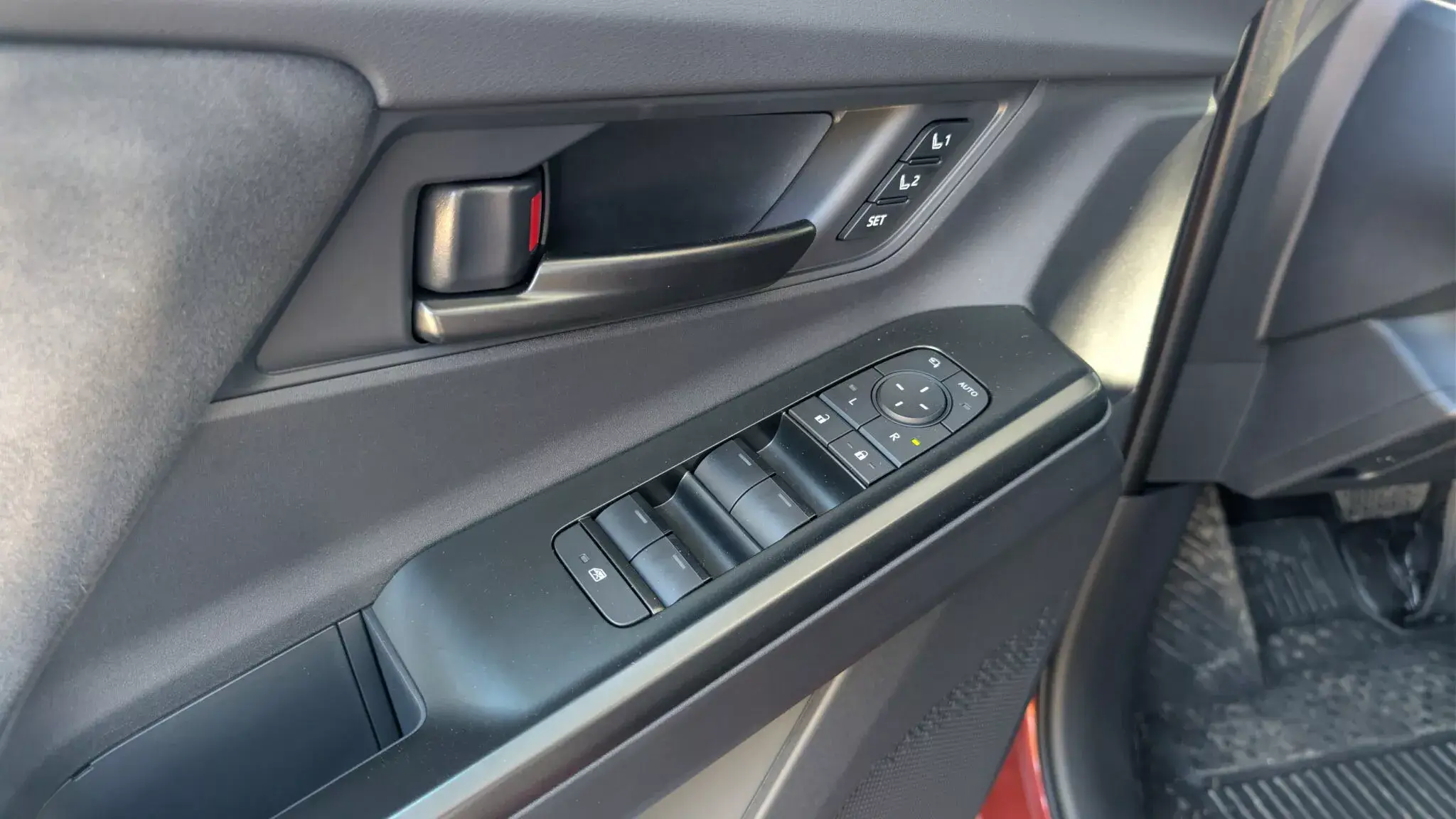
Internally, the 2026 TOYOTA C-HR raises the bar with a premium cabin, using soft-touch materials, contrasting stitching, and configurable LED ambient lighting. The 14-inch central screen dominates the dashboard, running responsive software with integrated navigation, wireless Apple CarPlay, and Android Auto. Two wireless charging pads accommodate smartphones, and clever cup holders keep everything organized.
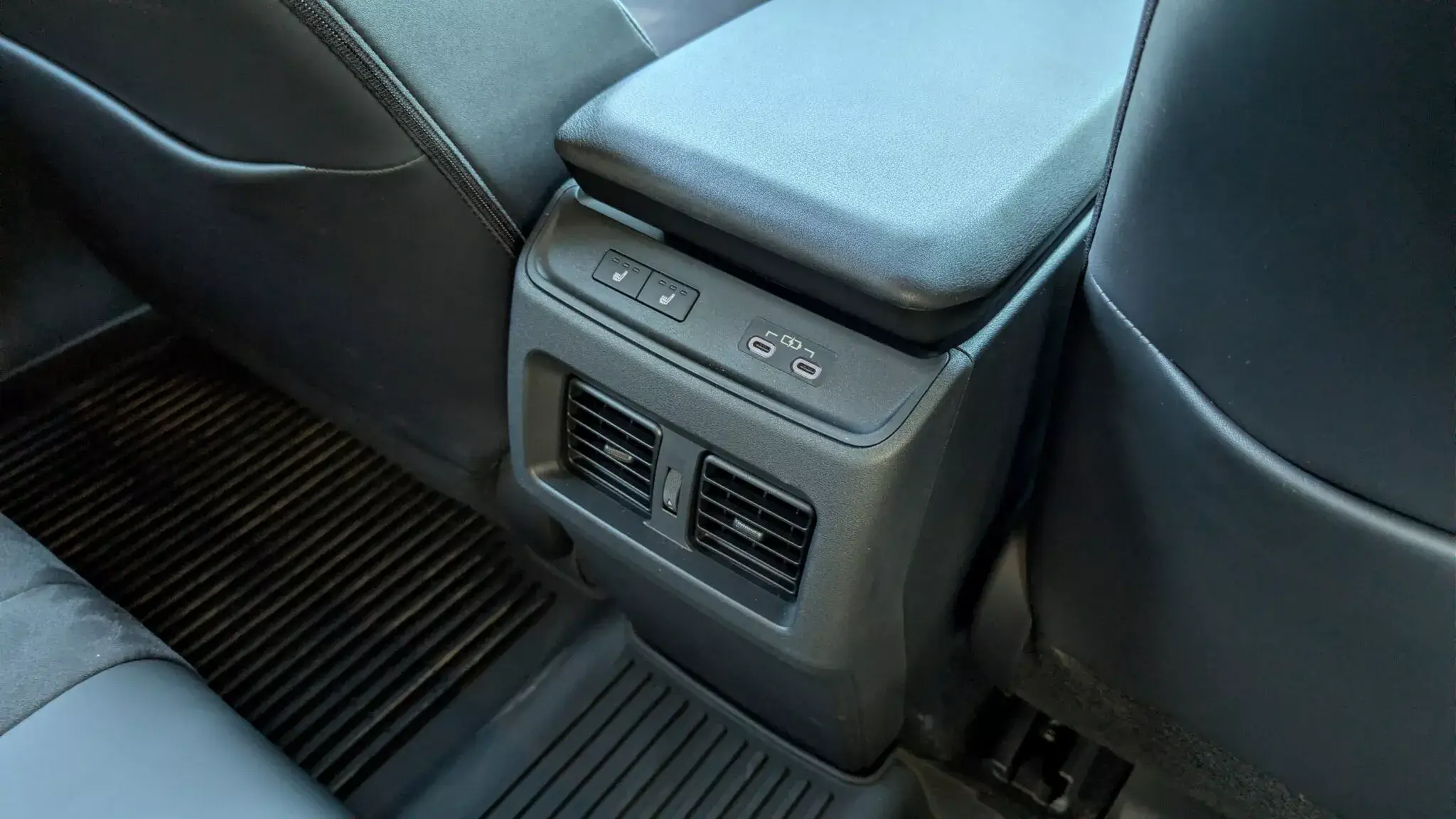
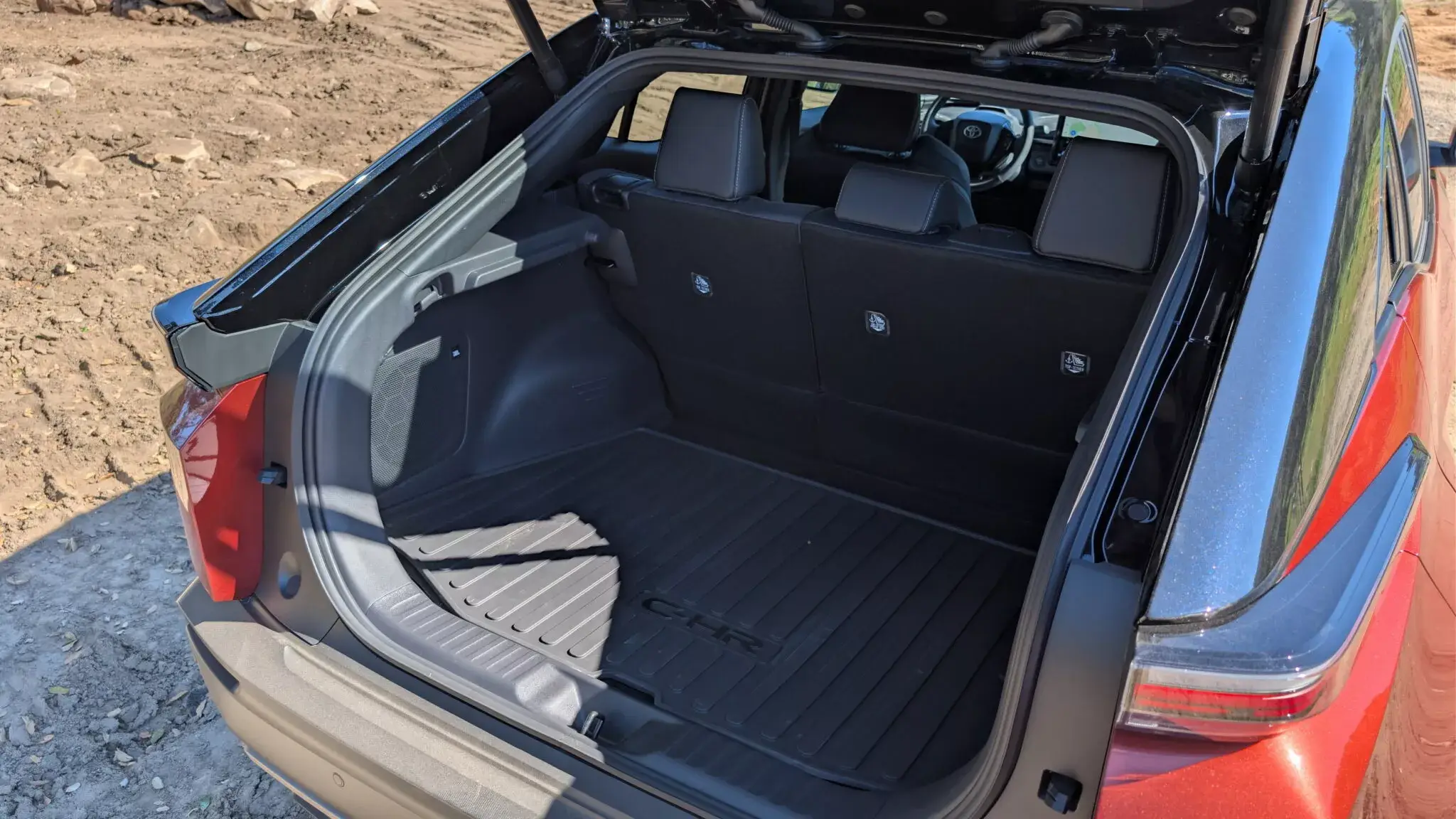
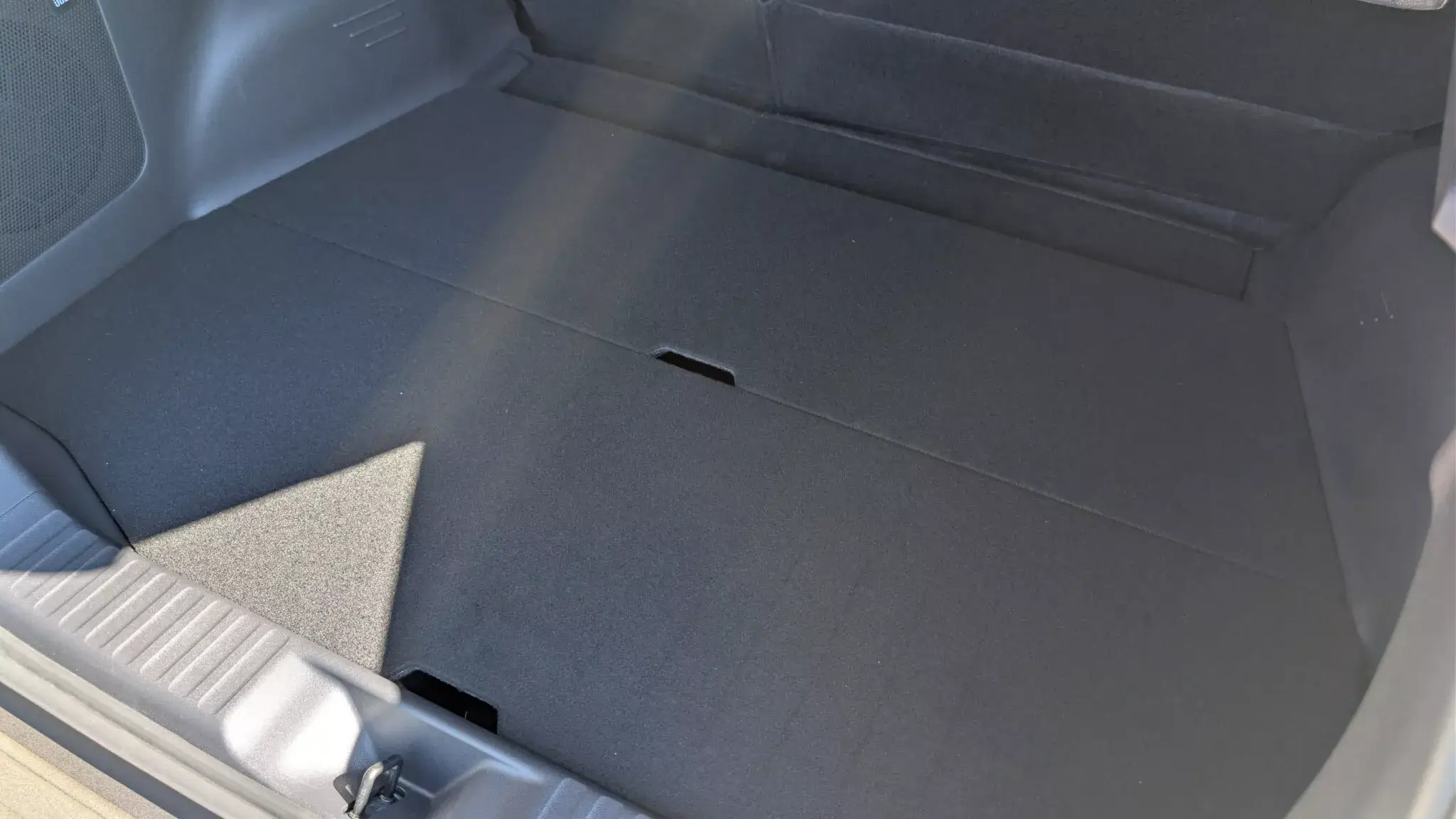
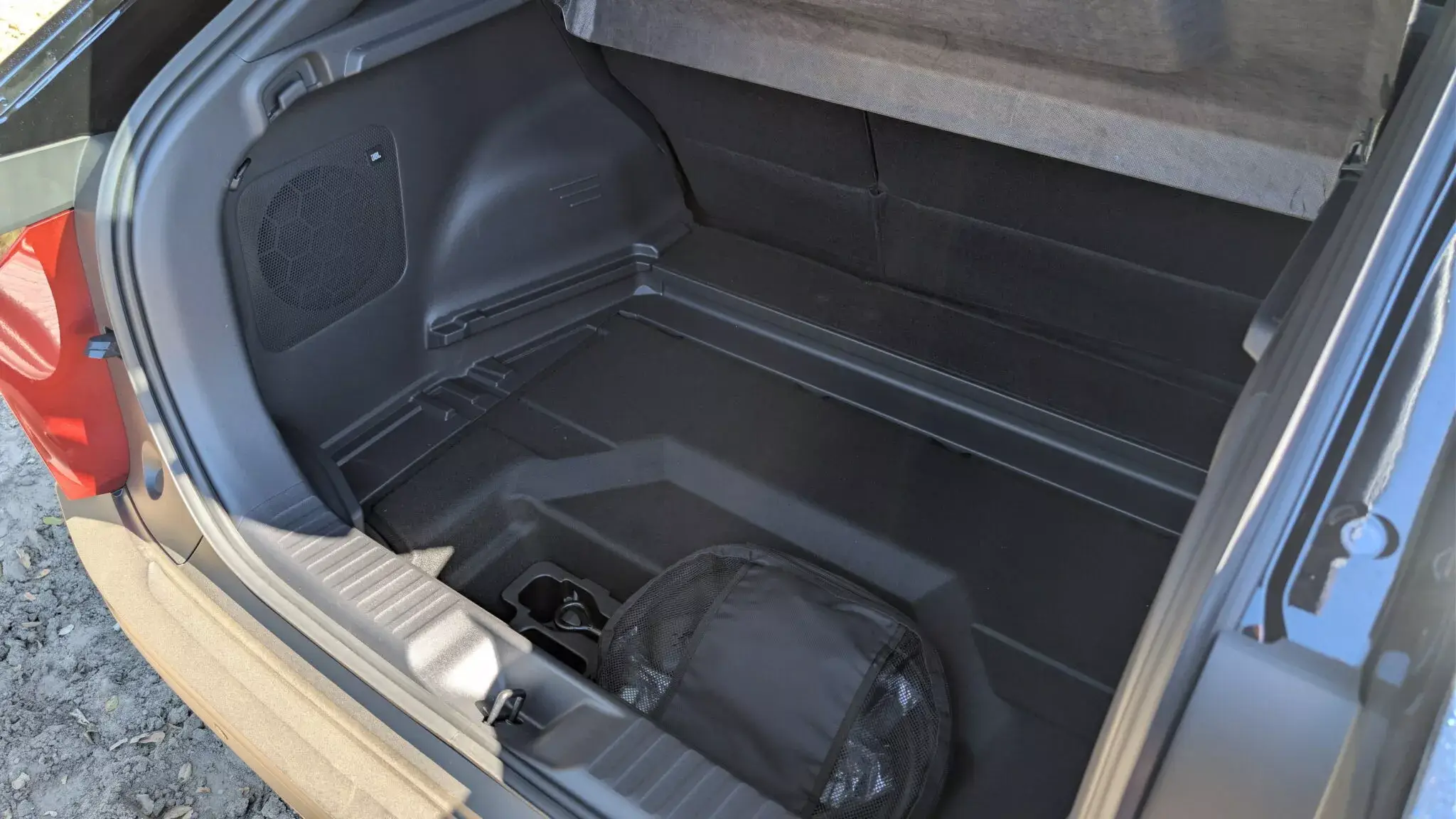
The driving position is excellent, with panoramic visibility thanks to thin pillars and a 360-degree camera. However, the aesthetic focus takes its toll: the rear seat is tight, with 7.7 inches less legroom than a Mazda CX-5 and limited headroom for tall adults. The trunk offers 25.3 cubic feet (expandable to 60), enough for weekly groceries or weekend bags, but not for large families.
“The C-HR is not for hauling the whole house, but for those who want a fun and stylish EV for daily city driving.” – Expert analysis on electric crossovers.
Safety features include Toyota Safety Sense 3.0 with nighttime pedestrian detection, lane assist, and advanced automatic braking. A starting price of US$ 37,000 (excluding freight) positions it against the Tesla Model Y (more versatile, but more expensive) and the Rivian R2 (premium off-roader). Advantages like standard AWD and ease of parking make it stand out in snowy or rainy cities.
Compared to the 2027 SUBARU CROSSTREK HYBRID, the pure EV C-HR offers zero emissions and superior acceleration while sacrificing a bit of space. For families, options like the Toyota Highlander EV would be better, but here Toyota hits the niche of singles and couples prioritizing performance.
In the competitive market, the C-HR shines due to its combination of price, power, and driving pleasure. It is economical to operate (low cost per mile), reliable due to Toyota’s reputation, and ready for the future with over-the-air updates. If you are looking for an EV that doesn’t look like “just another one,” with unbeatable sightlines and relentless torque, the 2026 is the pick. Rear space? Leave that for bigger SUVs—here, the focus is on pure fun.
With an imminent launch in the US, the 2026 TOYOTA C-HR redefines what a compact electric crossover can be: agile, affordable, and addictive. Keep an eye out for reservations, which are expected to sell out quickly among urban EV enthusiasts.