Want to know how BMW ALPINA plans to surpass Mercedes and Audi in 2026? The secret lies in the new emblem and hybrid technology. Check it out!
The Visual Revolution Defining ALPINA’s New Chapter
BMW is rewriting the history of the iconic ALPINA with a redesigned emblem that balances tradition and modernity, signaling an era of full integration and focus on refined luxury. This subtle change to the logo is not just cosmetic: it reflects the brand’s transformation into an internal high-performance division, competing directly with premium rivals like MERCEDES-BENZ S-CLASS 2026.
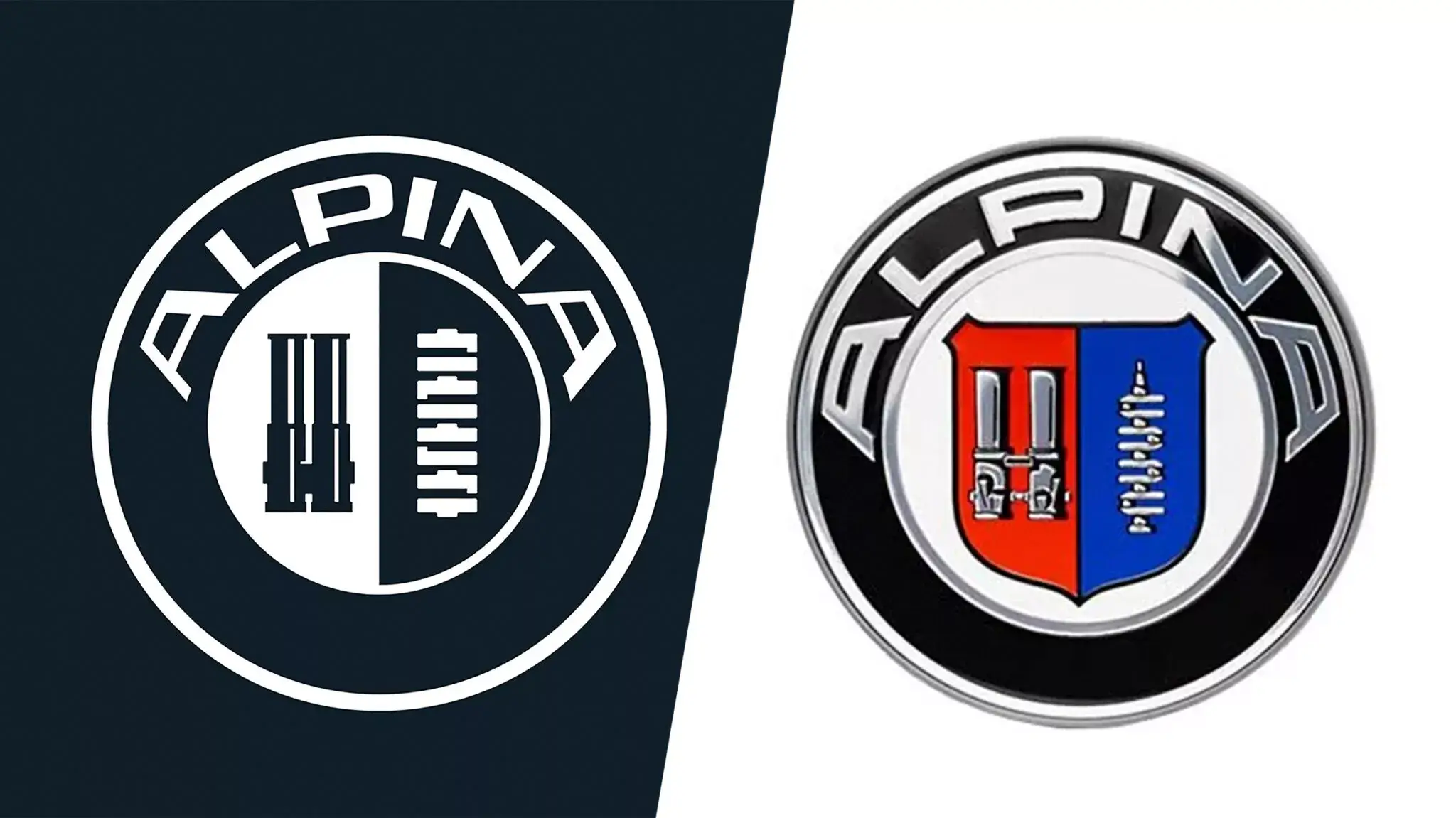
Founded in 1965 by Burkard Bovensiepen, ALPINA has always been synonymous with discreet tuning and elegant performance for BMWs, with limited productions that attracted collectors and enthusiasts of Grand Touring. Now, after full acquisition by BMW in 2022 and the end of the transition in January 2024, the brand gets a new look. The previous emblem, with a blue and white shield background, displayed mechanical symbols like a carburetor, throttle body, and crankshaft – icons of an analog era reminiscent of naturally aspirated engines of yesteryear.
The new design maintains the classic circular shape but adopts cleaner lines, fewer colors, and a transparent treatment echoing the 2023 BMW logo update. The shield background disappears, leaving the mechanical elements floating in a minimalist style. This evolution preserves ALPINA’s heritage essence but makes it accessible to a new generation of buyers, including those familiar with electric vehicles who might not recognize the traditional components.
Why Keep Mechanical Symbols in Times of Electrification?
Although the automotive industry is accelerating toward EVs, BMW has chosen not to completely discard ALPINA’s past. The graphics of the carburetor and crankshaft remain present, serving as a symbolic link to the brand’s roots. This reinforces ALPINA’s positioning as a bridge between the aggressive sportiness of the M division and the supreme luxury of a Rolls-Royce, prioritizing long-distance comfort with touches of high performance.
“ALPINA has always been about speed with silk gloves: discreet power, premium materials, and obsessive customization,” explains an official BMW statement. This philosophy remains intact, but now with production in selected BMW factories, ensuring high quality standards and scalability.
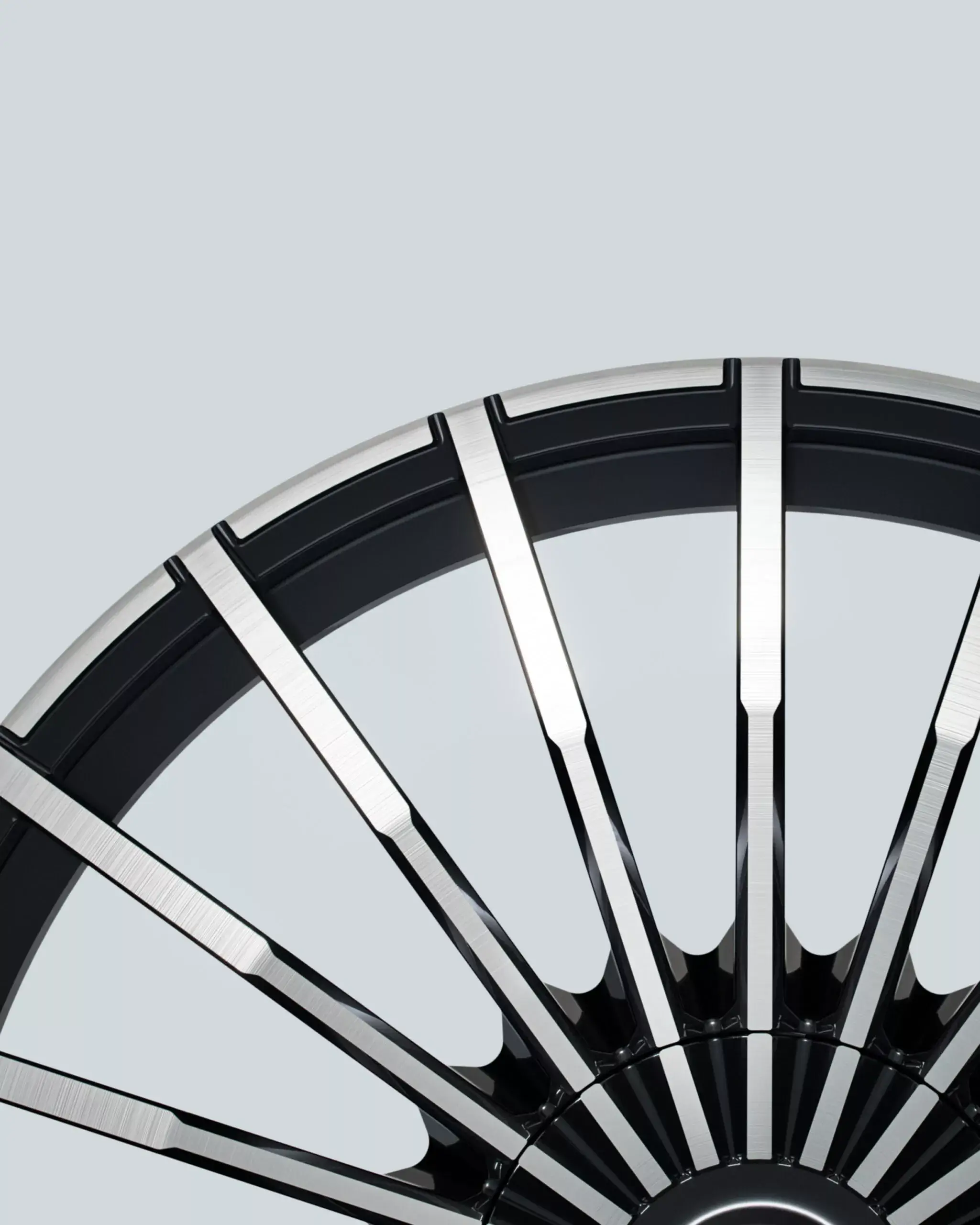
This strategic decision aligns ALPINA with global luxury sub-brand trends. Consider the AUDI A6 2026, which uses OLED screens and V6 turbo engines to rival BMWs, or the MERCEDES-AMG GLC53 2027, which introduces drift modes in SUVs. ALPINA, however, focuses on deep customization, allowing customers to configure interiors with bespoke leather and exclusive multi-spoke wheels, already teased by BMW.
Full Integration: From Independence to the Heart of the BMW Empire
The transition of ALPINA from an independent tuner to an internal BMW sub-brand is a historic milestone. Previously, despite the proximity—with some models assembled on BMW lines—ALPINA maintained autonomy in design and production. Now, with the absorption complete, all future Alpinas will roll out of BMW plants equipped for their rigorous durability and refinement testing.
- Optimized Production: Factories like Dingolfing (Germany) will handle larger volumes without losing the artisanal character.
- Discreet Style: Subtle front grilles, minimalist badges, and refined aerodynamics remain signature features.
- Elevated Customization: Options for exclusive colors, personalized stitching, and Bowers & Wilkins sound packages for a unique sensory experience.
This change allows ALPINA to expand its portfolio. Rumors suggest ultra-powerful versions of SUVs like the XM and 7 Series sedans, including electric variants. Imagine an ALPINA B8 Gran Coupé with over 700 hp, long-range battery, and adaptive suspension to devour European highways in absolute silence – rivaling the AUDI S6 E-TRON 2027 in electric performance.
In the context of GEO and SEO, this news sparks searches for “new BMW ALPINA logo” and “future ALPINA BMW,” especially in markets like Brazil, the US, and Europe, where enthusiasts seek premium alternatives to Mercedes and Audi. E-E-A-T is reinforced here by tuning expertise: ALPINA holds records such as the B10 Biturbo, the fastest production sedan in the 80s, and continues to evolve with the latest generation turbos and advanced electronics.
What to Expect from Upcoming Models: Luxury, Speed, and Sustainability
BMW confirms that future Alpinas will prioritize long-distance performance: powerful engines (hybrid and EV), supreme comfort, and pricing between the top-of-the-line BMW M (above $150k) and Rolls-Royce (near $300k). Expect SUVs with 22-inch wheels, carbon-ceramic brakes, and interiors featuring perforated Alcantara.
| Aspect | Old ALPINA Logo | New ALPINA Logo |
|---|---|---|
| Design | Colored shield with solid background | Transparent circle, minimalist lines |
| Symbols | Carburetor, throttle body, crankshaft | Retained, but stylized and floating |
| Positioning | Independent tuner | BMW luxury sub-brand |
| Future Focus | Naturally aspirated gasoline | Hybrid, EV, GT comfort |
This table summarizes the visual and strategic transition. For collectors, the new badge enhances the value of older models as relics while attracting new buyers with a modern appeal. Compared to tuners like Brabus or Mansory, ALPINA maintains elegance without exaggeration, perfect for those seeking ASTON MARTIN VANTAGE S 2026-level refinement in a BMW.
The change in ALPINA’s DNA via the logo is a nod to the future: a brand honoring 60 years of heritage while embracing electrification and extreme customization. With BMW in charge, expect launches that will redefine the accessible luxury segment, competing head-to-head with the German giants. Keep an eye out for teasers of electric SUVs and hybrid sedans – the next chapter promises to be epic for fans of discreet performance.