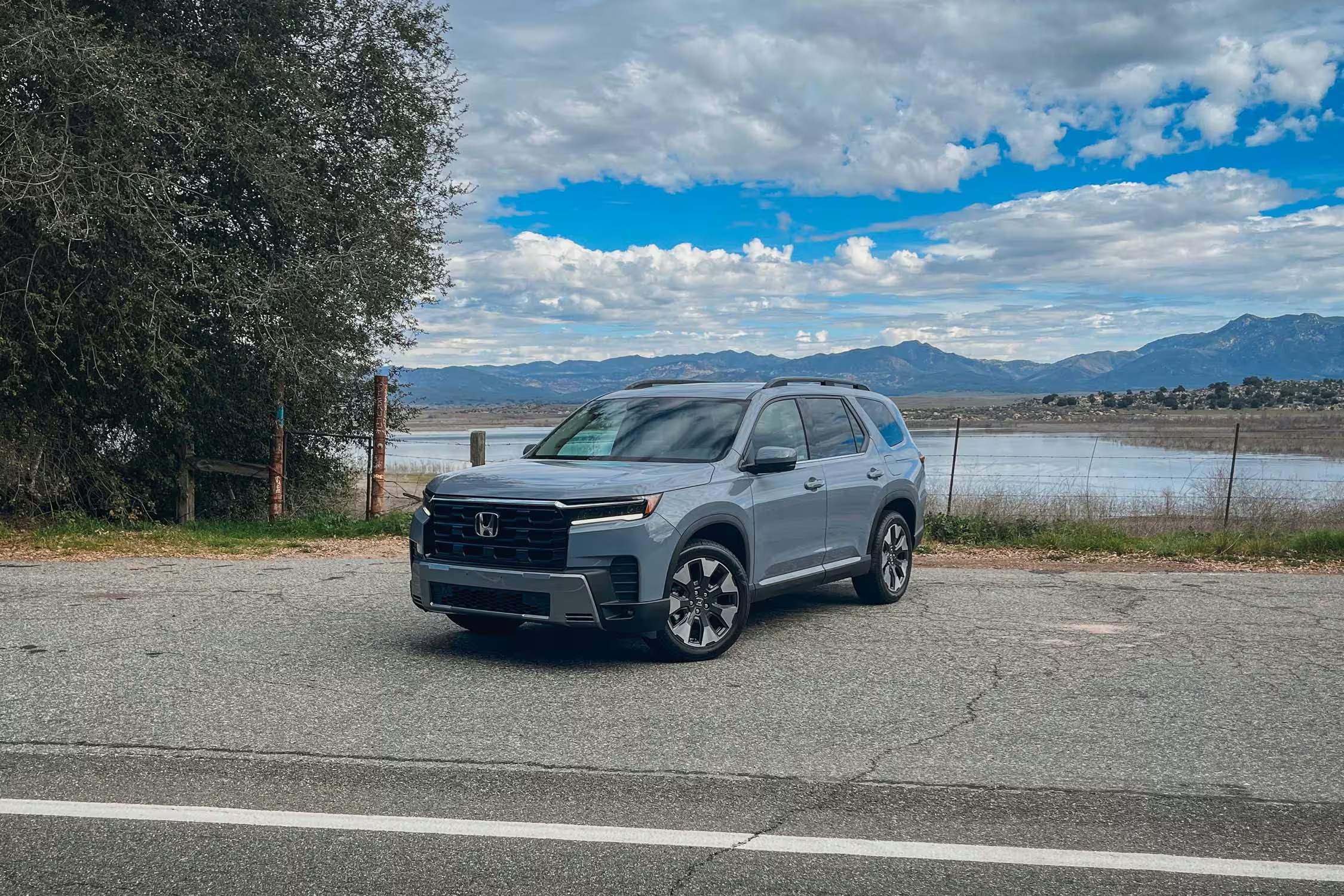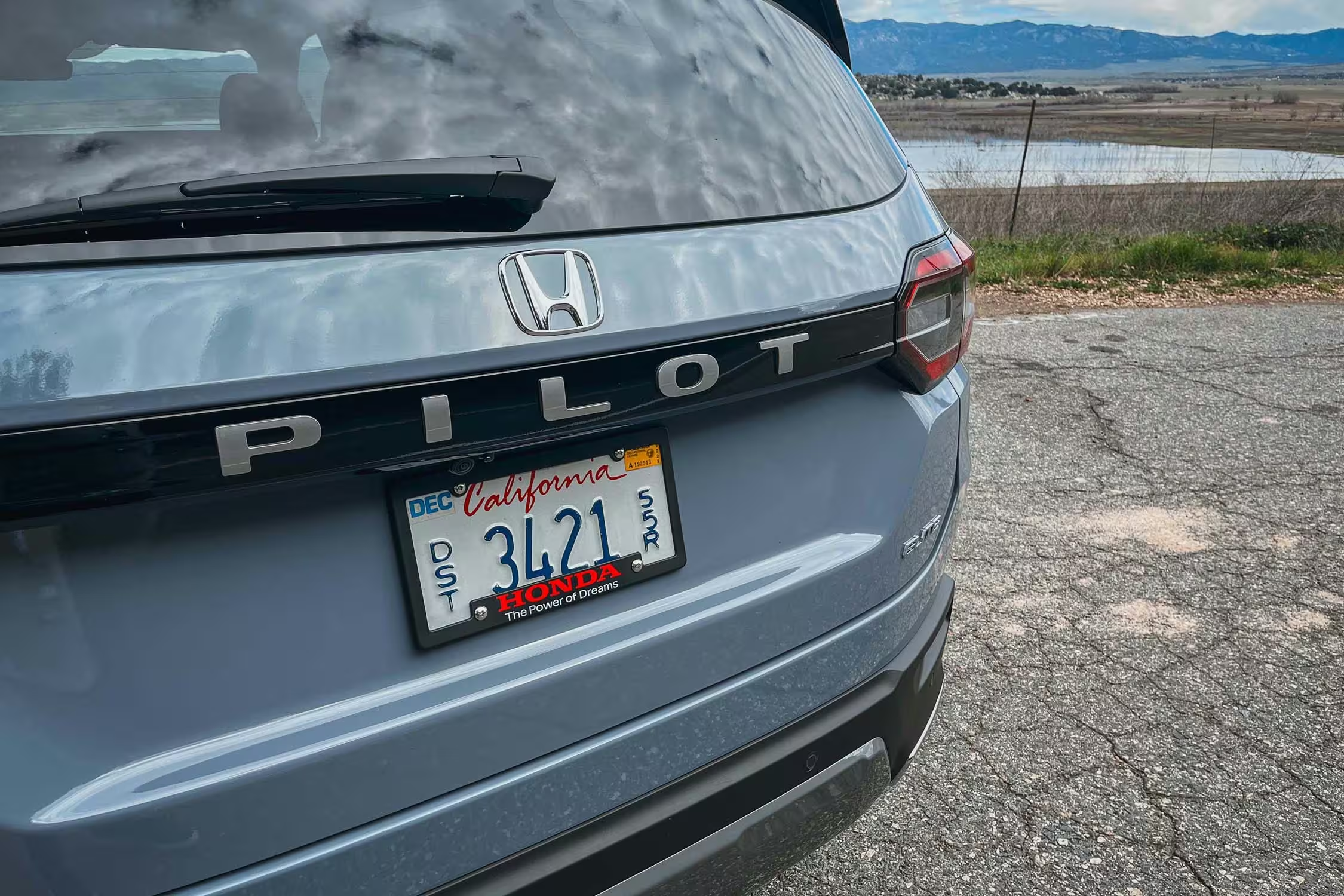
The NEW HONDA PILOT 2026 maintains the V6 engine and adds interior luxury. Could the lack of a hybrid system be a mistake? Check out the details here!
What Really Changed in the HONDA PILOT 2026 and Why It Matters
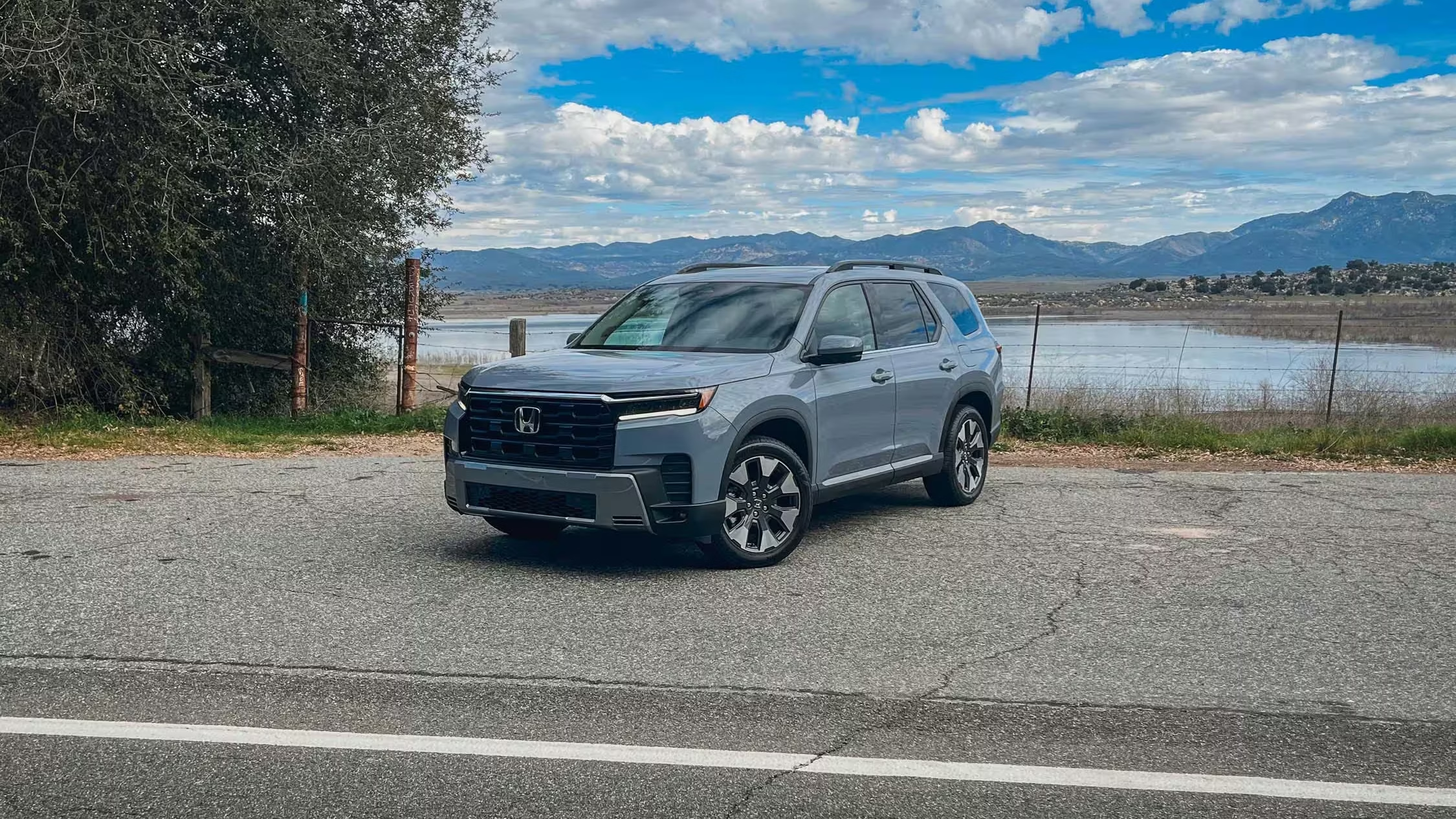
Incremental update best describes the HONDA PILOT 2026. Honda has chosen a route of continuity, prioritizing reliability and usability over technological revolutions. This results in subtle visual changes, more standard features, and a focus on interior comfort — especially in sound insulation.
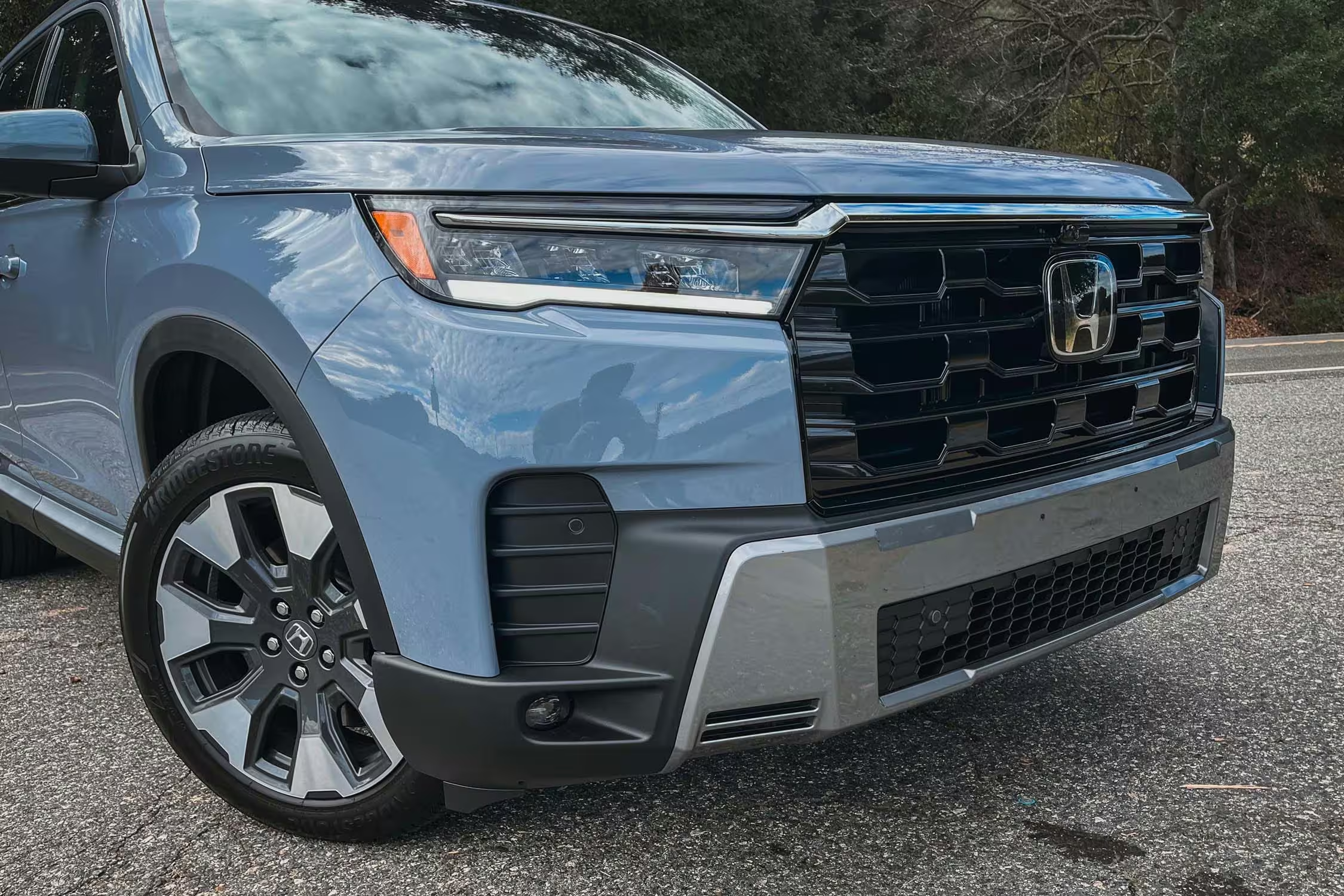
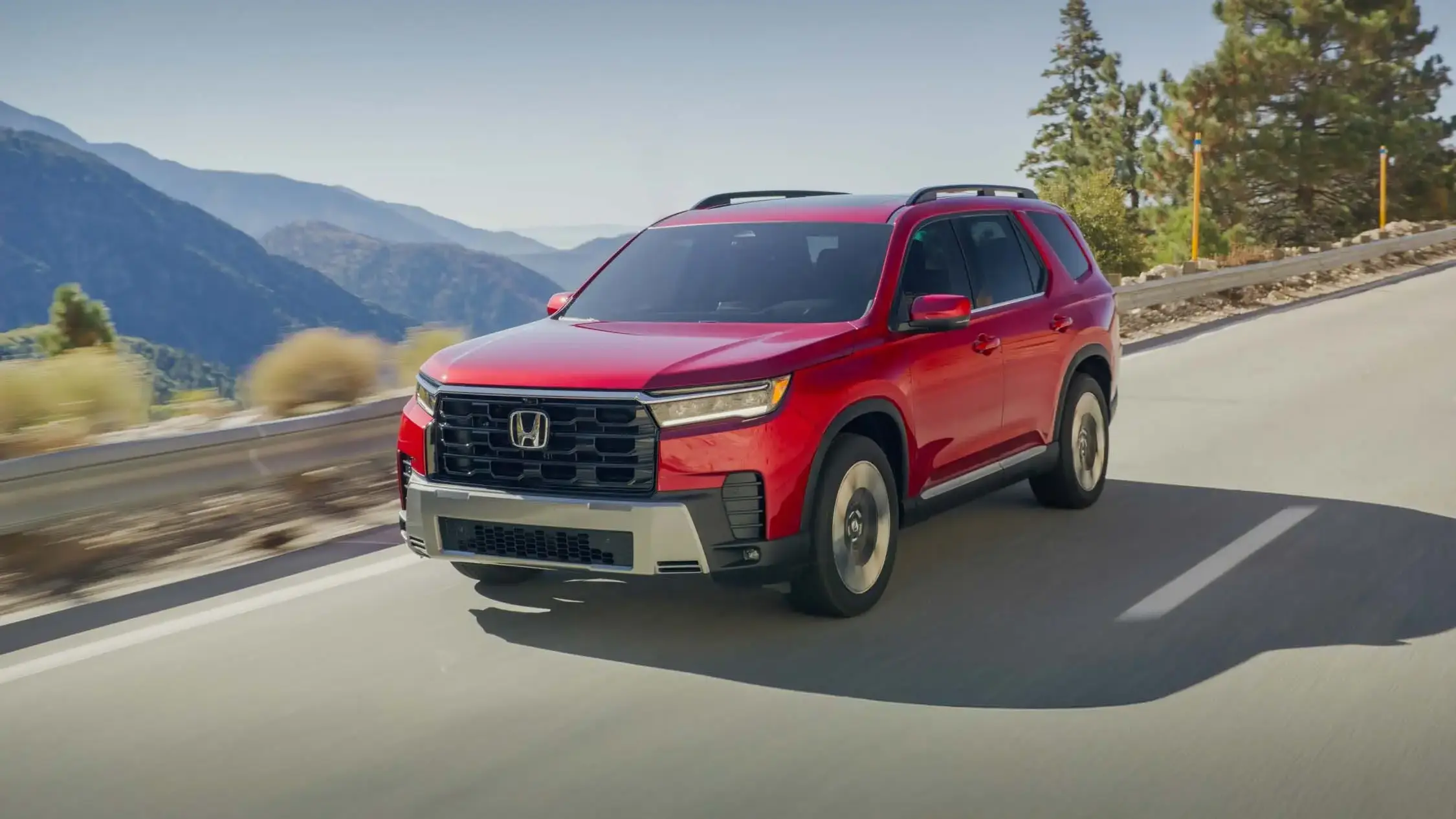
External Design: Efforts for Ruggedness
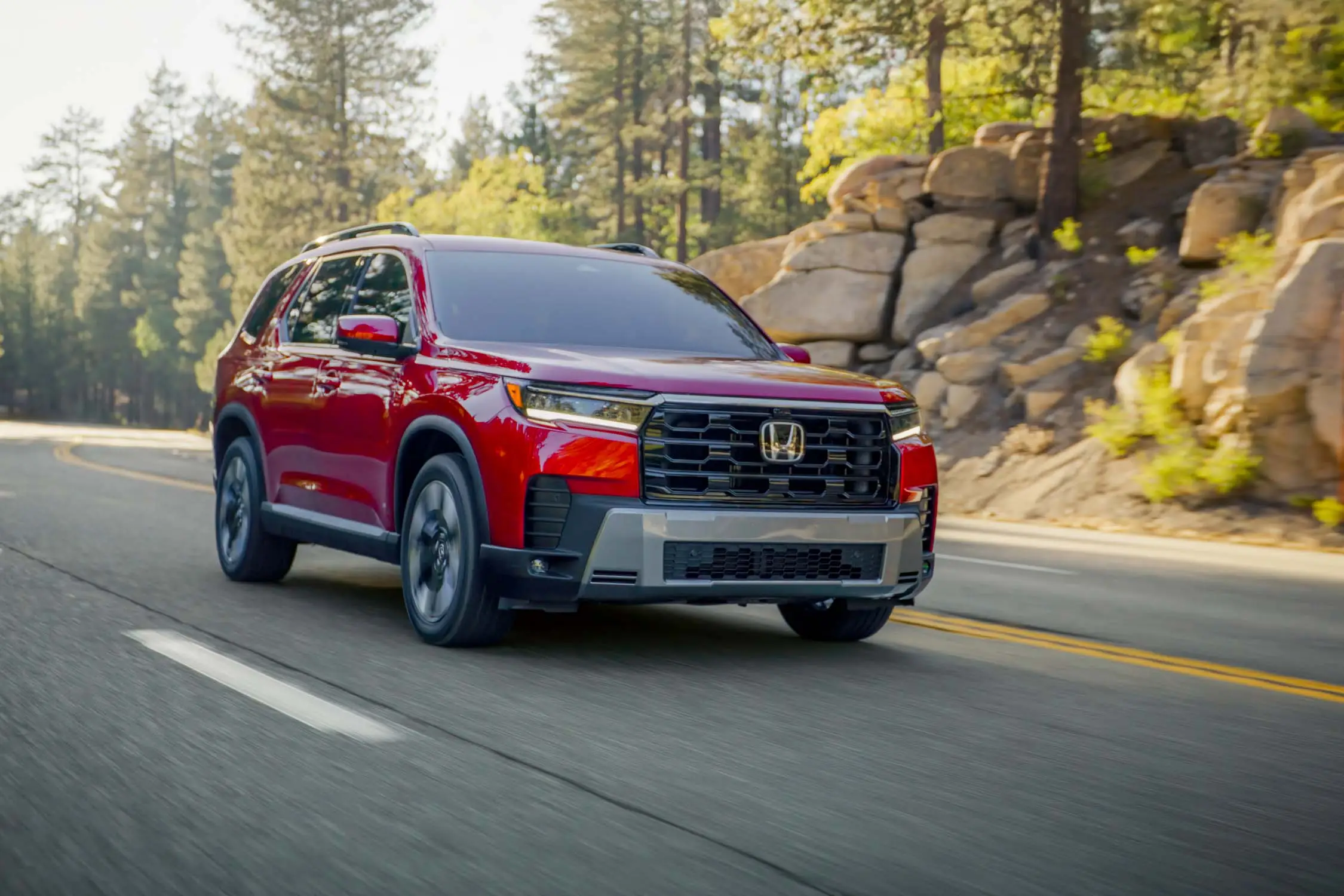
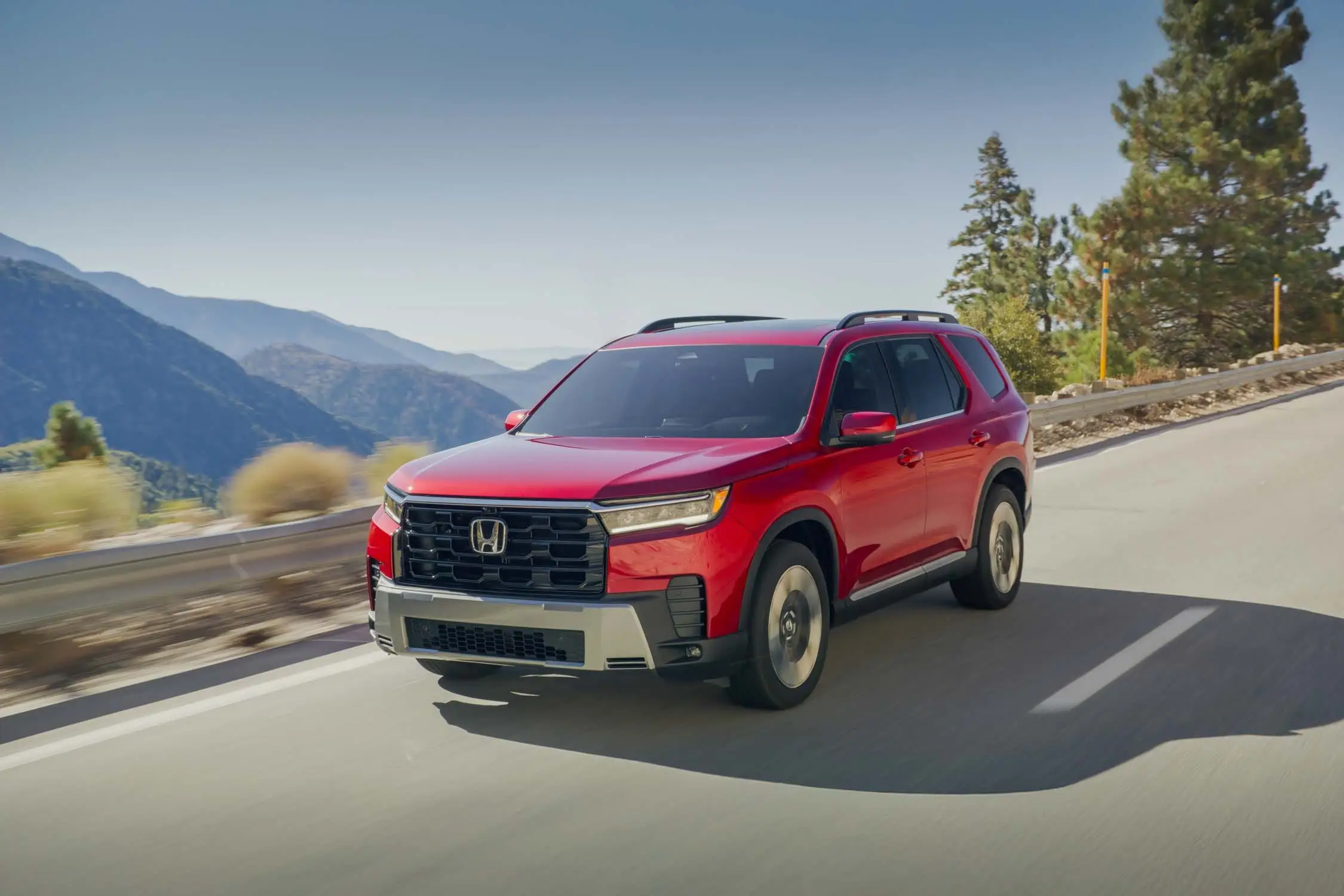
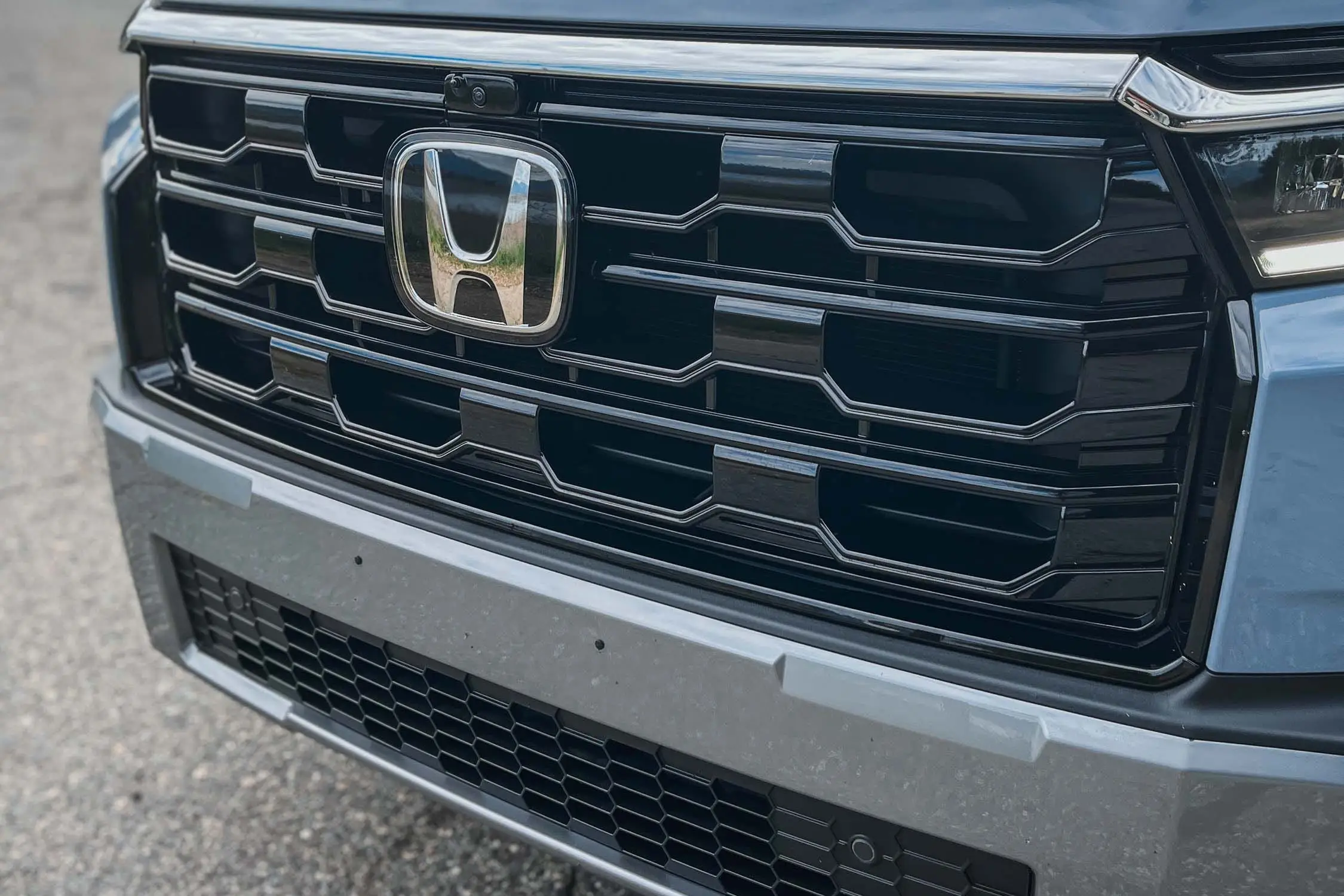
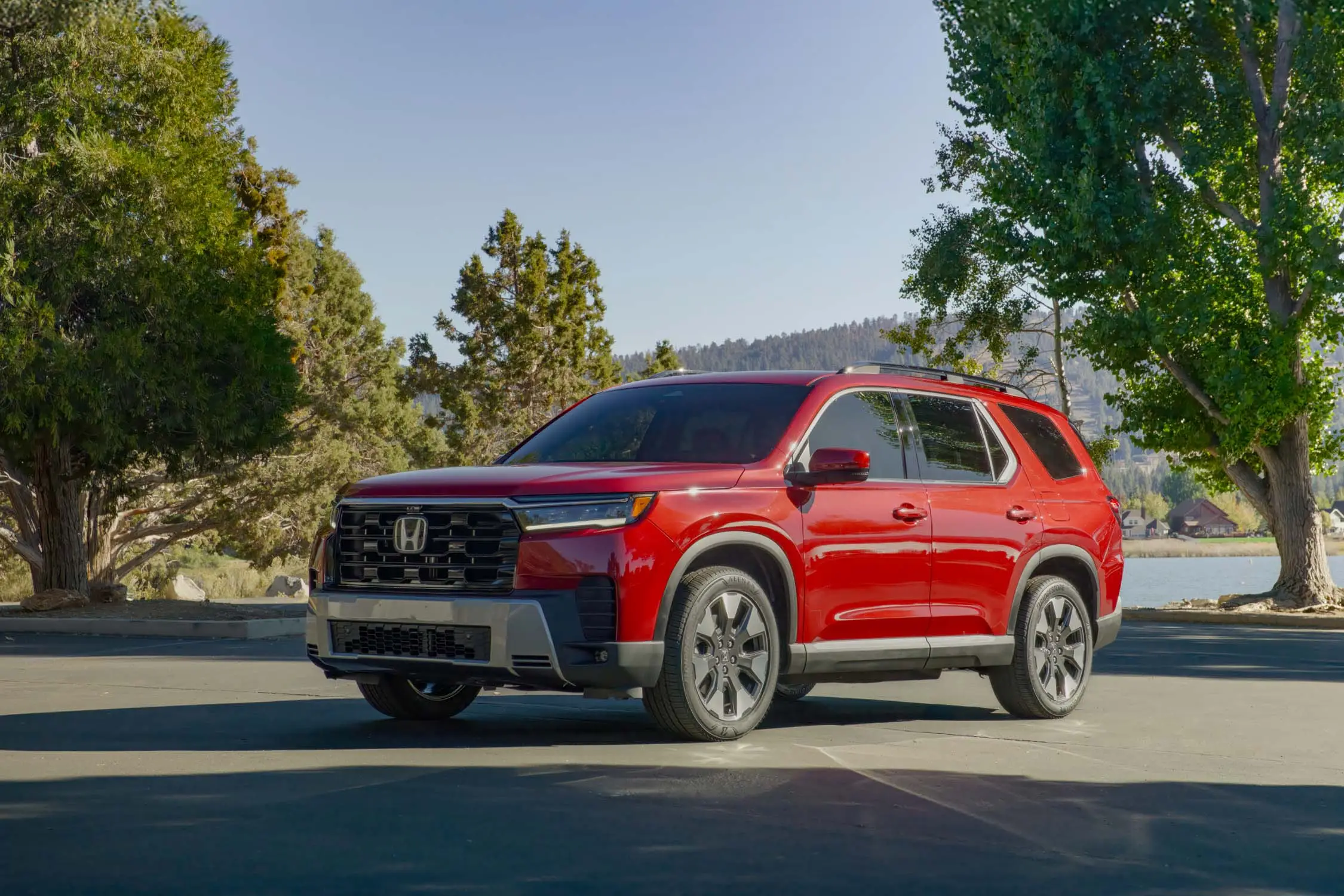
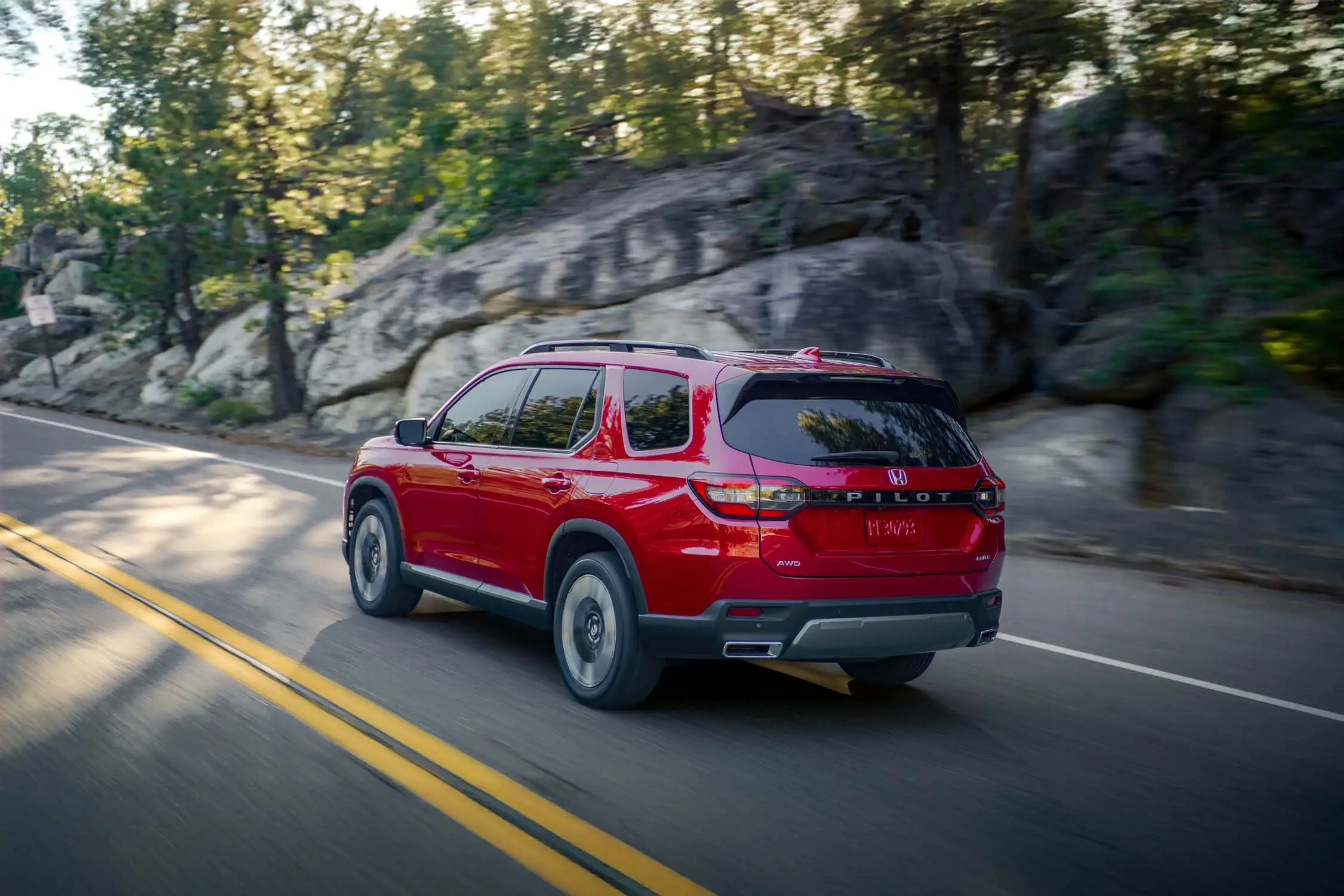
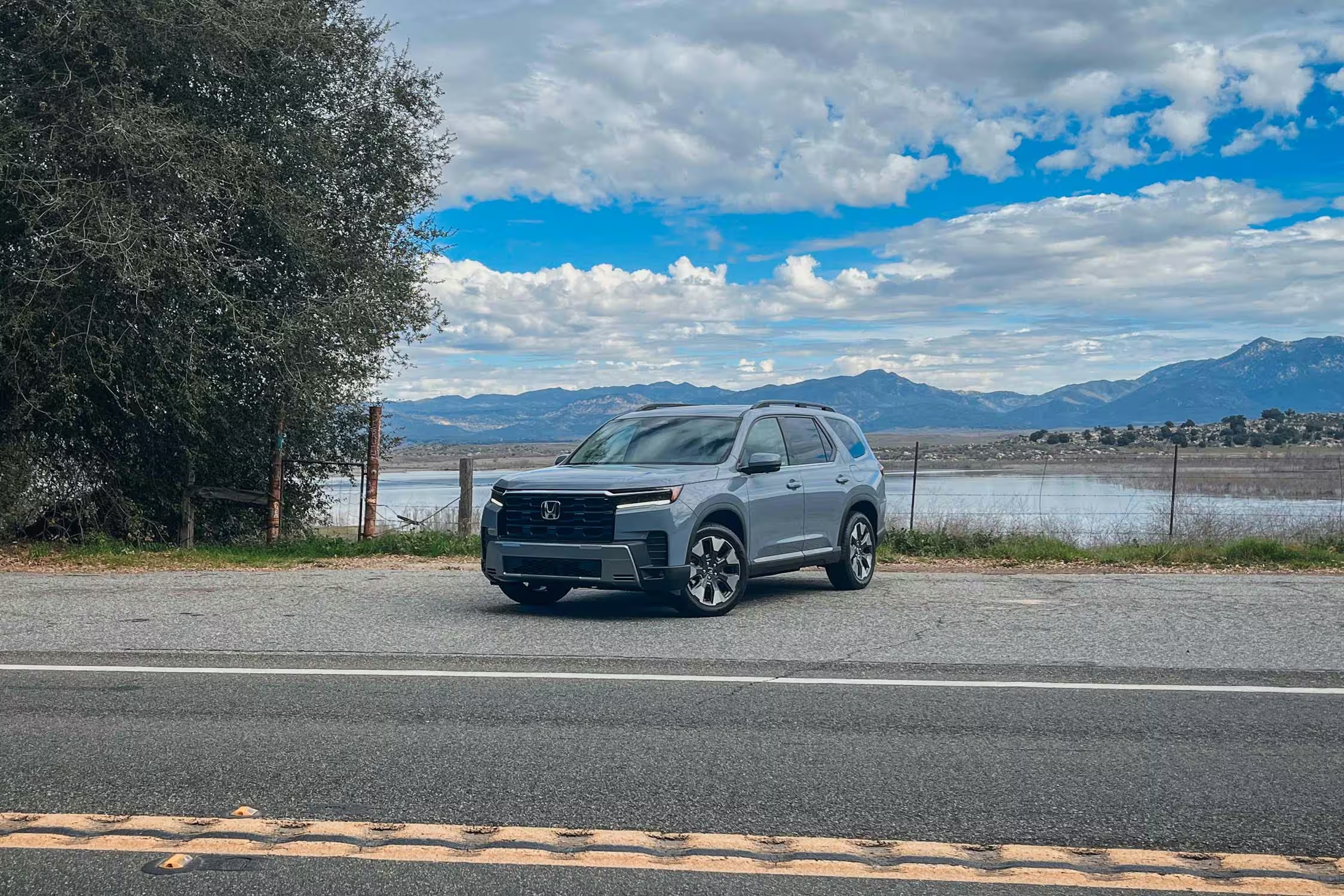
- Larger front grille and new skid plate for a more “adventure-ready” look that references the aesthetic of the HONDA PASSPORT 2026.
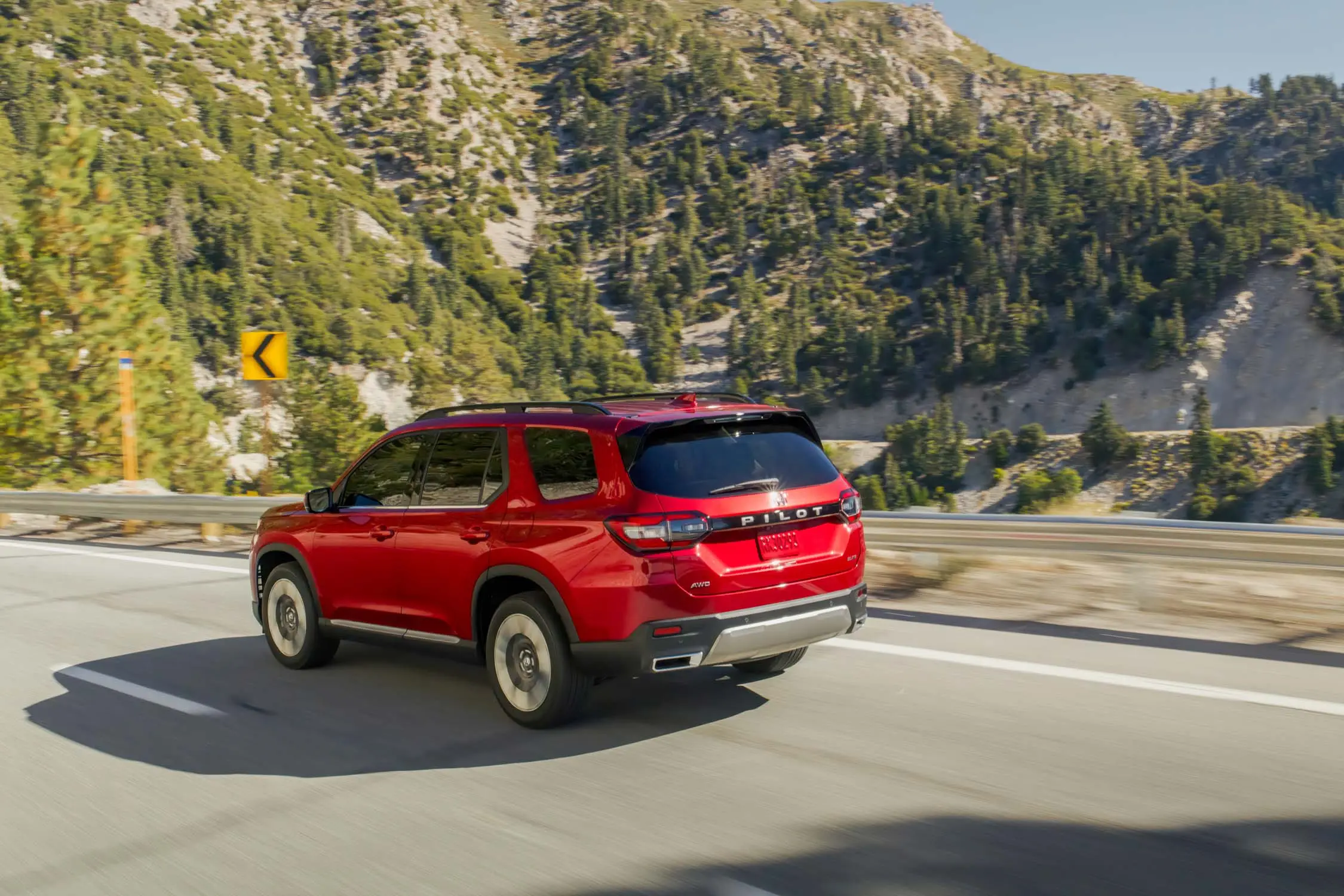
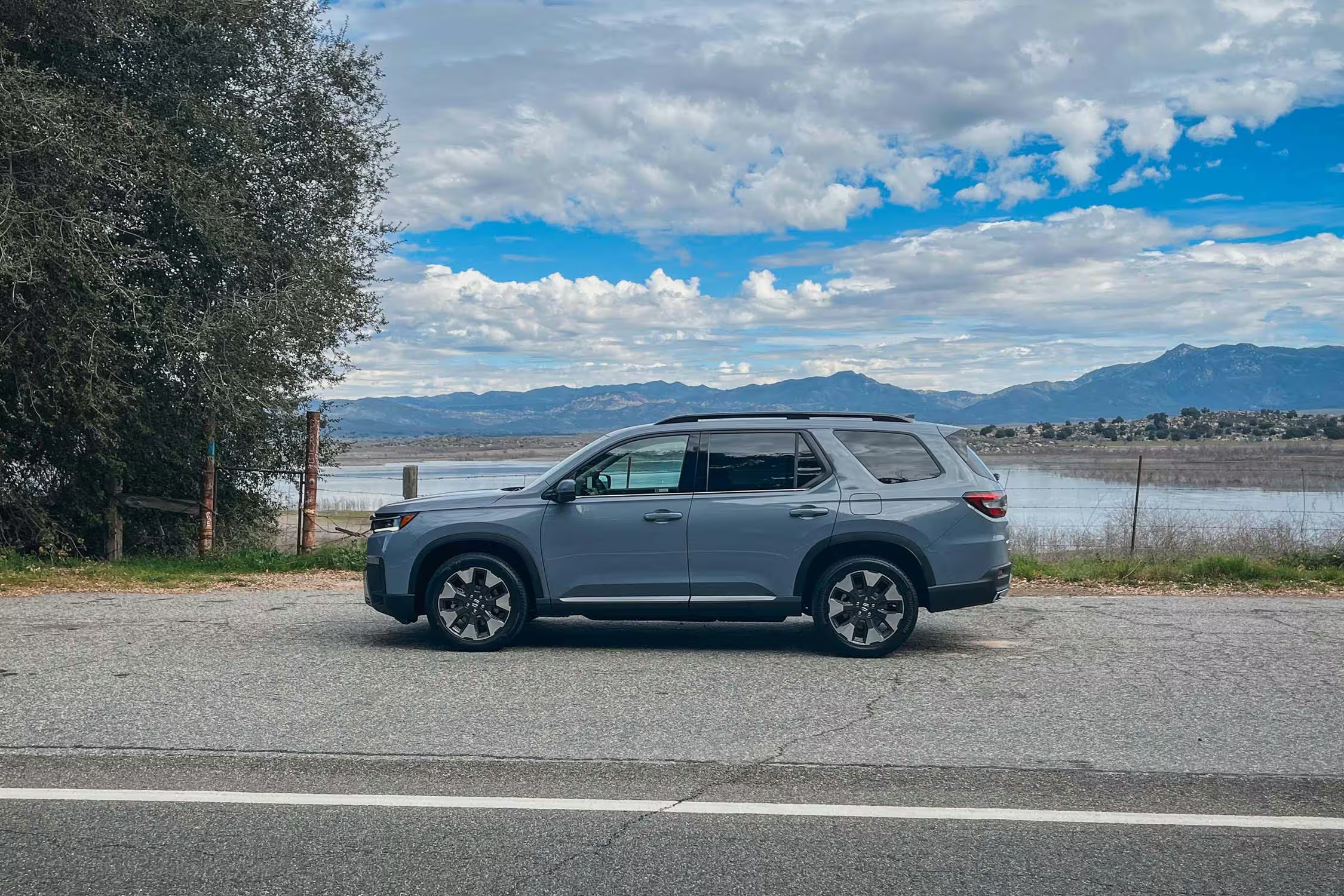
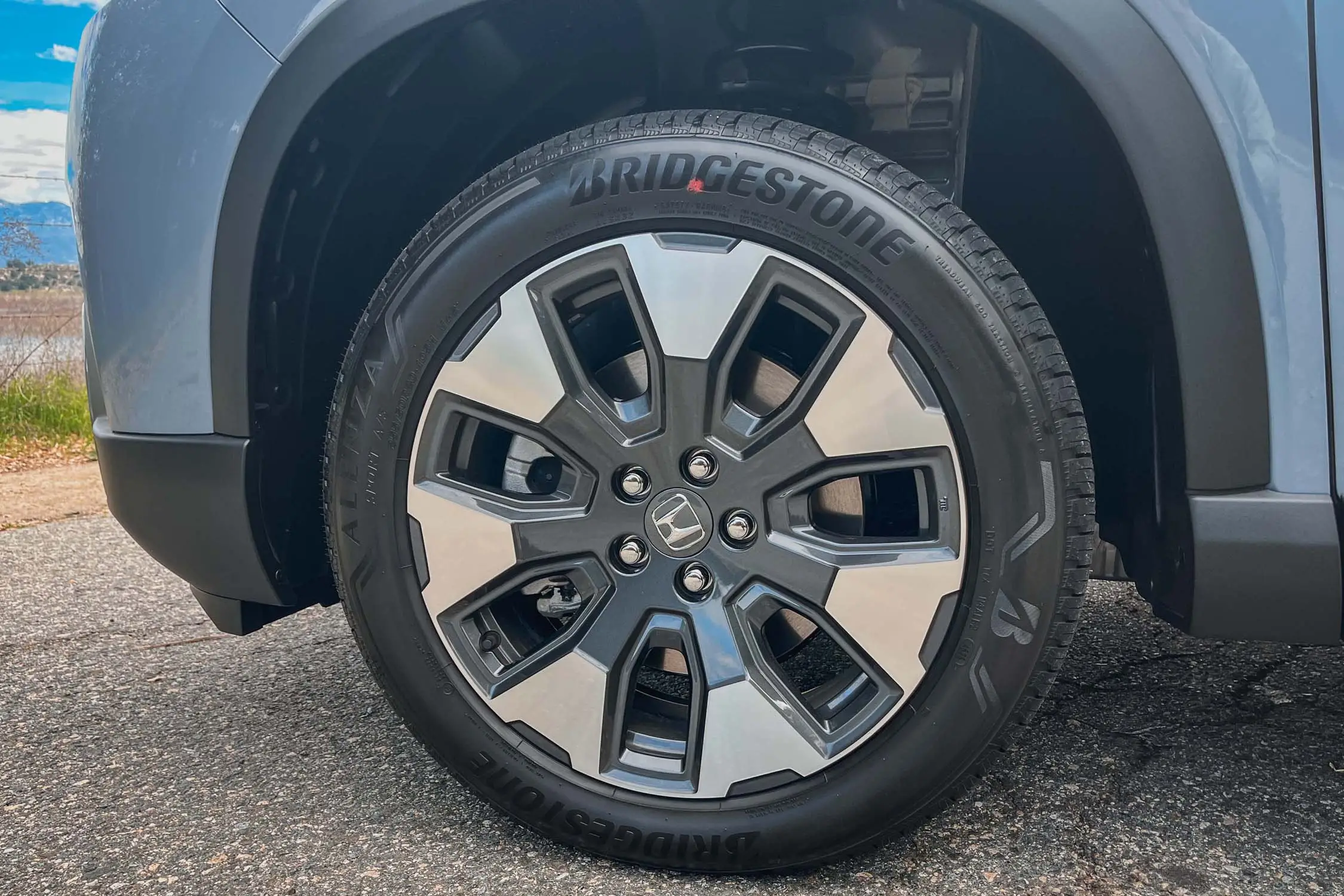
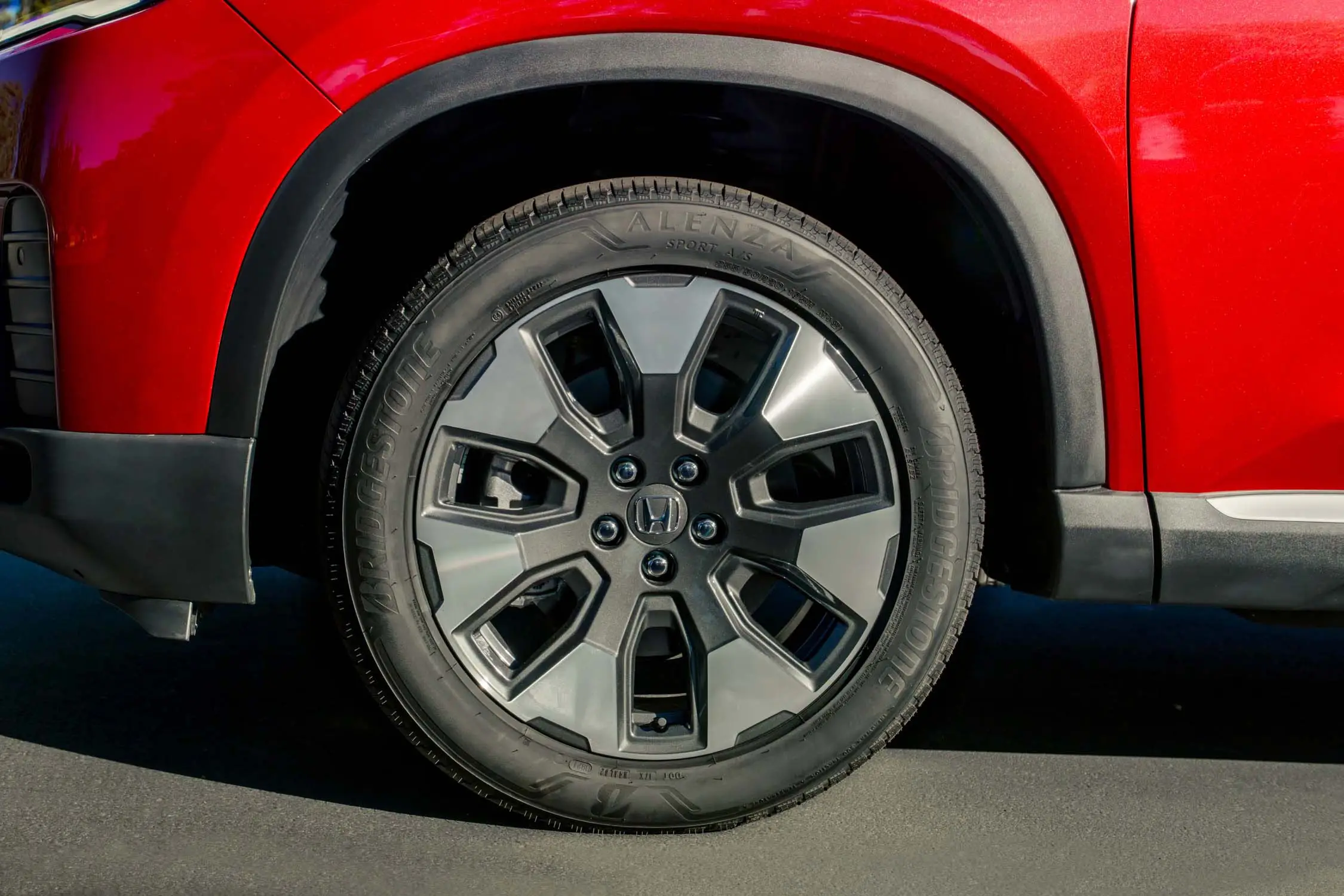
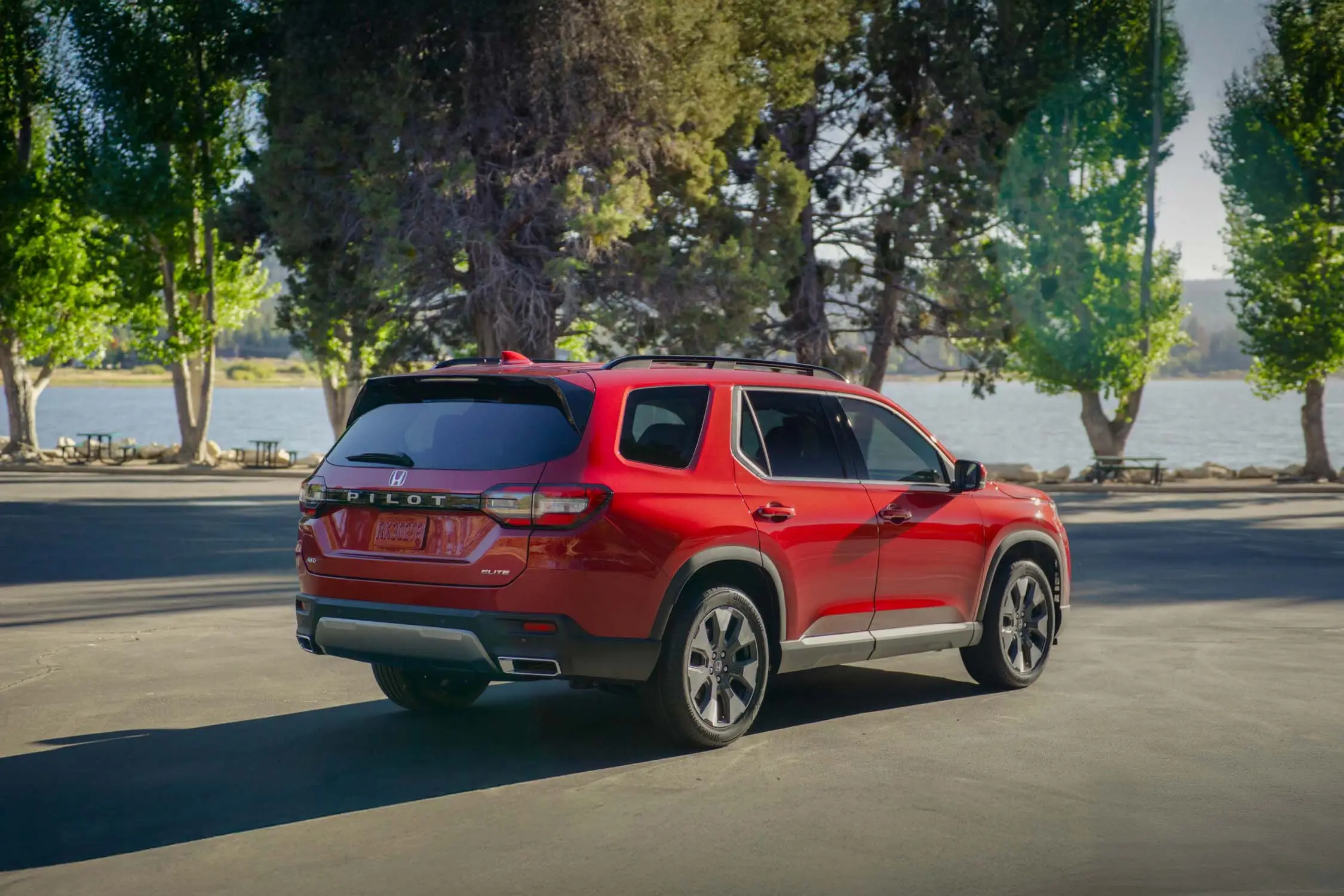
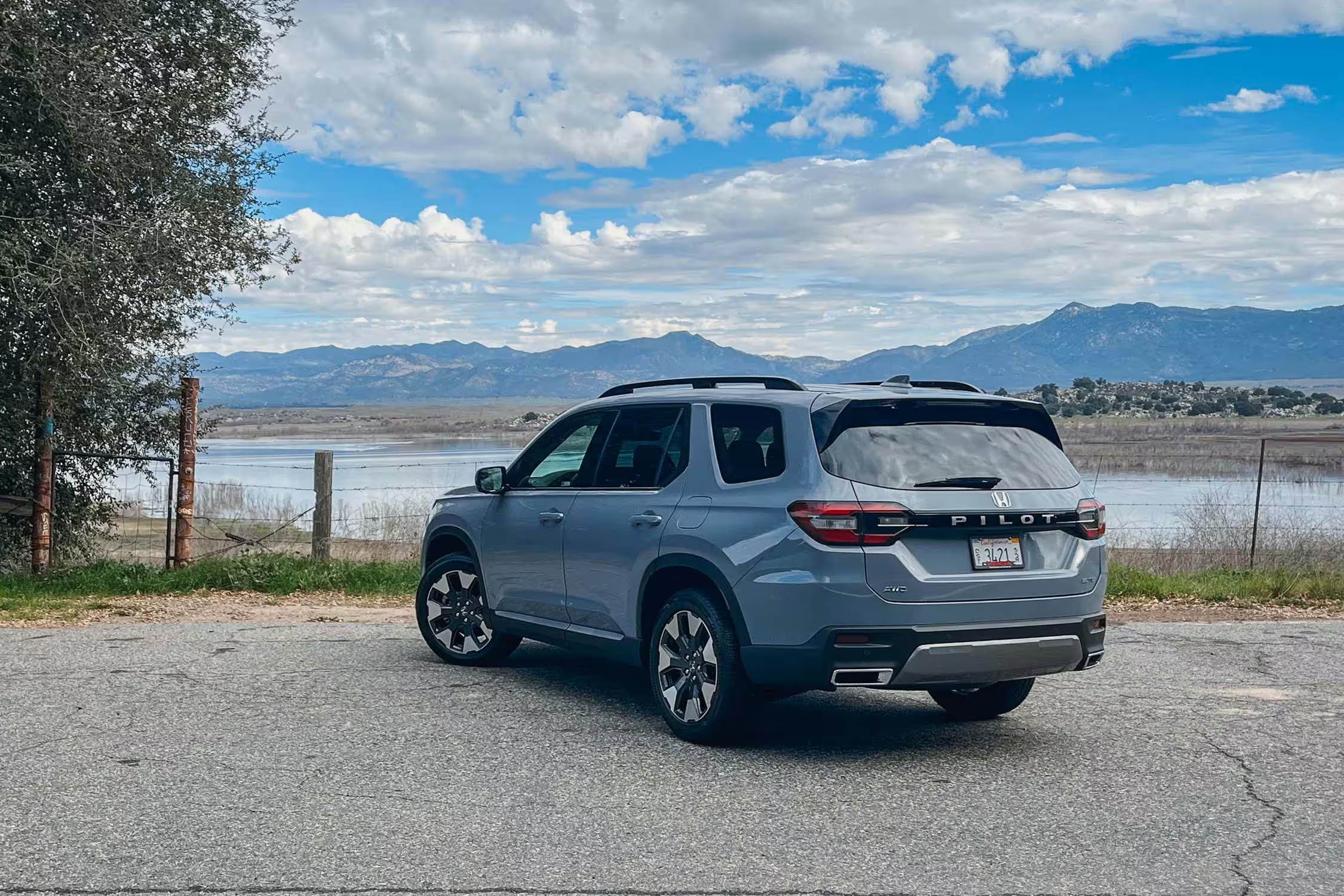
- New wheel designs and color options expand choices without altering the silhouette, which still maintains nearly minivan-like proportions — preserving family practicality.
- These changes are cosmetic but important for those seeking a presence in the driveway without sacrificing functionality.
Interior and Practicality: Designed for Real Families
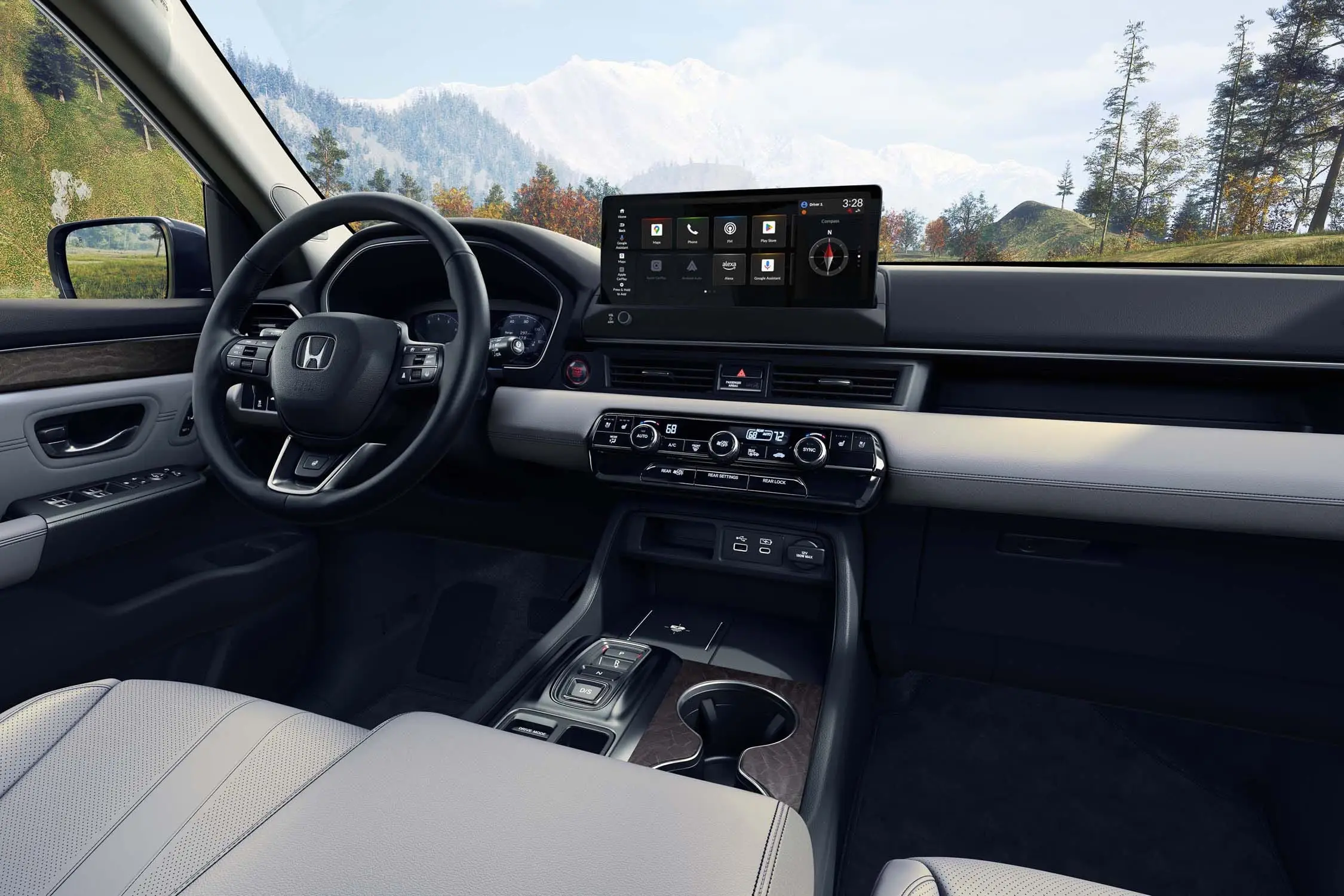
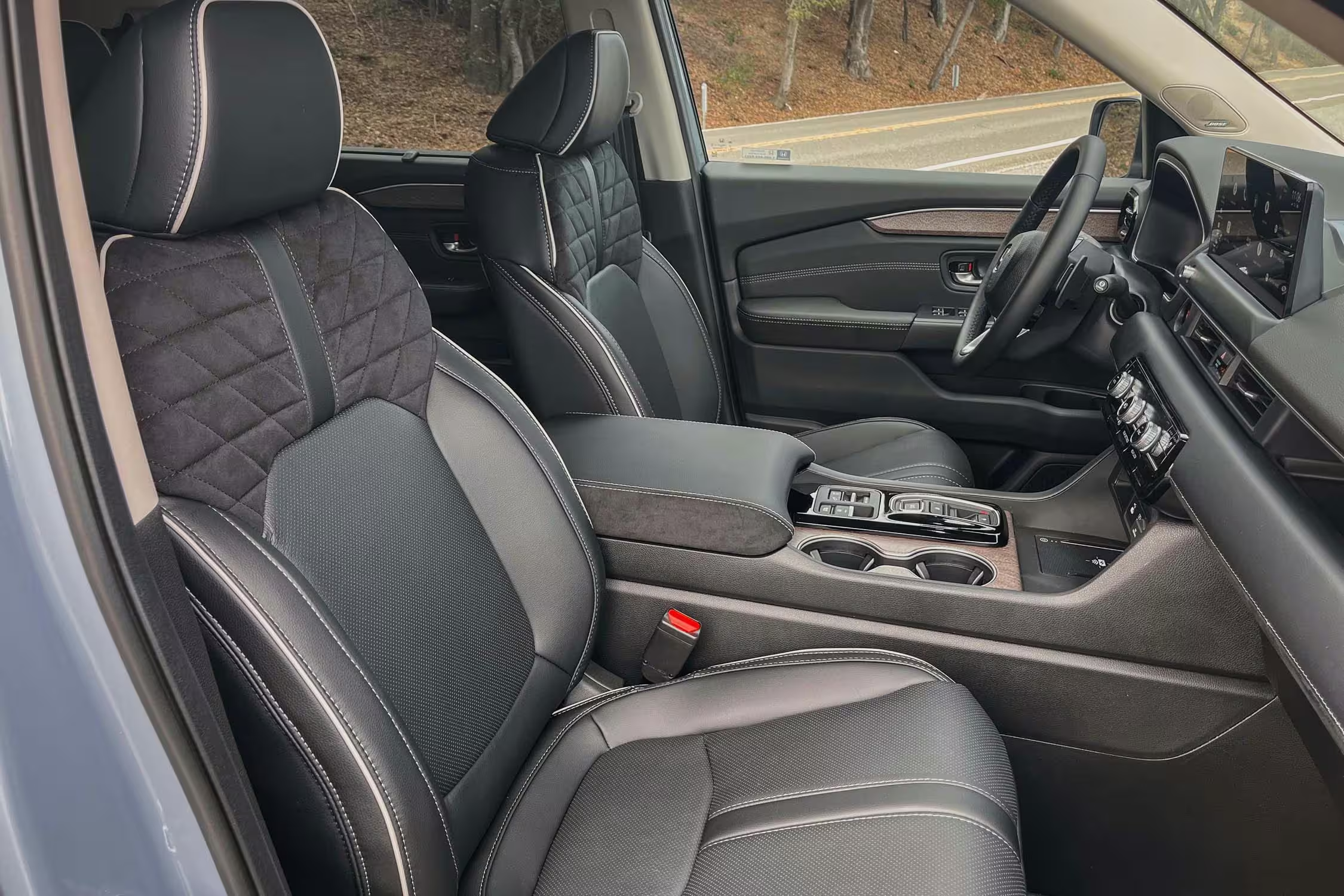
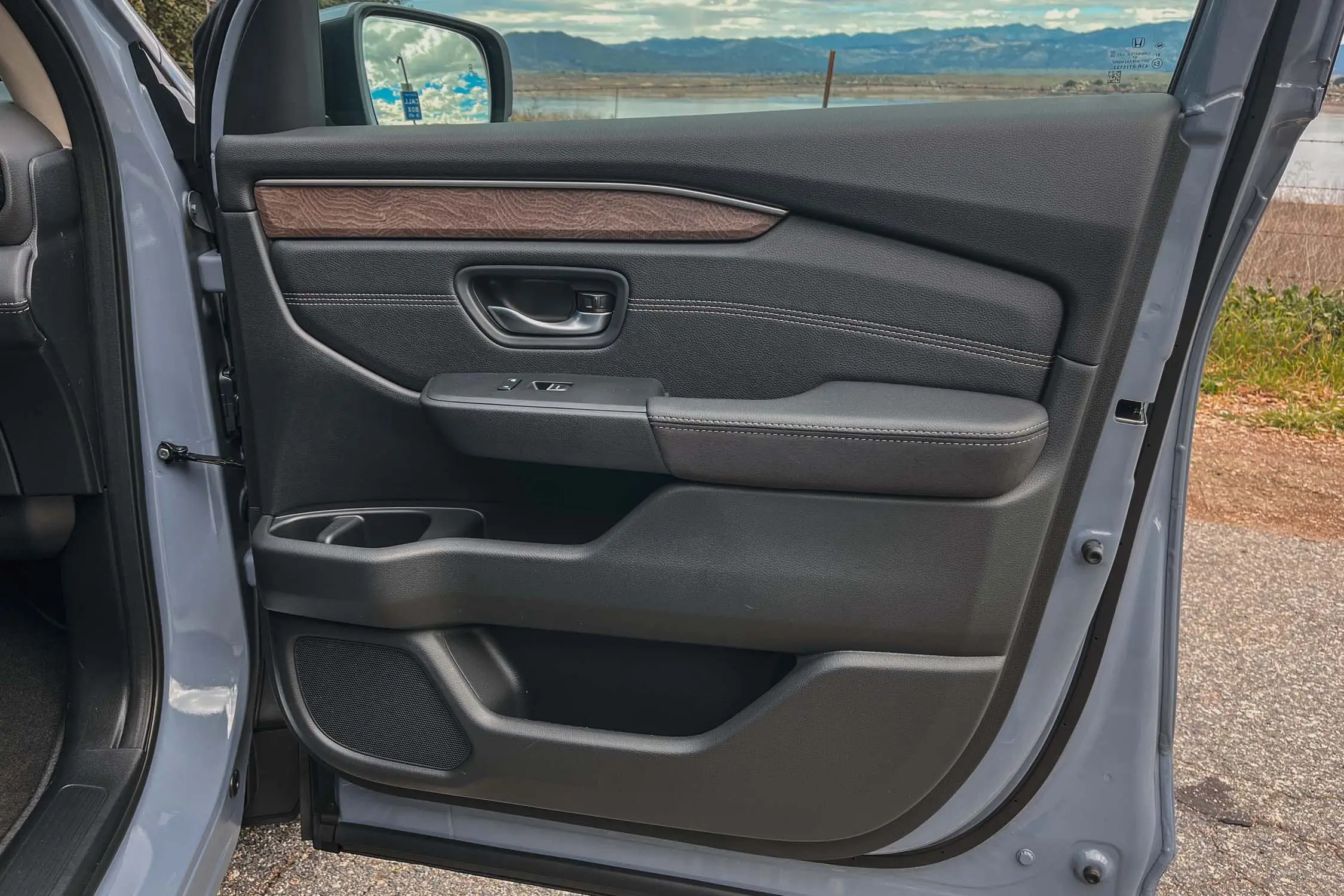
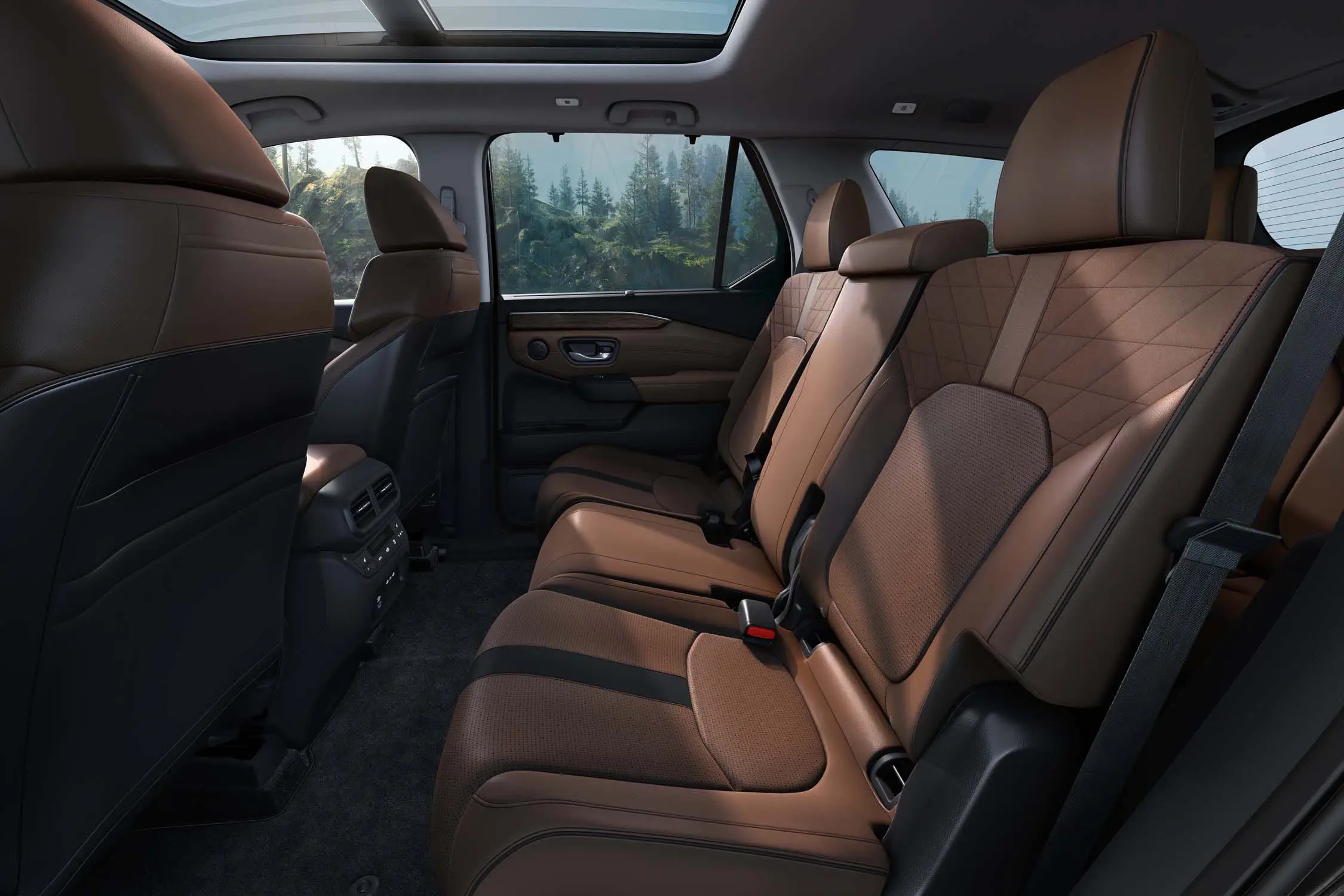
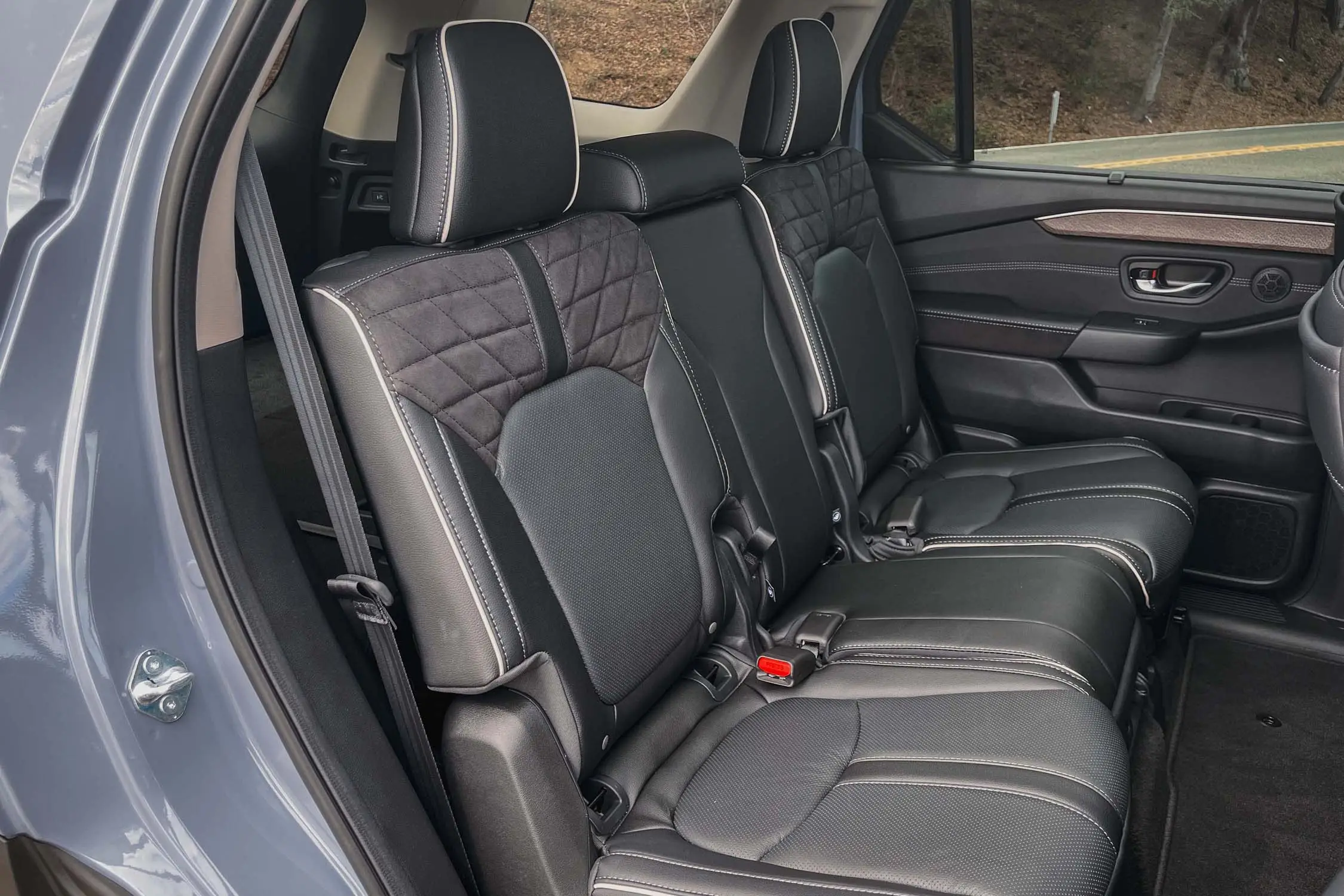
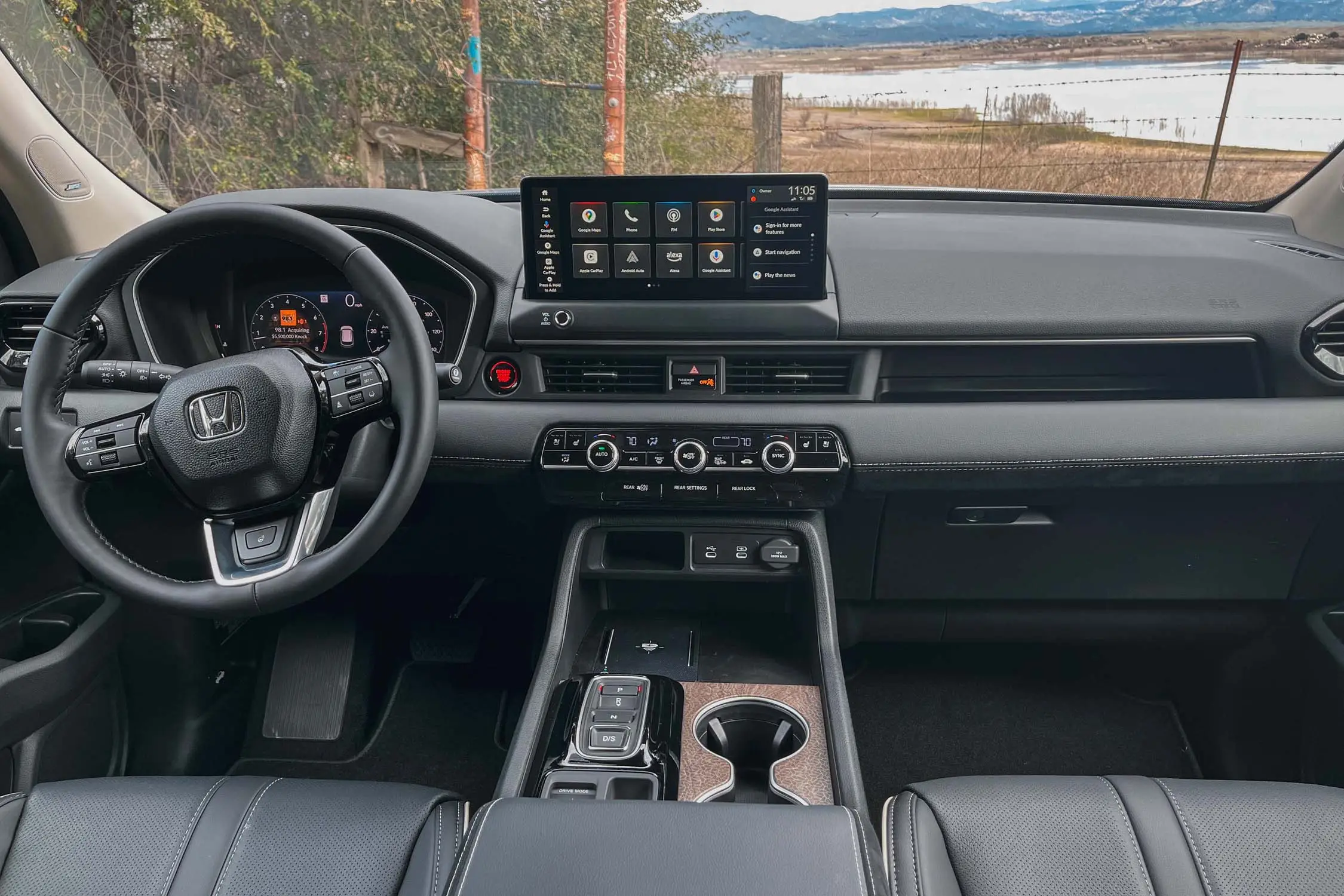
- Improved materials in the Elite version, with synthetic suede and contrasting stitching that enhance the sense of sophistication without reaching the level of premium competitors.
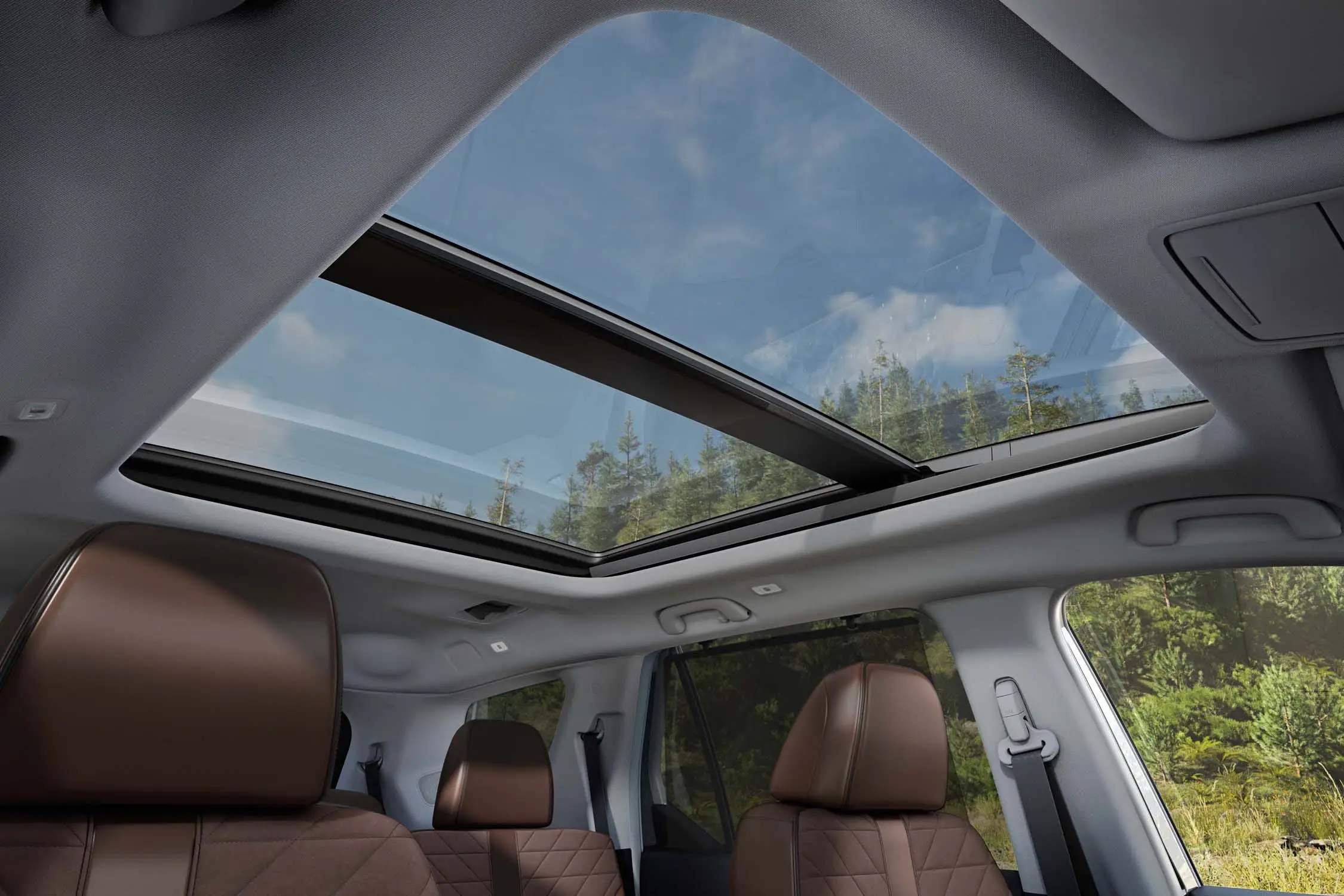
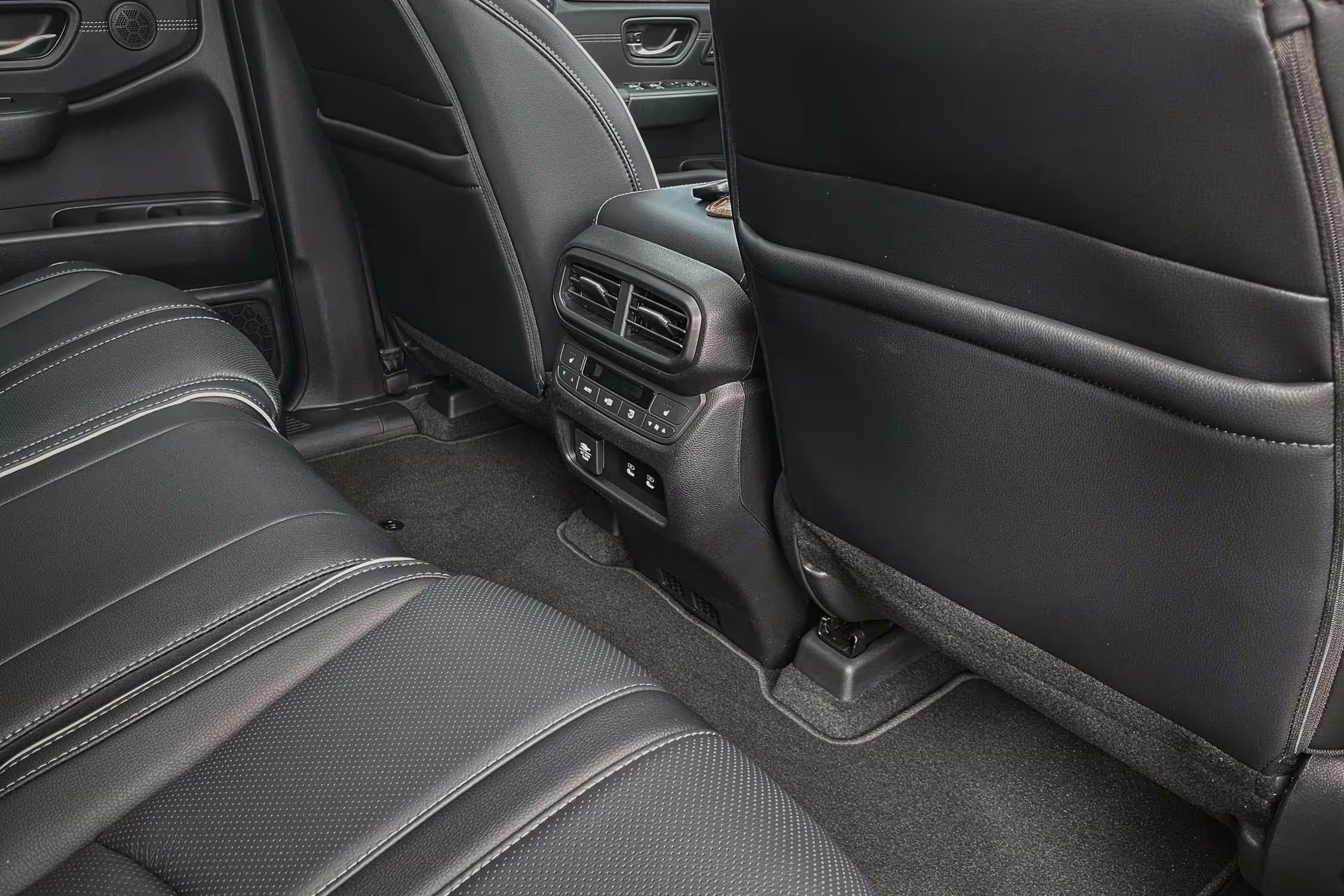
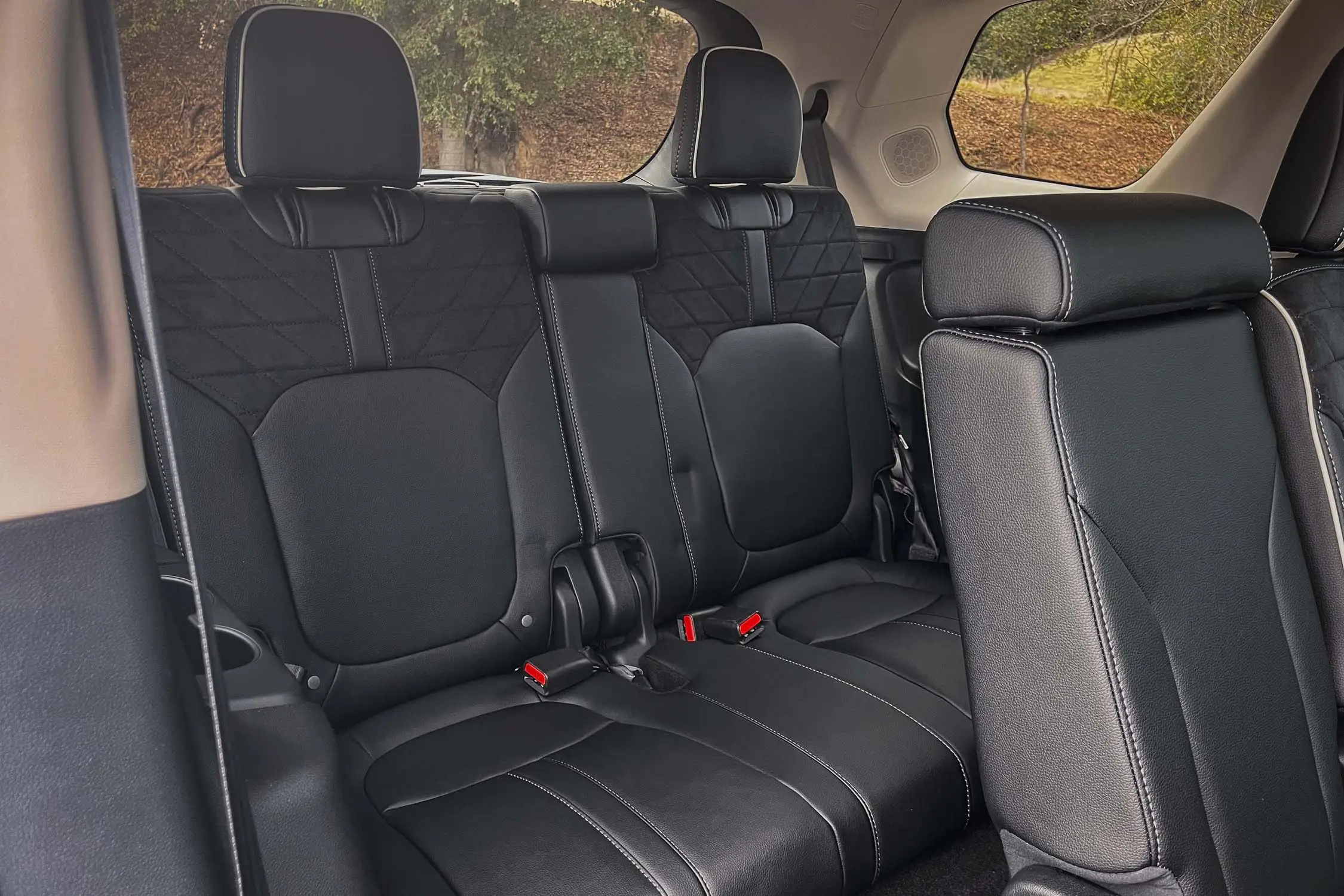
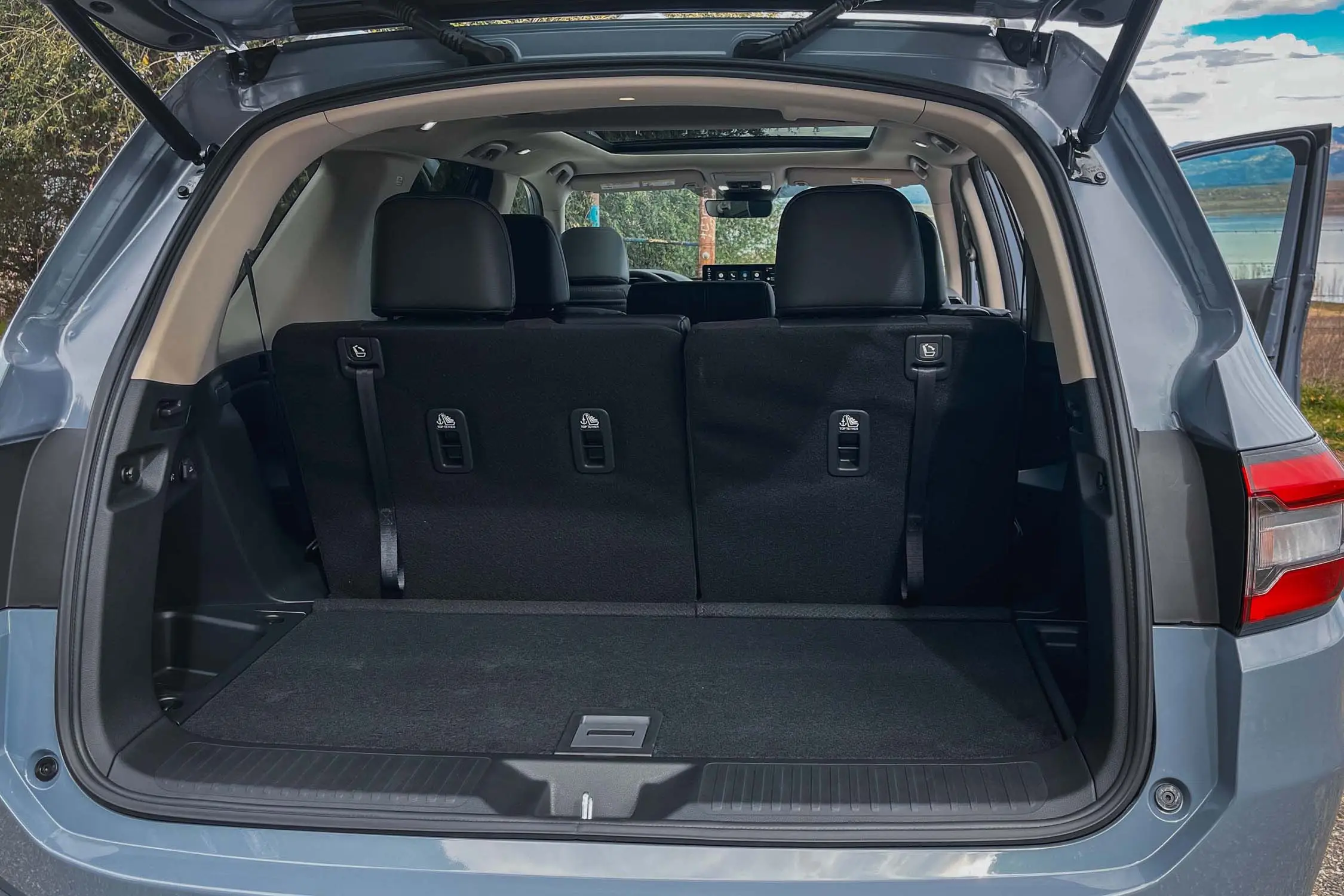
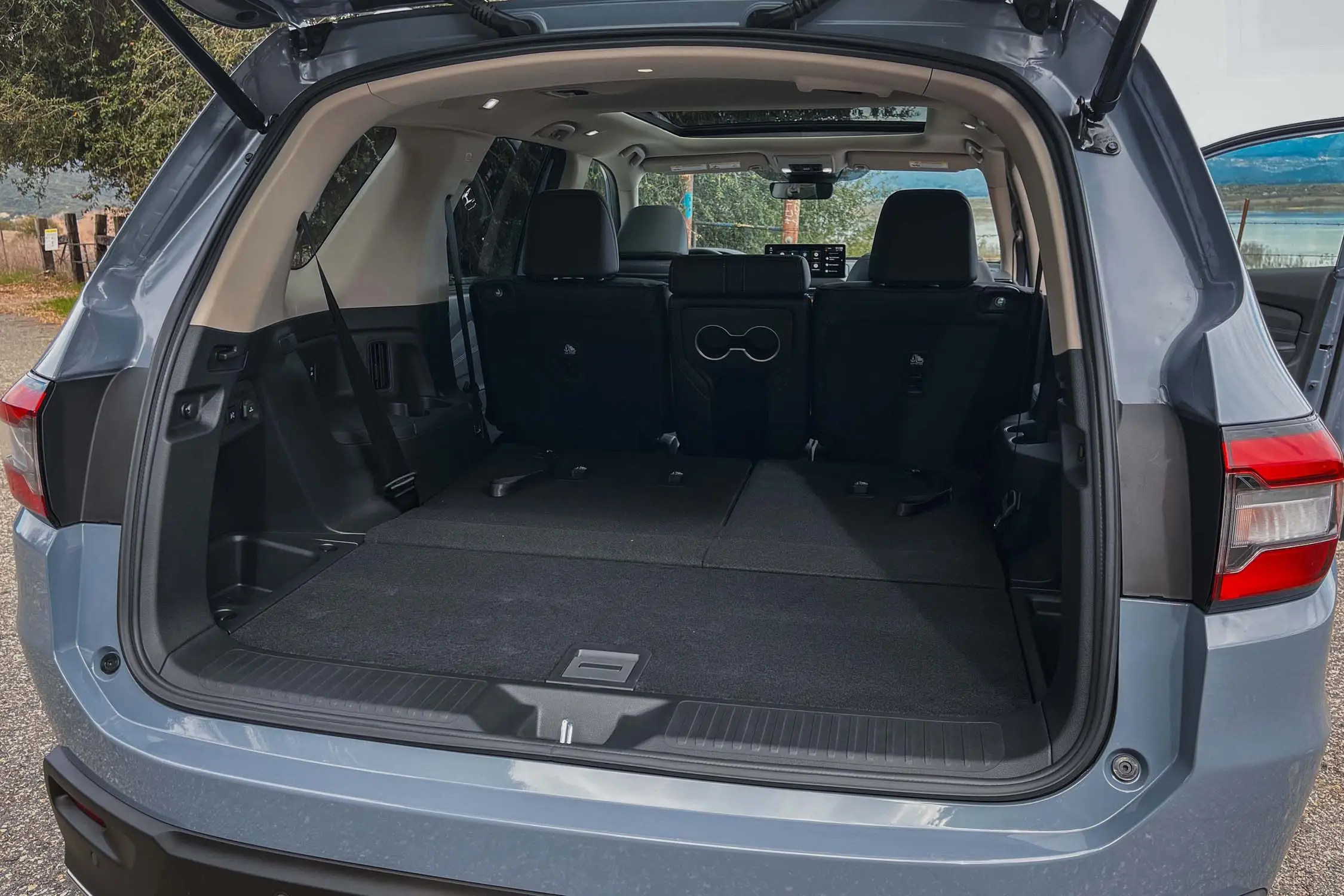
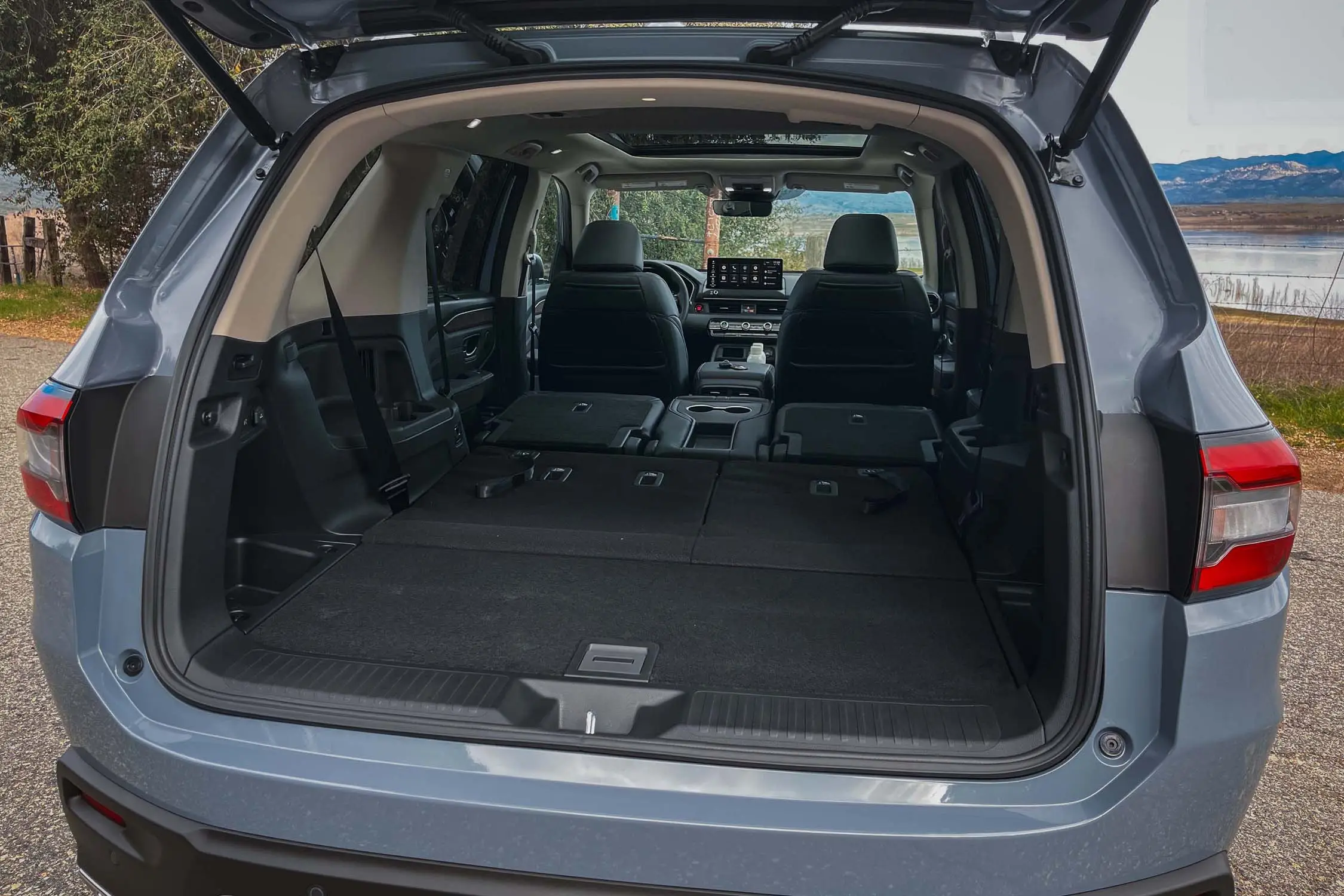
- Ample space across three rows, with rear seats that slide and fold electronically — ideal for those who frequently switch between passengers and cargo.
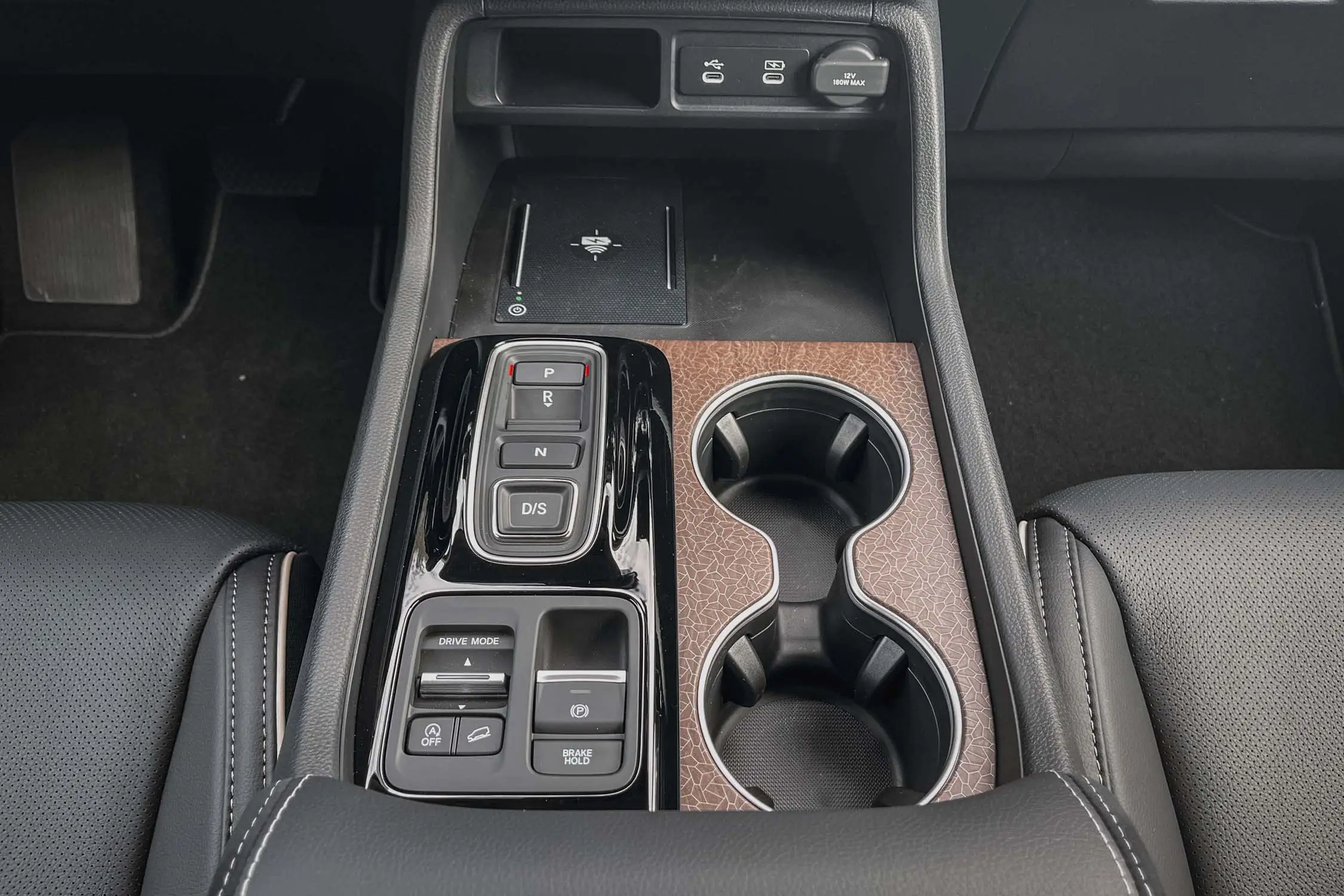
- Enhanced sound insulation (laminated glass and new seals) reduces road noise and improves long-distance travel comfort.
Performance, Fuel Efficiency, and Dynamics: V6 Remains, But Competition Advances
The powertrain of the Honda Pilot 2026 remains unchanged: the well-known 3.5-liter DOHC V-6 engine, with 285 hp and 262 lb-ft of torque, paired with a 10-speed automatic transmission. It’s a combination that prioritizes linearity and predictable response but begins to show its age compared to hybrid alternatives.
| Item | Specification |
|---|---|
| Engine | DOHC V6 3,471 cc, 285 hp @ 6,100 rpm |
| Torque | 262 lb-ft @ 5,000 rpm |
| Transmission | 10-speed automatic |
| 0-60 mph | 6.7 to 7.0 seconds (estimated) |
| Cargo volume | 87 / 49 / 19 cubic feet (1st/2nd/3rd rows) |
| EPA fuel economy | 20–22 mpg combined |
Dynamic Performance
- The steering has been recalibrated: more direct and precise, increasing confidence in maneuvers and highway driving.
- The 10-speed gearbox delivers capable and quick downshifts when requested — excellent for overtaking, especially at higher revs.
- For frequent highway drivers, improvements in NVH (noise, vibration, harshness) are noticeable and enhance long-distance comfort.
Fuel Consumption and Hybrid Outlook
With an EPA average of 20–22 mpg, the HONDA PILOT 2026 falls behind competitors that already offer hybrid or plug-in versions. Honda has confirmed ongoing electrification plans for its larger models, but there is no hybrid version available this year. This puts the Pilot at a disadvantage in fuel economy, especially for fleets and urban families with high mileage.
Technical summary: solid performance with a refined ride, but energy efficiency that lags behind current market trends.
Pricing, Trims, and How to Position the HONDA PILOT 2026 in Your Purchase Decision
The HONDA PILOT 2026 lineup remains traditional: trims ranging from Sport to Black Edition, with higher base prices. The inclusion of standard features on entry-level trims aims to justify these higher prices.
| Trim | Starting Price (USD) | Highlight |
|---|---|---|
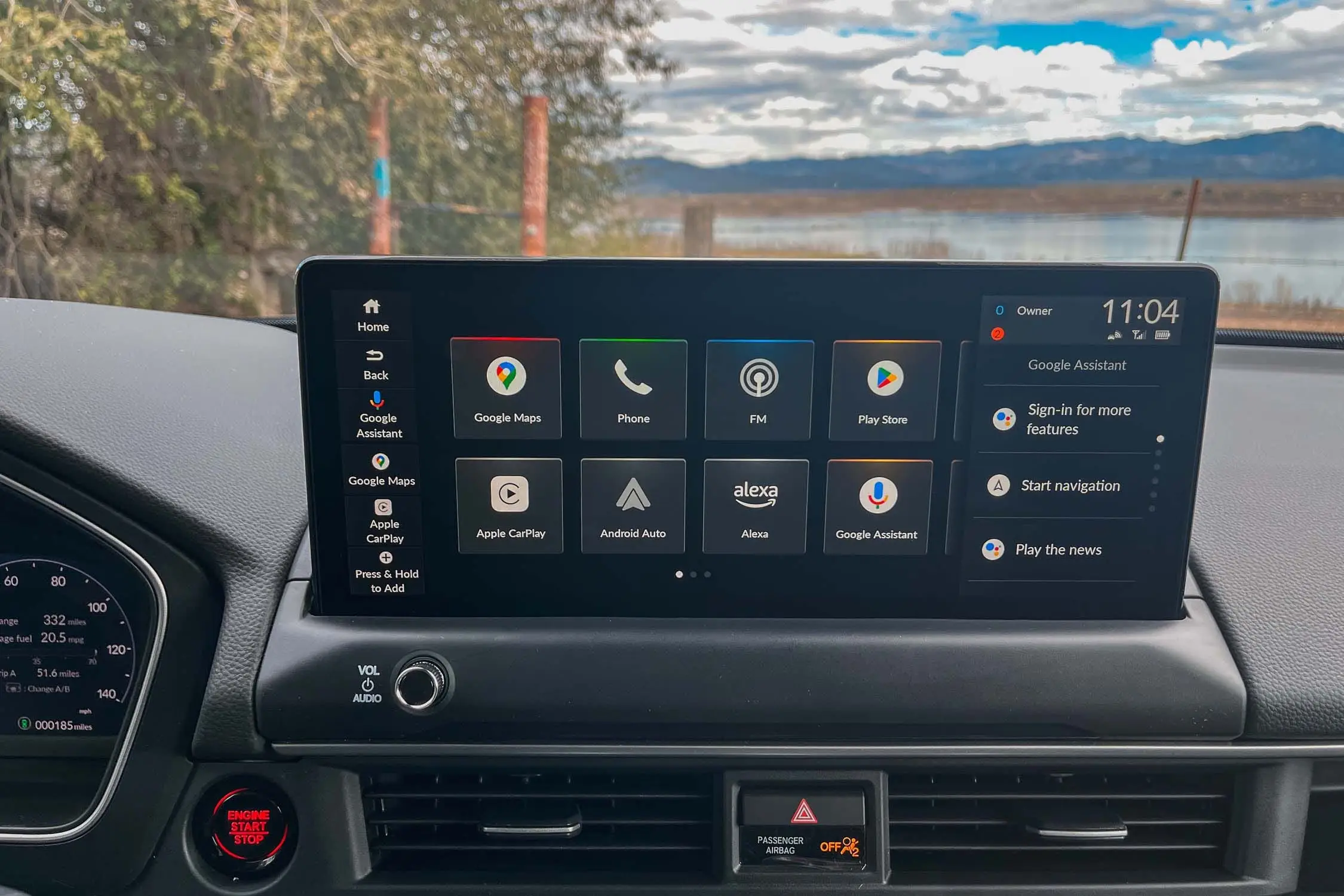
| Sport | $43,690 | 12.3″ screen and power tailgate |
| EX-L | $45,990 | Good balance of price and features |
| TrailSport | $51,890 | Standard AWD and off-road styling |
| Touring | $52,590 | Additional convenience, optional AWD |
| Elite | $54,990 | Refined interior, standard AWD |
| Black Edition | $56,490 | Top-tier with dark aesthetics |
- AWD is optional on the Sport and EX-L trims (+$2,100) and standard on TrailSport, Touring, Elite, and Black Edition.
- The price increase requires buyers to weigh additional equipment versus cost per mile, especially given high fuel prices.
Who is the HONDA PILOT 2026 ideal for? Families prioritizing space, functionality, and mechanical longevity. For those seeking fuel efficiency or hybrid technology, considering competing models becomes unavoidable.
To compare how Honda’s strategy differs from electrified and hybrid models entering the market, check out articles like our analysis of the HONDA PRELUDE 2026 electrified and the new MAZDA CX-70 2027, which offer different positioning strategies.
Another useful comparison is with rivals that already focus on electrification for family SUVs, such as the NISSAN ROGUE PLUG-IN HYBRID 2026 and recent hybrid launches from KIA SPORTAGE and SORENTO Plug-In Hybrid.
Arguments for Purchase and Points of Attention
- Strengths: space, acoustic comfort, V6 engine tradition, and versatility of interior configurations.
- Weaknesses: relatively high fuel consumption, absence of hybrid options in 2026, and competition with more modern feature packages.
- Practical Recommendation: if your primary use is highway driving or requires family capacity without immediate concern about fuel consumption, the Pilot offers a stable cost-benefit. For urban use and fleets, considering hybrids or plug-ins can reduce operational costs.
Those considering resale value should also think: Honda’s brand has historically maintained good retention, but declining preference for purely combustion engines may reduce future demand for non-electrified models.
Technical note: fuel consumption and performance figures are based on EPA data and Honda’s specifications; real-world results vary depending on load, driving style, and weather conditions.
Although not a revolution, the Honda Pilot 2026 is a clearly defined product: it offers what many families truly use daily. If you’re looking for a spacious, quiet SUV with reliable behavior, it remains a logical choice. For readers interested in hybrid alternatives and more aggressive comparisons, the links above provide immediate comparison options.