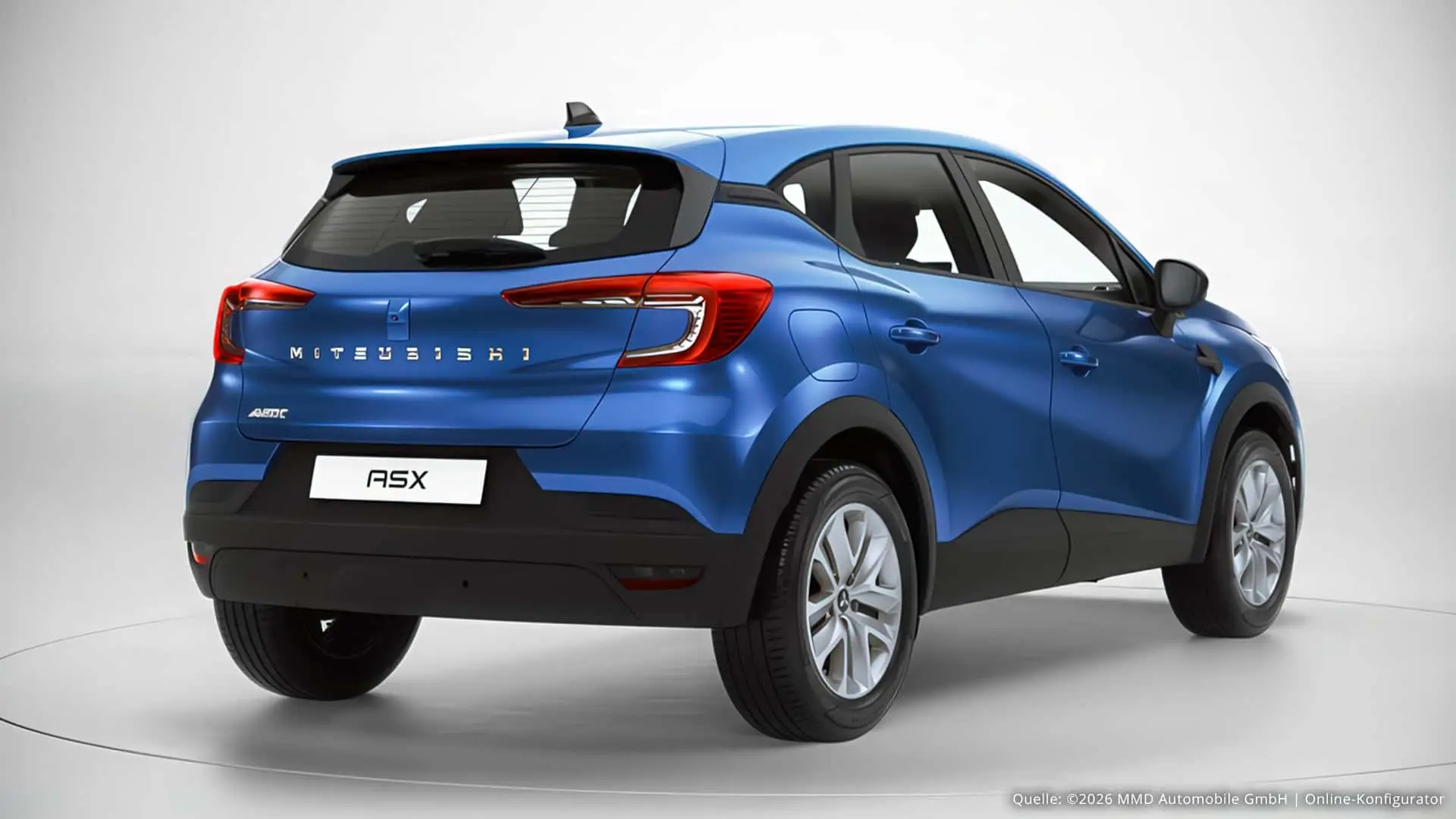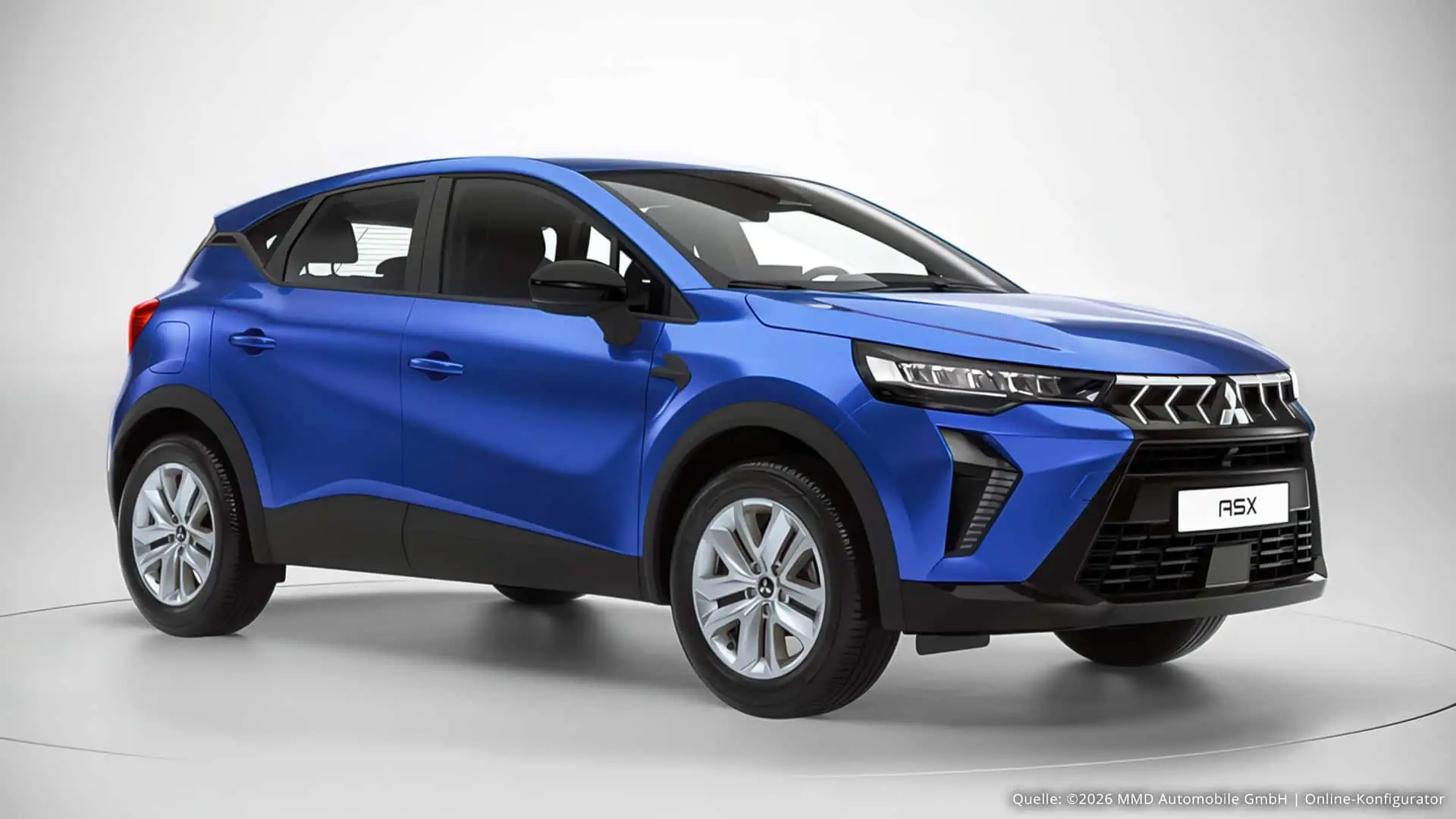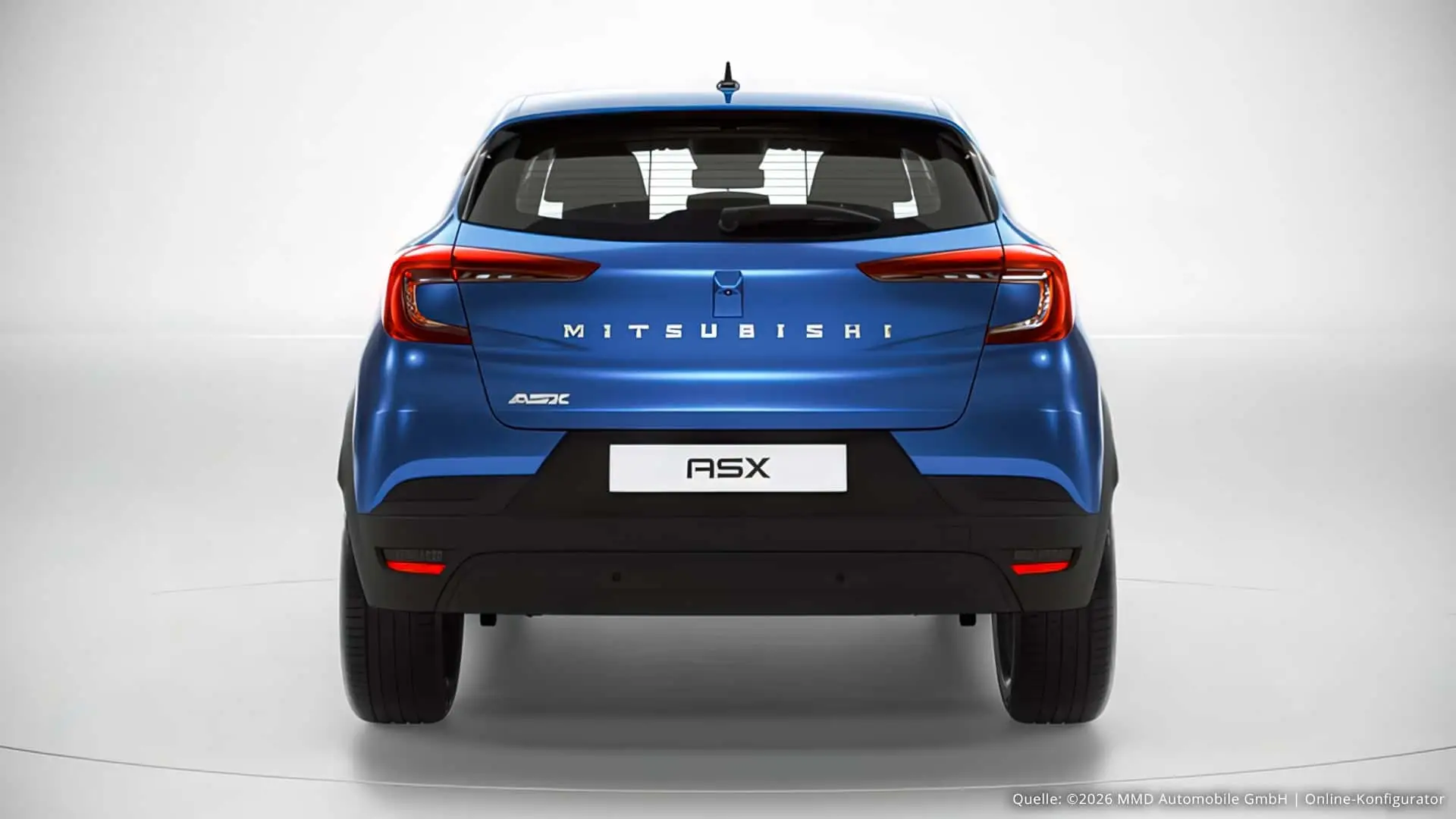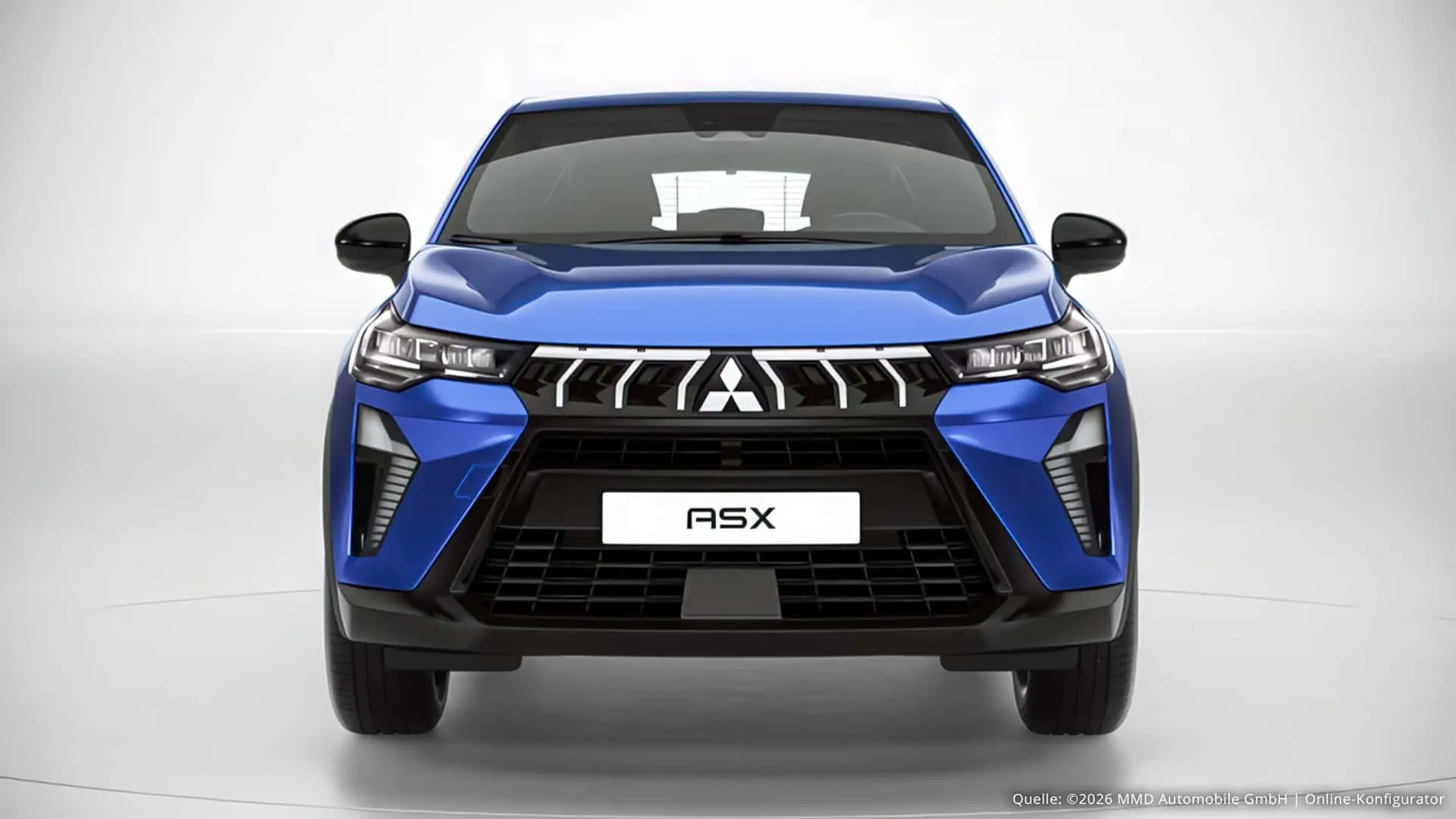
Versatile interior space and years of warranty make the Mitsubishi ASX a rational choice for those seeking durability and low cost.
Positioning of the MITSUBISHI ASX 2026 and What It Offers
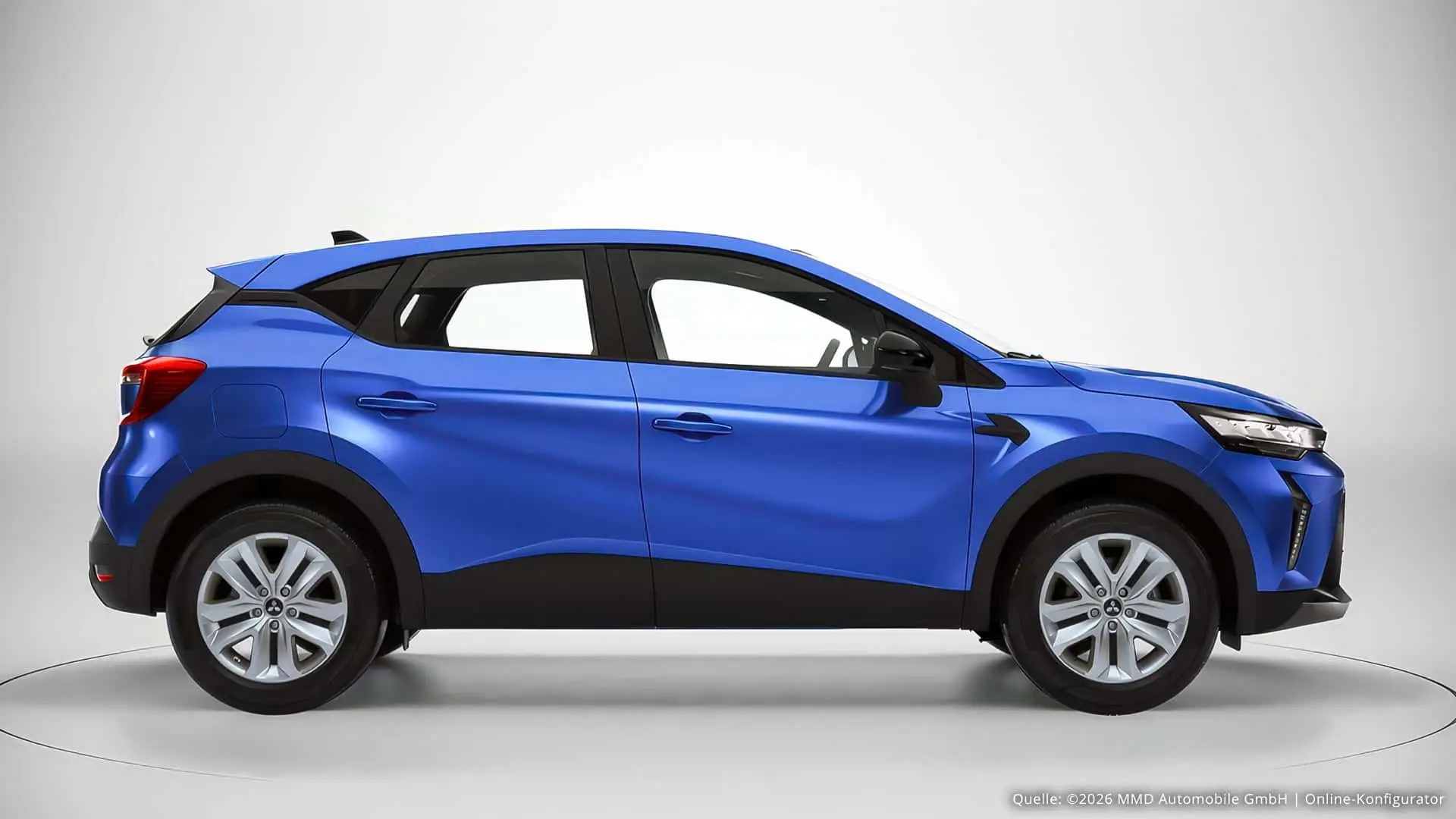
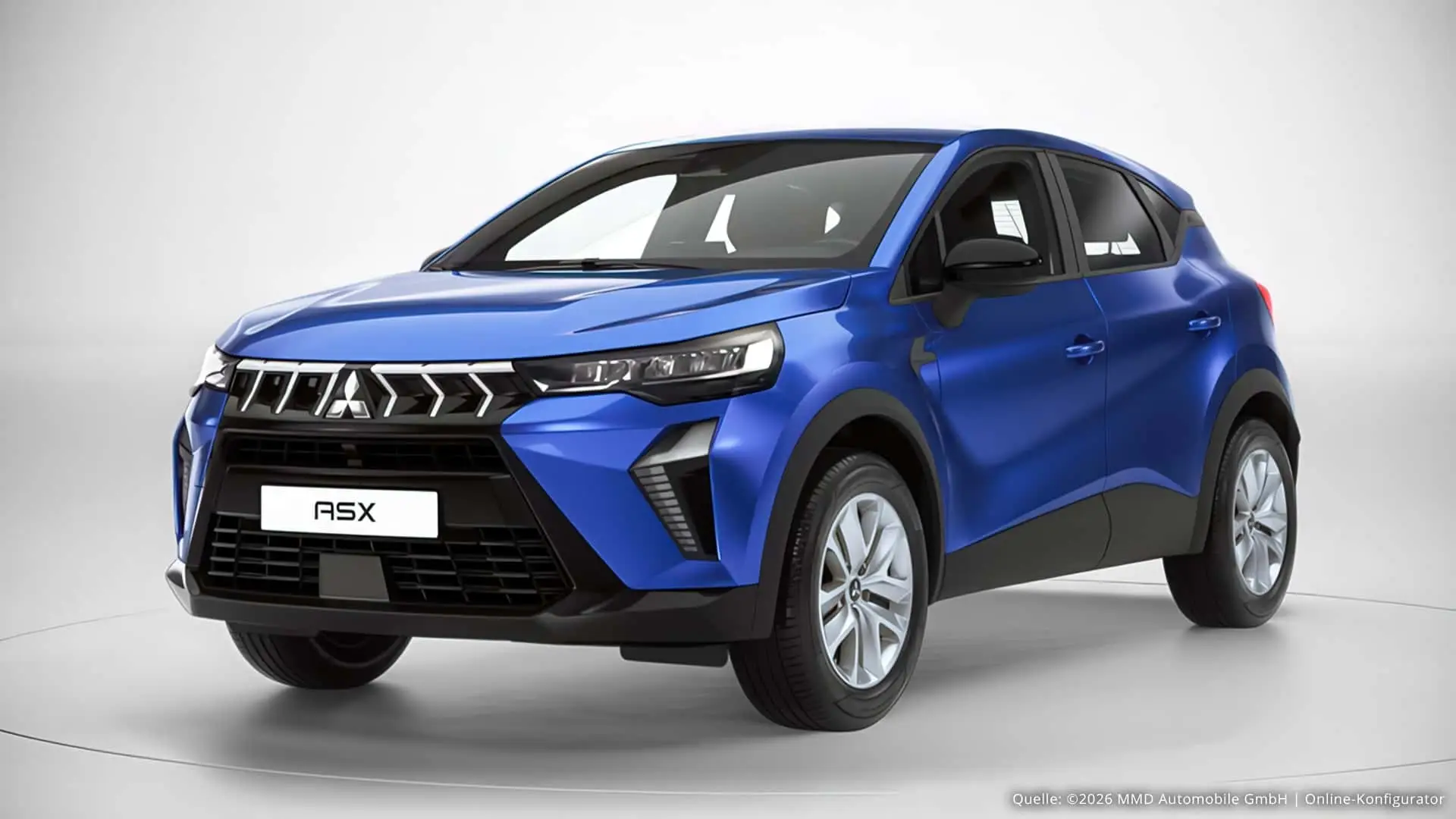
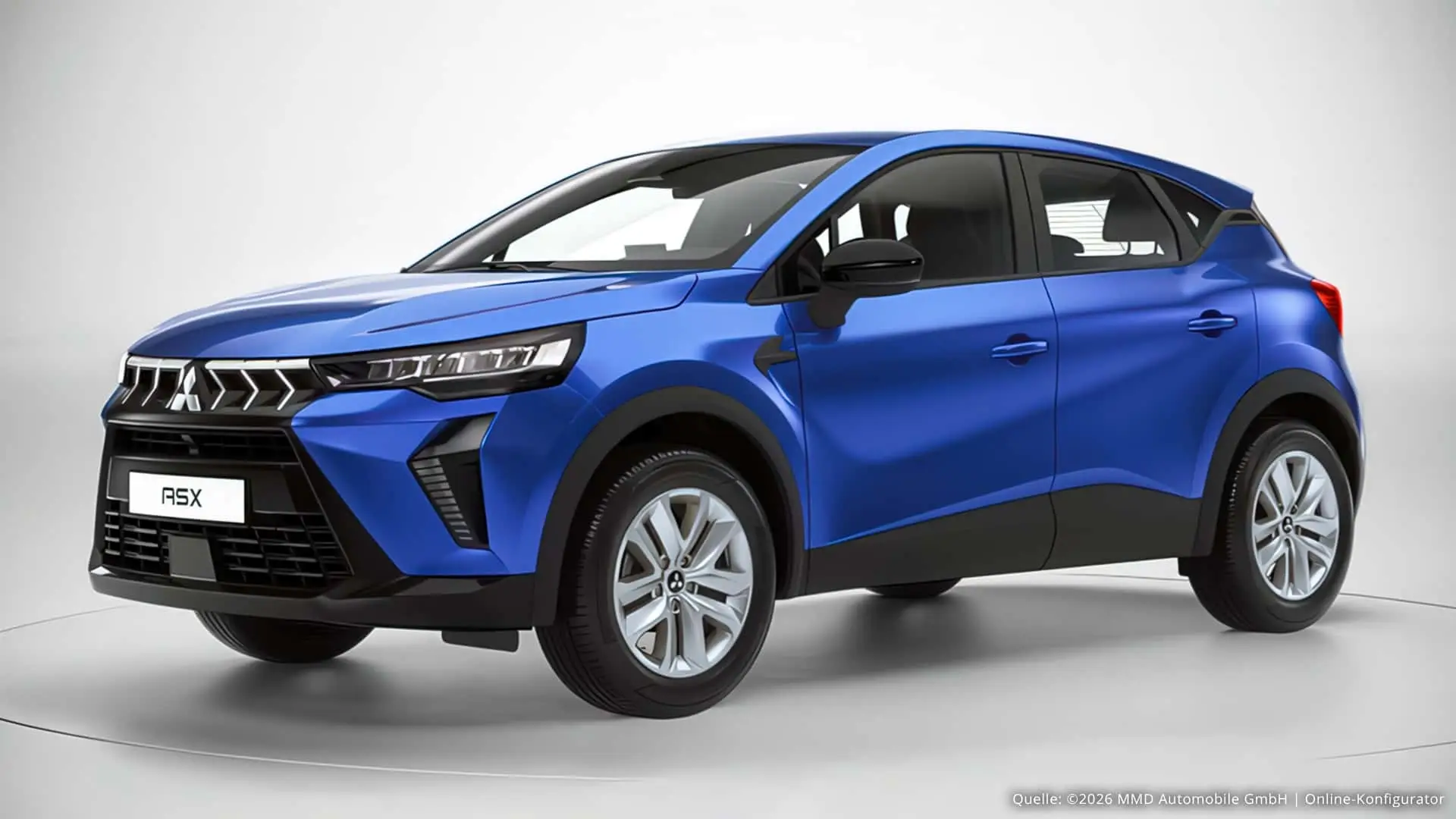
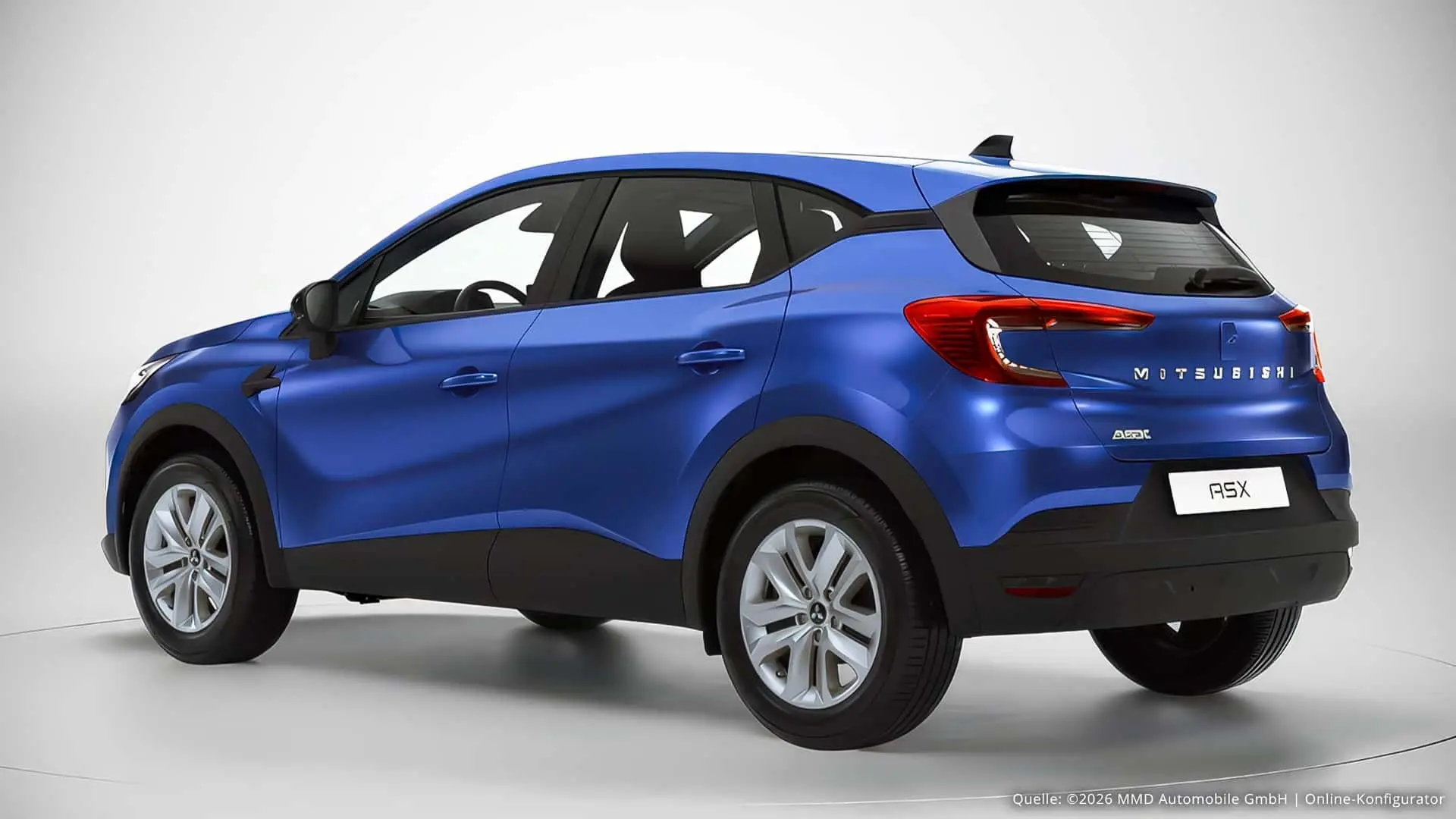
Mitsubishi has adopted a practical and quick solution: the ASX 2026 is essentially a facelift of the Renault Captur, resulting from the partnership within the Renault–Nissan–Mitsubishi alliance. With a length of 4.24 meters, it is positioned against compact SUVs like the Opel Mokka and popular models dominating the cost‑benefit segment in Germany.
Versions and Starting Price
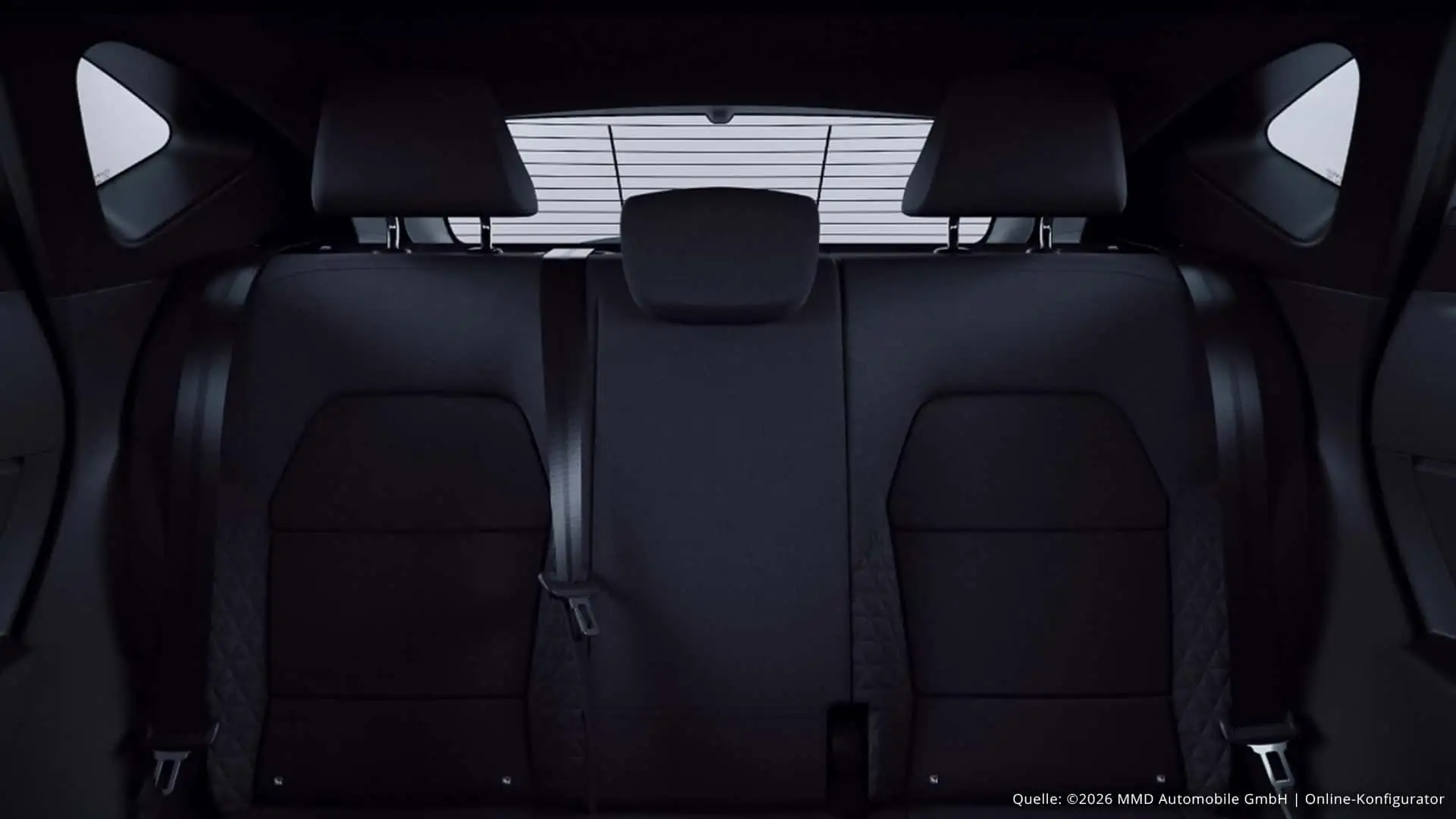
The base version offers simplicity: a 1.0 Turbo engine with 91 HP and a six-speed manual transmission, basic equipment including air conditioning and LED headlights. A functional advantage present in all versions is the sliding rear seat, adjustable up to 16 cm, enhancing versatility for families and those who need to switch between passenger and cargo space.
Diamant Edition
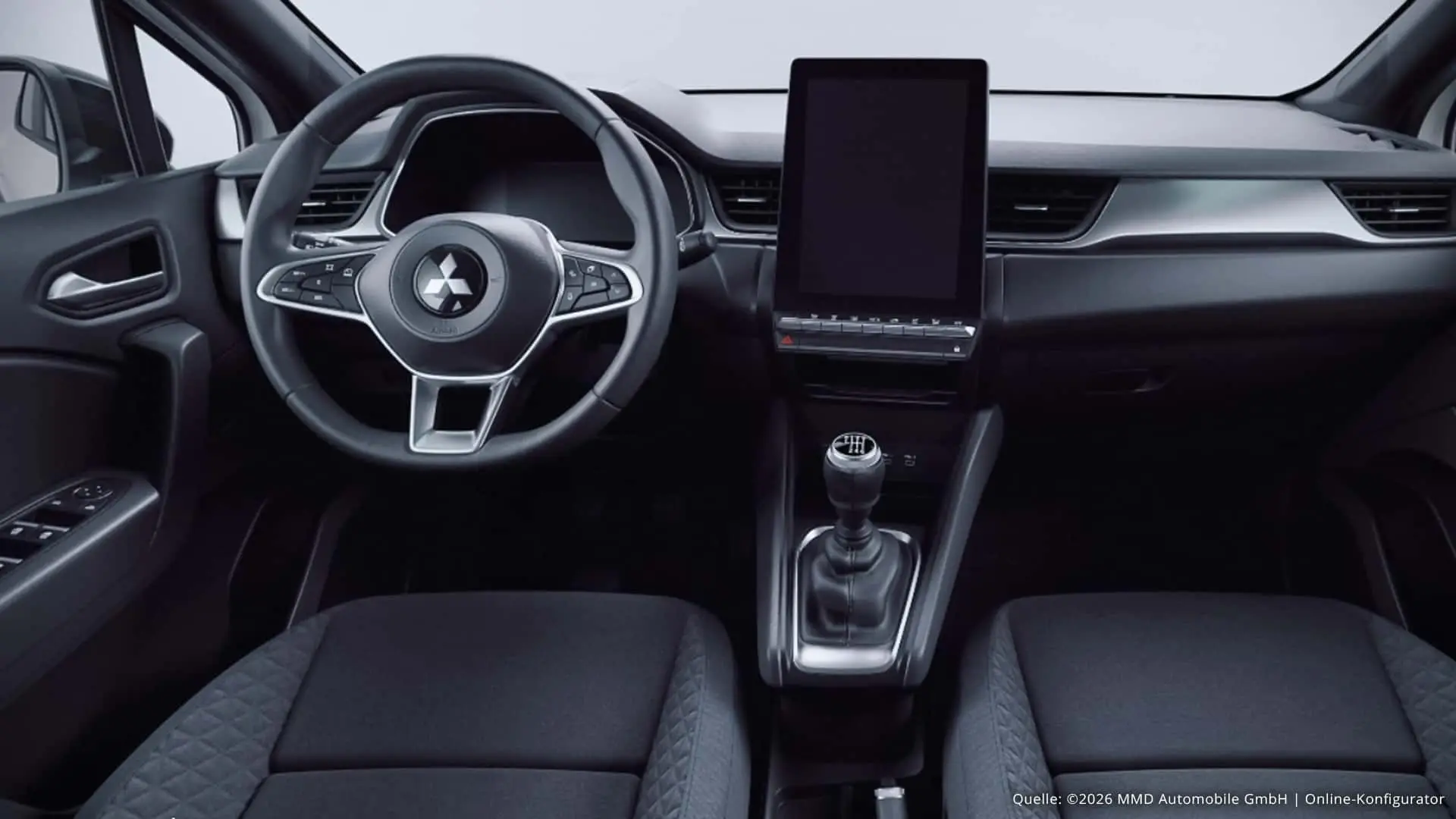
For just €1,000 more (promotional price of €22,490), the Diamant version enhances the offering with a 1.0 Turbo engine of 115 HP, a 7-inch digital instrument cluster, and a 10.4-inch multimedia center screen. These additions increase perceived value without significantly raising the final price, although the strategy still excludes advanced customization options like alloy wheels, heated seats, and other features reserved for higher trims.
Technical and product note: the ASX 2026 maintains the architecture and fundamental attributes of the Captur, simplifying homologation and reducing costs. This also means that demanding buyers focused on driving dynamics and finish should compare the offer directly with the original vehicle and competitors.
Pricing and Market Comparison: Why Mitsubishi Relies on Discounts
In the current European market, where vehicle prices have increased and price sensitivity has grown, Mitsubishi has adopted an aggressive discount strategy. The list price of the base ASX approaches €24,000, but promotions reduce it to €21,490 — a substantial discount attracting customers who might otherwise consider Dacia.
| Model | Approximate Price (est.) | Notes |
|---|---|---|
| Mitsubishi ASX Base (promo) | €21,490 | Strong discount for entry-level segment |
| Mitsubishi ASX Diamant (promo) | €22,490 | Enhanced equipment and more powerful engine |
| Dacia Duster | €18,990 | Cheaper and more rugged option |
| Citroën C3 Aircross | €18,890 | Price competitor |
| Renault Captur | €24,750 | Original model; generally more expensive |
Even with discounts, the ASX relies on non-price advantages to justify purchase: a standard 5-year or 100,000 km warranty, with the option to extend up to 8 years, serves as an after-sales differentiator that heavily influences cost-conscious buyers.
From a strategic perspective, Mitsubishi prefers to bundle offerings into fixed packages and immediate discounts, rather than fragmenting discounts across options. This approach reduces logistical complexity, improves margin predictability—and simultaneously positions the vehicle against cheaper models, compelling consumers to compare warranty, assistance, and equipment when making decisions.
To see how other brands are repositioning their compact models, observe competitors’ movements: KIA is repositioning its SUVs with larger and hybrid versions such as the KIA SELTOS 2027, and the facelift of the KIA NIRO demonstrates that technology and efficiency are now strong arguments beyond price.
What It Means for the German Buyer: Warranty, After-Sales, and Rational Choice
In Germany, the market tends to value robustness, reliability, and total ownership costs. In this context, several points are key for those considering the ASX 2026:
- Long warranty: five years as standard with the option to extend provides security and peace of mind regarding unexpected costs. For many buyers, this justifies a price premium over entry-level brands.
- Resale value: vehicles with warranty and service history tend to hold residual value better, especially in markets where authorized maintenance is critical.
- Brand perception: Mitsubishi leverages its regional reputation for durability and the strength of its service network, though it must prove that the derivative offer of the Captur provides a consistent brand experience.
- Motivation preferences: While markets shift toward electric vehicles, a significant segment of buyers is returning to gasoline vehicles for cost and utility reasons. Read the analysis about this trend in More buyers returning to gasoline to understand how this impacts purchasing decisions.
Practical tip for consumers: If the priority is the lowest absolute price and maximum simplicity, models like the Dacia Duster remain unbeatable. If the buyer seeks a balance between cost, warranty coverage, and a minimal tech package, the ASX Diamant becomes an attractive option thanks to its better engine, screen, and safety features for just a bit more than the base version.
Strategic summary: Mitsubishi is not trying to reinvent the segment; it reposition a well-known product with pricing and after-sales policies to attract value-conscious customers in Germany.
For industry professionals and enthusiasts, this movement highlights a broader trend: alliances between brands to reduce development costs and accelerate launches are now common—something seen in projects involving larger models and premium options, such as certain partnerships and recent launches covered by the automotive press, like the RENAULT FILANTE 2026, which demonstrates how Renault explores different segments using shared platforms.
Finally, the German buyer should consider: do they want to save in the short term or reduce costs and risks in the medium term with a more robust warranty? The MITSUBISHI ASX 2026 presents itself as a pragmatic option that, with discounts and extended warranty, can become a preferred choice in a market where rationality prevails over emotional appeal.