You won’t believe the performance of the SINGER DLS TURBO “THE SORCERER.” Discover how cutting-edge engineering created the perfect Porsche 911.
From Historical Inspiration to Technical Execution
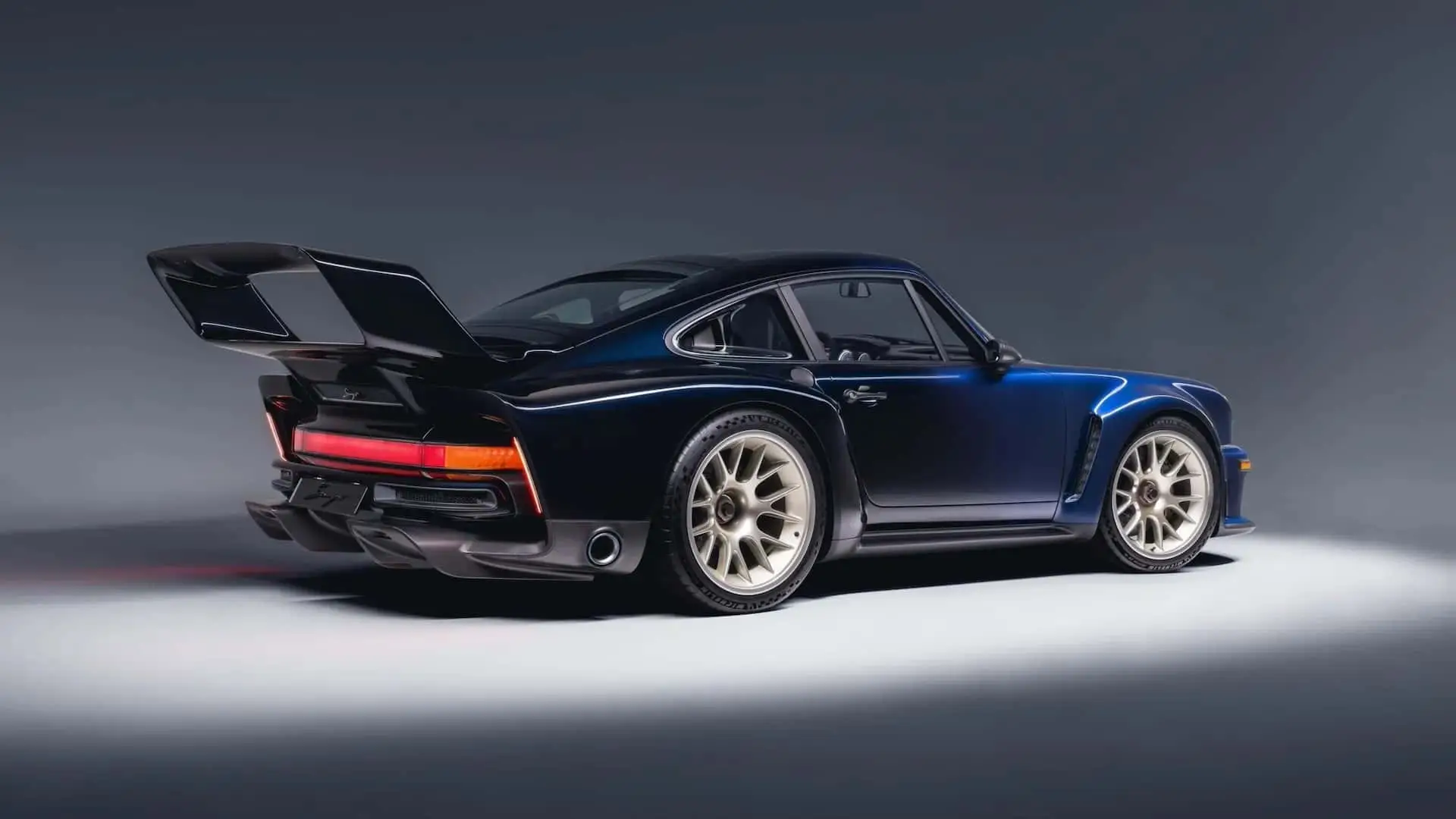
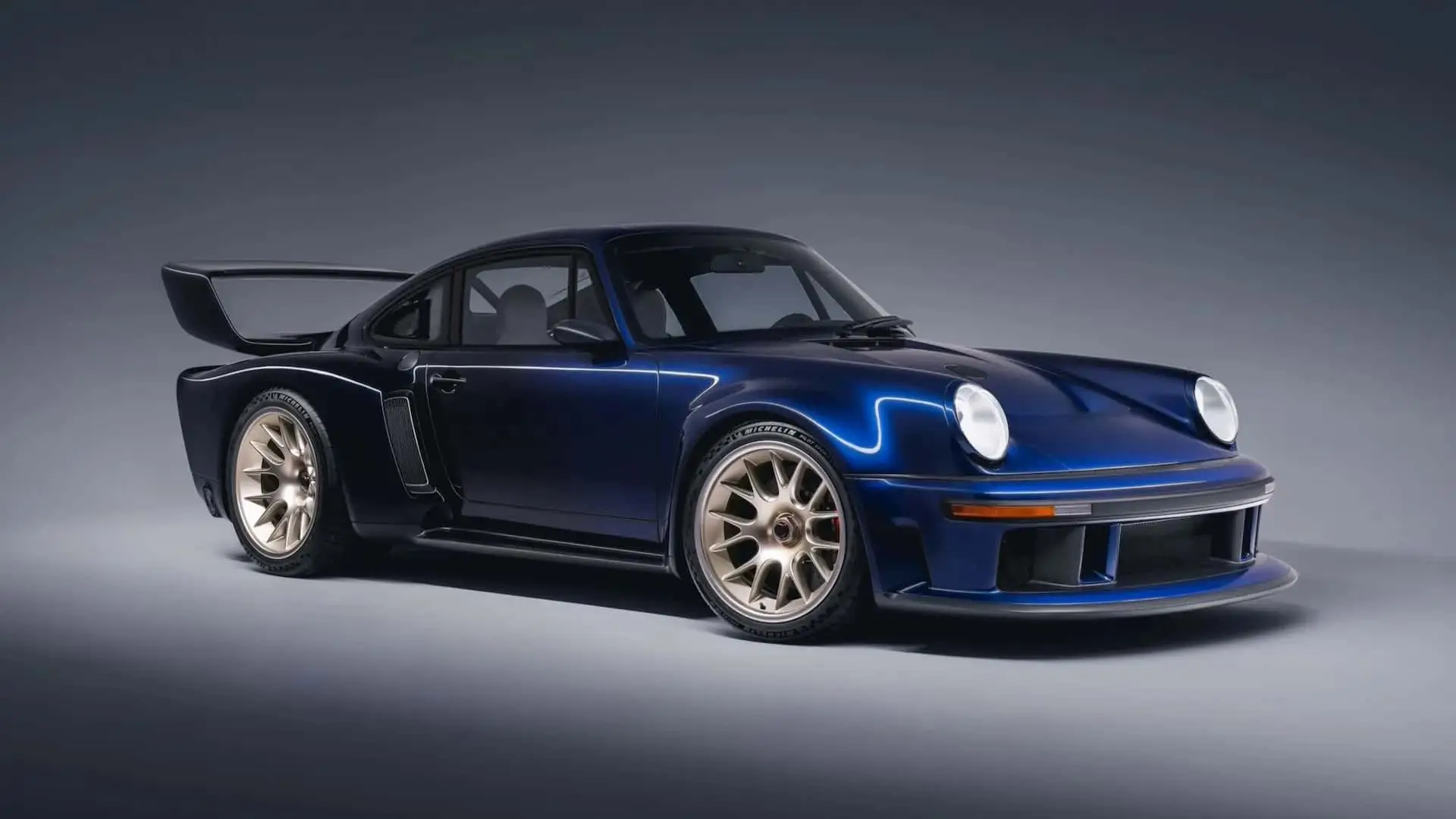
When Singer Vehicle Design announced the DLS Turbo program, the goal was clear: to transform 964 chassis into racing-inspired machines with contemporary performance. “The Sorcerer” is born as a tribute to the 1977 Porsche 934/5, featuring bold racing lines and uncompromising dynamics — elements that Singer reinterpreted with modern technology.
“We respect the history, but we’re not afraid to reimagine engineering” — a philosophy guiding the DLS Turbo, clearly reflected in The Sorcerer.
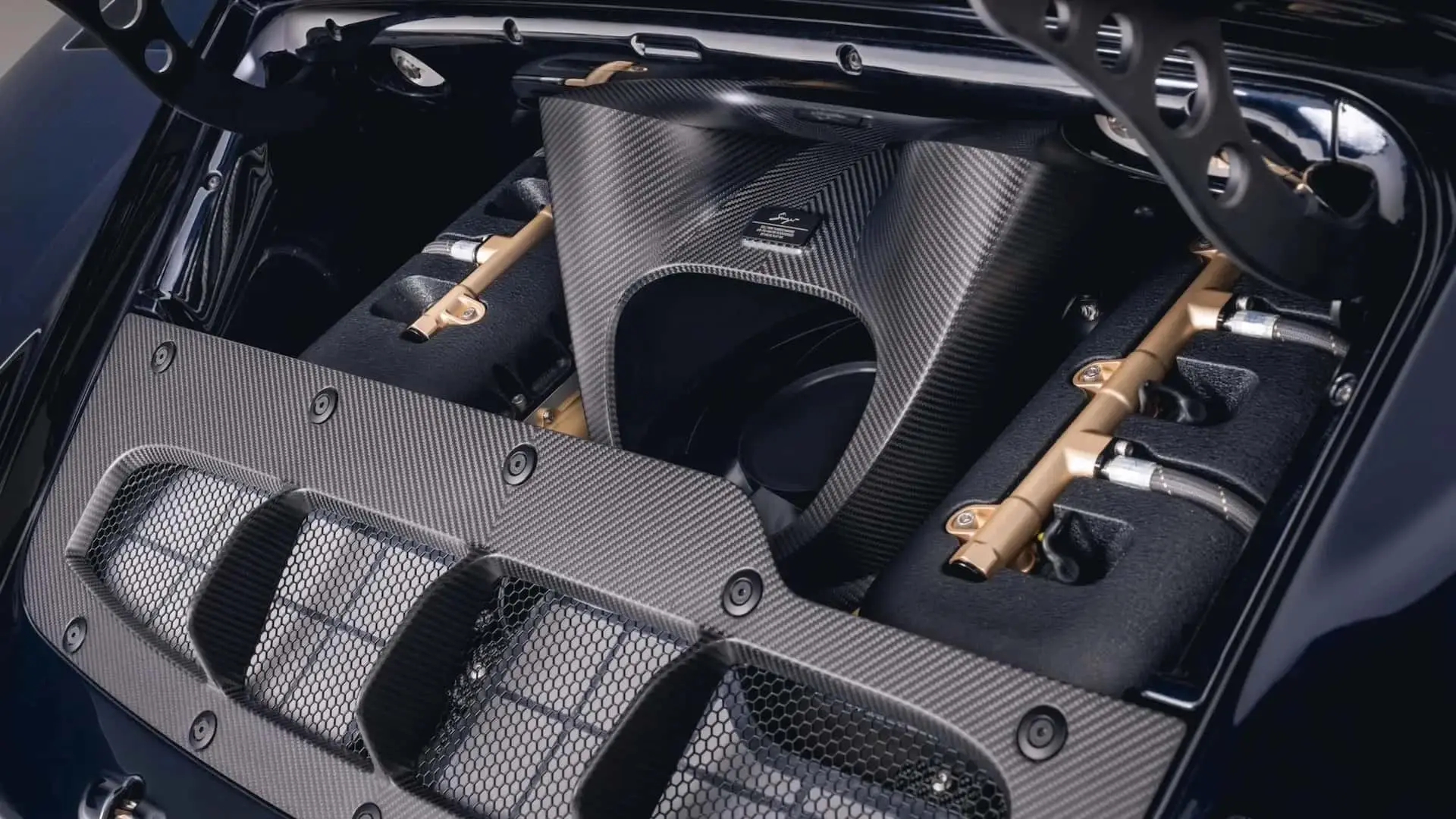
The project combines classic aesthetic references with modern materials and solutions: a full carbon fiber body for rigidity and lightness, aerodynamics designed to generate downforce at high speeds, and mechanical systems delivering 710 HP from a 3.8-liter twin-turbo flat-six engine. For markets such as Europe, the USA, and Brazil, where collectors value authentic performance, this approach has great appeal.
Engineering and Performance: Numbers That Explain the Leap
From a technical perspective, The Sorcerer isn’t just an upgrade — it’s a complete reengineering of the 964 chassis. Below is a summarized overview of the main specifications and technical solutions that establish its reputation among experts and enthusiasts.
| Item | Specification |
|---|---|
| Engine | 3.8 L twin-turbo flat-six — hybrid air/water-cooled architecture |
| Power | 710 HP |
| Torque | > 550 lb-ft (≈ 745 Nm) |
| Max RPM | Above 9,000 rpm |
| Transmission | Six-speed manual |
| Drivetrain | Rear-wheel drive (RWD) |
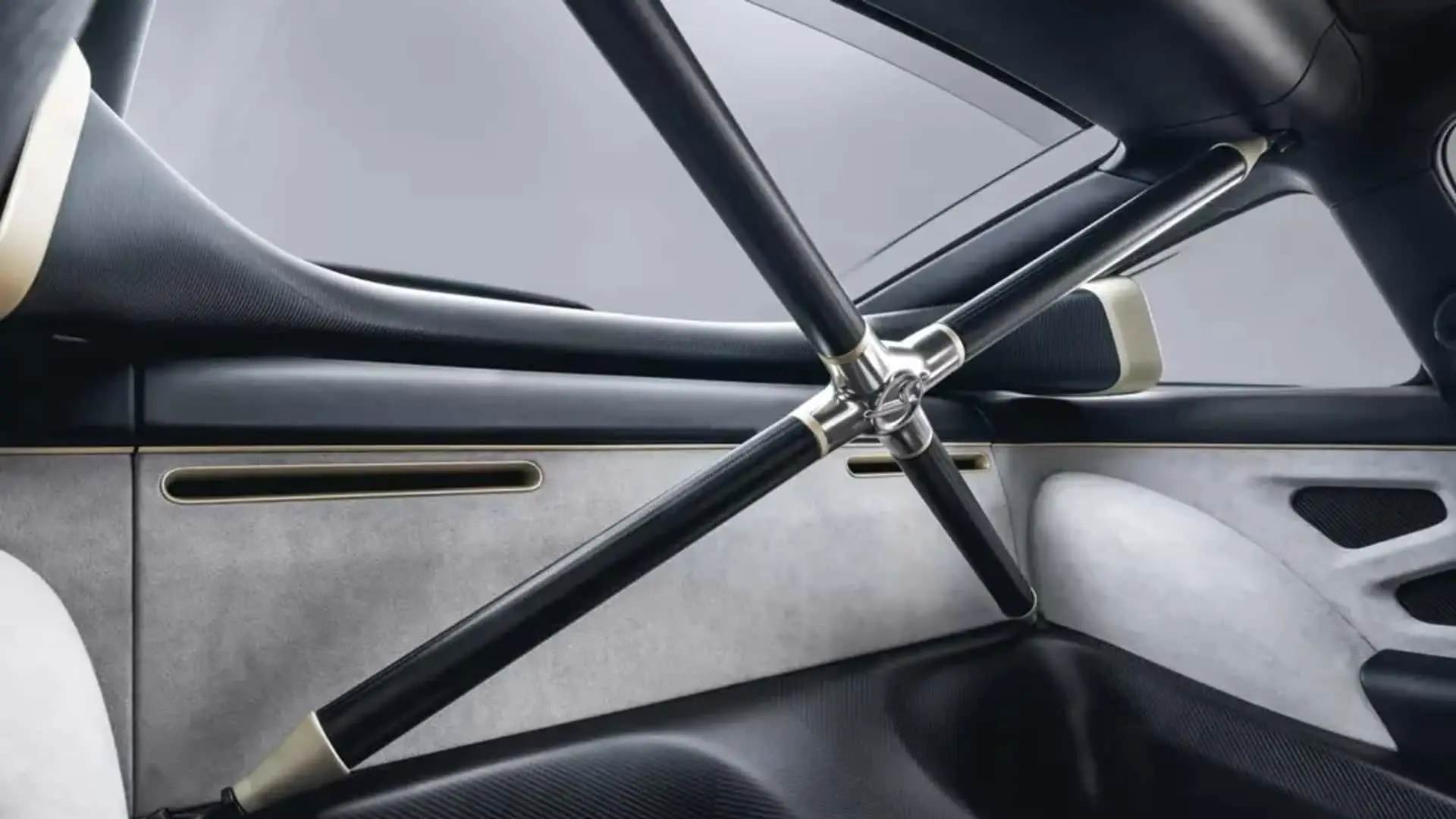
| Body | Carbon fiber panels, lightweight interior, premium finish |
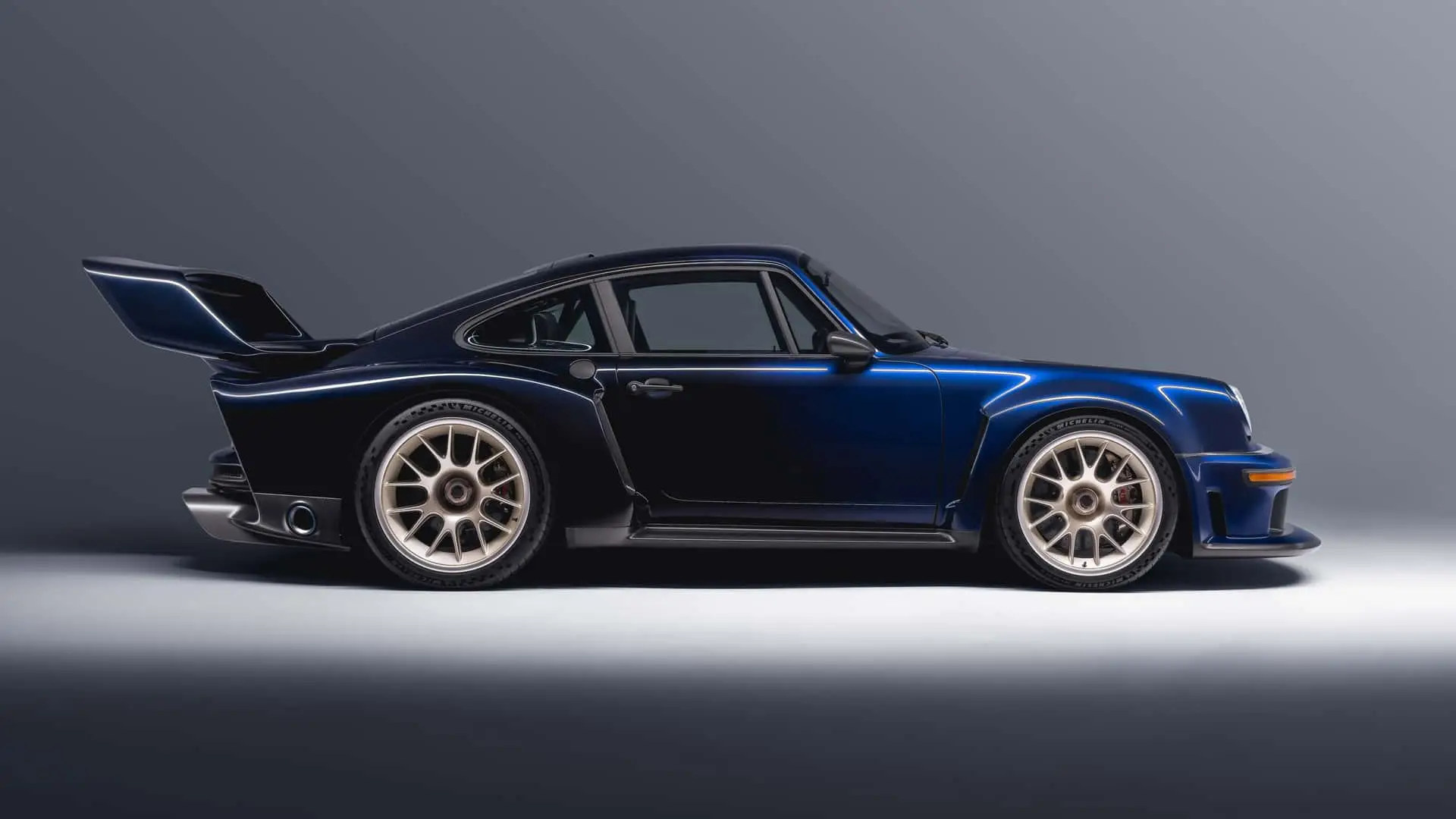
| Suspension and wheels | Track-specific setup, forged magnesium wheels (19”F / 20”R) |
| Braking | Ceramic carbon brakes |
Why do these numbers matter? An engine capable of reaching over 9,000 rpm with 710 HP and high torque demands a redesigned chassis, transmission, and auxiliary systems. Structural reinforcements on the 964 chassis, electronic control adjustments, and a sturdy manual transmission were implemented to ensure predictable and controllable power delivery — especially in high-speed curves.
Additionally, choosing ceramic carbon brakes and magnesium wheels reduces unsprung mass, enhancing response and grip. To learn more about technical decisions affecting braking performance in high-performance cars, check this information on brake fluids and maintenance that directly impact track performance.
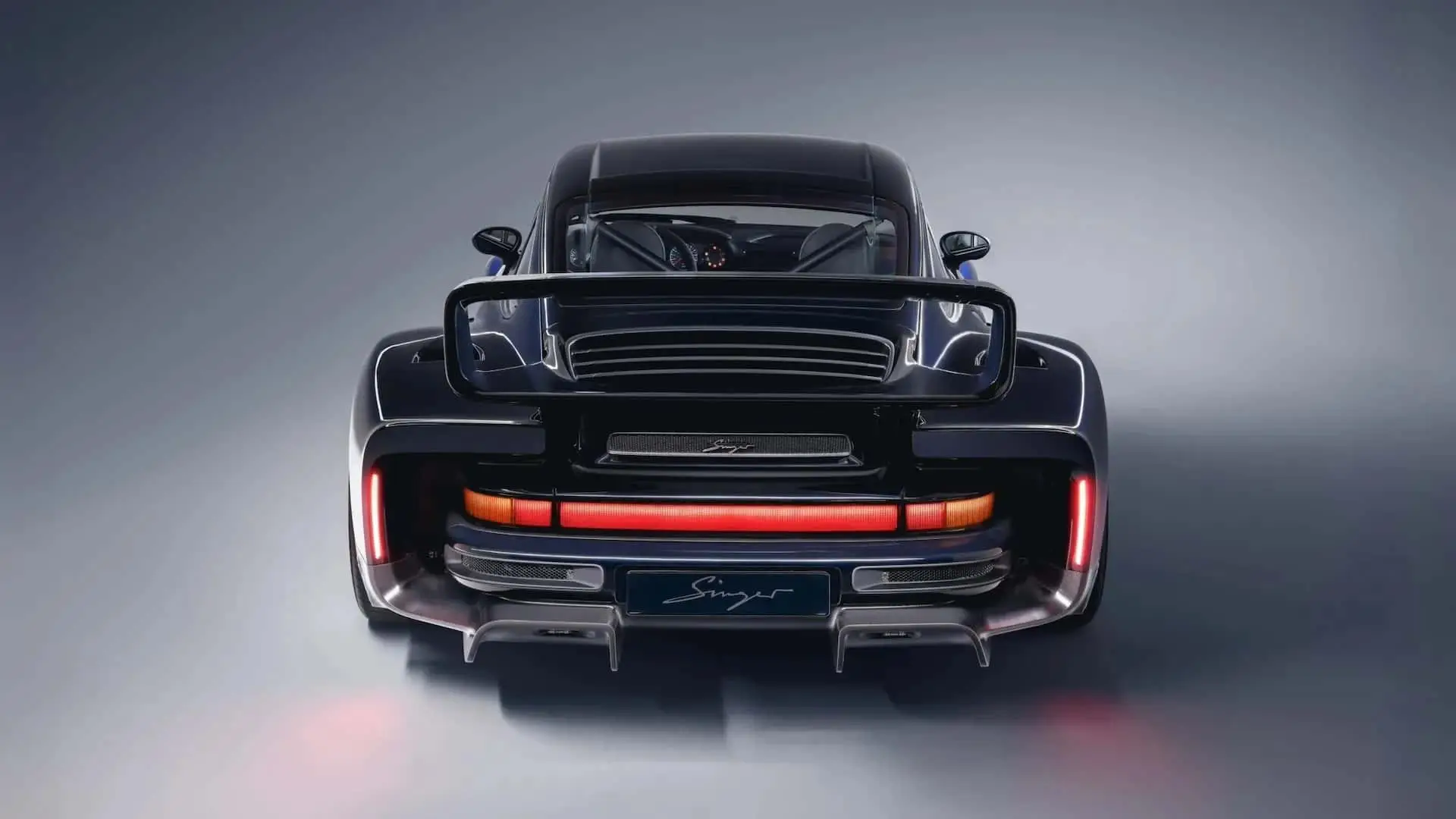
Aerodynamics and Setup for Racing
The delivered model was configured with a complete focus on the track. Among the most noticeable features is the massive rear wing, an aerodynamic element that prioritizes downforce and stability at extreme speeds. In contrast, a version designed for street use would feature more discreet solutions, such as a ducktail spoiler.
- Calibrated Downforce: balanced between front and rear to prevent understeer or rear loss at high speeds.
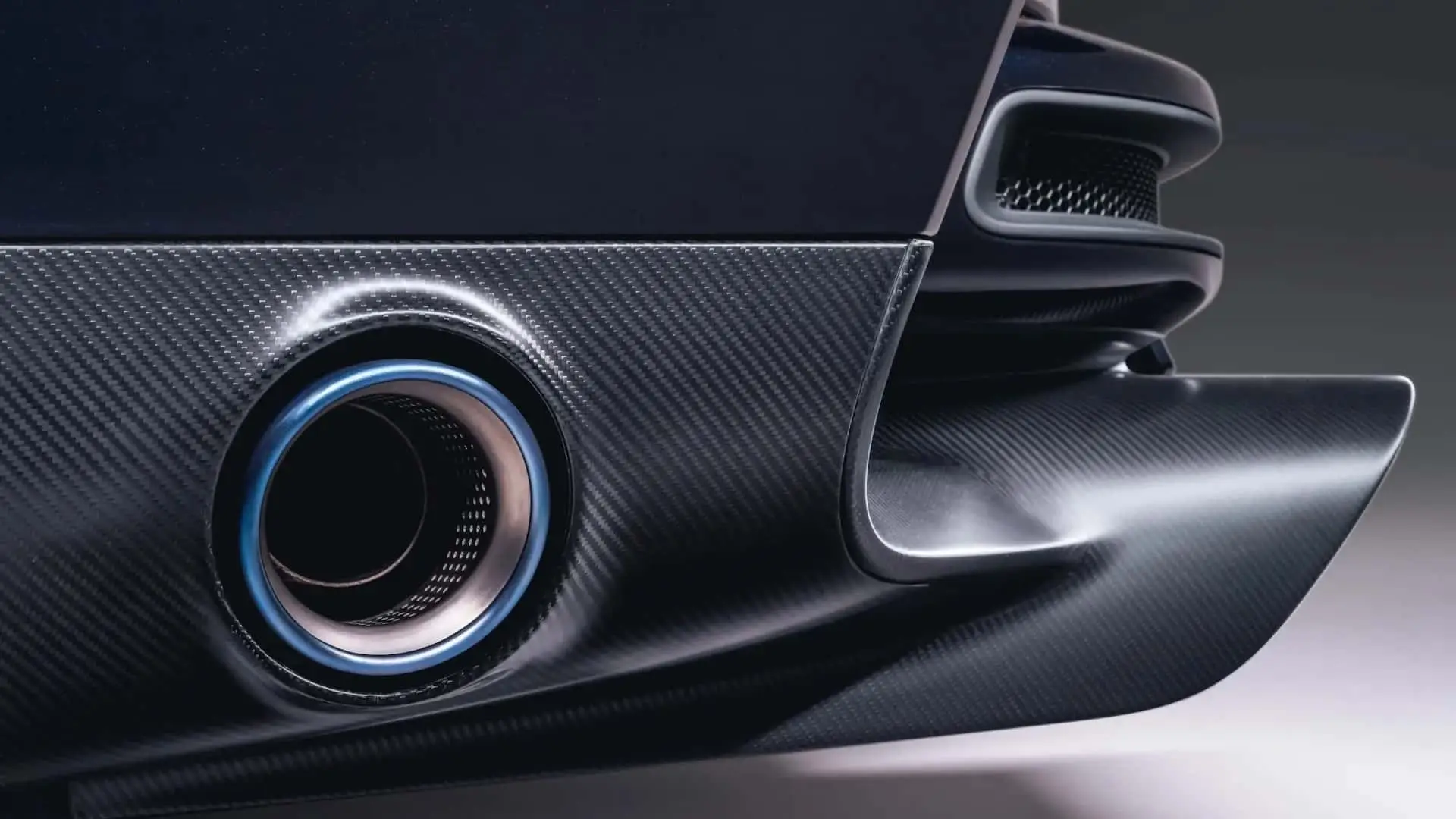
- Optimized Airflow: thermal inlets and outlets for intercoolers and radiators, essential in a high-performance twin-turbo engine.
- Lightweight Construction: carbon fiber body improves weight-to-power ratio and torsional rigidity, resulting in more responsive steering.
If readers are interested in projects that explore carbon fiber and premium kits, see how the industry has been adopting carbon solutions in luxury models at carbon customization kits — the trend demonstrates how advanced materials are applied in both super SUVs and exclusive restomods.
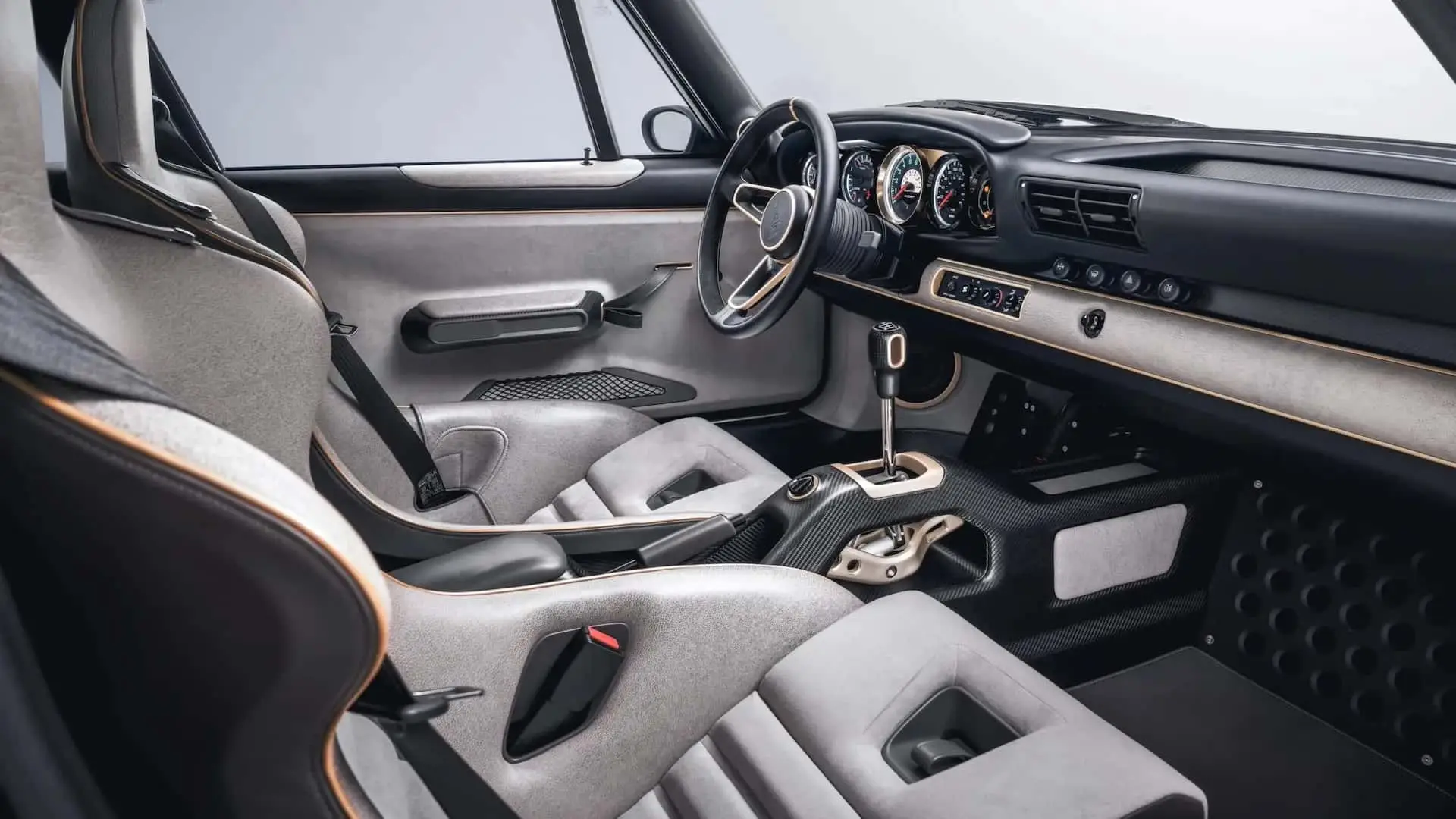
Customization, Electronics, and Driving Experience
Singer maintains its philosophy of giving clients control over the car’s aggressiveness. In The Sorcerer, five driving modes allow for customization of the electronic systems’ responses:
- Road
- Sport
- Track
- Weather
- Off
This modular system is essential: on the track, the Track mode unlocks traction control to enable controlled slides and maximize lap times; on wet roads, Weather mode prioritizes safety. The presence of adjustable electronic assistance balances Singer’s artisan approach with the need for active safety in modern driving.
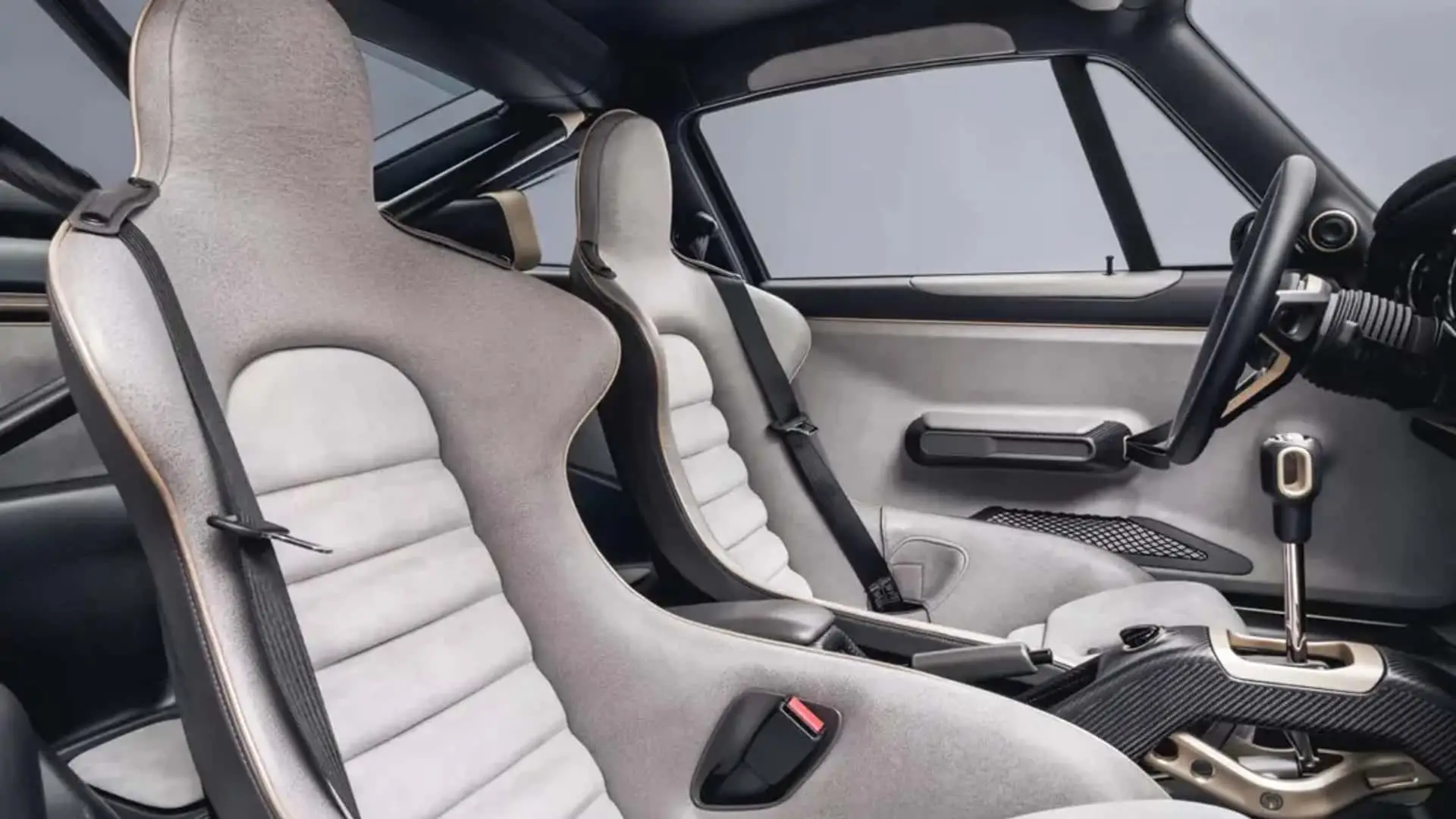
Inside, the vehicle combines tradition and comfort: air conditioning, navigation, and Apple CarPlay are available options, along with a lift system for ramps and urban garages. The decision to keep the six-speed manual transmission is strategic — it maintains a mechanical connection with the driver and enhances its collectible appeal.
For enthusiasts tracking performance releases and collectibles, there are interesting parallels with other recent premium models; for example, the anticipation and reception of specialized versions of the 911 also set market trends, as seen in the Porsche 911 GT3 90 F.A. PORSCHE 2027 coverage, where exclusivity and fine details determine value.
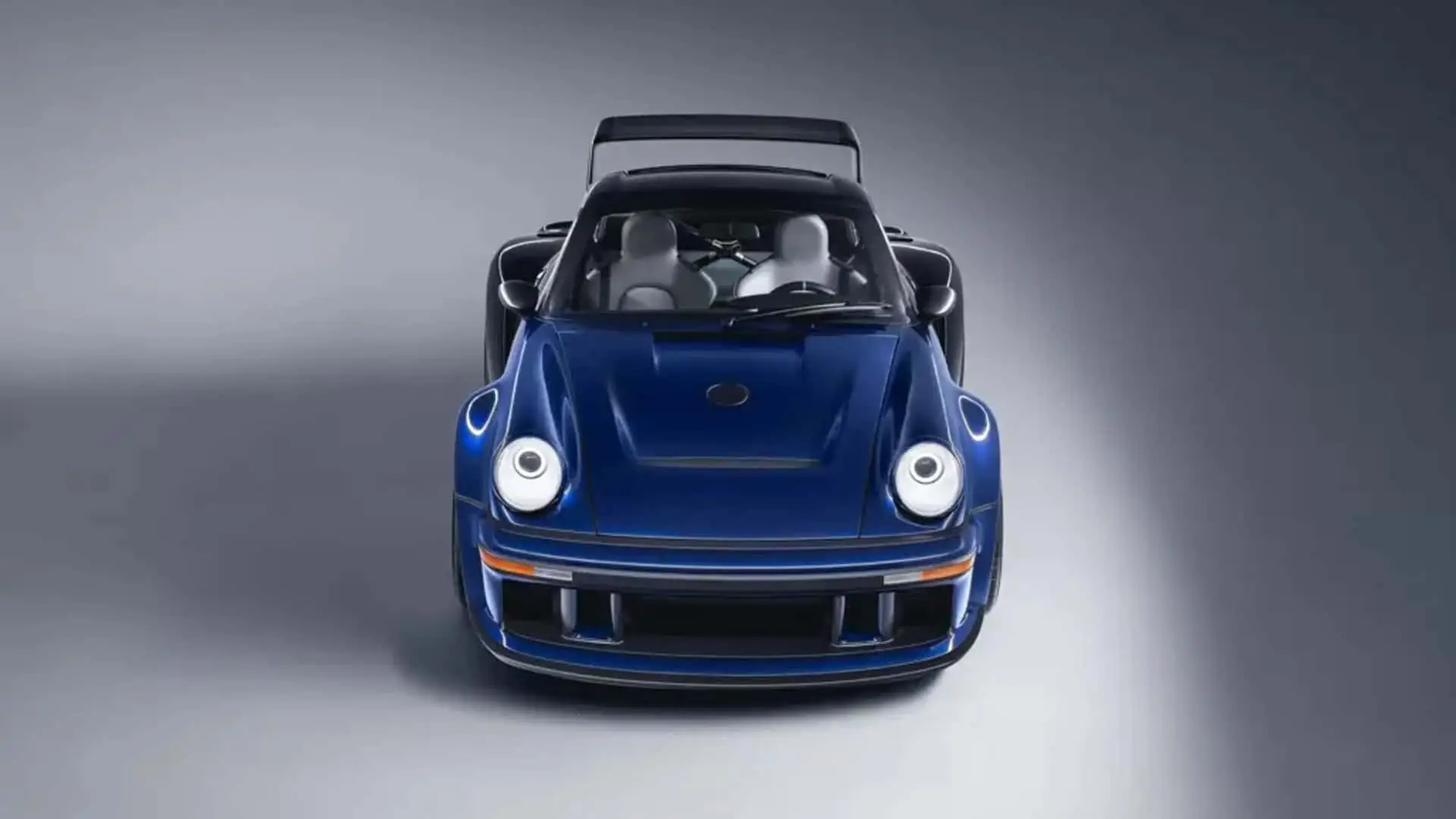
Market Impact and Perceived Value
Projects like The Sorcerer have a direct impact on the exclusive car market. It is estimated that a DLS Turbo program reaches figures in the seven-figure range per unit, placing these vehicles in direct competition with auctions, collectors, and investors who value rarity and impeccable execution.
From a geographic perspective, buyers in Europe and the USA tend to lead orders for this type of restomod, but interest among collectors in Brazil and other emerging regions is growing. The combination of heritage (reference to the 934/5) and technology (modern powertrain, advanced materials, adjustable electronics) creates a compelling narrative that fuels demand and justifies the investment.
Conclusion — The Sorcerer exemplifies how restoration and modernization coexist without compromising the car’s identity. More than an aesthetic project, it is an engineering manifesto applied to a classic platform, demonstrating how boutique projects are setting trends in the high-performance, technical, and collectible car universe.