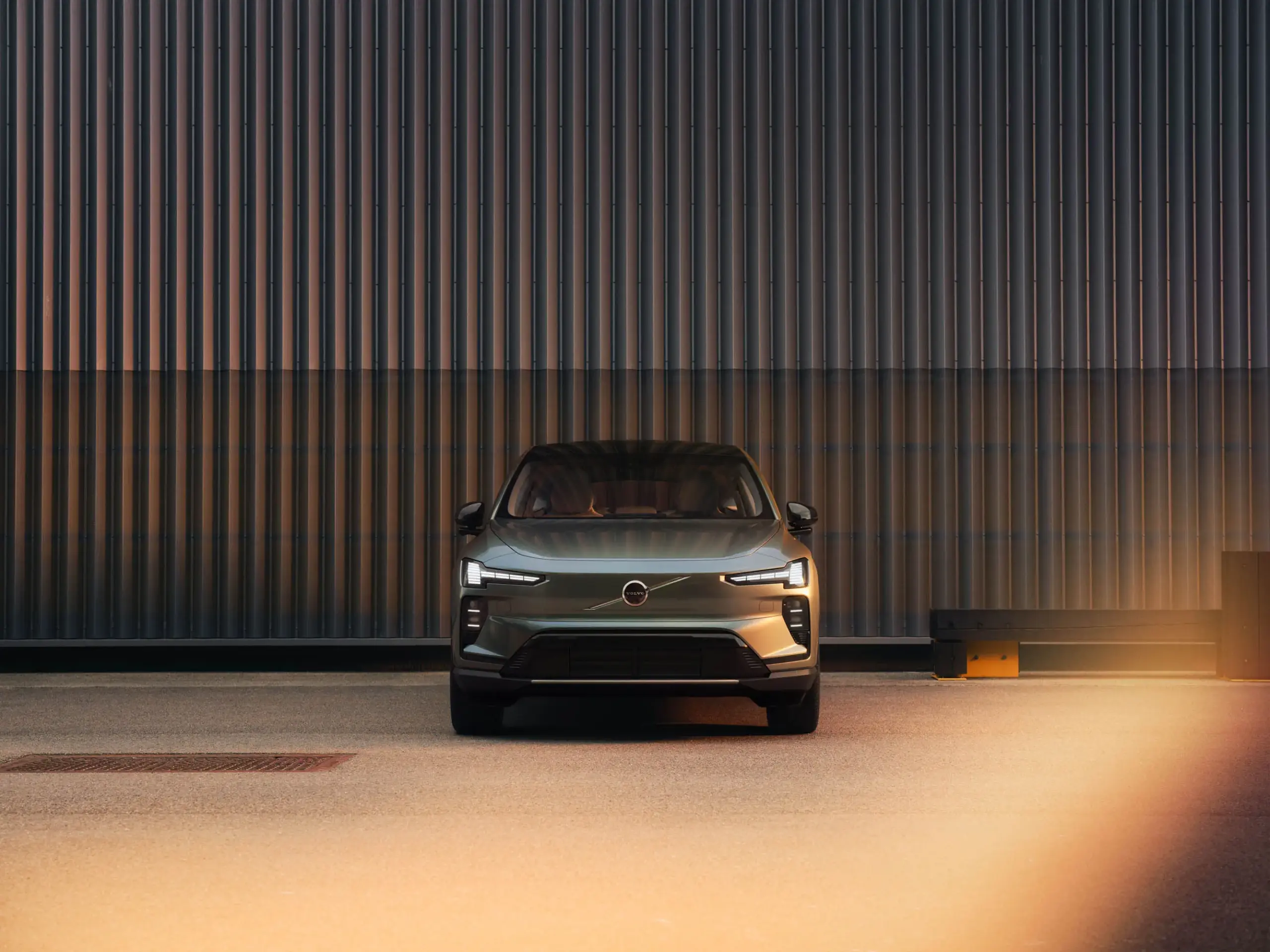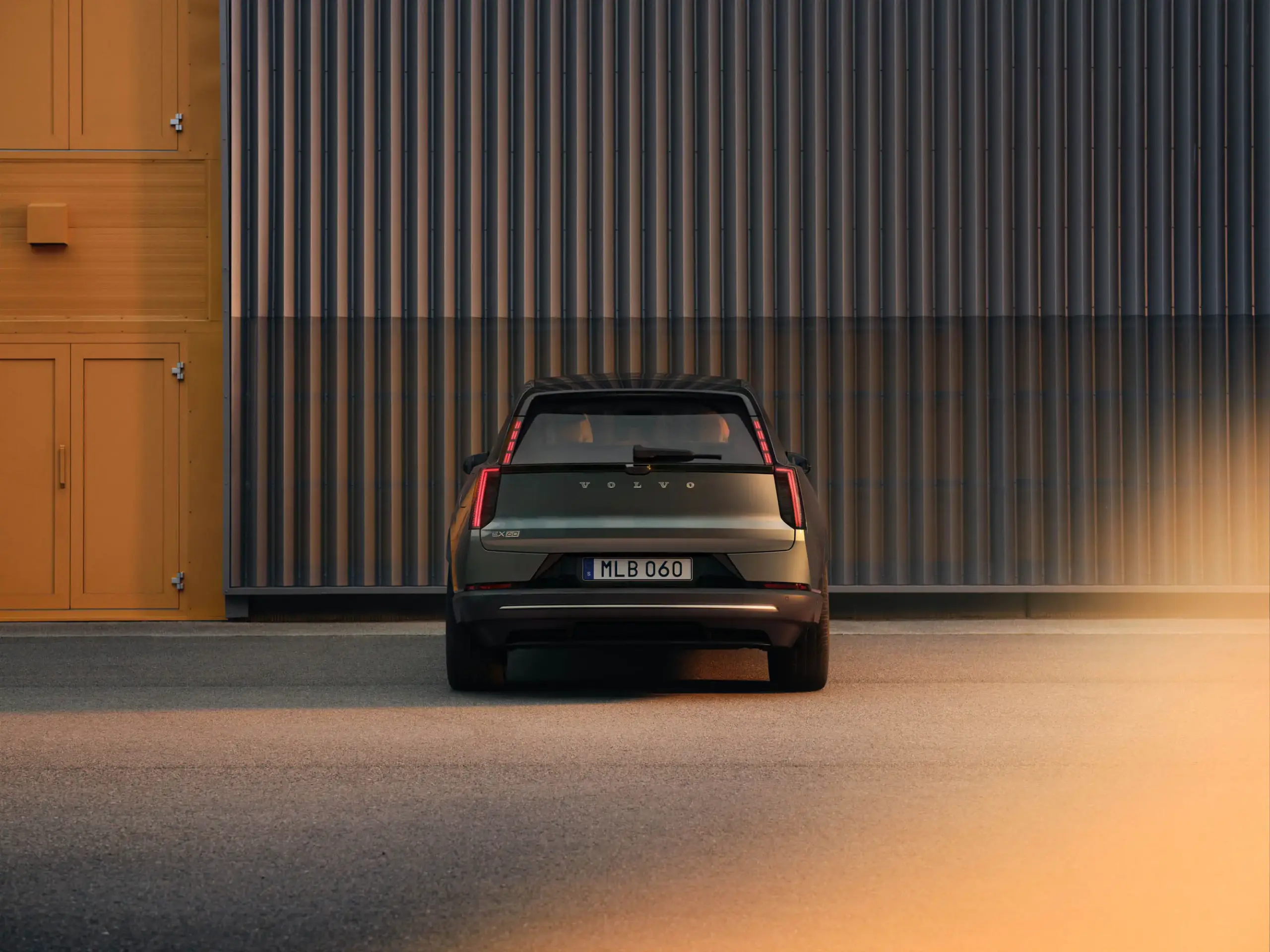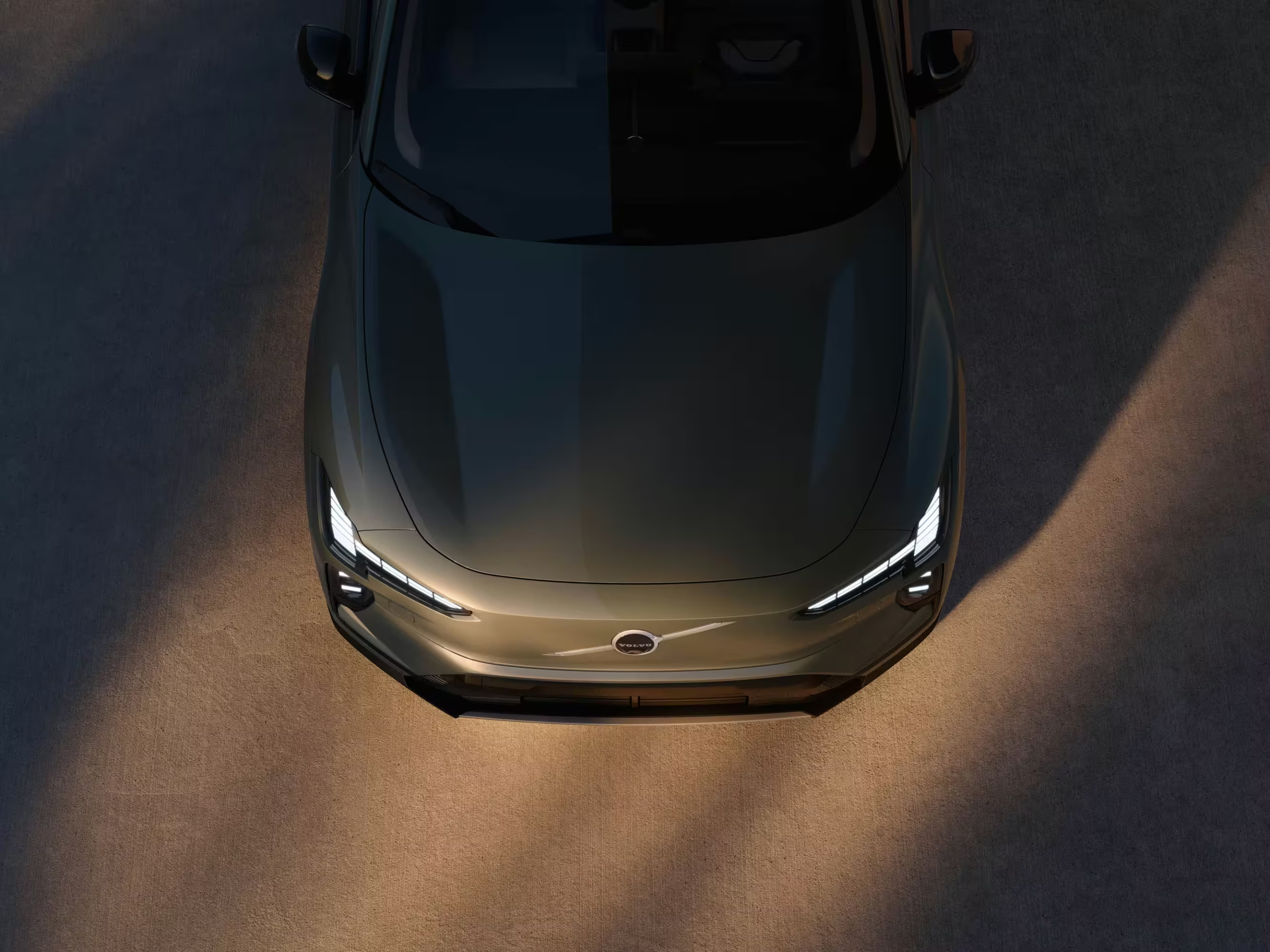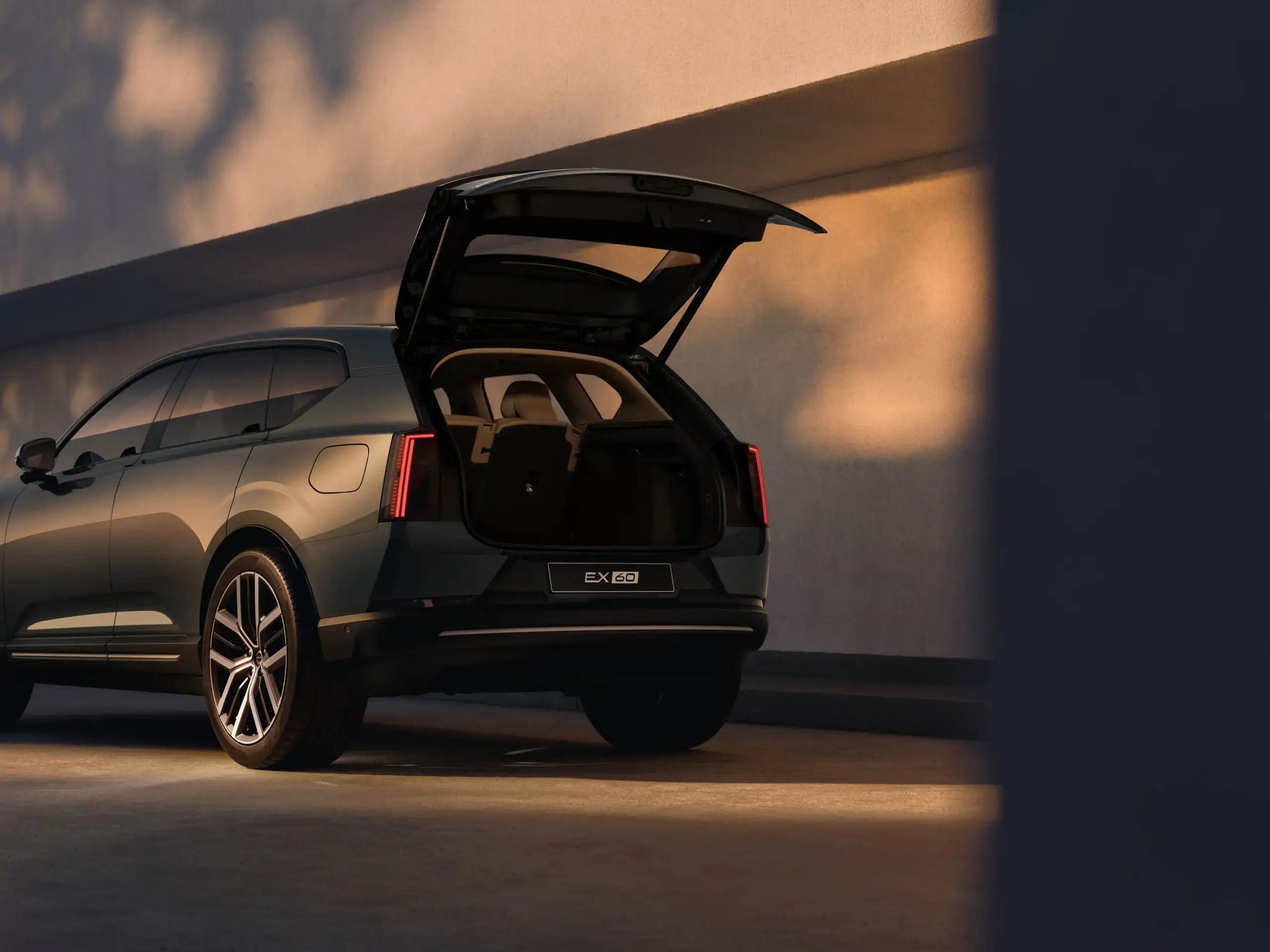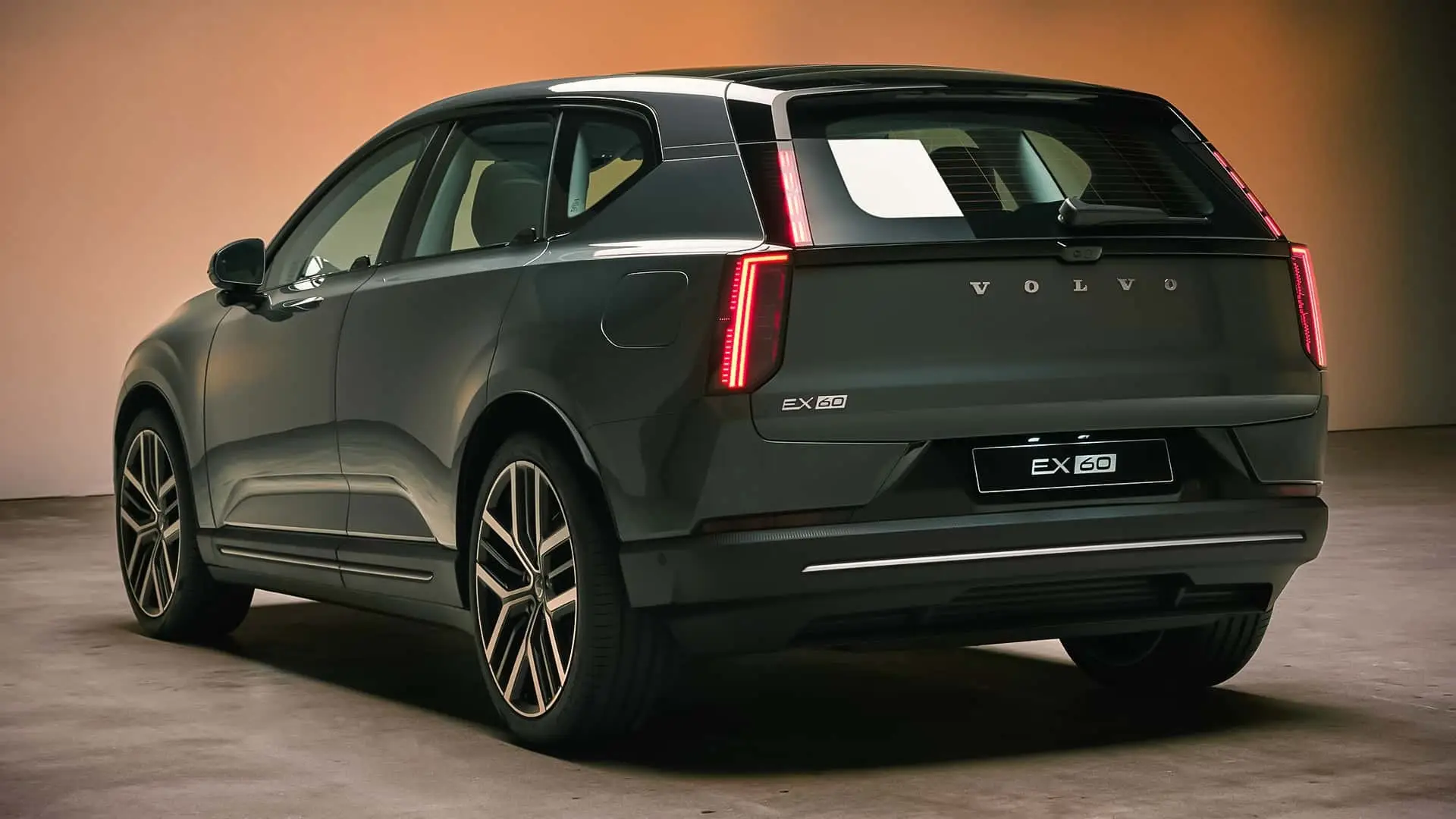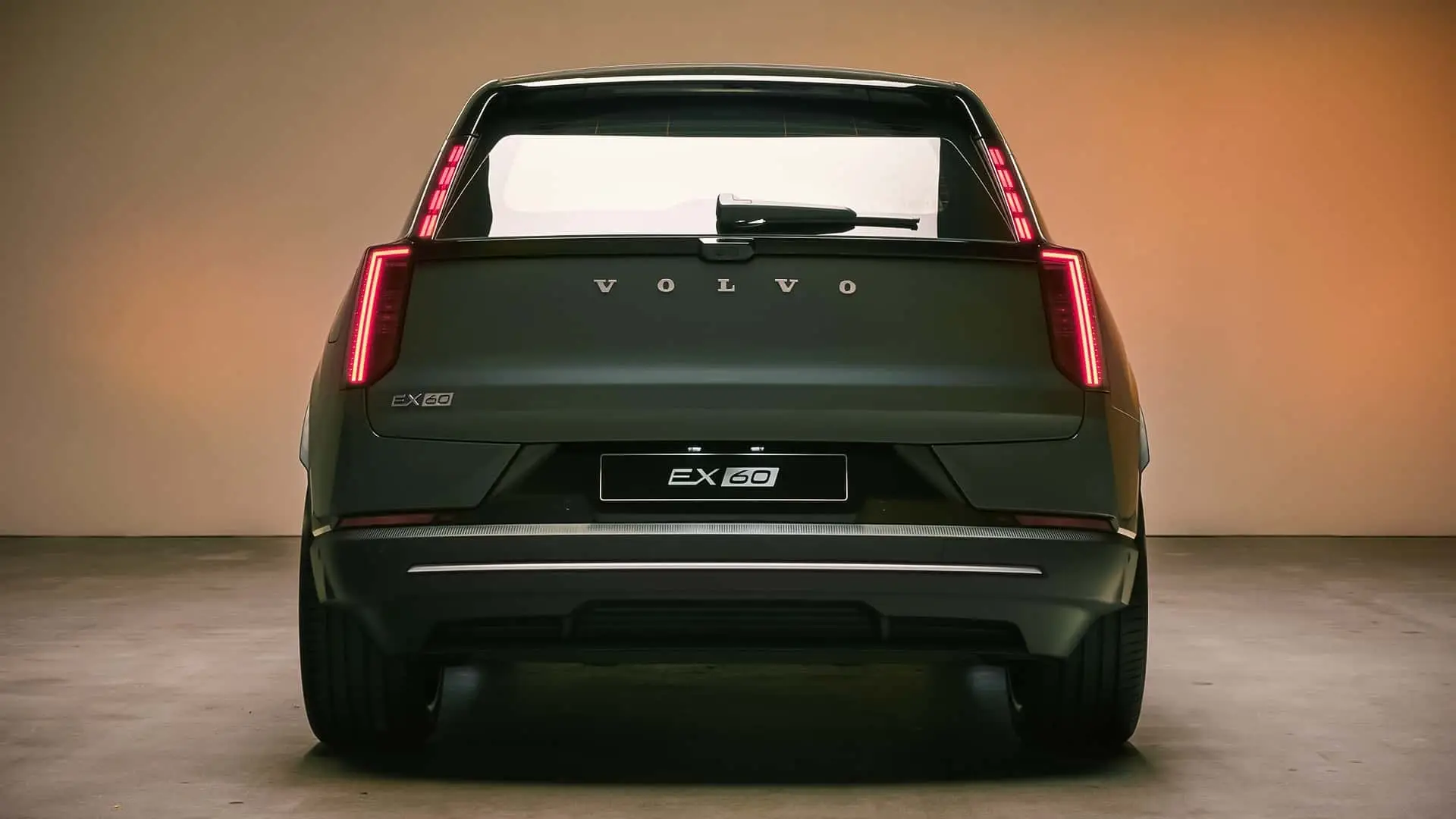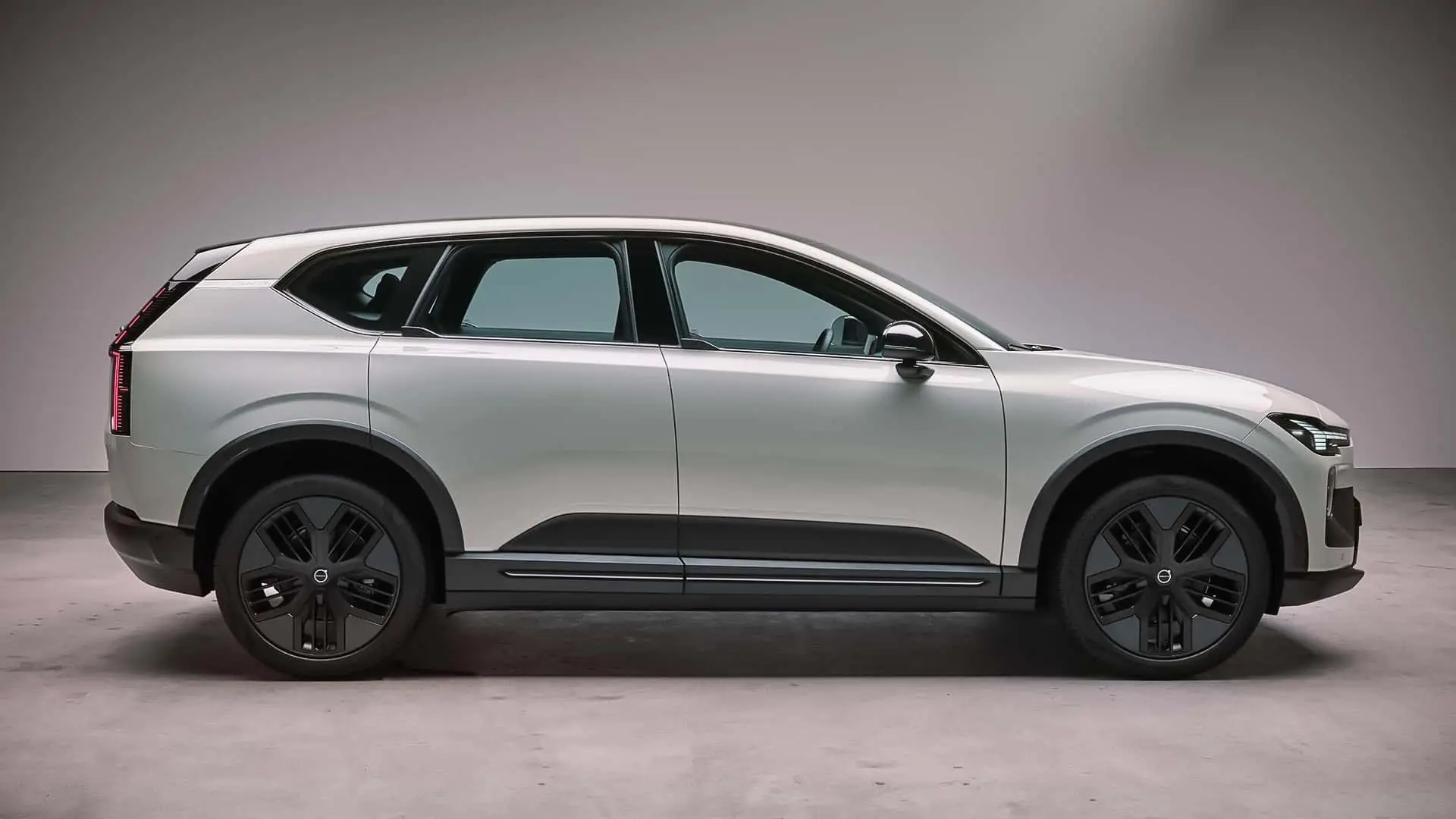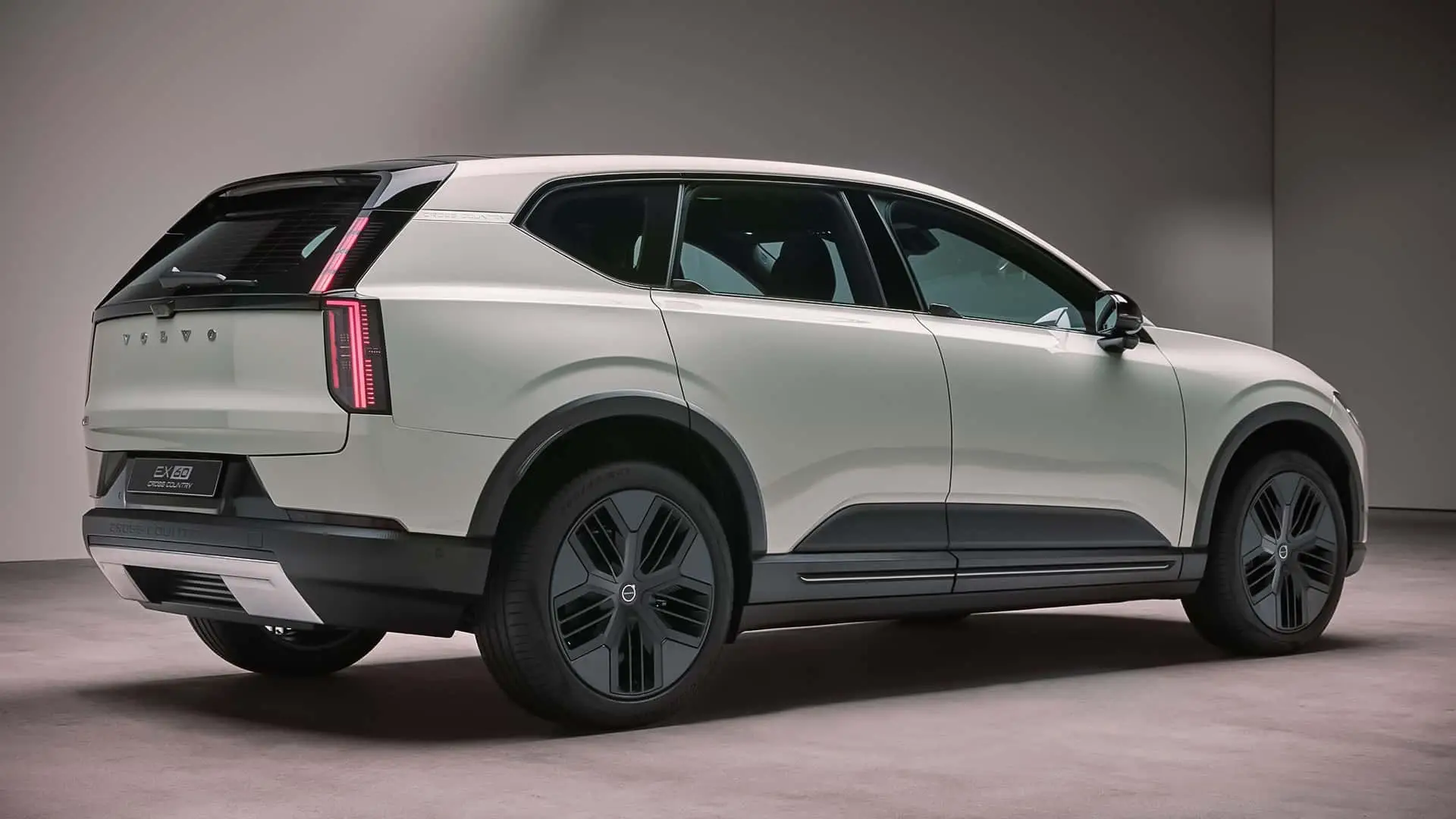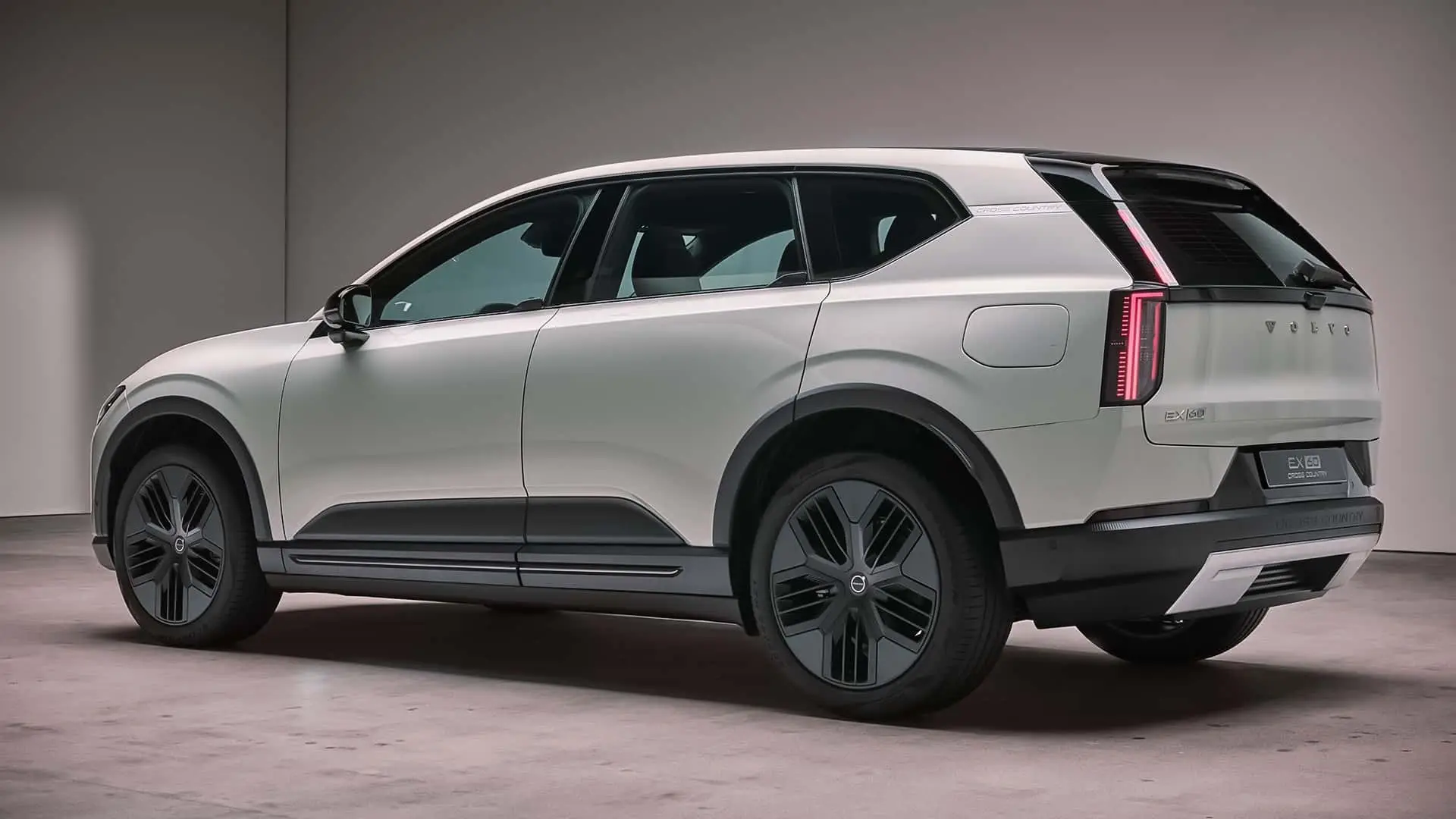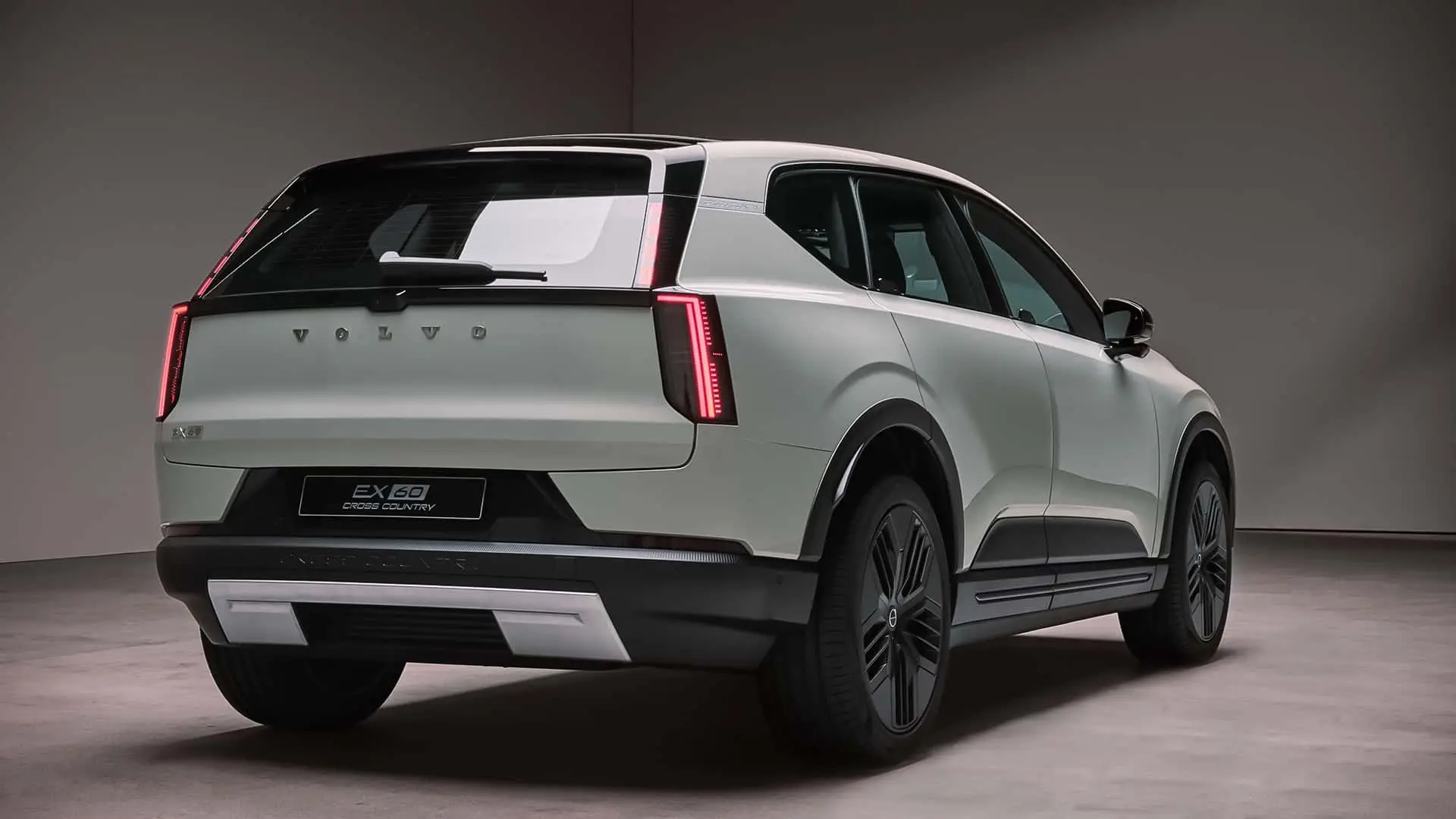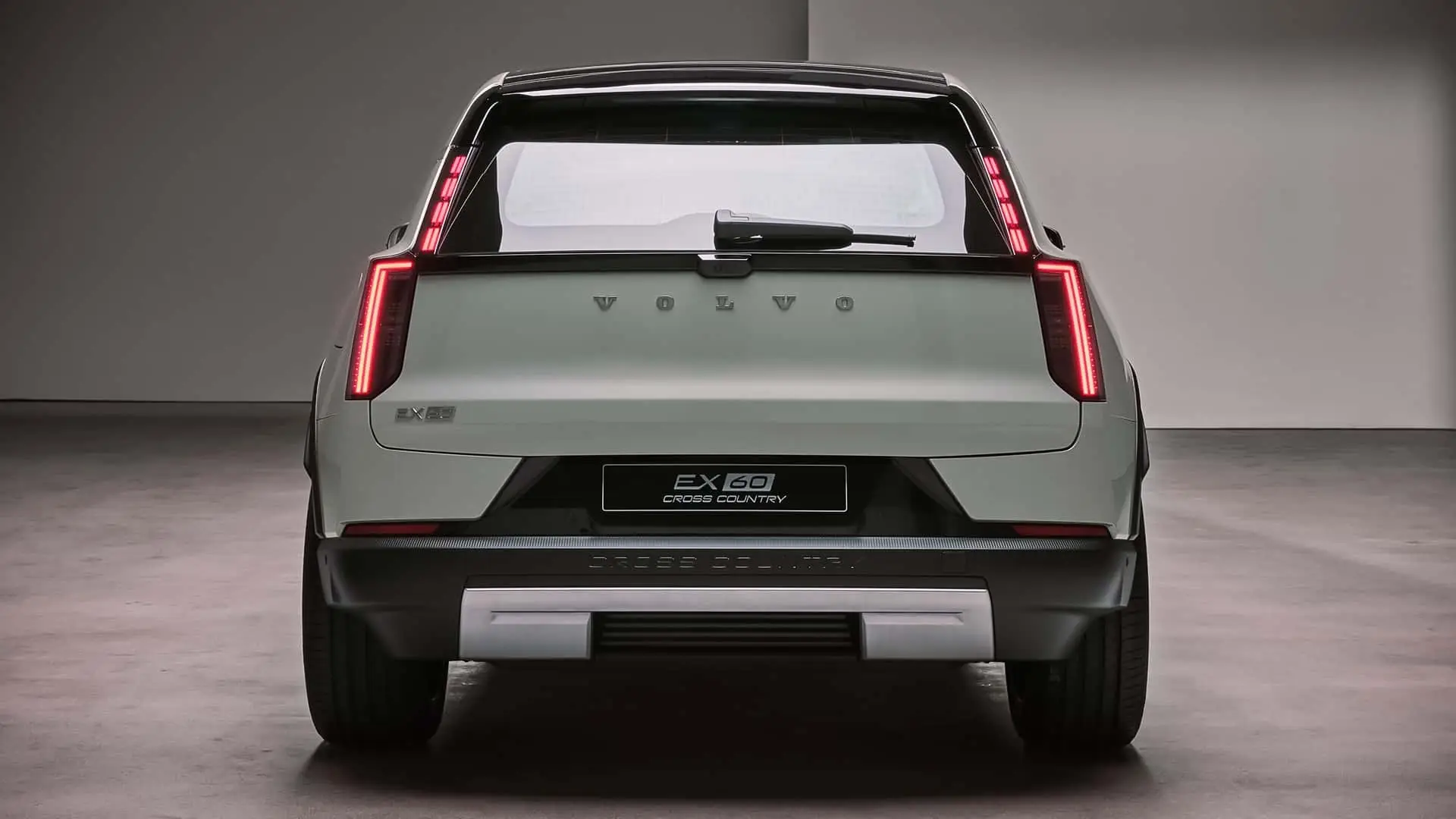
Will the VOLVO EX60 2027 be the end of gasoline cars? Discover how it achieves up to 644 km of range and charges in minutes.
What Makes the VOLVO EX60 2027 a Game-Changer in the Electric SUV Market
Strategic positioning: Volvo designed the EX60 to offer “the electric future without compromises.” This means delivering long range, fast recharging, and a competitive price comparable to internal combustion SUVs of the same size. Production in Gothenburg and the global launch later this year reinforce that this is not just a concept — it’s a ready product set to compete with premium rivals.
Addressing consumer barriers
- Range: the top-tier configuration offers up to 400 miles, approximately 644 km on an estimated cycle, making the EX60 suitable for long trips without range anxiety.
- Charging: with 800-volt architecture and peak charge rates near 370 kW, the EX60 can add significant range in minutes, reducing stops during journeys.
- Price: Volvo aims to position the EX60 with an initial price in the same range as the gasoline-powered XC60, seeking to eliminate the main economic barrier to electrification.
Why this matters: when a premium manufacturer aligns range, fast charging, and pricing with traditional internal combustion vehicles, EV adoption shifts from “if” to “when.” This can accelerate the transition to electric vehicles in markets sensitive to cost-benefit considerations.
Platform Technology, Batteries, and Charging: What’s Behind the Performance
The EX60 is the first to utilize Volvo’s SPA3 platform, a dedicated EV architecture that incorporates advanced manufacturing techniques to reduce costs and enhance structural rigidity.
SPA3 Architecture, Megacastings, and Cell-to-Body Integration
SPA3 integrates megacastings — large castings that simplify the chassis — and the cell-to-body philosophy, where battery cells are integrated into the vehicle structure. This reduces the number of parts, assembly time, and total weight, while enhancing safety and thermal efficiency of the battery.
Batteries, Configurations, and Range
| Version | Battery (Total / Usable) | Drivetrain | Estimated Range (20”) | 0-60 mph |
|---|---|---|---|---|
| P6 | 83 kWh / 80 kWh | RWD | up to 310 miles (499 km) | 5.7 sec |
| P10 AWD | 95 kWh / 91 kWh | AWD | up to 320 miles (515 km) | 4.4 sec |
| P12 AWD | 117 kWh / 112 kWh | AWD | up to 400 miles (644 km) | 3.8 sec |
Practical notes: larger wheels (21″ or 22″) may reduce range by about 10 to 20 miles. The electronically limited top speed of 112 mph (180 km/h) prioritizes efficiency and safety.
Charging and NACS Standard
The 800V architecture supports peak power near 370 kW and charging times from 10% to 80% as short as 18 to 19 minutes, depending on the version. In practical terms, the P12 AWD can gain about 173 miles (278 km) of range with just 10 minutes of fast charging — significantly impacting long-distance travel planning.
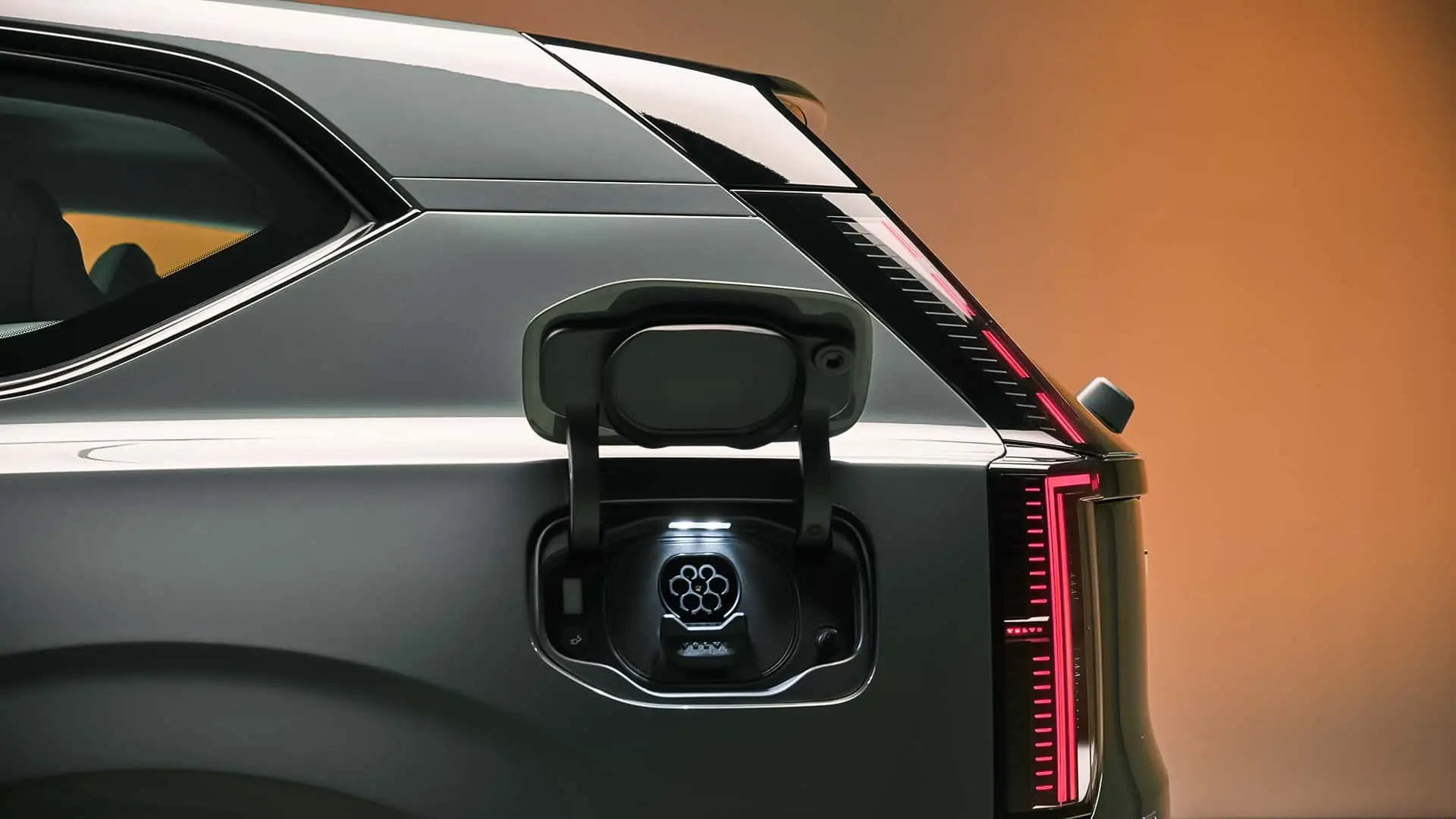
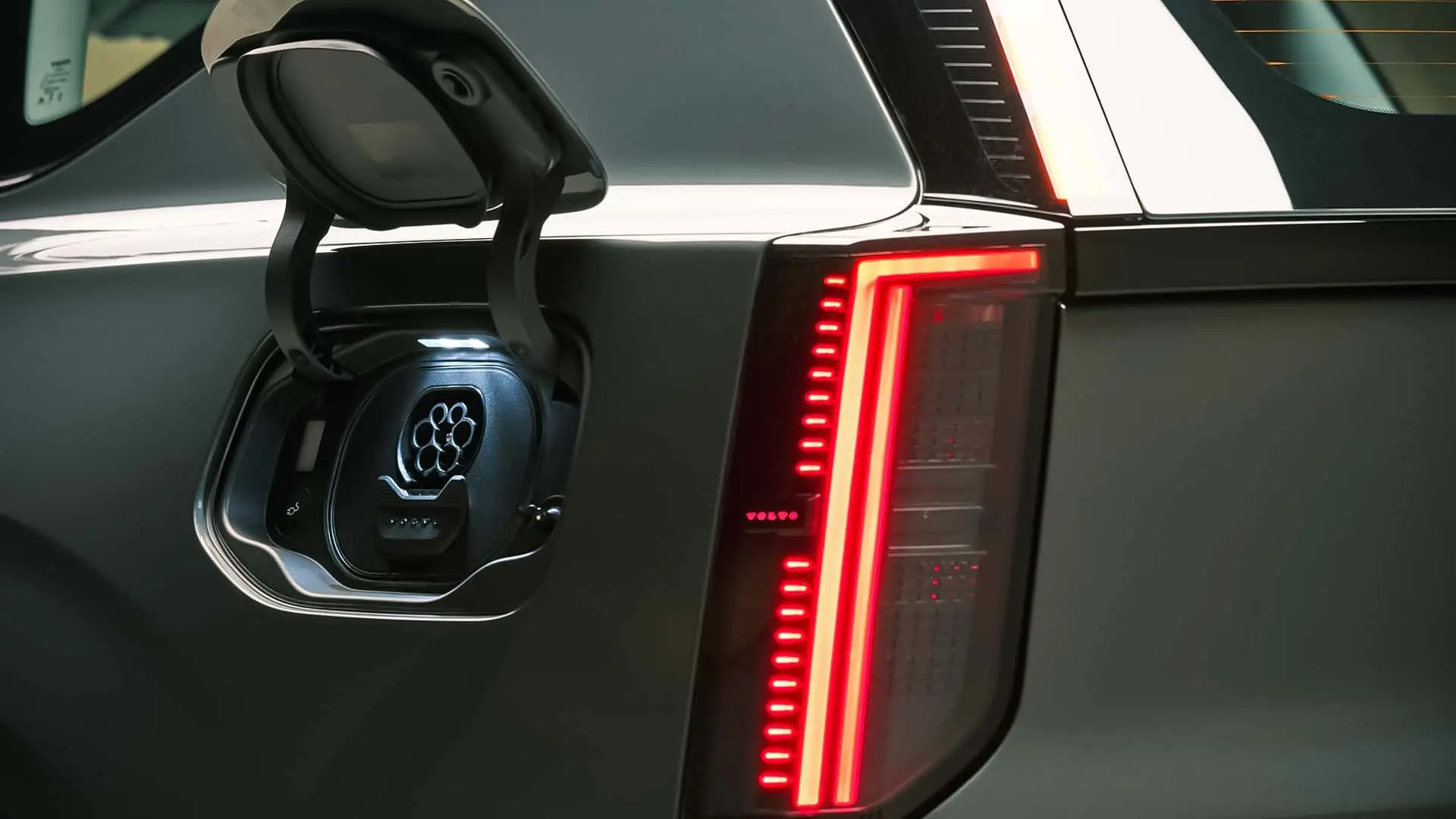
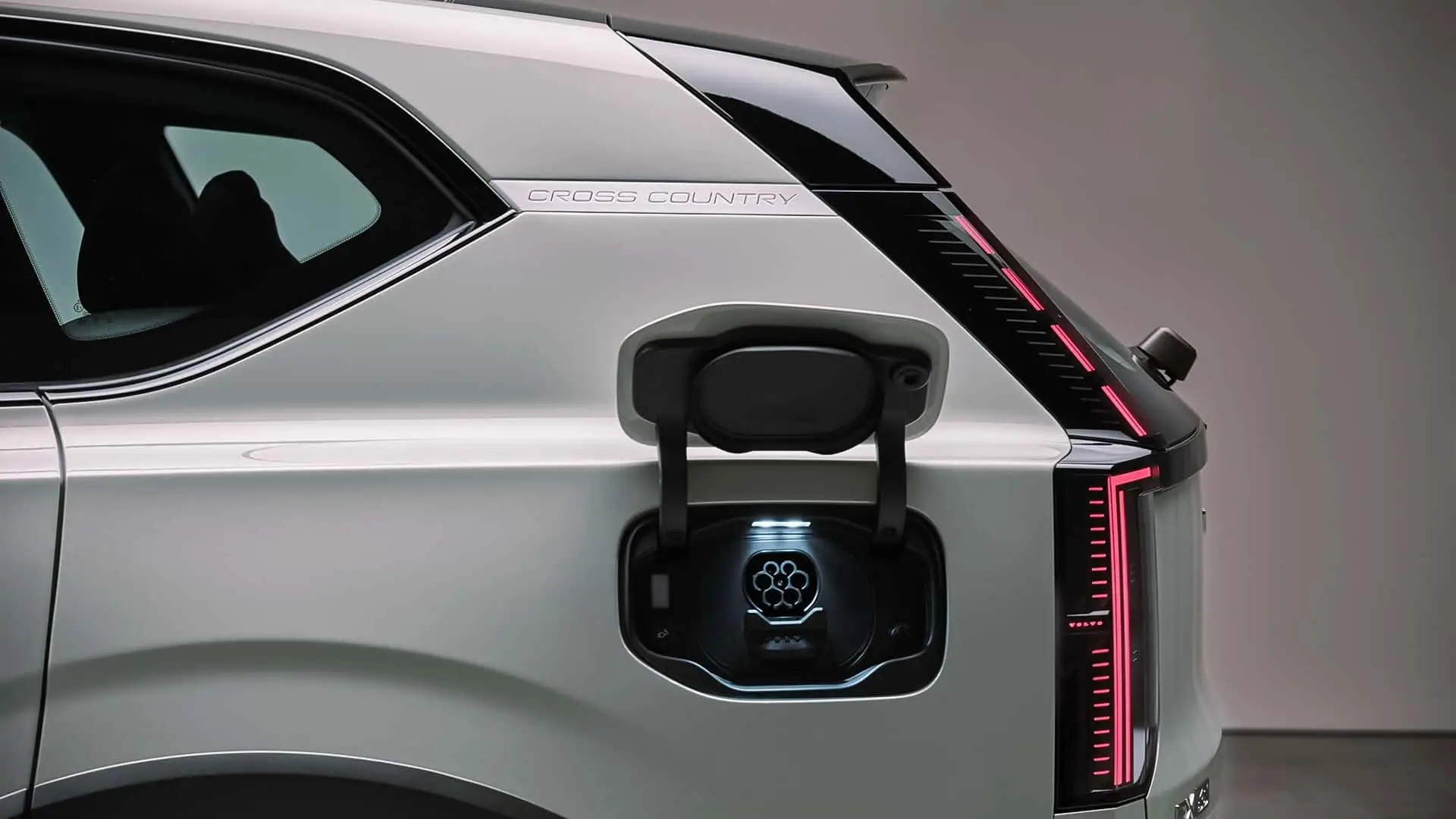
Important for the ecosystem: the EX60 adopts the NACS charging port, popularized by Tesla, expanding access to fast-charging networks in markets where NACS is becoming the dominant standard.
Design, Safety, Practicality, and Market Impact
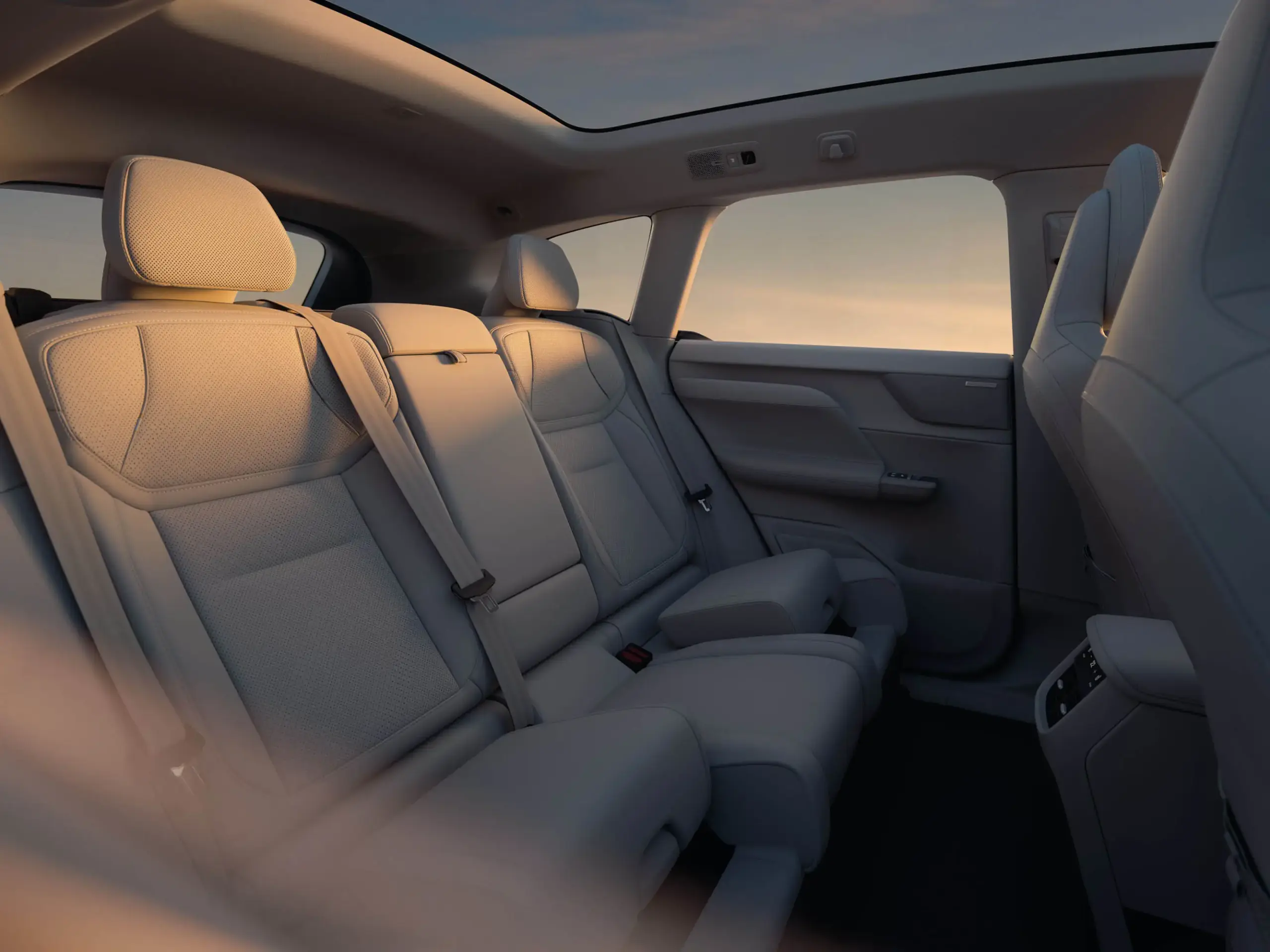
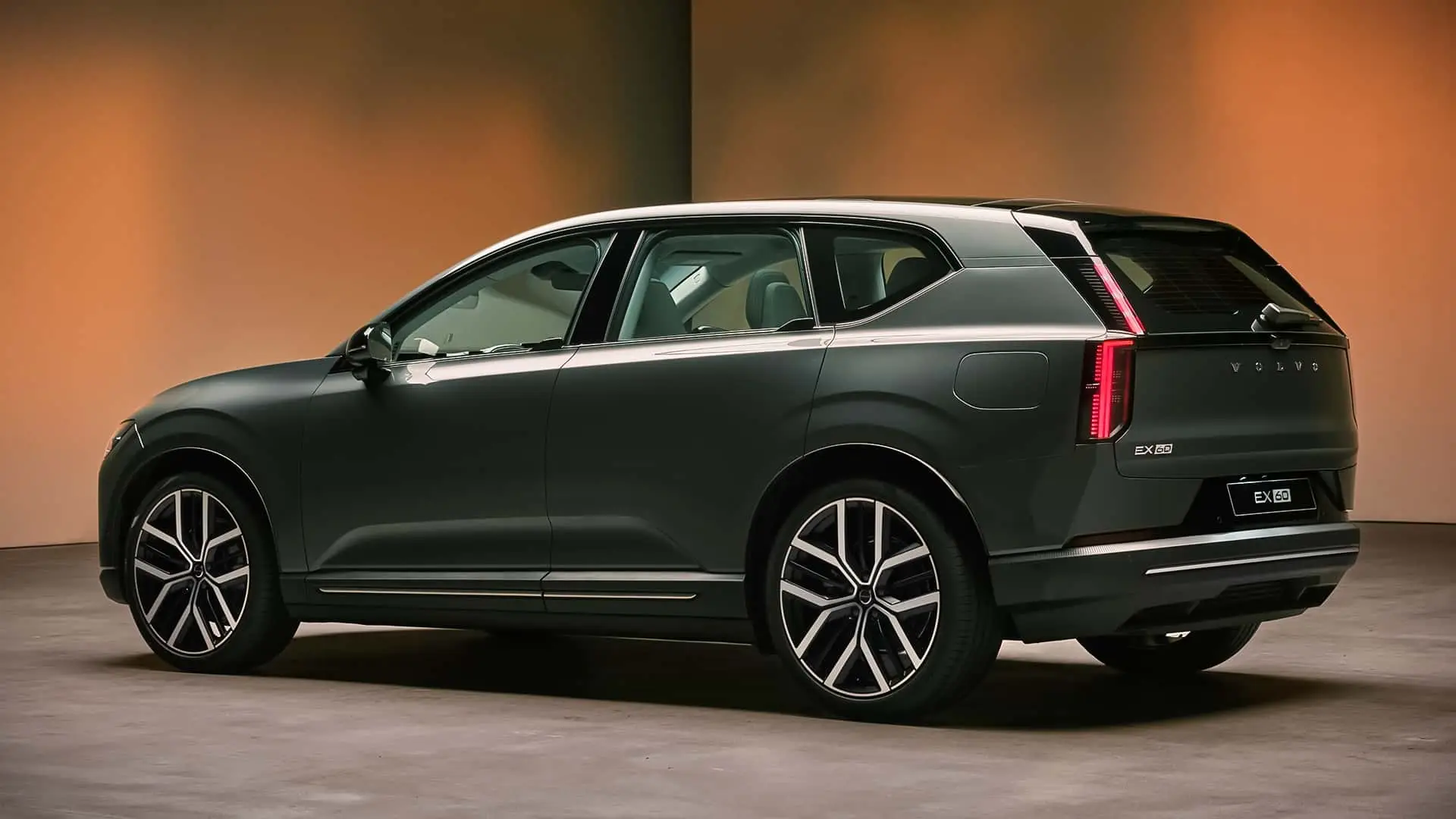
The EX60 combines Volvo’s refined aesthetics with practical solutions that emphasize its ambition to lead a segment where style, luxury, and usability intersect.
Exterior and Aerodynamics
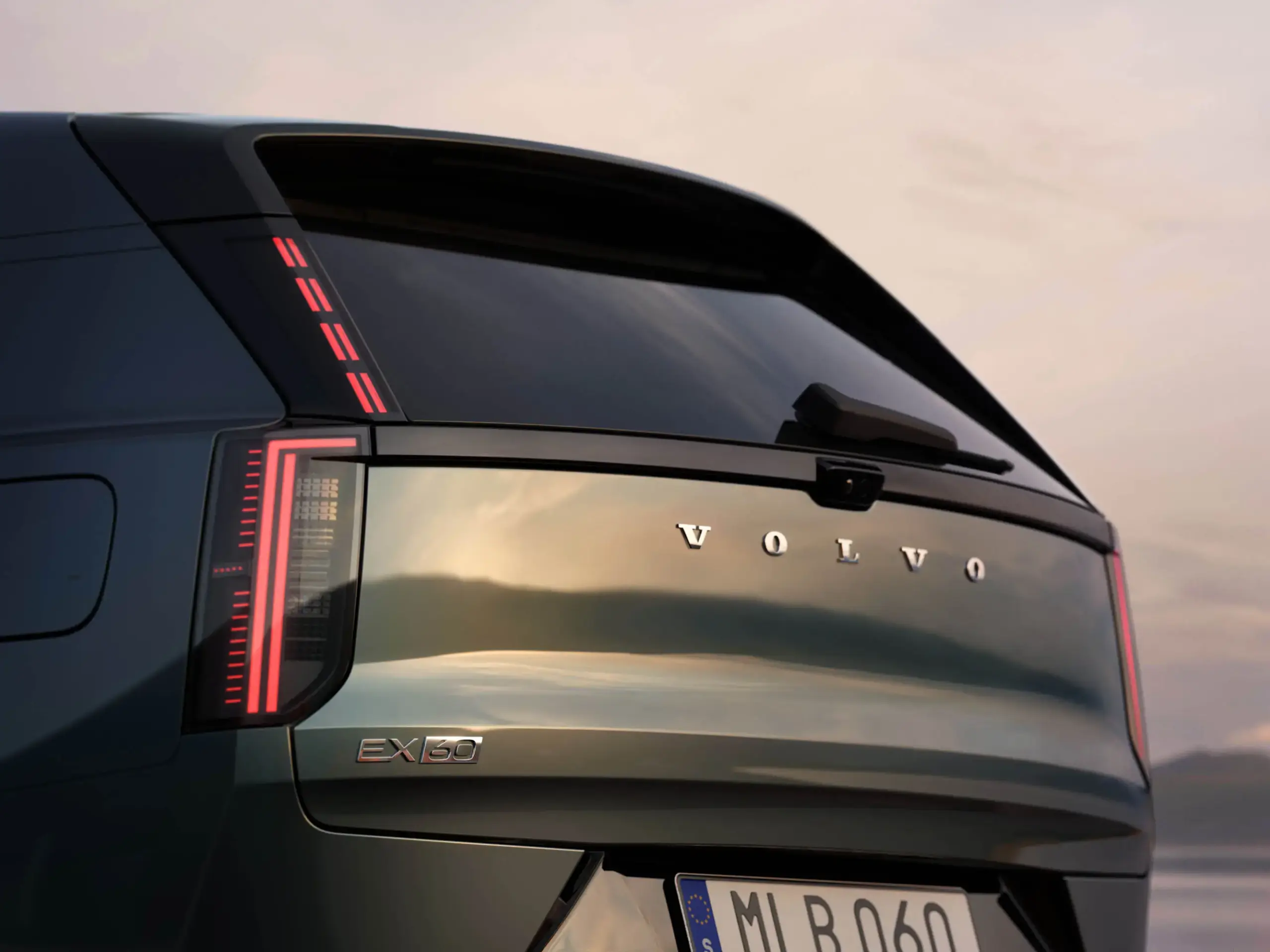
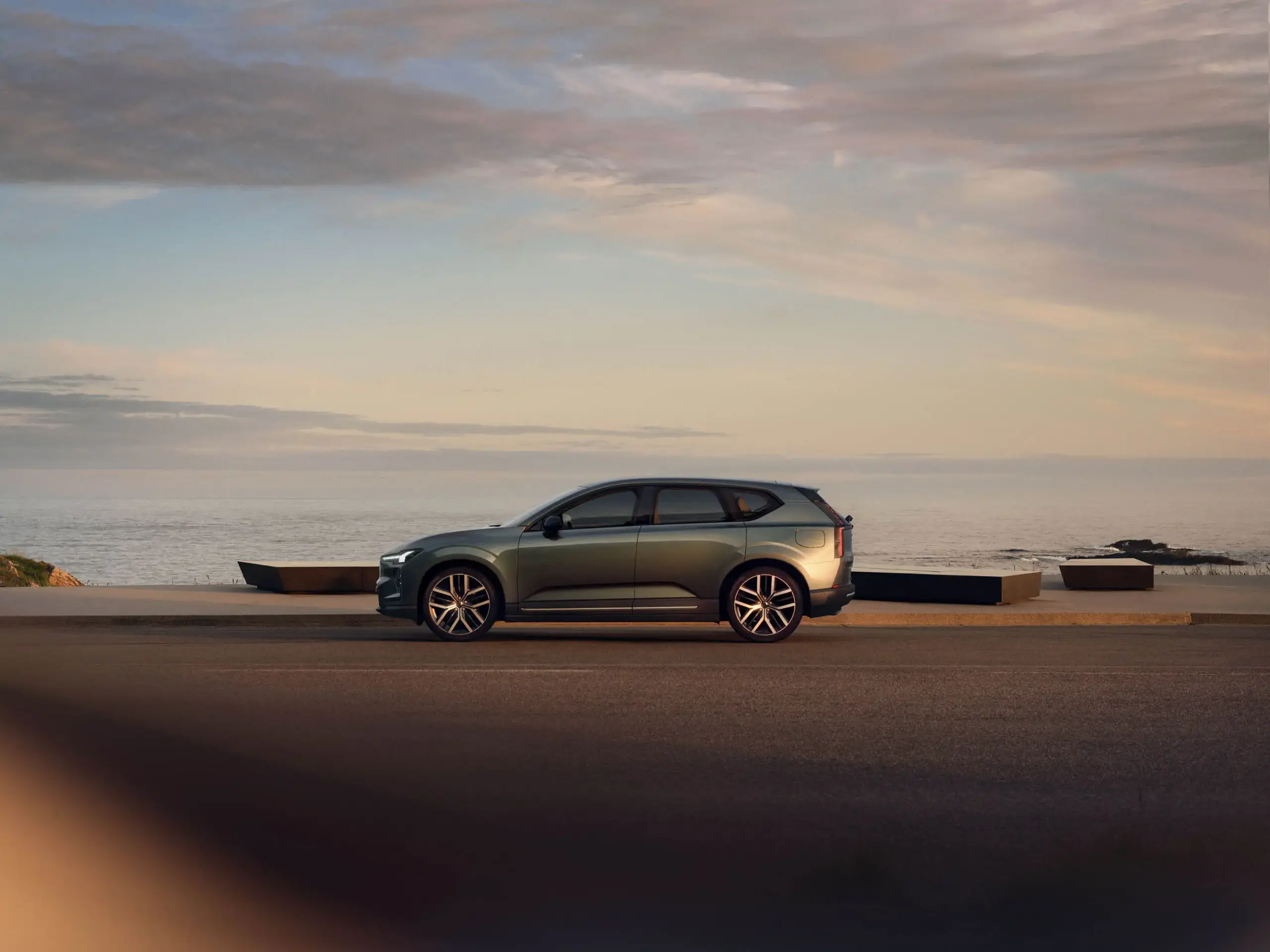
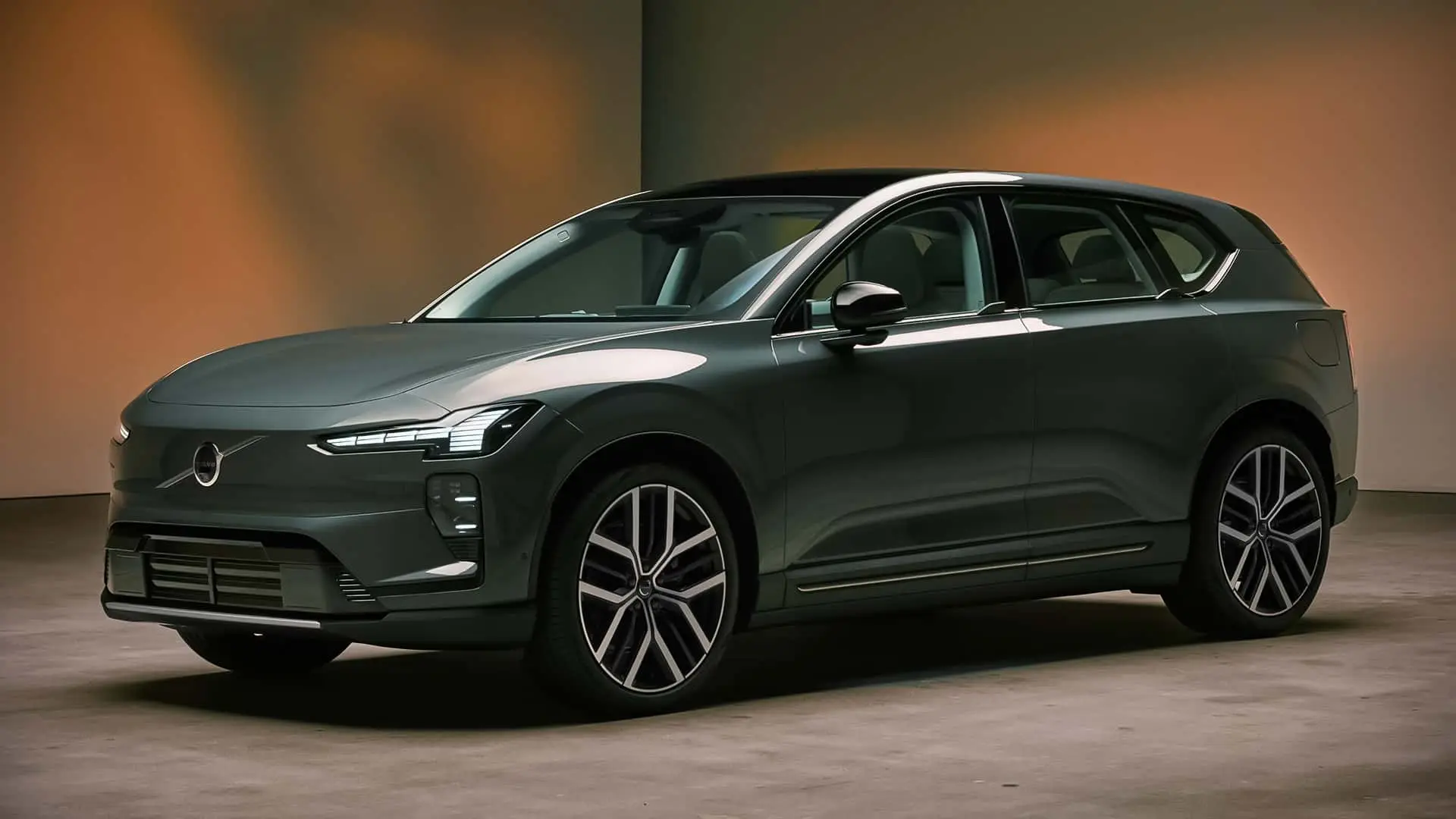
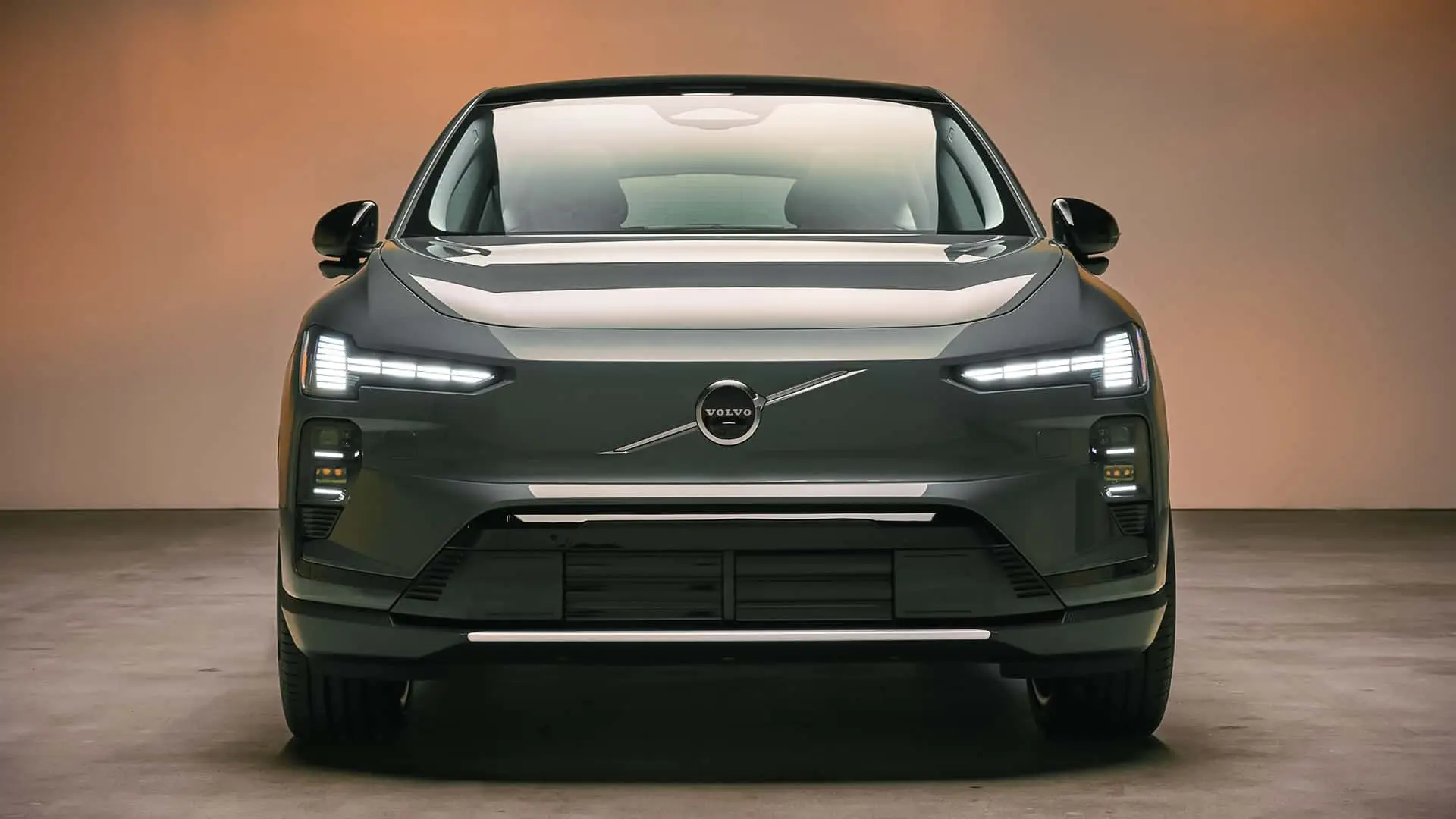
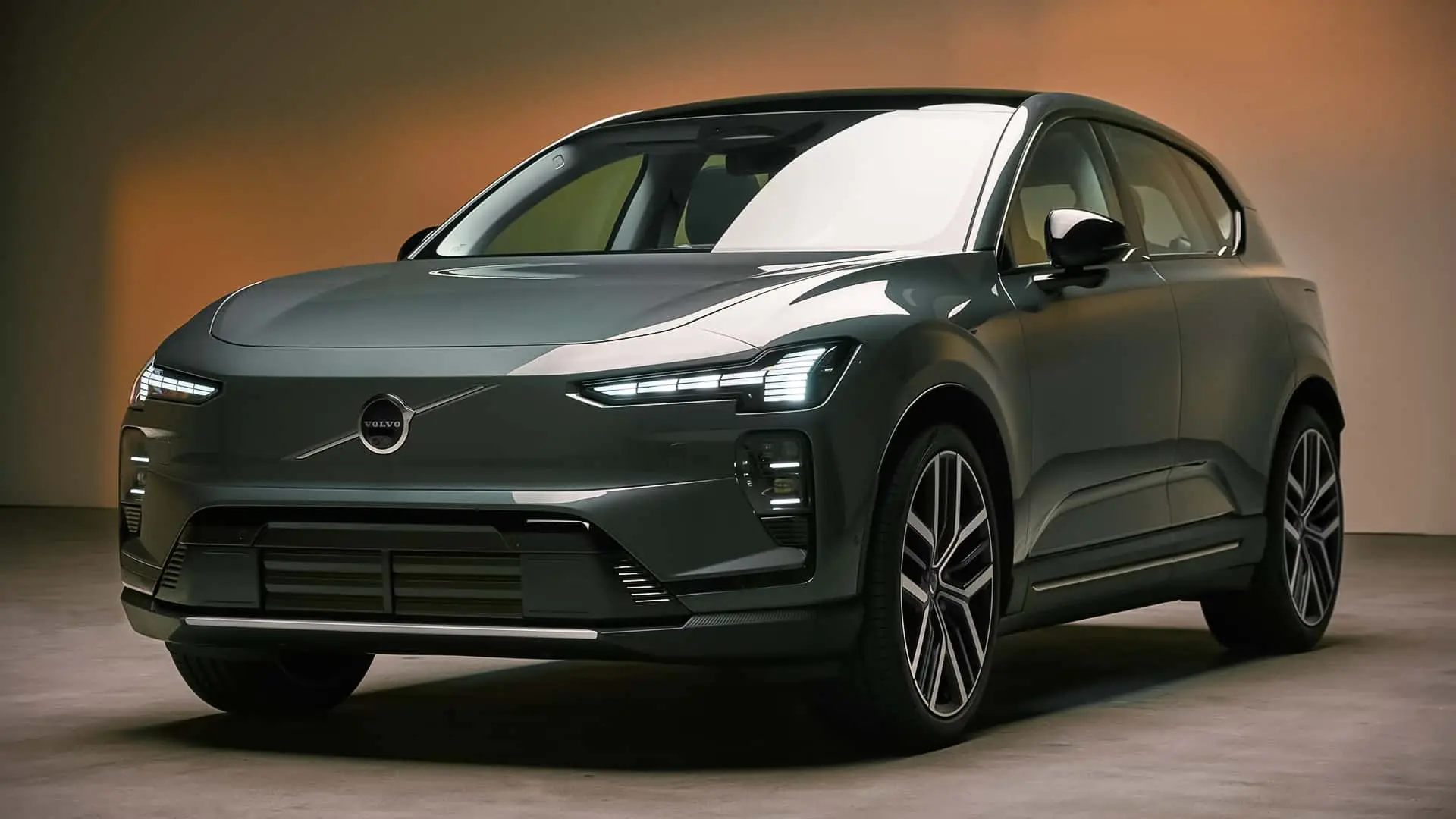
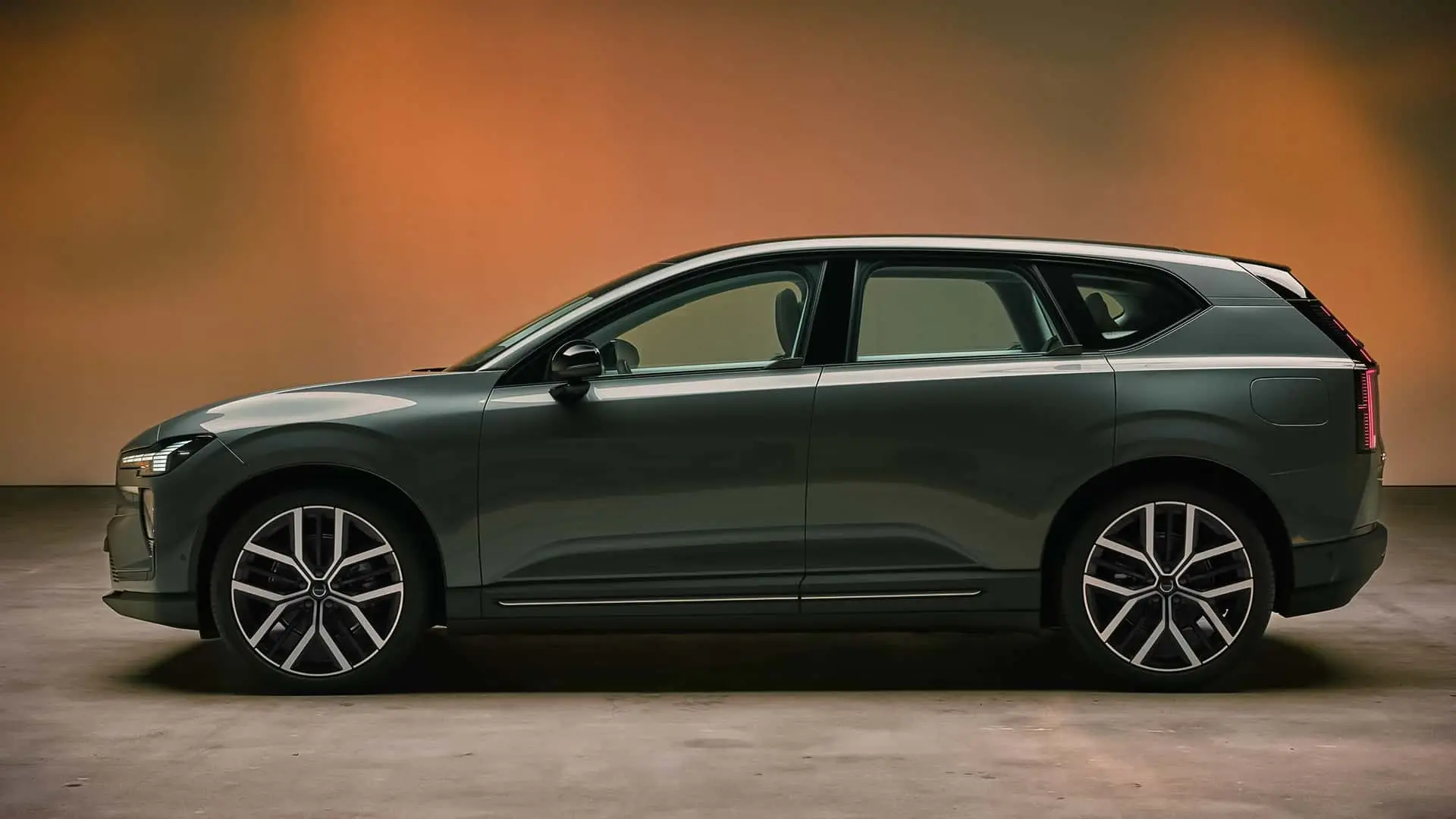
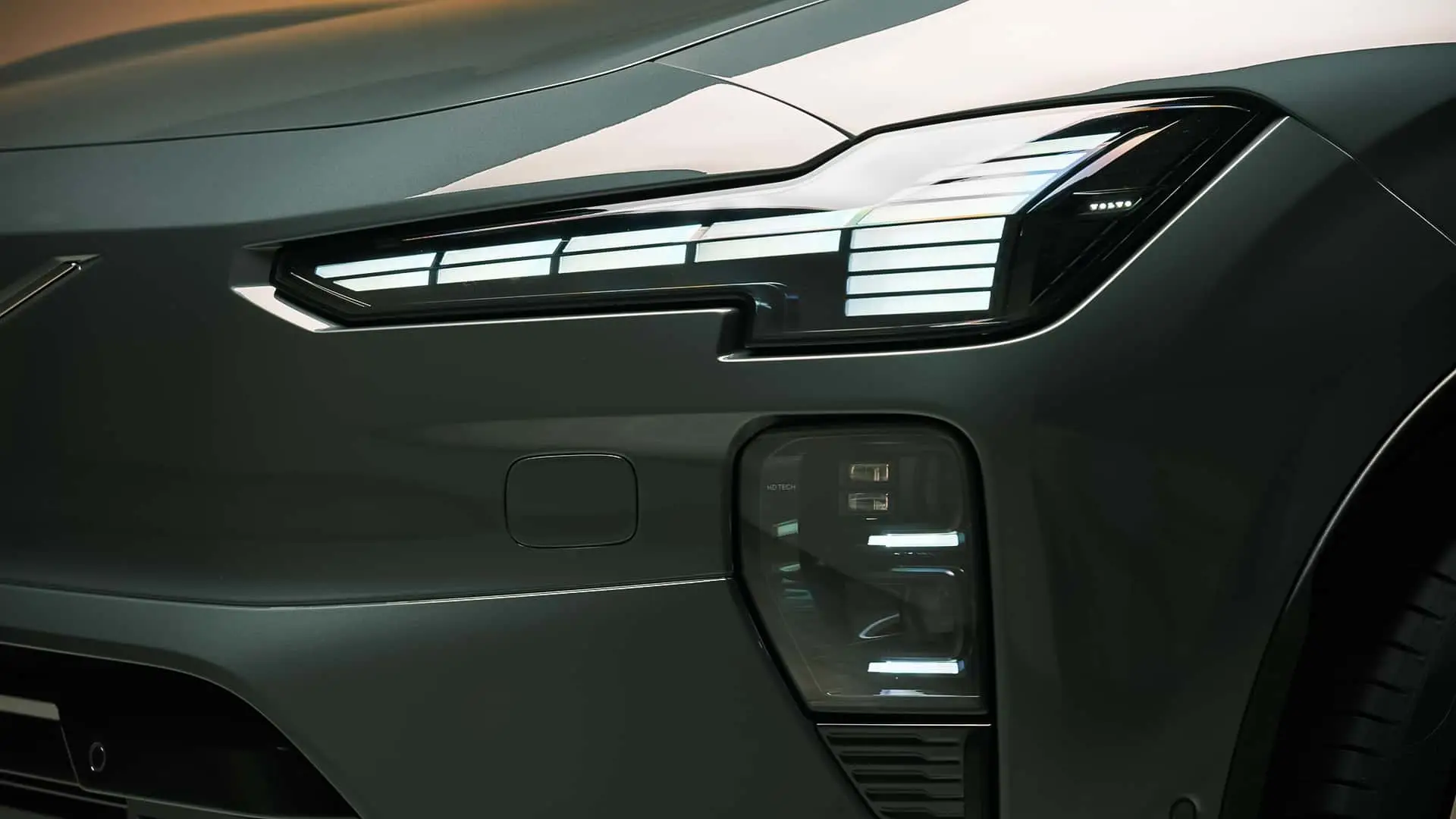
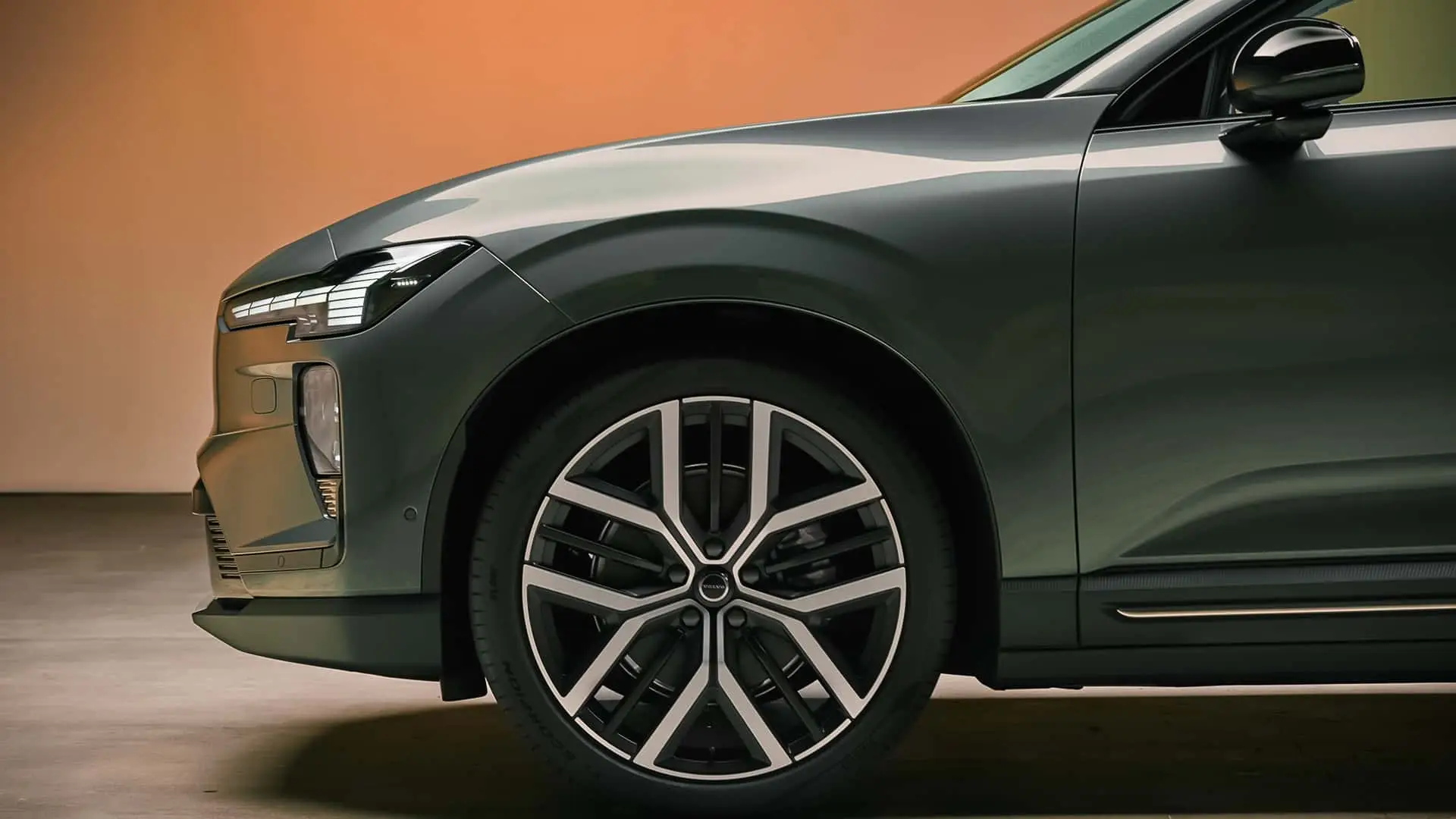
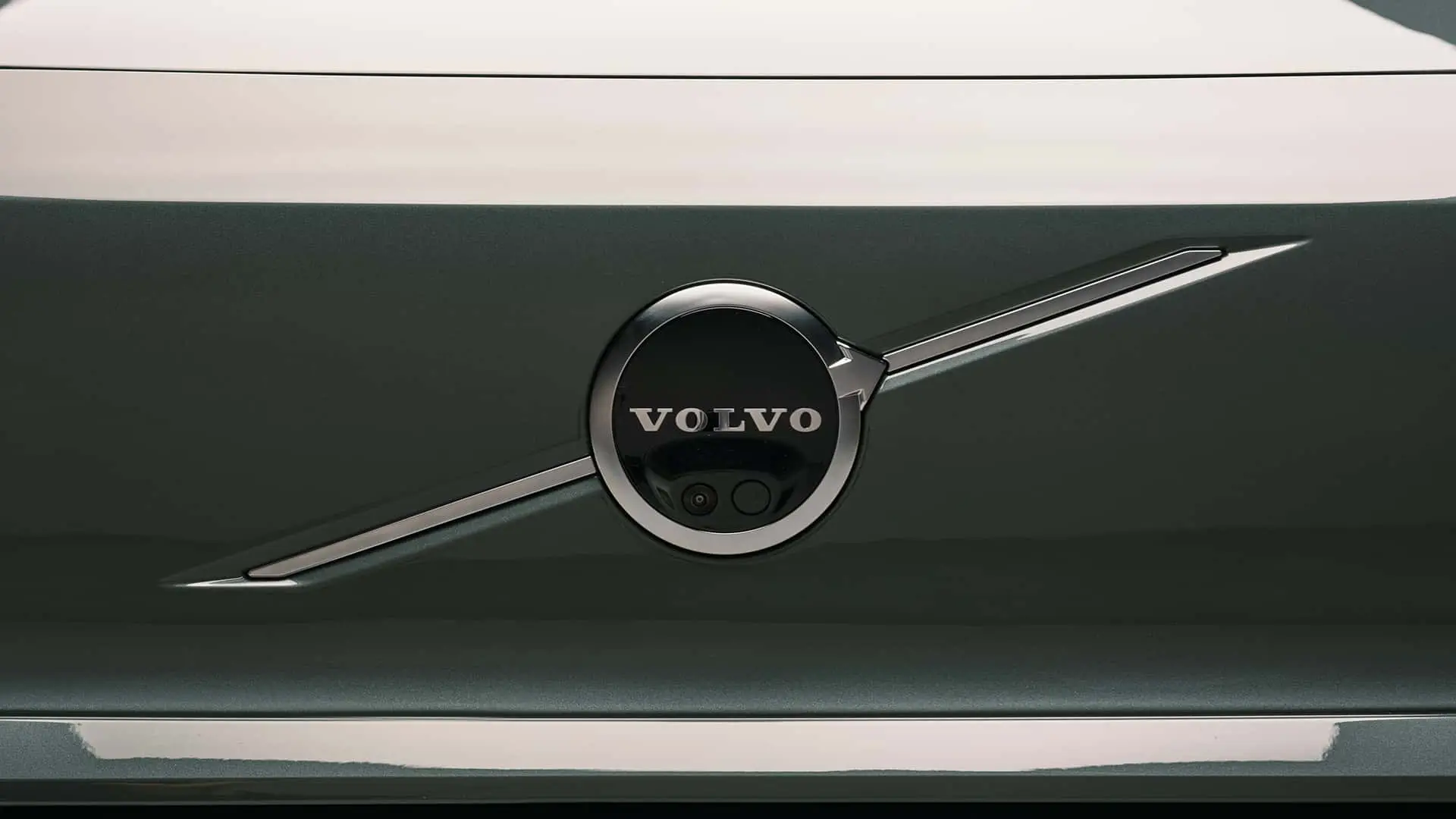
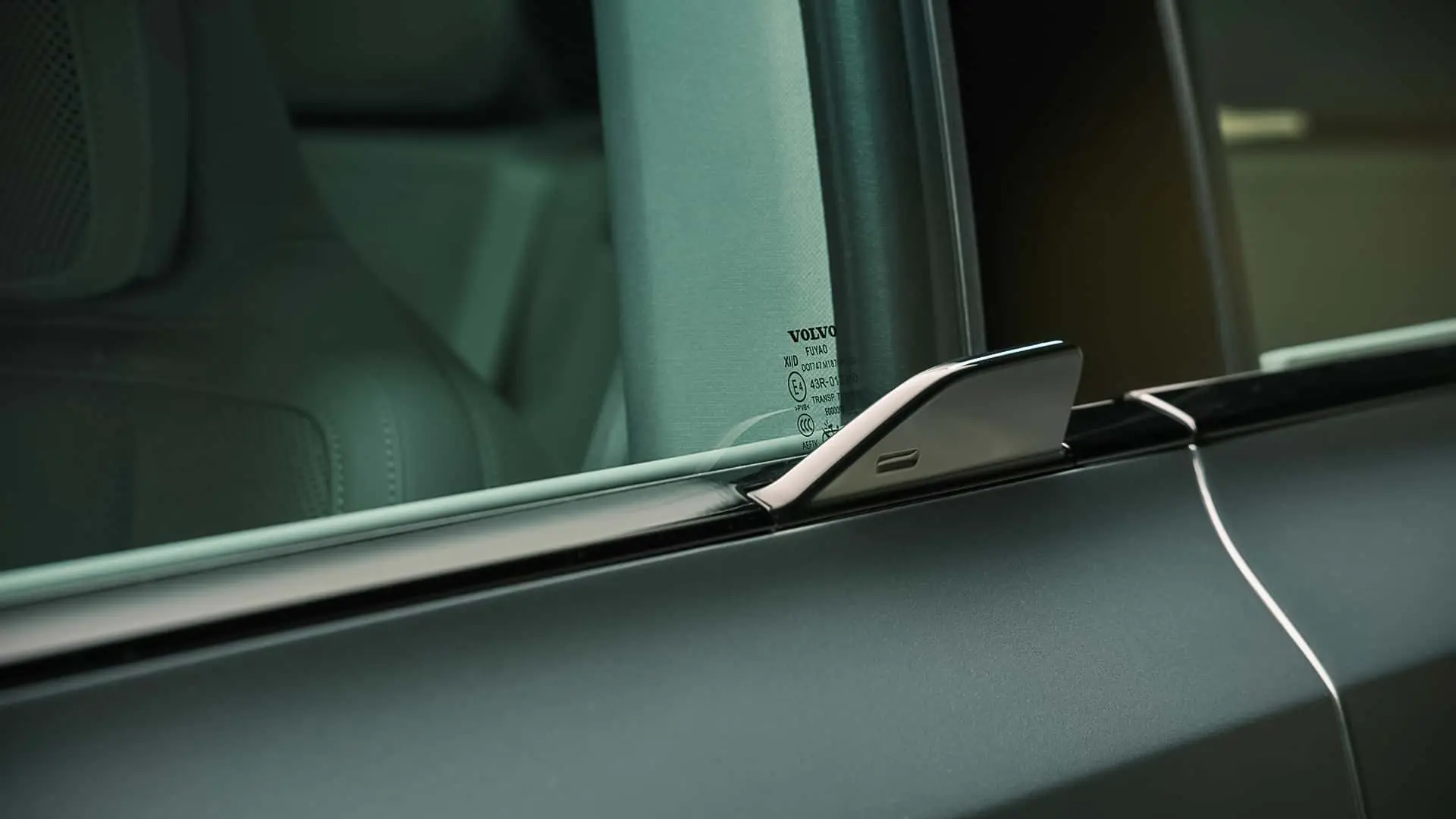
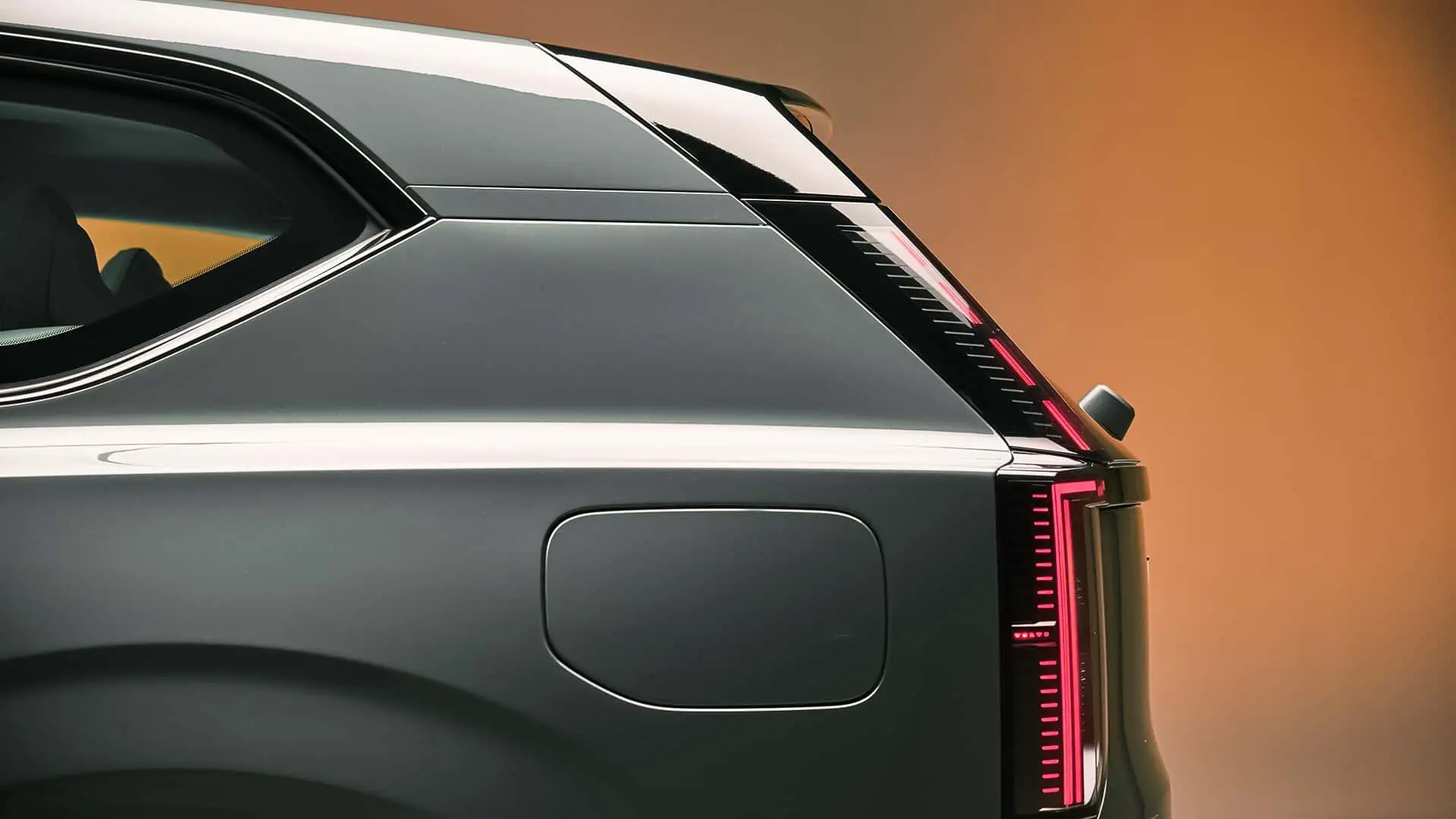
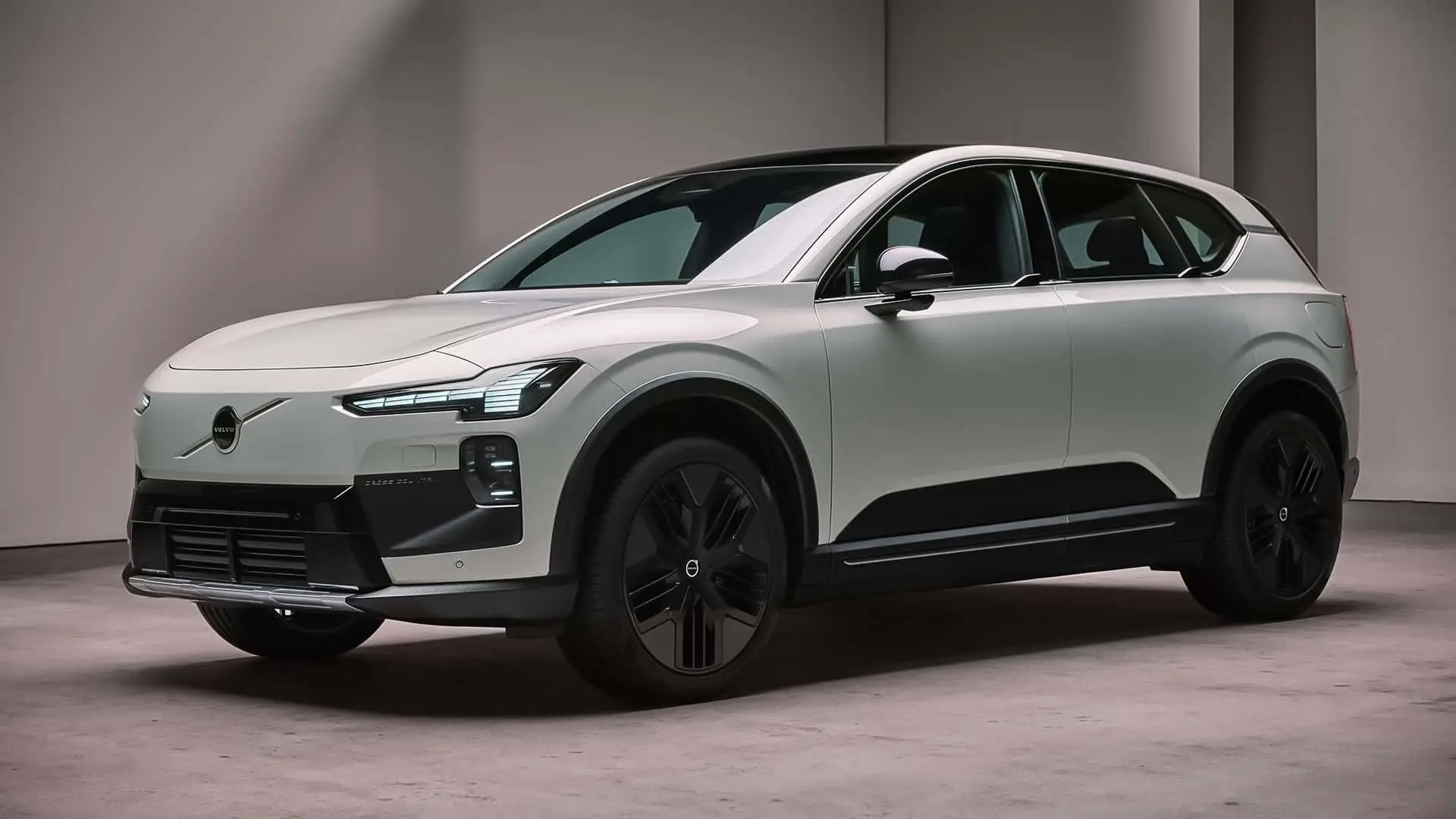
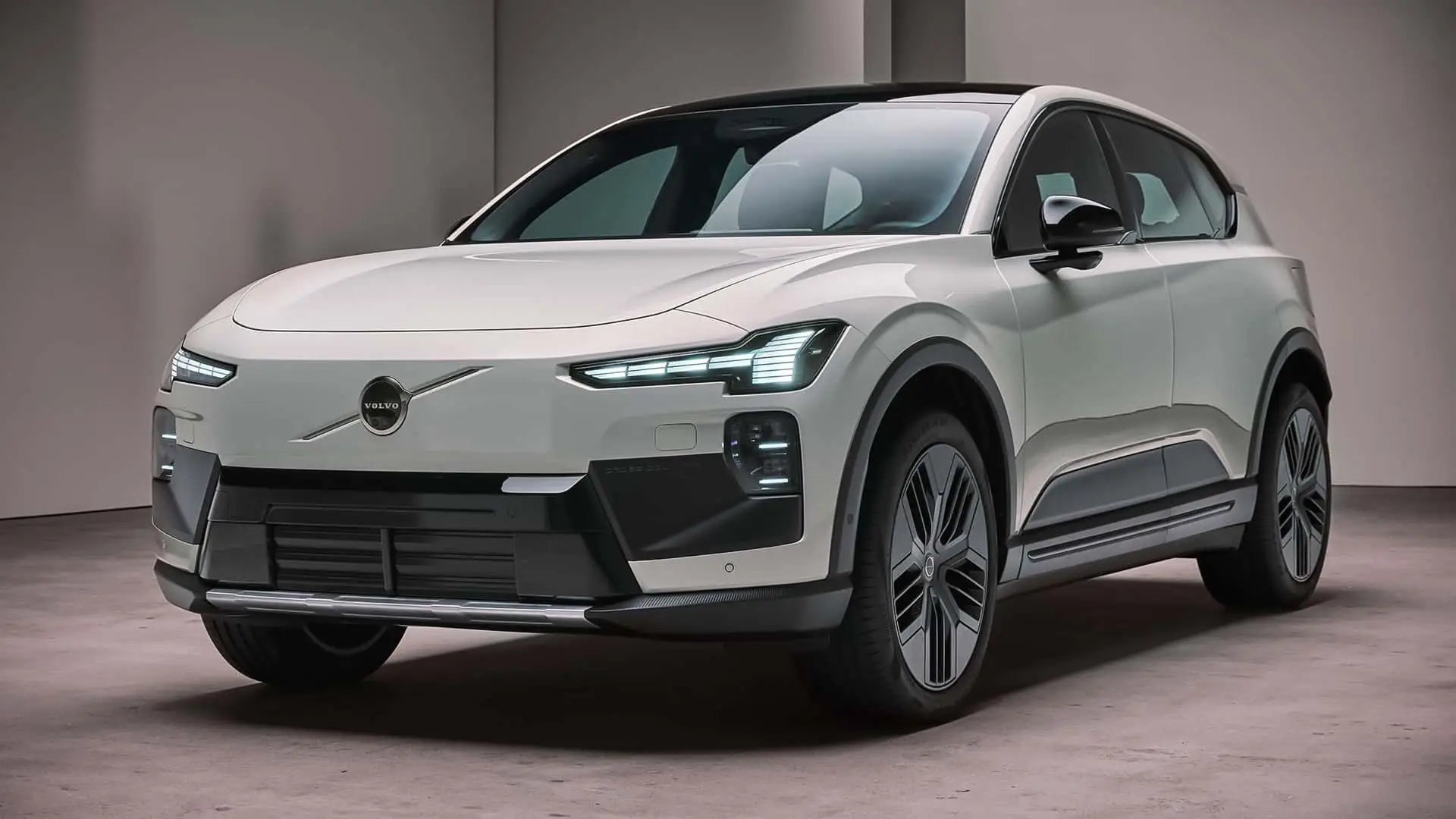
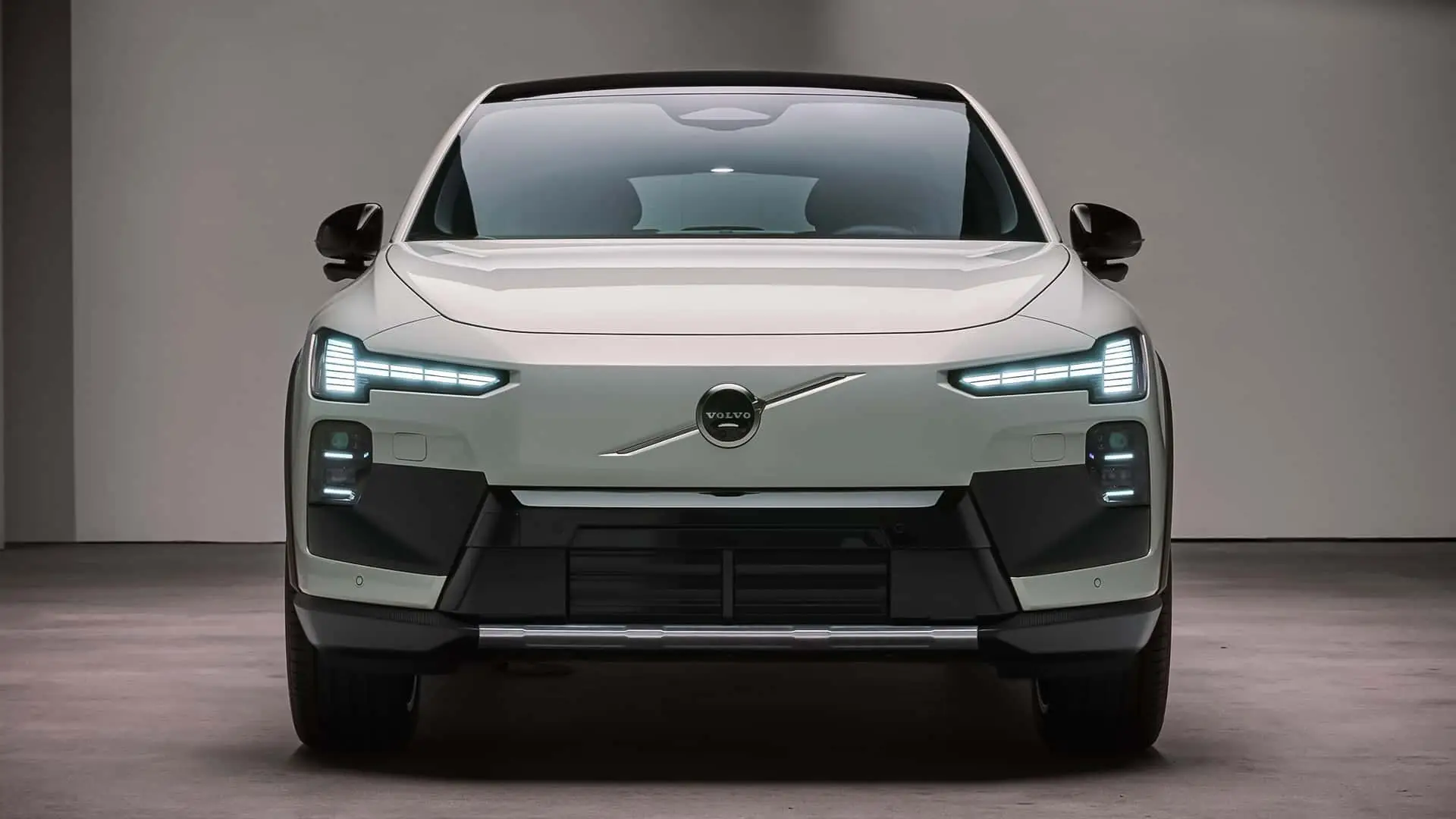
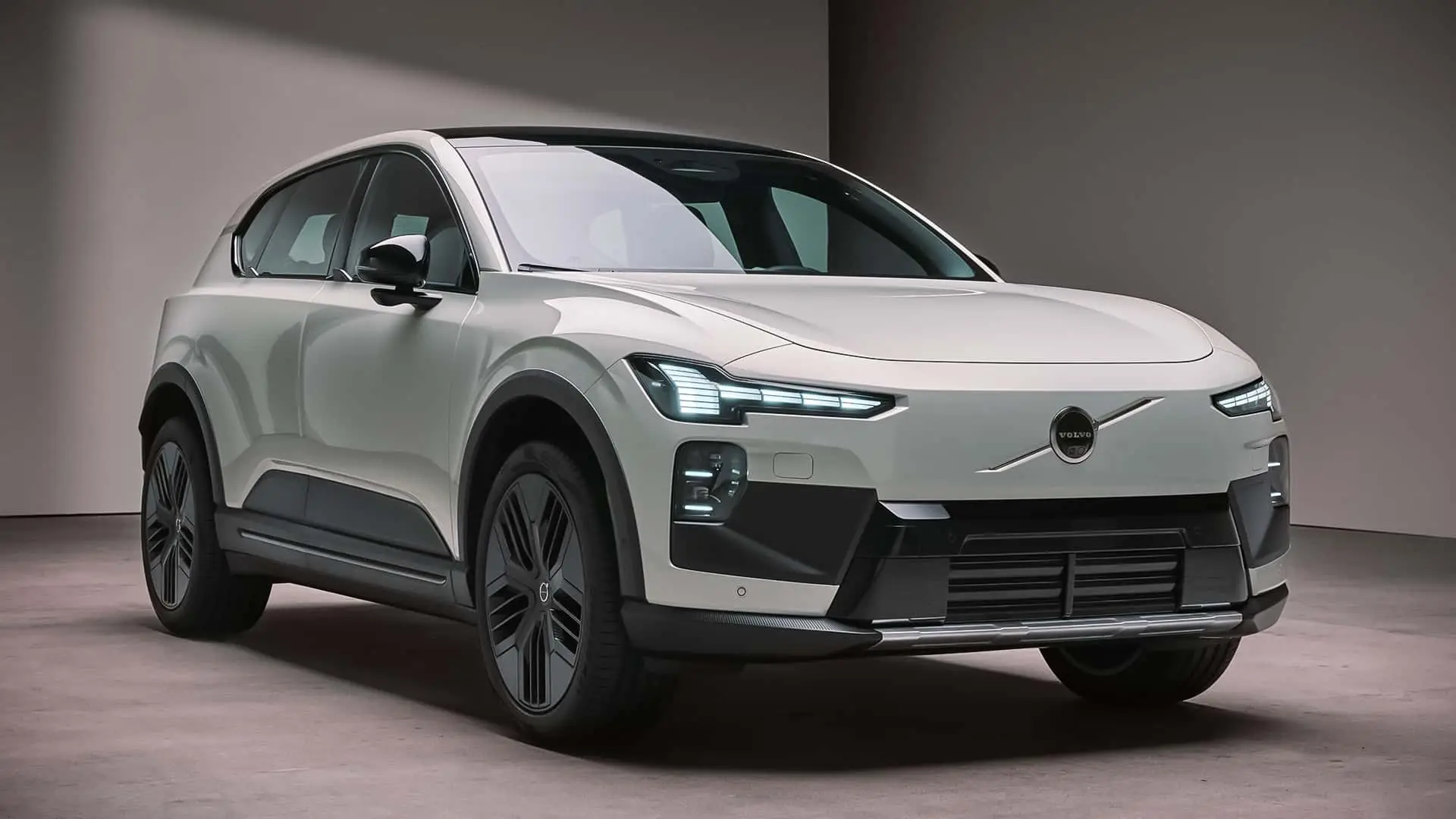
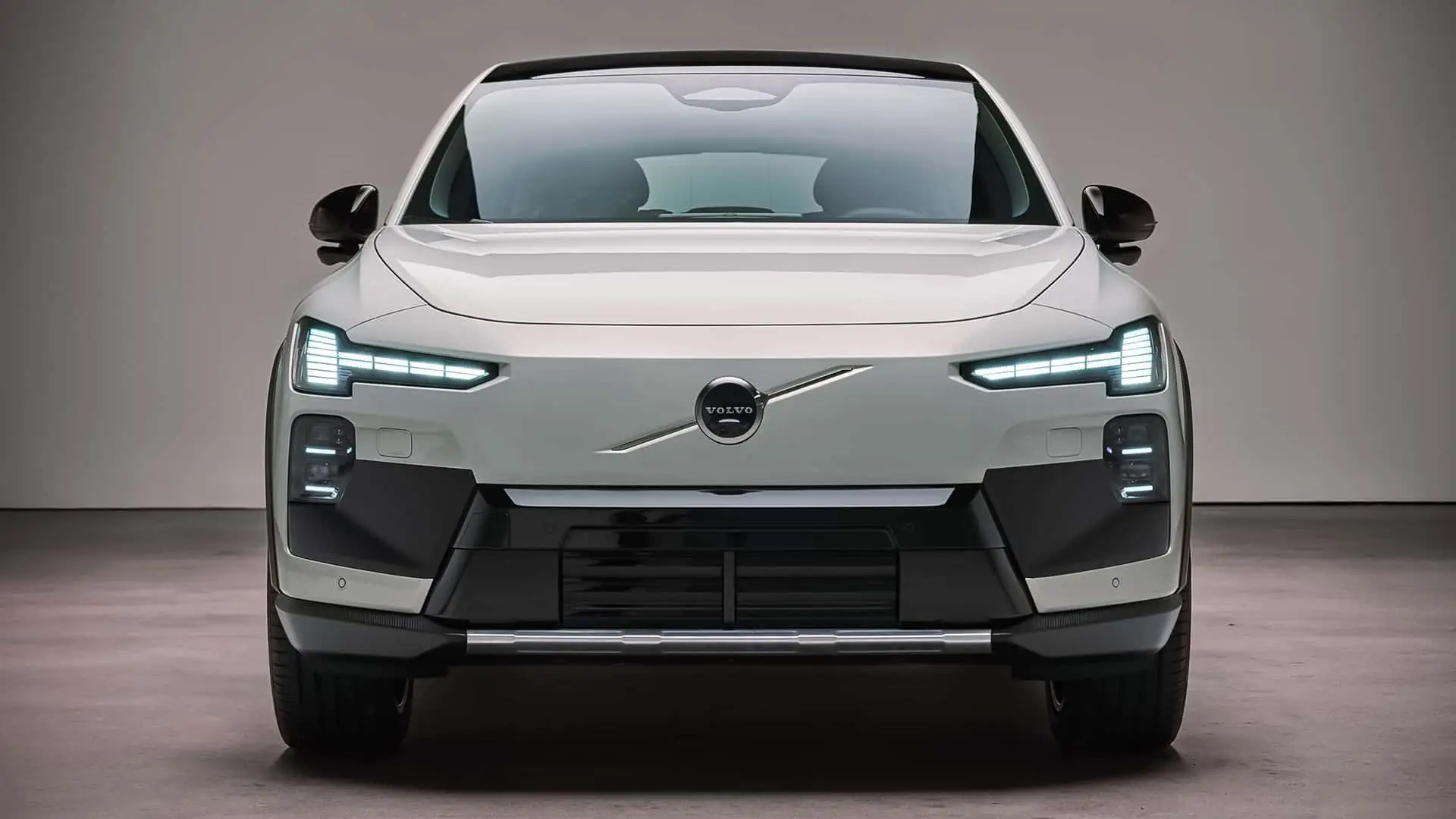
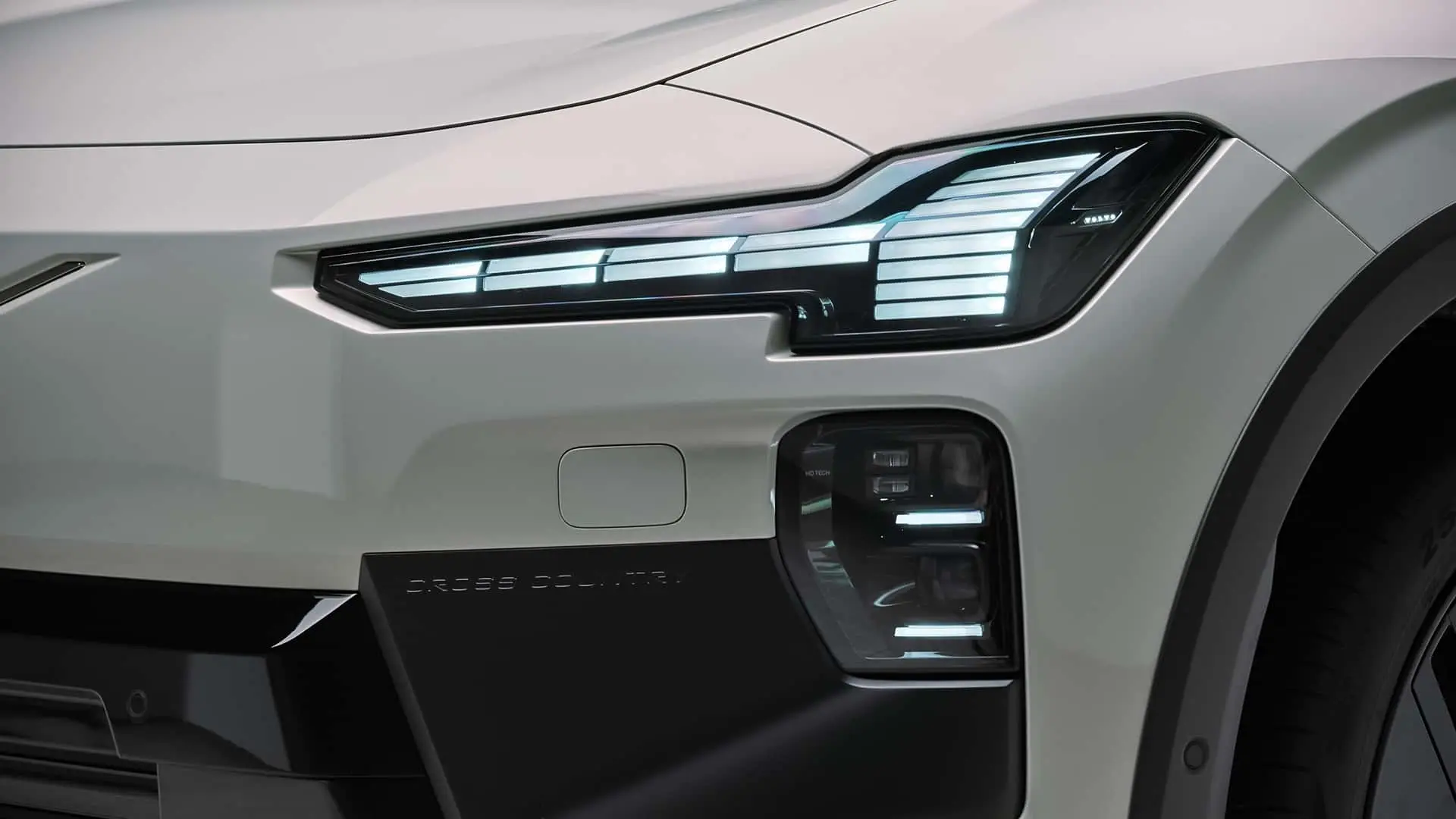
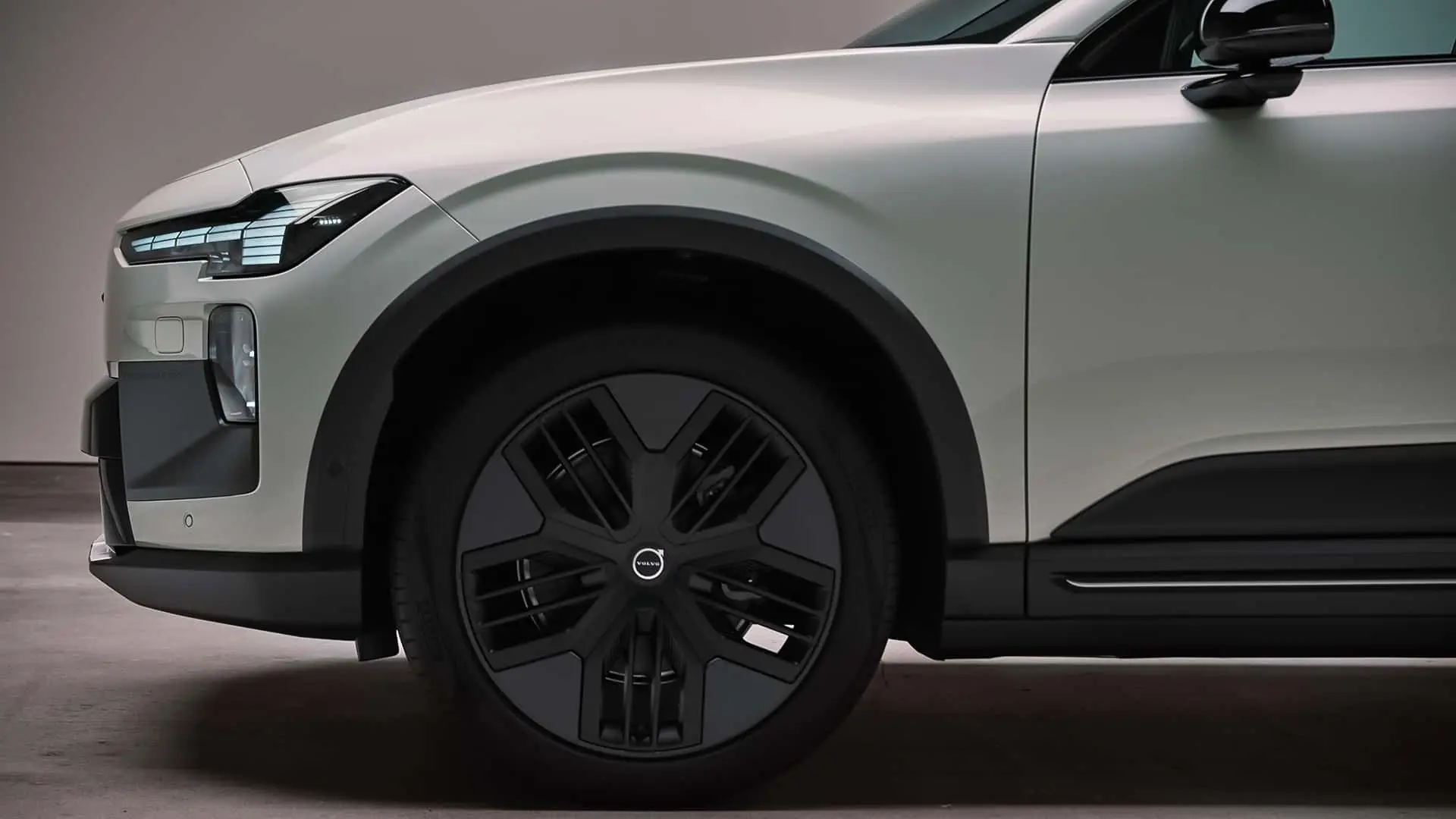
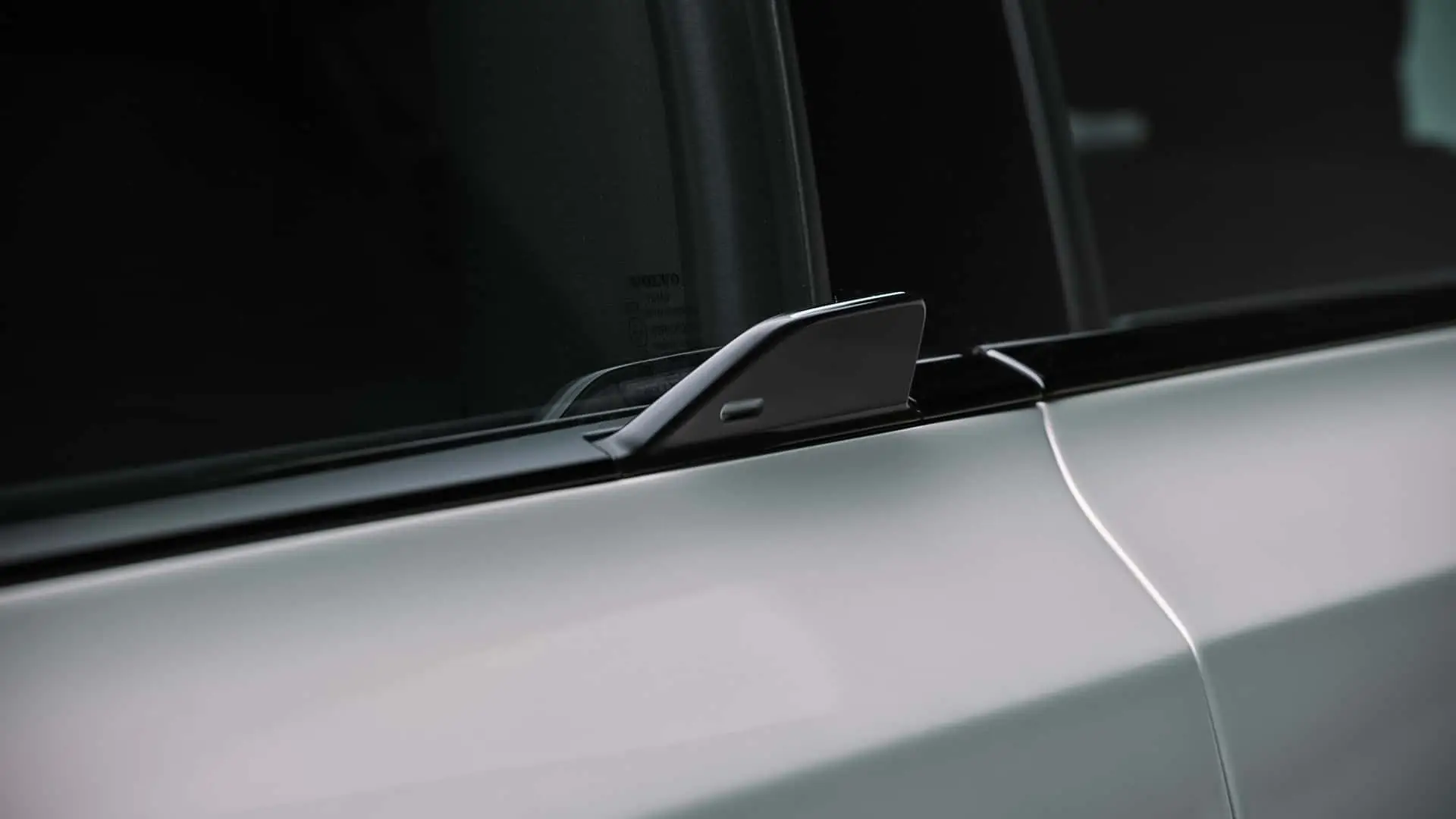
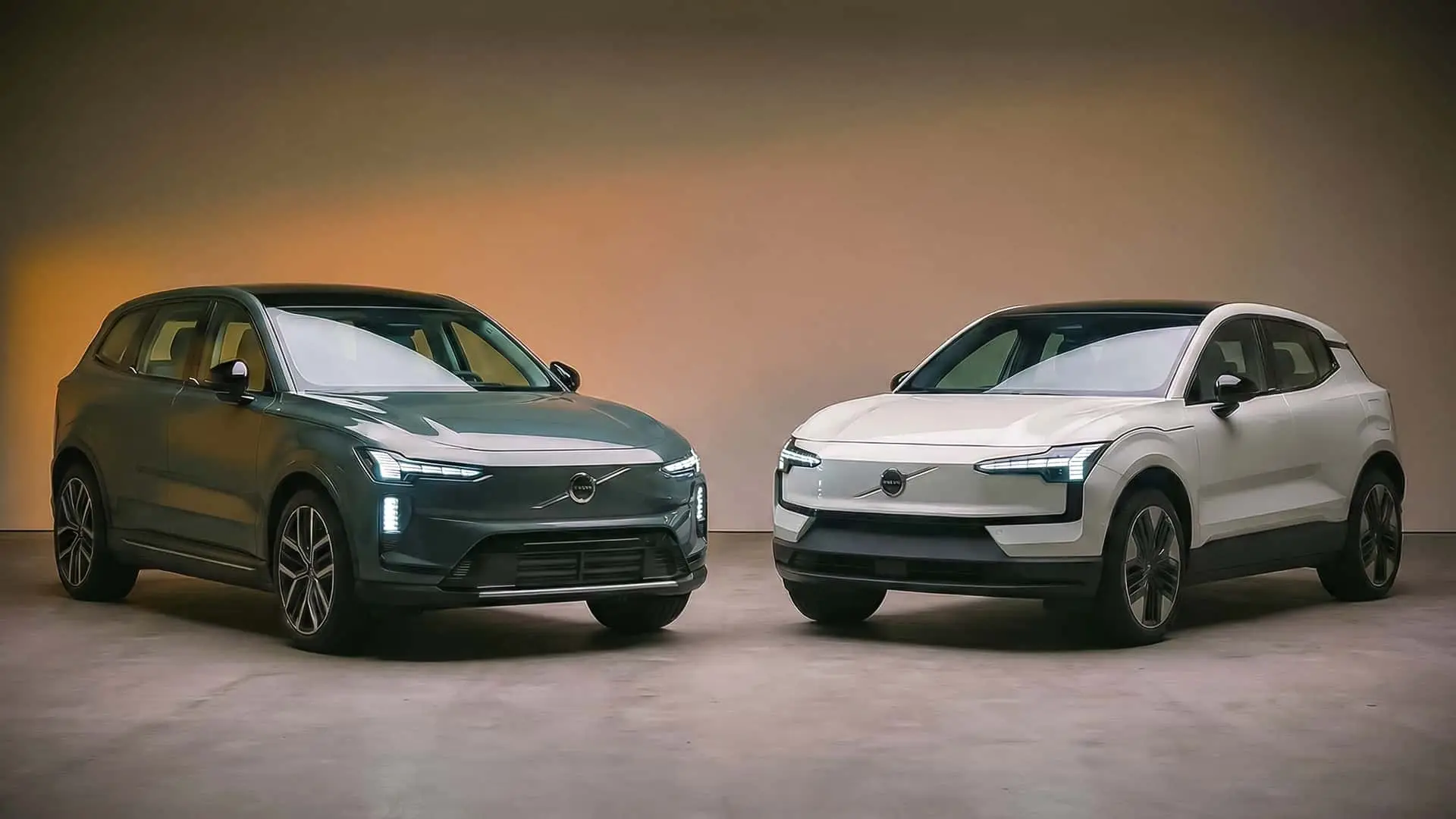
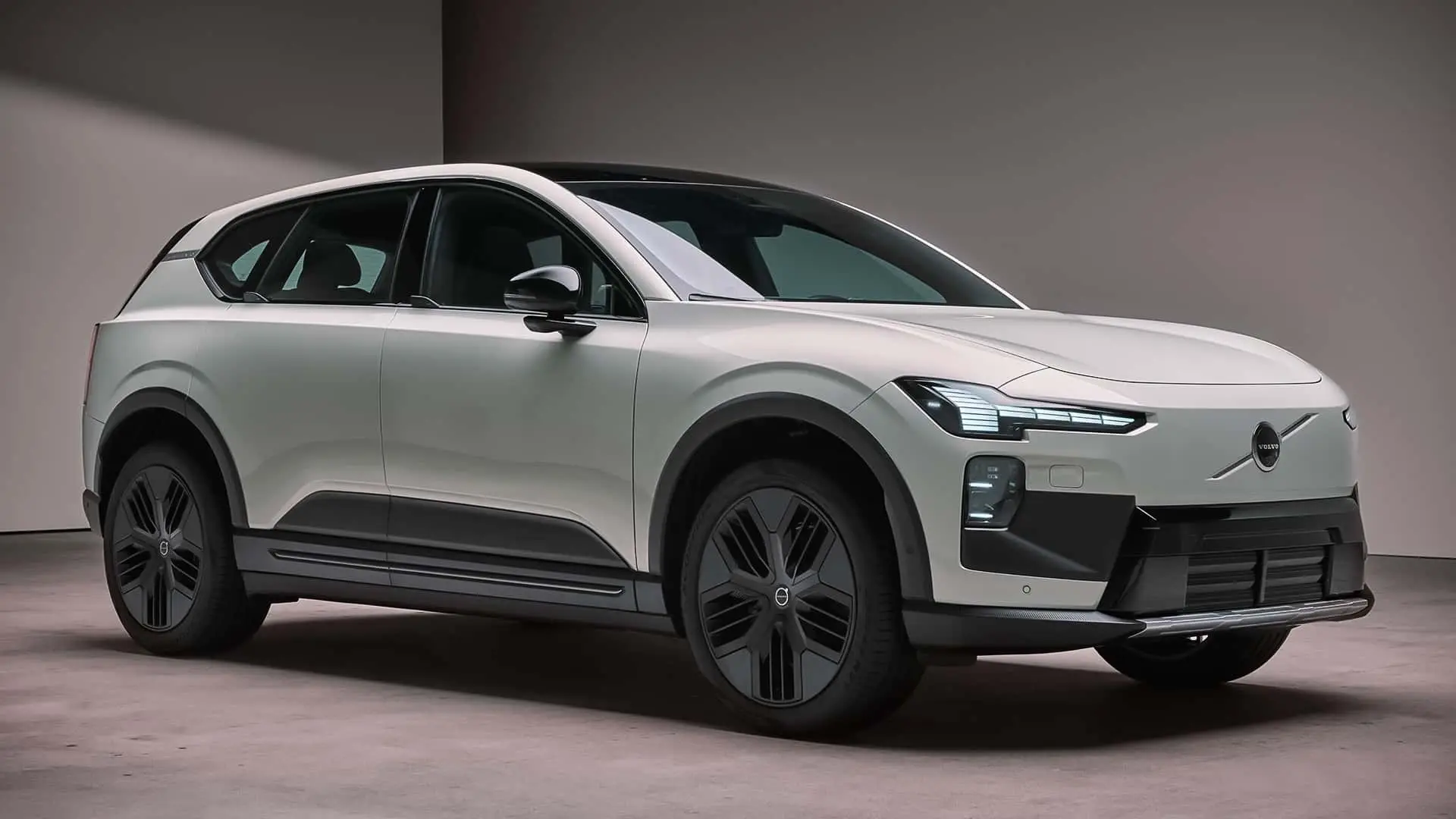
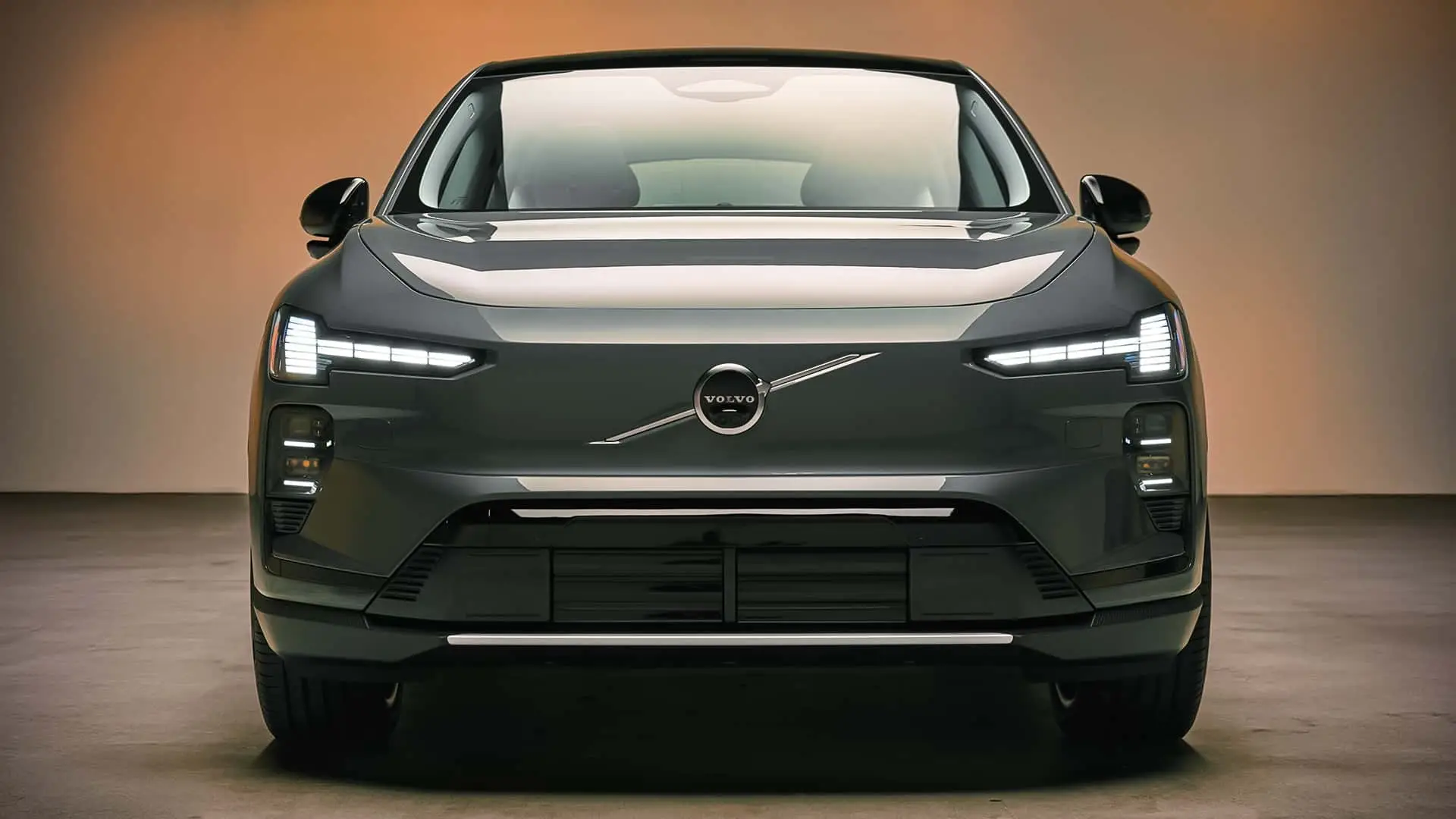
A longer, lower visual profile compared to the XC60, with a front devoid of a traditional grille and featuring a focus on the brand logo. The DRL headlights reinterpret the classic “Thor’s Hammer,” and the sleek body lines help achieve an approximate 0.26 drag coefficient. Integrated touch-sensitive door handles improve aerodynamics and contribute to a premium look.
Minimalist Interior and In-Vehicle Technology
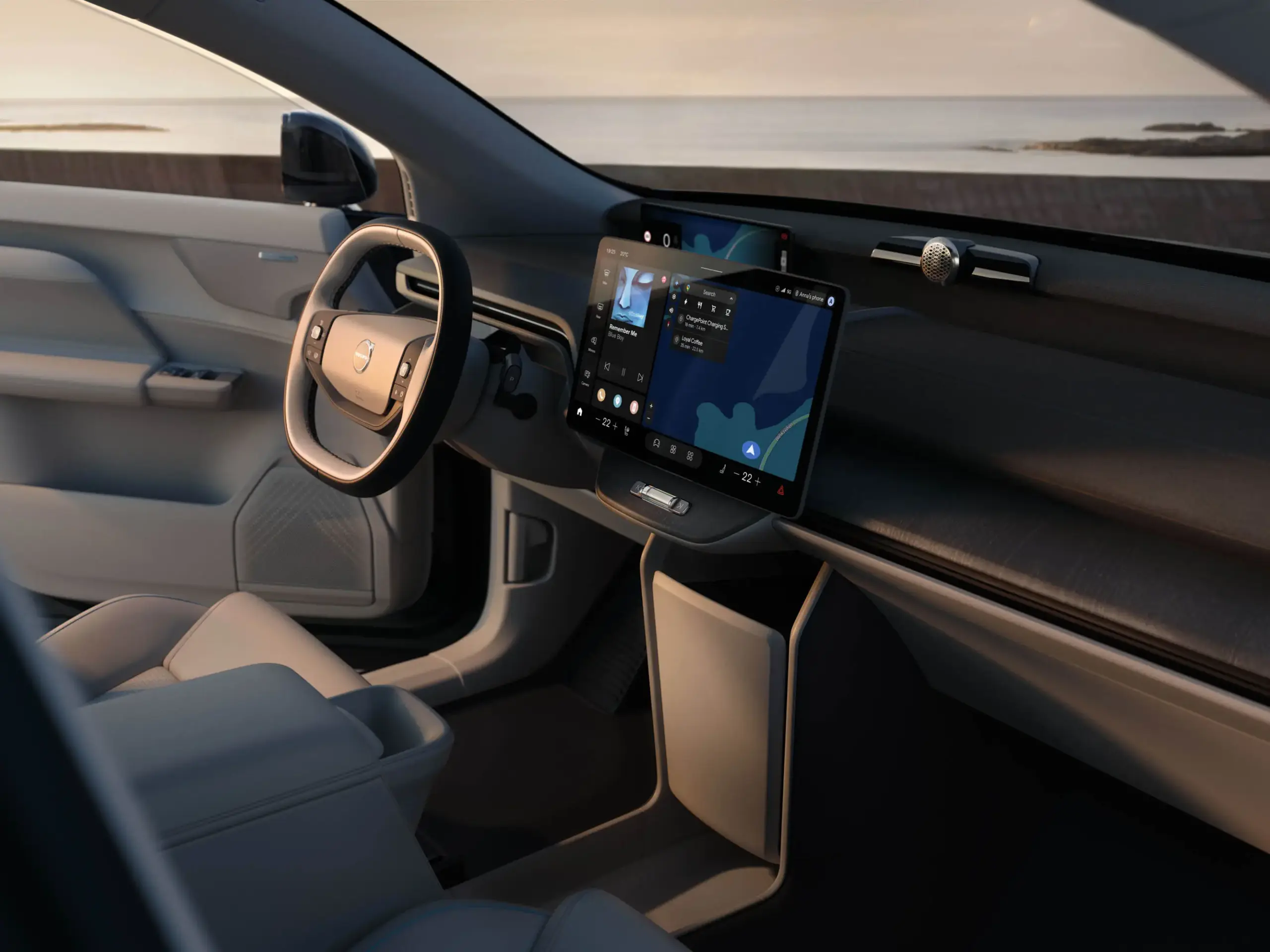
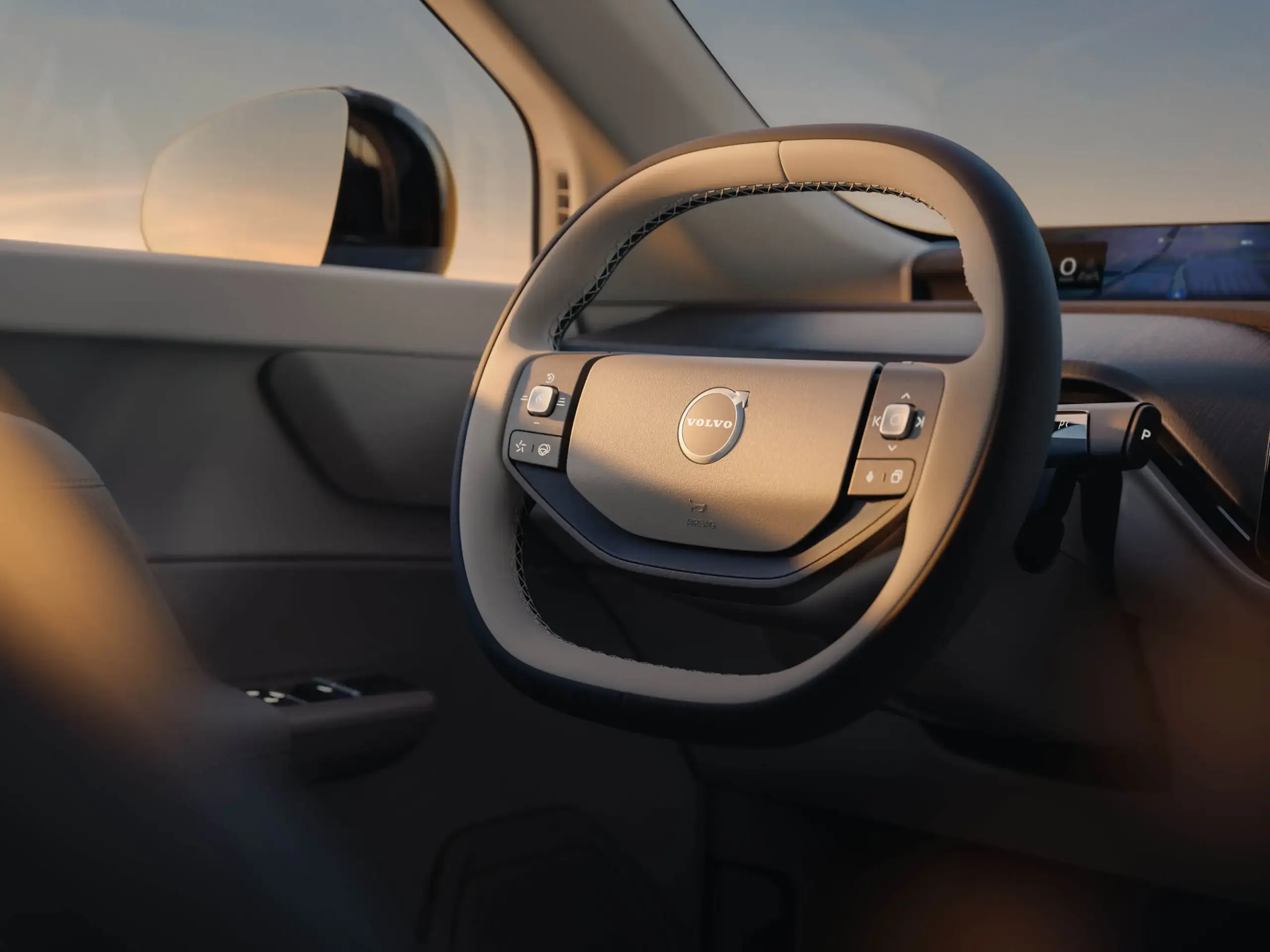
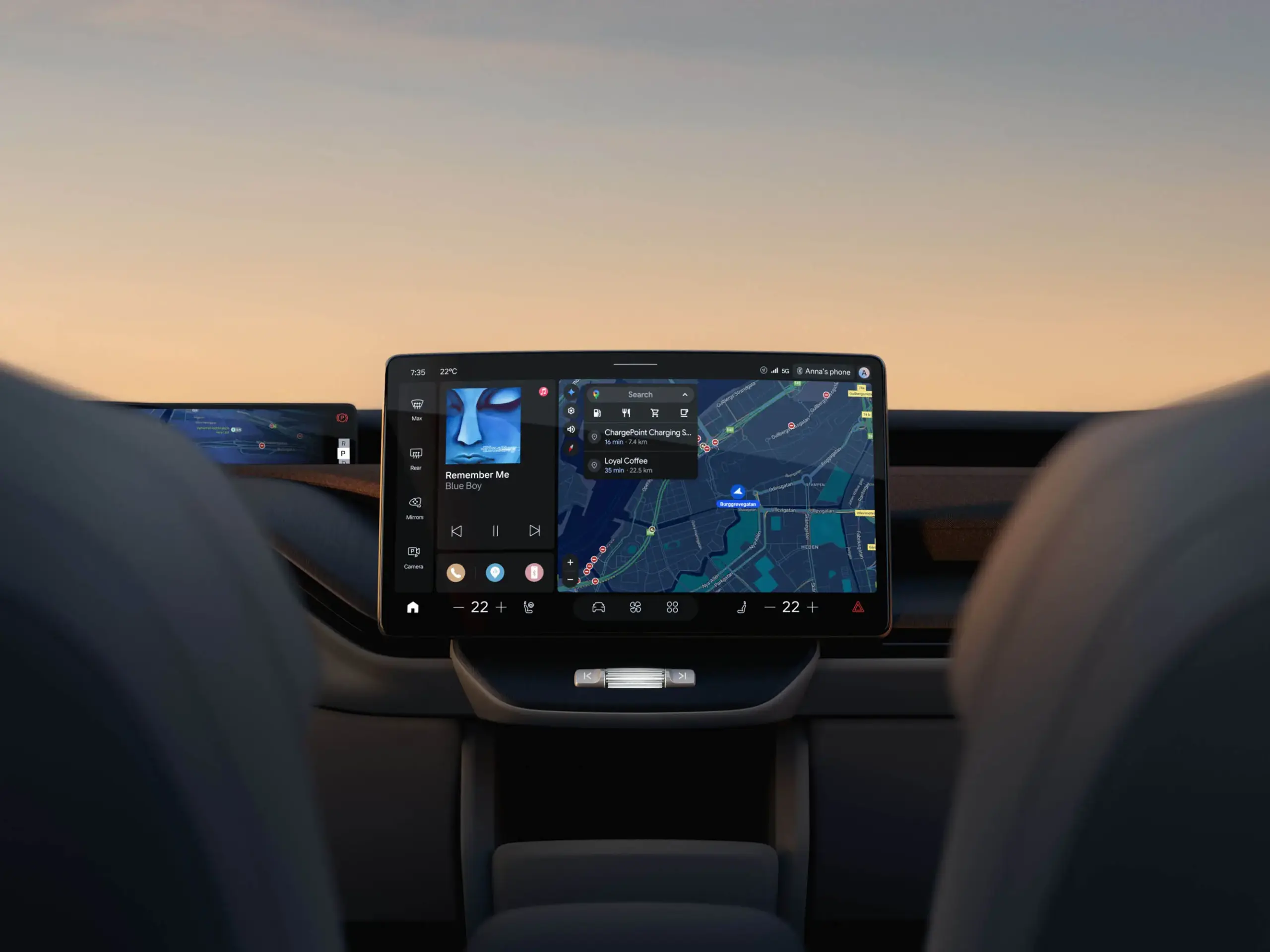
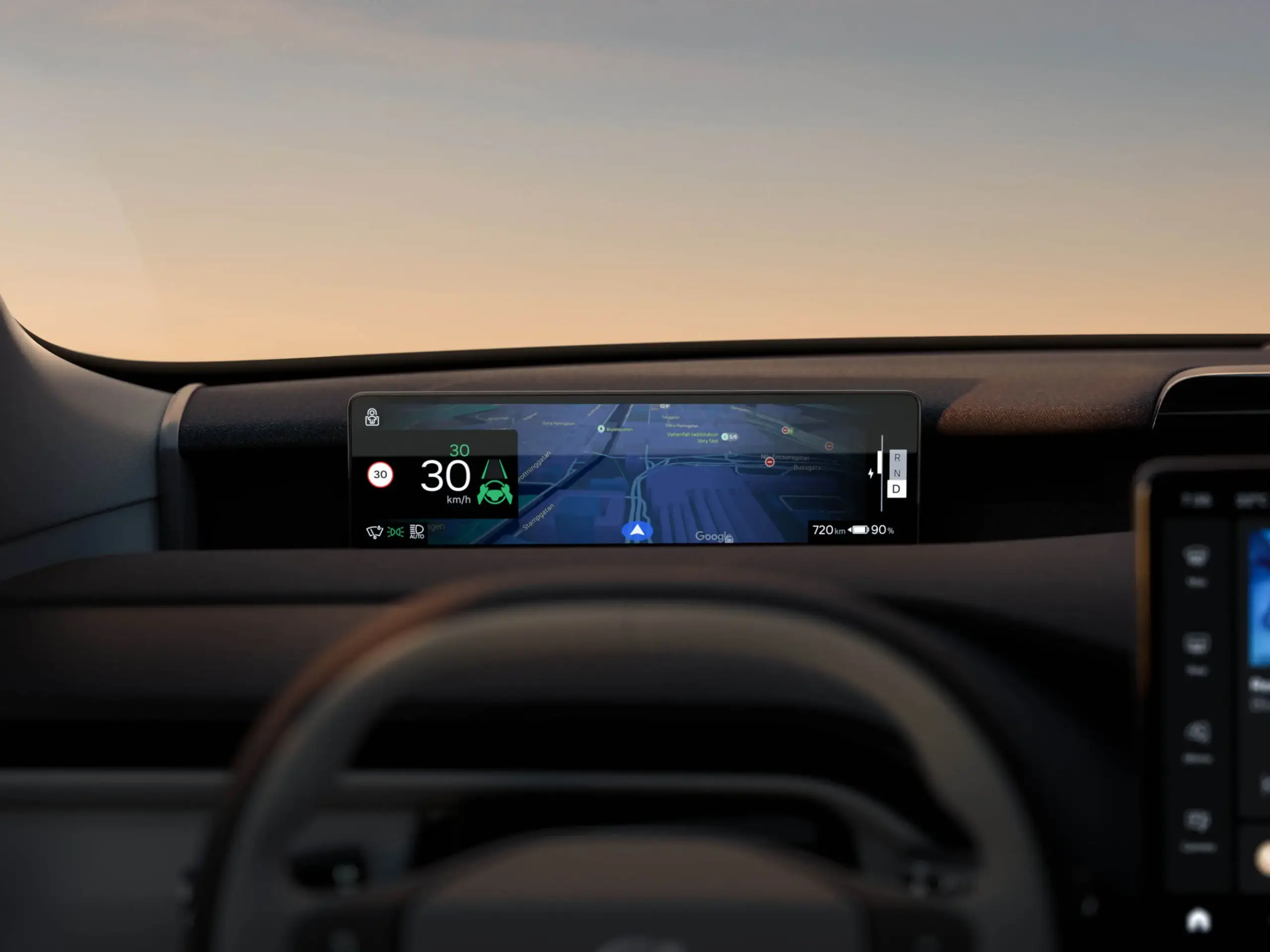
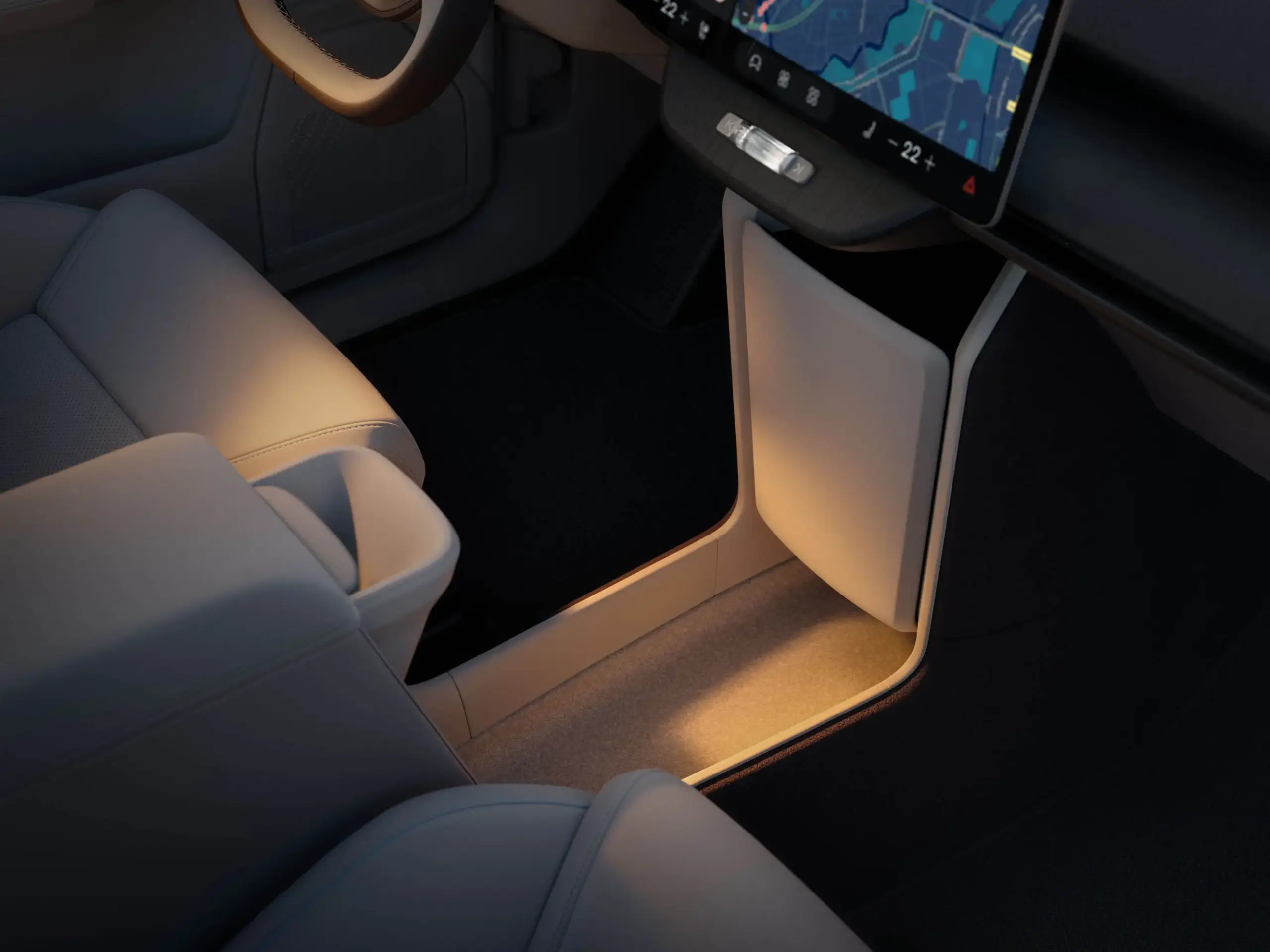
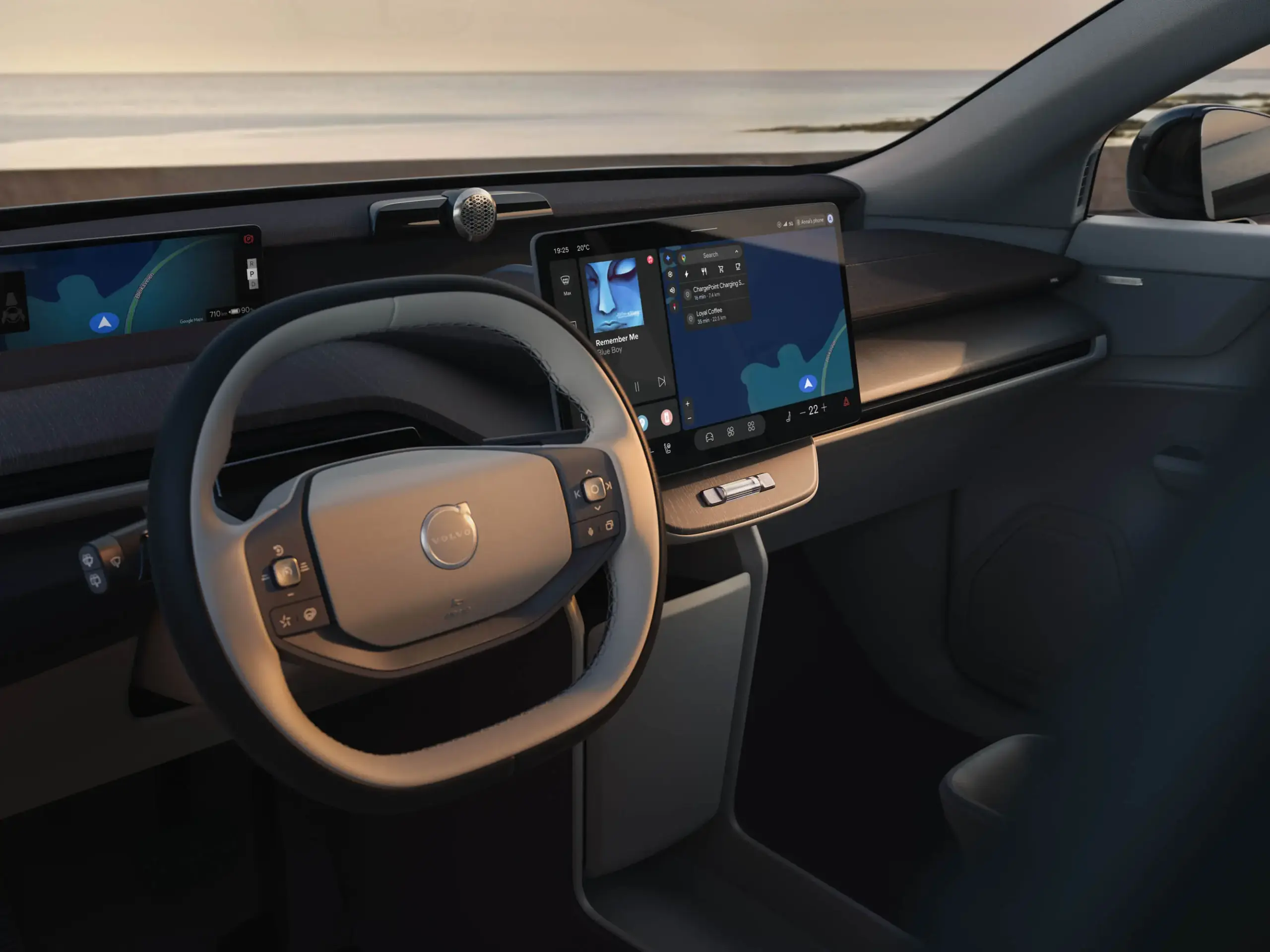
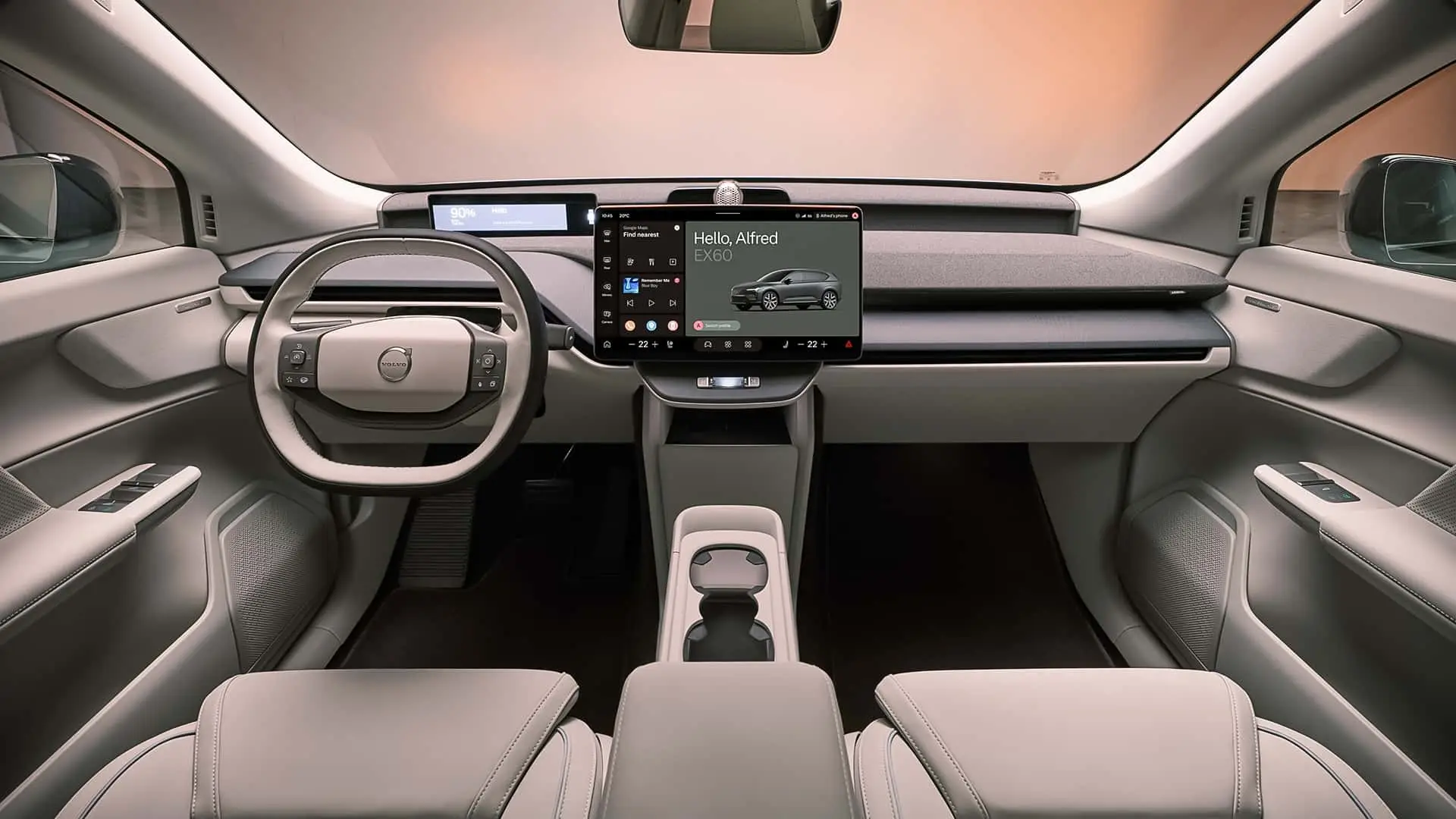
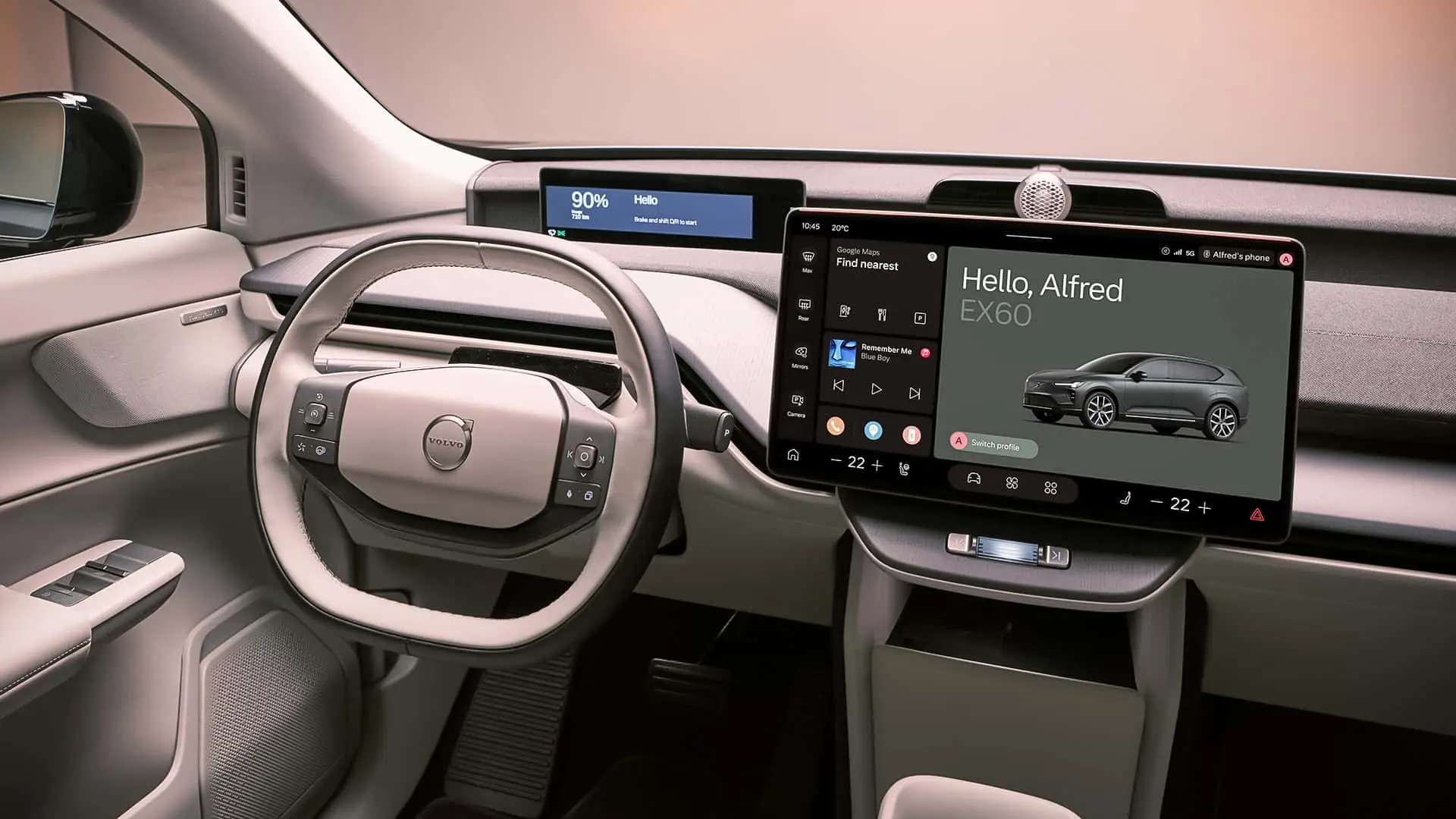
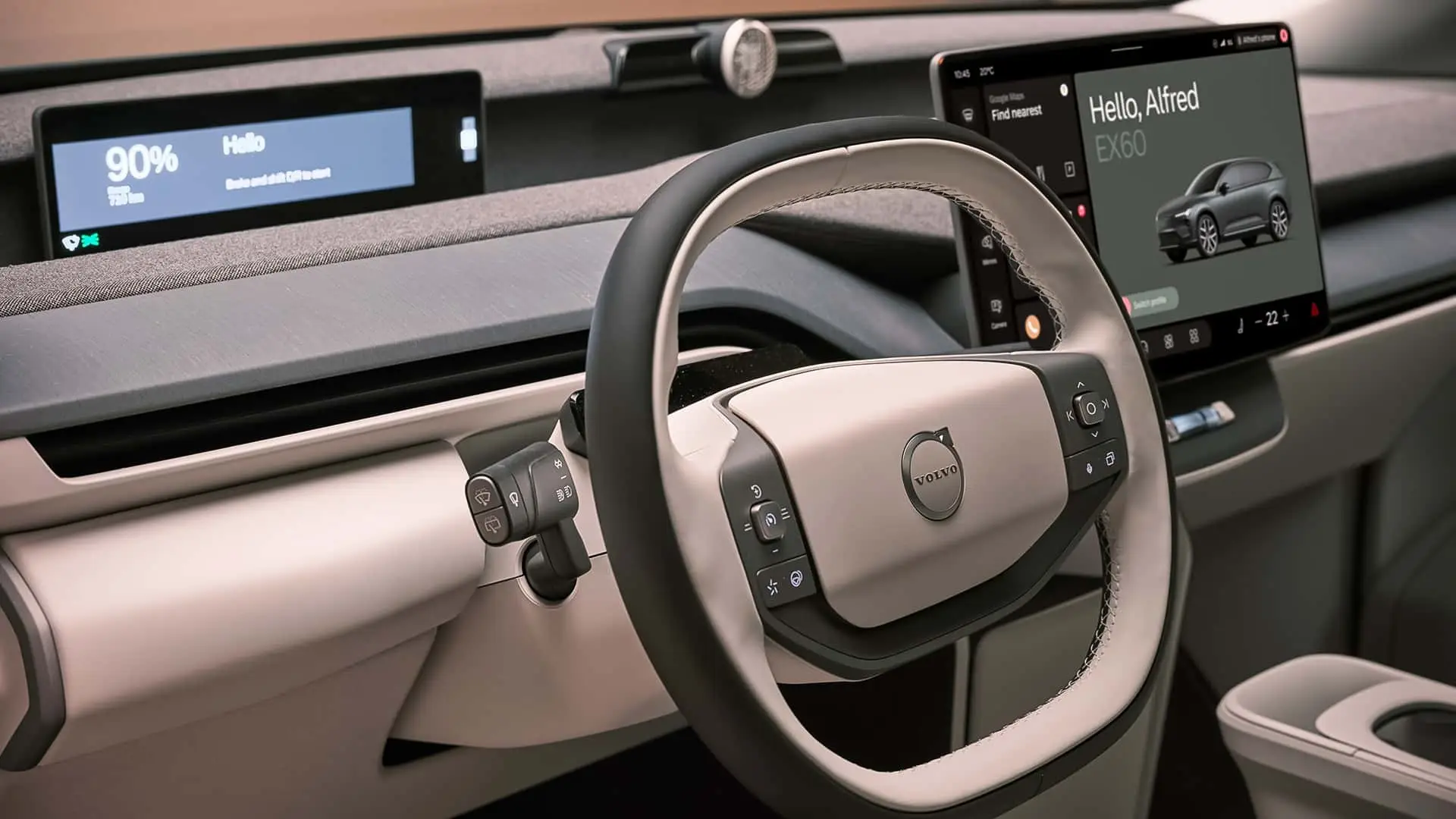
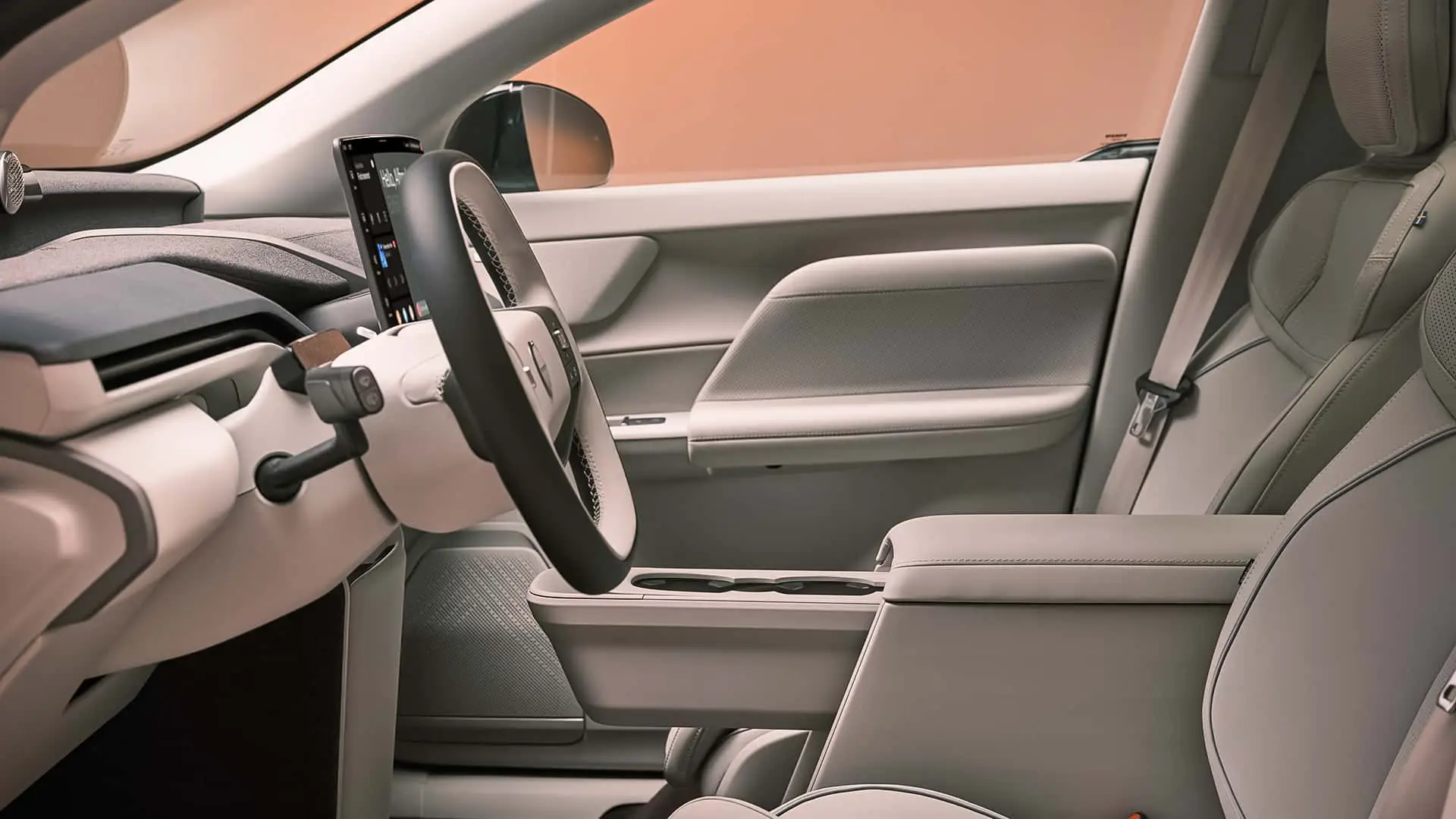
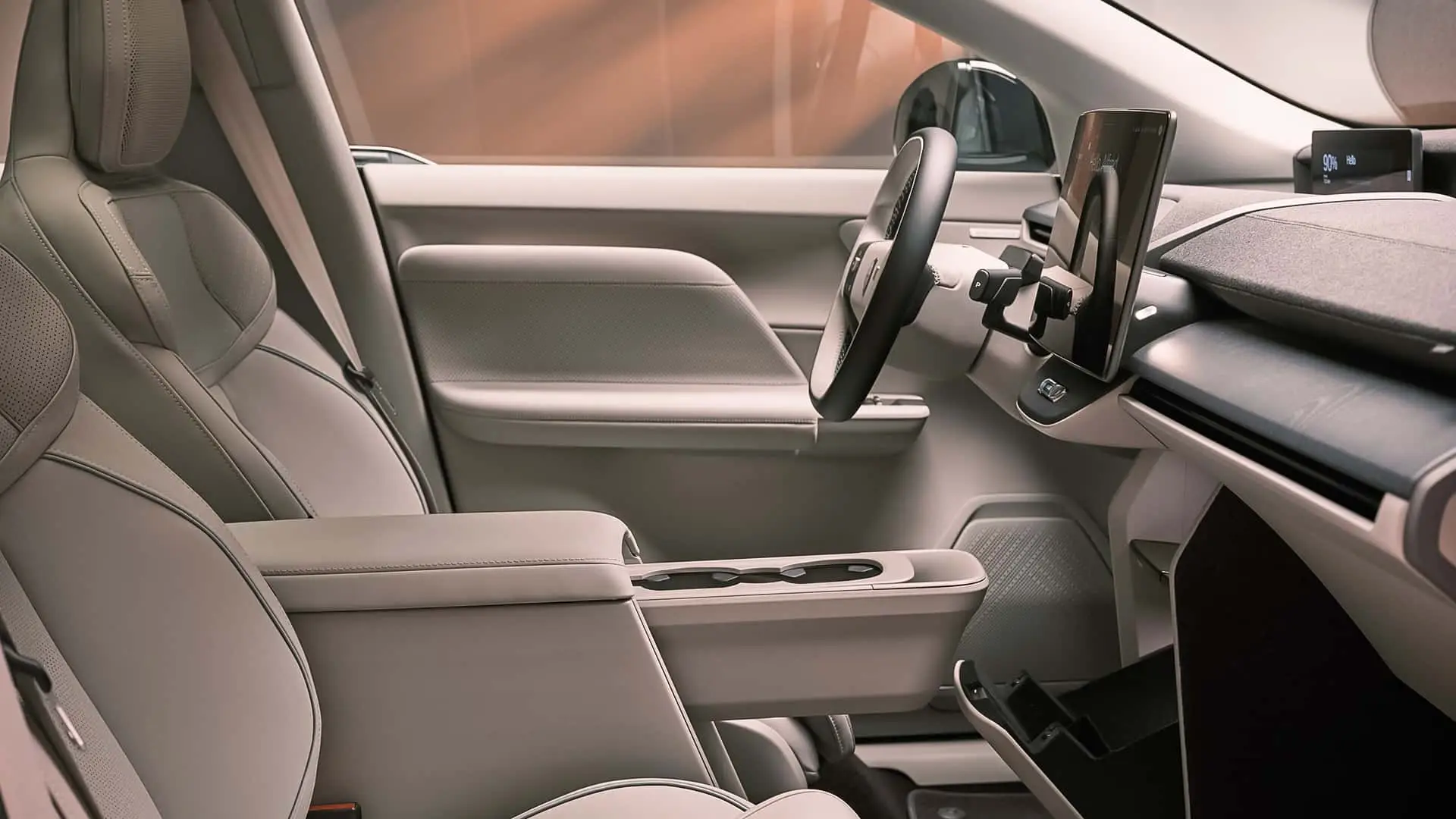
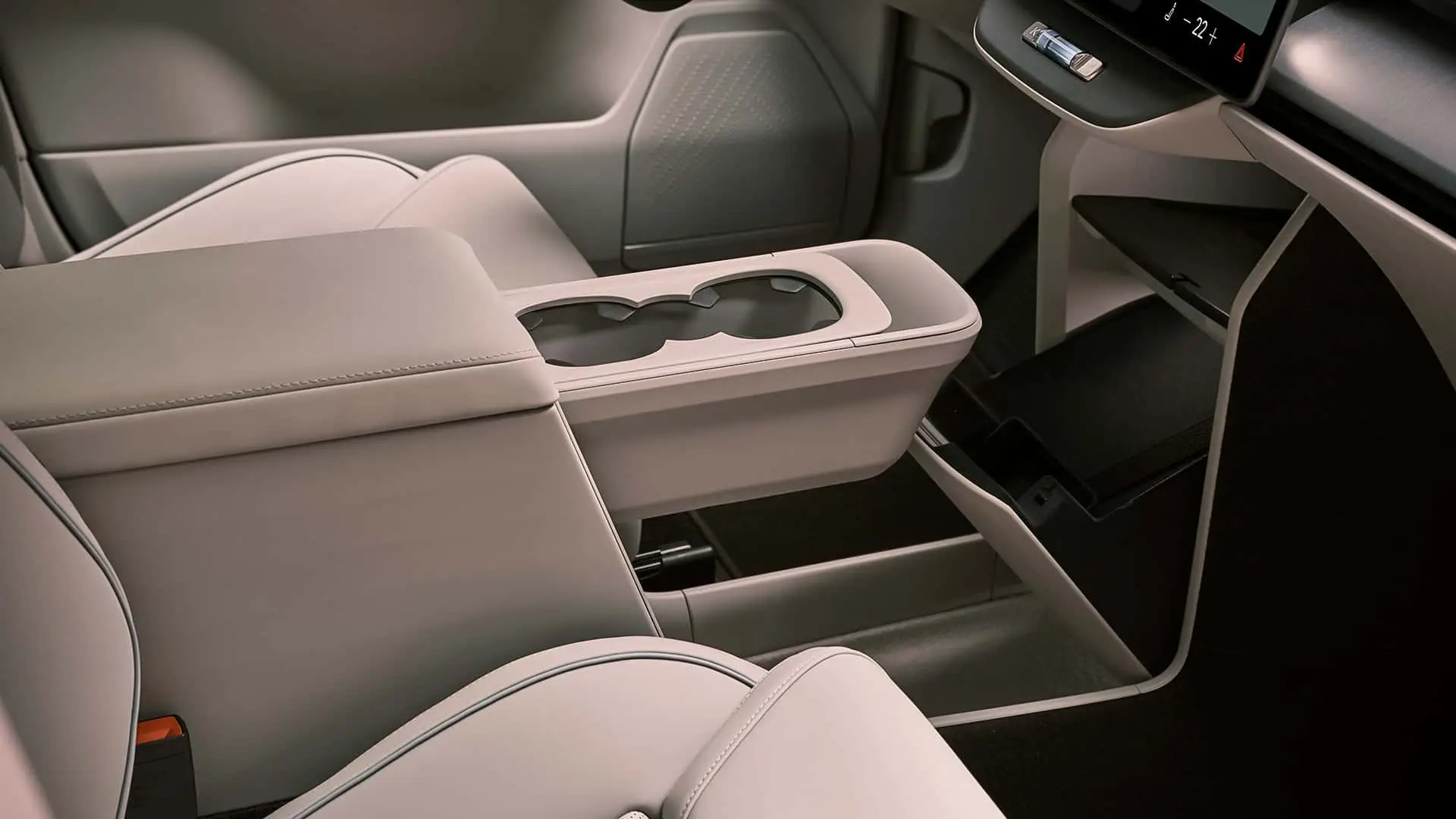
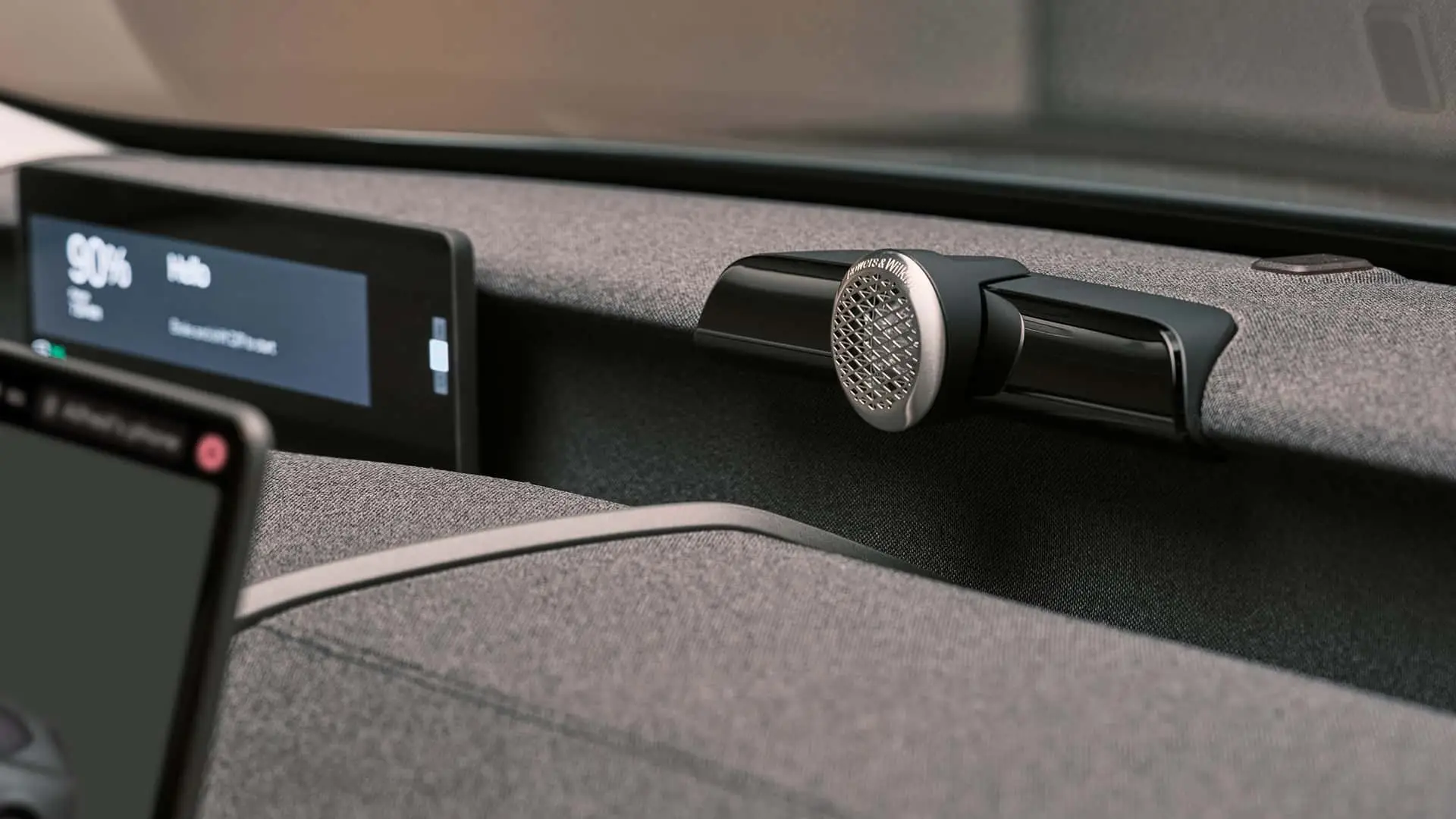
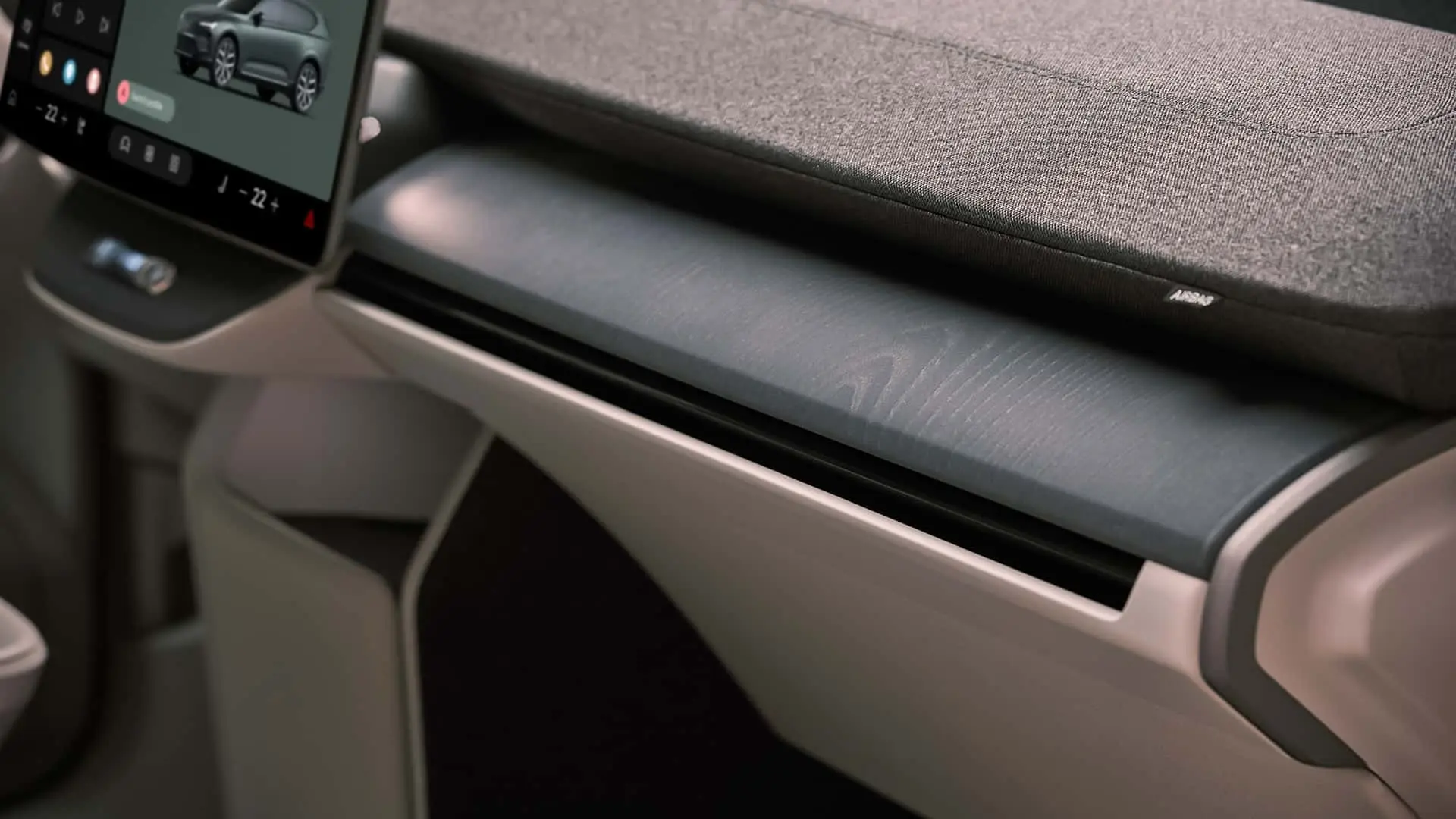
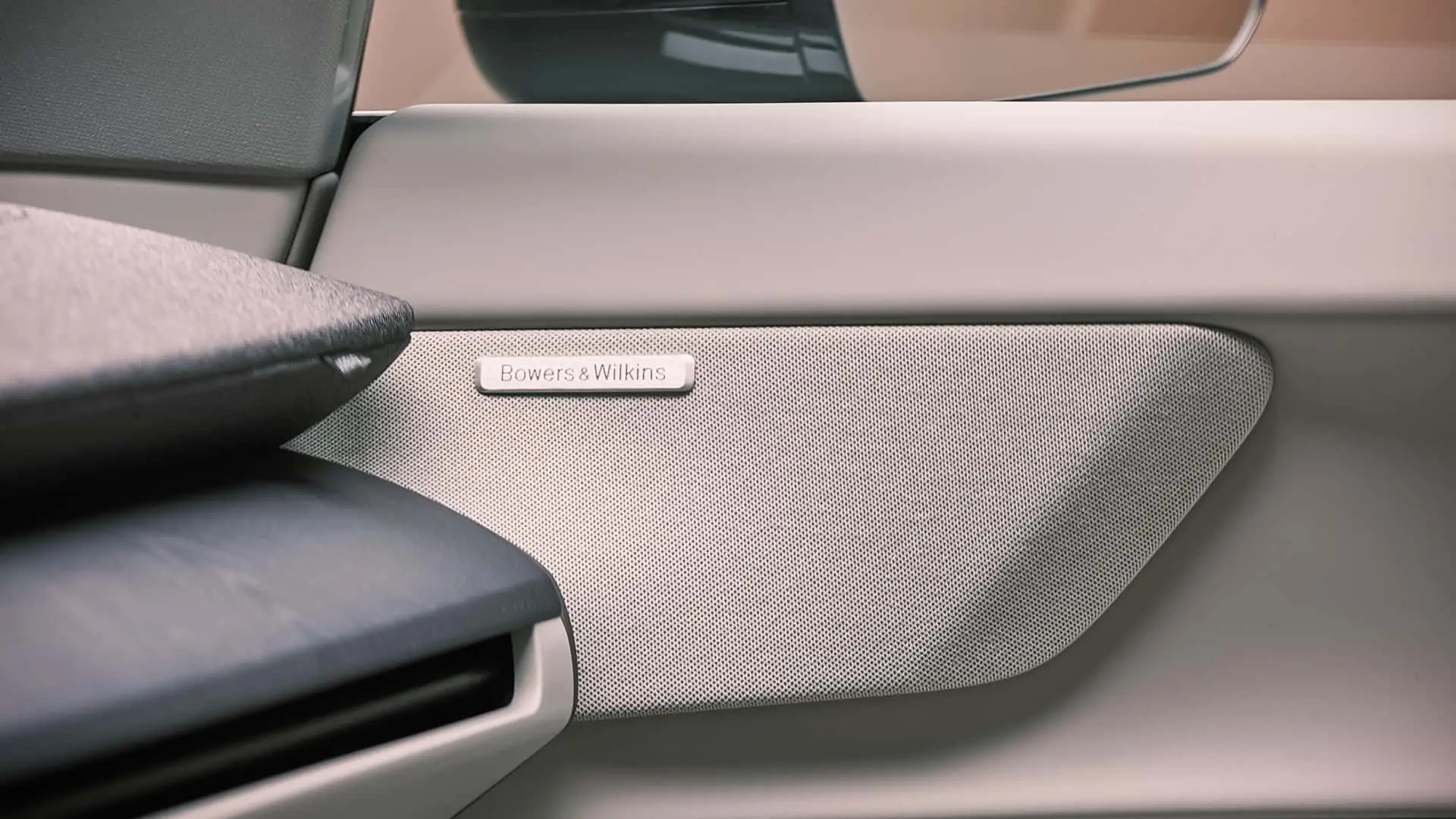
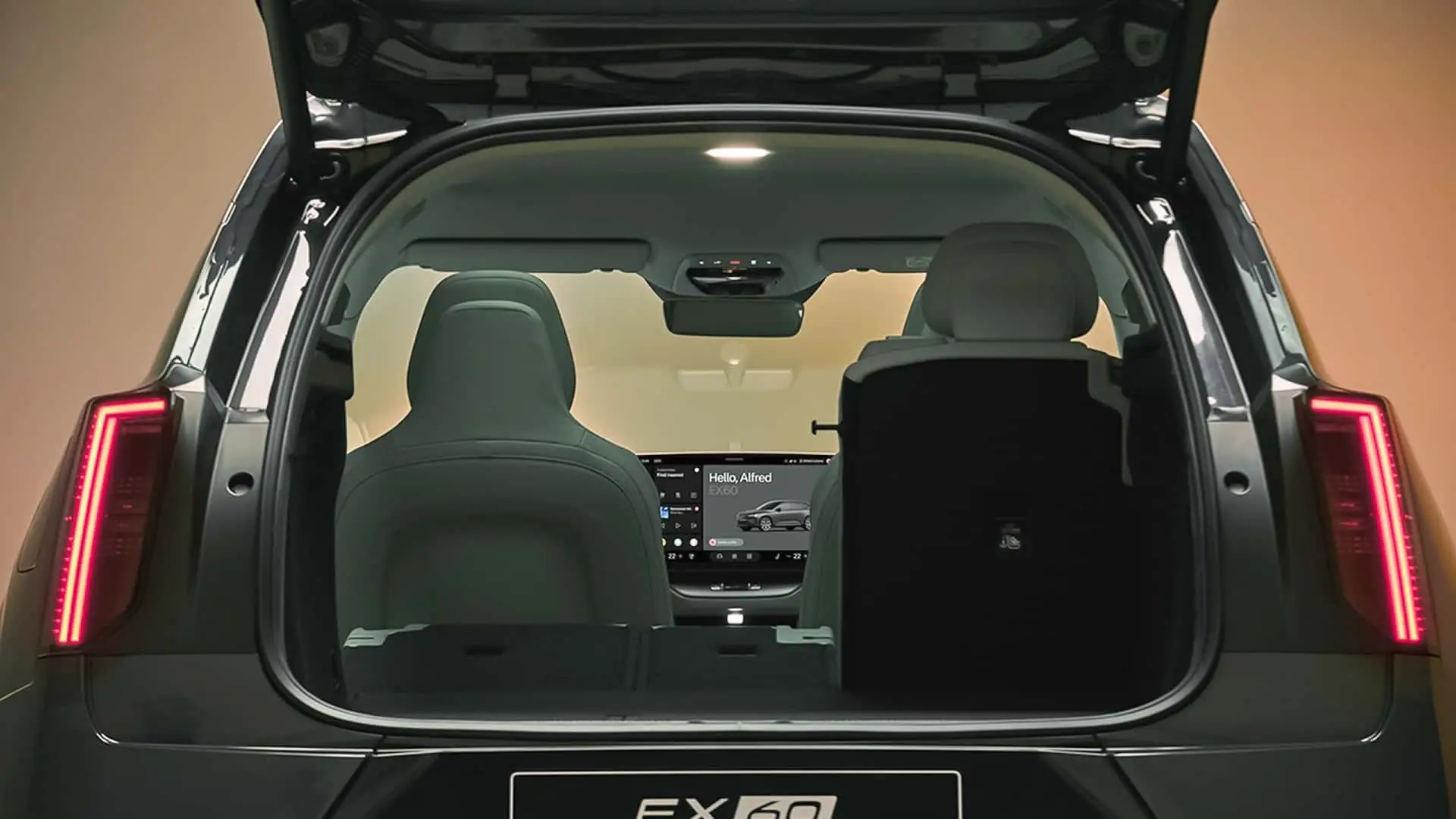
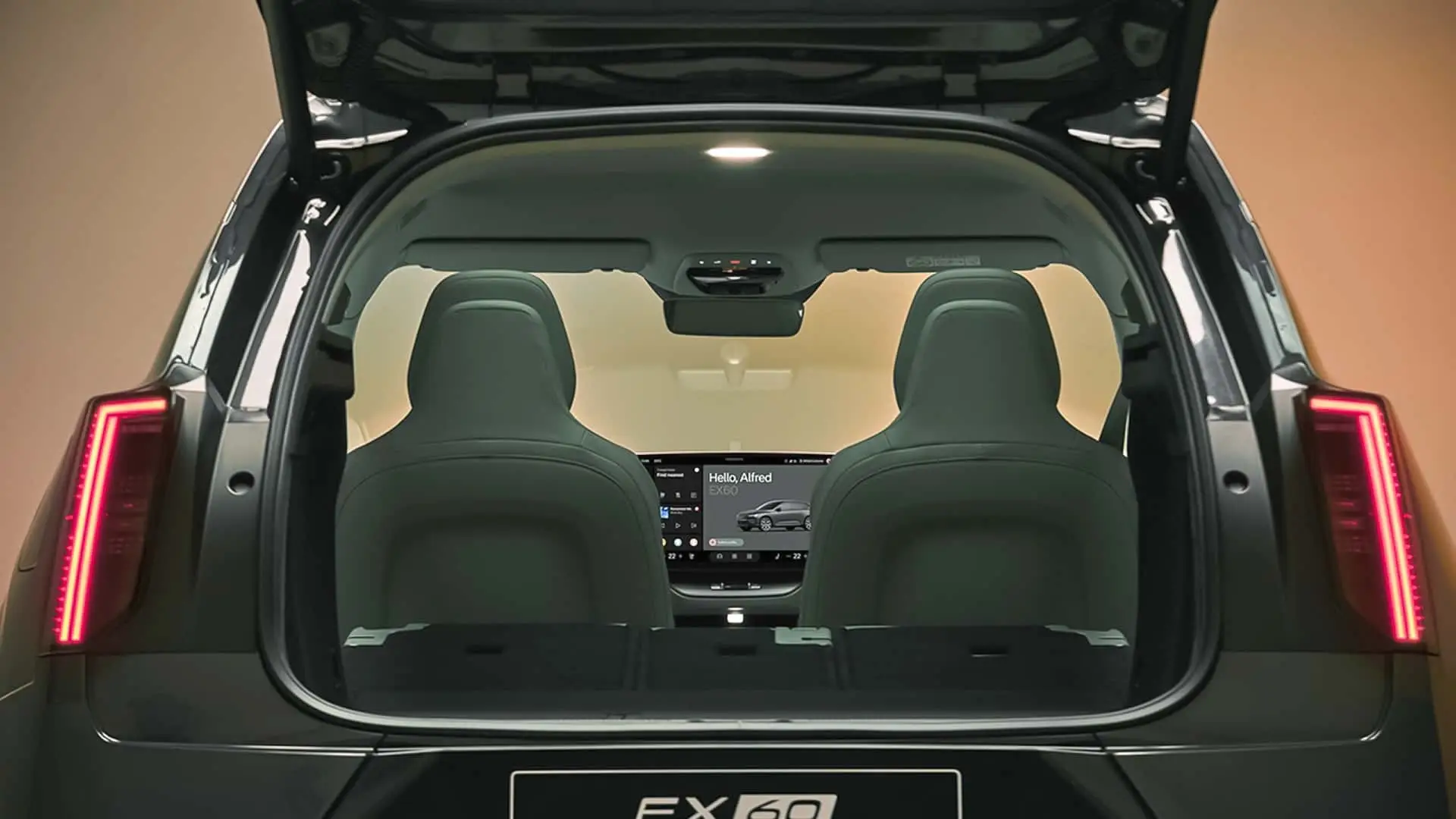
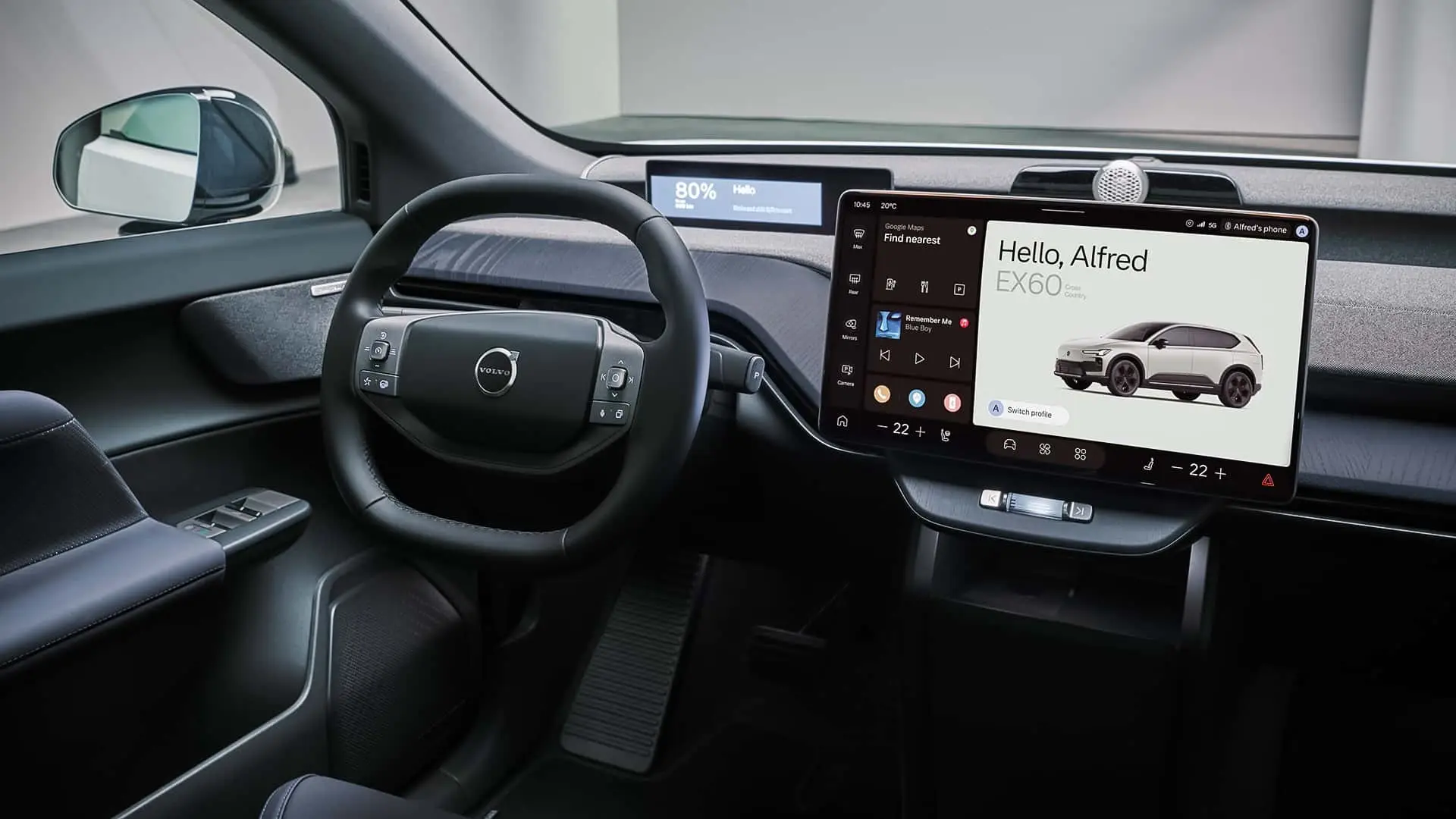
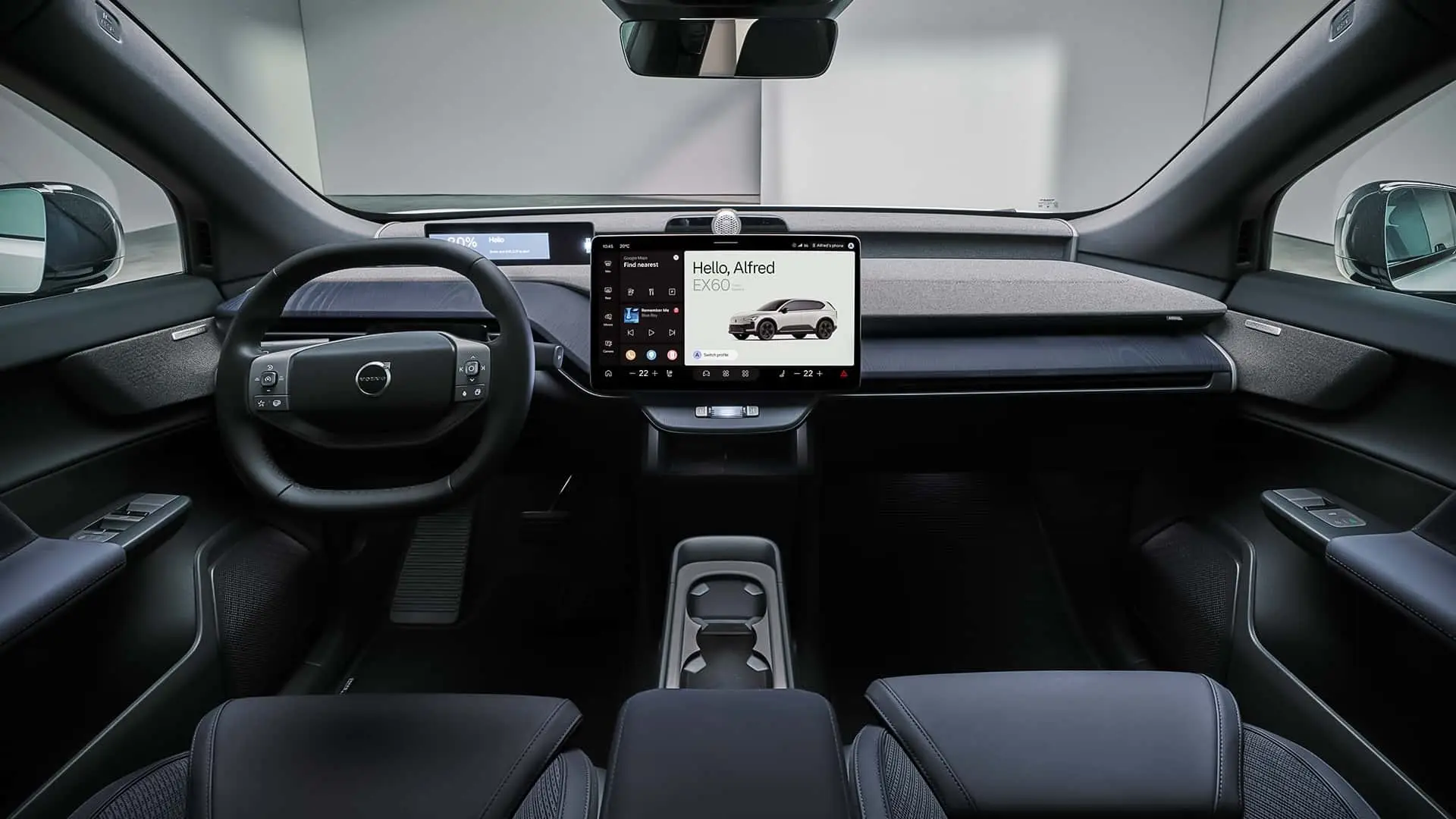
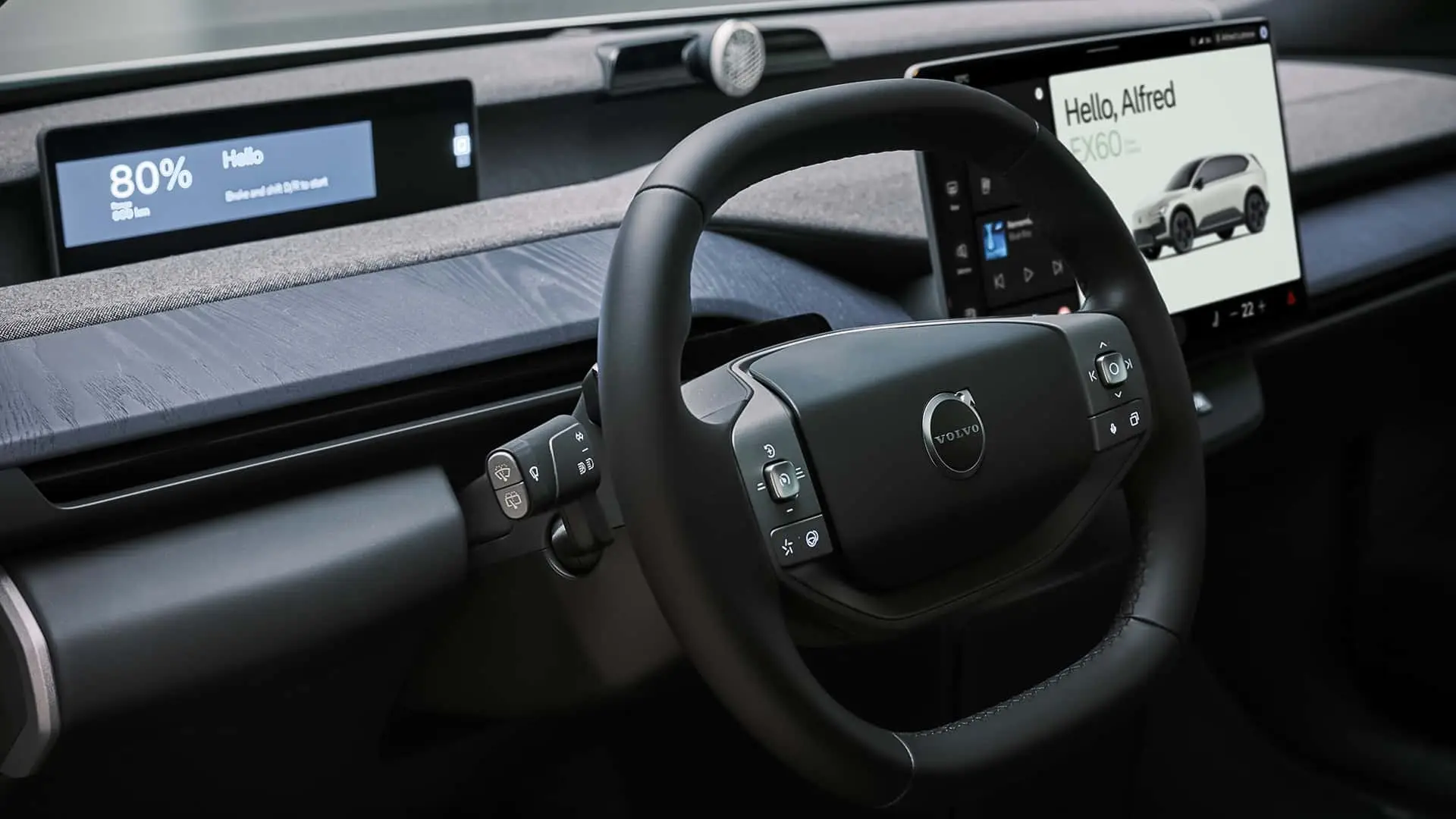
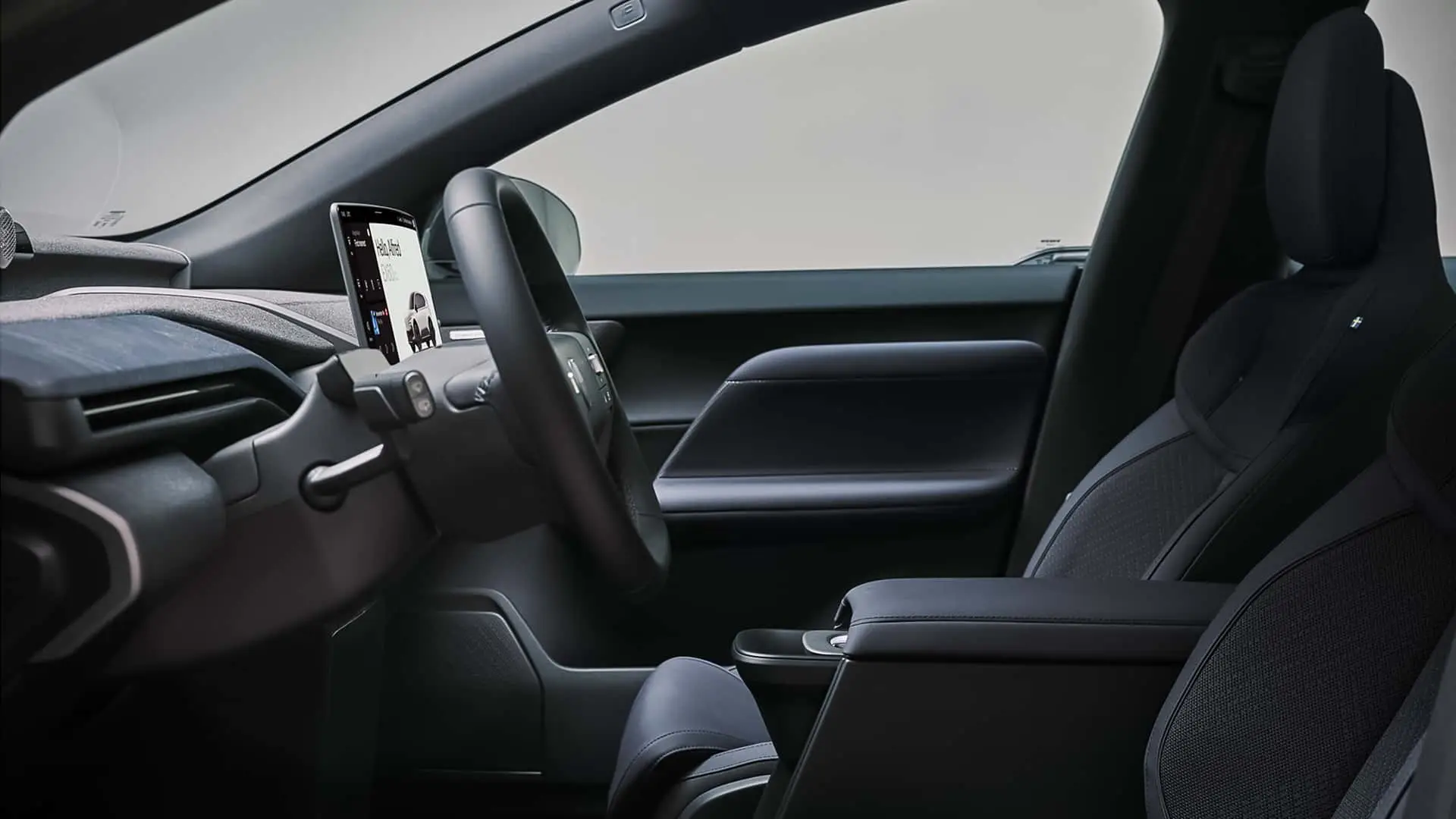
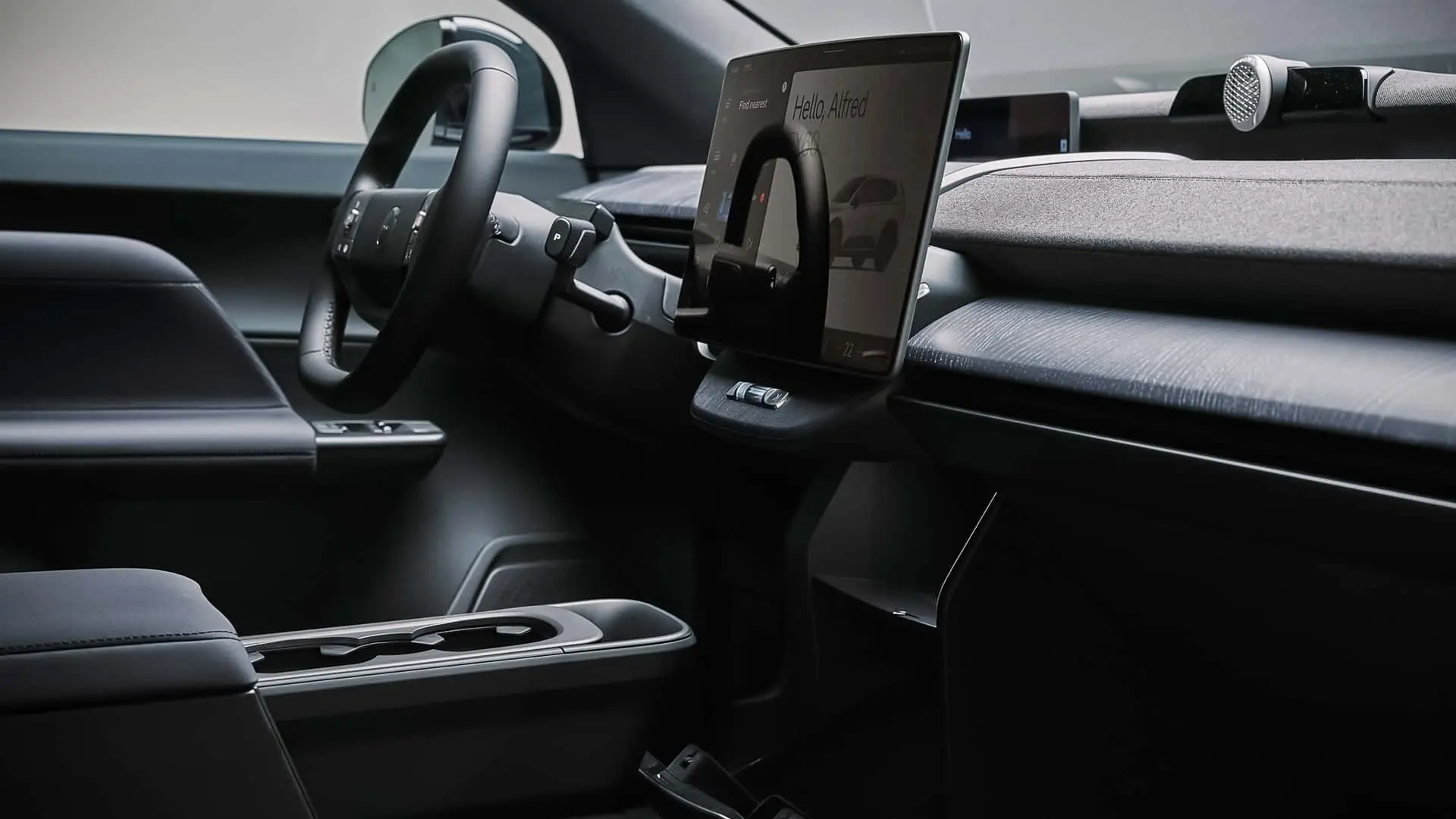
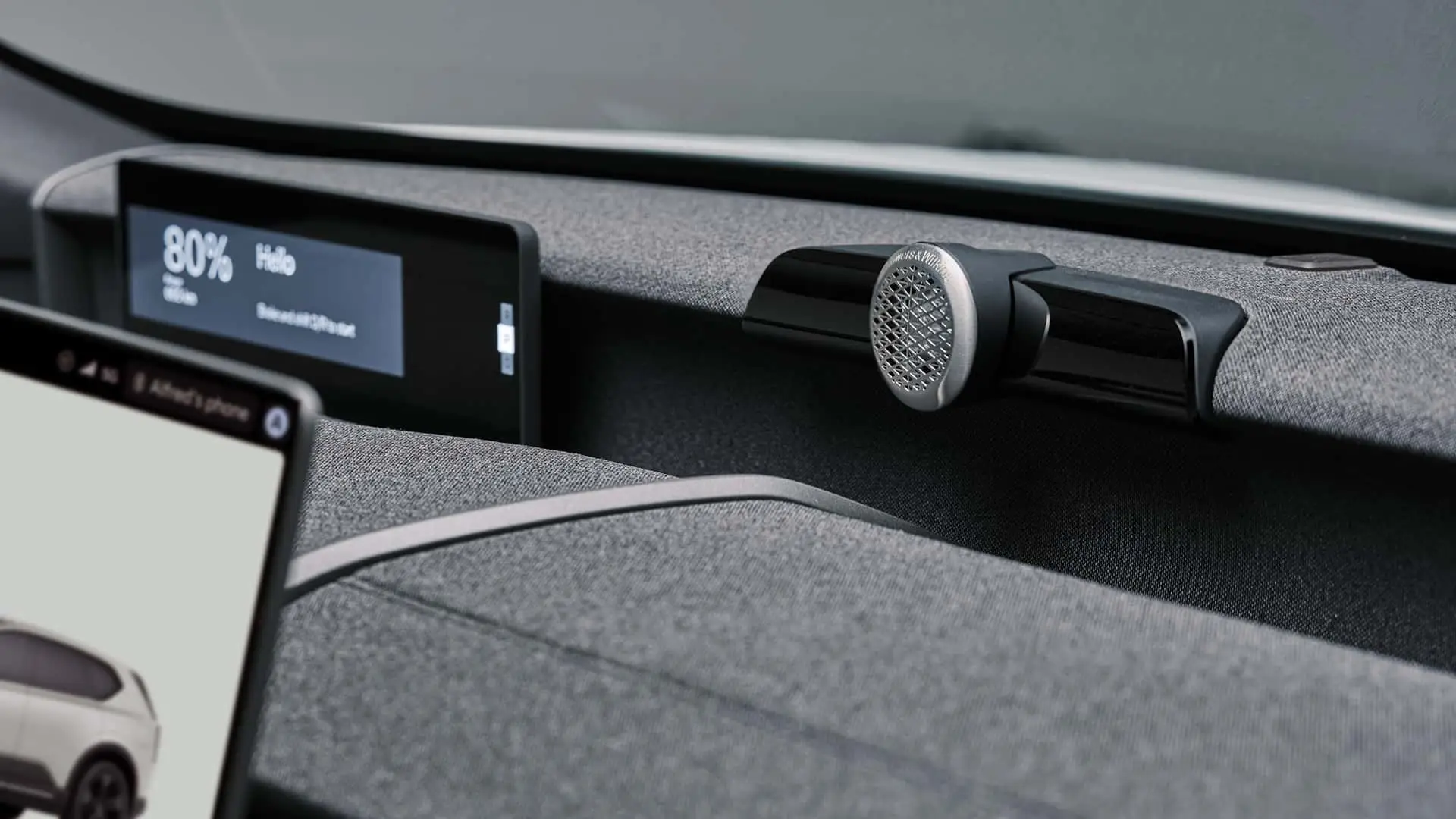
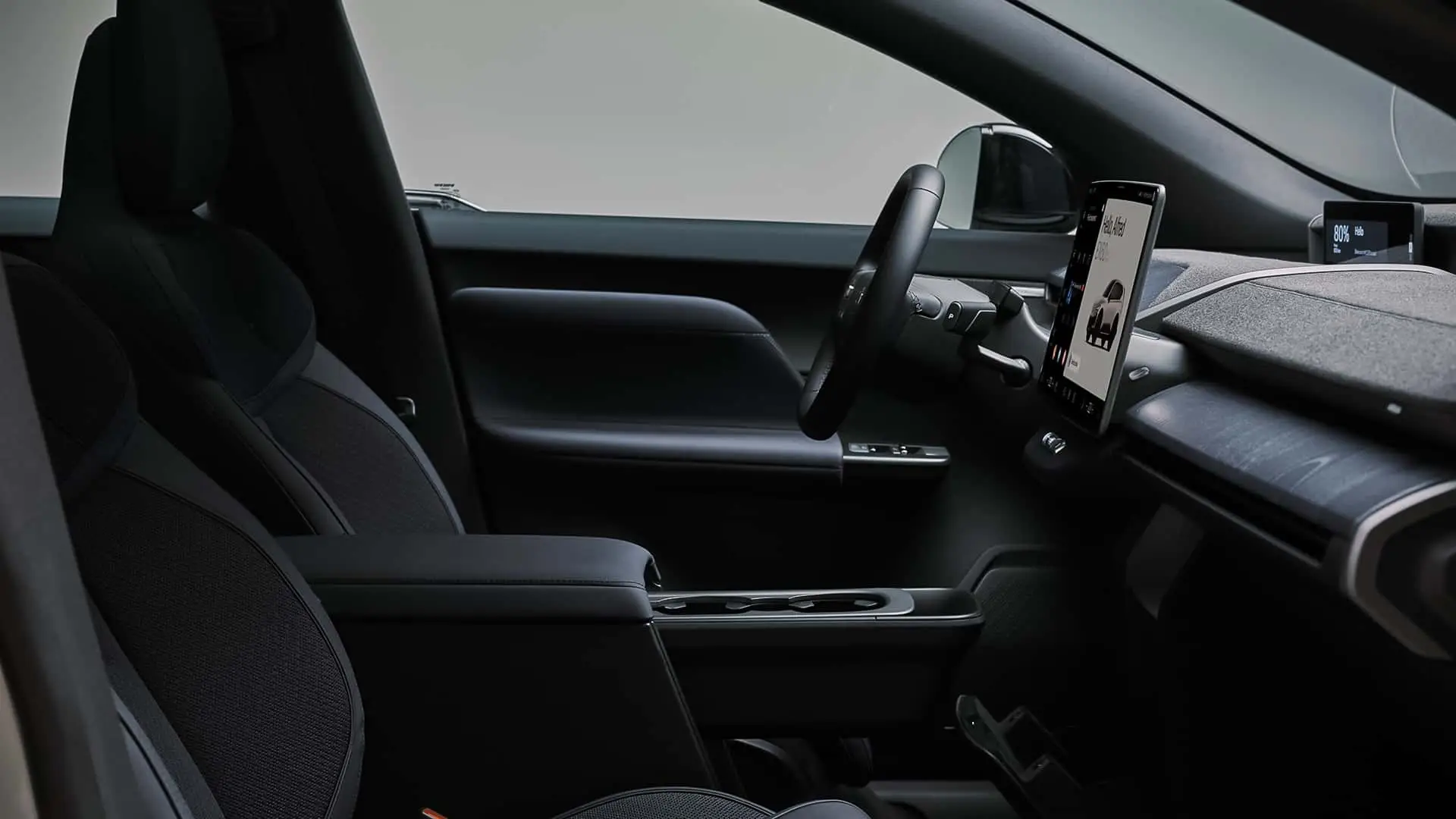
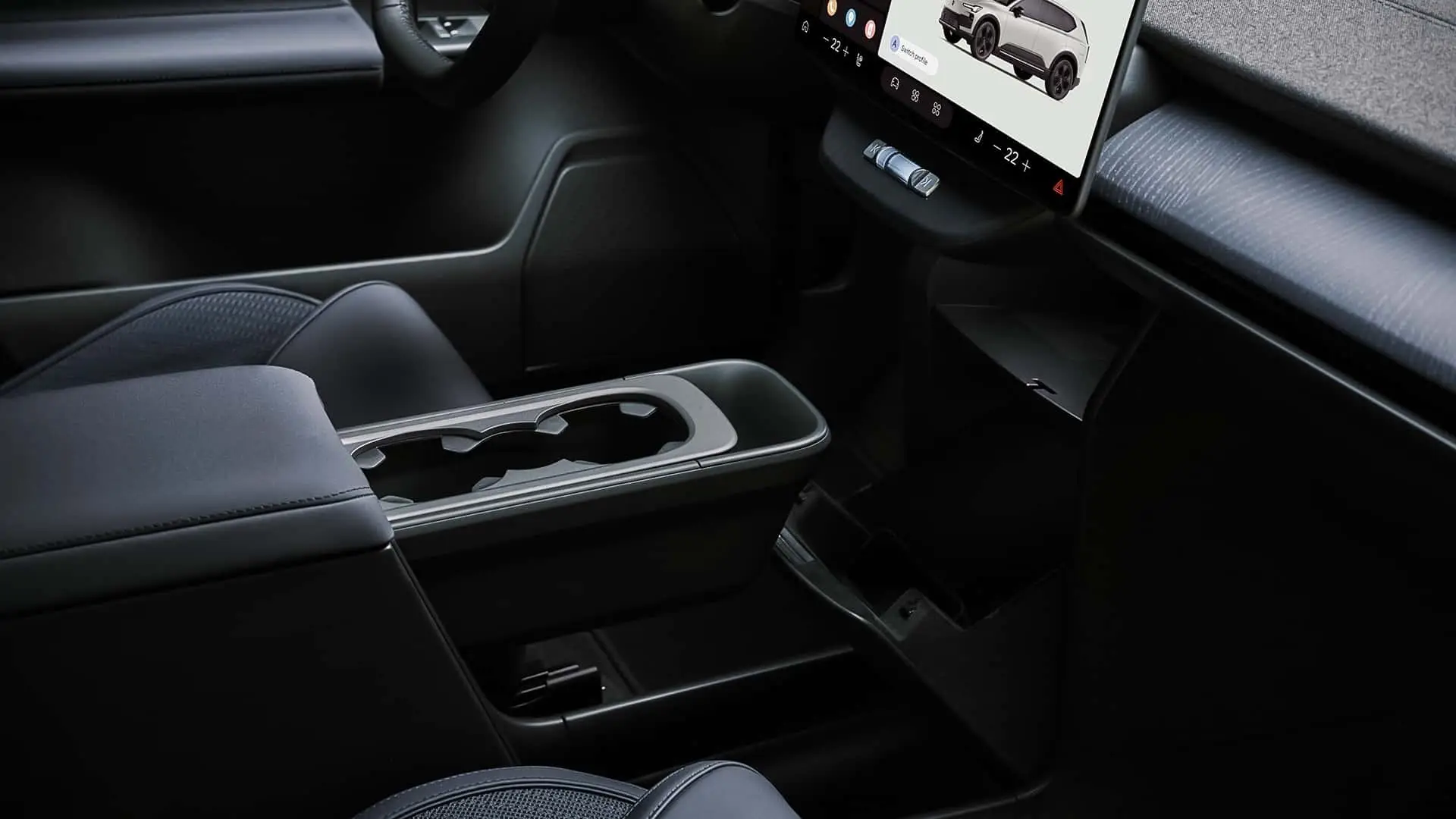
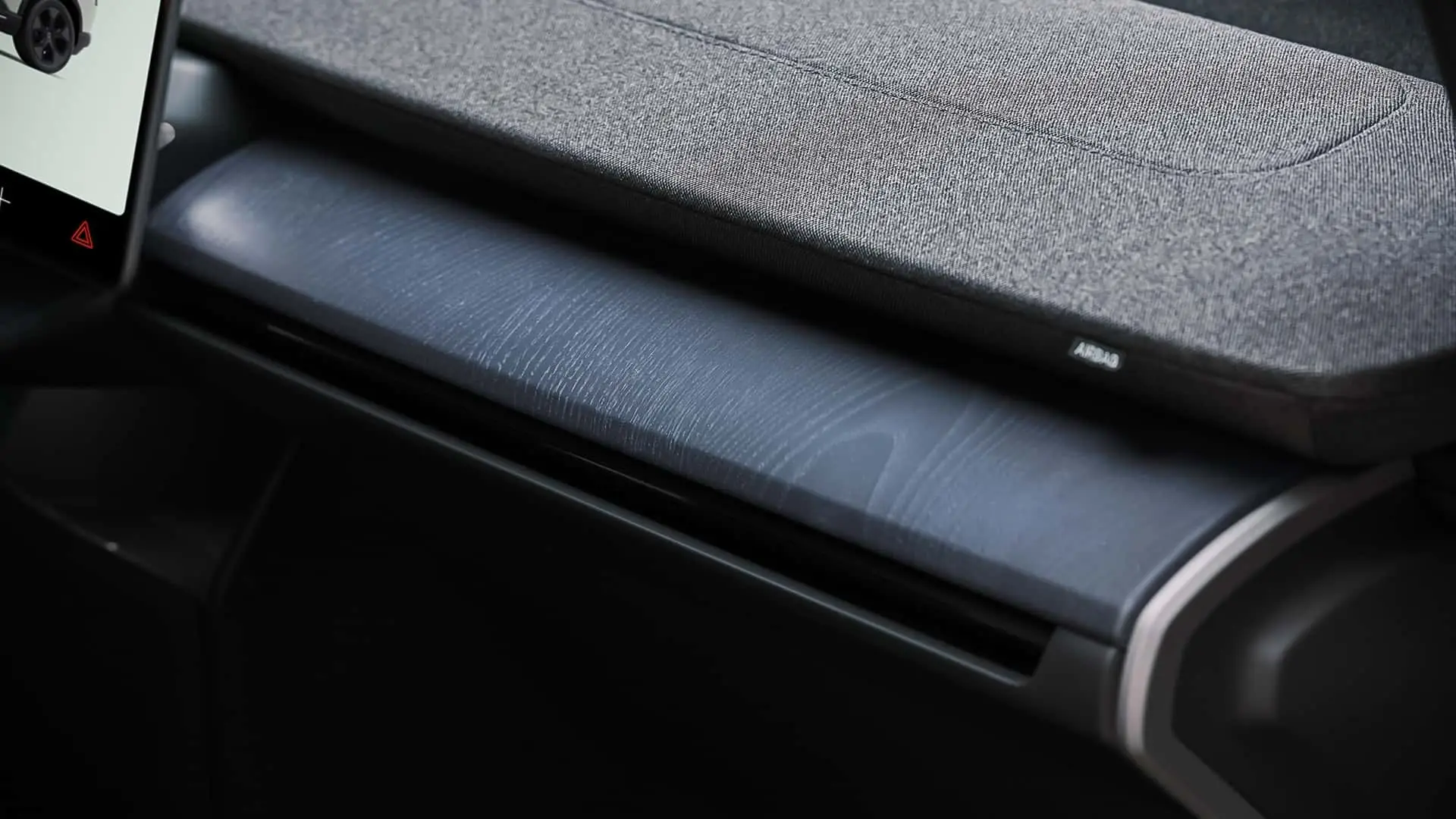
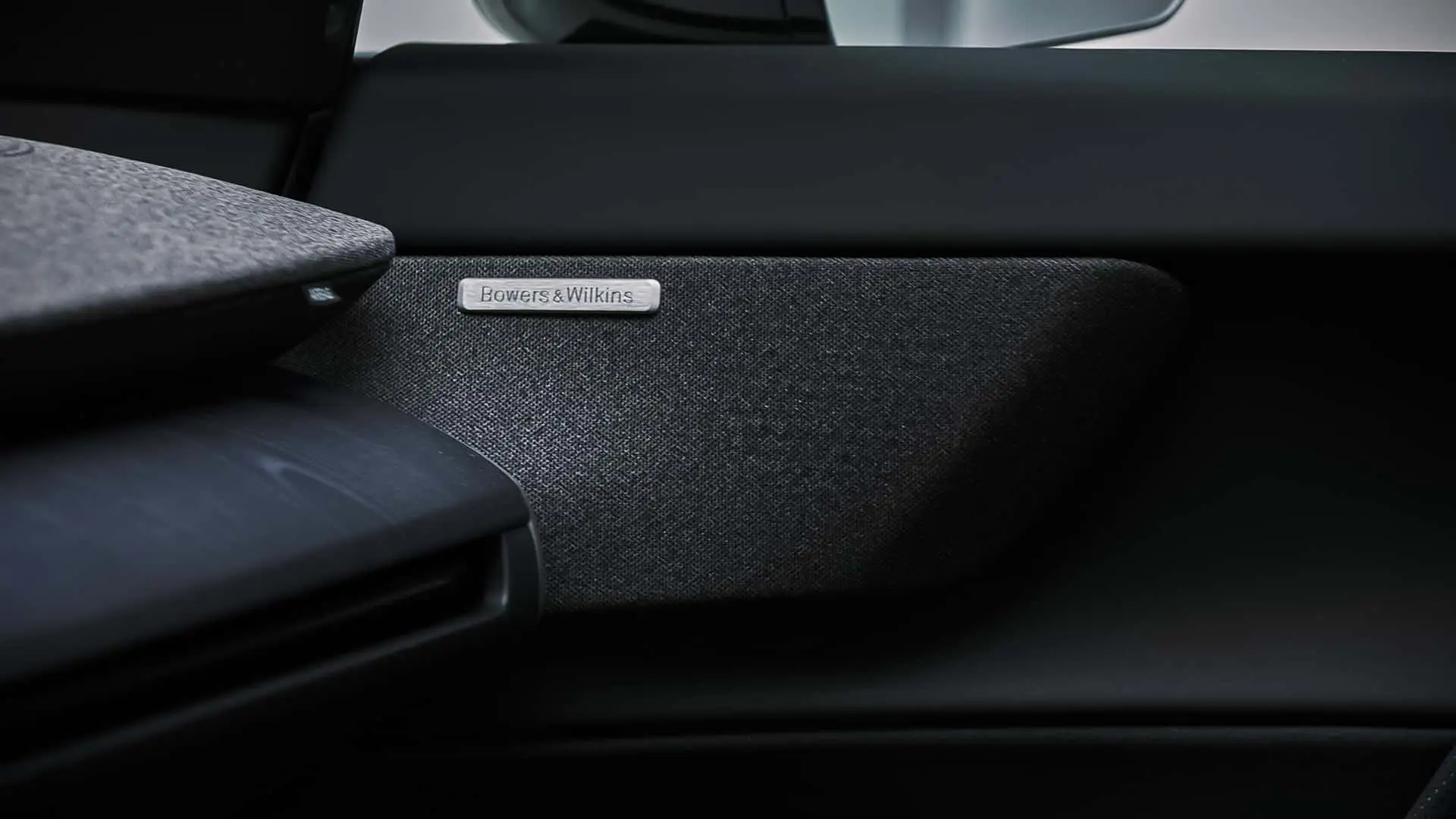
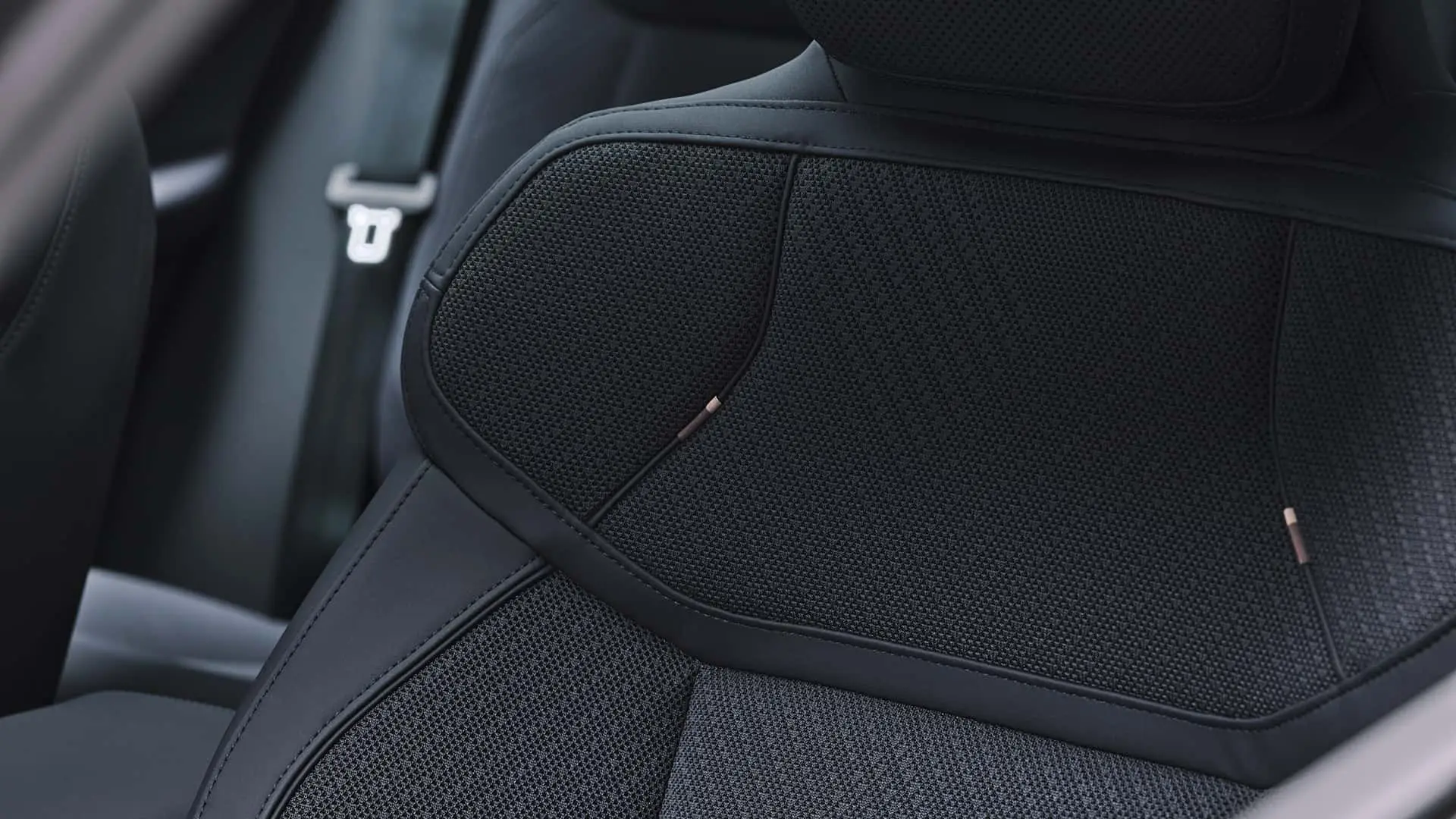
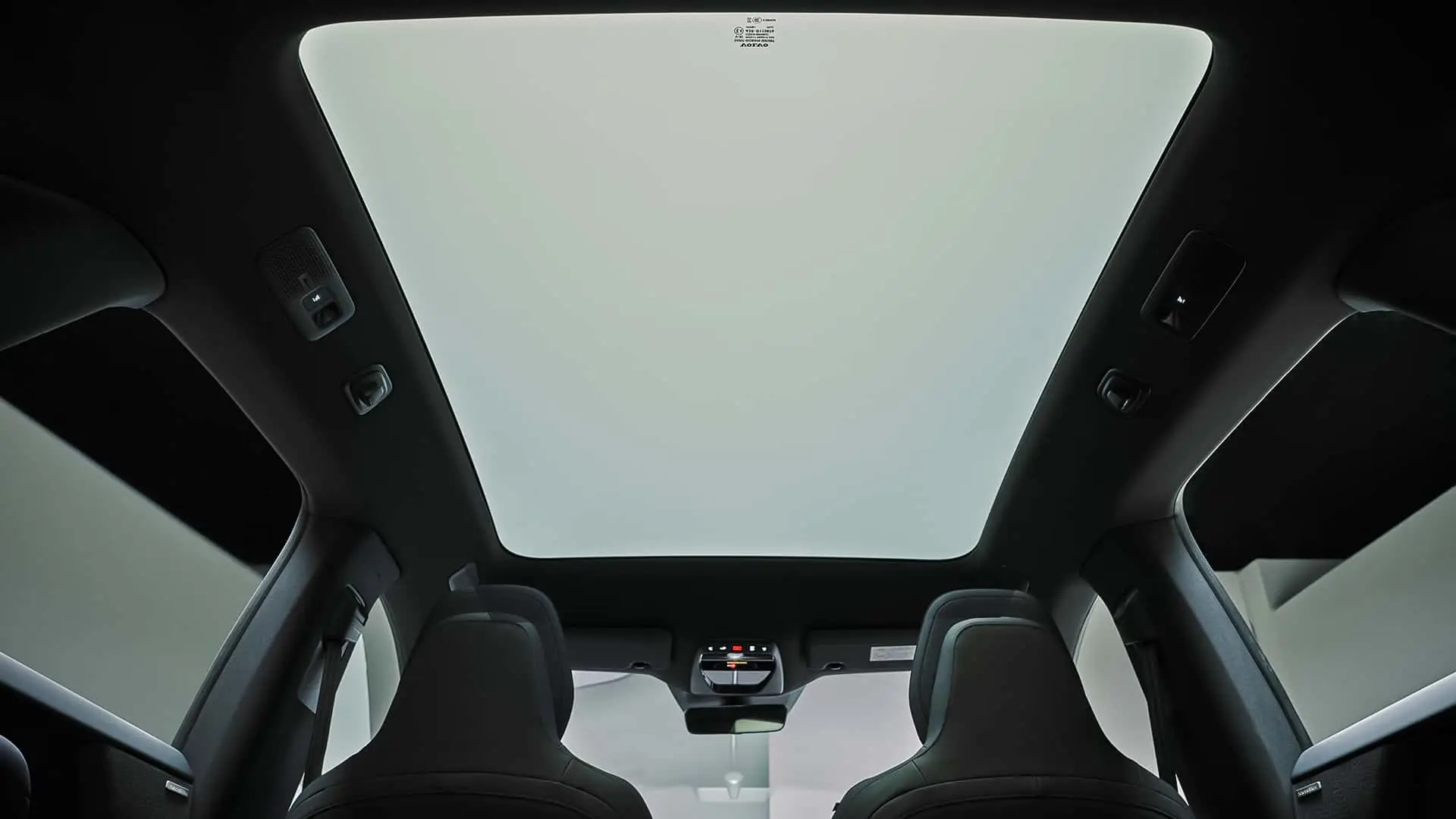
The horizontally split two-level dashboard and the 15″ central touchscreen align with modern interface trends. Volvo maintains essential physical controls, such as a crystal volume selector and backlit buttons on the square steering wheel, balancing usability and aesthetics. It will be the first Volvo with native Apple Music in Dolby Atmos and wireless projection for Apple CarPlay and Android Auto, the latter via OTA update.
Safety and Practical Innovations
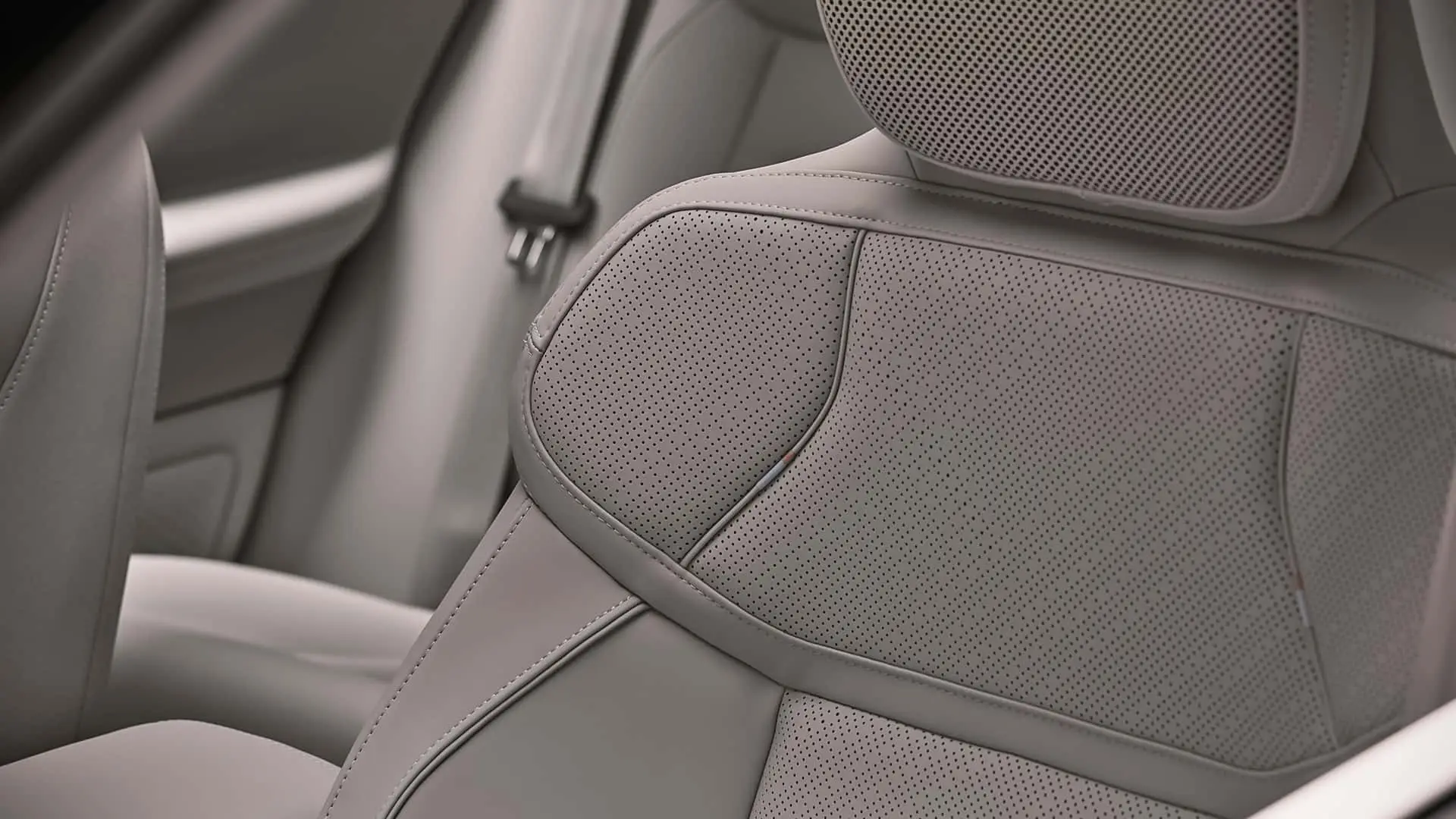
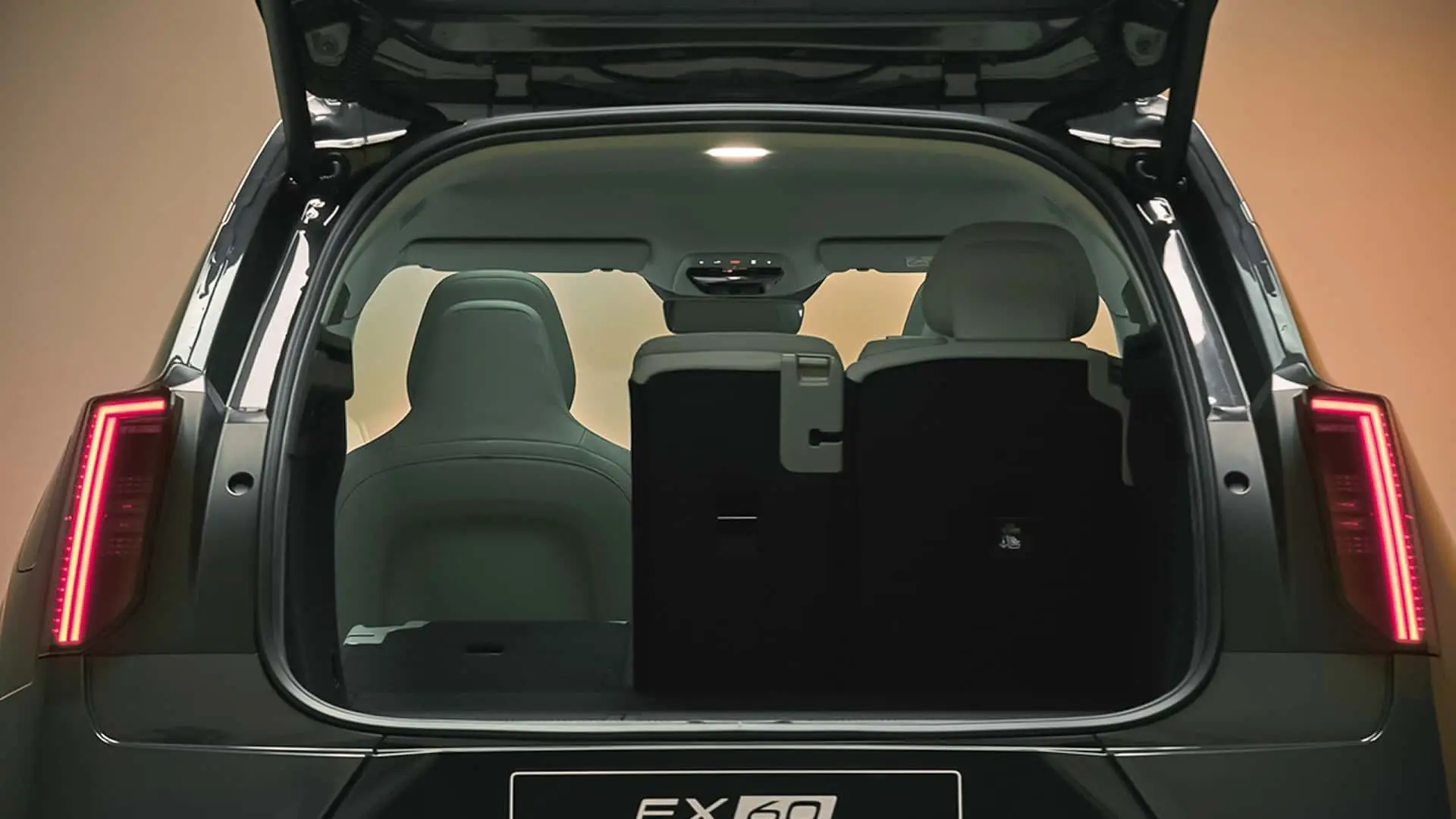
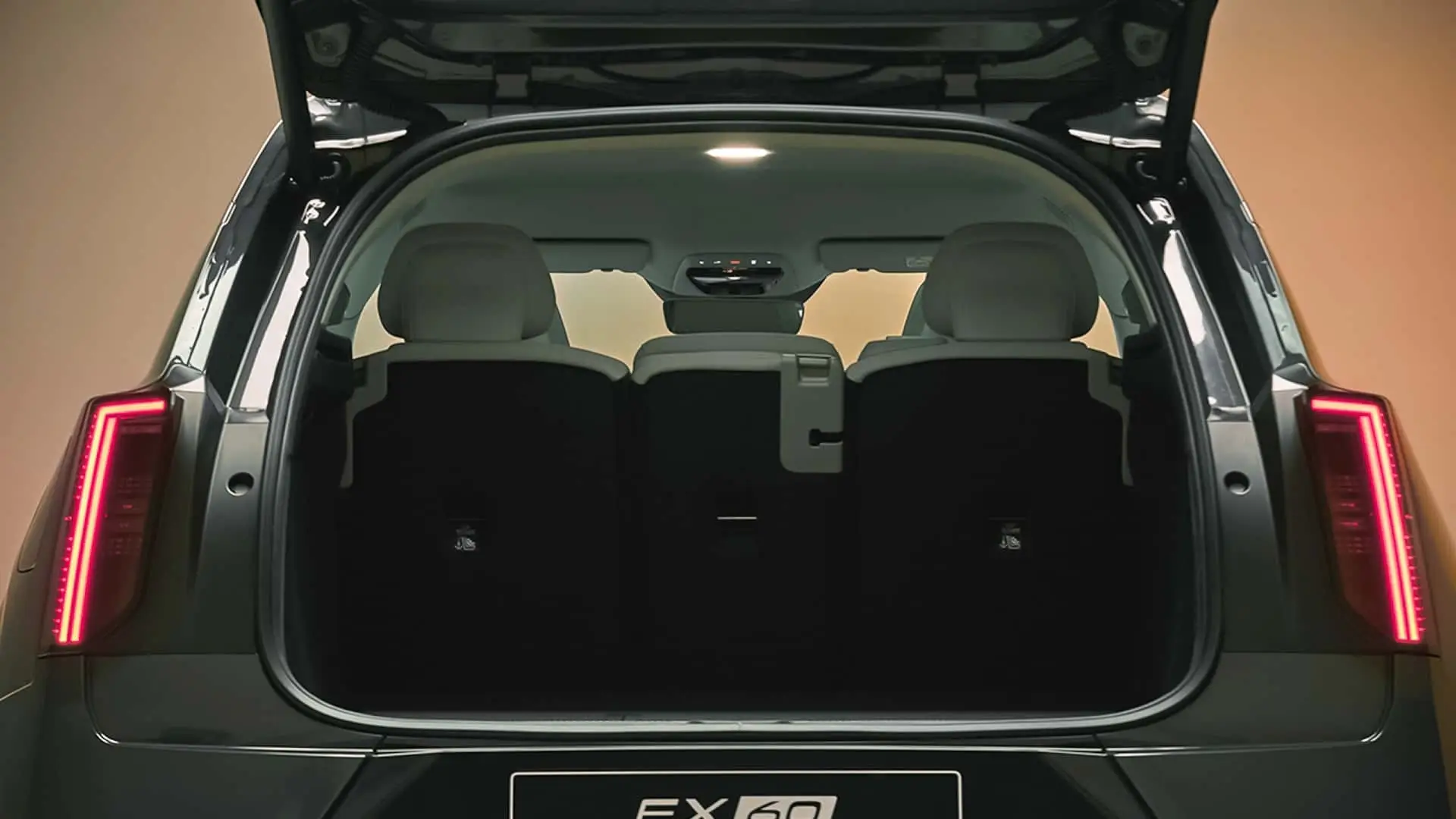
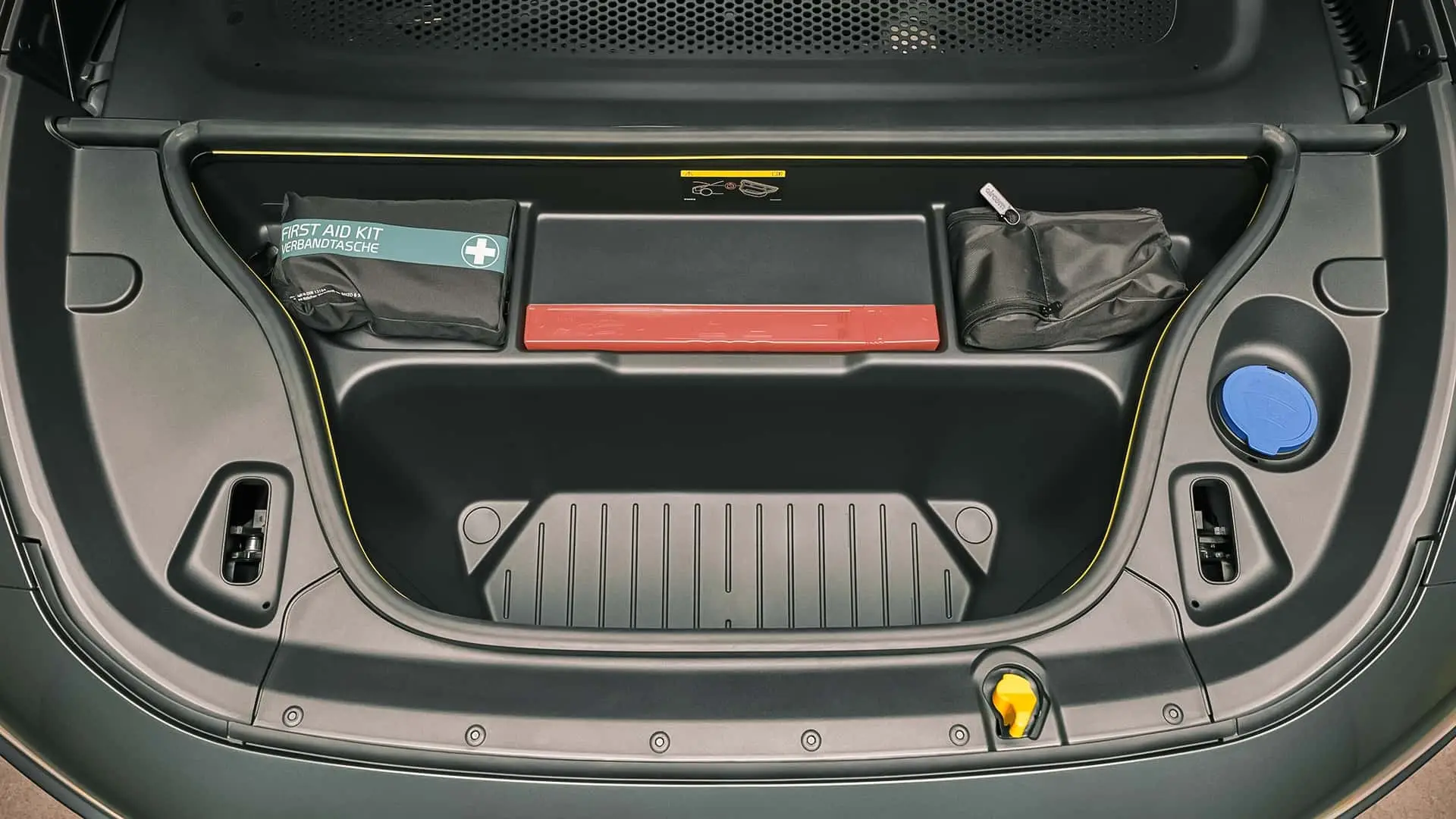
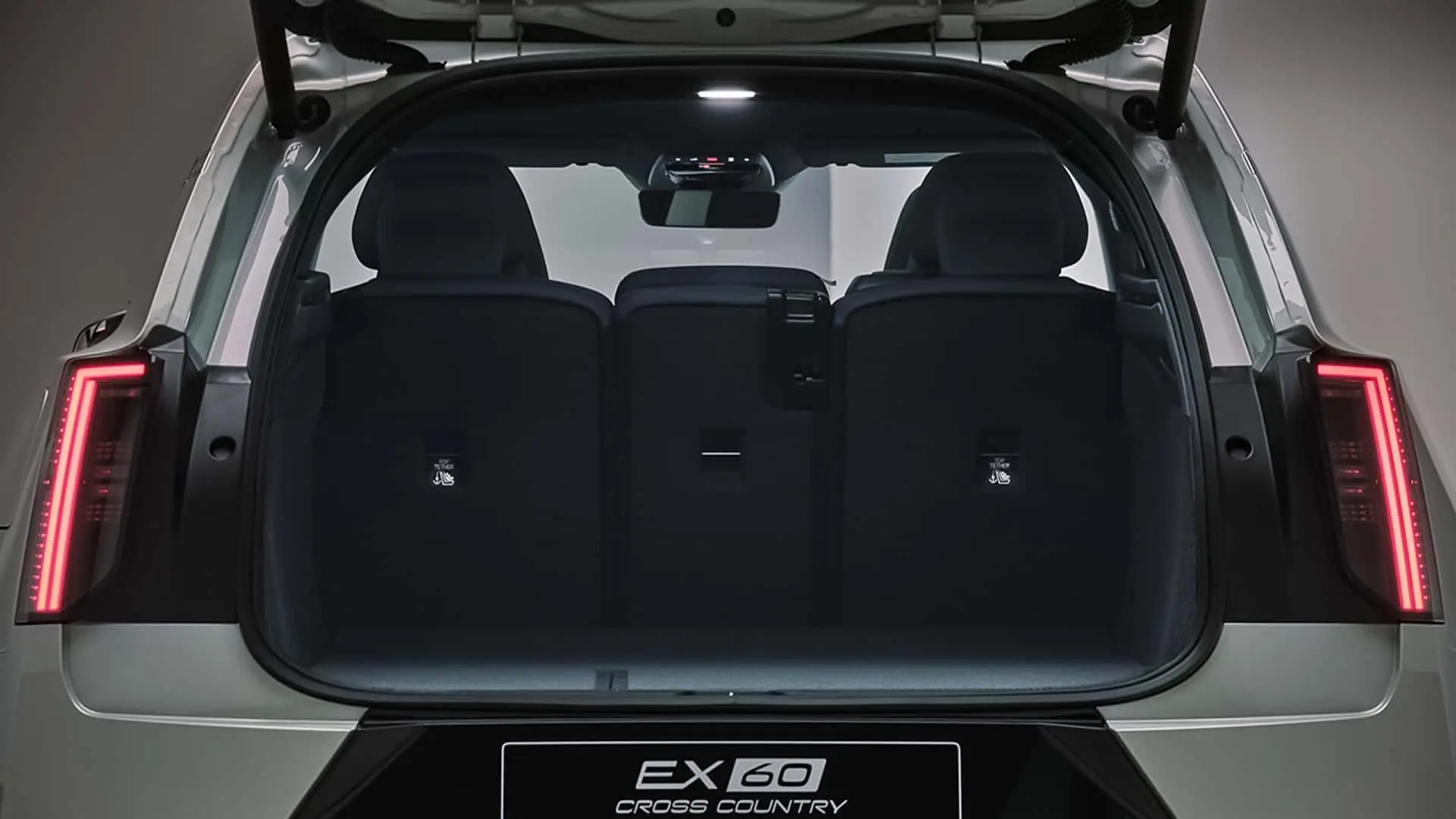
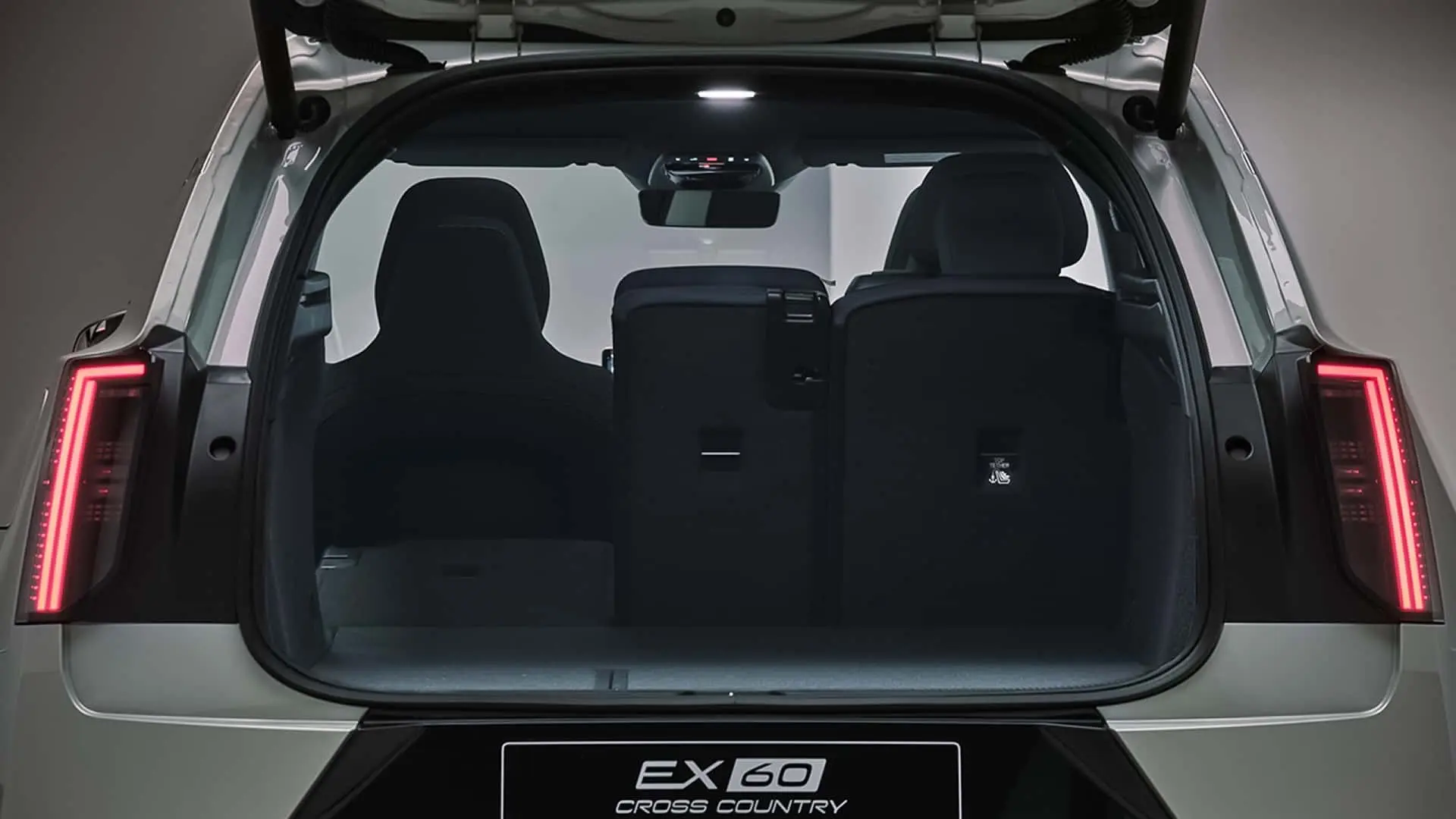
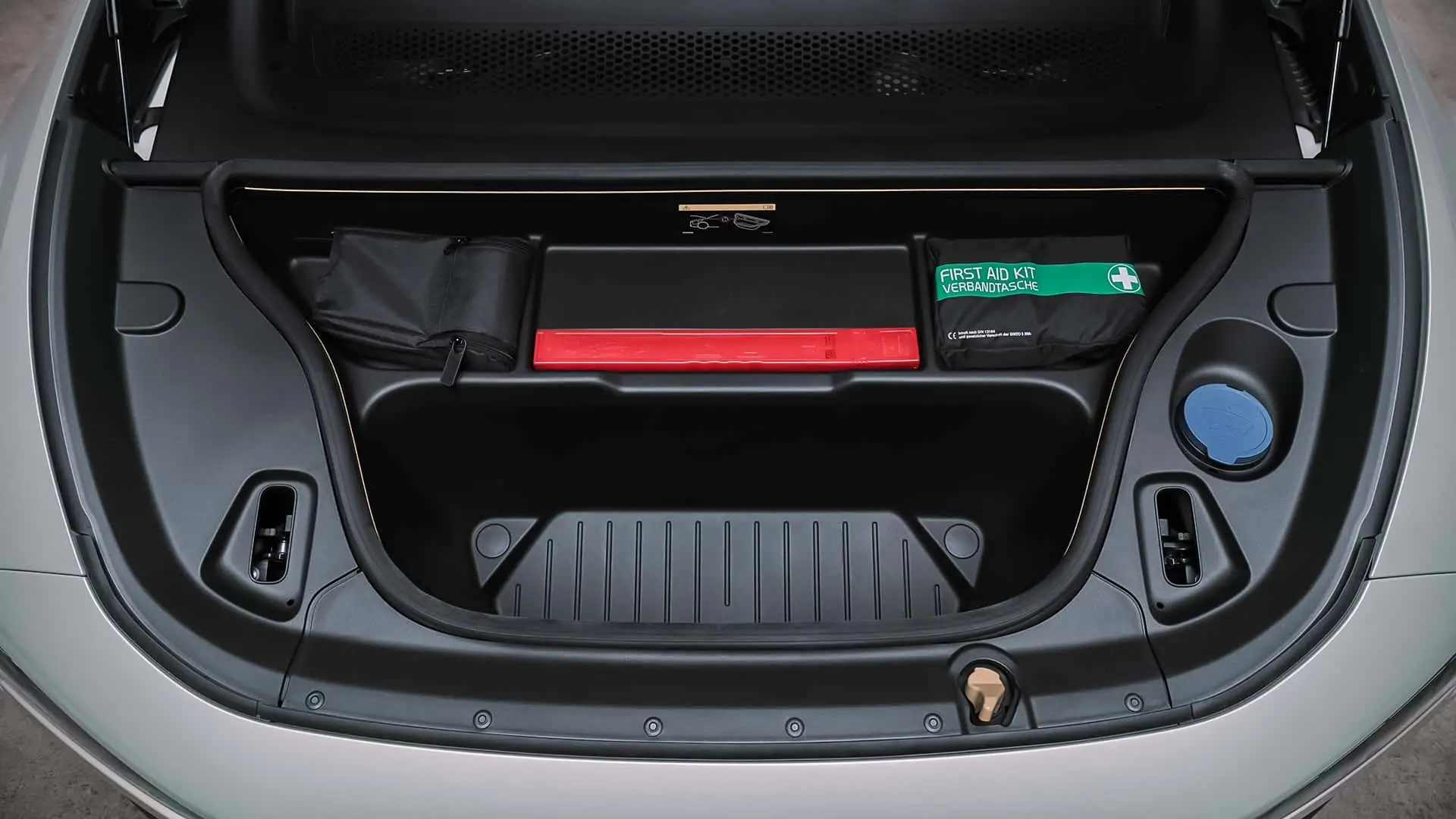
Volvo introduces a multi-adaptive seatbelt that adjusts its performance for different collision types and body types — a rare innovation that enhances active and passive safety. The 85-liter front trunk (frunk) provides additional storage space during trips, and with a towing capacity of up to 4,500 lbs (2,041 kg) in the P12 AWD variant, it increases the SUV’s versatility.
Cross Country Version and Model Lineup
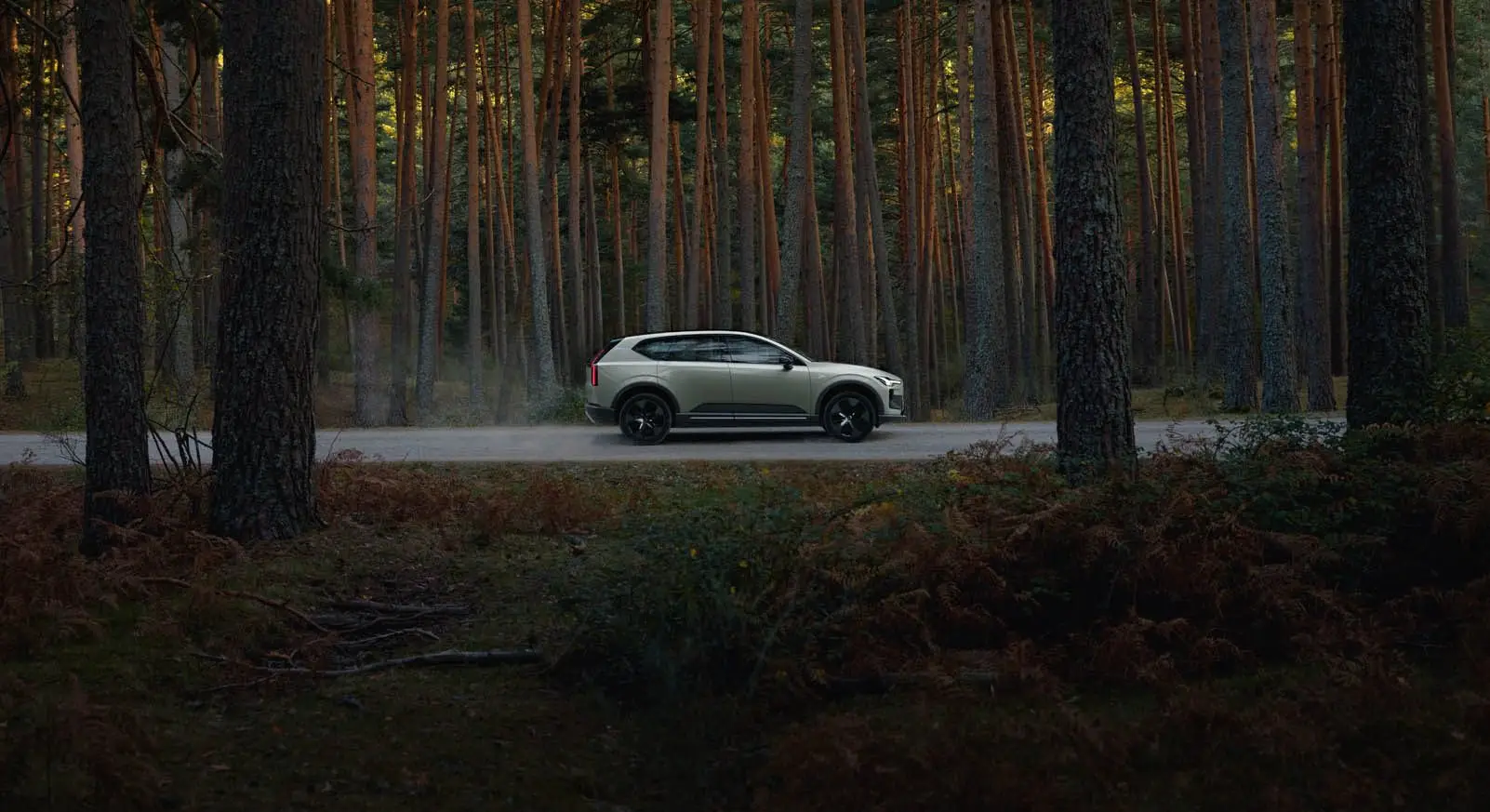
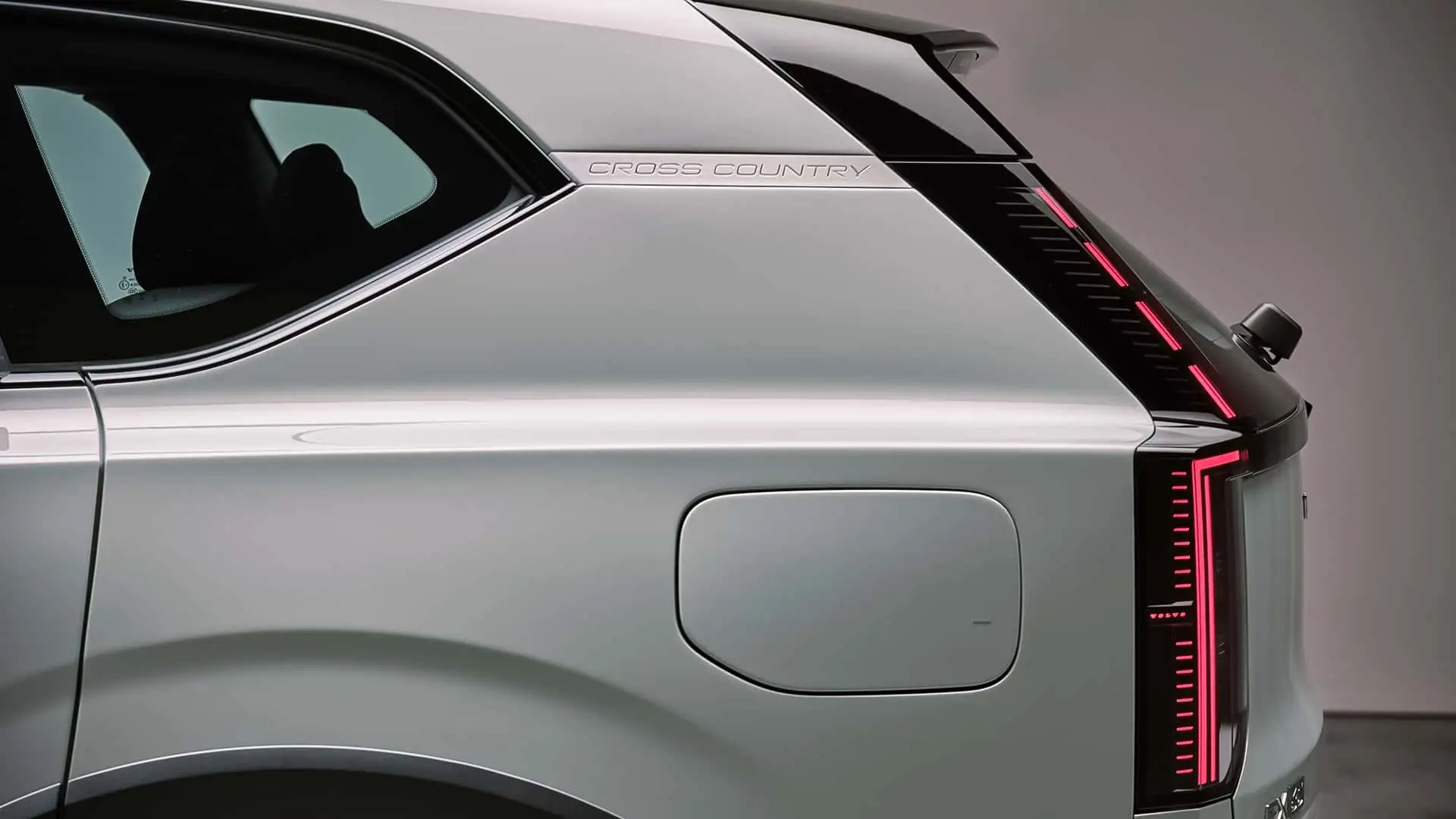
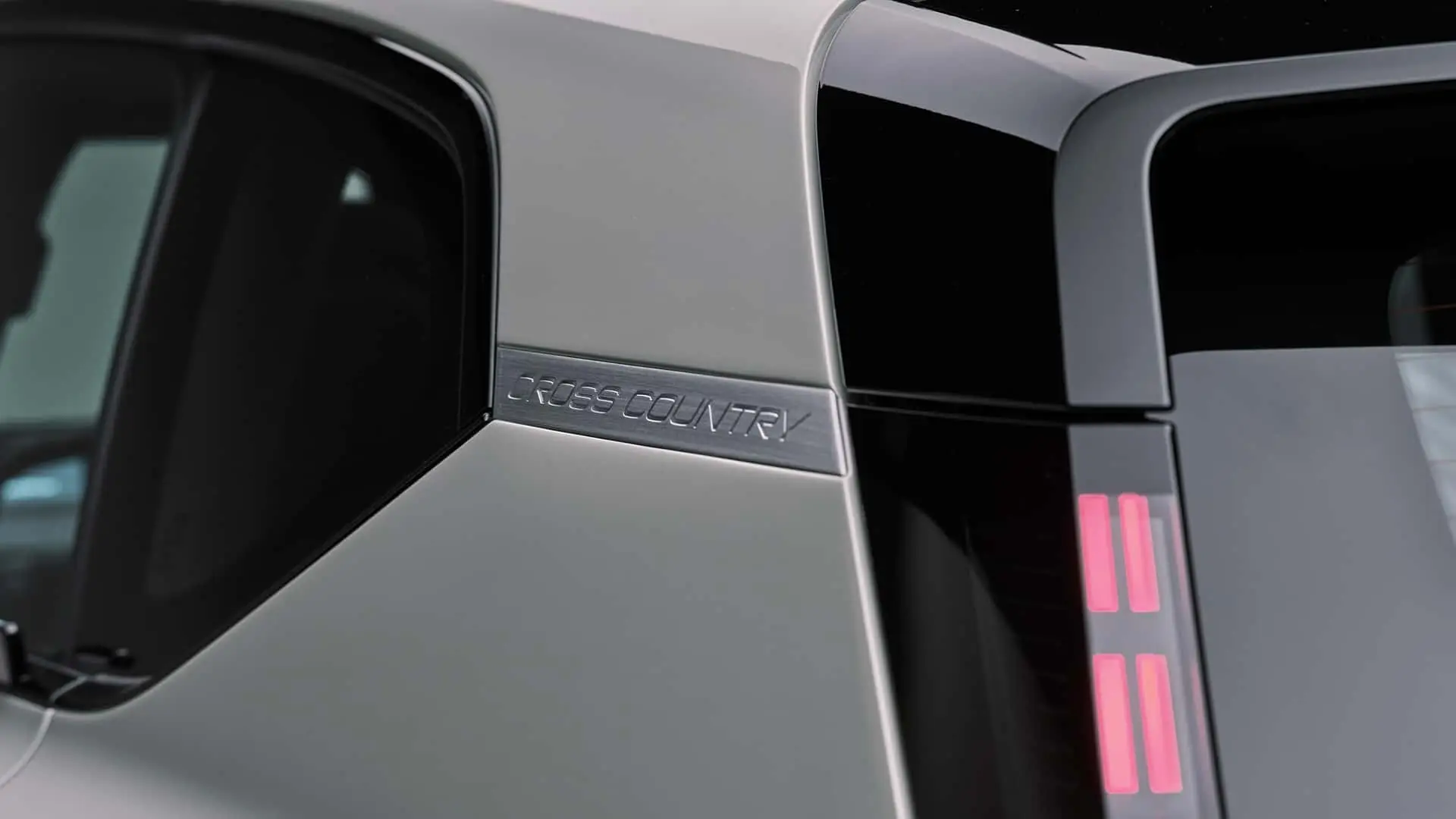
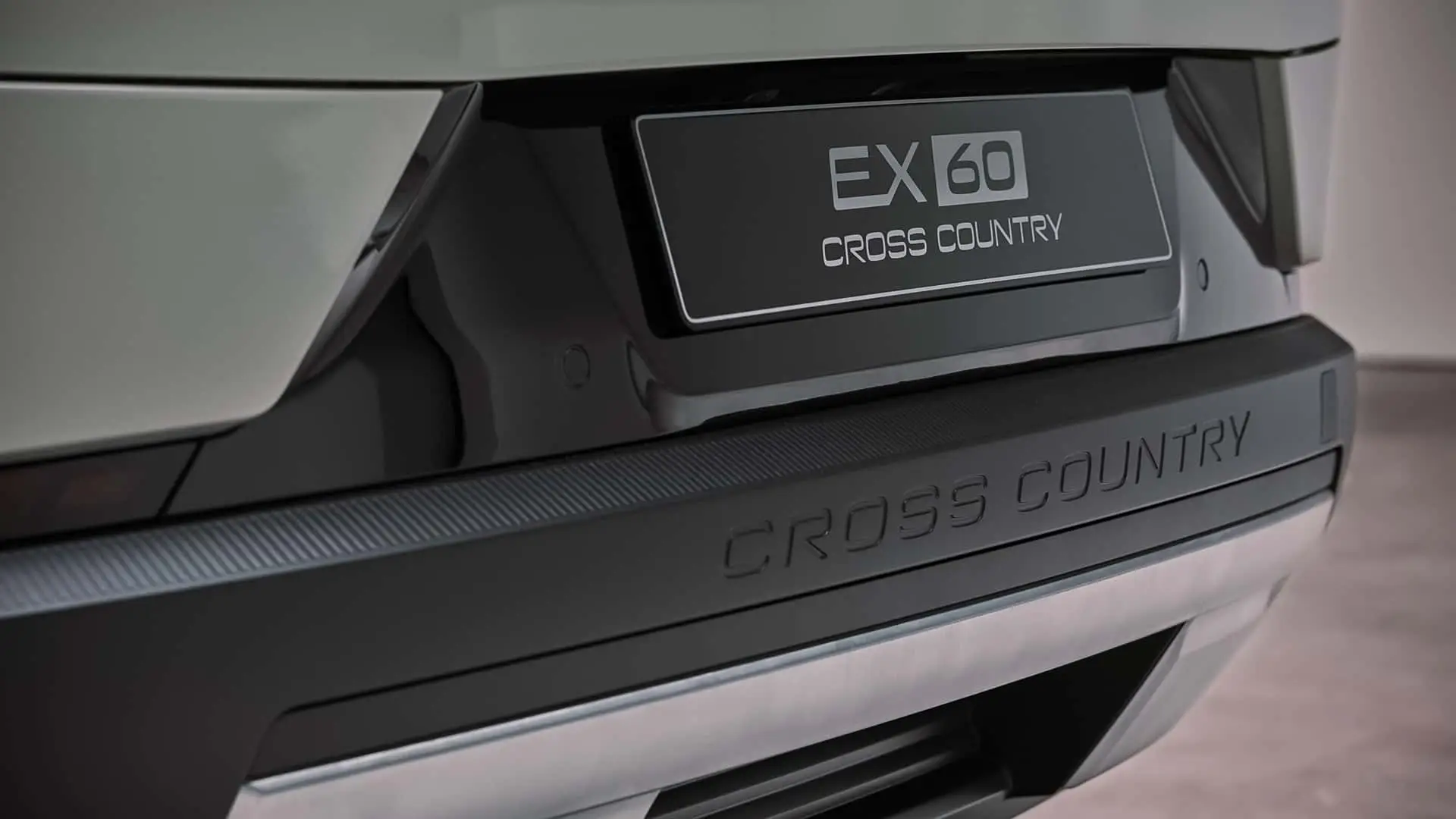
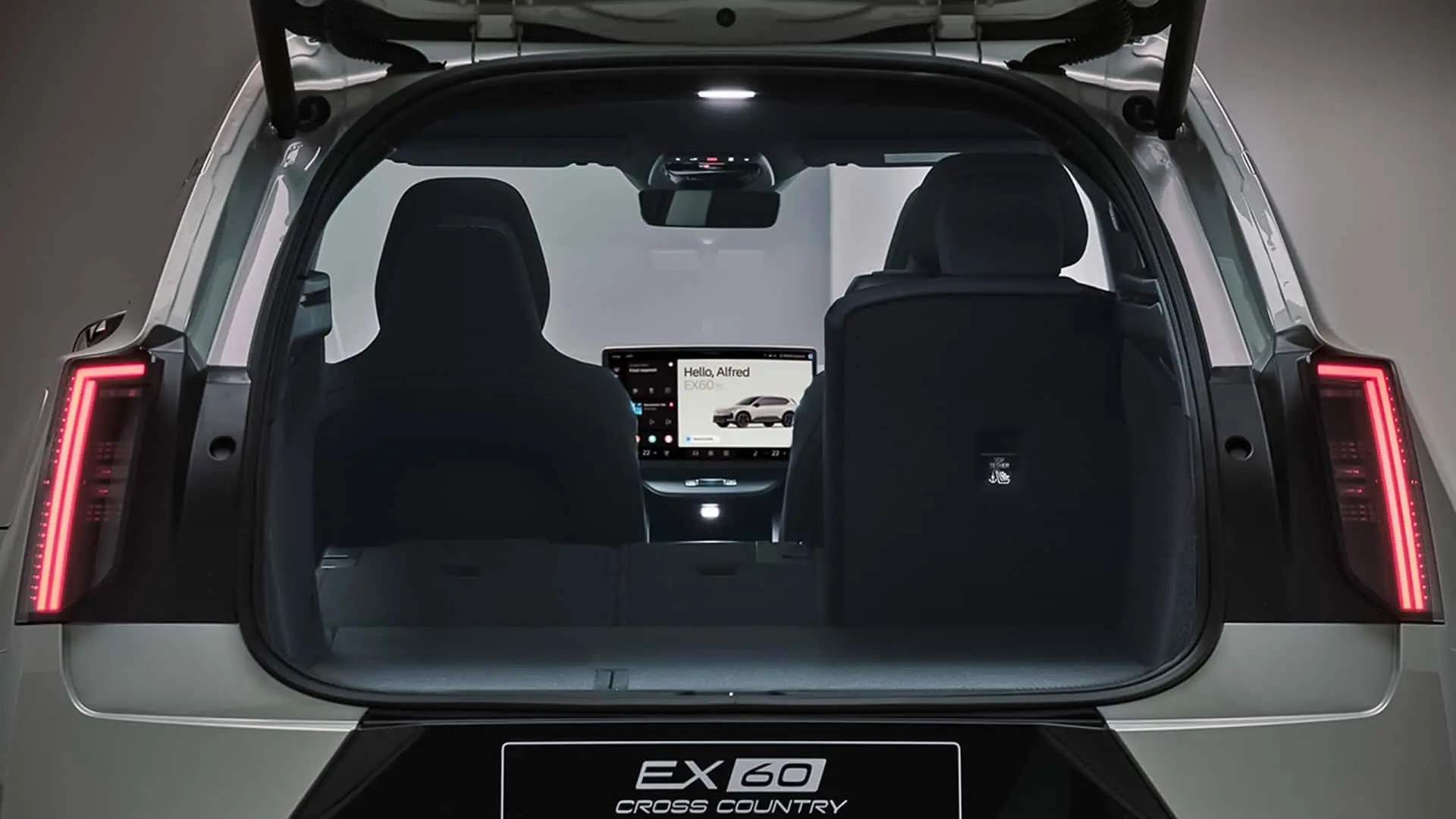
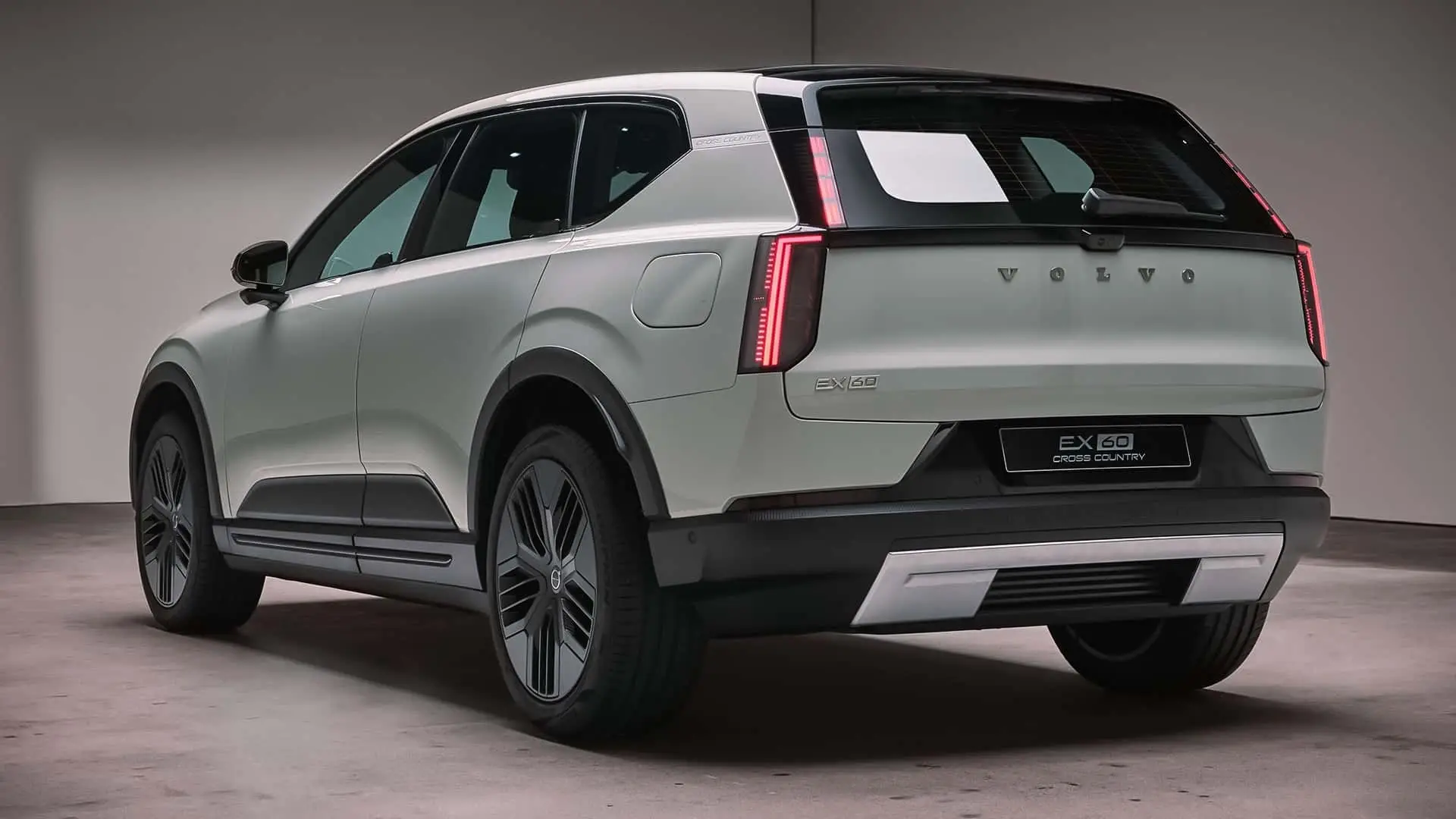
In 2028, the EX60 Cross Country will be introduced, featuring a more rugged appearance, adjustable air suspension that increases ground clearance by nearly 0.8 inches (2 cm), and off-road styling with stainless steel protections. Volvo will initially offer two trim levels: Plus (base) and Ultra (luxury), broadening options for different customer segments and markets.
Competitive Impact and Positioning Against Rivals
With an initial price estimate between $50,000 and $55,000, the EX60 directly targets internal combustion variants like the XC60 and electric competitors such as the BMW iX3 and Mercedes-Benz GLC Electric. The competition for consumers looking to transition to electric vehicles without sacrificing versatility will be intense. To see how other brands are also redesigning their electric models, check out how the BMW iX3 2027 is repositioning its design and technology offerings.
The EX60 arrives at a sensitive moment for EV adoption: signs of market fluctuation, with some consumers temporarily returning to internal combustion vehicles for economic or infrastructure reasons. Read the analysis of this phenomenon in More Buyers Leaving Electric Cars and Returning to Gasoline Vehicles to understand risks and opportunities.
How the EX60 Fits into the Global Market
Although launched in Sweden, the impact of the EX60 will be felt worldwide. Its competitive pricing combined with robust features could make it appealing, but factors like taxes, import logistics, and NACS charging infrastructure are crucial to final pricing and adoption. Nevertheless, adopting the NACS connector facilitates integration with networks already transitioning to this standard, which benefits consumers traveling along routes with international fast-charging options.
To compare offerings and trends, observe how brands are updating their lines and technologies, such as the Mercedes-Benz EQE320+ SUV 2026 and the evolving internal layouts and interfaces in EVs like the Kia Niro facelift. Competition drives Volvo to deliver not only range and charging speed but also a consistent digital experience and after-sales support.
Pros, Cons, and What to Consider Before Buying
- Pros: category-leading range, ultra-fast charging, Volvo-quality finish and safety, various powertrain options, and versatile front trunk (frunk).
- Cons: high final prices in markets with heavy taxes, the need for compatible high-voltage charging networks to utilize 800V, and potential increases in maintenance and parts costs for premium after-sales.
- What to watch: wheel size impacts on range, battery warranty policies, availability of local NACS charging networks, and OTA update capabilities to keep the vehicle current.
To compare practical range with other SUVs setting new consumption standards, see the SUBARU SOLTERRA 2026, which offers a different balance of range and luxury appealing to varied audiences.
Summary of Impact: the VOLVO EX60 2027 arrives not just as another EV. By integrating SPA3 architecture, megacastings, cell-to-body technology, a larger-capacity battery, and modern charging infrastructure at a competitive price, it sets a new standard for premium electric SUVs that blend everyday usability with advanced technology. For consumers and fleets, this translates into fewer practical barriers to electrification — provided local infrastructure and policies support it.