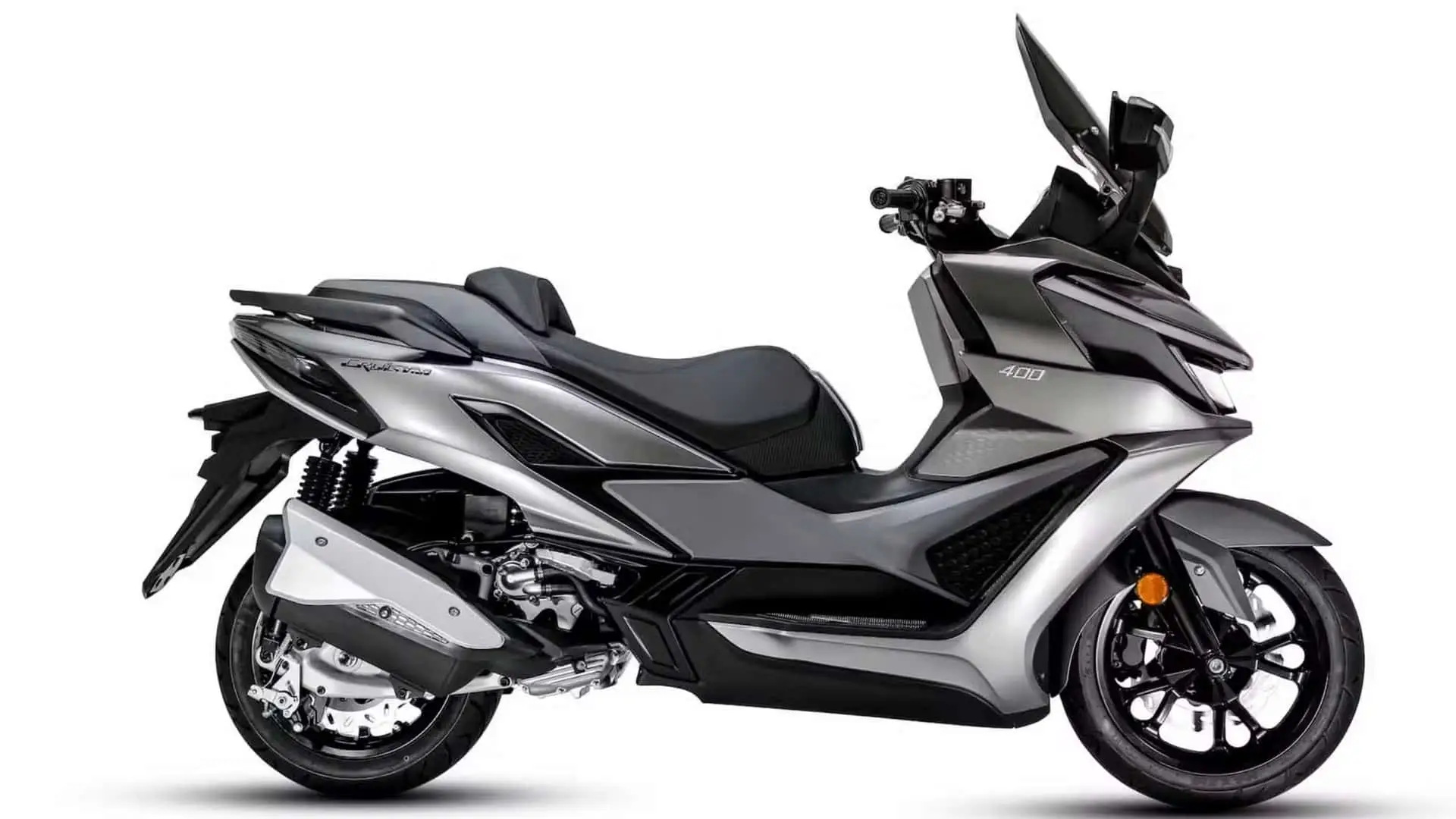
SYM CRUISYM 400 arrives to dominate! 34 HP power and cutting-edge technology. Will it outshine its rivals? Check out our analysis.
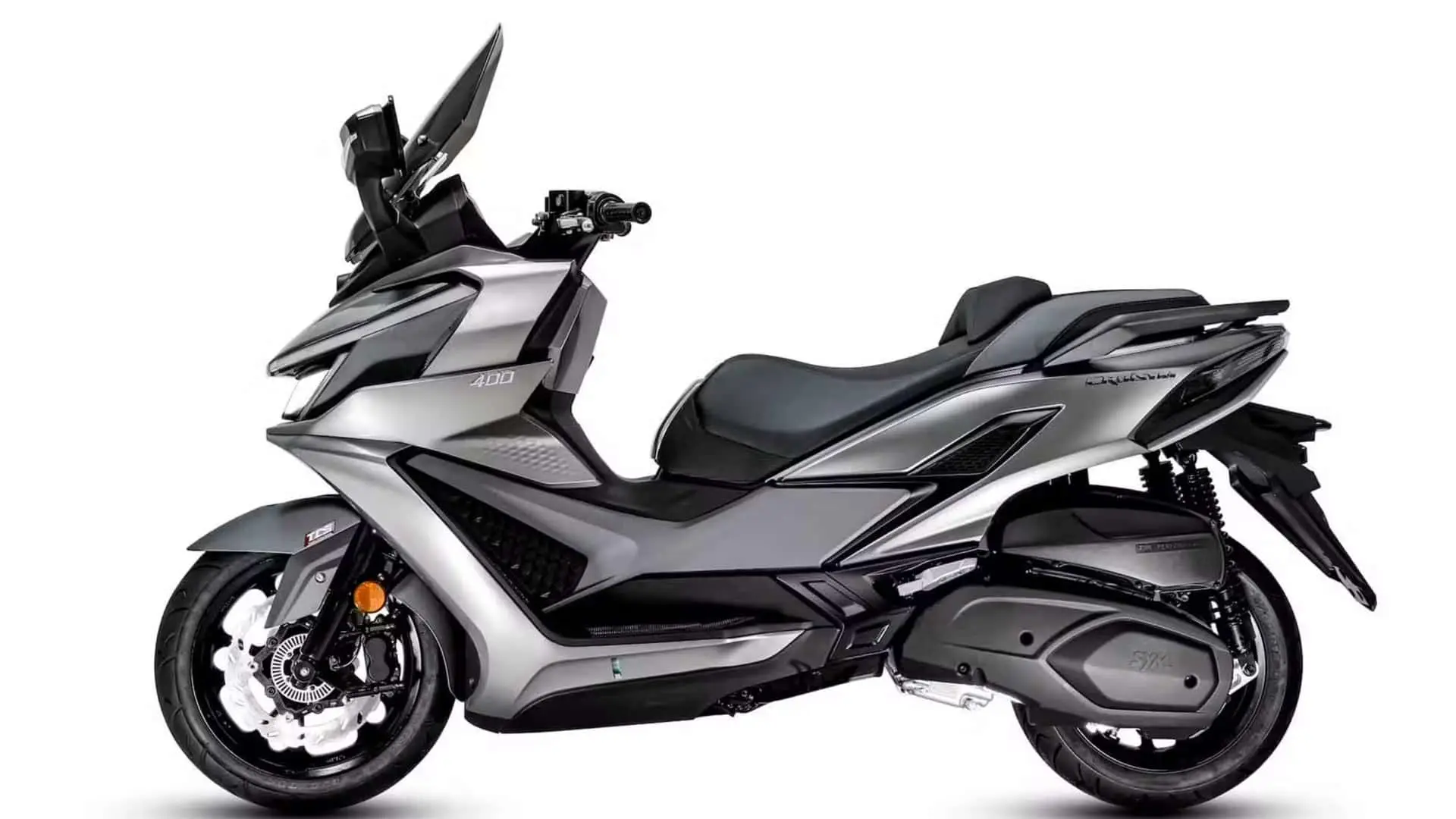
Why Maxi-scooters Still Make Sense in 2026
Maxi-scooters occupy a hybrid niche between motorcycles and cars that remains attractive: convenience in daily use, capacity for highway trips, and a level of comfort that many motorcycles do not offer. For congested cities and mixed routes (urban + highway), these models present a rational — and increasingly technological — alternative for daily commuting.
- Operational simplicity: twist-and-go operation without a clutch assists beginners and those seeking practicality in heavy traffic.
- Highway use: engines starting from 300–400cc allow stable cruising without much effort from the engine.
- Functionality: under-seat storage, wind protection, and connectivity enhance daily utility.
If you want to understand how maxi-scooters compare to well-known segment icons, it’s worth checking out historical comparisons and market icons like the Piaggio BEVERLY to see how the proposal has evolved over the decades.
Technical analysis and first impressions of the SYM Cruisym 400
The SYM Cruisym 400 is not just an increase in displacement. It’s a redesign aimed at delivering a coherent package: a more powerful engine, suitable chassis and brakes, and standard safety electronics. Below, a technical summary and what each item means in practice.
| Item | Specification | Practical Impact |
|---|---|---|
| Engine | 399cc single-cylinder — 34 hp | Highway performance; confident accelerations and overtakes |
| Torque | ≈ 27 lb-ft (≈ 37 Nm) | Better response during retakes |
| Wheels | Front 15″, Rear 14″ | Greater stability at high speed |
| Brakes | Front disc 288 mm with radial caliper | Enhanced sensitivity and braking power |
| Electronics | ABS and traction control as standard | Active safety on dry and wet surfaces |
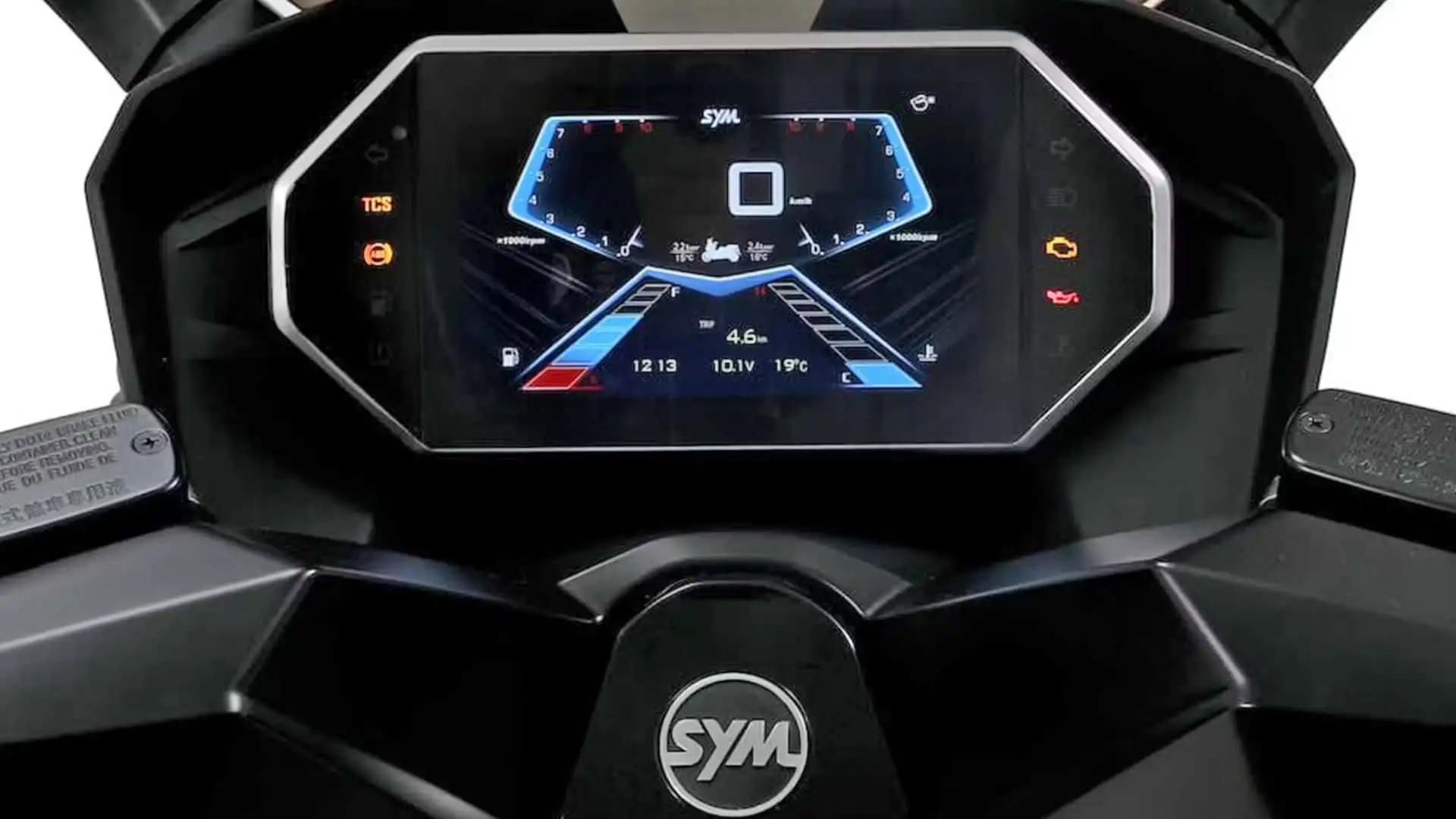
| Connectivity | Color TFT display with smartphone integration | Navigation and onboard information |
Engine and Road Performance
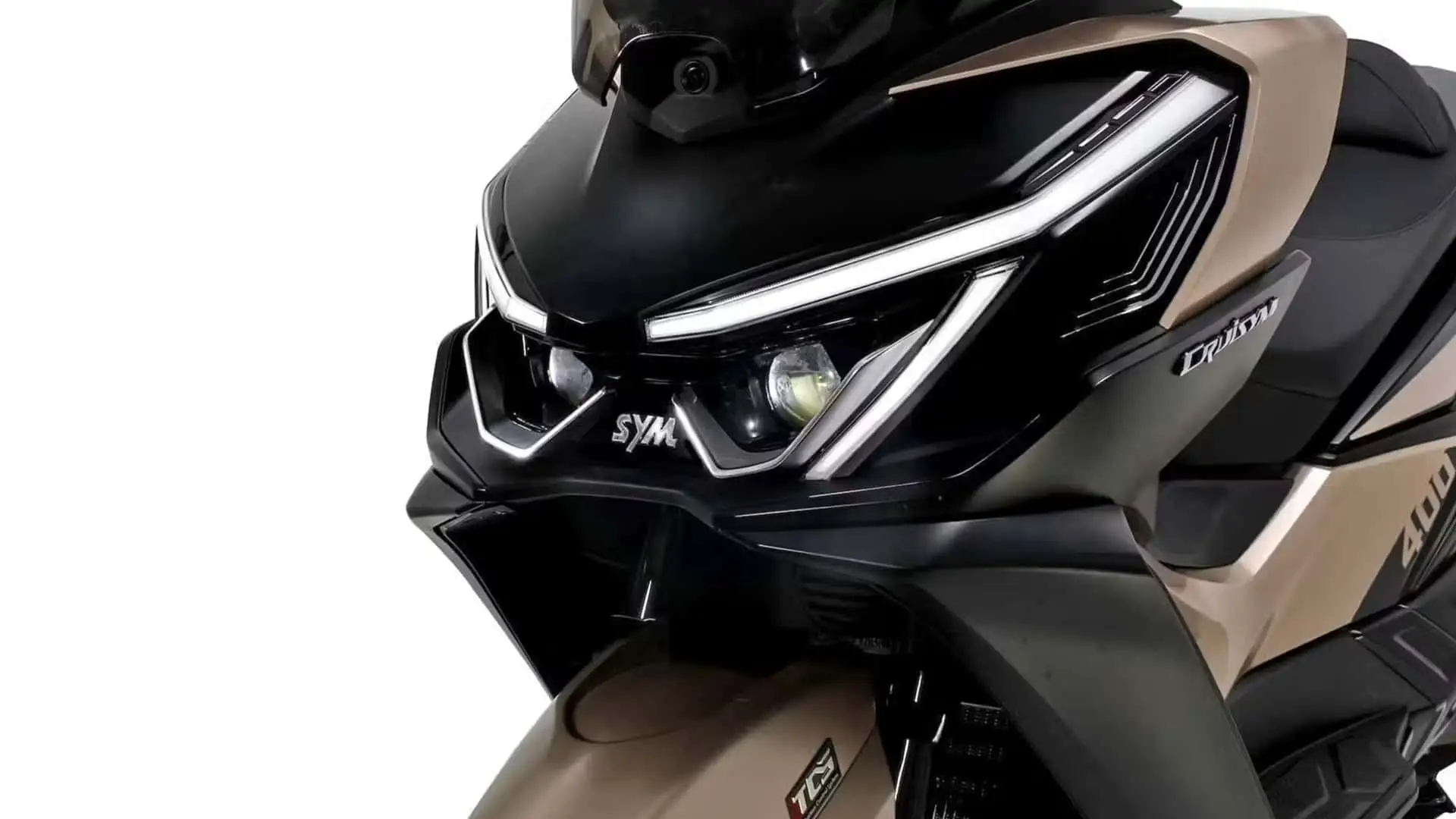
With 399cc and 34 horsepower, the Cruisym 400 reaches a performance level that places it close to small sport bikes in usable power. In practice, this means highway cruising (e.g., 110–120 km/h) with reduced effort from the engine and reserves for overtakes. The reported torque (close to 27 lb-ft) complements low and mid-range delivery, a critical point for those doing many retakes on dual carriageways.
Chassis, Wheels, and Braking
The adoption of larger wheels (15″/14″) provides directional stability and improves safety at high speeds and on long curves. The update to the front brake with a 288 mm disc and radial caliper demonstrates that SYM planned the package considering the extra power — practical result: less fatigue on the lever and more predictable braking.
If you want to delve deeper into brake system maintenance and understand which fluid to use for maximum efficiency, check out this technical guide on DOT fluid versus mineral oil.
Electronics: TFT, Connectivity, and Safety
The colorful TFT panel with smartphone integration places the Cruisym 400 among modern scooters: maps, calls, and basic telemetry accessible without extra hardware. More important than the display is the inclusion of ABS and traction control as standard — features that enhance active safety and reduce the risk on slippery surfaces, especially in regions with frequent rain.
Market Positioning, Price, and Buying Recommendations
SYM positions the Cruisym 400 as a direct alternative to maxi-scooters with similar pricing and proposals. With an estimated price around 6,000 euros, the Cruisym is strategically appealing to those seeking a complete package without paying the premium of premium brands.
- Competitiveness: estimated competitive price compared to direct rivals and even some small motorcycles.
- Target segment: urban riders who make regular highway trips and veterans seeking practicality with performance.
- Market geography: initially expected to launch in Europe, with well-assessed export potential for markets like Brazil and the USA depending on homologations and commercial strategy.
When evaluating if the Cruisym 400 is the right choice, consider three practical questions:
- Do you need space and wind protection for long routes?
- Do you value active safety features (ABS, traction control) as standard?
- Do you want integrated connectivity for routes and navigation without installing extra hardware?
If the answer to two or more questions is yes, the Cruisym 400 deserves a spot on your shortlist. For short trips and maximum cost savings, 300cc models might be enough; for adventure and light off-road use, adventure motorcycles are more suitable.
Practical maintenance tip: keeping correct tire pressure is as important as brakes and suspension for stability and safety. If you’re unsure about ideal pressures for different loads and uses, consult practical guides like this one on proper tire pressure to understand impacts on braking and handling.
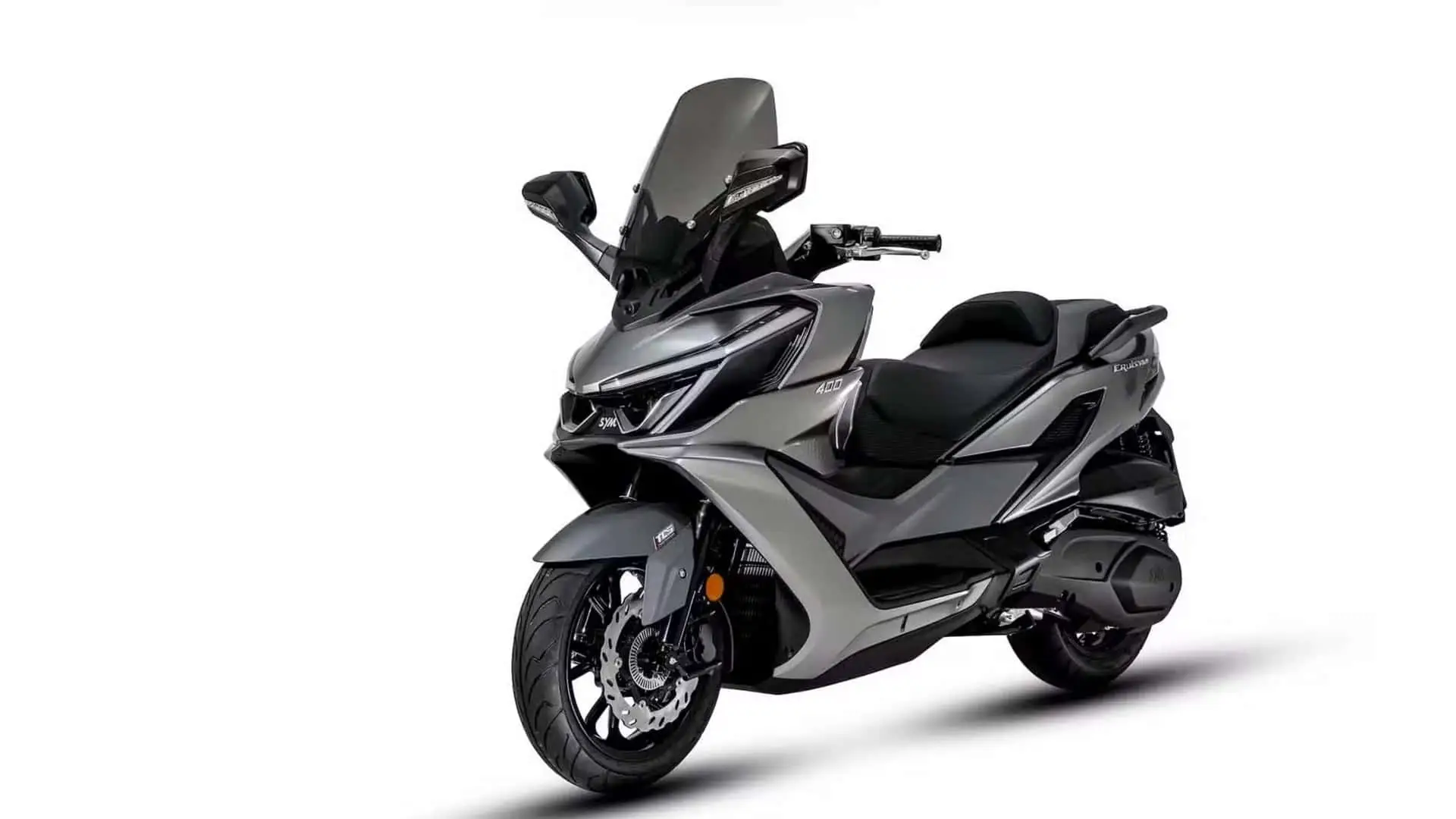
Quick comparison with similar models: the Cruisym 400 shares platform with the Maxsym 400 but adopts a more sporty look while the Maxsym positions itself as a premium touring model. The choice may come down to aesthetic preference and some ergonomic and finishing details.
For readers interested in how safety and electronic technologies are transforming two- and four-wheel vehicles, following launches with advanced systems can give insight into market trends, as exemplified in recent automotive technology headlines.
In summary, the SYM CRUISYM 400 offers, on paper, a convincing balance between power, safety, and connectivity at a price that could shake up the maxi-scooter market. If you value motorcycle-level usability without the riding complexity associated with sport bikes, this Cruisym is a solid choice to test.