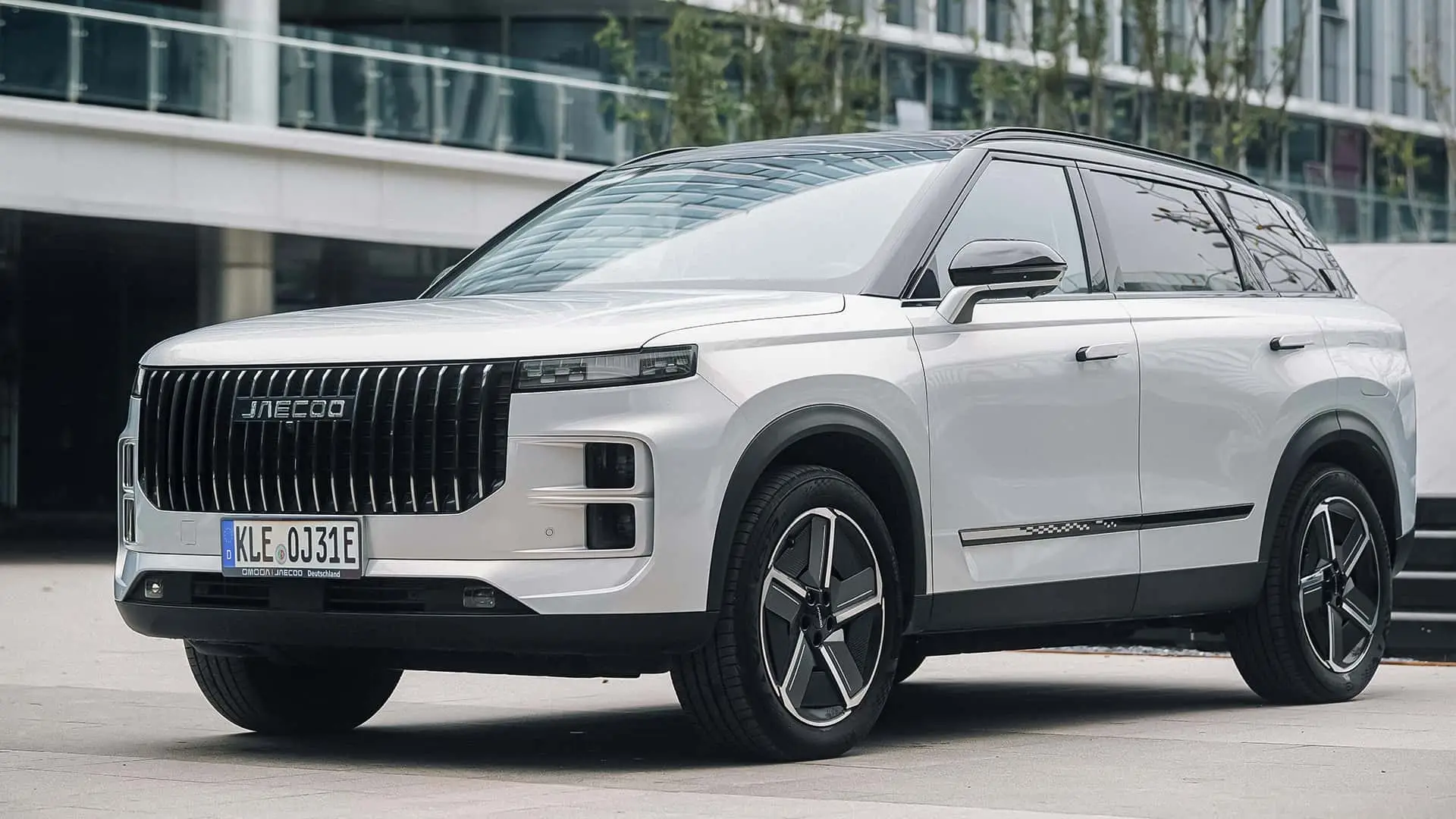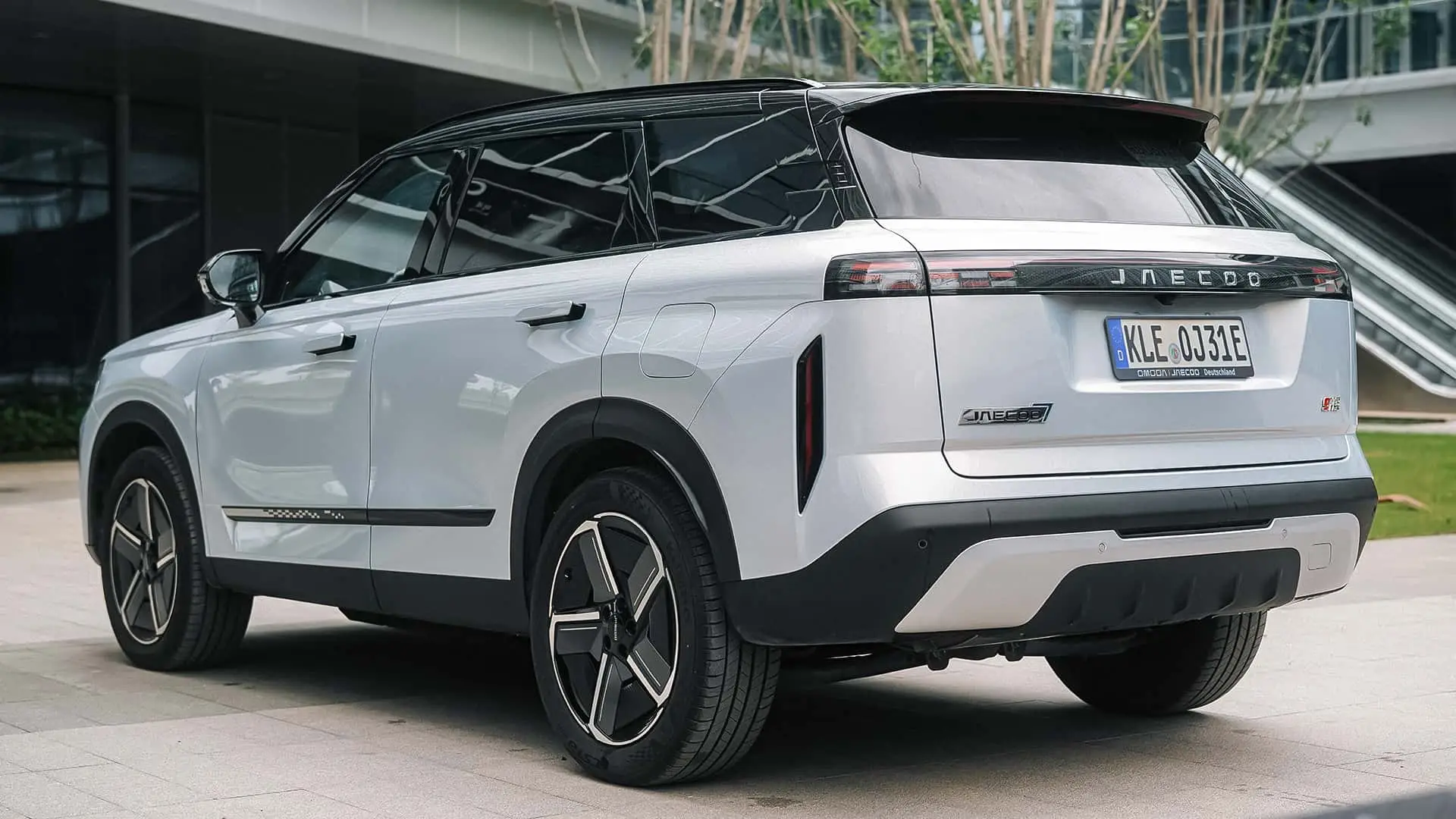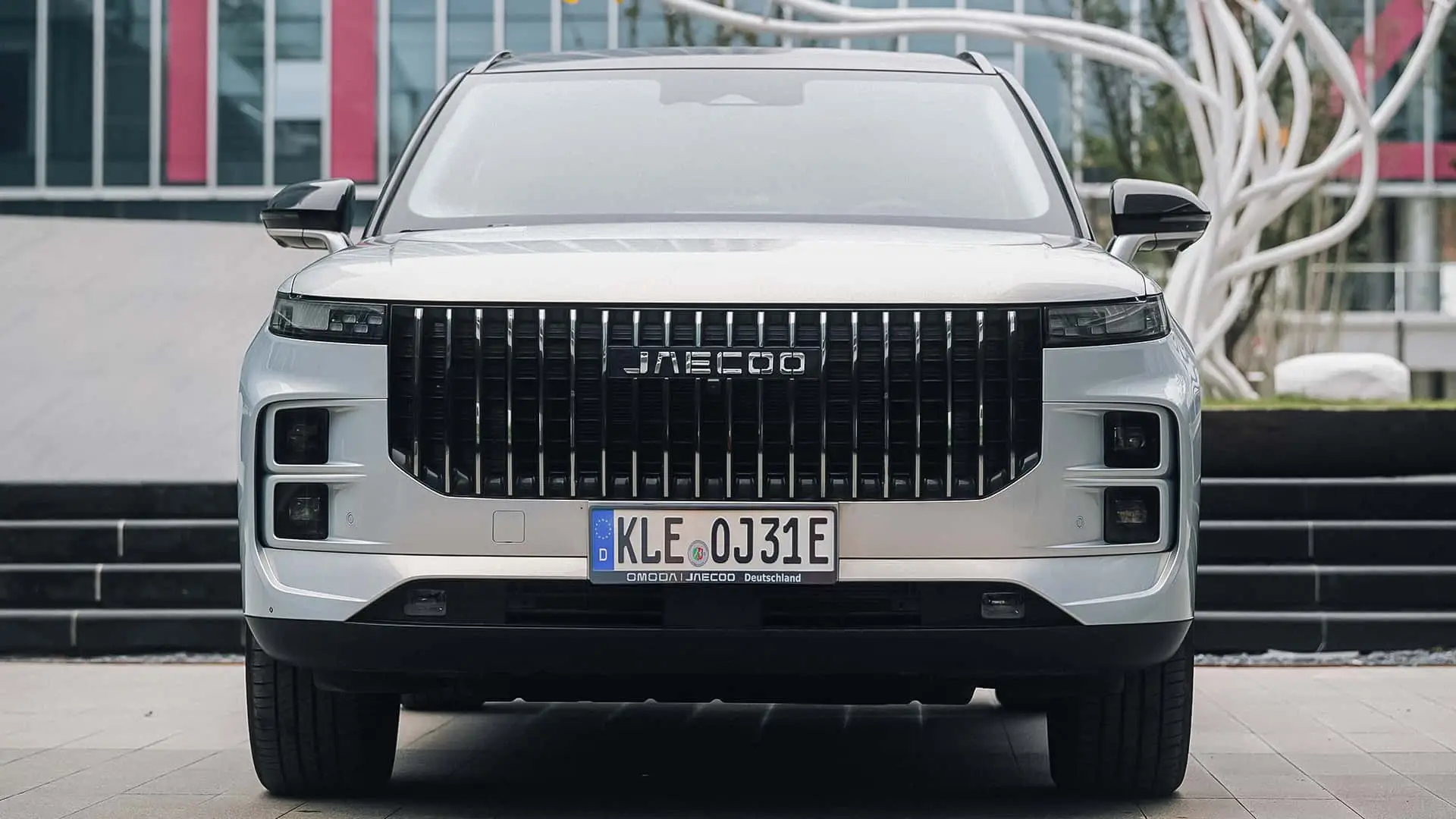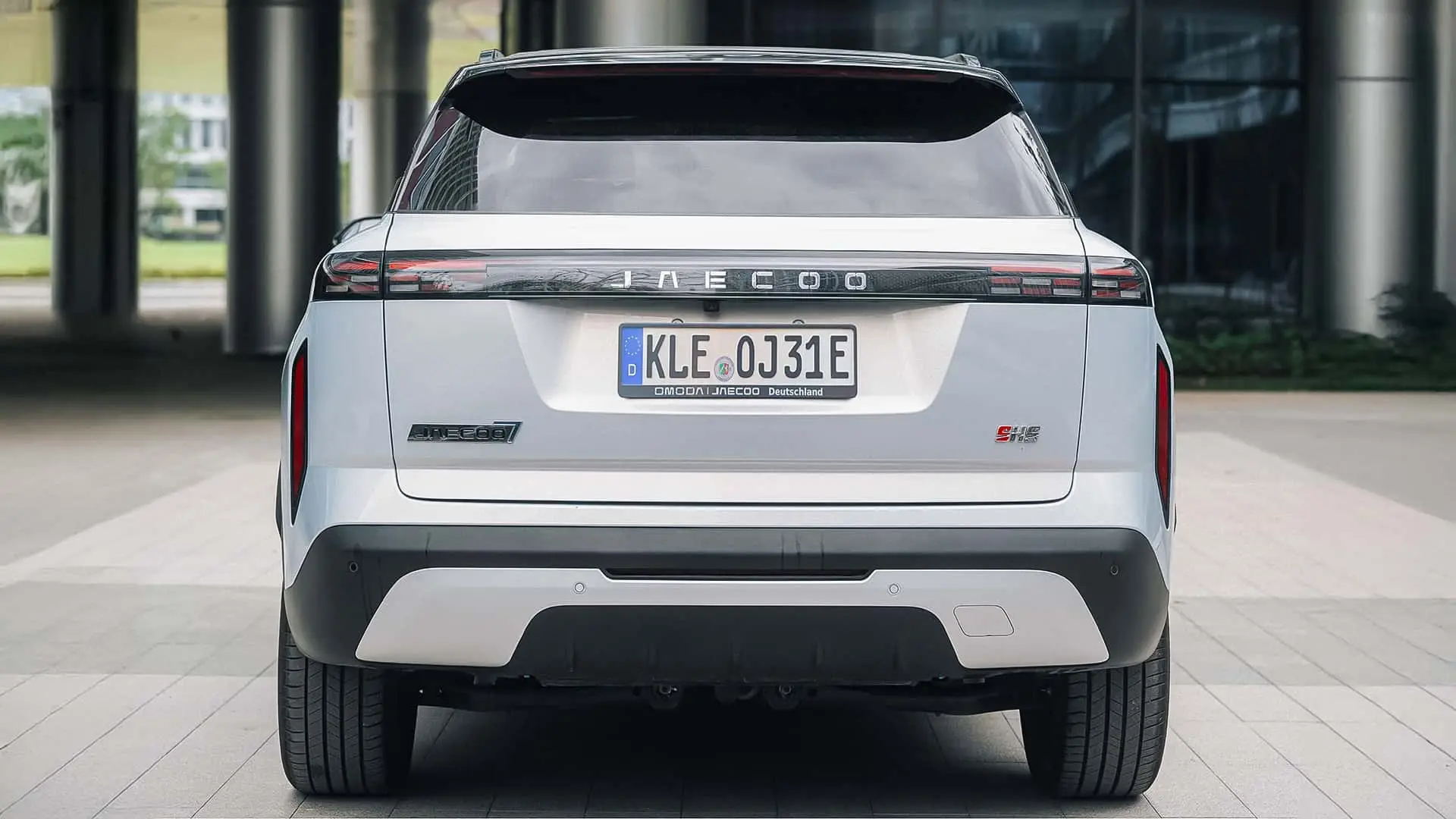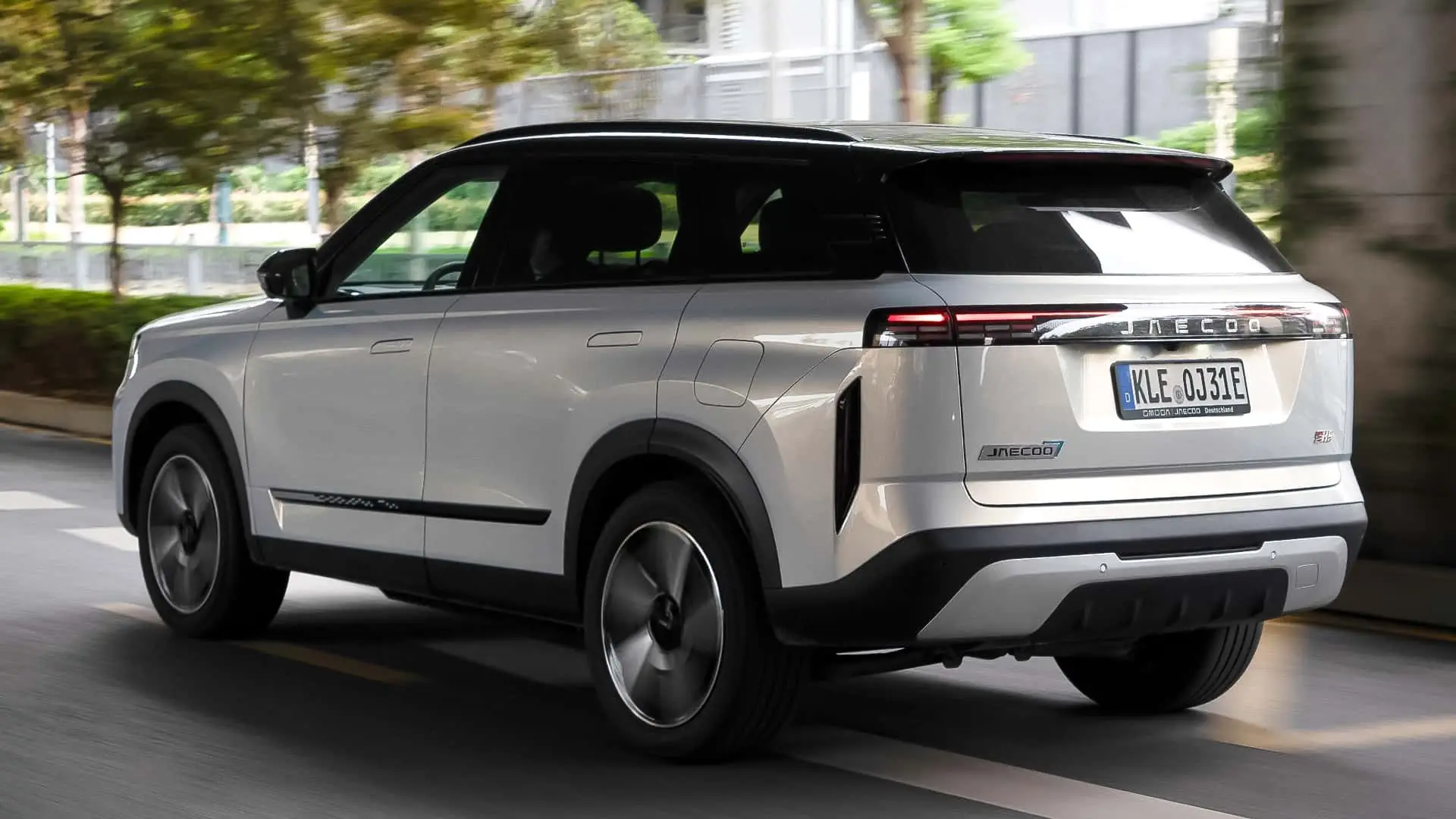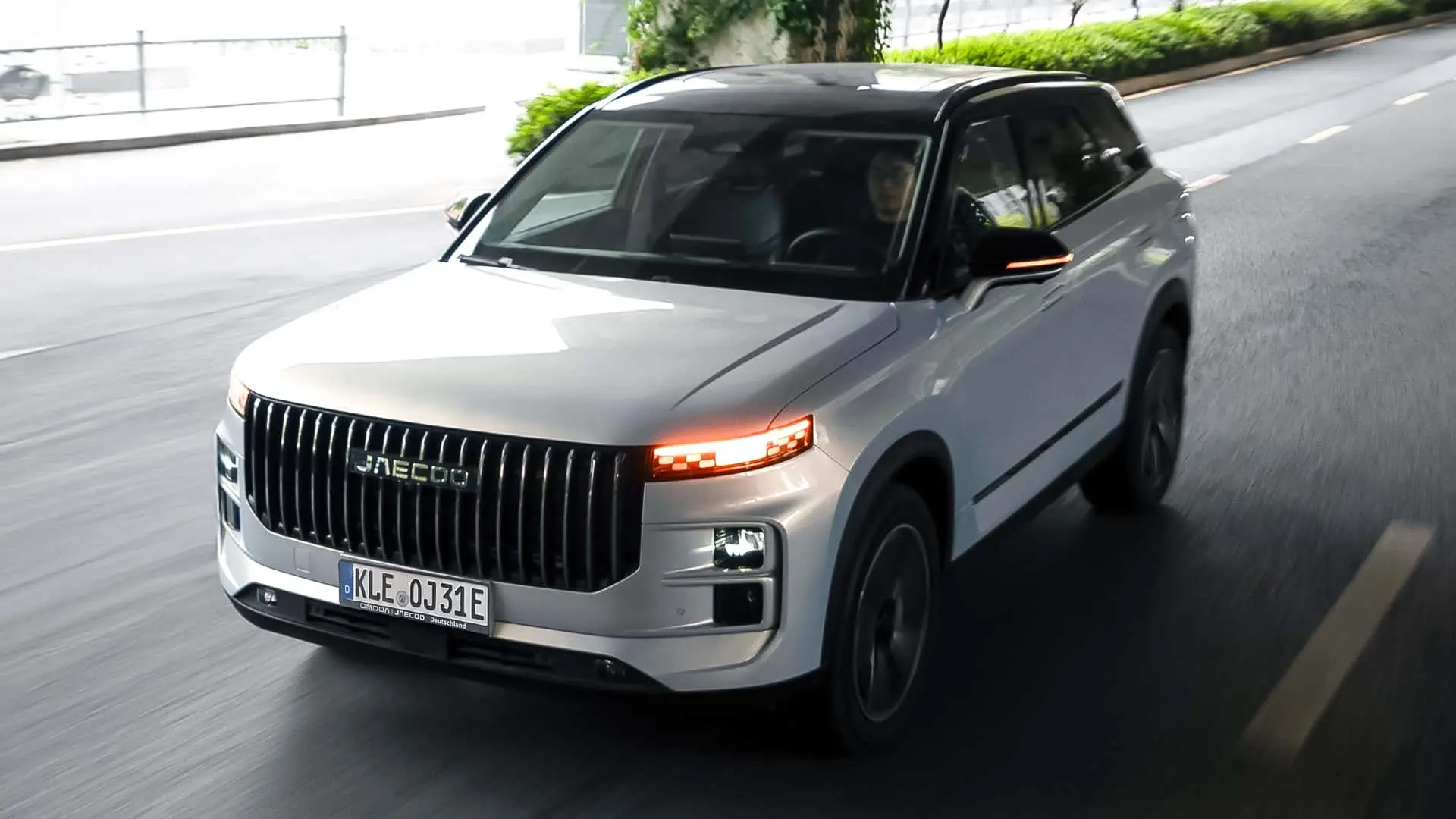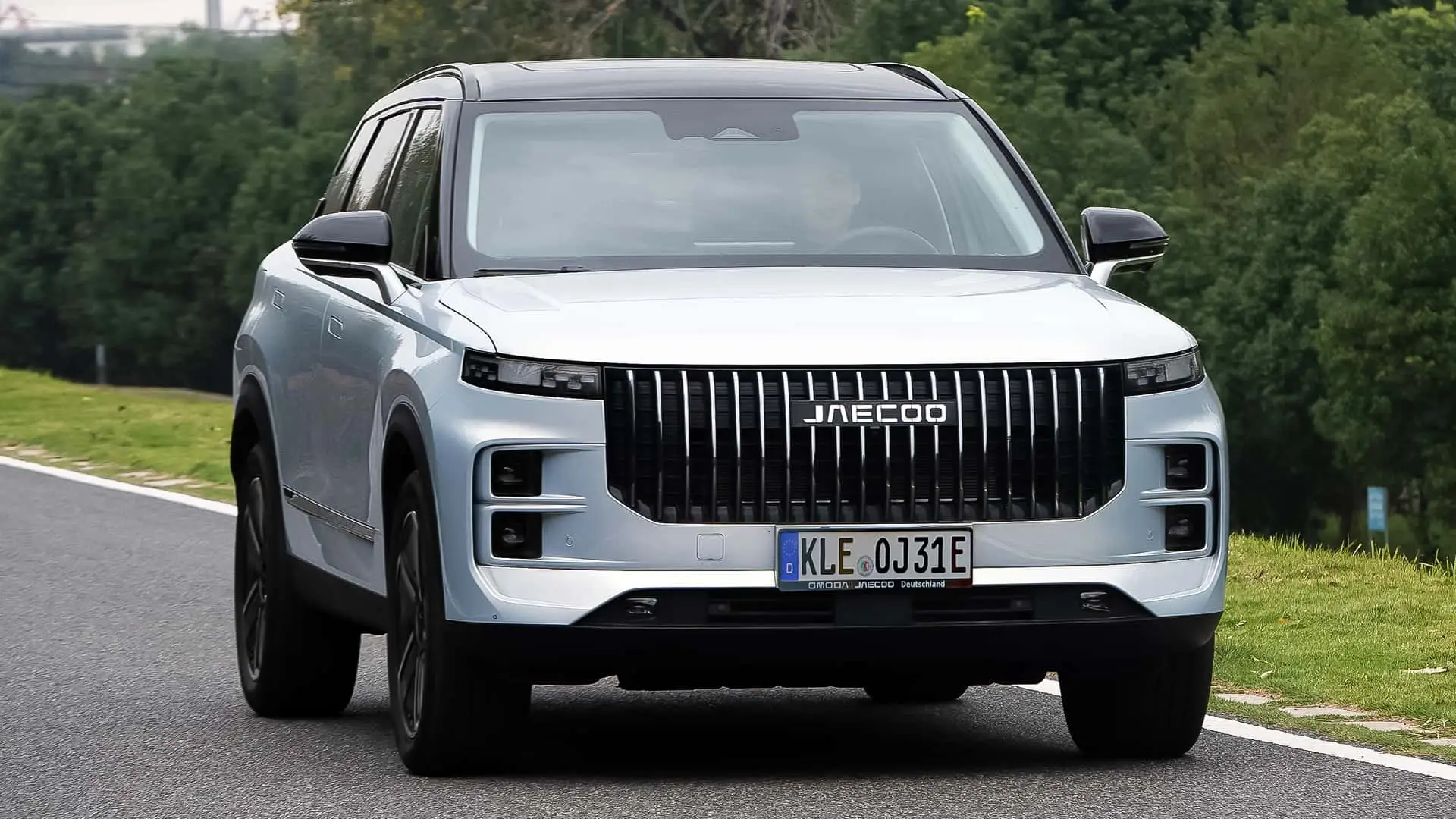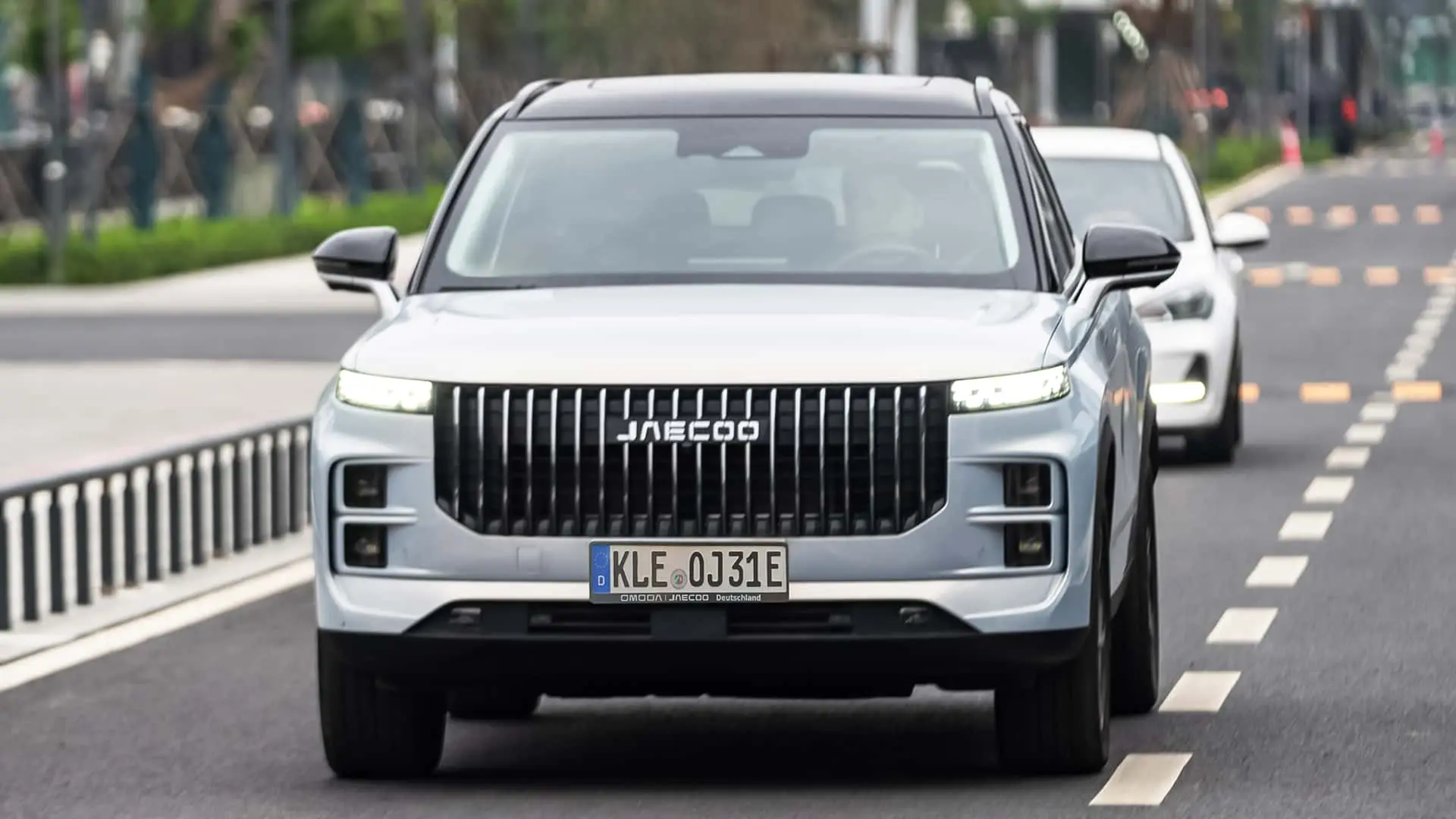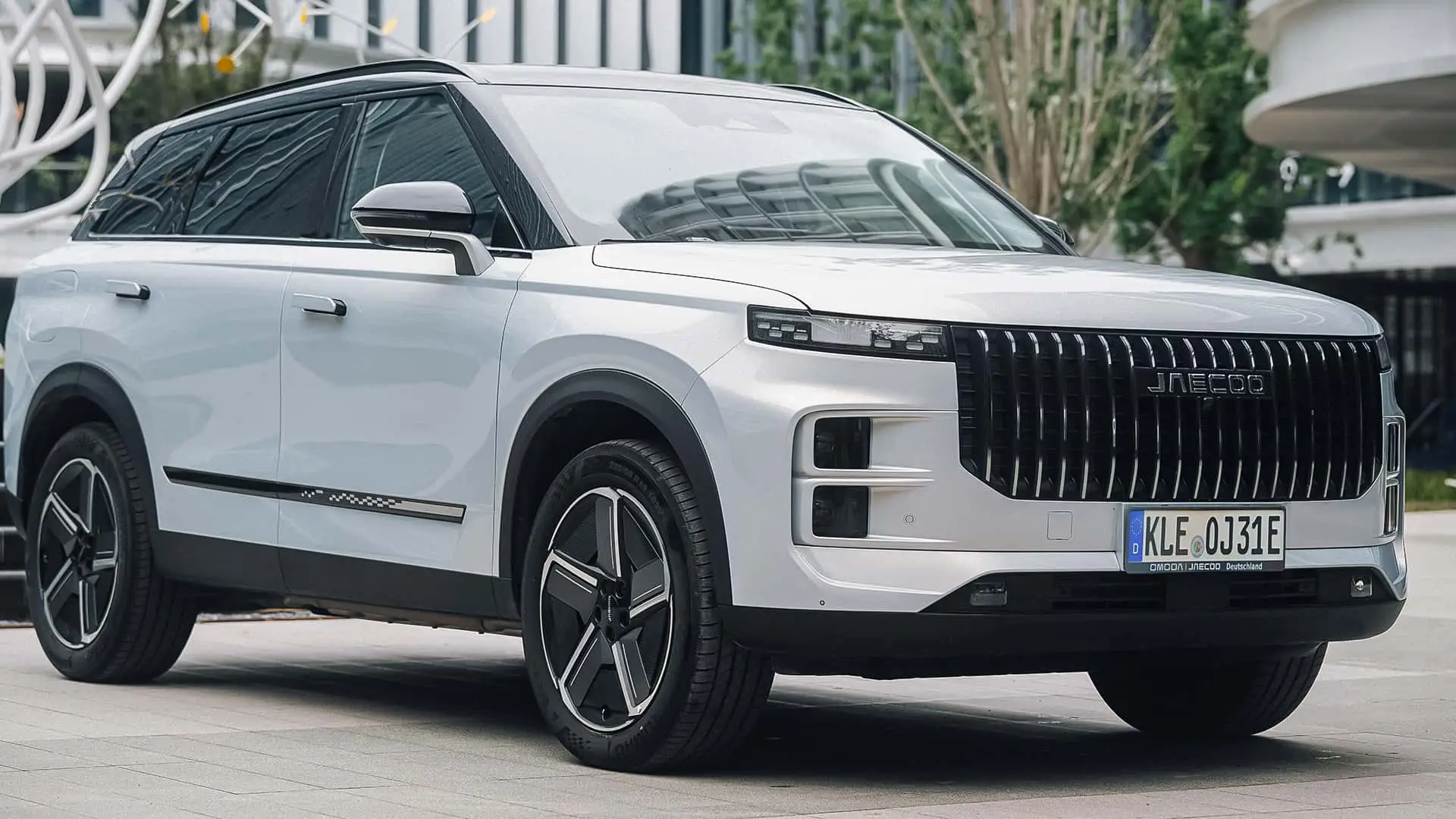
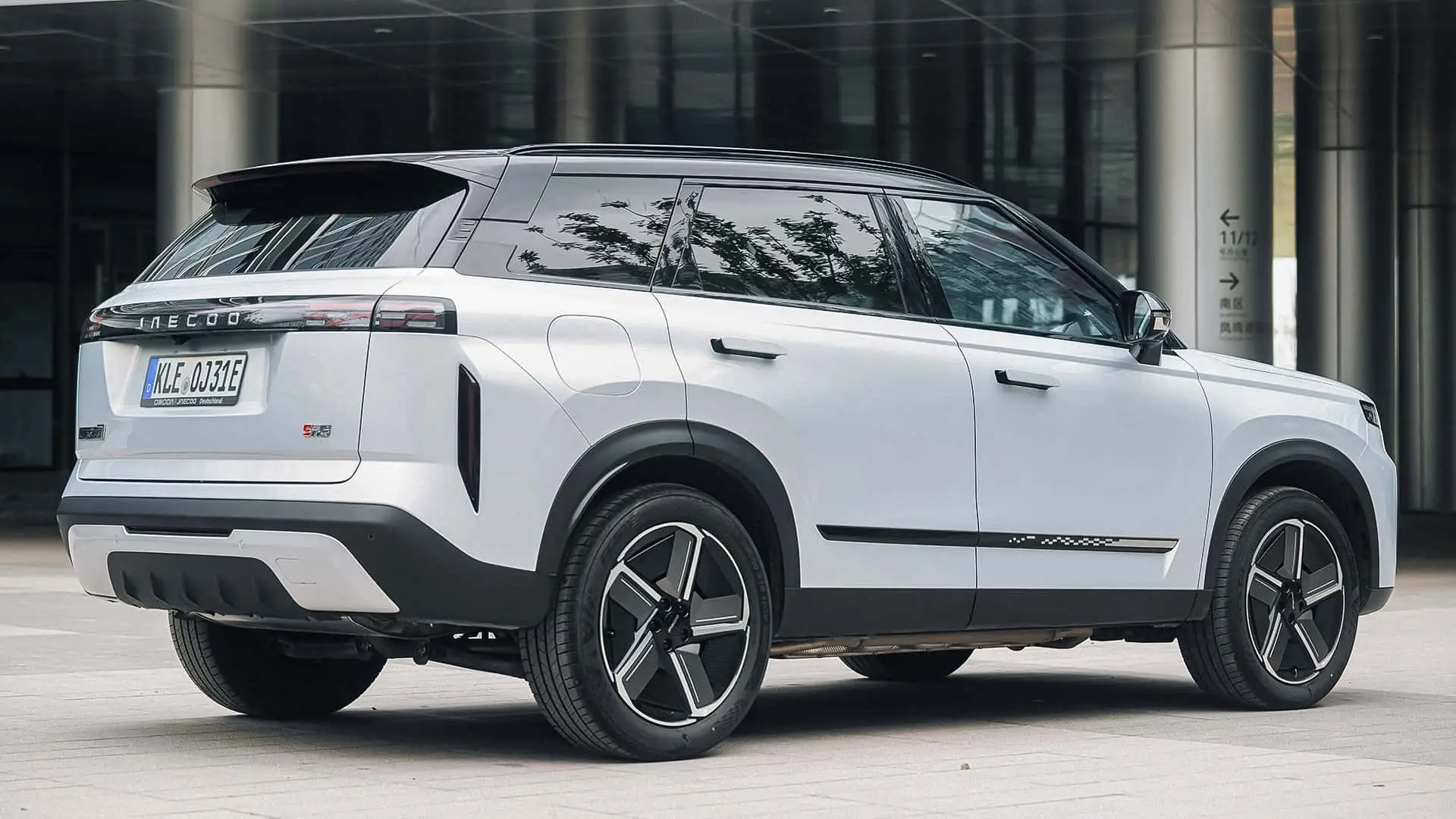
The JAECOO 7 SHS debuts in Germany with a proposal that combines practical electric autonomy for daily use with a total range designed for long trips — complemented by a robust after-sales strategy aimed at reducing European consumers’ resistance to Chinese brands.
Why the German Market Matters and What the Brand’s Strategy Is
Entering Germany is not just about opening a store: it’s about competing in one of the world’s most demanding automotive markets, where customers value build quality, drivability, and extensive service networks. Omoda & Jaecoo, a branch of the Chery Group, adopted a clear strategy of gradual entry — parallel sales alongside the development of an after-sales infrastructure — with specific adjustments to suspension and steering to suit local preferences. This translates into two complementary approaches:
- Customized Product: chassis calibration designed for German roads and high-speed handling characteristics;
- Built-in Confidence: extensive warranties and a promise of spare parts logistics with 99% availability within 24 hours to reduce purchase hesitation.
From a positioning standpoint, the JAECOO 7 SHS targets consumers seeking a PHEV SUV with a competitive price — the base version starts at €36,900 — and who do not compromise on technology and real-world autonomy for daily use. To understand where Jaecoo fits within the ecosystem of hybrid and electric models arriving in Europe, it’s useful to see how rivals and alternatives are also entering the range and price race, such as the WULING XINGGUANG 560 and other recent PHEV launches.
What’s Under the Hood: The Super-Hybrid System (SHS) and Technical Specifications
The key technical feature of the JAECOO 7 is the so-called Super-Hybrid System (SHS), which prioritizes electric propulsion in most driving scenarios. This provides a more immediate driving experience, lower emissions during everyday use, and fuel savings on mixed trips — qualities valued by urban drivers who also frequently undertake highway journeys.
| Component | Specification |
|---|---|
| Internal Combustion Engine | 1.5TGDI gasoline — 105 kW (143 HP) |
| Traction Electric Motor | 150 kW (204 HP) — 310 Nm |
| Combined Power | 205 kW |
| Transmission | DHT Hybrid Transmission |
| Battery | Lithium Iron Phosphate (LFP) — 18.3 kWh (IP68, disables in 2 ms in a collision) |
| Electric Range (WLTP) | Up to 90 km |
| Total Range | Up to 1,200 km |
| DC Charging | Up to 40 kW — 30% to 80% in ~20 minutes |
| AC Charging | Up to 6.6 kW |
What do these numbers mean in practice? An electric WLTP range of up to 90 km covers most daily urban trips for the majority of German families — enough for commuting, school runs, and city driving without using fuel. When combined with the gasoline engine, the total range of up to 1,200 km makes the 7 SHS an attractive option for long-distance travel without solely relying on charging infrastructure. For consumers evaluating PHEV options, understanding combined fuel consumption (15.1 kWh electric + 2.4 L gasoline per 100 km) and emissions (54 g/km CO2) will be crucial.
“The SHS strategy aims to reduce losses and maximize efficiency; the manufacturer claims a system efficiency above 98%”
Battery safety and fast DC charging are significant competitive advantages. However, buyers concerned about actual autonomy in cold weather or heavy air conditioning should consult independent testing results.
Driving Modes and Usability
The JAECOO 7 SHS offers driving modes focused on electric, hybrid, and economy, along with a 3.3 kW V2L function to power external devices — ideal for camping or as an emergency backup. The V2L feature enhances the vehicle’s versatility for customers seeking added value beyond mobility.
Equipment, Safety, and After-Sales Service: What’s Included in Each Version
The model is available in two versions tailored for different audiences: those seeking good value with basic technology as standard, and those opting for premium finishes and features.
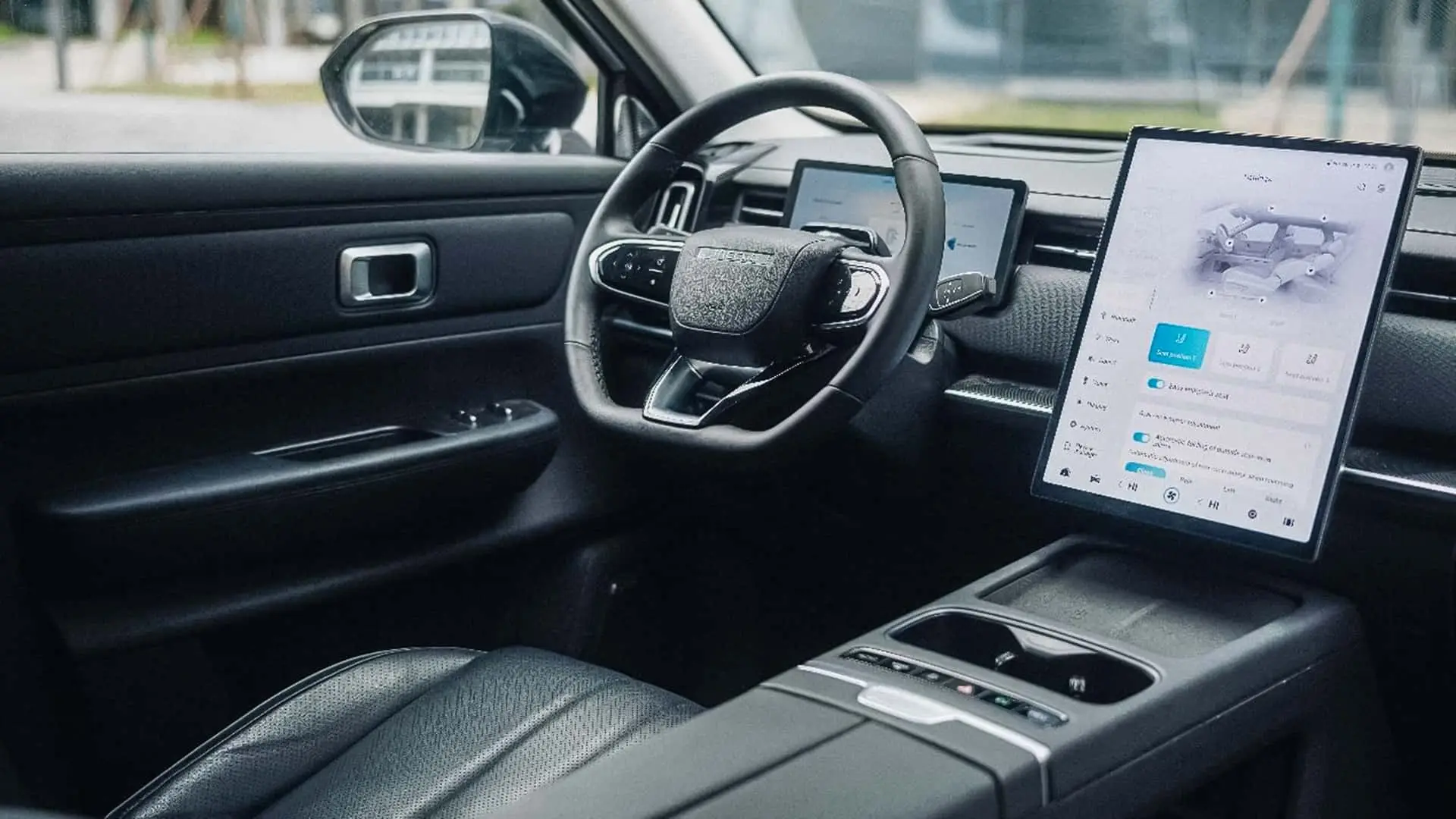
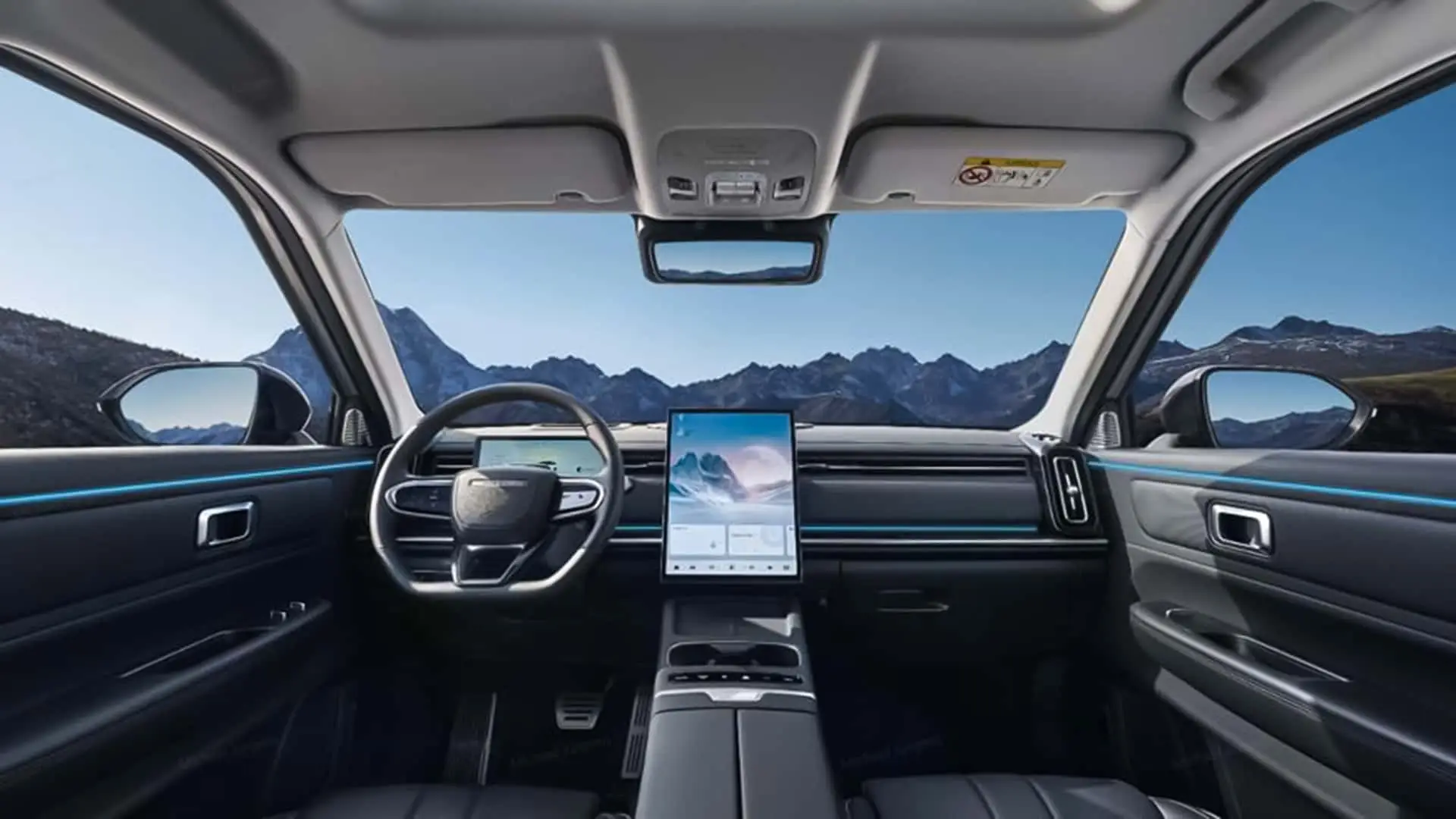
- Select Version (€36,900): 19″ wheels, full-LED headlights, automatic dual-zone climate control with HEPA filter, a 14.8″ central touchscreen, a 10.25″ digital dashboard, wireless smartphone integration, WLAN hotspot, and V2L 3.3 kW.
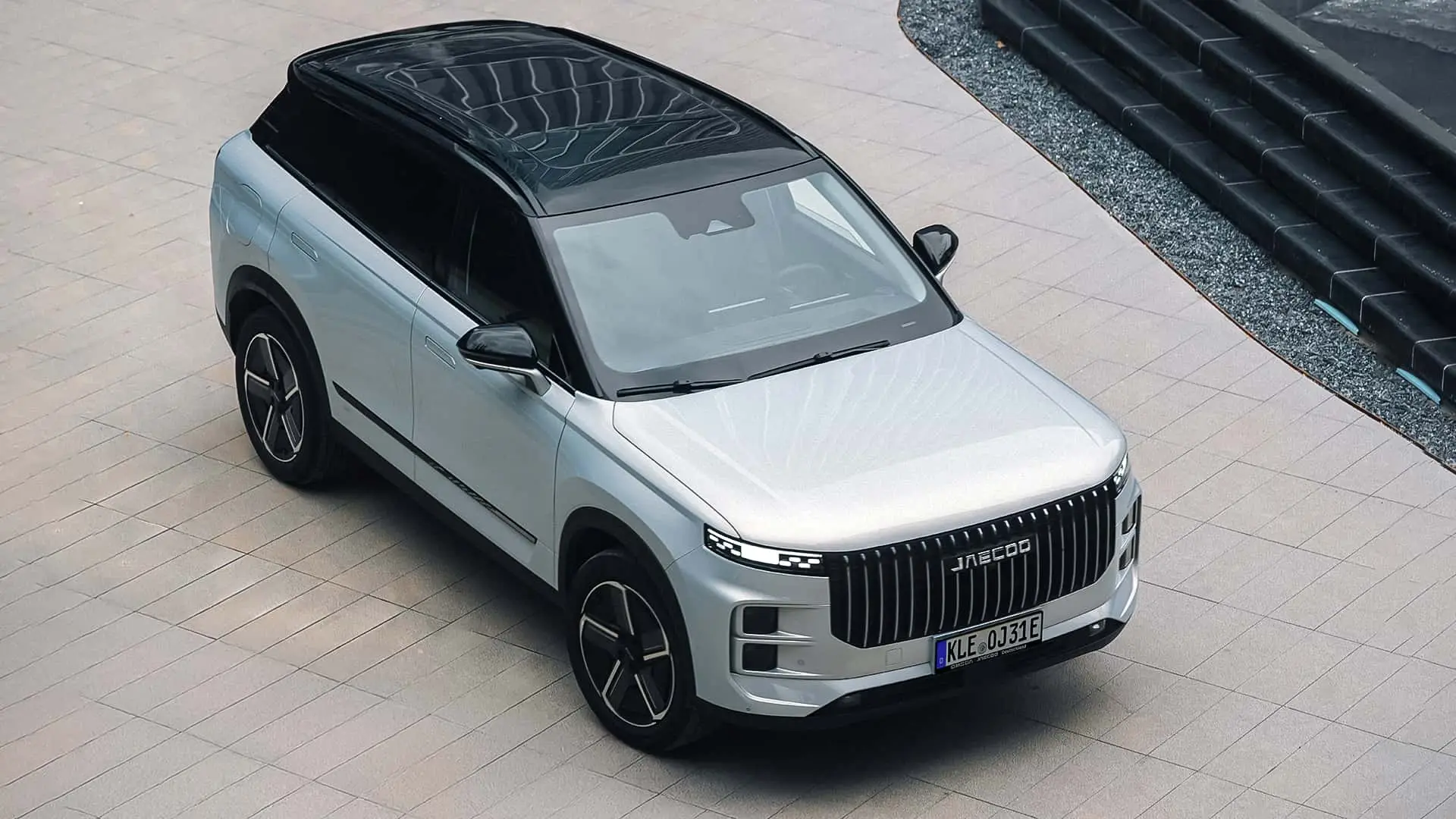
- Exclusive Version (€39,490): adds ventilated and heated synthetic leather seats with memory, Head-up Display, 50W wireless charging, Sony premium sound system, and panoramic sunroof.
In terms of safety, the brand aims for the maximum NCAP rating and already equips the vehicle with eight airbags, a high-strength structure, and an L2-level ADAS package utilizing 11 sensors for longitudinal and lateral control. Features include adaptive cruise control (ACC), lane-keeping and lane-change assist, blind-spot monitoring, cross-traffic alert with automatic braking, and driver fatigue detection. A 540-degree camera supports maneuvering and handling on complex terrains — an important advantage in tight European parking spaces.
Warranty and Post-Purchase Confidence are central to the offering: 7 years or 150,000 km warranty for the vehicle and 8 years or 160,000 km for the battery. Painting and corrosion protection are also generously covered, and the spare parts logistics promise reduces the risk of long support periods. For German consumers, this package carries significant weight in their purchasing decision.
If you are following the recent surge of PHEVs and hybrids in the market, see how the KIA SPORTAGE and SORENTO plug-in hybrid models arrived with similar technological proposals and regional offers, helping to understand the pricing and positioning strategies of the JAECOO 7 SHS.
Design, Dimensions, and Practicality
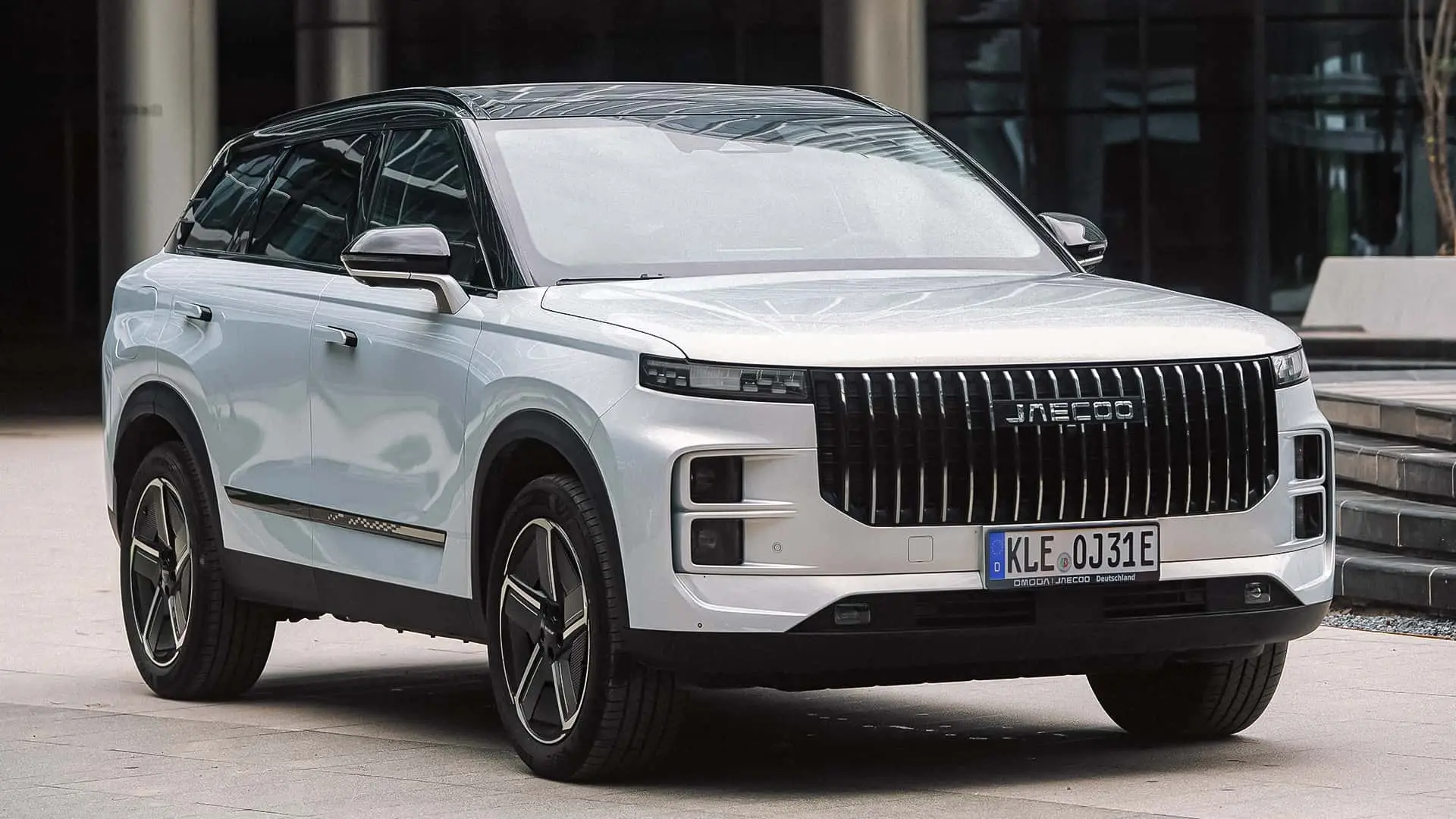
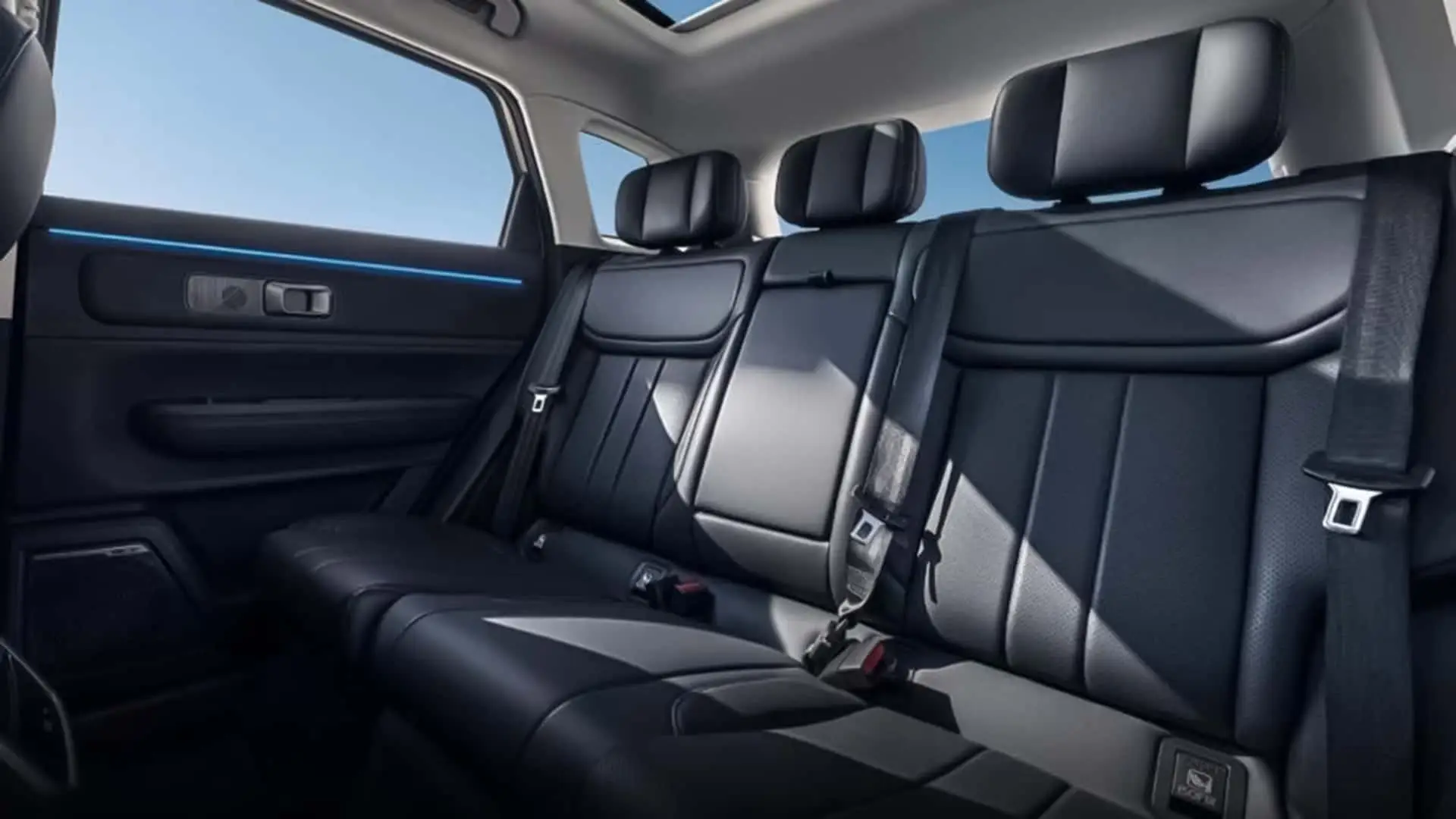
With a length of 4,500 mm, the JAECOO 7 SHS belongs to the mid-size SUV segment, featuring a robust design with angular lines. The 340-liter trunk (1,265 liters with seats folded) is practical for families, and the towing capacity of up to 1,500 kg expands its versatility. An 11-meter turning radius facilitates urban maneuvering — a key detail for daily usability.
The minimalist interior, with large screens and digital interfaces, appeals to those who value technology; adding a HEPA filter in the air conditioning system further enhances its appeal in markets focused on urban air quality.
For readers comparing premium and electric SUVs, the introduction of the JAECOO 7 SHS brings a new variable; brands like the MERCEDES-BENZ EQE320+ SUV continue offering more expensive, fully electric alternatives, while the 7 SHS emphasizes value for money with its plug-in hybrid approach.
Perceived Risks and What to Watch Before Buying
- Actual autonomy vs WLTP: independent tests in cold weather and with heavy comfort features may reduce electric range; verify local results.
- Service network: check service locations and quality assessments following initial deliveries.
- Resale value: although long warranties mitigate risks, market behavior in Europe toward new brands remains a factor to monitor.
If your comparison involves other global PHEVs, consider reading about the NISSAN ROGUE PLUG-IN HYBRID and how established manufacturers balance performance and space for customers seeking family-sized vehicles or higher cargo capacity.
Ultimately, the arrival of the JAECOO 7 SHS in Germany is a strategic move combining advanced hybrid technology, attractive warranty packages, and a competitive price. Consumers should consider daily usability, quick-charging capabilities, and after-sales confidence; for the market, this model introduces competitive pressure in the PHEV segment, prompting rivals to adjust their packages and pricing strategies.