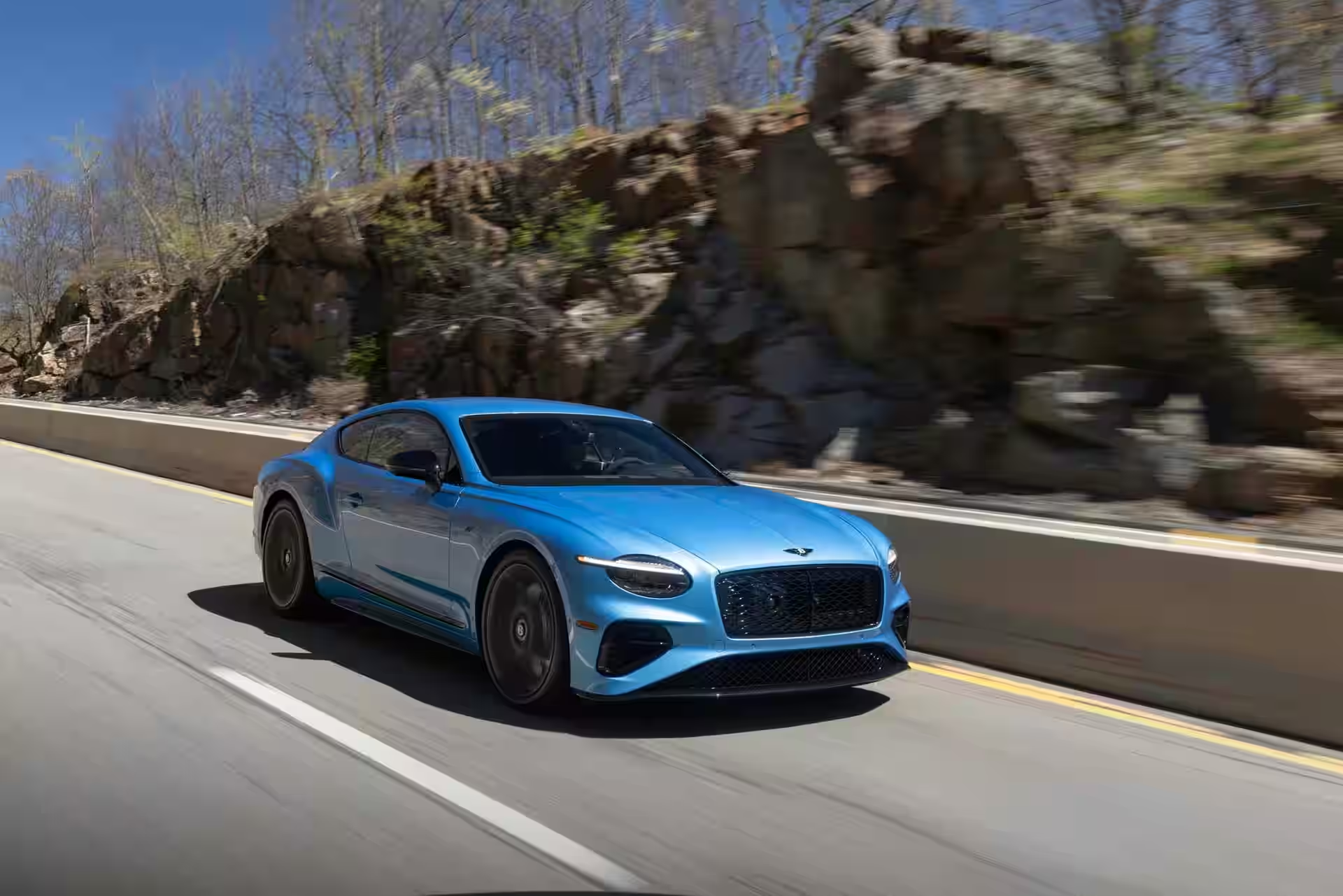
The Continental Range Gets More Surgical
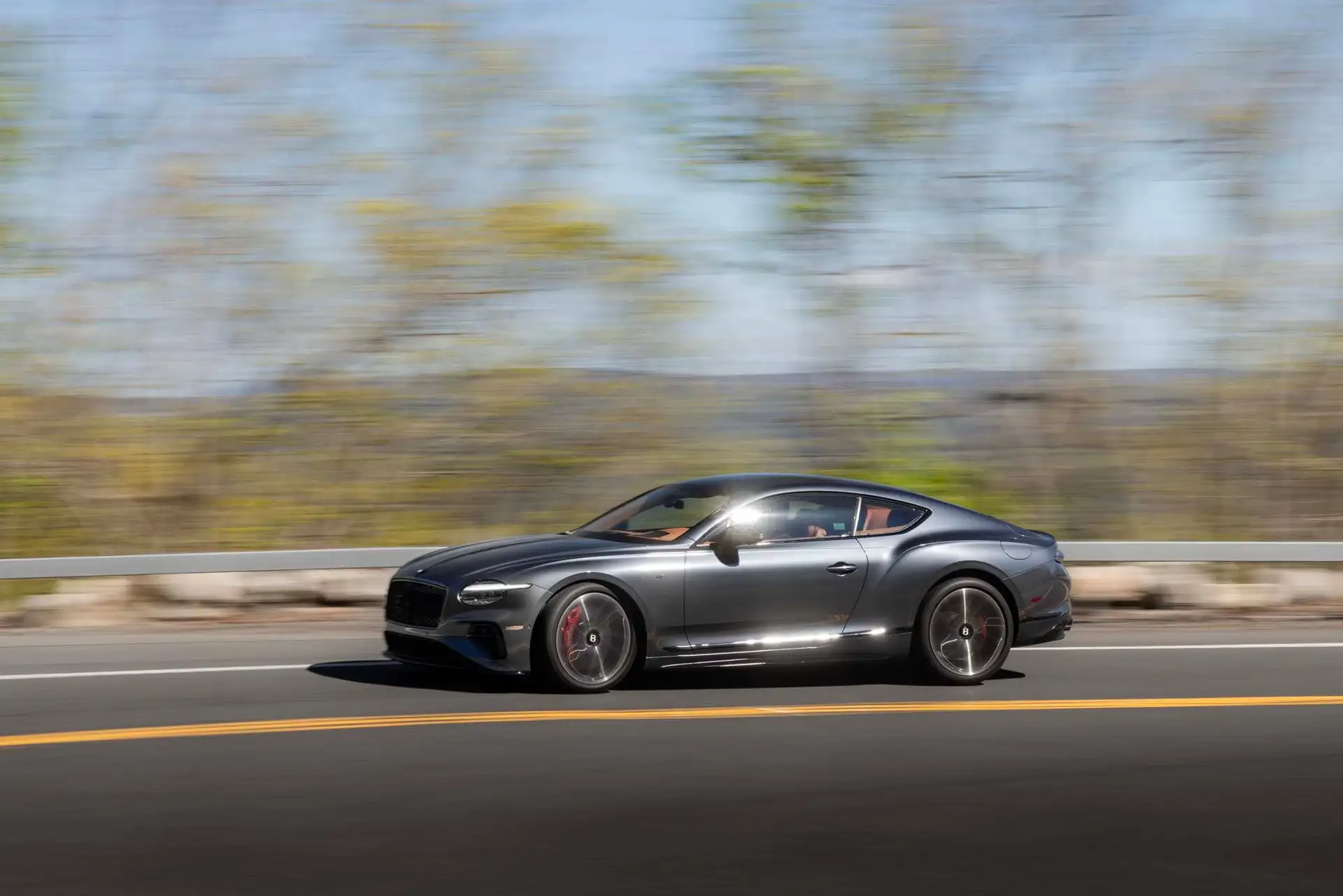
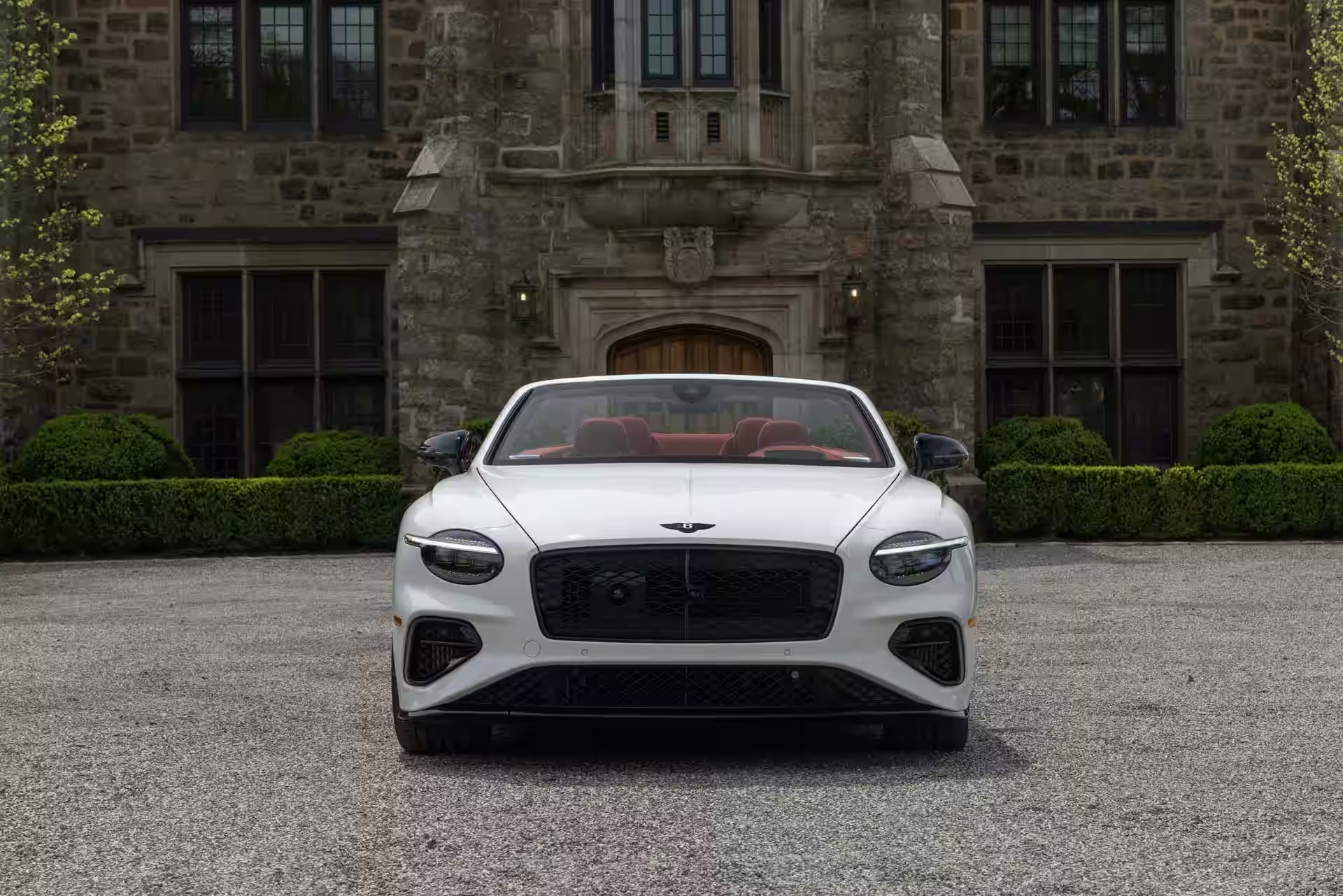
The 2026 Bentley Continental GT S is not a rebadged trim level; it is Bentley drawing a finer line between the 671 hp Continental GT and the 771 hp Continental GT Speed. The result is a car that keeps the plug-in hybrid V8 architecture, the 22 kWh battery, and the 8-speed dual-clutch transmission, yet deliberately stops short of the most extravagant output figure in the range. That makes the GT S a cleaner proposition for buyers who want genuine Continental pace without paying for every last horsepower. For a brand that now sells the Aston Martin Vantage S as a sharper rival and watches ultra-luxury customers cross-shop everything from BMW to Ferrari, the logic is obvious: differentiation now lives in calibration as much as in hardware.
What Changed Under the Skin
Mechanically, Bentley says there is no hardware difference between the 671 hp tune and the 771 hp Speed drivetrain. Both use a twin-turbocharged and intercooled 4.0-liter DOHC V8, an electric motor, and the same 22 kWh lithium-ion battery pack, with the output difference created by software that limits turbo boost pressure and changes ignition timing. That is a significant statement in itself because it means the GT S is not a “detuned” car in the weak sense; it is a calibrated one. The official combined output is 671 hp and 900 Nm, which translates to 686 lb-ft, and Bentley’s own figures show peak AC charging at 11.0 kW. In a segment where buyers often expect complexity, this is a rare case where the sophistication is mostly invisible.
Chassis Tuning Still Comes From the Speed
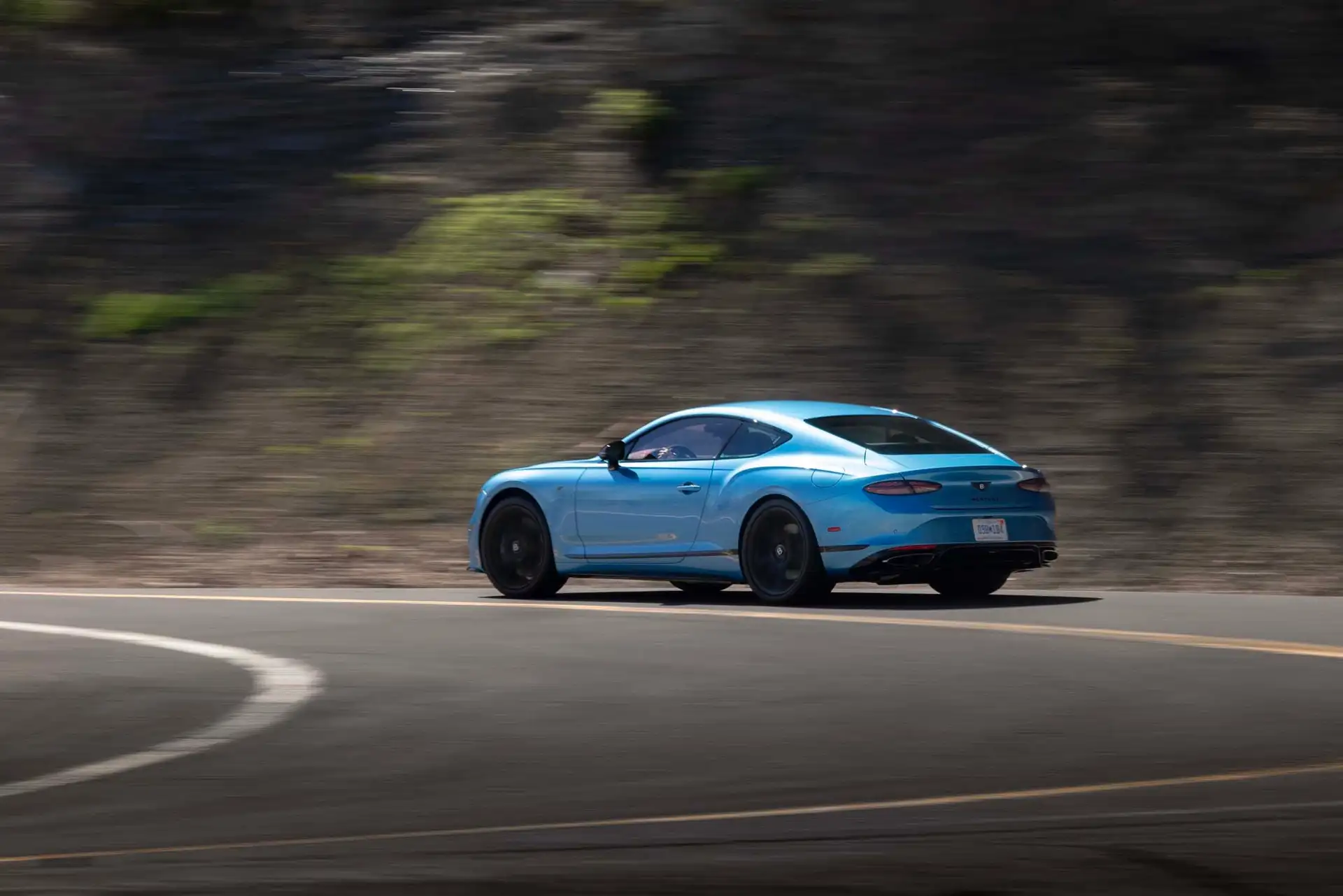
This is where the GT S earns its place. Bentley gives it the Speed’s more aggressive chassis programming, and that means a high-spec package built around air springs with adaptive dampers, rear-axle steering, active anti-roll bars, torque vectoring, and an electronically controlled limited-slip rear differential. In Sport mode, the system tightens spring and damper response, increases rear bias in the all-wheel-drive system, lowers ride height by 0.4 inch, and retunes rear steering, torque vectoring, and stability control. Those are not brochure flourishes; they are the reason the GT S can feel calm on broken pavement and obedient when asked to change direction at speed.
Performance Claims and Real-World Pace
Bentley has not published official acceleration figures for the GT S at launch, but the brand’s hardware logic makes the estimate straightforward: it should trail the Speed by only a few tenths. Since the Continental GT Speed reached 60 mph in 2.8 seconds in testing, a 3.1 to 3.4-second estimate for the GT S is entirely plausible. The quarter-mile forecast of 11.2 to 11.5 seconds and a top speed of 191 mph position it well beyond what most owners will ever exploit. Just as importantly, the hybrid system gives the car a combined fuel economy estimate of 19 mpg and an EV range of about 30 miles, or 46 MPGe combined when running as a plug-in hybrid. That combination is what modern Bentley buyers increasingly expect: huge thrust, short urban electric runs, and enough range to soften the guilt of a 4,000-pound-class luxury coupé.
Visual Changes Matter More Than You Might Think
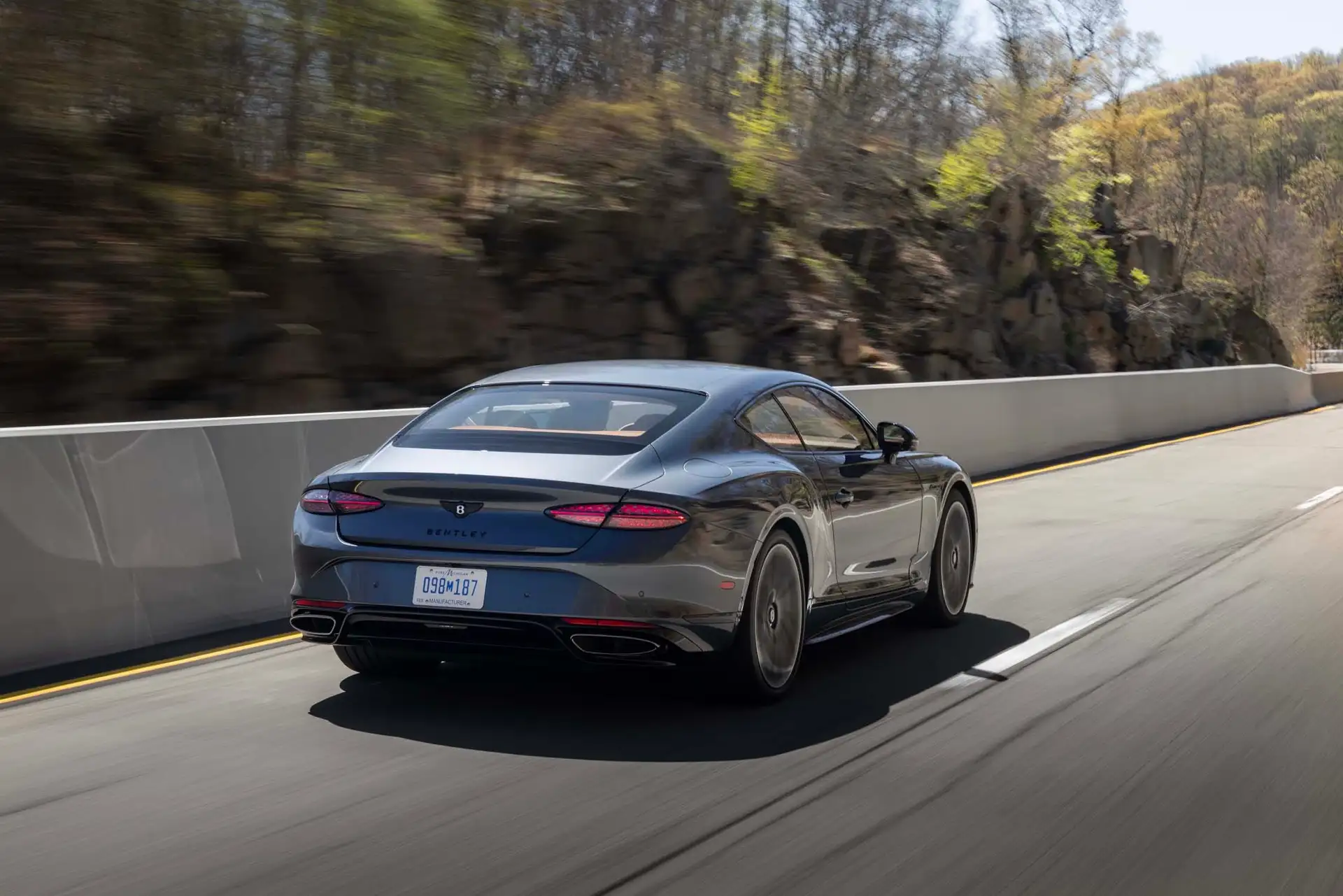
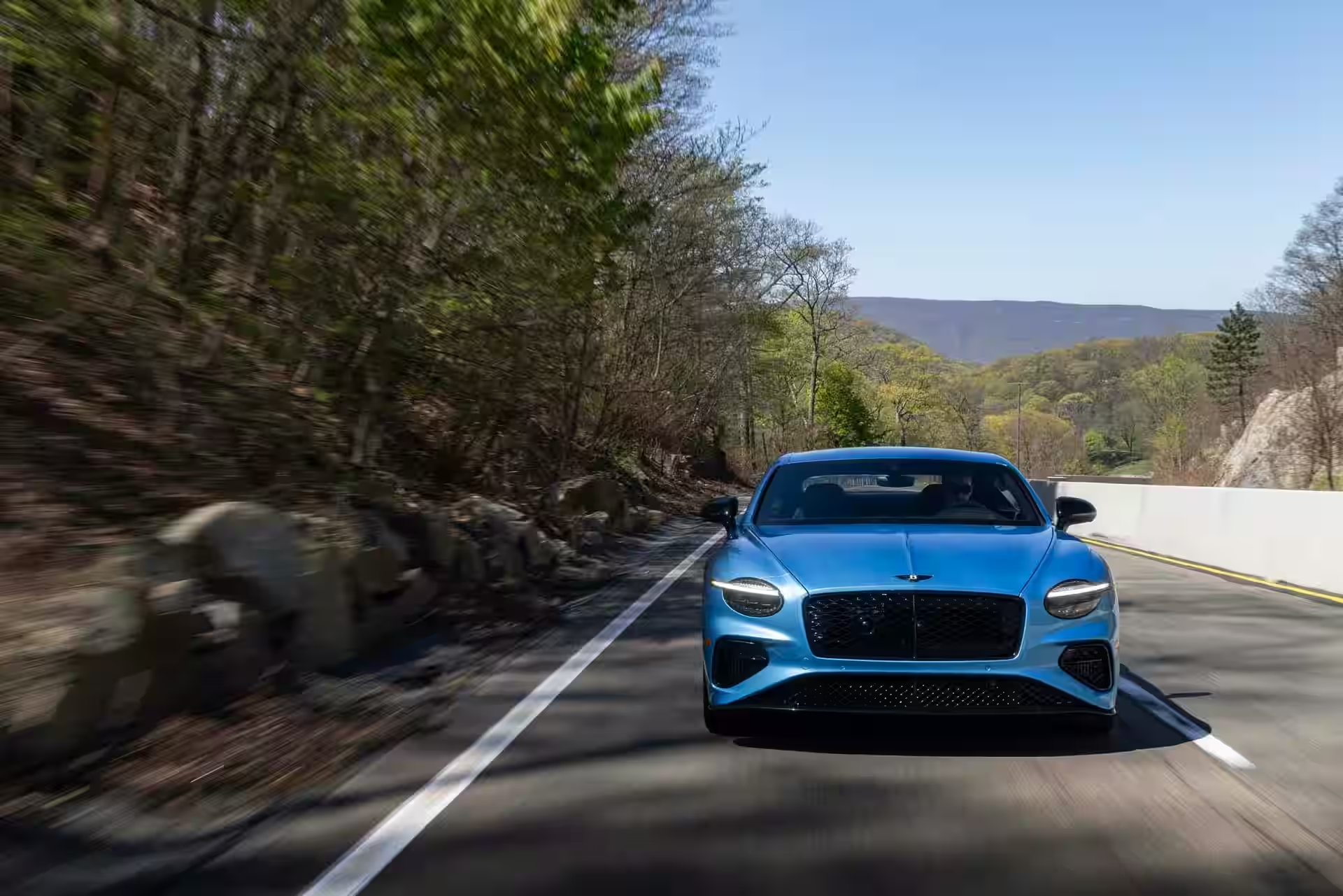
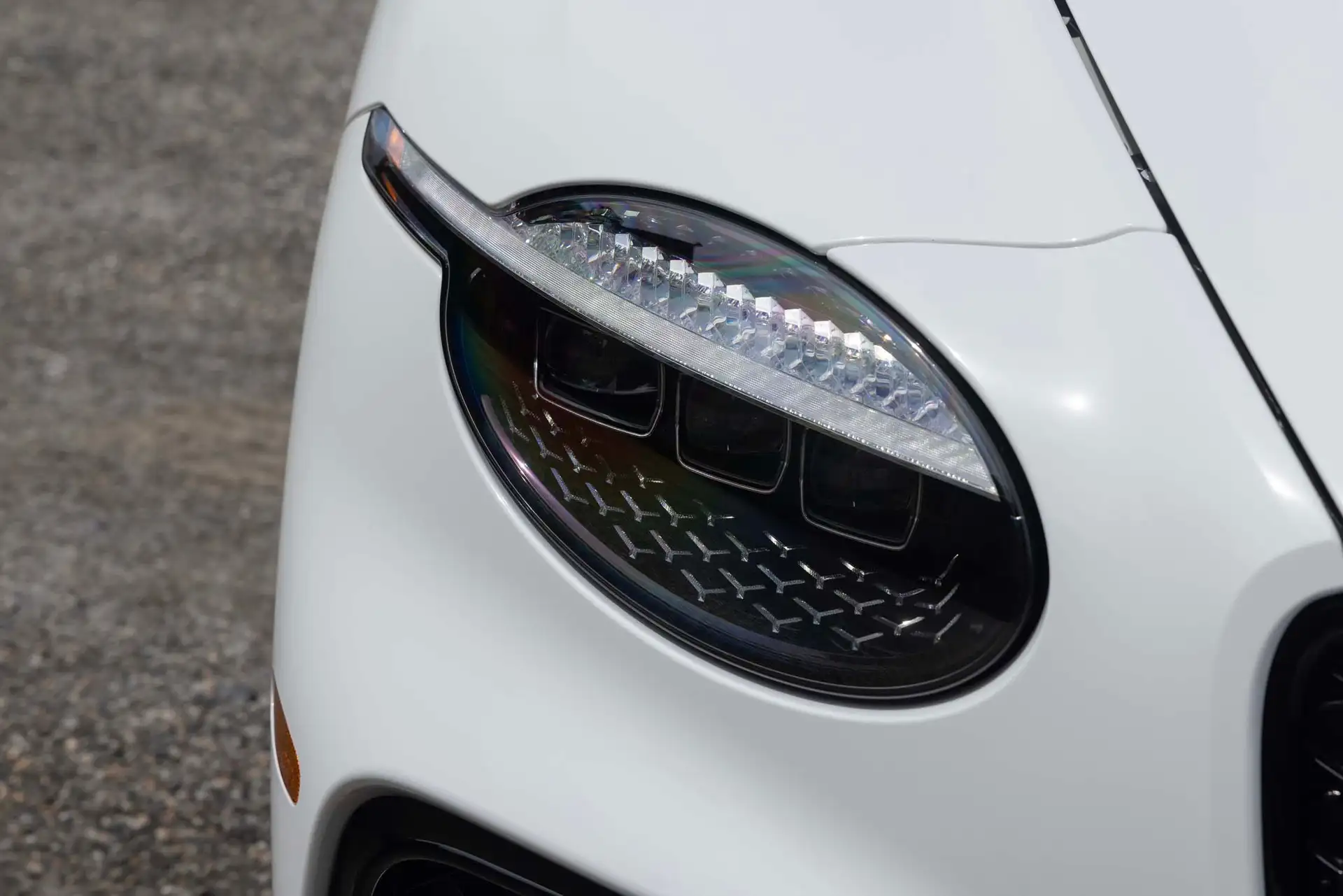
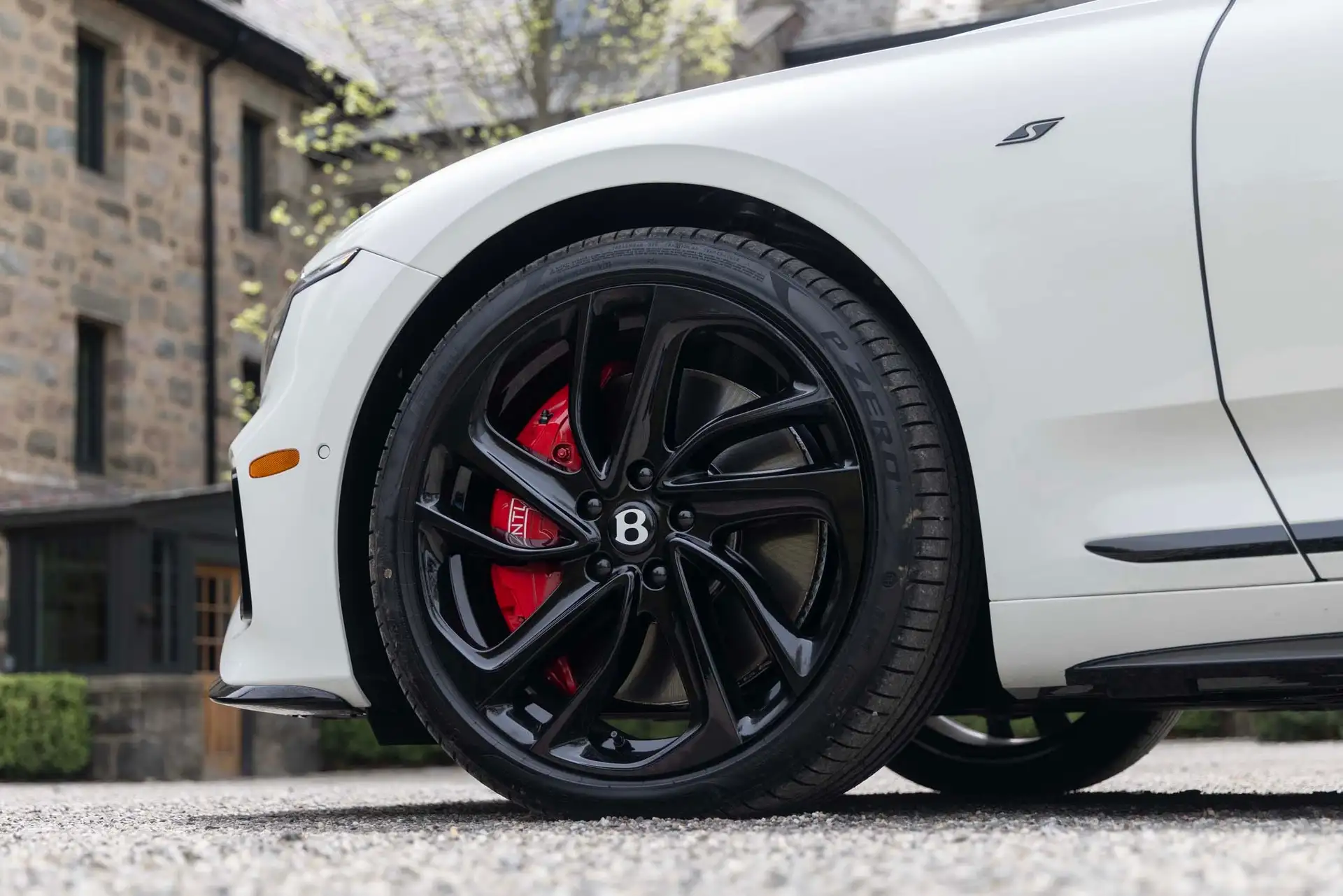
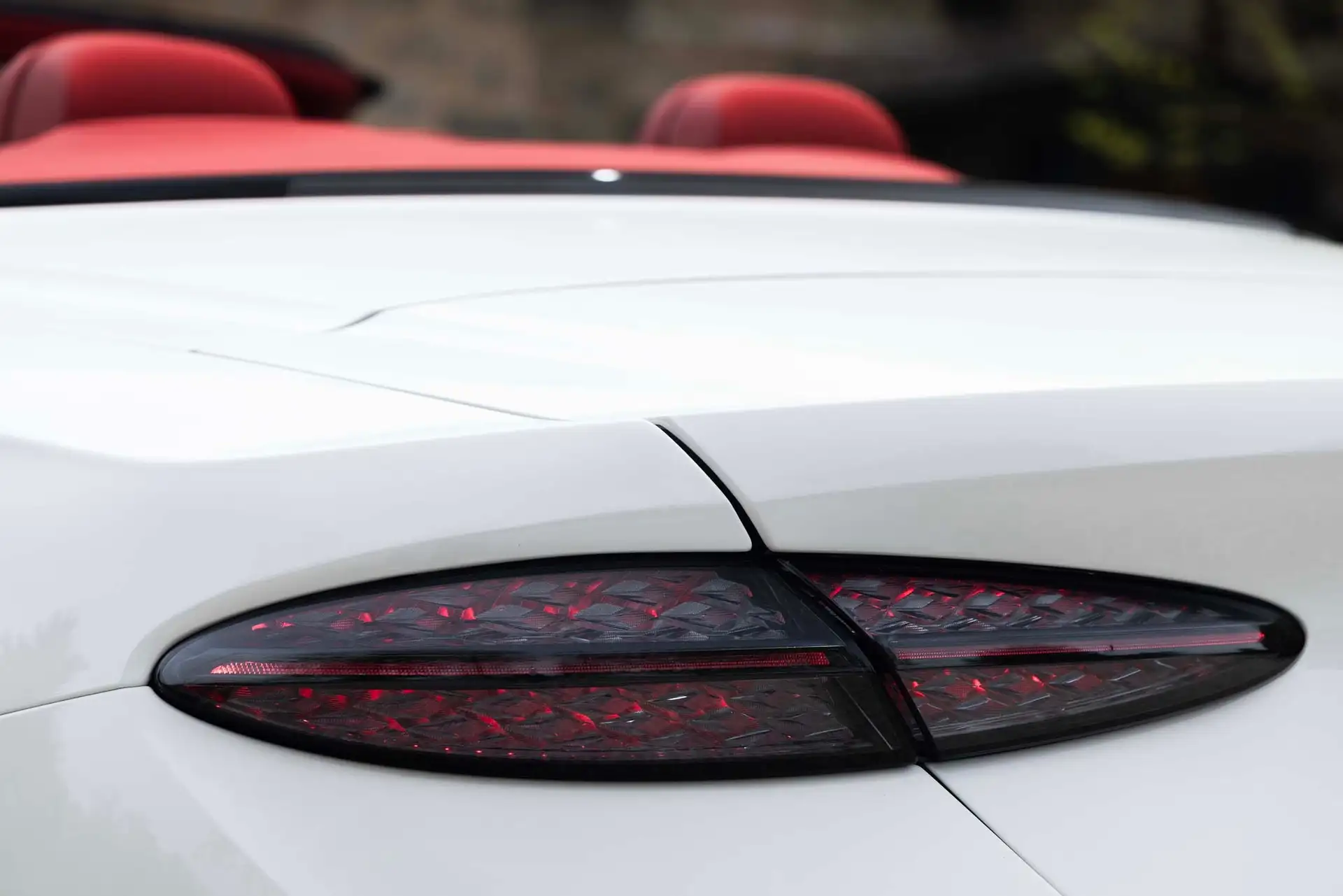
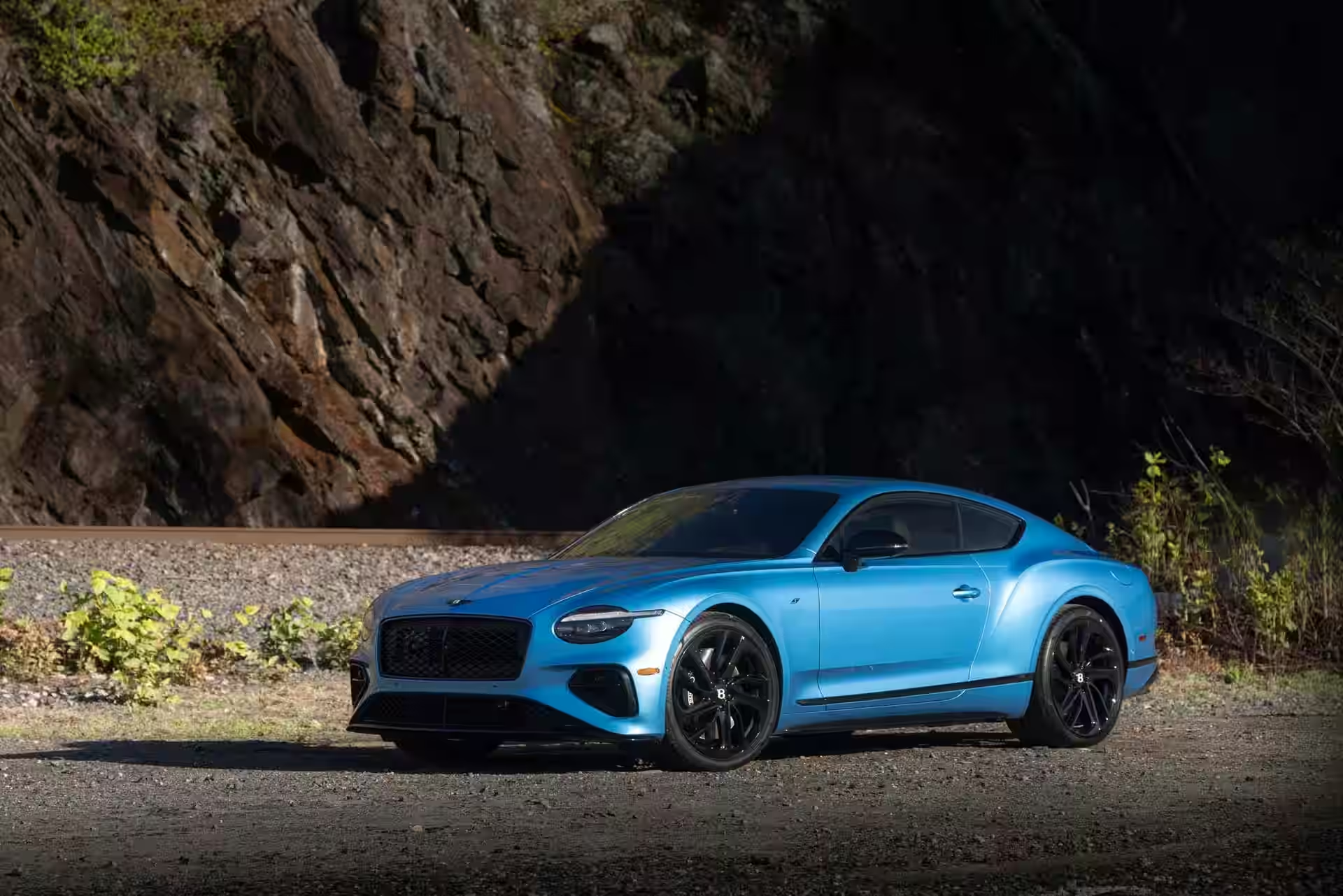
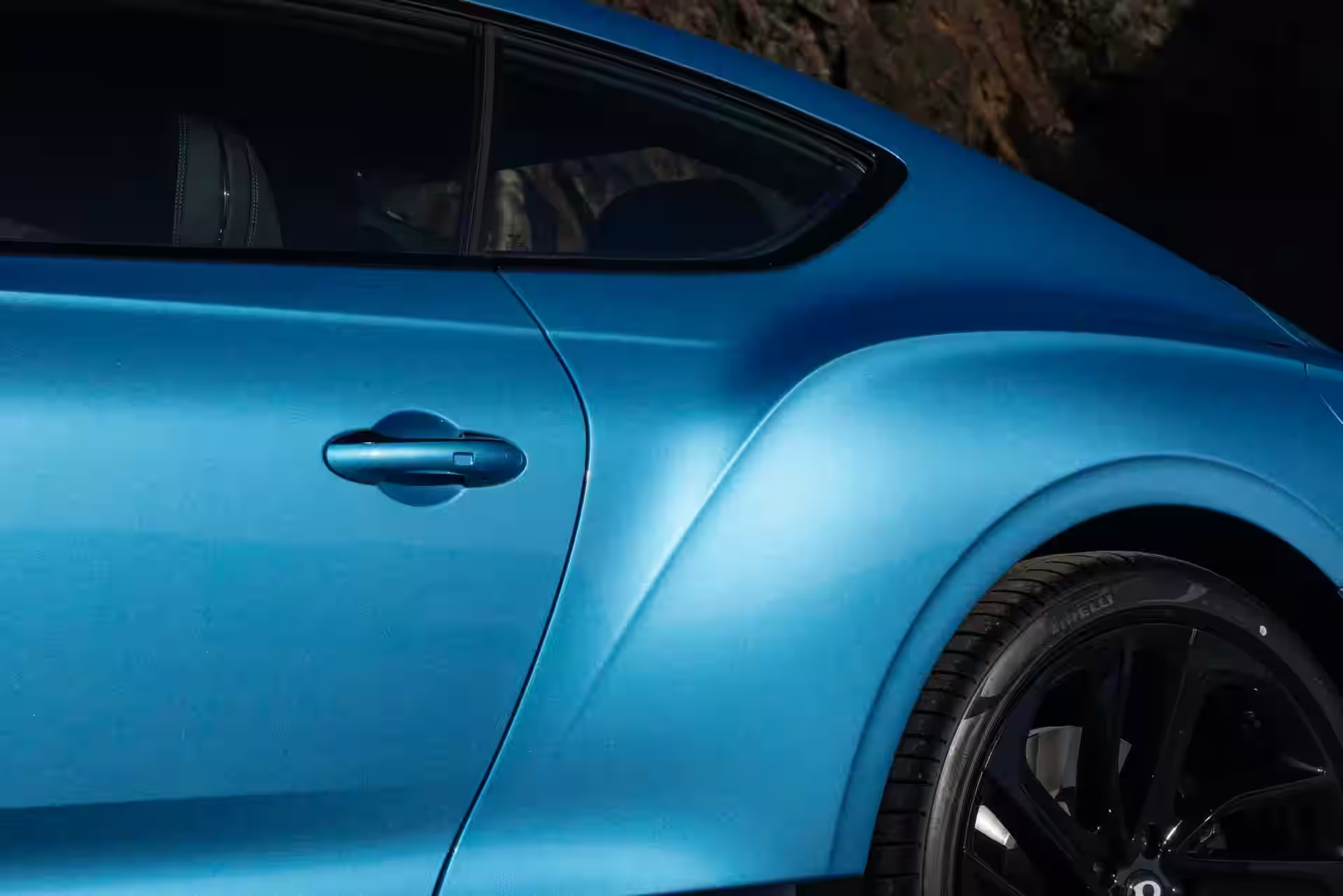
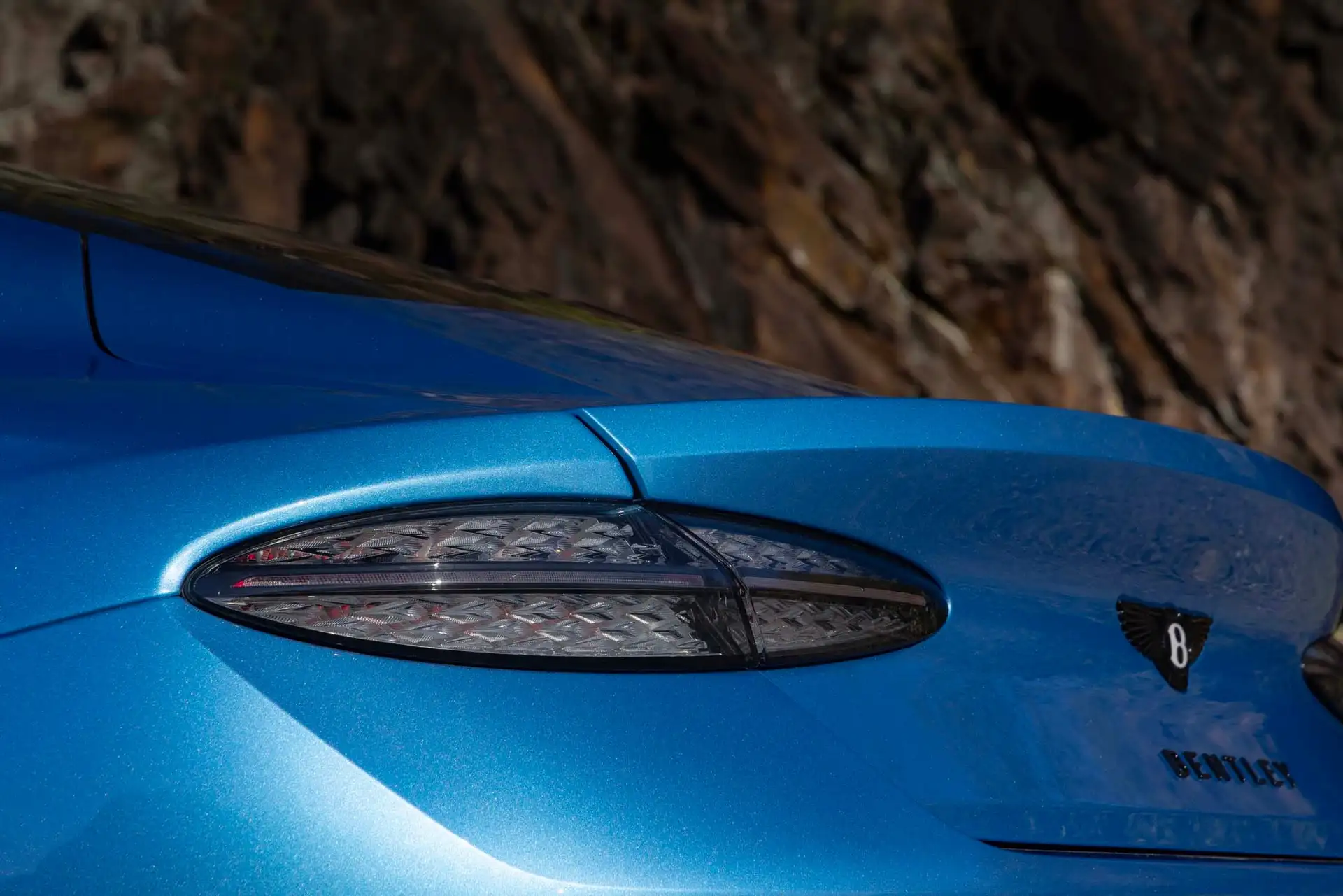
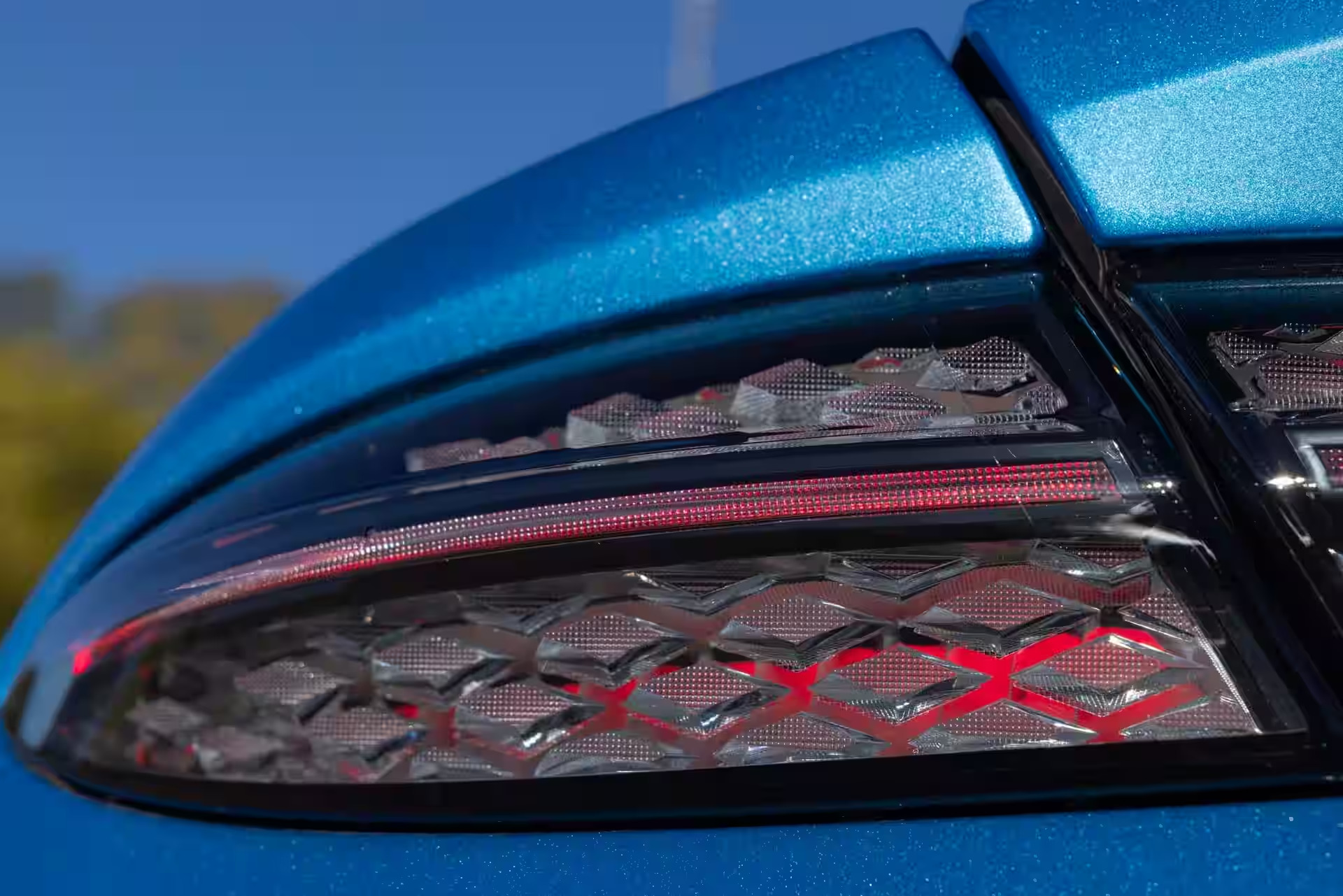
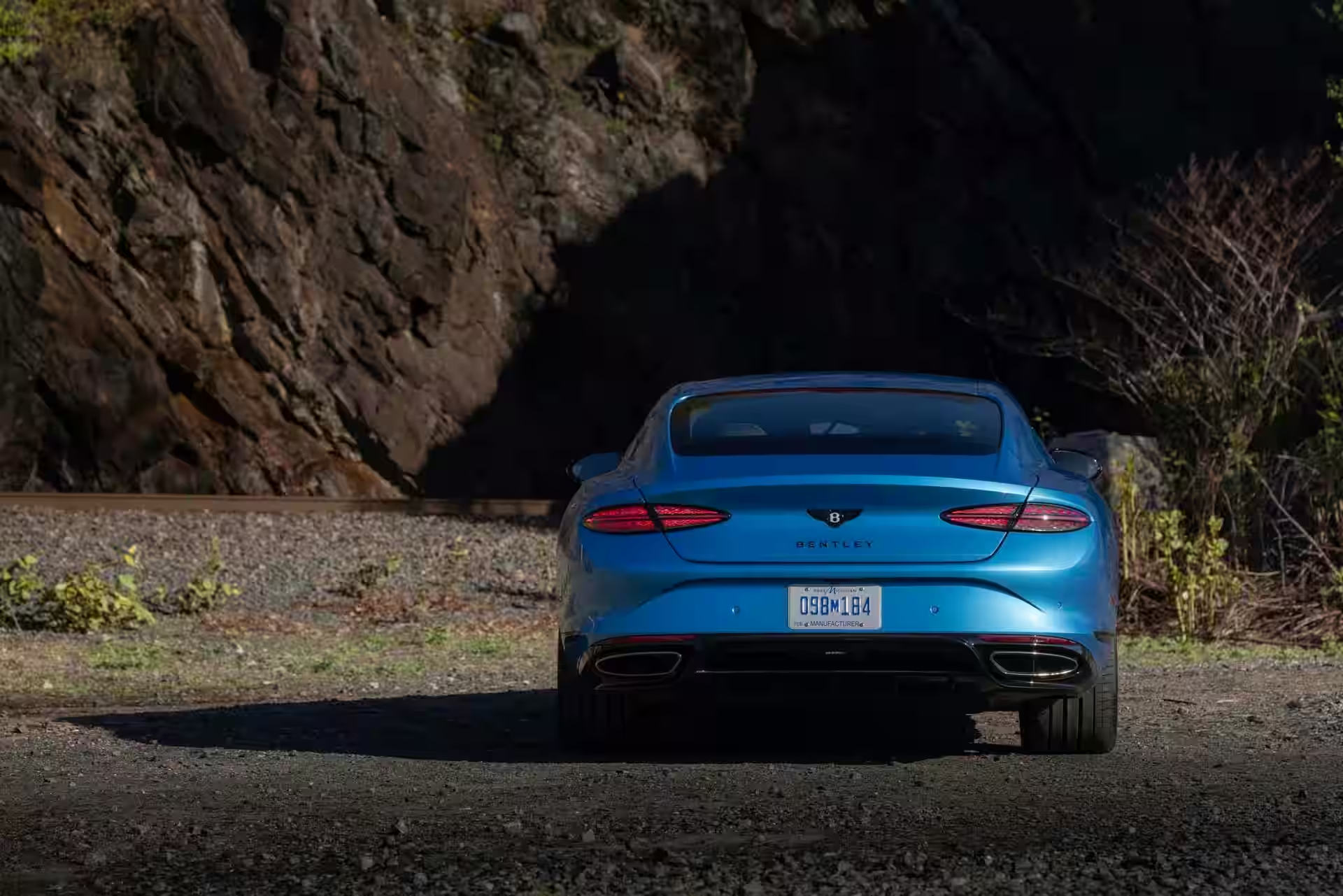
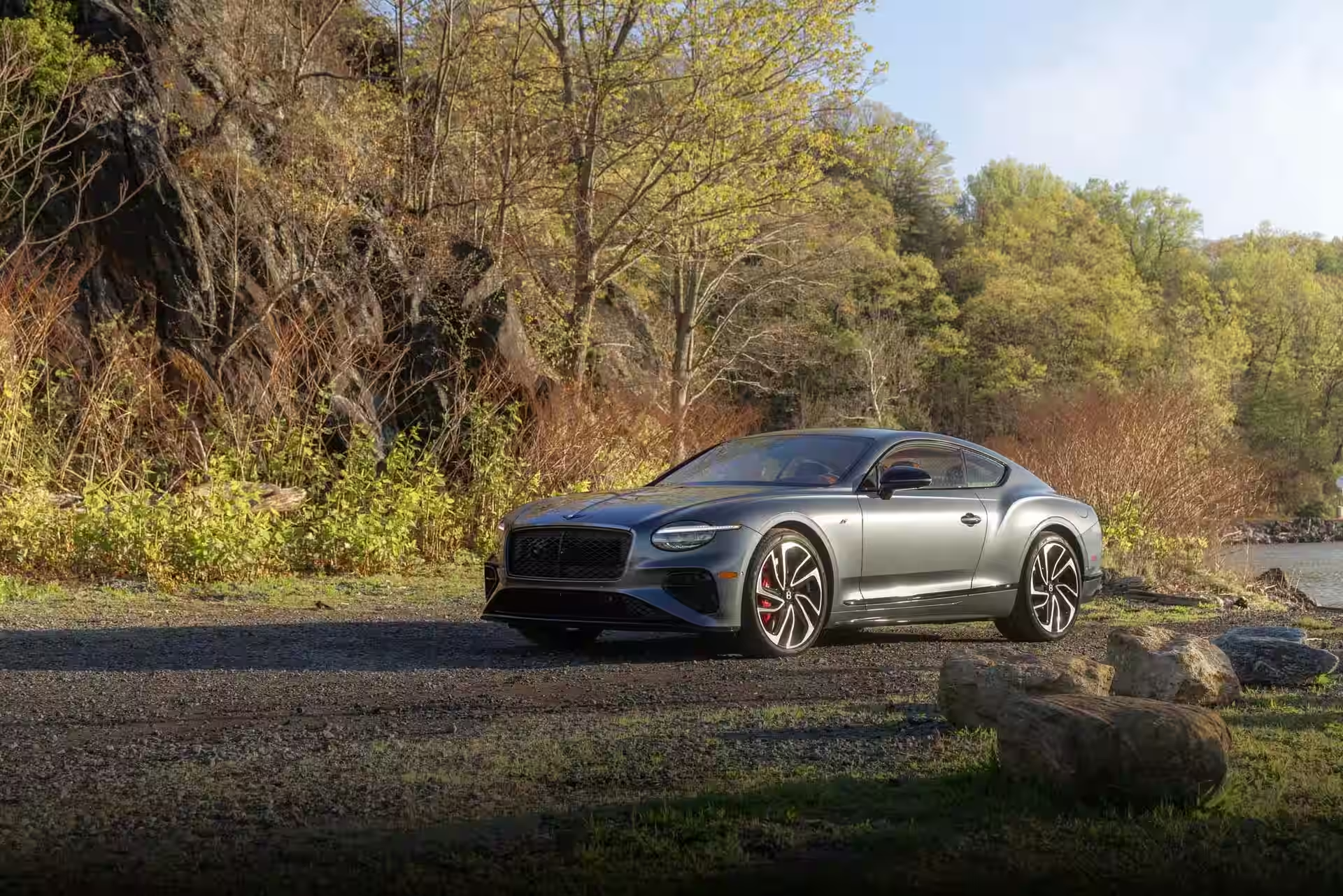
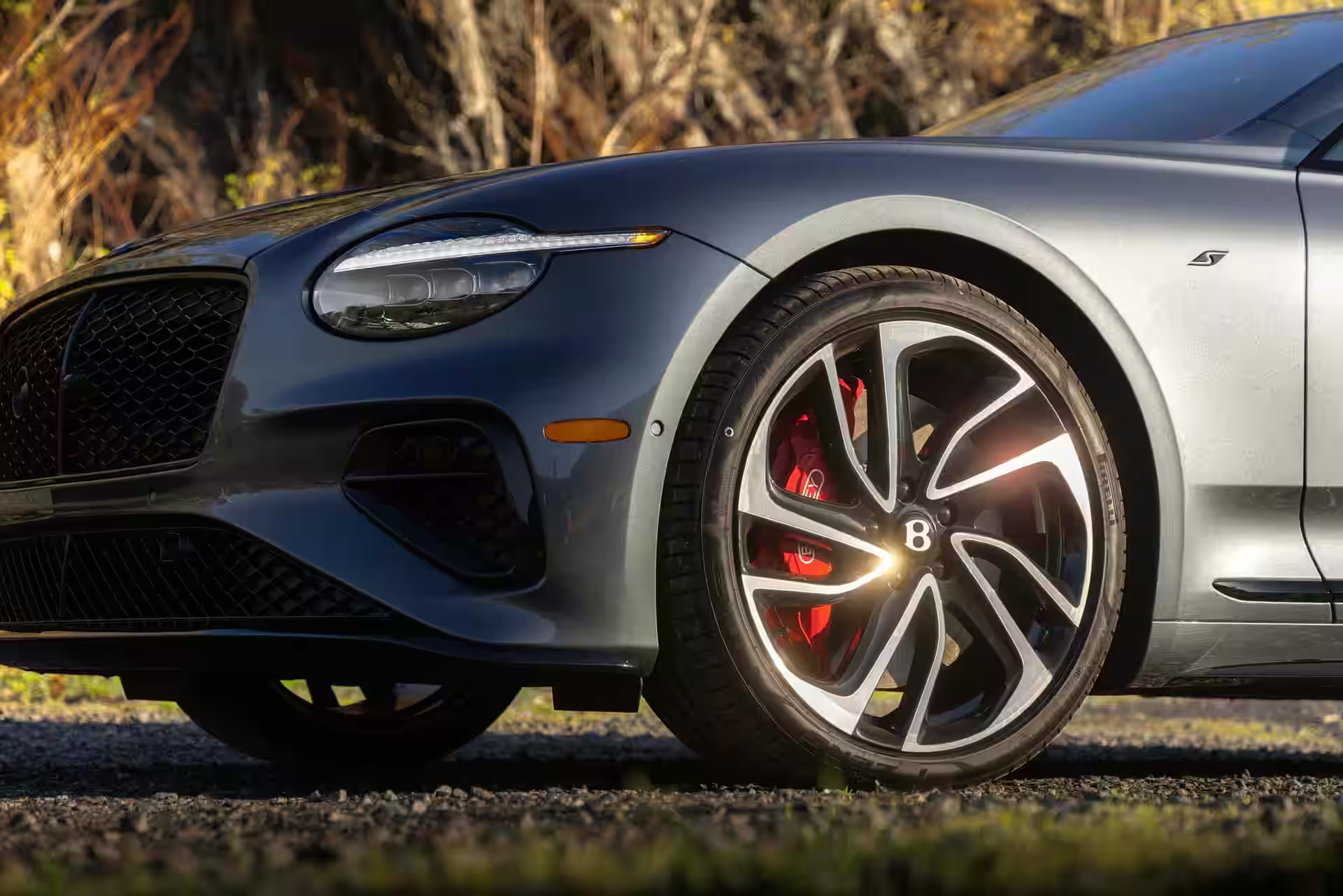
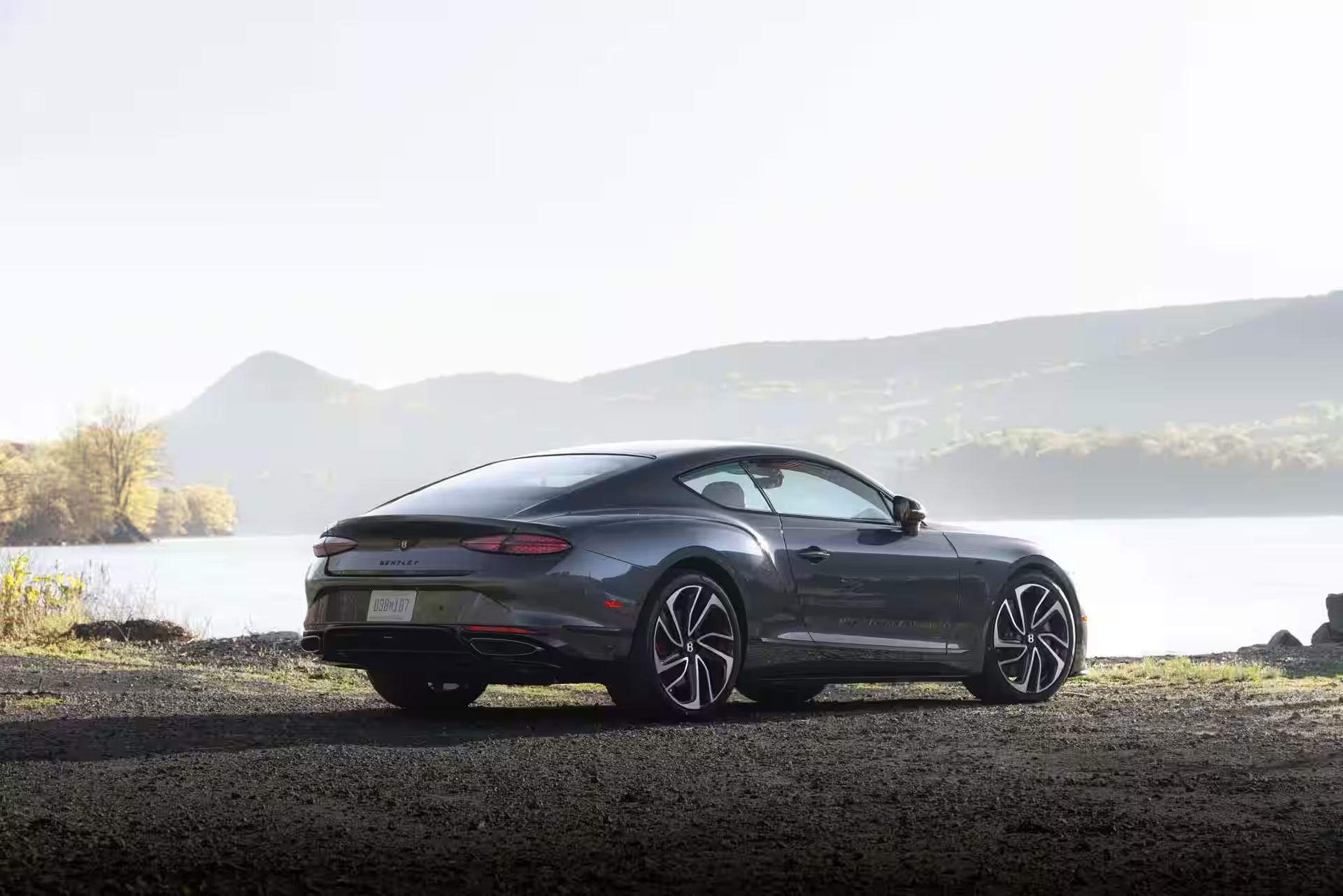
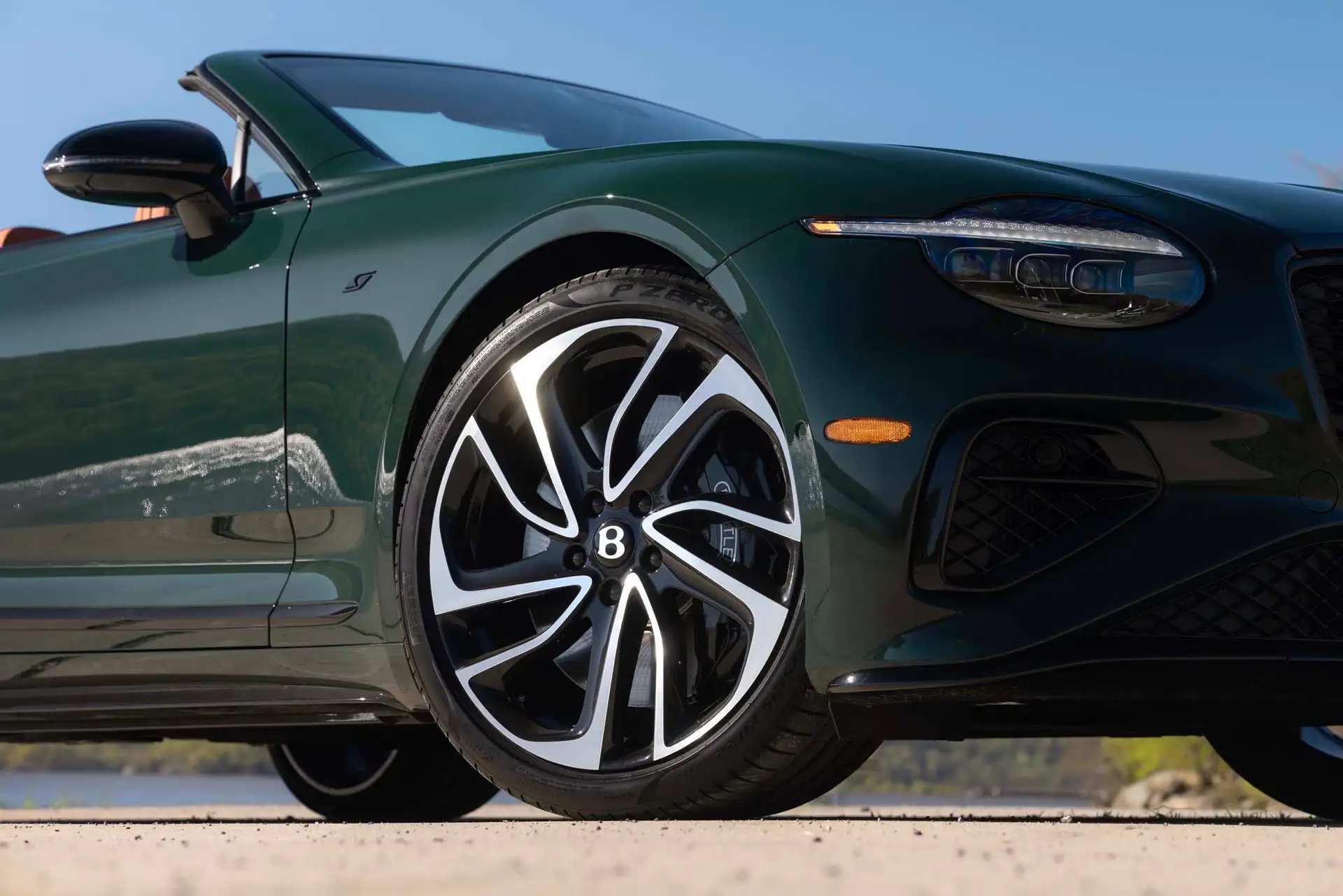
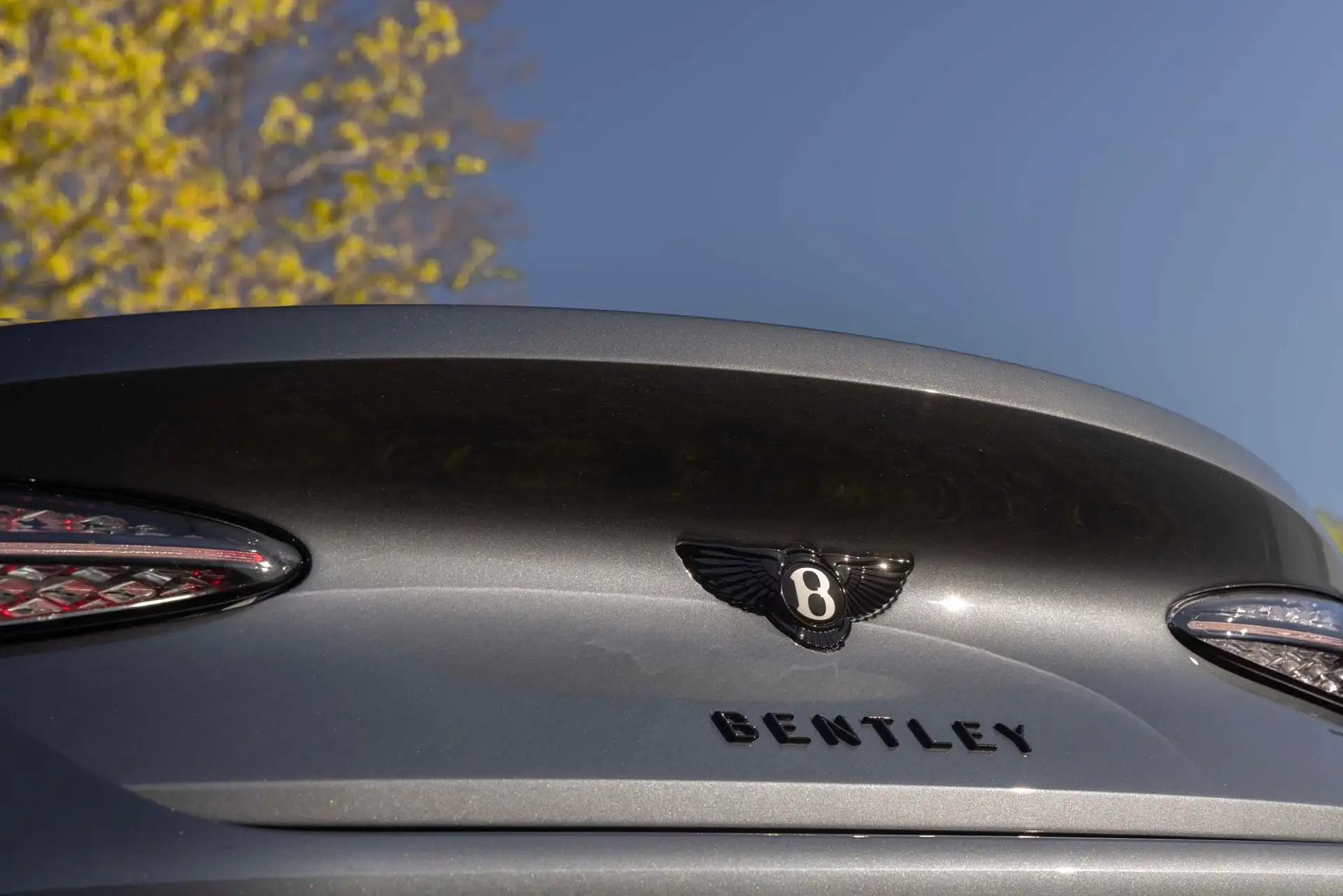
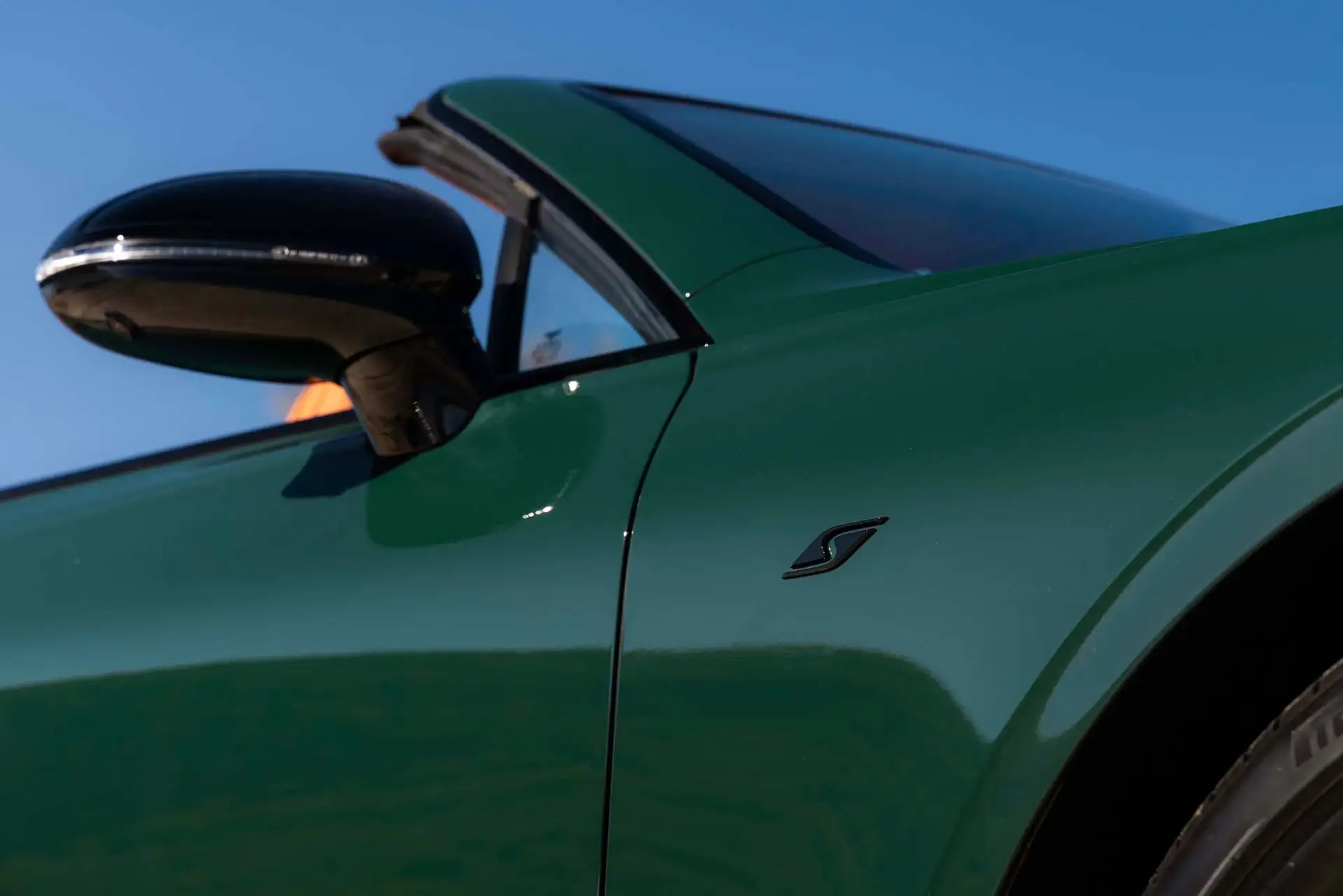
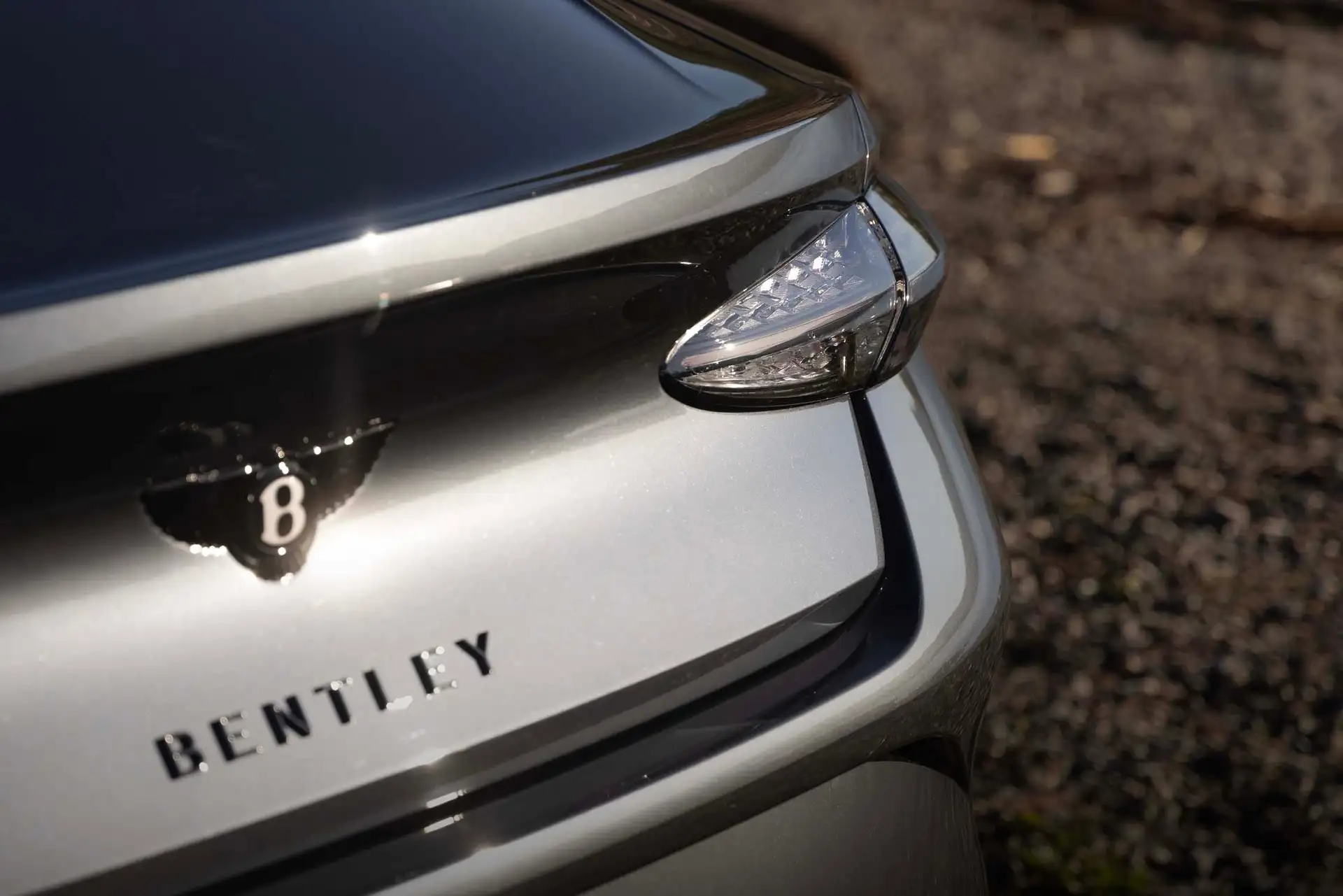
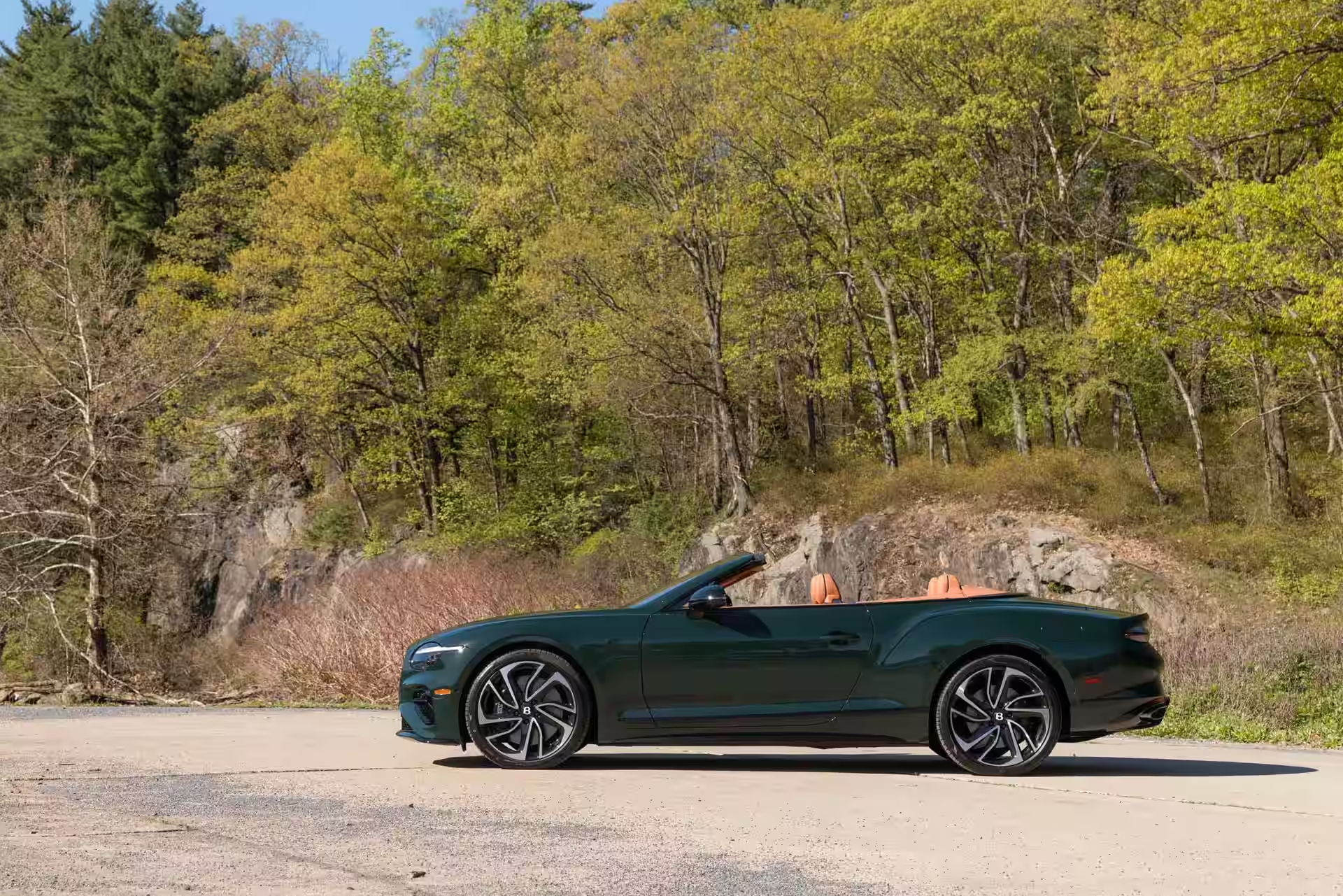
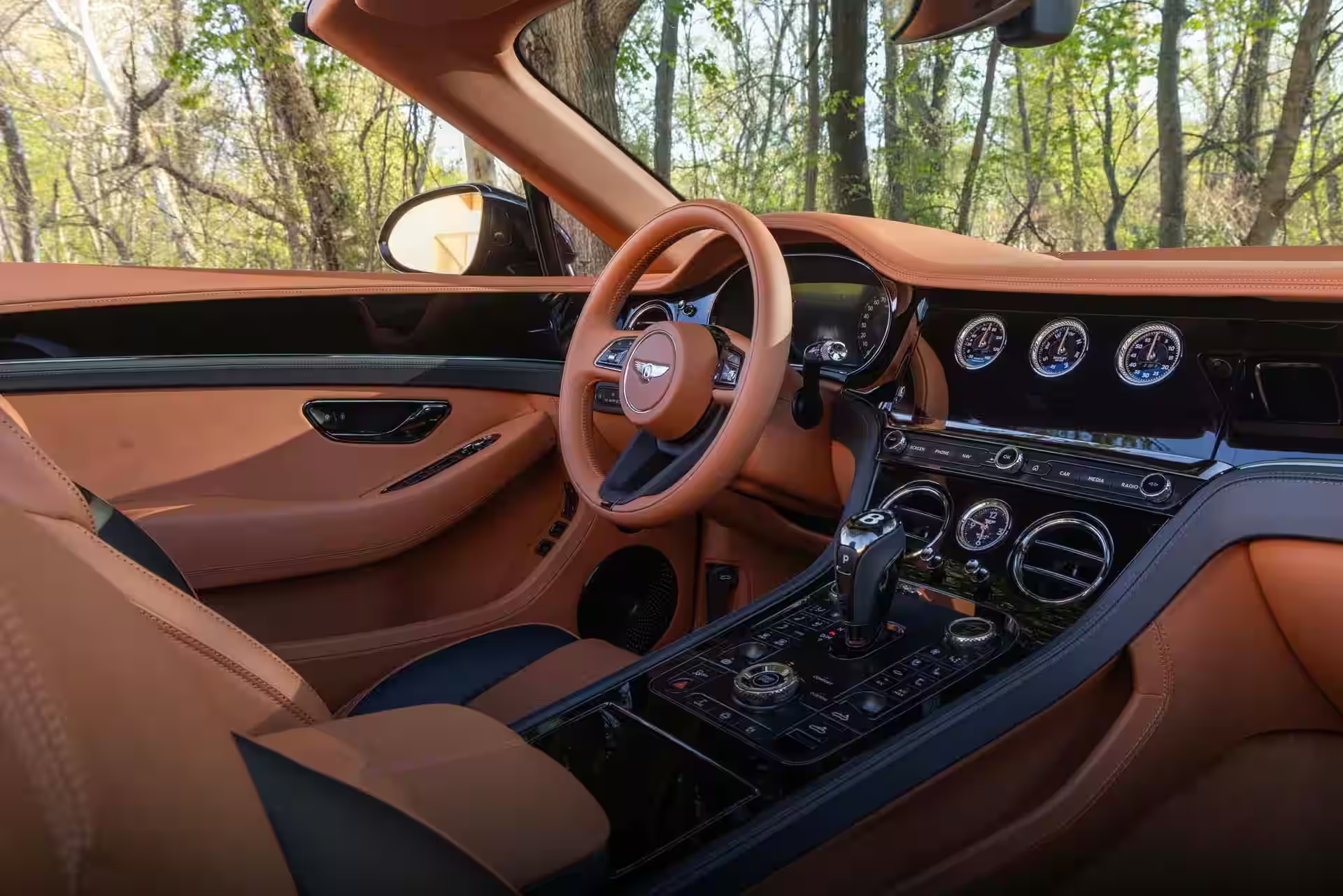
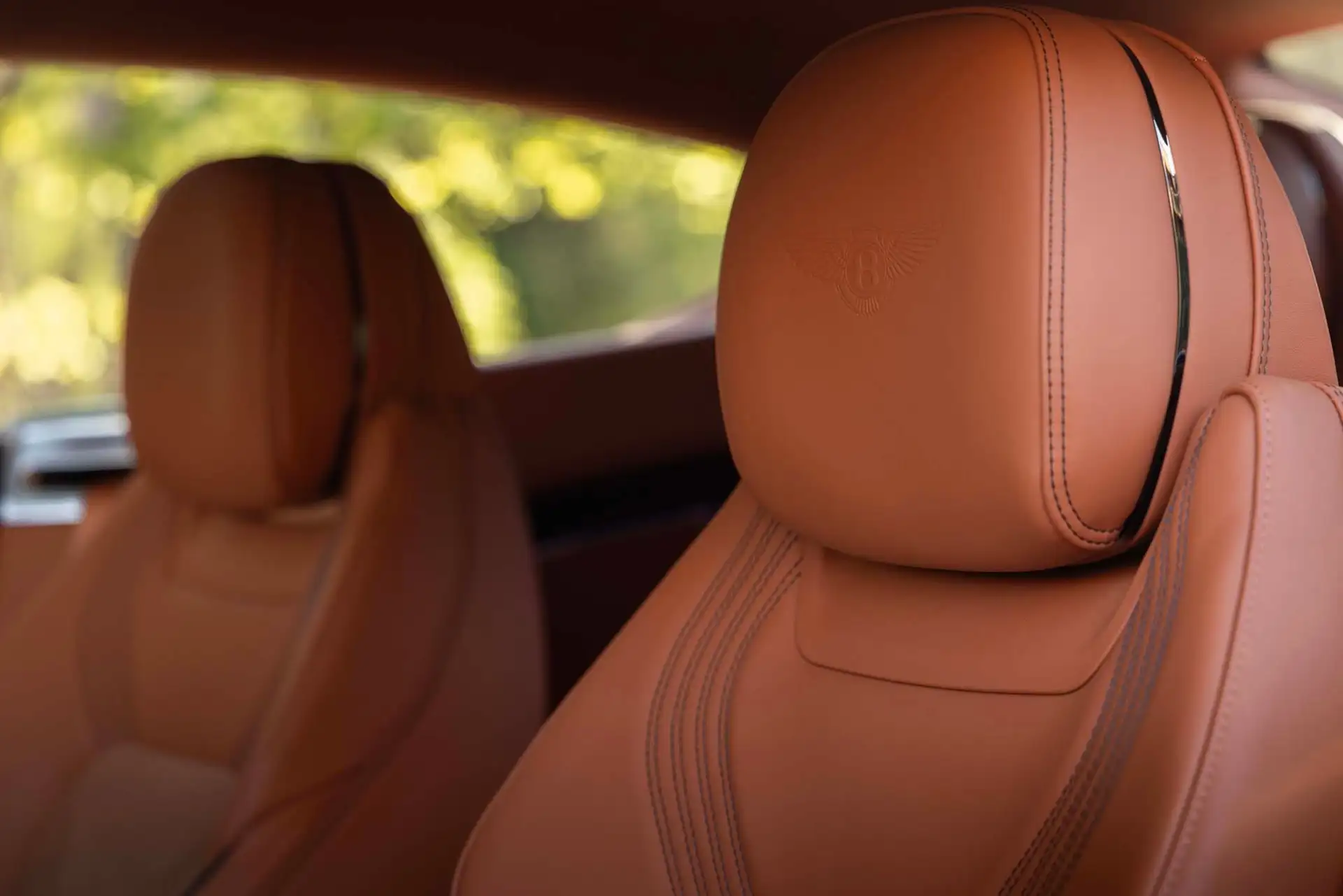
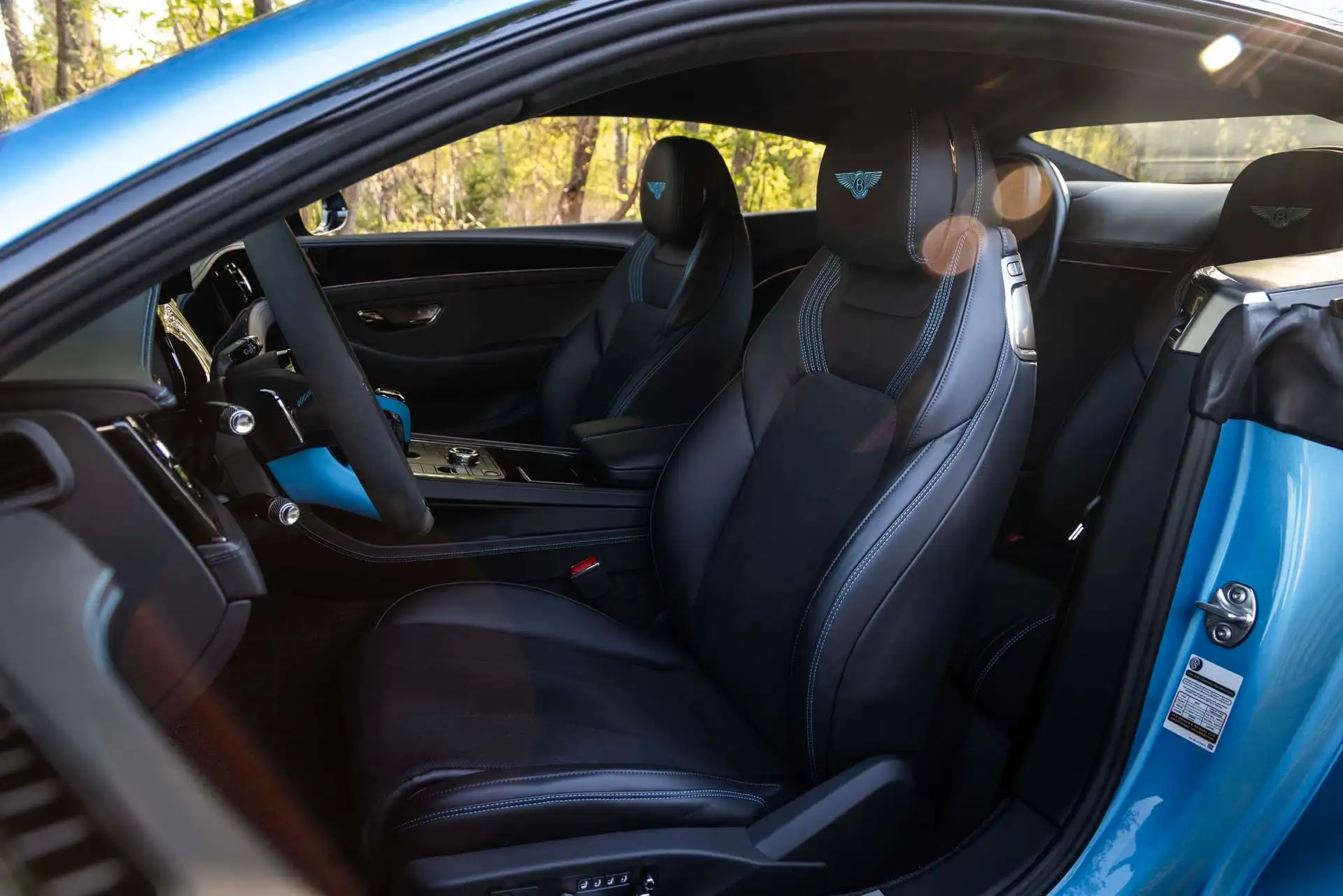
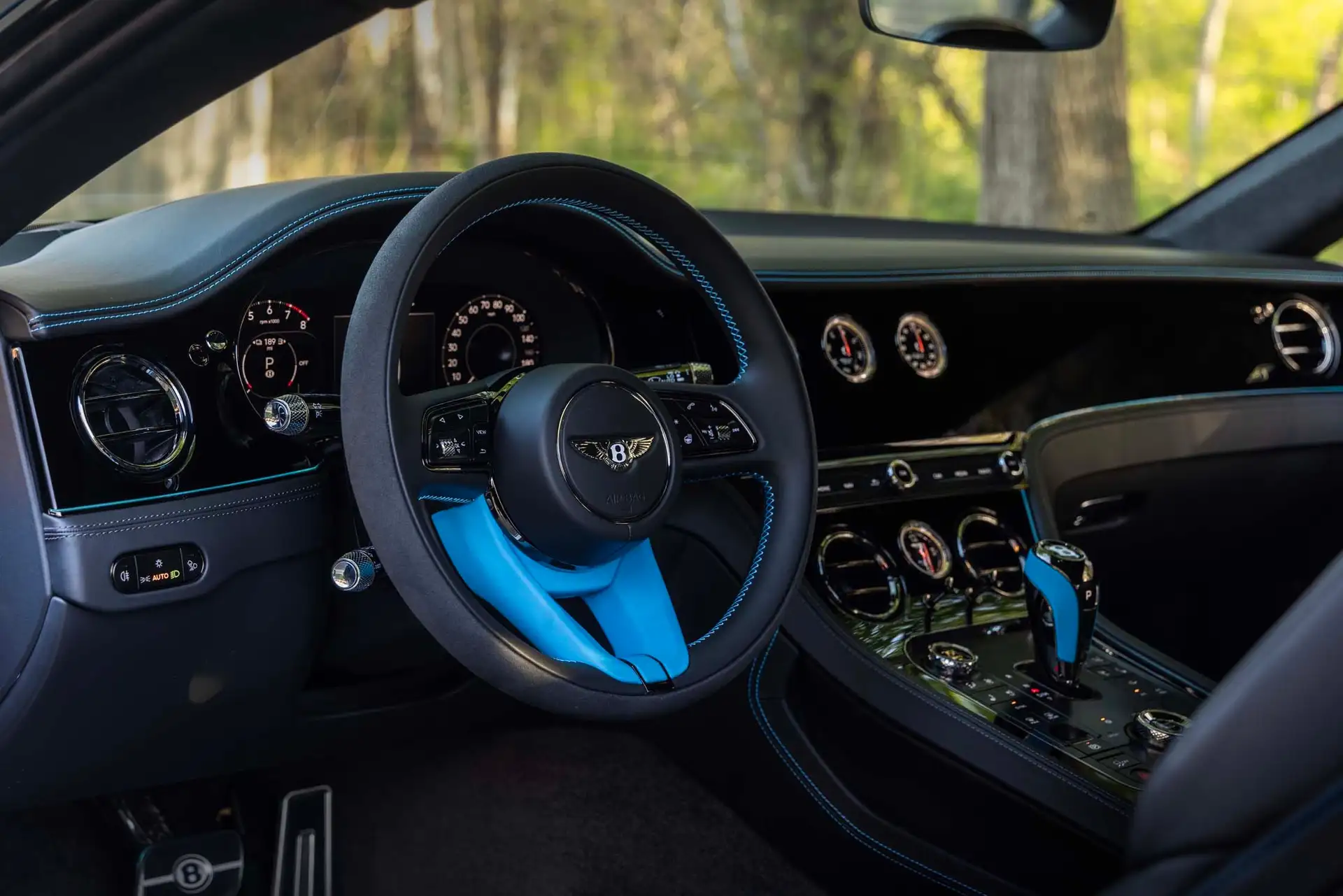
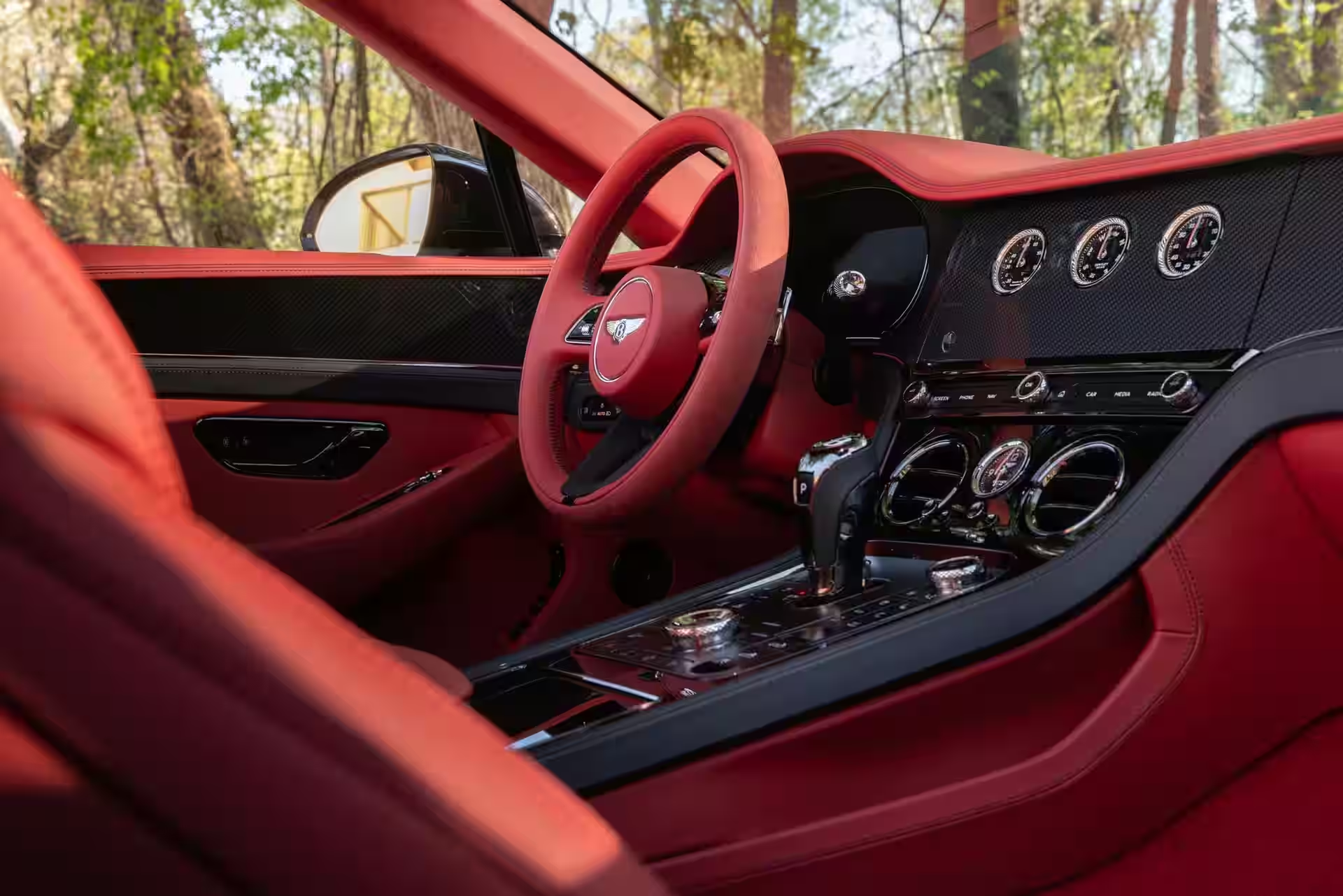
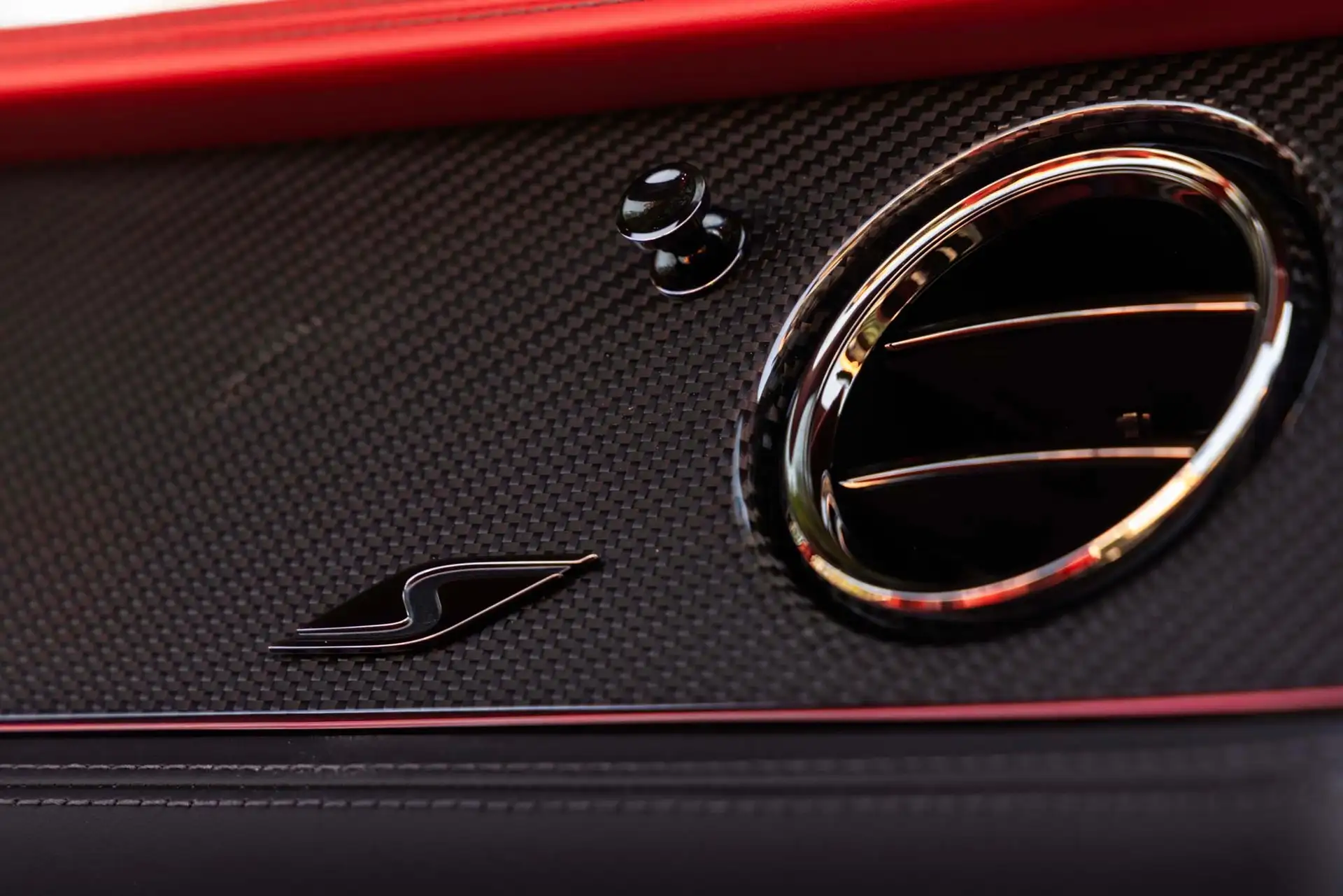
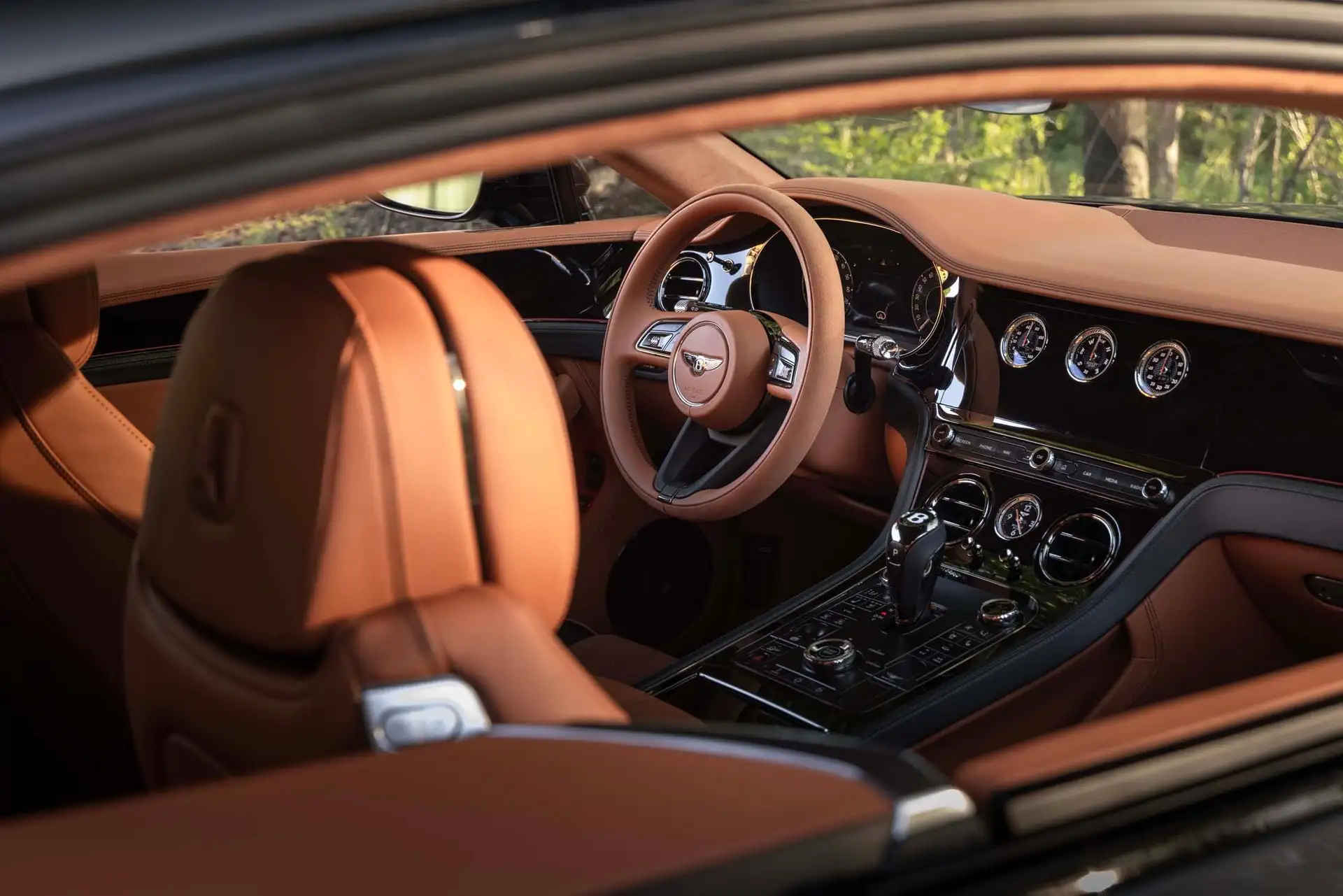
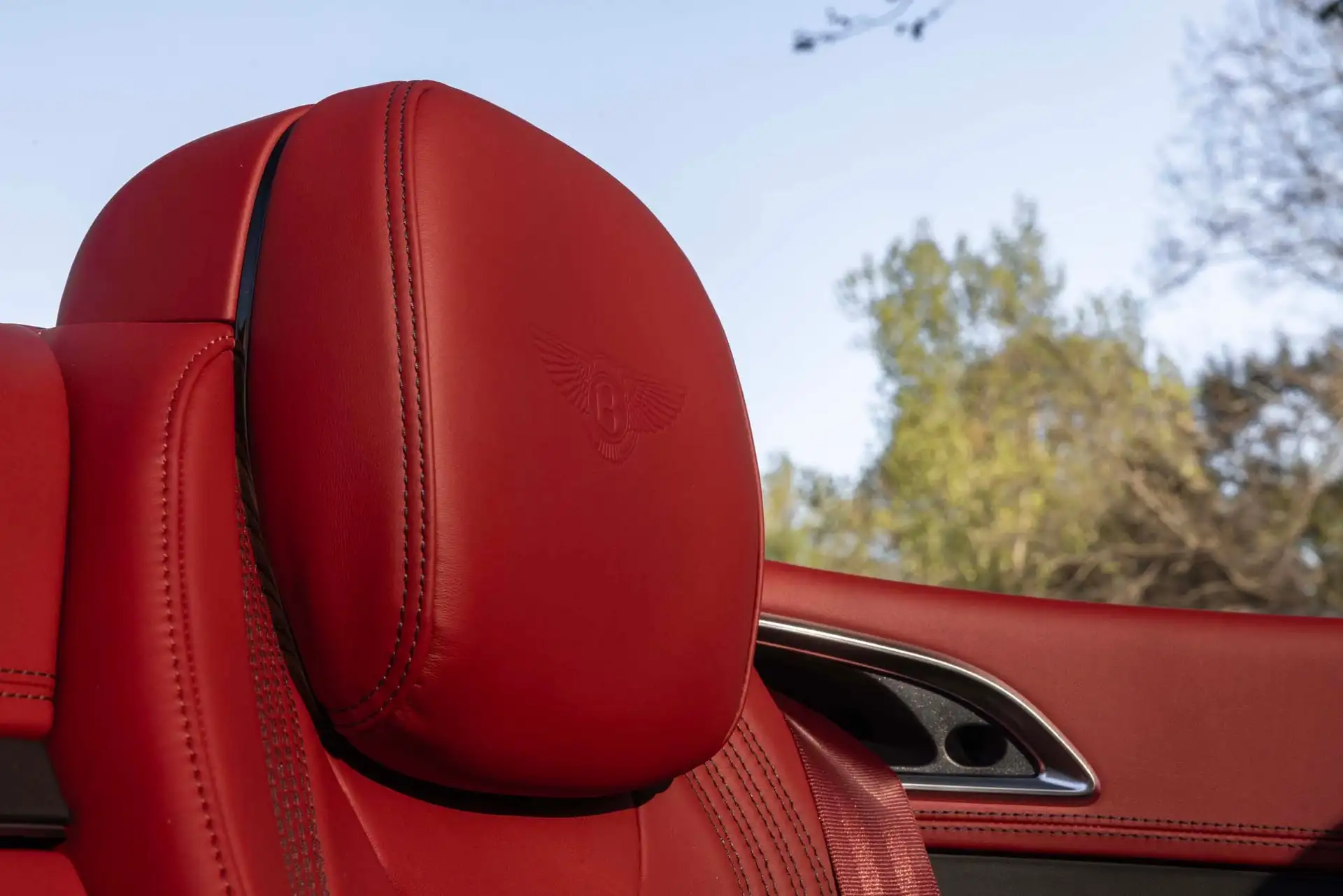
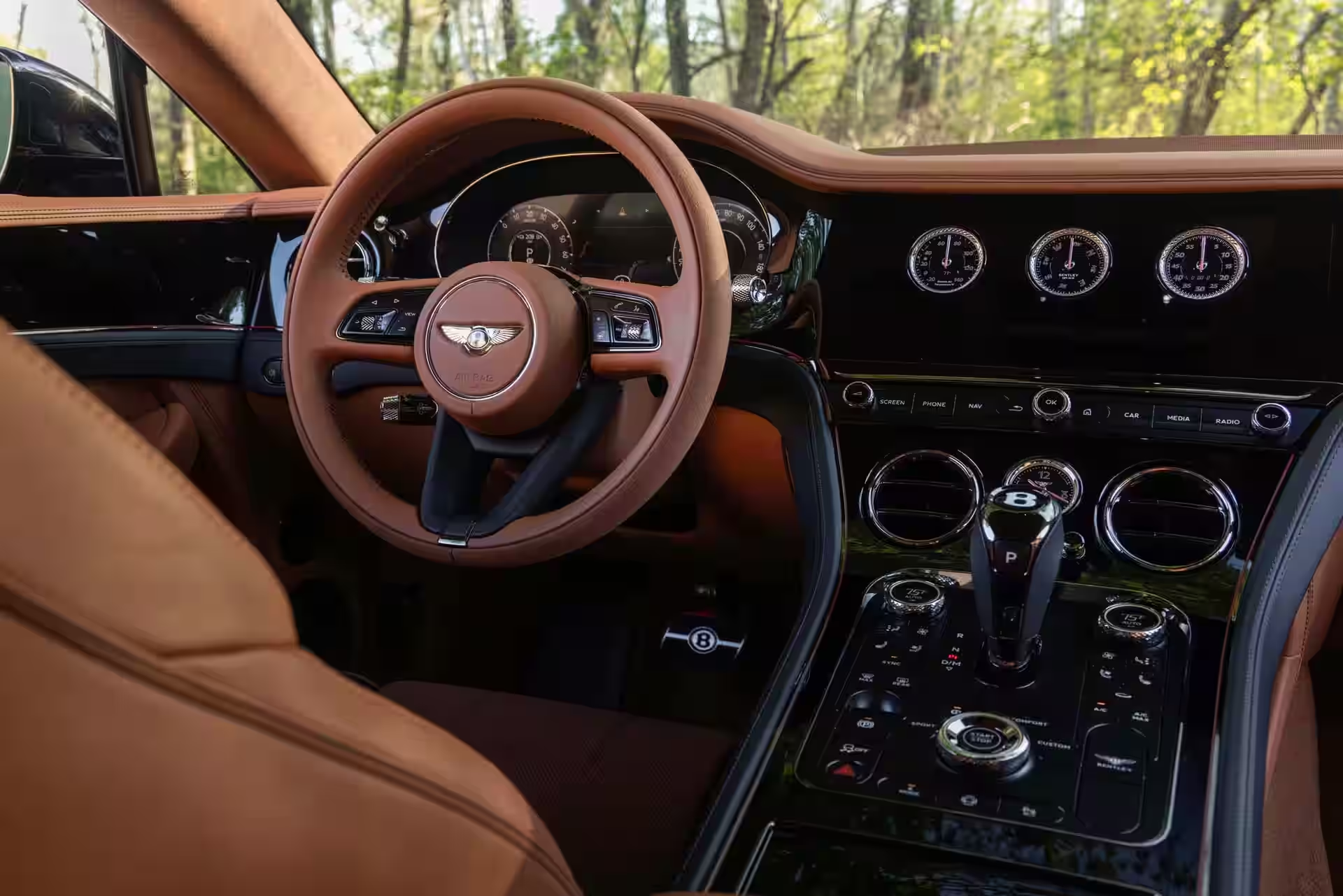
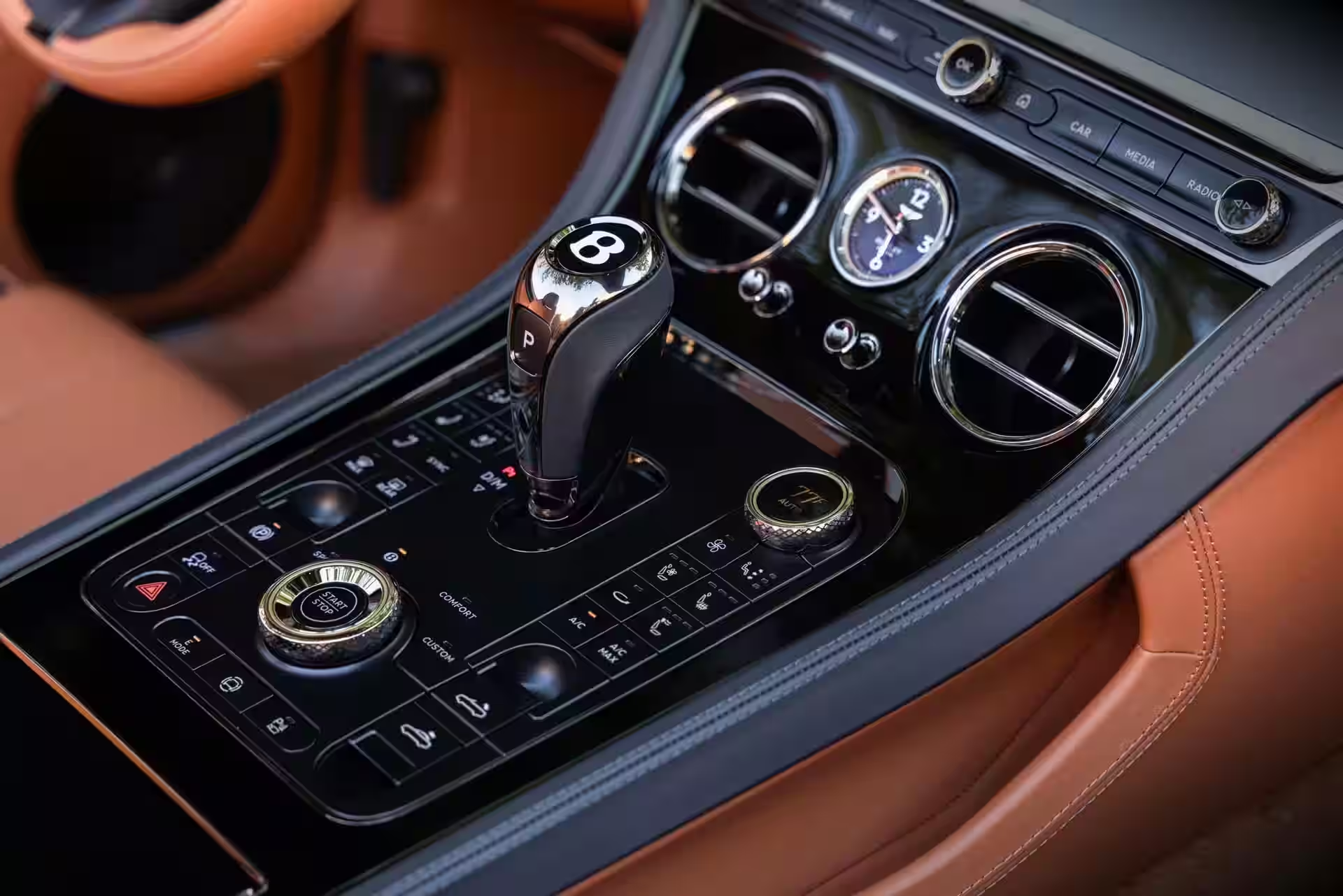
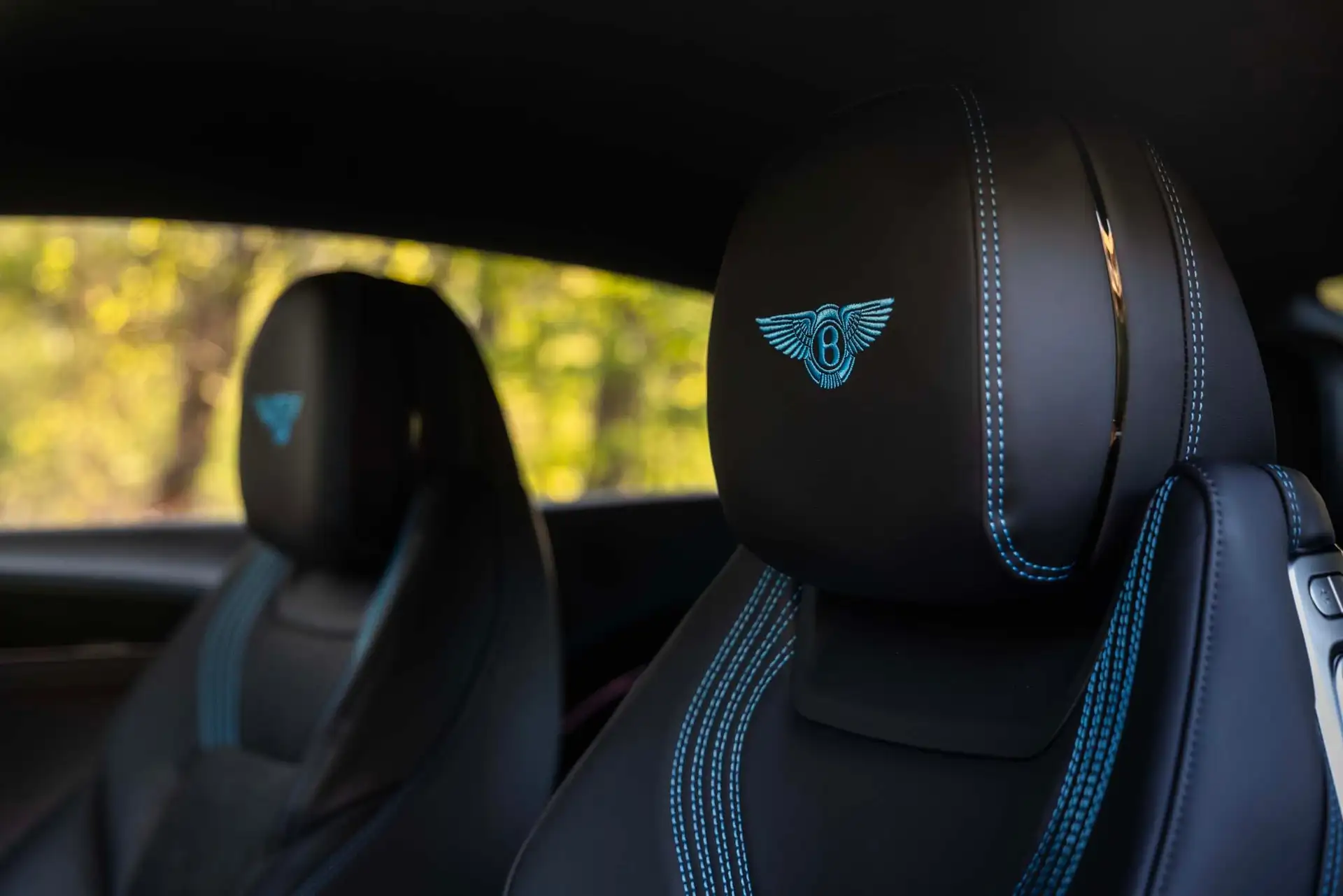
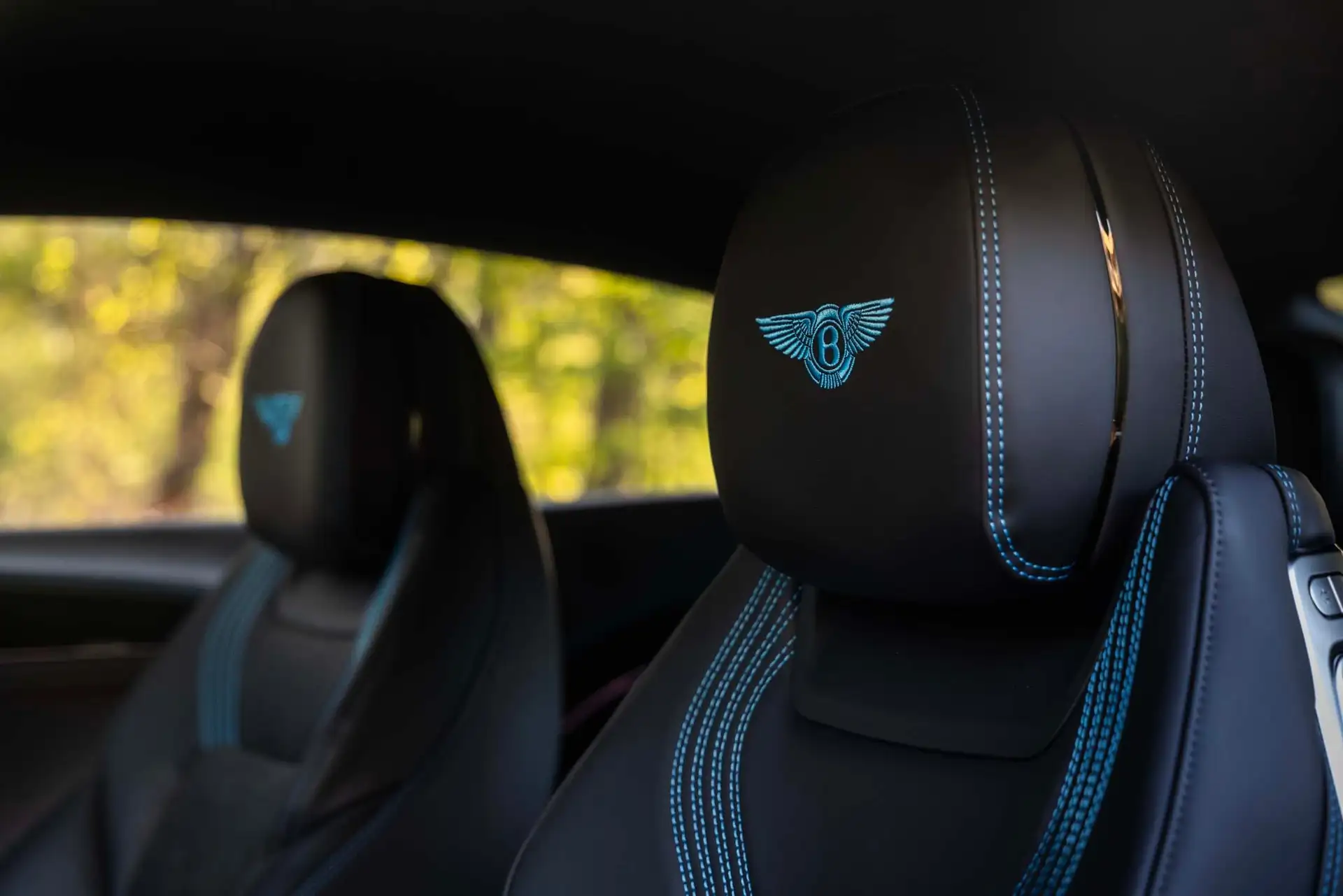
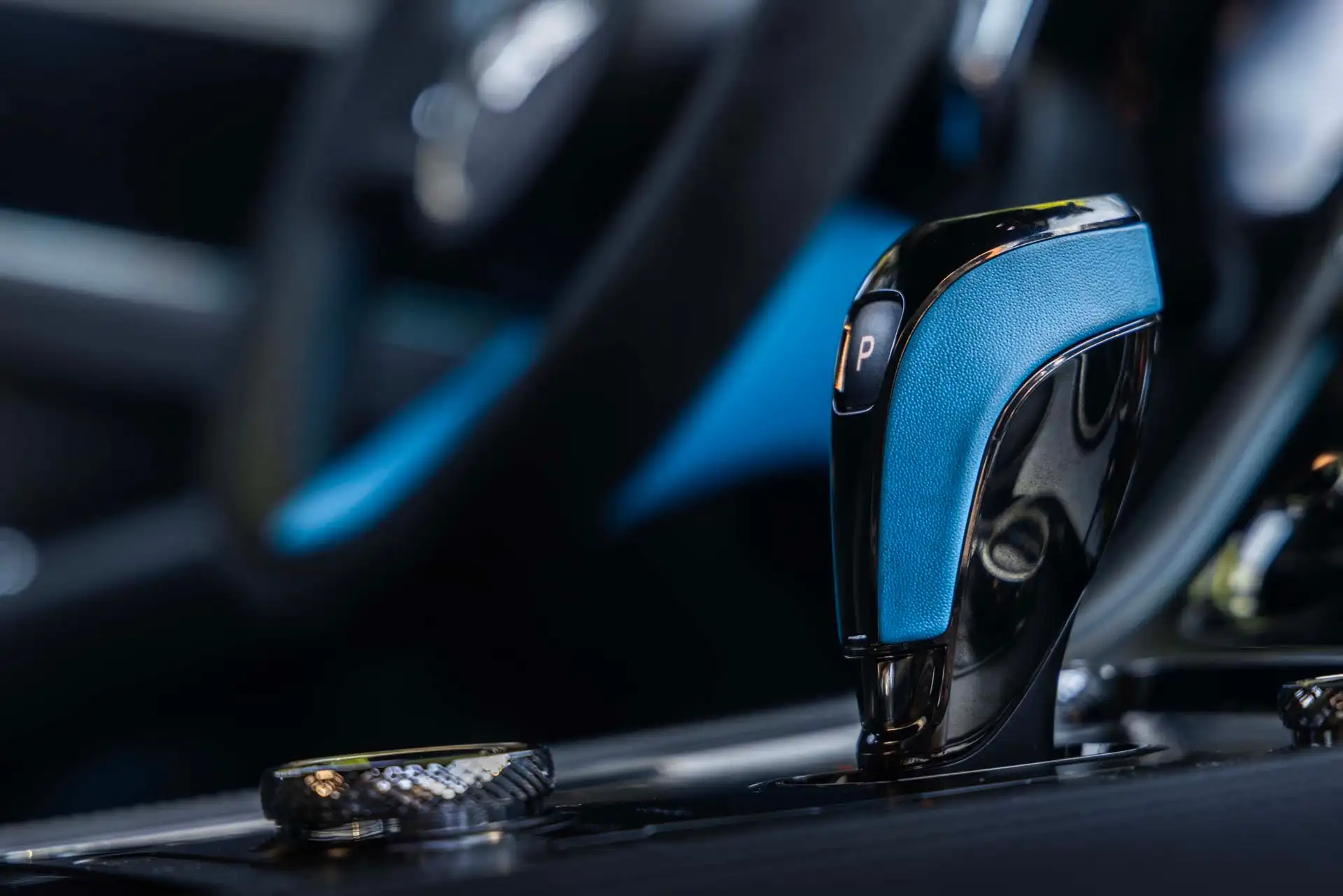
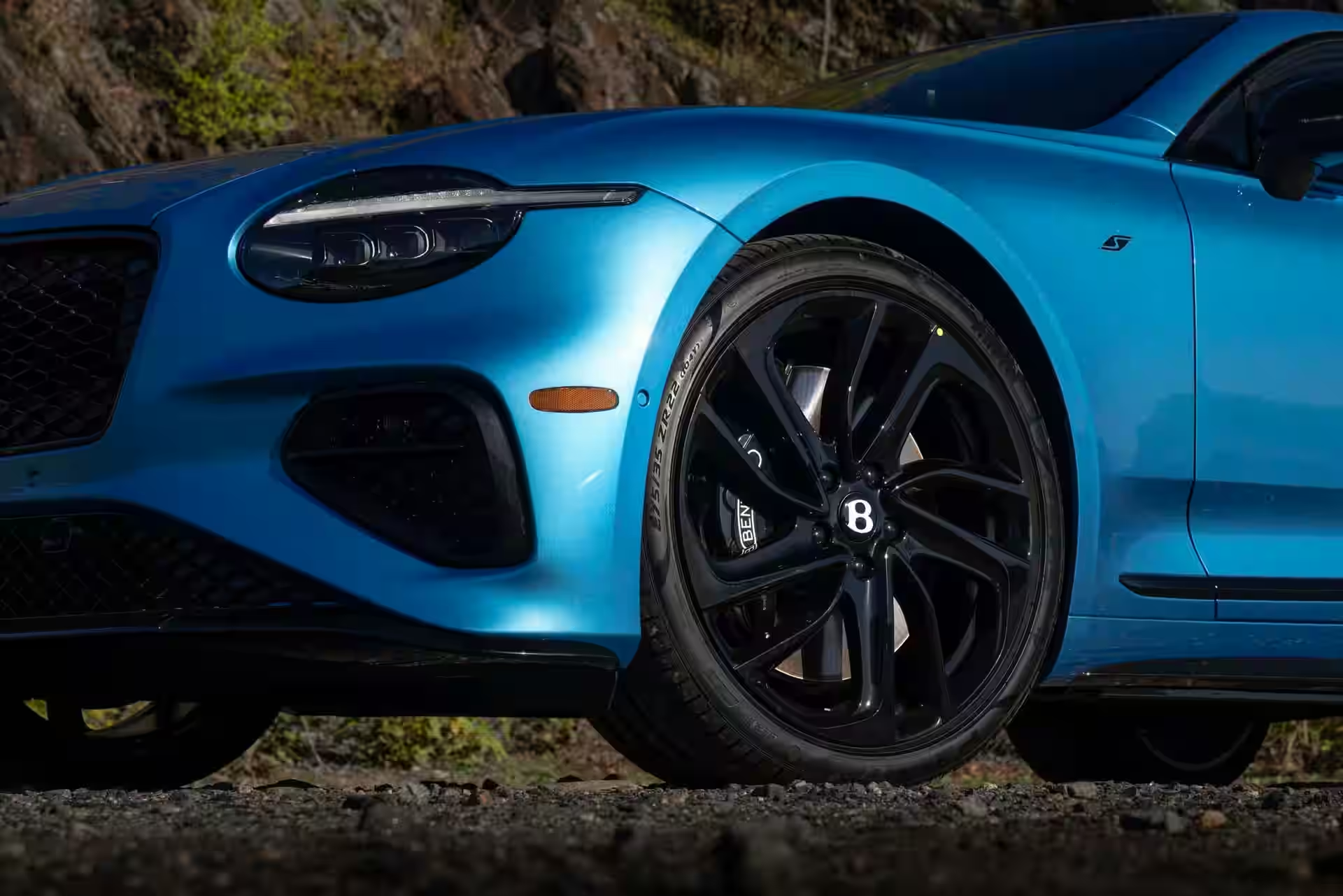
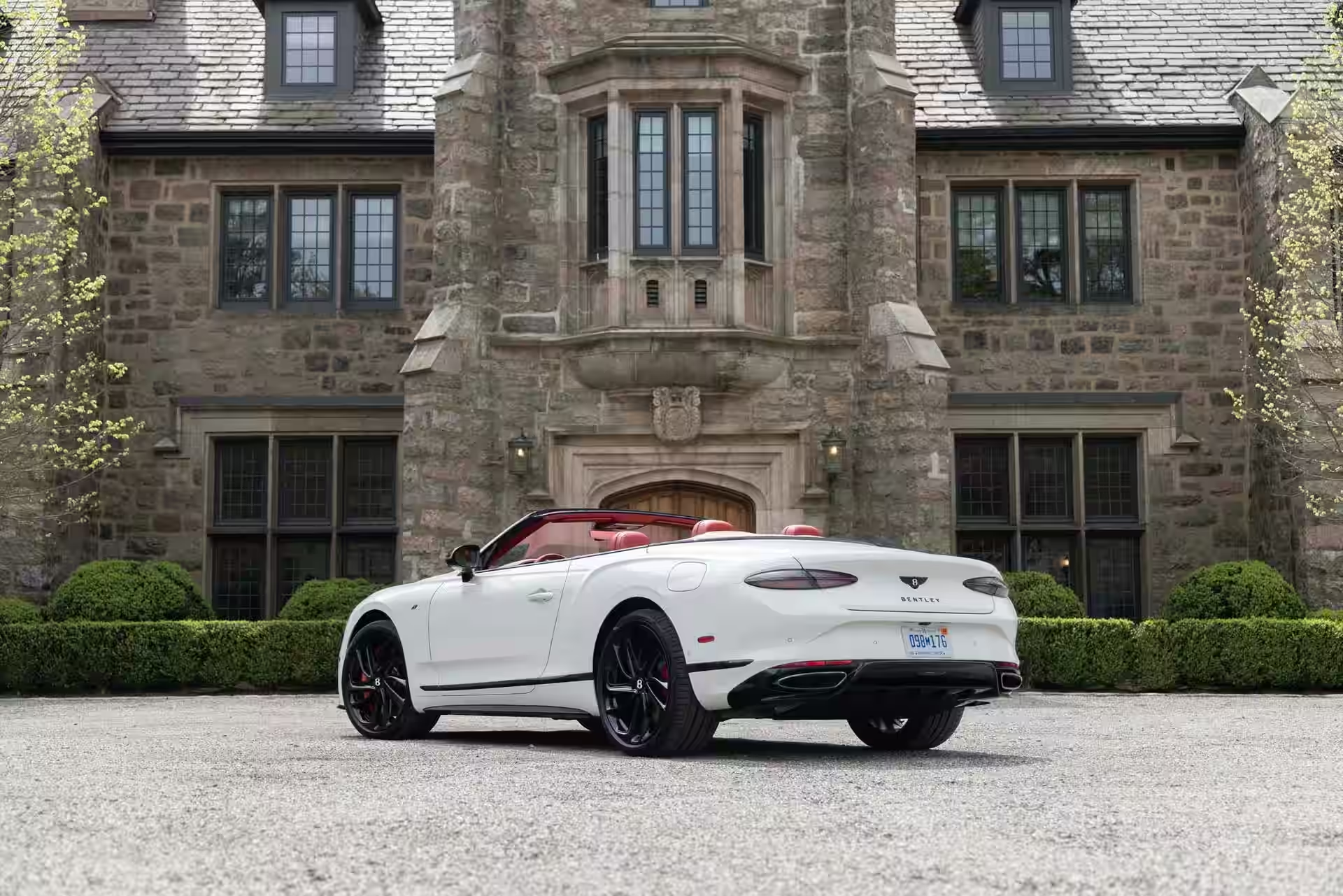
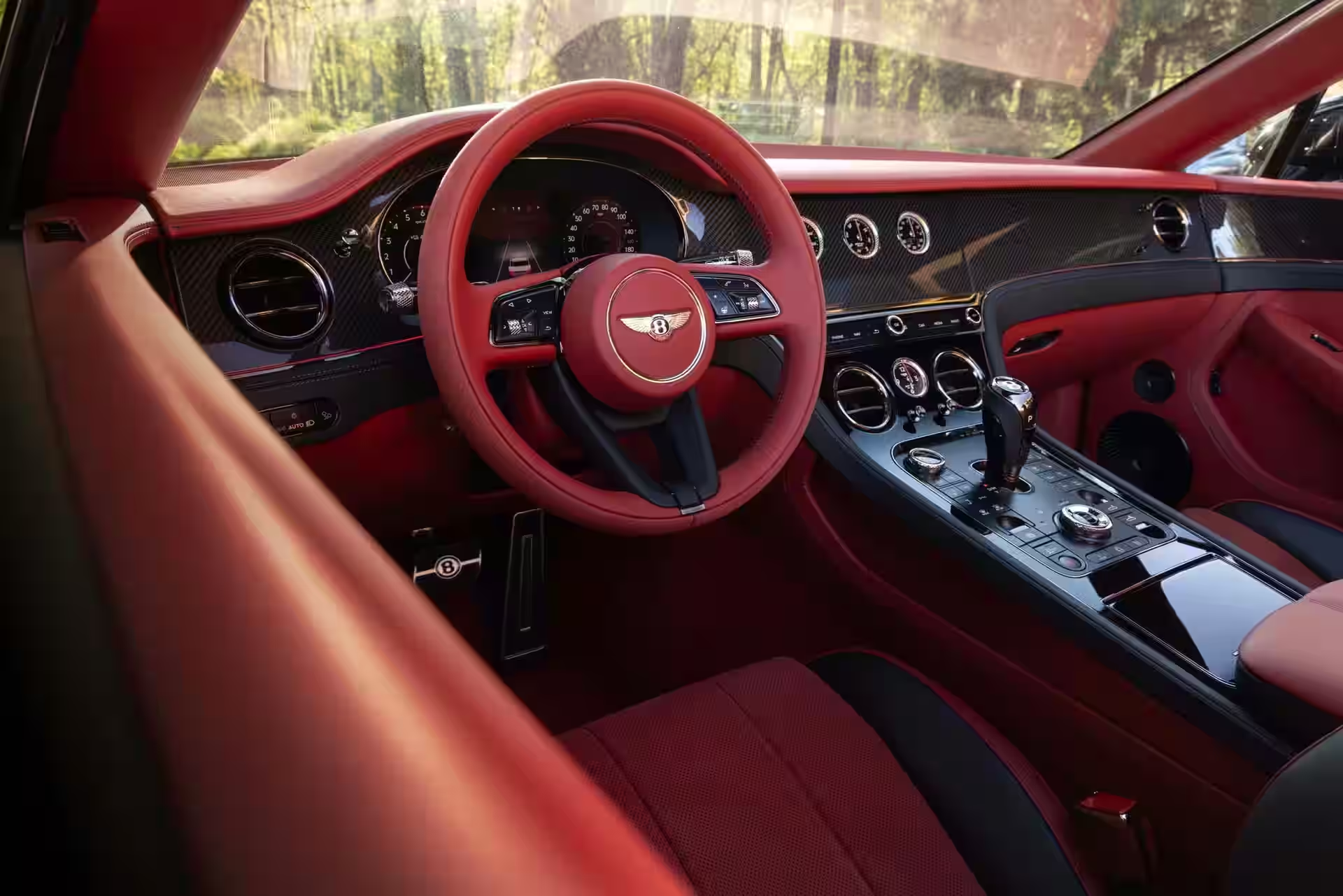
Bentley understands that a restrained power cut needs a clear visual identity. The GT S gets model-specific 22-inch wheels, dark chrome exterior detailing, and tinted taillamps, while the cabin and exterior treatment are aimed at signaling intent without slipping into the over-decorated territory that some coachbuilt competitors favor. That restraint is important in the same way the Maserati Grecale Modena Nero Infinito uses finish and texture rather than loud aero parts to define character. Bentley is selling a mood here, not just a spec.
Market Position and Pricing Strategy
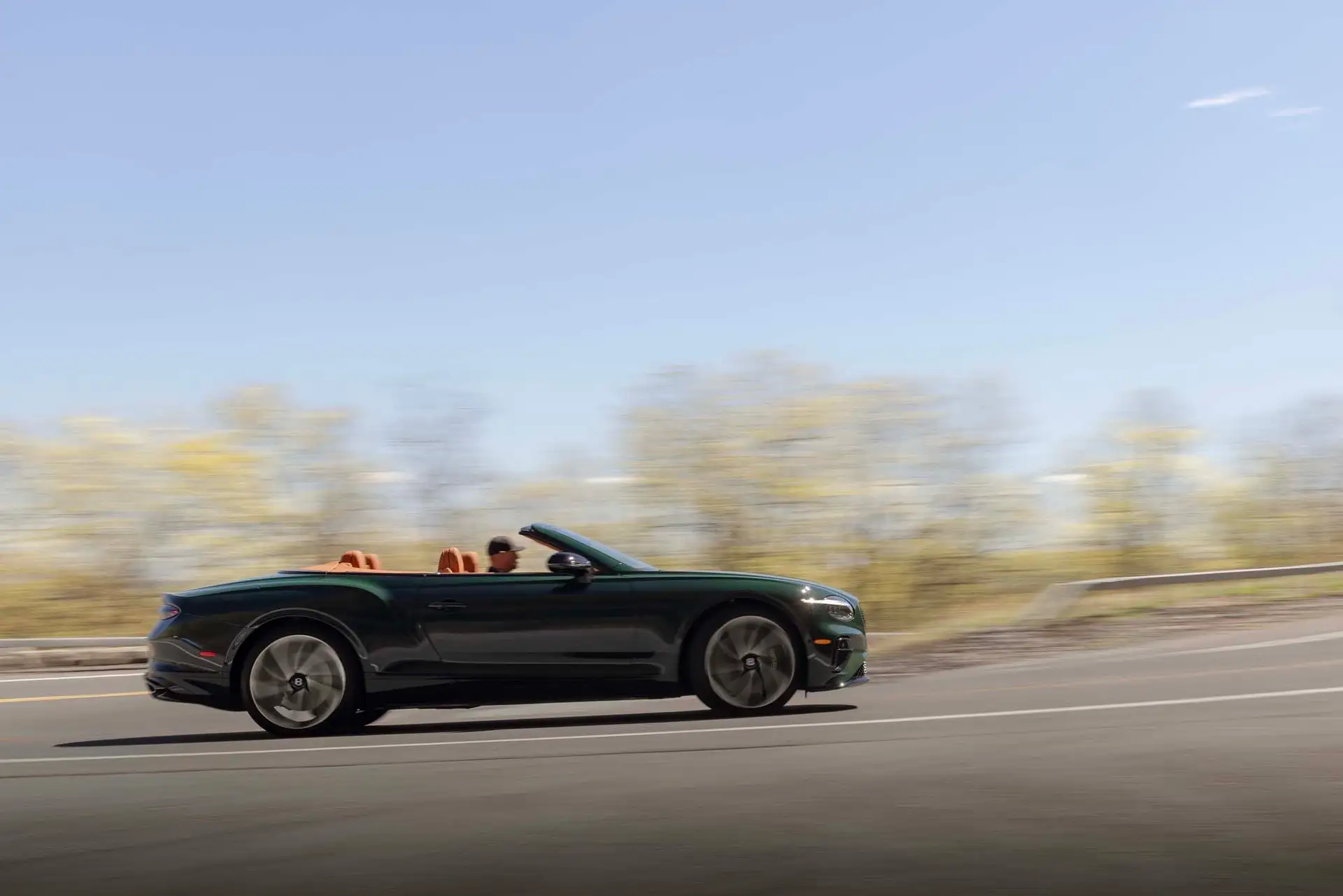
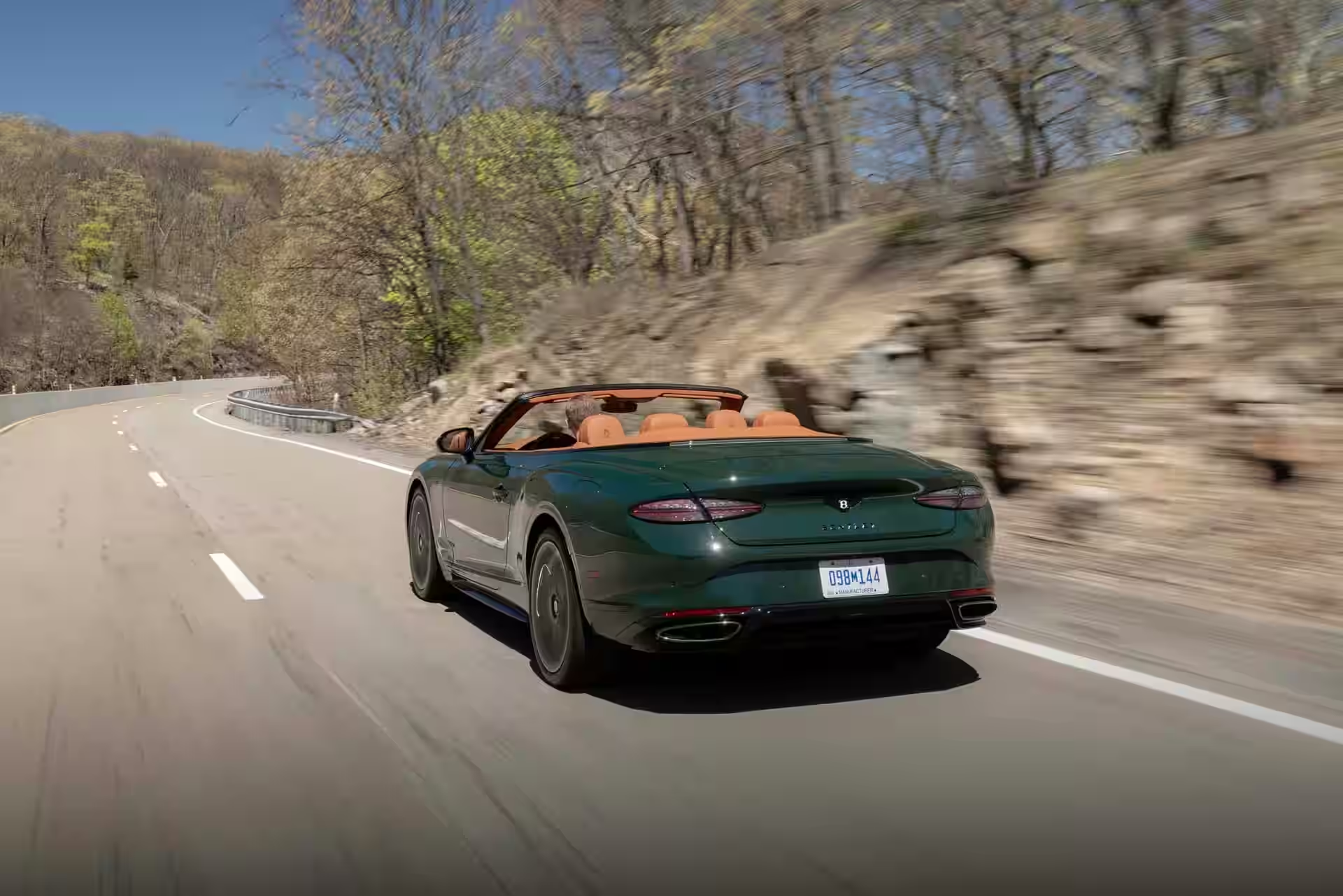
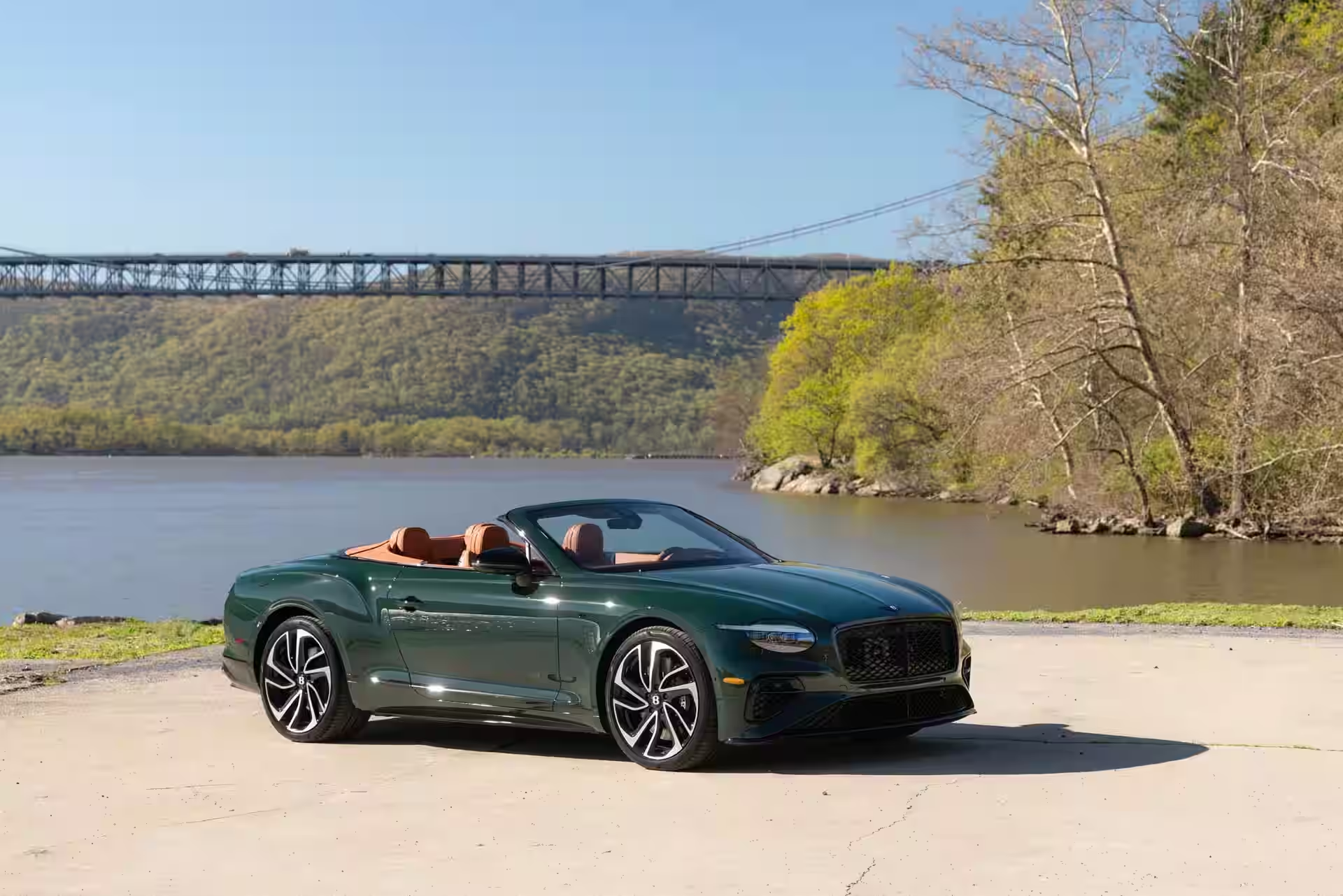
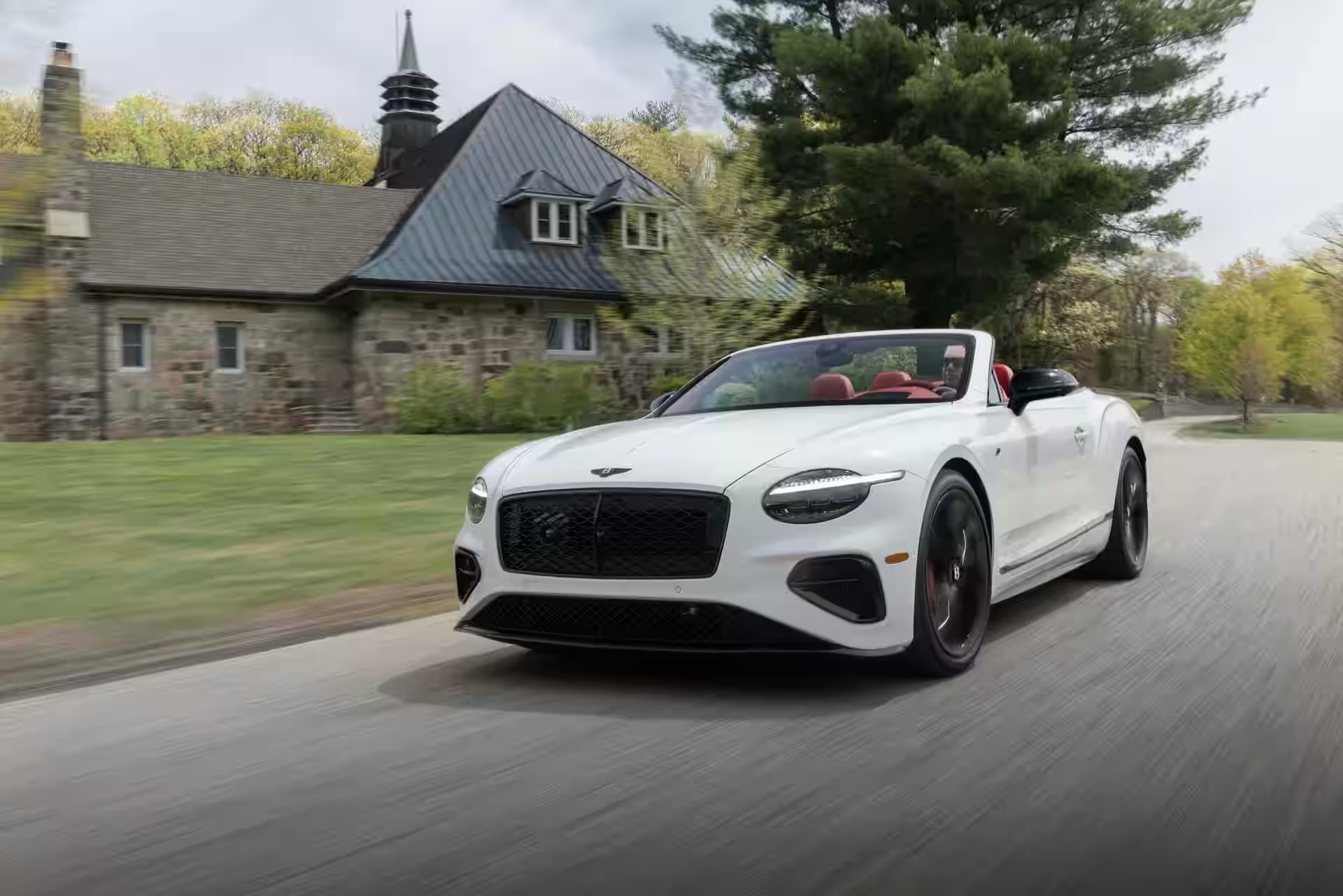
The GT S coupe starts at $296,150, while the GTC S convertible is listed at $325,150. That places the S below the Speed and above the more relaxed Azure and Mulliner trims, but the number that matters is the spread: Bentley has created a way for customers to access the Speed’s chassis character without necessarily paying for the full output figure. In this part of the market, that is not “cheap”; it is selective. Buyers of a Continental are already choosing a 2-door, front-engine, all-wheel-drive, 4-passenger grand tourer with a wheelbase of 112.1 to 112.2 inches, a length of 192.7 inches, and a curb-weight estimate that can approach 5850 lb. The GT S exists for the customer who wants the more athletic chapter of that story, but not the most flamboyant one.
Why the GT S Makes Sense in the Bentley Lineup
Bentley’s broader strategy is becoming clearer: offer enough range separation that each trim has a distinct personality, but keep the engineering commonality tight enough to protect refinement and simplify product planning. The Continental GT S uses the same underlying mechanical basis as the rest of the hybrid family, yet its output, chassis mapping, and visual treatment create a genuine middle ground. For enthusiasts watching how premium brands are fragmenting their lineups, this is a smart move. It gives Bentley another answer to customers who may admire the Speed but prefer a less obvious expression of wealth and velocity. If you want the same logic in a very different performance lane, the فورد موستانغ دارك هورس 795 حصان and the Cadillac CT5-V Blackwing F1 Collector Series show how special trims now carry as much identity as entirely new model lines.
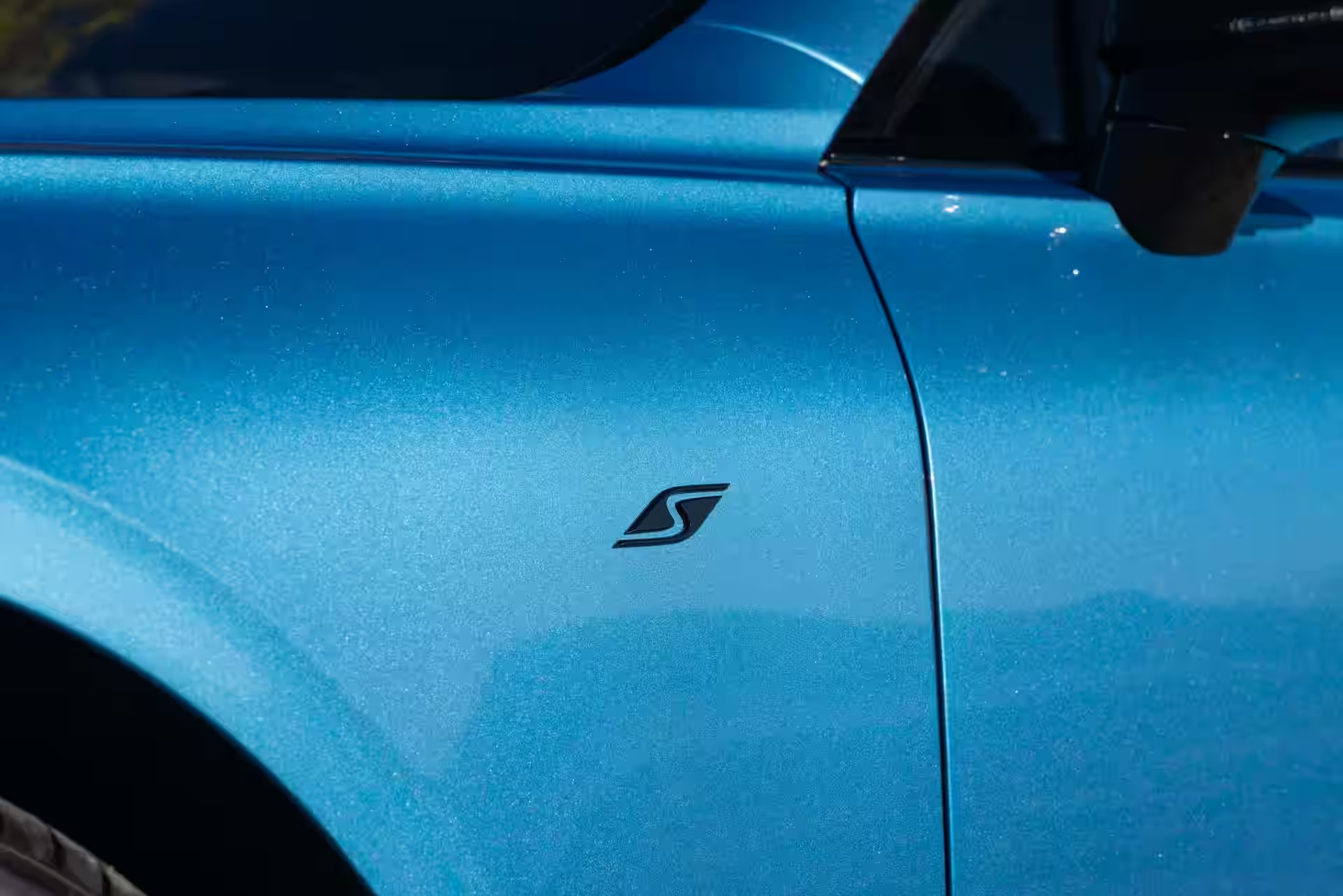
The Bentley Continental GT S therefore lands as the most rationally irrational Continental in the range: still 671 hp, still 900 Nm, still hybrid, still deeply luxurious, but finally disciplined enough to make the Speed feel optional rather than mandatory. That is a meaningful expansion of the Continental idea, not just a new badge on the fender.
| Specification | 2026 Bentley Continental GT S |
|---|---|
| Body style | 2-door coupé or convertible, 4 seats |
| Drivetrain | Front-engine, all-wheel drive |
| Combined output | 671 hp (680 PS) / 900 Nm (686 lb-ft) |
| Engine | 4.0-liter twin-turbocharged DOHC V8 + electric motor |
| Transmission | 8-speed dual-clutch automatic |
| Battery | 22 kWh lithium-ion |
| AC charging peak | 11.0 kW |
| Estimated 0-100 km/h | 3.1-3.4 sec |
| Estimated top speed | 307 km/h (191 mph) |
| Combined fuel economy | 9.8 L/100 km (19 mpg) |
| Combined gasoline + electricity economy | 46 MPGe |
| EV range | 48 km (30 mi) |
| Wheelbase | 2860-2861 mm (112.1-112.2 in) |
| Length | 4894 mm (192.7 in) |
| Width | 1964 mm (77.4 in) |
| Height | 1392-1397 mm (54.8-55.0 in) |
| Base price | $296,150 coupe; $325,150 convertible |