Volkswagen has just given its compact electric hatchback a sharper identity, longer range, and a cabin rethink that feels aimed directly at real-world buyers.
Volkswagen ID.3 Neo Debuts With A Cleaner, More Confident Look
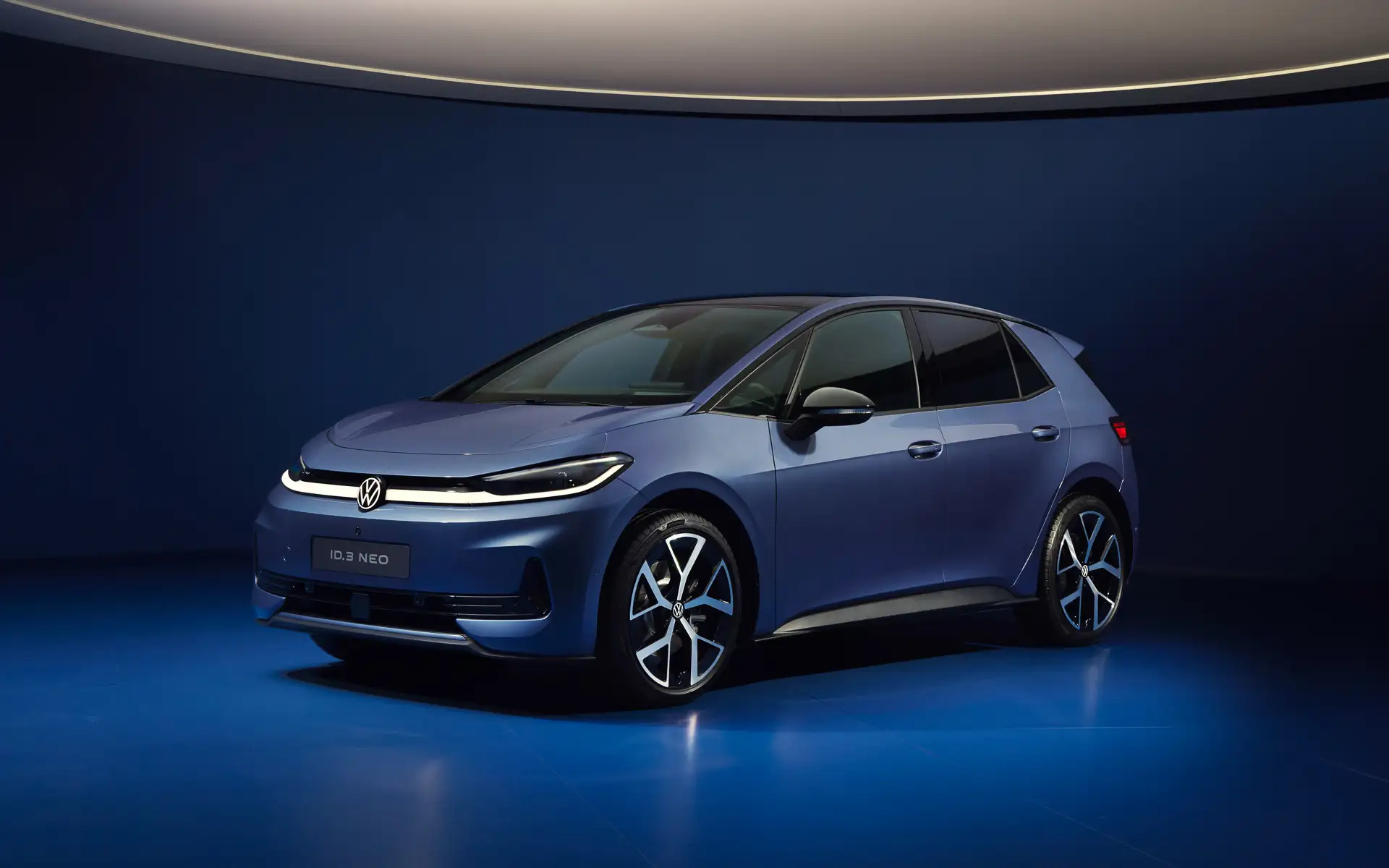
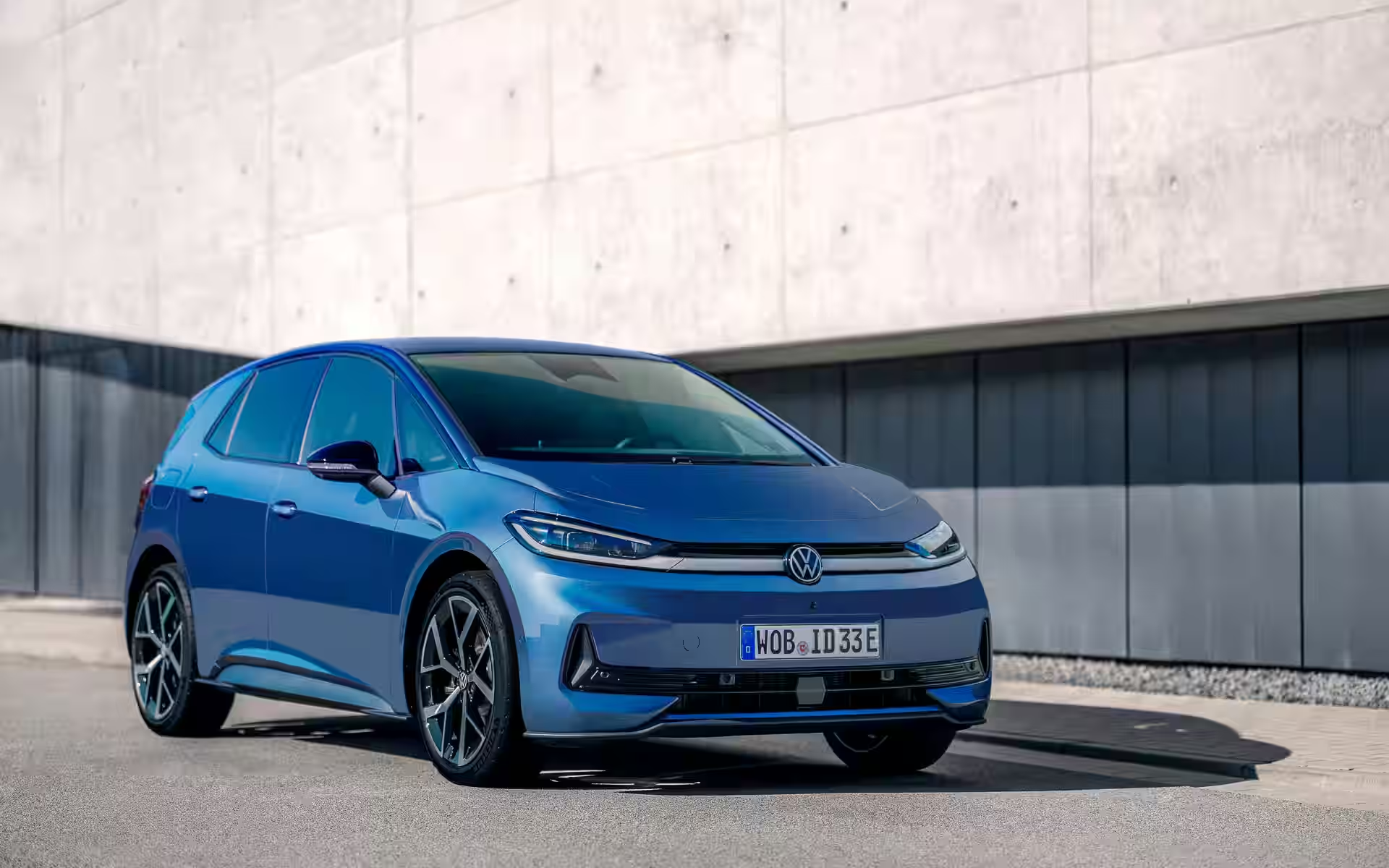
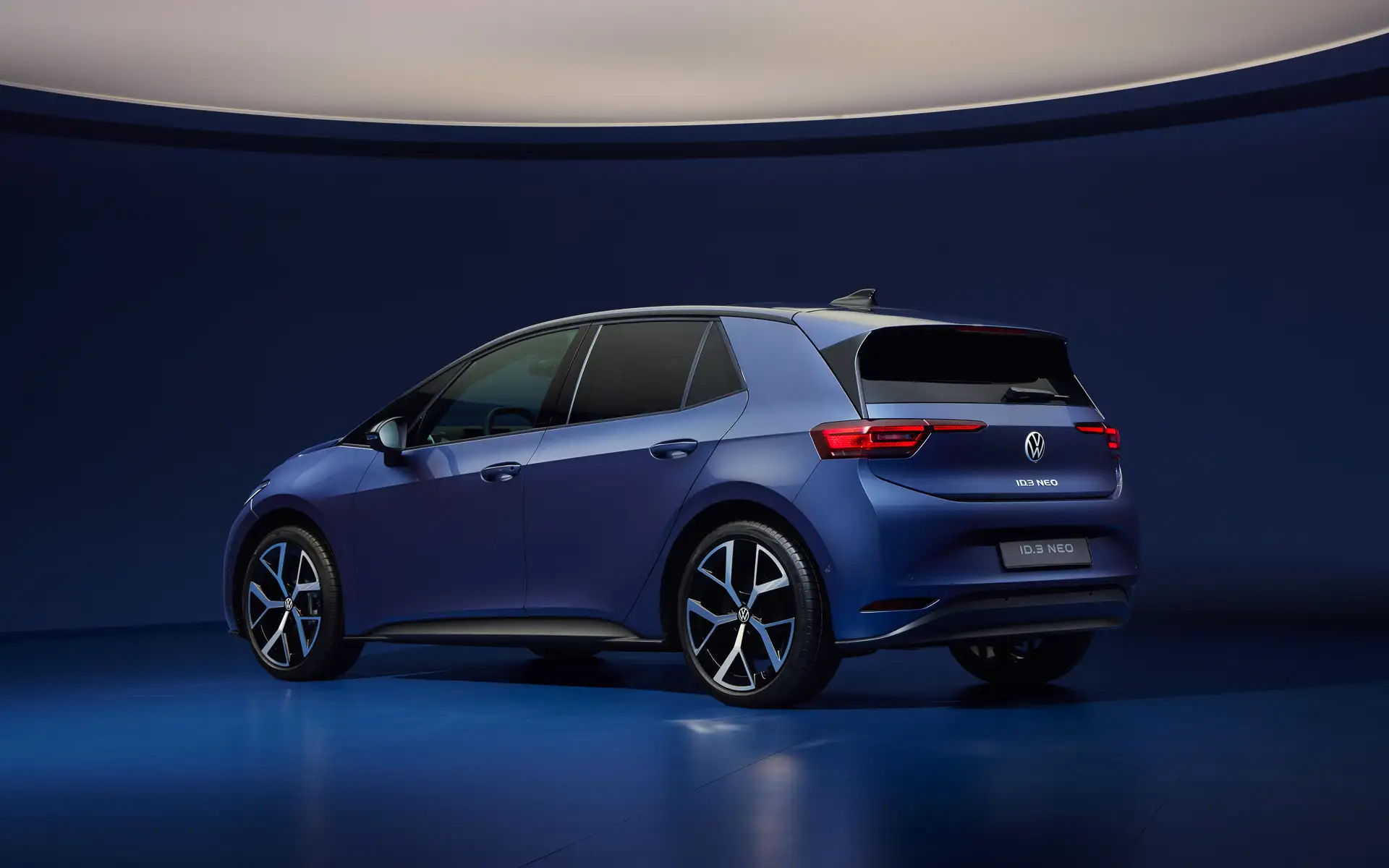
The Volkswagen ID.3 Neo is the brand’s latest step in the compact EV race, and the message is obvious: make the car look more mature, improve usability, and stretch range far enough to matter. Built for the European market, the model follows Volkswagen’s new Pure Positive design language, which gives the front end a cleaner graphic, updated lighting signatures, and a more streamlined overall presence.
One of the clever visual tricks is the body-colored roof, rear spoiler, and tailgate treatment, a move that helps the car appear longer and lower than before. That subtle design decision matters because the compact EV segment is increasingly defined by how premium and efficient a car feels before you even touch the door handle.
Power, Battery Options, And The 630 Km Question
Volkswagen is offering the ID.3 Neo in multiple trims, including Trend, Life, and Style. The base version produces 170 hp from a 50 kWh battery, while the Life and Style variants step up to 190 hp with a 58 kWh pack. For buyers who want more distance between charging stops, an optional 79 kWh battery is also available, raising output to 231 hp.
The biggest headline is range. Volkswagen says the ID.3 Neo can travel up to 630 km on the WLTP cycle depending on configuration. That puts it into serious conversation territory among mainstream electric hatchbacks and makes it a strong fit for commuters who want a daily EV without constant charging anxiety.
If you follow the fast-moving EV market, this launch lands in the middle of a bigger wave of new electric models and range wars. It sits in the same conversation as the GEELY Galaxy A7 EV, the Nissan Juke EV, and the larger long-range newcomers like the Mercedes-Benz CLA-Class EV.
Inside, Volkswagen Focuses On Real Controls, Not Just Big Screens
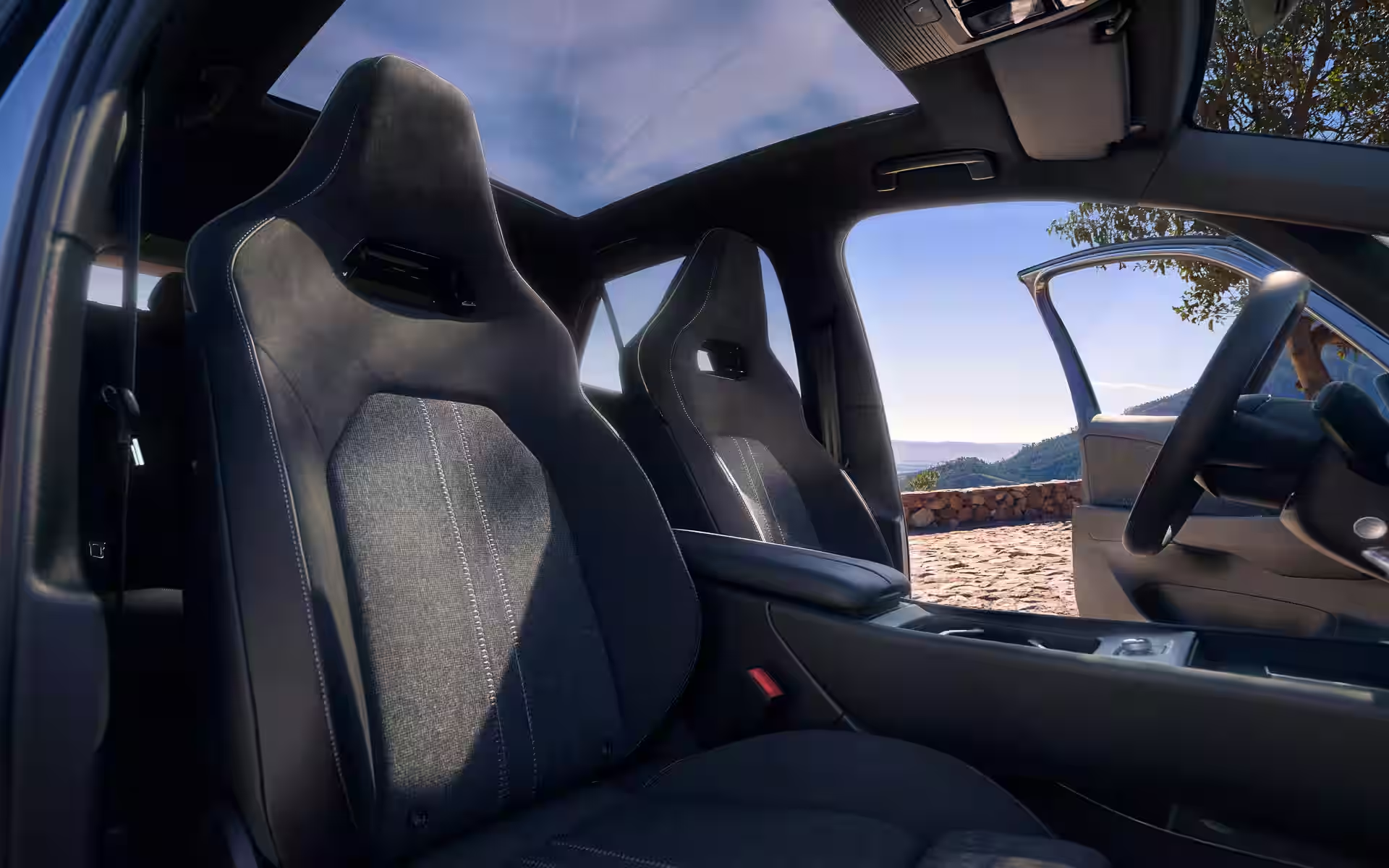
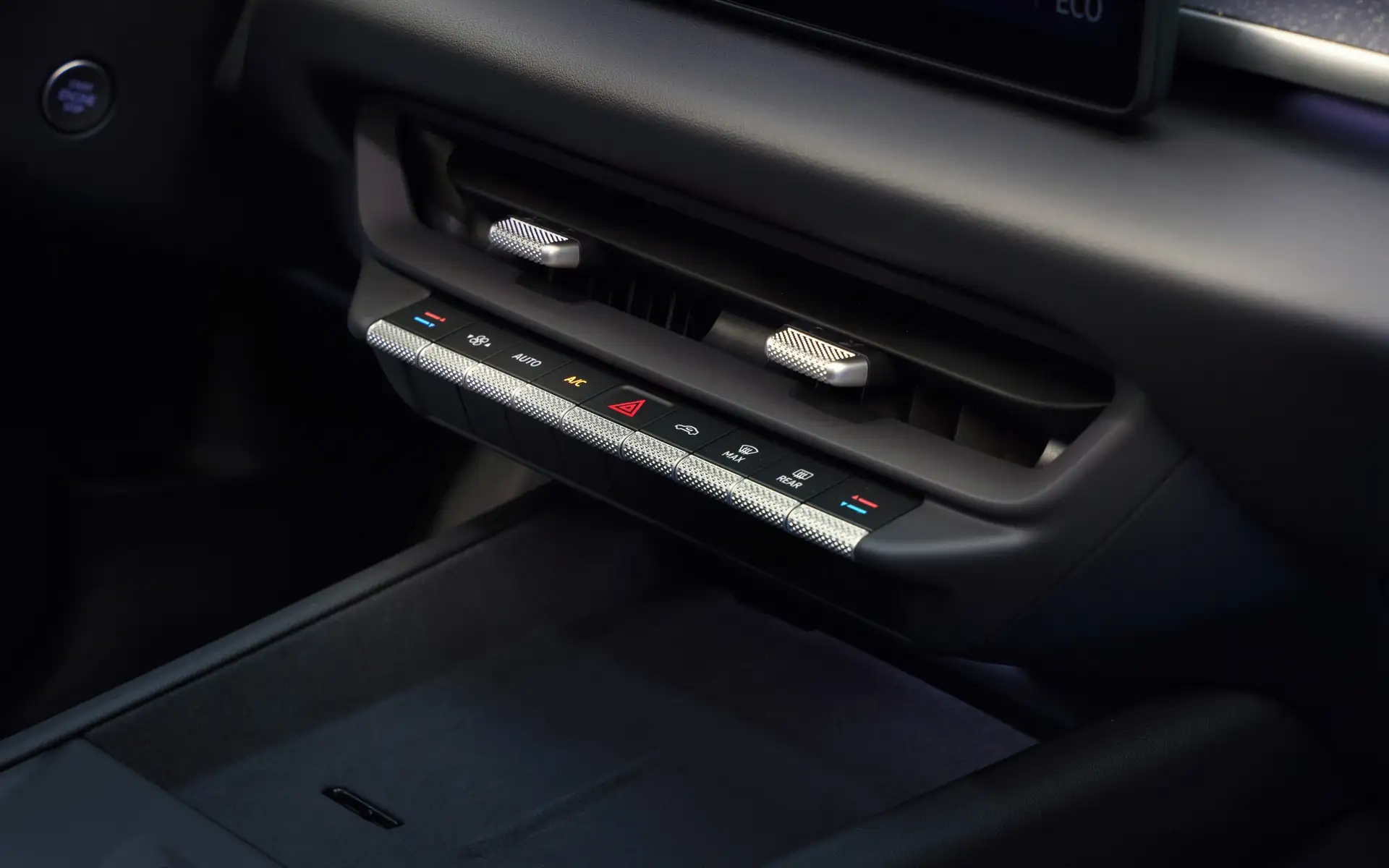
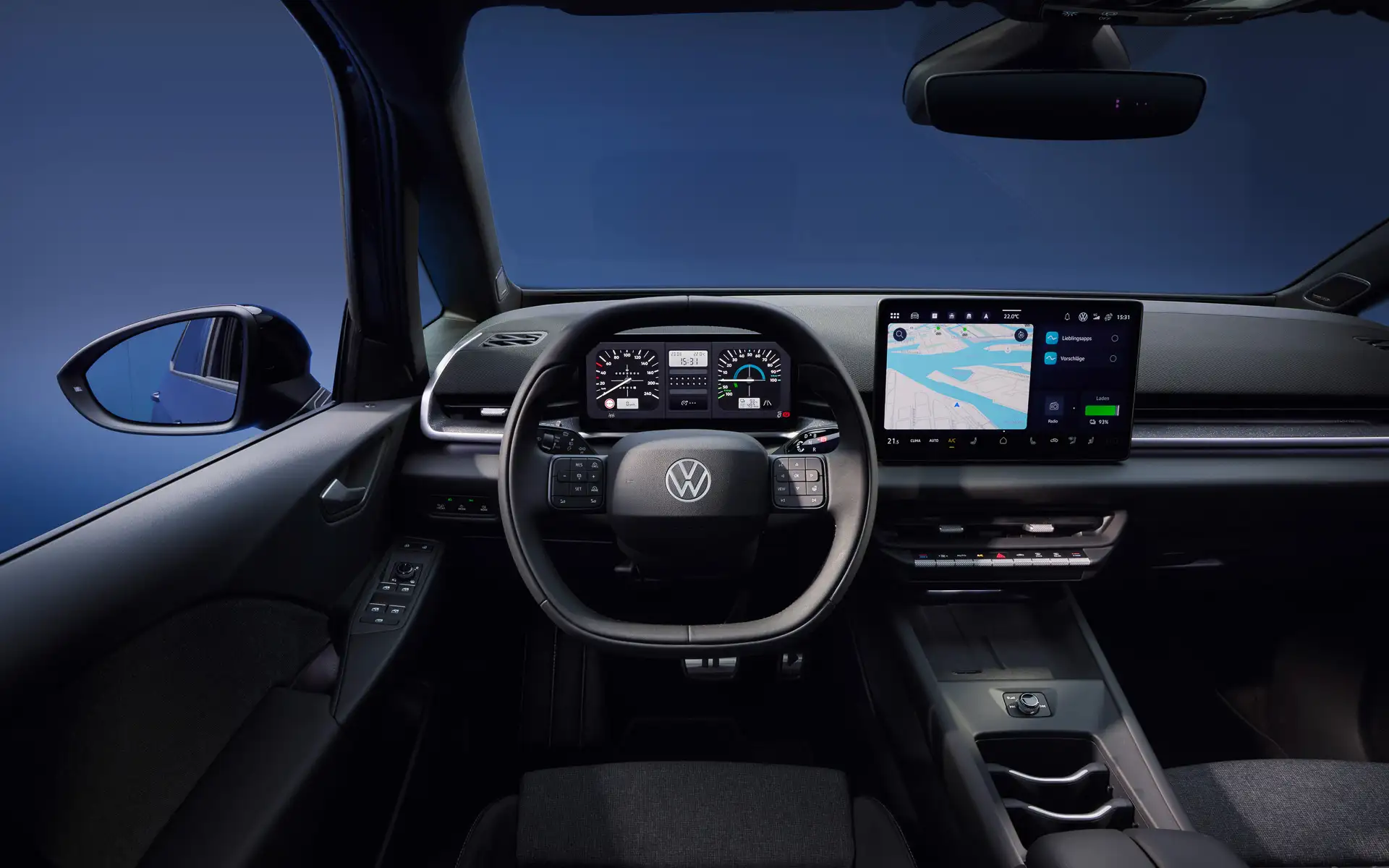
The cabin update is where the ID.3 Neo becomes especially interesting. Volkswagen fitted a 10.25-inch digital instrument cluster and a 12.9-inch central display, but it did not go down the usual route of making everything touchscreen-only. The air-conditioning and other core functions are supported by a button panel layout that should make everyday operation easier and less distracting.
That balance between digital features and physical controls is exactly what many drivers have been asking for. In a market where some EV interiors feel like they were designed by software teams first and drivers second, Volkswagen’s approach looks more grounded. It is also a sign that the company is paying attention to usability as much as style.
The result is a compact EV that does not just chase specs. It tries to improve the parts of the ownership experience that matter every day: visibility, interface simplicity, and charging confidence. For readers tracking the broader electric shift, the ID.3 Neo also fits neatly alongside models like the BYD Seal 06 GT and the Kia EV3, both of which show how quickly the EV segment is maturing.
| Specification | Volkswagen ID.3 Neo |
|---|---|
| Body Style | Compact electric hatchback |
| Base Power | 170 hp |
| Mid-Grade Power | 190 hp |
| Top Power | 231 hp |
| Battery Options | 50 kWh, 58 kWh, 79 kWh |
| Maximum Range | 630 km WLTP |
| Key Interior Screens | 10.25-inch cluster, 12.9-inch center display |
“The smartest EV updates are not always the loudest ones. Sometimes the biggest win is better range, better ergonomics, and a design that finally looks finished.”
For Volkswagen, the ID.3 Neo is more than a refresh. It is a statement that the compact EV still matters, especially when range, usability, and design are aligned in one package.