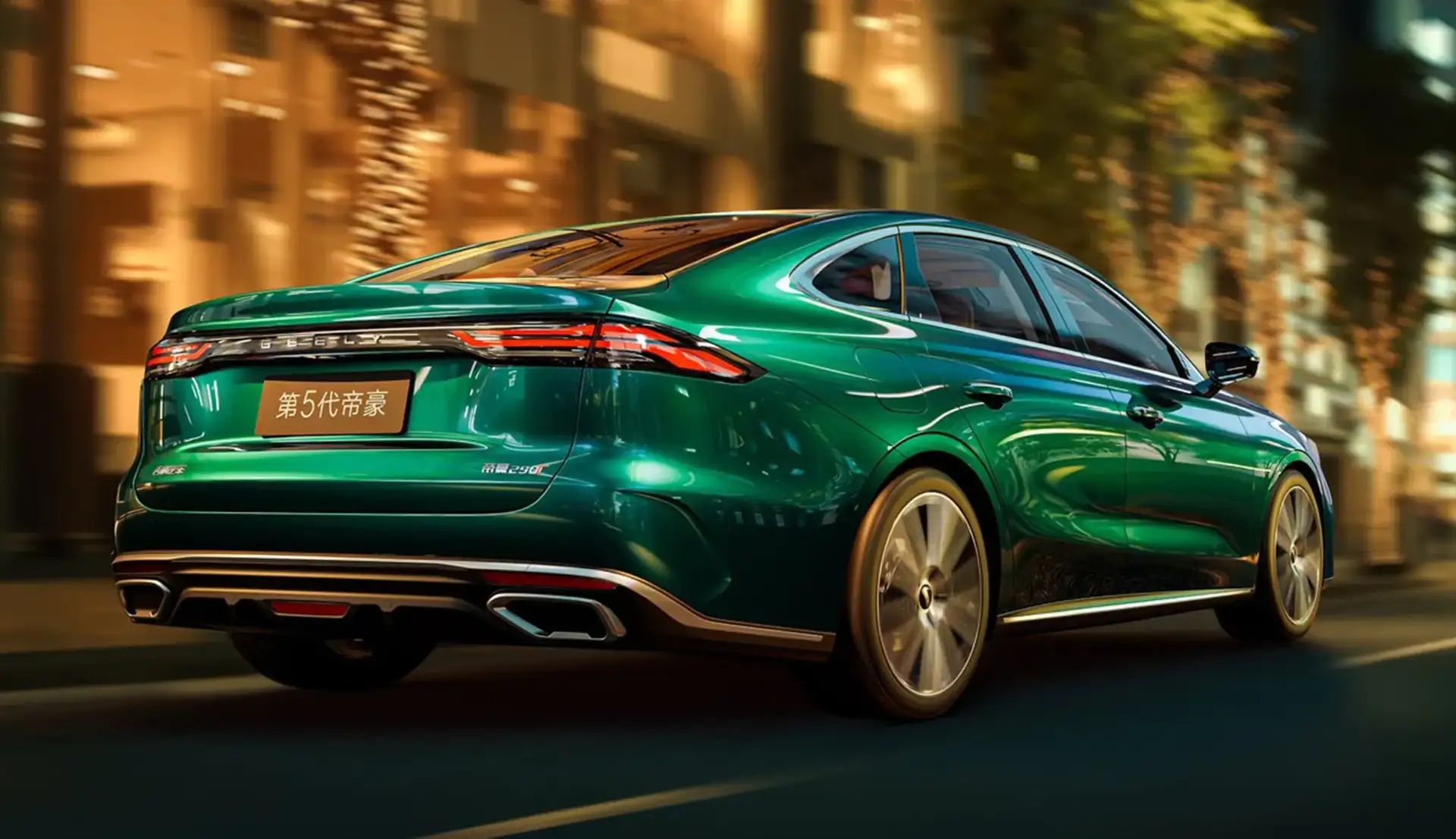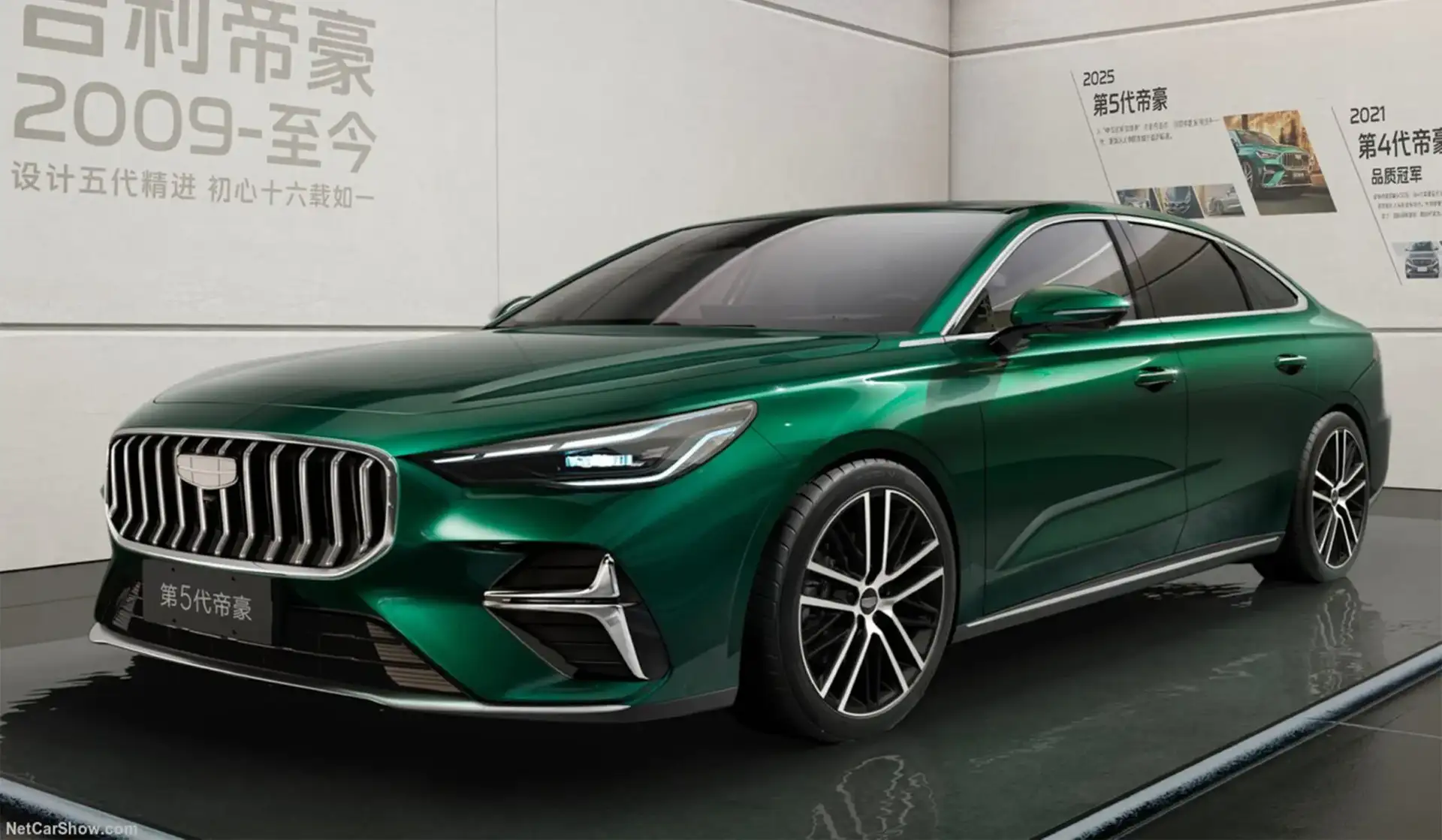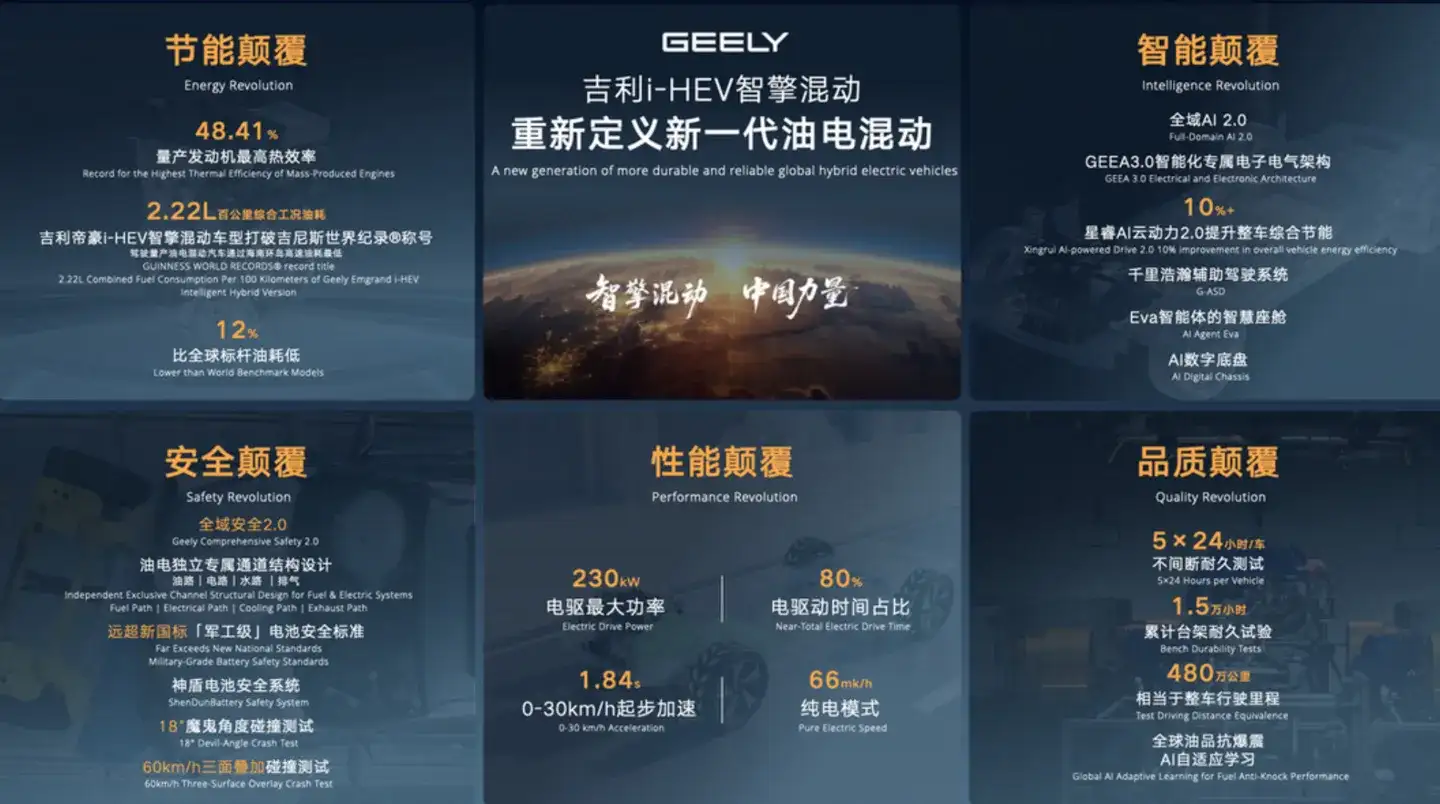
GEELY Emgrand blends 308HP electric power with smart hybrid management and a 48.41% engine efficiency claim.
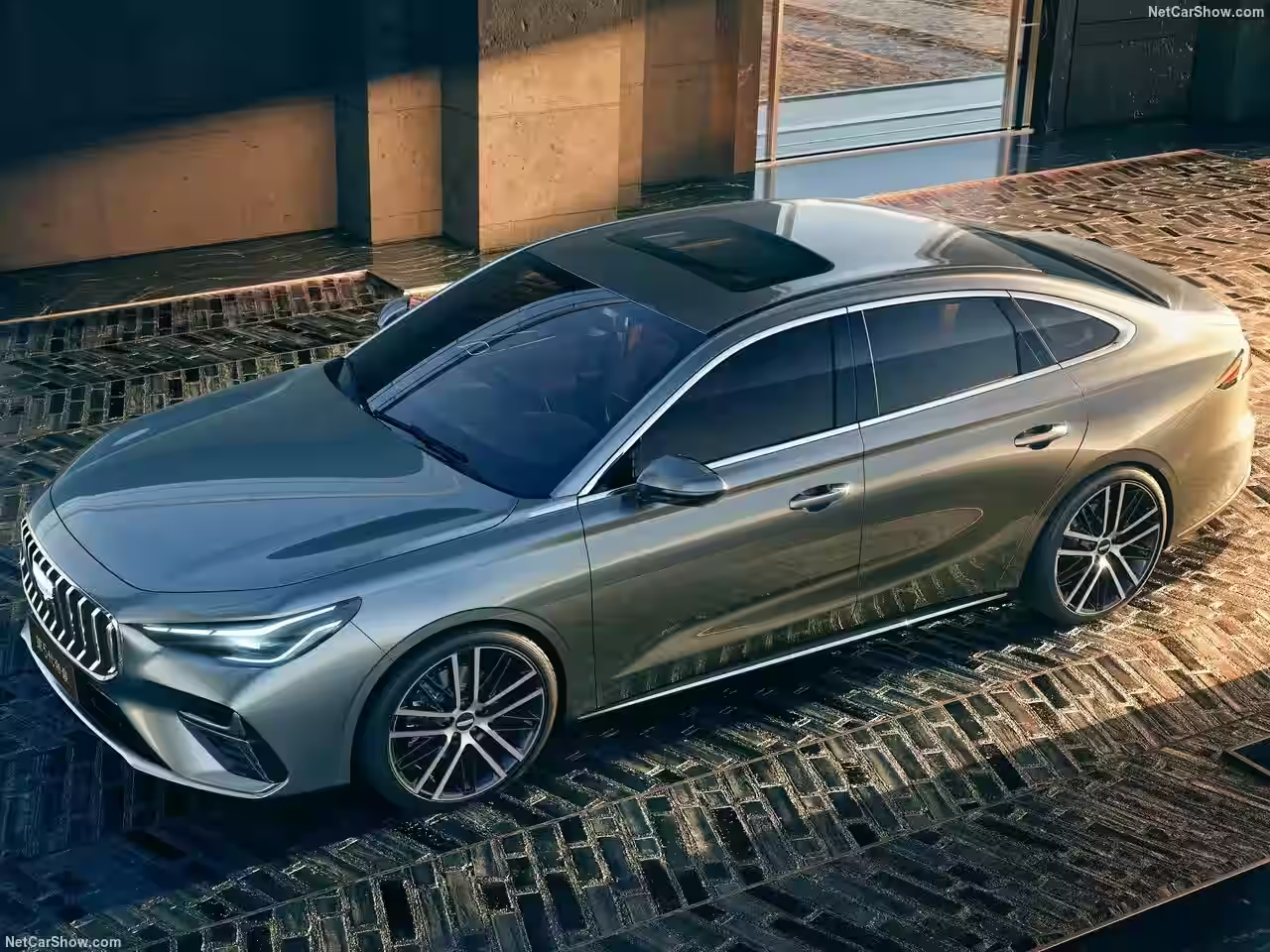
Why Geely’s New Hybrid Is Making Headlines
China’s Geely has unveiled a new-generation hybrid system that it says can compete with, and even outperform, the most respected Japanese hybrid setups. That is a bold statement in a market where Toyota hybrid technology has long been treated as the gold standard for efficiency, reliability, and real-world fuel economy.
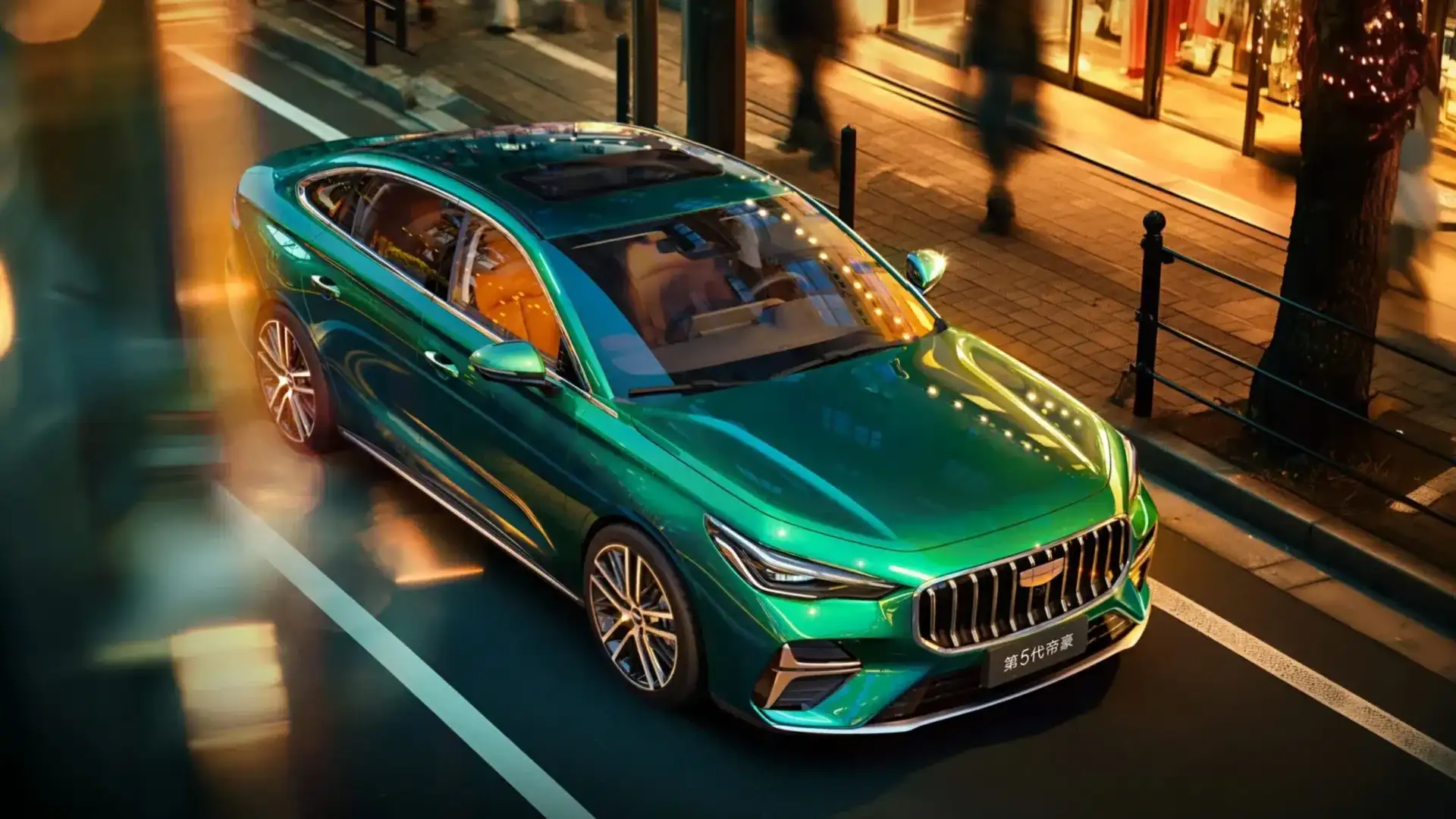
The new system, called i-HEV Intelligent Energy, will debut in the latest Geely Emgrand sedan before expanding to other models such as the Boyue L and Xingyue L. For buyers watching the rise of Chinese automakers, this is another sign that the competition is no longer about catching up. It is about setting new targets.
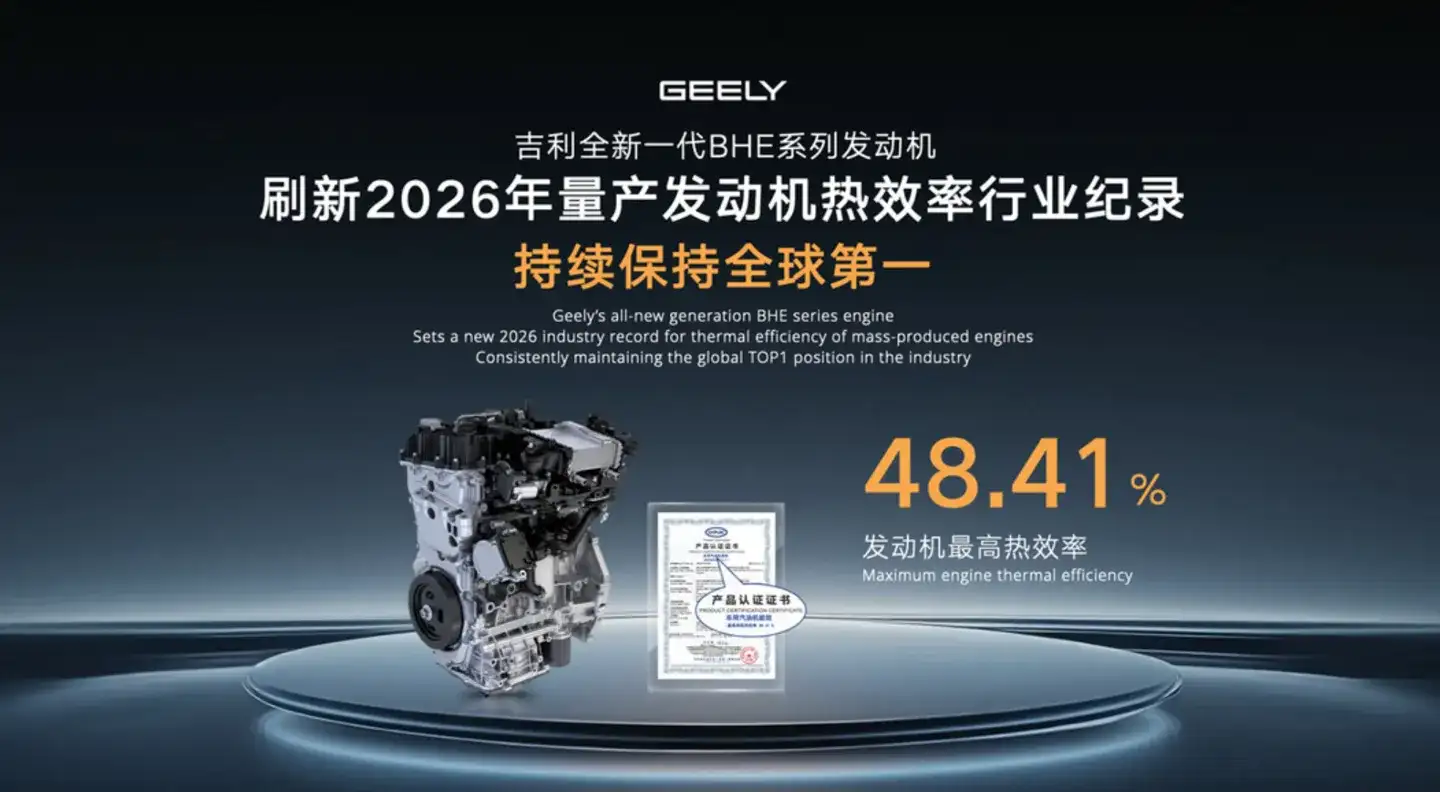
One reason this story matters is the efficiency claim attached to the combustion engine at the heart of the system. Geely says the engine achieves a 48.41% thermal efficiency, an impressive figure by any standard. In simple terms, that means a larger share of the fuel’s energy is being turned into useful work instead of wasted as heat.
| Key Geely Hybrid Highlights | Details |
| Hybrid system | i-HEV Intelligent Energy |
| Engine thermal efficiency | 48.41% |
| Electric motor output | 308 hp |
| Prototype fuel consumption | 2.22 L/100 km |
| Models using the system | Emgrand, Boyue L, Xingyue L |
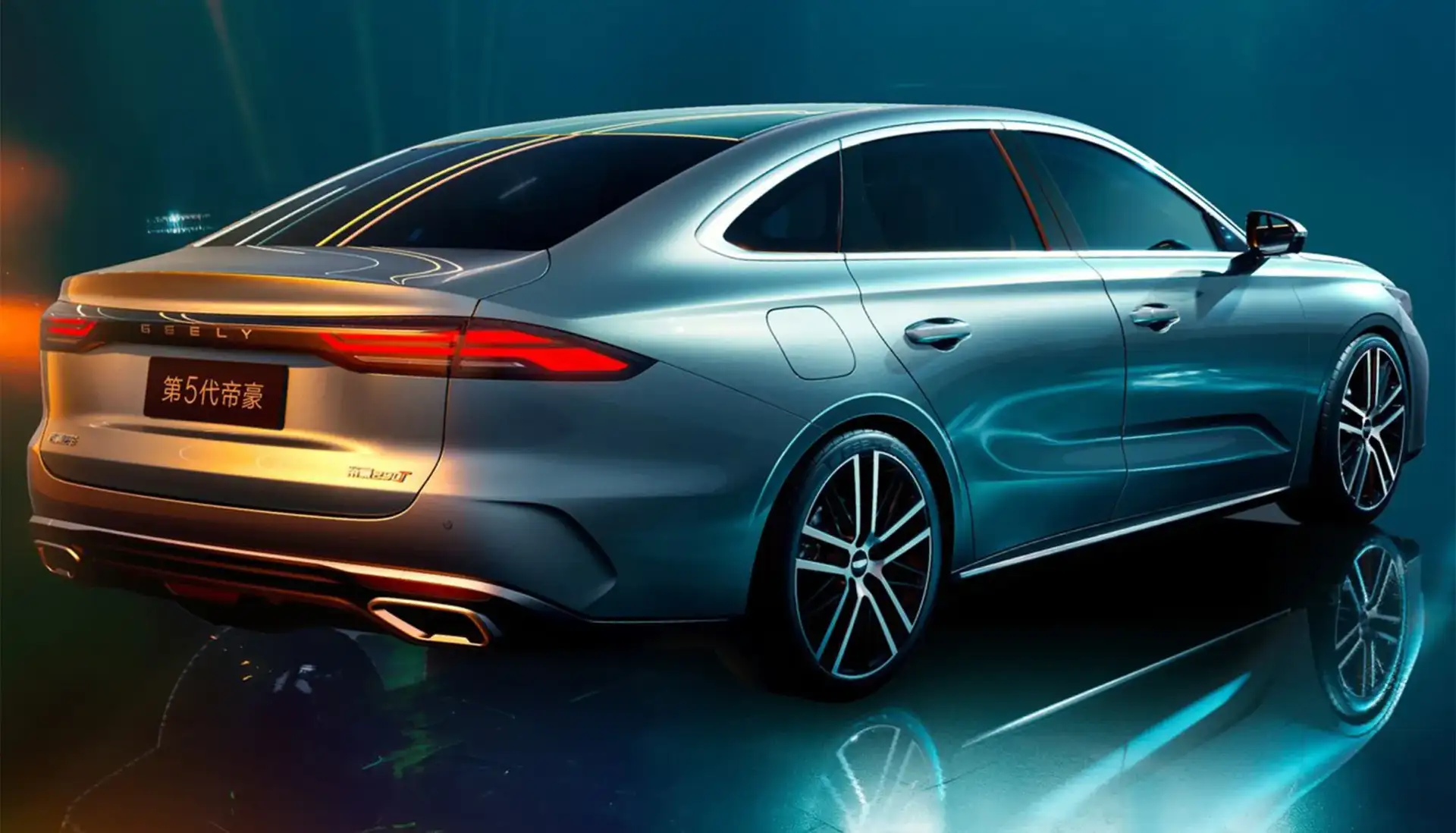
The Numbers Behind the Toyota Comparison
Geely’s most attention-grabbing claim came after a prototype Emgrand reportedly averaged just 2.22 L/100 km during testing around Hainan island in China. That equals roughly 105.9 US mpg, a number that immediately puts the system into the same conversation as the most efficient hybrids on the planet.
For context, Toyota famously drove a Prius across the United States in 2024 and recorded 2.53 L/100 km over a trip of more than 4,500 km. That test was a real-world showcase of what mature hybrid engineering can do. Geely’s result, while based on prototype testing, suggests the company is aggressively chasing the same kind of efficiency leadership.
According to Geely, the hybrid setup also includes a 308 hp electric motor, giving the system a strong performance edge in addition to low consumption. That combination is important because modern buyers do not want efficiency alone. They want quiet city driving, quick torque, and the confidence that a hybrid can still feel modern and responsive.
Geely Group spokesperson Victor Yang made the company’s ambitions clear, saying the system would “comprehensively surpass” hybrid technology from Japanese rivals. That is a serious claim, but it also reflects a larger trend in the industry: Chinese brands are no longer content with budget positioning. They are competing on engineering prestige.
If you are following the broader shift in electrified powertrains, this move sits alongside other fast-moving developments such as the BYD Seal 06 GT and DM-i Wagon and the Geely Galaxy A7 EV, both of which show how quickly Chinese brands are pushing into premium-feeling efficiency tech.
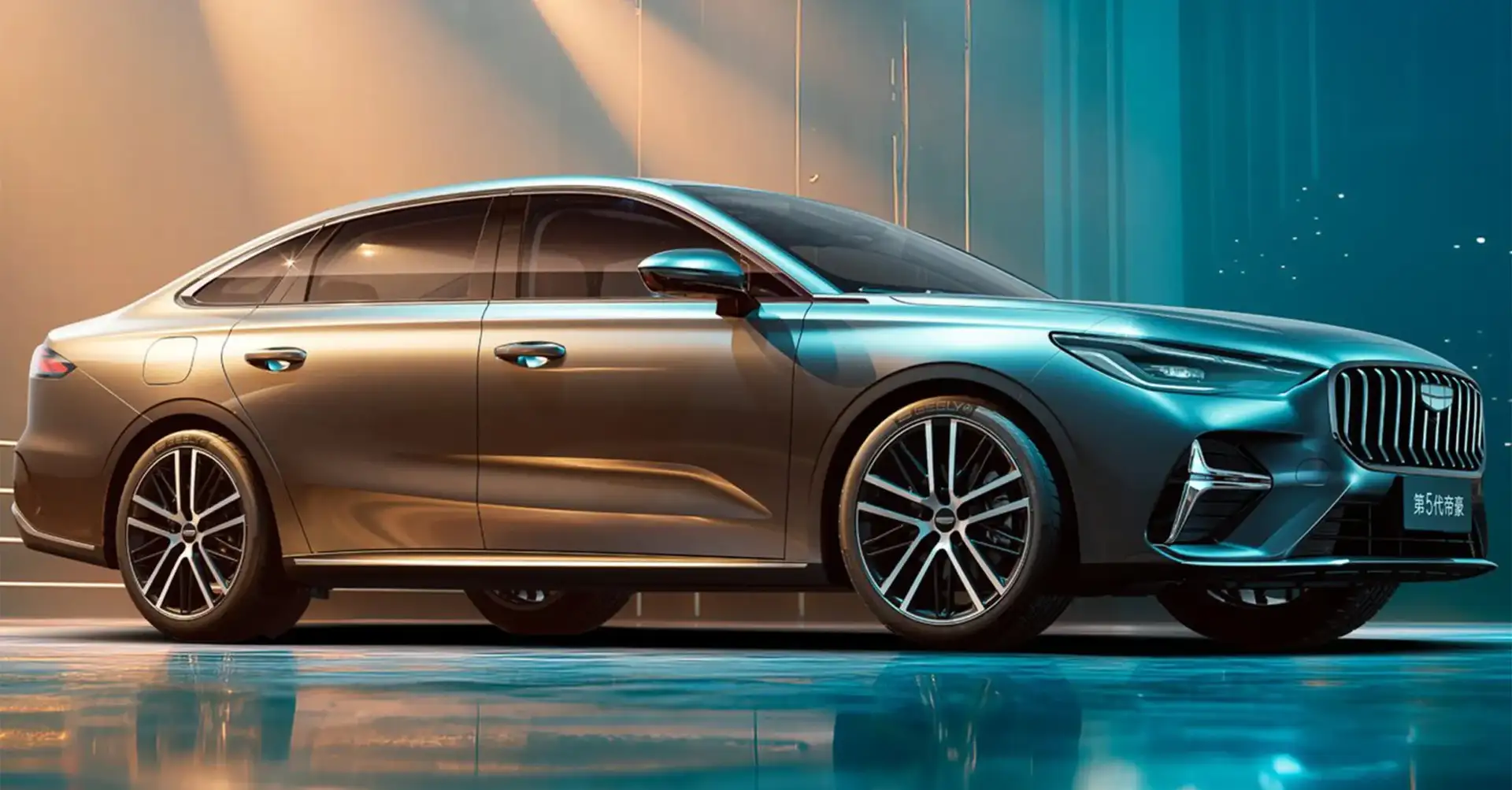
What Makes Geely’s Hybrid Strategy Different
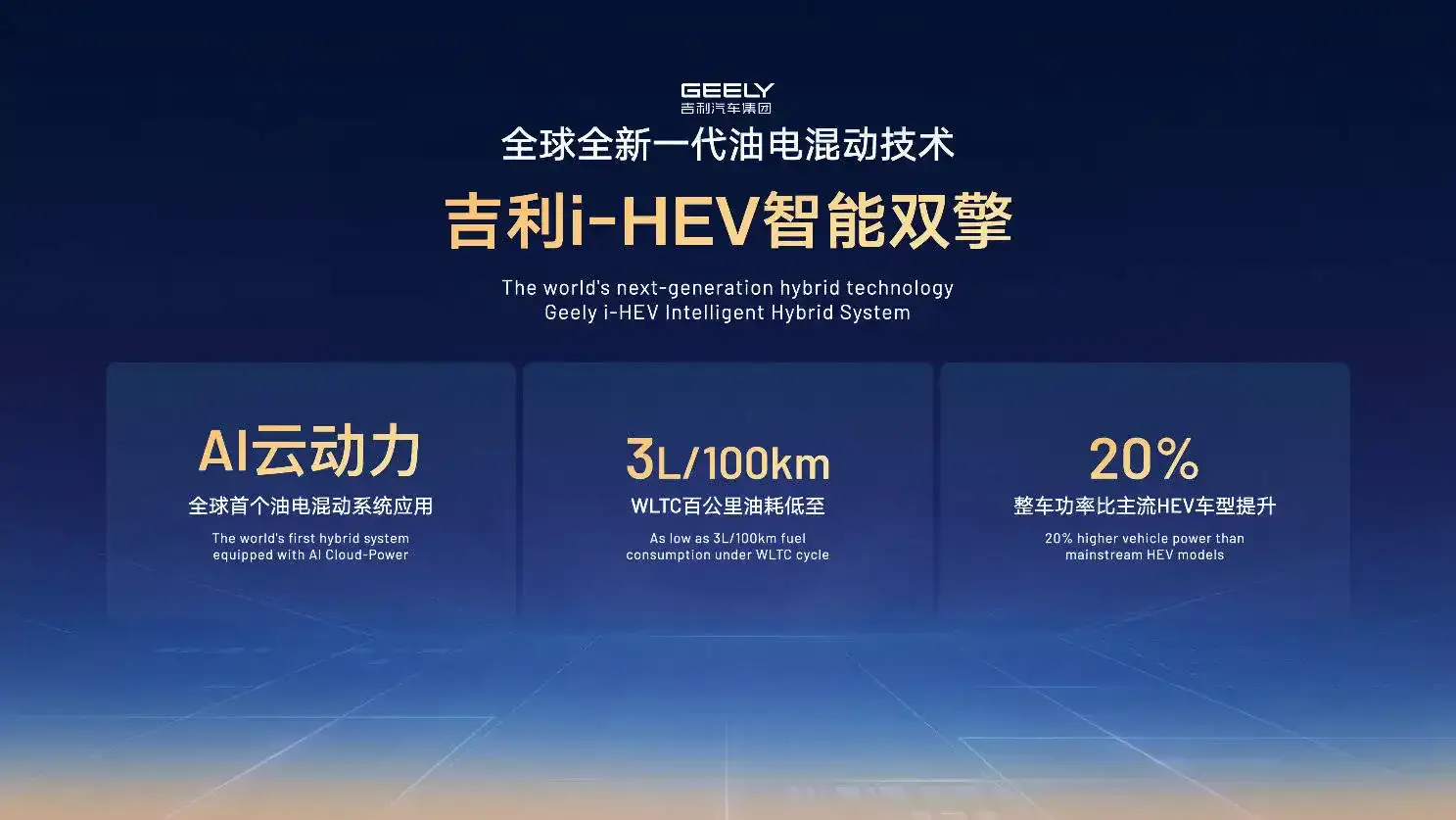
Beyond the headline mpg figure, Geely says the new hybrid system is managed by a single centralized “brain” that coordinates cockpit and chassis functions while using artificial intelligence to optimize energy management. That kind of software-first approach is increasingly central to modern vehicle development.
Instead of treating the powertrain as an isolated component, Geely is integrating it into a broader digital architecture. In practice, that can mean smarter power split decisions, better predictive energy use, and improved coordination between driving modes. It also reflects the company’s growing confidence in AI-defined vehicle control, a theme seen across the latest generation of Chinese EVs and hybrids.
There is also a wider industrial message here. Geely was the world’s eighth-largest automaker last year, and products like this are likely to strengthen its global reputation. An efficient hybrid sedan with a low entry footprint can be a high-volume weapon, especially in markets where buyers are not ready to go fully electric but still want lower running costs.
Geely chairman Li Shufu also used the event to point toward the future, saying the company is studying methanol fuel. He noted that methanol has more than 10 times the energy density of lithium-ion batteries, a comment that suggests Geely is not thinking in one direction only. It is exploring multiple paths to efficiency, from electrified hybrids to alternative fuels.
That matters because the next phase of the automotive transition may not belong to a single technology. Some buyers will go all-electric. Others will want hybrids that stretch every drop of fuel. And in some regions, alternative fuels could still play a strategic role.
For readers tracking the broader hybrid arms race, other recent examples like the Nissan Rogue e-Power hybrid and the Leapmotor B10 Flex REEV show that the market is moving fast toward smarter electrified systems with less anxiety and better everyday usability.
“Geely’s message is simple: the hybrid era is not over, and it may still have room for a new leader.”
The real test, of course, will come when the system reaches customer cars and everyday traffic. Prototype numbers are impressive, but real-world results depend on climate, traffic, driving style, and calibration. Even so, Geely has already done enough to force attention from its rivals.
If the company can translate this efficiency into a convincing production package, the Emgrand hybrid could become more than a headline. It could become proof that the next big hybrid breakthrough may come from China, not Japan.