The Nissan Juke has never been a background character, and the newest version doubles down on that reputation.
Why The New Juke EV Is Such A Big Deal
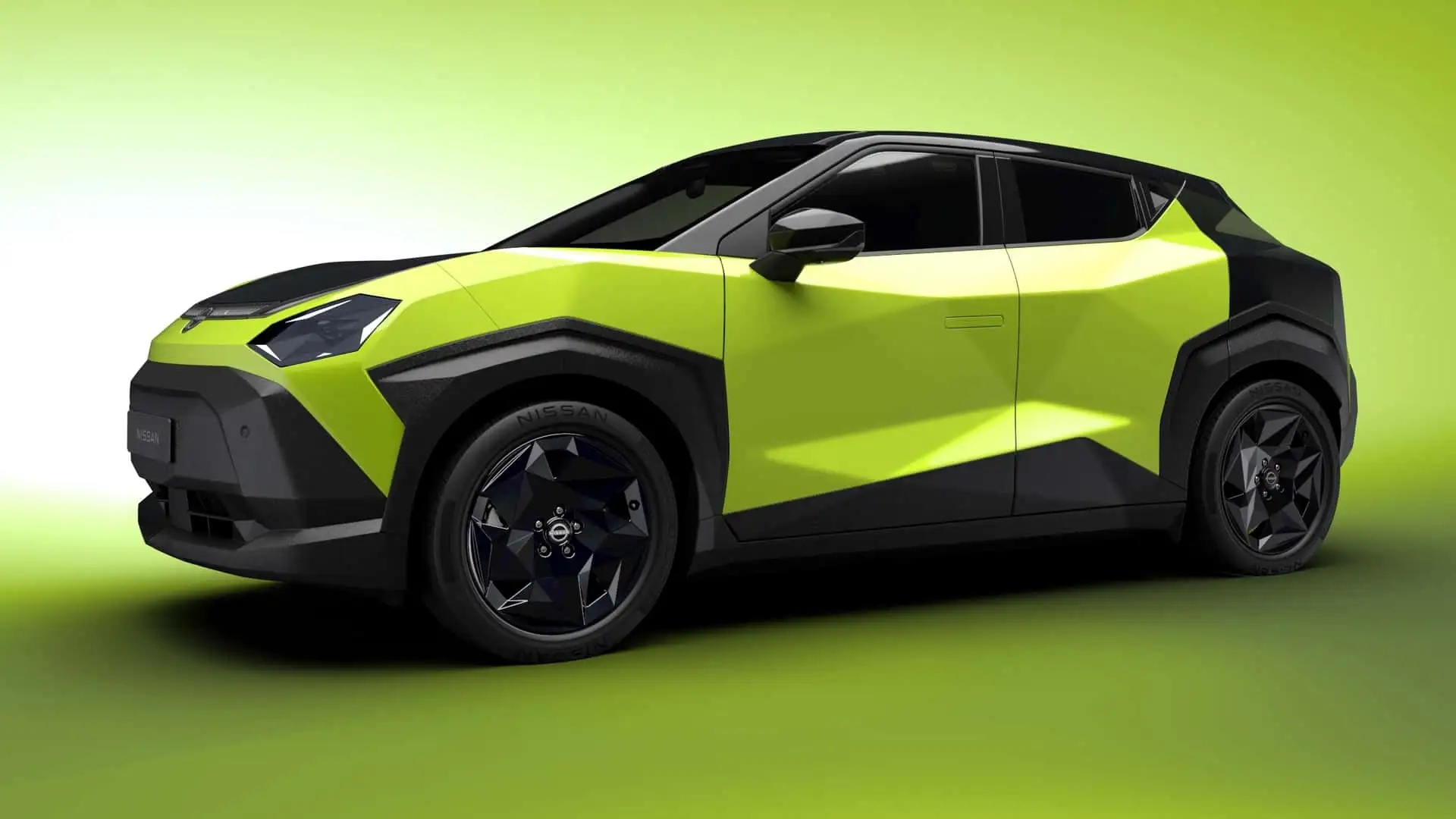
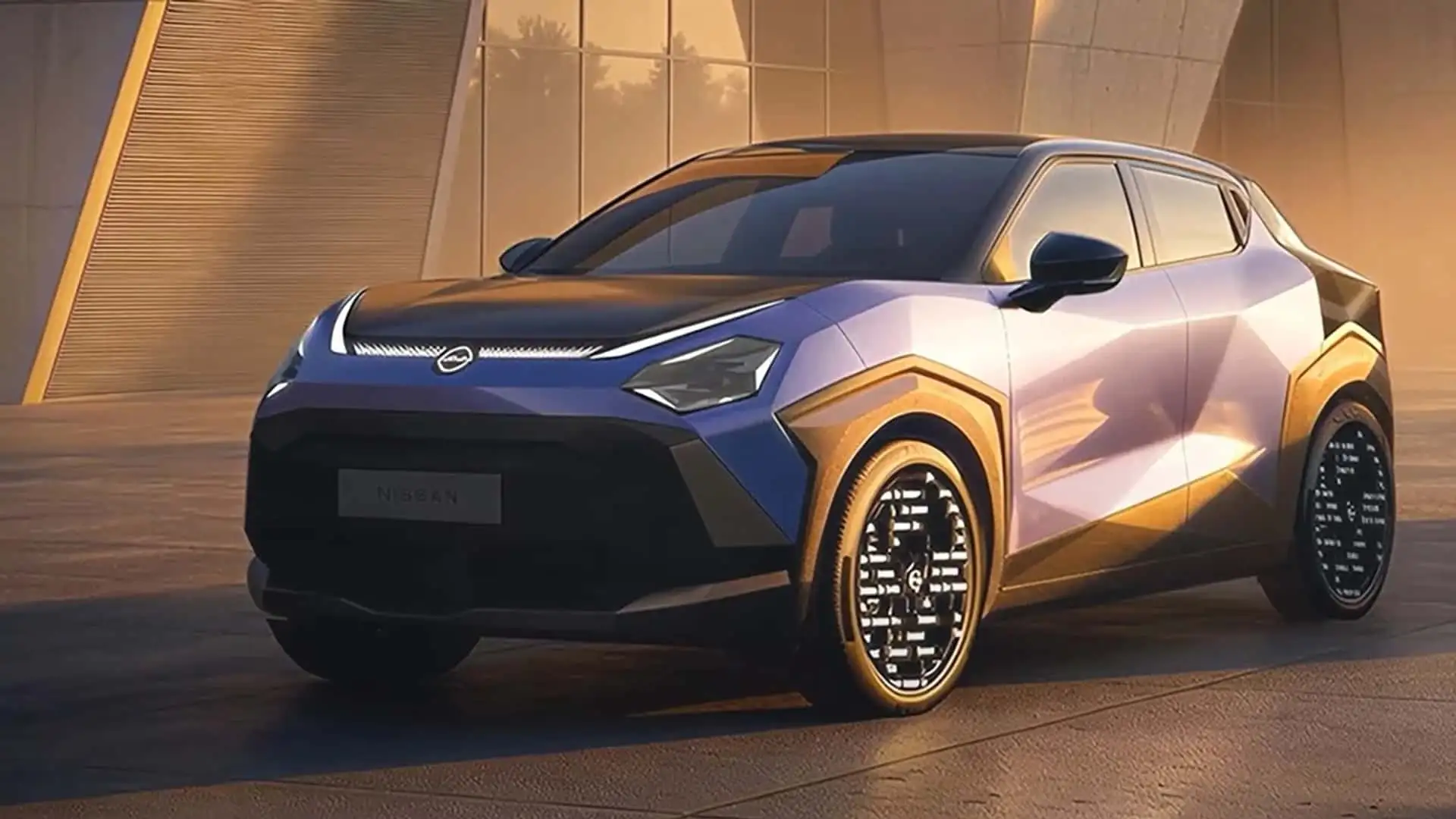
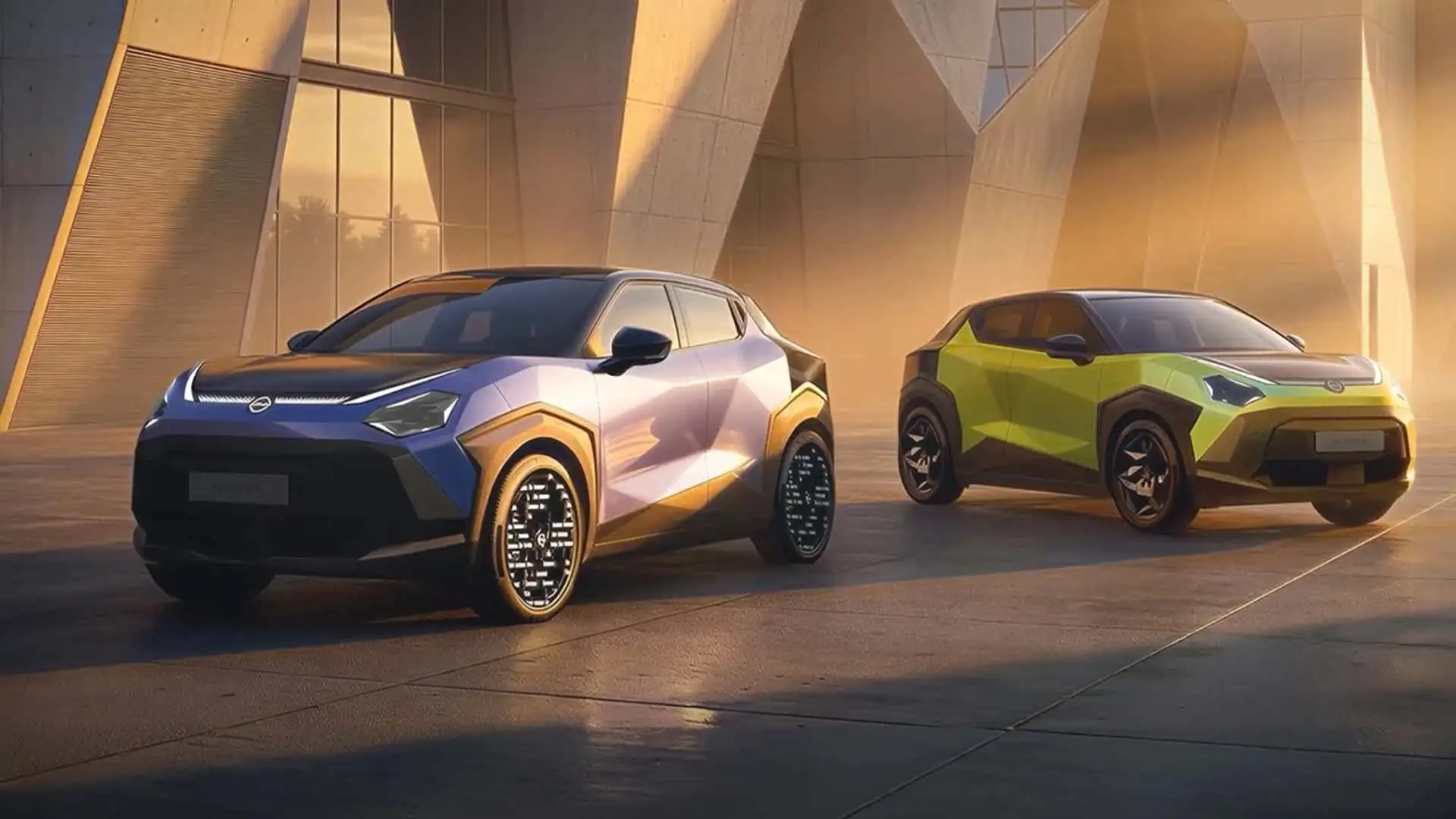
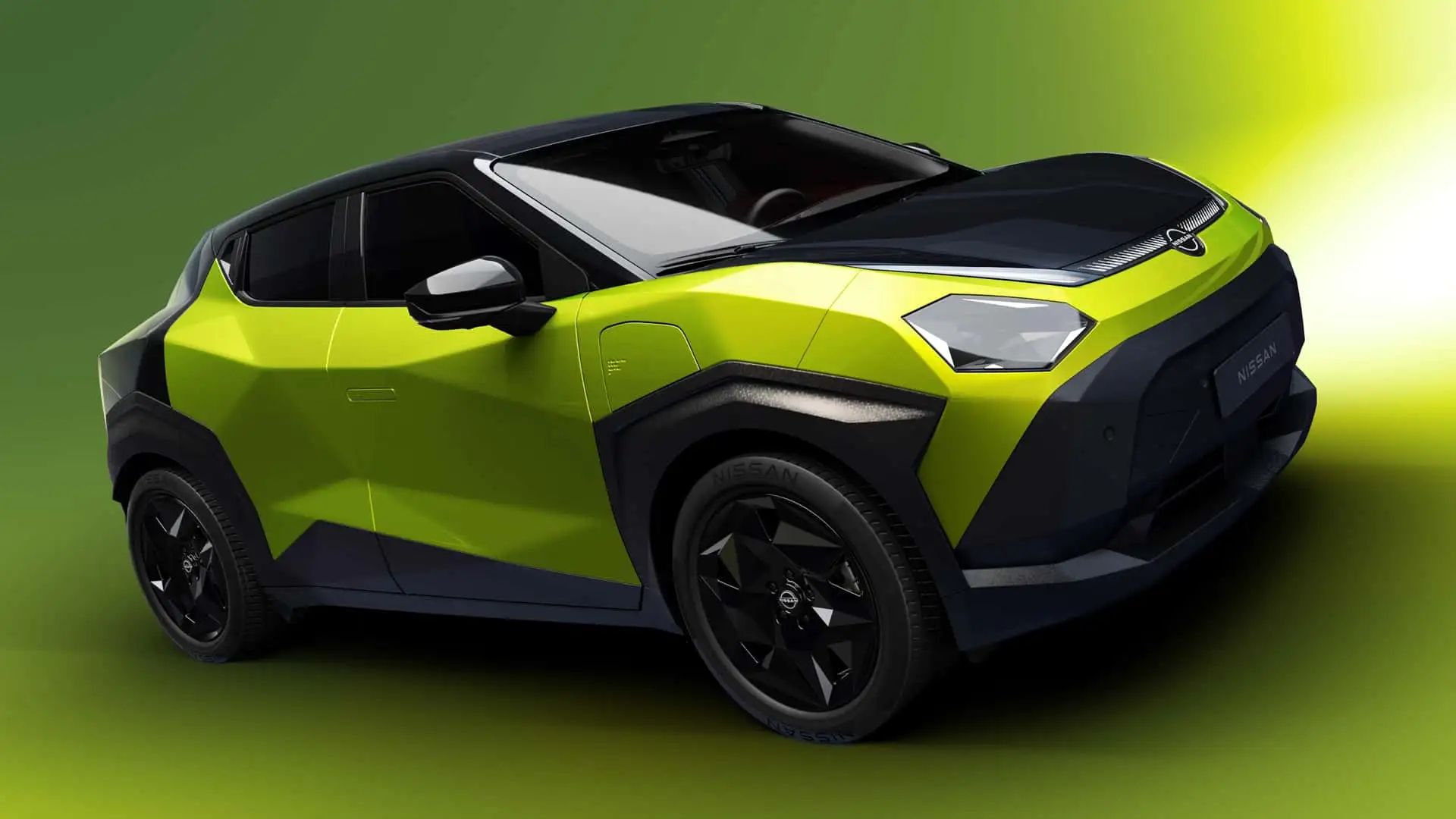
Nissan has revealed the third-generation Juke, and this time the crossover goes fully electric. The result is a production-ready SUV that looks far closer to a concept car than a typical commuter EV. In a market packed with rounded, conservative subcompact crossovers, the Juke takes the opposite path with sharp edges, dramatic creases, and a design that practically dares you to ignore it.
That matters for SEO, but it also matters for real-world buyers because the Juke name has always sold on personality. Nissan has already moved more than 1.5 million units in Europe since the original model launched in 2010, so this is not a niche experiment. It is a key model with a proven audience, now entering a new phase.
Design That Looks Pulled Straight From A Concept
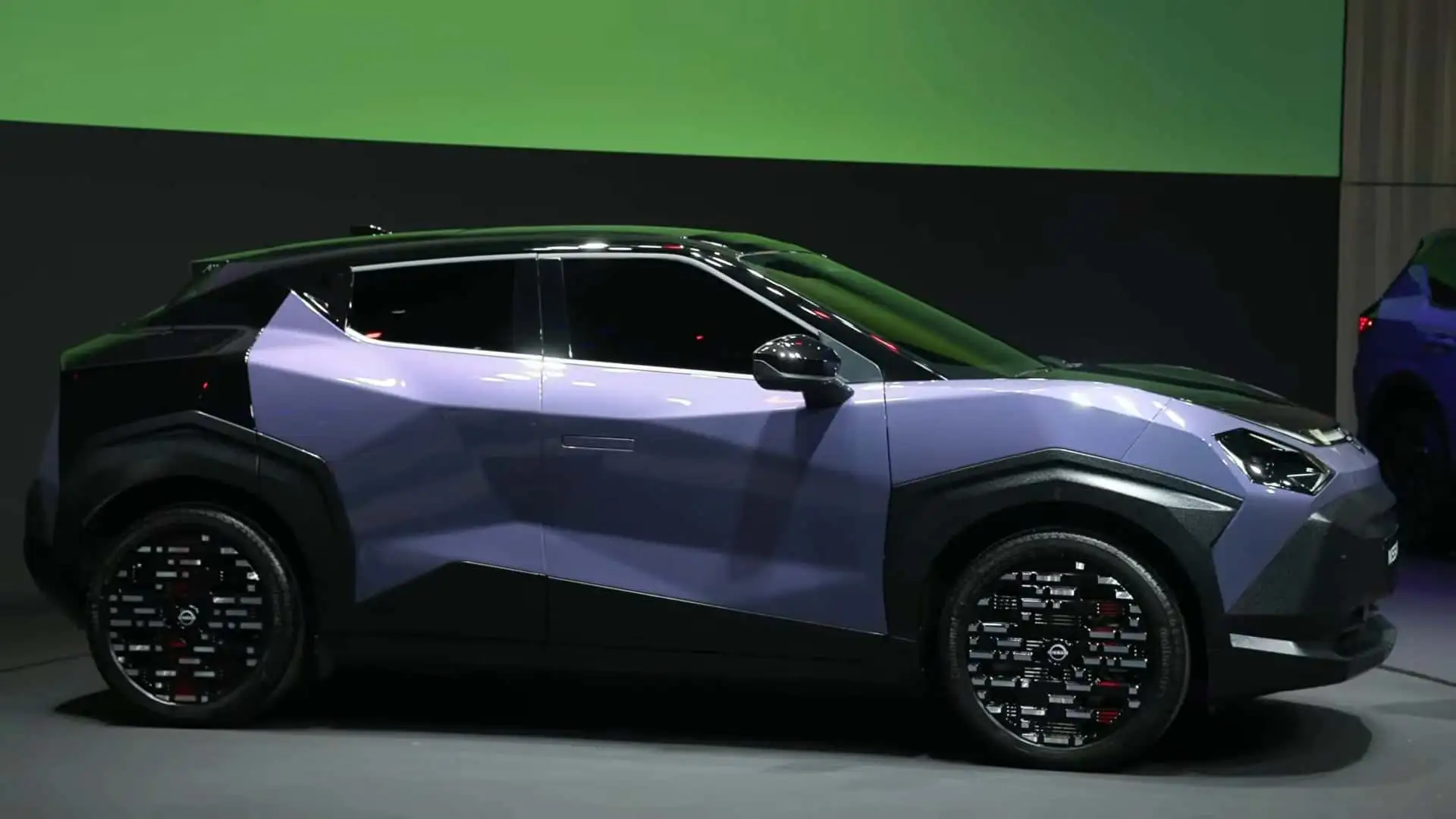
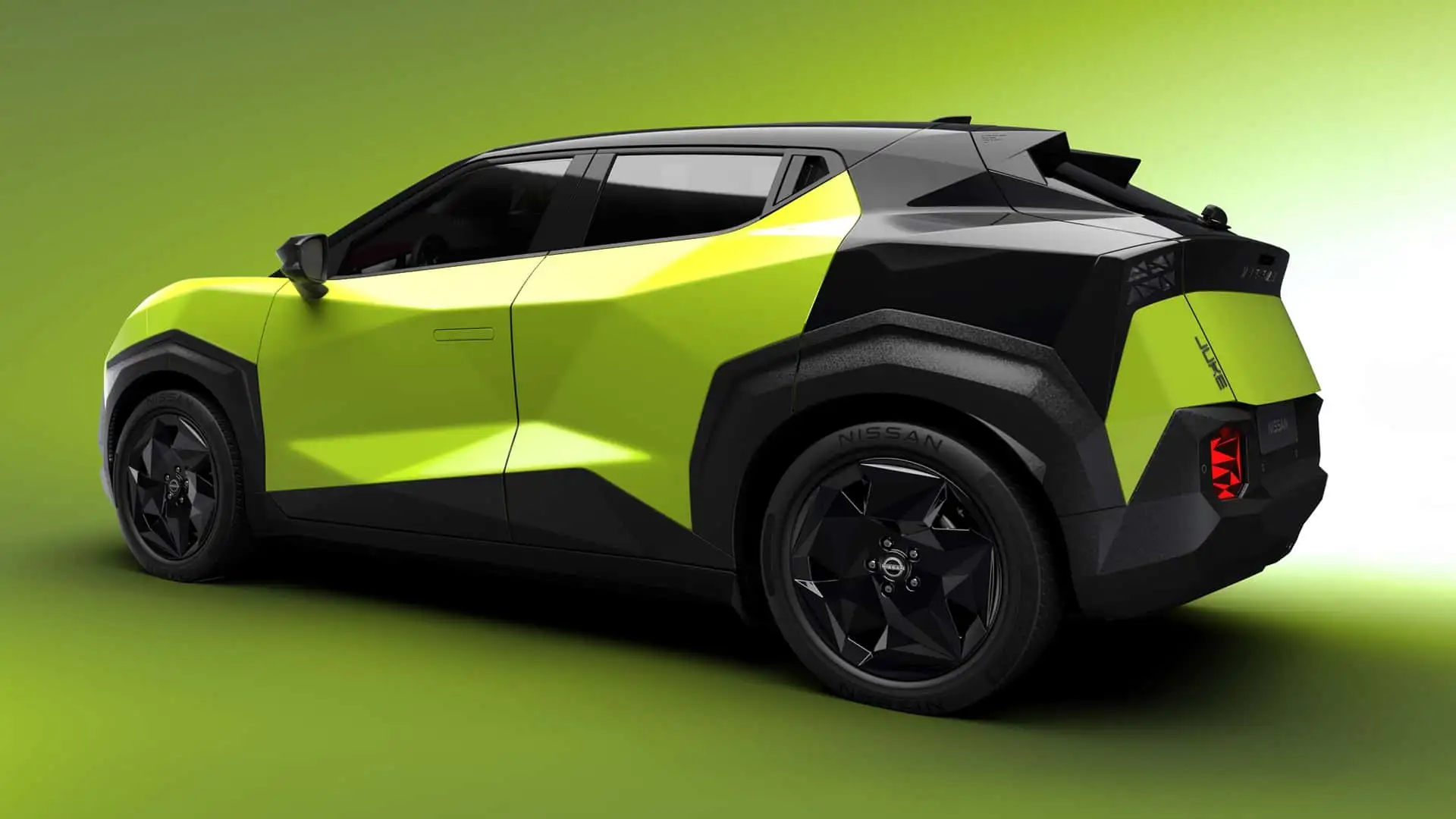
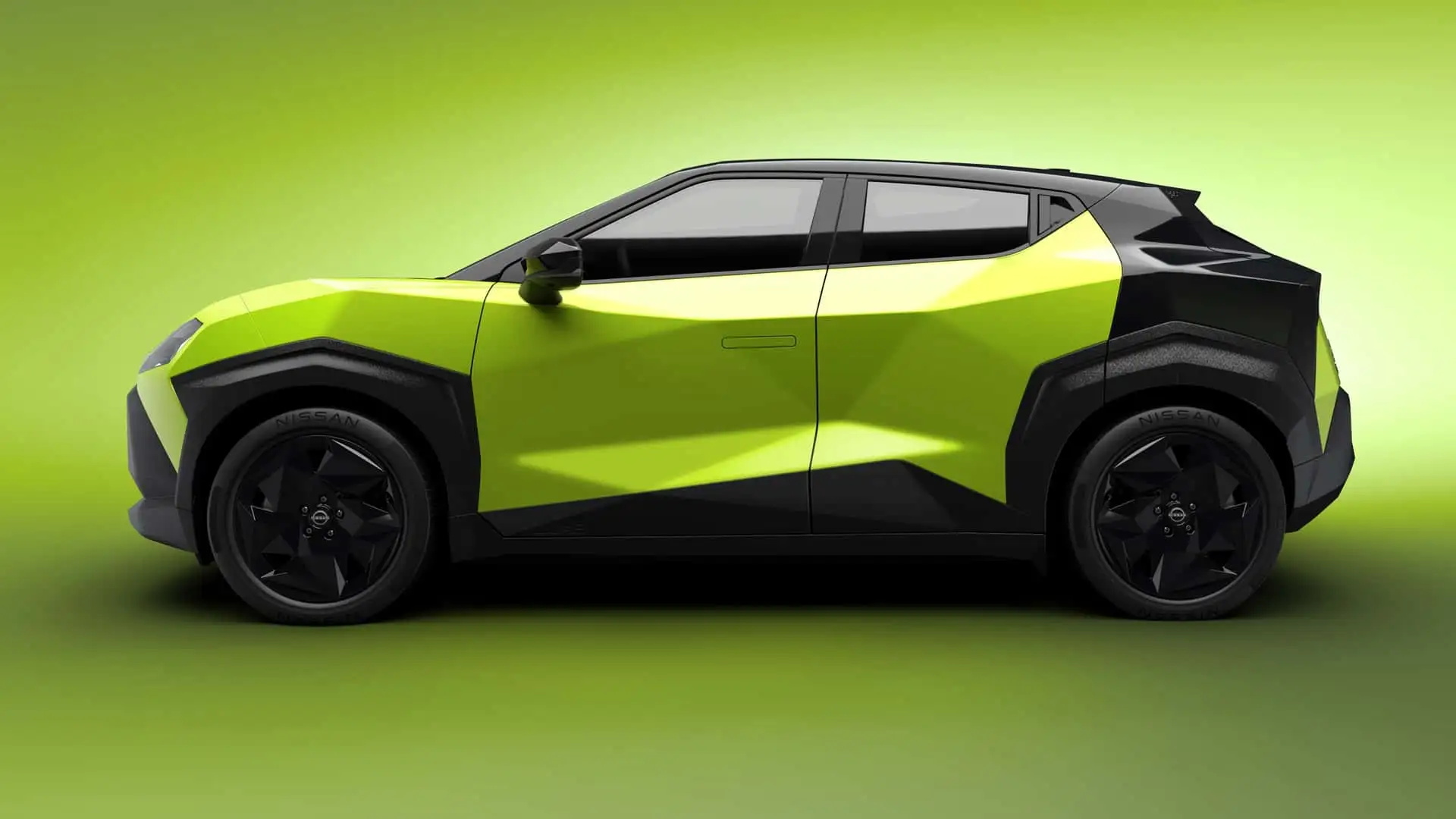
The biggest talking point is styling. The bodywork is heavily sculpted, the front end is aggressive, and even the wheel designs look unusually experimental. The rear door handles remain hidden in the pillars, preserving the coupe-like illusion that has become a Juke signature. It is the kind of trick that gives the car a sportier silhouette without changing the basic packaging.
Interestingly, the new Juke shares Nissan’s CMF-EV platform with the Mercedes-Benz CLA-Class EV and the more conventional Leaf, yet it hides that connection well. While the Leaf plays the role of sensible EV, the Juke is clearly the extrovert sibling. If you want a cleaner, less polarizing Nissan EV, the Leaf remains the safer bet. If you want attention, the Juke is built to collect it.
The new Juke EV is not trying to be universally liked. It is trying to be unforgettable.
What We Know About Power, Range, And Production
Nissan has not fully disclosed the interior or technical specs yet, but there are strong clues. Since the Juke is closely related to the Leaf, it is likely to use a front-wheel-drive layout with a single electric motor. The current European Leaf is offered with 52 kWh and 75 kWh battery packs, and its range reaches up to 375 miles on the WLTP cycle with the larger battery. That gives a realistic benchmark for what the Juke EV could aim for.
For buyers who are not ready to go fully electric, Nissan will keep the current hybrid Juke on sale alongside the new EV. Both models will be built at the Sunderland plant in the UK, and the third-generation electric Juke is scheduled to launch in Europe next spring. That dual-track strategy is important, because it gives Nissan a bridge between traditional hybrid buyers and EV adopters.
| Key Detail | What Nissan Has Revealed |
| Powertrain | Electric only for the new generation |
| Platform | CMF-EV shared with the Leaf |
| Production | Sunderland, United Kingdom |
| Launch | Europe, next spring |
| Sibling Strategy | Current hybrid Juke continues |
For more Nissan electric strategy context, check out Nissan Rogue e-Power and its no-anxiety hybrid approach, or compare the brand’s design ambition with the Nissan Skyline revival talk and the controversial Murano reception. If you want a wider EV design battle, the Mercedes-Benz EQS 2027 shows how different premium brands are handling electrification.
Nissan’s decision is smart from a market standpoint. Going all-in on EVs too quickly could alienate buyers, while keeping the hybrid alive allows the brand to stay competitive during the transition. But from a design standpoint, the new Juke EV is already doing the heavy lifting. It looks bold enough to go viral on its own, and in a segment where many crossovers disappear into the crowd, that may be the strongest sales argument of all.