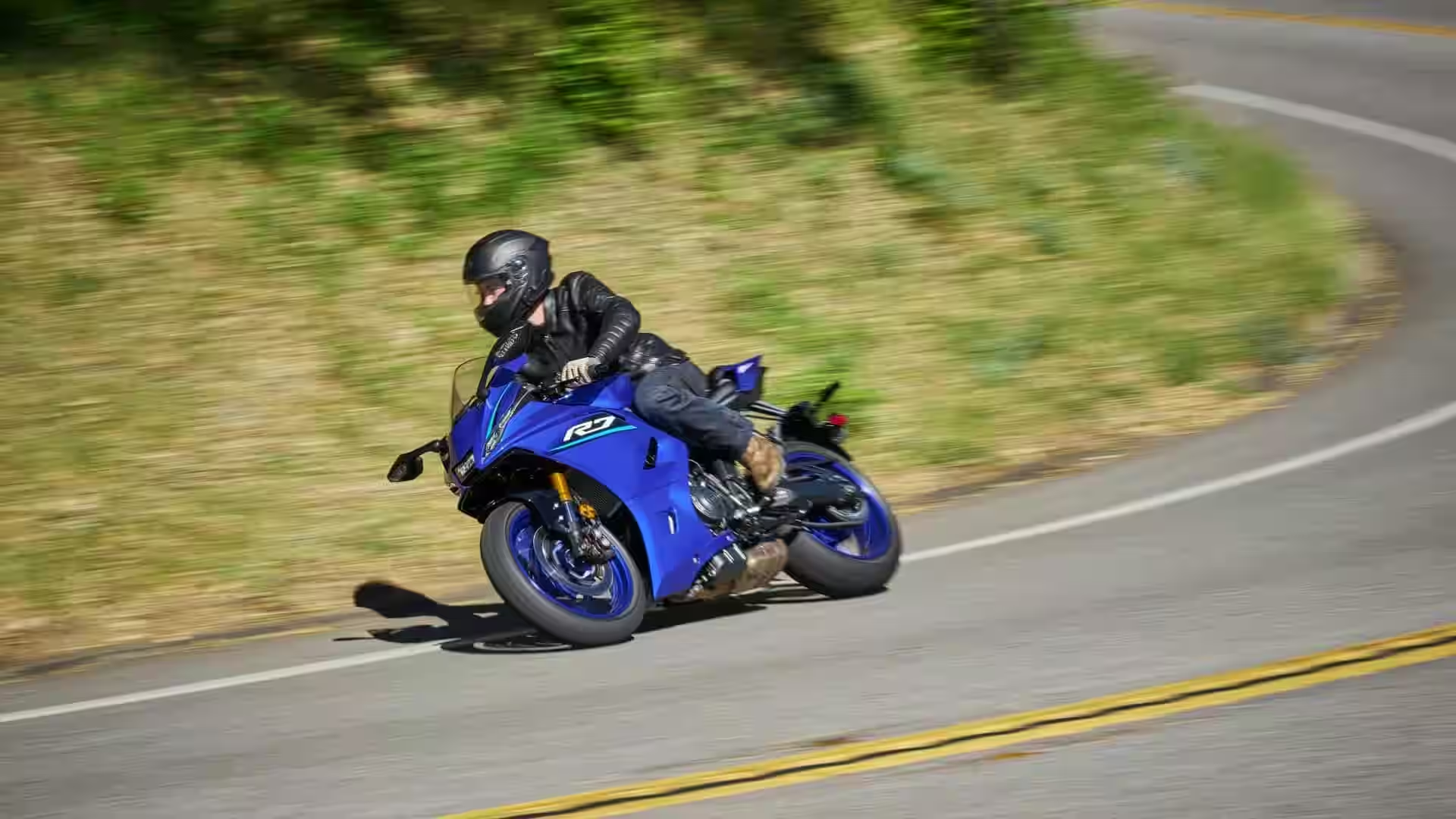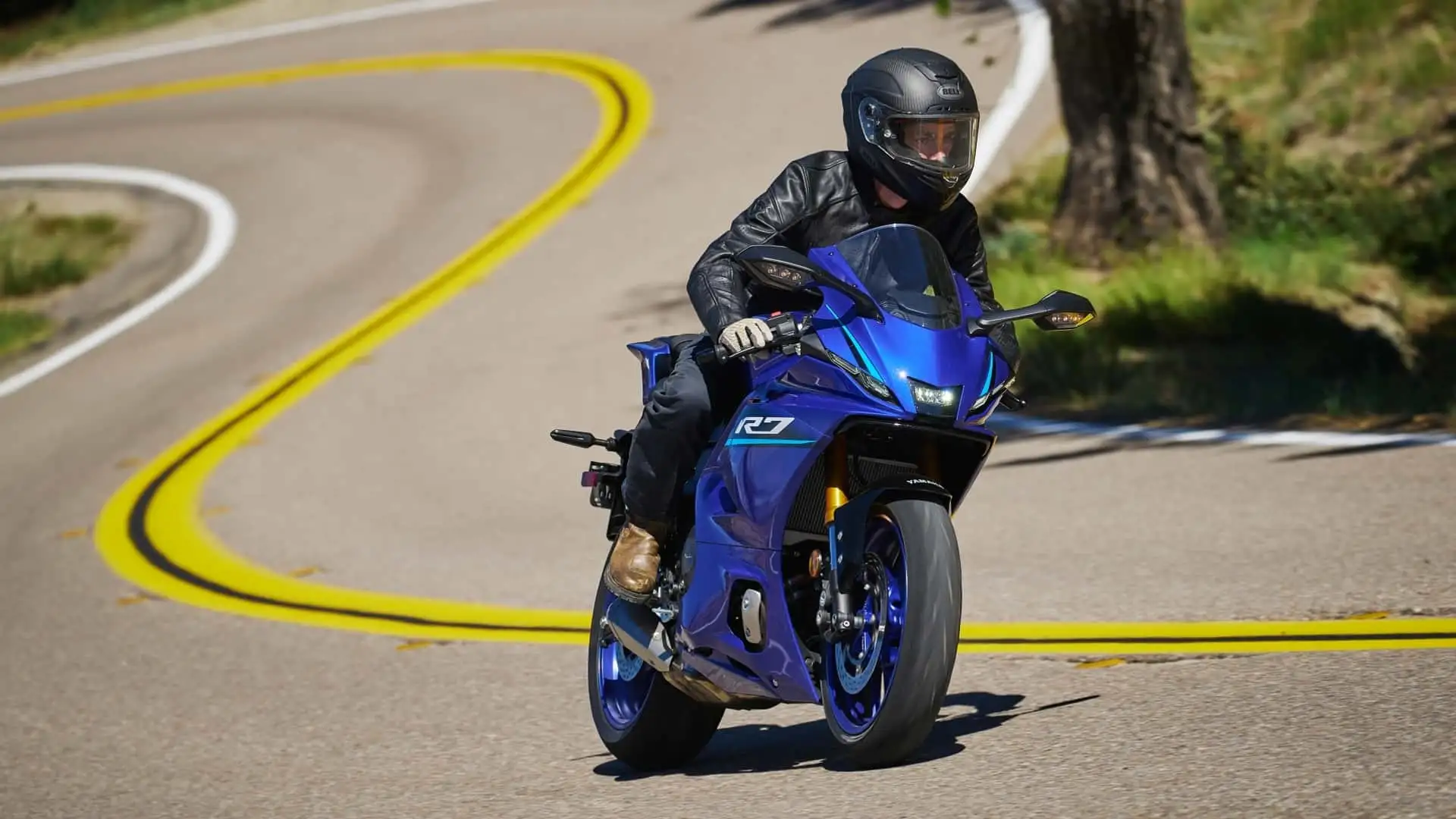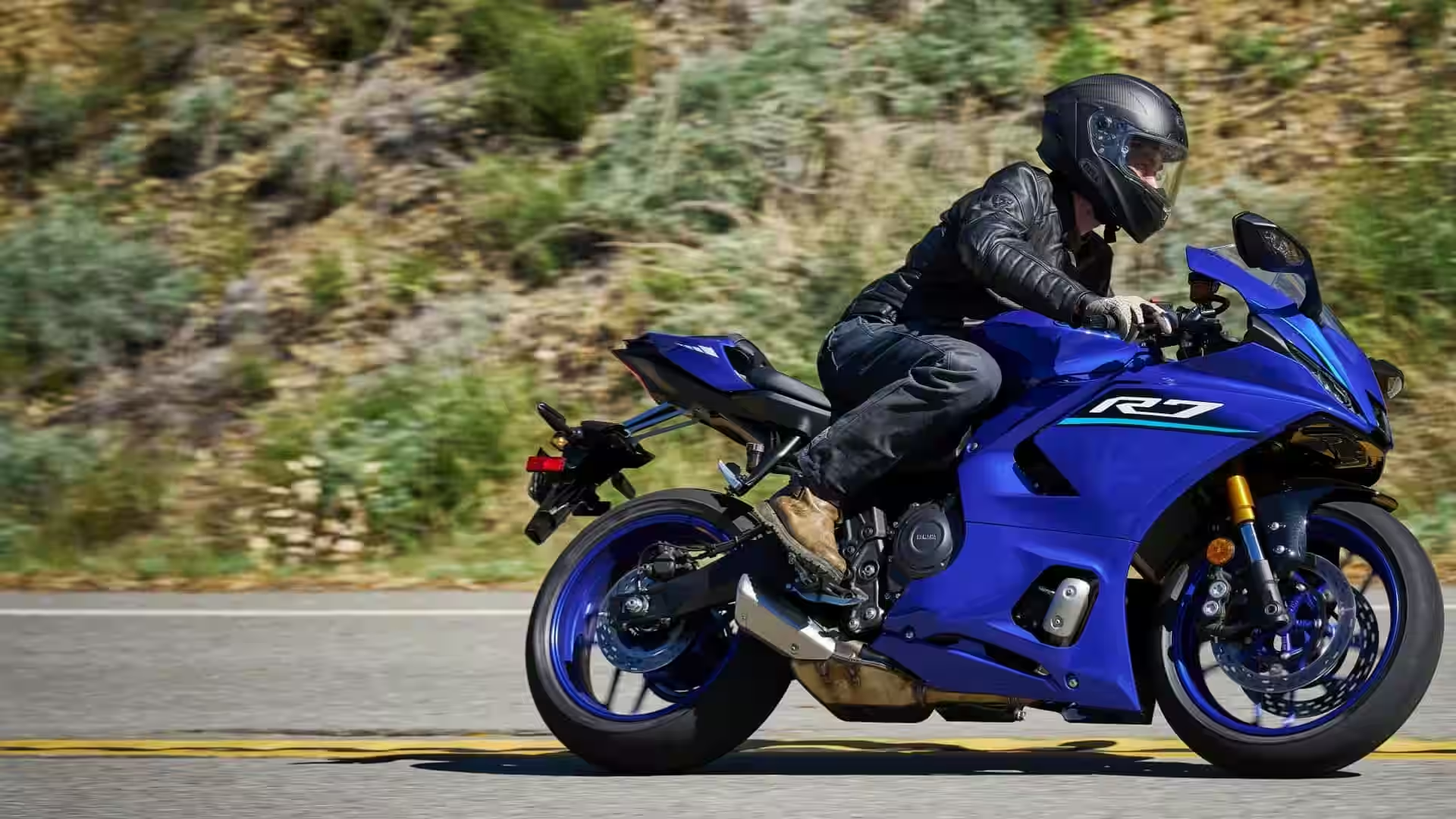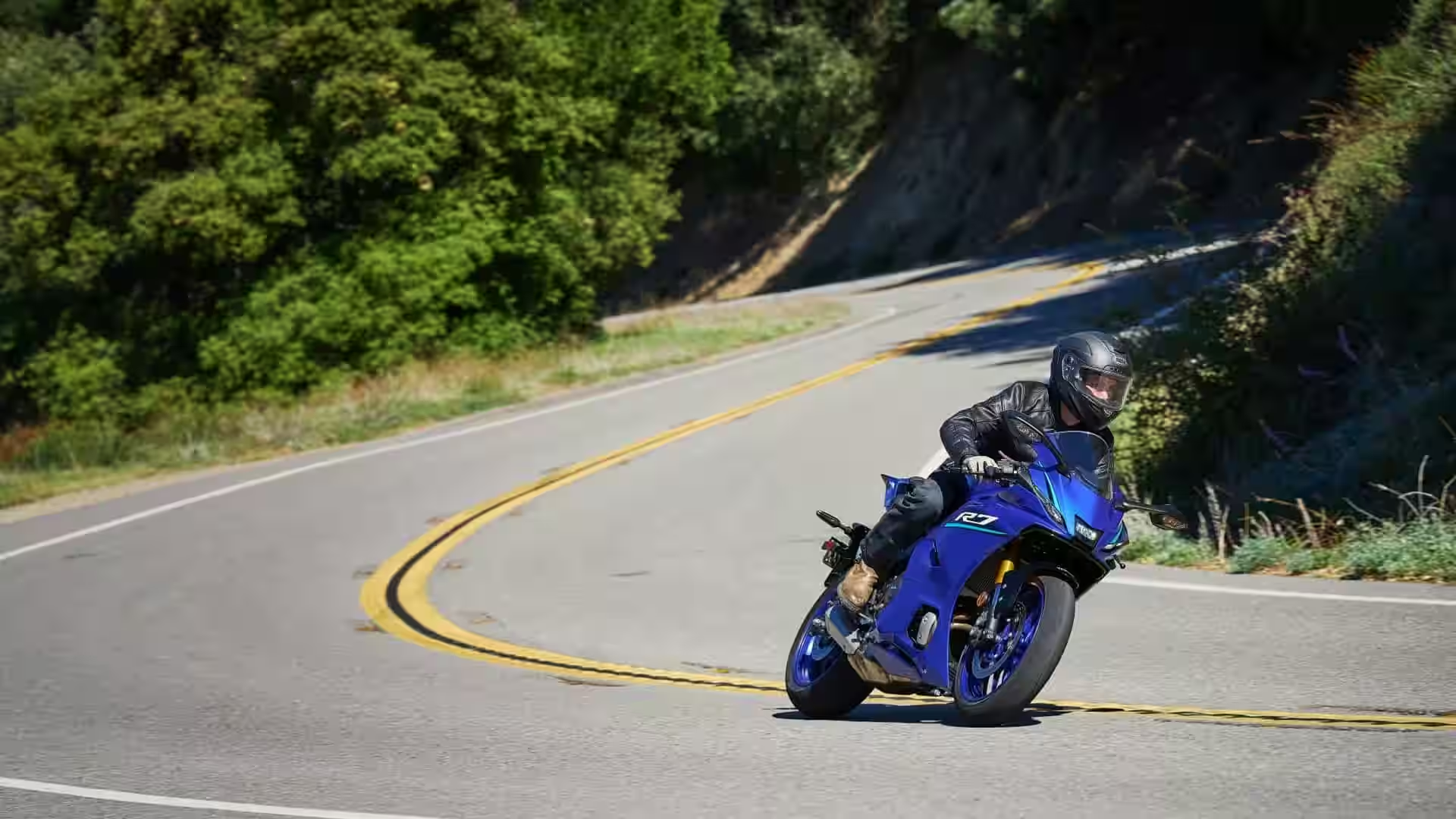
The 2026 Yamaha R7 is not trying to be the fastest motorcycle in the garage. It is trying to be the one you actually ride.
The R7 Rewrites What a Middleweight Sportbike Should Be
For years, the middleweight supersport formula was simple: high-revving four-cylinder engine, aggressive riding position, race-bike styling, and a compromise-heavy street experience. Yamaha took a different path with the R7, and for 2026 it doubled down. The formula is now even more focused on making the bike feel approachable without stripping away the sportbike identity.
At the center of the package is the familiar 689cc CP2 parallel-twin engine, a motor already proven in models like the MT-07 and Ténéré 700. Official Yamaha output for the 2026 model is 73 hp at 8,750 rpm and 50 lb-ft of torque at 6,500 rpm, which is enough to make the bike lively in the real world while remaining far more manageable than a high-strung supersport four-cylinder. That torque curve matters more than peak numbers when you are threading traffic, rolling on the throttle out of a corner, or passing on a two-lane road.
What makes the 2026 update feel significant is that Yamaha did not simply tweak the old bike. It rethought the motorcycle around modern electronic expectations. The R7 now gets throttle-by-wire, the Yamaha Chip Controlled Throttle system, and a 6-axis IMU that enables a more complete electronic safety net. The result is a machine that feels far more sophisticated than its price suggests.
That price is also part of the story. With an MSRP of $9,399 in the U.S. for most colors, Yamaha is aiming directly at riders who want serious style and technology without paying superbike money. That is exactly why the R7 has become such an important model in the brand’s lineup.
In practical terms, the 2026 R7 is Yamaha’s answer to a very modern question: what if a sportbike could be fast enough, smart enough, and comfortable enough to ride every day?
What Changed for 2026 and Why It Matters
The list of updates is longer than a simple refresh, and several of them address complaints riders had about the previous generation. The new R7 now includes a bidirectional quickshifter, meaning it works both up and down the gearbox. That alone makes the bike feel more premium and more usable in spirited riding. Yamaha also added cruise control, a feature long requested by owners who wanted to spend less time fighting the throttle on highway runs.
The electronics suite now includes four ride modes, Sport, Street, Rain, and Custom, plus track-focused settings that allow more freedom and can disable rear ABS. That is serious capability for a motorcycle in this price bracket. For riders comparing the R7 with older school sport machines, the difference is not subtle. This is not just a prettier machine. It is a more adaptable one.
The dashboard is also a major upgrade. A new 5-inch TFT display brings smartphone connectivity and navigation, pushing the R7 into the connected-bike era. This is the kind of feature set buyers used to expect only from much more expensive motorcycles. Yamaha also gives the rider the option of MotoGP-style shift logic if they want to change the shift pattern.
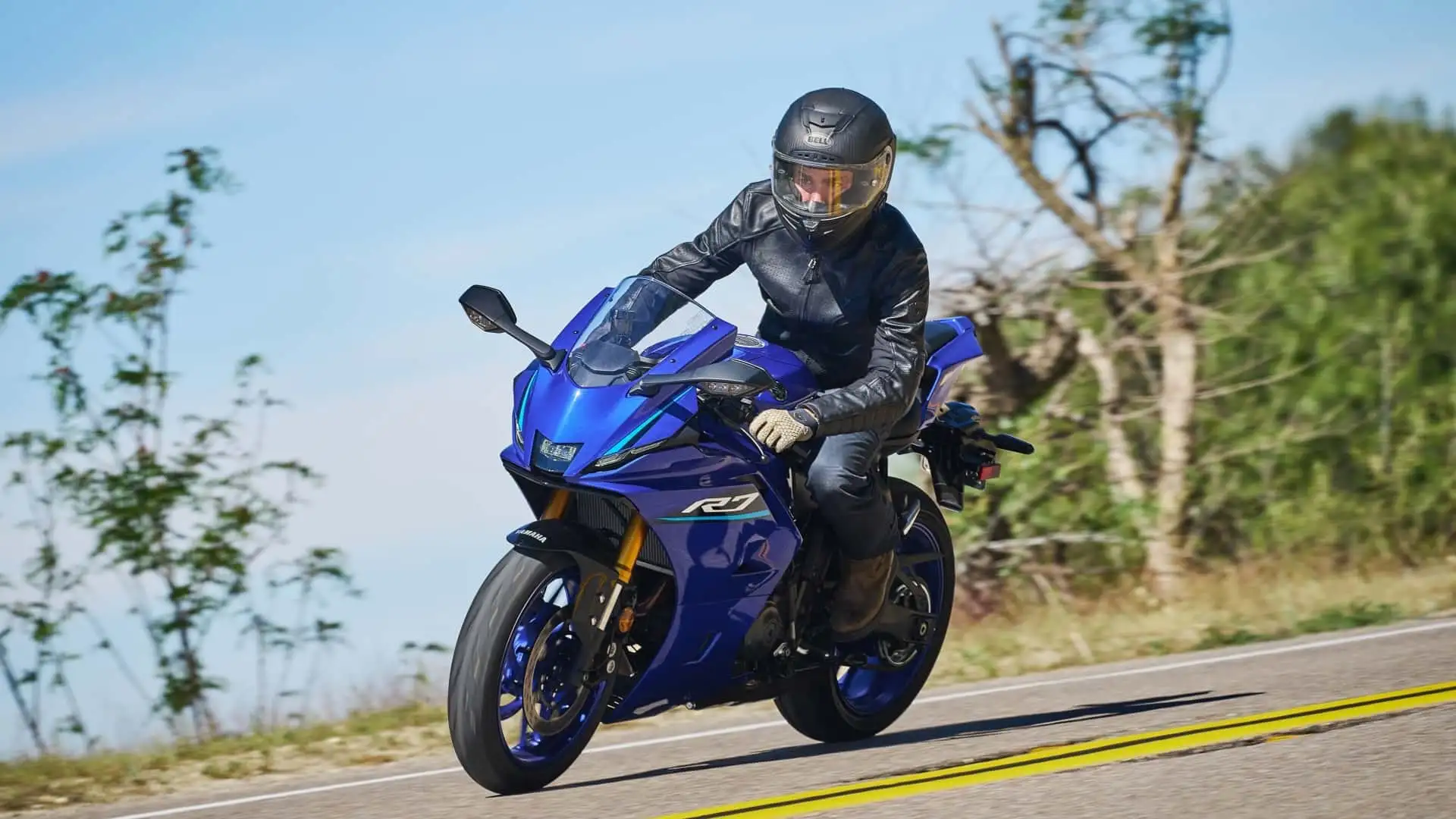
Suspension and chassis updates reinforce the idea that the R7 was designed to be ridden hard without punishing the rider. The new 41mm KYB inverted fork offers full adjustability for compression, rebound, and preload. Yamaha’s SpinForged wheels reduce weight and inertia, while the Bridgestone Battlax Hypersport S23 tires and dual four-piston front brakes with 298mm discs aim to preserve the bike’s sporty character. Wet weight lands at 417 lb, which keeps it in the manageable middleweight zone.
For readers following broader motorcycle trends, this kind of smart update mirrors what we are seeing elsewhere in the segment, from the Suzuki GSX-8R and GSX-8S updates to more adventurous tech packages like the Honda XL750 Transalp with E-Clutch. The market is clearly moving toward motorcycles that do more than one job.
| Engine | 689cc CP2 parallel-twin |
| Power | 73 hp at 8,750 rpm |
| Torque | 50 lb-ft at 6,500 rpm |
| Weight | 417 lb wet |
| Fuel Capacity | 3.7 gallons |
| Seat Height | 32.7 inches |
| Starting MSRP | $9,399 |
On the Road, the R7 Makes Its Case as an Everyday Sportbike
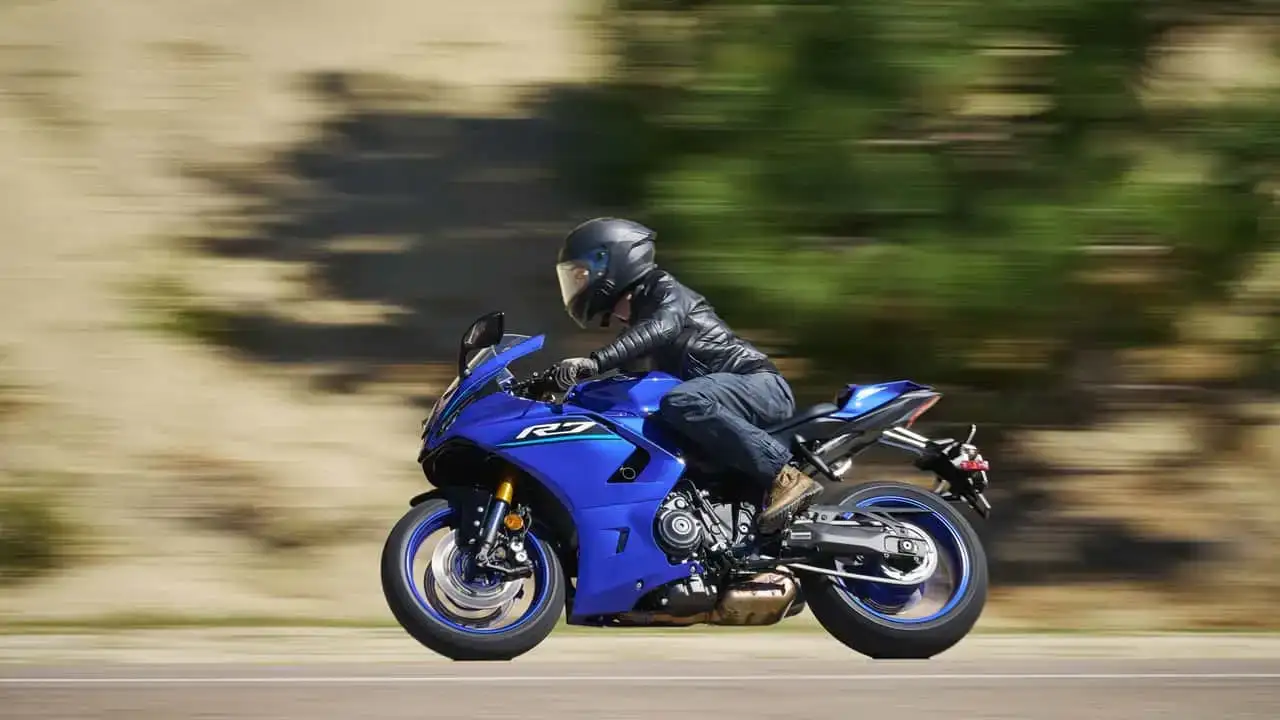
What the numbers do not fully capture is how the bike behaves in the real world. The CP2 twin is not a screaming inline-four, and that is exactly why it works so well in traffic and on winding roads. There is immediate low-end drive, a friendly throttle response, and enough flexibility to make the R7 easy to live with on a daily basis. It gets up to freeway speed quickly and passes with confidence, which matters more than a theoretical top-end rush for most riders.
On the highway, cruise control turns a possible annoyance into a non-event. On back roads, the updated ergonomics make a bigger difference than many riders would expect. Yamaha raised the clip-ons and flattened the seat, fixing the forward-leaning discomfort that can make a sportbike feel like a punishment machine in everyday use. The R7 still feels like a proper sportbike when leaned over, but it no longer seems to fight you during the boring parts of the ride.
That is where the bike’s character becomes clear. It is not built to overwhelm you. It is built to be usable, predictable, and satisfying. The quickshifter works cleanly, the chassis feels composed, and the suspension communicates enough without becoming harsh. On a technical road, the R7 is eager enough to keep experienced riders entertained. On a commute, it is civilized enough to avoid resentment.
That dual-purpose nature is exactly why this motorcycle hits a nerve with so many riders. It channels the visual drama of a supersport, but its soul is more practical than theatrical. If you want a bike with serious intent and a more forgiving personality, this is where the 2026 R7 stands out. For buyers drawn to approachable performance, it shares a similar philosophy with bikes like the Triumph Daytona 660 and even the more radical previous R7 tech-focused updates, but the 2026 model goes further in daily usability.
The 2026 Yamaha R7 is not a nostalgia machine pretending to be a supersport. It is a deliberately engineered middleweight that blends proven CP2 reliability, modern rider aids, and a more ergonomic street setup into one package. That is a meaningful shift, not just a cosmetic one.
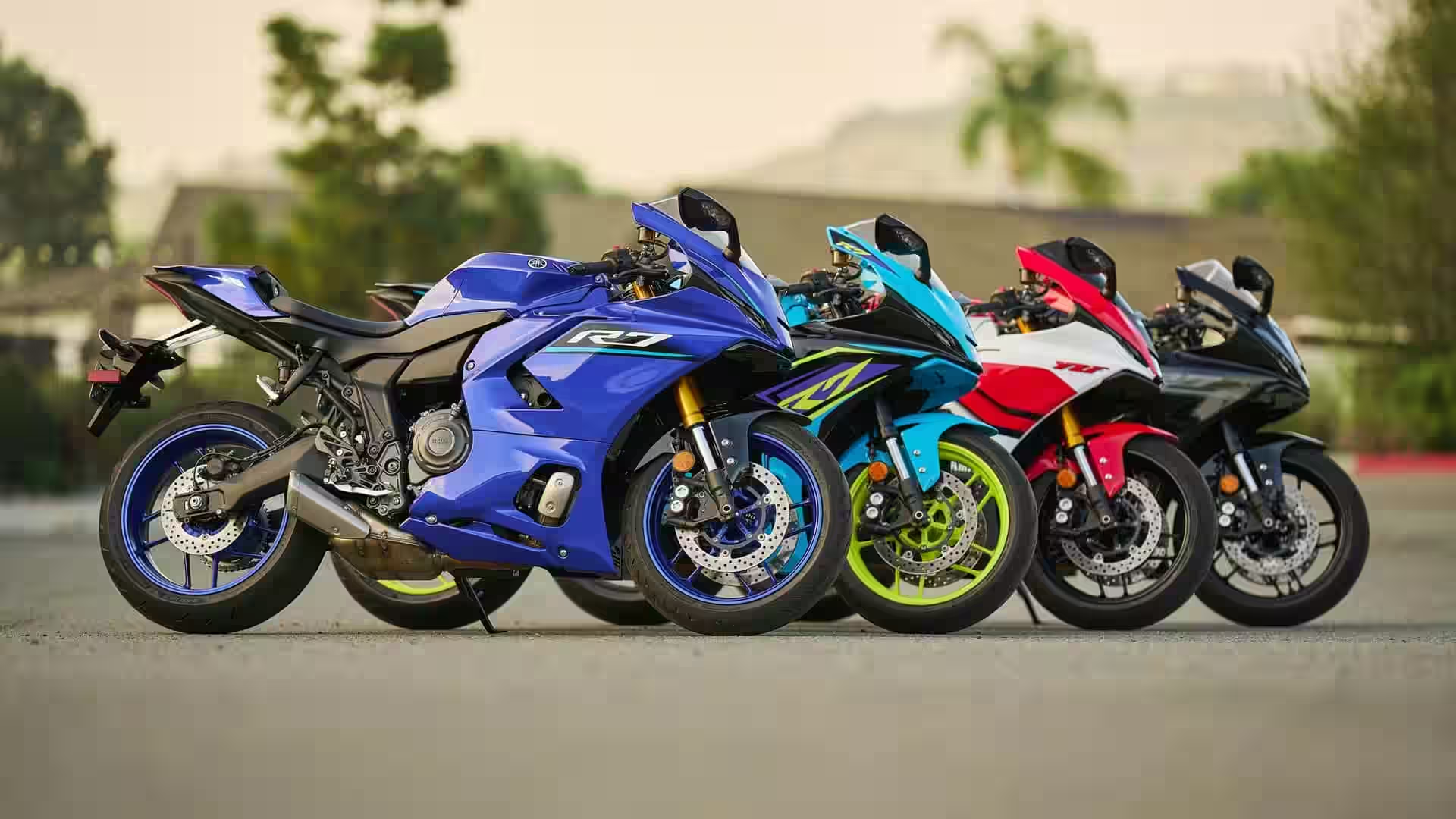
The 2026 Yamaha R7 will be offered in Team Yamaha Blue, Breaker Cyan, and Raven at $9,399, while the 70th Anniversary Edition with red and white Speedblock livery is priced at $9,699. If your idea of the perfect motorcycle is one that can commute, carve canyons, and still look like it belongs on the racetrack, Yamaha has made its argument very clearly.
It may not be the R6 fantasy from the posters on a teenager’s wall. But for real riders with real roads, real traffic, and real budgets, it may be the smarter dream.