Haval is preparing its boldest SUV yet, and the HX looks engineered to attack one of the toughest spaces in the market: big, rugged, premium-looking off-roaders led by the Land Rover Defender and Toyota Land Cruiser.
A New Flagship SUV With Real Global Potential
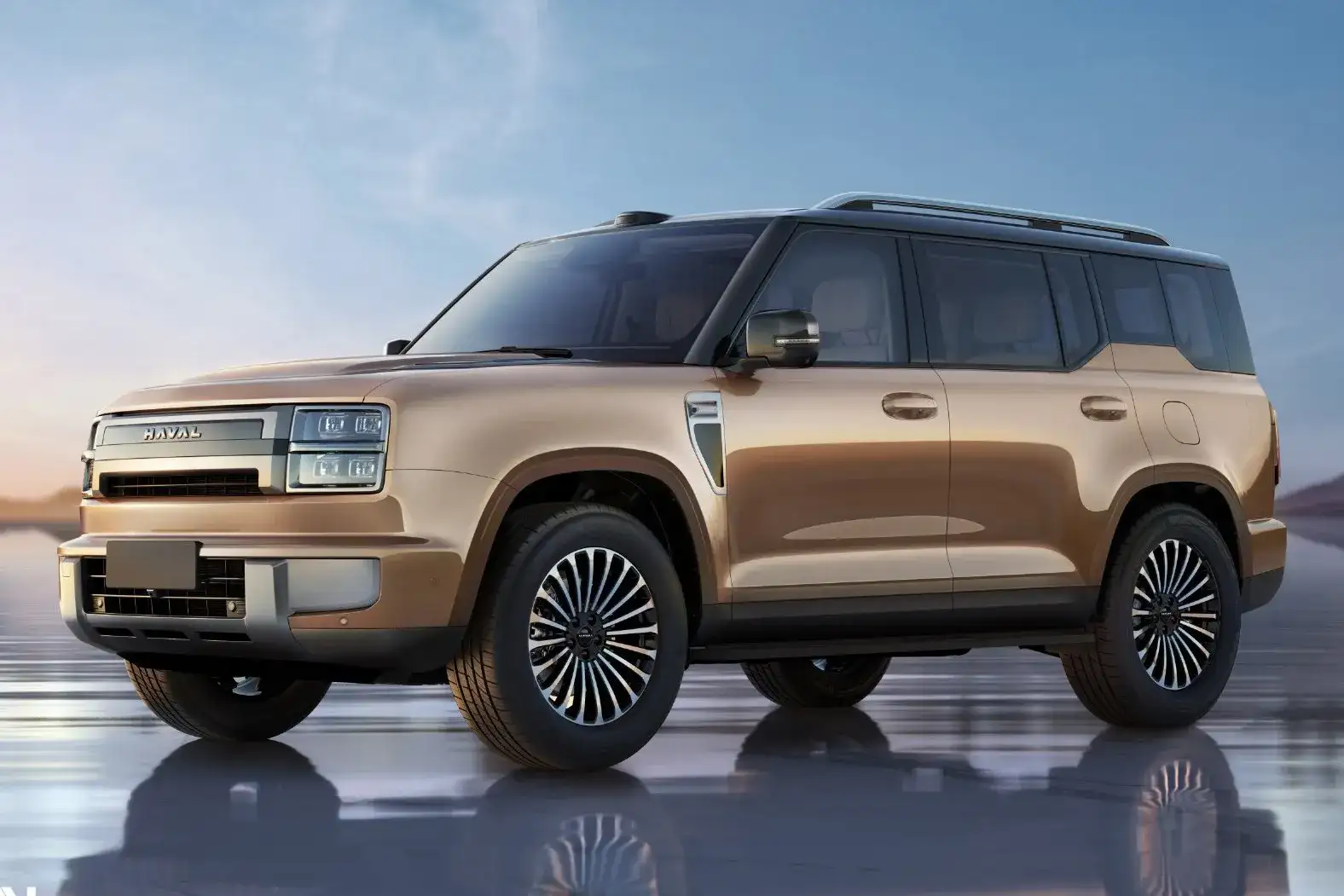
The upcoming HAVAL HX is expected to debut at the Beijing Auto Show as the brand’s new flagship SUV. While Haval has built its reputation on mainstream family models, this vehicle signals a major change in direction. Its proportions, upright glasshouse, and squared-off body point to a clear ambition: challenge established body-on-style icons with a modern electrified formula.
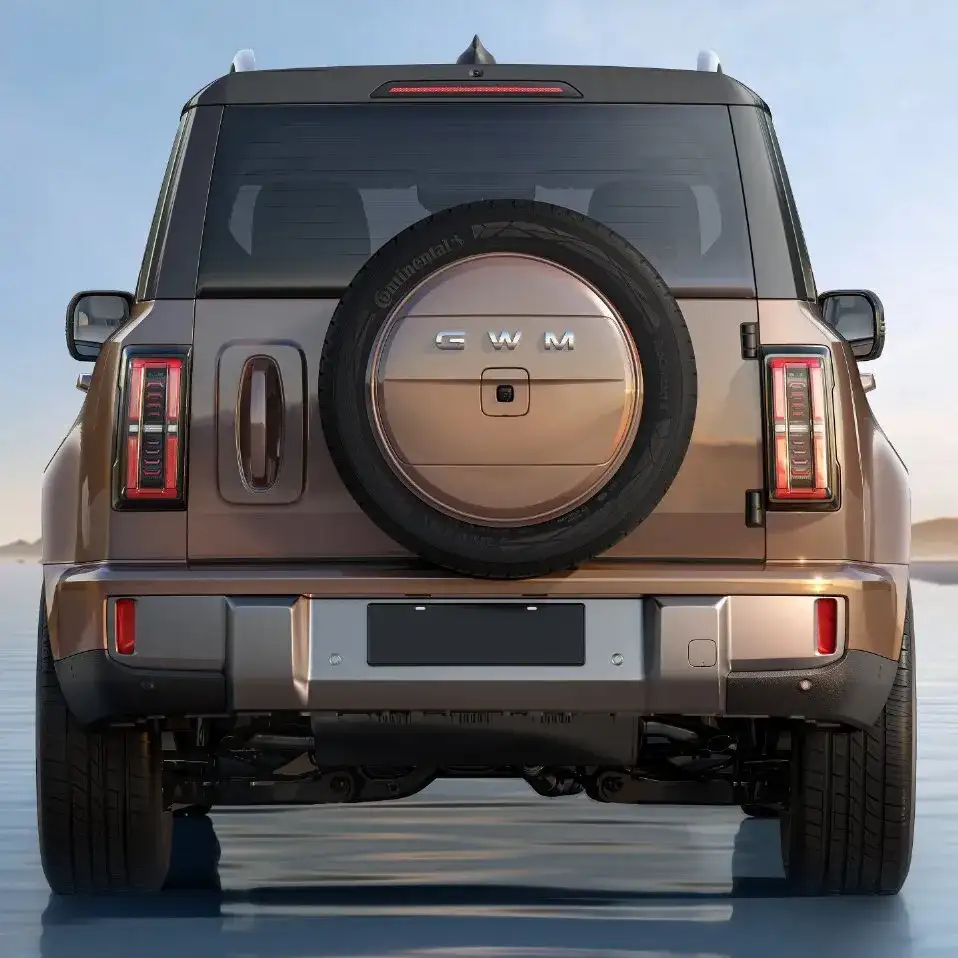
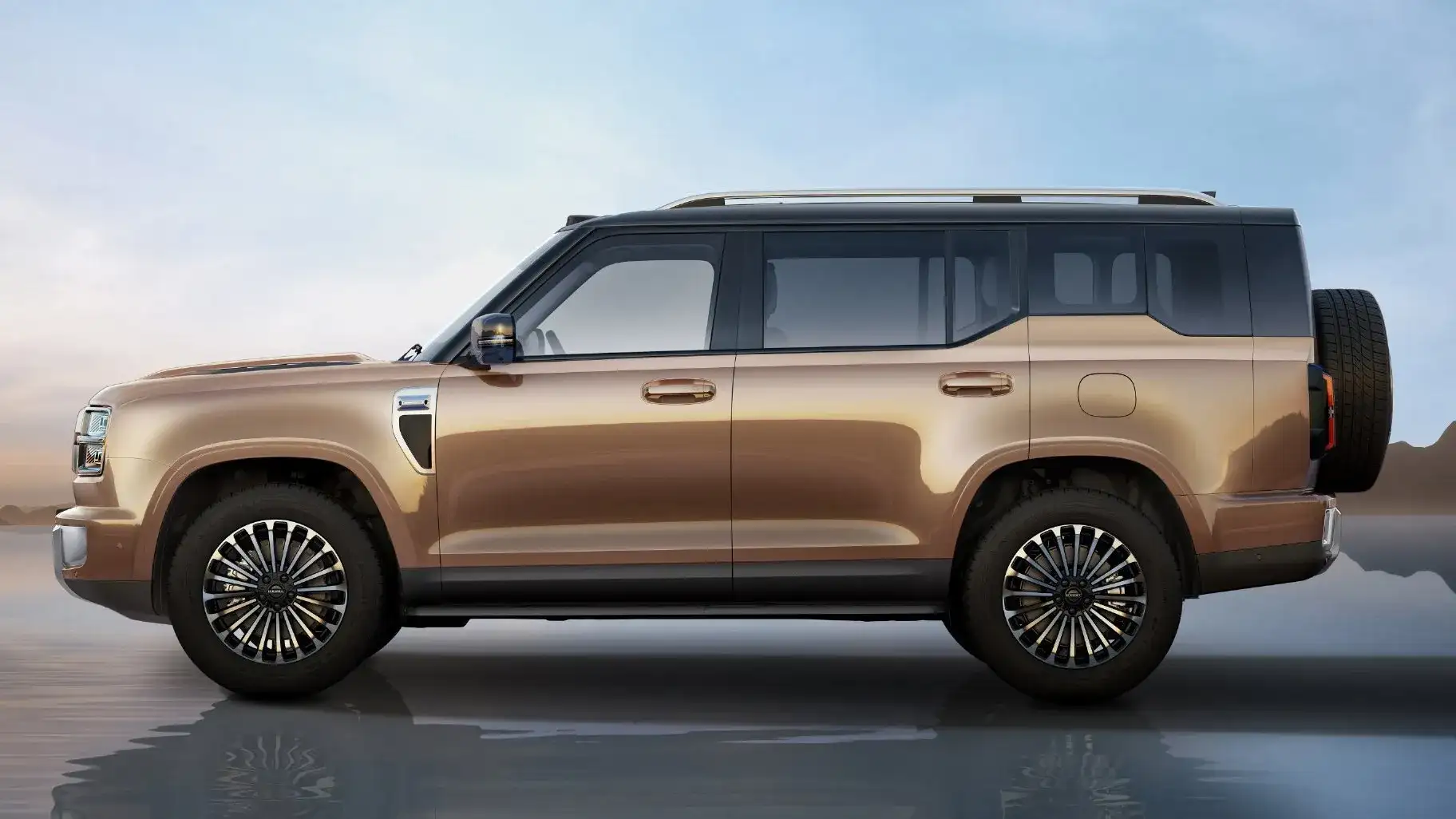
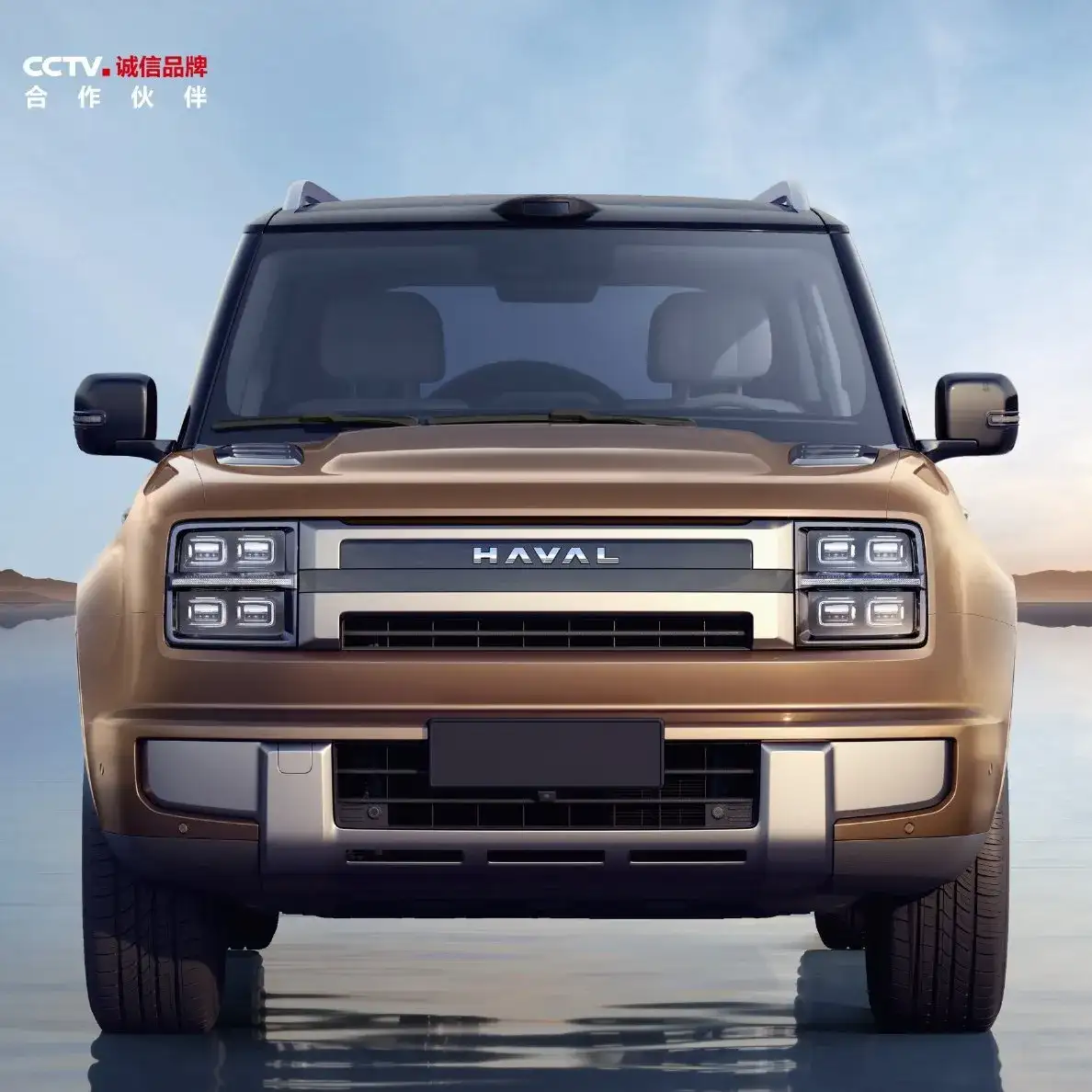
From the first images, the HX adopts a visual recipe that buyers now strongly associate with authentic adventure vehicles. There are large square headlamps, a simple horizontal grille treatment, heavily sculpted wheel arches, thick pillars, exposed-style door handles, and a rear section with rectangular LED taillights, a side-hinged tailgate, and an external spare-wheel carrier. That combination gives it a serious expedition look, even before the final specs are fully revealed.
The timing is important. Chinese brands are moving fast into premium SUV territory, and the HX could become one of the most credible examples yet. That trend can already be seen across the market, including vehicles targeting upscale buyers such as the XPENG GX SUV aimed directly at Range Rover territory.
Powertrain, AWD, And The Strange Detail Everyone Will Watch
Under the body, the HX uses GWM’s newer One architecture and is set to launch first as a plug-in hybrid SUV. The official layout includes a 2.0-liter turbocharged four-cylinder engine paired with two electric motors. Haval has not yet published a final combined horsepower figure, but the setup already confirms two things that matter in this category:
- All-wheel drive will be standard or central to the model’s identity
- The SUV will use an unusual 4-speed automatic transmission
That gearbox detail stands out. In a market where many electrified SUVs rely on single-speed systems, CVTs, or more conventional automatics, the HX could offer a more distinctive driving character. If tuned well, it may deliver stronger low-speed torque management for off-road use while still supporting highway efficiency.
This matters because buyers cross-shopping a large hybrid SUV are no longer only looking for badge value. They want range, torque, traction, and technology in one package. Haval appears to understand that shift. It is the same market logic pushing rugged hybrids and future-ready SUVs into the spotlight, as seen in pieces like the Toyota Land Cruiser 2027 pricing story that hides a deeper gain and the Ford Bronco Wildtrak’s return with 35-inch wheels.
What makes the HX worth watching is not just the styling. It is the mix of electrification, size, and off-road image wrapped in a package that could undercut legacy rivals on price.
LiDAR, Autonomy Features, And Why The Defender Comparison Exists
One visible clue on the prototype is especially revealing: a roof-mounted LiDAR unit above the windshield. That suggests the HX will not rely on basic driver assists alone. Haval is expected to equip it with Navigate On Autopilot functions for urban roads and highways, plus autonomous parking tech. In China, advanced assistance systems are becoming a key battleground, and premium SUV buyers increasingly expect them as standard conversation points rather than optional luxuries.
The Defender comparison is easy to understand, but it should be handled carefully. The HX is not a copy. Instead, it uses the same strategic formula:
| Key Area | HAVAL HX | Why It Matters |
|---|---|---|
| Design | Boxy, upright, rugged SUV stance | Signals off-road credibility and premium toughness |
| Powertrain | 2.0T plug-in hybrid with dual motors | Combines torque, efficiency, and AWD performance |
| Technology | LiDAR and semi-autonomous functions | Raises appeal in tech-focused markets |
| Positioning | New Haval flagship | Targets buyers moving up from mainstream SUVs |
There is also a broader competitive context. Large SUVs are becoming more specialized. Some focus on luxury, some on extreme off-road ability, and others on electrification first. The HX appears to target the sweet spot between all three, which could make it more relevant than many expected. That is especially true as buyers also compare alternatives like the Land Rover Discovery 2026 with its divisive 355 HP character or emerging hybrid family SUVs such as the Mitsubishi Outlander 2026 and its third-row question mark.
Customer deliveries are expected to begin in the third quarter, with China as the first market and overseas exports looking increasingly likely. Pricing has not been confirmed, but that may be the biggest weapon of all. If Haval brings true flagship size, dual-motor hybrid power, LiDAR, and rugged design at a meaningfully lower price than European rivals, the HX could become one of the most disruptive SUV launches in its segment.
For now, the headline is simple: Haval is no longer content building safe crossovers. The HX shows the brand wants a seat at the serious SUV table, and this time it may have brought the right hardware.