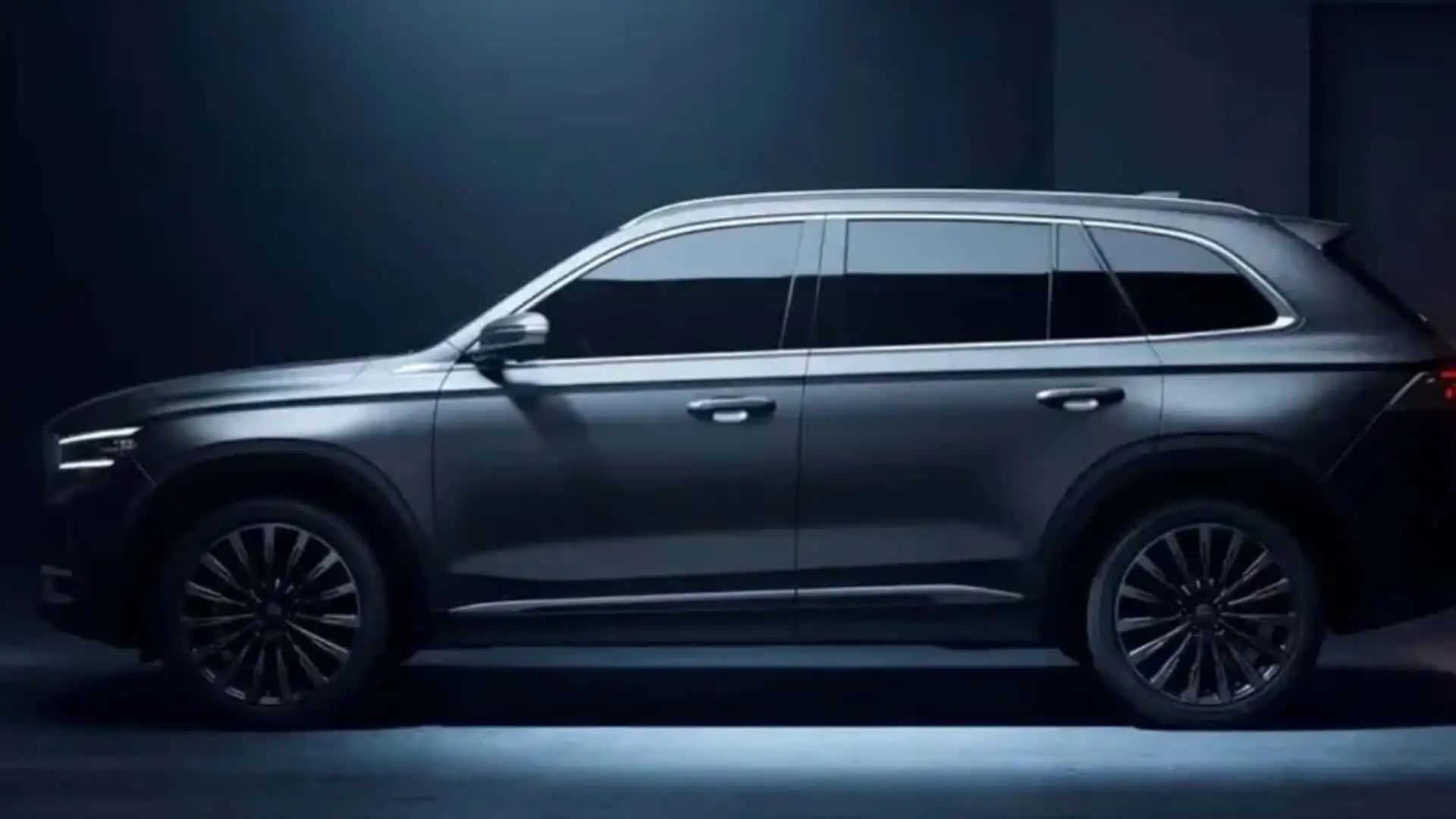
VOLGA is back, but its 2026 comeback is not a nostalgic replay of the Soviet-era formula. Instead, the reborn brand returns with a modern SUV and sedan, Chinese engineering underneath, and production inside a factory once tied to Volkswagen.
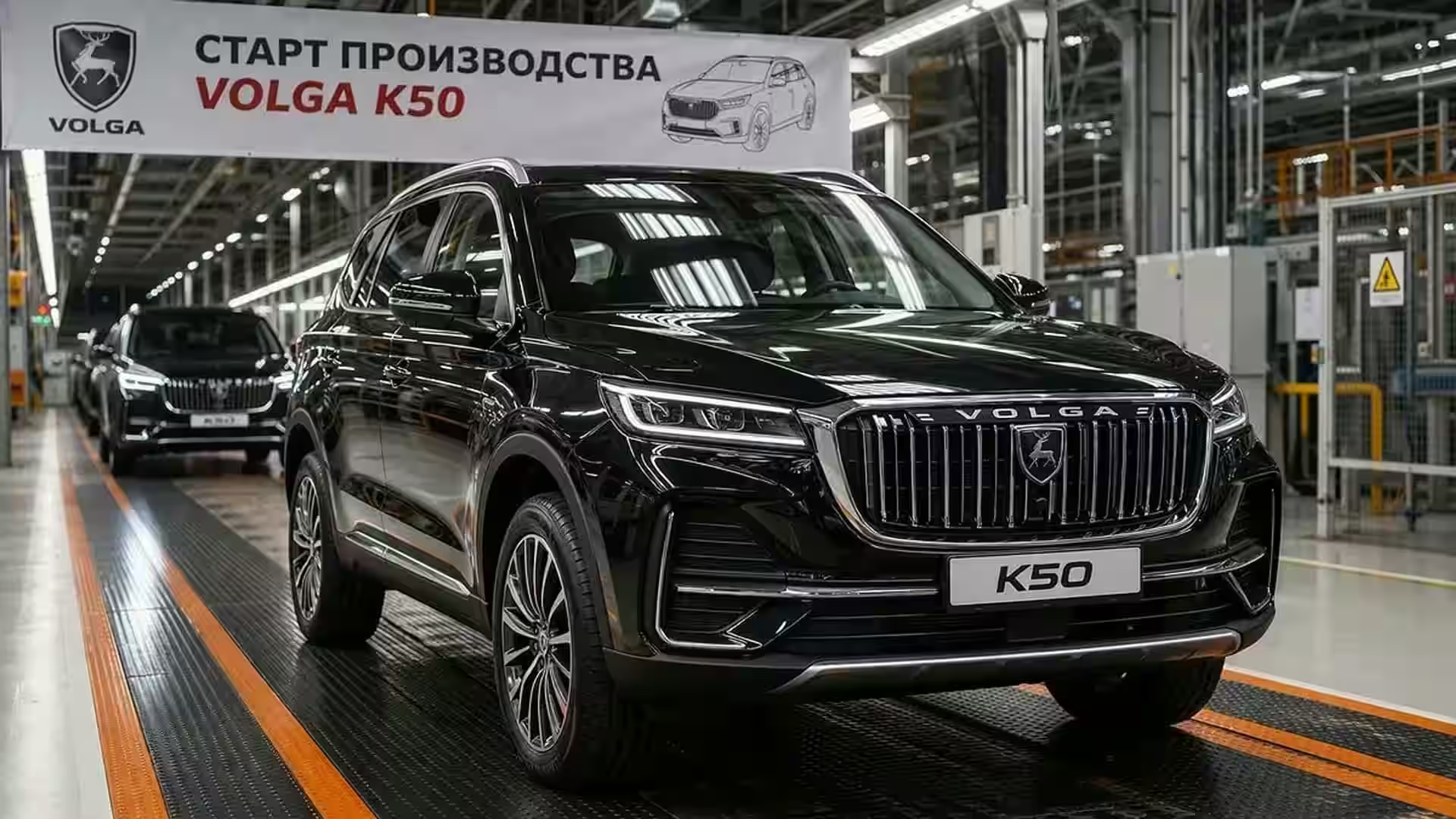
A Historic Name Returns In A Completely Different Era
For decades, the Volga name carried weight across the former Soviet sphere. It was associated with official transport, taxis, and status. Now the brand is preparing a new chapter with two models for 2026: the VOLGA K50 SUV and the VOLGA C50 sedan.
What makes this launch so interesting is that the new cars are not fully homegrown Russian developments. The project now relies heavily on Geely-sourced platforms, showing how much the automotive balance of power has shifted in the region. That makes this comeback less about heritage alone and more about industrial survival, supply-chain adaptation, and badge reinvention.
The strategy also mirrors a broader trend seen across Asia, where legacy brands increasingly return through platform sharing and rapid localization. Anyone tracking Geely’s fast expansion should also look at this Geely Galaxy A7 EV story, which shows just how aggressively the Chinese giant is scaling its portfolio.
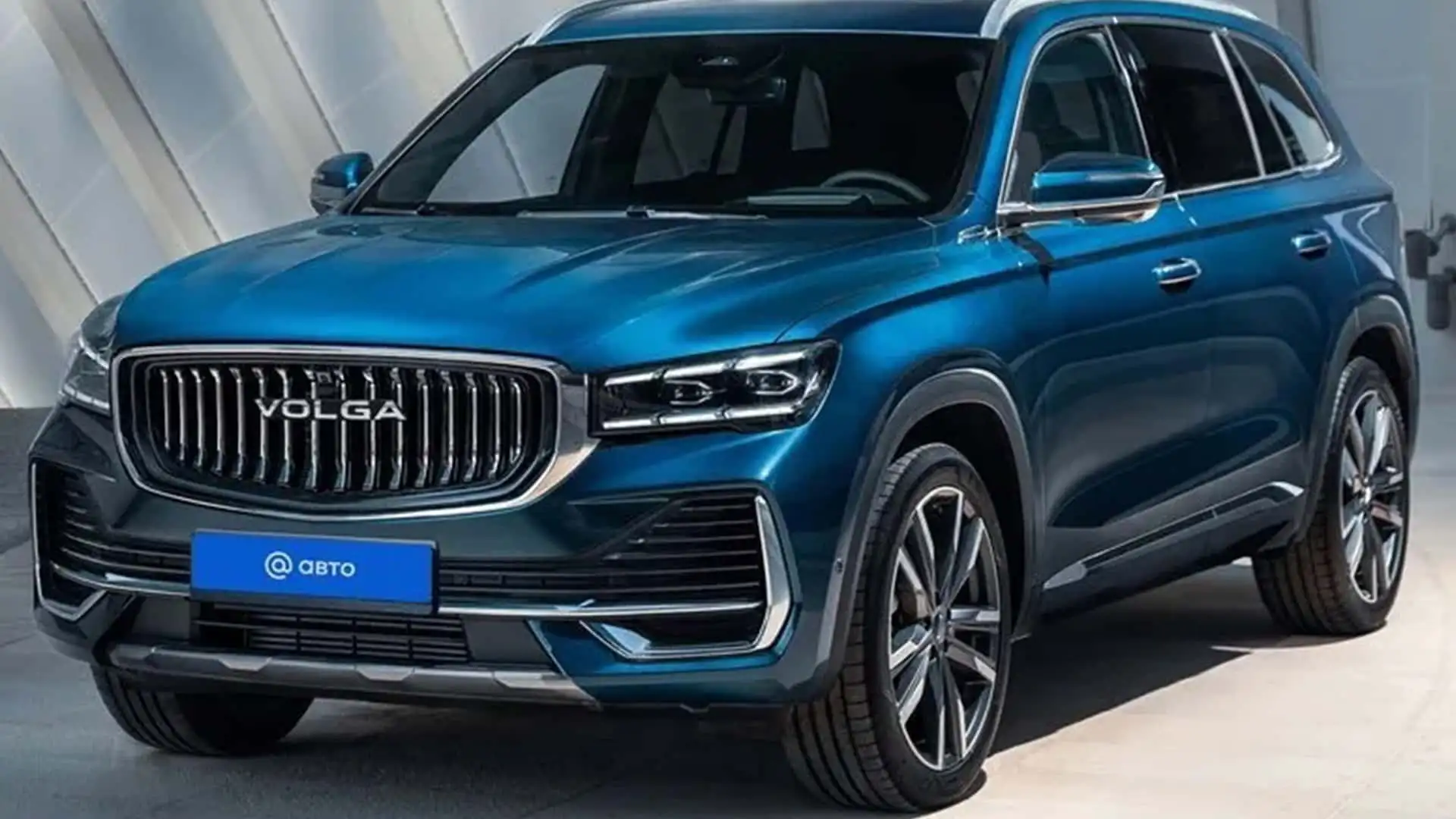
VOLGA K50 Targets The Midsize SUV Sweet Spot
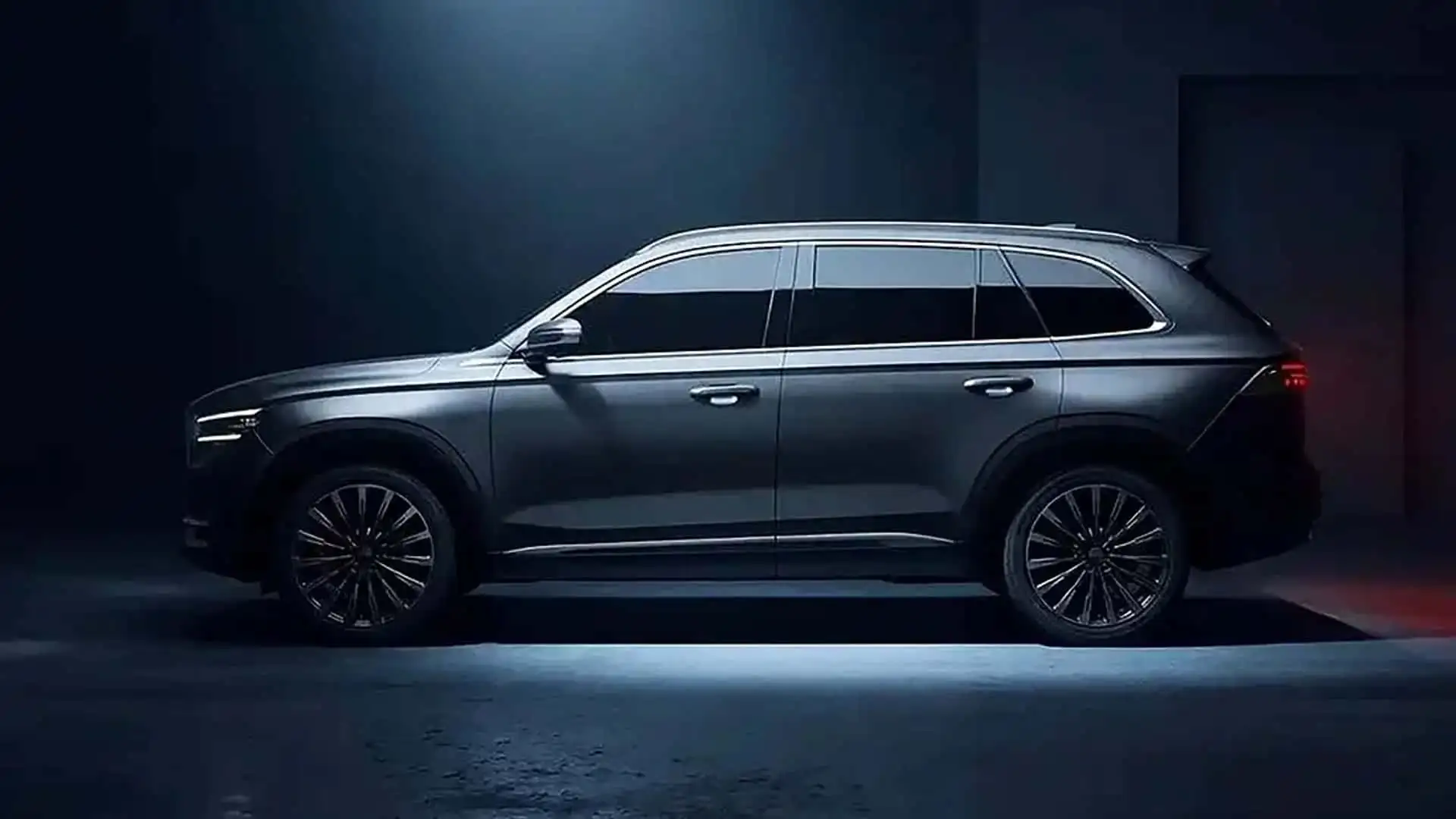
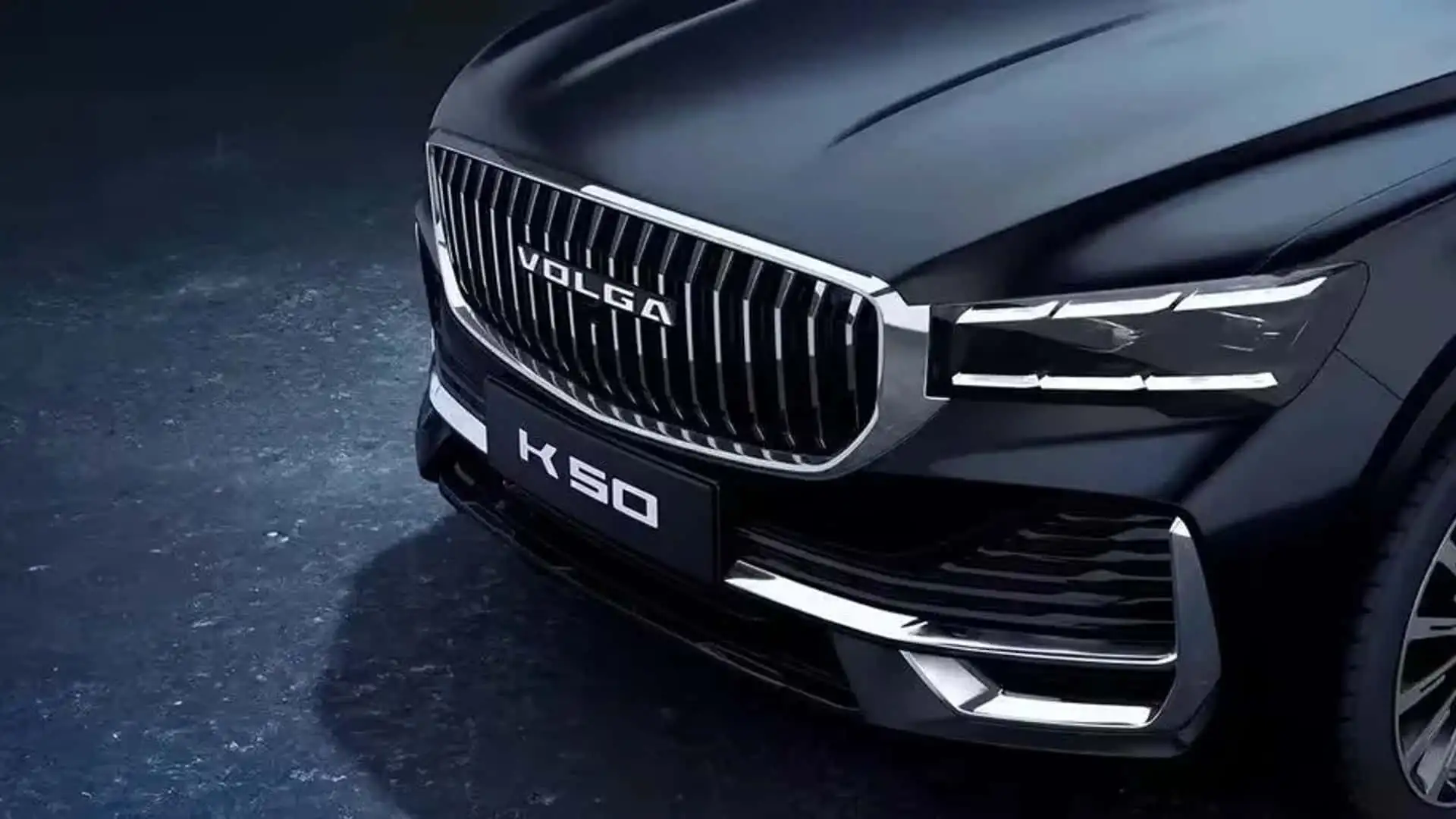
The VOLGA K50 is the more ambitious of the pair. It rides on the same basic architecture as the Geely Monjaro, a midsize SUV already known in several markets. Dimensionally, the K50 lands at around 4.77 m long, 1.90 m wide, with a 2.845 m wheelbase, putting it in the same general footprint zone as mainstream family SUVs from global brands.
- Engine 2.0-liter turbocharged 4-cylinder
- Power 238 HP
- Transmission 8-speed automatic
- Drivetrain All-wheel drive
- Chassis tech Adaptive dampers
That specification gives the K50 real credibility on paper. It is not a stripped-down retro exercise. It is a properly modern SUV aimed at buyers who want space, performance, and a premium equipment list without stepping into luxury-brand pricing.
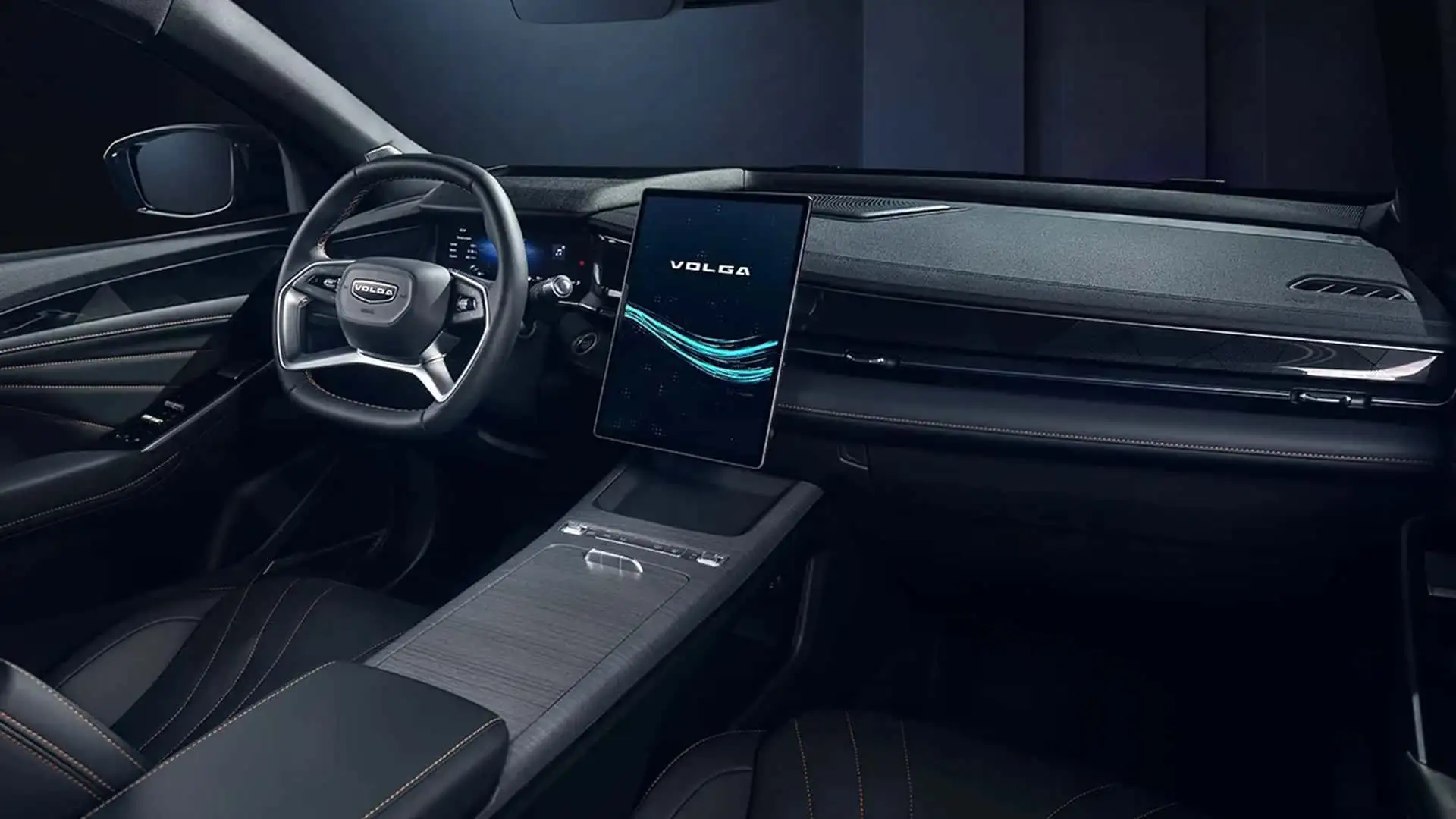
Inside, the K50 is expected to feature the kind of equipment now considered essential in the upper midsize class:
- Panoramic glass roof
- LED ambient lighting
- 12-speaker premium audio system
- Heated, ventilated, and massaging front seats
- Advanced driver assistance systems
This puts the K50 into the same conversation as tech-loaded SUVs from China and beyond. If you want to see how quickly this class is evolving, the XPENG GX article offers another example of how premium SUV expectations are being rewritten.
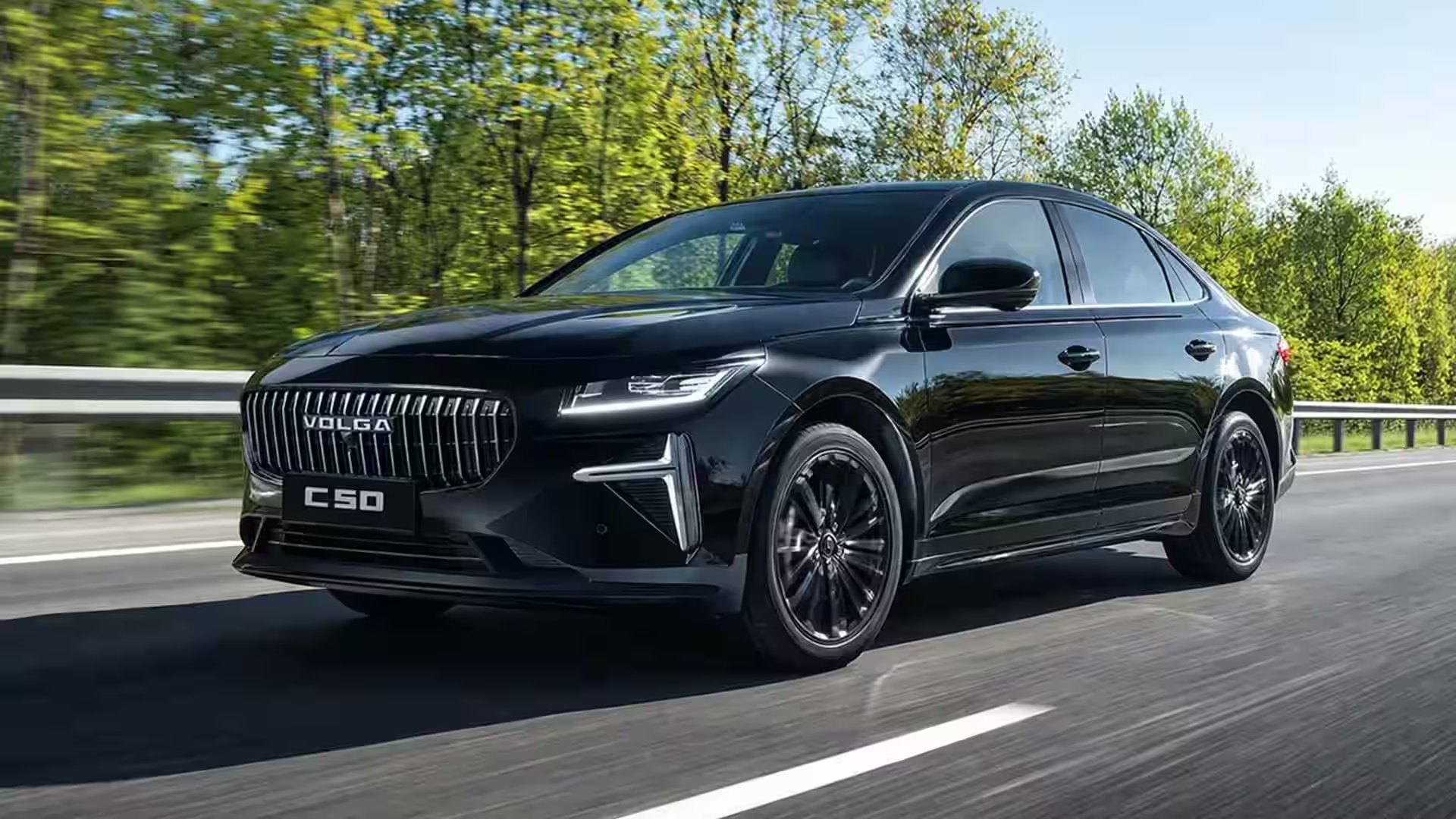
VOLGA C50 Keeps The Classic Sedan Formula Alive
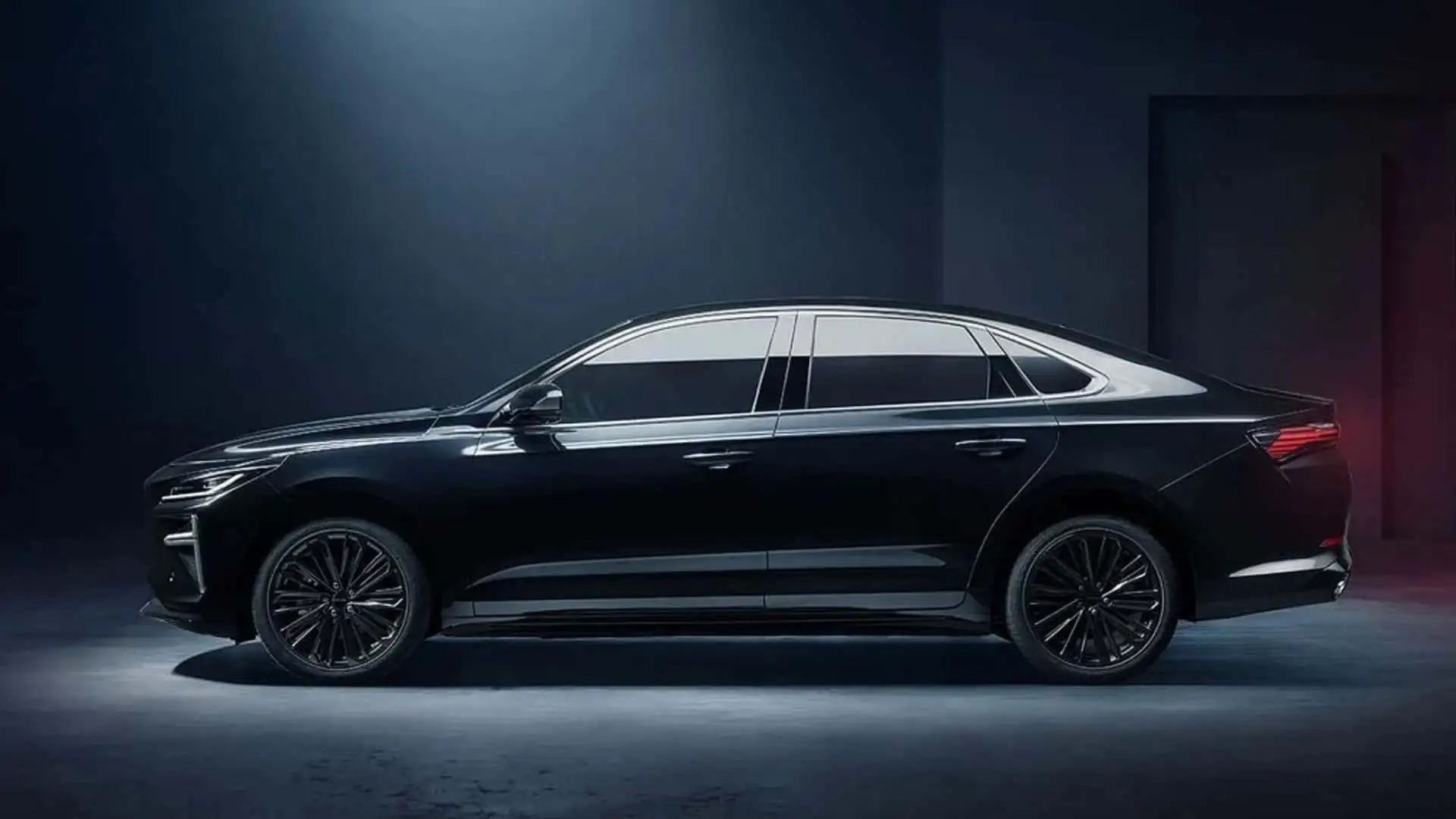
While crossovers dominate globally, the VOLGA C50 proves the traditional sedan is still strategically important in Russia and nearby markets. Its base is the Geely Preface, a front-wheel-drive sedan with proportions that remain appealing to buyers who prefer a three-box silhouette over SUV bulk.
| Model | Body Style | Engine | Power | Drive |
|---|---|---|---|---|
| VOLGA K50 | SUV | 2.0L Turbo | 238 HP | AWD |
| VOLGA C50 | Sedan | 2.0L Turbo | 150 HP / 200 HP | FWD |
The C50 measures roughly 4.82 m in length, 1.88 m in width, and rides on a 2.80 m wheelbase. That is enough to position it as a serious midsize sedan rather than a budget compact pretending to be upscale.
Its powertrain lineup includes two versions of a 2.0-liter turbocharged gasoline engine:
- 150 HP entry configuration
- 200 HP higher-output version
- 7-speed dual-clutch automatic transmission
- Front-wheel drive only
Cabin technology includes a digital instrument cluster, a vertically oriented infotainment screen, keyless entry, climate control, cruise control, LED headlights, and a 360-degree camera. In other words, the C50 is not relying on nostalgia either. It is trying to stay relevant through mainstream modern equipment.
That makes it especially interesting at a time when sedans are becoming more niche in many regions, yet continue to hold value in markets where formal design and rear-seat comfort still matter. For readers interested in how sedans are still evolving globally, this Audi A6 2027 feature shows how the segment remains far from dead.
One of the biggest storylines behind the C50 and K50 is not the sheet metal, but the factory. Both vehicles are expected to be built at the former Volkswagen plant in Nizhny Novgorod. That site became a symbol of industrial disruption after Western automakers exited Russia following the 2022 invasion of Ukraine. Reusing the facility under the Volga name marks a major shift in who now supplies the market and how vehicle production is being reorganized.
Earlier attempts to revive Volga reportedly involved Changan-based models, but that plan failed to materialize. The restart with Geely suggests the new program is more pragmatic and possibly more viable, especially given Geely’s proven scale, modular platforms, and growing influence. For a broader look at China’s fast-moving auto strategy, the Geely Galaxy M7 report adds useful context.
What matters most here is simple: Volga is no longer returning as a purely national engineering symbol. It is returning as a badge built on cross-border automotive reality.
Pricing has not yet been announced, and export prospects remain highly uncertain due to sanctions and geopolitical restrictions. Still, as a product story, the 2026 Volga comeback is fascinating. The badge is old, the platforms are modern, the politics are complicated, and the market logic is brutally current.