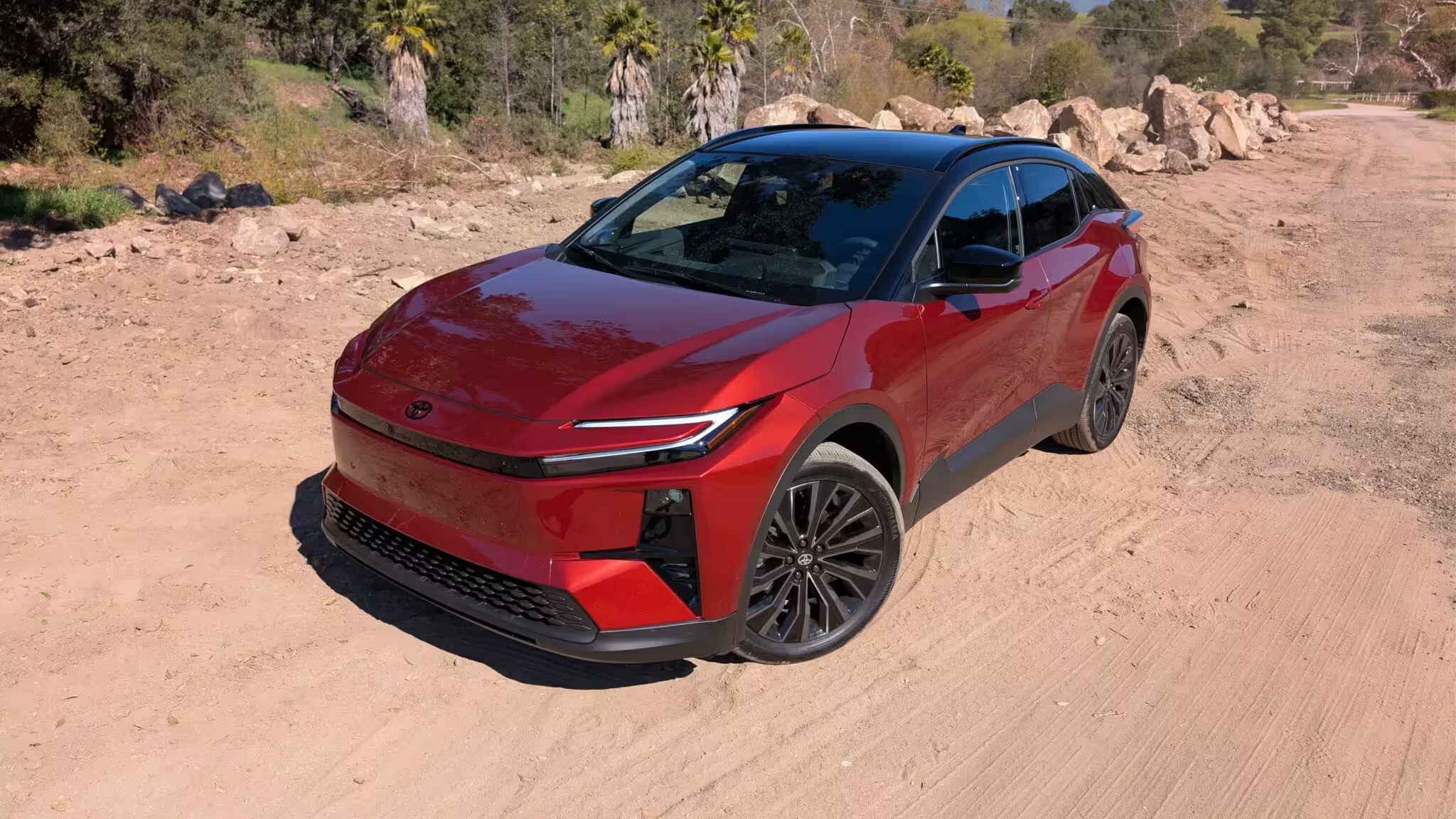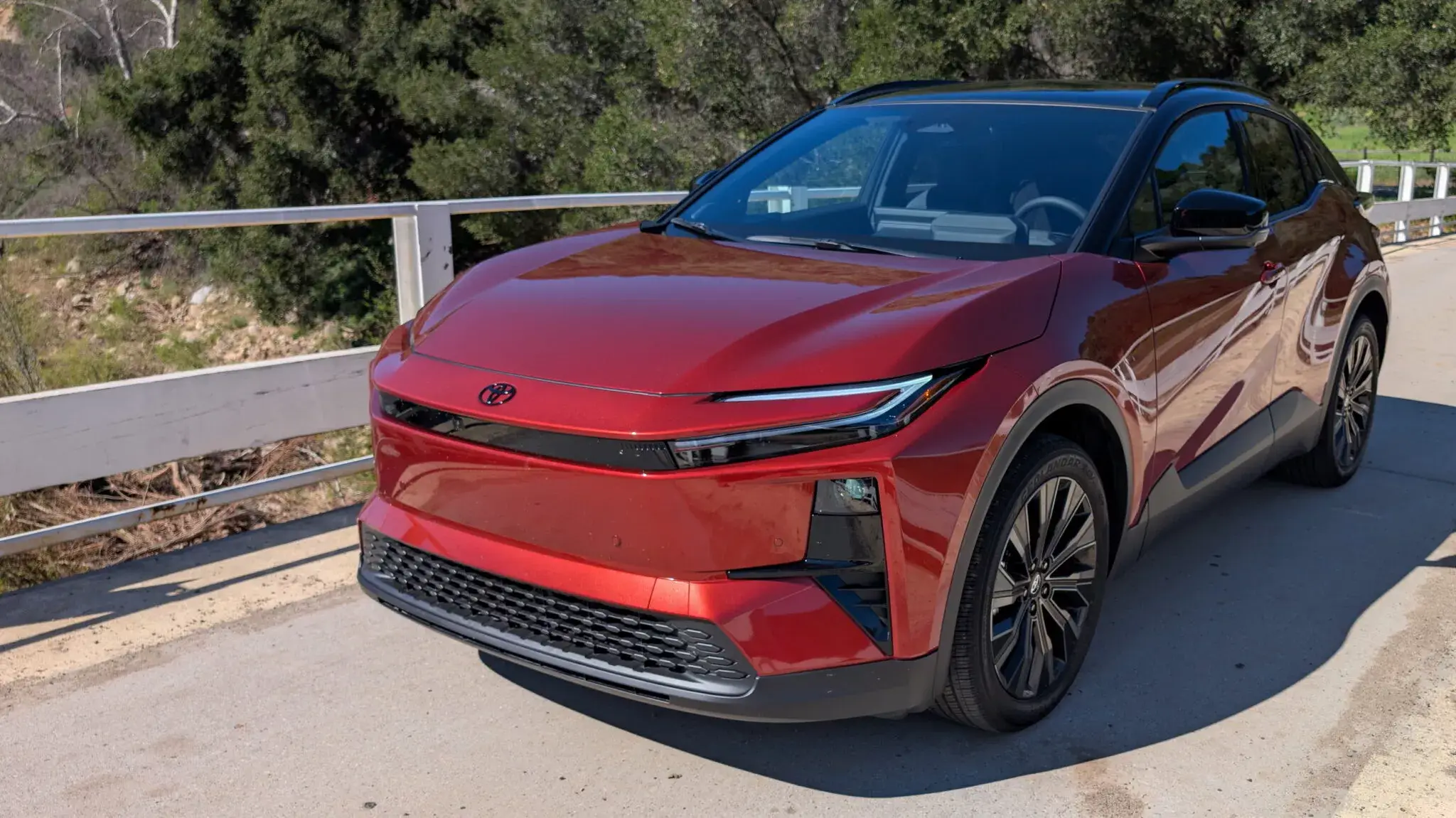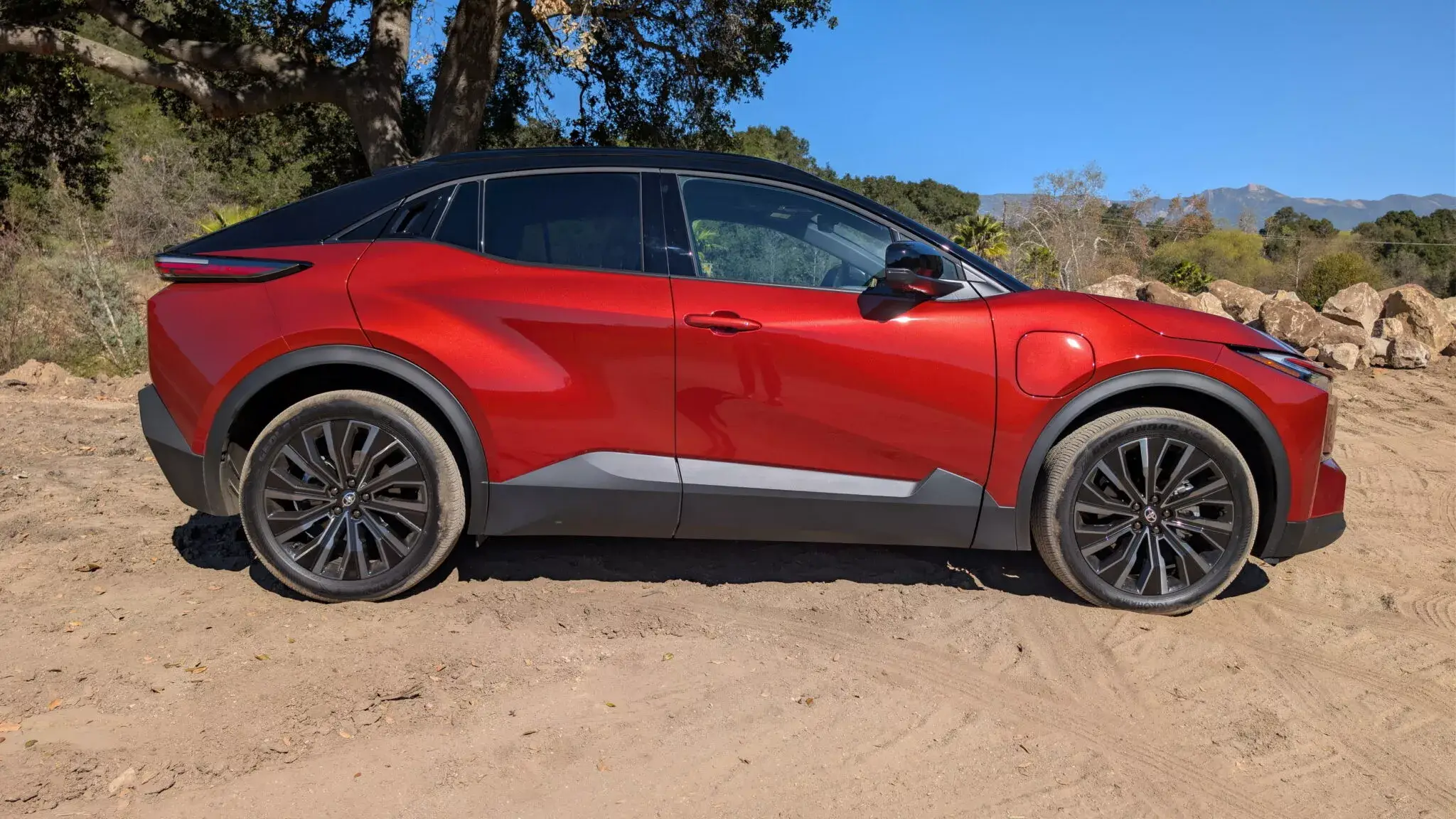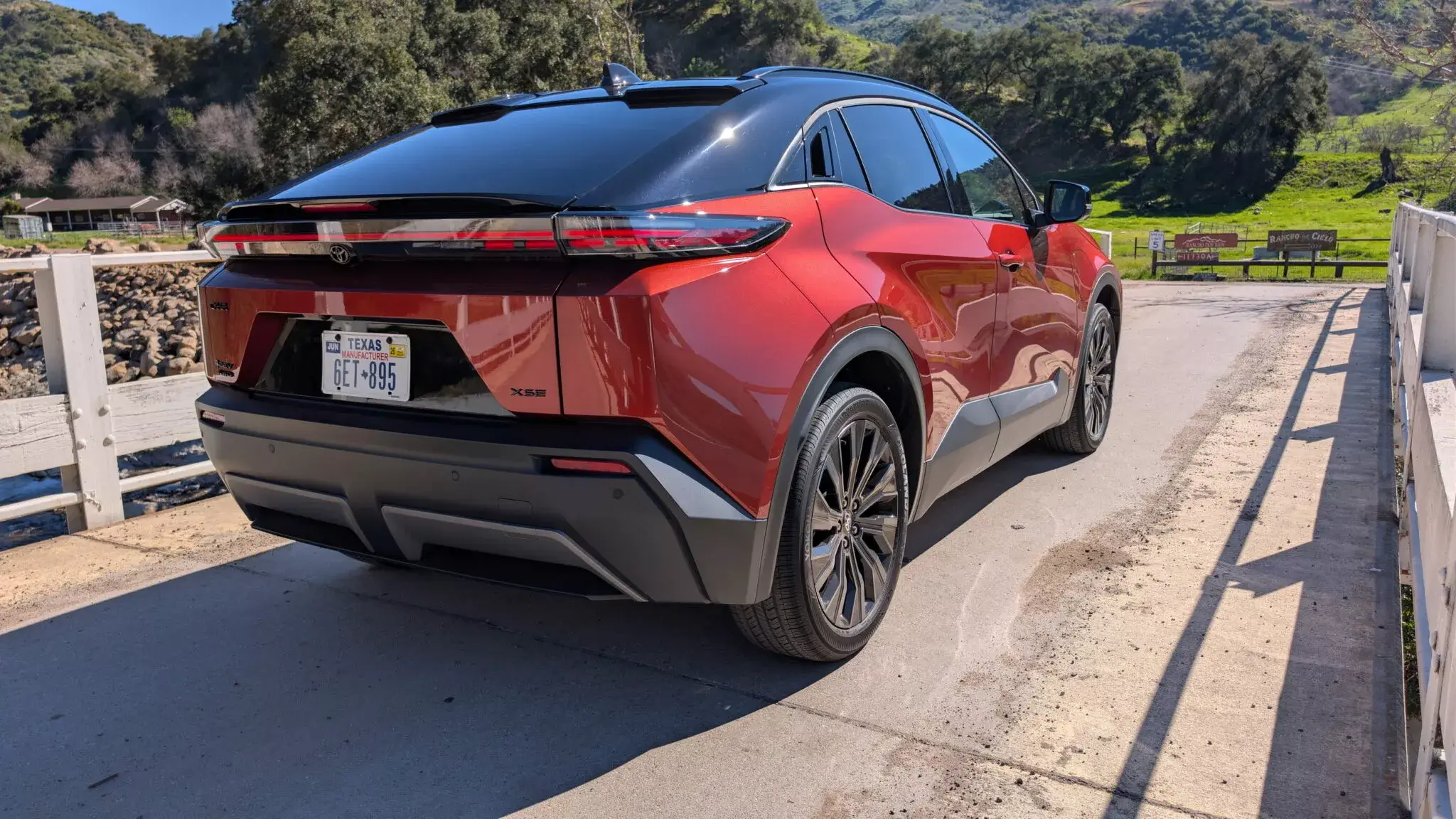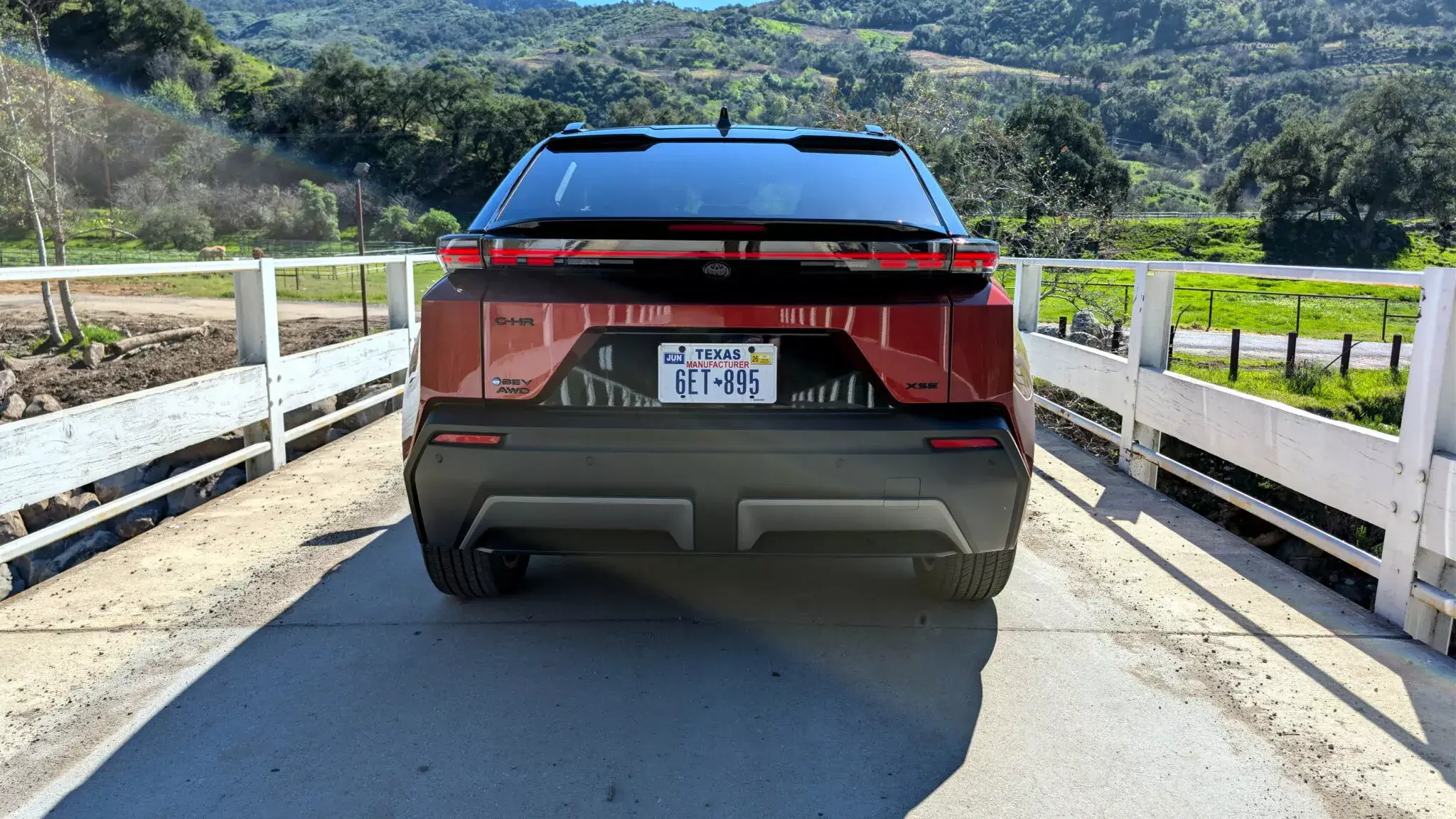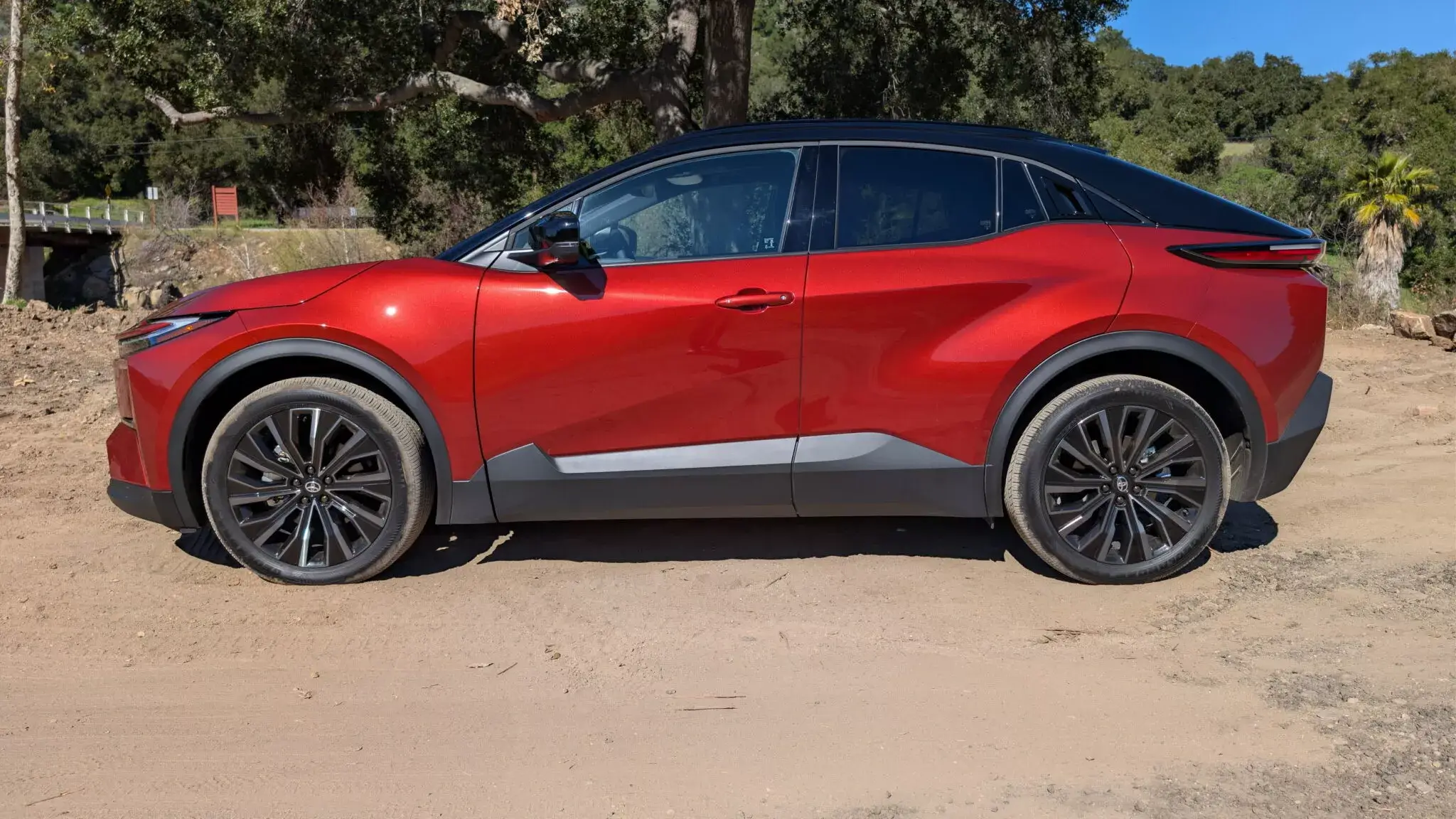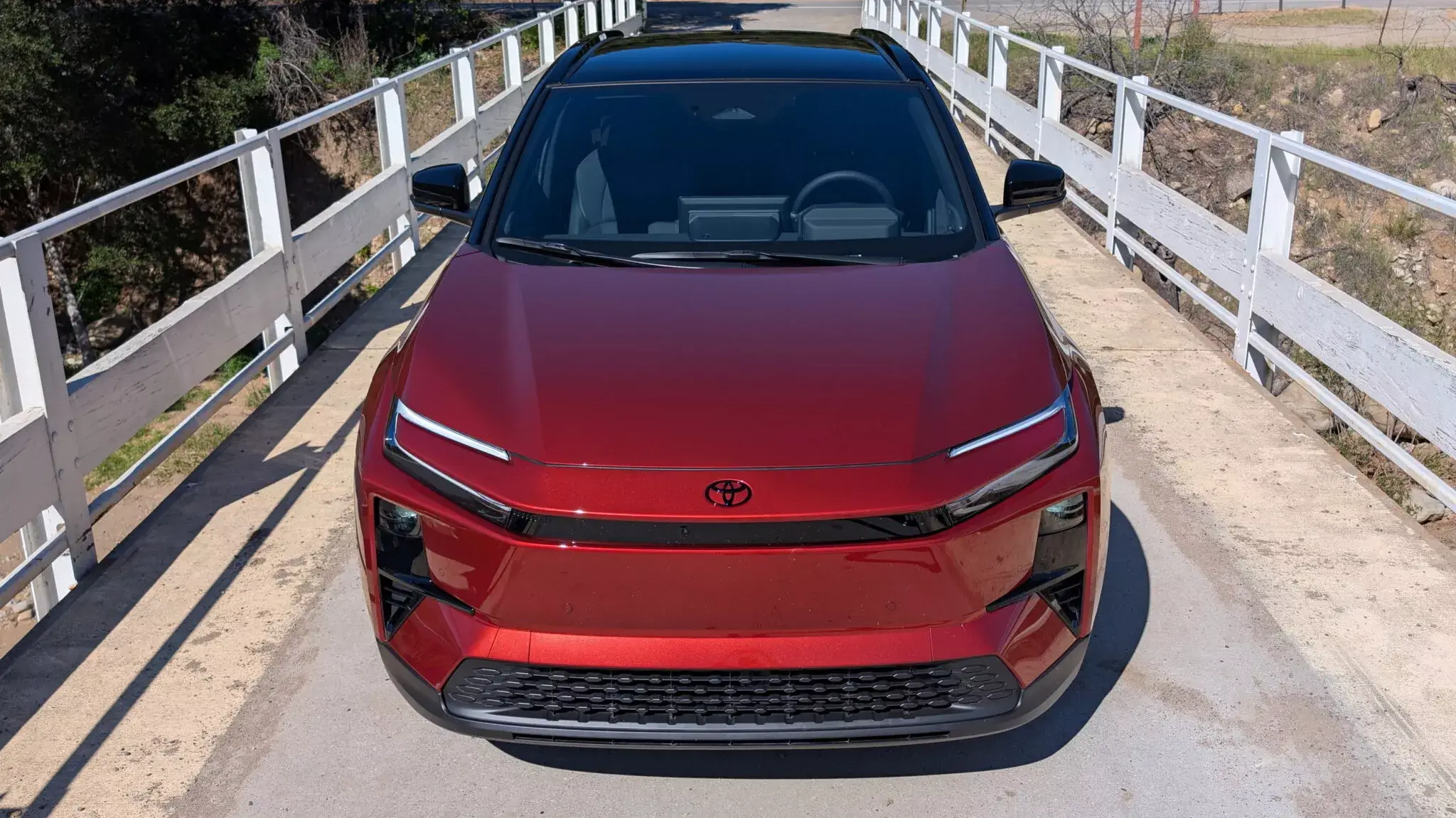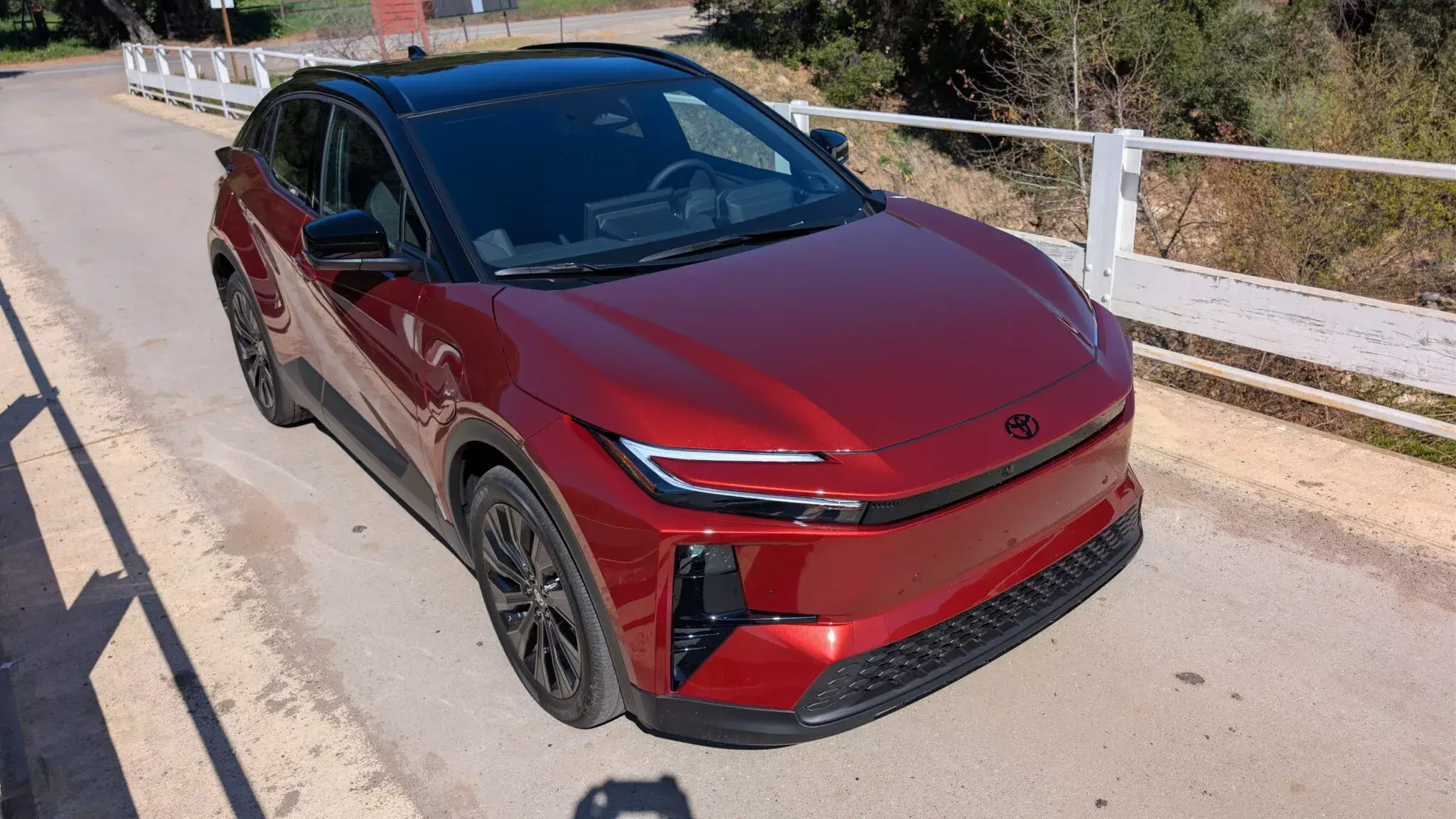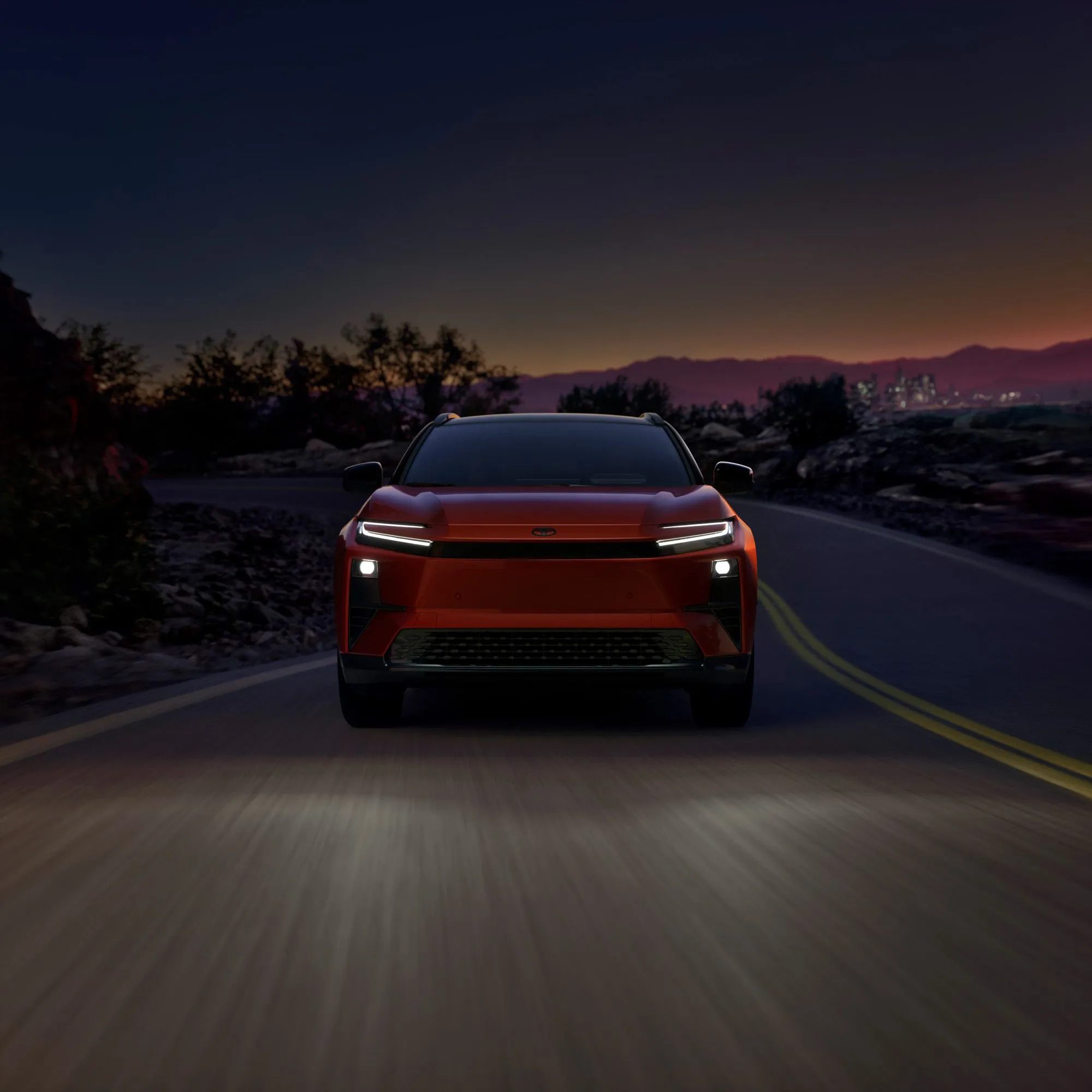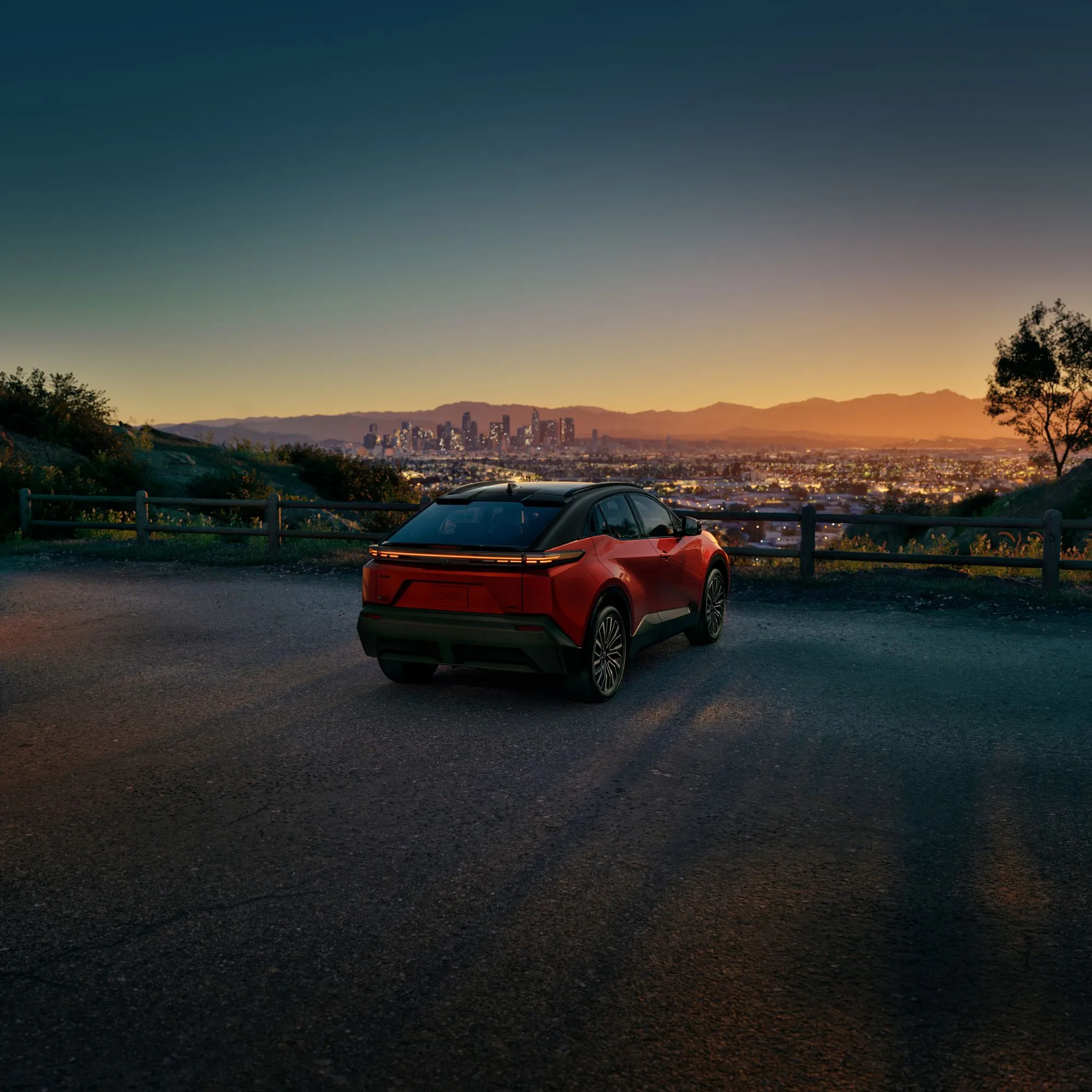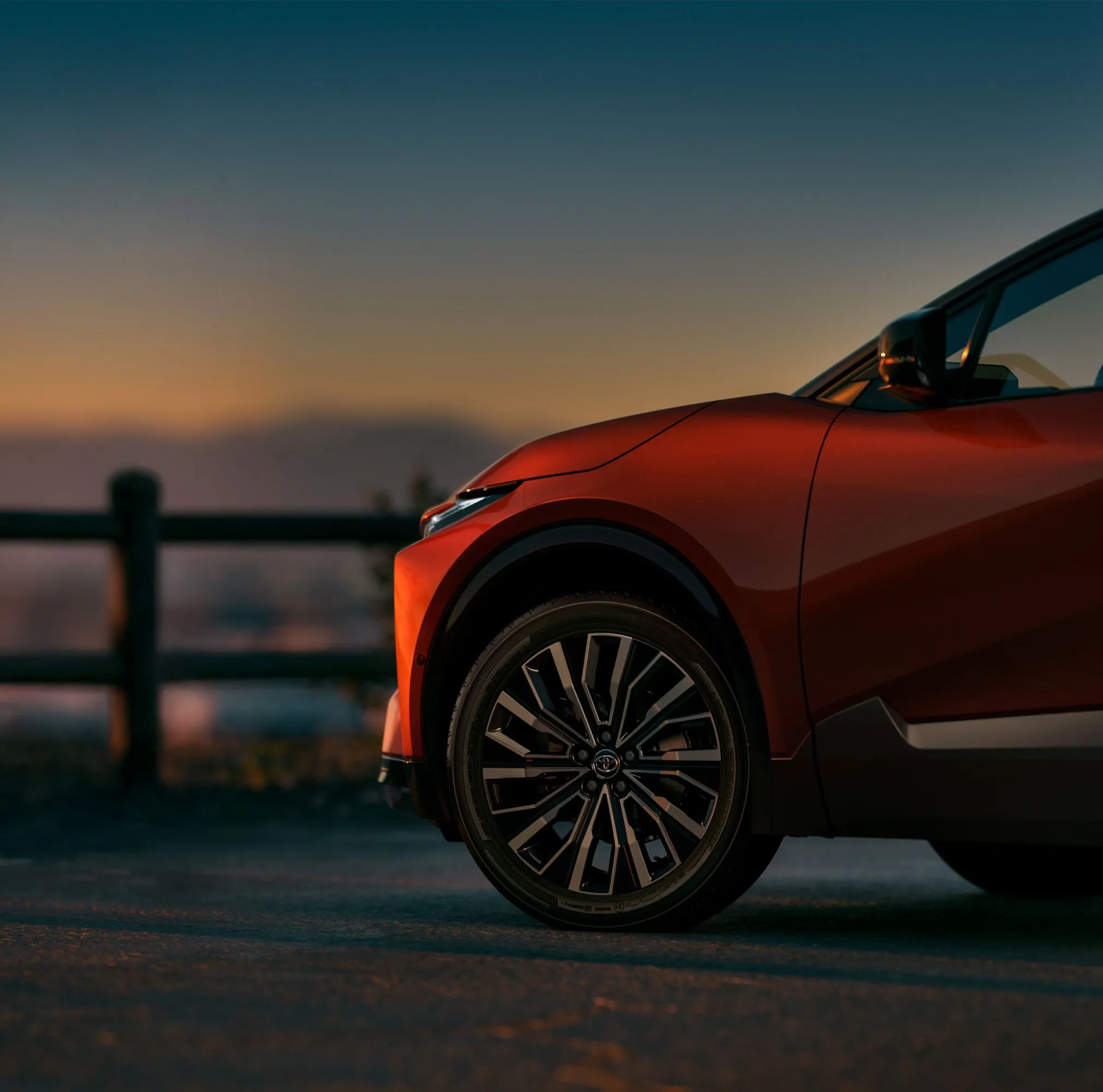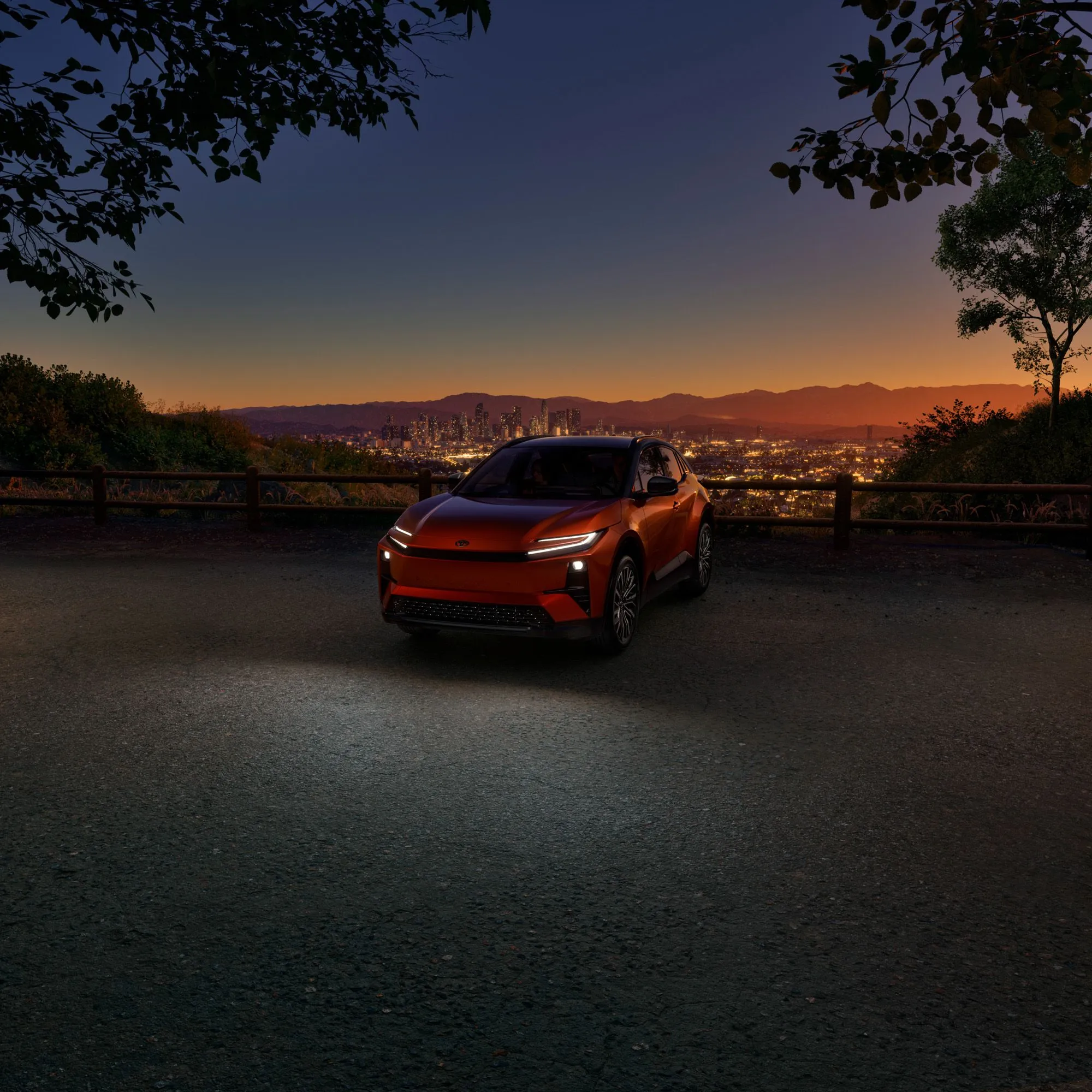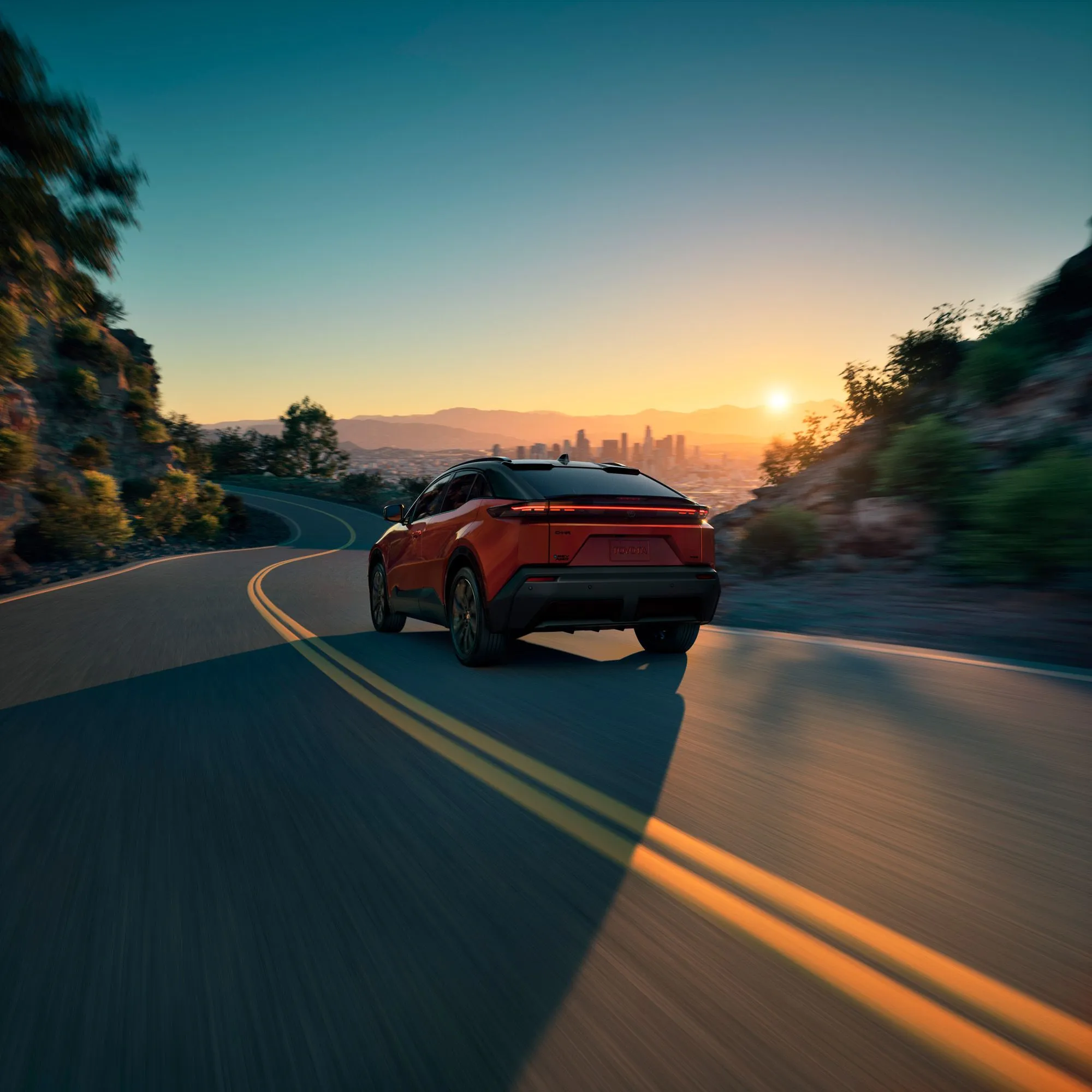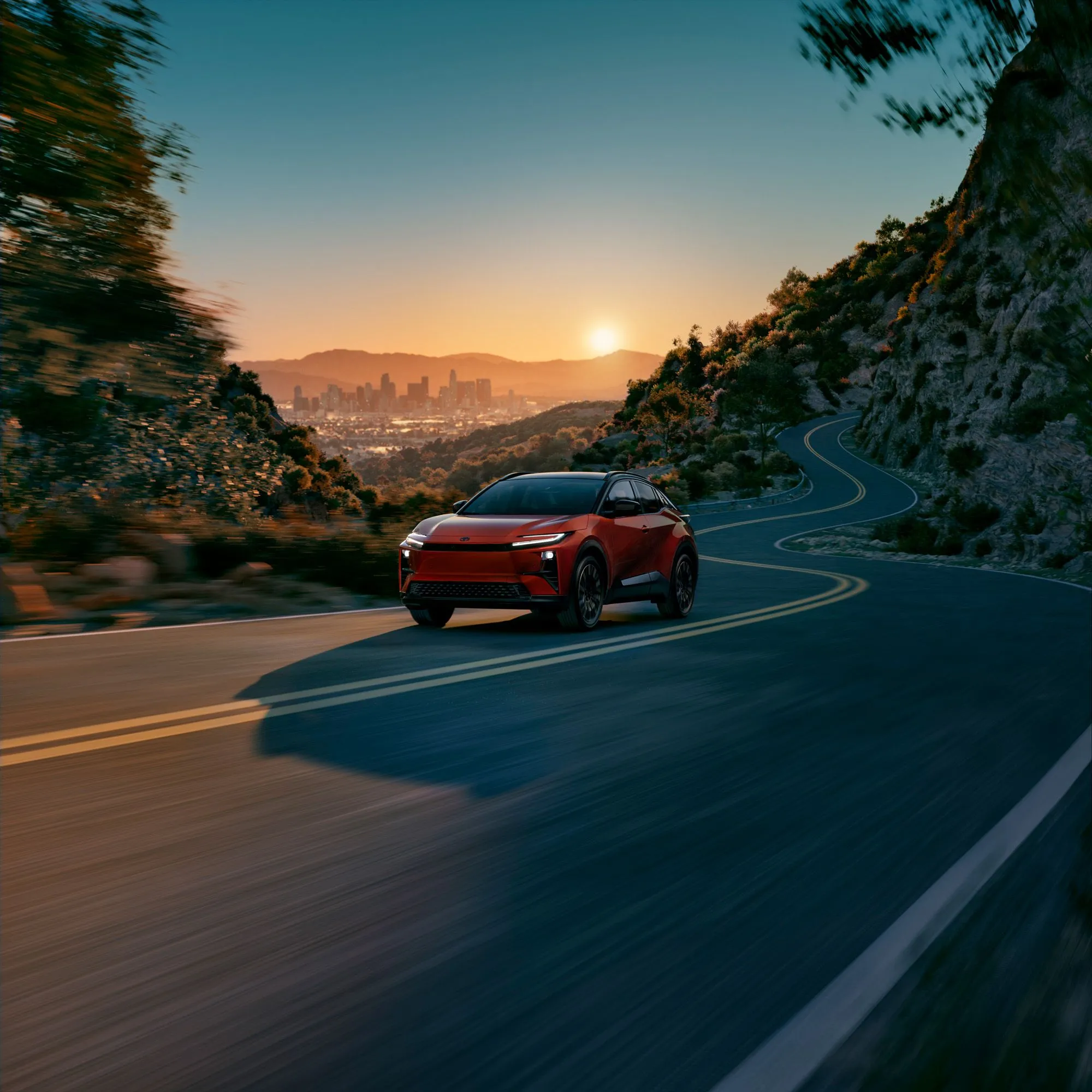
The 2027 Toyota C-HR is not trying to be everything to everyone. That is exactly why it feels interesting. In a market crowded with electric crossovers promising luxury, adventure, and futuristic gimmicks, Toyota is taking a sharper route: make the C-HR fast, efficient, compact, and easy to live with, then leave the excess drama to other brands.
What The 2027 Toyota C-HR Really Is
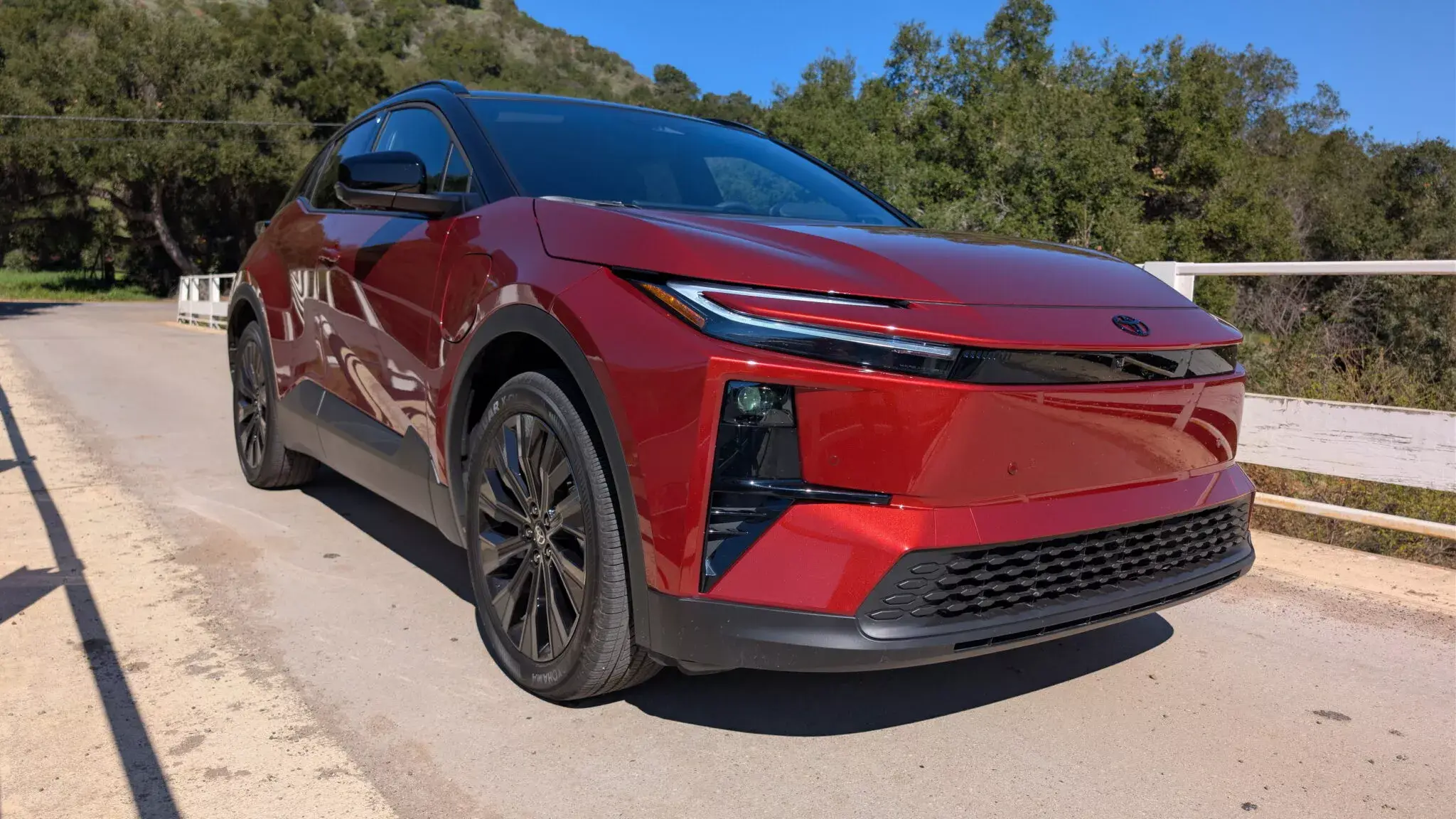
The biggest twist is that this C-HR is not a gasoline crossover with an old name revived for nostalgia. It is a new battery-electric model that shares its core architecture with the Toyota bZ family, but in a smaller, more urban-friendly package. Think of it as a shorter, tighter, more design-led EV crossover aimed at drivers who want quick response and daily usability rather than maximum size.
For shoppers searching terms like 2027 Toyota C-HR price, Toyota C-HR EV range, and 2027 Toyota C-HR AWD, the headline numbers matter immediately. Toyota is expected to position the model around $39,000 to $41,000, with only two trims: SE and XSE. That simple lineup makes the C-HR easy to understand, while the standard all-wheel-drive dual-motor layout gives it a performance angle most rivals in this price band cannot match.
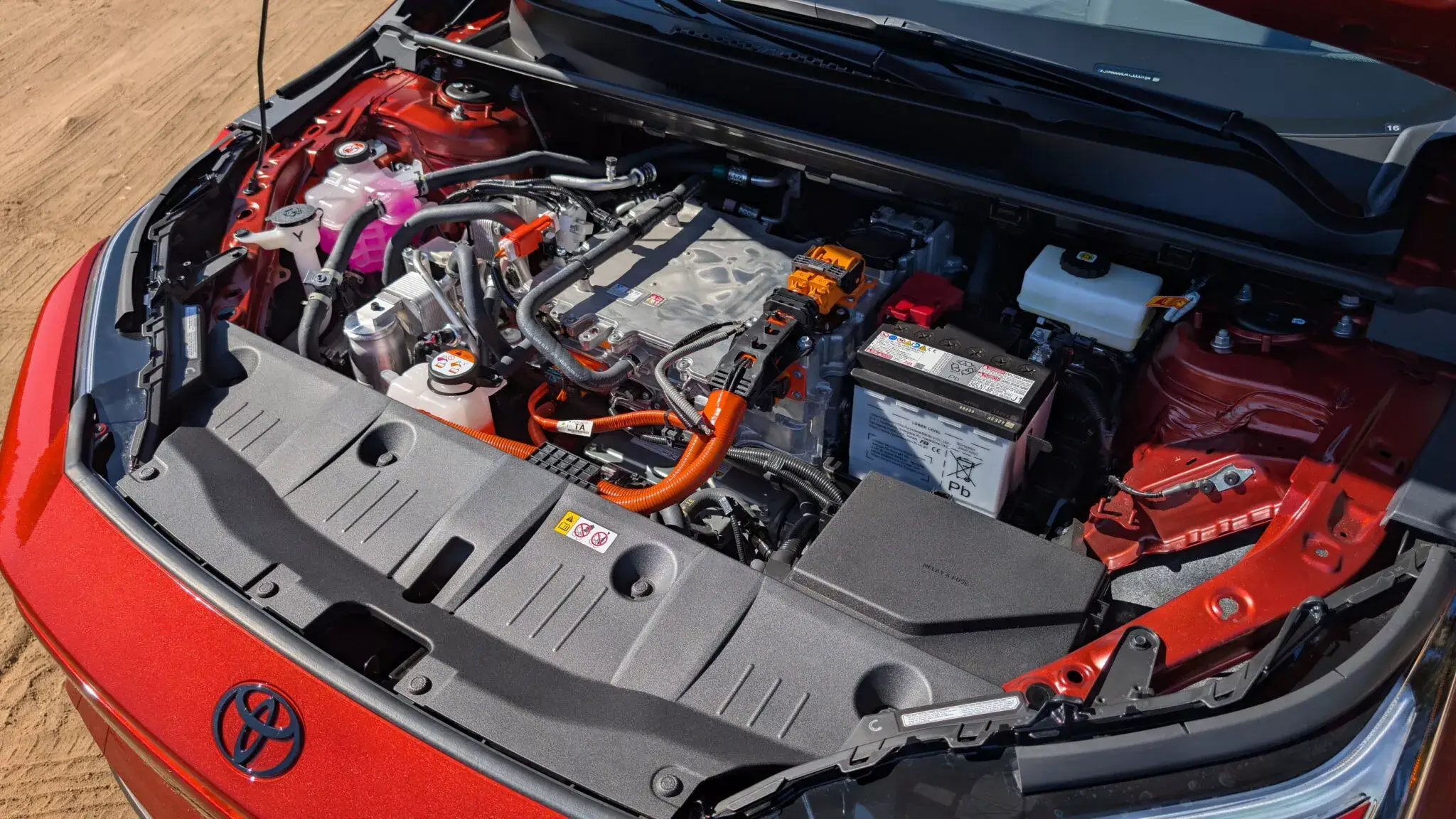
The powertrain is the story that grabs attention first. Toyota says the C-HR produces 338 horsepower from front and rear permanent-magnet motors, which is a serious figure for a subcompact crossover. Toyota’s claimed 0 to 60 mph time is 4.9 seconds, though independent expectations suggest it could be even quicker based on its close Subaru twin. In real-world terms, that means this is not the kind of EV that fades into traffic. It jumps.
Expert insight: The 2027 C-HR is likely to appeal most to buyers who want the instant torque and quiet daily use of an EV, but still prefer a smaller footprint than many mainstream electric SUVs.
Range, Charging, And Why The Hardware Matters
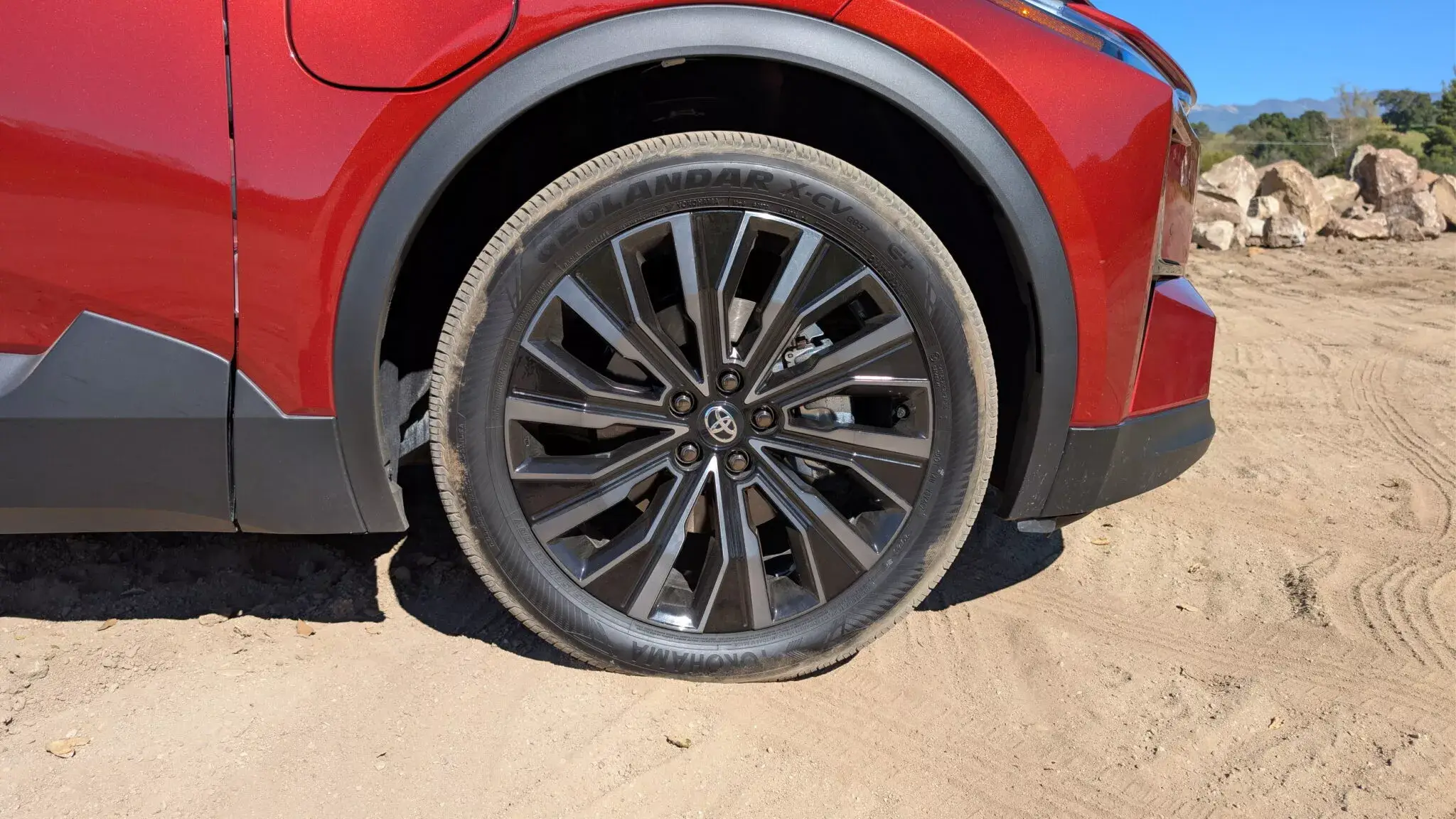
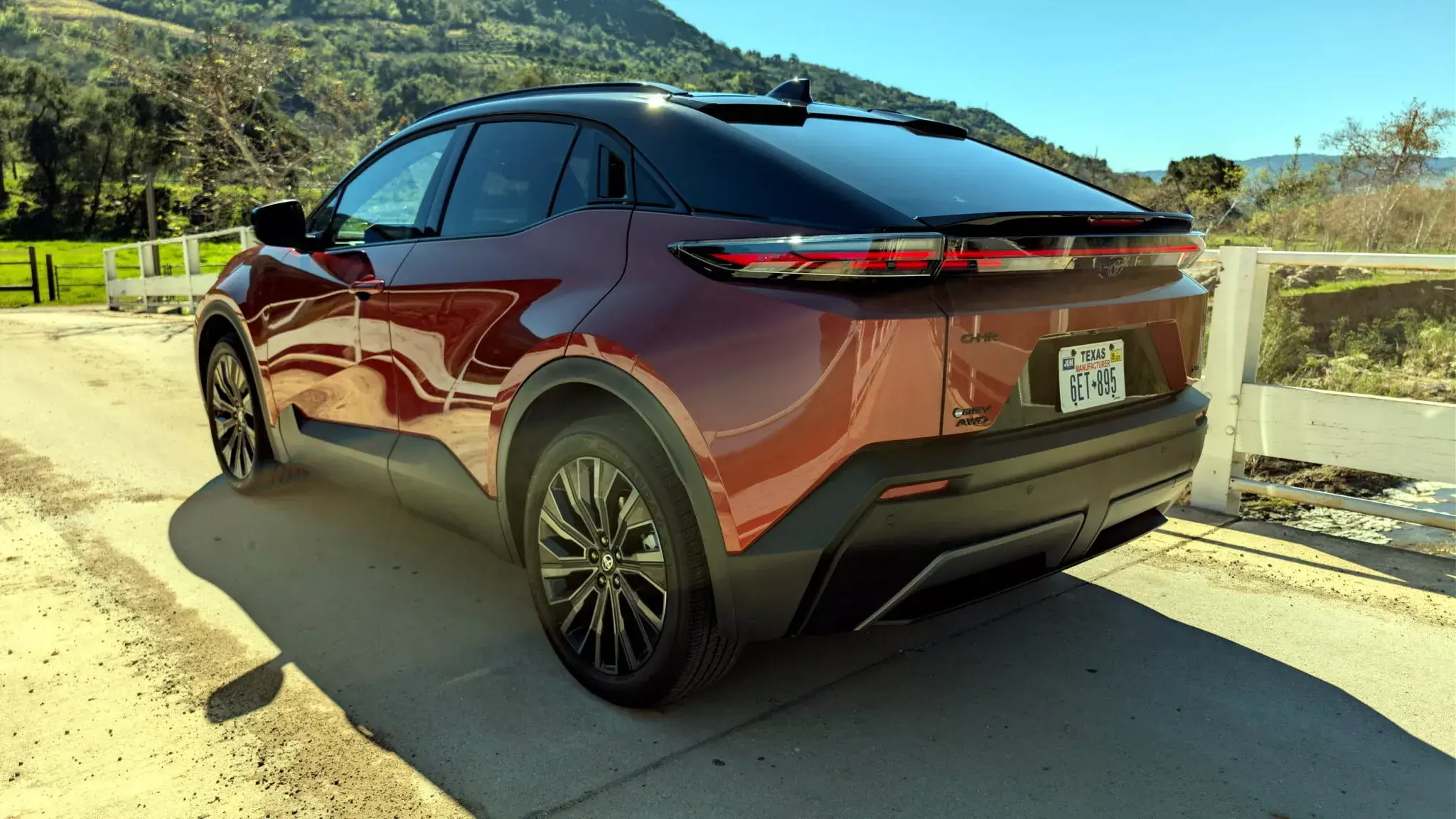
Range is where Toyota is clearly trying to stay competitive. EPA estimates are expected to land between 273 and 287 miles, depending on trim. The SE should travel farther thanks to its smaller wheels, while the XSE gives up a bit of range for a more premium stance. For most commuters, that is enough to make weekly charging routine rather than stressful.
Charging hardware is another major talking point. The C-HR uses an NACS port, which means access to Tesla Superchargers in compatible markets. That is a practical advantage, not just a spec-sheet flex. Toyota also says the battery can go from 10 to 80 percent in about 30 minutes on a DC fast charger under ideal conditions. A built-in 11-kW AC charger helps home charging stay respectable too.
This is the kind of detail that matters if you are comparing it with other electric crossovers. If you want to see how the market is moving, compare it with pieces like the Hyundai Kona 2027 strategy or Cadillac’s OPTIQ play. Both show how EV makers are fighting on range, packaging, and value. Toyota’s angle is different: standard AWD, strong performance, and charging access that reduces ownership friction.
EPA efficiency numbers are also solid, with the C-HR expected to deliver around 112 to 117 MPGe combined. City estimates sit in the 122 to 127 MPGe range, while highway figures land around 102 to 107 MPGe. In other words, this is a well-balanced EV rather than a record-breaking efficiency machine. Toyota seems to have chosen usable range over extreme optimization.
Interior Space, Equipment, And The Tradeoffs Buyers Need To Know
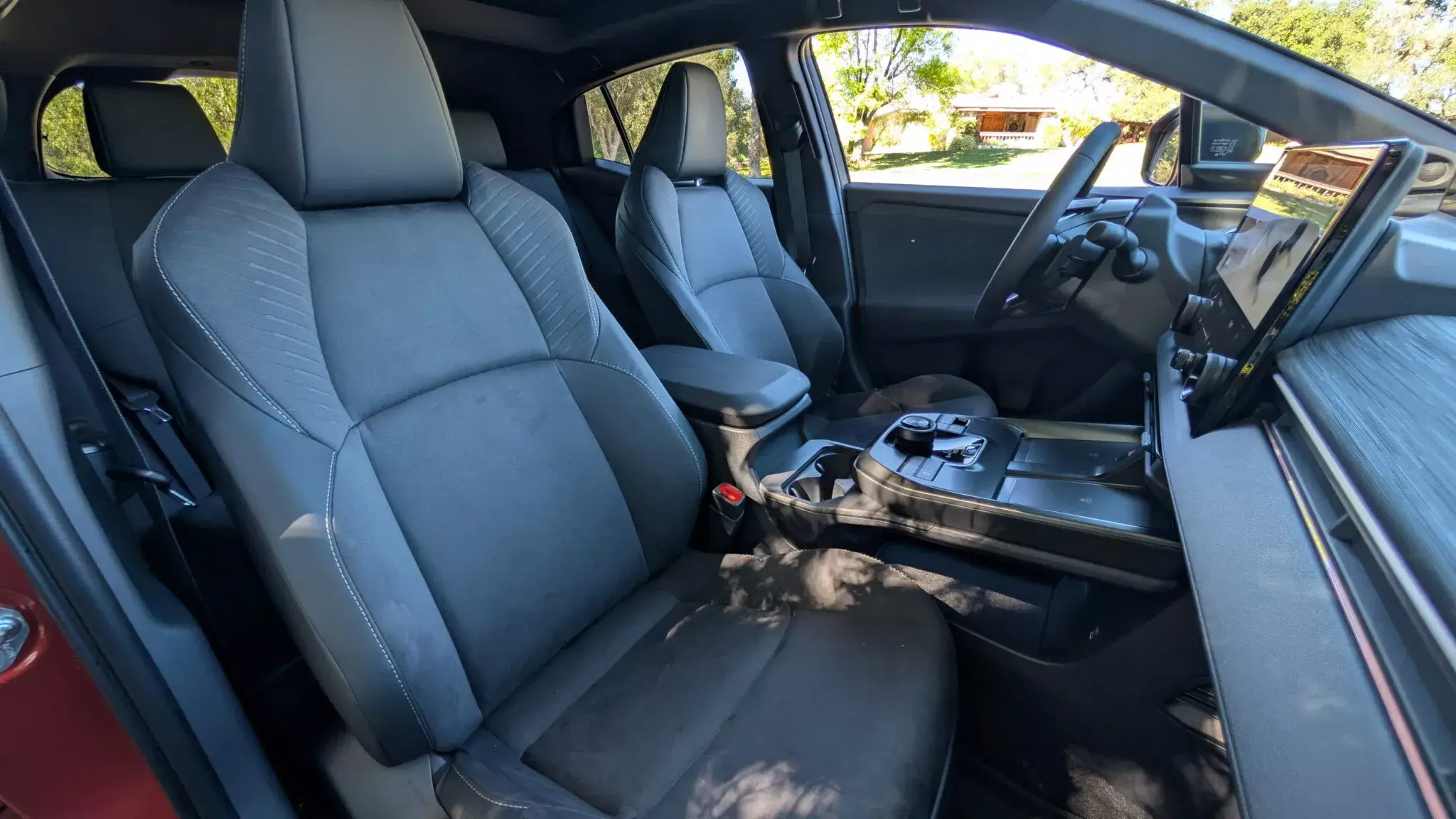
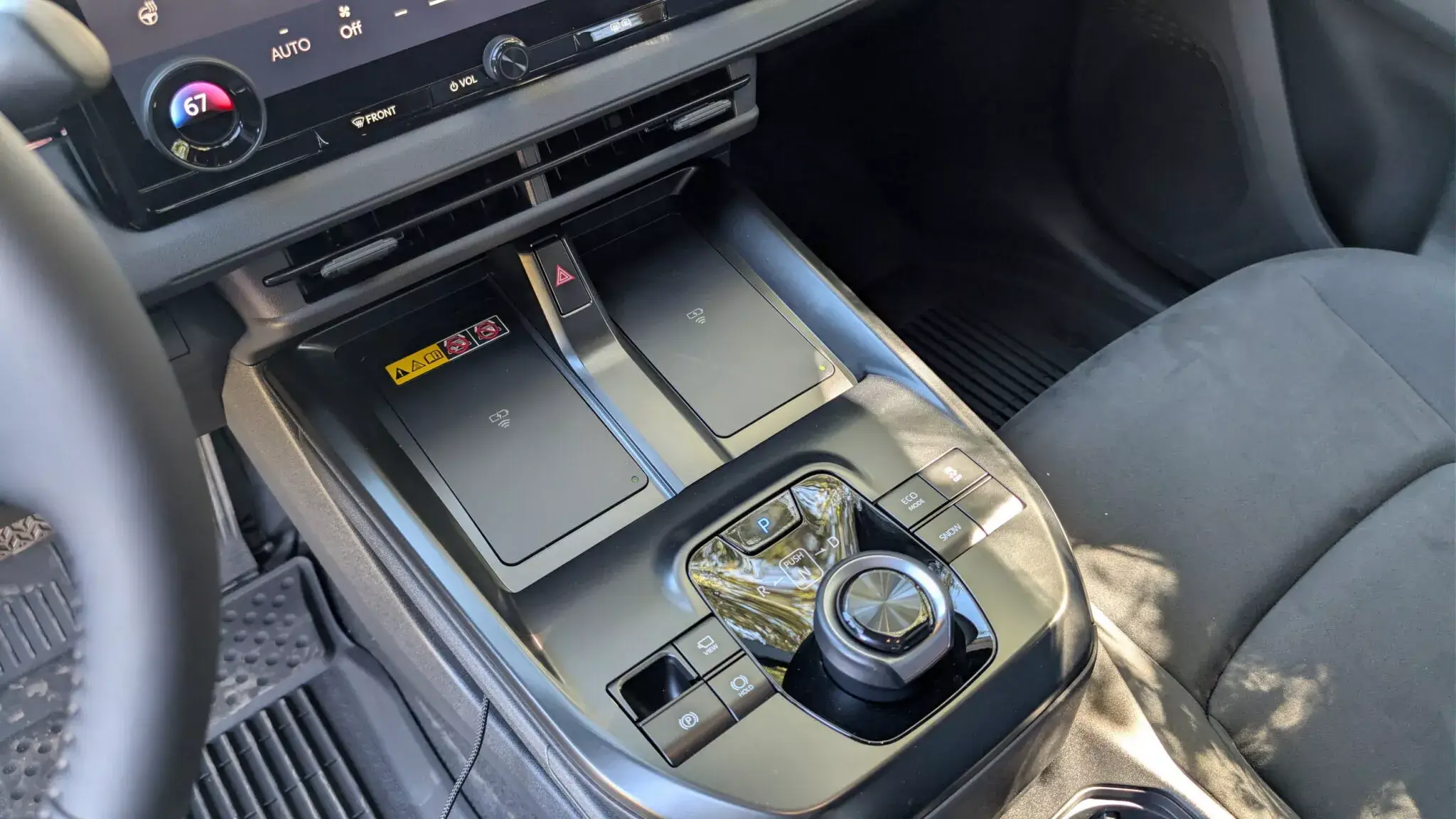
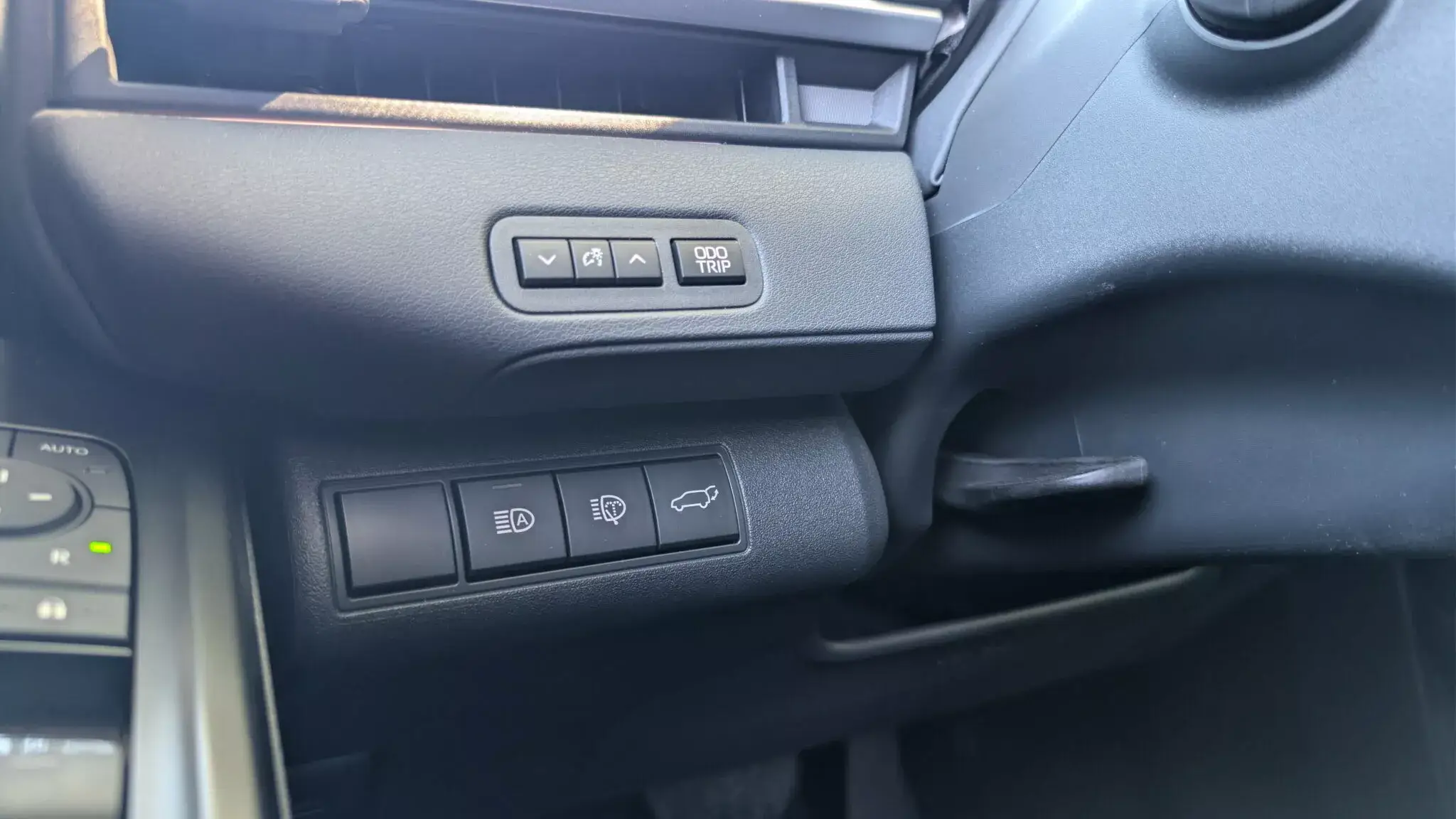
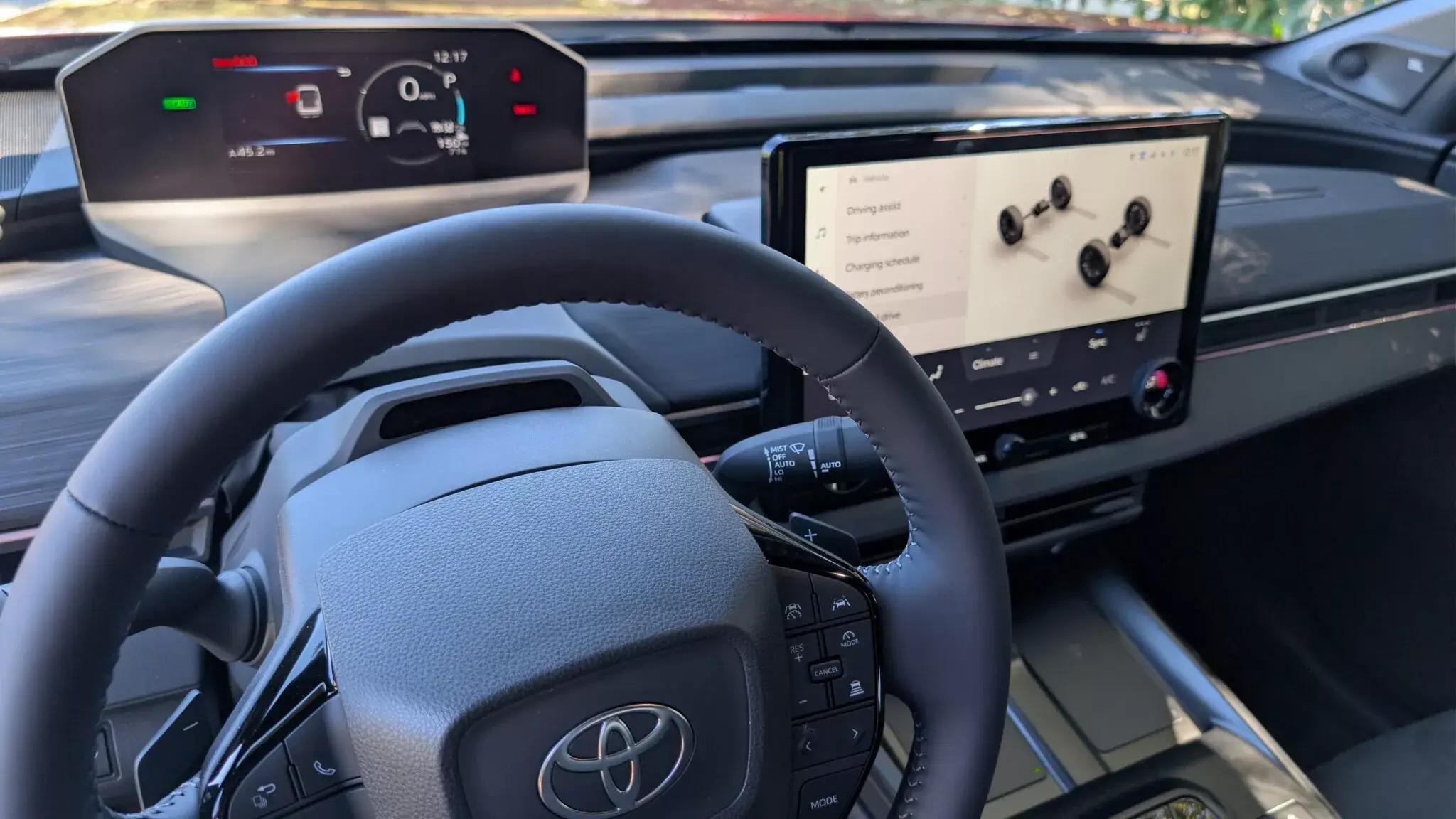
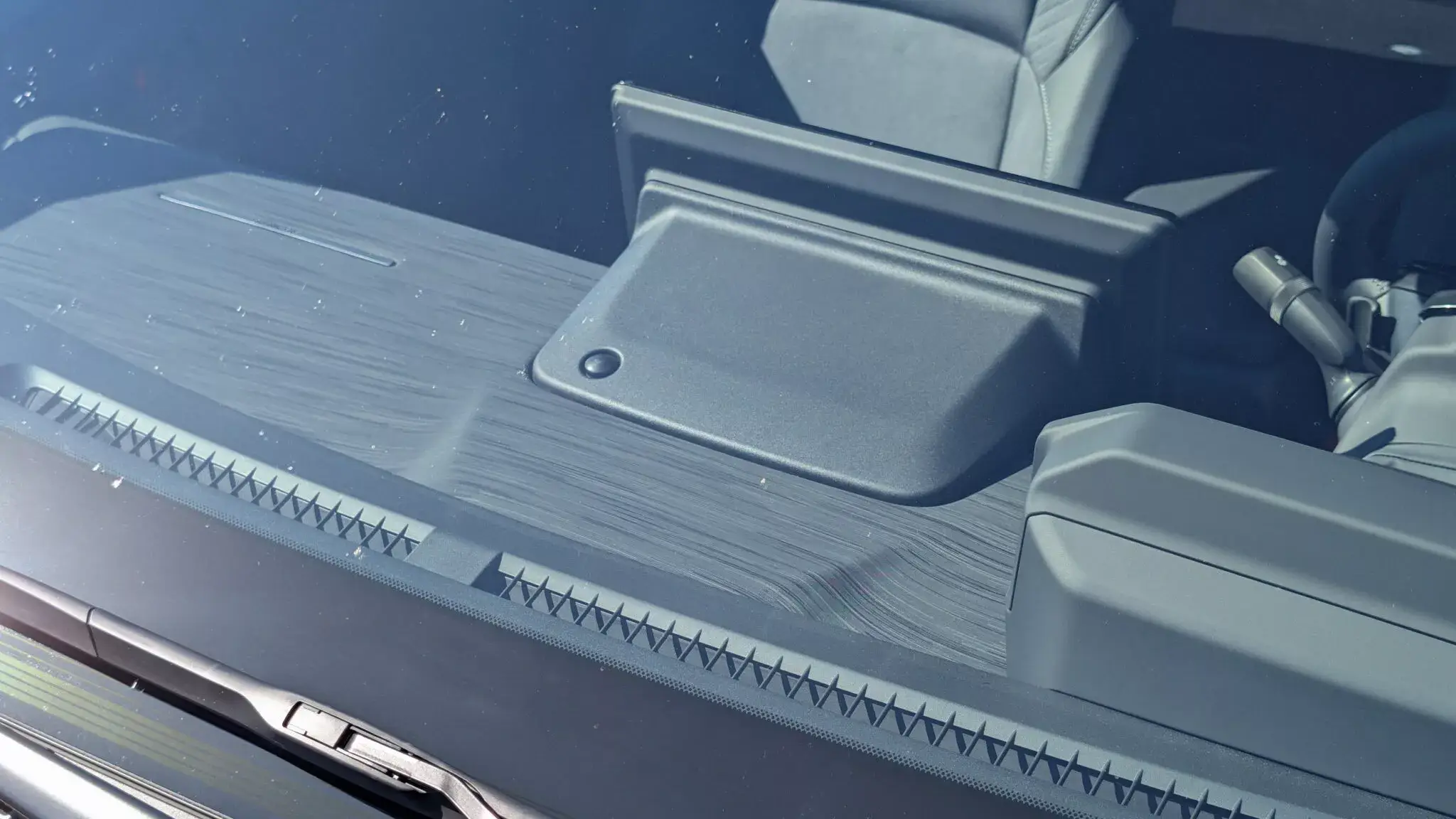
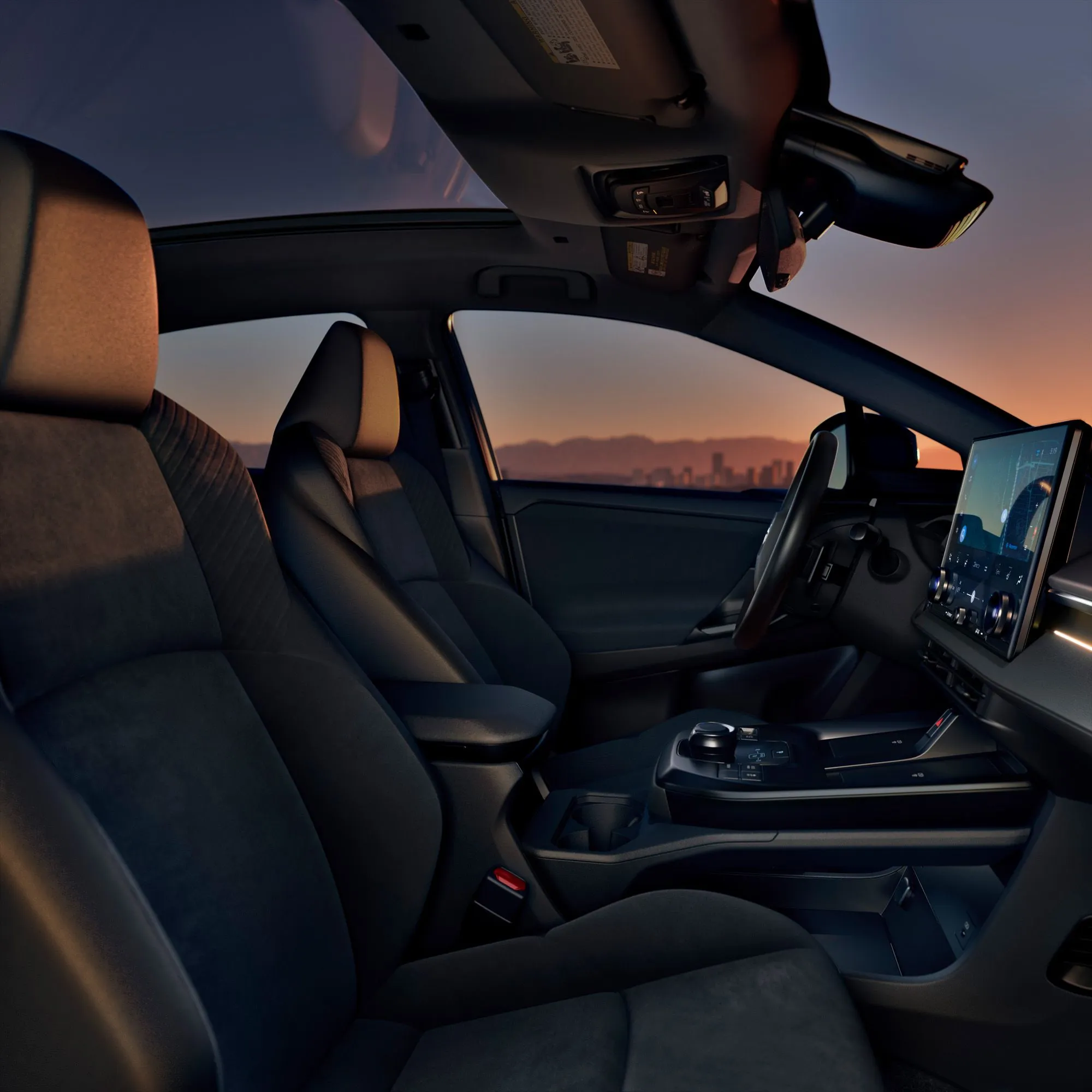
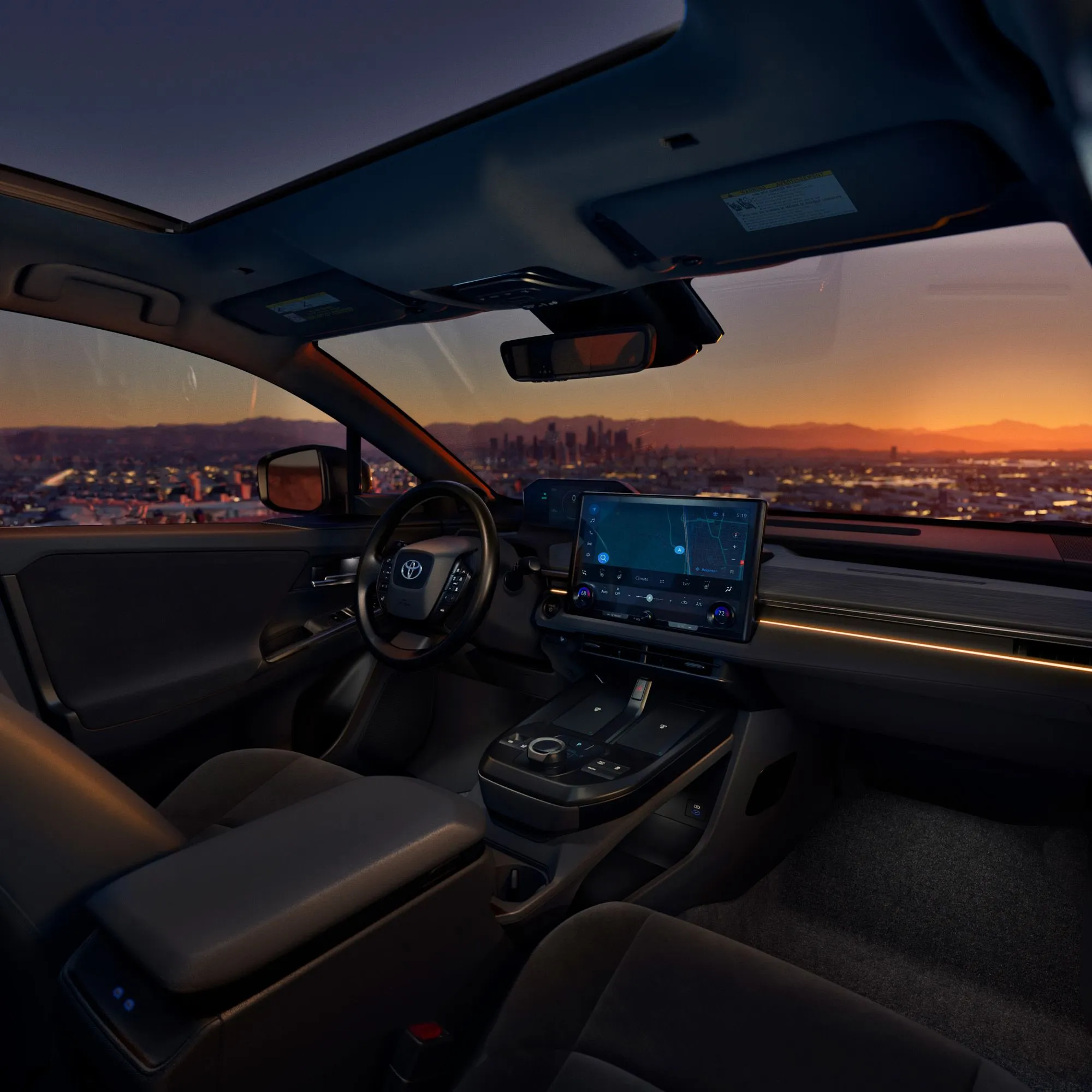
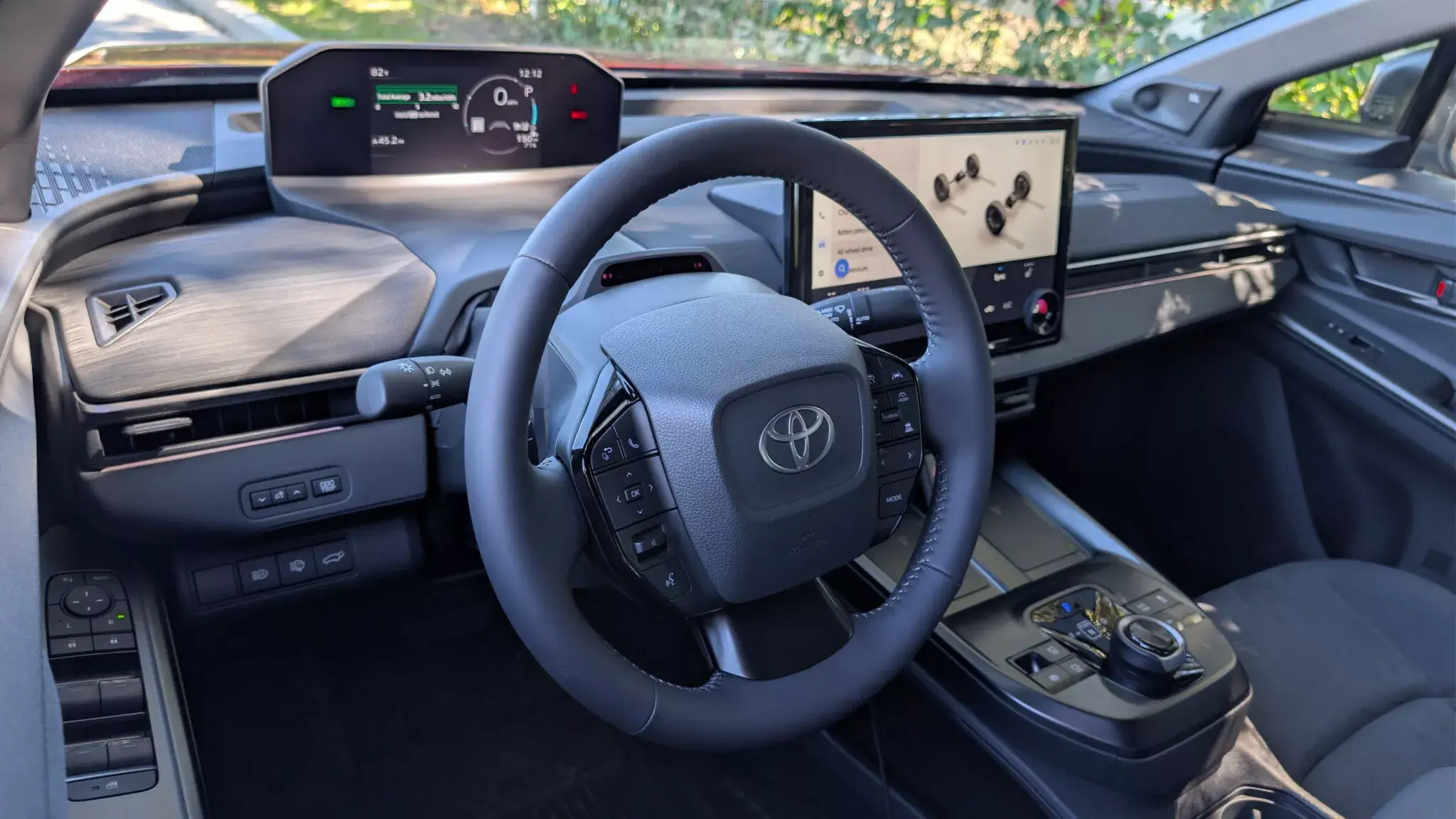
Inside, the C-HR borrows heavily from the bZ, which is both good and slightly odd. The digital gauge display is positioned high at the base of the windshield, meant to be viewed over the steering wheel rather than through it. Some drivers will love the futuristic layout; others may need time to adjust. The central 14.0-inch touchscreen is easier to understand at a glance, and Toyota keeps enough physical controls to avoid making the cabin feel like a tablet experiment.
The base SE trim is likely to be the sweet spot. It includes heated front seats, a heated steering wheel, a power liftgate, dual wireless phone chargers, and the big infotainment display. That is a strong list for a vehicle expected to start around $39,000. Optional JBL audio and additional equipment on the XSE will appeal to buyers who want a more upscale feel, but the base model already looks well judged.
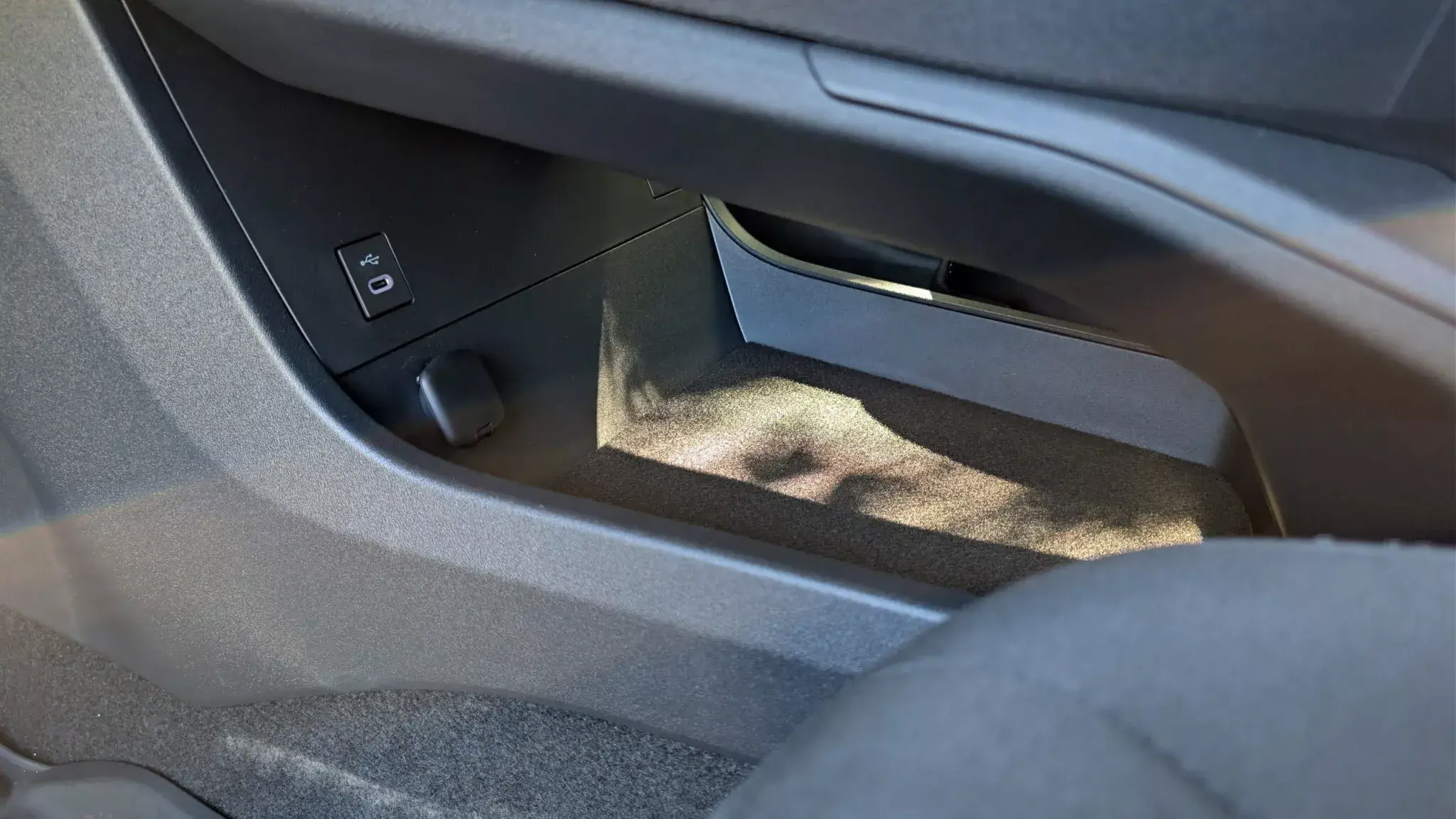
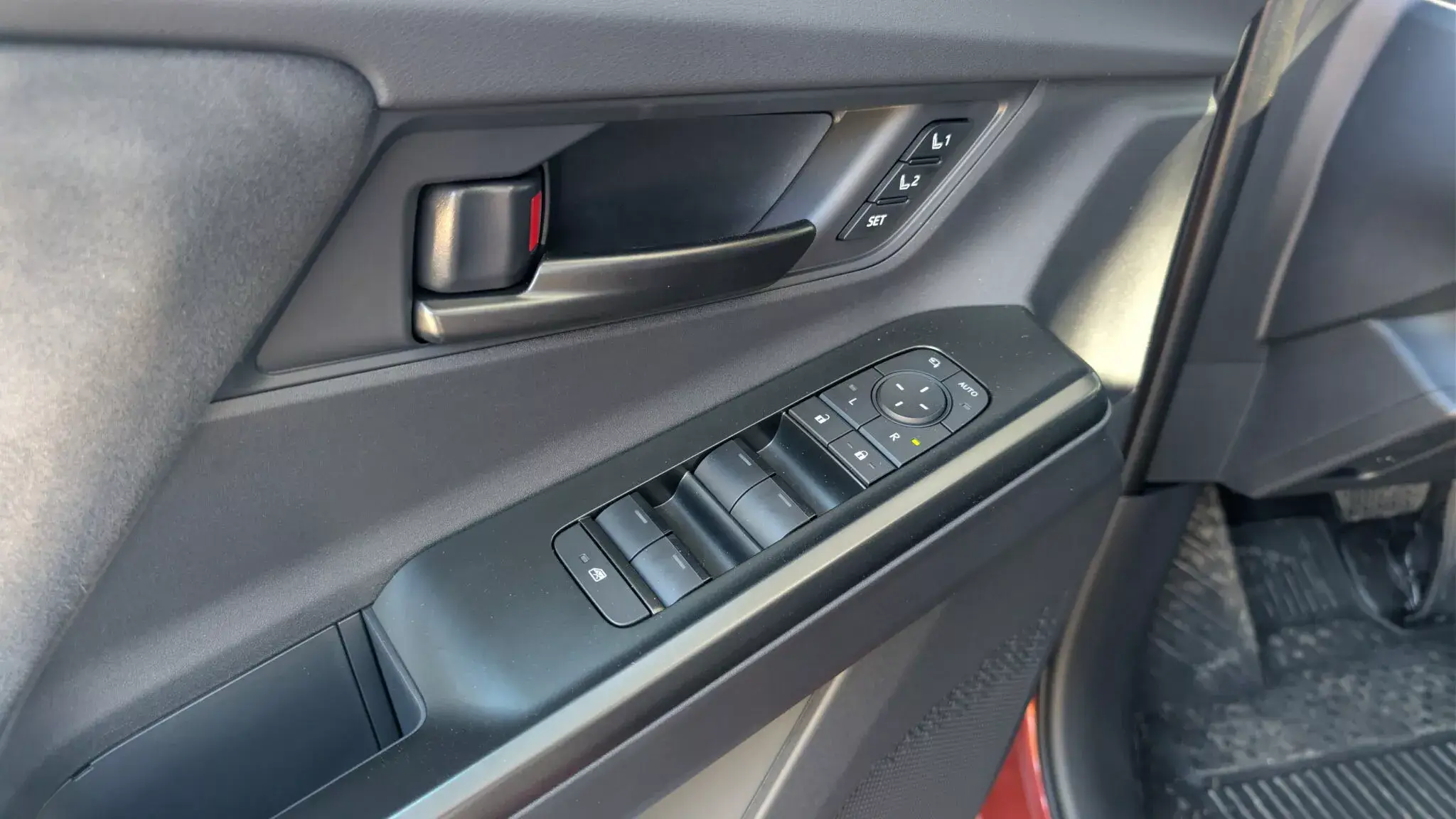
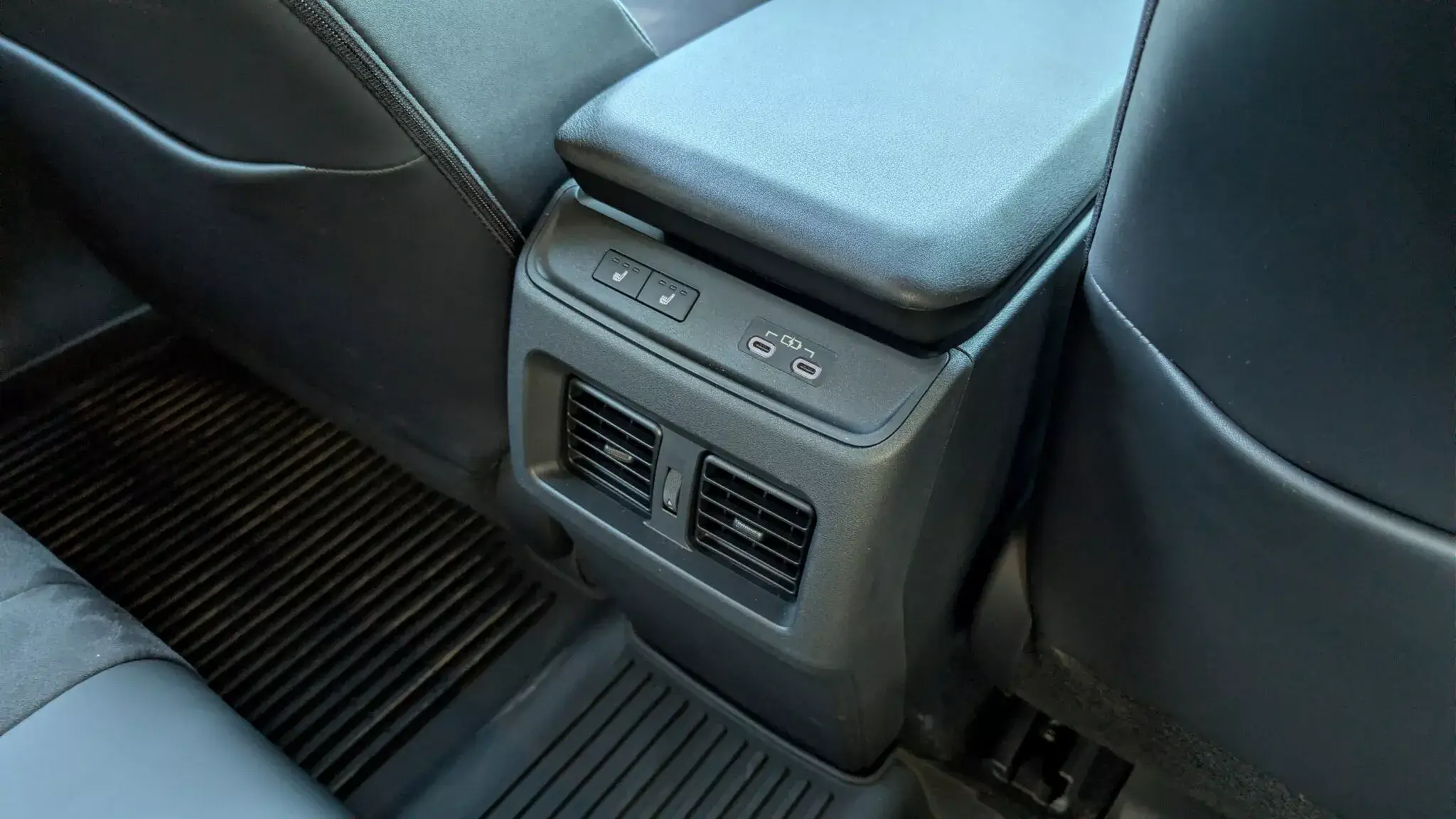
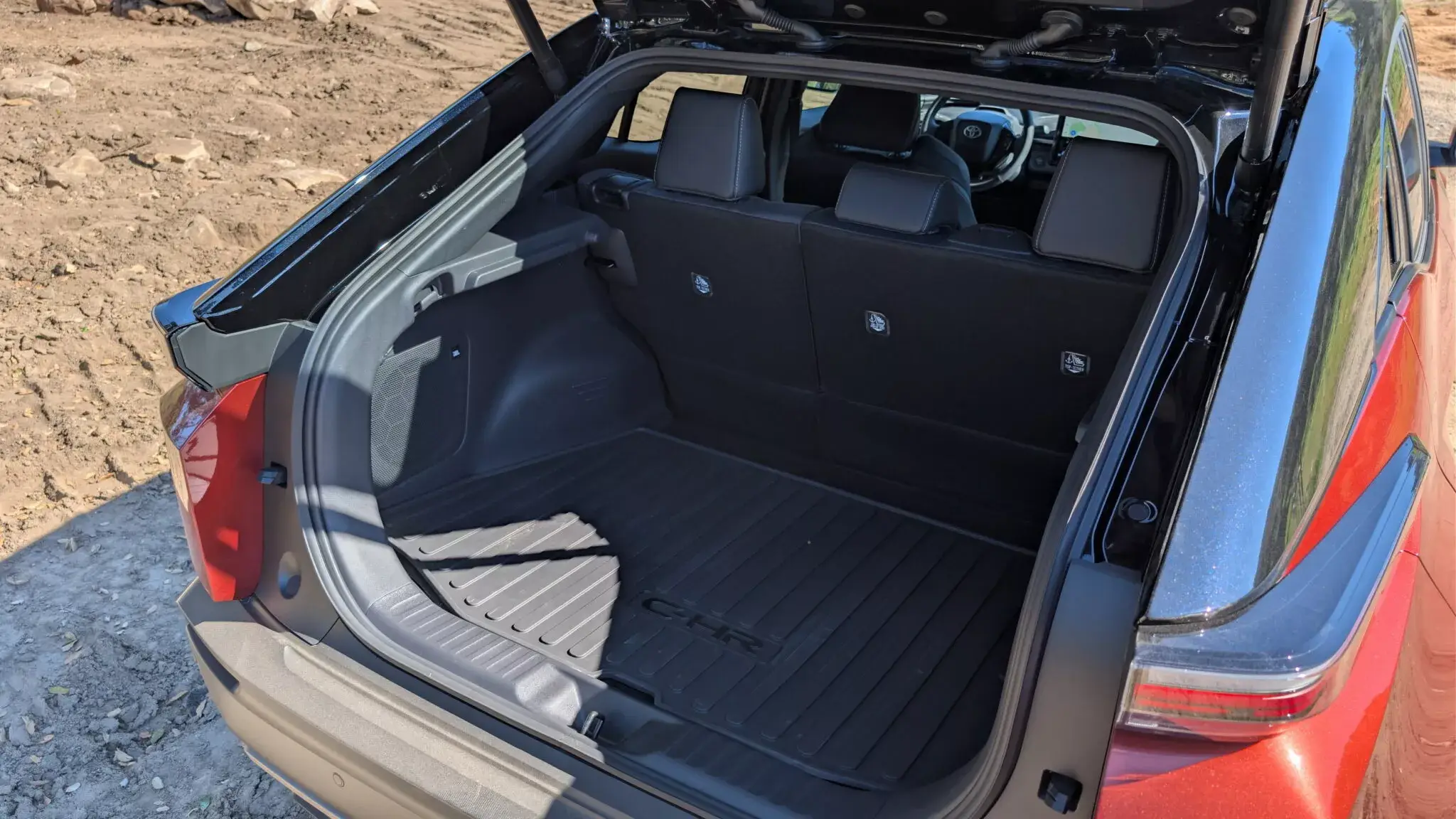
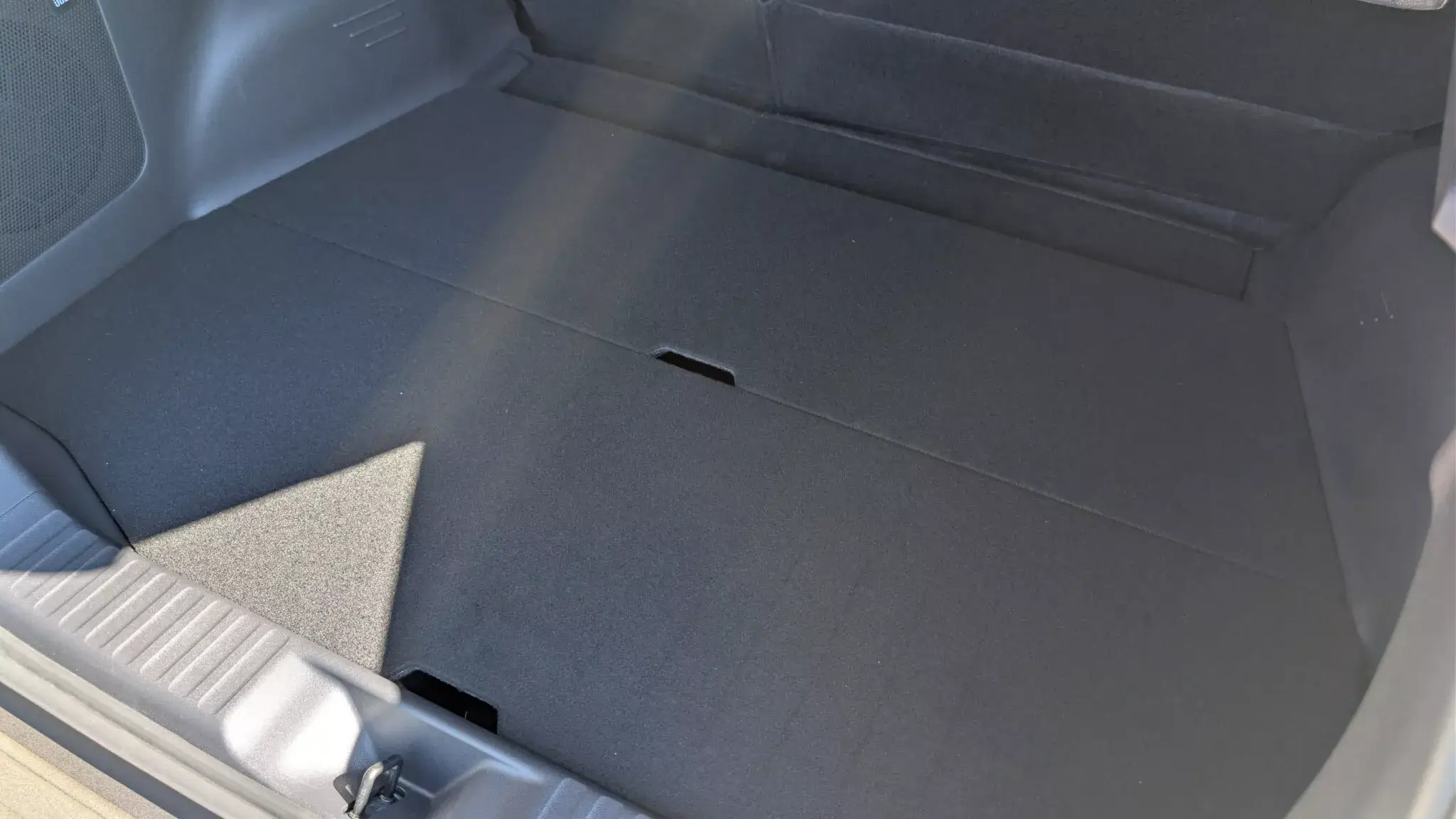
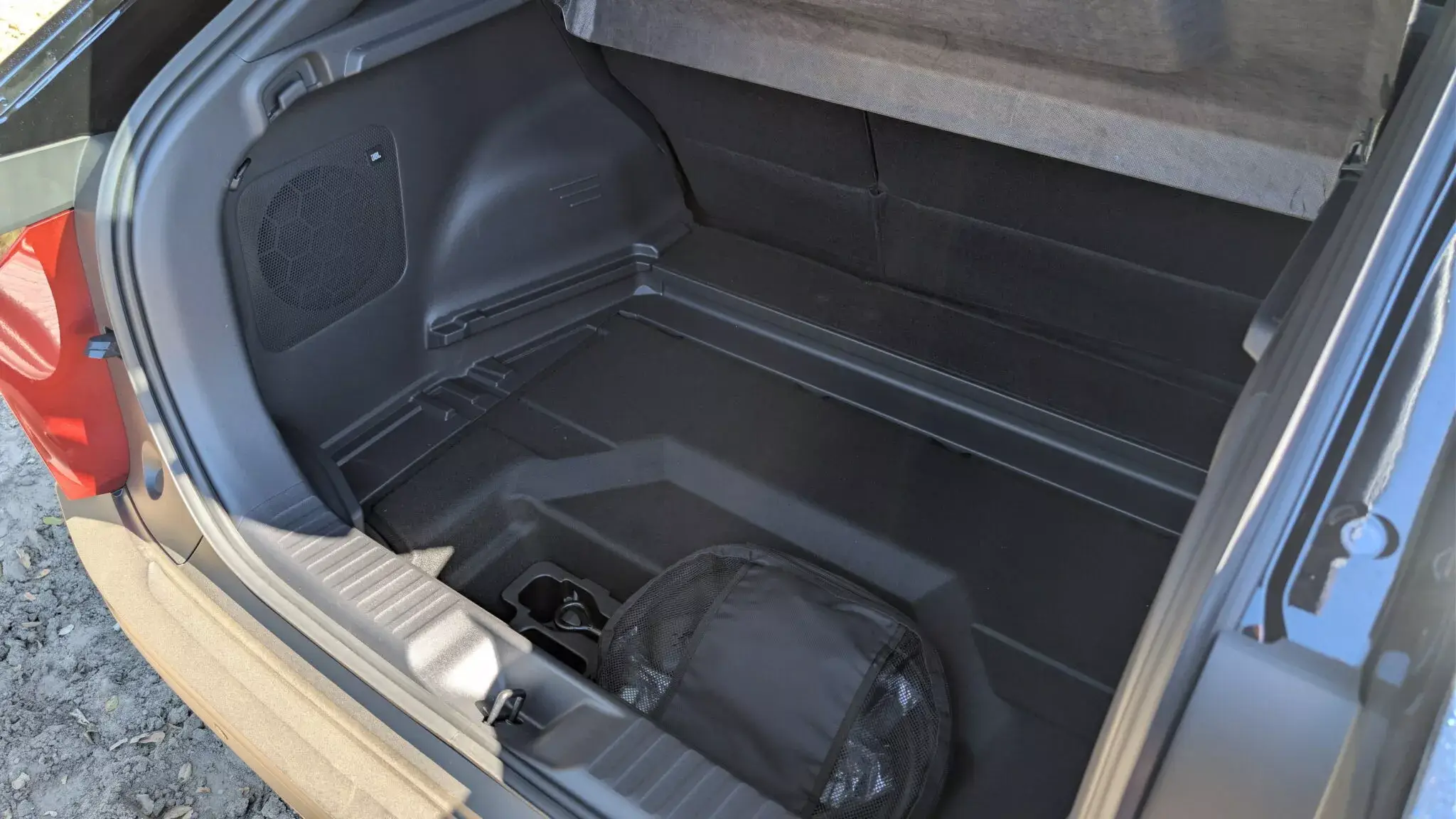
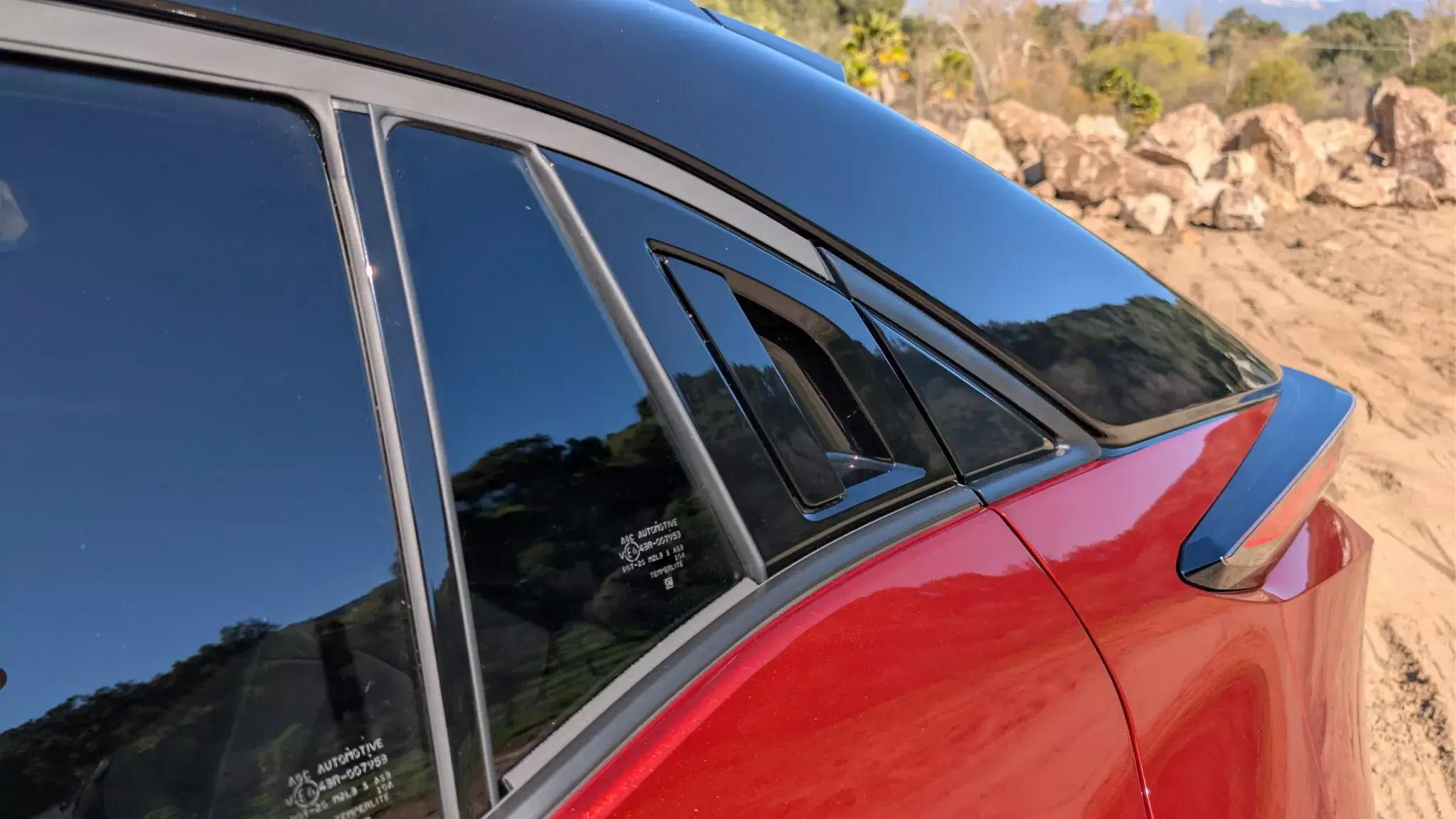
Rear-seat packaging is where the compromise becomes obvious. The rear doors do not open especially wide, and legroom is limited. That will matter for families with child seats or adults riding in the back regularly. Cargo space is also modest at about 25 cubic feet behind the rear seats, and there is no frunk. If you prioritize maximum practicality, this is not the EV crossover to obsess over. If you want compact dimensions and sporty styling, the tradeoff is easier to accept.
Safety tech is more reassuring. Toyota equips the C-HR with standard driver-assistance features such as automated emergency braking, lane-keeping assist, and adaptive cruise control. Optional extras include a 360-degree camera system and traffic jam assist. That keeps the car aligned with Toyota’s usual reputation for mainstream usability and broad everyday appeal.
Warranty coverage remains familiar Toyota territory: 3 years or 36,000 miles limited warranty, 5 years or 60,000 miles powertrain coverage, 8 years or 100,000 miles for battery components, and 2 years or 25,000 miles of complimentary maintenance. Those numbers do not break new ground, but they do strengthen the value argument for buyers who keep cars for the long term.
| Key 2027 Toyota C-HR Specs | Estimated Figure |
|---|---|
| Power | 338 hp |
| Drivetrain | Dual-motor AWD |
| 0 to 60 mph | 4.9 seconds claimed |
| EPA Range | 273 to 287 miles |
| Charging | NACS, 11-kW AC, up to 150-kW DC |
| Starting Price | About $39,000 |
So what is the 2027 Toyota C-HR really trying to be? A fast, efficient, and well-equipped electric commuter with enough personality to stand out in traffic. It is not chasing luxury excess, and it is not pretending to be an adventure SUV. Instead, it focuses on a core formula that many shoppers actually want: quick acceleration, standard all-wheel drive, useful range, and a manageable size.
That formula may not sound dramatic on paper, but in the real world it could be the exact combination that makes the C-HR one of Toyota’s smartest EV entries yet. For readers following the broader electric crossover battle, it sits in the same conversation as the latest moves from brands like Subaru, Hyundai, and Cadillac, but with Toyota’s own practical twist. If the final production version keeps these numbers intact, the 2027 C-HR could become one of the most balanced small EVs to watch.